ATTACHMENT, ILLNESS PERCEPTIONS, AND HEALTH OUTCOMES: THE MEDIATING ROLE OF
SUPPORT SEEKING, SUPPORTIVE, AND NEGATIVE INTERACTIONS IN COUPLES EXPERIENCING TYPE 2 DIABETES
A thesis submitted in partial fulfillment of The requirements for the Degree of Doctor of Philosophy in Psychology
by Louella Barra Orillaza
ii To Papa and Mama,
for showing me what it really means to love each other in sickness and in health
iii
LIST OF TABLES ... vi
LIST OF FIGURES ... viii
ACKNOWLEDGEMENTS ... ix
ABSTRACT ... xi
1. LIVING WITH A CHRONIC ILLNESS:DIABETES MELLITUS ... 1
1.1. Overview ... 1
1.2. Type 2 diabetes ... 2
1.2.1. Prevalence and costs ... 3
1.2.2. Medical outcomes and self-management ... 4
1.2.3. Psychological outcomes ... 6
1.3. The Partner experience... 8
2. SOCIAL SUPPORT,ATTACHMENT, AND ILLNESS PERCEPTIONS ... 11
2.1. Social Support ... 12
2.1.1. Spousal support ... 14
2.1.2. Negative interactions between patient and partner ... 20
2.1.3. Patient and partner interactions in the context of diabetes ... 22
2.2. Attachment ... 24
2.2.1. Attachment theory ... 24
2.2.2. Attachment through the lifespan ... 25
2.2.3. Attachment dimensions ... 26
2.2.4. Attachment and supportive interactions ... 27
2.2.5. Attachment and health outcomes... 30
2.3. Illness perceptions ... 32
2.3.1. Common sense model of illness ... 32
2.3.2. Patient illness perceptions, health outcomes, and coping ... 34
2.3.3. Patient illness perceptions in the context of diabetes ... 37
2.3.4. Partner illness perceptions ... 38
2.3.5. Illness perceptions and social support ... 40
2.4. Summary ... 41
3. THE PRESENT STUDY ... 47
3.1. Goals ... 47
3.2. Framework ... 47
3.3. Hypotheses ... 50
3.4. Significance of the study ... 53
4. METHOD ... 54
4.1. Participants ... 54
4.2. Procedure ... 58
iv
4.3.3. Support seeking behaviour ... 62
4.3.4. Supportive interactions, satisfaction with support received, and negative interactions ... 65
4.3.5. Health outcomes ... 66
5. RESULTS 1 ... 71
5.1. Overview of Analyses ... 71
5.2. Cross-sectional results ... 72
5.2.1. Descriptive analysis ... 72
5.2.2. Bivariate analysis ... 73
5.2.3. Mediational Path analysis ... 79
5.3. Longitudinal results ... 102
5.3.1. Descriptive analysis ... 102
5.3.2. Bivariate analysis ... 104
5.3.3. Examining change over time: Cross-lagged analysis ... 107
6. RESULTS 2 ... 123
6.1. Analysis Overview ... 123
6.2. Cross-sectional results ... 123
6.2.1. Descriptive analysis ... 123
6.2.2. Bivariate analysis ... 126
6.2.3. Mediational path analysis ... 135
6.3. Longitudinal results ... 148
6.3.1. Bivariate analysis ... 148
6.3.2. Examining change over time: Cross-lagged analysis ... 154
7. DISCUSSION ... 161
7.1. Attachment, health outcomes, support seeking behaviour, and supportive interaction variables ... 161
7.1.1. Attachment and health outcomes... 163
7.1.2. Attachment, support seeking, and supportive interaction variables .. 164
7.1.3. Mediation ... 169
7.2. Illness perceptions, health outcomes, support seeking behaviour and support interaction variables ... 171
7.2.1. Illness perceptions and health outcomes ... 172
7.2.2. Illness perceptions and supportive interaction variables ... 176
7.2.3. Mediation ... 179
7.3. Strengths and limitations ... 181
7.3.1. Strengths ... 181
7.3.2. Limitations ... 182
7.4. Theoretical and practical implications ... 184
7.5. Future directions ... 186
REFERENCES ... 191
v
vi
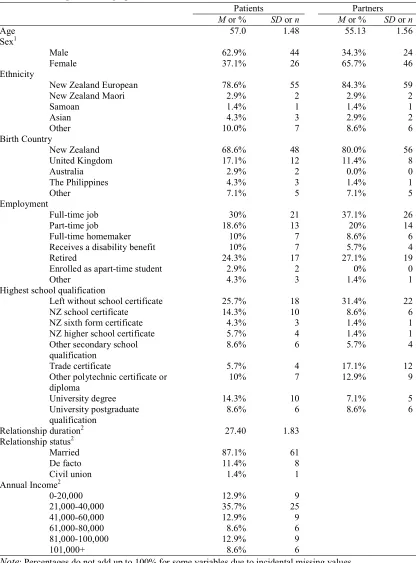
Table 4.1: Participant Demographics ... 56
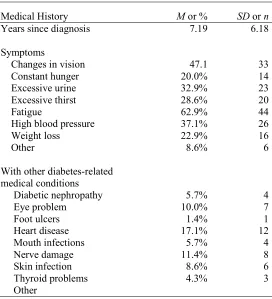
Table 4.2: Patients’ Medical History ... 57
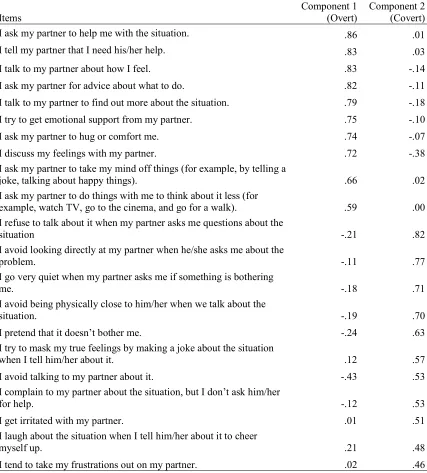
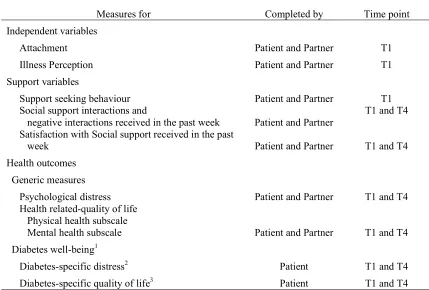
Table 4.3: Principal Components Analysis (Varimax Rotation) Loadings for Support seeking Items 64 Table 4.4: Summary of Measures ... 70
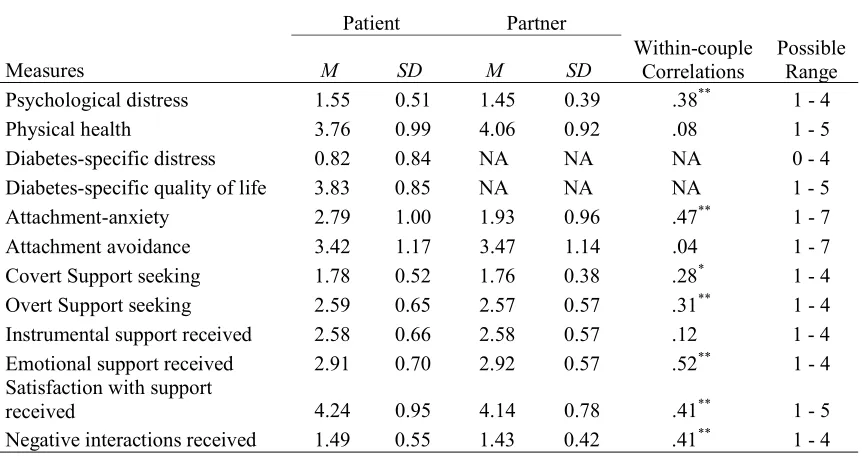
Table 5.1: Means, SDs, and possible range of patient and partner variables ... 73
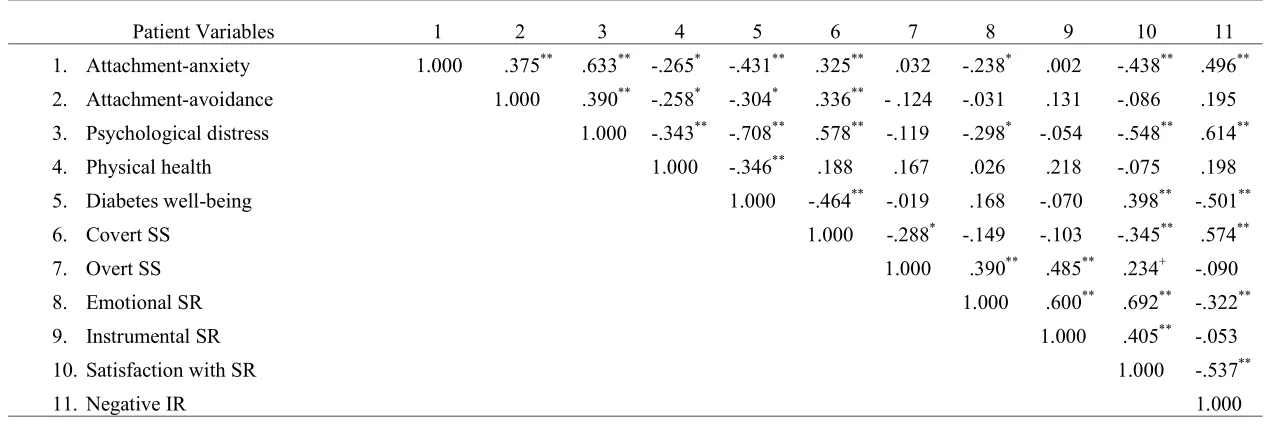
Table 5.2: Correlations among patient attachment, health outcomes, and social support variables ... 75
Table 5.3: Correlations among partner attachment, health outcomes, and social support variables ... 76
Table 5.4: Partial correlations between attachment and health outcomes ... 78
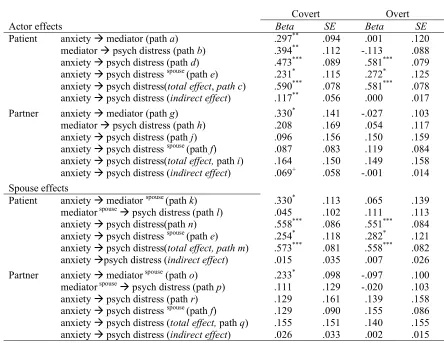
Table 5.5: Actor effects and spouse effects of attachment-anxiety on psychological distress (DV) through support seeking behaviour (Mediator) ... 88
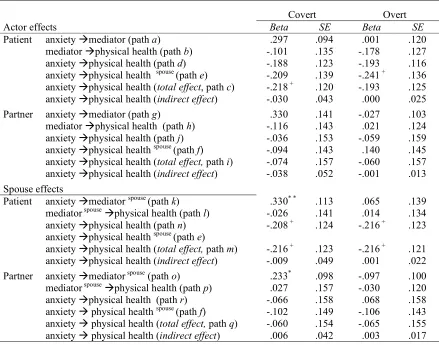
Table 5.6: Actor effects and spouse effects of attachment-anxiety on physical health (DV) through support seeking behaviour (Mediator) ... 90
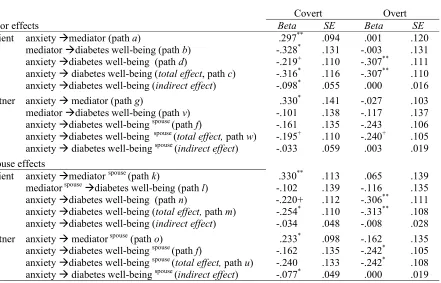
Table 5.7: Actor effects and spouse effects of attachment-anxiety on diabetes well-being (DV) through support seeking behaviour (Mediator) ... 92
Table 5.8: Actor effects and spouse effects of attachment-anxiety on psychological distress (DV) through support interactions (Mediator) ... 96
Table 5.9: Actor effects and spouse effects of attachment-anxiety on physical health (DV) through support interactions (Mediator) ... 98
Table 5.10: Actor effects and spouse effects of attachment-anxiety on diabetes well-being (DV) through support interactions (Mediator) ...100
Table 5.11: Means and SDs of Time 1 and Time 4 variables ...103
Table 5.12: Correlations between Time 1 and Time 4 patient variables ...105
Table 5.13: Correlations between Time 1 and Time 4 partner variables ...106
Table 5.14: Actor effects and spouse effects of attachment-anxiety at Time 1 on supportive and negative interactions at Time 4 (path analyses) ...113
Table 5.15: Actor effects and spouse effects of attachment-anxiety at Time 1 on health outcomes at Time 4 (path analyses) ...114
Table 5.16: Actor effects and spouse effects of support seeking at Time 1 on health outcomes at Time 4 (path analyses) ...116
vii
interactions at Time 4 (cross lagged analyses) ...120
Table 6.1: Means, SDs, and possible range of patient and partner variables ...125
Table 6.2: Correlations among patient and partner illness perceptions ...127
Table 6.3: Correlations among patient and partner illness perceptions and health outcomes...130
Table 6.4: Partial correlations among patient and partner illness perceptions and health outcomes ...131
Table 6.5: Correlations among patient and partner illness perceptions and social interaction variables ...134
Table 6.6: Actor effects and spouse effects of timeline cyclical perception on psychological distress (DV) through covert support seeking behaviour (Mediator) ...139
Table 6.7: Actor effects and spouse effects of timeline cyclical perception on diabetes well-being through covert support seeking behaviour (Mediator) ...141
Table 6.8: Actor effects and spouse effects of timeline cyclical perception on psychological distress through negative interactions received (Mediator) ...144
Table 6.9: Actor effects and spouse effects of timeline cyclical perception on diabetes well-being (DV) through negative interactions received (Mediator) ...146
Table 6.10: Correlations among patient illness perception at Time 1 and patient health outcomes and social interaction variables at Time 4 ...150
Table 6.11: Correlations among partner illness perception at Time 1 and partner health outcomes and social interaction variables at Time 4 ...151
Table 6.12: Correlations among partner illness perception at Time 1 and patient health outcomes and social interaction variables at Time 4 ...152
Table 6.13: Correlations among patient illness perception at Time 1 and partner health outcomes and social interaction variables at Time 4 ...153
Table 6.14: Actor effects and spouse effects of illness perception at Time 1 on health outcomes at Time 4 (path analyses) ...158
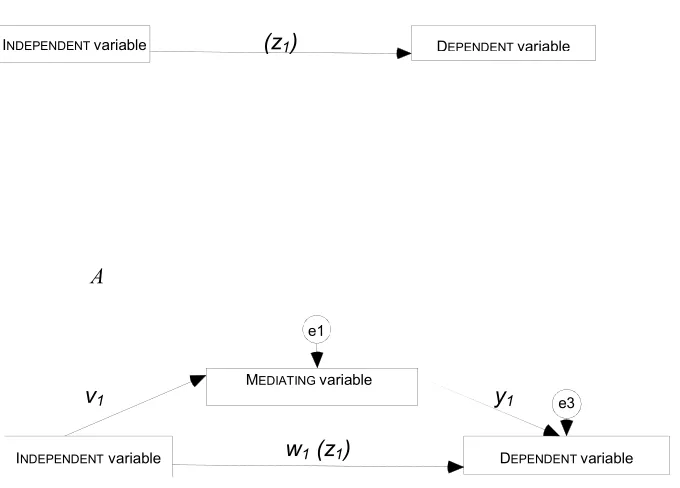
viii Figure 5.1 : Total effect of the independent variable on the dependent variable; Mediational model
illustrating total and direct effects of the variables ... 81 Figure 5.2: Mediational model testing the effect of actor attachment-anxiety on actor health outcome
with actor social interaction as the mediating variable. ... 83 Figure 5.3: Mediational model testing effect of actor attachment-anxiety on actor health outcome with spouse social interaction as the mediating variable. ... 84 Figure 5.4: Mediational model testing the effect of patient attachment-anxiety on patient diabetes
well-being with patient social interaction as the mediating variable, and partner attachment-anxiety on patient diabetes well-being with partner social interaction as the mediating variable.84 Figure 5.5: Mediational model testing the effect of patient attachment-anxiety on patient diabetes
well-being with partner social interaction as the mediating variable, and partner attachment-anxiety on patient diabetes well-being with patient social interaction as the mediating variable. 85 Figure 5.6: Path analysis testing change over time: Attachment-anxiety at Time 1 and health outcomes
at Time 4. ...108 Figure 5.7: Path analysis testing change over time: Support seeking at Time 1 and health outcomes at
Time 4. ...109 Figure 5.8: Cross-lagged analysis testing actor effects: Receipt of supportive and negative interactions at Time 1 and health outcomes at Time 4...110 Figure 5.9: Cross-lagged analysis testing spouse effects: Receipt of supportive and negative
interactions at Time 1 and health outcome at Time 4. ...111 Figure 6.1: Mediational model testing the effect of actor illness perception on actor health outcome
with actor social interaction as the mediating variable. ...135 Figure 6.2: Mediational model testing effect of actor illness perception on actor health outcome with
spouse social interaction as the mediating variable. ...136 Figure 6.3: Mediational model testing the effect of patient illness perception on patient diabetes
well-being with partner social interaction as the mediating variable, and partner illness perception on patient diabetes well-being with patient social interaction as the mediating variable. ...136 Figure 6.4: Path analysis testing change over time: Illness perception at Time 1 and health outcomes
at Time 4. ...154 Figure 6.5: Path analysis testing change over time: Illness perception at Time 1 and social interaction
ix I was once told that writing a thesis was like writing a story. I agree, but I also believe that there is another story behind every thesis story; a more personal one. As for me, the story behind my thesis is one full of difficult decisions, of having to say goodbye, and of being almost there but not yet there. Interwoven in these heartaches, however, are wise counsel, comfort, encouragement, hope, and love. Now that I have finished my thesis, all that remains of my story is a thankful heart. To all those who have played a role in my story, thank you for sacrificing a part of yourself for me to complete my thesis. I pray that you will be blessed in the same way that you have blessed me.
For being my supervisor through and through, Roeline, I sincerely thank you. You are one great mentor. You have maintained a professional stance—being prompt, thorough, precise, and honest—in our relationship; yet, I have always felt your kindness and graciousness. I will always be grateful to you for teaching me the ins and outs of research. Thank you for being my mentor each step of the way—from when I was writing my proposal, when I was recruiting my participants, to when I was writing my final draft. Thank you for being generous with your ideas, time, research resources, and advice. Thank you for the hard work you have invested in supervising my thesis journey. Most of all, thank you for assuring me that you would not let me not finish my thesis.
Garth, thank you very much for teaching me SEM and growth curve analysis. Thank you for going through my thick pile of SPSS outputs and discussing each one with me. Thank you for your valuable input, especially in the statistical analyses I conducted. Thank you for making time to meet with me to discuss my statistical results even when it was a really busy time for you.
A special thanks to my participants. My sincerest gratitude to all of you for generously giving your valuable time as you took part in my study.
To my UC friends, Health Laboratory mates, roommates, and the UC Department of Psychology staff; thank you for making my stay in UC less daunting and for showing me Kiwi hospitality.
x To our Filipino brothers and sisters in Christ, and our Filipino community, maraming salamat po for inviting us to be part of your loving community, for the friendship, laughter, and the home-cooked Filipino meals and desserts. To our brothers and sisters in Christ back home, thank you very much for bringing forth words of encouragement and for being our prayer warriors. To my dear friends, thank you for your understanding and support.
To my UP Department of Psychology friends, colleagues, and the department staff; thank you very much for keeping in touch and for taking the extra load while we were away. To the department heads: Ma’am Betty, Ma’am Peachy, Ma’am Grace, and Ma’am Mita; thank you very much for your support.
To the University of the Philippines Diliman, I am extending my gratitude for granting me (and my husband) the Doctoral Studies Fund, without which it would be very difficult for us to pursue our postgraduate degree.
To our families whom we missed so much while we were away, thank you very much for the blessings and prayer. Tatay Ruben, thank you po for making sure that our tuition will be paid on time. Nanay Minda and Nanay, thank you very much po for praying for us without ceasing. To, Bok, thank you very much for helping me go through the list of references and make sure that all were properly accounted for. Papa, thank you for teaching me that learning is a lifetime endeavor. Mama, thank you for believing in me. I love you very much.
To my joy, the two people most precious to me, who have sacrificed the most, encouraged me the most, and prayed for me the most; my husband and our daughter. Aila, anak, thank you very much for your encouraging words, for your sweet and thoughtful notes, for lifting my spirits up whenever I am not in the mood to crack a joke. Mahalko, thank you very much for everything. I was amazed at how you took interest, and had a good understanding of, what I was doing. Thank you for being patient with me, for holding my hand throughout this journey, and for your unending support. Not even once did you doubt that, by God’s grace, I would be a finisher. Thank you for being with me in good times and in thesis times. Thank you for loving me unconditionally. Also, to our wee babies, Arlo and Amli, Ina loves you two very much.
xi This thesis used attachment theory and the common sense model of illness as theoretical backgrounds to examine the mechanisms that contribute to the quality of the support seeking behaviour and social interactions between patients with type 2 diabetes and their partners. Specifically, this thesis examined actor and spouse effects of working models of attachment on health outcomes, and illness perceptions on health outcomes for both patients and
partners. Furthermore, it determined if support seeking, supportive interactions, and negative interactions mediated between the attachment and health outcomes and illness perception and health outcomes. At study entry, 70 patients with type 2 diabetes and their partners completed measures on attachment, illness perceptions, support seeking, receipt of supportive
xii timeline cyclical perceptions, were also shown to be related to health outcomes, and receipt of negative interactions. Patients and partners who scored higher on timeline cyclical experienced higher levels of psychological distress. Also receipt of negative interactions mediated the relationship between timeline cyclical and psychological distress. Some significant changes over time found when the data were examined longitudinally. For
1 1. LIVING WITH A CHRONIC ILLNESS:DIABETES MELLITUS
1.1.Overview
“In sickness and in health…” Many couples make this vow at the beginning of a permanent relationship, and in times of sickness partners may have to fulfill their promises. Being involved in a supportive relationship may play a key role in successful adaptation to chronic illness (Sarason, Sarason, & Gurung, 2001). This thesis focuses on couples in which one partner has been diagnosed with type 2 diabetes.
In New Zealand (like most other countries in the Western world) the prevalence of type 2 diabetes has increased substantially over the past two decades and is expected to increase further. The World Health Organization estimates that 347 million people worldwide have diabetes (World Health Organization, 2013). In New Zealand, where an estimated 200,000 people have been diagnosed with diabetes (Ministry of Health, 2012), the
government has recognized that diabetes is a major health risk, thus working on the reduction of its occurrence and effects has been one of the 13 top priorities of the New Zealand Health Strategy since 2003 (New Zealand Guidelines Group, 2003).
2 patients may need support and help from their spouse. However, not all support attempts may be helpful and some research suggests that not everyone benefits from support to the same extent.
The importance of studying the role of spouses in diabetes management has been emphasized by a number of researchers (e.g., Gonder-Frederick, Cox, & Ritterband, 2002), but relatively few have actually done so. This thesis aims to examine the underlying
mechanisms that determine the quality of social support interactions among couples in which one partner has been diagnosed with type 2 diabetes.
1.2.Type 2 diabetes
Diabetes mellitus is one of the illnesses of this century that has become of great concern to the health community. Diabetes is a chronic disorder which involves the endocrine system and is primarily a result of anomalies in the body’s production and utilization of insulin (Gonder-Frederick, Cox, Clarke, Christensen, & Antoni, 2002). Insulin is a hormone produced by cells in the pancreas; a sufficient amount of this hormone is needed by most cells for normal metabolism of glucose (Gonder-Frederick, Cox, Clarke, et al., 2002). In diabetes, inadequate insulin secretion, abnormalities in insulin action, or both lead to unusually elevated blood glucose levels— a condition known as hyperglycaemia (American Diabetes Association, 2013).
3 The research in this thesis focuses on patients with type 2 diabetes only. Type 1 diabetes is characterized by an auto-immune destruction of β cells of the pancreas and an absolute insulin deficiency, while type 2 diabetes results from insulin resistance (American Diabetes Association, 2013). In type 2 diabetes the insulin deficiency is relative (not absolute), and treatment does not necessarily require patients to take insulin. In general, old age, obesity, and minimum physical activity are risk factors for acquiring type 2 diabetes. Furthermore, gestational diabetes, hypertension, belonging to certain ethnic groups, and genetic
predisposition are associated with higher risks of getting type 2 diabetes (American Diabetes Association, 2013).
1.2.1. Prevalence and costs
The burgeoning number of patients diagnosed with diabetes is alarming. Currently, 347 million people worldwide are estimated to have diabetes (World Health Organization, 2013), and this number is predicted to increase to around 552 million people by the year 2030 (International Diabetes Federation, 2013). These estimates include both diagnosed and undiagnosed cases. Early symptoms of type 2 diabetes in particular are not easily recognized and the International Diabetes Federation (2013) estimates that globally as many as half of those who have diabetes are unaware of their condition. In addition, according to the World Health Organization (2013), by the year 2030 diabetes will be the seventh leading cause of death.
4 Ministry of Health, 2012 In New Zealand. Men, people aged 55 and older, Pacific people, and people in more deprived areas (compared to women, individuals younger than 45 years, non-Pacific people, and those in more advantaged areas, respectively), are more likely to have been diagnosed with diabetes (Ministry of Health, 2012).
Having diabetes is costly, not only for the patients, but for their families and for the health care system as well. Diabetes puts a large financial burden on the health care system. The International Diabetes Federation (2013) estimates that US$ 465 billion was spent on diabetes-related health care in 2011 alone (see also Caro, Ward, & O'Brien, 2002; O'Brien, Shomphe, Kavanagh, Raggio, & Caro, 1998). A study by Caro et al. (2002) has estimated that 30 years of managing complications of diabetes could reach around US$ 47, 240 for each patient. A big portion of this amount goes to treating macrovascular diseases such as stroke, transient ischemic attack, myocardial infarction, and angina (Caro et al., 2002).
1.2.2. Medical outcomes and self-management
Diabetes, being a chronic illness, cannot be cured; it can only be managed (Gonder-Frederick, Cox, Clarke, et al., 2002). Poorly controlled diabetes is associated with a number of long-term health consequences. To complicate matters even more, comorbidity is another problem for type 2 diabetes patients, as one medical condition may lead to another. For example, patients with retinopathy and advanced cortical cataract are at higher risks of having a fracture (Ivers, Cumming, Mitchell, & Peduto, 2001). In fact, comorbidities are the primary reason that type 2 diabetes patients utilize more hospital care than do individuals without diabetes (Olveira-Fuster et al., 2004).
5 comorbid illnesses experienced by type 2 diabetes patients. Studies show that recurring hyperglycaemia is related to enduring impairment and malfunction of different organs such as the eyes (Fong, Aiello, Ferris, & Klein, 2004; Henricsson et al., 2003; Orcutt, Avakian, Koepsell, & Maynard, 2004), kidneys (Melville, Richardson, Lister-Sharp, & McIntosh, 2000), nerves, liver, heart, and blood vessels (American Diabetes Association, 2007).
The patient’s primary goal, therefore, in managing type 2 diabetes is to keep their blood glucose levels as close to normal as possible. The American Diabetes Association (2013) suggests that the HbA1c goal for most adults is <7%. The measurement of the individual’s glycated haemoglobin, or HbA1c, level in the blood is one of the more common means of evaluating one’s glycaemic control. HbA1c is the average glycaemic level of the individual for the past two or three months. The American Diabetes Association (ADA), the International Diabetes Federation (IDF), and the UK National Institute for Clinical
Excellence (NICE) advise that HbA1c should be regularly monitored, at least every six months for those who meet the recommended levels and more frequently (quarterly) for those who do not (Massi-Benedetti, 2006).
Towards the end of maintaining a blood glucose level as close to normal as possible, patients are advised to follow a prescribed diet, increase physical activity, take oral
6 medical treatment. Some of the recommended members of the team (other than doctors), are doctors’ assistants, nurses, pharmacists, dietitians, and mental health professionals, all of whom specialize in diabetes. Health practitioners can give instructions on what needs to be done, but after leaving the health practitioner’s clinic, the patients are in charge of managing their illness and adequate self-management is ultimately their responsibility.
Daily diabetes management calls for self-regulation and self-control, which can be daunting and overwhelming for patients. To add to this difficulty, it is also possible for patients who feel they are not in control of their daily chores to also think of themselves as inadequate in managing their illness (Manderson & Kokanovic, 2009). Indeed, it is not easy for patients with type 2 diabetes to perform all the necessary tasks by themselves; assistance from others, especially from the partner, could prove beneficial.
1.2.3. Psychological outcomes
Living with type 2 diabetes can be burdensome. Coping with the illness day in and day out and having to think about what needs to be done almost constantly, can be very taxing. This experience can be draining and exhausting of physical as well as psychological resources. It is not surprising then, that patients with diabetes, compared to the general population, experience more psychological distress (Aguilar-Zavala, Garay-Sevilla, Malacara, & Perez-Luque, 2008; Cohen & Kanter, 2004), are more stressed (Fisher, 2006), complain of more somatic symptoms (Cohen & Kanter, 2004; Engum, Mykletun, Midthjell, Holen, & Dahl, 2005), and report being more anxious and hostile (Cohen & Kanter, 2004). For example, in a study done by Cohen and Kanter (2004), participants with type 1 or type 2 diabetes
7 There is also evidence that patients with diabetes, compared to the general
population, are at greater risk of being depressed (Cohen & Kanter, 2004; de Groot,
Anderson, Clouse, Freedland, & Lustman, 2001; Egede, Zheng, & Simpson, 2002; Engum et al., 2005; Fisher, 2006). After conducting a meta-analysis using 39 studies, Anderson, Clouse, Freedland, and Lustman (2001) estimated that patients with diabetes were twice as likely to develop depression compared to non-patients. However, it is more likely that having comorbid conditions, instead of diabetes itself was the factor that increases the risk for being depressed among patients type 2 diabetes (Engum et al., 2005). It must be noted, though, that most diabetes patients were exhibiting depressive symptoms which for the most part were not clinically significant (Fisher et al., 2007). For type 2 patients who were diagnosed with clinical depression, there is a greater risk of having multiple depressive episodes (McKellar, Humphreys, Piette, 2004, p. 486). Aside from increasing health care utilization and costs (Egede et al., 2002), depression in patients with diabetes, compared with individuals without diabetes, increases the likelihood of death caused by different factors related to diabetes (Egede, Nietert, & Zheng, 2005; Zhang et al., 2005).
8 patients experience more diabetes symptoms, such as hyperglycaemia and hypoglycaemia, and microvascular problems (McKellar et al., 2004).
It is clear that there is a strong relationship between having diabetes and experiencing depression. Further study is needed, though, to examine the direction of this relationship: Do diabetes complications lead to patients being more depressed or does depression in patients exacerbate their medical condition, thus facilitating the development of different
complications? (De Groot et al., 2001).
Because of the important role played by patients’ psychological well-being in
effectively managing the illness, the other goal of diabetes care, aside from lowering glucose levels and averting complications, is to look after the patients’ psychological welfare and make sure that they are coping well with the illness (Debono & Cachia, 2007).
1.3.The Partner experience
9 Physical consequence of diabetes, such as fatigue and loss of sight were sources of worry not only for patients but for partners as well (Sabone, 2008). Partners also fear for the patient’s future health as they think of the possible medical consequences to the patient of the illness. There is uncertainty as to what will happen. As an example, in the study conducted by Stodberg et al. (2007), partners of patients with diabetes believed that developing
complications was inevitable and that it was just a matter of time before the patient would experience such complications. Furthermore, the thought that diabetes was an illness that could not be cured was disturbing for these partners. These partners were also thinking about the possibility of that the patient’s diabetes would be genetically passed on to their children (Stodberg et al., 2007).
When hypoglycaemia episode occurs, patients experience dizziness, confusion, and physical weakness. Partners dread the thought of the patient experiencing such an attack, especially it leading to loss of consciousness; thus partners are on their toes looking for signs of hypoglycaemia before it happens and trying to keep such an incident from happening. Partners find it difficult to talk sense to and to help the patient who is experiencing a hypoglycemic reaction (Stodberg et al., 2007; Trief et al., 2003). Partners also find it challenging to be involved with managing the patient’s diabetes. On the one hand, partners want to help the patient adhere to their practitioner’s recommendations with regard to diet, blood monitoring, and physical activity. On the other hand, partners need to balance this desire to help with the knowledge that a reminder can be regarded as being demanding and controlling (Stodberg et al., 2007; Trief, Himes, Orendorff, & Weinstock, 2001; Trief et al., 2003). Most partners in a study conducted by Trief et al. (2003) acknowledged that
10 Partners also need to adjust to changes in their social life. For example, partners of patients with diabetes in Sabone’s (2008) study mentioned that they could not go out with their social circle as often as they used to because they did not want to leave the patient at home by themselves. They also reported having to adjust their work schedule at times in order to look after their ill partner.
11 2. SOCIAL SUPPORT,ATTACHMENT, AND ILLNESS PERCEPTIONS
Many studies have described the beneficial effects of spousal supportive behaviours on well-being in general, as well as on adjustment to chronic illness (e.g., Cutrona, 1996; Kleiboer, Kuijer, Hox, Schreurs, & Bensing, 2006; Kuijer et al., 2000). However, not all supportive interactions from the spouse are helpful. The overarching aim of this thesis is to examine the underlying mechanisms that determine the quality of social support interactions between patients with type 2 diabetes and their partners. The current study uses attachment theory (Bowlby, 1988) and the common sense model of illness (Leventhal, Diefenbach, & Leventhal, 1992) as theoretical backgrounds to study the underlying social support mechanisms.
12 2.1.Social Support
According to Wills and Fegan (2001) social support can be defined as “resources provided by others that may be useful for helping a person with a problem” (p 209). In a similar vein, Cohen (2004) defines it as referring to a “social network’s provision of psychological and material resources intended to benefit an individual’s ability to cope with stress” (p 676). The provider of the resource may be anybody from the recipient’s social network circle (Cohen, 2004). He or she may be a spouse or an intimate partner, a child or other family member, a friend, a co-worker, a church mate, or an acquaintance from the community. In the current study, the focus is on the spouse or intimate partner as the support provider. Two elements in the definitions of support above are important to mention: First, the end goal of providing support is generally not to solve the problem for the recipient or to remove the recipient from the problematic situation, but to help the person deal with the problem, which may be any kind of distressing or threatening situation that the recipient is facing (Cohen & Kanter, 2004; Wills & Fegan, 2001). Second, both definitions are tentative about the effect of social
support. That is, Wills and Fegan (2001) caution that social support “may be useful for helping”, whereas Cohen (2004) states that “resources are intended to benefit” making it clear that although well-intended , social support may not always be advantageous to the recipient (Coyne & Smith, 1994; Kuijer et al., 2000). This will be discussed in more detail later (see Section 2.2.3).
13 Scrimshaw, 1993; Kleiboer et al., 2006). Instrumental support provides for the more practical and physical needs of the recipient. Emotional support, on the other hand, caters to the emotional needs of the recipient. Emotional support communicates that one is loved and cared for by showing affection, providing reassurance, and listening. In the context of chronic illness, both types of support are important (e.g., Helgeson & Cohen, 1996; Kleiboer et al., 2006).
It is important to distinguish between perceived (availability of) social support and received social support. Although both concepts are covered by the broader term of social support, received support refers to the actual support resources provided to the recipient, whereas perceived support refers to the recipient’s appraisal of the support resources available to him or her in times of need (Haber, Cohen, Todd, & Baltes, 2007). Most researchers agree that measures of received support are better estimates of support
transactions than perceived support measures, because individuals are asked to recall specific examples of behaviour over a certain time frame (e.g., over the past two weeks) (Haber et al., 2007). In contrast, it has been argued that perceived social support measures may not involve perceptions of actual support transactions, but reflect more general evaluations of the
relationship or beliefs about the relationship with the provider. A meta-analysis by Haber et al. (2007) showed that perceived support and received support measures were only
14 Social support and coping, in the context of an illness, are intimately interconnected, hence Schreurs and De Ridder (1997) suggested that these two concepts be integrated and be studied simultaneously. These authors suggested four ways through which these constructs, social support and coping, could be examined as being related to each other: regard one’s seeking of social support as a means of coping, view social support as a resource one can use to cope, consider social support as dependent on one’s degree of coping with the illness; and situate social support and coping in the context of a social system (e.g., looking at the how couples cope with an illness) (Schreurs & De Ridder, 1997). Seeking social support is one of the means through which patients attempt to adapt to their illness; this coping strategy is often used by patients with chronic illness, specifically diabetes, multiple sclerosis, and cancer (Schreurs & De Ridder, 1997). Collins and Feeney (2000), who looked at the relation between caregiving and support seeking behaviours, distinguished between direct and
indirect ways of seeking support. Direct ways of seeking help involve behaviours clearly expressing that one is in distress and directly requesting help. Indirect ways of seeking help involve behaviours hinting that one has a problem without directly asking for help (Collins & Feeney, 2000).
2.1.1. Spousal support
De Ridder, Geenen, Kuijer, and van Middendorp (2008), in their review of studies, found that being active, processing and expressing emotions well, effectively managing illness and positively re-appraising the situation would help patients experience better psychological adjustment to their illness. As patients make it their goal to follow each of these
15 available source of support (Kiecolt-Glaser et al., 1996). The partner is important in helping the patient cope effectively with the emotional and psychological stressors brought about by the chronic illness (Martire, Schulz, Keefe, Rudy, & Starz, 2008). For example, Primomo et al. (1990) found that female patients reported receiving more support from their partners compared to other members of their social circle.
Although a number of studies have examined the different aspects of spousal support and found useful answers to questions with regard to its implications on the patients’ coping with and recovery from an illness, the patients’ physical health and psychological well-being, and the patients’ quality of life; these answers opened up other interesting areas that need to be explored further. Spousal support mechanisms are not straightforward. It is not as simple as thinking that spousal support always positively influences the patients’ health outcomes. There are various moderating and mediating variables influencing spousal support processes (Fekete, Stephens, Druley, & Greene, 2006). To complicate matters further, coping with serious illness in the relationship is a “dyadic affair” (Coyne & Smith, 1994): the patients’ adjustment is affected by their partners’ behaviour (e.g., social support provision) and adjustment, but the reverse is also true. For example, patient support may positively impact on partner well-being (see for example Kleiboer et al., 2006) which in turn may affect patient outcomes.
16
2.1.1.1.Effect of partner support on the patient
Research has found that the patients’ supportive interactions with their partners are predictive of the patients’ health—both physical and psychological. Across different chronic illnesses, researchers have described the beneficial effects of spousal support on well-being in general as well as on adjustment to an illness in particular (e.g., Cutrona, 1996). For example, a study by Manne and Zautra (1989) found that female patients with rheumatoid arthritis who reported receiving more support from their husbands reported lower levels of psychological distress. This study also showed that the more frequent a husband provided support to his wife with rheumatoid arthritis, the more often the wife engaged in a coping strategy helping her realize the benefits from her current situation.
Several studies (see review by Berg & Upchurch, 2007) have shown that when the partner is actively engaged in dealing with the illness (e.g., by providing emotional and instrumental support), patients experience more positive daily moods, higher relationship quality, and better psychological adjustment. A partner who is actively engaged in a patient’s illness is involved in each step of problem-solving relating to the patient’s illness.
As outlined previously, different types or categories of social support can be distinguished. In this thesis, I will focus on the two main categories, that is, emotional and instrumental support. A study by Kleiboer et al. (2006), has suggested that it is important to distinguish between the effects of instrumental and emotional support, for they work differently to affect one’s well-being.
17 undergone surgery for knee replacement, the patients felt more confident to manage their illness over time. More specifically, patients who received more emotional support from their spouses at study entry (Time1), believed that they were better at managing the pain after surgery and that they could better adhere to their physician’s recommendations three months after surgery (Time 2). In addition, at Time 2, the patients reported higher levels of both physical and psychological well-being. It was through the patients’ increased self-efficacy that they felt better physically and psychologically over time. Similarly, in a study by Fekete et al. (2007), patients’ perception of how their spouses responded to their emotional needs was shown to mediate the relationship between the emotional support provided by the spouses and the patients’ psychological well-being. Using daily diary methodology, Kleiboer et al. (2006) showed that patients with multiple sclerosis reported better end-of-day mood when they had received emotional support from their spouses during the day.
18 exclusively on emotional support only or combines emotional support and instrumental support into one measure. For example, Khan et al. (2013) showed that support from the spouse was positively related to physical activity in diabetes patients. Their social support measure consisted of two emotional support items and one instrumental support item making it impossible to draw any conclusion about the effectives of each type of support.
2.1.1.2.Partner’s need for spousal support
The stress of having a chronic illness is shared by the couple; both patient and partner experience its burden. In a study by Eton, Lepore, and Helgeson (2005) levels of
psychological distress and its contributing factors were examined in wives of patients with prostate carcinoma. It was found that patients and partners had the same levels of general distress; however, partners reported experiencing higher levels of cancer-specific distress (Eton et al., 2005). As Coyne and DeLongis (1986) emphasized, when a member of a couple is diagnosed with an illness, it is not only the patient who needs to make adjustments, but the partner needs to cope as well. Among the people around the patient, the partner is the most affected by the patient’s illness. The partner sees how the patient experiences the illness, and feels the patient’s pain; at the same time, the partner has struggles of his or her own. The partner needs to juggle different tasks of providing support, managing their stress, and managing the relationship. For example, a study by Park et al. (2013) on partners of coronary artery bypass (CAB) surgery patients showed that these partners were attending to taxing caregiving tasks such as being the patient’s personal driver, doing extra household chores, and running some other errands.
19 with disability, partners experienced better psychological well-being, specifically, they experienced lower levels of anxiety and depression. However, the authors also found that caring for a disabled spouse can lead to caregiver strain which in turn leads to lower levels of physical health (Beach et al., 2000).
Partners’ psychological well-being and physical health are being affected, most of the time negatively, by the patients’ illness. For example, in a study done by Kiecolt-Glaser et al. (1987) participants were family members who acted as caregivers to Alzheimer’s disease patients and comparison participants who were matched in socio demographic characteristics. Family caregivers experienced higher levels of distress and had poorer immune system control compared to the comparison group. In another study, partners who took care of heart failure (HF) patients were found to have lower levels of quality of life (Luttik, Jaarsma, Veeger, & van Veldhuisen, 2005). In addition, the effect of the patients’ illness on the partner’s psychological well-being can last for some time. Son, Friedman, and Thomas (2012) found that post myocardial infarction (MI) patients’ levels of depression predicted their partner’s levels of depression two years after study entry. There was an increase in levels of depression, over the two-year follow-up period, for partners of patients who had higher levels of depression at study entry.
20 emotional support from the patient was beneficial to the partner. However, in a study by Hasson-Ohayon, Golzweig, Braun, and Galinsky (2010), partners of patients with breast cancer reported receiving less social support from family and friends than did patients. This may be because friends and family believe that the patient needs more help and support than the healthy partner.
Studies examining social support in couples coping with chronic illness have largely focused on the patient as the recipient of support and the partner as the provider of support. This is problematic for a number of reasons. In intimate relationships, social support, ideally, flows back and forth between both partners (Cutrona, 1996) and there is no reason to assume that patients with a chronic illness, such as diabetes and even cancer will be unable to provide support to their partner.
2.1.2. Negative interactions between patient and partner
Unfortunately, besides having positive effects, spousal support can also have negative effects. Forms of spousal support that have been shown in studies to have negative effects on
patient’s self-management are well-intended support attempts, such as being overprotective or trying to buffer the patient from stress by hiding concerns and worries or protective buffering (Coyne & Smith, 1994; Kuijer et al., 2000; Schokker et al., 2010).
In addition, it is not always the case that patients and their partners interact with each other in a supportive manner. There is another side to personal relationships. It cannot be helped that there are occasions when patients and their partners engage in negative
21 of which are criticizing, being overly demanding, or nagging (Kleiboer et al., 2007; Manne & Zautra, 1989). It is important to investigate the influence of negative interactions on the well-being of both patients and their partners because research has shown that negative
interactions may have a stronger influence on mental health than do positive interactions (Manne & Zautra, 1989; Rook, 1984).
Negative interactions have been shown to influence the way an individual adjusts to different challenges in life (Manne & Zautra, 1989). For example, a number of studies have shown that negative interactions (in different forms) are detrimental to the psychological well-being of patients and their partners. Manne and Zautra (1989) found that the more husbands made critical comments, the more the wife with rheumatoid arthritis engaged in wishful thinking and the more limited were the activities of the patients. Wishful thinking, a means of coping with an illness where the patient attempts to escape from the current
22 Newsom, Mahan, Rook, and Krause (2008) examined the effects of negative
interactions among older adults within a two-year period. Participants were asked about the negative exchanges, namely unsolicited advice, non-provision of help, and insensitivity, that they had with their partner, family member, friends, and others. Negative exchanges seemed to be stable rather than fleeting. Participants who reported experiencing more negative social exchanges also reported lower levels of physical health and having more difficulty in
performing daily tasks.
2.1.3. Patient and partner interactions in the context of diabetes
The preceding sections (Section 2.1.1 and Section 2.1.2) discuss supportive and negative interactions, respectively, among romantic partners; this section discusses spousal support in the context of diabetes. The special role played by family members of a patient with diabetes, for example, was shown in a study conducted by Karlsen, Idsoe, Hanestad, Murberg, & Bru (2004). They examined the relationship among perceived support from health practitioners and family members, diabetes-related coping and psychological well-being among patients with type 1 or type 2 diabetes. They found that family exerted more influence on the patients’ coping than health practitioners did. Furthermore, patients who perceived more family support engaged in less self-blaming, instead they were more proactive in managing their illness and in seeking ways on how to deal with their diabetes-related problems. For most patients, however, the partner specifically, being the closest person to the patient, is the most available source of support (Kiecolt-Glaser et al., 1996).
23 better treatment adherence, illness adaptation, and better glycaemic control (e.g., Hagedoorn, Keers, Links, Bouma, Ter, Maaten, & Sanderman, 2006). With regard to adherence, it was found that support from the partner was an important factor in determining good adherence to dietary recommendation and exercise regimen. Beverly, Miller, and Wray (2008) found that type 2 diabetes patients who experienced greater assurance from their partner were better at dietary adherence. Furthermore, it was suggested that open communication between diabetes patients and their partner, and flexibility of both are two important factors that determine the couple’s adjustment to dietary changes (Miller & Brown, 2005). In addition, Stephens et al. (2013) found that patients who were given more support by their partners were also the ones more adherent to the dietary recommendations of their doctors. The authors suggest that support from the partners strengthens the patients’ confidence to effectively manage their diet. However, other types of interactions, aimed at helping the patient follow a healthy diet, such as persuasion decreased adherence. In a qualitative study, Beverly and Wray (2010) found that a couple’s (diabetes patient and partner) confidence in the importance of working together helped in successfully adhering to an exercise regimen. This was supported by Khan et al. (2013) who found that spousal support given to type 2 diabetes patients was related to more minutes spent by patients doing moderate-to-vigorous physical activities. In addition, Van Dam et al. (2005) in a review of intervention studies found that obese female patients with diabetes lost more weight when their partner participated with them in an education program for weight loss.
24 (i.e., active engagement), these patients had higher levels of relationship satisfaction. This study also examined the impact of patient support on partner outcomes and found that active engagement was also related to higher relationship satisfaction in partners.
2.2.Attachment
The overarching aim of this thesis is to examine the underlying mechanisms that determine the quality of social support interactions between patients and their partners coping with type 2 diabetes in the relationship. The current study uses attachment theory (Bowlby, 1988) as a theoretical background to study the underlying processes. In this thesis I am looking at the relationship between social support, support seeking behaviour, health outcomes, and attachment. In addition, I am also looking at the role of social support as a mediating variable in the relationship between attachment and health outcomes. Social support has been shown in the literature to be related to working models of attachment. In the next section, I will be discussing attachment theory and its relationship between supportive interactions and health outcomes.
2.2.1. Attachment theory
25 what might happen in the relationships between the self and others, are formed (Rholes & Simpson, 2004,). These representations are known as “working models of attachment”. Working models of attachment are of great interest to researchers for they guide how people think, feel, and behave in their relationships (Rholes & Simpson, 2004). As an example, Collins (1996) found differences in how participants with different working models of attachment perceived and gave meaning to the things happening around them, the likelihood they would experience emotional distress or not, and the way they behaved in the context of a romantic relationship. Researchers refer to the set of behaviours driven by working models of attachment as the “attachment style” (Collins, Guichard, Ford, & Feeney, 2004; Rholes & Simpson, 2004). Attachment style is defined as “global individual differences in (1) tendencies to seek and experience comfort and emotional support from persons with whom one has an attachment bond and (2) presumptions about the responsiveness of attachment figures to bids for comfort and support” (Rholes & Simpson, 2004, p.4).
2.2.2. Attachment through the lifespan
26 attachment styles impact on caregiving behaviours; adults’ attachment style affects their response—their sensitivity and the amount of support they would provide—to their partners’ call for help.
Researchers like Cassidy (2000) acknowledge that childhood attachment experiences have significant influence on adult attachment. In the context of a romantic relationship, the history of how earlier caregivers attended to attachment signals sent by the individual, remains influential in the way the individual seeks and responds to comfort from his or her partner (Cassidy, 2000). Cassidy warned, though, that because of individual differences, childhood attachment experiences may exert greater influence on some people than on others.
2.2.3. Attachment dimensions
27 on other people; thus, they keep away from extending and receiving physical closeness and emotional intimacy (Bartholomew & Horowitz, 1991).
More recently, attachment researchers have focused on the underlying dimensions of attachment— anxiety (also called ambivalence) and avoidance— treating them as continuous variables, rather than focusing on four distinct categories (Collins & Feeney, 2000; Griffin & Barthholomew, 1994; Simpson, Rholes, Campbell, Tran, & Wilson, 2003). The avoidance dimension measures the degree to which “individuals desire limited intimacy and prefer to remain psychologically and emotionally independent” (Simpson, Rholes, Oriña, & Grich, 2002, p.599). The anxiety dimension measures the degree to which “people worry that relationship partners might not be available or could abandon them” (Simpson et al., 2002, p.599). Low avoidance and high anxiety correspond to preoccupied category; while high avoidance and low anxiety correspond to dismissing category. Low scores on both dimensions correspond to the secure category; while high scores on both dimensions correspond to the fearful category (Collins, Ford, Guichard, & Feeney, 2006; Rholes & Simpson, 2004).
2.2.4. Attachment and supportive interactions
With respect to the amount of social support people report receiving, research generally shows that more securely attached individuals report receiving more support than do
28 equal displays of anger as did the husbands of other women, suggesting a biased perception of insecurely attached women. Differences in perceptions of securely attached and insecurely attached participants were also found in a study done by Bachman and Bippus (2005).
Securely attached individuals, compared to their insecurely attached counterparts, had a more positive evaluation of support given by friends and romantic partners. Securely attached participants believed that their partner were encouraging, empathic, and interested in and attentive to what they had to say. On the other hand, insecurely attached participants saw their partners as not being encouraging and helpful, and unconcerned with their problems.
With respect to support seeking and support giving behaviours, studies have confirmed that attachment styles are also influential on how individuals seek and give support. In general, it has been found that securely attached individuals exhibit more positive help-seeking and caregiving behaviours compared to those who are insecurely attached. For example, Simpson, Rholes, and Nelligan (1992) observed how couples behave when one of them was experiencing a demanding situation. They found that female participants who were securely attached sought more help, whereas those who were avoidantly attached (high on avoidance, low on anxiety) sought less help, as their stress level increased. As their partners experienced more stress, securely attached male participants were observed to give more support than their avoidantly attached counterparts.
29 attached individuals were likely to acknowledge distress and to seek support, whereas
avoidantly attached individuals were likely to deny the stress they were experiencing and to be unwilling to seek help. Collins and Feeney (2000) examined support giving and support seeking behaviours among dating couples. They found that high avoidance predicted ineffective support seeking (i.e., were less likely to seek support, and when they did they were more likely to use indirect strategies), and high anxiety predicted poor support giving (i.e., they provided less support, were less responsive and displayed more negative support giving). In another study, Feeney & Collins (2001) showed that overall attachment security was associated with more effective, responsive forms of support giving. High avoidance was related to unresponsive and controlling forms of support giving, whereas high anxiety was associated with over involvement, intrusive and controlling forms of support giving (e.g., they provided high levels of social support regardless of their partner’s need for support). In a study done by Carpenter (2001), although working models of attachment did not influence the way daughters provided instrumental support to their mothers, it influenced the way they provided emotional support. More secured daughters provided more emotional support to their mothers and did not experience caregiver stress as much as the more anxious daughters.
More avoidantly attached individuals, compared with individuals of other attachment styles, were not as appreciative of, and not as comfortable and pleased with the support provided by their partner (Collins et al., 2006). This pattern was again seen in another study where participants who were more avoidantly attached regarded everyday supportive interactions with their partner less favourably as did the other participants (Campbell et al., 2005).
30 partner (low on avoidance) asked for more help, reported that they received and felt more support, were more sensitive to the needs of their partner and more generously responded to these needs. Those with a secure partner reported receiving more support.
Most studies examining social support interactions in intimate relationships from an attachment perspective have used healthy dating couples. I have found only two studies that used attachment theory to examine social support in couples with a chronic illness. In a cross-sectional study among male patients with type 2 diabetes, Cohen et al. (2005) found that patients scoring high on avoidance were more likely to view spousal support as less supportive. Hunter, Davis and Tunstall (2006) found that among a sample of cancer patients, both attachment anxiety and attachment avoidance were associated with lower levels of emotional support from the spouse which in turn increased the patients’ negative affect.
2.2.5. Attachment and health outcomes
Although there were only a few studies which linked attachment style to spousal support in the context of illness, there are a number of studies in this area that have linked attachment to health outcomes. For example, Ciechanowski et al. (2003) found that a dismissing
attachment style (high avoidance), compared to other attachment styles, was related to poorer diabetes self-care behaviours. Turan, Osar, Turan, Ilkova, and Damci (2003) found that diabetic patients with a dismissing attachment style did not adhere to regular blood tests and insulin injections. They were also found to be using negative coping strategies: avoidance and passive resignation. The research done by Ciechanowski, Hirsch, and Katon (2002) showed that patients with dismissing and fearful (high avoidance and high anxiety) styles had higher HbA1c levels (HbA1c is a marker for consistently high blood sugar levels—an
31 avoidance were found to have increased HbA1c levels with an increased duration of diabetes, while those scoring low on avoidance did not show this association. Research among other chronic illness populations shows that insecure attachment styles (high avoidance and/or high anxiety) may be related to higher levels of depression (Ciechanowski, Sullivan, Jensen, Romano, & Summers, 2003; see also Simpson et al., 2003), greater catastrophizing (Ciechanowski et al, 2003) and less flexible coping styles (Schmidt, Nachtigall, Wuetrich-Martone, & Strauss, 2002). Schmidt et al. (2002, p.763) suggested that being securely attached could be beneficial for patients because it can be an “inner resource” as they cope with chronic illness.
Insecurely attached patients, compared to securely attached, find it more difficult to coordinate and cooperate with their healthcare providers (Ciechanowski, Katon, Russo, & Walker, 2001; Ciechanowski et al., 2006). Participants with dismissing attachment had worse glucose control, as reflected in higher HbA1c levels, than secure or preoccupied participants (Ciechanowski et al., 2001). Furthermore, the quality of relationship between patient and healthcare provider was shown to interact with attachment style to influence glucose control. Dismissing patients who rated their communication with their healthcare provider as poor, had higher HbA1c levels than dismissing patients who rated communication with their health care provider as good (Ciechanowski et al., 2001). Being overly independent may cause problems for patients with dismissing attachment as they find it difficult to coordinate and cooperate with their healthcare providers.
32 from the literature provides support to the relationship between attachment and supportive behaviours, and attachment and health outcomes. Thus, in the current study, it is worthwhile to examine the role of attachment in affecting health outcomes of patients with diabetes and of their partner, and the role of attachment in shaping the way patients and their partner interact with each other.
2.3.Illness perceptions
In addition to working models of attachment, patients’ as well their partner’s beliefs about the illness (i.e., illness perceptions) may influence the support processes, which in turn may have an effect on the health outcomes of both partners. In the following section, illness
perceptions in the context of dealing with an illness, specifically diabetes, are discussed.
2.3.1. Common sense model of illness
The Common sense model (CSM) of illness (Leventhal et al., 1992) postulates that
33 The development of the Common Sense Model (CSM) (Leventhal et al., 1992) was an attempt to incorporate different factors (e.g., internal-external motivation), suggested by other models, that explain adherence behaviour into one inclusive model. Thus, CSM includes both cognitive and affective aspects, and looks at both personal and social contexts. This schema of illness includes both cognitive and emotional components. The major cognitive
components identified from research are (Leventhal et al., 1992): identity, cause, time line, consequences, and cure/control. Identity comprises of the label of the illness and the symptoms the patient views as being part of the disease. The cause dimension includes personal ideas about aetiology which may include simple single causes or more complex multiple causal models. Timeline represents the length of time or duration of the illness as perceived by the patient; the illness can be classified as being acute, chronic, or episodic. Consequences are the expected effects and outcomes of the illness. Lastly, cure or control includes views on how one recovers from the illness and how much control one has over the illness. The emotional dimension of illness perceptions includes one’s feelings about how the illness has affected one’s life.
34 illness perceptions with regard diabetes. The authors used the term “multigenerational legacy of diabetes” to refer to their observation that patients with diabetes who knew of a family member with the same illness formed their own views of diabetes based on the experiences of this family member.
2.3.2. Patient illness perceptions, health outcomes, and coping
It is important to examine patients’ own representation of their illness for it influences patients’ reaction to the illness (which includes coping strategies used, self-management behaviour, and support seeking behaviour).
There is considerable evidence, among patients with different illnesses, that patients’ illness perceptions are related to their physical health, psychological well-being and quality of life. For example, with regard to physical health, a study done by Boot, Heijmans, van der Gulden, and Rijken (2008) showed that patients’ illness perceptions were related to their ability to work full-time. There were more patients who believed their illness had more consequences, who were not able to commit to a full-time job because of disability, compared to patients who believed their illness had less effect on their lives. With regard to
35 who at study entry believed they had less control over their illness, experienced higher levels of anxiety six months after. Also, patients who at study entry perceived the consequences of their illness as being more significant experienced higher levels of depression six months after. Results of a study by Edwards, Suresh, Lynch, Clarkson, and Stanley (2001), among individuals who suffer from chronic fatigue syndrome (CFS), showed that CFS sufferers who reported more symptoms, who believed their illness brought more consequences, who
perceived they had less control over their illness, and who believed that psychological factors caused CFS, reported higher levels of anxiety and depression.
Foxwell, Morley, and Frizelle (2013) conducted a review of studies looking at the relationships between illness perceptions and psychological well-being among CHD patients. They noted that CHD patients who experienced lower levels of quality of life were also the ones who perceived their symptoms as being due to CHD, who perceived experiencing more consequences of their illness, and who perceived their illness to last for a longer period of time. In addition, patients who experienced higher levels of anxiety and depression were the ones who had a minimal understanding of their illness, who perceived their illness as
36 The way patients view their illness also influences the strategies they use to adapt to their illness. In turn, the way they cope with the illness affects their level of adaptation to the illness. Illness perception dimensions were correlated with each other. CFS patients who reported experiencing more symptoms also believed that their illness would last longer, had more serious consequences, and that they had less control over their illness (Heijmans, 1998). Patients who believed that their illness would last longer were less likely to use problem-focused coping, to seek social support, and to vent emotions (Heijmans, 1998). Conversely, patients who believed that their illness would last longer were more likely to use cognitive-avoidant coping (Heijmans, 1998). With regard the relationship between illness perceptions and “adaptive outcomes”, patients who reported stronger illness identity, perceived their illness as lasting longer, and viewed their illness as having more serious consequences also reported lower levels of physical functioning and social functioning (psychological
adjustment, and subjective well-being) (Heijmans, 1998). Patients who perceived themselves as having more control over their illness were better adjusted in terms of physical
functioning, psychological well-being, and energy (Heijmans, 1998). Patients who gave more weight to biological factors as the cause of the illness experienced higher level of mental health but lower level of vitality. Conversely, patients who gave more weight to psychological factors as the cause of the illness experienced lower level of mental health (Heijmans, 1998).
37 and who believed that their illness would last for a longer period of time, also reported
experiencing lower levels of psychological well-being, role functioning and vitality and higher level of psychological distress. In contrast, patients who perceived themselves as having more control over the illness reported experiencing higher levels of psychological well-being and vitality.
2.3.3. Patient illness perceptions in the context of diabetes
Illness perceptions influence diabetes patients’ psychological as well as physical health. In addition, diabetes patients’ illness perceptions affect the way they manage their diabetes. Paschalides et al. (2004) examined the relationship between patients’ illness perceptions and their levels of anxiety and depression, and their glycaemic control. They found that patients who reported more diabetes symptoms, who viewed their illness as having more significant consequences on their life and who believed that they exerted less control over their illness were the ones who also experienced higher levels of anxiety and depression. In addition, patients who believed that their illness would last for a longer period of time also experienced higher levels of anxiety. After controlling for demographic and medical-history variables, identity and consequence scores were related to physical well-being (health-related quality of life, physical component score), and control and consequence scores were related to
38 manage their diabetes well. Patients who were not managing their diabetes well were more likely to believe in a hereditary cause of their illness, reported more symptoms, and believed that their illness had more consequences (Keogh et al., 2007). A study by Hampson (1997) found that diabetes patients who believed that their treatment regimen was effective in dealing with their illness adhered more to their dietary regimen. Even 12 months after, patients who believed that their treatment was effective, at study entry, had lower cholesterol level. Furthermore, participants who perceived they exerted more control over their illness had better glucose control also 12 months after (Hampson et al., 2000) In another study, it was found that patients who perceived their illness as bringing more consequences, who believed they exerted more control over their illness, and who reported fewer symptoms were the ones more adherent to their medication regimen (Broadbent, Donkin, and Stroh, 2011).
A study by Paddison, Alpass, and Stephens (2010) showed that type 2 diabetes patients who found it difficult to understand their illness reported experiencing higher levels of diabetes-related distress. Furthermore, patients who reported that their symptoms were more unpredictable also experienced higher levels of diabetes-related distress.
2.3.4. Partner illness perceptions
The social context is important in studying illness perceptions. It is not only the self which is actually involved in shaping these perceptions; rather these perceptions are formed by the self in the context of a particular environment (Dempster, McCarthy, & Davies, 2011).
39 representations may not only influence their own well-being, but also the patient’s disease outcomes, potentially through the way patients and partners interact with each other (supportive and negative interactions).
Although the main focus of research into illness perceptions has been on perceptions of patients, there have been a few studies looking at perceptions of the spouse. A study by Heijmans, De Ridder, and Bensing (1999) inquired into the points of agreement and