Business Administration Dissertations Programs in Business Administration
Spring 5-5-2012
An Adapted Model for Small Business Innovation Networks: The
An Adapted Model for Small Business Innovation Networks: The
Case of an Emergent Wine Region in Southern California
Case of an Emergent Wine Region in Southern California
Jeanette Kay Miller
Executive Doctorate of Business
Follow this and additional works at: https://scholarworks.gsu.edu/bus_admin_diss
Recommended Citation Recommended Citation
Miller, Jeanette Kay, "An Adapted Model for Small Business Innovation Networks: The Case of an Emergent Wine Region in Southern California." Dissertation, Georgia State University, 2012. https://scholarworks.gsu.edu/bus_admin_diss/6
PERMISSION TO BORROW
In presenting this dissertation as a partial fulfillment of the requirements for an advanced degree from Georgia State University, I agree that the Library of the University shall make it available for inspection and circulation in accordance with its regulations governing materials of this type. I agree that permission to quote from, to copy from, or publish this dissertation may be granted by the author or, in his/her absence, the professor under whose direction it was written or, in his absence, by the Dean of the Robinson College of Business. Such quoting, copying, or publishing must be solely for the scholarly purposes and does not involve potential financial gain. It is understood that any copying from or publication of this dissertation which involves potential gain will not be allowed without written permission of the author.
NOTICE TO BORROWERS
All dissertations deposited in the Georgia State University Library must be used only in accordance with the stipulations prescribed by the author in the preceding statement. The author of this dissertation is:
Jeanette Kay Miller 2171 Westbury Court Marietta, GA 30064
The director of this dissertation is: Dr. Mark Keil
Executive Doctorate of Business Program Robinson College of Business
Tower Place 200
An Adapted Model for Small Business Innovation Networks: The Case of an Emergent Wine Region in Southern California
BY
Jeanette Kay Miller
A Dissertation Submitted in Partial Fulfillment of the Requirements for the Degree Of
Executive Doctorate in Business In the Robinson College of Business
Of
Georgia State University
GEORGIA STATE UNIVERSITY ROBINSON COLLEGE OF BUSINESS
Copyright by Jeanette Kay Miller
ACCEPTANCE
This dissertation was prepared under the direction of Jeanette Kay Miller’s Dissertation
Committee. It has been approved and accepted by all members of that committee, and it has been accepted in partial fulfillment of the requirements for the degree of Executive Doctorate in Business in the J. Mack Robinson College of Business of Georgia State University.
H. Fenwick Huss, Dean
DISSERTATION COMMITTEE Dr. Mark Keil, Chair
ABSTRACT
An Adapted Model for Small Business Innovation Networks:
The Case of an Emergent Wine Region in Southern California
BY
Jeanette Kay Miller
May 9, 2012
Committee Chair: Dr. Mark Keil
Major Academic Unit: Executive Doctorate of Business
Small businesses and small business networks have become increasingly important over the past two decades. However, limited empirical research has been carried out on the interactions of these small businesses, specifically within supportive networks. This research focuses on the interaction of firms and organizations within a successful small business innovation network, and how innovative business practices are developed. Innovation network theory was used as a lens to view the dynamics within an innovation network comprised entirely of small businesses and organizations. For this research, a qualitative case study was undertaken, with an emergent wine region in Southern California targeted as an ideal case in which to study a small business innovation network. This research showed that in this instance of a small business innovation network, a hub firm, as defined by innovation network theory does not exist to orchestrate and manage the interactions within the network. Thereby, an adapted model for small business innovation networks is proposed and the results from this qualitative case study are mapped using this adapted theory. The results show a constellation of firms and organizations at the core of the network composition, undertaking deliberate and emergent strategies that affect the outcome and success of all members of the small business innovation network. The research identified a significant sense of place embedded in the regional culture and the importance of effective regional planning in positively impacting the success of the small business innovation network.
Acknowledgements
The completion of my doctoral degree is the culmination of a personal journey, but this journey has not been traveled alone. I could never have reached this accomplishment without the support of family, friends, colleagues, and those involved in the Executive Doctorate of Business (EDB) program at Georgia State University. My support system is comprised of a large, close family and supportive friends – both near and far – who have sustained me through the past three years of pursuing my doctorate, but also over the past decades of international positions as well as personal and professional challenges and triumphs. I am eternally grateful to those I call my friends, those who believed in me unconditionally, especially during those times when my conviction faltered.
On my academic journey, I want to specifically thank Dr. Lars Mathiassen for his vision for this doctoral program, for providing clarity in helping me understand use and enhancement of theory, and his time and dedication in serving on my committee. My academic advisor, Dr. Mark Keil, provided the tools, guidance and patience to create this dissertation – I am eternally grateful. Dr. A. Wayne Lord shares my passion for emerging markets and I thank him for remaining on my dissertation committee when my dissertation topic deviated from the original plan. I would also like to thank Dr. Steve Olson whose passion has lit a fire in me to pursue extraordinary
opportunities as I return to my career, and the guidance and wisdom from Dr. Arun Rai, Dr. Felix Rioja and Dr. Detmar Straub has impacted my approach to research and business in general.
I am proud to be a member of the first cohort of this extraordinary executive doctorate program and my colleagues in this endeavor have provided laughter, camaraderie, support and undying friendship. I cannot imagine a more interesting group of people with whom to spend three years of my life. I appreciate each of you. Maury Kalnitz, the executive director of the program believed in my abilities enough to accept me into this program – thank you. Finally, my gratitude goes out to Heather Jacobs for supporting and encouraging us throughout this process.
On a personal basis, my parents told me from a young age that I could be and do whatever I wanted. My father, who was my biggest fan, passed during the first year of this program and I miss him terribly. My mother, the solid rock of our family, has provided unconditional love and support. I would be half the person I am without her in my life. My wonderful boys, Sasha and Conrad, provide me with the inspiration to change the world for their futures. My love for and pride in them is unending. My dear friend David endowed a chair, or rather a seat, on numerous flights to California with frequent flyer points, allowing me to conduct research for this
dissertation. Other extraordinary people in my life who have provided support during these three years include my sister Glenna, Andrew, Matthew, Michelle, Chandra, Steve, Brigitte, Stefano, Terri, Jim, Jennifer, Kami, Jennifer, Lisa, Lynet and of course all of The Westbury Tribe.
Table of Contents
Abstract ...
Error! Bookmark not defined.
Tables and Figures ...10
1
Introduction ...11
1.1 Research Domain ... 11
1.2 Research Perspective... 12
1.3 Research Approach ... 13
1.4 Summary of Dissertation ... 16
2
Literature Review ...17
2.1 Innovation and Small Businesses in Regional Development ... 17
2.2 Regional Winery Networks ... 19
2.3 Government Role in Regional Development ... 22
2.4 Innovation Network Theory ... 23
3
Research design and Methodology ...27
3.1 The Temecula Valley Wine Country ... 28
3.2 Sampling and Data Collection ... 31
4
Analysis and results ...38
4.1 An Adapted Model for Small Business Innovation Networks ... 39
4.2 Network Composition ... 43
4.2.1 Network Membership ... 43
4.2.2 Network Structure ... 46
4.2.3 Network Context ... 48
4.2.4 Sense of Place Embedded in Regional Culture ... 48
4.2.5 Regional Planning in Temecula Valley Wine Country ... 51
4.3 Coordination ... 53
4.3.1 Business Practices ... 58
4.3.2 Joint Initiatives ... 64
4.4 Network Process ... 71
4.4.1 Knowledge Mobility ... 71
4.4.3 Network Stability ... 73
4.5 Network Output ... 74
5
Discussion ...75
5.1 Successful Environment for Interaction of Firms and Organizations in Small Business Innovation Networks ... 76
5.2 Innovative Business Practices of Small Businesses in Innovation Networks ... 79
5.3 Underlying Network Context ... 80
5.4 Implications for Research ... 81
5.5 Contribution to Practice ... 83
6
Conclusion ...85
TABLES AND FIGURES
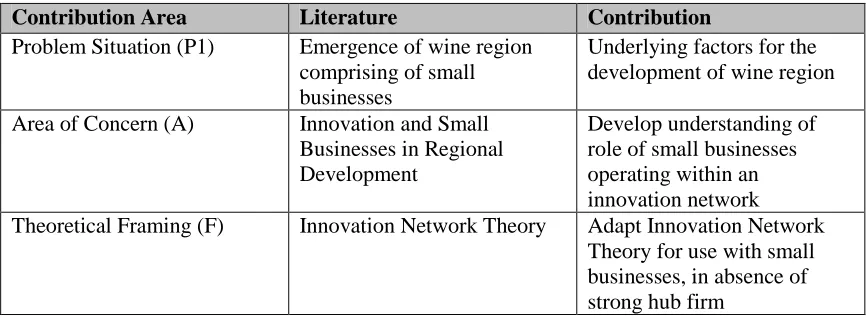
Table 1: Contributions to Research (adapted from Mathiassen et al. 2012) ... 15
Table 2: Overview of Interviews and Interviewees: ... 32
Table 3: Winery Representatives Interviewed ... 34
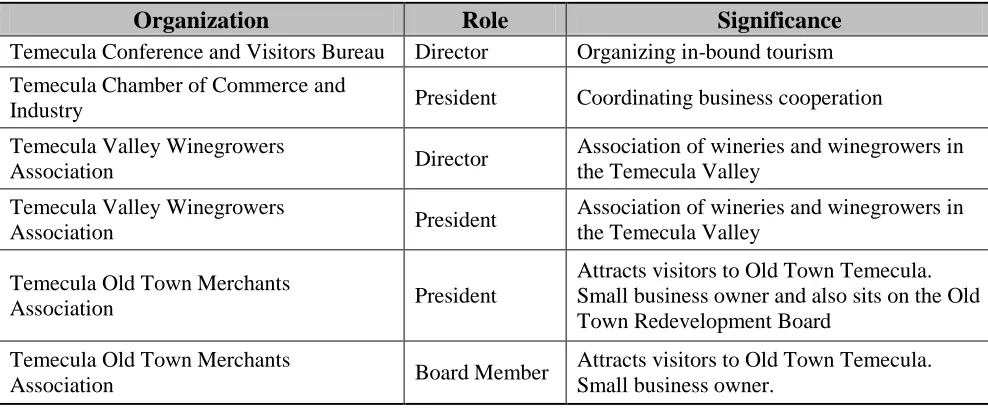
Table 4: Organizations Interviewed ... 35
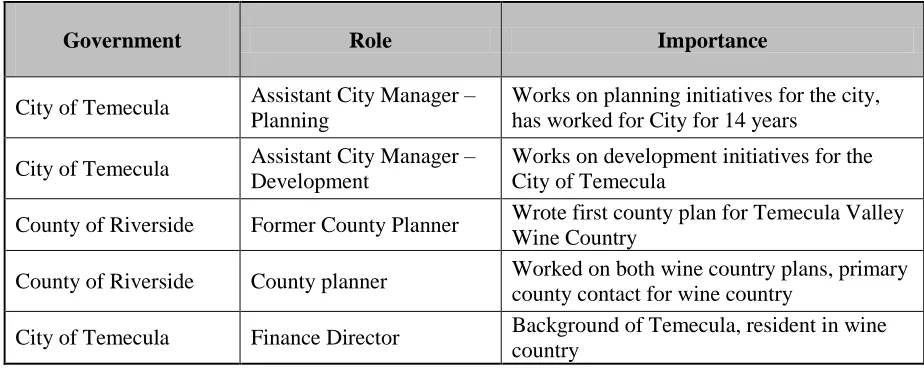
Table 5: Government Representatives Interviewed ... 36
Table 6: Primary and Secondary Members of the Temecula Valley Innovation Network ... 44
Table 7: Examples of Deliberate and Emergent Strategies ... 55
Table 8: Quotes from Interviewees regarding direct sales and margins ... 61
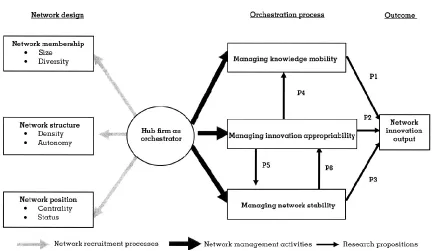
Figure 1: Framework for Orchestration in Innovation Networks (Dhanaraj & Parkhe, 2006) ... 26
1
INTRODUCTION
1.1
Research Domain
In the field of economic research, the focus on industry concentration in regions has been a topic of interest over the past decade and more, as well as the importance of small businesses and small and medium-sized enterprises (SMEs) on economic development and growth of economies. “Economic development policy is increasingly focused on SMEs as a means of generating growth” (Clifton, Keast, Pickernell, & Senior, 2010). Innovation in regional development is a
topic of great importance, as countries and regions attempt to stimulate their economies, through creation of new technologies or implementation of innovative business practices. Due to
complex, fast-changing, competitive markets in the global environment, growth-oriented small firms exert growing influence on national economies around the world. (Yeh-Yun-Lin, 1998) As the importance of entrepreneurship and small business growth gains importance, some research has included the important role that small businesses can play in regional development.
However, the research tends to focus on learning patterns of small businesses (Doloreux, 2004; Mika & Risto, 2010; Westerlund & Rajala, 2010), and the influence of specific industry sectors, most notably the information technology sector, high-tech and nascent technologies. (Cooper & Park, 2008; Ford & Koutsky, 2005; Lorentzen, 2008) Many small towns rely on the local businesses for employment and prosperity of the region, and furthermore, small businesses oftentimes support each other as their challenges are different than large, multinational
Small businesses play a vital role in the U.S. economy, with over 5 million small businesses with fewer than 20 employees registered in the United States in 2008. These 5 million-plus small businesses employed over 21.4 million people in 2008, representing almost 18% of the total U.S. workforce. (US SBA statistics) Statistical data on small business in the U.S. is plentiful, but there is limited empirical information on how the small businesses form alliances and more importantly how they work together within self-supporting networks. The ability to understand the dynamics of small business networks will provide insight into how to facilitate future interaction of small businesses, and thereafter to motivate the small business networks to work together towards positive growth. Understanding the origins of this growth and development can be useful to instruct other regions on their developmental objectives.
1.2
Research Perspective
Innovation network theory has been used successfully to explain the interactions of firms within networks, and has been used primarily in regions of dynamic growth to understand regional prosperity. Innovation network theory defines the roles of the network members, highlights the network design and the orchestration process that creates successful innovation networks. In this exploratory research, it is of specific interest to see how small businesses interact in a dynamic setting, and within this focus, innovation network theory seemed to be the closest informing theory available to see how networks of small businesses work together. Innovation network theory was therefore used as the lens, and guiding direction to assess the interactions of the network, with the consideration that the theory may need to be adapted and expanded for use with small businesses. For instance, in networks of small businesses, it is unlikely that there is one single firm that is suitably placed and forceful enough to act as a driver of the network.
In environments where networks of small businesses are active in the same industry, it is posited that the small businesses actively work together to emerge as a viable innovation network, possibly with a stronger motivation to work together because the network is comprised of small businesses. Small businesses, along with active and responsive government offices and
supportive supplemental organizations, have an opportunity for mutual support within an innovation network to function in a self-supporting fashion for the benefit of the entire network. In order to see how small businesses interact and work together, a case study of an innovation network comprised of small business that has achieved a presumed level of success was sought out.
Hence, this exploratory research used innovation network theory as an informing theory to understand the interaction and success of small businesses innovation networks. The research questions addressed in this case study include:
RQ1: How do firms and organizations interact within their small business innovation network?
RQ2: How are innovative business practices developed in a small businesses innovation network?
1.3
Research Approach
network composition, the coordination between firms, the process of a functioning network and the outputs of the entire network. In the absence of a hub firm, which is presumed the likely scenario in the case of small businesses, this research will address how the network adapts, but still maintains the overall characteristics of an innovation network.
To investigate this challenge, a subset of small businesses, intrinsically connected, was considered the ideal case in which to study the dynamics and interactions of small businesses within an innovation network. The innovation network needed to have firms actively working together and the researcher needed to be able to identify the primary network firms, supportive organizations and government entities that may govern the region. The innovation network needed to be small enough, preferably under 50 firms, in order to gain an understanding of the network and players during the research cycle as well as specific and cohesive enough to define the group as an innovation network. For this exploratory research, an innovation network in a specific industry was beneficial in order to define the players as well as concentrated in a specific regional location, again for definitional purposes.
wine region of Temecula, California was targeted as an ideal case study due to the assumption that the small businesses in the region were pursuing innovative business practices that have led to a successful environment for all of the network members. Furthermore, there are no medium or large businesses within this network, allowing the research to focus exclusively on the small business interaction, and further see how this small business network interacted with the local and regional government.
The Temecula Valley Wine Country is relatively new on the map of US wine regions and is still gaining importance. Riverside County California, where the Temecula Valley is located, was one of the fastest growing counties in the United States in 2000. It is assumed that the emergence of the Temecula Valley Wine Country was aided by this regional growth, as well as contributed to the growth of the county in a minor way. The size of the small business innovation network in Temecula seemed to be ideal for this case study research, allowing the researcher to approach a representative sampling of the network members and supporting organizations. The emergent wine region in the Temecula Valley was therefore considered a good fit for this research on innovation networks.
Contribution Area Literature Contribution Problem Situation (P1) Emergence of wine region
comprising of small businesses
Underlying factors for the development of wine region
Area of Concern (A) Innovation and Small Businesses in Regional Development
Develop understanding of role of small businesses operating within an innovation network Theoretical Framing (F) Innovation Network Theory Adapt Innovation Network
[image:16.612.103.536.484.643.2]Theory for use with small businesses, in absence of strong hub firm
1.4
Summary of Dissertation
Chapter 1: Introduction and Motivation – This chapter includes overviews on the research domain, research perspective and research approach, including the research questions addressed in this case study in order to set the stage for the research.
Chapter 2: Literature Review – A detailed literature review addresses the problem situation, the primary area of concern and the theoretical framing of this research, and will include the
following sections: 1) innovation and small businesses in regional development research, 2) regional winery networks, 3) the role of government in regional innovation development, and 4) a review of innovation network theory and the empirical research to date supporting the theory and its intended use.. The limited research that touches on the small businesses and networks in regional development will also be highlighted, showing the need for additional knowledge in this area. Additionally, the background of innovation networks in regional development and their growing role in dynamic development is addressed in order to position this research using innovation network theory.
Chapter 3: Research Design and Methodology – This chapter describes the research methodology and design in approaching this case, including case study design, sampling, data collection and analysis. The details for conducting interviews, coding, and synthesizing the data is addressed in detail along with an overview of the California wine industry and more
specifically the region of the Temecula Valley Wine Country, providing details as to why the study of Temecula can be viewed as an ideal case to test small business networks using innovation network theory.
this qualitative research will be presented, discussing the results and salient concepts that
emerged from the data. The results of nineteen qualitative interviews are analyzed and reviewed, and the emergent themes of the research presented. Quotes from the various interviews are included to support the conclusions derived from the synthesis of the data and the adapted model for small business innovation networks. Each of the areas of the adapted model for small business innovation networks is presented to verify that the adapted model is capable of supporting
conclusions resulting from case study research. Two areas are outlined that were important to the success of this case, namely the sense of place embedded in the regional culture and the
importance of regional planning.
Chapter 5: Discussion and Conclusions – A detailed discussion of the results of this qualitative research is presented and conclusions outlined, based on the innovation network theory for small businesses. Suggestions for further research and contributions to research are included.
2
LITERATURE REVIEW
2.1
Innovation and Small Businesses in Regional Development
The Organization for Economic Cooperation and Development (OECD), representing 34
developed countries, has expressed that innovation is the main and increasing source of growth in OECD countries, and further explains that “regions are key actors in shaping virtuous innovation trajectories and in mobilizing untapped potential for national growth”. (OECD, 2011) Much has
been published on clusters and the role of cluster in regional economic development spurred by Porter’s (1998) work in the late 1990s, and as research continued into the 2000s, the focus has
networks and clusters of firms. (Pekkarinen & Harmaakorpi, 2006; Schoonmaker & Carayannis, 2010; Sternberg, 2000). When considering the importance of networks in communities, it is necessary to distinguish the roles of communities and networks and their influences. Dal Fiore (2007) puts forth that “Communities are social containers for incremental innovation, whereas networks are the place for boundary spanning learning and as a consequence, for radical
innovation” (pg. 847). It is this presence and dynamic structure of the network that will allow for
and encourage innovation, so this research will focus on the role of networks in regional development.
We look to Tijssen (1998) to provide a clearer definition of a network:
An evolving mutual dependency system based on resource relationships in which their systemic character is the outcome of interactions, processes, procedures and institutionalization activities within such a network involve the creation,
combination, exchange, transformation, absorption, and exploitation of resources within a range of formal and informal relationships. (pg 792)
In defining innovation for this research, we use Van de Ven’s (1986) description of innovation as
the development and implementation of new ideas for problem solving. We further add to this description by noting that network players will try to imitate others, and in the process
inadvertently generate new ideas as the imitator may not have direct network ties, and therefore must rely on cues from observing the other, increasing the likelihood of mutation and innovation. (Bell, 2005) Although innovation networks and regional innovation networks are defined in many ways depending on the industry sector and the spatial dynamics, for this research, we take the basic definition set forth by Dhanaraj and Parkhe (2006) of an innovation network:
“Innovation networks can often be viewed as loosely coupled systems of autonomous firms.” (pg.
Small businesses are seen as an essential element of development and growth as they are innovative and adaptive to challenging environments, and often agile and adaptive to implement innovation in products and services. Research has shown that the economic process values small and medium-sized enterprises (SMEs) and their involvement in regional development. (Clifton, et al., 2010; Julien & Lachance, 2001) Edwards et al. (2005) explains the limitations of research involving SMEs and innovation, “Our current understanding of innovation in SMEs is relatively
poor. In part, our level of understanding will be improved by assessing intra- and inter-organizational firm links.” (pg. 1124) They expand by suggesting that understanding the
connection between SME activities and connection with networks will provide insight to understand how the innovation process is shared among numerous actors in the network. The process of building trust and understanding between network members, both individuals and the group as a whole, is reliant on the process of network linkages. (Pittaway & Cope, 2007)
2.2
Regional Winery Networks
One factor that impacts the network design of an innovation network is the constraints - and opportunities – implied by the nature of the industry. In many innovation networks, there is the assumed issue of potential attrition of members due to the mobility of many companies and the real issues of mergers and acquisition, especially in highly volatile industries. The attrition factor is not a serious issue in the wine industry, as in other agricultural based industries that have long growing cycles, due to the fact that the primary capital of the vines and other long-term
establish a vineyard in a specific location is a long-term decision and one that is not readily changed due to the long growing cycle. Research on wine region development and long-term agricultural development can provide insightful background to assist in understanding the dynamics and drivers in these areas. (Alonso & Northcote, 2010; Lazzeretti, Capone, & Cinti, 2010; Wiskerke, 2009)
Based on the static nature of the wine industry, the decision to establish a vineyard in a specific location is a very long-term commitment, dictated by the nature of the wine industry.
Additionally, the American labeling requirements for wines specifies that 85% of the juice used to make a wine needs to be grown in that specific appellation of origin, the American Viticultural Area (AVA), in order for the appellation of origin to be noted on the label, and 95% if it is labeled from a specific vineyard. The AVA labeling requirements provide advantages to AVA and single vineyard wines, attracting customers to more specialized regions for wine production, creating loyalty to brands and localities.
Geography has an important role in the learning process and subsequent innovation, because innovations are less about the product or process of a specific firm, but rather the combination of resources, knowledge, capabilities that are localized in specific places. These capabilities are the general human and physical resources of a geographic region, but also the knowledge embedded in the industrial and institutional structure. (Doloreux, 2004; Maskell & Malmberg, 1999) The proximity of network members also has an impact on the network position of the innovation network, with an implied understanding that firms in close proximity will have stronger and tighter linkages due to this proximity as noted in regional development research (Julien,
in destination marketing has gained importance recently (du Rand, Heath, & Alberts, 2003), in both the promotion of existing tourist regions (Lazzeretti, et al., 2010) as well as emerging regions (Alonso & Northcote, 2010). The food and wine of a region play an important role in the mind of the consumer or tourist, both through the attraction of the visitor to a destination, but also through the lingering memory of a location. Destination marketing therefore has a strong positive correlation with marketing the food products of a region, specifically the specialty, higher-end foods and wines of a specific locale. This is important for the “branding” of a destination or a product. The destination “brand” has to further support a specific idea or understanding of that
place, so there is a deep connection between tourism and food products of a region. When there is a positive connotation, there is a further desire to maintain that identity, which in the case of wine, is further protected by the AVA designation in the United States, noting that specific quantities of a wine needs to be sourced from that appellation.
In the existing literature on dynamics in wine clusters, Morrison and Radellotti (2009) address the dynamics within the wine region of “Colline Novaresi” in the Italian region of Piedmont, most
famous for Barolo, Barbaresco and Asti Spumante wines; contributing 23% of Italian wine exports – the second largest region in Italy. Their research is focused primarily on the learning dynamics within this wine cluster representing over 300 producers, most of which are micro or small wine growers. Their study notes that the “larger firms remain in the periphery of the
knowledge network and strengthen their linkages with sources of knowledge external to the
cluster, whereas the smaller firms are highly interconnected and communicate with external
sources of knowledge only through a local broker.”(Morrison & Rabellotti, 2009) (pg. 984) The
The importance of organizations in the dissemination of information and coordination of mutual cooperation in wine networks in other locales is highlighted in the literature. Morrison and Rabellotti use the example of the winegrower’s organization in Piedmont, noting that “Vignaioli
Piemontesi is a key player in the Piedmont Wine Regional Research System, connecting small and marginal producers to several sources of knowledge.” (pg.989) As noted previously,
destination marketing with a strong focus on food and culture can further support the
development of this research. Research on destination marketing in South Africa using food and wine has been reviewed (du Rand, et al., 2003) as well as regional marketing in Greece and Turkey. (Kumral & Önder, 2009)
2.3
Government Role in Regional Development
Governments at a local and regional level oftentimes have a role in providing structure and planning for the economic direction of a region. The role of the central government in the support of regional innovation network initiatives has been studied, specifically in understanding the role and influence of the central government and the European Union’s role in policy support and planning for Dutch innovation networks at the regional level. (Aarts, Woerkum, & Vermunt, 2007) Additionally, the role of the regional government in a European setting has also been researched, specifically in regards to the regional government’s relationship with a major multinational corporation (Lange & Büttner,
2010). Gretzinger, et al. (2010), also noted the trend towards small businesses
regional innovation networks. In the US, this national support does not exist at the same level for regional innovation networks. The interaction of government with business in the United States is limited to planning and development support at the local level and regional level, and typically financial support is not available.
Additional research highlights the role of government in the development of the wine industry in other countries, where the national and regional governments have the ability to provide policy and financial support and often mandates the support of the wine industry, especially when the industry is of strategic importance to the country (Aylward & Clements, 2008; Giuliani, Morrison, Pietrobelli, & Rabellotti, 2010; Larreina & Aguado, 2008; Morrison & Rabellotti, 2009). Within the U.S., there is an approach that allows for organic growth of individual businesses and networks, with government involvement at a local or regional level, typically only in a planning and regulatory capacity with limited influence to the networks overall.
2.4
Innovation Network Theory
role of small businesses within a regional innovation network in order to evaluate the dynamics between the small businesses of a specific region and assess the connections that define the interactions of the network. Batternick et al. (2010) proposes the use of innovation network theory for innovation brokers, where a commercial hub firm is not present, but the inter-workings of the network still exist. In their research, they attempt to “show that their framework of
innovation network orchestration processes also fits other facilitative intermediary organizations that are not part of the original network, i.e. specialized independent innovation brokers. These innovation brokers may facilitate the design and management of innovation networks.”
(Batterink, et al., 2010) (pg. 51) These innovation brokers are not part of the original network, but rather independent “innovation brokers” that enter the network to initiate innovation, facilitate
network composition and innovation process management.
Within an innovation network, it is assumed that the members of a network will pursue opportunities in their own self-interest, and through each individual firm’s involvement in the network, it will gain more than if pursuing opportunities independently. In the successful innovation networks studied to date, the hub firm is the key for orchestrating the successful diffusion of information as well as maintaining stability of the network and the hub firm also assumes this role of prominence due to the benefits the firm will gain from the success of the entire network. (Dhanaraj & Parkhe, 2006) For the case of small business innovation networks, it is assumed that not one specific hub firm exists, therefore, an alternative explanation to the existence of a single hub firm will be explored in this research. There exists a gap in the literature in regards to the role of the hub firm as addressed by Winch and Courtney (2007), as they note, “The question of how innovation hub firms operate and the conditions in which they are most
As illustrated in the Framework for Orchestration in Innovation Networks put forth by Dhanaraj and Parkhe (2006) (see Figure 1), innovation networks can vary by the size and diversity of the membership, the density and autonomy of the structure as well as the status and position of the hub firm within the network. There are three primary premises put forth that occur during the orchestration process of successful innovation networks: managing knowledge mobility, managing innovation appropriability and managing network stability. The transference of knowledge is a key element for fusing networks together especially when the network is operating in a challenging environment. Trust and strong bonds need to be present for the knowledge diffusion to be successful, and the hub firm - or as presented in this research, an alternative to the hub firm – needs to facilitate this process. The value creation of the network needs to also be equitably distributed; again raising the important issue of trust oftentimes using procedural justice and joint asset ownership in order to maintain appropriability. The final issue of orchestration is that of stability, which can perhaps be the most challenging. As the firms interact, they create stronger ties and respect (oftentimes resulting in joint asset ownership or other binding ties) which creates a more cohesive network and increases stability. The hub firm’s role in creating stability needs to include the ability to manage the needs, personalities and expectations of the network firms; and also to “lengthen the shadow of the future”; meaning the
Figure 1: Framework for Orchestration in Innovation Networks (Dhanaraj & Parkhe, 2006)
In order to use innovation network theory in the context of regional development, it is necessary to understand that innovation includes the beneficial management and marketing practices that influence the entire network. Empirical research has tested the notion that managerial functions are the innovation defining the success of the network, specifically Smart Business Networks (SBNs), where an orchestrating or focal firm coordinates actors and resources for innovation to occur within the network (Busquets, 2010). In this case of the emergent wine region in
theory in regards to regional development for regionally clustered enterprises (Lawson & Lorenz, 1999).
3
RESEARCH DESIGN AND METHODOLOGY
Due to the unique attributes of this research, a qualitative research design was undertaken, based on the need for in-depth understanding, adaptation of theory to encompass the characteristics of small business networks, and evaluating numerous individual points of view in this research (Miles & Huberman, 1994) The researcher used qualitative and inductive approaches to understand the dynamics of the region. (Eisenhardt, 1990) A single case study approach was used to gather extensive and context-rich data from nine wineries, supportive government agencies and related businesses in Temecula, California (Yin, 2009). Based on Yin (2009), the single case study format is appropriate as the case analysis will be revelatory in its descriptive information. The focus on an innovation network made up entirely of small business is a unique opportunity to understand the dynamics of the network, and thus adapt innovation network theory to situations where small businesses are the primary force in the network.
3.1
The Temecula Valley Wine Country
California’s wine industry has become a serious player in the world wine production, especially
important as the per capita wine consumption and quality of wine consumption has continued to rise in the U.S. California accounted for about 90% of the value of U.S. wine production in 2006. The number of California wineries, numbering approximately 3,000 in 2006, has doubled from a decade earlier. There is furthermore a trend of industry consolidation that has resulted in large conglomerates purchasing many large and mid-sized wineries. As of 2006, the four largest California wine companies represented 60% of the wine shipments of California wine (both domestic and export distribution). (Goodhue R, 2008) Consolidation in the wine industry has resulted in minimal economies of scale, but real benefits have been derived from joint sales and marketing efforts as well as benefits of distribution for these conglomerates. The California wine industry shows positive trends for production and quality growth, but challenges exist for new regions emerging into the competitive landscape as well as small producers attempting to market their products against large established brands. The importance of a robust wine industry in economic growth and development has been documented in regions where the wine regions are established and well known; specifically in Spain, (Larreina & Aguado, 2008), Italy (Morrison & Rabellotti, 2009), South Africa and Chile (Giuliani, et al., 2010), and the American Association of Wine Economists has published extensive reports on a number of the global wine regions.
The region of Temecula Valley, California has seen the emergence of a small, dynamic wine region over the past several decades developed through the combination of two unique
mid-sixties, a couple of vineyards and modest wineries were established in the Temecula Valley, followed by several more from the mid-eighties through the mid-nineties. The past decade has seen further growth with many additional vineyards and wineries being established to reach a current total of 35 wineries. The County of Riverside, where the Temecula Valley Wine Country is located, has further developed a plan to increase the number of wineries up to 125 by the year 2020, so the dynamic development will most likely continue. The number of wineries,
production quantities, quality, and facilities and services offered at the wineries has been steadily increasing over the past twenty years to create a small yet robust wine region. The primary collective challenges faced by the Temecula Valley wineries include managing the growth of the region, developing a positive brand awareness of the Temecula Valley wines, and attracting an appropriate client base. These challenges are amplified due to the fact that the region is quite small and relatively unknown, especially in a state with dominant wine competition from the well-known Central and Northern California appellations.
The small, yet dynamic wine region of Temecula has been in an attractive position and stage of growth over the past decade and this is presumed to continue. The wine region’s growth has been primarily organic, but the development growth of the adjacent municipality and the engagement of the county in effective planning seem to be instrumental factors in the growth of the wine region. The wineries have been developed in the area for two reasons: a) attractive growing conditions for grapes including early afternoon breezes coming through the valley from the Pacific Ocean, and b) access to a large target market – a population of an estimated 25 million people within a two hour drive of the wineries. The wineries have been actively creating a unique and successful base in which 95-100% of the total production of the wineries (albeit small
from a newly established wine region and also through direct sales channels. An average retail price in the U.S. for a bottle of super-premium wine is $7-14 per bottle, and ultra-premium wine is over $14 per bottle. (Goodhue R, 2008) In a typical retail situation, 30% of the per bottle cost goes to the distributor and 30% goes to the retailer, thus the direct sales approach taken by the Temecula wineries is yielding a high relative price and very high margins by industry standards. Additionally, the fastest growth in the volume of wine sold in the U.S. has been in the super-premium category, accounting for one-quarter of U.S. wine sales, followed by the ultra-super-premium category (Goodhue R, 2008), showing that the price-point of Temecula wines is on track with the trend in the U.S. wine industry.
The Temecula Valley Wine Country has emerged most prominently in the past two decades, with the majority of wineries being established during this time, resulting in 35 wineries operating in the region at present. All of the wineries are small-sized, with an average annual production between 5,000 to 10,000 cases of wine. Two wineries produce over 30,000 cases per year, but these are still considered small in size for the wine industry overall. For this proposed research, the innovation network in Temecula is further expanded to include the Temecula Valley Winegrowers Association, the Temecula Chamber of Commerce and the Temecula Convention and Visitor’s Bureau, due to all three organizations having the role of promoting the region as
The challenge has been to take a relatively unknown wine region comprised of small firms and organizations, and determine how their innovation network has been successful, specifically to understand the dynamics of the innovation network, how the network members work together, and how their network outputs have impacted the wine region. The survival and growth techniques of small producers and new regions can provide interesting insight into competitive behaviors, especially in relation to innovation networks of these producers.
3.2
Sampling and Data Collection
The case of the emergent wine region of the Temecula Valley Wine Country was chosen as a representative case to study a small business network, which included wineries, organizations and government representatives. This research only involved interaction with voluntary participants. Interviews were conducted with winery representatives, including owners and managers in order to understand the roles of decision making and strategy development. This research purposively sampled nine wineries in Temecula, associated industry organizations, local chambers of commerce, as well as government officials and related businesses. The diversity of the sample provided the opportunity to assess the role of various wineries, providing a unique perspective in which to compare and contrast the firms in order to understand their role within the innovation network and to learn from the owners and managers of the wineries how the network functions, and what activities emerged as outcomes from the innovation network.
was such that wineries representing each size range, as well as from each time-frame of establishment, were included in the case study research in order to gain a deep and robust understanding of the dynamics involved.
This case study research of the Temecula Valley Wine Country included 11 interviews at 9 wineries; 6 interviews with representatives of 4 important regional organizations; and 5 interviews with representatives from the county and municipal government in order to get an accurate understanding of the dynamics within the innovation network in Temecula. In two instances, the same person was interviewed a second time to gain clarity on questions or comments from the initial interview, as well as expand on topics that were important as the research progressed. Also, at one winery, two organizations and both government organizations, two or three people in different roles were interviewed to gain different views on the network interaction and development of the region. As the region is small and the network integrated, many of the people interviewed at the wineries also held positions within the supportive organizations that were also interviewed, allowing for a deeper and richer understanding of the interworking of the network. Table 2 provides an overview of the interviews conducted.
Type of Network Member
Number of
Organizations
Number of
Interviews
Number of
People
Wineries 9 11* 10**
Organizations 4 6* 6
Government Representatives 2 6* 5**
15 23 21
* 2-3 people from one company or organization were interviewed
** Same person interviewed twice as follow-up and verification of initial information
Table 2: Overview of Interviews and Interviewees:
managers and decision makers at the wineries. The winery participants were chosen for their role in their innovation network, obtaining a cross-section of wineries in terms of production size, number of years operating in Temecula and unique attributes of their business. There are four prominent wineries in Temecula that spearhead much of the activity within the network. Representatives of two of these prominent wineries were included in the sample, including the second largest producer in the region. The production levels of the wineries sampled include producers as large as 30,000 case of wine annually with significant alternative activities that supported revenue streams for the company, down to micro-producers that produced a little over 1,000 cases annually with limited additional activities. The case study sample also includes wineries that have been operating since as early as 1980, and newer wineries that have been in operation for less than 5 years. Table 3 lists all of the wineries interviews with details regarding the year established, the production level in 2011, the services offered and the significance of why that winery was chosen for inclusion in the study. The names of the wineries have been changed to ensure confidentiality.
Wineries Role Significance Year
Established Production
Services Offered Champagne Winery Owner/ General Manager
One of the larger, prominent wineries, family owned and operated. In addition to own production, has sparkling line made under their label for retail distribution
1998 30,000 cases Concerts, Weddings, Restaurant, Tasting Room, Wine Club Petit Verdot Winery Owner/ Winemaker
Micro, boutique winery, producing organic, unfiltered wines.
2000 1,200 case Tasting Room, Organic Farm Zinfandel Winery Managing Director
Prominent winery, relocated from another California appellation, family owned and run
2000 9,000 cases Wine Club, Weddings, Tasting Room
Zinfandel Winery
Winemaker Proved perspective on growing conditions in Temecula versus other regions
2000 9,000 cases Wine Club, Weddings, Tasting Room Cabernet Sauvignon Marketing Manager
Moderately- sized winery, family run
2003 10,000 cases
Wineries Role Significance Year
Established Production
Services Offered Champagne Winery Owner/ General Manager
One of the larger, prominent wineries, family owned and operated. In addition to own production, has sparkling line made under their label for retail distribution
1998 30,000 cases Concerts, Weddings, Restaurant, Tasting Room, Wine Club Petit Verdot Winery Owner/ Winemaker
Micro, boutique winery, producing organic, unfiltered wines.
2000 1,200 case Tasting Room, Organic Farm Zinfandel Winery Managing Director
Prominent winery, relocated from another California appellation, family owned and run
2000 9,000 cases Wine Club, Weddings, Tasting Room
Zinfandel Winery
Winemaker Proved perspective on growing conditions in Temecula versus other regions
2000 9,000 cases Wine Club, Weddings, Tasting Room
Winery Club
Meritage Winery
General Manager
Makes wine and bottles for micro & small wineries and distributes through direct sales and wine club
2010 20,000 cases
Tasting Bar Downtown, Wine Club
Syrah Winery Owner Small boutique winery, newer
winery
2006 2,000 cases Weekend Tasting Room, Weddings Cabernet Franc Winery Owner/ Winemaker
One of the original wineries, small, family-owned, restaurants
1986 6,000 cases Tasting Room, Wine Club, Restaurant Sauvignon Blanc Winery Owner/ Winemaker
One of the original wineries, small, family-owned
1980 5,000 cases Tasting Room, Wine Club
Chardonnay Winery
Owner Moderately-sized, launched De Portola Wine Trail
1989 10,000 cases
Tasting Room, Wine Club
Table 3: Winery Representatives Interviewed
organizations were important in order to validate the breadth and expanse of the innovation network and the coordination between the wineries these supportive organizations and the government agencies. Therefore, the research included the Temecula Valley Winegrowers Association, the Temecula Chamber of Commerce and the Temecula Valley Convention and Visitors Bureau at the onset of the research. Both the director and the current president of the winegrowers association were interviewed for this research, because of the organization’s key
role in some of the network factors. The Old Town Temecula Merchant Association was added after the start of the research to understand the impact on the regional economic environment through the eyes of other small business owners in the region. Table 4 outlines the
representatives and the organizations interviewed in this research.
Organization
Role
Significance
Temecula Conference and Visitors Bureau Director Organizing in-bound tourism Temecula Chamber of Commerce and
Industry President Coordinating business cooperation
Temecula Valley Winegrowers
Association Director
Association of wineries and winegrowers in the Temecula Valley
Temecula Valley Winegrowers
Association President
Association of wineries and winegrowers in the Temecula Valley
Temecula Old Town Merchants
Association President
Attracts visitors to Old Town Temecula. Small business owner and also sits on the Old Town Redevelopment Board
Temecula Old Town Merchants
Association Board Member
[image:36.612.68.562.344.548.2]Attracts visitors to Old Town Temecula. Small business owner.
Table 4: Organizations Interviewed
It is also important to examine the government interaction in regional development, thus this research also targeted representatives of the Temecula municipal government as well as the County of Riverside to determine the reach, support and possibly the restrictions of these
hypothesis to the network innovation theory. The government members interviewed for this research are outlined in Table 5 below.
Government Role Importance
City of Temecula Assistant City Manager – Planning
Works on planning initiatives for the city, has worked for City for 14 years
City of Temecula Assistant City Manager – Development
Works on development initiatives for the City of Temecula
County of Riverside Former County Planner Wrote first county plan for Temecula Valley Wine Country
County of Riverside County planner Worked on both wine country plans, primary county contact for wine country
City of Temecula Finance Director Background of Temecula, resident in wine country
Table 5: Government Representatives Interviewed
The majority of the interviews were conducted in-person during three visits to Temecula, California from June 2011 to November 2011, and the onsite interviews were conducted at the winery or office of the interviewee. In addition to the onsite interviews, visits to eight additional Temecula wineries that were not interviewed along with travel throughout the wine region provided rich, detailed information to inform this research. Two interviews were conducted by telephone in November and December 2011 with winery owners as they were unavailable for interview during the research trips. In two cases, a second interview was warranted to confirm details or theories developed the initial research phase.
At the onset of the interview, the researcher explained the research focus and the interview
process, presented the approved consent form, and asked the participant if they had any questions. The consent forms were signed prior to starting the interview, or presented by email prior to the interview in the case of the telephone interviews. Oral consent for audio recording was
[image:37.612.69.531.144.328.2]of interviews is maintained separately from the interview data, and the names of the wineries have been changed in this research to maintain confidentiality. Each interview lasted between 45 minutes to 75 minutes and most interviews were audio recorded with permission granted by the participant. Also, the names of the wineries have been changed to ensure confidentiality. The approved Institutional Review Board (IRB) consent form is attached in Appendix 1.
Semi-structured interviews were conducted using a prepared interview protocol, so similar questions regarding the network structure, orchestration and outcomes, mapped to innovation network theory were posed to each interviewee in order to determine similarities and differences; highlight the dynamics between various wineries; determine the structure of the innovation network and the role of each of the players; as well as the role of Temecula Valley Winegrowers Association and other organizations. The interview protocol was closely mapped to the
innovation network framework proposed by Dhanaraj & Parkhe (2006). The interview protocol is attached as Appendix 2. The semi-structured interviews allowed the interviewees to expand upon interesting topics relating to the evolution of the Temecula wine region, and also allowed interviewees to relate personal experiences. The three trips to the Temecula Valley Wine Country allowed the researcher to conduct follow-up interviews with two interviewees to clarify the structure and dynamics of the innovation network in the Temecula Valley Wine Country in order to create more robust understanding of the unique attributes of this case. (Yin, 2009)
coding process in NVivo (Charmaz, 2006). The process of coding and analysis allowed the researcher to determine areas within the innovation network theory framework which were insufficient to explain the entire dynamics of the innovation network of small business networks in Temecula, and thus showed areas that needed to be adapted.
Through the NVivo coding, the researcher was able to see the network areas that mapped closely to the original innovation network theory framework, and the areas that were divergent to the original framework. Coding confirmed that one specific hub firm did not exist in this case of a small business innovation network. The coding showed the existence – and importance – of emergent and divergent strategies within the network composition. Additionally, the coding highlighted the groupings of categories for challenges and joint initiatives to overcome these challenges and the network outcomes. The coding process allowed the researcher to group the network outcomes into business practices by individual firms within the network as well as business initiatives pursued by the entire network. The final coding results are shown in Appendix 4.
4
ANALYSIS AND RESULTS
for each adaptation is presented. Similarities and differences in relation to the orchestration framework for network innovation are discussed.
The adapted model for small business innovation networks is used to portray the results derived from this study, presenting the results of the research as they correspond to each of the areas of the revised model. The three research questions posed at the onset of this research, regarding the ecosystem for a successful small business innovation network, how firms interact within such a network and the outcomes of small business innovation networks, can be mapped to the adapted model and will be addressed as the adapted model unfolds. In addition to the mapping of the elements and inter-workings of the innovation network, there is also an underlying structure and support that exists in Temecula that creates an even more cohesive innovation network. There is a sense of place embedded in the regional culture which has allowed the community to embrace the positive elements of the wine country. Foresightful county planning efforts were also undertaken by the Riverside County Planning Office to protect, support and expand the Temecula Valley Wine Country. These two areas will be addressed in the final section of the Analysis and Results.
4.1
An Adapted Model for Small Business Innovation Networks
In this small business innovation network, a “constellation” of firms and organizations acted in concert to spur the coordination of the core of the network. The firms acted independently but within the same field of reference and in an environment with specific boundaries and definitions, similar to a constellation of stars. In the original framework from Dhanaraj and Parkhe (2006), the hub firm is the primary component for the orchestration of the innovation network: “We
define a hub firm as one that possesses prominence and power gained through individual attributes and a central position in the network structure”. (Dhanaraj & Parkhe, 2006) In their
scenario, the hub firm acted as a lone star with the other firms acting as planets orbiting the star, however, this current research shows that a single hub firm is absent in this example of small business networks. The sense of belonging to the group was a strong cohesive factor for the Temecula innovation network as well as the importance of the location and the underlying sense of place.
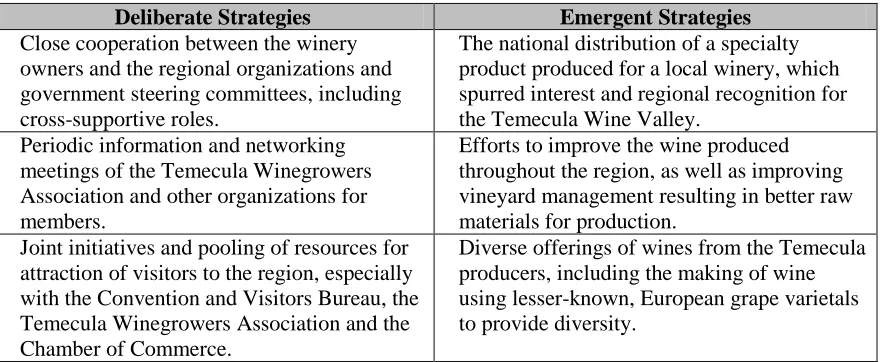
Furthermore, and perhaps most importantly for the dynamic state of the network, there are both emergent and deliberate strategies occurring at the firm level, and at the network level that affect the constellation core of the network. In the work by Dhanaraj and Parkhe, it is assumed that deliberate strategies are occurring, or “orchestrated” by the hub firm. This orchestration is not as
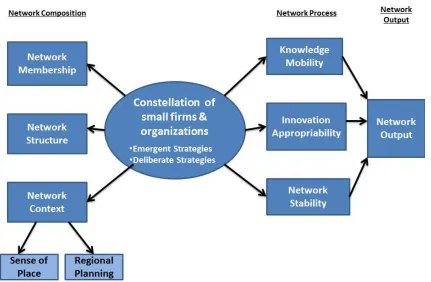
Figure 2: Adapted Model for Small Business Innovation Networks
This adapted model for small business innovation networks provides a lens to evaluate the unique characteristics of a network comprised of small businesses, allowing researchers to assess the interactions and outputs of these networks. Prior to this research, a hub firm was assumed to be the crucial element to orchestrate the activity and interworking of the network. The hub firm would exert its influence by seeking out members or restricting membership as well as
influencing control and autonomy of peripheral and semi-peripheral firms. The hub firm's status and centrality within the network was very important, however this element is not important when a hub firm is not present.
secondary members. The growth of small business networks also happens through emergent strategies in the simple act of company formation, as additional companies become established in the same geographic area, oftentimes drawn to a region due to the nature of the industry as noted in various literature sources. (Jones, Macpherson, & Thorpe, 2010; Lechner & Dowling, 2003) The attraction of additional companies is not always an intentional activity of the network, but rather the natural growth and establishment of companies to create an expansion of the network membership can be classified as an emergent strategy, due to the fact that the growth is most likely occurring beyond the control of the members of the network. Network context is an important element of the small business network that has been added to the model to show the importance of the underlying environmental factors that affect the cohesion and success of the small business networks.
The original innovation network framework, assumes that the membership of the network is comprised of the hub firm, semi-peripheral and peripheral firms. In the small business framework, it is more accurate to show that the firms and supporting organizations are either primary to the functioning of the network, or secondary to the functioning of the network,
thereby defining the levels of functionality. The primary members work as a cohesive core of the constellation, taking on the activities of the hub firm. The secondary members have a similar role to the peripheral and semi-peripheral firms in the original innovation network framework, in that they thrive off of the interaction of the network, but are not necessary for the primary functioning of the constellation of the network.
occur. Therefore, the term network process is used and the word managing from the original innovation network framework has been dropped, in order to more accurately present what happens in small business networks. The network output from a small business innovation network is similar to the network output of other innovation networks, so this section has remained the same, with the exception that it is specifically called network output in this model. The results of this qualitative case study of the Temecula Valley small business innovation network will be presented in subsequent sections along with examples of each network process.
By viewing the results through this adapted model for small business innovation networks, the research questions will also be addressed as these sections are defined. Specifically, in seeking an answer to the first research question: How do firms and organizations interact within their small business innovation network?, the answer can be found in the network composition and the
network process. The second research question, How are innovative business practices developed in a small businesses innovation network?, can be addressed by examining seen as
within the coordination function of the network, specifically the observed constellation in this research, as well as the outputs from the innovation network.
4.2
Network Composition
There are three primary components in identifying the network composition of innovation networks of small business networks: network membership, network structure and network context.
4.2.1
Network Membership
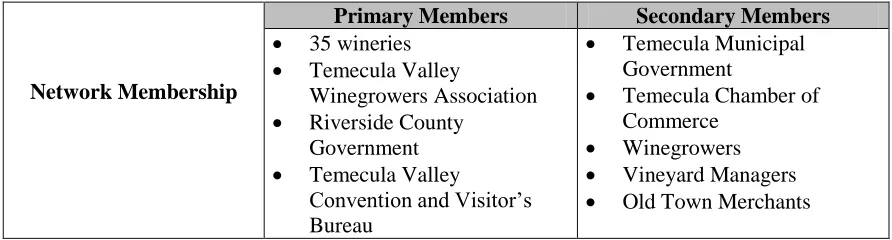
the overall functioning of the network but are not the core motivators of the network. Table 6 shows the primary and secondary members of the network membership.
Network Membership
Primary Members Secondary Members
35 wineries Temecula Valley
Winegrowers Association Riverside County
Government Temecula Valley
Convention and Visitor’s Bureau
Temecula Municipal Government
Temecula Chamber of Commerce
[image:45.612.65.511.157.277.2] Winegrowers Vineyard Managers Old Town Merchants
Table 6: Primary and Secondary Members of the Temecula Valley Innovation Network
The size and diversity of the Temecula Valley innovation network is influenced by the emergent strategy of growth of the region, including the additional investment and development of wineries currently under construction or planned. At the time of this study in 2011, there were
approximately 35 wineries operating in the Temecula Valley when this study was launched in July of 2011. There were an additional 6 wineries under construction and a number of interested investors considering property and development. The County of Riverside supervisor, has created a 2020 Vision for the Temecula Valley Wine Country, which projects a total of 125 wineries to be developed in the area. There is, however, speculation from all sides as to whether that number is achievable given the limitations of the current demarcation of the Temecula Valley AVA.
due to the planning and development role it plays in the network, as well as the Temecula Convention and Visitors Bureau (CVB), which is tasked with inbound tourism for the region.
The secondary members of the network include the Municipality of Temecula, as the sphere of influence for the municipality does not geographically extend into wine country. The Temecula Chamber of Commerce has a supportive role in the network as well, but no direct influence. The vineyard managers and winegrowers are considered secondary members in this context as they are suppliers to the wineries who are the industry final producers. Finally the merchants in Old Town Temecula are also secondary members of the network, as Old Town is a driver of tourism and visitors which complements the tourism component of the Temecula wineries. The university system of California, specifically University of California Riverside, and the US Department of Agriculture which operates through the university system, were also considered as members of the Temecula innovation network. The department of agriculture and the university do support the monitoring of the sharpshooter pest control of the valley for the wineries and also provide some vineyard management training, but their role is not significant enough to warrant inclusion in either the primary or secondary tier even though they are involved in a tertiary capacity for supporting the network.
present, there is no sewer connection in the area so all of the wineries are on septic systems which are causing the ground water to deteriorate. This is especially important for the properties that have restaurants and hotel facilities, and restrictions due to health reasons will be implemented in the next couple of years. The sewage extension into wine country is estimated at over 50 million dollars, a cost which the wineries will need to absorb. Issues such as the sewage extension into wine country are appropriate for a member organization such as TVWA to represent the entire network in relation to the government and other related parties. Furthermore, the density is further supported as many of the board members for the organizations within the innovation network are actually the owners or general managers of the wineries, thus extending a deliberate strategy within the network members to tighten the network for mutual benefit.
4.2.2
Network Structure
The network structure of the Temecula Valley innovation network is unique, comprised of small businesses and located within an agricultural-based industry, thus affecting the density and the autonomy of the network. The Temecula American Viticultural Area (AVA) was originally established in 1984 by The United State Department of the Treasury, Alcohol and Tobacco Tax and Trade Bureau. It was renamed the Temecula AVA in 2004. The official area of the
Temecula Valley AVA is 33,000 acres, including 5,000 acres that are the protected vineyard and citrus zone. Due to the legal and geographic limitations of the Temecula Valley AVA, the density of the network defaults to the wineries located within the AVA, of which almost all are located within the protected vineyard zone.
Road, which is parallel to Rancho California, at a distance of approximately three miles away, and connected in three places by cross roads. The density of the innovation network is tight given the nature of the industry, the strategy to attract day visitors to visit the wineries, and the
geographic limitations of the wine-growing AVA. The general manager of Champagne
illustrated the factor of close proximity and small business collaboration in the following quote: “It’s much more intimate. Plus, you know, we’re in this small little region. You know, we’re very tightly spaced. We don’t have miles in between us: its boom, boom, boom. We have acres not
miles in between us. So you can just go right along and see 35 wineries.” Due to the fact that all
of the wineries in the Temecula Valley are small businesses, there is an implied sense that these companies have a greater desire to work together and this was noted in many of the interviews, thus affecting the cohesion of the network.
The Temecula Innovation Network is also autonomous, due to the fact that the network members come together voluntarily and also because the network is not reliant on outside government, financial or supplier support. The wineries are obtaining their grapes from their own vineyards or from other regional growers (a requirement to be called Temecula wines based on AVA
restrictions), so their primary raw material is sourced locally. The minimal equipment and additional supplies needed are easily obtainable and their access does not affect the autonomy of the network.
In addition to the legal Temecula Valley AVA demarcation, agricultural based industries that have multiple-year growing time will be by definition a long-term member of the network. The time from the first vineyard plantings until grapes are used in winemaking is 4-6 years depending on varietal, and thereafter a number of years before any initial profits are derived. The