
DELTA-SIGMA MODULATION
by
Kuang Ming Yap
A thesis
submitted in partial fulfillment of the requirements for the degree of Master of Science in Electrical Engineering
Boise State University
DEFENSE COMMITTEE AND FINAL READING APPROVALS
of the thesis submitted by
Kuang Ming Yap
Thesis Title: Gain and Offset Error Correction for CMOS Image Sensor Using Delta-Sigma Modulation
Date of Final Oral Examination: 26 March 2010
The following individuals read and discussed the thesis submitted by student Kuang Ming Yap, and they also evaluated his presentation and response to questions during the final oral examination. They found that the student passed the final oral examination, and that the thesis was satisfactory for a master’s degree and ready for any final modifications that they explicitly required.
R. Jacob Baker, Ph.D. Chair, Supervisory Committee Maria Mitkova, Ph.D. Member, Supervisory Committee Jennifer A. Smith, Ph.D. Member, Supervisory Committee
iii
I would like to express my sincere gratitude to my advisor, Dr. Jake Baker, for his encouragement, guidance, and support during my student years here at Boise State University. His motivation and determination to help all of his students has been inspirational. He has been most helpful during my thesis. He was willing to meet me during late evenings and weekends if I had trouble with my thesis.
iv
A delta-sigma modulation analog-to-digital converter (ADC) has many benefits over the use of a pipeline ADC in a CMOS image sensor. These benefits include lower power, noise reduction, ease of maximizing the input range, and simpler signal routing for large arrays. Multiple delta-sigma modulation ADCs are required in a CMOS image sensor, one for each pixel column. Any voltage threshold mismatch between ADCs will introduce gain and offset errors in the ADC's transfer function. These errors will lead to fixed-pattern noise. Correcting gain and offset error for every ADCs in the image sensor will require a complex digital signal processor. This thesis presents techniques to
v
ACKNOWLEDGMENTS... iii
ABSTRACT... iv
LIST OF TABLES... vii
LIST OF FIGURES...viii
LIST OF ABBREVIATIONS... xi
CHAPTER 1: INTRODUCTION... 1
1.1 Motivation... 1
1.2 Thesis Contribution... 2
1.3 Various CMOS Pixel Architectures... 3
1.3.1 The Passive Pixel... 4
1.3.2 PIN Photodiode-Type APS... 8
1.3.3 Pinned Photodiode-Type APS...12
1.3.4 Photogate-Type APS... 16
1.3.5 Logarithmic APS...17
1.4 An Overview of the Use of Correlated Double Sampling in an APS... 19
CHAPTER 2: CMOS IMAGE SENSOR USING DELTA-SIGMA ADC... 23
2.1 An Analogy for the Delta-Sigma Modulator... 23
vi
2.4 CMOS Image Sensor DSM with Reference Path... 37
2.5 CMOS Image Sensor DSM with Reference Path and Input Path Switching ... 43
2.6 CMOS Image Sensor DSM with Reference Path, Input Path Switching and Gain Error Correction... 48
CHAPTER 3: SIMULATION RESULTS AND TEST CHIP INFORMATION... 57
3.1 Simulation Results... 57
3.2 Layout... 62
3.3 General Test Chip Information... 63
CHAPTER 4: CONCLUSION AND FUTURE WORK... 65
4.1 Conclusion... 65
4.2 Future Work... 66
vii
viii
Figure 1.1 Diagram showing that the charge stored on the photodiode is being neutralized
when it is exposed to light... 4
Figure 1.2 A schematic diagram for a CMOS passive pixel [3]... 5
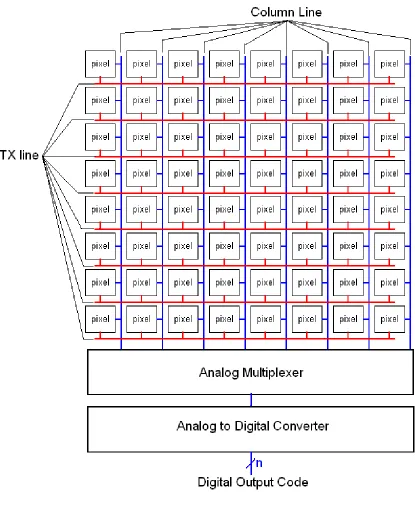
Figure 1.3 A layout diagram of an 8x8 pixel array... 6
Figure 1.4 A schematic diagram for a passive pixel CMOS imager with a charge integrating amplifier [4]... 7
Figure 1.5 Schematic diagram for the photodiode-type APS [3]... 8
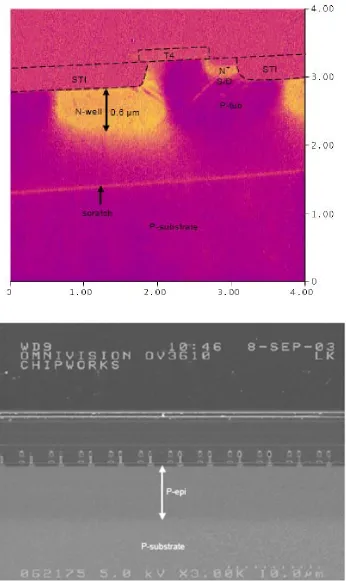
Figure 1.6 A cross-section image of a PIN photodiode... 10
Figure 1.7 A SCM cross-section profile of the photo-cathodes in the Foveon F018-50-F19A... 11
Figure 1.8 A diagram of a pinned-photodiode pixel sensor [3]... 13
Figure 1.9 An image of a pinned-photodiode... 14
Figure 1.10 A diagram showing the output of a CDS is free of noise and voltage mismatches... 15
Figure 1.11 Schematic diagram of a photogate APS [3]... 17
Figure 1.12 Schematic Diagram of a standard logarithmic APS [3]... 18
Figure 1.13 Schematic used to illustrate correlated double sampling... 20
ix
Figure 2.3 Schematic of a Basic CMOS Imager Delta Sigma Modulator [2]... 28 Figure 2.4 Schematic to determine the optimum source-follower transistor size... 29 Figure 2.5 A DC sweep on the five PMOS source follower-transistor in Figure 2.4
with its source terminal as the output... 29 Figure 2.6 The slope of the source terminal (output) for the DC sweep simulation on
the five PMOS source-follower transistors in Figure 2.4... 30 Figure 2.7 A simulation schematic used to compare body-effect in PMOS
source-followers... 32 Figure 2.8 The differentiated output source voltage signal used to compare body-
effect in PMOS source-followers... 33
Figure 2.9 The waveform of a 2-phase non-overlapping clock... 34 Figure 2.10 Basic CMOS Imager DSM Input-Output Transfer Function... 37 Figure 2.11 Schematic of a CMOS Imager Delta Sigma Modulator with reference
Path [2]... 38 Figure 2.12 CMOS Imager DSM with Reference Path Input-Output Transfer
Function... 41 Figure 2.13 Comparing the ideal transfer function of a Reference Path CMOS Imager
DSM to a transfer function with different threshold voltage mismatches... 42 Figure 2.14 Schematic of a CMOS Imager Delta Sigma Modulator with reference path and input path switching [1]... 44 Figure 2.15 Schematic of a CMOS Imager Delta Sigma Modulator with gain error
x
Figure 2.17 The waveform of a 4-phase non-overlapping clock signal. The bottom figure shows the close-up view when transitioning from the first phase to the second phase... 50 Figure 2.18 Schematic of a CMOS Imager Delta Sigma Modulator with reference
path, input path switching, and gain error correction... 54 Figure 3.1 Simulation Results for the CMOS Imager DSM with reference path.
Different voltage offsets were applied to the gate of M12 and M5 to simulate offset and gain error... 58 Figure 3.2 Simulation Results for the CMOS Imager DSM with reference path and
gain error correction. Different voltage offsets were applied to the gate of M12 and M5 to simulate offset and gain error... 59 Figure 3.3 Simulation Results for the CMOS Imager DSM with reference path, input
path switching, and gain error correction. A 0.25V voltage offsets was applied to the gate of M5 to simulate offset error... 60 Figure 3.4 Simulation Results for the CMOS Imager DSM with reference path, input
path switching, and gain error correction. Different voltages offsets were
xi
ADC Analog-to-Digital Converter APS Active Pixel Sensor
CDS Correlated Double Sampling
CMOS Complementary Metal-Oxide Semiconductor DAC Digital-to-Analog Converter
DSM Delta-Sigma Modulator FPN Fixed-Pattern Noise
CHAPTER 1: INTRODUCTION
1.1 Motivation
The pipeline analog-to-digital converter (ADC) is currently used in today’s complementary metal-oxide semiconductor (CMOS) image sensors to convert the analog pixel integration voltage to a digital code. There is one pipeline ADC in a CMOS image sensor that detects the color on each color pixel in the array: green, blue, and red [1]. As the density of the CMOS image sensor increases, or the level of color quality increases, the pipeline ADC will require a larger layout area and consume more power.
Furthermore, as the size and density of the CMOS image sensor increases, coupled noise and voltage variations, resulting from the long distance required to route the signal between the pixel and the pipeline ADC, become an issue.
However, most of the time, the transfer function of each DSM ADC will not be
similar due to transistor voltage-threshold variations that lead to mismatches. This
voltage-threshold variation increases as the process technology shrinks. The mismatches
lead to fixed-pattern noise and the need for a complex digital-signal processor to
compensate for the errors introduced by each DSM ADC. As an example, if there are
7680 DSM ADCs, the digital-signal processor will have to calibrate and compensate for
the errors for each of the 7680 DSM ADCs. CMOS imagers using a single pipeline ADC
do not suffer from this drawback because of the common signal path each pixel sees.
Unfortunately, the drawback of using the pipeline ADC is that it has to operate very
quickly to process the large amount of data generated during each row time.
This thesis discusses some of the variations and mismatches found in the DSM
ADC that may cause fixed-pattern noise. The thesis also presents some techniques used
to help reduce the effects of these variations. With the reduction of fixed-pattern noise,
limited by the pixel mismatches themselves, a less complex digital-signal processor can
be used to process the image.
1.2 Thesis Contribution
An ideal per-column DSM ADC for a CMOS image sensor is a DSM ADC that
has a transistor function that is linear and robust to any gain or offset error cause by
transistor voltage-threshold mismatch or capacitor ratio mismatch. This thesis looks at
ADCs that can be used in a CMOS imager. It also examines the transfer function of each
architecture and determines the architecture robustness to gain and offset errors caused by
voltage-threshold mismatch.
This thesis also introduces a DSM ADC architecture in which the transfer
function is robust to any gain and offset errors caused by transistor voltage-threshold
mismatch. This DSM ADC is an upgrade to the DSM ADC architecture that was
introduced by Montierth [1]. Montierth's DSM ADC has a transfer function that is robust
to offset errors but sensitive to gain errors.
1.3 Various CMOS Pixel Architectures
There are many types of CMOS pixel architectures but the basic operation of each
type of pixel is similar. All CMOS pixels use a photodiode that converts light energy into
an electrical signal that can be measured using an analog-to-digital converter. The
photodiode is initially set to a reverse-biased configuration. As the photon hits the
photodiodes, electron-hole pairs are generated in the photodiode. This neutralizes the
charge stored on the reverse-biased photodiode as shown in Figure 1.1. As the charge on
the photodiode is neutralized, the voltage across the reverse-biased photodiode is
reduced. This change in voltage will be converted to a digital code by an ADC. Five
different types of CMOS pixel architecture will be discussed in this introduction: Passive
Pixel, PIN Photodiode-type active pixel sensor (APS), Pinned Photodiode-type APS,
Figure 1.1 Diagram showing the charge stored on the photodiode is being
neutralized when it is exposed to light.
1.3.1 The Passive Pixel
The passive pixel architecture consists of a photodiode and a transistor; as shown
in Figure 1.2. A column of these pixels are connected in parallel and their column line
node is shared among one another as shown in Figure 1.3. The TX signal is the row line
access signal and is shared between pixels on the same row.
Initially, the column bus voltage will be stored at the cathode terminal of the
photodiode. As photons strike the photodiode, electron-hole pairs will be created to
neutralize some of the charge stored across the reverse-biased photodiode. The
the TX node. This period of exposure to light is known as aperture time. The greater the
intensity of the light, the voltage drop across the photodiode will be larger. When the
access transistor is turned on, the photodiode will then connect to a charge integrating
amplifier (CIA) at the bottom of the column line to reset the voltage of the photodiode to
the column bus voltage as shown in Figure 1.4. As the charge-integrating amplifier resets
the voltage across the photodiode, it will also convert the remaining charge stored on the
photodiode into a voltage signal. This voltage signal will then be converted to a digital
signal by means of an analog-to-digital converter.
Figure 1.4A schematic diagram for a passive pixel CMOS imager with a charge
integrating amplifier [4].
Since only one transistor is required for each pixel, the fill rate factor for this
architecture is very high (the amount of pixels per square area is high). However, noise is
the biggest obstacle for the success of this architecture. Since the cathode terminal of the
photodiode is not buffered from the column line, a noisy and highly capacitive (when the
column line is long and contains a large number of pixels) column line might generate
noise that will influence the signal voltage stored on the cathode terminal of the
photodiode. The readout noise is approximately 250 electrons RMS [3]. The passive pixel
is also not scalable when fast readout is needed [3]. As the density of the pixels increase,
the column line’s parasitic capacitance increases. Since the pixel is connected directly to
1.3.2 PIN Photodiode-Type APS
The main difference between an active and passive pixel is that the photodiode in
an active pixel is buffered from the column line, whereas the photodiode in a passive
pixel is not. Figure 1.5 shows the schematic diagram of a PIN photodiode-type APS. As
compared with Figure 1.2, the photodiode is buffered from the column line through the
NMOS source follower, M2. This source follower also helps maintain good signal
linearity between the voltage on the floating diffusion and the column line by providing
isolation.
Figure 1.5 Schematic diagram for the photodiode-type APS [3].
Like the passive pixel sensor, this pixel sensor is also laid out in the same manner,
where the TX signal in the Passive Pixel architecture is now the Rowline signal in the
PIN Photodiode-type APS. The column line is also shared with other pixels on the same
A PIN photodiode is a photodiode that consists of 3 layers: a p+substrate, a p-epi
layer, and a n+ diffusion [5]. Figure 1.6 shows a cross-section image of an OmniVision
OV3610 PIN photodiode [5]. The n+ diffusion serves as the cathode terminal of the
photodiode and it is connected to the reset transistor (this node is known as the floating
diffusion). On the other hand, the p-epi layer is a shared terminal across all pixels. It is
connected to ground.
Using a standard photodiode will only yield a monochrome image. Red, green,
and blue color filters can be placed on top of the PIN photodiode to detect the image in
color. Instead of using color filters, Foveon introduced a pixel technology that detects the
red, green, and blue light by the depth of the n+ diffusion in the p-epi layer [5].
The blue light can be detected by placing the n+ diffusion at the top of the P-epi
layer with a thickness of 0.1µm. An n+ diffusion that is approximately 0.9µm to 1.6µm
down with a thickness of 0.65µm can be used to detect green light. While the red light
can be detected with an n+ diffusion that is located 2.7µm to 3.5µm below the p-epi
layer. The thickness of this red-light detecting diffusion is 0.95µm. Figure 1.7 shows the
cross-section profile of a PIN photodiode used in Foveon image sensors to detect the
three distinct colors of light through the depth of the n+ diffusion [5]. With this
technology, three color photodiodes can be placed in a single pixel, which increases the
Referring back to Figure 1.5, to begin detecting the image signal, the ResetN
signal will go high, turning on the reset transistor, M1, and resetting the voltage on the
cathode terminal to a reference voltage, Vref, that is sometimes set to VDD. The voltage
on the cathode of the photodiode will be sampled onto a reference-hold capacitor through
M2, M3, and the column line. Following this, the reset transistor will be turned off by
driving the ResetN signal low. The photodiode will then begin generating electron-hole
pairs and neutralizing the charge on the cathode terminal of the photodiode. After a
certain aperture time, the voltage across the photodiode (or voltage on the cathode of the
photodiode) will be sampled onto the image-hold capacitor.
Figure 1.7 A SCM cross-section profile of the photo-cathodes in the Foveon
If the source-follower transistor, M2, is not identical among all the pixels in the
imager array, the voltage sampled on the hold capacitors will be different from other
pixels due to M2 voltage-threshold mismatch. This error is known as fixed-pattern noise
(FPN). Fixed-pattern noise can be reduced through the means of correlated double
sampling (CDS). Correlated double sampling is discussed in greater detail later.
The APS seen in Figure 1.5 is more robust to column noise than the APS seen in
Figure 1.2. In addition, it’s scalable for faster readout since the photodiode is now
buffered from the column line. With CDS, additional flicker noise can be removed. The
main noise contribution in this circuit is the reset noise (if correlated double sampling is
not used) on the photodiode. Usually, this noise is in the range of 75 to 100 electrons
RMS [3].
The PIN photodiode has higher conversion gain than the passive pixel sensor
because the photodiode capacitance is separated from the column parasitic capacitance.
This APS provides an additional robustness to noise at the expense of area or fill factor
rate. A minimum of three transistors are needed for this architecture, resulting in a pixel
size of approximately 15 times the feature size.
1.3.3 Pinned Photodiode-Type APS
The pinned photodiode-type APS architecture is very similar to the PIN
Figure 1.8 A diagram of a pinned photodiode pixel sensor [3].
A pinned photodiode is a shallow p-n junction that is adjacent to a transfer
transistor. The p+ implant will be approximately 0.2µm deep and cover the n+ diffusion
that is approximately 0.6µm deep. The n+ diffusion extends slightly past the p+ diffusion
so that it makes a connection with the transfer-gate transistor, T1 in Figure 1.8. From
Figure 1.8, the p+ implant’s Fermi level is pinned by the n+ diffusion (the Fermi level is
pinned around the p+ implant). This is to allow the photodiode to completely empty its
collected charge when TX is pulsed, else an image “lag” will occur [6]. Figure 1.9 shows
a cross-section view of a Canon EOS 10D pinned diode APS [5].
The floating diffusion will be set to a known reference voltage (sometimes VDD)
when the reset transistor, M1, is turned on. This voltage is then sensed and stored on a
and column line. The voltage stored on this capacitor is the sum of the reference signal,
noise, and voltage mismatches.
Figure 1.9 An image of a pinned-photodiode.
While the floating diffusion is set to a reference voltage, the pinned photodiode
collects the photon and convert the energy into charge. The amount of charge stored in
the pinned-photodiode increases (integrates) over time. After a certain aperture time, the
charge stored is transferred to the floating diffusion by turning on the transfer-gate
transistor, T1. This voltage is then transferred to an image-hold capacitor through the
same path as the reference signal (source-follower transistor, row-line access transistor,
and column line). Just like the reference signal, the voltage stored on this capacitor is the
When using correlated double sampling (CDS), an autozero operation followed
by a sample-and-hold operation, the voltage on the image capacitor is subtracted from the
voltage of the reference capacitor (autozero process), yielding an output signal that has
reduced low-frequency noise and is free from DC voltage mismatches. The result is a
reduction in fixed-pattern noise.
Figure 1.10 A diagram showing the output of a CDS is free of noise and voltage
mismatches.
This pinned-photodiode structure allows the image signal to be integrated at the
same time the reference signal is being sampled onto the reference-hold capacitor. As
compared to the PIN-photodiode structure, the image signal integration “session” cannot
take place in parallel with the sampling of the reference signal because the transfer gate
structure will be able to cancel higher frequency noise better than other photodiode
structures since the time between the sampling of image and reference are closer together.
The minimum number of transistors needed for this structure is four. Therefore,
the fill-factor rate for this architecture is less than the PIN photodiode structure. In the
PIN photodiode structure, the 3 color (red, green, and blue) can be sensed using one pixel
but with different depths of n+ diffusion. However, the pinned diode cannot use this same
technology. With three different photodiodes, each one needs its own color filter to
capture the three light wavelength ranges. Therefore, three times more area will be
needed for capturing the image in color.
1.3.4 Photogate-Type APS
The photogate-type APS was introduced in 1993 for high-performance scientific
and low-light applications [3]. Figure 1.11 shows the basic circuit diagram for a
photogate APS.
The operation of the photogate pixel sensor is very similar to the pinned
photodiode pixel sensor. The transfer gate, TX, is not connected to a voltage signal but it
is fixed to some reference voltage, normally VDD/2. The photogate node, PG, will be set
to VDD when the reference signal is being sampled onto the reference hold capacitor.
Instead of taking the TX node to VDD to dump the charge from the photodiode to the
signal is sampled onto the image hold capacitor. Correlated double sampling may be done
on the image and reference signal to reduce noise and systematic offsets.
Figure 1.11 Schematic diagram of a photogate APS [3].
The photogate structure requires a minimum of 4 transistors that translates to a
pixel size of approximately 20x the feature size. The benefit of noise reduction is at the
cost of a reduction in fill-rate factor as compared to the PIN photodiode structure. Just
like the pinned photodiode, 3 different color pixels (red, green, and blue) are needed to
detect a color image.
1.3.5 Logarithmic APS
In some applications, a nonlinear pixel sensor is desired. This pixel generates a
structure is like the photodiode APS but its ResetN signal is tied to VDD. Figure 1.12
shows the schematic diagram of a logarithmic APS.
Figure 1.12Schematic Diagram of a standard logarithmic APS [3].
The reset transistor, M1, now operates in the sub threshold region since the gate is
tied to its drain. The voltage on the source of the “weak” transistor, M1, will never be
greater than VDD - Vth,weak. As light hits the photodiode, charge will be generated and
stored on the cathode terminal. This charge will lower the voltage of the source of M1
and turn the M1 transistor slightly on. Some of this charge will try to escape or flow from
the source to VDD through M1. A constant current will be generated when photons hit
the photodiode. Since transistor M1 operates in the sub threshold region (a logarithmic
I-V relationship curve), the output from this pixel is also then logarithmic.
This logarithmic pixel structure suffers from fixed pattern noise and systematic
sampled. This pixel sensor also suffers from poor response time in low light environment
and low signal-to-noise ratio because it is a non-integrating approach. Also, the
systematic offset is not cancelled.
1.4 An Overview of the Use of Correlated Double Sampling in an APS
Correlated double sampling is used in most APS to help reduce low-frequency
noise and offsets. Initially, the reset transistor, M1, will be turned on by taking the signal
ResetN high. This will set the voltage on the floating diffusion node, Nfloat, to a reference
voltage, which is often VDD. This reference voltage is also sometimes known as VRESET.
This VRESET signal will then propagate through the source follower, M2, and the
row-line access transistor, M3, onto the column line. The signal on the column line will
not be VRESET but:
𝑉𝑉𝑅𝑅𝑅𝑅𝑅𝑅𝑅𝑅𝑅𝑅𝑅𝑅𝑅𝑅𝑅𝑅𝑅𝑅𝑅𝑅𝑅𝑅 = 𝑉𝑉𝑅𝑅𝑅𝑅𝑅𝑅𝑅𝑅𝑅𝑅 + 𝑉𝑉𝑅𝑅𝑜𝑜 (1-1)
This offset voltage, Vos, is due to voltage-threshold offset and mismatches from the
source follower transistor.
Once the VRESET,column is stable on the column line, the MSHR transistor is turned on
to allow the reference voltage to be sampled onto the reset hold capacitor, CHR. However,
the MSHR transistor cannot be left on for a long time because the 1/f flicker noise will be
be sufficient for the capacitor to stabilize to the reference signal voltage. The final
voltage signal sampled onto the reference hold capacitor is:
𝑉𝑉𝑅𝑅𝑅𝑅𝑅𝑅𝑅𝑅𝑅𝑅,𝐶𝐶𝐶𝐶𝑅𝑅 = 𝑉𝑉𝑅𝑅𝑅𝑅𝑅𝑅𝑅𝑅𝑅𝑅 + 𝑉𝑉𝑅𝑅𝑜𝑜+ 𝑉𝑉𝑒𝑒𝑒𝑒𝑒𝑒𝑅𝑅𝑒𝑒 ,𝑜𝑜𝑠𝑠𝑠𝑠𝑠𝑠𝑅𝑅 ℎ,𝑠𝑠=1+ 𝑉𝑉𝑅𝑅𝑅𝑅𝑠𝑠𝑜𝑜𝑒𝑒 ,𝑠𝑠=1 (1-2)
When signal SHR goes low, the clock feed through and charge injection from
MSHR is also sampled and it is labeled as Verror,switch,t=1. The flicker and thermal noise from
transistor M1, M2, M3, and MSHR are also sampled and it is labeled as Vnoise,t=1.
Figure 1.13 Schematic used to illustrate correlated double sampling.
As soon as SHR goes low, ResetN will turn off allowing the photodiode to
integrate the image signal on the floating diffusion, Nfloat. This image signal, VIMAGE, will
propagate through M2 and M3 to the column line. Just like the reference signal, the
𝑉𝑉𝐼𝐼𝐼𝐼𝐼𝐼𝐼𝐼𝑅𝑅 ,𝑅𝑅𝑅𝑅𝑅𝑅𝑅𝑅𝑅𝑅𝑅𝑅 = 𝑉𝑉𝐼𝐼𝐼𝐼𝐼𝐼𝐼𝐼𝑅𝑅 + 𝑉𝑉𝑅𝑅𝑜𝑜 (1-3)
Once the signal on the column line is stable and after a set aperture time, MSHI is
turned on just long enough for the image hold capacitor, CHI, to charge up to the column
line voltage. The voltage sampled on the image hold capacitor after the SHI signal goes
low is:
𝑉𝑉𝐼𝐼𝐼𝐼𝐼𝐼𝐼𝐼𝑅𝑅 ,𝐶𝐶𝐶𝐶𝐼𝐼 = 𝑉𝑉𝐼𝐼𝐼𝐼𝐼𝐼𝐼𝐼𝑅𝑅 + 𝑉𝑉𝑅𝑅𝑜𝑜+ 𝑉𝑉𝑒𝑒𝑒𝑒𝑒𝑒𝑅𝑅𝑒𝑒 ,𝑜𝑜𝑠𝑠𝑠𝑠𝑠𝑠𝑅𝑅 ℎ,𝑠𝑠=2+ 𝑉𝑉𝑅𝑅𝑅𝑅𝑠𝑠𝑜𝑜𝑒𝑒 ,𝑠𝑠=2 (1-4)
Verror,switch,t=2 is the clock feed through and charge injection error when sampling the
image signal onto the image hold capacitor. On the other hand, Vnoise,t=2 is the flicker and
thermal noise from transistor M1, M2, M3, and MSHI.
If the size of MSHR and MSHI is the same and the SHR and SHI have
approximately the same fall time, then Verror,switch,t=1 is about the same as Verror,switch,t=2.
Vnoise,t=1 and Vnoise,t=2 are flicker and thermal noise from the photodiode and transistor M1,
M2, M3, and MSHx (MSHR for reference signal and MSHI for image). If the time between
sampling the reference and image signal is short (or the aperture time is small), Vnoise,t=1
and Vnoise,t=2 will be approximately the same. The offset, Vos sampled with both the image
and reference signals is the same since it is the same voltage-threshold mismatch on the
source follower transistor, M2.
Once both the image and reference signals are sampled, both signals will be fed
into a fully differential ADC (e.g., a Delta-Sigma-Modulator). The net differential input
𝑉𝑉𝐼𝐼𝐴𝐴𝐶𝐶,𝑑𝑑𝑠𝑠𝑑𝑑𝑑𝑑 = �𝑉𝑉𝐼𝐼𝐼𝐼𝐼𝐼𝐼𝐼𝑅𝑅 + 𝑉𝑉𝑅𝑅𝑜𝑜+ 𝑉𝑉𝑒𝑒𝑒𝑒𝑒𝑒𝑅𝑅𝑒𝑒 ,𝑜𝑜𝑠𝑠𝑠𝑠𝑠𝑠𝑅𝑅 ℎ,𝑠𝑠=2+ 𝑉𝑉𝑅𝑅𝑅𝑅𝑠𝑠𝑜𝑜𝑒𝑒 ,𝑠𝑠=2� −
�𝑉𝑉𝑅𝑅𝑅𝑅𝑅𝑅𝑅𝑅𝑅𝑅 + 𝑉𝑉𝑅𝑅𝑜𝑜 + 𝑉𝑉𝑒𝑒𝑒𝑒𝑒𝑒𝑅𝑅𝑒𝑒 ,𝑜𝑜𝑠𝑠𝑠𝑠𝑠𝑠𝑅𝑅 ℎ,𝑠𝑠=1+ 𝑉𝑉𝑅𝑅𝑅𝑅𝑠𝑠𝑜𝑜𝑒𝑒 ,𝑠𝑠=1� (1-5)
𝑉𝑉𝐼𝐼𝐴𝐴𝐶𝐶,𝑑𝑑𝑠𝑠𝑑𝑑𝑑𝑑 = (𝑉𝑉𝐼𝐼𝐼𝐼𝐼𝐼𝐼𝐼𝑅𝑅 − 𝑉𝑉𝑅𝑅𝑅𝑅𝑅𝑅𝑅𝑅𝑅𝑅) + �𝑉𝑉𝑒𝑒𝑒𝑒𝑒𝑒𝑅𝑅𝑒𝑒 ,𝑜𝑜𝑠𝑠𝑠𝑠𝑠𝑠𝑅𝑅 ℎ,𝑠𝑠=2− 𝑉𝑉𝑒𝑒𝑒𝑒𝑒𝑒𝑅𝑅𝑒𝑒 ,𝑜𝑜𝑠𝑠𝑠𝑠𝑠𝑠𝑅𝑅 ℎ,𝑠𝑠=1�
+�𝑉𝑉𝑅𝑅𝑅𝑅𝑠𝑠𝑜𝑜𝑒𝑒 ,𝑠𝑠=2− 𝑉𝑉𝑅𝑅𝑅𝑅𝑠𝑠𝑜𝑜𝑒𝑒 ,𝑠𝑠=1� (1-6)
𝑉𝑉𝐼𝐼𝐴𝐴𝐶𝐶,𝑑𝑑𝑠𝑠𝑑𝑑𝑑𝑑 = (𝑉𝑉𝐼𝐼𝐼𝐼𝐼𝐼𝐼𝐼𝑅𝑅 − 𝑉𝑉𝑅𝑅𝑅𝑅𝑅𝑅𝑅𝑅𝑅𝑅) + 𝛿𝛿𝑒𝑒𝑒𝑒𝑒𝑒𝑅𝑅𝑒𝑒 ,𝑜𝑜𝑠𝑠𝑠𝑠𝑠𝑠𝑅𝑅 ℎ + 𝛿𝛿𝑅𝑅𝑅𝑅𝑠𝑠𝑜𝑜𝑒𝑒 (1-7)
δerror,switch is zero if the size of MSHR and MSHI is the same and SHR and SHI have the
same fall time. δnoiseis small and negligible if the aperture time is short.
Therefore, the measured differential voltage by the ADC is
𝑉𝑉𝐼𝐼𝐴𝐴𝐶𝐶,𝑑𝑑𝑠𝑠𝑑𝑑𝑑𝑑 = (𝑉𝑉𝐼𝐼𝐼𝐼𝐼𝐼𝐼𝐼𝑅𝑅 − 𝑉𝑉𝑅𝑅𝑅𝑅𝑅𝑅𝑅𝑅𝑅𝑅) (1-8)
From Equation 1-8, we can see that the net input signal to the ADC can be approximated
to simply the image signal minus the reference signal. This means that the output of a
noiseless ADC with an ideal photodiode will be free from fixed-pattern noise and random
CHAPTER 2: CMOS IMAGE SENSOR USING A DELTA-SIGMA ADC
2.1 An Analogy for the Delta-Sigma Modulator
A Delta-Sigma Modulator ADC can be described with the help of Figure 2.1.
Let’s assume that the measured voltage is the water level in the Measuring Bucket. The
float in the measuring bucket controls the water flow out of the Sigma Bucket. If the
water level in the Measuring Bucket is relatively large then the water that flows out of the
Sigma Bucket is relatively large. On the other hand, if the water level in the Measuring
Bucket is relatively low, the water that flows out of the Sigma Bucket is relatively
smaller.
Figure 2.1 A picture that demonstrates the general idea of a DSM ADC.
When the water level in the Sigma Bucket drops below some arbitrary threshold
and recorded. If the water level in the Measuring Bucket is high, the water will flow out
of the Sigma Bucket at a fast rate and the number of times that a Delta Cup of water is
added per unit time will increase. On the other hand, if the water level in the Measuring
Bucket is low, the water flowing out of the Sigma Bucket will be slower and the number
of times that a Delta Cup of water is added per unit time will decrease.
From this analogy, the water level in the Measuring Bucket can be determined by
averaging the number of times that water is added to the Sigma Bucket by the Delta Cup.
2.2 Sensing Scheme for a DSM in a CMOS Image Sensor
Figure 2.2 illustrates the sensing scheme used by a DSM in a CMOS Image
Sensor. There is one DSM for each column of pixels and the sensing occurs in parallel
for each column.
The sensing scheme begins with sampling the pixel’s reset signal onto the reset
sample and hold capacitor, CHR. This is accomplished by turning on the rowline and
ResetN signals on one of the multiple rows of pixels in the array. Each pixel on the
activated row will output its reset signal onto its respective column line. This reset signal
is then sampled onto the CHR capacitor through the activated SHR switch. Once the reset
After the reset signal is sampled, the pixel is then exposed to light for a length of
time. Once the exposure time has expired, the same rowline and SHI switch is turned on.
This samples the image signal onto the image sample and hold capacitor, CHI. The
rowline and SHI switch is turned off once the image signal is sampled onto CHI.
Next, the DSM will take the reset and image input signals that were sampled on
the two CH capacitors and convert them to a digital code equivalent. The n-bit wide
counter that is connected at the end of the DSM will help the DSM convert the analog
input signals to a digital output code.
2.3 DSM Operation in a CMOS Image Sensor
Figure 2.3 shows the schematic diagram of a basic DSM sensing circuit in a
CMOS Image sensor [2]. The differential input signals, image (VIMAGE) and reset
(VRESET) are stored on the two different sample-and-hold capacitors that are connected to
the gates of the PMOS transistors M7 and M8 respectively. These transistors serve the
purpose of a source follower for the input signals. The transistors convert the input
voltages into current sets that flows into the sigma bucket. The voltage levels on the
sources of the M7/M8 source-followers are equal to the gate voltage plus a threshold as
long as the width of the source-follower transistors, M7 and M8 are large. This
relationship can, and will, be derived now. These source-followers are operating in the
𝐼𝐼𝑀𝑀7,𝑀𝑀8 = 𝜇𝜇𝑝𝑝𝐶𝐶2𝑜𝑜𝑜𝑜𝐿𝐿𝑊𝑊𝑀𝑀7,𝑀𝑀8
𝑀𝑀7,𝑀𝑀8 �𝑉𝑉𝑠𝑠𝑀𝑀7,𝑀𝑀8 − 𝑉𝑉𝑔𝑔𝑀𝑀7,𝑀𝑀8+𝑉𝑉𝑡𝑡ℎ𝑀𝑀7,𝑀𝑀8�
2
(2-1)
where: IM7,M8 Drain Current for transistor M7 and M8 (A)
µp Surface Mobility for the P-channel Transistor (cm2/Vs)
Cox Oxide Capacitance (fF/µm2)
WM7,M8 Width of transistor M7 and M8 (µm)
LM7,M8 Length of transistor M7 and M8 (µm)
VsM7,M8 Source voltage of transistor M7 and M8 (V)
VgM7,M8 Gate voltage of transistor M7 and M8 (V)
VthM7,M8 Threshold voltage of transistor M7 and M8 (V)
By rearranging the variables in Equation 2-1, the equation relating the source
voltage to the gate voltage is given in Equation 2-2 (seen below). If the width-to-length
ratio for transistors M7 and M8 is large, Equation 2 can be simplified into Equation
2-4. This reduction shows the voltages on the sources of transistors M7 and M8 are simply
the sum of the input gate voltages and the PMOS threshold voltage.
𝑉𝑉𝑠𝑠𝑀𝑀7,𝑀𝑀8 =𝑉𝑉𝑔𝑔𝑀𝑀7,𝑀𝑀8+𝑉𝑉𝑡𝑡ℎ𝑀𝑀7,𝑀𝑀8+�2𝜇𝜇𝐿𝐿𝑝𝑝𝑀𝑀7,𝑀𝑀8𝐶𝐶𝑜𝑜𝑜𝑜𝑊𝑊𝐼𝐼𝑀𝑀7,𝑀𝑀8𝑀𝑀7,𝑀𝑀8 (2-2)
𝑉𝑉𝑠𝑠𝑀𝑀7,𝑀𝑀8 =𝑉𝑉𝑔𝑔𝑀𝑀7,𝑀𝑀8+𝑉𝑉𝑡𝑡ℎ𝑀𝑀7,𝑀𝑀8+𝛿𝛿𝑤𝑤,𝑒𝑒𝑒𝑒𝑒𝑒𝑜𝑜𝑒𝑒 (2-3)
Figure 2.3 Schematic of a Basic CMOS Imager Delta Sigma Modulator [2].
Simulations can be used to determine the optimal widths for the source follower
the schematic shown in Figure 2.4. A total of 5 transistor sizes were simulated: 20λ (1.2
µm), 40λ (2.4 µm), 60λ (3.6 µm), 80λ (4.8 µm), and 100λ (6.0 µm). The VDD terminal is
set to 5V and the VSS terminal is connected to ground. The vin signal is swept from 5V to
0V.
Figure 2.4 Schematic to determine the optimum source-follower transistor size.
Figure 2.5A DC sweep on the five PMOS source follower-transistor in Figure 2.4
Figure 2.6The slope of the source terminal (output) for the DC sweep simulation on
the five PMOS source-follower transistors in Figure 2.4.
From Figure 2.5, the PMOS source-follower with a width of 20λ does not track
well with the input signal, vin. As the vin signal approaches 0V, the source voltage on the
PMOS moves away from the vin signal. When the width of the source-follower increases
to 40λ, the source voltage diverts less when the input signal approaches 0V. This
diversion reduces as the width of the PMOS transistor increases. This is because the slope
of the source terminal changes less as the width of the transistor increases, as shown in
Figure 2.6. The source-follower with a width of 20λ has the greatest slope changes and
the source-follower with a width of 100λ has the least slope changes. The slope changes
a width of 80λ or 4.8µm for the PMOS source-follower is adequate for this DSM (as
shown in Figure 2.3).
The PMOS source-followers in Figure 2.3, M7 and M8, have the body terminals
tied to their source terminals. This configuration is necessary because it eliminates any
source to body voltage, Vsb, dependency in the threshold voltage. In other words, this
connection removes body-effect in these MOSFETS. Equation 2-5 shows the relationship
between the threshold voltage and source-to-body voltage, Vsb.
𝑉𝑉𝑡𝑡ℎ = 𝑉𝑉𝑡𝑡ℎ0 +𝛾𝛾 ���2𝑉𝑉𝑓𝑓𝑝𝑝�+𝑉𝑉𝑠𝑠𝑠𝑠 − ��2𝑉𝑉𝑓𝑓𝑝𝑝��
(2-5)
Where: Vth0 Threshold Voltage when the source to body voltage
is zero (V)
Vfp Flatband Voltage (V)
𝑉𝑉𝑠𝑠 = 𝑉𝑉𝑔𝑔+𝑉𝑉𝑡𝑡ℎ0+𝛾𝛾 ���2𝑉𝑉𝑓𝑓𝑝𝑝�+𝑉𝑉𝑠𝑠− 𝑉𝑉𝑠𝑠 − ��2𝑉𝑉𝑓𝑓𝑝𝑝��+�2𝜇𝜇𝐿𝐿𝑝𝑝𝑀𝑀𝐶𝐶7,𝑀𝑀8𝑜𝑜𝑜𝑜𝑊𝑊𝐼𝐼𝑀𝑀𝑀𝑀7,𝑀𝑀87,𝑀𝑀8
(2-6)
The input-output transfer function of a source-follower with its body not tied to its
source will be nonlinear and it is shown in Equation 2-6. A DC sweep simulation, as seen
in Figure 2.7, is run to illustrate this nonlinearity. The PMOS transistor on the left has its
body connected to the source resulting in zero VSB. The PMOS transistor on the right has
its body connect to VDD that leads to a non-zero Vsb. In this simulation, the VDD
from 5V to 0V. Figure 2.8 shows instantaneous slope of the source terminal for both of
the PMOS transistor. The PMOS source-follower with its body tied to its source has a
more constant slope than when its body is not tied to its source. Therefore, it is required
to have the body of a source-follower tied to its source for a linear input-output transfer
function. The AMI C5 process used in the experimental results is not a twin-well process
and it is not possible to connect the body of an NMOS transistor to its source. Therefore,
a PMOS source-follower is used instead of a NMOS although a PMOS transistor has a
mobility that is half of a NMOS transistor.
Figure 2.7 A simulation schematic used to compare body-effect in PMOS
source-followers.
Transistors M1, M3 and M2, M4 with capacitor CLEFT and CRIGHT in Figure 2.3
serve the purpose as a forming switched-capacitor resistor in the DSM ADC. Node phi1B
and phi2B are connected to the inverted signals of a 2-phase non-overlapping clock. Its
frequency is equal to the master clock, fclk. Figure 2.9 shows the waveform of the 2-phase
are poly1-poly2 overlapped capacitors. The resistance of a switch capacitor resistor can
be derived, as seen below, and finally shown in Equation 2-7.
𝐼𝐼𝐶𝐶𝐿𝐿𝐿𝐿𝐿𝐿𝐿𝐿,𝑅𝑅𝐼𝐼𝑅𝑅𝑅𝑅𝐿𝐿 =𝐶𝐶𝐿𝐿𝐿𝐿𝐿𝐿𝐿𝐿,𝑅𝑅𝐼𝐼𝑅𝑅𝑅𝑅𝐿𝐿
∆𝑉𝑉𝐶𝐶𝐿𝐿𝐿𝐿𝐿𝐿𝐿𝐿,𝑅𝑅𝐼𝐼𝑅𝑅𝑅𝑅𝐿𝐿
∆𝐿𝐿 (2-4)
𝐼𝐼𝐶𝐶𝐿𝐿𝐿𝐿𝐿𝐿𝐿𝐿,𝑅𝑅𝐼𝐼𝑅𝑅𝑅𝑅𝐿𝐿 =𝐶𝐶𝐿𝐿𝐿𝐿𝐿𝐿𝐿𝐿,𝑅𝑅𝐼𝐼𝑅𝑅𝑅𝑅𝐿𝐿∆𝑉𝑉𝐶𝐶𝐿𝐿𝐿𝐿𝐿𝐿𝐿𝐿,𝑅𝑅𝐼𝐼𝑅𝑅𝑅𝑅𝐿𝐿 𝑓𝑓𝑐𝑐𝑐𝑐𝑘𝑘
(2-5)
∆𝑉𝑉𝐶𝐶𝐿𝐿𝐿𝐿𝐿𝐿𝐿𝐿,𝑅𝑅𝐼𝐼𝑅𝑅𝑅𝑅𝐿𝐿 𝐼𝐼𝐶𝐶𝐿𝐿𝐿𝐿𝐿𝐿𝐿𝐿,𝑅𝑅𝐼𝐼𝑅𝑅𝑅𝑅𝐿𝐿 =
1
𝐶𝐶𝐿𝐿𝐿𝐿𝐿𝐿𝐿𝐿,𝑅𝑅𝐼𝐼𝑅𝑅𝑅𝑅𝐿𝐿 𝑓𝑓𝑐𝑐𝑐𝑐𝑘𝑘
(2-6)
𝑅𝑅𝑠𝑠𝑤𝑤𝑠𝑠𝑡𝑡𝑐𝑐 ℎ𝐶𝐶𝐶𝐶𝑝𝑝 =𝐶𝐶 1
𝐿𝐿𝐿𝐿𝐿𝐿𝐿𝐿,𝑅𝑅𝐼𝐼𝑅𝑅𝑅𝑅𝐿𝐿 𝑓𝑓𝑐𝑐𝑐𝑐𝑘𝑘
(2-7)
Figure 2.8The differentiated output source voltage signal used to compare
body-effect in PMOS source-followers.
During the first half of the clock period (when phi1B is low and phi2B is high),
(when phi1B is high and phi2B is low), some of the charge stored on CRIGHT will flow to
VSS. The amount of current flow from capacitor CRIGHT to VSS can be determined using
Equation 2-3 and Equation 2-7. Since we know that the initial voltage on CRIGHT is VDD
and the final voltage on CRIGHT is VRESET + Vth,M8, the magnitude of the reset current,
IRESET that flows is shown in Equation 2-10.
𝐼𝐼𝑅𝑅𝐿𝐿𝑅𝑅𝐿𝐿𝐿𝐿 = Δ𝑉𝑉𝑅𝑅𝐶𝐶𝑅𝑅𝐼𝐼𝑅𝑅𝑅𝑅𝐿𝐿
𝐶𝐶𝑅𝑅𝐼𝐼𝑅𝑅𝑅𝑅𝐿𝐿 (2-8)
𝐼𝐼𝑅𝑅𝐿𝐿𝑅𝑅𝐿𝐿𝐿𝐿 = 𝑉𝑉𝑠𝑠𝑖𝑖𝑠𝑠𝑡𝑡𝑠𝑠𝐶𝐶𝑐𝑐 ,𝐶𝐶𝑅𝑅𝐼𝐼𝑅𝑅𝑅𝑅𝐿𝐿 −𝑅𝑅 𝑉𝑉𝑓𝑓𝑠𝑠𝑖𝑖𝐶𝐶𝑐𝑐,𝐶𝐶𝑅𝑅𝐼𝐼𝑅𝑅𝑅𝑅𝐿𝐿
𝐶𝐶𝑅𝑅𝐼𝐼𝑅𝑅𝑅𝑅𝐿𝐿 =
𝑉𝑉𝑉𝑉𝑉𝑉−�𝑉𝑉𝑅𝑅𝐿𝐿𝑅𝑅𝐿𝐿𝐿𝐿 +𝑉𝑉𝑡𝑡ℎ,𝑀𝑀8� 1
𝐶𝐶𝑅𝑅𝐼𝐼𝑅𝑅𝑅𝑅𝐿𝐿 𝑓𝑓𝑐𝑐𝑐𝑐𝑘𝑘
(2-9)
𝐼𝐼𝑅𝑅𝐿𝐿𝑅𝑅𝐿𝐿𝐿𝐿 = 𝐶𝐶𝑅𝑅𝐼𝐼𝑅𝑅𝑅𝑅𝐿𝐿𝑓𝑓𝑐𝑐𝑐𝑐𝑘𝑘�𝑉𝑉𝑉𝑉𝑉𝑉 − 𝑉𝑉𝑅𝑅𝐿𝐿𝑅𝑅𝐿𝐿𝐿𝐿 − 𝑉𝑉𝑡𝑡ℎ,𝑀𝑀8�
(2-10)
The reset current, IRESET will be mirrored over to the image branch through the
current mirror transistors, M9 and M10. Assuming transistor M9 and M10 has identical
threshold voltages and the drain voltages, the reset current, IRESET, will be exactly equal to
the mirrored reset current, IRESET,mirror, as shown in Equation 2-11.
𝐼𝐼𝑅𝑅𝐿𝐿𝑅𝑅𝐿𝐿𝐿𝐿,𝑚𝑚𝑠𝑠𝑒𝑒𝑒𝑒𝑜𝑜𝑒𝑒 =𝐶𝐶𝑅𝑅𝐼𝐼𝑅𝑅𝑅𝑅𝐿𝐿𝑓𝑓𝑐𝑐𝑐𝑐𝑘𝑘�𝑉𝑉𝑉𝑉𝑉𝑉 − 𝑉𝑉𝑅𝑅𝐿𝐿𝑅𝑅𝐿𝐿𝐿𝐿 − 𝑉𝑉𝑡𝑡ℎ,𝑀𝑀8� (2-11)
The right branch of the DSM, which is connected to the VRESET input signal, serve
the role as the float and valve in Figure 2.1. This unit controls the amount of charge
removed from the sigma bucket. Capacitor CBUCKL is serves the role as a “Sigma Bucket”
in Figure 2.1 and it is also formed from poly1-poly2 overlapped.
During the first phase of the clock (phi1 is VDD and phi2 is VSS), the sense-amp
(clocked comparator) turns transistor M5 off by taking the setting the negative terminal
of the sense-amp to VDD. At the end of the first clock phase, the sense-amp senses the
voltage difference between net_buckL and net_buckRand turns on M5 if the voltage on
net_buckR is higher than net_buckL. The sense-amp will keep M5 off, if the voltage
level on net_buckR is lower than net_buckL. An image current, IIMAGE, will flow from
CLEFT into CBUCKL if M5 is turned on. This current will raise the voltage on capacitor
CBUCKL. This image current serves the role of the “Delta Cup” as seen in Figure 2.1. This
process will repeat N times over the entire conversion period. During this period, the
sense-amp will turn on M5 for M times. The average image current, IIMAGE, over N
measurements can be derived using Equation 2-3 and Equation 2-7 and the final equation
𝐼𝐼𝐼𝐼𝑀𝑀𝐼𝐼𝑅𝑅𝐿𝐿 = 𝑀𝑀𝑁𝑁𝑉𝑉𝑅𝑅𝐶𝐶𝐿𝐿𝐿𝐿𝐿𝐿𝐿𝐿 𝐶𝐶𝐿𝐿𝐿𝐿𝐿𝐿𝐿𝐿 (2-12) 𝐼𝐼𝐼𝐼𝑀𝑀𝐼𝐼𝑅𝑅𝐿𝐿 = 𝑀𝑀𝑁𝑁�𝑉𝑉𝑠𝑠𝑖𝑖𝑠𝑠𝑡𝑡𝑠𝑠𝐶𝐶𝑐𝑐 ,𝐶𝐶𝐿𝐿𝐿𝐿𝐿𝐿𝐿𝐿 −𝑅𝑅 𝑉𝑉𝑓𝑓𝑠𝑠𝑖𝑖𝐶𝐶𝑐𝑐,𝐶𝐶𝐿𝐿𝐿𝐿𝐿𝐿𝐿𝐿 𝐶𝐶𝐿𝐿𝐿𝐿𝐿𝐿𝐿𝐿 �= 𝑀𝑀 𝑁𝑁�
𝑉𝑉𝑉𝑉𝑉𝑉−�𝑉𝑉𝐼𝐼𝑀𝑀𝐼𝐼𝑅𝑅𝐿𝐿+𝑉𝑉𝑡𝑡ℎ,𝑀𝑀7� 1
𝐶𝐶𝐿𝐿𝐿𝐿𝐿𝐿𝐿𝐿 𝑓𝑓𝑐𝑐𝑐𝑐𝑘𝑘 �
(2-13)
𝐼𝐼𝐼𝐼𝑀𝑀𝐼𝐼𝑅𝑅𝐿𝐿 = 𝑀𝑀𝑁𝑁𝐶𝐶𝐿𝐿𝐿𝐿𝐿𝐿𝐿𝐿𝑓𝑓𝑐𝑐𝑐𝑐𝑘𝑘�𝑉𝑉𝑉𝑉𝑉𝑉 − 𝑉𝑉𝐼𝐼𝑀𝑀𝐼𝐼𝑅𝑅𝐿𝐿 − 𝑉𝑉𝑡𝑡ℎ,𝑀𝑀7� (2-14)
Over a long period of time, the current into and out of the sigma bucket, CBUCKL is
identical. Therefore, the image and reference current are equal to each other. Equation
2-17 shows the input-output transfer function that relates the analog input signal VIMAGE and
VRESET to the digital code M over N measurements.
𝐼𝐼𝐼𝐼𝑀𝑀𝐼𝐼𝑅𝑅𝐿𝐿 = 𝐼𝐼𝑅𝑅𝐿𝐿𝑅𝑅𝐿𝐿𝐿𝐿,𝑚𝑚𝑠𝑠𝑒𝑒𝑒𝑒𝑜𝑜𝑒𝑒 (2-15)
𝑀𝑀
𝑁𝑁𝐶𝐶𝐿𝐿𝐿𝐿𝐿𝐿𝐿𝐿𝑓𝑓𝑝𝑝ℎ𝑠𝑠�𝑉𝑉𝑉𝑉𝑉𝑉 − 𝑉𝑉𝐼𝐼𝑀𝑀𝐼𝐼𝑅𝑅𝐿𝐿 − 𝑉𝑉𝑡𝑡ℎ,𝑀𝑀7�=𝐶𝐶𝑅𝑅𝐼𝐼𝑅𝑅𝑅𝑅𝐿𝐿𝑓𝑓𝑝𝑝ℎ𝑠𝑠�𝑉𝑉𝑉𝑉𝑉𝑉 − 𝑉𝑉𝑅𝑅𝐿𝐿𝑅𝑅𝐿𝐿𝐿𝐿 − 𝑉𝑉𝑡𝑡ℎ,𝑀𝑀8�
(2-16)
𝑀𝑀 =𝑁𝑁𝐶𝐶𝑅𝑅𝐼𝐼𝑅𝑅𝑅𝑅𝐿𝐿
𝐶𝐶𝐿𝐿𝐿𝐿𝐿𝐿𝐿𝐿
�𝑉𝑉𝑉𝑉𝑉𝑉−𝑉𝑉𝑅𝑅𝐿𝐿𝑅𝑅𝐿𝐿𝐿𝐿−𝑉𝑉𝑡𝑡ℎ,𝑀𝑀8�
�𝑉𝑉𝑉𝑉𝑉𝑉−𝑉𝑉𝐼𝐼𝑀𝑀𝐼𝐼𝑅𝑅𝐿𝐿−𝑉𝑉𝑡𝑡ℎ,𝑀𝑀7� (2-17)
The input-output transfer function for this CMOS DSM architecture is non-linear,
which is undesirable in some situations (though in some situation, extremely bright or
dark images may be desirable). To demonstrate this in more detail, let’s assume N is 100,
Figure 2.10 shows the input-output transfer function curve for this basic CMOS Imager
DSM.
Figure 2.10Basic CMOS Imager DSM Input-Output Transfer Function.
2.4 CMOS Image Sensor DSM with Reference Path
One of the biggest drawbacks in the DSM architecture discussed in Section 2.3 is
that the input-output transfer function is non-linear. The input-output transfer function
can be made linear by introducing a reference path to the basic CMOS Image Sensor
DSM architecture [2]. Figure 2.11 shows the schematic of a DSM with reference path.
Transistors M9, M10, M11, and M12 constitute the reference path.
0 20 40 60 80 100 120
0 0.5 1 1.5 2 2.5 3 3.5
M C o u n t
VIMAGE(V)
Basic DSM Transfer Function
Figure 2.11Schematic of a CMOS Imager Delta Sigma Modulator with reference
path [2].
The magnitude of the reset current, IRESET, in this architecture is similar to the
reset current in the basic DSM, which is shown in Equation 2-10. However, the
magnitude image current, IIMAGE, in this architecture is different than the image current in
the basic DSM. In this architecture, the image current flows into CBUCKL at every clocked
voltage on net_buckR is higher than net_buckL. The magnitude of the image current,
IIMAGE, for this DSM architecture is
𝐼𝐼𝐼𝐼𝑀𝑀𝐼𝐼𝑅𝑅𝐿𝐿 = 𝐶𝐶𝐿𝐿𝐿𝐿𝐿𝐿𝐿𝐿𝑓𝑓𝑐𝑐𝑐𝑐𝑘𝑘�𝑉𝑉𝑉𝑉𝑉𝑉 − 𝑉𝑉𝐼𝐼𝑀𝑀𝐼𝐼𝑅𝑅𝐿𝐿 − 𝑉𝑉𝑡𝑡ℎ,𝑀𝑀5� (2-18)
In this architecture, the output of the sense-amp is connected to transistor M11
instead. For the entire time of the first clock phase, the sense-amp turns off M11. At the
end of the first clock phase, the sense-amp measures the voltage level on net_buckL and
net_buckR and turns on M11 if the voltage level on net_buckL is higher than net_buckR.
M11 remains off if the voltage level on net_buckL is lower than net_buckR. This process
repeats for N times over the entire conversion period. During this period, M11 turns on
for M amount of times and the average IVREF current that flows is given by
𝐼𝐼𝑅𝑅𝐿𝐿𝐿𝐿 =𝑀𝑀𝑁𝑁∆𝑉𝑉𝑅𝑅𝐶𝐶𝑅𝑅𝐿𝐿𝐿𝐿 𝐶𝐶𝑅𝑅𝐿𝐿𝐿𝐿 (2-19) 𝐼𝐼𝑅𝑅𝐿𝐿𝐿𝐿 =𝑀𝑀𝑁𝑁�𝑉𝑉𝑠𝑠𝑖𝑖𝑠𝑠𝑡𝑡𝑠𝑠𝐶𝐶𝑐𝑐 ,𝐶𝐶𝑅𝑅𝐿𝐿𝐿𝐿 −𝑅𝑅 𝑉𝑉𝑓𝑓𝑠𝑠𝑖𝑖𝐶𝐶𝑐𝑐 ,𝐶𝐶𝑅𝑅𝐿𝐿𝐿𝐿 𝐶𝐶𝑅𝑅𝐿𝐿𝐿𝐿 �= 𝑀𝑀 𝑁𝑁�
𝑉𝑉𝑉𝑉𝑉𝑉−�𝑉𝑉𝑅𝑅𝐿𝐿𝐿𝐿+𝑉𝑉𝑡𝑡ℎ,𝑀𝑀12� 1
𝐶𝐶𝑅𝑅𝐿𝐿𝐿𝐿 𝑓𝑓𝑐𝑐𝑐𝑐𝑘𝑘 �
(2-20)
𝐼𝐼𝑅𝑅𝐿𝐿𝐿𝐿 =𝑀𝑀𝑁𝑁𝐶𝐶𝑅𝑅𝐿𝐿𝐿𝐿𝑓𝑓𝑐𝑐𝑐𝑐𝑘𝑘�𝑉𝑉𝑉𝑉𝑉𝑉 − 𝑉𝑉𝑅𝑅𝐿𝐿𝐿𝐿 − 𝑉𝑉𝑡𝑡ℎ,𝑀𝑀12� (2-21)
The DSM discussed in Section 2.3 mirrors the IRESET current from the right branch
to the left branch of the DSM. For this DSM, the IIMAGE is mirrored from the left branch
to the right branch of the DSM instead. The mirrored image current, IIMAGE,mirror, is
𝐼𝐼𝐼𝐼𝑀𝑀𝐼𝐼𝑅𝑅𝐿𝐿,𝑚𝑚𝑠𝑠𝑒𝑒𝑒𝑒𝑜𝑜𝑒𝑒 = 𝐼𝐼𝐼𝐼𝑀𝑀𝐼𝐼𝑅𝑅𝐿𝐿 (2-22)
𝐼𝐼𝐼𝐼𝑀𝑀𝐼𝐼𝑅𝑅𝐿𝐿,𝑚𝑚𝑠𝑠𝑒𝑒𝑒𝑒𝑜𝑜𝑒𝑒 = 𝐶𝐶𝐿𝐿𝐿𝐿𝐿𝐿𝐿𝐿𝑓𝑓𝑐𝑐𝑐𝑐𝑘𝑘�𝑉𝑉𝑉𝑉𝑉𝑉 − 𝑉𝑉𝐼𝐼− 𝑉𝑉𝑡𝑡ℎ,𝑀𝑀5� (2-23)
For this DSM, CBUCKR is the sigma bucket. Over N clocked cycles, the sum of
current into and out of the sigma bucket is identical. Equation 2-26 shows the
input-output transfer function for this reference path DSM architecture. This equation relates
the analog input signal, VIMAGE and VRESET, and the reference signal, VREF, to the digital
code M over N measurements.
𝐼𝐼𝐼𝐼𝑀𝑀𝐼𝐼𝑅𝑅𝐿𝐿 = 𝐼𝐼𝑅𝑅𝐿𝐿𝑅𝑅𝐿𝐿𝐿𝐿 +𝐼𝐼𝑅𝑅𝐿𝐿𝐿𝐿 (2-24)
𝐶𝐶𝐿𝐿𝐿𝐿𝐿𝐿𝐿𝐿𝑓𝑓𝑐𝑐𝑐𝑐𝑘𝑘�𝑉𝑉𝑉𝑉𝑉𝑉 − 𝑉𝑉𝐼𝐼𝑀𝑀𝐼𝐼𝑅𝑅𝐿𝐿 − 𝑉𝑉𝑡𝑡ℎ,𝑀𝑀5�=
𝐶𝐶𝑅𝑅𝐼𝐼𝑅𝑅𝑅𝑅𝐿𝐿𝑓𝑓𝑐𝑐𝑐𝑐𝑘𝑘�𝑉𝑉𝑉𝑉𝑉𝑉 − 𝑉𝑉𝑅𝑅𝐿𝐿𝑅𝑅𝐿𝐿𝐿𝐿 − 𝑉𝑉𝑡𝑡ℎ,𝑀𝑀6�+𝑀𝑀𝑁𝑁𝐶𝐶𝑅𝑅𝐿𝐿𝐿𝐿𝑓𝑓𝑐𝑐𝑐𝑐𝑘𝑘�𝑉𝑉𝑉𝑉𝑉𝑉 − 𝑉𝑉𝑅𝑅𝐿𝐿𝐿𝐿 − 𝑉𝑉𝑡𝑡ℎ,𝑀𝑀12�
(2-25)
𝑀𝑀 =𝑁𝑁(𝐶𝐶𝐿𝐿𝐿𝐿𝐿𝐿𝐿𝐿−𝐶𝐶𝑅𝑅𝐼𝐼𝑅𝑅𝑅𝑅𝐿𝐿)𝑉𝑉𝑉𝑉𝑉𝑉+(𝐶𝐶𝑅𝑅𝐼𝐼𝑅𝑅𝑅𝑅𝐿𝐿 𝑉𝑉𝑅𝑅𝐿𝐿𝑅𝑅𝐿𝐿𝐿𝐿 −𝐶𝐶𝐿𝐿𝐿𝐿𝐿𝐿𝐿𝐿𝑉𝑉𝐼𝐼𝑀𝑀𝐼𝐼𝑅𝑅𝐿𝐿)+�𝐶𝐶𝑅𝑅𝐼𝐼𝑅𝑅𝑅𝑅𝐿𝐿𝑉𝑉𝑡𝑡ℎ,𝑀𝑀6−𝐶𝐶𝐿𝐿𝐿𝐿𝐿𝐿𝐿𝐿𝑉𝑉𝑡𝑡ℎ,𝑀𝑀5�
𝐶𝐶𝑅𝑅𝐿𝐿𝐿𝐿�𝑉𝑉𝑉𝑉𝑉𝑉−𝑉𝑉𝑅𝑅𝐿𝐿𝐿𝐿−𝑉𝑉𝑡𝑡ℎ,𝑀𝑀12�
(2-26)
𝑀𝑀 =𝑁𝑁𝐶𝐶𝐿𝐿𝐿𝐿𝐿𝐿𝐿𝐿,𝑅𝑅𝐼𝐼𝑅𝑅𝑅𝑅𝐿𝐿�𝑉𝑉𝑅𝑅𝐿𝐿𝑅𝑅𝐿𝐿𝐿𝐿 −𝑉𝑉𝐼𝐼𝑀𝑀𝐼𝐼𝑅𝑅𝐿𝐿+𝑉𝑉𝑡𝑡ℎ,𝑀𝑀6−𝑉𝑉𝑡𝑡ℎ,𝑀𝑀5�
𝐶𝐶𝑅𝑅𝐿𝐿𝐿𝐿�𝑉𝑉𝑉𝑉𝑉𝑉−𝑉𝑉𝑅𝑅𝐿𝐿𝐿𝐿−𝑉𝑉𝑡𝑡ℎ,𝑀𝑀12�
(2-27)
If the capacitance of CLEFT and CRIGHT are identical, Equation 2-26 can be
simplified to Equation 2-27 and the input transfer function for this DSM architecture is
3V, VREF is 1V, Vth,M5, Vth,M6, and Vth,M12 is also 1V, and CLEFT,RIGHT and CVREF are
identical. Figure 2.12 shows the input-output transfer function for this DSM.
Figure 2.12 CMOS Imager DSM with Reference Path Input-Output Transfer
Function.
Although this DSM has a linear transfer function, the transfer function is very
susceptible to transistor threshold voltage mismatches. A fixed-pattern noise between the
columns will occur if the threshold voltage on M5, M6, and M12 are not identical
between all the DSMs in the array. A voltage-threshold mismatch on M5 and M6 will
cause an offset error in the transfer function and a voltage-threshold mismatch on M12
will induce a gain error in the transfer function instead. An offset error will either shift
0 20 40 60 80 100 120 0 0.5 1 1.5 2 2.5 3 3.5 M C o u n t
VIMAGE(V)
DSM with Reference Path Transfer
Function
the transfer function upwards or downwards from ideal. On the other hand, a gain error
will either increase or decrease the slope of the transfer function.
Figure 2.13 illustrates the behavior of the transfer function when threshold voltage
mismatches on M5, M6, and M12 exist. The red line in Figure 2.13 is the transfer
function of the DSM when a 0.25V threshold voltage delta between transistor M5 and
M6 exist. The red line illustrates an offset error. On the other hand, the green line is the
transfer function of the DSM when there is a 0.2V threshold mismatch on M12 and it
illustrates a gain error.
Figure 2.13 Comparing the ideal transfer function of a Reference Path CMOS
Imager DSM to a transfer function with different threshold voltage mismatches. 0 20 40 60 80 100 120 0 1 2 3 4 M C o u n t
VIMAGE(V)
Comparing the Reference Path DSM to one
with Vth mismatches
Ideal
2.5 CMOS Image Sensor DSM with Reference Path and Input Path Switching
As discussed in Section 2.4, an offset error will occur in the input-output transfer
function if there is any voltage-threshold mismatch in the input transistors (M5 and M6 of
Figure 2.11). A technique called input path switching can be used to eliminate offset error
in the transfer function [1], [2]. The input path switching technique divides the whole
conversion period into two equal halves (N/2 clock cycles). During the first half of the
conversion period, the operation of the DSM does not differ from the sensing operation
described in Section 2.4. However, on the second half of the conversion period, the DSM
reverses its input terminals. The image input signal, VIMAGE, and the reset input signal,
VRESET, switches gate connections. The digital output codes at the end of both halves of
the sensing period are added together to get the final digital output code. This digital
output code will be free from offset error.
Figure 2.14 shows the CMOS imager DSM with both reference path and input
path switching improvements. For the first half of the sensing period, the path select
control signals, SLT and SLB, are set to VDD and VSS respectively. This configuration
connects the image input signal, VINPUT, to the gate of M5 through M1S and the reset
input signal, VRESET, is connected to the gate of M6 through M3S. With this, the left
branch current, ILEFT,t=1, and right branch current, IRIGHT,t=1, for the first half of sensing
period are given by
𝐼𝐼𝐿𝐿𝐿𝐿𝐿𝐿𝐿𝐿,𝑡𝑡=1 = 𝐶𝐶𝐿𝐿𝐿𝐿𝐿𝐿𝐿𝐿𝑓𝑓𝑐𝑐𝑐𝑐𝑘𝑘�𝑉𝑉𝑉𝑉𝑉𝑉 − 𝑉𝑉𝐼𝐼𝑀𝑀𝐼𝐼𝑅𝑅𝐿𝐿 − 𝑉𝑉𝑡𝑡ℎ,𝑀𝑀5� (2-28)
In addition, the reference path is connected to the right branch of the DSM through
M14S.
Figure 2.14Schematic of a CMOS Imager Delta Sigma Modulator with reference
path and input path switching [1].
For the entire conversion period, the positive and negative input terminals of the
sense-amp are connected to net_buckR and net_buckL respectively. M5S, M6S, M7S,
and M8S form a 2-bit analog multiplexer that steers either the negative or positive output
of the sense-amp to the output terminal of the DSM, M. For this half of the conversion
Another 2-bit analog multiplexer (M9S, M10S, M11S, and M12S) is needed to control
which output terminal of the sense-amp is connected to the gate of M11. The negative
terminal of the sense-amp is connected to the gate of M11 during the first half of the
conversion period.
Just like before, the sense-amp turns on M11 if the voltage level on net_buckL is
higher than net_buckR and leaves M11 off if the voltage level on net_buckL is lower
than net_buckR. M11 will be turned on Mt=1 times for the first half of the conversion
period and the average reference current, IREF,t=1, that flows during this period is given by
𝐼𝐼𝑅𝑅𝐿𝐿𝐿𝐿,𝑡𝑡=1 = 𝑀𝑀𝑡𝑡=1𝑁𝑁 2
𝑉𝑉𝐶𝐶𝑅𝑅𝐿𝐿𝐿𝐿 𝑅𝑅𝐶𝐶𝑅𝑅𝐿𝐿𝐿𝐿
(2-30)
𝐼𝐼𝑅𝑅𝐿𝐿𝐿𝐿,𝑡𝑡=1 = 2𝑀𝑀𝑁𝑁𝑡𝑡=1�𝑉𝑉𝑠𝑠𝑖𝑖𝑠𝑠𝑡𝑡𝑠𝑠𝐶𝐶𝑐𝑐 ,𝐶𝐶𝑅𝑅𝐿𝐿𝐿𝐿 −𝑅𝑅 𝑉𝑉𝑓𝑓𝑠𝑠𝑖𝑖𝐶𝐶𝑐𝑐,𝐶𝐶𝑅𝑅𝐿𝐿𝐿𝐿
𝐶𝐶𝑅𝑅𝐿𝐿𝐿𝐿 �= 2
𝑀𝑀𝑡𝑡=1
𝑁𝑁 �
𝑉𝑉𝑉𝑉𝑉𝑉−�𝑉𝑉𝑅𝑅𝐿𝐿𝐿𝐿+𝑉𝑉𝑡𝑡ℎ,𝑀𝑀12� 1
𝐶𝐶𝑅𝑅𝐿𝐿𝐿𝐿 𝑓𝑓𝑐𝑐𝑐𝑐𝑘𝑘 �
(2-31)
𝐼𝐼𝑅𝑅𝐿𝐿𝐿𝐿,𝑡𝑡=1 = 2𝑀𝑀𝑁𝑁𝑡𝑡=1𝐶𝐶𝑅𝑅𝐿𝐿𝐿𝐿𝑓𝑓𝑐𝑐𝑐𝑐𝑘𝑘�𝑉𝑉𝑉𝑉𝑉𝑉 − 𝑉𝑉𝑅𝑅𝐿𝐿𝐿𝐿− 𝑉𝑉𝑡𝑡ℎ,𝑀𝑀12� (2-32)
ILEFT,t=1 flow through the drain of M7 and it is mirrored over to the drain of M8.
Over N/2 clock cycles, the sum of currents into CBUCKR is zero. Therefore, the digital
code representation, Mt=1, of the analog input signals, VIMAGE and VRESET, during the first
half of the sensing period is determined using the following
𝐼𝐼𝐿𝐿𝐿𝐿𝐿𝐿𝐿𝐿,𝑚𝑚𝑠𝑠𝑒𝑒𝑒𝑒𝑜𝑜𝑒𝑒,𝑡𝑡=1 = 𝐼𝐼𝐿𝐿𝐿𝐿𝐿𝐿𝐿𝐿,𝑡𝑡=1 (2-33)
𝐶𝐶𝑅𝑅𝐼𝐼𝑅𝑅𝑅𝑅𝐿𝐿𝑓𝑓𝑐𝑐𝑐𝑐𝑘𝑘�𝑉𝑉𝑉𝑉𝑉𝑉 − 𝑉𝑉𝑅𝑅𝐿𝐿𝑅𝑅𝐿𝐿𝐿𝐿 − 𝑉𝑉𝑡𝑡ℎ,𝑀𝑀6�+ 2𝑀𝑀𝑁𝑁𝑡𝑡=1𝐶𝐶𝑅𝑅𝐿𝐿𝐿𝐿𝑓𝑓𝑐𝑐𝑐𝑐𝑘𝑘�𝑉𝑉𝑉𝑉𝑉𝑉 − 𝑉𝑉𝑅𝑅𝐿𝐿𝐿𝐿− 𝑉𝑉𝑡𝑡ℎ,𝑀𝑀12�
=𝐶𝐶𝐿𝐿𝐿𝐿𝐿𝐿𝐿𝐿𝑓𝑓𝑐𝑐𝑐𝑐𝑘𝑘�𝑉𝑉𝑉𝑉𝑉𝑉 − 𝑉𝑉𝐼𝐼𝑀𝑀𝐼𝐼𝑅𝑅𝐿𝐿 − 𝑉𝑉𝑡𝑡ℎ,𝑀𝑀5� (2-35)
𝑀𝑀𝑡𝑡=1 =𝑁𝑁2�𝐶𝐶𝐿𝐿𝐿𝐿𝐿𝐿𝐿𝐿�𝑉𝑉𝑉𝑉𝑉𝑉−𝑉𝑉𝐼𝐼𝑀𝑀𝐼𝐼𝑅𝑅𝐿𝐿𝐶𝐶𝑅𝑅𝐿𝐿𝐿𝐿−𝑉𝑉�𝑉𝑉𝑉𝑉𝑉𝑉−𝑉𝑉𝑡𝑡ℎ,𝑀𝑀5�−𝐶𝐶𝑅𝑅𝐿𝐿𝐿𝐿𝑅𝑅𝐼𝐼𝑅𝑅𝑅𝑅𝐿𝐿−𝑉𝑉 �𝑉𝑉𝑉𝑉𝑉𝑉−𝑉𝑉𝑅𝑅𝐿𝐿𝑅𝑅𝐿𝐿𝐿𝐿−𝑉𝑉𝑡𝑡ℎ,𝑀𝑀6�
𝑡𝑡ℎ,𝑀𝑀12� � (2-36)
Moving on to the second half of the sensing period, the path control signals, SLT
and SLB, are set to VSS and VDD respectively. This will connect VIMAGE to the gate of
M8 through M2S andVRESET is connected to the gate of M7 through M4S instead. The left
branch current, ILEFT,t=2, and right branch current, IRIGHT,t=2, for the second half of sensing
period are given by
𝐼𝐼𝐿𝐿𝐿𝐿𝐿𝐿𝐿𝐿,𝑡𝑡=2 = 𝐶𝐶𝐿𝐿𝐿𝐿𝐿𝐿𝐿𝐿𝑓𝑓𝑐𝑐𝑐𝑐𝑘𝑘�𝑉𝑉𝑉𝑉𝑉𝑉 − 𝑉𝑉𝑅𝑅𝐿𝐿𝑅𝑅𝐿𝐿𝐿𝐿 − 𝑉𝑉𝑡𝑡ℎ,𝑀𝑀5� (2-37)
𝐼𝐼𝑅𝑅𝐼𝐼𝑅𝑅𝑅𝑅𝐿𝐿,𝑡𝑡=2 = 𝐶𝐶𝑅𝑅𝐼𝐼𝑅𝑅𝑅𝑅𝐿𝐿𝑓𝑓𝑐𝑐𝑐𝑐𝑘𝑘�𝑉𝑉𝑉𝑉𝑉𝑉 − 𝑉𝑉𝐼𝐼𝑀𝑀𝐼𝐼𝑅𝑅𝐿𝐿 − 𝑉𝑉𝑡𝑡ℎ,𝑀𝑀6� (2-38)
The reference path is connected to the left branch of the DSM through M13S.
For the second half of the sensing period, the output of the DSM and the gate of
M11 are connected to the negative and positive terminal of the sense-amp instead.
Whenever the voltage level on net_buckL is lower than net_buckR, the sense-amp turns
on M11 and it is turned on for Mt=2 times. The average reference current, IREF,t=2, that
flows during this period is
For this period of the sensing cycle, both the left branch current, ILEFT,t=2, and the
reference current, IREF,t=2, flow through the drain of M7 and is mirrored over to the drain
of M8. Just like the first half of the sensing period, the sum of current into CBUCKR is zero.
The digital code representation, Mt=2, of the analog input signal, VIMAGE and VRESET during
the second half of the sensing period is
𝐼𝐼𝐿𝐿𝐿𝐿𝐿𝐿𝐿𝐿,𝑚𝑚𝑠𝑠𝑒𝑒𝑒𝑒𝑜𝑜𝑒𝑒,𝑡𝑡=2 = 𝐼𝐼𝐿𝐿𝐿𝐿𝐿𝐿𝐿𝐿,𝑡𝑡=2+𝐼𝐼𝑅𝑅𝐿𝐿𝐿𝐿,𝑡𝑡=2 (2-40)
𝐼𝐼𝑅𝑅𝐼𝐼𝑅𝑅𝑅𝑅𝐿𝐿,𝑡𝑡=2 = 𝐼𝐼𝐿𝐿𝐿𝐿𝐿𝐿𝐿𝐿,𝑡𝑡=2+𝐼𝐼𝑉𝑉𝑅𝑅𝐿𝐿𝐿𝐿,𝑡𝑡=2 (2-41)
𝐶𝐶𝑅𝑅𝐼𝐼𝑅𝑅𝑅𝑅𝐿𝐿𝑓𝑓𝑐𝑐𝑐𝑐𝑘𝑘�𝑉𝑉𝑉𝑉𝑉𝑉 − 𝑉𝑉𝐼𝐼𝑀𝑀𝐼𝐼𝑅𝑅𝐿𝐿 − 𝑉𝑉𝑡𝑡ℎ,𝑀𝑀6� =𝐶𝐶𝐿𝐿𝐿𝐿𝐿𝐿𝐿𝐿𝑓𝑓𝑐𝑐𝑐𝑐𝑘𝑘�𝑉𝑉𝑉𝑉𝑉𝑉 − 𝑉𝑉𝑅𝑅𝐿𝐿𝑅𝑅𝐿𝐿𝐿𝐿 − 𝑉𝑉𝑡𝑡ℎ,𝑀𝑀5�
+2𝑀𝑀𝑡𝑡=2
𝑁𝑁 𝐶𝐶𝑅𝑅𝐿𝐿𝐿𝐿𝑓𝑓𝑐𝑐𝑐𝑐𝑘𝑘�𝑉𝑉𝑉𝑉𝑉𝑉 − 𝑉𝑉𝑅𝑅𝐿𝐿𝐿𝐿 − 𝑉𝑉𝑡𝑡ℎ,𝑀𝑀12� (2-42)
𝑀𝑀𝑡𝑡=2 =𝑁𝑁2�𝐶𝐶𝑅𝑅𝐼𝐼𝑅𝑅𝑅𝑅𝐿𝐿�𝑉𝑉𝑉𝑉𝑉𝑉−𝑉𝑉𝐼𝐼𝑀𝑀𝐼𝐼𝑅𝑅𝐿𝐿𝐶𝐶 −𝑉𝑉𝑡𝑡ℎ,𝑀𝑀6�−𝐶𝐶𝐿𝐿𝐿𝐿𝐿𝐿𝐿𝐿�𝑉𝑉𝑉𝑉𝑉𝑉−𝑉𝑉𝑅𝑅𝐿𝐿𝑅𝑅𝐿𝐿𝐿𝐿−𝑉𝑉𝑡𝑡ℎ,𝑀𝑀5�
𝑅𝑅𝐿𝐿𝐿𝐿�𝑉𝑉𝑉𝑉𝑉𝑉−𝑉𝑉𝑅𝑅𝐿𝐿𝐿𝐿−𝑉𝑉𝑡𝑡ℎ,𝑀𝑀12� � (2-43)
If the output digital code representation of the analog input signal for both
periods, Mt=1 and Mt=2, are added together, the final digital code representation of the
analog input signal, M, is shown in Equation 2-45.
𝑀𝑀 =𝑀𝑀𝑡𝑡=1 +𝑀𝑀𝑡𝑡=2 =𝑁𝑁2�𝐶𝐶𝐿𝐿𝐿𝐿𝐿𝐿𝐿𝐿�𝑉𝑉𝑉𝑉𝑉𝑉−𝑉𝑉𝐼𝐼𝑀𝑀𝐼𝐼𝑅𝑅𝐿𝐿𝐶𝐶 −𝑉𝑉𝑡𝑡ℎ,𝑀𝑀5�−𝐶𝐶𝑅𝑅𝐼𝐼𝑅𝑅𝑅𝑅𝐿𝐿�𝑉𝑉𝑉𝑉𝑉𝑉−𝑉𝑉𝑅𝑅𝐿𝐿𝑅𝑅𝐿𝐿𝐿𝐿 −𝑉𝑉𝑡𝑡ℎ,𝑀𝑀6�
𝑅𝑅𝐿𝐿𝐿𝐿�𝑉𝑉𝑉𝑉𝑉𝑉−𝑉𝑉𝑅𝑅𝐿𝐿𝐿𝐿−𝑉𝑉𝑡𝑡ℎ,𝑀𝑀12� �+
𝑁𝑁
2�
𝐶𝐶𝑅𝑅𝐼𝐼𝑅𝑅𝑅𝑅𝐿𝐿�𝑉𝑉𝑉𝑉𝑉𝑉−𝑉𝑉𝐼𝐼𝑀𝑀𝐼𝐼𝑅𝑅𝐿𝐿−𝑉𝑉𝑡𝑡ℎ,𝑀𝑀6�−𝐶𝐶𝐿𝐿𝐿𝐿𝐿𝐿𝐿𝐿�𝑉𝑉𝑉𝑉𝑉𝑉−𝑉𝑉𝑅𝑅𝐿𝐿𝑅𝑅𝐿𝐿𝐿𝐿−𝑉𝑉𝑡𝑡ℎ,𝑀𝑀5�
𝐶𝐶𝑅𝑅𝐿𝐿𝐿𝐿�𝑉𝑉𝑉𝑉𝑉𝑉−𝑉𝑉𝑅𝑅𝐿𝐿𝐿𝐿−𝑉𝑉𝑡𝑡ℎ,𝑀𝑀12� �
(2-44)
𝑀𝑀 =𝑁𝑁2�(𝐶𝐶𝐿𝐿𝐿𝐿𝐿𝐿𝐿𝐿+𝐶𝐶𝑅𝑅𝐼𝐼𝑅𝑅𝑅𝑅𝐿𝐿)(𝑉𝑉𝑅𝑅𝐿𝐿𝑅𝑅𝐿𝐿 𝐿𝐿−𝑉𝑉𝐼𝐼𝑀𝑀𝐼𝐼𝑅𝑅𝐿𝐿)
𝐶𝐶𝑅𝑅𝐿𝐿𝐿𝐿�𝑉𝑉𝑉𝑉𝑉𝑉−𝑉𝑉𝑅𝑅𝐿𝐿𝐿𝐿−𝑉𝑉𝑡𝑡ℎ,𝑀𝑀12� �
The nominator of the input-output transfer function does not contain the
voltage-threshold of M5 and M6. Hence, this DSM is immune to any offset error generated from
the voltage-threshold mismatch of M5 and M6. However, a gain error still exists because
the voltage-threshold from M12 is not removed from the denominator of the transfer
function.
2.6 CMOS Image Sensor DSM with Reference Path, Input Path Switching, and
Gain Error Correction
The gain error in the input-output transfer function can be eliminated by using 2
input reference voltage, VREF1 and VREF2, instead. Figure 2-15 shows a DSM with the
ability to cancel gain error cause by voltage-threshold mismatch on M12. A 4-phase
non-overlapping clock generator is needed for this DSM and the schematic diagram is shown
at Figure 2-16. Signal phi1, phi2, phi3, and phi4 are the four non-overlapping clock
phases. The complement of these signals are phi1B, phi2B, phi3B, and phi4B. The
frequency for each clock phase is 1/4th the rate of the master clock, fclk.
The reference signal voltages needs to be on the gate on M12 a phase earlier and
stays unchanged for the whole duration of the subsequent phase. This is to prevent any
error in the magnitude of the two reference current, IREF1 and IREF2. Hence, signal phi1
and phi3 are used to set the two reference voltages, VREF1 and VREF2, on the gate of M12
to reduce the effects of charge injection and clock feed-through on the reference voltages
stored on the gate of M12 when phi1 and phi3 signal transitions from high to low.
Figure 2.15Schematic of a CMOS Imager Delta Sigma Modulator with gain error
Figure 2.16 Schematic diagram of a 4-phase non-overlapping clock generator.
Figure 2.17 The waveform of a 4-phase non-overlapping clock signal. The bottom
figure shows the close-up view when transitioning from the first phase to the second

![Figure 1.2 A schematic diagram for a CMOS passive pixel [3].](https://thumb-us.123doks.com/thumbv2/123dok_us/8925676.1845354/16.612.257.390.368.527/figure-a-schematic-diagram-for-cmos-passive-pixel.webp)
![Figure 1.5 Schematic diagram for the photodiode-type APS [3].](https://thumb-us.123doks.com/thumbv2/123dok_us/8925676.1845354/19.612.201.446.338.548/figure-schematic-diagram-photodiode-type-aps.webp)

![Figure 1.8 A diagram of a pinned photodiode pixel sensor [3].](https://thumb-us.123doks.com/thumbv2/123dok_us/8925676.1845354/24.612.155.487.93.320/figure-a-diagram-of-pinned-photodiode-pixel-sensor.webp)


![Figure 1.11 Schematic diagram of a photogate APS [3].](https://thumb-us.123doks.com/thumbv2/123dok_us/8925676.1845354/28.612.162.481.167.375/figure-schematic-diagram-of-photogate-aps.webp)
