University of Pennsylvania
ScholarlyCommons
Publicly Accessible Penn Dissertations
1-1-2016
The Progress of Medical Labor: Gender Shifts,
Generational Differences, and the Coverage
Continuum in Obstetrics and Gynecology
Claire Burgess Barshied
University of Pennsylvania, [email protected]
Follow this and additional works at:
http://repository.upenn.edu/edissertations
Part of the
Feminist, Gender, and Sexuality Studies Commons
, and the
Sociology Commons
This paper is posted at ScholarlyCommons.http://repository.upenn.edu/edissertations/1604
For more information, please [email protected].
Recommended Citation
Barshied, Claire Burgess, "The Progress of Medical Labor: Gender Shifts, Generational Differences, and the Coverage Continuum in Obstetrics and Gynecology" (2016).Publicly Accessible Penn Dissertations. 1604.
The Progress of Medical Labor: Gender Shifts, Generational Differences,
and the Coverage Continuum in Obstetrics and Gynecology
Abstract
The medical/surgical specialty of Obstetrics and Gynecology (OB/GYN) has undergone significant transformations over the last 40 years, particularly with regard to its gender composition, its generational cohorts, and its models of practice organization. All of these changes have had profound effects on its professional identity within and outside of medicine, as well as influencing the professional identity of individual OB/GYN physicians themselves. Little sociological research has paid attention to these changes in medicine; almost none has examined OB/GYN itself. This case study of OB/GYN, drawing from interviews with over 50 OB/GYN physicians spanning three generations and both genders, finds that looking at these transformations within OB/GYN illuminates changes in professional identity both within this specialty and in the larger profession of medicine. The historical schema of medical work-devotion, which demands that physicians prioritize their patients and profession above all other responsibilities, has diminishing influence within OB/GYN. By comparing the attitudes of physicians in Baby Boomer, Generation X, and Millennial cohorts and men and women toward this schema, it becomes clear that it is cohort replacement rather than feminization that is driving these changes in medical work-devotion and professional self-identity. The professional identity of OB/GYN as a whole has also changed radically over the last 40 years, as the field has shifted from being overwhelmingly male to being predominantly female among younger physicians.
Examining gender in this high-status field upends expectations that occupational sex segregation always leads to sex stratification that disadvantages women, though men still experience areas of advantage in the field. Lastly, previous models of practice setting inadequately understand the true differences in the organization of medical work. Conceptualizing the practice of obstetrics as a coverage continuum—from physicians covering their own patients to shiftwork—makes the differences between practices much more clear. Placement on the coverage continuum drives differences in physician work-life balance, income models, work hours, physician-patient relationships, and the experience and satisfaction of physicians and physician-patients.
Degree Type Dissertation
Degree Name
Doctor of Philosophy (PhD)
Graduate Group Sociology
First Advisor Charles L. Bosk
Keywords
Gender, Generation, Gynecology, Medical Sociology, Obstetrics, Professions
Subject Categories
Feminist, Gender, and Sexuality Studies | Sociology
THE PROGRESS OF MEDICAL LABOR:
GENDER SHIFTS, GENERATIONAL DIFFERENCES, AND
THE COVERAGE CONTINUUM IN OBSTETRICS AND GYNECOLOGY
Claire B. Barshied
A DISSERTATION
in
Sociology
Presented to the Faculties of the University of Pennsylvania
in
Partial Fulfillment of the Requirements for the
Degree of Doctor of Philosophy
2016
Supervisor of Dissertation
_____________________
Charles L. Bosk, Ph.D.
Professor of Sociology
Graduate Group Chairperson
____________________
David Grazian, Ph.D.
Associate Professor of Sociology
Dissertation Committee:
Robin Leidner, Ph.D., Associate Professor of Sociology
THE PROGRESS OF MEDICAL LABOR:
GENDER SHIFTS, GENERATIONAL DIFFERENCES, AND THE COVERAGE
CONTINUUM IN OBSTETRICS AND GYNECOLOGY
COPYRIGHT
2016
Claire Burgess Barshied
This work is licensed under the Creative Commons Attribution- NonCommercial-ShareAlike 3.0 License
To view a copy of this license, visit
iii
Dedicated to Ben,
iv
ACKNOWLEDGMENT
Many friends have encouraged, prayed, prodded, and assisted to allow me to
complete this research and present this dissertation. My debts to them are many, and I
hope they are proud of what they have helped to accomplish.
To my husband, Ben, most of all, thank you. You believed in me when I faltered,
and sacrificed daily to make my studies possible over the last decade. Thank you for your
material, relational, and technological support, especially for all the excellent childcare
you have provided to allow me the space to work and write.
Thank you to Professor Charles Bosk, whose winning informality means that I have
never so addressed him. He opened the sociological world to me, both by giving me the
opportunity to study it in graduate school and by mapping the archipelago of social
theorists and medical sociologists that would give direction to my research interests. He
has modelled thinking deeply as well as broadly, and his advice has helped me many times.
I am particularly grateful for his patience and confidence in me.
Thank you to Professors Robin Leidner and Kristen Harknett, who kept faith with
me as our conversations about research stretched over years, and who have given incisive
suggestions at key moments and very good edits. Thank you, as well, to the University of
Pennsylvania for supporting my studies through fellowships and research facilities.
I am especially grateful for Dr. Cortessa Russell, who has been invaluable as a
research collaborator and friend. She has provided most valuable assistance, both
practically and spiritually, on these matters and many others. And thank you to all the
v
let me borrow their apartments, and listened to me talk about this project for years. I am
vi
ABSTRACT
THE PROGRESS OF MEDICAL LABOR:
GENDER SHIFTS, GENERATIONAL DIFFERENCES, AND
THE COVERAGE CONTINUUM IN OBSTETRICS AND GYNECOLOGY
Claire B. Barshied
Charles L. Bosk, Ph.D.
The medical/surgical specialty of Obstetrics and Gynecology (OB/GYN) has
undergone significant transformations over the last 40 years, particularly with regard to
its gender composition, its generational cohorts, and its models of practice organization.
All of these changes have had profound effects on its professional identity within and
outside of medicine, as well as influencing the professional identity of individual OB/GYN
physicians themselves. Little sociological research has paid attention to these changes in
medicine; almost none has examined OB/GYN itself. This case study of OB/GYN, drawing
from interviews with over 50 OB/GYN physicians spanning three generations and both
genders, finds that looking at these transformations within OB/GYN illuminates changes
in professional identity both within this specialty and in the larger profession of medicine.
The historical schema of medical work-devotion, which demands that physicians prioritize
their patients and profession above all other responsibilities, has diminishing influence
within OB/GYN. By comparing the attitudes of physicians in Baby Boomer, Generation
X, and Millennial cohorts and men and women toward this schema, it becomes clear that
it is cohort replacement rather than feminization that is driving these changes in medical
work-devotion and professional self-identity. The professional identity of OB/GYN as a
vii
overwhelmingly male to being predominantly female among younger physicians.
Examining gender in this high-status field upends expectations that occupational sex
segregation always leads to sex stratification that disadvantages women, though men still
experience areas of advantage in the field. Lastly, previous models of practice setting
inadequately understand the true differences in the organization of medical work.
Conceptualizing the practice of obstetrics as a coverage continuum—from physicians
covering their own patients to shiftwork—makes the differences between practices much
more clear. Placement on the coverage continuum drives differences in physician
work-life balance, income models, work hours, physician-patient relationships, and the
viii
TABLE OF CONTENTS
ACKNOWLEDGEMENT……….
ivABSTRACT……….……….
viLIST OF FIGURES………..…………
xPREFACE………..
xiINTRODUCTION………..
1CHAPTER 1: GENDER OR GENERATION? ………
5Literature Review………...6
Work and Life………..…………..6
A Greedy Profession………..…10
The Hospital and the Home……….………..…11
Specialty Choice: Looking for Lifestyle………..12
Generations and Change……….13
Women in White Coats……….16
Methods……….19
Results……….21
The Medical Work-Devotion Schema Among OB/GYNs………..21
Among Baby Boomers………..22
Among Generation X………29
Among Millennials……….32
Conclusions………...36
CHAPTER 2: MEN IN THE MEDICAL SORORITY……….
42Literature Review……….44
A Specialty for Women………44
Feminization: Advancing Equality or Reshuffling Inequality? ………46
The Experience of Minority Men………51
Methods……….53
Results………55
Unopposed Entry? ……….55
Women in Demand……….57
Perceptions and Reality………61
Routes for Men……….65
ix
Gender and the Gynecologic Exam………73
The Further Benefits of Being Male………..77
Conclusions………80
Evaluating Devaluation………..80
Tipping, Information Gaps, and the Perception of Marketability………84
Advantages for the Disadvantaged………86
Weighing Gender Across the Career, Predicting the Future………..88
Limitations and Future Directions………89
CHAPTER 3: THE COVERAGE CONTINUUM………..
91Literature Review……….93
Methods……….97
Results………98
Taxing the Taxonomies………98
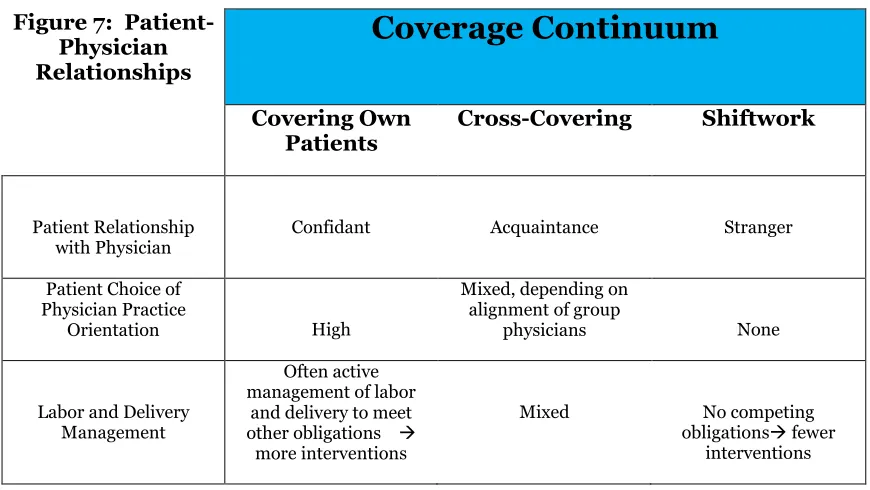
The Coverage Continuum……….102
Practice Characteristics……….105
Physician-Patient Relationships and Physician Satisfaction……….112
Patient-Physician Relationships and Patient Satisfaction………..119
Conclusions……….125
CONCLUSIONS……….
130Limitations and Future Directions……….133
Significance……….136
BIBLIOGRAPHY……….
139x
LIST OF FIGURES
Figure 1 Respondents by Generation and Gender………...19
Figure 2 Female First-Year OB/GYN Residents……….…46
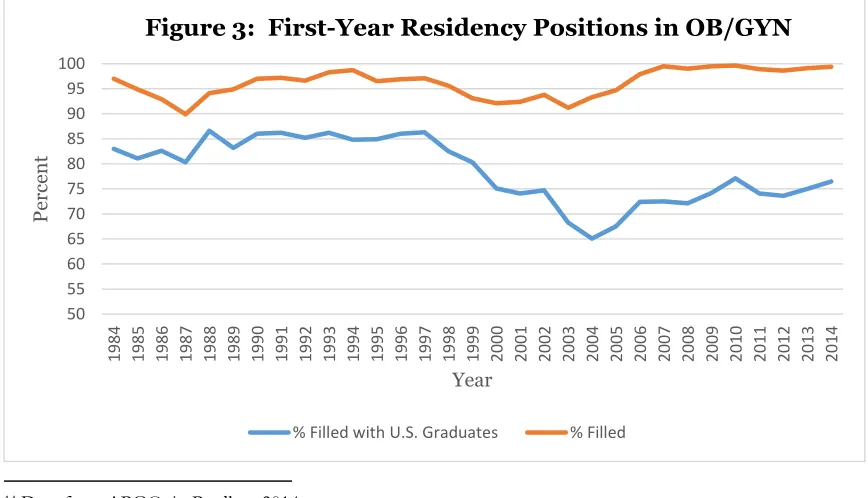
Figure 3 First-Year Residency Positions in OB/GYN………..81
Figure 4 The Coverage Continuum……….103
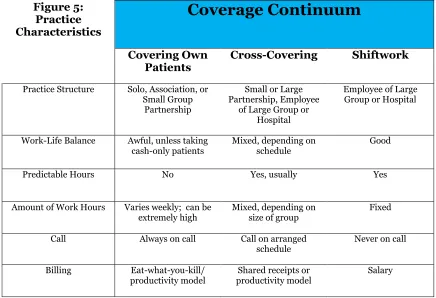
Figure 5 Practice Characteristics………..107
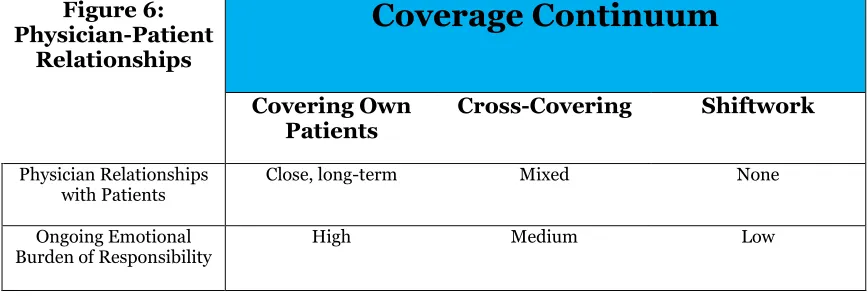
Figure 6 Physician-Patient Relationships………113
xi
PREFACE
This dissertation presents research findings from a study of
Obstetrician-Gynecologists (OB/GYNs) and the profession of Obstetrics and Gynecology in the United
States. In accordance with the options for dissertation structure available in the
Graduate Group in Sociology at the University of Pennsylvania, this work is presented as
three separate papers; they are unified by their focus on OB/GYN and by drawing upon
the same set of interviews, but they were written to be read individually. Thus, each
chapter presents its own literature review, methods, results, and conclusions. The
introduction and conclusions of the entire dissertation draw out themes common to all
1
INTRODUCTION
What do we mean when we talk about identity? The word connotes unity of
concept, but its meanings are various. In mathematics, it means equality of expressions
in an equation; expanding upon this idea as a metaphor, it can mean a close similarity or
affinity between things. For individual persons, identity can mean how others recognize
you, how you recognize or understand yourself, or a deeper, supposed meaning of who you
“really” are, beyond your own and others’ perceptions. Groups also have identities in the
same three ways, and sociologists tend to see “identity” either as self-concept or as that
which distinguishes a person or group from others.
Professions have identities as well, both because they are groups of people and
because there are socially recognized characteristics of professions that transcend the
current members of the group and provide some sense of continuity over time. In social
science research, “professional identity” has largely come to mean the self-concept of
individuals as members of a profession, based on their attributes, beliefs, values, motives,
and experiences (Slay and Smith 2011).
These papers are about professional identity and changes to it over time, using the
case of Obstetrician/Gynecologists (OB/GYNs) in the United States over the last 40 years.
The focus of analysis in each paper is different, but they all relate to one or more of the
definitions of identity or professional identity. Professions are defined in part over their
control over admission to their ranks: Who is allowed to be considered part of this
profession? Who will be counted as a member of this group? This aspect of professional
2
understand the identity of their profession as its composition changes? How do they
understand themselves as individual members of this profession—what is their own
personal professional identity? How much similarity—metaphorical mathematical
identity—is there in these self-concepts across individuals belonging to different
sub-categories within the profession?
If new types of people are admitted, especially in large numbers, the external
professional identity—the way that outsiders understand the identity of the profession—
changes. OB/GYNs in the early 1970s were overwhelmingly male, and the presumption of
a male physician shaped the social expectations of patients, nurses, and physicians and
even the structure of medical practice and its demands upon practitioners. Since then, the
profession has radically transformed: each year a higher proportion of women enter
OB/GYN training programs, and women are rapidly coming to dominate the profession.
Patients have come to expect and seek out female OB/GYNs to a greater degree than their
male counterparts, and this demand imbalance—especially the perception of this demand
imbalance—is changing the identity of the profession of OB/GYN. The medical specialty
itself may still be bounded by its work content (the reproductive health care of women)
and by its entrance requirements (completion of medical school and residency), but public
perception of the person wearing the white coat in the office or the scrubs in the delivery
room is increasingly female rather than male.
This perception of the professional identity has powerful effects within medicine,
too, as male medical students are dissuaded from entering OB/GYN and male residents
from pursuing general OB/GYN practice because their personal identities as men are
increasingly incongruous with the professional (female) identity of general practice
OB/GYN. As fewer men enter OB/GYN each year, it becomes more “weird” to be a male
3
who find their professional choices strange and from patients who express preferences for
women. These changes are not unidirectional, though, and the complexities of gender,
professional identity, and disadvantage are examined more fully in Chapter 2: Men in the
Medical Sorority.
Gender is not the only large compositional change to occur in OB/GYN over the
last four decades, however. The new physicians entering the profession are part of
successive cohorts of workers: Baby Boomers, Generation X, and now Millennials.
Researchers have argued that these cohorts have distinct approaches to work and
work/life balance, and the approaches of the youngest workers in particular challenge
ideas of work priority that have been key elements of the professional identity of older
physicians. What are the self-concepts of professional identity among these three
generations of OB/GYNs? What do physicians think it means to be a good OB/GYN?
What is required of them? Chapter 1 unpacks these questions, and asks: If differences in
these self-concepts of professional identity exist, are they more closely linked to
physicians’ gender or their generation?
Lastly, we turn to the actual work of OB/GYNs, especially those who practice
obstetrics. Within the bounds of the specialty of OB/GYN—that its practitioners are
medical or osteopathic doctors, that they have completed residencies in OB/GYN—there
is remarkable diversity in the ways in which the doctors’ work can be organized. Previous
conceptions of these differences, according to typologies of medical practice from
sociologists or the American Medical Association, do not adequately understand the key
axis of variation that is associated with different work setting characteristics. I find that
what really determines the work structure characteristics of OB/GYNs is their position
along a continuum of patient coverage, which at one end requires that a single physician
4
the other end structures medical practice as shiftwork, requiring no ongoing obligation to
patients outside of their assigned hours. Placement along this continuum has profound
implications for professional identity of individual physicians, as their location determines
the possibilities for and burdens of relationships with their patients. These relationships
are often central to the meaning that physicians derive from their work, and thus to their
identity (self-concept) as physicians. The theory of this spectrum and its implications for
physicians and patients is discussed more fully in Chapter 3: The Coverage Continuum.
The professional identity of OB/GYN and of individual OB/GYNs is changing. The
organization of the medical work, the cohort replacement of physicians by generation, and
the trends in gender composition all affect how outsiders see the profession of OB/GYN.
These changes further affect how physicians understand the professional identity of
OB/GYN as distinct from other medical specialties, and most profoundly, they deeply
shape how individual OB/GYNs understand their own profession and their identity as
professionals who are part of it. Paying attention to these changes illuminates the
evolution of this specialty and the larger forces shaping it and, perhaps more importantly,
5
CHAPTER 1: GENDER OR GENERATION?
In 1905, 96 percent of American medical school graduates were men. Over a half
a century later, almost nothing had changed: 93 percent of all physicians and 89 percent
of all medical students were male (Groves 2008; Boulis and Jacobs 2008). The story of
the next few decades in American medicine, however, would be radically different.
Beginning in the 1970s, women flooded into the medical profession, and, by 2013, women
made up 33 percent of practicing physicians and 48 percent of medical school graduates
in the United States (AAMC 2014). Among the various physician specialties, these changes
are most acute in the practice of obstetrics and gynecology (OB/GYN). Over the last 40
years, the profession of OB/GYNs in the United States has undergone a dramatic
transformation in its gender composition: it has swung from being almost wholly male to
having overwhelmingly female incoming classes of residents.
During this same period, the structure of OB/GYN practice has also shifted, from
solo practitioners toward group practices and employee positions, but its work remains
demanding for physicians. Being an OB/GYN requires an lengthy, intense training period
and long hours as a practitioner, and women physicians who want to become mothers
must manage these demands during the window of years they have available for bearing
and raising children. Moreover, physicians have long been described as having
particularly strong norms around the priority of their work over their personal lives
(Parsons 1951). How have women OB/GYNs responded to these norms, as they have
6
Gender composition, however, is not the only significant shift that has occurred
within the ranks of OB/GYNs over the last decades. Three different generations—
popularly described as the Baby Boomers (born 1945-1964), Generation X (born
1965-1980), and Millennials (born 1981-2000) (Taylor 2014)—are now in the medical
workforce. Commentators in medical journals have made much of differences in norms
of work priority and work/life balance between these three groups (Johnson 2005; Cowan
2009; Blanchard 2012; Phelan 2010; Johnson 2005; Bickel and Brown 2005; Adams
2004), but little sociological attention has yet been paid to these claims. Yet there is an
opportunity here: by interviewing OB/GYNs from different generations and both genders,
we can discover whether norms about the priority due to one’s work—what Mary
Blair-Loy called the “schema of devotion to work”—have been changing among a group of
workers, OB/GYNs, of whom a very high degree of work devotion has historically been
expected. Further, we can better understand whether any such shifts are more closely
connected to cohort replacement by gender or by generation.
Literature Review
Work and Life
A certain amount of conflict between work and family, or work and private life
more generally, is endemic to the human condition, at least for societies where “work” is
physically removed from the space of home and family. This conflict has become much
more visible in the United States, however, since the remarkable twentieth-century shift
towards women—especially married women and mothers of small children—working
7
Where once the dominant labor market pattern was a man working full-time with a
stay-at-home wife handling the family’s domestic affairs, one is now more likely to find a
dual-earning couple or a single working parent; these arrangements may maximize adults’ labor
force participation, but they minimize the resources available for childcare and household
tasks. Since housework and caring for children still must be done by someone, families
must develop ways to somehow fulfill these duties regardless of their time and resource
constraints.
For those with professional careers, these pressures are even more acute. In the
United States, the labor market has bifurcated over the last decades, into lower-wage
hourly and part-time workers, who often report wanting to work more hours, and salaried
professionals and managers, who tend to report feeling overworked and desiring to work
less. At the high-income, professional end of this “time divide”, workweeks have been
getting longer, creating a further “time squeeze” on families with professional workers
(Jacobs and Gerson 2004). Professional jobs are also often rigid in terms of the work
schedule required by employers, and even where corporate policies for family leave or
reduced hours are available, workers frequently report being wary of claiming them, for
fear of the negative consequences on their salary or career advancement (Blair-Loy and
Wharton 2004; Jacobs and Gerson 2004). Sociologists have often pointed to control over
the content and evaluation of work as a defining characteristic of a “profession” (Freidson
1970), but in an era when much of that sovereignty has been stripped away by the alternate
control structures of government and corporations (Light and Levine 1988; Hafferty and
Light 1995), what probably unites the lived experience of being a professional across
various fields today is not the sense of control over one’s work, but of work’s control over
8
Much sociological attention has been given to the gender differences in the effects
of these time squeezes. Arlie Hochschild (1989) described the uneven distribution of
household and childcare tasks between husbands and wives as a “stalled revolution,”
meaning that though the women’s movement had opened doors to professional work for
women, they remained responsible for most domestic work as well. These tasks amounted
to a “second shift” of daily work required of women but not their spouses. In the years
since then, men have become more likely to contribute to domestic tasks, but there
remains a pervasive sense that conflict between work and family life remains more intense
for women. Anne-Marie Slaughter, Dean of the Woodrow Wilson School at Princeton
University and former senior State Department official, recently drew a flurry of attention
to this gender difference by writing “Why Women Still Can’t Have It All” (2012), describing
women’s difficulty in combining meaningful family life with powerful, demanding jobs.
Indeed, researchers continue to find that women who work full-time still take on a greater
share of household tasks and childcare (Jacobs and Gerson 2004; Drago 2009; Spain and
Bianchi 1996) than their spouses, and these demands, often met through attempts to
multi-task, lead to higher levels of perceived work-family conflict, negative emotions, and
stress than those reported by men (Offer and Schneider 2011).
Professional women’s experience of work-family conflict is shaped by much more
than their unequal share of domestic tasks, however. High-earning women, after all, often
have the financial resources to hire someone to clean their houses or babysit their children.
Sociologists have described an underlying clash of ideologies that animates the logistical
struggles of balancing work and personal responsibilities. Mary Blair-Loy described two
cultural schema—shared, publicly-available models for understanding the world—
operating among the women business executives she interviewed. One, a schema of “work
9
as “a calling or vocation that deserves single-minded allegiance and gives meaning and
purpose to life” (Blair-Loy 2003:1-2). Through the lens of this work-devotion schema,
work is not only a means to gain material resources, but an enactment of a person’s
identity; a person’s success in work, then, is a validation of their own worth. Prioritizing
the needs of an employer over other social goods (family needs, friendships, community
service) thus makes sense within this perspective, justifying the long hours committed to
a professional’s job. Even though not all professional workers embrace this work-devotion
schema, it exerts a powerful influence on the expectations of employers and employees
alike, acting as a standard of professional work that workers either proudly meet or of
which they are cognizant of falling short (Blair-Loy 2001, 2003).
Conflict between the work-devotion schema and the second schema Blair-Loy
described among executive women—that of “family devotion”—is the engine of many
professional women’s work-family frustrations (2003). Sharon Hays (1996) also
described this second schema as an ideal of “intensive mothering”. This ideal, like that of
devotion to work, is culturally specific not only to our current period in history, but to
particular segments—generally the more educated, often professional ones—of the
population of American women; it is not a universal ideal of what it means to be a good
mother. Yet this image of “appropriate childrearing” exerts a powerful pull on women.
Hays found that, despite her informants’ demanding professional jobs, they felt like they—
as mothers—should be their children’s central caregiver, and that this care-giving must be
“child-centered, expert-guided, emotionally absorbing, labor-intensive, and financially
expensive” in order to meet the needs of their children and properly fulfill their role
(1996:8).
Blair-Loy described three cohorts of women among her interviewees—those born
10
generational position was connected to their experience of the work-devotion and
family-devotion schemas (2001, 2003). Her first two cohorts found the schemas to be intractably
in conflict, such that family and work had to be either singly chosen or sequenced, or else
lead to tremendous contradiction and tension. Among the third cohort, the late Baby
Boomers, she found some opportunity to redefine the family schema in ways that allowed
them to be more fully committed to work without seeing themselves as bad mothers or
spouses (Blair-Loy 2001, 2003).
Blair-Loy exclusively interviewed women, however, so she cannot weigh in on
whether men’s conceptions of these work-devotion and family-devotion schemas changed
along with the generations, except in the ways their thoughts were refracted through their
wives’ interviews. Bringing in men’s voices, as well as pulling the frame of reference
forward in time to capture the experiences of much younger professional workers, allows
us to better understand changes in more recent generations, as well as better parse the
differences and similarities between the schema of expectations experienced by women
and men.
A Greedy Profession
Physicians are a special case even when compared to other professional workers.
The profession of medicine is much more explicit about making claims that its
practitioners should be ruled by their devotion to work, and this devotion to work is
framed as part of a deeper, self-denying service ethic oriented toward putting the patient’s
needs before those of the physician. Talcott Parsons (1951) first drew sociological
attention to this service orientation by describing how physicians were committed to
11
physicians’ own admiration for colleagues that are always at the hospital and available
reveals a professional ethic that also includes giving service to patients precedence over
physicians’ personal needs more generally (Gerber 1983). The way physicians describe
their responsibilities in the language of ethics (AMA 2001) reflects a schema of work
devotion that is framed in moral terms, with the nobility and virtue of the medical
profession deriving from the sacrifice required to perform it.
Of course, Parsons has been roundly criticized for describing the rhetoric of the
profession of medicine, rather than the reality of practitioners’ behavior (Freidson 1970;
McKinlay 1977). Yet the sense that practicing medicine is a “higher calling”, one that
legitimately deserves precedence over personal and family concerns, has persisted in the
way physicians talk about their field since Parsons wrote. Like the more general schemas
of devotion to work and devotion to family, it acts as a standard against which physicians
measure their own and other physicians’ professionalism. Just as the “greedy institutions”
described by Coser (1974) “seek exclusive and undivided loyalty and…attempt to reduce
the claims of competing roles and status positions on those they wish to encompass in
their boundaries,” medicine is a “greedy profession”. Doctors are expected to give more.
The Hospital and the Home
All of these factors combine to mean that becoming and being a physician has a
profound effect on the balance between work and life. Indeed, when compared with high
school graduates, physicians report less satisfaction with their work-life balance, while
other college-educated Americans report more (Shanafelt et al 2012). Yet for all of the
intensity of this conflict for physicians, there has been little sociological attention paid to
12
qualitative studies to exclusively focus on this tension in the lives of physicians are based
on interviews and observations from the mid-1970s (Broadhead 1983; Gerber 1983).
Since then, data from quality-of-life or physician-satisfaction surveys has appeared
regularly in medical journals, but there was almost no sociological notice paid to this area
until Boulis and Jacobs’s work (2004), which will be discussed below.
One of the particular problems for physicians struggling to give time and energy to
their lives outside of the hospital is that excellence as a physician is so often measured by
the amount of time and energy spent inside the hospital. Both Bosk (1979) and Gerber
(1983) describe how doctors value those who “sweat blood” and “bust their butts” during
long days and weeks on the job, and those who try to curtail their hours are suspected of
being less-dedicated physicians. This ethic is often indirectly articulated, leaving students
and young physicians with a sense that they are always in danger of falling short of the
dedication required to be a “good doctor,” unless they are spending every possible moment
studying or in the hospital (Gerber 1983).
Specialty Choice: Looking for Lifestyle
The increasing influence of “lifestyle” preferences on specialty choice among young
physicians has attracted a great deal of attention in medical journals in recent years
(Dorsey et all 2005; Newton et al 2005; Lambert and Holmboe 2005). Many more
editorials and opinion pieces have referred to these trends negatively, suggesting that they
are evidence of weaker professional ethics among a younger generation of physicians and
bode ill for the future of the profession (Johnson 2005; Cowan 2009; Blanchard 2012).
Put in the frame of Blair-Loy, these commentators see younger, more recent generations
13
earlier generations, and instead prioritizing their own individual, personal needs over the
needs of patients and their work.
The precise meaning of “lifestyle” concerns among young physicians and
researchers varies. Early work dichotomized specialties into “controllable lifestyle” and
“non-controllable lifestyle” groups based on whether the researchers assessed that
specialty to posses “control of work hours” (Schwartz et al 1989). Schwartz and his
colleagues (1989) considered the controllable-lifestyle specialties to be anesthesiology,
dermatology, emergency medicine, neurology, opthamology, otolaryngology, pathology,
psychiatry, and radiology; the non-controllable-lifestyle specialties were then all that
remained, especially the surgical and primary care specialties and obstetrics and
gynecology (see also Newton et al 2005).
Generations and Change
One of the sociologically interesting aspects of this attention to “lifestyle” concerns
is that the medical researchers and commentators who have written about it almost always
describe it as part of an emerging generational divide between young physicians and their
older counterparts. This “generational difference” description is present in the analysis of
Gerber (1983) and Broadhead (1983), who conducted their research in the 1970s, Schwartz
and colleagues (1989) more than a decade later, and a special issue of Academic Medicine
on specialty choice in 2005 (Newton et al., Dorsey et al., Lambert and Holmboe). The
repetition of this pattern—of younger physicians being dissatisfied with the lifestyles (or
submission to medical work-devotion schema) of their mentors, and older physicians
perceiving new graduates as being unwilling to work as hard as they did—may indicate
14
history of a physician’s career, with young doctors hoping for a more generous work-life
balance, then submitting to work demands during their career, and finally expecting that
same submission from the next generation as a mark of devotion.
At the same time, there have been measureable, significant increases in the priority
students are assigning to “lifestyle” issues in their specialty choice, and the idea that there
is a “generation gap” in medicine generates a lot of heat in medical journals’
commentaries. Many of these physician-commentators take a decidedly negative view of
the generational differences, comparing the self-focused, impatient, unprofessional
attitudes of “Generation X” with the sacrificial, hard-working, gratification-delaying
devotion to medicine of the “Baby Boomers” (Cowan 2009; Blanchard 2012; Phelan 2010;
Johnson 2005). Surveys of physicians have found these ideas to be fairly widespread: 64
percent of physicians aged 50 to 65 say that doctors trained today are “less dedicated and
hardworking” than those 20 to 30 years ago (Adams 2004).
Most of the medical commentators on generational change draw from the work of
Janet Bickel and Ann Brown (2005), who apply a popular view of generational differences
(Howe and Strauss 1998, 2000; Lancaster and Stillman 2002) to the problem of the
declining attractiveness of academic medical careers to young physicians. Bickel and
Brown describe four cohorts—the Silent Generation (born 1925-44), the Boomers (born
1945-62), Generation X (born 1963-81), and Millennials (born 1982-2000)—but focus on
the differences between the Boomers and Generation X, who largely make up the senior
faculty and mid-career practitioners today. According to their description, Boomers work
hard out of loyalty, expect to stay in a job for a long time, respect authority and hierarchy,
and see paying dues and self-sacrifice as virtues. In contrast, members of Generation X
work hard “if balance allowed,” expect many job changes, question authority, and discount
15
to significant family differences between the groups: the parents of Generation X were
both likely to be working outside of the home and divorce was about twice a prevalent than
in the preceding generation, and many members of this later generation have had an
“extended adolescence,” married later, or remained single. Perhaps theorizing somewhat
beyond the scope of their evidence, they point to these changes as part of why “Generation
X’ers are seeking a greater sense of family and are less likely to put jobs before family,
friends, or other interests” (Bickel and Brown 2005:206).
Bickel and Brown suggest that these differences result in a mismatch of
expectations regarding mentoring, faculty careers, and the “ideal worker,” leading to
conflict among younger and older physicians and lower recruitment and retention rates in
academic medicine. Many of these mismatches relate to differing expectations and goals
regarding the balance between work and life: younger physicians resist the model of
single-minded work devotion that the Boomers exalt (the traditional medical
work-devotion schema), instead seeking a “multifaceted life” from the beginning of their careers,
one that does not mean career success at the cost of family and personal health. To their
Boomer supervisors and mentors, this approach can amount to being a “slacker” or
“uncommitted to medicine” (Bickel and Brown 2005:207). As one Baby Boomer physician
said of his younger colleagues, “Instead of a ‘profession,’ many now consider this as a ‘job’”
(Cowan 2009: 326).
Despite the popularity of this explanation of differences among physician writers,
there is little empirical work supporting their assertions with regard to generational
differences among physicians. Sociologists have found evidence of generational effects
elsewhere—Glen Elder (1974) described the influence of growing up during the Great
Depression on cohorts of children, and subsequent work following his life course
16
personal choices of individuals. Thirty years later, Claudia Goldin (2004) used census
data, surveys, and alumni records to describe the different family and career experiences
and expectations of five cohorts of twentieth-century college-graduate women. Mary
Blair-Loy (2001) also found evidence of generational effects in the work and family
expectations of women finance executives who were born before and during the Baby
Boom. Among physicians, though, there is yet little data to support the strength of the
arguments of Bickel, Brown, and the commentators who have followed them that these
perceived differences in work-life expectations reflect a real generational shift rather than
a more constant tension between workers at different stages in their careers.
Women in White Coats
Of course, an alternate hypothesis from the “generational change” view is that the
perceived differences in work-life expectations and demands of younger physicians have
less to do with their generation, and more to do with their gender. As was discussed
previously, the last 40 years have seen an influx of women into the profession of medicine,
and some physician commentators who bemoan the “lifestyle” concerns of younger
physicians suggest that the prominence of these concerns among new physicians is due to
the higher proportion of women among them (Hall 2004; Johnson 2005).
Indeed, women physicians do appear to have struggles in their careers and
between their practices and their private lives that are distinct from those of their male
colleagues. Women report more exposure to gender discrimination and sexual
harassment during training (Nora et al 2002), and are more likely to feel that female
17
2001). Women physicians are also underrepresented among physician-administrators,
full professors, and other positions of influence (Boulis and Jacobs 2008). 1
Becoming and being a physician also creates intense pressures on women’s time.
The period of training required of medical doctors is particularly long, and it and the
demands of early practice or academic career establishment overlap almost perfectly with
a woman’s childbearing period (Bickel 2000). Women who become physicians have been
less likely to marry, more likely to divorce, and less likely to have children than their male
colleagues, though these differences have become smaller over time (Boulis and Jacobs
2008, Lorber 1984). Female physicians who do marry are overwhelmingly likely to be
partnered with other professionals, including fellow doctors, meaning that they tend to
have spouses who also work long hours away from home (Boulis and Jacobs 2008; Bickel
2000; Bowman et al. 2002). Even when they are married to other doctors, women
physicians spend more time than their mates on household tasks (Bowman et al 2002;
Frank et al 2000). Once physicians become parents, women spend significantly more
weekly time on childcare than their husbands, and they reduce their work hours while
male physician fathers increase theirs (Bowman et al. 2002; Boulis and Jacobs 2008;
Grant et al. 1990; Weisman and Teitelbaum 1987). Women in dual-doctor marriages also
report making more career sacrifices for their family than do other physician women or
men (Sobecks et al. 1999; Hinze 2000).
Childbearing brings other challenges. During residency, female doctors often
report experiencing disapproval and criticism from their superiors and fellow residents,
1The data on male and female physicians’ earnings are mixed (Baker 1996; Ash et al 2004; Hoff 2004;
18
who express resentment about covering the pregnant resident’s work while she is on
maternity leave (Bowman et al. 2002; Wiebe 1997). Significant numbers of program
directors admit discouraging pregnancy among residents because of its perceived effects
on training programs and departmental workloads, and these attitudes appear to be
significant stressors for pregnant residents (van Dis 2004). Residents (Gabbe et al. 2003)
and practicing physicians take very short maternity leaves (Bowman et al. 2002), most
likely due to the financial and practical difficulties of keeping their practice afloat without
seeing patients or generating income. If physicians wait to have children until they have
completed residency and any fellowships, and even more so if they wait until their
practices are established, they are also at the tail end of their fertile years and may have
difficulty conceiving and carrying a pregnancy to term (Bowman et al. 2002).
More generally, women physicians often experience role conflict between their
identities as physicians and mothers in ways that are less salient for physician fathers.
Robert Broadhead noted of medical students that “many students who are husbands and
fathers see their identity and involvement in medical school as being a husband and father” (1983:43). This congruity of roles is not present for women: working hard in the
hospital is not aligned with cultural ideas of being a good mother or wife—it represents a
threat to those roles. Women have reported finding medical training and practice to be a
“neutering” experience, rather than one that enhances their femininity (Broadhead 1983).
Furthermore, being a good mother requires physical presence with children, to provide
the “intensive mothering” needed to properly care for a child (Hays 1996). Unsurprisingly,
women physicians report more role strain and stress surrounding marriage and
childbearing than do male physicians (Bowman et al. 2002). Some women physicians find
19
1983; Conley 1998; Cassell 1998) or drop out of the workforce after they have children
(Boulis 2004).
Methods
To investigate schema of medical work-devotion among OB/GYNs, I have
conducted an interview study of 51 physicians, all of whom had or were completing a
residency in OB/GYN. Respondents spanned the Baby Boomer, Generation X and
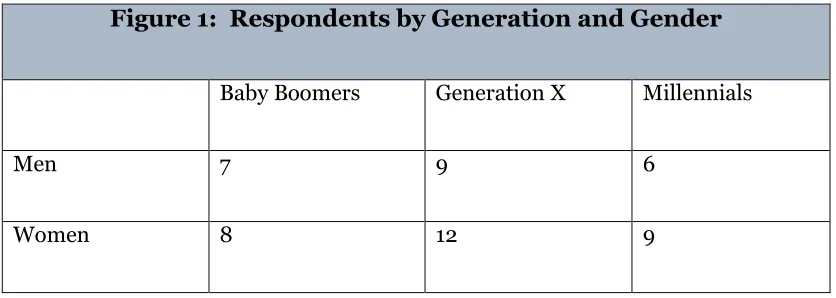
Millennial generations and both genders: I spoke with 22 men (43 percent) and 29 women
(57 percent), and physicians ranged in age from 26 to 69 at the time of the interview, with
a mean age of 43 years (41 for women, 44 for men). (See Figure 1) I continued to contact
and interview physicians until I reached a point of thematic saturation.
Figure 1: Respondents by Generation and Gender
Baby Boomers Generation X Millennials
Men 7 9 6
Women 8 12 9
Contacts for these interviews were made through snowball sampling, following
personal connections to gain introductions over email, text, or in person to physicians.2
2 While a representative sample, created through a random draw of names of active OB/GYNs and OB/GYN
residents across the country would have provided greater confidence in making generalizable conclusions, I quickly found that getting access to very busy physicians only worked when there was a personal
20
By working through networks with links across the country, I was able to speak with
physicians on the West Coast and in the Southwest, Midwest, Deep South, Mid-Atlantic,
and Northeast regions of the United States. Most physicians worked in mid-to large cities,
though I also spoke with a few small-town doctors. Some interviews were in person, in
the doctors’ lounges of hospital Labor and Delivery wards while physicians were on call,
but most of the interviews were conducted over the phone. With permission, I recorded
and transcribed all interviews. I received approval from the Institutional Review Board at
the University of Pennsylvania for this study, and all physicians’ names and identifying
details have been changed to protect their privacy.
My interviews with the physicians were semi-structured; I asked all of them about
the same areas of their personal experience—the choice to go into medicine and OB/GYN
in particular, their experiences as a man or woman in training and practice, their choices
about practice setting, the interactions between their work and private lives, their
concerns and plans for the future—but I attempted to let the physicians lead the
conversations as much as possible. I wanted to hear their thoughts in their own words,
reflecting what they saw as most pertinent to their individual experiences, and then I
followed up on repeated phrases and key themes to work inductively toward a theoretical
understanding of categories, patterns and relationships, as described by a grounded
21
Results
The Medical Work-Devotion Schema Among OB/GYNs
Doctors did not describe the medical work-devotion schema as an abstract
standard of professionalism. They talked about this ideal as embodied in real individuals
who they knew personally, describing physicians with a high level of expertise, skill, and
clinical judgment who were “ironmen”, “machines”, and “able to take the pain” of working
tremendously long hours. These labels were used as terms of praise, exalting physicians
who put the overwhelming priority of their lives on devotion to their work—usually
described as “putting their patients first”—and specifically admiring the amount of time
these physicians spent being physically present in the hospital. Very few doctors described
themselves in these terms; the labels were reserved for physicians they admired, who
almost always were members of the generation prior to their own. When OB/GYNs did
describe themselves as members of this group of committed physicians, they said they
were “dinosaurs” or “old-school”. By this, the physicians did not mean that they were
out-of-date clinicians, but that they held themselves to different (higher) standards of care and
priority for patients, standards that they felt were no longer esteemed by younger
physicians. They saw themselves as belonging to a different era.
The schema of medical work-devotion described a “hero-standard” of doctoring,
and it was clearly gendered. In order to spend so much time in the hospital and give
wholehearted priority to patient care, someone else has to be taking care of your personal
responsibilities, especially if you have children. Thus the “hero-standard” assumes either
an at-home spouse handling housework and childcare or requires that there be no
dependents at all. Only male doctors, or female doctors explicitly described as being “like
22
Among Baby Boomers
Based on the sociological literature and the gendered nature of the hero-standard,
one would expect strong gender differences in physicians’ responses to it. Indeed, among
Baby Boomer OB/GYNs, this gendered pattern was clearly present. Only one female Baby
Boomer OB/GYN closely approximated the standard in her work orientation, which she
acknowledged by saying that around the hospital, people think she is “a little different” for
her high level of physical and mental stamina and for maintaining the same level of energy
as she nears retirement that she had when she began her practice. Other clinicians
described her as “a machine.” Yet even she reflected deep reservations about the
hero-standard and the priority it demanded on the hospital over home life:
Dr. May (female, Baby Boomer): Well, lots of people told me not to go into OB. Lots of people told me I couldn’t have a family. Lots of people told me I would be divorced. Lots of people told me I can’t do it. But....some people said, you can do it all. Some of the woman doctors talked about how you could do it all.
Um, there's been plenty of divorces! [laughing] Plenty of people, I think, have let that happen. But it depends on what you see as important. My children know that my work is important, but they know they are more important. Plenty of doctors, with lots of patients, are always, always--they lived in the hospital [and that led to their family problems].
This parsing of the hero-standard of medical work-devotion—that the work ethic demand
is valid, while the time demand of always being in the hospital is rejected as destructive—
was the closest any of the women Baby Boomer OB/GYNs came to endorsing this
work-devotion schema.
Since none of the female Baby Boomer OB/GYNs in this study had stay-at-home
spouses, the “male” aspects of the hero-standard were problematic for women physicians
from the very beginning of their careers. Two doctors reported leaving the first private
23
childless women, demanded a level of time commitment and work priority that they felt
was incompatible with being mothers.
Dr. Bratten (female, Baby Boomer): I ended up going into a practice after I finished [residency] where we all covered our own patients five days a week, 24 hours a day. A lot of the other people I trained with—especially the women—went to practices where there was someone different on call every night through the whole practice. So they never had that 24 hours a day, five days a week kind of a thing. And I think that was a more— those are the people that are still practicing, really. But I liked the idea of taking care of my own patients. And knowing that I was going to care for them, and probably deliver them….So, in retrospect, it probably wasn’t the best choice for me, as far as the track just to enter.
…Neither of the women [already in the group] had any children. So... I think the practice had remained, sort of, cover-your-own-patients, because it was men, who, you know, weren’t as—didn’t see any real need, I guess, to have coverage all the time. And the two women who were already in the practice didn’t have any children. So they were, kind of, more like—not like 'men', you know what I mean! [laughing] But they didn’t have children to come home to, you know. So that they were very resistant to covering. And I think the practice still is that way, they still don’t cover each other during the week. They still all cover themselves. And they would not change that for anything when I was there. They really liked it that way.
It was pretty unsustainable with children.
Even for the women who were able to make their jobs compatible with their family
responsibilities, they had to explicitly let go of the hero-standard of medical work.
Dr. Driscoll (female, Baby Boomer): When I was just out of training and trying to really build a practice, I [came] in more on my off-hours. Partly to build a practice and get myself in the community, partly because I didn’t have kids yet, and I was married but…my husband’s awesome and really understanding….So I would come in more for my patients when I was younger, and it gets to be a little bit prohibitive as you get more things in life to deal with.
I think it [became prohibitive] when the kids were born. It just—you know, that was such a huge draw, to split my time up. Although it was hard, it wasn’t hard in the sense that I chose my job over my kids, but it was like, at least when I trained, there was a
commitment [expected of you as a physician, that it would be your top priority]…My husband [said], “Being a doctor isn’t what you do, it’s who you are.” And so that sense of commitment makes it—it’s hard. It’s hard when I have to miss deliveries. It still is. I wish it could work out, but you know, obviously logistically I’m with the kids, I can’t—it’s kind of a compromise I’m not really willing to make.
Other women found the hero-standard to be ridiculous from the start, and something they
defined themselves in opposition to from early in their careers. One physician, Dr.
Grunwald, had her first child in residency. Her daughter became grievously ill at four
months old, and she recalled a struggle with her supervising physician, who felt that her
sole priority should be on her work.
24
like, “I need an official leave of absence,” and he’s like, “What are you talking about?” I’m like, “well, my daughter was admitted to the hospital three days ago and…it’s pneumonia and they’re intubating her now as we speak.”
And he’s like, “Well, when will you be back?” I’m not kidding, like without [skipping a beat]—and I’m on a payphone.
And I’m like, “I don’t know, it depends if she lives or dies.” And he’s like, “Well, what do you mean?” I go, “Well, I guess if she dies, I’ll come back like a week afterwards, and if she lives, I’ll come back as soon as she’s off the respirator.”
And he goes, “I’m gonna hold you to that.”
…I already hated him. So it just made me—I mean, that’s just ridiculous….[Later, he gave me lowered marks for my third year evaluation.] And I said, “Well, what was this devaluation for?” And he’s like, “Well, you took a month off last year.” And I’m like, “My daughter was dying. Do you think I wouldn’t have rather come to work and done the nine calls?”
In contrast, none of the male Baby Boomer OB/GYNs reported such conflicts with
the ideal of the devoted physician, at least early in their careers. All but one of the male
Baby Boomers married and had children, and these physicians all had wives who took
primary responsibility for the household and childcare responsibilities. One physician,
Dr. Biondi, really strongly identified with the hero-standard of medical devotion, and it
was through the schema of work devotion that he evaluated his life’s meaning.
Dr. Biondi (male, Baby Boomer): I had a fabulous career. I got full professorship at the university, and I ended up—I could’ve had a lot more publications, but I ended up with like 37 publications, almost 40. I worked full-time as a perinatologist as well as the medical director. [But] what we see in all the people now is that they don’t want to do what I did, have the kind of lifestyle that I had.
And what happened is that the people that were born, particularly my era—I have a view of the Depression and of the World War…and lots of things happened to my father, who lost everything [in the Depression]…I was always insecure and one of the reasons I was afraid to stop practicing was I was worried about the money, but believe it or not, I saved so much money that [laughing] I don’t ever need to work…
But it wasn’t about money at all for me, never was. It was always about the patients, and in our training we were imbued with the idea that they came first.…
What happened, you know, because I’ve really thought about this and I’ve observed, it is that as in intern, I was on call every third night. Every third night and as a resident every fourth night, and never once did [my wife] ever say to me, “Oh you’re on call again, or oh, you have to leave,” or—never once in my entire 40-something-year career did she ever raise the issue. So she and I were born in the same—had the same kind of ethic around what the work meant.
And I what happened to me eventually is that the group you know that I hired, [laughing] that I drove relentlessly, you know they wanted a different lifestyle. And the women joining, they had families, and I couldn’t understand it because here was a practice that had a lot of time off built into it, a lot of money and very satisfying kind of—but they wanted basically a different kind of practice, you know?
25
I know this. I helped thousands of women. I did procedures that people don’t—I put membranes back in so many women and they had babies. I had a technique, you know, and I did this for 20 years, and I would stay with those women—I didn't get paid for that. At 5 o’clock in the afternoon I’d go to drive home and they came, losing their pregnancy [and instead I would turn around and stay with the patients]. I knew what to do and I did it and I was so esteemed in the community because I developed procedures out of all that experience with high-risk women, so I know that. And I, you know, live with that.
Here, Dr. Biondi’s reflections offer key insights into the schema of medical
work-devotion. The schema encompasses the standards expected of physicians and the honor
that derives from fulfilling them: Dr. Biondi is proud of his career because he feels like he
met that hero-standard, and listening carefully to how he explains his pride illuminates
the contours of it. First, his acceptance of the schema began during residency, when the
idea that the patients are to “come first” was communicated as a clear expectation. What
that norm meant is that he worked long, often irregular hours and that he did so without
complaint, because it was right that his schedule be dictated by patients’ needs rather than
his preferences or his income. He stayed with the women even after their procedure was
done, because that is what being a good doctor meant to him.
Second, the hero-standard involves clinical excellence. That clinical skill—
reflected in Dr. Biondi’s discussion of his successful procedures—is often measured by
physicians both in the affection of grateful patients and in colleague recognition, through
leadership in his perinatology group. As an academic physician and a clinical innovator,
Dr. Biondi received the further accolades of publication and full professorship, and what
he describes as the esteem of the community: all of these sources of praise serve to
recognize and honor his devotion to his patients. Dr. Biondi, more than any other
physician in the study, experienced the fullness of the schema of medical work-devotion:
he believed in the standard, he fulfilled its requirements, and he received the honor due to
him as a result.
Dr. Biondi’s description of his career also illuminates some of the gender and
26
physician in the study, Dr. Biondi was born right on the edge of the generational divide
between Baby Boomers and their predecessors, the Silent Generation; in many ways, his
firm commitment to the hero-standard of medical devotion—he used the term “ironman”
with no reservations or qualifications—is more characteristic of his elders. Coming from
a family that had memories of scarcity and hardship in the Depression, his dedication to
work and to seeking financial security became a clear priority for his life; because of his
success in both, he evaluates his career as “fabulous”.
His ability to give such priority to his patients and his work—to be on call every
third or fourth night, to come in when there were emergencies—was enabled by his wife,
who took care of his household and children and accepted this division of labor as natural
and right. They “shared the same ethic around what the work meant,” meaning, they
agreed that his work was more important than their personal or family time, and also that
domestic work was not his responsibility. Though he does not articulate this here, without
his wife’s support, he would not have been able to have this dedicated career.
Dr. Biondi also noticed and was extremely frustrated by gender and generational
shifts regarding this schema of medical work-devotion. The younger physicians he hired—
especially, in his view, the women—had different priorities for their work and family life
in ways that were bewildering to him. In his view, the setup of his practice was ideal: it
was highly remunerative and highly honored, the two axes of meaning that measured his
career. His fellow physicians’ insistence on a third axis—time—was something he
struggled to accept. Even the idea of measuring time in the hospital versus time at home
perplexed him, because one of the main ways that he conceptualized “putting patients
first” was by generously giving them his time.
Dr. Biondi’s comments also illustrate the tensions created by the medical
27
separate spheres common to many men of his generation, presuming his wife’s
responsibility for domestic care that facilitates his work devotion. This presumption of a
gendered division of labor is clearest when he notes that the women he hired into his
practice, who wanted a different lifestyle, “had families.” Obviously, he and most of his
male colleagues “had families,” too, but what he really means is that they were mothers, and that women with children were unwilling to work according to his (male or childless)
standard of medical work-devotion.
But Dr. Biondi also reflects with ambivalence about the effect on his own family of
his dedication to the schema of medical work-devotion. Thinking of his sons and their
struggles to establish themselves as independent adults, he wonders if being a more
involved father could have ameliorated some of their difficulties. Even as he questions the
demands of the schema for priority over his family, though, he shifts his focus to what he
“knows”—that his dedication has resulted in work that was valuable and valued. Instead
of undermining his allegiance to the schema, he reifies it, then finishes with a declaration
of the meaning of his life and identity as drawn from it.
What was most interesting about talking to the other male Baby Boomer OB/GYNs
was that, even if they began their practices being socialized toward an ideal of a devoted
hero-physician, many of them became disillusioned with that standard and the schema of
work devotion it represented. Over the course of their careers, three of these men reported
moving away from lives oriented around a work priority—in two of these cases, the shift
required a dramatic career change—a finding not suggested by the previous sociological
literature. Unlike their female counterparts, male Baby Boomer OB/GYNs did not make
this shift when they became parents; instead, their disillusionment often emerged decades
into their careers, when the effects of their work devotion became apparent in their own