Original Research Article
Prevalence of asymptomatic malaria and anaemia among elderly
population in Osun state Southwestern, Nigeria
Bolaji E. Egbewale
1*, Akeem A. Akindele
1, Samuel A. Adedokun
1, Olusola A. Oyekale
2INTRODUCTION
Malaria remains a major global disease burden, with approximately 438,000 deaths annually. Malaria is ranked by World Health Organization as the largest single component of the disease burden in Africa, accounting for approximately 250 million clinical cases and approximately 1 million deaths each year.1,2 In Africa, malaria is responsible for about 20-30% of hospital admissions and about 30-50% of outpatient consultations. Sub-Saharan African countries are
disproportionately affected by malaria due to the presence of mosquito vectors, widespread poverty, limited infrastructure, and overburdened health systems. Those living in extreme poverty are most vulnerable to infectious diseases. In Nigeria, malaria is holoendemic with seasonal variations throughout the year which comprises of a distinctive rainy and dry season. It is a major cause of morbidity and mortality in Nigeria, and at least 100% of the population suffers from one episode of malaria each year. The malaria situation in Nigeria is very burdensome and it impedes human development. It is both a cause and consequence of underdevelopment.3
ABSTRACT
Background: Malaria has remained a global burden for many centuries. It remains a major public health disease particularly in the tropic despite several interventional efforts targeted at its elimination. Malaria if not treated early enough could result in patients becoming anaemic. In Nigeria, elderly (60 years and above) represent a vulnerable group of individuals, they enjoy very little attention in terms of specific health related interventions and facilities. This study aimed to assess the prevalence and proportion of asymptomatic malaria infections and anaemia among the geriatric population in Osun state, Southwestern Nigeria.
Methods: A community-based cross-sectional study was conducted among 396 elderly with average age of 69.14±7.27 years. Blood samples were collected for the preparation of Giemsa stained blood films for the detection and quantification of malaria parasites microscopically. Packed cell volume (PCV) was assessed using hematocrit.
Results: Malaria parasites were present in the peripheral blood of 16.2% of the population and only 9.3% of the elderly were found to be anaemic. The „Very old‟ age group of >85 years years had highest prevalence of malaria (33.3%) but this was not statistically significant (p=0.17). Male respondents (24.4%) were more infected than females (13.7%) and this was found statistically significant (p=0.015). Having malaria parasite and living in the rural areas were significantly associated with being anaemic, p<0.05 in each case.
Conclusions: Considerable proportion of asymptomatic elderly individuals with parasitaemia were found anaemic. This group also represents a silent reservoir for malaria transmission in the country, if not addressed.
Keywords: Asymptomatic malaria, Elderly, Anaemia
1Department of Community Medicine, 2Department of Chemical Pathology, College of Health Sciences, Ladoke
Akintola University of Technology, Osogbo, Osun State, Nigeria
Received: 01 May 2018
Revised: 31 May 2018
Accepted: 01 June 2018
*Correspondence:
Dr. Bolaji E. Egbewale,
E-mail: [email protected]
Copyright: © the author(s), publisher and licensee Medip Academy. This is an open-access article distributed under the terms of the Creative Commons Attribution Non-Commercial License, which permits unrestricted non-commercial use, distribution, and reproduction in any medium, provided the original work is properly cited.
Of the four human malaria parasite species, Plasmodium falciparum is reported to cause the highest morbidity and mortality.4 P. falciparum disease severity ranges from severe and complicated, to mild and uncomplicated, to asymptomatic.4 Asymptomatic malaria refers to the presence of malaria parasites in the blood without symptoms. Asymptomatic malaria parasitaemia has been identified to provide a reservoir for malaria transmission as well as a precursor in the progression to symptomatic disease.5 It is prevalent in highly endemic areas of Africa, with only a small percentage of individuals exhibiting clinical symptoms. It has also been argued that asymptomatic infections are needed to build the immunity in children, protecting them from severe diseases. However, asymptomatic infections have been implicated in impacting negatively on the wellbeing of children; causing anaemia, malnutrition and poor intellectual development.6 The presence of a large number of asymptomatic carriers in a population is a challenge and places an additional burden on malaria control programmes.7
Most Nigerian epidemiological studies of malaria have often focused on pregnant women and their unborn babies as well as children under-five years of age as the most vulnerable groups. Till date, there is inadequate information about the epidemiology and management of malaria among elderly, yet the elderly are vulnerable to diseases and illnesses due to their physiological state.8 A correct estimate of symptomatic and asymptomatic cases is required to plan an effective malaria control programme. As such, this study was undertaken to estimate the burden of asymptomatic malaria among the geriatric population in Osun State, Nigeria.
METHODS
Study area
The study was carried out in five selected communities in Osun state. Osun state is located in the Southwestern part of Nigeria and is bounded by Ogun, Kwara, Oyo and Ondo in the South, North, West and East respectively. According to the 2006 National Population Census (NPC), Osun state was estimated to be about 3 Million. The majority of the inhabitants are farmers. The study was carried out from May to August 2017, which spanned the rainy season. All adults that were above the age of sixty years and above who were willing to be part of the study were selected.
Study design and data collection
The study design was a cross-sectional study. Information on each individual was obtained using well-structured questionnaires. Information like age, sex, occupation, and clinical symptoms was obtained. After informed consent had been obtained, capillary blood samples were collected by finger prick for preparation of thick blood films and haematocrit. Axillary temperature and details of
symptoms potentially due to malaria were recorded. Results of blood film examination and the haematocrit were giving to participants. Subjects diagnosed with malaria were treated appropriately.
Ethical issue
Ethical clearance was obtained from the Osun state Ministry of Health, Osogbo, Nigeria.
Elderly aged 60 years and above were individually briefed on the objectives of the survey and informed that they were free to participate or refuse. Consent was recorded as „yes‟ or „no‟ on an individual form designed for the collection of basic demographic data. For those who refused to participate no further questions were asked and no information was recorded.
Detection and quantification of malaria parasites
Blood samples were collected by finger prick for the determination of P. falciparum parasitemia. Thick blood films were prepared, air dried, Giemsa-stained, and observed under the microscope for identification and quantification of malaria parasites. Malaria parasites were counted against 200 leukocytes, and counts were expressed as the number of parasites per microliter of blood, assuming an average leukocyte count of 8,000 cells/μl of blood.
Determination of packed cell volume
For packed cell volume (PCV,%), micro-hematocrit tubes filled with blood were centrifuged in a micro-hematocrit rotor for 5 min at 10,000 g. PCV values ≤31% were
considered as anemia.
Data analysis
All the study data were entered in Excel and analyzed using SPSS version 21 (IBM Corp., Armonk, NY, USA), respectively. All continuous variables such as age were expressed as mean and standard deviation. Cross-tabulation was performed for categorical variables. Chi-square (χ2) test was applied to assess statistical
significance of association between categorical variables at 5% level of significance.
RESULTS
were not living with their spouse as at the time of the study and whereas 127 (32.1%) had monthly income below 20,000 naira (less than$ 56), only 49 (12.4%) received more than 20, 000 naira and well over half of the
study participants 220 (55.6%) did not have regular source of income. The microscopy view on malaria parasite indicates that 64 (16.2%) were positive and 37 (9.3%) were anemic.
Table 1: Socio demographic characteristics of the study participants.
Variables Frequency Percentage (%)
Age categories
60-74 Young old 291 73.5
75-85 Old old 96 24.2
>85 Very old 9 2.3
Sex Male 90 22.7
Female 306 77.3
Religion Christianity 157 39.6
Islam 239 60.4
LGA categories
Ede North 76 19.2
Obokun 70 17.7
Olorunda 82 20.7
Orolu 88 22.2
Ejigbo 80 20.2
Highest education level
None 278 70.2
Primary 68 17.2
Secondary 26 6.6
Tertiary 24 6.1
Residence Rural 188 47.5
Urban 208 52.5
Marital status new categories Living with spouse 159 40.2
Not living with spouse 237 59.8
Monthly income
<20,000 naira 127 32.1
20,000 naira and above 49 12.4
No regular income 220 55.6
Malaria status (microscopy) Negative 332 83.8
Positive 64 16.2
PCV categories
Anaemic 37 9.3
Normal 359 90.7
Total 396 100
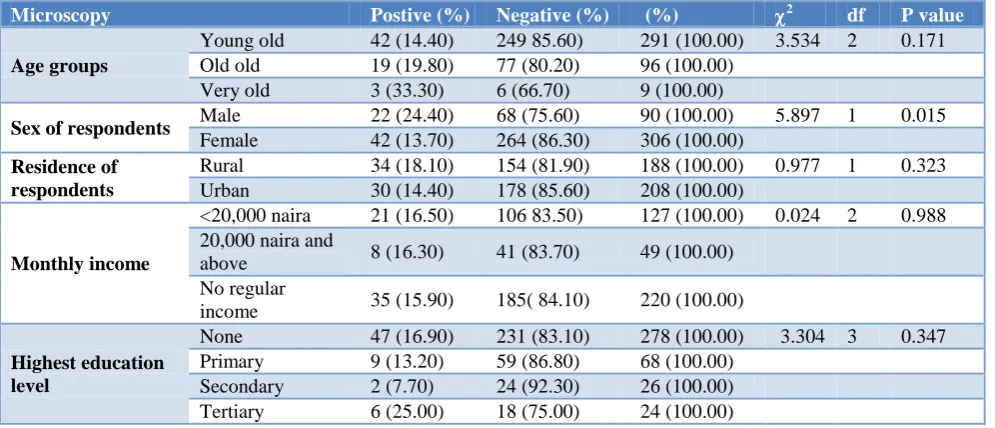
Table 2: Relationship between malaria parasitaemia and general characteristics of the subject
Microscopy Postive (%) Negative (%) (%) 2 df P value
Age groups
Young old 42 (14.40) 249 85.60) 291 (100.00) 3.534 2 0.171
Old old 19 (19.80) 77 (80.20) 96 (100.00)
Very old 3 (33.30) 6 (66.70) 9 (100.00)
Sex of respondents Male 22 (24.40) 68 (75.60) 90 (100.00) 5.897 1 0.015
Female 42 (13.70) 264 (86.30) 306 (100.00)
Residence of respondents
Rural 34 (18.10) 154 (81.90) 188 (100.00) 0.977 1 0.323
Urban 30 (14.40) 178 (85.60) 208 (100.00)
Monthly income
<20,000 naira 21 (16.50) 106 83.50) 127 (100.00) 0.024 2 0.988
20,000 naira and
above 8 (16.30) 41 (83.70) 49 (100.00)
No regular
income 35 (15.90) 185( 84.10) 220 (100.00)
Highest education level
None 47 (16.90) 231 (83.10) 278 (100.00) 3.304 3 0.347
Primary 9 (13.20) 59 (86.80) 68 (100.00)
Secondary 2 (7.70) 24 (92.30) 26 (100.00)
Table 3: Relationship between PCV categories and characteristics of the study participants.
PCV Anaemic (%) Normal (%) (%) 2 df P value
Age groups
Young old 27 (9.30) 264 (90.70) 291 (100.00) 1.879 2 0.391
Old old 8 (8.30) 88 (91.70) 96 (100.00)
Very old 2 (22.20) 7 (77.80) 9 (100.00)
Sex of respondents Male 10 (11.10) 80 (88.90) 90 (100.00) 0.430 1 0.512
Female 27 (8.80) 279 (91.20) 306 (100.00)
Highest education level
None 31 (11.20) 247 (88.80) 278 (100.00) 4.476 2 0.214
Primary 2 (2.90) 66 (97.10) 68 (100.00)
Secondary 2 (7.70) 24 (92.30) 26 (100.00)
Tertiary 2 (8.30) 22 (91.70) 24 (100.00)
Monthly income
<20,000 naira 13 (10.20) 114 (89.80) 127 (100.00) 0.292 2 0.864
20,000 naira and
above 5 (10.20) 44 (89.80) 49 (100.00)
No regular
income 19 (8.60) 201 (91.40) 220 (100.00)
Residency of respondents
Rural 11 (5.90) 177 (94.10) 188 (100.00) 5.154 1 0.023
Urban 26 (12.50) 182 (87.50) 208 (100.00)
Malaria status Negative 25 (7.50) 307 (92.50) 332 (100.00) 7.97 1 0.005
Positive 12 18.8) 52 (81.20) 64 (100.00)
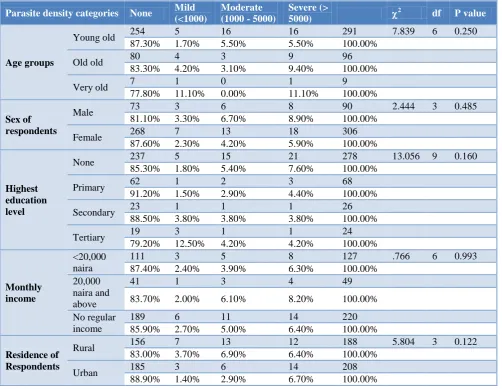
Table 4: Relationship between parasite density and general characteristics of the subject.
Parasite density categories None Mild (<1000)
Moderate (1000 - 5000)
Severe (>
5000)
2 df P value
Age groups
Young old 254 5 16 16 291 7.839 6 0.250
87.30% 1.70% 5.50% 5.50% 100.00%
Old old 80 4 3 9 96
83.30% 4.20% 3.10% 9.40% 100.00%
Very old 7 1 0 1 9
77.80% 11.10% 0.00% 11.10% 100.00%
Sex of respondents
Male 73 3 6 8 90 2.444 3 0.485
81.10% 3.30% 6.70% 8.90% 100.00%
Female 268 7 13 18 306
87.60% 2.30% 4.20% 5.90% 100.00%
Highest education level
None 237 5 15 21 278 13.056 9 0.160
85.30% 1.80% 5.40% 7.60% 100.00%
Primary 62 1 2 3 68
91.20% 1.50% 2.90% 4.40% 100.00%
Secondary 23 1 1 1 26
88.50% 3.80% 3.80% 3.80% 100.00%
Tertiary 19 3 1 1 24
79.20% 12.50% 4.20% 4.20% 100.00%
Monthly income
<20,000 naira
111 3 5 8 127 .766 6 0.993
87.40% 2.40% 3.90% 6.30% 100.00%
20,000 naira and above
41 1 3 4 49
83.70% 2.00% 6.10% 8.20% 100.00%
No regular income
189 6 11 14 220
85.90% 2.70% 5.00% 6.40% 100.00%
Residence of Respondents
Rural 156 7 13 12 188 5.804 3 0.122
83.00% 3.70% 6.90% 6.40% 100.00%
Urban 185 3 6 14 208
Table 2 shows relationship between microscopy test result and general characteristics of the subjects, The result shows a non-statistically significant association between age group, residence of respondents, monthly income, educational level and malaria status; (X2=3.534, p=0.171), (X2=0.977, p=0.323), (X2=0.024, p=0.988) and (X2=3.304, p=0.347) respectively. However, a significant association was observed between microscopy test result and sex of respondents, (X2=5.897, p=0.015). Male respondents were found to have a significantly higher prevalence 24.4% of malaria compared to female with malaria prevalence of 13,7%.
Table 3 shows relationship between PCV categories and general characteristics of the subjects in the table; the association observed between PCV categories with age group, gender, educational level and house hold income at (2=1.879, p=0.391), (2=0.430, p=0.517), (2=4.476, p=0.214) and (2=0.292, p=0.864) respectively is not statistically significant as p>0.05. A significant association was observed with the location or residency of respondents at (2=5.154, p=0.023). Elderly dwelling in urban setting had significantly higher percentage of anaemia, 12.5%, compared to their counterparts in the rural communities with only 5.9% of anaemia.
Table 4 shows association between parasite density and general characteristics of the respondents. From the table, the association between age group, gender, education, monthly income and resident of the respondents with parasite density is not statistically significant; (2=7.839, p=0.25), (2=2.444, p=0.485), (2=13.056, p=0.16), (2=0.766, p=0.993) and (2=5.804, p=0.1222) respectively.
DISCUSSION
The overall prevalence of 16.2% of asymptomatic malaria among elderly reported in this study was relatively low compared to previous study in other part of the country. A previous study had reported a prevalence of 36.1% in Abia (Southeastern Nigeria).9 The difference in the prevalence may be as a result of variation in the study populations, whereas this study focused on the elderly the study by Noland et al included all age strata in their target population. There is growing awareness of preventive practices against malaria and a national effort at eradicating the disease continues unabated. Non-governmental organizations are also doing their bits towards malaria control, for example, free distribution of mosquito nets is a major way these organizations are contributing positively towards malaria control. A decrease in the prevalence of malaria parasitaemia recorded in the study could be perhaps the malaria preventive practices among the elderly are also better than that obtained in the general population, all other things being equal.
Changes in blood cell counts are a well-known feature of malaria infections. These changes involve major cell lines including red blood cells (RBC), leukocytes and thrombocytes. Hematological changes in the course of a malaria infection, such as anaemia, thrombocytopenia and leukocytosis or leucopoenia are well recognized.10 In this study, the prevalence of anemia of 9.3% among the geriatric population, 60 years and above was similar to values reported in previous studies.11-13
On the other hand, the magnitude of anemia in this study was lower than studies carried out by earlier studies.14,15 The major reason for this disparity is the fact that while our study was done in the community among apparently healthy elderly, their studies considered elderly that were hospitalized as at the time of the study. Thus, the risk of infection was higher in those elderly compared to our own study. As was earlier noted, reduction in PCV is associated with most infection.16,17
Our findings indicate a significant association between malaria parasitaemia and anaemia status among the elderly. Physiologically, the elderly are susceptible to different infections and thus increased likelihood of being anaemic. Our study has however shown that malaria is also a major player in relation to the anaemic status of the elderly. Adults usually have some level of parasites in them that do not necessarily cause clinical malaria but can lead to anaemia and its related complications.
Plasmodium falciparum infection causes destruction of red blood cells hence reducing haemoglobin levels leading to anaemia. The result obtained is in agreement with previous studies.18-20
No statistically significant association was found between anaemia and the sex of the study participants. This result is similar to previous studies.13,15,21 The sex distribution in relation to anaemia showed a higher magnitude of anemia among men 11.10% compared to women 8.80%. The difference in the prevalence rates of anemia for men and women can be explained by the fact that in each decade beyond the age of 30, the concentration of testosterone declines sharply in males. This negatively impacts the enhanced metabolic processes of the bone marrow. As testosterone level decreases with aging, the rate of erythropoiesis tends to be declined and predispose men to increased risk of anaemia.22
bushes, garbage heaps, swamps and stagnant pools of water that surround many houses in the village and the poor housing conditions.24 The socio economic status and life style of individual such as smoking, exercise, alcohol and kola nut intake have being reported by many authorities to have an impact on health status of individual and prognosis of various disease among which may include malaria.25 This study revealed that more than two-third of the subjects have positive life style, majority do not take alcohol or smoke. A considerable number avoid sedentary lifestyle as they claimed doing exercise, this may implies that majority of the population are aware of the detrimental effect of bad life style and its implications on health.
CONCLUSION
Malaria remains a major public health problem in the tropics and Plasmodium falciparum infection is not limited to under-fives and pregnant women. The geriatric population undergoes physiological changes that may make them very susceptible to malaria complications. It is therefore important that malaria control programmes should be all inclusive, embracing all age categories including the older adults.
ACKNOWLEDGEMENTS
The study was supported by TET Fund through the institutional based research grant PV number 00011220 of Ladoke Akintola University of Technology, Ogbomoso, Nigeria.
Funding: TET Fund through the institutional based research grant PV number 00011220 of Ladoke Akintola University of Technology, Ogbomoso, Nigeria
Conflict of interest: None declared
Ethical approval: The study was approved by the Institutional Ethics Committee
REFERENCES
1. Bhatt S, Weiss DJ, Cameron E, Bisanzio D, Mappin B, Dalrymple U, et al. The effect of malaria control on Plasmodium falciparum in Africa between 2000 and 2015. Nature. 2015;526(7572):207.
2. Ojurongbe O, Akindele AA, Adedokun SA, Thomas BN. Malaria: control, elimination, and eradication. Human Parasitic Dis. 2016;2016(8):11-5.
3. Andrew O. An assesment of the spatial pattern of malaria infection in Nigeria. Int J Med Med Sci. 2014;6(2):80-6.
4. Laishram DD, Sutton PL, Nanda N, Sharma VL, Sobti RC, Carlton JM, et al. The complexities of malaria disease manifestations with a focus on asymptomatic malaria. Malar J. 2012;11:29.
5. Njama-Meya D, Kamya MR, Dorsey G.
Asymptomatic parasitaemia as a risk factor for symptomatic malaria in a cohort of Ugandan children. Trop Med Int Health. 2004;9:862-8.
6. Stephenson LS, Latham MC, Ottesen EA.
Malnutrition and parasitic helminth infections. Parasitology. 2000;121(1):23-38.
7. Chourasia MK, Raghavendra K, Bhatt RM, Swain DK, Meshram HM, Meshram JK, et al. Additional burden of asymptomatic and sub-patent malaria infections during low transmission season in forested tribal villages in Chhattisgarh, India. Malaria J. 2017;16(1):320.
8. Asiyanbola AR. Assessment of family care, housing, gender, daily activities, and physical wellbeing of the elderly In Ibadan, Nigeria. ASSET: An Int J (Series C)}. 2008;3(1):63-78.
9. Noland GS, Graves PM, Sallau A, Eigege A, Emukah E, Patterson AE, et al. Malaria prevalence, anemia and baseline intervention coverage prior to mass net distribution in Abia and Plateau States, Nigeria. BMC Infectious Dis. 2014;14:168.
10. Kotepui M, Piwkham D, PhunPhuech B, Phiwklam N, Chupeerach C, Duangmano S. Effects of Malaria Parasite Density on Blood Cell Parameters PMCID: PMC4373695. PLoS One. 2015;10(3):e0121057. 11. Patel KV. Epidemiology of Anemia in older adults.
Semin Hematol. 2008;45(4):210–7.
12. Sgnaolin V, Engroff P, Ely LS, Schneider RH, Schwanke CHA, Gomes I, et al. Hematological parameters and prevalence of anemia among free-living elderly in south Brazil. Revista Brasileira de Hematologia e Hemoterapia. 2013;35(2):115–8. 13. Bang SM, Lee JO, Kim YJ, Lee KW, Lim S, Kim
JH, et al. Anemia and activities of daily living in the Korean urban elderly population: Results from the Korean Longitudinal Study on Health and Aging (KLoSHA). Annals of Hematol. 2013;92(1):59–65. 14. Sahin S, Tasar PT, Simsek H, Çicek Z, Eskiizmirli
H, Aykar FS, et al. Prevalence of anemia and malnutrition and their association in elderly nursing
home residents. Aging Clin Exp Res.
2016;28(5):857-62.
15. Tay MRJ, Ong YY. Prevalence and risk factors of anaemia in older hospitalised patients. Proceedings of Singapore Healthcare. 2011;20(2):71–9.
16. Noland GS, Graves PM, Sallau A, Eigege A, Emukah E, Richards FO, Jr. Malaria prevalence, anemia and baseline intervention coverage prior to mass net distributions in Abia and Plateau States, Nigeria BMC Infect Dis. 2014;14:168.
17. Ogbu GI, Aimakhu CO, Ajen Anzaku S, Ngwan S, Ogbu DA. Prevalence of malaria parasitaemia among asymptomatic women at booking visit in a tertiary hospital, Northcentral Nigeria. J Reprod Biol Health. 2015;3:1.
18. Asobayire FS, Adou P, Davidsson L, Cook JD, Hurrell RF. Prevalence of iron deficiency with and without concurrent anemia in population groups with high prevalences of malaria and other infections: a study in Cote d'Ivoire. Am J Clin Nutr. 2001;74:776–82.
different altitudes in the western highlands of Kenya. Acta Trop. 2004;91:167–75.
20. Mayor A, Aponte JJ, Fogg C, Saute F, Greenwood B, Dgedge M, et al. The epidemiology of malaria in adults in a rural area of southern Mozambique. Malar J. 2007;6:3.
21. Guralnik JM, Eisenstaedt RS, Ferrucci L, Klein HG, Woodman RC. Prevalence of anemia in persons 65 years and older in the United States: evidence for a high rate of unexplained anemia. Blood. 2004;104(8):2263–8.
22. Ferrucci L, Maggio M, Bandinelli S, Basaria S Lauretani F, Ble A, et al. Low testosterone levels and the risk of anemia in older men and women. Arch Intern Med. 2006;166(13):1380–8.
23. Melku M, Asefa W, Mohamednur A, Getachew T, Bazezew B, Workineh M, et al. Magnitude of Anemia in Geriatric Population Visiting Outpatient
Department at the University of Gondar Referral Hospital, Northwest Ethiopia: Implication for Community-Based Screening. Current Gerontol Geriatrics Res. 2018.
24. Powers DC. Immunologic principles and emerging strategies of vaccination for the elderly. J Am Geriatr Soc. 1992;40:81-94.
25. Trevethan R. Published online 2017B
Deconstructing and Assessing Knowledge and Awareness in Public Health Research. Front Public Health. 2017;5:194.