DigitalCommons@USU
DigitalCommons@USU
All Graduate Theses and Dissertations Graduate Studies
5-2013
Strategic Approaches To Develop Optimal Feeding Program of
Strategic Approaches To Develop Optimal Feeding Program of
Brown Midrib Corn Silage to Lactating Dairy Cows in the
Brown Midrib Corn Silage to Lactating Dairy Cows in the
Intermountain West
Intermountain West
Michael Shane HoltUtah State University
Follow this and additional works at: https://digitalcommons.usu.edu/etd Part of the Animal Sciences Commons
Recommended Citation Recommended Citation
Holt, Michael Shane, "Strategic Approaches To Develop Optimal Feeding Program of Brown Midrib Corn Silage to Lactating Dairy Cows in the Intermountain West" (2013). All Graduate Theses and Dissertations. 1986.
https://digitalcommons.usu.edu/etd/1986
This Dissertation is brought to you for free and open access by the Graduate Studies at
DigitalCommons@USU. It has been accepted for inclusion in All Graduate Theses and Dissertations by an authorized administrator of DigitalCommons@USU. For more information, please contact
STRATEGIC APPROACHES TO DEVELOP OPTIMAL FEEDING PROGRAM OF BROWN MIDRIB CORN SILAGE TO LACTATING DAIRY COWS IN THE
INTERMOUNTAIN WEST by
Michael Shane Holt
A dissertation submitted in partial fulfillment of requirements for the degree
of
DOCTOR OF PHILOSOPHY in
Animal, Dairy, and Veterinary Science Approved:
_____________________ _____________________ Dr. Jong-Su Eun Dr. Dale R. Zobell
Major Professor Committee Member _____________________ _____________________ Dr. Allen J. Young Dr. J. Earl Creech
Committee Member Committee Member _____________________ _____________________ Dr. Jeffery O. Hall Dr. Keneth L. White Committee Member Department Head
_____________________ Dr. Mark R. McLellan Vice President for Research and Dean of the School of Graduate Studies
UTAH STATE UNIVERSITY Logan, Utah
ABSTRACT
Strategic Approaches to Develop Optimal Feeding Program of Brown Midrib Corn Silage to Lactating Dairy Cows in the Intermountain West
by
Michael Shane Holt, Doctor of Philosophy Utah State University, 2013
Major Professor: Jong-Su Eun
Department: Animal, Dairy, and Veterinary Sciences
In two lactation studies reported in this dissertation, it was hypothesized that feeding 35% brown midrib corn silage (BMRCS) and 25% alfalfa hay (dry matter basis) would result in increased dry matter intake (DMI) around peak lactation compared with feeding conventional corn silage (CCS), causing longer peak milk production, and that feeding dairy cows in early lactation a 16% crude protein diet with fair quality alfalfa hay (FAH) in BMR-based diets would maintain milk production, reduce urinary N excretion, and improve N efficiency compared to those fed high quality alfalfa hay (HAH) in CCS- or BMR-based diets. A third experiment was conducted to assess in situ degradation kinetics of BMRCS harvested prior to or at maturity. The first lactation study was performed to determine the long-term effects of feeding BMRCS fed with a high dietary concentration of good quality alfalfa hay in a high-forage lactation diet on productive performance of Holstein dairy cows for the first 180 d of lactation. Feeding BMRCS-based diet did not affect milk production through peak lactation compared with a
CCS-based diet; however, cows fed the BMRCS-CCS-based diet maintained heavier body weight through peak lactation and longer peak milk production, which resulted in increased milk yield post peak lactation, leading to greater overall milk production and milk protein yield. A second lactation experiment was performed to investigate if early lactating dairy cows fed with the FAH in BMRCS-based diets would reduce urinary N excretion and improve N efficiency compared to those fed the HAH in CCS- or BMR-based diets. Feeding BMR and HAH had better N utilization by decreasing concentrations of urea in blood, milk, and urine. In addition, feeding BMR-based diets decreased urinary N-to-fecal N ratio, and it was further reduced by feeding the HAH, which can represent an environmental advantage over traditional sources of forages in lactation dairy diets. A third experiment assessed in situ DM and neutral detergent fiber degradation kinetics for two new pre-matured BMR varieties (pmBMR1 and pmBMR2) that can be double-cropped by harvesting at tassel, compared with a sole crop mature BMR (mBMR) and CCS harvested at maturity in dry and lactating Holstein dairy cows. The potentially degradable NDF fraction was greater for BMR hybrids compared with CCS with the exception of the pmBMR2, which had the lowest potentially degradable NDF fraction in dry cows. Estimates of ruminal degradability of NDF were greatest for pmBMR1 in both dry and lactating cows. Feeding BMRCS exerted nutritive and environmental benefits when fed with typical Intermountain West lactation dairy diets. Further research is needed to understand interactive aspects of nutrient utilization with other dietary ingredients under different physiological conditions to take full potential benefits of BMRCS.
PUBLIC ABSTRACT
Strategic Approaches to Develop Optimal Feeding Program of Brown Midrib Corn Silage to Lactating Dairy Cows in the Intermountain West
by
Michael Shane Holt Utah State University, 2013
In two lactation studies reported in this dissertation, it was hypothesized that feeding 35% brown midrib corn silage (BMRCS) and 25% alfalfa hay (dry matter basis) would result in increased dry matter intake (DMI) around peak lactation compared with feeding conventional corn silage (CCS), causing longer peak milk production, and that feeding dairy cows in early lactation a 16% crude protein diet with fair quality alfalfa hay (FAH) in BMR-based diets would maintain milk production, reduce urinary N excretion, and improve N efficiency compared to those fed high quality alfalfa hay (HAH) in CCS- or BMR-based diets. A third experiment was conducted to assess in situ degradation kinetics of BMRCS harvested prior to or at maturity.
The first lactation study was performed to determine the long-term effects of feeding BMRCS fed with a high dietary concentration of good quality alfalfa hay in a high-forage lactation diet on productive performance of Holstein dairy cows for the first 180 d of lactation. Feeding BMRCS-based diet did not affect milk production through peak lactation compared with CCS-based diet; however, cows fed the BMRCS-based diet maintained heavier body weight through peak lactation and longer peak milk production, which resulted in increased milk yield post peak lactation, leading to greater overall milk production and milk protein yield.
A second lactation experiment was performed to investigate if early lactating dairy cows fed with the FAH in BMRCS-based diets would reduce urinary N excretion and improve N efficiency compared to those fed the HAH in CCS- or BMR-based diets. Feeding BMR and HAH had better N utilization by decreasing concentrations of urea in blood, milk, and urine. In addition, feeding BMR-based diets decreased urinary N-to-fecal N ratio, and it was further reduced by feeding the HAH, which can represent an environmental advantage over traditional sources of forages in lactation dairy diets.
A third experiment assessed in situ DM and neutral detergent fiber degradation kinetics for two new pre-matured BMR varieties (pmBMR1 and pmBMR2) that can be double-cropped by harvesting at tassel, compared with a sole crop mature BMR
(mBMR) and CCS harvested at maturity in dry and lactating Holstein dairy cows. The potentially degradable NDF fraction was greater for BMR hybrids compared with CCS with the exception of the pmBMR2 which had the lowest potentially degradable NDF fraction in dry cows. Estimates of ruminal degradability of NDF were greatest for pmBMR1 in both dry and lactating cows.
Feeding BMRCS exerted nutritive and environmental benefits when fed with typical Intermountain West lactation dairy diets. Further research is needed to understand interactive aspects of nutrient utilization with other dietary ingredients under different physiological conditions to take full potential benefits of BMRCS.
ACKNOWLEDGMENTS
There are many people I need to thank who have helped me make my education possible and influenced my life. Naming them all would be too tedious, but I would like to name a few who were major contributors to this dissertation. Dr. Jong-Su Eun, my major professor, because of you I continued from a master’s degree to a doctorate, something I never considered before I met you. Spending time in your lab helped me realize my educational goals, and it was just the beginning. I appreciate your willingness to work around my unorthodox schedule, your trust in my abilities and your
determination to push for perfection. You and your family sacrificed a lot of time for my education. Special thanks to Dr. Jeff Hall for taking the time to teach me mineral
metabolism and working long hours with me in the lab. You have taught me to question everything and look at science in a different light. I will continue to work hard to put this education to good use. The others on my graduate advisory committee, Dr. Allen Young, Dr. Earl Creech, and Dr. Dale Zobell, deserve many thanks. They have provided support and guidance during my time at Utah State University. Their insights and contributions not only have increased my knowledge about animal nutrition, but also challenged me to think globally, and pushed me beyond my limits as a student, transforming me into a professional scientist.
I would also like to thank Mycogen Seeds for their financial support of this dissertation research. They have a great team of employees who are passionate about corn silage and were very supportive of me, as I worked through this research. Thanks to Cargill Animal Nutrition for your patience and allowing me to continue my education. I am grateful to Dr. Rusty Stott for his positive attitude, full support of our research, and
performing ruminal cannulations of experimental animals. Many thanks to John Schumann and the crew at the Caine Dairy Research Center; they were engaged in my experiments and put in extra time and effort to make sure the animals were well cared for and data were recorded correctly. Truly I never would have completed this research without the help of the Skaggs lab crew and my undergraduate technicians who helped with all the sampling, drying, grinding, and analyses. The amount of labor these experiments took was more than one man could have ever handled.
Finally, I want to thank my wonderful wife Jennifer, who carried the load at home allowing me to split my time between school, work, and family. You are truly the best Mom in the world, and my closest, and best friend. To my children Isabella, Tyson, and Jay, you will always be the pride of my life. Your love and faith keep me going. May you accomplish more in this life then I have.
CONTENTS Page ABSTRACT ... ii PUBLIC ABSTRACT ... iv ACKNOWLEDMENTS ... v CONTENTS ... vii LIST OF TABLES ... x
LIST OF FIGURES ... xii
LIST OF ABBREVIATIONS ... xiii
CHAPTER 1. INTRODUCTION ... 1
REFERENCES ... 5
2. REVIEW OF LITERATURE ... 11
REGULATION OF DRY MATTER INTAKE ... 11
Metabolic and Hormonal Regulation of Intake ... 11
Physical Regulation of Intake ... 12
FIBER DIGESTIBILITY... 13
BROWN MIDRIB CORN SILAGE ... 14
ENERGY BALANCE AND SITE OF DIGESTION ... 18
RUMEN MAT FORMATION ... 21
RUMINAL pH ... 25
NITROGEN METABOLISM AND DIGESTIBILITY ... 27
Ruminally Available Protein ... 28
Ruminally Available Energy ... 31
Microbial Growth Efficiency ... 33
Measuring Microbial Protein ... 35
Ruminally Undegradable Protein ... 38
PARTITIONING OF N ... 40
Effect of CP Intake on N Excretion ... 42
Environmental Concerns with N Excretion ... 45
REFERENCES ... 46
3. EFFECTS OF FEEDING BROWN MIDRIB CORN SILAGE WITH A HIGH DIETARY CONCENTRATION OF ALFALFA HAY ON LACTATIONAL PERFORMANCE OF HOLSTEIN DAIRY COWS FOR THE FIRST 180 DAYS OF LACTATION... 68
INTRODUCTION ... 68
MATERIALS AND METHODS ... 70
Cows and Experimental Diets ... 70
Feed Sampling and Analysis ... 72
Analysis of Ruminal Fluid ... 73
Statistical Analyses ... 74
RESULTS AND DISCUSSION ... 75
Characteristics of CS and Diets ... 75
Intake, Milk Production, and BW ... 76
Ruminal Fermentation Profiles ... 80
CONCLUSIONS... 81
REFERENCES ... 81
4. CORN SILAGE HYBRIDS AND QUALITY OF ALFALFA HAY AFFECT DIETARY NITROGEN UTILIZATION BY EARLY LACTATING DAIRY COWS ... 97
INTRODUCTION ... 97
MATERIALS AND METHODS ... 99
Cows and Experimental Design and Diets ... 99
Feed Sampling and Analysis ... 101
In Vitro NDF Degradation of CS and AH ... 102
Ruminal pH Measurement ... 103
Ruminal Fermentation Characteristics ... 104
Urine Sampling and Analysis ... 105
Statistical Analyses ... 105
RESULTS AND DISCUSSION ... 106
Characteristics of CS, AH, and Diets ... 106
Intake, Digestibility, and Milk Production ... 107
Utilization of N ... 109
Ruminal Fermentation Characteristics ... 113
CONCLUSIONS... 116
REFERENCES ... 117
5. ASSESSMENT OF IN SITU DEGRADATION KINETICS OF BROWN MIDRIB CORN SILAGE HYBRIDS HARVESTED PRIOR TO OR AT MATURITY ... 135
INTRODUCTION ... 135
MATERIALS AND METHODS ... 137
Corn Production, Forage Samples, and Laboratory Analysis... 137
In Situ Incubation Procedures ... 140
Statistical Analysis ... 141
RESULTS AND DISCUSSIOIN ... 142
Nutrient Profiles of Silages ... 142
In Situ Degradation Kinetics of DM and NDF ... 143
IMPLICATIONS ... 147
REFERENCES ... 148
6. SUMMARY AND CONCLUSIONS ... 162
APPENDIX ... 170
LIST OF TABLES
Table Page
2.1. Essential amino acid profiles of body tissue, milk protein, ruminal bacteria,
and common feedstuffs ...63 3.1. Chemical composition of forages ...88 3.2. Ingredients and chemical composition of the experimental diets fed to
lactating cows...89 3.3. Productive performance of Holstein dairy cows fed corn silage-based diets
through peak lactation (1 – 60 DIM) ...91 3.4. Productive performance of Holstein dairy cows fed corn silage-based diets
post peak lactation (61 – 180 DIM) ...92 3.5. Ruminal fermentation characteristics of Holstein dairy cows fed corn
silage-based diets from the onset of lactation through 180 DIM. ...93 4.1. Chemical composition of forages ...124 4.2. Ingredients and chemical composition of the experimental diets fed to
lactating cows...125 4.3. Nutrient intake and total tract digestibility of lactating cows fed conventional
(CCS) or brown midrib corn silage (BMR) with fair (FAH) or high quality
alfalfa hay (HAH) ...127 4.4. Milk production and composition and efficiencies of DM and N use for milk
production of lactating cows fed conventional (CCS) or brown midrib corn silage (BMR) with fair (FAH) or high quality alfalfa hay (HAH) ...128 4.5. Nitrogen utilization of lactating cows fed conventional (CCS) or brown
midrib corn silage (BMR) with fair (FAH) or high quality alfalfa hay (HAH) ...129 4.6. Ruminal fermentation characteristics of lactating cows fed conventional
(CCS) or brown midrib corn silage (BMR) with fair (FAH) or high quality
alfalfa hay (HAH) ...131 4.7. Daily excretion of urinary creatinine, allantoin, uric acid, and estimated
ruminal microbial protein production of lactating cows fed conventional (CCS) or brown midrib corn silage (BMR) with fair (FAH) or high quality
alfalfa hay (HAH) ...133 5.1. Chemical composition of forages ...153
5.2. Kinetics of in situ ruminal DM degradation of corn silage hybrids measured in dry and lactating dairy cows ...154 5.3. Kinetics of in situ ruminal NDF degradation of corn silage hybrids measured
LIST OF FIGURES
Figure Page
1.1. Potential for NO3-N leaching and crop growth in sole and double-crop
systems.. ...10
2.1. Model of control of feed intake by hepatic oxidation theory in ruminants. ...64
2.2. Determining Requirements for Physically Effect NDF. ...65
2.3. Nitrogen metabolism in the ruminant ...67
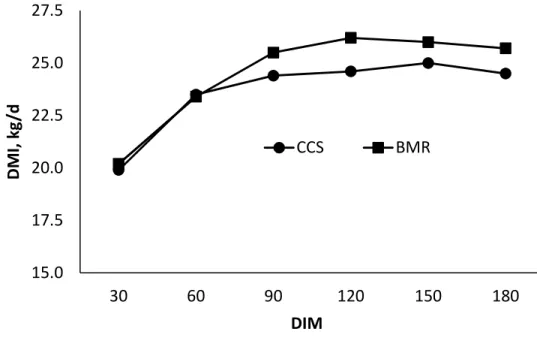
3.1. Effects of feeding corn silage-based diets on DMI for Holstein dairy cows from the onset of lactation through 180 days-in-milk ...94
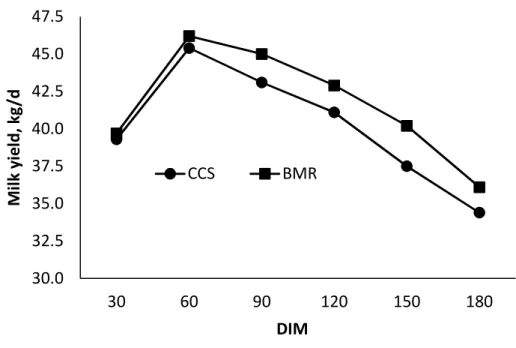
3.2. Effects of feeding corn silage-based diets on milk yield for Holstein dairy cows from the onset of lactation through 180 days-in-milk ...95
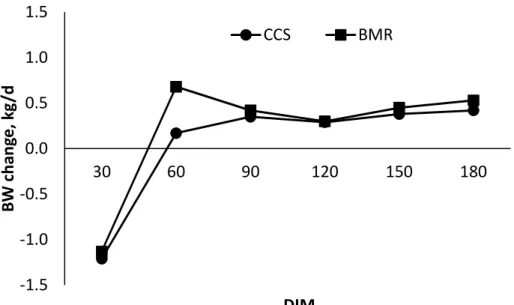
3.3. Effects of feeding corn silage-based diets on BW change for Holstein dairy cows from the onset of lactation through 180 days-in-milk ...96
5.1. In situ degradability of DM in dry and lactating dairy cows.. ...158
LIST OF ABBREVIATIONS
AA = amino acid
ADF = acid detergent fiber AH = alfalfa hay
AIA = acid-insoluble ash BMR = brown midrib
BMRCS = brown midrib corn silage BUN = blood urea nitrogen
BW = body weight Co = cobalt
CP = crude protein Cr = chromium CS = corn silage
CCS = conventional corn silage DCP = double-cropping
DM = dry matter
DMI = dry matter intake
ECP = endogenous crude protein ERD = extent of rumen degradation FAH = fair quality alfalfa hay FCM = fat corrected milk HAH = high quality alfalfa hay
Kd = rate of degradation
LRCpH = Lethbridge research centre ruminal pH measurement system mBMR = mature brown midrib corn silage Mycogen Seeds
MCP = microbial crude protein
MkN:MaN = milk nitrogen-to-manure nitrogen ratio MNE = microbial nitrogen efficiency
MP = metabolizable protein MUN = milk urea nitrogen N = nitrogen
NAN = non-ammonia nitrogen
NANMN = non-ammonia non-microbial nitrogen NDF = neutral detergent fiber
NEFA = nonesterified fatty acids NEL = net energy lactation
NFC = non fiber carbohydrates NH3 = ammonia
NH3-N = ammonia nitrogen
NPN = non-protein nitrogen NRC = national research council OM = organic matter
PD = purine derivatives
pdNDF = potentially digestible neutral detergent fiber pef = physical effectiveness factor
peNDF = physically effective neutral detergent fiber
pmBMR1= pre-mature brown midrib corn silage MasterGrazeTM
pmBMR2 = pre-mature brown midrib corn silage Ray Brothers synthetic BMR84TM RDP = ruminally degradable protein
RUP = ruminally undegradable protein SARA = subacute ruminal acidosis TMR = total mixed ration
TP = true protein
TRDOM = truly ruminally degraded organic matter
UN:FN = urinary nitrogen excretion-to fecal nitrogen excretion ratio Yb = ytterbium
CHAPTER 1 INTRODUCTION
Dry matter intake (DMI) is a primary determinant of milk yield for lactating dairy cows. Feed intake is determined by many interacting factors, and prediction of feed intake is the “Achilles heel” of diet formulation. Many different dietary characteristics interact with environmental and physiological state of cows. Signals controlling feed intake likely change throughout lactation. Prior to parturition, body reserves are
frequently mobilized, because the cow cannot consume enough feed to meet the energy demands toward milk production in early lactation. Control of feed intake is likely dominated by hepatic oxidation of nonesterified fatty acids (NEFA) during early lactation, while ruminal distension likely controls feed intake around peak lactation (Allen et al., 2009). Peak milk yield is maximized by feeding low gut fill-diets that are highly fermentable in the rumen. The filling effect of diets is affected most by
concentration, digestibility, and fragility of forage neutral detergent fiber (NDF). Concentration of forage NDF influences DMI by dairy cows, because forage NDF is filling, and thus DMI decreases as forage NDF increases in the diet. On the other hand, cows consuming sufficient NDF without a sufficient proportion of long particles can exhibit the same metabolic disorders as cows consuming a diet deficient in chemical fiber (Fahey and Berger, 1998). Negative responses due to a lack of long particle fiber include subacute ruminal acidosis, reduced fiber digestion, milk fat depression, displaced
abomasums, lameness, and fat cow syndrome (NRC, 2001). Finding an optimal balance between physically effective fiber and readily fermentable carbohydrates is difficult but
crucial for maintaining proper ruminal metabolism (Zebeli et al., 2006; Plaizier et al., 2008) and enhancing productivity.
Chemical and genetic approaches have been employed to improve forage fiber digestibility by decreasing lignin concentration or extent of lignin cross-linking with cell wall carbohydrates. Corn silage (CS) with the brown midrib mutation (BMR) has been well documented to have higher fiber degradability and will likely increase DMI and milk yield compared with cows fed conventional corn silage (CCS; Eastridge, 1999; Gencoglu et al., 2008). The BMR hybrid was developed in 1924 at the University of Minnesota (Jorgensen, 1931). The name “BMR” was attributed to this trait because of how the reddish-brown to tan colored midrib of mutant leaf blades contrasts with the pale green midrib of conventional-type leaf blades. The BMR plants also accumulate reddish-brown to yellow pigment in stalks and roots. Eastridge (1999) reported that on average BMR CS (BMRCS) contained 34% less lignin and had 19% higher in vitro NDF degradability than non-BMRCS. Several (Weiss and Wyatt, 2006; Kung et al., 2008; Stone et al., 2012), but not all experiments (Gehman et al., 2008; Castro et al., 2010; Holt et al., 2010) feeding BMRCS, have reported improved lactational performance of dairy cows. Inconsistent effects of BMRCS have been caused by various factors, including cows differing in physiological state and duration of experimentation (Taylor and Allen, 2005; Castro et al., 2010). In a contemporary review of published experiments (n = 11), Gencoglu et al. (2008) reported that cows fed BMRCS averaged 1.2 kg/d higher DMI and 1.7 kg/d more milk than those fed CCS. Only a couple of these studies included alfalfa hay (AH) in the diet and those that did fed low concentrations more typical of the Midwestern United States than the Intermountain West.
Although both forages provide the needed fiber components, alfalfa and CS complement each other from a nutritional perspective; CS is high in energy, whereas alfalfa is high in crude protein (CP). Great emphasis has been placed on producing high quality AH with an average chemical composition for CP, NDF, and acid detergent fiber (ADF) of 21.3, 38.3, and 26.7% DM, respectively (Holt et al., 2010). Feeding high quality AH provides enough CP and forage NDF to support potential milk production by dairy cows; however, ruminal microbes degrade alfalfa protein too rapidly, resulting in excessive excretion of nitrogenous waste by the animal. This process results in inefficient utilization of feed N with high CP degradability of AH in the rumen and limits optimal microbial protein synthesis. It also increases energy cost to convert ruminal ammonia to urea, and elevates N excretion into the environment. Consequently, the full benefit of alfalfa protein is not realized due to its poor utilization by the animal. Excess CP as well as amino acids from cell turnover and enzyme production are deaminated and excreted as urea in urine and milk, while undigested ruminally undegradable protein and metabolic N (sloughed intestinal cells and hind gut fermentation products) are excreted in the feces (Tamminga, 1992). Overall intake of N affects the amount of N excreted via manure, whereas types of carbohydrate and forage have greater impacts on the route (fecal or urinary) of excretion (Weiss et al., 2009). The route and amount of N excretion is of primary environmental concern. Urinary N is more volatile than fecal N and is rapidly converted to ammonia by ureases present in soil and on pen floors (Bussink and Oenema, 1998). Ammonia has been recognized as an important local and regional air pollutant as well as a human health concern. A major source of ammonia is from livestock manure. Ammonia emissions have been estimated to range from 13.1 to 55.5 kg/cow per year
(Pinder et al., 2003), which is between 8 and 34% of total N excreted (assuming a dairy cow in the U.S. excretes an average of 160.6 kg of N in manure per year; Nennich et al., 2006).
Livestock manure is commonly used as an N source for crops. The goal of N
management is to efficiently deliver plant-available N to crops through maximizing crop utilization and minimizing losses to the environment. Major losses of N to the
environment occur when ammonia gas is lost to the air, or nitrate (NO3) is leached to
groundwater. Manure that contains mostly ammonium-N contains much plant-available N that is subject to volatilization shortly after manure application. The need for improved agricultural nutrient cycling has become particularly apparent for livestock enterprises where expansion is often limited by the amount of land available for recycling manure and producing high-yielding feed crops. One potential option for simultaneously
addressing the need for both increased productivity and decreased NO3-N leaching from
agricultural lands is through the introduction of double-cropping systems (Karpenstein-Machan, 2001). In such a system, two crops are harvested in a single year. Production of two crops is possible, because a cool-season crop is harvested in late spring before full maturity, and a warm-season crop is seeded directly afterward. If the cool-season crop is seeded in the fall, it can also serve as a winter cover crop, with the potential to sequester soil N that otherwise would be subject to leaching (Snapp et al., 2005). A general body of evidence indicates that spring N sequestration by winter cover crops can mitigate NO3-N
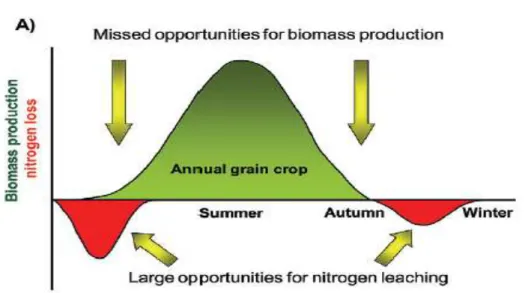
losses from annual cropping systems (Figure 1.1; Heggenstaller et al., 2008). High NO3
-N losses from annual crop systems result from a lack of synchronization between soil inorganic N supply and crop N uptake, with high potential for leaching in the spring and
fall, when excess inorganic N is present in soil, but crop growth and N uptake by the plant are minimal or absent (Dinnes et al., 2002). Typically, winter cereal forages in the Intermountain West are harvested at the late vegetative or early boot stage precluding growing corn (a warm season crop), because the remaining growing season is too short (Brown, 2006). However, relatively new varieties of BMRCS have been developed with the intent of harvesting in a pre-mature stage during tasseling. These BMR varieties may be useful in a double-cropping system with a shorter season and for improving fiber degradability by ruminants.
The overall hypothesis in a series of studies reported in this dissertation was that improved ruminally degradable NDF from BMRCS would: 1) increase DMI in lactating dairy cows around peak lactation when DMI is controlled by rumen distension, causing longer peak milk production; and 2) reduce urinary N excretion and improve N efficiency when fed with fair quality AH compared to diets with high quality AH fed with CCS or BMRCS-based diets. In addition, I assessed in situ DM and NDF degradation kinetics for new BMR varieties harvested at tassel compared to a sole crop mature BMRCS and CCS harvested at maturity to evaluate potential nutritive benefits on pre-matured BMR
varieties.
REFERENCES
Allen, M. S., B. J. Bradford, and M. Oba. 2009. BOARD-INVITED REVIEW: The hepatic oxidation theory of the control of feed intake and its application to ruminants. J. Anim. Sci. 87:3317–3334.
Brown, B. D. 2006. Winter cereal/corn double crop forage production and P removal. Soil Sci. Soc. Am. J. 70:1951–1956.
Bussink, D. W., and O. Oenema. 1998. Ammonia volatilization from dairy farming systems in temperate areas: A review. Nutr. Cycl. Agroeco. 51:19–33.
Castro, J. J., J. K. Bernard, N. A. Mullis, and R. B. Eggleston. 2010. Brown midrib corn silage and Tifton 85 bermudagrass in rations for early-lactation cows. J. Dairy Sci. 93:2143–2152.
Dinnes, D. L., D. L. Karlen, D. B. Jaynes, T. C. Kaspar, J. L. Hatfield, T. S. Colvin, and C. A. Cambradella. 2002. Nitrogen management strategies to reduce nitrate leaching in tile-drained Midwestern soils. Agron. J. 94:153–171.
Eastridge, M. L. 1999. Brown midrib corn silage. Pages 179–190 in Proc. Tri-State Dairy Nutrition Conf., Ohio State University, Columbus, OH.
Fahey, G. C., and L. L. Berger. 1998. Carbohydrate nutrition of ruminants. Pages 269– 279 in Ruminant Animal Digestive Physiology and Nutrition. Prentice Hall, Englewood Cliffs, NJ.
Gehman, A. M., P. J. Kononoff, C. R. Mullins, and B. N. Janicek. 2008. Evaluation of nitrogen utilization and the effects of monensin in dairy cows fed brown midrib corn silage. J. Dairy Sci. 91:288–300.
Gencoglu, H., R. Shaver, and J. Lauer. 2008. Brown midrib corn silage for lactating dairy cows: A contemporary review. Accessed February 20, 2013. http://www.uwex.edu/ ces/dairynutrition/documents/BMRfeedingtrialreview2008web.pdf
Heggenstaller, A. H., R. P. Anex, M. Liebman, D. N. Sundberg, and L. R. Gibson. 2008. Productivity and nutrient dynamics in bioenergy double-cropping systems. Agron. J. 100:1740–1748.
Holt, M. S., C. M. Williams, C. M. Dschaak, J.-S. Eun, and A. J. Young. 2010. Effects of corn silage hybrids and dietary nonforage fiber sources on feed intake, digestibility, ruminal fermentation, and productive performance of lactating Holstein dairy cows. J. Dairy Sci. 93:5397–5407.
Jorgenson, L. R. 1931. Brown midrib in maize and its lineage relations. J. Am. Soc. Agron. 23:549–557.
Karpenstein-Machan, M. 2001. Sustainable cultivation concepts for domestic energy production from biomass. Crit. Rev. Plant Sci. 20:1–14.
Kung Jr., L., B. M. Moulder, C. M. Mulrooney, R. S. Teller, and R. J. Schmidt. 2008. The effect of silage cutting height on the nutritive value of a normal corn silage hybrid compared with brown midrib corn silage fed to lactating cows. J. Dairy Sci. 91:1451–1457.
Nennich, T. D., J. H. Harrison, L. M. VanWieringen, N. R. St-Pierre, R. L. Kincaid, M. A. Wattiaux, D. L. Davidson, and E. Block. 2006. Prediction and evaluation of urine and urinary nitrogen and mineral excretion from dairy cattle. J. Dairy Sci. 89:353– 364.
National Research Council. 2001. Nutrient Requirements of Dairy Cattle. 7th rev. ed. Natl. Acad. Sci., Washington, DC.
Pinder, R. W., N. J. Anderson, R. Strader, C. I. Davidson, and P. J. Adams. 2003.
of emissions from the United States. 12th International Emission Inventory Conf. San Diego, CA.
Plaizier, J. C., D. O. Krause, G. N. Gozho, and B. W. McBride. 2008. Subacute ruminal acidosis in dairy cows: The physiological causes, incidence and consequences. Vet. J. 176:21–31.
Snapp, S. S., S. M. Swinton, R. Labarta, D. Mutch, J. R. Black, R. Leep, J. Nyiraneza, and K. Oneil. 2005. Evaluating cover crops for benefits, costs and performance within cropping system niches. Agron. J. 97:322–332.
Stone, W. C., L. E. Chase, T. R. Overton, K. E. Nestor. 2012. Brown midrib corn silage fed during the peripartal period increased intake and resulted in a persistent increase in milk solids yield of Holstein cows. J. Dairy Sci. 95:6665–6676.
Tamminga, S. 1992. Nutrition management of dairy cows as a contribution to pollution control. J. Dairy Sci. 75:345–357.
Taylor, C. C., and M. S. Allen. 2005. Corn grain endosperm type and brown midrib 3 corn silage: Site of digestion and ruminal digestion kinetics in lactating cows. J. Dairy Sci. 88:1413–1424.
Weiss, W. P., L. B. Willett, N. R. St-Pierre, D. C. Borger, T. R. McKelvey, and D. J. Wyatt. 2009. Varying forage type, metabolizable protein concentration, and carbohydrate source affects manure excretion, manure ammonia, and nitrogen metabolism of dairy cows. J. Dairy Sci. 92:5607–5619.
Weiss, W. P., and D. J. Wyatt. 2006. Effect of corn silage hybrid and metabolizable protein supply on nitrogen metabolism of lactating dairy cows. J. Dairy Sci. 89:1644– 1653.
Zebeli, Q., M. Tafaj, H. Steingass, B. Metzler, and W. Drochner. 2006. Effects of
physically effective fiber on digestive processes and milk fat content in early lactating dairy cows fed total mixed rations. J. Dairy Sci. 89:651–668.
Figure 1.1. Potential for NO3-N leaching and crop growth in sole and double-crop
systems (adapted from Heggenstaller et al. 2008). Representation of the potential seasonal dynamics of NO3-N leaching and dry matter biomass production (A) in an
CHAPTER 2
REVIEW OF LITERATURE
REGULATION OF DRY MATTER INTAKE
Dry matter intake (DMI ) is a primary determinant of milk yield for lactating dairy cows. Regulation of feed intake is complex, as it is affected by numerous factors,
including physical limitations and changes in endocrine physiology associated with parturition and lactogenesis (Ingvartsen and Andersen, 2000). Around parturition, changes in the concentration of hormones such as insulin, growth hormone, prolactin, estrogen, and progesterone may affect DMI (Allen et al., 2005). Therefore, feed intake is probably determined by the integration of a variety of physical, metabolic, and hormonal factors.
Metabolic and Hormonal Regulation of Intake
Metabolites and nutrients can potentially serve as regulators of feed intake.
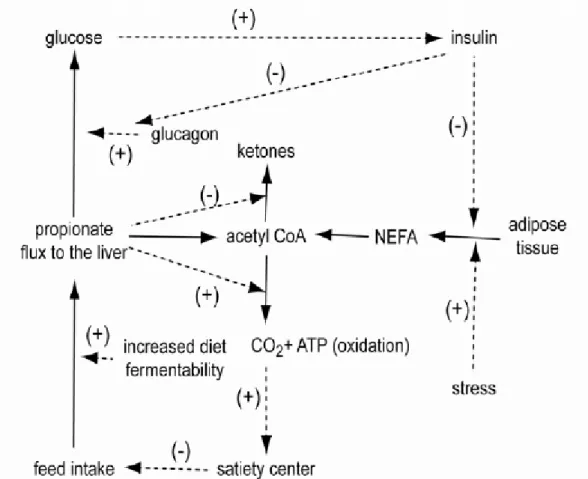
Mobilization of triglycerides in adipose tissue and the subsequent release of nonesterified fatty acids (NEFA)and glycerol along with the production of ketone bodies may act as signals to decrease feed intake in periparturient dairy cattle (Ingvartsen and Andersen, 2000). Perhaps increased concentrations of circulating NEFA in the cow may result in a counterintuitive reduction in feed intake. This reduction in feed intake due to neural signaling in the liver is likely linked to mitochondrial oxidation of NEFA, which provides satiety signals mediated by vagal afferents (Scharrer and Langhans, 1990). The idea that feed intake is controlled by a signal from the liver to the brain stimulated by oxidation of fuels was coined the “Hepatic Oxidation Theory” by Allen et al. (2009). By integrating
the effects of various metabolic fuels on feeding behavior, they developed a conceptual model by which feed intake may be controlled in ruminants (Figure 2.1). Allen et al. (2009) reported that the minute to minute fluctuations of oxidized fuels play a greater role in the feeding behavior than longer periods of time (hours or days) which remain
relatively constant. Hepatic oxidation increases during a meal, resulting in increased energy status of hepatocytes and decreased rate of hepatic vagal afferents, thus resulting in satiety. However, following a meal, hepatic oxidation declines, causing decreased energy status of hepatocytes and increased discharge rate of the hepatic vagus, thus resulting in hunger (Allen et al., 2009). According to the authors, hepatic oxidation likely controls feed intake to a greater extent for cows with low nutrient requirements and for animals in a lipolytic state (e.g., periparturient and stressed animals) than those fed high forage diets or with very high nutrient requirements such as cows at peak lactation (Allen et al., 2009). Therefore, as milk yield increases, feed intake control by hepatic oxidation diminishes, and alternatively control is dominated by distension from gut fill. This change in the dominant mechanism of intake regulation might occur only 7 to 10 d after calving for some cows or more than 3 wk for others. The best signs that hepatic oxidation is less limiting are lower plasma NEFA and ketone concentrations and steadily increasing feed intake (Allen et al., 2009).
Physical Regulation of Intake
Physical regulation of intake can occur when physical fill in the gastrointestinal tract limits feed intake. A significant amount of research has been devoted to investigating factors affecting physical regulation of intake (Allen, 1996 and 2000). The primary cause of physical limitation on intake is long retention time of the fibrous fraction of the diet.
Although fiber is crucial to maintaining a healthy rumen environment, digestion of the fibrous feed fraction is slow and can increase ruminal retention time if particles cannot be broken down and passed from the rumen. Limitations to flow from the rumen have been reviewed (Allen, 1996), and include particle size and density, which are closely
associated with ruminal digestibility. Ruminal digestion of fibrous feed increases particle fragility and makes particles more susceptible to breakdown during chewing (Chai et al., 1984). Additionally, as ruminal digestion of fiber occurs, particle buoyancy decreases, and particles sink (Sutherland, 1988). With a greater rate of fiber digestion, particles are probably broken down faster, thereby sinking faster, which increases the rate of passage from the rumen and decreases the filling effect of the diet.
FIBER DIGESTIBILITY
Digestibility of neutral detergent fiber (NDF) is determined by the fraction of NDF that is potentially digestible, the rate of NDF degradation in the rumen, and the rate of passage from the rumen (Allen and Mertens, 1988). In vitro NDF digestibility can range from less than 20% to greater than 60% over a variety of forages (Allen and Oba, 1996). Potentially digestible NDF (pdNDF) is a laboratory measure of the absolute extent of NDF digestion by ruminal microorganisms. Increasing proportion of pdNDF and
decreasing the indigestible NDF (iNDF) fraction could result in greater fiber digestibility. However, in vivo NDF digestibility is also a function of the competing processes of rates of digestion and passage; increasing rate of digestion or decreasing rate of passage from the rumen could also increase NDF digestibility. Predicting NDF digestibility is difficult, because rates of digestion and passage can be affected by physical structure of the plant,
microbial attachment, enzyme activity, particle size reduction, buoyancy, and ruminal motility (Allen, 1996). The least practical method of increasing digestibility of the pdNDF fraction is by decreasing the rate of passage from the rumen. Lower rate of passage could increase digestibility of pdNDF by increasing ruminal retention time, but might depress DMI because of greater ruminal distension.
The most practical methods of increasing NDF digestibility lie primarily with increasing the amount and rate of pdNDF digestion in forages. Grasses often have a greater proportion of pdNDF to iNDF and higher in vitro NDF digestibility than legume forages, but rate of digestion of legume pdNDF is faster (Smith et al., 1972) and could increase total amount of NDF digested in vivo. Additionally, within a forage type, immature plants generally have higher NDF digestibility than mature plants, because as the plant matures the iNDF fraction increases, and rate of NDF digestion decreases (Smith et al., 1972). Replacing early vegetative alfalfa hay with late bud or full bloom alfalfa hay decreased total tract NDF digestibility and DMI (Llamas-Lamas and Combs, 1990). Another potential method to increase pdNDF digestibility is by the use of genetic mutations in forage crops that reduce iNDF and increase pdNDF fraction of the plant.
BROWN MIDRIB CORN SILAGE
The first brown midrib (BMR) mutation in corn, aptly named bm1, was discovered at the University of Minnesota in 1924 (Jorgenson, 1931). Since then, three other mutations have been found in corn, named bm2, bm3, and bm4. The various BMR mutations, so named because of accumulation of reddish-brown phenolic lignin monomers in the midrib of the leaf, reduce lignin concentration of corn because of
alterations or deletions of genes coding for enzymes involved in lignin biosynthesis. The gene mutation in bm3 corn occurs for caffeic acid-0-methyl transferase (Vignols et al., 1995). Lignin is an indigestible polymer in plants that is important to maintain structural integrity of plant tissue. Although lignin comprises little of the total structural
carbohydrate system in plants, it has been recognized as the primary component of the cell wall that limits digestion (Jung and Deetz, 1993). Negative effects on digestion occur, because lignin forms strong covalent bonds with hemicellulose and may also physically block enzymatic access to digestible structural carbohydrate. Decreased lignin synthesis lessens the amount of crosslinking that occurs among lignin and digestible structural carbohydrates to increase digestibility.
It was not until the 1970's that research on the nutritional aspects of BMR hybrids occurred. Of the BMR mutations, hybrids containing the bm3 mutation have been most widely used in nutritional experiments, because it consistently lowers lignin
concentration and increases in vitro DM digestibility (Colenbrander et al., 1973). The
bm3 mutation decreased lignin and increased in vitro DM digestibility more than other bm hybrids or normal corn hybrids (Muller et al., 1971). Decreased lignin synthesis and
greater in vitro DM digestibility occurred in all parts of the bm3 corn plant, including the leaf, stem, and ear (Weller et al., 1984). As bm1 corn plants mature, lignin concentration increases similar to normal hybrids, but bm3 hybrids had consistently lower lignin at all stages of maturity (El-Tekriti et al., 1976). Based on in vitro data, bm3 corn hybrids had the potential to increase in vivo NDF digestion and possibly animal performance, but little was known about the effects of feeding bm3 hybrids to animals.
Early in vivo research with BMR hybrids agreed with in vitro results. Muller et al. (1972) performed a classical study investigating the feeding value of BMR corn silage (BMRCS) hybrid vs. a high yielding commercial hybrid. Two adjoining plots were planted with either BMR for silage or a normal hybrid, and ears were removed from both plant sections so that differences between hybrids could not be attributed to grain
concentration differences. When fed to lambs, BMRCS improved apparent total tract digestibility of cell wall constituents and cellulose vs. the normal corn hybrid. In a similar study, replacing normal silage with BMRCS in diets for lactating cows increased
apparent total tract digestibilities of cell-wall constituents and cellulose by 33 and 44%, respectively (Weller and Phipps, 1986).
Perhaps a more important benefit of BMRCS was the observation that animals often increased feed intake. Brown midrib corn silage increased voluntary DMI in lambs by 29% compared to a normal hybrid (Muller et al., 1972). When fed to cows in early lactation, BMRCS increased DMI by 11% compared with a normal hybrid (Block et al., 1981). More recent studies have found that periparturient dairy cattle consumed more feed during the last 2-3 wk of gestation when fed BMRCS, likely because of a reduction in ruminal fill. In addition, cows fed BMRCS had higher intakes for the first 3 wk postpartum either because of higher intakes during the prepartum period or because of a reduction in ruminal fill limitations in the postpartum period. The increased intakes led to an increase in milk yield and fat corrected milk (FCM) during the 3-wk postpartum period. A carryover effect occurred from the feeding of BMRCS during the periparturient period, resulting in significant increases for milk yield and composition in these cows from wk 4 to 15 of lactation, when all cows were fed a common diet. The results of these
studies indicate the importance of digestible NDF can have in diets of periparturient cows, and the long-term production responses that can occur when intake is increased (Santos et al., 2001; Stone et al., 2012).
However, some studies observed no increase in DMI when BMRCS replaced a normal hybrid (Frenchick et al., 1976; Keith et al., 1979; Holt et al., 2010). Lack of treatment effect on DMI when BMRCS replaced control corn silage could occur if DMI is not limited by ruminal fill. Oba and Allen (1999a) found a relationship between pretrial milk yield and DMI response to BMRCS. Cows producing more milk in the pretrial period increased DMI to a greater extent when fed BMRCS than cows yielding less milk. The authors concluded that ruminal fill is more limiting to intake for higher yielding cows, and thus increasing NDF digestibility of forage by feeding BMRCS might increase DMI to a greater extent in higher producing cows.
A statistical analysis of the literature found that for cows in early or mid-lactation [(41 to 154 d-in-milk (DIM)], a one percentage unit increase in NDF digestibility was associated with a 0.17 kg increase in DMI and 0.25 kg increase in 4% FCM (Oba and Allen, 1999b). Jung et al. (2004) reported that in diets containing corn silage (> 40% of the dietary DM), a one percentage unit increase in in vitro NDF degradability of corn silage resulted in a 0.12 kg/d increase in DMI and a 0.14 kg/d increase in 3.5% FCM yield. The BMR mutation in corn silage can potentially increase NDF digestibility and might mitigate limitations to DMI by physical fill.
ENERGY BALANCE AND SITE OF DIGESTION
Greater DMI increases rate of nutrient passage from the rumen, which can limit ruminal nutrient digestibility and result in postruminal digestion in high producing dairy cows. Additionally, greater ruminal digestibility of fiber and starch might interact to shift site of nutrient digestion from the rumen to other sites in the gastrointestinal tract.
Replacing beet pulp with high moisture corn linearly decreased ruminal pdNDF digestibility from 67.3 to 46.1%. (Voelker and Allen, 2003a). While greater ruminal starch digestion is associated with lower ruminal fiber digestibility in multiple studies (McCarthy et al., 1989; Crocker et al., 1998; Callison et al., 2001), it is not always associated with lower total tract NDF digestibility (Crocker et al., 1998; Callison et al., 2001). In the experiment done by Crocker et al. (1998), postruminal NDF digestibility linearly increased with greater ruminal starch digestibility, but total tract NDF
digestibility was not affected. Replacing dry corn with high moisture corn lowered
ruminal NDF digestibility, and shifted so much NDF digestion postruminally that hindgut fermentation of NDF contributed 53% of total tract NDF digestion (Oba and Allen, 2003a). However, total tract digestion of NDF was not different between diets containing dry or high moisture corn. This indicates that ruminal starch digestibility can have
significant effects on site of fiber digestion without affecting total tract fiber digestibility. Controversy exists as to the benefits of ruminal vs. postruminal starch digestion. Ruminal starch digestion is needed to provide substrate for microbial growth and propionate as a glucose precursor for milk synthesis, but can lower ruminal pH and inhibit fiber digestibility if starch fermentation is too rapid. Ruminal starch digestibility ranges from 42 to 96% over a variety of grain sources (Nocek and Tamminga, 1991). Site
of starch digestion can be manipulated by grain conservation (Oba and Allen, 2003a), method of processing (Callison et al., 2001), and endosperm type of corn grain
(Philippeau et al., 1999). Apparent ruminal digestibility of starch increased from 35 to 57% when vitreous corn grain was replaced by floury endosperm grain (Taylor and Allen, 2005a). This wide range of starch digestibility can affect whether starch is digested primarily in the rumen or intestines. If ruminal starch degradation is too rapid, flux of propionate to the liver might limit DMI if it is oxidized rather than used for
gluconeogenesis (Oba and Allen, 2003b). Shifting starch digestion to the intestines can theoretically provide more glucose to the animal, but infusion experiments have
suggested that increasing small intestinal glucose absorption may not increase glucose available for milk production (Knowlton et al., 1998; Areli et al., 2001). Instead, increased glucose may be used for tissue retention (Reynolds et al., 2001).
Greater body weight (BW) gain has been observed in several experiments where BMRCS replaced normal corn silage (Frenchick et al., 1976; Sommerfeldt et al., 1979; Weller and Phipps, 1986), and this effect might occur if BMRCS shifts site of starch digestion to the intestines. Perhaps most striking was the experiment conducted by Block et al. (1981); in the study feeding cows BMRCS from wk 3 to 10 postpartum increased DMI by 2.2 kg/d and although milk yield numerically increased, the greatest effects of treatment occurred on BW change. Cows consuming BMRCS gained 10.3 kg over the 8-wk period, whereas cows consuming normal corn silage lost 24.6 kg over the same period. Oba and Allen (1999a) found that, compared to control corn silage, BMRCS increased energy balance of lactating cows by 2.1 Mcal/d. Greater concentrations of metabolizable energy in BMRCS diets fed ad libitum resulted in more metabolizable
energy partitioned toward tissue energy gain rather than milk energy (Tine et al., 2001). In a study by Oba and Allen (2000c), BMRCS increased ruminal propionate and shifted a substantial portion of starch digestion to the intestines; consequently, greater glucose availability in BMRCS diets might increase plasma insulin concentration and tissue energy retention. However, effects of BMRCS on hormone profiles have not been investigated. Taylor and Allen (2005b) observed that the energy balance was greater for floury grain than vitreous when fed with BMRCS. Vitreous endosperm corn grain tended to increase (P = 0.09) partitioning of energy toward milk compared with floury
endosperm grain. More research is needed to examine the interactions of starch and fiber digestibility on hormone pulsatility and energy balance.
Replacing normal corn silage with BMRCS may decrease ruminal starch
digestibility. Oba and Allen (2000a,c) reported that BMRCS decreased ruminal starch digestibility by 10%, but increased postruminal starch digestibility by 13%. The authors suggested that greater DMI of BMRCS may have increased the passage rate of starch from the rumen and shifted the site of starch digestion to the intestines. Another experiment reported that ruminal starch digestibility was 36% lower for BMRCS
compared with normal corn silages, but differences in total tract starch digestibility were small, indicating compensatory postruminal starch digestion (Greenfield et al., 2001). Greater DMI could explain the greater rate of starch passage from the rumen in the study done by Oba and Allen (2000c), but no differences in DMI were observed by Greenfield et al. (2001).
In a more recent study, Taylor and Allen (2005a) reported that BMRCS did not affect ruminal starch digestibility when fed with floury or vitreous corn grain endosperm
types. The vitreous corn grain fermented more slowly and passed from the rumen faster, resulting in decreased ruminal starch digestibility. However, compensatory postruminal starch digestion resulted in relatively small differences in total tract starch digestion compared with floury endosperm grain. Greater ruminal starch digestion in floury endosperm grain diets compared to vitreous grain (57 vs. 35%) did not affect ruminal fiber digestion kinetics of BMRCS. Furthermore, production response to BMRCS is dependent on grain source, because starch and fiber fermentability can interact to affect feeding patterns and productivity. Changing diet fermentability influences milk
production primarily by affecting DMI. Feeding floury endosperm grain decreased meal length and size in control silage, but increased meal length and size in BMRCS diets. In addition, total DMI was not decreased in BMRCS diets containing vitreous corn grain, because BMRCS tended to increase (P = 0.10) meal frequency/d compared with CCS (Taylor and Allen, 2005b). Greater starch passage in diets containing BMRCS could be the result of other factors; for example, the ruminal fiber mat formed by BMRCS fiber might be less effective at retaining corn grain particles.
RUMEN MAT FORMATION
An extensive stratification of the reticuloruminal contents is typical for grazer ruminants as opposed to browsers (Hofmann and Stewart, 1972; Hofmann, 1989) and serves to optimize formation of fermentation end-products (Tafaj et al., 2004; Clauss et al., 2011). A fluid phase is located in the ventral part of the reticulorumen of cattle, whereas the gas cap is in the dorsal rumen, and a thick-packed mat extends from the dorsal to the central part of the reticulorumen which consists of solid digesta with mainly
large, newly ingested, and buoyant feed particles (Poppi et al., 2001; Tafaj et al., 2004). Rumen mat formation is considered a presupposition, as well as an indicator, of proper rumen function in dairy cows because of its 2 main physiological functions. One is to optimize the ruminal microenvironment, especially ruminal pH, by physical stimulation of rumination, salivation, and ruminal motility (Poppi et al., 2001; Tafaj et al., 2004; Zebeli et al., 2006). This function determines whether fiber inclusion is adequate when feeding highly fermentable diets. The second function of the rumen mat is to promote particle retention, thus allowing for more efficient digestion of fiber in the forestomach (Poppi et al., 2001; Tafaj et al., 2004; Zebeli et al., 2006).
Sutherland (1988) described the rumen mat as a very effective first-stage separator that can modulate the retention time of solid digesta through an increased selective retention (“filter bed” effect) for undigested small feed particles. Through filtration and mechanical entanglement, the rumen mat functions to retain potentially escapable fiber particles, thus increasing the time available for digestion (Zebeli et al., 2006). The formation, maintenance, and consistency of the rumen mat strongly depends on dietary particle size and the specific gravity of particles (Tafaj et al., 2004; Clauss et al., 2011). Rumen mat consistency is a major determinant for the regulation of rumen passage rate of solid digesta. The better the consistency of the rumen mat, the lower the probability of feed particles to escape undegraded to the omasum. Increased escape of potentially degradable feed particles from the rumen negatively affects fiber degradation and feed utilization (Weidner and Grant, 1994).
Negative responses due to lack of long particle fiber include subacute ruminal acidosis (SARA), reduced fiber digestion, milk fat depression, displaced abomasums,
lameness, and fat cow syndrome (NRC, 2001). Including adequate amounts of dietary physically effective NDF (peNDF) is important for the optimization of ruminal pH when feeding highly fermentable diets to dairy cows. The peNDF of a feedstuff is the product of its NDF concentration and the physical effectiveness factor. By definition, the physical effectiveness factor varies from 0, when NDF is not physically effective (e.g., fiber from ground concentrates), to 1, when NDF is fully effective (e.g., fiber from
coarsely-chopped hay) in promoting digesta stratification in the rumen, chewing activity, and rumen buffering (Allen, 1997; Mertens, 1997). The peNDF was estimated by 2
measurement techniques, the NDF concentration of TMR multiplied by amount of DM retained on a 1.18-mm screen (peNDF>1.18; Kononoff et al., 2003) and NDF
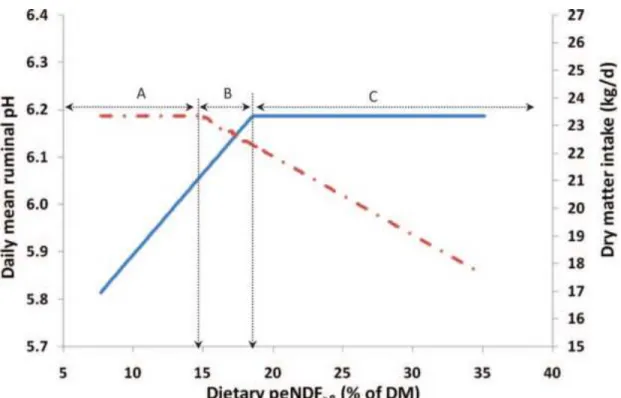
concentration of TMR multiplied by the proportion of DM retained by 19- and 8-mm Penn State Particle Separator screens (peNDF>8; Lammers et al., 1996). Using a meta-analytical modeling approach comprising experiments conducted over the last 2 decades, Zebeli et al. (2010) compared the predictive value of the different peNDF pool sizes for different response variables. Their data indicated that the prediction capabilities of peNDF>1.18 and peNDF>8 are similar for some variables such as ruminal pH, and can be used interchangeably to predict the risk of SARA. However, their effects differed for the prediction of some other physiological variables such as chewing and rumination activity and DMI, which were better predicted by peNDF>8 (Zebeli et al., 2010) than by peNDF>1.18 (Zebeli et al., 2008). This finding is in line with the already stated fact that longer particles contribute better to rumen mat formation and, the peNDF>8 is a better predictor of physical fill in the reticulorumen. The main outcome of their modeling approach was that the effect of peNDF on different response variables showed
breakpoints where a plateau was reached; that is, inclusion of peNDF above the
breakpoint did not affect the response variable any further (Figure 2.2). For example, the discovery of similar asymptotic associations between ruminal pH and rumination time with dietary peNDF>8 up to 16.4 to 20.6% in the diet indicated the presence of
physiological limits beyond which peNDF>8 could not further improve rumination and rumen buffering in lactating dairy cattle. However, feeding diets with an excess of peNDF>8 was shown to decrease feed intake. Other studies have shown that feeding excessive amounts of peNDF can lower both feed intake and efficiency of feed use (Yang and Beauchemin, 2007; Zebeli et al., 2008). Consequently, the determination of a
breakpoint in dietary peNDF is important beyond which no further advantages on ruminal pH response can be expected, particularly in terms of maximization of production
responses in high-producing dairy cows. Nutritional strategies for high-yielding dairy cows aim to maximize energy and nutrient intake to support the high nutrient demand and prevent disorders related to energy deficiency, such as ketosis. This challenge becomes particularly relevant during early lactation. For high-producing early lactating cows, a beneficial feeding strategy is to decrease the amount of ruminally degradable starch in the diet, thereby reducing the requirement of peNDF, which, in turn, can increase the DMI by roughly 2 kg/d (Silveira et al., 2007; Lechartier and Peyraud, 2010). This strategy might be a useful alternative for cows with high feed intake and milk production potential to meet their fiber requirements without impairing lactational performance.
Besides considering grain fermentability, the digestibility of forages in the diet is also believed to play a role in the cow's response to dietary peNDF. The rationale behind this relationship is that forages with greater fermentability, such as BMRCS may be
physically more fragile, and thus less effective in stimulating chewing and rumination (Taylor and Allen, 2005c). This potentially could have a negative impact on chewing activity and thus ruminal pH. However, Oba and Allen (2000b) found that rumination time per day was not different between conventional corn silage (CCS) and BMRCS, and furthermore BMRCS was just as effective as CCS in stimulating chewing activity when processed properly. In addition, Zebeli et al. (2010) found that forages with greater fragility had lower degradation rates in the rumen than grains and by-product feeds. With lower degradation rates, rapid VFA accumulation in the rumen was not observed (Zebeli et al., 2010). Previous research in our lab found that BMRCS and CCS had different particle size distribution after processing, with slightly lower peNDF>8 for BMRCS compared with CCS (Holt et al., 2010). In our study, minimum ruminal pH was maintained at least at 5.70, and pH less than 5.8 rarely occurred, signifying that no dietary treatments interfered with ruminal fermentation due to adequate supply of forage NDF and its particle size (Holt et al., 2010). However, milk fat concentration was decreased when feeding BMRCS and was further decreased by feeding non-forage fiber by-products (soyhulls and beet pulp) in the BMRCS-based diet (Holt et al., 2010).
RUMINAL pH
Feeding a more fermentable forage source like BMRCS can lower ruminal pH (Oba and Allen, 2000c; Greenfield et al., 2001) and may reduce ruminal NDF digestibility (Oba and Allen, 2000c). Ruminal pH is lowered when feeding a highly fermentable grain source such as team rolled barley. This causes a decrease in ruminal NDF digestibility; however, ruminal starch digestibility is increased (Overton et al., 1995). Extensive
research has been conducted to understand the effect of low ruminal pH on ruminal cellulolytic bacteria and the resulting effects of fiber digestion. Chow and Russell (1992) investigated the response of a predominant cellulolytic bacterium, Fibrobacter
succinogenes, to decreasing extracellular pH. They noted at pH levels less than 6.0, F. succinogenes, which maintains intracellular pH at approximately 7.0, was unable to grow
or utilize glucose. As extracellular pH decreased, the pH gradient across the bacterial membrane increased to the point that F. succinogenes was unable to maintain the pH gradient and intracellular pH decreased. Ruminococcus albus, another predominant cellulolytic bacterium, allows intracellular pH to decline with environmental pH to avoid increasing the pH gradient across the bacterial membrane (Thurston et al., 1993). This method of coping with low external pH is the primary method of acid-resistant bacteria, but the key difference is that acid-resistant bacteria have intracellular enzymes that are active at lower pH. For F. succinogenes and R. albus, internal enzyme systems are not able to maintain function at lower pH, and growth is inhibited at pH < 6.0 (Chow and Russell, 1992; Thurston et al., 1993). Some studies have reported a decrease in ruminal pH when cows were fed BMRCS-based diets (Greenfield et al., 2001; Taylor and Allen, 2005a; Gehman et al., 2008). This may have been caused by the increased supply of fermentable substrate in the rumen due to enhanced NDF digestibility of the BMRCS (Weiss and Wyatt, 2006). Taylor and Allen (2005c) found that lower ruminal pH for BMRCS compared with CCS (5.99 vs. 6.22) corresponded with a 3.5mM higher total VFA concentration, suggesting that BMRCS lowered ruminal pH by increasing total VFA concentration. Other studies reported no effects of feeding BMRCS on total VFA concentration or ruminal pH (Qiu et al., 2003; Weiss and Wyatt, 2006; Holt et al., 2010).
Gehman et al. (2008) found that the inclusion of monensin in BMRCS-based diets increased ruminal pH by 0.14 units. However, treatments with BMRCS appeared to have negatively affected N digestibility. Reductions in the digestibility of some nutrients when cows consumed BMRCS-based diets may have been caused by increased DMI and possibly increased digestion in the lower gut. The increase in DMI did not affect NDF digestibility, but appeared to have negatively affected N digestibility (Gehman et al., 2008).
NITROGEN METABOLISM AND DIGESTIBILITY
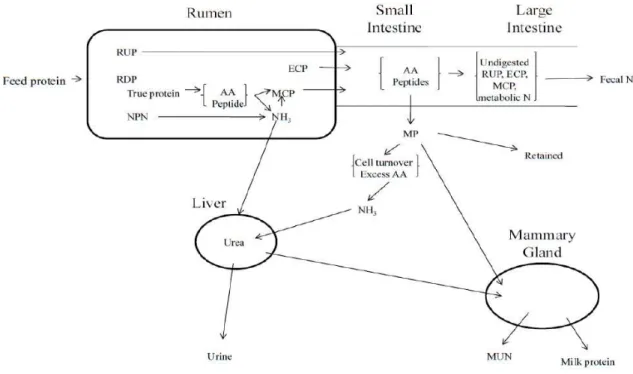
Due to extensive degradation and alteration in the rumen, protein composition and mass absorbed by the animal is different than feed protein consumed by the animal. Nitrogen (N) metabolism in the ruminant is a complex pathway involving multiple mechanisms (Figure 2.3: Van Soest, 1994). Feed protein may be categorized as ruminally degradable (RDP) or undegradable protein (RUP; NRC, 2001). In the rumen, microbes utilize non-protein nitrogen (NPN) and true protein from RDP to support growth, and this represents an important source of protein to the animal (Bach et al., 2005). Endogenous protein is another important source of protein to the animal. It originates from sloughing and abrasion of epithelial tissues in the mouth, esophagus, rumen, reticulum, omasum, and abomasum as well as enzymes secreted in the abomasum (Tamminga, 1992). Therefore, metabolizable protein (MP) may be defined as protein and amino acids (AA) available to the animal for absorption in the small intestine, providing peptides and AA to the ruminant animal. It is comprised of RUP, endogenous protein (ECP), and microbial protein (NRC, 2001). Following digestion and absorption in the small intestine, MP
provides the animal with AA to support maintenance, milk production, growth, and pregnancy (NRC, 2001). Nitrogen from MP absorbed in excess of the animal’s needs, as well as protein not contributing to MP, is secreted in milk or excreted in feces and urine (Van Soest, 1994).
Microbial protein (MCP) consists of protein from rumen bacteria, protozoa, and fungi that pass out of the rumen and enter the small intestine. Bacteria provide most of the MCP available post-ruminally. While protozoa may make up 20 to 70% of the total rumen biomass, protozoa are extensively recycled in the rumen, and therefore may not contribute as much to MCP flow to the duodenum (Jouany, 1996). Ruminally synthesized MCP is an important source of AA for all ruminants, especially those with high nutrient requirements, such as rapidly growing and lactating animals (Bach et al., 2005). Clark et al. (1992), in a review of 152 dietary treatments, estimated MCP composed 34 to 89% of the flow of AA to the duodenum. The AA composition of MCP closely matches the requirements for lactation and growth in ruminants (Table 2.1) and is highly digestible (80%; NRC, 2001).
Rumen microbes are the sole means by which ruminants receive high-quality protein from NPN sources as well as RDP. The two major dietary components required for MCP synthesis in the rumen are RDP and fermentable energy.
Ruminally Available Protein
In order for microbial growth to occur in the rumen, microbes require N to be assimilated into microbial protein. The potentially ruminally degradable pool of protein includes feed protein in addition to endogenous protein from saliva, sloughed epithelial cells, and lysed ruminal microbes (Bach et al., 2005). All enzymatic degradation of
protein in the rumen is of microbial origin (Bach et al., 2005). Nitrogen requirements are generally determined by the function of the microbe itself. Ruminal bacteria which ferment structural carbohydrate, such as cellulose, are believed to utilize ammonia exclusively as an N source. In comparison, bacteria which ferment non-structural carbohydrate, such as starch, are believed to utilize both ammonia and peptides or AA and produce ammonia (Russell et at., 1992). Since protozoa ingest particulate matter instead of attach like bacteria, they are able to utilize bacteria as their primary protein source as well as insoluble feed protein such as soybean or fish meal (Jouany, 1996).
Results from research on ruminal ammonia concentrations required for optimal MCP synthesis are variable. Optimal rumen ammonia concentrations are such that additional ammonia supplied from RDP degradation is not incorporated into MCP and does not result in increased MCP flow, but rather increases rumen ammonia concentration. Satter and Slyter (1974) suggested a concentration of 5 mg/100 mL ammonia as the minimum required to maximize efficiency of MCP synthesis in the rumen based on work with continuous cultures. Studies examining ruminal ammonia concentration requirements in vitro differ from in vivo studies. Reynal and Broderick (2005) observed a linear increase in MCP synthesis with ruminal ammonia increasing up to 12.3 mg/100 mL. Similarly, Boucher et al. (2007) observed optimal MCP synthesis at ruminal ammonia
concentrations between 11 and 13 mg/100 mL. Higher ruminal ammonia concentrations were related to decreased MCP synthesis, indicating the optimal ammonia concentration had been met (Boucher et al., 2007). The difference between in vitro and in vivo studies may be due to a more stable ammonia concentration in in vitro fermentative environment allowing for lower ammonia concentrations for optimal MCP synthesis. However, in vivo
measurements under practical conditions (e.g., twice daily feeding, individual meal consumption) may be more useful to determine ruminal ammonia concentration requirements for optimal MCP synthesis in lactating dairy cows.
Amount of available RDP may affect MCP synthesis. Boucher et al. (2007) incrementally added urea to a basal diet that was RDP deficient based on NRC (2001) estimates, resulting in RDP concentrations ranging from 9.2 to 11.6% DM. Microbial protein synthesis responded quadratically to increasing RDP, with rations containing RDP at 10.0 and 10.8% DM resulting in the greatest MCP synthesis. Mabjeesh et al. (1997) also observed a decrease in MCP synthesis with increased RDP (11.7 vs. 10.9% DM). The mechanism causing depressed MCP synthesis at high RDP concentrations is not clear. Reynal and Broderick (2005) fed rations ranging in RDP from 10.6 to 13.2% DM and observed increasing MCP synthesis with increased RDP. The differences between these studies may be due to differences in rations of basal diets, such as source and amount of available carbohydrate and ruminal pH.
Microbial growth and fermentation are dependent on both amount and type of N available in the rumen. Rumen microbes require a mixture of ammonia, peptides, and AA, depending on their fermentation substrate. Because dairy cattle are fed a mixed ration containing both structural and non-structural carbohydrate, a blend of NPN and ruminally available true protein is required to maximize MCP synthesis (Brito et al., 2007). In addition, Brito et al. (2007) observed increased MCP synthesis when rations included soybean meal, cottonseed meal, or canola meal as protein sources as compared with urea. As discussed previously, ration RDP concentrations in a study done by Reynal and Broderick (2005) were higher than those reported by Boucher et al. (2007), but there
was no observed depression of MCP synthesis at higher RDP concentrations. Differences between experiments may have been due to the mixture of RDP sources fed by Reynal and Broderick (2005), including soybean meal, bypass soybean meal, and urea, providing NPN and soluble true protein as compared with urea alone by Boucher et al. (2007). This reinforces the idea that rumen microbes require NPN as well as true protein sources for maximal growth.
Ruminally Available Energy
Ruminally available energy is the most important and limiting factor determining MCP synthesis in lactating dairy cattle. Ruminal microbes depend on carbon skeletons and the availability of ATP for protein synthesis. Microbes are only able to utilize
carbohydrates or secondary products of carbohydrate digestion for growth, and microbial yield depends on their growth rate and the fractional degradation of the carbohydrate (Nocek and Tamminga, 1991).
In general, feed intake is a good predictor of MCP synthesis, as increased intake indicates increased substrate availability for microbial fermentation (Broderick, 2003). Clark et al. (1992) summarized 39 experiments and reported a positive relationship between organic matter (OM) intake and non-ammonia N(NAN) passage to the
duodenum. The increased passage of MCP can likely be attributed in part to the increased energy supplied, as OM intake increased. The increased MCP synthesis may also be attributed to reduced nutrient recycling by ruminal microbes. The increase in OM
digestion supplies additional nutrients for microbial growth, and the faster rate of growth coupled with faster passage of microbes out of the rumen will reduce recycling of energy and N due to decreased cell lysis (Clark et al., 1992). This will reduce maintenance