Doctoral Projects Kirkhof College of Nursing
4-2018
Structure, Process, and Outcomes: The Foundation
for Continuous Quality Improvement in Primary
Care
Mark A. Contreras
Grand Valley State University, [email protected]
Follow this and additional works at:https://scholarworks.gvsu.edu/kcon_doctoralprojects
Part of theNursing Commons
This Project is brought to you for free and open access by the Kirkhof College of Nursing at ScholarWorks@GVSU. It has been accepted for inclusion in Doctoral Projects by an authorized administrator of ScholarWorks@GVSU. For more information, please [email protected].
Recommended Citation
Contreras, Mark A., "Structure, Process, and Outcomes: The Foundation for Continuous Quality Improvement in Primary Care" (2018).Doctoral Projects. 45.
Structure, Process, and Outcomes: The Foundation for Continuous Quality Improvement in Primary Care
Mark A. Contreras Kirkhof College of Nursing Grand Valley State University
Advisor: Dianne Conrad, DNP, FNAP, FNP-BC, CDE, BC-ADM
Project Team: Tricia Thomas, PhD, MSN, RN, FACHE, NEA-BC, ACNS-BC, CNL Darleen Hoffert, DNP, RN, AGNP-C
Abstract
Healthcare within the United States is notoriously fragmented and inefficient.
Contemporary innovations for policy, reimbursement, and care delivery are consistently directed towards the promotion of value based care (Bates, 2010). These initiatives routinely coalesce around the promising potential of a robust primary care system. The Patient-Centered Medical Home (PCMH) model is increasingly becoming the standard of quality care and use of this model by healthcare providers is poised to bring about a paradigm shift towards value-based care (Henderson, Princell & Martin, 2012).
This scholarly project incorporated an evidence based approach to establishing continuous quality improvement in a primary care office pursuing PCMH recognition.
Application of The Donabedian Model (Donabedian, 1998) and PARiHS framework (Kitson, Harvey, & McCormack, 1998) provided a strategic approach to developing and successfully adopting the foundation for continuous quality improvement. This project demonstrated how addressing the fundamental need for supportive structure and process improvements, based upon evidence and the context of an organization, can facilitate the successful adoption of continuous quality improvement (QI) in a Midwest primary care clinic. Systematic efforts to address issues of structure, process, and outcomes for a nurse-managed health center translated to improvement in quality performance scores for cervical cancer screening, breast cancer screening, and tobacco cessation counseling rates. Staff perceptions of organizational QI strategy also improved
following implementation. Alternative revenue through incentivized reimbursements went unchanged, but an extended implementation period would likely foster an increase in the relative fiscal benefits of continuous quality improvement. Additionally, several unplanned benefits, including increased number of new patients establishing care at the practice, were actualized
through organizational engagement in quality improvement work. Ultimately, this project demonstrated how addressing the fundamental need for supportive structure and process improvements, based upon evidence and the context of an organization, can impact outcomes and facilitate the successful adoption of continuous quality improvement in a nurse-managed primary care clinic.
Table of Contents
Executive Summary ...6
Introduction and Background ...11
Patient Centered Medical Home ...12
Value Based Reimbursement ...13
Continuous Quality Improvement...14
Problem Statement...14
Evidence-Based Initiative ...16
Patient-Centered Medical Home Quality Outcomes...18
Preventative Care ...18
Chronic Disease Management ...19
Acute Care Utilization ...20
Implementation Strategies ...21
Establish Meaning for the Initiative ...21
Driving Change with Data ...22
Consistently Engage Staff ...22
Dedicated Time to Accomplish Work ...23
Conceptual Models...23 Donabedian Model ...24 Structure ...24 Process ...26 Outcomes ...27 PARIHS Framework ...28 Evidence ...28 Context ...29 Facilitation ...30
Need and Feasibility Assessment of Organization ...31
Project Plan ...32
Purpose of Project ...32
Objectives ...32
Type of Project ...33
Setting and Needed Resources ...33
Design for Evidence-based Initiative ...34
Evidence ...34
Context ...36
Facilitation ...37
Participants ...38
Measure: Source of Data and Tools ...38
Steps for Project Development and Implementation ...39
Ethics and Human Subjects Protection ...41
Budget ...41
Stakeholder Support and Sustainability ...42
Project Evaluation ...42
Project Outcomes ...44
Structure for Quality Improvement ...44
Outcome Measures...49
Implications for Practice ...51
Implications for the Nursing Procession ...54
Sustainability ...55
Limitations ...56
Reflection on Enactment of DNP Essentials ...57
DNP Essential I: Scientific Underpinnings forPractice ...57
DNP Essential II: Organization and Systems Leadership for Quality Improvement ...58
DNP Essential III: Clinical Scholarship and Analytical Methods for Evidence-based Practice ...58
DNP Essential IV: Information Systems/Technology and Patient Care Technology for the Improvement and Transformation of Health Care ...59
DNP Essential V: Health Care Policy for Advocacy in Health Care ...59
DNP Essential VI: Interprofessional Collaboration for Improving Patient and Population Health Outcomes ...60
DNP Essential VII: Clinical Prevention and Population Health for Improving the Nation’s Health ...60
DNP Essential VIII: Advanced Nursing Practice ...61
Plan for Dissemination of Outcomes ...61
Conclusion ...61
References ...63
Executive Summary
Healthcare within the United States is notoriously fragmented and inefficient.
Contemporary innovations for policy, reimbursement, and care delivery are consistently directed towards the promotion of value based care (Bates, 2010). These initiatives routinely coalesce around the promising potential of a robust primary care system. The Patient-Centered Medical Home (PCMH) model is increasingly becoming the standard of quality care and use of this model by healthcare providers is poised to bring about a paradigm shift towards value-based care (Henderson, Princell & Martin, 2012). The PCMH is a comprehensive approach to care delivery predicated upon continuous quality and safety. An empirical base exists to suggest that the successful adoption of a strategy for continuous quality improvement (QI), such as that of the PCMH, by a primary care organization can positively impact the quality of care (Friedberg, Rosenthal, Werner, Volpp, & Schneider, 2015; Savage, Lauby & Burkard, 2013). This type of care delivery redesign can begin the formative work of preparing a primary care practice for the inevitable transition payers will make towards quality based reimbursement models ((Nielsen, Buelt, Patel & Nichols, 2016).
Certainly, the transformative work such of adopting continuous quality improvement is not to be misrepresented as a simple endeavor. Application of The Donabedian Model
(Donabedian, 1998) and PARiHS Framework (Kitson, Harvey, & McCormack, 1998) provided a strategic approach to successfully adopting a continuous QI model. This project aimed to answer the clinical question - how does an evidence-based approach to comprehensive QI, emphasizing structure, process, and outcomes, impact staff perceptions of QI, adoption of process efficiencies, and organizational performance as measured by HEDIS metrics and incentivized
This scholarly project identified the need to develop structural support for continuous QI. Consideration to organizational structure was intentionally incorporated by utilizing the patient care technology system and fostering staff knowledge and the explicit roles required to support continuous QI. Given the inherent complexities of organizational change, the importance of establishing a QI culture was also a primary structural consideration during project development. Building upon the organizational structure, relevant process improvements were developed and implemented to support QI work.
A variety of process improvements were introduced during the implementation period. These changes focused on utilizing the patient care technology to develop efficiencies for patient care delivery consistent with The Healthcare Effectiveness Data and Information Set (HEDIS) measures (National Committee for Quality Assurance, n.d.), systematic appraisal of quality performance data, routine QI meetings, and a comprehensive toolkit to guide and sustain the initiative. These process improvements were designed to improve outcomes as evidenced by quality performance scores in the organization’s electronic health record and incentivized reimbursement revenue from the two primary payers for this practice. Communicating the importance of measurable outcomes and collaboratively setting goals proved to be an invaluable component to the success of this scholarly project. To foster adoption and sustainability, an evidence-based implementation plan was applied to these key concepts of QI.
A review of contemporary literature highlighted several common approaches to
successfully implementing continuous QI within the PCMH model. Engaging staff (Applequist, Miller-Day, Cronholm, Gabbay, & Bowen, 2017; Flieger, 2017; Frasso et al., 2017; Reddy, Shea, Canaumucio, & Werner, 2015; Stout & Weeg, 2014), establishing meaning for the initiative (Applequist, Miller-Day, Cronholm, Gabbay, & Bowen, 2017; Flieger, 2017; Stout &
Weeg, 2014), creating dedicated time of the work (Applequist, Miller-Day, Cronholm, Gabbay, & Bowen, 2017; Flieger, 2017; Frasso et al., 2017), and driving change with data (Applequist, Miller-Day, Cronholm, Gabbay, & Bowen, 2017; Frasso et al., 2017; Reddy, Shea, Canaumucio, & Werner, 2015) were evidence based strategies incorporated into this scholarly project.
Meaning was constructed for the initiative early on through presentations about value based reimbursement and coinciding the work with organizational goals of PCMH recognition. Staff were engaged throughout the entirety of the implementation period, contributing to the
development of process improvements through guided discussions and regularly solicited feedback. Dedicated time for the initiative was created by structuring monthly QI meetings in which to discuss process improvements and the impact of workflow changes. Lastly, change was driven with data by routinely disseminating organization performance reports to staff and
developing a QI dashboard. Utilizing these approaches to address the fundamental tenants of QI, structure, process, and outcomes, proved to be an effective approach to establishing the
foundation for continuous QI.
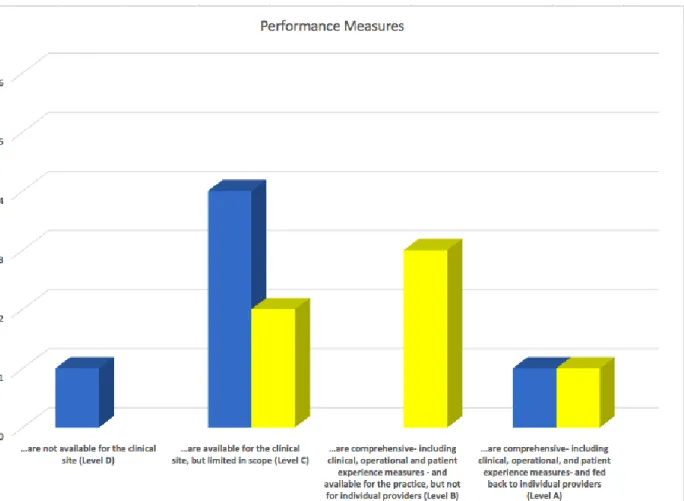
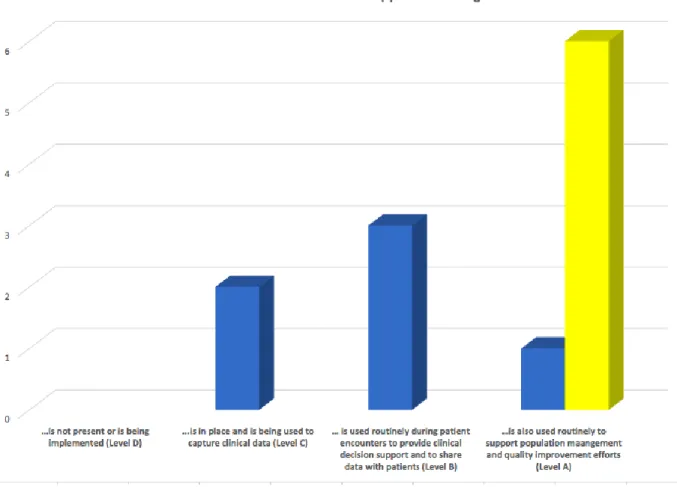
To evaluate staff perceptions of organizational development towards a comprehensive QI strategy consistent with the PCMH model, the QI component of a PCMH readiness survey was administered to staff at baseline and following implementation. This assessment tool was
included based upon its proven sensitivity to reflect actual progress towards a comprehensive QI structure consistent with the PCMH model (Daniel et al., 2013). Following implementation, staff (n=6) reported appreciable development towards a comprehensive QI strategy for all four QI concepts on the survey. Staff members also routinely demonstrated adherence to new process improvements throughout the entire project period.
Following demonstration of patient care technology efficiencies, a tobacco cessation counseling order set, and corresponding billing code, was used on average 9.5 times per month during the two-month implementation period. For context on the impact of this process
improvement, tobacco cessation counseling in the absence of an order set was only billed and documented on average 2.7 times per month in the preceding 32 months. In addition to an increase in documented instances of tobacco cessation counseling following implementation of the order set, the relative average month revenue from tobacco cessation counseling increased from $21.82/month to $77.44/month. The implementation of continuous QI also demonstrated the capacity to improve organizational performance as measured by quality metric scores.
Statistically significant improvement was evident for quality performance scores on cervical cancer screening rates among patients aged 21-29 (+44%, p<.001) and 30-64 (+24%, p=.009) and breast cancer screening rates (+17%, p=.021). Quality performance scores on
tobacco cessation counseling improved 9%, but failed to achieve statistical significance (p=.237). Incentivized reimbursement was not impacted as expected, but this was limited by several
unforeseen changes in the incentive program and the temporal constraints of the short project period. Several unanticipated benefits were also appreciated throughout this endeavor.
In reviewing the quality performance data, an obvious opportunity to increasing the number of new patients at the practice was identified. Using this data, a novel process was created and directly resulted in 39 new patients establishing care at the health center during the implementation period. Additionally, a comprehensive review of the performance data from the EHR demonstrated that the quality reporting was significantly skewed. Inconsistent
documentation of care services and a sizable constituent of patients that were not using the health center for traditional primary care services negatively impacted quality performance scores. A
systematic data cleansing process and a structured approach to documenting care services was implemented to improve the integrity of the data being reported.
Ultimately, this initiative established preliminary support for the impact an evidence-based approach to comprehensive QI, emphasizing structure, process, and outcomes, can have on staff perceptions of organizational QI strategy and organizational performance as measured by HEDIS metrics and incentivized reimbursement. This project makes a timely contribution to the organization by implementing a system for continuous QI that aligns with several
contemporaneous goals. This initiative fostered the development of the prerequisite structure and processes to support the long-term goal of PCMH recognition and alignment with value-based reimbursement models. The transformative work of redesigning care delivery is inherently complex and often predicated upon the preexisting structural characteristics of the organization. As such, establishing a culture of team-based QI, that emphasizes relevant process efficiencies, is perhaps one of the most notable accomplishments actualized from this scholarly project. Guiding this organization through a successful complex change endeavor galvanized staff around the potential of QI and will invariably have lasting implications as they continue along the PCMH journey.
Structure, Process, and Outcomes: The Foundation for Continuous Quality Improvement in Primary Care
Over the last several decades, the United States’ health care system has become
increasingly fragmented and inefficient. The United States perpetually ranks near the bottom for key quality indicators of population health among developed countries despite having the most expensive health care system in the world (Davis, Stremikis, Squires & Schoen, 2014). This discouraging realization is often attributed to a health care system plagued by misguided
incentives promoting volume over value (Berenson & Rich, 2010; Bodenheimer & Pham, 2010). The convergence of an aging population and unprecedented rates of chronic diseases necessitates a paradigm shift away from the reactive approach of simply addressing illnesses and episodic care needs (Bauer, Briss, Goodman & Bowman, 2014). Ongoing research and policy discussion is focused on potential strategies to guide the paradigm shift towards a healthcare system supporting quality patient care, particularly in the primary care setting.
Background
The proactive and predictive approach inherent to primary care makes it a pragmatic point of emphasis in contemporary models of health care reform. A comprehensive review of research comparing health care systems throughout the United States suggests that a robust primary care system leads to more effective and efficient care (Starfield, Shi & Macinko, 2005). As such, payers, providers, policy makers, and patients have begun to coalesce around the prospect of transforming both the structure and delivery of primary care to address the pervasive issues within the United States’ health care delivery system (Bates, 2010; Dentzer, 2010). When primary care is afforded the opportunity to function as intended, comprehensive care activities
can be prioritized to improve quality outcomes, efficiency, and patient satisfaction (Rittenhouse, Shortell, & Fisher, 2009).
Patient-Centered Medical Home
The Patient-Centered Medical Home (PCMH) model has emerged as a promising framework capable of reinvigorating the primary care system. Expanding upon the widely promulgated Chronic Care Model (Bodenheimer, Wagner & Grumbach, 2002), the PCMH fosters the innate strengths of primary care while incorporating innovative practice changes to align care delivery with patient-focused needs (Henderson, Princell & Martin, 2012). This holistic healthcare delivery model fundamentally aligns with the ubiquitous Quadruple Aim: improving the patient care experience, improving population health, reducing the overall cost of healthcare, and improving provider satisfaction (Bodenheimer & Sinsky, 2014). The conceptual promise of the PCMH to meet the broader goals of health care delivery has garnered widespread endorsement from key stakeholders including payers, policy-makers, and healthcare providers (Rittenhouse, Shortell, & Fisher, 2009).
With aspirations of developing industry standards, the Patient-Centered Primary Care Collaborative (2007) created the first iteration of guidelines for PCMH recognition. These criteria were adopted by the National Committee for Quality Assurance’s (NCQA) in 2008 and represented the first formal recognition process for the PCMH care delivery model. The primary tenants of the PCMH include: team-based care, individualized care, improving patient access, care management and coordination, and continuous quality improvement (NCQA, 2017a). Although conceptually the PCMH is a care delivery model, by emphasizing continuous quality improvement (QI) it has also served as the impetus for a fundamental shift towards value-based reimbursement.
Value Based Reimbursement
The traditional fee for service model does not support the continuous QI activity of which the Patient-Centered Medical Home (PCMH) is predicated upon. Fortunately, over 100 health plans have developed support for PCMH initiatives by providing capitation incentives for recognized practices (NCQA, n.d.). On average, PCMH practices report nearly $5.00 per
member per month in alternative funding through capitation (Edwards, Bitton, Hong, & Landon, 2014). Many insurance companies also incorporate NCQA’s Healthcare Effectiveness Data Information Set (HEDIS), a set of nationally recognized quality metrics, allowing practices to obtain additional pay-for-performance reimbursement by meeting quality measures (Meridian, 2016). These incentivized reimbursements are designed to complement the traditional fee-for-service payment system that doesn’t support the anticipated outcomes of patient-centered care. Without financial support for the core functions of the PCMH, the sustainability of
comprehensive QI and the relative patient-centered care practices are questionable at best (Arend, Tsang-Quinn, Lveine & Thomas, 2012).
Alternative payment models, supporting the comprehensive nature of the PCMH care delivery model, are regarded as merely the beginning of a movement towards breaking the cycle of volume based, fee-for-service medicine (Nielsen, Buelt, Patel & Nichols, 2016). This
presumption is all but certain with the innovative changes underway in the public sector as Medicare leverages payment reform through value based reimbursement models. Medicare aspires to have 90% of payments linked to value by 2018 and historically, as the public sector goes so goes the private sector (Burwell, 2015). With increasing external motivation through payment reform on the horizon, it behooves organizations to begin the transformative work of
implementing a continuous quality improvement strategy before the incentives are replaced by penalties for not meeting standards of care.
Continuous Quality Improvement
Adopting the Patient-Centered Medical Home (PCMH) model, and the inherent
requirements for continuous quality improvement (QI), is a pragmatic step towards aligning care delivery with ongoing payment reform. A comprehensive QI strategy enables continuous
performance evaluation to identify opportunities for change, monitor the outcomes of change initiatives, and employ further change based upon the outcomes (Geonnotti et al., 2015).
Incorporating a systematic approach to QI is widely regarded as a critical first step for adopting an innovative care delivery model such as the PCMH (Safety Net Medical Home Initiative, 2013). Although QI processes are an essential component to restructuring care delivery and aligning with payment reform, many primary care practices fail to incorporate a systematic approach to QI (Geonnotti et al., 2015). This quality chasm is largely attributed to not only the innate challenges of change in general, but also the perceived rigor and financial investment required to adopt a comprehensive QI strategy that aligns with value-based care.
Many organizational QI initiatives are impeded by past failures with change, preexisting structural and cultural barriers, and lack of engagement with key members of the organization (Fernald et al., 2011). To be successful, organizational change must be imbedded in the context of established structural and processual components that support the work of care delivery transformation. Even the most seasoned clinical practices will invariably require new skillsets and process improvement to achieve the anticipated outcomes of QI (Taylor et al., 2014). As such, to ameliorate prospective barriers it is imperative that evidence-based strategies to guide
the development of a continuous QI process be invoked early on for transformation endeavors in the primary care setting.
Problem Statement
The formative approaches to value based reimbursement have initiated the necessary shift towards quality care concordant with the PCMH model, but other barriers to adopting a
continuous quality improvement strategy require attention. The intent of the PCMH model is commendable, but the framework for the transformative process towards recognition can be complex with limited individualized support. The quality improvement core criteria within the PCMH recognition program from the National Committee for Quality Assurance (NCQA) offers conceptual aims, but specific implementation strategies can seem quite nebulous without explicit guidance. This phenomenon seems to be particularly evident in smaller organizations that are more likely to lack the perquisite structure and processes to foster complex change (Hoff, Weller & Depuccio, 2012). The variability in how the core criteria are operationalized has led to mixed findings for quality of care in some PCMH demonstrations (Jackson et al., 2013). This is not to detract from the potential of the PCMH, but rather acknowledge the need for an evidence-based approach to support implementation and perpetuate the paradigm shift towards value based care.
A small Midwest nurse-managed primary care office, affiliated with a university college of nursing, has encountered many of the common barriers while engaging in the formative work of adopting the PCMH. The lack of structure and standardized processes to support this
transformative process has been identified as a principal barrier to restructuring care delivery for this organization. To systematically organize the work of redesigning the care delivery model, a comprehensive gap analysis of the organization, utilizing the PCMH core criteria (NCQA, 2017a), was performed. This prospective assessment demonstrated many opportunities for
innovation within the organization, namely the approach to quality improvement (QI) (See Appendix A). An organized approach to continuous QI would facilitate progress towards several contemporaneous organizational goals: establish structure and processes for change, improve fiscal performance, realign care delivery with value based incentives, and eventual PCMH recognition. Leadership personnel collectively agreed that implementing a strategic approach to continuous QI was a primary, and timely, need of the organization. It is envisioned that
employing an evidence-based approach to implementing supportive structure and processes for QI can drive change to improve organizational performance. As such, this prompts the clinical question: How does an evidence-based approach to comprehensive QI, emphasizing structure, process, and outcomes, impact staff perceptions of QI, adoption of process efficiencies, and organizational performance as measured by HEDIS metrics and incentivized reimbursement? An individualized strategy for this primary care practice was conceived out of contemporary
literature emphasizing the transformative work of PCMH organizations. This individualized strategy guided implementation efforts and facilitated the development of a quality improvement toolkit composed of policy, procedure, and evaluation deliverables. Additionally, this toolkit explicitly incorporated operational details that comply with the QI criteria for patient-centered medical home recognition through NCQA.
Evidence-based Initiative
The Patient-Centered Medical Home (PCMH) model is a widely promulgated approach to restructuring care delivery and aligning with value-based care due to the inherent expectations for continuous quality improvement (QI) (Taylor et al., 2014). A current review of the literature was conducted to demonstrate the empirical base for implementing a continuous quality
collected using the Cumulative Index to Nursing & Allied Health Literature and PubMed databases. Keywords utilized in the searches include various combinations of “Patient-Centered Medical Home,” “Quality improvement,” “Quality Measures,” and “Implementation” connected with the Boolean operators “and” and “or”. Search parameters included peer-reviewed empirical literature published between January 2012 and September 2017. The date range was intentionally selected to avoid PCMH precursors likely to represent incomplete demonstrations that may attenuate the results of actual PCMH initiatives. The search was limited to articles focusing on at least one of two concepts: the association of PCMH initiatives in adult primary care settings with improvements in HEDIS based outcomes and successful strategies for adopting the PCMH model. Due to the variability of PCMH implementation, only studies designated as PCMH by the NCQA accreditation process are included. A total of 634 citations were initially identified. Title and abstract review for potential concordance with inclusion criteria and removal of duplicates narrowed the findings to 56 articles. Full text review identified six unique articles emphasizing the impact PCMH adoption has on quality metrics and five focusing on implementation
strategies for practices successfully adopting the PCMH model. Two additional articles were identified upon citation review of the initial sample.
Evidence supporting the impact of PCMH initiatives on quality measures was collated to align with core measures of evaluating quality outcomes for PCMH initiatives (Rosenthal, Abrams & Bitton, 2012). Additionally, much can be learned from the successes, and failures, of previous PCMH demonstrations. The facilitating factors from published PCMH implementation initiatives were reviewed to identify guiding principles for the inherently complex work of establishing a comprehensive QI strategy.
Patient-Centered Medical Home Quality Outcomes
To foster homogenous evaluation efforts, a set of core measures are recommended to assess clinical quality outcomes for PCMH initiatives: preventive care, chronic disease
management, acute care overuse, and safety (Rosenthal, Abrams & Bitton, 2012). This approach has also been supported by accrediting organizations, with the National Committee for Quality Assurance (NCQA) recently redesigning the recognition process to incorporate feedback from key stakeholders and allow for practices to focus more on the individualized outcomes of patient-centered care (NCQA, 2017b). Providing practices with the flexibility to individualize the transformation process and focus on empirically based outcomes will help elucidate the anticipated benefits of adopting the PCMH model.
Preventative Care. The monitoring of standardized nationally endorsed preventative care measures are recommended as a primary means of evaluating PCMH outcomes. The Healthcare Effectiveness and Data Information Set (HEDIS) guidelines are one of the most widely utilized group of measures for determining clinical quality (NCQA, n.d.). Four of the identified studies demonstrate improved performance on a variety of HEDIS based preventative care guidelines. Rosenthal et al. (2016a) evaluated preventative measures in a quasi-experimental study of 15 small and medium-sized primary care practices participating in the multi-payer medical home initiative, HealthTeamWorks. This pilot emphasized continuous QI through NCQA PCMH recognition. Utilizing a robust sample of 98,000 patients, the researchers identified improvement in multiple clinical quality indicators for practices participating in the pilot. Inclusion in this PCMH focused pilot was associated with improvements in cervical cancer screening rates at two and three years post intervention (4.7% and 3.3% respectively). Relative to 66 non-participating practices, PCMH focused organizations demonstrated statistically
significant (p<.001) increased rates of cervical cancer screening, at two and three years post intervention (12.5% and 9.0% respectively). Similar benefits continued to be evident after two years among a subsample of patients with two or more comorbidities.
In a mixed-methods study examining outcomes two years after the adoption of a PCMH model, improvements in preventative population health outcomes were identified (Savage, Lauby & Burkard, 2013). Implementation of the PCMH in a primary care clinic of 13,000 patients was associated with statistically significant increased rates of breast, cervical, and colorectal cancer screening rates 2 years after inception (p<.001; 1.4%, 1.0%, 9.8%
respectively). Additionally, in a retrospective study analyzing medical claims from 27 pilot and 29 comparison practices, PCMH recognized organizations demonstrated significant
improvement in preventative care measures (Friedberg, Rosenthal, Werner, Volpp, & Schneider, 2015). Statistically significant (p<.001) improvements in breast cancer screening (4.7%) became evident just one year after pilot organizations began working towards PCMH recognition. These benefits were sustained throughout all three years of the demonstration, eventually improving to a 5.6% (p<.001) differential in breast cancer screening rates relative to comparison
organizations.
Chronic Disease Management. With the ever-increasing burden of chronic diseases, management of patients suffering under the weight of a life-limiting disease has become an imperative component to health care delivery. To evaluate the potential benefits of the PCMH for chronic disease management, Calman et al. (2013) conducted a retrospective study of 17 primary sites within a Federally Qualified Health Center network. All sites were PCMH recognized with NCQA. A total of 545 diabetic patients with at least one documented hemoglobin A1C (a measure of diabetes control) were included in the study. Among
uncontrolled diabetics (goal A1C <7.0%) with a hemoglobin A1C greater than 9% there was a notable, although significance was not reported, reduction in mean annual A1C levels from 10.72% to 8.34% in the 9-year practice transformation to a PCMH. Similar PCMH benefits have also been appreciated among much smaller, resource limited practices believed to encounter more challenges to recognition.
Wang et al. (2014) conducted a retrospective cohort study to assess performance on quality measures between PCMH recognized practices and comparison practices that are not PCMH recognized. The study sample consisted of 150 small primary care practices enrolled in the NCQA’s Physician Practice Connection PCMH program that offered QI support towards NCQA recognition. Of the study sample, practices that achieved PCMH recognition significantly outperformed non-recognized offices on A1C testing (64% and 48% respectively; p = .005) and blood pressure control for diabetic patients with hypertension (37% and 29% respectively; p = .03). In addition to chronic disease performance indicators, acute care utilization is also regarded as a primary measure for PCMH outcomes.
Acute Care Utilization. In an effort to foster quality of care over quantity of care, PCMHs are conceptually designed to mitigate unnecessary utilization of costly acute care services such as emergency room visits. Rosenthal et al. (2016b) analyzed the relationship between PCMH adoption and patient emergency department utilization. Eleven primary care practices, with 37 physicians serving 30,000 patients, participated in a Cincinnati medical home pilot. The participating organizations were expected to obtain PCMH recognition with NCQA by the end of the 3-year demonstration. Relative to 61 comparison organizations, PCMH recognized practice demonstrated a 22.6% reduction in emergency room utilization after 2 years. Likewise, analysis of quality data from a Pennsylvania medical home initiative demonstrated significantly
lower rates of all-cause acute care admissions (-1.7%, p=.006) and emergency department utilization (-4.7%, p=.001) among PCMH recognized offices (Friedberg, Rosenthal, Werner, Volpp, & Schneider, 2015). Significant reductions in acute care admissions became evident in the second year of the demonstration and continued into the third year when reductions in emergency department utilization also decreased.
Implementation Strategies
The impact of adopting the PCMH on quality outcome measures is well documented in the literature. Unfortunately, the QI work of PCMH adoption is fundamentally complex and necessitates a structured approach to ensure adoption and sustainability. A comprehensive review of the literature identified several strategies associated with facilitating the QI work of the
PCMH. The proposed strategies can be categorically separated into four critical processes that have been shown to facilitate PCMH quality improvement work in primary care: establish meaning for the initiative, drive change with data, consistently engage staff, and create dedicated time to accomplish the work.
Establish meaning for the initiative. True PCMH transformation towards a culture emphasizing QI calls for a wide array of changes that can be challenging for staff preoccupied with the demands of current work. Instilling meaning into the work at hand can be a powerful motivator for overburdened staff susceptible to change resistance (Stout & Weeg, 2014). Defining the proposed work, namely how it coincides with the mission of the organization, can propagate a shared vision of transformation among staff. Education efforts that highlight the need to adopt the PCMH and implement systematic processes for QI (e.g. the changing landscape of payment reform) can help substantiate the cultural shift towards quality over quantity. Establishing the why for the intervention is regarded as a core component to garnering
staff buy-in for organizational changes such as the PCMH (Applequist, Miller-Day, Cronholm, Gabbay, & Bowen, 2017). Additionally, providing a guided forum that allows staff to self-identify why adopting a systematic approach to QI may be beneficial to the practice. Meaning through interactive discussions can cultivate the reality that implementing the QI work
emphasized by the PCMH is an evolution towards different work rather than additional or more challenging work. Another important component to adopting quality improvement is the
utilization of data.
Driving change with data. Developing and organizing QI process with data has been identified as an evidence-based strategy to promote change in implementation science (Powell et al., 2015). These facilitating benefits have also been appreciated with the specific phenomenon of PCMH implementation. Quality improvement initiatives have demonstrated predictive value in the successful adoption of the PCMH, making these types of innovation a practical point to begin the PCMH transition (Reddy, Shea, Canaumucio, & Werner, 2015). Additionally, outcome reporting can foster staff buy-in by establishing performance awareness and providing data to celebrate the successes of change (Frasso et al., 2017). Outcome reporting holds value not only for evaluating change, but also identifying areas of opportunity to direct continuous QI work. It is imperative that staff also be engaged in reviewing the QI data so they are empowered to contribute and feel invested in the design of data-driven processes.
Consistently engage staff. Fostering collective responsibility through regular,
organization wide, staff engagement is proposed as a facilitating factor for adopting the QI work of the PCMH (Frasso, et al., 2017). Establishing accountability throughout the entire care team, including front office staff, promotes a communal environment to support the interdependent processes required for change. Additionally, when staff are invested in developing the goals and
strategies for change, it makes the transformative work of PCMH quality improvement seem more attainable (Applequist, Miller-Day, Cronholm, Gabbay, & Bowen, 2017). This emphasizes an important distinction between leadership personnel guiding staff towards change and directing change. Collaboratively identifying and addressing the cultural changes required to adopt a systematic approach to QI, such as that of the PCMH, can allow practice members to share in constructing the meaning for the initiative (Flieger, 2017). Cultivating buy-in through
engagement can build upon each staff member’s fundamental motivation for change.
Intentionally soliciting input from staff for proposed changes also facilitates the prompt adoption of new workflows (Stout & Weeg, 2014). Effectively, staff engagement enacts shared leadership to promote collaborative decision making and facilitate PCMH adoption (Applequist, Miller-Day, Cronholm, Gabbay, & Bowen, 2017).
Dedicated time to accomplish work. Allocating specific time to incorporate and discuss changes facilitates better staff communication, relationships, and an explicit understanding of roles in organizations implementing a structured approach to QI through the PCMH (Flieger, 2017). Providing dedicated time can be operationalized through regular and formal care team meetings. Routine meetings can provide opportunities to discuss the specific work required of each staff member to adopt the various PCMH components to support QI (Frasso et al., 2017). Individuals involved in practices that dedicate time to regular staff meetings reported increased staff buy-in for adopting QI through the PCMH model (Applequist, Miller-Day, Cronholm, Gabbay, & Bowen, 2017).
Conceptual Models
Conceptual models provide a structured perspective to view the phenomenon of interest. The Donabedian Model (Donabedian, 1988) was applied to explicate all the interrelated aspects
of the phenomenon of interest: continuous QI in a primary care clinic pursuing PCMH
recognition. Additionally, the PARiHS framework (Kitson, Harvey, & McCormack, 1998) was incorporated to structure the transformative work of implementing the continuous QI strategy.
Donabedian Model
The Donabedian Model is perhaps one of the most notable conceptualizations of quality improvement. Donabedian (1988) asserts that three highly interrelated domains shape the
assessment of quality care: structure, processes, and outcomes (See Appendix B). Application of the Donabedian Model suggests that establishing the structural capabilities for enhanced
processes will ultimately facilitate improved outcomes. To truly impact the quality of care, it is imperative to account for all three contributing factors.
Structure. Structural components represent a diverse group of organizational attributes that reflect the setting in which care is delivered (Donabedian, 1988). These attributes are the fundamental components of an organization that determine the capacity to provide high quality care. This domain is comprised of the tangible organizational assets such as the electronic health record, administrative structure, organizational culture, and human resources such as education and training of personnel. Review of the structural measures for this organization highlighted several opportunities for improvement to facilitate a continuous quality improvement strategy.
The Midwest primary care office is a nurse managed clinic that provides healthcare to a diverse patient population consisting of underserved urban community members and university students. The clinic is a subsidiary of the local university that oversees operations. At baseline, electronic health record (EHR) reporting identified 11,842 active patients at the nurse-managed health center. The patient population has a variety of payer types including 7,669 (64.8%) self-pay, 2,679 (22.6%) individuals with various private coverage products, 1,364 (11.5%) Medicaid,
and 130 (1.1%) Medicare. It is noteworthy that the self-pay individuals are almost exclusively comprised of university students and faculty that utilize the health center for limited, often one-time, services such as student compliance requirements and vaccinations. These patients typically receive traditional primary care services elsewhere. As such, quality improvement initiatives were more appropriately directed towards the constituent of the patient population that receives traditional primary care services through this health center.
In the context of human resources, the health center currently has four nurse practitioners on staff. One of the more experienced practitioners, an embedded faculty from the overseeing university, recently resigned. Although the embedded faculty position remains vacant, a part-time nurse practitioner with a passion for quality improvement recently joined the care team. Two registered nurses comprise the entire clinical support staff. Due to the lack of staffed medical assistants, the registered nurses assume responsibility for usual nursing tasks as well as work that is characteristically performed by medical assistants (e.g. patient intake, obtaining vital signs, routine venipuncture, and vaccine administration). This highlighted a pervasive issue within the organization in which staff did not operate to the full extent of their education and training. This is also true of the assistant office manager that was largely limited to clerical functions despite education and experience to substantiate a more engaged role. This represented an opportunity to expand this staff member’s role to support comprehensive QI processes and foster sustainability. The primary care office also has organizational resources that were leveraged in support of the phenomenon of interest.
The Midwest primary care office adopted an electronic health record (EHR), Athena, in 2015. This platform has explicit support for PCMH recognition. Additionally, Athena has highly customizable quality metric reporting that the organization has historically only used in a very
limited capacity. Furthermore, the EHR has the untapped potential for customizable clinical decision support tools to facilitate the processual work of providing primary care. This again, represented another opportunity for supporting a comprehensive QI strategy by redesigning existing resources.
Assessment of the administrative structure suggested opportunities for transforming the way in which staff are engaged on quality improvement. Previously, the organization did not hold routine staff meetings or engage in collective discussions around quality improvement. Additionally, there was no routine monitoring or dissemination of quality performance data such as HEDIS performance scores. The limited reporting that occurred was not regularly used to drive or evaluate the impact of change. Adopting routine meetings, to foster shared leadership and collaboratively analyze quality metric data, represented an imperative opportunity to support a comprehensive QI process. In addition to establishing the structural resources to support QI, consideration to the specific activities of care delivery was essential.
Process. The process variable depicts what the care delivery team specifically performs to maintain or improve the health of patients. Care processes should pragmatically build upon the preexisting structural components of the organization. With respect to the EHR, and the robust quality reporting capabilities, dedicated processes for quality data auditing and analysis helped identify opportunities for care transformation. Furthermore, the EHR was utilized to optimize workflow and limit the occupational burden of any redesigned processes. Since many of these QI processes were new to the staff, routine meetings and staff engagement were an imperative processual component to facilitating the adoption of this initiative. Lastly, a QI toolkit was developed to ensure sustainability of the initiative beyond the initial project period. A systematic
approach addressing the structural and processual needs of this organization was intentionally incorporated to impact outcomes.
Outcomes. Outcome measuresexemplify the impact of care and sustainability of the organization. Improving patient health and wellness is the overarching outcome goal for this organization. Outcome metrics such as the national recognized HEDIS guidelines provide a methodological approach to evaluating efforts to achieve this goal. Review of this organizations quality metrics, based on HEDIS guidelines, highlighted the opportunity for improvement in several areas. At baseline, quality performance data form the EHR identified that only 49% of eligible patients obtained the recommend breast cancer screening, 23% of women age 21-29 received the recommended cervical cancer screening, 54% of women age 30-64 received the recommended cervical cancer screening, and 37% of patients received the recommended tobacco cessation counseling. Appendix C provides a comprehensive report of HEDIS measure
performance scores, with benchmarks that align with incentivized reimbursement, for this primary care office. Through efforts to improve the quality of care delivered a secondary outcome measure of financial performance warranted consideration as well. Previously, the organization enacted almost no routine efforts to garner incentivized reimbursement money available from payers. As a practice, nearly $39,000 of potential revenue through incentivized reimbursement from the 2016-2017 fiscal year went uncollected from the two primary payers for the practice. This outcome measure highlighted the opportunity to improve patient care while concurrently improving financial performance through alternative revenue programs. As such, consideration to structure, process and outcomes afforded a comprehensive approach to the phenomenon of continuous QI at this nurse-managed primary care clinic.
PARiHS Framework
Application of the Promoting Action on Research Implementation in Health Services (PARIHS) Framework suggests that the successful integration of research is contingent upon three interrelated factors: evidence, context, and facilitation (Appendix D) (Kitson, Harvey, & McCormack, 1998). Although originally conceived out of anecdotal wisdom and expert opinion, the PARiHS framework has since garnered preliminary support as an empirically based tool capable of facilitating the translation of evidence to practice (Kitson et al., 2008). This framework was incorporated based upon the proposition of its predictive value in shaping implementation endeavors. As such, the PARiHS framework was applied to the implementation of a continuous QI strategy at this primary care office.
Evidence. High quality evidence from research and organizational expertise support the successful implementation of a QI strategy (Kitson, Harvey, & McCormack, 1998). The research evidence for the PCMH impact on quality measures is well established and reinforced by the large number of organizations adopting or supporting the care delivery model (Nielsen, Buelt, Patel, & Nichols, 2016). A large-scale evaluation of 114 PCMH pilot practices demonstrated significant increases in alternative revenue streams (Edwards, Bitton, Hong, & Landon, 2014). Additionally, facilitating factors for adopting PCMH core components can be gleaned from published implementation endeavors of previous successful demonstrations (Applequist, Miller-Day, Cronholm, Gabbay, & Bowen, 2017). The core facilitating factors identified in the
literature also align with recommendations for QI set forth by the American Academy of Family Physicians (2017). Evidence from clinical expertise to support this initiative is also evident.
Leadership personnel form the primary care practice explicitly acknowledged the need for a paradigm shift in the care delivery model. The Department of Health and Human Services
is actively collaborating with a variety of private and public entities to facilitate the system wide transition towards value based care (Centers for Medicare and Medicaid Services, 2015). In preparation for an all but certain acceleration towards alternative payment models, evidence of the organizational leadership’s support for a quality focused care delivery model was explicit.
Context. As the application of research aspires to translate evidence into meaningful outcomes in the clinical setting, significant consideration must be given to the context in which a proposed initiative will be introduced (Kitson, Harvey, & McCormack, 1998). The context of an initiative can be further refined into three key elements: the organizational culture, the structure of leadership, and the strategy for evaluation or measuring performance. These intangible, socially constructed, aspects of an organization are fundamental to change, but often escape consideration due to an inadequate analytical approach. Utilizing the Burke-Litwin Model (1992) the context for a QI initiative at this primary care practice was systematically elucidated (See Appendix E).
The culture at this primary care office communicated receptivity to change at baseline, but a multitude of previously failed initiatives conveyed a level of implicit change resistance. This was not perceived to be occurring exclusively at an individual level, as the lack structure and processes in place to support complex change were felt to be a more appropriate rationale for the previous failures. The organizational culture was very task oriented having few practices consistent with system wide quality improvement. The leadership structure of the organization was a bit convoluted with staff members assuming ill-defined roles and having limited processes in place to support effective team work. Shared leadership is the intended approach, but this was not consistently executed through formal processes such as routine meetings and regular staff engagement. As previously mentioned, the organization also had few formal processes for
capturing, and utilizing, quality metrics. Quality outcome measures were not consistently analyzed or used to drive initiatives for improving patient care. The identified contextual limitations were presumed to be amenable to remediation as the current manager was very motivated and offered significant buy-in for adopting a comprehensive QI strategy. A review of the context for this primary care site highlighted the opportunity to prospectively incorporate the structure and processes to foster the contextual support for a strategic QI process. These
components were largely developed through collaboration between the project coordinator and staff of the nurse-managed primary care center.
Facilitation. Facilitation is regarded as the supportive work of promoting the initiative by changing the attitudes, habits, skills, and perception of staff members (Kitson, Harvey, &
McCormack, 1998). Facilitators clarify the parameters of the change and how this change is enacted to bring about the anticipated outcomes. The work of facilitation can be separated into three key components: purpose, role and skills and attributes (Kitson, Harvey, & McCormack, 1998).
The purpose of facilitation is highly variable, but most effective when individualized to an organization. It is required that the role of the facilitator be highly dynamic within the
organization. A very hands-on approach was needed due to the limited preexisting structural and processual support systems. These limitations highlighted the wide breadth of skills and
attributes required of the facilitator to ensure the success of this initiative.
Incorporation of the PARiHS framework afforded the project coordinator significant insight to drive the success of a comprehensive QI strategy. Ample evidence, in research and organizational expertise, exists to support the adoption of this initiative. Additionally, the context of this initiative identified several opportunities for change to support the implementation of a
continuous QI process. The benefits of a project coordinator were undeniable for this process, and essential to the success and sustainability of this initiative.
Need and Feasibility Assessment of the Organization
Leadership personnel at this nurse-managed primary care office explicitly communicated the need for a fundamental redesign in the care delivery model. This inherently aligned with the organizational mission to provide accessible, quality healthcare and promote an innovative learning environment through an academic nurse-managed approach. A comprehensive gap analysis (See Appendix A), structured by the core components of the NCQA Patient-Centered Medical Home (PCMH) recognition criteria, identified the imperative need for a continuous quality improvement (QI) strategy. The need for a strategic approach to QI was also reinforced by evolving external factors. Ongoing payment reform in the public sector and increasing alternative payment models in the private sector demonstrate an inevitable paradigm shift away from the fee-for-service system. Restructuring QI activity allowed this primary care office to develop a systematic process for obtaining incentivized reimbursements and align with ongoing payment reform. Furthermore, this initiative supported the concurrent organizational goals of establishing structure and process for ongoing efforts of PCMH recognition. The explicit organizational need, exorbitant support from leadership personnel, and alignment with
organizational goals were a testament to the feasibility and sustainability of this endeavor. With the intent on integrating new work, not more work, this initiative embodied limited occupational burden for the staff. Additionally, other than time, which the practice was willing and able to dedicate, the financial burden was not an impediment to the successful adoption of a
Project Plan Purpose of the Project
The purpose of this project was to introduce a continuous quality improvement (QI) process in a nurse-managed primary care practice. It was the intent of this scholarly project to answer the clinical question: How does an evidence-based approach to comprehensive QI, emphasizing structure, process, and outcomes, impact staff perceptions of quality improvement, adoption of process efficiencies, and organizational performance as measured by HEDIS metrics and incentivized reimbursement?
Objectives
Efforts to establish an evidence-based approach to continuous QI in a nurse-managed primary care clinic were aligned with the primary tenants of QI (structure, process, and outcomes) and guided by the following objectives:
Structure-
• Establishing routine meetings to collaborate with staff in the development and evaluation of continuous QI. The QI component of a PCMH readiness survey was administered before and after the project period to evaluate the impact of education, engagement, and structured QI meetings on staff perceptions of organizational QI strategy by March 14, 2018.
• Fostering the sustainability of the practice improvements to support continuous QI by developing defined practice roles and responsibilities, standardizing quality reporting templates, and optimizing patient care technology features. These structural adaptations were collated in a comprehensive toolkit that was presented to the organization for acceptance by March 14, 2018.
Process-
• Collaboratively developing process improvements and monitoring adherence to at least one of the process improvements by analyzing patient care technology data on tobacco cessation counseling order set utilization and billing by March 14, 2018.
Outcomes-
• Implementing a QI dashboard to monitor the impact of patient care technology
efficiencies and process improvements on quality measure performance for breast cancer screening, cervical cancer screening, and tobacco cessation counseling by March 14, 2018.
• Implementing a QI dashboard to monitor the impact of patient care technology
efficiencies and process improvements on incentivized reimbursement revenue by March 14, 2018.
Type of Project
This project was categorized as a quality improvement endeavor. Quality improvement is the strategic approach to analyzing performance measures for the purpose of identifying and addressing opportunities for transformation (American Academy of Family Physicians, 2017). The proper adoption of QI is an essential component to the success of high performing practices aspiring to improve outcome based metrics. Effective quality improvement initiatives are best formed by identifying opportunities for improvement, analyzing data to drive change, planning for change, and continuously evaluating the change (Taylor et al., 2014).
Setting and Needed Resources
The setting for the project was a nurse-managed primary care clinic. Operations for this practice are ultimately governed and subsidized by the overseeing university. The practice
resides in an urban area, providing care to underserved community members and university students across the entire life span. Limited material resources were required for the success of this innovative project. The primary resource required was the time of key stakeholders and project coordinator to facilitate development and implementation of this initiative. Key stakeholders included leadership personnel and clinical and administrative staff at the health center. Time and availability were never an impediment for this project as it was readily evident, and explicitly communicated, that the patient census was well below capacity. This regularly afforded staff downtime between appointments to contribute to the QI work. The project
facilitator, with a background in primary care and familiarity with the EHR, was provided access to the EHR to extract quality metric data and develop patient care technology efficiencies to support process improvements and optimize patient care delivery.
Design for the Evidence-based Initiative
Application of the PARiHS framework guided the strategic implementation of a continuous quality improvement initiative at this primary care clinic. As such, this scholarly project emphasized evidence, context, and facilitation to address the key tenants of QI (structure, process, and outcomes).
Evidence. The plan for this initiative was predicated upon high quality evidence. The PCMH is a care delivery model emphasizing QI that has garnered significant traction in the last decade. It inherently aligns with payment reform initiatives that are encouraging a paradigm shift towards value based reimbursement. Adoption of the PCMH demonstrates the capacity to
positively impact outcome measures such as patient adherence to preventative care measures, chronic disease management and acute care utilization rates. Additionally, formal recognition as a PCMH explicitly requires continuous quality improvement, which is regarded as a paramount
practice for any healthcare organization aspiring to improve performance (Taylor et al., 2014). Although the available framework for continuous quality improvement through implementation of the PCMH can be daunting at first glance, insight to strategies for success was gleaned from other demonstrations. Thematic analysis of contemporary literature highlights four processes that can facilitate adoption of a comprehensive quality improvement strategy: establish meaning for the initiative, drive change with data, consistently engage staff, and provide dedicated time for the new work.
Although meaning was inherently established through aligning the initiative with
contemporaneous organizational goals, additional activities further reinforced the significance of continuous QI. Explicitly making the staff aware of the primary drivers for the change initiative was intended to afford them perspective about why the change is needed. Also, encouraging the staff to collaboratively discuss how QI can support their role and improve organizational performance aimed to help them establish a personalized meaning for the initiative. These intentional activities were incorporated at the initial QI meeting to help staff establish meaning for the initiative. Review of the literature also highlighted the importance of guiding change with data.
Driving change with data facilitated the change process in multiple ways. Data was initially used to identify the opportunity for transformation and then revisited to determine if that change in fact made a difference. HEDIS and incentivized reimbursement reports were audited and disseminated to staff monthly. Data through monthly performance reviews provided an objective means of measuring progress towards predetermined goals. The transformative work towards continuous QI in this project also emphasized staff engagement.
Systematic processes to foster staff engagement throughout the project period were included to encourage support for the QI initiative. Soliciting input from the staff about which processual measures to focus on enacts shared leadership and promoted staff buy-in. Clinical staff and front office staff leadership were provided with baseline performance data and encouraged to collaboratively identify the pilot HEDIS measures for this scholarly project. Guided discussion with the project facilitator during this process fostered a pragmatic selection process for measures conducive to change that are significant to the practices patient population: cervical cancer screening, breast cancer screening, and tobacco cessation counseling. This process was designed to mitigate some of the change resistance that may otherwise have
impeded the success of this initiative. It was also important to develop dedicated time for staff to work on the proposed initiative.
To support a continuous QI process, three monthly meetings provided dedicated time to discuss the initiative. Additionally, the office manager and assistant office manager assumed many of the activities to support the innovative QI work (e.g. audited and reviewing reports, delegation and oversight of care coordination activities, patient outreach). The assistant office manager was a pragmatic choice to assume these responsibilities due to the expressed interest, concordant skillset, and the time constraints of other organizational members that excluded them from consideration. Inclusion of the assistant office manager is a notable component to the success and sustainability of this project. Utilizing evidence to shape this initiative helped build upon the organization’s contextual strengths and proactively address some of the potential barriers.
Context. Consideration for the organizational context helped guide the work of implementing a continuous QI strategy. The limited preexisting context to support successful
change was a primary consideration of this initiative. From a cultural perspective, this initiative incorporated collaborative decision making and fostered facilitative management processes. This guided the development of process improvements that are highly relevant to the daily work of all staff members. Additionally, collaboration with leadership personnel was an essential component to successful implementation. This initiative aligned with the vision of leadership personnel and had ample support to ensure success. A comprehensive organizational assessment was also critical to ensuring this project was contextually appropriate and more likely to succeed. Lastly, evaluation is an inherent component to QI work. As previously outlined, this initiative identified opportunities from HEDIS and incentivized reimbursement reports and used that same data to evaluate the impact of change. HEDIS guidelines are tangible measures of performance and were readily obtained through the EHR at this nurse-managed health center.
Facilitation. In pursuit of sustainability, the project coordinator designed the
implementation period to have staff members independently performing the new processes after education and a guided facilitation period. This shared approach ensured that staff members were properly trained and demonstrated the capacity to perform the work with limited, if any, support from the project coordinator. To facilitate the normalization of process improvements, the project coordinator was readily available at the organization throughout the implementation period. During this time, the project coordinator also monitored workflow to create accountability and ensure staff adequately adopted the new activities. Staff were encouraged to provide feedback and be involved in designing, or redesigning, the processual changes.
Over the course of the project, a comprehensive toolkit was constructed to support continuous QI during, and after, the implementation period. This toolkit was presented to the staff at the nurse-managed health center to ensure awareness and encourage utilization of the
developed resources. This toolkit was stored on the network shared drive that is readily available to all staff members. Resources within the toolkit included:
• A guide to generating and analyzing quality measure reports from the EHR and participating payers.
• A detailed overview of the roles and responsibilities to support the process improvements for continuous QI.
• Reference tools for utilizing the patient care technology efficiencies designed during the project period
• Reference tools for creating additional patient care technology efficiencies or modifying the current ones
Participants
Participants involved in this initiative were primarily the staff at the health center. This included the nurse practitioners, registered nurses, office manager, and assistant office manager. Additionally, leadership from the university was involved as the Associate Dean of Practice contributed to project development and implementation efforts. Indirectly, patients also participated since quality metric data for the health center was routinely extracted from the electronic health record.
Measurement: Source of Data and Tools
Measurement is an essential component to identifying the need for change and actualizing the relative impact. Data to substantiate the focus of this initiative was obtained through a systematic organizational assessment and gap analysis. The findings from these endeavors highlighted the need for a comprehensive QI strategy at this nurse-managed primary care clinic. The preliminary measurement of success was based upon the explicit acceptance of
the proposed initiative. Once the initiative was accepted, the pilot measures were determined through collaborative review of quality performance data extracted from the EHR and predetermined payers that insure the largest patient constituent. Existing process outcome performance data for HEDIS measures was obtained through EHR reporting and used to demonstrate the opportunity for improvement to staff. Cervical cancer screening rates, breast cancer screening rates, and tobacco cessation counseling rates were identified as pilot measures amenable to change through process improvements. These measures were also felt to be
meaningful indicators of quality care for the patient population at this practice. To measure the impact of change, baseline organizational performance data was obtained from the EHR. The impact of the initiative was evaluated by monthly auditing of the same HEDIS measures
throughout the implementation period (two months). Utilization rates of the order sets to support the adoption of continuous QI were also extracted from the patient care technology.
Incentivized reimbursement reports were obtained to identify the opportunity for alternative revenue and measure the change in fiscal performance following implementation. Meridian Medicaid and Priority Health Medicaid incentivized reimbursement reports obtained by the office manager substantiate the potential for increased revenue from continuous quality improvement. To convey the anticipated investment of staff towards the QI meetings, comparable wages for each participant were used to demonstrate the fiscal burden of implementation. At least initially, with the availability of most staff members to assume
additional work, the financial burden of this initiative is negligible. See Appendix F for a budget analysis chart.
Steps for Project Development and Implementation
• Obtaining University Human Research Committee for IRB approval under the exempt status for quality improvement work on December, 2, 2017.
• Disseminating plan for proposed initiative to gain approval from key stakeholders to implement by December 12, 2017.
• Collating and reviewing baseline performance data for HEDIS measures and incentivized reimbursements with staff by January 14, 2018.
• Establishing meaning for the initiative by reviewing the landscape of payment reform and opportunity for incentivized reimbursement with staff by January 14, 2018.
• Engaging staff to identify quality measures of focus for supportive activities during implementation period by January 14, 2018.
• Establishing dedicated time for QI activities by scheduling three QI meetings by January 14, 2018.
• Engaging staff to collaboratively develop process improvements to support continuous QI work at first formal QI meeting by January 14, 2018.
• Driving change with data by developing and introducing a QI dashboard to the health center by January 14, 2018.
• Implementing patient care technology efficiencies to support quality measure satisfaction and incentivized reimbursements by January 14, 2018.
• Defining and communicating staff roles and responsibilities to improve HEDIS measures and incentivized reimbursements by January 14, 2018.
• Collating and presenting updated HEDIS measures and incentivized reimbursements