PREVENTION OF HEALTHCARE-ASSOCIATED INFECTIONS IN U.S. HOSPITAL SETTINGS
JaHyun Kang
A dissertation submitted to the faculty of the University of North Carolina at Chapel Hill in partial fulfillment of the requirements for the degree of Doctor of Philosophy in the School of
Nursing
Chapel Hill 2012
Approved by:
iii
ABSTRACT
JAHYUN KANG: Prevention of Healthcare-Associated Infections in U.S. Hospital Settings (Under the direction of Barbara A. Mark, PhD)
Healthcare-associated infections (HAIs) are among the most common adverse events that threaten patient safety in the United States. However, many aspects of HAIs related to hospital infection control are unknown. Using a “chain of HAIs” conceptual model, this dissertation study examined HAIs from the agent (the healthcare-associated pathogen) to the infection control measures that can interrupt the interactions (transmission) among agent, host, and environment at the hospital level by connecting three areas that lacked critical information.
First, changes in the incidence of HAIs by pathogen were examined using hospital-wide surveillance data. This study found significant changes in the incidence rate of HAIs by healthcare-associated pathogen that occurred between 2005 and 2011. Overall, across all service categories, the incidence of both overall HAIs and device-associated HAIs caused by the top 10 pathogens decreased, despite a significant increase in the number of patient-days. Only Clostridium difficile showed a significant increase in incidence.
iv
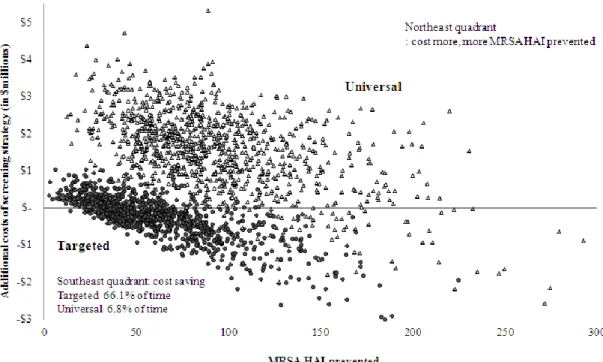
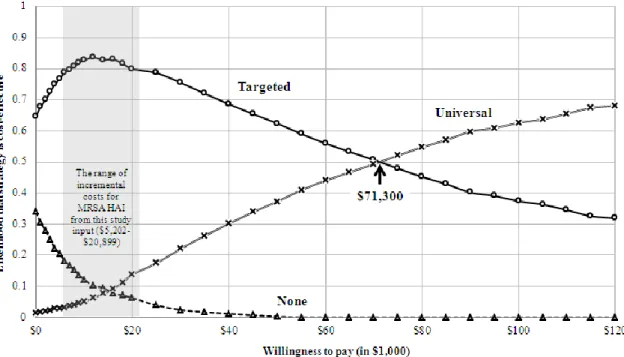
demonstrated that targeted surveillance of intensive care unit patients was the dominant cost-saving strategy for reducing MRSA HAIs.
Third, current hospital policies regarding visitor use of personal protective equipment when entering the rooms of patients on isolation precautions were examined using an online survey of North Carolina hospitals. Among 82 participating acute care hospitals, 71% had a hospital visitor policy. This study illuminated variations in hospitals’ policies regarding visitor isolation precautions. The current problems with hospital visitor policies (e.g., refusal to comply) call for a standard guideline.
This study’s findings suggest a need for further research related to C. difficile, active surveillance screening for important HAI pathogens, implementing isolation
v
ACKNOWLEDGEMENTS
During the 4-and-a-half-year endurance test of my PhD study at UNC Chapel Hill, I realized that all of my accomplishments (e.g., publications, awards, and dissertation) were made possible not only by my own talent and efforts, but by all of the great supporters in my life. With countless blessings from the Heavenly Father, my PhD life was beautifully
orchestrated, and I learned many precious lessons from my PhD journey.
First, I would like to express sincere appreciation to Mr. and Mrs. Thomas Royster, the Graduate School, and the School of Nursing for allowing me to study at UNC Chapel Hill under the most prestigious Royster 5-year fellowship. Being a Royster fellow was an honor in my PhD life.
Second, I am very blessed to have great mentors on my committee: Barbara, an amazing, wise academic advisor who always offered open-minded, thoughtful
vi
provides enjoyable scholarly talks whenever we meet at conferences; and Michael from the CDC, a matched mentor at the AcademyHealth Annual Research Meeting.
Third, I am glad that I could meet these wonderful friends: Sue, my host family; Deanna, my conversation partner; Vickie, Emily, Becky, Brenda, Tina, Lisa, Kirk, Debby, and Amy at the UNC Healthcare Department of Hospital Epidemiology; Kathy and Jennifer at SON OASS, who made me chose UNC despite another university’s 5-year fellowship offer; Chris at the Odum Institute; and my wonderful colleagues in our PhD program and the Royster society.
vii
TABLE OF CONTENTS
List of Tables ... ix
List of Figures... xi
List of Abbreviations ... xii
Chapter 1. Introduction: Healthcare-Associated Infections and Infection Contol in Hospitals in the United States ... 1
Background ... 1
Occurrence of Healthcare-Associated Infections ... 5
The Control and Prevention of Healthcare-Associated Infections ... 14
Outline of Dissertation Study ... 21
References ... 25
Chapter 2. The Changes in the Incidence of Healthcare-Associated Infections by Pathogen at a University Hospital from 2005 to 2011 ... 31
Background ... 31
Methods ... 38
Results ... 44
Discussion ... 53
References ... 59
Appendix 2.1 ... 74
Chapter 3. Cost-Effectiveness Analysis of Active Surveillance Screening forMethicillin- Resistant Staphylococcus aureus in an Academic Hospital Setting ... 82
Background ... 82
Methods ... 84
Results ... 90
Discussion ... 94
References ... 98
viii
Appendix 3.2 ... 104
Chapter 4. Survey of North Carolina Hospital Policies Regarding Visitor Use of Personal Protective Equipment for Entering the Rooms of Patients on Isolation Precautions ... 105
Background ... 105
Methods ... 109
Results ... 117
Discussion ... 127
References ... 133
Appendix 4.1 ... 136
Appendix 4.2 ... 143
Chapter 5. The Synthesis and Implications of Study Findings: Hospital Infection Control: A Constant Battle Against Invisible Healthcare-Associated Pathogens ... 145
Background ... 145
Recapitulation of the Findings According to the Study Aims... 148
Strengths of the Dissertation ... 151
Limitations of the Dissertation ... 156
Implications for Research and Practice in Hospital Infection Control ... 158
Conclusion ... 166
ix
LIST OF TABLES
Table
2.1. Overall Incidence (per 1,000 Patient-Days) of Healthcare-
Associated Pathogens over a Seven-Year Period (2005-2011) ... 45 2.2. The Overall Incidence Rate (per 1,000 Patient-Days) of the
Top 10 Healthcare-Associated Pathogens by Service Category over a Seven-Year Period (2005-2011) ... 48 2.3. The Incidence Change in Central-Line Associated Bloodstream
Infections Caused by the Top 10 Pathogens per 1,000 Central- Line Days over a Six-Year Period (2006-2011) ... 49
2.4. The Incidence Change in Catheter-Associated Urinary Tract Infections Caused by the Top 10 Pathogens per 1,000 Foley- Days over a Six-Year Period (2006-2011) ... 50 2.5. The Incidence Change in Ventilator-Associated Pneumonia
Caused by the Top 10 Pathogens per 1,000 Ventilator-Days over a Six-Year Period (2006-2011) ... 51 2.6. Overall Incidence of Healthcare-Associated Infections by
Multidrug Resistant Pathogens per 1,000 Patient-Days over a Seven-Year Period (2005-2011) ... 51 2.7. The Overall Incidence Rate (per 1,000 Patient-Days) of
Multidrug Resistant Pathogens by Service Category over a Seven-Year Period (2005-2011) ... 52 2.8. The Incidence Change in Central-Line Associated Bloodstream
Infections Caused by Multidrug Resistant Pathogens per 1,000 Central-Line Days over a Six-Year Period (2006-2011) ... 53 2.9. The Incidence (per 1,000 Patient-Days) of Healthcare-Associated
Pathogens in Medicine Service over a Seven-Year Period (2005-2011) ... 74 2.10. The Incidence (per 1,000 Patient-Days) of Healthcare-Associated
Pathogens in Surgery Service over a Seven-Year Period (2005-2011) ... 75 2.11. The Incidence (per 1,000 Patient-Days) of Healthcare-Associated
x
2.12. The Incidence (per 1,000 Patient-Days) of Healthcare-Associated Pathogens in Intensive Care Units over a Seven-Year Period (2005-2011) ... 77 2.13. The Incidence (per 1,000 Patient-Days) of Healthcare-Associated
Pathogens in Non-Intensive Care Unit Settings over a Seven-Year Period (2005-2011) ... 78 2.14. The Overall Incidence of Central-Line Associated Bloodstream
Infections Caused by Healthcare-Associated Pathogens per 1,000 Central-Line Days over a Six-Year Period (2006-2011) ... 79 2.15. The Overall Incidence of Catheter Associated Urinary Tract
Infections Caused by Healthcare-Associated Pathogens per 1,000 Foley-Catheter Days over a Six-Year Period (2006-2011) ... 80 2.16. The Overall Incidence of Ventilator Associated Pneumonia
Caused by Healthcare-Associated Pathogens per 1,000 Ventilator Days over a Six-Year Period (2006-2011) ... 81 3.1. Model Input Estimates and Ranges ... 87 3.2. Base-Case Costs and Outcomes Comparing MRSA Surveillance
Screening Strategies ... 90 3.3. One-Way Analysis Result for ICER of MRSA HAI Prevented ... 91 4.1. Characteristics of the Study Hospitals (n=82) ... 119 4.2. Response Summary of Hospital Policies for Visitors’ Use of
Personal Protective Equipment When Entering Each Type of
Isolation Room ... 120 4.3. Selected Quotes from Infection Preventionists about Hospital
xi
LIST OF FIGURES
Figure
1.1. Explanatory diagram for the chain of healthcare-associated infections ... 6 1.2. Explanatory diagram for the interaction between healthcare-
associated pathogens and a susceptible host within the hospital environment ... 12 1.3. Study framework ... 22 2.1. Grouping categories for the isolated healthcare-associated
pathogens ... 40 2.2. Conceptual data analysis framework for each category ... 42 2.3. The concept of estimated incidence density difference based on
the linear fit of the logistic regression ... 43 2.4. Healthcare-associated infection pathogens with significantly changed incidence trends over a seven-year period (2005-2011) ... 46 3.1. Decision tree model comparing MRSA surveillance screening
approaches ... 86 3.2. Incremental cost-effectiveness ratio plan for MRSA HAI
prevented comparing MRSA surveillance screening strategies to no surveillance screening... 92 3.3. Cost-effectiveness acceptability curves for MRSA HAI prevented
comparing MRSA surveillance screening strategies ... 93 4.1. Overview of the survey process ... 118 4.2. Summary overview for narrative responses on hospital visitor
policy for isolation precautions ... 123 4.3. Schema linking current difficulties to potential solutions, based
on the infection preventionists’ narrative responses... 132 5.1. The connection of three chapters through MRSA ... 156 5.2. See-saw model of the interactions of the three components of
xii
LIST OF ABBREVIATIONS
AAMC Association of American Medical Colleges AHA American Hospital Association
AIDS Acquired immunodeficiency syndrome
APIC Association for Professionals in Infection Control and Epidemiology BSI Bloodstream infections
CAUTI Catheter-associated urinary tract infection CDC Centers for Disease Control and Prevention CEA Cost-effectiveness analysis
CEAC Cost-effectiveness acceptability curves CLABSI Central line-associated bloodstream infection CMS Centers for Medicare and Medicaid Services CoNS Coagulase-negative staphylococci
DHHS Department of Health and Human Services EID Estimated incidence difference
ESBL Extended-spectrum β-lactamase FTE Full-time equivalent
HAI Healthcare-associated infection HCP Healthcare personnel
HEPA High-efficiency particulate air
HICPAC Healthcare Infection Control Practices Advisory Committee HIV Human immunodeficiency virus
xiii
ICER Incremental cost-effectiveness ratio ICU Intensive care unit
IHI Institute for Healthcare Improvement IOM Institute of Medicine
IP Infection preventionist
JCAHO Joint Commission on Accreditation of Healthcare Organizations
MD Medical doctor
MDR Multidrug resistant
MI Median incidence
MRSA Methicillin-resistant Staphylococcus aureus NHSN National Healthcare Safety Network
NNIS National Nosocomial Infections Surveillance System NS Not significant
NSS No surveillance screening PCR Polymerase chain reaction PPE Personal protective equipment QI Quality improvement
RID Relative incidence difference
RN Registered nurse
SARS Severe acute respiratory syndrome
SENIC Study on the Efficacy of Nosocomial Infection Control SDU Step-down units
xiv SSI Surgical site infection TJC The Joint Commission
TSS Targeted surveillance screening UNC University of North Carolina
UNCHC University of North Carolina Health Care USS Universal surveillance screening
UTI Urinary tract infection
CHAPTER 1
INTRODUCTION:
HEALTHCARE-ASSOCIATED INFECTIONS AND INFECTION CONTOL IN HOSPITALS IN THE UNITED STATES
Background
Healthcare-associated infections
The terms nosocomial infections and hospital-acquired infections have traditionally been used to indicate acute infections that occur in inpatient settings during hospitalization (Archibald, 2012). However, as the delivery of healthcare has evolved to encompass not only hospitals, but also ambulatory centers, outpatient clinics, long-term care facilities (e.g., nursing homes), and home care services, these infections may occur across any level of healthcare; therefore, the term healthcare-associated infections (HAIs) has replaced the above traditional terms (Archibald, 2012; Ostrowsky, 2007). Because the risk factors for and characteristics of HAIs in non-hospital type healthcare facilities are relatively unknown compared to those of acute-care hospitals (Archibald, 2012), this dissertation study focuses on HAIs and infection control in acute care hospital settings in the United States.
Hospitals in the United States
2
population was admitted to a hospital at least once in 2010, and the average length of hospital stay in 2009 was 4.9 days (CDC, 2012). Although the average length of hospital stay has decreased along with the decreasing number of hospitalized patients, the severity of patients’ illness has increased among hospitalized populations, and the highly complicated U.S. hospital environment presents the serious potential to cause adverse events, including HAIs (Nettleman, Roach, & Wenzel, 2012). The more that the factors that contribute to HAIs (e.g., aging patient population, increasing severity of illness, and increased use of invasive indwelling devices and broad-spectrum antibiotics) increase in U.S. hospital settings, the greater the risk that
hospitalized patients acquire HAIs (Nettleman et al., 2012).
Significance of healthcare-associated infections
HAIs are one of the most common adverse events that threaten patient safety in the United States (Burke, 2003; Pittet & Donaldson, 2006). HAIs are estimated to be one of the top 10 causes of death in the United States (United States Government Accountability Office, 2008). In the most recent data available, the Centers for Disease Control and Prevention (CDC) reported that approximately 1.7 million HAIs and 99,000 HAI-related deaths occurred in the U.S. in 2002 alone (Klevens et al., 2007). In addition, HAIs place a substantial economic burden on the healthcare system, contributing an estimated $28.4 to 33.8 billion per year in additional healthcare costs (Scott, 2009).
3
criteria as a key element of national patient safety goals (Anderson et al., 2007; JCAHO, 2006; Weinstein, 1998). The first TJC standards, published in 1976, emphasized hospital infection control programs, while recent TJC standards have focused on infection control and prevention (Bartley, 2009). TJC added HAI reduction as a National Patient Safety Goal in the 2004
standards and expanded this goal in the 2009 standards (Bartley, 2009).
Following the Deficit Reduction Act in 2006, the Centers for Medicare and Medicaid Services (CMS) on October 1, 2008 began prohibiting hospitals from receiving additional payment for hospital-acquired conditions that were not present on admission, including such HAIs as vascular catheter-associated infections, catheter-associated urinary tract infection, and selected surgical site infections (SSIs) following coronary artery bypass graft, certain orthopedic procedures, and bariatric surgery for obesity (CMS, 2011; Graves & McGowan, 2008; Stone, 2009; Wachter, Foster, & Dudley, 2008). Currently, CMS has considered expanding “pay for performance” and “no pay for errors” policies by adding additional HAI conditions to the list, including the following: ventilator-associated pneumonia (VAP), Clostridium difficile-associated disease, and methicillin-resistant Staphylococcus aureus (MRSA)infections (Wachter et al., 2008). Following CMS’s lead, some health maintenance organizations (HMOs) in the United States no longer reimburse costs for selected HAIs (Carlet, Fabry, Amalberti, & Degos, 2009).
4
prevention and reduction of HAIs (CDC, 2009a), and the CDC announced plans to allocate $40 million to state health authorities to support HAI prevention (CDC, 2009b). This funding is expected to advance infection control efforts, including HAI surveillance, collaboration for implementing interventions, training the healthcare workforce, and measuring outcomes (CDC, 2009a). In addition, the CDC reports an emerging movement to mandate that healthcare facilities report HAIs to federal and state agencies as part of healthcare reform (CDC, 2010). Between 2003 and 2010, 28 states mandated hospital reporting of selected HAIs (Mascola, Kainer, & Pollock, 2010). As of October 2011, 27 states have developed HAI-related laws requiring the public reporting of HAI rates, while two states (Nebraska and Nevada) have laws that mandate the confidential reporting of HAI rates to state bureaus. Three states (Arkansas, Arizona, and Wisconsin) allow voluntary public reporting of HAI information, while five states (Alaska, Georgia, Indiana, New Mexico, and North Carolina) have considered public reporting laws, and several other states have pending bills for public reporting (Committee to Reduce Infection Deaths, 2011).
Concurrently, public concerns about HAIs and requests to improve HAI prevention have increased markedly. The Consumers Union, the nonprofit publisher of Consumer Reports, has actively pressured hospitals for more effective infection control by campaigning to reduce HAIs and lobbying state legislatures to enact the Consumers Union Model Hospital Infections
5
Griffin, 2007). The “5 Million Lives Campaign” aimed to achieve a decrease of 5 million unintended medical harms between December 2006 and December 2008 by adding six new interventions—including the reduction of MRSA rates. This campaign was modeled after the “100,000 Lives Campaign” which focused on six interventions, including the prevention of central line infections, SSI, and VAP, and which attracted more than 3,100 hospitals and avoided an estimated 122,000 deaths between December 2004 and December 2006 (McCannon et al., 2007).
Occurrence of Healthcare-Associated Infections
6
Figure 1.1 Explanatory diagram for the chain of healthcare-associated infections. Adapted from the CDC guidelines for environmental infection control in health-care facilities: Recommendations of CDC and the Healthcare Infection Control Practices Advisory Committee (HICPAC), MMWR, 2003: 52(RR10); p.4 ‘Box 3. Chain of infection components’.
The “Chain of HAIs” model (Figure 1.1) serves as a useful framework for understanding how HAIs occur (CDC, 2003). This model identifies the characteristics of the infectious agent itself; potential reservoirs of infection in hospitals; how the agent is communicated, including the portal of exit, the mode of transmission, and the portal of entry; and includes the characteristics of hospital patients that increase their susceptibility to infection.
7
resistance (Ostrowsky, 2007). Dose is the amount of an agent needed to cause an HAI
(Ostrowsky, 2007). The greater the number of microorganisms present, the greater the possibility that an infection will occur. Pathogenicity is the agent’s ability to induce HAIs (Ostrowsky, 2007). Virulence, as an element of pathogenicity, refers to the infection-evoking power of a healthcare-associated pathogen in a given host (Last, 2001). Sometimes, avirulent or low-virulence pathogens, such as Serratia marcescens, are isolated from HAIs under particular conditions (e.g., a high infecting dose or/and host immunodeficiency; Archibald, 2012; Ostrowsky, 2007). Infectiousness refers to the number of infected people among susceptible hosts after exposure to an agent (Ostrowsky, 2007). Infectivity is the ability of a healthcare-associated pathogen to transmit from a source to a host (Ostrowsky, 2007). Specificity refers to the specific range of hosts for an agent (Ostrowsky, 2007). Antimicrobial resistance refers to the agent’s acquired resistance to antibiotics. Antimicrobial resistance may increase the frequency of HAIs because of the spread of resistant strains of pathogens (Ostrowsky, 2007).
National Healthcare Safety Network (NHSN) data from 2006 to 2007 reported the top 10 most commonly isolated healthcare-associated pathogens as follows: coagulase-negative
staphylococci (CoNS; 15.3%), Staphylococcus aureus (14.5%), Enterococcus species (12.1%), Candida species (6.8%), Escherichia coli (9.6%), Pseudomonas aeruginosa (7.9%), Klebsiella pneumonia (5.8%), Enterobacter species (4.8%), Acinetobacter baumannii (2.7%), and
8
pathogens are defined as “microorganisms, predominantly bacteria, that are resistant to one or more classes of antimicrobial agents” (P. S166; Siegel, Rhinehart, Jackson, & Chiarello, 2007). In describing MDR pathogens, “resistant” refers to the loss of susceptibility to major
antimicrobial treatments, which may be either a first-line antimicrobial (e.g., oxacillin for S. aureus) that is preferred because of its low toxicity or superior efficacy or a marker-antimicrobial for broader resistance (e.g., ceftazidime-resistant K. pneumonia that produces extended-spectrum β-lactamase [ESBL]; Lin, Weinstein, & Hayden, 2007). Although a particular MDR pathogen’s name implies resistance to only one antimicrobial agent (e.g., MRSA, vancomycin-resistant enterococci [VRE]), these pathogens are typically resistant to many other antimicrobial agents, and treatment options for MDR pathogens are often limited (Siegel et al., 2007). Thus, the treatment and prevention of HAIs caused by MDR pathogens poses an increasing challenge in hospital settings (Hidron et al., 2008).
Reservoir. A reservoir is the place where an infectious agent can live and multiply. Reservoirs can be any person, animal, or inanimate substance, such as water and soil (Last, 2001). In hospital settings, reservoirs for healthcare-associated pathogens can be humans and the hospital environment, including any surface of the patient care area (CDC, 2003). Human
9
frequently touched by patients and HCP, including bedrails, computer tables, blood pressure cuffs, doorknobs, and gowns (CDC, 2003).
Portal of exit. The portal of exit of healthcare-associated pathogens is generally respiratory tracts, gastrointestinal tracts, skin, blood, and wounds (Ostrowsky, 2007). In fact, depending on the pathogen, any patient’s secretion or excretion can be a portal of exit (Ostrowsky, 2007). For example, VRE and C. difficile are contained in patients’ stool. Thus, patients with bowel incontinence or uncontained secretions secondary to poor personal hygiene (e.g., infants and patients with altered mental status) represent a significant source of enteric pathogen outbreaks (Siegel et al., 2007).
Mode of transmission. The mode of transmission differs by type of
healthcare-associated pathogen and includes contact (direct or indirect), droplet, and airborne transmission (Siegel et al., 2007a). Some pathogens are transmitted via more than one transmission route (e.g., S. aureus, which can be transmitted via direct or indirect contact), and some are not transmitted from person to person at all (e.g., Legionella; Siegel et al., 2007a). Contact transmission is the most common mode of transmission, and it consists of two subgroups: direct and indirect contact (Siegel et al., 2007a). Direct contact transmission occurs when pathogens are transmitted from a source patient to another person without an intermediate object or person (Siegel et al., 2007a). Indirect contact transmission of a pathogen occurs through contact with a contaminated object (e.g., endoscopes or isolation gowns) or intermediate people (Siegel et al., 2007a). The
transmission of MDR pathogens results primarily from direct or indirect contact, including an HCP’s contaminated hands or contaminated equipment (Salgado & Farr, 2006). Droplet
10
2007a). Droplets are usually defined as greater than 5 μm in size, and the typically defined distance of risk for droplet transmission is 3 feet, based on prior epidemiologic research (Siegel et al., 2007a). Droplet transmission occurs when infectious droplets are deposited on the host’s mucosal surface (e.g., conjunctiva; Ostrowsky, 2007). Examples of droplet-transmitted
pathogens are the influenza virus, Bordetella pertusis, and Neisseria meningitides (Siegel et al., 2007a). Airborne transmission occurs when airborne droplet nuclei smaller than 5 μm travel with air currents, which carry such infectious pathogens as Mycobacterium tuberculosis, varicella-zoster virus and rubeola virus (Siegel et al., 2007a). Airborne microorganisms can be suspended in the air for hours or days and may be inhaled by a susceptible host at a much greater distance than non-airborne pathogens are; thus, a respiratory protection program (e.g., education
regarding the proper use of a mask/respirator) is required to reduce infection risk (Siegel et al., 2007a; Ostrowsky, 2007).
Portal of entry. The portal of entry refers to an opening that permits the healthcare-associated pathogen to enter the susceptible host. Portals include body orifices, mucous
membranes, skin wounds, and medical devices, such as Foley catheters and endotracheal tubes. HCP experience occupational exposure to blood from patients with hepatitis B virus, hepatitis C virus, and human immunodeficiency virus (HIV) via percutaneous injuries, direct contact with mucous membranes and nonintact skin as portals of entry in hospital settings (O’Malley et al., 2007). For droplet and airborne routes of transmission, portals of entry may include mucosal surfaces, such as conjunctivae and nasal mucosa (Siegel et al., 2007a).
11
comorbidities (e.g., malignancy, diabetes) or poor physiologic reserve (e.g., old age), can increase the risk of infection (Siegel et al., 2007a). In addition, the administration of
antimicrobials impairs the growth of normal intestinal flora and is a well-known risk factor for C. difficile infection(Lo Vecchio & Zacur, 2012). Furthermore, specific medical treatments, such as surgery or radiation therapy, can impair host defense mechanisms, thus increasing the risk of infection. Invasive devices (e.g., endotracheal tubes, central-line catheters) can facilitate the occurrence of HAIs by allowing pathogens to avoid local biologic defenses that would normally allow the host to resist pathogen invasion. This occurs because the device provides a surface that allows pathogens to develop biofilms, which enhance their adherence to device surfaces and confer protection from antimicrobials (Siegel et al., 2007a). Although many patients may be exposed to the same healthcare-associated pathogen, exposure results vary; some patients become transient or permanent asymptomatic carriers, whereas others become severely ill (Ostrowsky, 2007; Siegel et al., 2007). The patient’s immune status at the time of exposure to a healthcare-associated pathogen, the virulence of the healthcare-associated pathogen, and the host-agent interaction are important factors that affect patient outcomes (Siegel et al., 2007a).
Considering the chain of HAIs (Figure 1.1), the solution for controlling and preventing HAIs, particularly in the hospital setting is to break any link in the chain. However, the most effective infection control intervention breaks the chain of an HAI at its weakest point
(Ostrowsky, 2007). Knowing the chain of HAIs should help guide the development of specific interventions to control HAIs and help avoid the atheoretical adoption of nonspecific
interventions (Ostrowsky, 2007). However, predictions about HAI occurrences and the
12
because both the occurrence and prevention of HAIs involves more than one component of the chain of HAIs. In fact, the occurrence of HAIs depends on a variety of factors, particularly those related to healthcare-associated pathogens, mode of transmission, and host susceptibility. In addition, even when many patients experience identical exposure to a healthcare-associated pathogen, their outcomes may differ (from asymptomatic colonization to death due to HAI) depending on host factors (Archibald, 2012; Ostrowsky, 2007). Thus, it is difficult to guarantee that HAIs will be controlled by interrupting any one specific component in the chain of infection. The interruption of a single component may not be effective enough to completely prevent the occurrence of HAIs.
Figure 1.2 Explanatory diagram for the interaction between healthcare-associated pathogens and a susceptible host within the hospital environment.Note. Six components of the chain of HAIs are marked to show multifactorial interactions (created by the author).
13
healthcare-associated pathogen and a susceptible host (i.e., a hospitalized patient) within the environmental ecology of HAIs (Archibald, 2012; Ostrowsky, 2007). As the explanatory diagram in Figure 1.2 shows, the multifactorial interactions (transmission) can occur via any mode of transmission (e.g., contact, airborne, and droplet; from portal of exit to portal of entry) between a HAI pathogen (an infectious agent) and a hospitalized patient (a susceptible host) within the hospital environment. The hospital environment may affect the chain of HAIs because a patient in a hospital bed is frequently surrounded by multiple medical devices or equipment and surfaces (Ostrowsky, 2007). For example, the humidity of a patient’s room can affect multiple components in the chain of HAIs: the persistence of the healthcare-associated pathogen at the reservoir, the transmission of pathogens through the airflow, and the effectiveness of the host’s mucous membrane resistance (Ostrowsky, 2007).
The risk of HAIs during patient care in hospitals is most influenced by the healthcare-associated pathogen’s mode of transmission (Fauerbach, 2002). Therefore, most infection control intervention efforts aim to affect various factors to prevent the transmission of
14
The Control and Prevention of Healthcare-Associated Infections
CDC/Healthcare Infection Control Practices Advisory Committee (HICPAC) guidelines
To assist hospital infection control intervention efforts, the CDC and HICPAC have published a variety of guidelines (e.g., CDC/HICPAC, Guideline for Disinfection and Sterilization in Healthcare Facilities, 2008) based on scientific evidence (Rutala, Weber, & HICPAC, 2008; Umsheid, Agarwal, Brennan, & HICPAC, 2009). All of the recommendations in the CDC/ HICPAC guidelines were developed using targeted systematic reviews of the best available evidence for preventing HAIs by interrupting components of the chain of HAIs
(Umsheid et al., 2009). Each recommendation in the guidelines is categorized into five levels (IA, strongly recommended and supported; IB, strongly recommended; IC, required by regulations or standards; II, suggested; and III, unresolved issue) based on the strength of evidence, such as the existing theoretical rationale, scientific data, economic impact, and practical applicability across the six components of the chain of HAIs (O'Grady et al., 2011).
Isolation precautions
Isolation precautions have been recommended as standard infection control practices for HCPs across the range of care. Isolation precautions can simultaneously affect several
15
precautions when caring for the isolated patient. The use of isolation precautions is becoming more important in hospital settings to control potential exposure to patients with emerging disease events, such as severe acute respiratory syndrome (SARS) world-wide epidemic (Patterson, 2004).
The terminology for isolation precautions has changed since 1970, when the CDC published the first Isolation Techniques for Use in Hospitals guidelines. These guidelines consisted of two general approaches: a category-specific system with limited isolation protocols based on categorized infectious diseases, and a disease-specific system that presented specific measures for each disease (Van den broek, 2003). Increased awareness of the dangers of blood and blood-containing body fluids resulted from the emergence of acquired immunodeficiency syndrome (AIDS) epidemic; therefore, in 1985, the recommendations were changed to the universal precautions and body substance isolations because of the difficulty of verifying which patients are infectious on admission (Van den broek, 2003). Later, standard precautions were developed to emphasize the importance of hand hygiene and the use of personal protective equipment (PPE; gloves, gown, mask/respirator, eye shield, and face shield) for routine patient care while reducing the number of different isolation precautions (Van den broek, 2003). The most recent CDC/HICPAC isolation guidelines, the 2007 Guideline for Isolation Precautions: Preventing Transmission of Infectious Agents in Healthcare Settings, recommend three types of transmission-based isolation precautions—contact precautions, droplet precautions, and airborne precautions—along with standard precautions in hospital settings (Siegel et al., 2007a).
16
multiple transmission routes, such as SARS, more than one set of transmission-based precautions may be needed to reduce the risk of HAIs (Siegel et al., 2007a).
Standard precautions. Standard precautions are a set of universal precautions and body substance isolations that includes hand hygiene, safe injection practices, proper management of contaminated items, and the use of PPE when appropriate (Siegel et al., 2007a). Recently, three new practices were added to standard precautions: respiratory hygiene/cough etiquette for cold symptoms in a healthcare facility (including education, sign posting, the use of a surgical mask, hand hygiene, and spatial separation), safe injection practices for ambulatory care facilities (the use of single-use disposable needles and syringes), and use of a surgical mask for lumbar
puncture procedures to prevent the transmission of clinicians’ oral flora to patients (Siegel et al., 2007a).
Contact precautions. Contact precautions are recommended to prevent the transmission
of healthcare-associated pathogens via direct or indirect contact with patients (Siegel et al., 2007a). Contact precautions are needed for contact-transmitted pathogens, such as MDR pathogens, and for patients who have body discharges, including fecal incontinence and
17
challenging for hospitals to implement contact precautions concurrently with other infection control strategies, such as the timely detection of infected/colonized patients with MDR pathogens, the prompt initiation of single room placement, and communication for HCP and visitor adherence to isolation precautions (Clock et al., 2010).
Droplet precautions. Droplet precautions are needed for droplet-transmitted pathogens, such as influenza virus, adenovirus, rhinovirus, Bordetella pertussis, Neisseria meningitidis, and group A streptococcus (Siegel et al., 2007a). A single patient room is preferred, and HCP need to wear a mask when entering the patient’s room (Siegel et al., 2007a). If a single room is not available, the patient needs to be separated from other patients by a minimum of 3 feet, and the patient should wear a mask and maintain respiratory hygiene/cough etiquette (Siegel et al., 2007a).
18
Precautions for multidrug-resistant pathogens
Although the above four types of isolation precautions are recommended based on the mode of transmission of specific healthcare-associated pathogens in hospital settings, more than one type of transmission-based precautions may be necessary to control MDR pathogens and emerging diseases (e.g., SARS) to ensure the most effective implementation of infection control for each component in the chain of HAIs and for the interactions among the components. As a part of the 2007 Guideline for Isolation Precautions: Preventing Transmission of Infectious Agents in Healthcare Settings, CDC also published Management of Multidrug-Resistant
Organisms in Healthcare Settings, 2006 to enhance the prevention of MDR pathogens (Siegel et al., 2007a). To prevent the transmission of epidemiologically important healthcare-associated pathogens (e.g., MRSA), patient isolation in a private room and the implementation of contact precautions is generally recommended (Salgado & Farr, 2006; Siegel et al., 2007b). Contact precautions require wearing gown and gloves before entering the isolation rooms of patients who are infected with or colonized by MDR pathogens. Such precautions have been reported to be successful measures for reducing MDR pathogen transmission in hospital settings (Salgado & Farr, 2006). In addition, hand hygiene, environmental cleaning (or disinfection), and detection of MRSA-colonized patients and placing them under contact precautions have been emphasized as prevention strategies (Diekema & Climo, 2008). Furthermore, antimicrobial stewardship,
reducing the lengths of hospital stays, ensuring an appropriate staff-patient ratio, “staff cohorting” (i.e., assigning staff to infected/colonized patients to prohibit staff from crossover care for
uninfected/uncolonized patients), and staff education may help prevent the transmission of MDR pathogens (Henderson, 2006a). The CDC guideline Management of Multidrug-Resistant
19
contact precautions, active surveillance screening, environmental cleaning) to control the spread of MDR pathogens, including MRSA (Siegel et al., 2007b). However, the efficacy of each individual intervention remains unknown because many studies report the results of the simultaneous implementation of several control interventions and because MDR pathogen transmission involves multiple complex factors in hospital settings (Henderson, 2006).
Hospital infection control program
To implement infection control guidelines for the prevention of HAIs, an effective infection control program is essential in hospital settings. A CDC Study on the Efficacy of Nosocomial Infection Control (SENIC) reported the four essential components of a hospital infection control program that contributed to a 32% reduction in HAIs: conducting active
surveillance, employing a trained infection control physician, having a full-time infection control nurse for every 250 beds, and providing surgeons with feedback about HAI rates (Haley et al., 1985).
20
become increasingly difficult to acquire the information necessary to evaluate the hospital-wide incidence of HAIs, hospital-wide epidemic events, and hospital-wide interventions. However, to comprehensively understand epidemiologically important healthcare-associated pathogens (e.g., MRSA), wide surveillance may be necessary (Siegel et al., 2007a). In addition, hospital-wide surveillance can provide the critical infection control function of case-finding (a single patient or cluster of patients) to help isolate infectious patients using the appropriate
transmission-based precautions (Siegel et al., 2007a).
Understaffing is a constant problem in hospital infection control. In 1985, SENIC
recommended that one full-time infection control nurse be available for every 250 occupied beds in acute healthcare facilities; in 2002, the Association for Professionals in Infection Control and Epidemiology (APIC) suggested the staffing ratio of 0.8 to 1.0 infection control nurse for every 100 occupied acute care beds (O'Boyle, Jackson, & Henly, 2002). However, most hospital infection control departments are still understaffed and do not have adequate administrative support (Wright et al., 2010). Despite rapidly evolving infection control issues and a 145% increase in infection control activities between 1982 and 2001, resources for infection control have persistently lagged behind increased infection control activities (Goldrick, 2005).
The primary goal of a hospital infection control program is to prevent HAIs in a cost-effective manner (Jones & Woeltje, 2007). To reduce HAIs, cost-effective infection control methods should be applied continuously and collaboratively in daily practice by every healthcare provider (Aziz & Murphy, 2009). Unfortunately, although detailed evidence-based guidelines are
21
HAIs (Sprague, 2009). As the Institute of Medicine (IOM) report To Error Is Human: Building a Safer Health System on medical errors stated, improving patient safety calls for a systems
approach to modify conditions that contribute to errors, which are often caused by a convergence of multiple factors (IOM, 2000). Flawed systems—processes that make HCP fail—can also contribute to HAIs (Murphy, Alvarado, & Fawal, 2002). A multifaceted approach, including continuous assessment of HCP and modifications of work environments, is required to increase adherence to infection control recommendations in healthcare practices (Siegel et al., 2007a).
Outline of Dissertation Study
22
Figure 1.3 Study framework.Note. MRSA, methicillin-resistant Staphylococcus aureus; SHEA, the Society for Healthcare Epidemiology of America; HICPAC, Healthcare Infection Control Practices Advisory Committee.
Area 1. Basic incidence (Chapter 2: The Changes in the Incidence of Healthcare-Associated
Infections by Pathogen at a University Hospital from 2005 to 2011)
Research needs. Although the CDC/HICPAC isolation precautions guideline
23
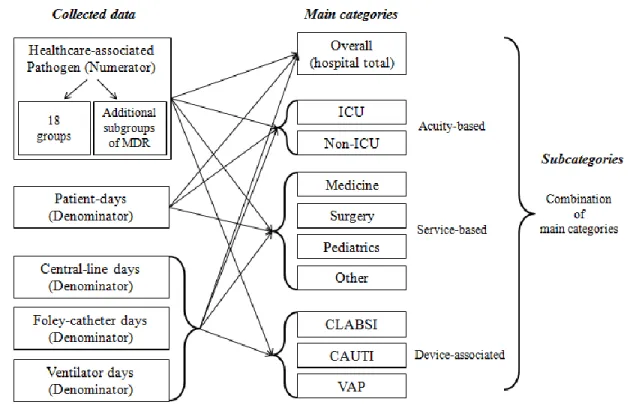
Aim. This study aimed to examine the incidence of HAIs by pathogen using hospital-wide surveillance data to describe the epidemiology of HAIs at a university hospital. Using the incidence density per 1,000 person-days (patient-days or device-days), the incidence change in HAIs by pathogen was examined over time in the following categories: service (medicine, surgery, and pediatrics; ICU vs. non-ICU); device-associated infections (central line-associated bloodstream infection [CLABSI], CAUTI, and VAP); and MDR pathogens (MRSA, VRE, MDR Acinetobacter, and MDR Pseudomonas).
Area 2. Guideline issue (Chapter 3: Cost-Effectiveness Analysis of Active Surveillance
Screening for Methicillin-Resistant Staphylococcus aureus in an Academic Hospital Setting)
Research needs. When the guidelines provided by CDC/HICPAC or other professional
societies cannot recommend solutions for HAI problems secondary to insufficient knowledge or evidence, hospitals must determine their own policy/intervention based on their unique
characteristics, such as acute care setting or long-term care facility status. In particular, MRSA active surveillance screening remains a controversial topic that has conflicting guidelines from the Society for Healthcare Epidemiology of America (SHEA) and HICPAC (Jackson, Jarvis, & Scheckler, 2004). Thus, further study is needed to compare the costs and outcomes among different MRSA surveillance screening strategies and to provide evidence regarding the most cost-effective MRSA screening policy on patient admission to academic hospitals that have distinctive characteristics (e.g., acute care facilities with more severely ill patients and frequent transfer-ins from other facilities).
24
admission. The screening strategies were universal surveillance screening (USS) for all hospital admissions, targeted surveillance screening (TSS) for ICU admissions, and no surveillance screening (NSS). From the academic hospital perspective, a cost-effectiveness analysis was conducted using a decision-tree model to determine the most cost-effective active surveillance screening strategy for MRSA.
Area 3. Implementing policy (Chapter 4: Survey of North Carolina Hospital Policies
Regarding Visitor Use of Personal Protective Equipment for Entering the Rooms of Patients
on Isolation Precautions)
Research needs. Every human has many endogenous microorganisms within his or her
own body and can be either a susceptible host or an intermediate transmission route of infectious agents. HCP are required to adhere to isolation precautions during their daily interactions with infected/colonized patients. However, there are no clear recommendations for hospital visitors, who could acquire healthcare-associated pathogens as susceptible hosts or could transmit these pathogens as reservoirs during their visit. Thus, a study on current hospital visitor policies is needed to suggest appropriate hospital policies related to isolation precautions.
Aim. This study explored the range of hospital policies for visitor use of personal protective equipment when entering the rooms of patients on isolation precautions. Using an online survey of hospitals in North Carolina, this study examined current hospital visitor policies related to isolation precautions and, based on lessons from infection preventionists (IPs)’
25
REFERENCES
American Hospital Association. (2012, January 3, 2012). Fast facts on US hospitals. Retrieved from http://www.aha.org/research/rc/stat-studies/fast-facts.shtml
Anderson, D. J., Kirkland, K. B., Kaye, K. S., Thacker, P. A., 2nd, Kanafani, Z. A., Auten, G., & Sexton, D. J. (2007). Underresourced hospital infection control and prevention programs: Penny wise, pound foolish? Infect Control Hosp Epidemiol, 28(7), 767-773. doi:
ICHE2006358 [pii] 10.1086/518518
Archibald, L. K. (2012). Principles of infectious diseases epidemiology. In C. G. Mayhall (Ed.), Hospital epidemiology and infection control (4th ed., pp. 1-19). Philadelphia, PA: Lippincott Williams & Wilkins.
Aziz, A. M., & Murphy, P. (2009). C. difficile infection - a tool for improving practice and reducing rates. Br J Nurs, 18(11), 659-660, 662-654.
Bartley, J. (2009). Accrediting and regulatory agencies. In APIC (Ed.), APIC text of infection control and epidemiology (3rd ed.): APIC.
Burke, J. P. (2003). Infection control - a problem for patient safety. N Engl J Med, 348(7), 651-656. doi: 10.1056/NEJMhpr020557348/7/651 [pii]
Carlet, J., Fabry, J., Amalberti, R., & Degos, L. (2009). The "zero risk" concept for hospital-acquired infections: A risky business! Clin Infect Dis, 49(5), 747-749. doi:
10.1086/604720
CDC. (2003). Guidelines for environmental infection control in health-care facilities: Recommendations of CDC and the Healthcare Infection Control Practices Advisory Committee (HICPAC). MMWR, 52(RR10), 1-42.
CDC. (2009a). Healthcare-associated infections: Recovery act. Retrieved from http://www.cdc.gov/HAI/recoveryact/index.html
CDC. (2009b). Press release: CDC to distribute $40 million in recovery act funding to help states fight healthcare-associated infections. Retrieved from
http://www.cdc.gov/media/pressrel/2009/r090901.htm
CDC. (2010). Healthcare-associated infections: Recovery act. Retrieved from http://www.cdc.gov/HAI/recoveryact/top10.html
26
Clock, S. A., Cohen, B., Behta, M., Ross, B., & Larson, E. L. (2010). Contact precautions for multidrug-resistant organisms: Current recommendations and actual practice. Am J Infect Control, 38(2), 105-111. doi: 10.1016/j.ajic.2009.08.008
CMS. (2011, October 2011). Hospital-acquired conditions (HAC) in acute inpatient prospective payment system (IPPS) hospitals: Fact sheet. Retrieved from
https://www.cms.gov/hospitalacqcond/downloads/hacfactsheet.pdf
Committee to Reduce Infection Deaths. (2011, October 2011). State legislation & initiatives on healthcare-associated infections. Retrieved from
http://www.hospitalinfection.org/legislation.shtml
Consumers Union. (2006). Consumers union model hospital infections disclosure act December 2006. Retrieved from
http://www.consumersunion.org/pub/campaignstophospitalinfections/000875.html DHHS. (2009). HHS action plan to prevent healthcare-associated infections: Appendices. Retrieved from http://www.hhs.gov/ash/initiatives/hai/appendices.html#appendix_g DHHS Press Office. (2009). Secretary Sebelius highlights two new reports on health care quality,
says improving quality is key component of health reform. Retrieved from http://www.ahrq.gov/news/press/pr2009/qrdr08pr.htm
Diekema, D. J., & Climo, M. (2008). Preventing MRSA infections: Finding it is not enough. JAMA, 299(10), 1190-1192. doi: 10.1001/jama.299.10.1190
Edmond, M. (2007). Public reporting of healthcare-associated infection rates. In W. R. Jarvis (Ed.), Bennett & Brachman's Hospital Infections (5th ed., pp. 801-811). Philadelphia: Lippincott.
Edmond, M., & Eickhoff, T. C. (2008). Who is steering the ship? External influences on infection control programs. Clin Infect Dis, 46(11), 1746-1750. doi: 10.1086/587987 Fauerbach, L. (2002). Risk factors for infection transmission. In APIC (Ed.), APIC text of
infection control and epidemiology (Revised edition 2002 ed., pp. 4:1-4:9). Washington, DC: APIC.
Garner, J. S., Jarvis, W. R., Emori, T. G., Horan, T. C., & Hughes, J. M. (1996). CDC definitions for nosocomial infections. In R. N. Olmsted (Ed.), APIC infection control and applied epidemiology: Principles and practices (pp. A1-A20). St.Louis: Mosby.
27
Gorwitz, R. J., Kruszon-Moran, D., McAllister, S. K., McQuillan, G., McDougal, L. K., Fosheim, G. E., . . . Kuehnert, M. J. (2008). Changes in the prevalence of nasal colonization with Staphylococcus aureus in the United States, 2001-2004. J Infect Dis, 197(9), 1226-1234. doi: 10.1086/533494
Graves, N., & McGowan, J. E., Jr. (2008). Nosocomial infection, the deficit reduction act, and incentives for hospitals. JAMA, 300(13), 1577-1579. doi: 300/13/1577 [pii]
10.1001/jama.300.13.1577
Haley, R. W., Culver, D. H., White, J. W., Morgan, W. M., Emori, T. G., Munn, V. P., & Hooton, T. M. (1985). The efficacy of infection surveillance and control programs in preventing nosocomial infections in US hospitals. Am J Epidemiol, 121(2), 182-205.
Henderson, D. K. (2006). Managing methicillin-resistant staphylococci: A paradigm for preventing nosocomial transmission of resistant organisms. Am J Med, 119(6 Suppl 1), S45-52; discussion S62-70. doi: 10.1016/j.amjmed.2006.04.002
Hidron, A. I., Edwards, J. R., Patel, J., Horan, T. C., Sievert, D. M., Pollock, D. A., & Fridkin, S. K. (2008). NHSN annual update: Antimicrobial-resistant pathogens associated with healthcare-associated infections: Annual summary of data reported to the National
Healthcare Safety Network at the Centers for Disease Control and Prevention, 2006-2007. Infect Control Hosp Epidemiol, 29(11), 996-1011. doi: 10.1086/591861
IOM. (2000). To error is human: Building a safer health system. Washington, D.C.: National Academy Press.
Jackson, M., Jarvis, W. R., & Scheckler, W. E. (2004). HICPAC/SHEA--conflicting guidelines: What is the standard of care? Am J Infect Control, 32(8), 504-511. doi:
S0196655304005450 [pii] 10.1016/S0196655304005450
JCAHO. (2006). Raising the bar with bundles: Treating patients with an all-or-nothing standard. Joint Commission Perspective on Patient Safety, 6(4), 5-6.
Jones, M., & Woeltje, K. F. (2007). The development of infection control surveillance and control programs. In W. R. Jarvis (Ed.), Bennett & Brachman's Hospital Infections (5th ed., pp. 65-71). Philadelphia, PA: Lippincott Williams & Wilkins.
Klevens, R. M., Edwards, J. R., Richards, C. L., Jr., Horan, T. C., Gaynes, R. P., Pollock, D. A., & Cardo, D. M. (2007). Estimating health care-associated infections and deaths in U.S. hospitals, 2002. Public Health Rep, 122(2), 160-166.
Koppaka, V. R., & Ridzon, R. (2003). Prevention and control of the nosocomial transmission of Mycobacterium tuberculosis. In R. P. Wenzel (Ed.), Prevention and control of
28
Lin, M., Weinstein, R. A., & Hayden, M. K. (2007). Multiply drug-resistant pathogens: Epidemiology and control. In W. R. Jarvis (Ed.), Bennett & Brachman's hospital infections (5th ed., pp. 193-222). Philadelphia, PA: Lippincott Williams & Wilkins. Lo Vecchio, A., & Zacur, G. M. (2012). Clostridium difficile infection: An update on
epidemiology, risk factors, and therapeutic options. Curr Opin Gastroenterol, 28(1), 1-9. doi: 10.1097/MOG.0b013e32834bc9a9
Mascola, L., Kainer, M. A., & Pollock, D. A. (2010). Council of State and Territorial
Epidemiologists – Centers for Disease Control and Prevention (CSTE-CDC) process for setting national standards for healthcare-associated infections case criteria and data requirements. Retrieved from http://www.cste.org/ps2010/10-ID-28.pdf
McCannon, C. J., Hackbarth, A. D., & Griffin, F. A. (2007). Miles to go: An introduction to the 5 Million Lives Campaign. Jt Comm J Qual Patient Saf, 33(8), 477-484.
Murphy, D. M., Alvarado, C. J., & Fawal, H. (2002). The business of infection control and epidemiology. Am J Infect Control, 30(2), 75-76. doi: S0196655302477814 [pii]
Nettleman, M. D., Roach, R. L., & Wenzel, R. P. (2012). Principles of healthcare epidemiology. In C. G. Mayhall (Ed.), Hospital epidemiology and infection control (4th ed., pp. 82-86). Philadelphia, PA: Lippincott Williams & Wilkins.
NNIS. (1998). National Nosocomial Infections Surveillance (NNIS) System report, data summary from October 1986-April 1998, issued June 1998. Am J Infect Control, 26(5), 522-533. doi: S019665539800100X [pii]
O'Boyle, C., Jackson, M., & Henly, S. J. (2002). Staffing requirements for infection control programs in US health care facilities: Delphi project. Am J Infect Control, 30(6), 321-333. doi: S0196655302000111 [pii]
O'Grady, N. P., Alexander, M., Burns, L. A., Dellinger, E. P., Garland, J., Heard, S. O., . . . (HICPAC), T. H. I. C. P. A. C. (2011, April 1, 2011). Guidelines for the prevention of intravascular catheter-related infections, 2011. Retrieved from
http://www.cdc.gov/hicpac/pdf/guidelines/bsi-guidelines-2011.pdf
O’Malley, Emily M. M., Ii, R. D. S. P., Gayle, J. M. P. H., Dekutoski, J. M. D., Foltzer, M. M. D., Lundstrom, Tammy S. M. D., . . . Panlilio, Adelisa L. M. D. (2007). Costs of management of occupational exposures to blood and body fluids. Infection Control and Hospital Epidemiology, 28(7), 774-782.
Ostrowsky, B. (2007). Epidemiology of healthcare-associated infections. In W. R. Jarvis (Ed.), Bennett & Brachman's Hospital infections (5th ed., pp. 3-23). Philadelphia, PA:
29
Patterson, J. E. (2004). Isolation of patients with communicable diseases. In C. G. Mayhall (Ed.), Hospital epidemiology and infection control (3rd ed., pp. 1703-1725). Philadelphia, PA: Lippincott Williams & Wilkins.
Pittet, D., & Donaldson, L. (2006). Challenging the world: Patient safety and health care-associated infection. Int J Qual Health Care, 18(1), 4-8. doi: mzi093 [pii]
10.1093/intqhc/mzi093
Rutala, W. A., Weber, D. J., & HICPAC. (2008). Guideline for disinfection and sterilization in healthcare facilities, 2008. Retrieved from
http://www.cdc.gov/hicpac/pdf/guidelines/Disinfection_Nov_2008.pdf
Salgado, C. D., & Farr, B. M. (2006). What proportion of hospital patients colonized with methicillin-resistant Staphylococcus aureus are identified by clinical microbiological cultures? Infect Control Hosp Epidemiol, 27(2), 116-121. doi: 10.1086/500624 Scott, R. D., II. . (2009). The direct medical costs of healthcare-associated infections in U.S.
hospitals and the benefits of prevention (CS200891-A). Atlanta, GA. Retrieved from http://www.cdc.gov/hai/pdfs/hai/scott_costpaper.pdf
Siegel, J. D., Rhinehart, E., Jackson, M., & Chiarello, L. (2007a). 2007 guideline for isolation precautions: Preventing transmission of infectious agents in health care settings. Am J Infect Control, 35(10 Suppl 2), S65-164. doi: 10.1016/j.ajic.2007.10.007
Siegel, J. D., Rhinehart, E., Jackson, M., & Chiarello, L. (2007b). Management of multidrug-resistant organisms in health care settings, 2006. Am J Infect Control, 35(10 Suppl 2), S165-193. doi: 10.1016/j.ajic.2007.10.006
Sprague, L. (2009, March 13, 2009). Health care-associated infections: Is there an end in sight?, Retrieved from http://www.nhpf.org/library/issue-briefs/IB830_HAI_03-13-09.pdf Stone, P. W. (2009). Changes in Medicare reimbursement for hospital-acquired conditions
including infections. Am J Infect Control, 37(9), A17-18. doi: S0196-6553(09)00656-7 [pii] 10.1016/j.ajic.2009.07.001
Umsheid, C. A., Agarwal, R. K., Brennan, P. A., & HICPAC. (2009). Updating the guideline methodology of the Healthcare Infection Control Practices Advisory Committee (HICPAC). Retrieved from http://www.cdc.gov/hicpac/pdf/guidelines/2009-10-29HICPAC_GuidelineMethodsFINAL.pdf
United States Government Accountability Office. (2008). Health-care-associated infections in hospitals: Leadership needed from HHS to prioritize prevention practices and improve data on these infections (GAO-08-673T). Washington, D.C.
30
Wachter, R. M., Foster, N. E., & Dudley, R. A. (2008). Medicare's decision to withhold payment for hospital errors: The devil is in the details. Jt Comm J Qual Patient Saf, 34(2), 116-123. Weber, D. J., Rutala, W. A., Samsa, G. P., Wilson, M. B., & Hoffmann, K. K. (1992). Relative
frequency of nosocomial pathogens at a university hospital during the decade 1980 to 1989. Am J Infect Control, 20(4), 192-197. doi: 10.1016/S0196-6553(05)80145-2 Weber, D. J., Sickbert-Bennett, E. E., Brown, V., & Rutala, W. A. (2007). Comparison of
hospitalwide surveillance and targeted intensive care unit surveillance of healthcare-associated infections. Infect Control Hosp Epidemiol, 28(12), 1361-1366. doi: ICHE2007184 [pii] 10.1086/523868
Weinstein, R. A. (1998). Nosocomial infection update. Emerg Infect Dis, 4(3), 416-420. doi: 10.3201/eid0403.980320
CHAPTER 2
THE CHANGES IN THE INCIDENCE OF HEALTHCARE-ASSOCIATED INFECTIONS BY PATHOGEN AT A UNIVERSITY HOSPITAL FROM 2005 TO 2011
Background
Surveillance for incidence of healthcare-associated infections
32
Healthcare-associated pathogens
Information about pathogens isolated from patients’ HAIs has implications for both treatment and the implementation of infection control and prevention strategies (Henderson, 2006). However, in contrast to the increasing focus on antimicrobial-resistant pathogens, there are few reports on HAI pathogens (McDonald, 2006). In addition, data on HAIs occurring outside of intensive care units (ICU) are scarce since targeted (priority-based) surveillance emerged as a cost-effective method, leading to the discontinuation of hospital-wide surveillance in the Centers for Disease Control and Prevention (CDC) National Nosocomial Infections Surveillance System (NNIS) in 1986 (NNIS, 1998). However, according to a recent study comparing the number of HAIs included in targeted surveillance (the National Healthcare Safety Network [NHSN] surveillance) and hospital-wide surveillance, targeted surveillance found only 77.7% of the bloodstream infections (BSIs), 74.5% of the surgical site infections (SSIs), 62.3% of the urinary tract infections (UTIs), and 18.6% of the respiratory tract infections (including 100% of the ventilator-associated pneumonia [VAP] cases) that were identified with hospital-wide
surveillance(Weber, Sickbert-Bennett, Brown, & Rutala, 2012). Therefore, comprehensive data on healthcare-associated pathogens based on hospital-wide surveillance data is currently lacking in most hospitals using targeted surveillance.
A healthcare-associated pathogen is an organism that causes healthcare-associated
33
Enterococcus species (12.1%), Candida species (6.8%), Escherichia coli (9.6%), Pseudomonas aeruginosa (7.9%), Klebsiella pneumonia (5.8%), Enterobacter species (4.8%), Acinetobacter baumannii (2.7%), and Klebsiella oxytoca (1.1%; Hidron et al., 2008). According to a study that examined the relative frequency of healthcare-associated pathogens at one university hospital from 1980 to 2008, 18 groups of HAI agents were found through hospital-wide surveillance: in order of decreasing frequency, the agents were S. aureus, E. coli, CoNS, “Candida and other yeast”, Enterococcus species, Pseudomonas aeruginosa, Klebsiella species, Enterobacter species, other streptococci, “Clostridium difficile and other anaerobes”, Proteus species, Serratia species, Acinetobacter species, Haemophilus species, Bacteroids species, Citrobacter species, Group B streptococci, and others (Kang, Sickbert-Bennett, Brown, Weber, & Rutala, 2012b).
The characteristics of the main healthcare-associated pathogens
Staphylococcus aureus. S. aureus has been the predominant healthcare-associated pathogen in hospital settings since the 1950s. It is a common community pathogen that causes soft tissue infections and furuncles (John & Shukla, 2012). S. aureus is commonly part of the normal flora of the human body. It is not an environmental pathogen, but it can persist on hospital surfaces for hours to days (John & Shukla, 2012; Salgado & Calfee, 2012).
Asymptomatic colonization of S. aureus has been reported in one-third of the human population, and hospitalization itself is a risk factor for S. aureus colonization (John & Shukla, 2012;
Salgado & Calfee, 2012). S. aureus may cause bacteremia, endocarditis, SSI, pneumonia, burn wound infections, hemodialysis shunt infections, meningitis, prosthetic device infections, urinary tract infection (UTI), osteomyelitis, septic arthritis, and toxic shock syndrome (John & Shukla, 2012). Methicillin-resistant S. aureus (MRSA) is a S. aureus strain that is resistant to
34
beta-lactam antibiotics, such as cephalosporins (except ceftaroline which is a new cephalosporin that has activity against MRSA) and carbapenems (Salgado & Calfee, 2012). Since the first report of MRSA in 1961, it has become a common, endemic HAI problem in hospital settings throughout much of the world except Netherlands (Salgado & Calfee, 2012).
Coagulase-negative staphylococci. CoNS are low-pathogenic bacteria that reside on
human skin and mucosa. They are a rare source of disease in healthy individuals outside the hospital setting (Ziebuhr & Flückiger, 2012). Staphylococcus epidermidis is the most common HAI pathogen among the CoNS, which also include S. capitis, S. haemolyticus, S. hominis, S. lugdunensis, S. saprophyticus, S. schleiferii, and S. swarneri (Ziebuhr & Flückiger, 2012). In recent decades, CoNS have emerged as common HAI pathogens among patients who are critically ill, immunocompromised, have central venous access devices, and experiencing long-term hospitalization. CoNS infection has been linked to the use of foreign materials, such as indwelling medical devices (Ziebuhr & Flückiger, 2012). CoNS may cause BSI associated with central-line catheters, prosthetic valve endocarditis related to pacemakers or implantable
defibrillators, sternum osteomyelitis after cardiac surgery, prosthetic joint infections after joint replacement, meningitis/encephalitis associated with cerebrospinal fluid shunt implantation, and other device-related infections (Ziebuhr & Flückiger, 2012).
35
enterococci have inherent antimicrobial resistance to many antibiotics. In the past 10-20 years, vancomycin-resistant enterococci (VRE) have become increasingly challenging to treat with the small number of options (e.g., linezolid, daptomycin, and tigecycline), and infection control is difficult because of heavy environmental contamination (Shuman & Chenoweth, 2012).
Gram-negative bacilli. The reservoirs for Gram-negative bacilli (e.g., P. aeruginosa, Acinetobacter species) are water, soil, human body (e.g., the pharyngeal, genitourinary and gastrointestinal tracts), and hospital environments (Black, Bonten, & Weinstein, 2012; Stosor & Flaherty, 2012). The human gastrointestinal tract is a reservoir for E. coli and Klebsiella species (Black et al., 2012). Enterobacter species thrive in moist environments (e.g., infusion fluids and humidifiers), and Serratia species have been found in contaminated solutions, patients’ urinary and respiratory tracts, and such devices as endotracheal tubes (Black et al., 2012). Gram-negative bacilli can cause UTI, BSI, SSI, respiratory tract infections, and central nervous system
infections (Black et al., 2012; Stosor & Flaherty, 2012). P. aeruginosa and Acinetobacter species have become important HAI pathogens often associated with multiclass antimicrobial resistance (Stosor & Flaherty, 2012).
Clostridium difficile. C. difficile is the etiologic pathogen of most healthcare-associated gastrointestinal infections such as healthcare-associated diarrhea and antibiotic-associated pseudomembranous colitis (Johnson & Gerding, 2012). C. difficile infection occurs under three conditions: 1) the disruption of normal intestinal microbiota after the use of broad spectrum antibiotics (e.g., third-generation cephalosporins, quinolones); 2) exposure to a C. difficile strain through asymptomatic carriers, or exposure to C. difficile spores from contaminated
36
2011; Johnson & Gerding, 2012). Over the past several years, C. difficile has been reported as a leading HAI pathogen, and it has replaced MRSA as the leading HAI pathogen in community hospitals in the southeastern United States (Miller, Chen, Sexton, & Anderson, 2011).
Candida. The only source of Candida is the endogenous fungal flora of the patients’ own skin and gastrointestinal tract, although Candida species have been isolated from hospital
environments (McNeil & Chiller, 2012). The HAIs caused by Candida are BSI, SSI, and mucocutaneous infections (e.g., neonatal oral thrush) usually among immunocompromised patients, such as low-birth weight infants and cancer patients undergoing chemotherapy (McNeil & Chiller, 2012). According to a NHSN report, Candida was the fourth most common HAI pathogen and the second most common etiologic agent for central line-associated bloodstream infection (CLABSI) from 2006 to 2007 (Hidron et al., 2008).
Multidrug-resistant pathogens. Multidrug-resistant (MDR) pathogens refer primarily to
bacteria that have developed resistance to more than two unrelated key antimicrobial agents that are usually used as first-choice treatments for a given infection (Lin et al., 2007). The mortality rate is high for patients with MDR pathogen infections, and treatment options are few and challenging (Maragakis, 2010). Risk factors for MDR pathogen infection include prior antimicrobial exposure, intensive care unit (ICU) admission, and prolonged hospital stays (French, 2012). In addition to MRSA and VRE, MDR Pseudomonas and MDR Acinetobacter have recently emerged as important healthcare-associated MDR pathogens (French, 2012; Maragakis, 2010).
Aim of this study
37
increased use of broad-spectrum antibiotics and invasive procedures (Weber et al., 1992). According to a study of the relative frequency of healthcare-associated pathogens (n=33,797) from 1980 to 2008 in a university hospital setting, the occurrence of S. aureus, CoNS,
Enterococcus species, and “C. difficile and other anaerobes” significantly increased, while the relative proportion of E. coli, P. aeruginosa, Klebsiella species, Enterobacter species, and other streptococci significantly decreased during the study period (Kang et al., 2012b). Based on infection site, this study showed significant increasing trends for the following pathogens and sites: S. aureus in UTIs, SSIs, and respiratory tract infections; CoNS in BSIs and SSIs; Candida in SSIs; and Enterococcus in BSIs and UTIs. However, a study on the incidence of HAIs by pathogen is needed to better interpret the relative frequency of healthcare-associated pathogens because relative frequency calculations are influenced by the magnitude of the actual numbers of isolated pathogens, and they allow each pathogen’s proportions to change in response to the proportion changes in the other isolated pathogens (Kang et al., 2012b).