Daniel Earl Cooper
A dissertation submitted to the faculty of the University of North Carolina at Chapel Hill in partial fulfillment of the requirements for the degree of Doctor of Philosophy in the
Department of Nutrition in the Gillings School of Global Public Health.
Chapel Hill 2015
Approved by:
Rosalind A. Coleman
Eric L. Klett
Liza Makowski Hayes P. Kay Lund
ABSTRACT
Daniel Earl Cooper: Physiological Consequences of Compartmentalized Glycerolipid Synthesis
(Under the direction of Rosalind A. Coleman)
The metabolic derangements present in type 2 diabetes are associated with the accumulation of triacylglycerol (TAG) in adipose and non-adipose tissues. However, the mechanisms whereby TAG accumulation drives pathogenesis remain obscure. The synthesis of TAG and other glycerolipids is initiated by the rate-limiting enzyme,
glycerol-3-phosphate acyltransferase (GPAT), which catalyzes the esterification of an acyl-CoA to the sn-1 position of the glycerol-3-phosphate backbone. Four mammalian GPAT isoforms, each the product of a separate gene, have been discovered and recent evidence suggests that each GPAT isoform performs a unique function in directing glycerolipid synthesis. To test this hypothesis, we investigated the role of different GPAT isoforms in liver and brown adipose lipid metabolism, and adipocyte
differentiation. First, we compared the unique functions of the major hepatic GPAT isoforms, GPAT1 and GPAT4. Although these isoforms contribute a similar amount of total GPAT activity in liver, GPAT1, but not GPAT4, was required for the incorporation of de novo synthesized fatty acids (FA) into TAG and to divert FA away from β-oxidation. Next, we elucidated the mechanism whereby mice lacking GPAT4 are protected from diet-induced obesity. GPAT4 is a major GPAT isoform in BAT, comprising
adipose tissue is required to limit the oxidation of exogenous FA. Finally, we provide evidence that the lipodystrophy-associated protein Seipin is an evolutionarily conserved regulator of GPAT activity. Seipin and its yeast ortholog, Fld1, physically interacted with GPAT and the loss of Seipin was associated with increased GPAT activity because GPAT had a higher affinity for one of its substrates, glycerol-3-phosphate. Seipin deficiency impairs adipogenesis and alters lipid droplet morphology and in 3T3L1 preadipocytes, GPAT overexpression recapitulated these effects, suggesting that increased GPAT activity is the underlying cause of the impaired adipogenesis and altered lipid droplet morphology. Taken together, these results suggest that the
To Mom, Ashley, and Clark: Thank you for always being there to help me loosen up and providing a good laugh. I couldn’t have done this without you. Knowing that I had so much support from you allowed me to push forward even when I might not have wanted
to. I love you all.
To my love, Jessye Brick: You have been so patient with me throughout this entire process. I cannot thank you enough. I appreciate how much you have done to help me
ACKNOWLEDGEMENTS
PREFACE
In addition to the work conducted as a part of this dissertation, I have co-authored a total of 7 published papers, which are included here:
1. Wendel AA*, Cooper DE*, Ilkayeva OR, Muoio DM, Coleman RA. Glycerol-3-phosphate acyltransferase (GPAT)-1, but not GPAT4, incorporates newly synthesized fatty acids into triacylglycerol and diminishes fatty acid oxidation. J Biol Chem. 2013 Sep 20; 288(38): 27299-306. *co-first authors. PMID: 23908354
2. Zhang C, Cooper DE, Grevengoed T, Li LO, Klett EL, Eaton JM, Harris TE, Coleman RA. Glycerol-3-phosphate acyltransferase-4 deficient mice are protected from diet-induced insulin resistance by the enhanced association of mTOR and rictor. Am J Physiol-Endoc M. 2014 Aug 1; 307(3): E305-15.PMID: 24939733
3. Zhang C, Hwarng G, Cooper DE, Grevengoed TJ, Eaton JM, Natarajan V, Harris TE, and Coleman RA. Inhibited insulin signaling in mouse hepatocytes is
associated with increased phosphatidic acid but not diacylglycerol. J Biol Chem. 2015 Feb 6; 290(6): 3519-28. PMID: 25512376
4. Schisler JC, Grevengoed TJ, Pascual F, Cooper DE, Ellis JM, Paul DS, Willis MS, Patterson C, Jia W, Coleman RA. Cardiac energy dependence on glucose increases metabolites related to glutathione and activates metabolic genes controlled by mTOR. J Am Heart Assoc. 2015 Feb 24; 4(2)
5. Cooper DE, Grevengoed T, Klett EL, and Coleman, RA. Glycerol-3-phosphate
acyltransferase (GPAT)-4 regulates fatty acid-induced thermogenesis in brown adipose tissue. J Biol Chem. Submitted March 4, 2015. Accepted with revision.
6. Grevengoed TJ, Cooper DE, Ellis JM, and Coleman RA. Loss of ACSL1 impairs mitochondrial dynamics by changing cardiac metabolism. FASEB J. Submitted March 18, 2015. Accepted with revision.
TABLE OF CONTENTS
LIST OF TABLES ... xi
LIST OF FIGURES ... xii
LIST OF ABBREVIATIONS ... xiv
CHAPTER I: INTRODUCTION ... 1
CHAPTER II: BACKGROUND ... 4
The compartmentalized metabolism hypothesis ... 4
The Kennedy Pathway for glycerolipid synthesis ... 5
GPATs are members of the acyltransferase family of enzymes ... 7
GPAT isoform subcellular location, tissue distribution, nutritional regulation, and acyl-CoA preference ... 8
Diverse phenotypes of GPAT-deficient mice ... 14
Enzymes of the Kennedy Pathway are key regulators of energy metabolism ... 16
GPAT-derived lipid intermediates and insulin resistance ... 17
Lipid droplet metabolism and GPAT ... 20
Therapeutic potential of pharmacological inhibition of GPAT ... 21
Summary ... 28
Introduction ... 29
Experimental Procedures ... 31
Results ... 36
Discussion ... 43
Chapter IV: GLYCEROL-3-PHOSPHATE ACYLTRANSFERASE ISOFORM-4 (GPAT4) LIMITS OXIDATION OF EXOGENOUS FATTY ACIDS IN BROWN ADIPOCYTES ... 56
Summary ... 57
Introduction ... 58
Results ... 60
Discussion ... 69
Experimental Procedures ... 73
Figures ... 80
Chapter V: SEIPIN IS AN EVOLUTIONARILY CONSERVED REGULATOR OF GLYCEROL-3-PHOSPHATE ACYLTRANSFERASE (GPAT) – IN PROGRESS ... 86
Summary ... 86
Introduction ... 88
Results ... 90
Discussion ... 98
Experimental Procedures ... 100
Figures ... 111
Directions for Future Research ... 125
How do cells compartmentalize glycerolipid synthesis? ... 125
Do lipid droplets segregate into functional pools? ... 128
GPAT Double-knockout models ... 130
How does GPAT subcellular location affect function? ... 131
Do GPATs possess other enzymatic activities? ... 131
Seipin and GPAT: impact on lipodystrophy and LD biogenesis ... 132
Public Health Significance ... 136
LIST OF TABLES
Table 2.1: Acyltransferase homology blocks ... 8
Table 2.2: Summary of subcellular location, tissue expression pattern,
nutritional regulation, and acyl-CoA preference. ... 13
Table 2.3: Summary of GPAT-derived signaling intermediates. ... 20
LIST OF FIGURES
Figure 2.1 The Kennedy Pathway for glycerolipid synthesis. ... 6
Figure 2.2: Acyltransferase motifs, active site, and predicted
transmembrane domains of murine GPAT isoforms.. ... 7
Figure 2.3: GPAT isozyme subcellular location. ... 9
Figure 2.4: Hypothesis about the role of GPAT4 in BAT metabolism. ... 16
Figure 2.5: Class of compounds possessing GPAT inhibitory activity. ... 22
Figure 2.6: Hypothesis for relationship between Seipin, GPAT, and adipogenesis. ... 26
Figure 3.1: GPAT specific activity and mRNA expression in primary
hepatocytes from wild type, Gpat1-/- and Gpat4-/- mice. ... 50
Figure 3.2: Gpat1-/- hepatocytes incorporated less [14C]acetate into glycerolipids. ... 51
Figure 3.3: GPAT1 was not required for the incorporation of exogenous
fatty acid, however β-oxidation was higher in Gpat1-/- hepatocytes. ... 52
Figure 3.4: Long-chain acylcarnitine content was higher in Gpat1-/- liver
than controls after a 24 h fast and after 48 h of refeeding. ... 53
Figure 3.5: Liver and plasma metabolites. ... 54
Figure 3.6: GPAT1, but not GPAT4, is required for the incorporation of de novo synthesized fatty acids into triacylglycerol and to divert fatty acids
away from β-oxidation. ... 55
Figure 4.1: When dietary fat was the predominant macronutrient in the diet,
Gpat4-/- mice gained less weight and were shorter than controls. ... 80
Figure 4.2: When fed a high-fat diet, Gpat4-/- mice were hypermetabolic. ... 81
Figure 4.3: GPAT4-deficient mice release excess heat without constitutive
Figure 5.1: Fld1, Ldb16 AND Gat1/2 form a ternary complex in yeast. ... 111
Figure 5.2: Mammalian Seipin and GPAT3/4 physically interact. ... 113
Figure 5.3: GPAT activity is significantly increased in Fld1/Seipin-deficient
cells and tissues. ... 115
Figure 5.4: GPAT kinetics were altered in Seipin-deficient cells and tissues. ... 116
Figure 5.5: Activation of GPAT drives the formation of supersized LDs in
yeast and mammalian cells. ... 118
Figure 5.6: During differentiation, Seipin regulates GPAT kinetics and
increased GPAT1 or GPAT4 activity does not block adipogenesis. ... 119
Figure 5.S1: Fld1, Ldb16 AND Gat1/2 form a ternary complex in yeast. ... 120
Figure 5.S2: Mammalian Seipin and GPAT3/4 physically interact. ... 121
Figure 5.S3: GPAT activity is significantly increased in Fld1/Seipin-deficient
cells and tissues. ... 122
Fig 5.S5: Activation of GPAT drives the formation of “supersized” LDs in
LIST OF ABBREVIATIONS
TAG Triacylglycerol
PL Phospholipid
GPAT Glycerol-3-phosphate acyltransferase BAT Brown adipose tissue
LPA Lysophosphatidic acid PA Phosphatidic acid DAG Diacylglycerol
AGPAT 1-acylglycerol-3-phosphate acyltransferase PAP Phosphatidic acid phosphohydrolase DGAT Diacylglycerol acyltransferase
ACSL Acyl-CoA synthetase, long-chain
CPT CDP-choline:diacylglycerol choline phosphotransferase
EPT CDP-ethanolamine:diacylglycerol ethanolamine phosphotransferase ER Endoplasmic reticulum
SREBP1c Sterol regulatory element binding protein 1c NEM N-ethylmaleimide
LD Lipid droplet
OMM Outer mitochondrial membrane
mTORC Mammalian target of rapamycin IRS1/2 Insulin receptor substrate 1/2
FA Fatty acid
Ser Serine
Thr Threonine
DIO Diet-induced obesity
CGL Congenital generalized lipodystrophy FPL Familial partial lipodystrophy
BSCL2 Berardinelli-Seip congenital lipodystrophy-2 CAV1 Caveolin-1
ANOVA Analysis of variance
mRNA messenger ribonucleic acid ASM Acid soluble metabolites
CPT1 Carnitine-palmitoyl transferase-1
PGC1α Peroxisome proliferator-activated receptor gamma co-activator 1 CTE1 Cytosolic thioesterase-1
UCP1 Uncoupling protein-1
AMPK Adenosine monophosphate-activated kinase LXR Liver X receptor
VLDL Very low density lipoprotein
cDNA complimentary deoxyribonucleic acid RT-PCR Real-time polymerase chain reaction
TCA Tricarboxylic acid
DPM Disintegrations per minute PBS Phosphate-buffered saline BSA Bovine serum albumin
DMEM Dulbecco’s modified eagle medium FBS Fetal bovine serum
NCS Newborn calf serum WT Wild type
CHAPTER I: INTRODUCTION
The worldwide prevalence of obesity has reached epidemic proportions and in the US alone, the treatment costs of obesity-associated co-morbidities comprise 10% of total health care expenditures (1-3). The metabolic syndrome, encompassing a set of conditions including obesity, insulin resistance, cardiovascular disease, and
hyperlipidemia, is highly associated with the accumulation of excess triacylglycerol (TAG) in liver, skeletal muscle, and adipose tissue (4). Despite this association, little is known about the regulation of TAG synthesis in response to changes in dietary
composition or nutritional status. Thus, understanding the basic mechanisms of TAG synthesis under different physiological conditions may provide insight into the
relationship between metabolic disease and TAG accumulation.
The initial and rate-limiting step in the synthesis of TAG and phospholipids is catalyzed by glycerol-3-phosphate acyltransferase (GPAT; EC 2.3.1.15). GPAT esterifies a fatty acyl-CoA to the sn-1 position of a glycerol-3-phosphate backbone to produce lysophosphatidic acid. Four mammalian GPAT isoforms, each the product of a separate gene, have been discovered and differ in their subcellular location, response to nutritional stimuli, substrate preference, and tissue expression pattern. Although the presence of four distinct enzymes that catalyze the same biochemical reaction appears redundant, a growing body of evidence supports the hypothesis that each GPAT
Consistent with this hypothesis, mice with deleted GPATs express vastly different phenotypes. GPAT1-deficient mice are protected from diet-induced hepatic steatosis and insulin resistance, have increased hepatic fatty acid oxidation, and are protected from diethylnitrosamine-induced hepatocellular carcinoma (5-8). Although a mouse model deficient in GPAT2 has not been reported, its expression in testis suggests a function for GPAT2 in that tissue (9). GPAT3 is highly expressed in adipose tissue, comprising approximately 80% of the total GPAT activity in that tissue, however, Gpat3 -/- mice are not lipodystrophic and, when fed a high-fat diet, gain weight normally (10,11).
GPAT4 is highly expressed in liver and BAT, comprising approximately 45% and 65% of the total GPAT activity, respectively (12). GPAT4 is also highly expressed in mammary gland, where its deficiency prevents normal mammary gland development and
investigate the unique functions of the major hepatic GPAT isoforms, GPAT1 and GPAT4. Results from this study provide evidence that GPAT1, but not GPAT4, is required for the incorporation of de novo synthesized fatty acids into TAG and to divert fatty acids away from β-oxidation. The purpose of Chapter IV is to elucidate the
mechanism whereby mice lacking GPAT4 are protected from diet-induced obesity. Findings from this study suggest that Gpat4-/- mice are protected from diet-induced obesity because GPAT4 in brown adipose tissue is required to limit the oxidation of exogenous fatty acids. Preliminary findings in Chapter V suggest that the microsomal GPATs are regulated by an ER-protein, Seipin, and that this interaction is conserved from yeast to mammalian tissues. The loss of Seipin increased GPAT activity because in the absence of Seipin, GPAT had a higher affinity for one of its substrates, glycerol-3-phosphate. This study is the first to identify a protein that directly interacts with GPAT to alter its activity. Taken together, these results provide indirect evidence suggesting that pathways of glycerolipid synthesis are highly compartmentalized and that this
CHAPTER II: BACKGROUND
The compartmentalized metabolism hypothesis
Meeting the complex physiological demands of mammalian life requires strict control of fatty acyl-CoA metabolism. Acyl-CoA synthetases must activate fatty acids to form acyl-CoAs before they can be used for energy production in mitochondria and peroxisomes, stored as triacylglycerol, cholesterol esters, and retinol esters in lipid droplets, esterified to form membrane phospholipids, or activate transcription factors and signaling pathways. Indirect evidence suggests that acyl-CoAs do not wander freely within cells, but instead, are channeled into specific downstream pathways.
synthetic enzymes moving from the ER to the leaflet of lipid droplets, may aid in compartmentalization. Before we can investigate these mechanisms, further work is required to understand the relationship between various metabolic enzymes and the physiological processes they mediate. The focus of this dissertation is to understand the physiological consequences of compartmentalized glycerolipid synthesis.
The Kennedy Pathway for glycerolipid synthesis
One predominant pathway whereby acyl-CoAs are metabolized is in the
synthesis of complex lipids. Although initially thought to be a random process, recent evidence suggests that glycerolipid synthetic enzymes influence the flux of acyl-CoAs to specific fates within the cell. During the early 1950s and 60s, Eugene Kennedy and colleagues identified a series of enzymatic steps required for the synthesis of glycerol-containing lipids, including triacylglycerol and phospholipids (PL). The initial and rate-limiting step in the synthesis of TAG and PL is performed by glycerol-3-phosphate acyltransferase (GPAT), and this enzyme catalyzes the addition of an acyl-CoA to the sn-1 position of glycerol-3-phosphate to form lysophosphatidic acid (LPA) (17). The esterification of a second acyl-CoA at the sn-2 position of LPA, catalyzed by
acylglycerol-3-phosphate acyltransferase (AGPAT), results in the formation of phosphatidic acid (PA). Subsequent dephosphorylation of PA by Lipin/phosphatidic acid phosphohydrolase (PAP) and the esterification of a third acyl-CoA by diacylglycerol acyltransferase (DGAT) culminates in the formation of TAG. Alternatively,
phosphatidylcholine by the enzymes ethanolamine phosphotransferase and CDP-choline phosphotransferase, respectively (Fig 2.1) (18).
GPATs are members of the acyltransferase family of enzymes
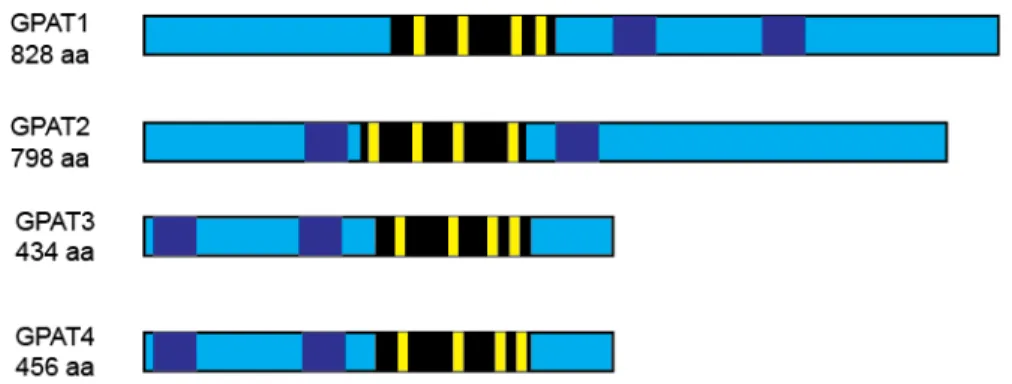
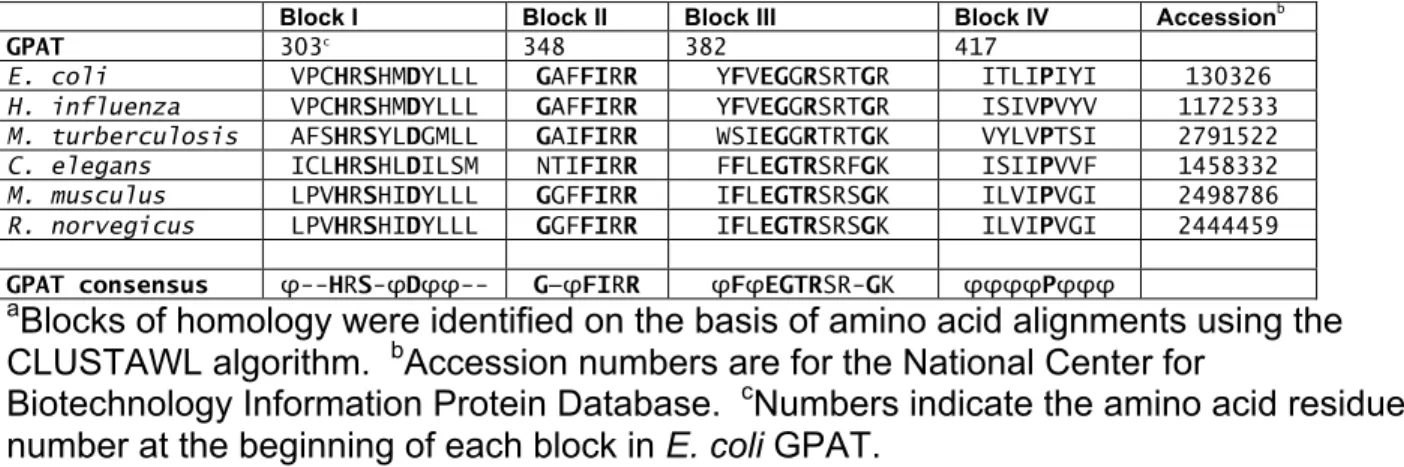
Four mammalian GPAT isoforms, each the product of a separate gene, have been discovered and identified as members of the pfam 01553 family of glycerolipid acyltransferases. The GPAT proteins possess two transmembrane domains, four conserved acyltransferase motifs, and their active sites face the cytosol (19) (Fig 2.2). The mutagenesis of invariant residues within these motifs confirmed that these regions are required for the activity of Escherichia coli (E. Coli) GPAT and mouse GPAT1
(20,21). In E. coli, the invariant histidine and aspartate in motif I, glycine in motif III, and proline in motif IV are essential for catalysis. The invariant phenylalanine and arginine in motif II and glutamate and serine in motif III are essential for glycerol-3-phosphate binding (Table 2.1). In murine GPAT1, Arg-318 is required for maximal GPAT catalysis (21). Leading to their initial identification as AGPAT isoforms, both microsomal GPAT isoforms, GPAT3 and GPAT4, possess a fifth motif, similar to that in AGPAT1 and -2. However, subsequent studies confirmed that GPAT3 and 4 possess GPAT activity and, thus, were reclassified as GPATs (10,12,22).
Figure 2.2: Acyltransferase motifs, active site, and predicted transmembrane domains of murine GPAT isoforms. Black bars indicate active site. Yellow bars represent acyltransferase motifs. Dark blue illustrates the transmembrane domains.
Although these acyltransferase motifs are highly conserved from E. coli to rodents, the presence of four distinct GPAT isoforms is only observed in vertebrates (23). Comparative genomic and phylogenetic analyses have suggested that small-scale duplication events in vertebrates are responsible for the divergence of GPAT1 and GPAT2 as well as splits for GPAT3 and GPAT4 (23). In support of the hypothesis that GPAT isozymes perform distinct functions, previous work in genetics suggests that compared to whole-genome duplications, small-scale duplication events support a greater likelihood for novel functions (24).
Table 2.1: Acyltransferase homology blocksa
Block I Block II Block III Block IV Accessionb
GPAT 303c 348 382 417
E. coli VPCHRSHMDYLLL GAFFIRR YFVEGGRSRTGR ITLIPIYI 130326
H. influenza VPCHRSHMDYLLL GAFFIRR YFVEGGRSRTGR ISIVPVYV 1172533
M. turberculosis AFSHRSYLDGMLL GAIFIRR WSIEGGRTRTGK VYLVPTSI 2791522
C. elegans ICLHRSHLDILSM NTIFIRR FFLEGTRSRFGK ISIIPVVF 1458332
M. musculus LPVHRSHIDYLLL GGFFIRR IFLEGTRSRSGK ILVIPVGI 2498786
R. norvegicus LPVHRSHIDYLLL GGFFIRR IFLEGTRSRSGK ILVIPVGI 2444459
GPAT consensus φ--HRS-φDφφ-- G—φFIRR φFφEGTRSR-GK φφφφPφφφ
aBlocks of homology were identified on the basis of amino acid alignments using the
CLUSTAWL algorithm. bAccession numbers are for the National Center for
Biotechnology Information Protein Database. cNumbers indicate the amino acid residue number at the beginning of each block in E. coli GPAT.
GPAT isoform subcellular location, tissue distribution, nutritional regulation, and acyl-CoA preference
twice the size of GPAT3 and 4, and the extra C-terminal region of GPAT1 interacts with the active site region and is required for activity (27). The role of this C-terminal tail in cells or whole animals has not been further investigated.
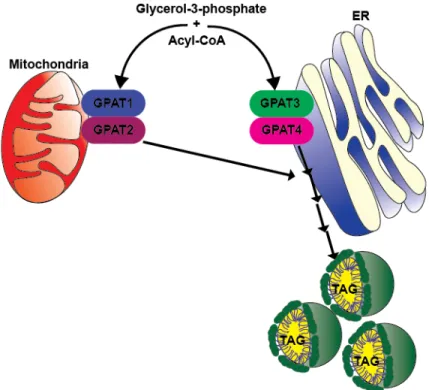
Figure 2.3: GPAT isozyme subcellular location. GPAT1 and GPAT2 are localized to the outer mitochondrial membrane whereas GPAT3 and GPAT4 are located on the endoplasmic reticulum.
phosphorylate GPAT1 and inhibit its activity (30). GPAT1 possesses a strong
preference for saturated acyl-CoA and its activity is resistant to inhibition by sulfhydryl reagents (18,31). Based upon its high activity for saturated acyl-CoAs and the
observation that the sn-1 position of most phospholipids contains saturated fatty acids, it is inferred that GPAT possesses an sn-1 preference for esterification of an acyl-CoA to the glycerol-3-phosphate backbone. It should also be noted that the acyl-CoA
preference for GPAT has not been directly compared, but inferred based upon the high proportion of saturated fatty acids in the sn-1 position. Confirming a functional
regulation of GPAT1 by sterol regulatory element binding protein 1c (SREBP1c), GPAT1 deficiency in ob/ob mice did not restore insulin sensitivity, but did prevent hepatic steatosis (32). Consistent with these findings, in HepG2 cells, SREBP1c dramatically increased GPAT1 promoter activity, suggesting that GPAT1 is a key element in the SREBP1c-mediated increase in lipogenesis (33).
GPAT2
GPAT2 is located on the outer mitochondrial membrane, possesses two transmembrane domains and its N and C-terminal regions face the cytosol (34).
contrast, when other saturated or unsaturated acyl donors are used, GPAT2
overexpression does not change GPAT activity (9). GPAT2 has been identified as a cancer testis gene that promotes growth in the breast cancer cell line, MDA-MB-231 (35). However, the mechanism whereby GPAT2 mediates tumorigenicity remains obscure.
GPAT3
GPAT3 is located on the endoplasmic reticulum and is highly expressed in white adipose tissue, comprising approximately 80% of the total GPAT activity in that tissue (11). GPAT3 is also highly expressed in small intestine, kidney, and heart, however, its contribution to total GPAT activity in these tissues has not been determined (10). Upon differentiation of 3T3L1 preadipocyte cells, GPAT3 mRNA is upregulated 70 to 100-fold, and insulin-dependent phosphorylation of GPAT3 increases its activity 1.5-fold (10,36). In 3T3L1 cells, shRNA-mediated knockdown of GPAT3 decreases GPAT activity and lipid accumulation, and reduces the expression of a number of adipogenic genes, suggesting a role for GPAT3 in adipogenesis (35). In contrast to these observations, GPAT3 deficiency in mice does not affect white adipose tissue development or TAG accumulation, suggesting that further research is necessary to understand its role in WAT (11).
GPAT4
growing lipid droplets, suggesting that under specific conditions GPAT4 may move from the ER to the lipid droplet monolayer (37). GPAT4 is a major GPAT isoform in BAT and liver, comprising 65% and 45% of the total GPAT activity in each tissue, respectively (38). The activity of GPAT4 is highest with 16:0-CoA, followed by 18:0 and 18:2-CoA (12). In contrast to GPAT3 deficiency, GPAT4 deficiency does not change GPAT activity in white adipose tissue (12). Furthermore, shRNA-mediated knockdown of GPAT4 in 3T3L1 cells does not alter GPAT activity, lipid accumulation, or adipogenic gene expression during adipocyte differentiation (36), suggesting an alternate function for GPAT4 in white adipose tissue.
Consistent with a tissue-dependent function of each GPAT isoform, in Cos-7 cells, the overexpression of GPAT1 increases [1-14C]oleate incorporation into DAG and TAG. In contrast, the overexpression of GPAT4 increases [1-14C]oleate incorporation into DAG, but not TAG (38). Because livers of chow-fed Gpat4-/- mice contain 45% less
TAG than livers of wild type mice, we assume that GPAT4 in vivo initiates TAG
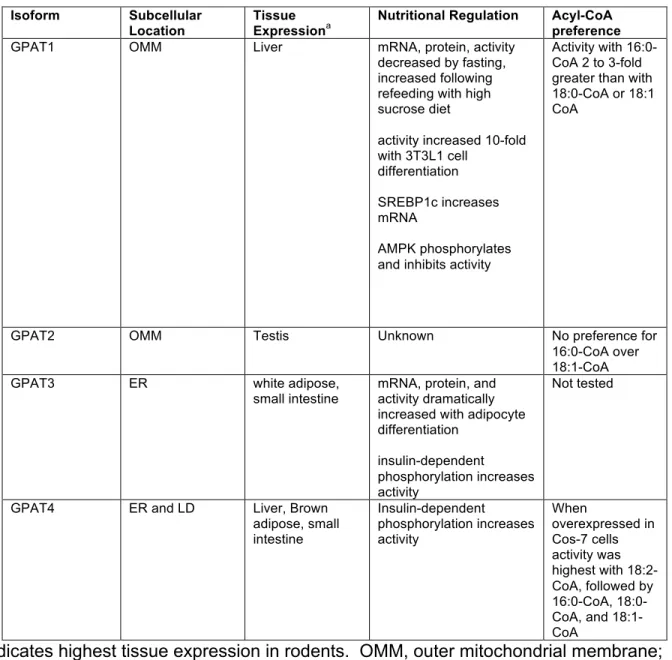
Table 2.2: Summary of subcellular location, tissue expression patter, nutritional regulation, and acyl-CoA preference.
aindicates highest tissue expression in rodents. OMM, outer mitochondrial membrane;
ER, endoplasmic reticulum; LD, lipid droplet. Isoform Subcellular
Location
Tissue Expressiona
Nutritional Regulation Acyl-CoA preference
GPAT1 OMM Liver mRNA, protein, activity
decreased by fasting, increased following refeeding with high sucrose diet
activity increased 10-fold with 3T3L1 cell
differentiation
SREBP1c increases mRNA
AMPK phosphorylates and inhibits activity
Activity with 16:0-CoA 2 to 3-fold greater than with 18:0-CoA or 18:1 CoA
GPAT2 OMM Testis Unknown No preference for
16:0-CoA over 18:1-CoA
GPAT3 ER white adipose,
small intestine
mRNA, protein, and activity dramatically increased with adipocyte differentiation
insulin-dependent
phosphorylation increases activity
Not tested
GPAT4 ER and LD Liver, Brown
Diverse phenotypes of GPAT-deficient mice
Consistent with the hypothesis that each GPAT isoform performs a distinct function in directing acyl-CoAs toward glycerolipid synthesis, mice with deleted GPATs express vastly different phenotypes. Mice lacking GPAT1 are resistant to diet-induced hepatic steatosis (but not weight gain) and insulin resistance, are protected from diethylnitrosamine-induced hepatocellular carcinoma, and have increased hepatic β
-oxidation (5,6,8,39). In contrast, although GPAT4 comprises nearly 50% of total GPAT activity in liver and mice lacking GPAT4 have 45% less hepatic TAG than controls, hepatic β-oxidation in Gpat4-/- mice is unchanged. This may be partially explained by
the fact that Gpat4-/- mice are resistant to diet and genetically induced obesity and their metabolic rate is 4-6% higher than controls (40). Thus, the reduction in hepatic TAG in Gpat4-/- mice is the result of an increase in whole-body energy metabolism.
Despite the loss of 80% of total GPAT activity in white adipose, the mass of adipose tissue in mice lacking GPAT3 was normal in chow-fed mice and, with high-fat feeding, grew similar to controls (11). Although GPAT activity in livers of Gpat3-/- mice
induced obesity and insulin resistance (14,15). In contrast to other GPAT-null mice, energy expenditure in chow-fed Gpat4-/- mice is 4-6% higher than controls. Consistent with an increase in global metabolic activity, Gpat4-/- male mice fed a chow diet
accumulate less TAG in brown adipose, liver, and gonadal white adipose tissue than wild type mice. At 12 weeks of age, Gpat4-/- mice fed a chow diet lack subdermal adipose tissue and Vergnes et al hypothesized that the lack of subdermal adipose tissue in Gpat4-/- mice increases heat loss through the skin and, thus, increases metabolic rate. However, Gpat4-/- mice have normal cold tolerance, suggesting that
even under extreme conditions, these mice are not losing excess heat. Therefore, because the precise mechanism whereby Gpat4-/- mice are resistant to obesity remains unclear, we proposed to determine why the lack of GPAT4 protects mice from diet-induced obesity. Based upon the expression of GPAT4 in the BAT, the known role of GPATs in lipid synthesis, and the known function of brown adipose tissue, we
hypothesized that lack of GPAT4 in BAT increases acyl-CoA availability for oxidation, activates PPARα and increases uncoupled mitochondrial oxidation (Fig 2.4). Beyond
this function for GPAT4, additional phenotypic characterization and direct comparisons of mice lacking GPAT isozymes are necessary to understand how each isoform
Figure 2.4: Hypothesis about the role of GPAT4 in BAT metabolism. We hypothesize that in the absence of GPAT4 in BAT, exogenous FA can be directly
oxidized. Because FA and acyl-CoAs are not metabolized to TAG, they are available to be oxidized, activate UCP1, uncouple oxidation from ATP synthesis and generate heat.
Enzymes of the Kennedy Pathway are key regulators of energy metabolism
Several of the acyltransferase-null mouse models are protected from diet-induced obesity, suggesting that members of the acyltransferase family are key
regulators of energy homeostasis (15,41-43). Unsurprisingly, the mechanism whereby lack of each acyltransferase confers resistance to obesity is related to the tissue
absence of DGAT1 in mice reduces the rate of TAG absorption and protects mice from high fat diet-induced weight gain (43). DGAT2 deficiency in the skin increases skin permeability and hair loss after puberty (47). Together, these studies suggest a major role for acyltransferase enzymes in whole-body energy metabolism and highlight the importance of understanding the basic biological mechanisms linking triacylglycerol synthesis and metabolic efficiency.
GPAT-derived lipid intermediates and insulin resistance
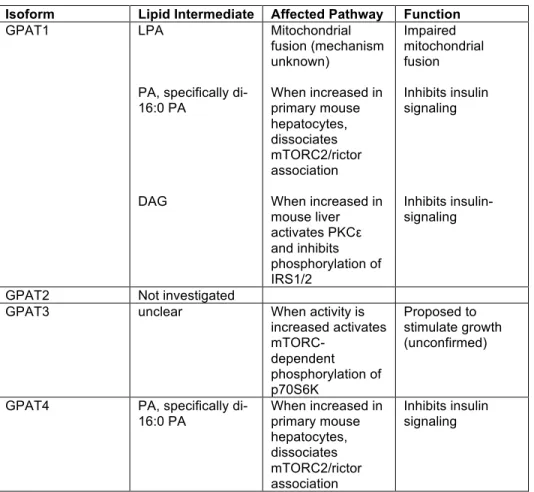
The metabolic syndrome, a group of metabolic derangements including insulin resistance, obesity, hyperlipidemia, and cardiovascular disease, is strongly associated with increased TAG accumulation in adipose and non-adipose tissues (4). Classically, TAG synthesis has been thought to be a protective mechanism against the buildup of cytotoxic lipid metabolites. However, recent discoveries demonstrate that intermediates of TAG synthesis are critical metabolites for modulating intracellular signaling, most notably, the insulin-signaling pathway (48-50). Based upon these findings, the flux of lipids toward TAG can be considered an important source of signaling molecules that coordinates nutrient flux and intracellular signaling (Table 2.3). Two lipid intermediates implicated in the insulin-signaling pathway are DAG and PA. An abundance of
Mitochondrial GPAT1 has been implicated in the generation of PA and DAG. First, hepatic overexpression of GPAT1 in mice increased hepatic DAG content, increased the amount of PKCε in membranes, and impaired insulin-dependent phosphorylation of IRS1/2 (48). Inversely, GPAT1-deficient mice are protected from high-fat/high-safflower oil diet-induced hepatic steatosis and insulin resistance (6). Although PKC activity was not measured, these changes are associated with reduced hepatic DAG content and PKCε translocation to membranes. In primary hepatocytes, GPAT1 overexpression increased intracellular DAG content, but also intracellular PA content (52). In this model, the overexpression of GPAT1 led to increases in 16:0-containing DAG and PA species and was associated with the dissociation of the mTORC2 complex, but insulin-dependent phosphorylation of IRS1/2 was unchanged. Similar results were observed with overexpression of GPAT4, but not GPAT3 (14). Specifically di-16:0 PA disrupted the association of the mTORC2 complex, impairing phosphorylation of AKT at Ser473 and Thr308 (14). Furthermore, when Gpat1-/- and Gpat4-/- mice were fed the high-fat/high-safflower oil diet, they remained insulin sensitive and hepatic PA content was diminished relative to controls (14). Although hepatic DAG content in Gpat1-/- and Gpat4-/- mice was lower than controls, PKCε activity and
phosphorylation of IRS1/2 was unchanged.
PKCε located on the membrane, but PKCε activity remained unchanged. Based upon these results, the authors concluded that PA, but not DAG, was responsible for
impairing the insulin-signaling pathway.
These results are not without caveats. First, primary hepatocytes are often cultured in media containing 25 mM glucose, thus increasing de novo fatty acid
synthesis and the amount of 16:0-fatty acids available for use in glycerolipid synthesis. Because di-16:0 PA impairs insulin-signaling via dissociation of mTORC2, concluding that only PA, but not DAG, impairs insulin signaling excludes the possibility that the acyl chain composition of the lipid intermediate is important for its signaling properties. Consistent with the role of acyl chain composition in affecting the potency of lipid intermediates, in vitro activation of PKC isozymes varies in response to different DAG species (57). Notably, the high-fat/high-safflower oil diet contains a large proportion of 18:2 fatty acids and thus a smaller portion of 16:0 fatty acids would be available.
Therefore, it is possible that DAG containing unsaturated FA are more potent activators of PKCε and that PA containing saturated FA are potent activators of mTORC2,
Table 2.3: Summary of GPAT-derived signaling intermediates.
Lipid droplet metabolism and GPAT
Lipid droplets containing TAG and cholesterol-esters stores can be found in virtually all tissues. A complete review of lipid droplet biogenesis has been published elsewhere (58,59). Under conditions of calorie surplus, tissues such as liver, brown adipose, and white adipose accumulate large lipid droplets. Lipid droplet proteomics show that all of the necessary TAG synthetic enzymes, including GPAT4, are present on the membrane of lipid droplets (37). Unlike that of the endoplasmic reticulum, the
Isoform Lipid Intermediate Affected Pathway Function
GPAT1 LPA
PA, specifically di-16:0 PA
DAG
Mitochondrial fusion (mechanism unknown)
When increased in primary mouse hepatocytes, dissociates mTORC2/rictor association
When increased in mouse liver
activates PKCε
and inhibits phosphorylation of IRS1/2 Impaired mitochondrial fusion Inhibits insulin signaling Inhibits insulin-signaling
GPAT2 Not investigated
GPAT3 unclear When activity is
increased activates mTORC-dependent phosphorylation of p70S6K Proposed to stimulate growth (unconfirmed)
GPAT4 PA, specifically
di-16:0 PA
droplet and this movement results in the accumulation of large lipid droplets (37). In the absence of GPAT4, lipid droplets are sparse. Interestingly, when mitochondrial GPAT1 is overexpressed in GPAT4-deficient Drosophila cells numerous small lipid droplets are present (37). These data suggest two key points regarding lipid droplet biogenesis. First, in non-adipocytes, lipid droplets do not grow by fusion of smaller droplets, but potentially by the synthesis of TAG on the LD surface. Second, LD size and number depends on which GPAT isoform initiates TAG synthesis and not just on the total GPAT activity in the tissue. Further studies are required to determine whether differences in LD number and size result in distinct metabolic consequences.
Therapeutic potential of pharmacological inhibition of GPAT
Based on the known role of GPAT and lipid metabolic enzymes in energy
homeostasis and insulin resistance, a great deal of interest surrounds their potential as therapeutic targets for the treatment of obesity and fatty liver disease (60,61). However, attempts to treat metabolic disease by pharmacological inhibition of GPAT or other metabolic enzymes have had limited success. Partial efficacy in reducing TAG absorption has been achieved with Orlistat, through inhibiting the action of pancreatic lipase (62). The predominant side effect is an increase in fecal TAG excretion, making its long-term use unpleasant (62). Because Orlistat does not alter systemic energy metabolism, this treatment is ineffective at reducing weight in those individuals consuming high-carbohydrate diets.
Despite the lack of obvious success stories, some progress has been made with regard to the design and synthesis of chemical inhibitors of GPAT activity. The
fundamental design of compounds is focused on structures that mimic the phosphate group of glycerol-3-phosphate and possess a long saturated chain similar to that of an acyl-CoA (63,64) (Fig 2.5). This work identified 2-(nonylsulfonamido)benzoic acid as possessing potent GPAT inhibitory activity. The structure-activity relationship, a
description of the specific chemical properties required for inhibitory activity, reveals that medium to long-chain alkyl sulfonamide modifications are necessary for activity. All reported modifications or replacements of the benzoic acid ring decreased inhibitory activity. Based on their occlusion from the GPAT active site, a subsequent study excluded a class of compounds that substituted the benzoic acid ring for racemic cyclopentane and cyclohexane carboxylic acids (64). The compound with the most GPAT inhibitory activity demonstrates an IC50 = 24.7 µM, meaning that 50% of the in
vitro GPAT activity was inhibited by a compound concentration of 24.7 µM.
TAG accumulation was inhibited in a dose-dependent manner, and at concentrations as high as 150 µM, no toxicity was observed. Intraperitoneal injection of lean or
diet-induced obese mice with 5 or 20 mg/kg FSG67, before the onset of the dark cycle, resulted in a ~4% weight loss. Because this weight loss was paired with reduced intake, the authors concluded that FSG67 possesses potent appetite-suppressing activity. Although many drugs possess appetite-suppressing effects, chronic dosing of 5 mg/kg FSG67 did not impair conditioned taste aversion while still resulting in weight loss, suggesting that the decreased food intake was not due to food avoidance. Metabolic analysis of FSG67-treated mice revealed reversible weight loss in diet-induced obese mice after 8 days, resulting primarily from reduced food intake. Daily treatment of DIO mice for 18 days improved glucose tolerance and insulin sensitivity. Suggesting that FSG67 regulated central satiety, intracerebroventricular administration produced similar effects on weight loss and food intake.
The results from these studies provide some suggestion that pharmacological inhibition of GPAT activity is a viable strategy for the treatment of obesity. However, this approach may be problematic. FSG67-dependent hypophagia is transient,
life. Clearly, improving our understanding of the distinct roles of each GPAT isoform will provide valuable information in the search for improved therapies for obesity.
Lipodystrophies and Glycerolipid Signals
Lipodystrophies are a cluster of disorders characterized by impaired adipose tissue development or progressive loss of adipose tissue. Lipodystrophies are divided into three major categories: congenital generalized (CGL), familial partial (FPL), and acquired (66). Acquired lipodystrophies are most common in individuals undergoing anti-retroviral therapy, affecting nearly 100,000 patients in the US (66,67). Loss of adipose tissue in patients with acquired lipodystrophies is highly variable. The inherited lipodystrophies, CGL and FPL, are rare genetic disorders characterized by selective and variable lack of adipose tissue (68). Often diagnosed in the neonatal period, children with CGL have accelerated growth rates and uncontrolled appetites (68). The lack of functional adipose tissue for storage of TAG, results in ectopic TAG
Type 2 CGL is caused by loss-of-function mutations in Berardinelli-Seip Congenital Lipodystrophy 2 (BSCL2), the gene encoding for the protein Seipin.
Because Seipin does not posses any known functional domains, it is unlikely that Seipin acts as an enzyme in TAG synthesis. Although its function has yet to be fully described, initial reports have identified a role for Seipin in lipid droplet biogenesis (71). Seipin is an endoplasmic reticulum membrane protein, and its mRNA expression is highly upregulated with adipocyte differentiation (72); the loss of Seipin is associated with increased intracellular PA levels (73,74). Because of the known role for PA in intracellular signaling, it has been suggested that the increased PA acts as negative regulator of adipogenesis by inhibiting the master regulator of adipocyte differentiation, peroxisome-proliferator activated receptor isoform γ (PPARγ) (75). PPARγ is a nuclear receptor that, in tandem with another transcription factor C/EBPβ, plays a vital role in the differentiation of preadipocytes to mature adipocytes (76). During this transition, PPARγ upregulates a host of genes involved with lipid uptake and storage.
Unsurprisingly, one of the 5 types of familial partial lipodystrophy is caused by PPARγ
role for GPAT in CGL. Our current hypothesis is that during differentiation, Seipin regulates GPAT activity and controls intracellular PA levels (Fig 2.6).
Figure 2.6: Hypothesis for relationship between Seipin, GPAT, and adipogenesis. When Seipin is present, GPAT activity and intracellular PA levels are normal, and PPARγ can be activated to initiate adipogenesis. When Seipin is absent, GPAT activity and PA levels are increased, thereby inhibiting PPARγ activity and adipocyte
CHAPTER III: GLYCEROL-3-PHOSPHATE ACYLTRANSFERASE (GPAT)-1, BUT NOT GPAT4, INCORPORATES NEWLY SYNTHESIZED FATTY ACIDS INTO
TRIACYLGLYCEROL AND DIMINISHES FATTY ACID OXIDATION1
Capsule
Background: The independent functions of the glycerol-3-phosphate acyltransferase (GPAT) isoforms are unknown.
Results: Compared to Gpat4-/-, Gpat1-/- hepatocytes oxidized more fatty acids (FA) and
were unable to incorporate de novo synthesized FA into triacylglycerol.
Conclusion: GPAT1, but not GPAT4, metabolizes FA synthesized de novo from [14C]acetate and diverts FA away from mitochondrial oxidation.
Significance: GPAT1 and GPAT4 use different cellular pools of FA.
Summary
Four glycerol-3-phosphate acyltransferase (GPAT) isoforms, each encoded by a separate gene, catalyze the initial step in glycerolipid synthesis; in liver, the major
isoforms are GPAT1 and GPAT4. To determine whether each of these hepatic isoforms performs a unique function in the metabolism of fatty acid, we measured the
incorporation of de novo synthesized fatty acid or exogenous fatty acid into complex lipids in primary mouse hepatocytes from control, Gpat1-/- and Gpat4-/- mice. Although
hepatocytes from each genotype incorporated a similar amount of exogenous fatty acid into TAG, only control and Gpat4-/- hepatocytes were able to incorporate de novo synthesized fatty acid into TAG. Compared to controls, Gpat1-/- hepatocytes oxidized
twice as much exogenous fatty acid. To confirm these findings and to assess hepatic β -oxidation metabolites, we measured acylcarnitines in liver from mice after a 24 h fast and after a 24 h fast followed by 48 h of refeeding with a high sucrose diet to promote lipogenesis. Confirming the in vitro findings, the hepatic content of long-chain
Introduction
Glycerol-3-phosphate acyltransferase (GPAT; EC 2.3.1.15) initiates the pathway of TAG synthesis by esterifying a long-chain fatty acyl-CoA to a glycerol-3-phosphate backbone at the sn-1 position to form sn-1-acylglycerol-3-phosphate (lysophosphatidic acid) (28). A second esterification at the sn-2 position, is catalyzed by acylglycerol-3-phosphate acyltransferase. The acylglycerol-3-phosphate is then hydrolyzed by phosphatidic acid phosphohydrolase (lipin), and then a final acylation is catalyzed by diacylglycerol acyltransferase to form TAG. In addition to their roles in TAG synthesis, the
phosphatidic acid and diacylglycerol intermediates in this pathway are precursors for all the glycerophospholipids, and they initiate signaling pathways.
The pathway of TAG biosynthesis is remarkable for the number of isoenzymes that catalyze each step. For example, four independent GPAT isoforms, each encoded by a separate gene, catalyze the formation of lysophosphatidic acid, but it is unclear why GPAT enzyme redundancy is required. Studies of mice with deleted GPATs show that the isoforms present in liver include primarily GPAT1 (78) and GPAT4 (12,22), with lower expression of GPAT2 (79) and GPAT3 (10). Each of the GPAT isoforms is an intrinsic membrane protein whose active site faces the cytosol (19). GPAT1, located on the outer mitochondrial membrane and at contact sites with the endoplasmic reticulum (80), has a strong preference for saturated fatty acids (28). GPAT1 comprises 30-50% of total activity in liver (28), and Gpat1 mRNA expression is highly responsive to
hepatic steatosis caused by a high fat diet (5) or by the upregulation of SREBP1c in ob/ob mice (32). Conversely, GPAT1 overexpression causes hepatic steatosis (48) and insulin resistance (39). GPAT4, which is located on the endoplasmic reticulum and on lipid droplets (37), contributes 40-50% of total hepatic GPAT activity (12). Like GPAT1, GPAT4 also appears to be important for hepatic TAG synthesis, because the TAG content in Gpat4-/- liver is 42% lower than in control mice (12).
Hepatic triacylglycerol synthesis is enhanced by the increased availability of long-chain fatty acids synthesized within hepatocytes from dietary glucose, or from fatty acid that enters hepatocytes exogenously from dietary chylomicron remnants or as free fatty acids lipolyzed from adipose tissue. Because SREBP1c concomitantly upregulates both GPAT1 and the enzymes that catalyze the de novo synthesis of fatty acids,
Experimental Procedures
Materials
Type I collagenase was from Worthington Biochemical Corporation. [1-14C]acetic acid and [1-14C]palmitic acid were purchased from PerkinElmer Life Sciences. Silica G gel plates were from Whatman. Tissue culture plates were from BD Biosciences, and media were obtained from Invitrogen. Sigma was the source of 4-methylene-2-octyl-5-oxotetrahydrofuran-3-carboxylic acid (C75) and all other chemicals, unless otherwise indicated.
Animal care and hepatocyte isolation
Animal protocols were approved by the University of North Carolina at Chapel Hill Institutional Animal Care and Use Committee. Mice were housed in a pathogen-free barrier facility on a 12-h light/dark cycle with free access to water and food (Prolab 5P76 Isopro 3000; 5.4% fat by weight). Gpat1-/- (5) and Gpat4-/- (12,13) mice had been
backcrossed at least eight times onto a C57BL6/J background. At 8 weeks of age, littermate controls, and Gpat1-/-, and Gpat4-/- mice were either fasted for 24 h or fasted for 24 h and then refed a high sucrose diet for 48 h before sacrifice. The high sucrose diet was modified from Research Diets D12450B (10% kcal fat, 20% kcal protein and 70% kcal carbohydrate (525 g/kg sucrose, 175 g/kg corn starch)).
100 mM EGTA, 140 nM insulin, pH7.4), and then with digestion buffer (100 mM HEPES, 57 mM NaCl, 6.7 mM KCl, 5 mM CaCl2, 20 mM glucose, 0.45 mg/ml type 1
collagenase, pH 7.4). The digested liver was removed and placed in a 100 mm dish on ice with Hanks/BSA buffer (10 mM HEPES, 137 mM NaCl, 5.4 mM KCl, 1.26 mM CaCl2,
0.8 mM MgSO4, 4.2 mM NaHCO3, 0.34 mM Na2HPO4, 0.44 mM KH2PO4, 5 mM
glucose, pH7.4). The hepatocytes were dissociated and filtered through a cell strainer, centrifuged at 4°C at 50 × g for 3 min, then washed once in Williams’ medium E. The cells were re-suspended in Williams’ Medium E:Percoll (16 ml:14 ml), centrifuged at 4°C at 400 × g for 8 min, and washed with Williams’ medium E. Cells were plated onto 60 mm collagen-coated dishes and incubated for 90 min in Williams’ medium E + 10% FBS. After the cells attached, the medium was changed to Williams’ medium E, 100 U penicillin/streptomycin, 50 nM insulin, 0.1 µM dexamethasone, and 0.1% BSA.
GPAT Activity
Hepatocytes were cultured overnight in 60 mm plates, then scraped and
homogenized in cold Medium I (250 mM sucrose, 10 mM Tris, pH 7.4, 1 mM EDTA, 1 mM dithiothreitol) with 10 up-and-down strokes with a Teflon-glass motor-driven
incubating the membrane protein on ice for 15 min in the presence or absence of 2 mM N-ethylmaleimide (NEM), which inactivates GPAT isoforms 2, 3, and 4. The reaction products were extracted into CHCl3, dried under N2, resuspended in 4 mLs Cytoscint
and counted on scintillation counter. NEM-resistant activity (GPAT1) was calculated by subtracting NEM-sensitive activity from total activity.
RNA extraction and RT-PCR
Total RNA was extracted from overnight cultures of hepatocytes with TRIzol (Invitrogen). cDNA synthesis and real time RT-PCR were performed as described (83). Primer sequences for each GPAT isoform and data normalization used were described (52,83).
Labeling, Oxidation, and Lipid Extraction
Sixteen to 20 h after plating, hepatocytes were labeled with 0.5 ml of labeling buffer (Krebs Ringer buffer, 10 mM HEPES, 5.5 mM glucose, 0.25% fatty acid-free bovine serum albumin (BSA), and 1 mM carnitine) containing 500 µM [1-14C]acetic acid or [1-14C]palmitic acid for 2 h. Media were removed, and CO2 was liberated by adding
100 µl 70% perchloric acid, and trapped in 1M NaOH. An aliquot of the NaOH was counted to measure radiolabeled CO2. To quantify intracellular oxidation metabolites,
a measure of incomplete fatty acid oxidation. Cells were washed with 1% BSA and then with phosphate buffered saline before lipids were extracted (84). Lipid extracts and standards were separated by thin layer chromatography on Partisil LK5D Silica gel plates in a two-phase system: chloroform: methanol: ammonium hydroxide (65:25:4, v/v/v) run to 50% of the plate, then dried and followed by heptane: isopropyl ether: acetic acid (60:40:4, v/v/v) run to the top of the plate. Radiolabeled lipids were
quantified with a Bioscan AR-2000 Imaging Scanner. Lipid standards were visualized by iodine staining.
Blood Chemistries and Lipids
Before blood collection, mice were either fasted for 24 h or fasted 24 h and then fed a high sucrose diet for 48 h. Plasma TAG (Stanbio, Boerne, TX), free fatty acid (Wako Diagnostics, Richmond, VA), glucose (Glucose CII, Wako Diagnostics), and b-hydroxybutyrate (Wako Diagnostics) were determined by enzymatic colorimetric methods.
Lipid Extraction and TAG Measurement in Liver
Liver lipids were extracted (39), dried under N2 gas, resuspended in 200 µL
Liver Acylcarnitine Measurement
Livers were snap-frozen in liquid nitrogen, pulverized, and weighed. The pulverized liver (50-100 mg) was homogenized in acetonitrile:water:formic acid
(50:49.7:0.3; v/v) at a final concentration of 50 mg/ml. Acyl-carnitines, were analyzed by flow injection tandem mass spectrometry (85). Samples were stored at -80 oC before analysis.
Statistics
Results
Isolated and cultured primary hepatocytes retained GPAT specific activity.
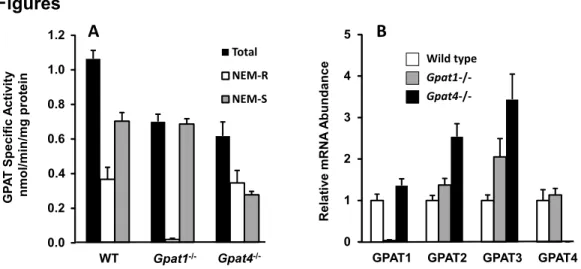
In order to compare the contributions of GPAT1 and GPAT4 to the total amount of GPAT activity, we isolated and cultured primary hepatocytes from control, Gpat1 -/-and Gpat4-/- mice and measured GPAT specific activity in the presence and absence of
NEM, which inhibits GPAT2, 3, and 4 (Fig 3.1A). Compared to wild type hepatocytes, total GPAT specific activity in Gpat1-/- hepatocytes was 35% lower and minimal residual
NEM-resistant GPAT activity remained, whereas NEM-sensitive GPAT activity was unchanged. Total GPAT specific activity in Gpat4-/- hepatocytes was 42% lower than in control hepatocytes; resistant GPAT specific activity was unchanged, but NEM-sensitive GPAT activity was 60% lower. The residual NEM-NEM-sensitive GPAT activity is likely due to GPAT2 and 3. These results show that isolated and cultured primary hepatocytes retained GPAT activity and that the specific activity was similar in Gpat1 -/-and Gpat4-/- hepatocytes.
between GPAT3 and GPAT4 protein or activity, so the 42% lower NEM-sensitive GPAT activity (Fig. 1B) may reflect partial compensation by GPAT3.
The incorporation of de novo synthesized fatty acid into TAG required GPAT1
Because GPAT1 is upregulated by SREBP1c, we hypothesized that it might be functionally and specifically linked to de novo lipogenesis, such that newly synthesized fatty acids would be incorporated into TAG. Using [1-14C]acetate, we measured the ability of control, Gpat1-/- and Gpat4-/- hepatocytes to incorporate de novo synthesized
fatty acid into TAG and PL. The incorporation of acetate into TAG and PL was equal in hepatocytes from wild type and Gpat4-/- mice, however in Gpat1-/- hepatocytes, the incorporation of [14C]acetate into PL was 78% lower than in controls, and the
incorporation into TAG was virtually absent (Fig 3.2A,B). When wild type and Gpat4 -/-hepatocytes were cultured in the presence of the fatty acid synthase inhibitor C75, [14C]acetate incorporation into TAG was inhibited 80-85% (Fig 3.2A). However, in Gpat1-/- hepatocytes, C75 had no additional effect, indicating that the absence of
GPAT1 in hepatocytes had abolished the incorporation of the de novo synthesized fatty acid. In wild type and Gpat4-/- hepatocytes, C75 decreased acetate incorporation into PL by 60%, but only by 27% in Gpat1-/- hepatocytes (Fig 3.2B). In each group of
Both GPAT1 and GPAT4 can incorporate exogenous fatty acids into TAG and phospholipid
In addition to de novo synthesis, liver fatty acids are also derived from
exogenous sources. To distinguish between the functions of GPAT1 and GPAT4 in the use of exogenous fatty acids, we measured the incorporation of [1-14C]palmitate into glycerolipids in primary hepatocytes. In contrast to fatty acids derived from de novo synthesis, the incorporation of [1-14C]palmitate into TAG and PL was not altered by the absence of either GPAT1 or GPAT4 (Fig 3.3A,B), indicating that neither isoform was essential for use of exogenous fatty acid. Thus, in both Gpat4-/- or Gpat1-/- hepatocytes, the remaining GPAT isoforms can fully incorporate exogenous fatty acid into
glycerolipids.
In hepatocytes, the absence of GPAT1, but not GPAT4, increased fatty acid oxidation Previous studies have strongly suggested that GPAT1 competes with CPT1 for acyl-CoAs at the outer mitochondrial membrane (39). To confirm this competition for acyl-CoAs and to determine whether GPAT4 located on the endoplasmic reticulum competes similarly, we measured the incorporation of [1-14C]palmitate into ASM, a measure of incomplete fatty acid oxidation. Gpat1-/- hepatocytes oxidized [14C]palmitate
These data show that only GPAT1 competes with CPT1 for acyl-CoAs, thereby diminishing the flux of fatty acid into the mitochondria for oxidation.
Hepatic GPAT1 diminished fatty acid transport into mitochondria in vivo.
To confirm the disparate effects of each GPAT isoform on the β-oxidation of exogenous versus de novo synthesized fatty acid in vivo, we measured hepatic
acylcarnitine content in wild type, Gpat1-/- and Gpat4-/- mice after food was removed for 24 h. Because fasting increases the flux of adipose-derived fatty acids into the liver, more fatty acids are transported to the mitochondria via CPT1, thereby elevating the content of hepatic long-chain acylcarnitines. These metabolites are subsequently reconverted to acyl-CoAs in the mitochondrial matrix, where they enter the β-oxidation pathway. In fasting mice of each genotype, the content of free carnitine (C0),
acetylcarnitine (C2), short-chain (C3-C6), and medium-chain (C8-C12) acylcarnitine species was similar (Fig 3.4A,C). Consistent with the hypothesized ability of GPAT1 to compete with CPT1 for acyl-CoAs, total long-chain (C14-C22) acylcarnitine content in fasted Gpat1-/- liver was 3-fold higher than in control liver (Fig 3.4C). The most
abundant long-chain acylcarnitine species, 14:0, 16:1, 16:0, 18:2, 18:1 and 18:0, were 2- to 6-fold higher than in control liver (Fig 3.4E). In contrast, and consistent with the in vitro data, the acylcarnitine content in livers of fasted Gpat4-/- mice was similar to that of control mice.
vivo would also increase the transport of de novo synthesized fatty acids into
mitochondria. To test this hypothesis, we fasted mice for 24 h, then refed with a high sucrose diet for 48 h to stimulate de novo lipogenesis. The total long-chain (C14-C22) acylcarnitine content of Gpat1-/- liver remained 3.5-fold higher than that of controls, and the most abundant long-chain acylcarnitine species, 14:0, 16:1, 16:0, 18:2, 18:1 and 18:0, ranged from 2- to 5-fold higher (Fig 3.4D,F). In contrast, no differences were observed in the hepatic acylcarnitine content of Gpat4-/- mice that had been fasted and then refed (Fig 3.4B,D,F). Thus, GPAT1, but not GPAT4, was required in vivo to diminish CPT1-mediated transport of both de novo synthesized and exogenous fatty acid.
Hepatic GPAT1 was essential for the incorporation of de novo synthesized fatty acid into TAG.
Because the absence of GPAT1 increased hepatic β-oxidation of de novo synthesized fatty acids in vivo, we predicted that the liver TAG content would be low. After a 24 h fast, hepatic TAG content in control, Gpat4-/- and Gpat1-/- liver was similar. After refeeding a high sucrose diet to enhance de novo lipogenesis, the TAG content in control and Gpat4-/- liver increased 2- to 2.5-fold (Fig 3.5A), however, the hepatic TAG
content of Gpat1-/- liver did not increase. These data support the conclusion that
The absence of GPAT1, but not GPAT4, increased ketogenesis during fasting.
When the concentration of plasma glucose decreases during an extended fast, adipocyte-derived fatty acids flood into the liver, their oxidation rate increases, and ketone bodies are synthesized and secreted into the blood. The accumulation of long-chain acylcarnitines in the liver and an elevated plasma concentration of ketone bodies suggests an increased rate of hepatic fatty acid oxidation. Because, GPAT1 diminishes the oxidation of exogenous fatty acid in vitro and the absence of GPAT1 in liver results in the accumulation acylcarnitines, we predicted that fasting would result in a higher rate of hepatic β-oxidation in Gpat1-/- mice than in controls. To confirm this hypothesis we measured plasma ketone bodies in control, Gpat1-/- and Gpat4-/- mice. After a 24 h fast, the concentrations of plasma glucose and TAG in control and Gpat1-/- mice were similar (Fig 3.5B,C), but plasma fatty acid concentration in Gpat1-/- mice was elevated 1.5-fold compared to controls (Fig 3.5D). Consistent with elevated fatty acid oxidation in Gpat1-/-
mice, plasma β-hydroxybutyrate concentration was 2-fold higher than controls (Fig 3.5E).
Ketogenesis remained elevated in Gpat1-/- mice during refeeding.
After a 24 h fast, refeeding with high sucrose drives hepatic de novo lipogenesis, promotes TAG storage, and blocks fatty acid oxidation (86). Because our data
suggested that GPAT1 esterifies de novo synthesized fatty acids, we asked whether the rate of hepatic fatty acid oxidation would remain elevated during short-term high
3-fold higher than in control or Gpat4-/- mice (Fig 3.5D). Consistent with diminished hepatic TAG synthesis in both Gpat1 and Gpat4 null mice, compared to controls, the plasma TAG concentration was 48% lower in Gpat1-/- mice and 25% lower in Gpat4-/-
Discussion
With the discovery of 4 independent GPAT isoforms that differ in tissue
distribution, subcellular location, acyl-CoA preference, and transcriptional regulation, questions have arisen as to the specific function of each isoform (28). Gpat2 mRNA is most strongly expressed in testes and probably plays a minor role in liver, but the mRNA expression and activities in liver of the remaining GPAT isoforms are high (10,28,79,87). Although studies suggest that GPAT3 is regulated by PPARγ and PPARδ in keratinocytes (88) and by insulin-mediated phosphorylation in 3T3-L1 adipocytes (36), the regulation and specific contributions of hepatic GPAT3 to glycerolipid synthesis are unknown. The availability of Gpat1- and Gpat4- knockout mice, however, has allowed us to directly compare them and to delineate the specific roles of each isoform.
The function of GPAT1 in the esterification of fatty acids has been best studied. GPAT1 esterification rates for 16:0-CoA are 3- to 10-times higher than those observed with 18:0-, 18:1-, 18:2n6-, and 18:3n3-CoAs (31,89-91). Examination of the glycerolipid species in Gpat1-/- liver have confirmed the preference of GPAT1 for 16:0-CoA, because
the absence of GPAT1 results in decreases in the amounts of 16:0 esterified to phosphatidylcholine and phosphatidylethanolamine in membranes from total liver (5) and from liver mitochondria (7). The 16:0 deficiencies at the sn-1 position of
A second function of GPAT1 is related to de novo lipogenesis. This role is implied by the fact that GPAT1’s specific activity is low in liver during fasting, in part because of inhibition by AMP-activated kinase (30), and is upregulated transcriptionally when lipogenesis from carbohydrate precursors is enhanced. Similar to acyl-CoA carboxylase and fatty acid synthase, Gpat1 mRNA, protein, and specific activity increase in response to SREBP1c upregulation, which, in turn, is stimulated by insulin and depressed via LXR by polyunsaturated fatty acids (81). Thus, GPAT1 is markedly elevated in ob/ob mice, and a deficiency in ob/ob mice of either Gpat1 itself (32) or of SREBP1c (82) protects against the development of a fatty liver. In addition to
promoting the synthesis of TAG, indirect evidence suggests that GPAT1 diverts acyl-CoAs away from CPT1 and β-oxidation, because long-chain acylcarnitines and β -hydroxybutyrate increase in Gpat1-/- mice fed an obesigenic diet that is high in sucrose and palm oil (39). Thus, under conditions when the synthesis of fatty acid is elevated, the presence of GPAT1 would ensure that the resulting fatty acids are esterified rather than oxidized. Our current data directly support this idea.
responsible for most of the acetate-derived fatty acid that was incorporated into PL. Inhibition of fatty acid synthesis by C75 had a weaker effect on PL synthesis than it did on TAG synthesis, suggesting that de novo synthesized fatty acids may be preferentially directed to TAG storage, consistent with the fact that lipogenesis is upregulated when high carbohydrate intake and insulin concentrations activate SREBP1c. The final step in the synthesis of TAG is catalyzed by DGAT1 and DGAT2. Stable isotope studies show that only DGAT2 incorporates fatty acids synthesized de novo (92).
Because Gpat1-/- hepatocytes failed to incorporate label from [14C]acetate into TAG, we concluded that GPAT1 is required for the synthesis of TAG from de novo lipogenesis. Confirming this interpretation, after the fast-refeeding protocol to promote hepatic de novo lipogenesis, Gpat1-/- liver contained 53% less TAG than did controls. Compared to fasted mice, the hepatic TAG content in both control and refed-Gpat4-/- mice increased 2- and 3-fold, respectively, but liver TAG content in refed-Gpat1
-/- mice did not change, indicating that Gpat1-/- failed to incorporate de novo-derived fatty
acid into hepatic TAG. A direct comparison of hepatic β-oxidation revealed that
compared to controls, long-chain acylcarnitines and β-hydroxybutyrate in Gpat1-/- mice were 3.5- and 2-fold higher, respectively. Thus, when hepatic GPAT1 was absent, the de novo synthesized fatty acids were oxidized rather than incorporated into TAG. These data are consistent with our in vitro findings and confirm that GPAT1 is required to incorporate de novo synthesized fatty acids into TAG and diminish fatty acid
In humans, VLDL secretion is stimulated by dietary sugars, and after a high carbohydrate load, de novo synthesized fatty acids comprise roughly 37% of plasma VLDL-TAG (93,94). Consistent with a role for GPAT1 in incorporating de novo synthesized fatty acids into VLDL, Gpat1-/- mice fed a diet containing 60% of calories from sucrose were protected from hypertriglyceridemia and showed diminished VLDL secretion rates (95). After the fasting-refeeding protocol, plasma TAG concentrations in Gpat1-/- mice did not change, suggesting that GPAT1 is essential for the postprandial lipemia that is stimulated by carbohydrate feeding. In contrast, plasma TAG in refed control and Gpat4-/- mice increased 2 and 3.5-fold, respectively, consistent with the continued presence and function of GPAT1 in using de novo synthesized TAG in VLDL.
dietary fatty acids and those derived from de novo synthesis are incorporated into TAG (93). Because the TAG content in Gpat1-/- liver was lower than in controls after high sucrose refeeding, it is likely that insulin-induced SREBP1c activity drove fatty acid flux toward TAG storage; however, in the absence of GPAT1, the remaining GPAT activity was unable to meet the demand for higher TAG synthesis.
Because Gpat1-/- mice fed low or high fat diets for 4 months had a higher content of plasma and liver acylcarnitines and higher concentrations of plasma β
-hydroxybutyrate, we had speculated that GPAT1 might normally divert fatty acids away from CPT1 and β-oxidation (39). The present results directly support this hypothesis by showing that, compared to controls, Gpat1-/- hepatocytes produced twice as much ASM from [14C]palmitate and that plasma β-hydroxybutyrate and hepatic acylcarnitines were markedly elevated in Gpat1-/- mice under both fasted and refed conditions. In contrast,
ASM production was similar in Gpat4-/- and control hepatocytes under both conditions, indicating that lack of GPAT4 did not increase the use of excess acyl-CoAs for β -oxidation.
In order to directly compare β-oxidation metabolites from the two Gpat null genotypes, we investigated acylcarnitines. After a 24 h fast, the hepatic content of long-chain acylcarnitines was equivalent in control and Gpat4-/- mice. Confirming the
TAG was unaffected by a deficiency of either GPAT1 or GPAT4, these results further support GPAT1’s unique function of diverting fatty acids away from β-oxidation.
These studies clearly differentiate the roles of the major hepatic isoforms, GPAT1 and GPAT4. GPAT1, but not GPAT4, reciprocally regulates hepatic de novo
Additional Contributions
Figures
Figure 3.1: GPAT specific activity and mRNA expression in primary hepatocytes
from wild type, Gpat1-/- and Gpat4-/- mice. A) GPAT specific activity was measured in
total particulate preparations of primary hepatocytes cultured for 16 h; triplicates from two independent experiments. Total, N-Ethylmaleimide-resistant (NEM-R) and sensitive (NEM-S) GPAT specific activities are shown. B) mRNA expression of each GPAT isoform was measured by RT-PCR. Total RNA was obtained from primary hepatocytes in triplicate from two experiments. Data are presented as means ± SE.
A B
WT Gpat1-/- Gpat4
-/-Wild type Gpat1-‐/-‐ Gpat4-‐/-‐ 0.0 0.2 0.4 0.6 0.8 1.0 1.2 Total NEM-‐R NEM-‐S 0 1 2 3 4 5
GPAT1 GPAT2 GPAT3 GPAT4
![Figure 3.2: Gpat1 -/- hepatocytes incorporated less [ 14 C]acetate into glycerolipids](https://thumb-us.123doks.com/thumbv2/123dok_us/8319987.2205077/67.918.118.707.132.406/figure-gpat-hepatocytes-incorporated-c-acetate-glycerolipids.webp)