The Association of Social Support Satisfaction with the Perception of Pain and Psychiatric Functioning
in Patients with Sickle Cell Disease
by
Asha Soyini Payne
A Master's Paper submitted to the faculty of The University ofNorth Carolina at Chapel Hill
In partial fulfillment of the requirements for The degree of Master of Public Health in
The Public Health Leadership Program
Chapel Hill
Abstract
Introduction
Social support has been examined for its role in pain perception in several disease
states. However, its impact on pain and psychiatric functioning has yet to be
appreciated in the population with sickle cell disease (SCD). SCD is a common
genetic order of the blood, affecting about 72,000 people in the United States.
Pain is the most common presenting symptom. SCD pain can be treated at home,
but SCD crises require hospitalization, which strains healthcare resources and
finances. Also common in SCD is depression. Studies have examined the role of
depression in SCD, but other aspects of psychiatric functioning have yet to be
examined. Research is needed to understand the role of social support satisfaction
in pain and psychiatric functioning in patients with SCD.
Methods
We used data from the Longitudinal Exploration of Psychosocial Factors in SCD
to examine the role of social support satisfaction on pain perception and severity
as measured by the McGill Short form Questionnaire and Multidimensional Pain
Inventory. Social support satisfaction was then examined according to level of
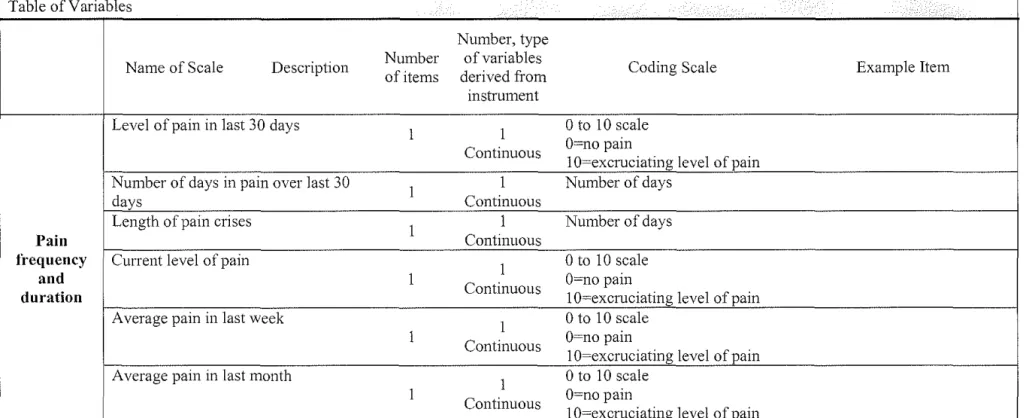
pain in the last 30 days, number of days in pain over the last 30 days, length of
pain crisis, current level of pain, and average pain in the last week and month.
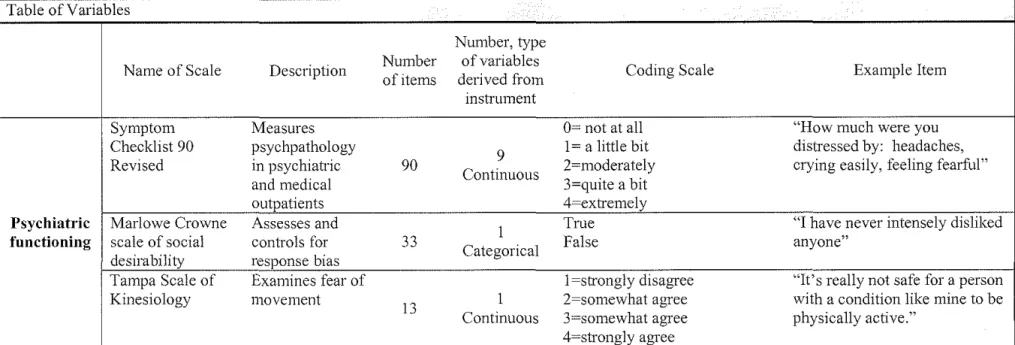
Finally, to test psychiatric functioning, the revised Symptom Checklist 90, the
Marlowe Crowne Scale of social desirability, and the Tampa Scale for
Kinesiology were used. Social support satisfaction was measured using the
and psychiatric functioning measures outlined above. If there was an overall
effect of social support satisfaction, Bonferroni adjusted !-tests determined which
combination of social support satisfaction types and sources were statistically
significant.
Results
There is no association between social support satisfaction and pain. Pain quality,
pain severity, and overall pain experience have no significant relationship with
social support satisfaction. In addition, there was no relationship between social
support satisfaction and the level pain over the last 30 days, number of days in
pain, and the length of pain crises. However, there is an association between
social support satisfaction and some aspects of psychiatric functioning. Lower
levels of obsessive compulsive, interpersonal sensitivity, psychosis, and paranoia
were all associated with higher levels of social support satisfaction (p~0.03,
p~0.05, p~O.OI, p~0.04, respectively).
!
r
Discussion
Social support satisfaction does not seem to be related to the pain experiences in
patients with SCD. Pharmacologic interventions should remain as the
intervention of choice in pain management for such patients. However,
satisfaction from social support is significantly associated with the response to
pain in this population. As a result, comprehensive SCD treatment plans should
Introduction
Sickle cell disease
Sickle cell disease (SCD) is a common genetic order of the blood, resulting from
a genetic change that leads to the formation of abnormal hemoglobin, the oxygen
carrying molecule located in red blood cells (RBC). This causes flawed
functioning of the RBC during deoxygenation. Normally, RBC's maintain a
round disk-like shape, but in patients with SCD, deoxygenation causes cells to
adopt a sickle shape. This sickling causes RBC's to occlude small blood vessels
throughout the body. While many patients with SCD are relatively asymptomatic,
they frequently present with painful sickling episodes termed "sickle cell crises."
These acute episodes of pain and distress result from the occlusion of blood
vessels with abnormally shaped red blood cells. The symptoms of occlusion are
seen throughout the body, including the brain, bone, spleen, and liver.
According to the National Heart, Lung, and Blood Institute, SCD affects I in 5001
to 1 in 700 African American births,2 affecting about 72,000 people in the United
States. The majority affected in the US are African Americans and of African
world with incidence cases reported in southern Italy, Saudi Arabia, northern
Greece, southern Turkey, and India. The rates of SCD in these areas are greater
than or equal to that which is observed in African Americans living in the US.4
The public health impact of SCD is shown by mortality and morbidity statistics.
The Cooperative Study of Sickle Cell Disease determined that infants with SCD
have a death rate before the age of3 of5.1 deaths per 100 person-years, as
compared to the death rate for children ages 1-4 is 35 per 100,000 children. 5•6
Other research has shown that men, on average, live to 42 years of age, and
women, 48 years of age.7' 8 Moreover, there is a high rate of hospitalization
associated in SCD. Between 1989 and 1993, there were 75,000 hospitalizations
related to SCD at a cost of$475 million dollars. 9 More than 90% ofthese
I
hospitalizations are for acute pain. 10
Sickle cell disease and pain
For patients with SCD, maintaining quality of life is a constant and important
consideration. All patients with SCD have pain. Pain is the most common
symptom associated with SCD11'12 The onset of pain is unpredictable and can
occur secondary to dehydration, infection, excessive physical exercise, or cold
weather. Pain associated with SCD often begins at an early age; 50% of children
are affected with pain in the extremities (dactylitis) by 6 months of age, 88% have
painful episodes by eight years of age.13 By 10 years of age, all patients have
Stress also has been implicated in causing pain in patients with SCD.14 This
hypothesis was developed by Leavell and Ford, who in 1976, suggested that
higher levels oflife stress increased the probability of developing symptoms of
SCD. 15 They interviewed 16 patients with SCD to determine the role of life stress
in causing SCD crises. They concluded that life stress has a role in causing SCD
crises. Their findings showed that patients with SCD pain had increased stress
two days after the initial onset of SCD pain. They proposed that a
stress-pain-stress cycle ensues, where stress-pain-stress causes pain, which in turn, causes stress-pain-stress. While
this study is suggestive of a pain/stress hypothesis, the lack of statistical analysis
and very small sample size does not provide adequate evidence of an association.
Gil eta! later attempted to analytically substantiate the Leavell and Ford
findings.14 She showed that, in African American patients, higher levels of pain
were seen on the same day and two days after stress. She substantiated Leavell
and Ford with her data analysis and larger sample size (n=41). While she
included a statistical analysis, her analysis did not control for other factors that
also affect pain. Fluid intake, physical exertion, and temperature changes, all may
cause pain independently of stress.
As SCD is a genetic condition, there is no cure. Many patients manage their daily
pain using ibuprofen or other non-steroidal anti-inflammatory agents. Codeine
may also be used. 16 However for the treatment of sickle cell crises, patients often
morphine are used. A new dmg, hydroxyurea, may serve to prevent sickling
crises, and thus pain, in patients with SCD. The Multi-center Study of
Hydroxyurea in Sickle Cell Anemia conducted a randomized double-blind,
placebo controlled trial to determine the effect of hydroxyurea on the painful
crises in adults. This trial showed that treatment with hydroxyurea decreased
crises by 44%. While this data is promising, it has several downsides.
Hydroxyurea caused bone marrow suppression in almost all patients in the
treatment group. The bone marrow suppression was severe enough to warrant
periodic discontinuation of the medication for all patients in that group. Further,
the long-term effects of hydroxyurea are not known. Finally, it cannot be used
during pregnancy as the effects on the fetus have yet to be determined. In total,
hydroxyurea has many pain modulating effects, but it has many limitations that
prevent widespread use.
There is also a cost associated with hydroxyurea. The same Multi-center Study
that determined the benefit with hydroxyurea estimated that a yearly supply of
hydroxyurea would cost over $1000.17 In addition to the cost of the dmg, there
are increased laboratory and doctor's fees as patients have to be regularly
monitored while on the medication.
In summary, patients with SCD are ravaged by pain. This pain can be treated at
home, but SCD crises often require hospitalization. While the number of pain
In such cases, patients are repeatedly presenting to the hospital and emergency
department, utilizing healthcare resources and finances. Cheap,
non-pharmacologic measures should be examined in the hopes of decreasing hospital
and dmg cost and improving the quality oflife for people with SCD.
Sickle cell disease and psychiatric functioning
Psychiatric functioning refers to impairments or changes in mood, cognition, or
behavior. It is a broad term that encompasses clinical syndromes such as, but not
limited to depression, obsessive-compulsive, paranoia, and psychosis. Some of
these psychiatric effects are seen in patients with SCD. Hasan found higher rates
of depression among patients with SCD when compared to the general African
American population.18 Using the Beck Depression Inventory, 44% of the
patients in the study were found to have symptoms of depression. Unfortunately,
these findings are limited by the small sample size (n=SO) and method of
sampling. Only patients without SCD symptoms at the time ofrecmitment were
allowed to participate. As pain is central to the experience of patients with SCD,
not including patients with pain precludes generalization to this population.
Despite the limitations of the Hasan study, the findings are consistent with the
earlier research done by Wilson Schaeffer. Wilson Schaeffer eta! had a 43.4%
rate of depression in patients with SCD.19 Contrary to Hasan, she had a large
sample size (n=440) and also included patients currently experiencing painful
differences in rates of depression. Including patients currently experiencing
symptoms, Wilson Schaeffer accurately samples the population with SCD.
Compiling the information from these two studies, almost 50% of patients with
SCD can be classified as depressed. If 72,000 people in the US are affected by
SCD, almost 36,000 people in that population are depressed. Therefore, there is a
subset of the SCD population that has higher morbidity and mortality as compared
to the already disadvantaged population with SCD.
The aforementioned authors discussed SCD and depression, but did not address
psychiatric functioning in total. A Medline search on July I, 2004 using the terms
"Sickle cell anemia" and "obsessive-compulsive" did not present any published
studies. A similar search, instead using "paranoia," only returned an article
whose focus was the inability to treat psychosis because of complication of
priapism. Finally, a Medline search using "psychosis" and "sickle cell anemia"
yielded 4 case reports of psychosis in patients with SCD. All of these measures
fall under psychiatric functioning, but do not completely address the dimension.
In an effort to completely examine psychiatric functioning and SCD, a Medline
search using "sickle cell anemia" and "psychiatric functioning." This search
revealed 21 studies. The vast majority of these papers focused on children. Ten of
those studies focused on the children with SCD and their relationship with their
parents. Another 5 studies examined behavioral problems or neurocognitive
development in children. Only 2 of the 21 studies were interested in adult
populations.
Consequently, the information available via Medline is scant regarding
psychiatric functioning in adult patients with SCD. While some studies examined
depression, other aspects of psychiatric functioning have yet to be examined. It is
critical that pubic health examine the role of psychiatric functioning, in total, in
adult patients with SCD. We need to create a complete picture of psychiatric
functioning in patients with SCD for these areas may be important in pain or
disease manifestation.
In summary, pain and psychiatric functioning are two areas in SCD where
research is needed. We need to find alternative ways deal with the treat pain in
order to decrease the inpatient and outpatient cost associated with drug therapy.
Further, public health needs to better understand the psychiatric functioning of
patients with SCD in the hopes of creating more comprehensive treatment
systems.
Social support as a treatment option
A PubMed search conducted on May 12, 2004 shows there were 5224 studies
published using the term "social support" in the period between 1990 and 1994.
For the periods of 1995 through 1999 and 2000 through 2004, there were 7020
encompassed a broad range of disease states including, but not limited to, low
back pain (LBP), knee osteoarthritis (KOA), and rheumatoid arthritis (RA). In
addition, social support has been examined for its role in rehabilitation therapy
and pain perception, and classification of disease severity.
One example of social support and its role in disease classification is put forth by
Klapow et a!. They examined the role of social support in LBP 2
°
Klapow wantedto determine if psychosocial areas (of which social support was one) differed
among subgroups in patients with LBP. Three subgroups were created according
to pain intensity, disability, and depression. The three groups are as follows: 1)
the chronic pain syndrome group, which had high levels of pain, disability, and
depression; 2) the positive adaptation to pain cohort had high levels of pain with
low depression and disability; 3) the good pain control group, with low levels of
pain, depression, and disability. Aside from clinical differences, these groups
were similar along socio-demographics lines. Using a questionnaire on social
support that focused on the patient's satisfaction with the social and emotional aid
provided by a given network of persons, they concluded that there is a difference
in groups according to social support. The groups with positive adaptation to pain
and good pain control had more satisfaction with social support. The chronic pain
syndrome group had lower social support than either ofthe other groups,
Klapow's findings must be viewed with caution because the chronic pain
syndrome group also had significantly more stress than either of the other groups.
As stated earlier, stress can cause pain. 14 He did not control for the effects of
stress in LBP and thus one cannot assume that the entire difference in groups lies
only with the psychosocial factors.
Klapow illustrated the ability of social support to differentiate clinical subgroups.
However, it is not clear that social support has a role in rehabilitation or
modulation of one's current experience. The Cochrane Group performed a
systematic review of the literature on the role of social support in low back pain.21
Their search yielded 47 potential studies, of which 6 were removed as duplicates.
Another 9 were removed as they were not true randomized controlled trials. Of
the remaining 32,21 did not meet all the requirements for review. One final study
was eliminated as they could not estimate the treatment affect for any outcome. In
their review of 10 studies on low back pain (a total of 1964 patients), they
examined multidisciplinary psychosocial rehabilitation programs and low back
pain. The rehabilitation was divided into two categories, intensive which included
more than I 00 hours a week, or less intensive, consisting of 30 hours or less of
therapy each week. Patients were given cognitive behavioral therapy, individual
counseling with a psychiatrist, or group discussions or combinations thereof.
Their outcome measures included, among other items, pain severity. The group
psychosocial rehabilitation therapy lessens pain. However, no benefit was seen in
less intensive multidisciplinary psychosocial interventions.
The limitation of the Cochrane Review is that it only reviewed 10 studies.
Further, pain was only one of the outcomes addressed by the review, yet pain was
not addressed by all of the studies. Further, it only examined randomized control
trials for inclusion. While this is generally the best idea, I would have found this
review to have been more beneficial had it fully examined a majority of the
studies that examined LBP and social support. The greatest limitation with this
review with respect to increasing our understanding of the role of social support
and pain among those with SCD is the failure to define social support. The term
"social support" was identified by the studies examined in the review, however,
there Cochrane authors did not identify the definitions of social support by each
of the respective authors. Failure to examine and present this information makes
the exposure of social support difficult to interpret.
Despite the increased rate of publication of studies referring to social support, the
impact of social support on pain and psychiatric functioning has yet to be
appreciated in the SCD population. A Medline search conducted on July 1, 2004
using the terms "social support" and "sickle cell disease" returned 43 studies.
Seven of the studies either dealt with community collaboration in treatment of
children with SCD or parent-child relations in the face of SCD. Six studies each
studies examined coping strategies of SCD pain. There were 4 studies that addressed depression or psychiatric functioning in patients with SCD (2 of which were discussed in this paper). The role of grandparents and parental outcomes in children with SCD, low birth weight, the importance of early detection of genetic disease, access to care each were considered. Finally, one paper each discussed the psychooncological concerns of women with breast cancer and Von
Willebrand's disease in the presence ofSCD. Only one study examined the role of social support in the disease process. This study, performed by Leavell and Ford, was discussed earlier. It correlated disease symptoms and the level of social support.
A Cochrane Review on psychological therapies and SCD determined that the evidence regarding such therapy was limited. 22 The review was limited to 4 studies, for a total of223 patients to make this conclusion. While the outcome measures included pain frequency, duration, severity, and modulating factors, social support was not an intervention.
support in the perception of pain in adult patients. Moreover, using PubMed, that
identical search failed to present articles that specifically delineated how the
experience of pain in patients with SCD was influenced by their satisfaction with
social support from multiple sources. As such, the question remains unanswered
as to whether social support can effectively mediate the effects of pain and
resulting psychiatric functioning in patients with SCD.
Further research
Research is needed to improve pain and psychiatric functioning in patients with
SCD. As mentioned earlier, the role of social support has been examined in other
pain syndromes. Claster and Vichinsky suggest that proper pain management
"requires a comprehensive team strategy."'' In creating a team approach to pain
treatment, all aspects of a patient's life must be considered: physical, financial,
emotional, and social. Studies are needed to determine the relationship between
social support and psychiatric functioning or pain perception. If a relationship is
established, longitudinal studies will be needed to fully explore the effect of social
t-support on said outcomes. Then if an effect of social t-support can be determined,
it can be incorporated into a comprehensive treatment plan for SCD treatment in
the hopes that might decrease the cost associated with hospitalization and
pharmacologic treatments. The research I will present begins the journey. I will
L
attempt to show the association between social support and pain perception and
-~
Methods
This paper analyzes the role of 4 types of social support satisfaction on the
perception of pain, duration of pain crises, and psychiatric functioning in the face
of pain. The hypotheses tested in this paper are: I) patients with higher levels of
social support satisfaction have decreased perception of pain, 2) patients with
higher levels of social support satisfaction have decreased duration of pain,
shorter pain crises, and pain crises oflesser intensity, and 3) patients with higher
levels of social support satisfaction have improved psychiatric functioning.
Study Population
Fifty-four participants were recruited from a hematology clinic at Duke
University Medical Center over the period of January 2003 through December
2004. SCD status was identified as patients were known to have SCD from the
physicians who referred them to the clinic, confirmation with serological testing.
During a regularly scheduled clinic appointment, patients were approached
consecutively by members of the investigative team and asked to participate in the
study. Patients were excluded if they were currently having a pain crisis, had an
urgent medical condition at the time of the appointment, or if they were unable to
read the instructions. Of the approximately 150 patients approached for study
recruitment, 127 consented to participate in the study. For those agreeing to
one or more of the following reasons: 1) time constraints, 2) already participating
in a research study, or 3) not interested in participating in a research study. Of the
127 patients consented, 54 completed testing at the time of analysis, 36 had
partially completed the assessment, and 37 had not yet begun the assessment.
Only complete assessments were used for analysis. Most patients were unable to
complete the assessment during one clinic appointment, and thus finished it at a
subsequent appointment.
The Longitudinal Exploration of Psychosocial Factors in Sickle Cell Disease
survey (LEPFSCD), designed specifically for examining this population, was
administered to each participant during clinic visits. The LEPFSCD is a 700 item
questionnaire which consists of demographic information followed by 8 validated
instmments. For the purposes ofthis study, demographic data, pain (Short Form
McGill Pain questionnaire), psychiatric functioning (Symptom Checklist 90),
social support (Alford-Edwards Social Support Inventory), social desirability
(Marlowe Crowne), and fear of movement (Tampa Scale) were considered. The
LEPFSCD was approved by the Institutional Review Board at Duke University
Medical Center. The University of North Carolina at Chapel Hill, School of
Public Health IRB approved the use of data from this investigation for this
Co variates
Demographic Variables
Demographic variables included age, gender, race, marital status, and
employment. Age is a continuous variable accepting all participant responses.
Gender was coded as a two level variable, male or female. Race is a 5 level
variable, its possible responses are Black, White, Asian, Hispanic, or other. The
options for marital status include married, single, separated, divorced, widowed,
and living with significant other. Employment was coded as a categorical
variable, yes, currently employed or no, not currently employed. Other
demographic variables were included in the study but are not mentioned here as
they were not included in this analysis.
Independent Variable
Definition of social support
Social support is a simple term to understand, yet difficult to define. Cohen and
Syme define social support, as "the resources provided by other persons'.24 The
simplicity of the definition lends itself to be transferred to and used in many
settings, both medical and non-medical. A further benefit of the Cohen and Syme
definition is that it allows the possibility of a negative impact of the social
support. The definition does not directly state that the resources are inherently
L
positive, thus it leaves open the possibility that resources provided can be
The benefits provided by the simplicity of the Cohen and Syme definition are
offset by its lack of precision. The definition does not address the nature or
quality of resources provided. It fails to identify sources of support or how that
support is provided. In addition, the definition fails to discuss the interpretation
of provided resources. One could imagine that copious amounts of support
provided to a person, in the form of advice, chore sharing, etc, but having a
negative impact because the recipient is not in need of or does not desire such
support.
Antonucii and Johnson also attempt to define social support. "[It] can be defined
as one's feelings about the relationship or the person with whom one has the
relationship: by the existence of a relationship; or by the number, type, and nature
I
'
of the interactions one has with significant or supportive others."25 The keybenefit of this definition is its consideration of the person's perception about the
support. Further, it moves to a more concrete understanding of social support by
adding quantitative aspects of support, not done by Cohen and Syme.
The definitions suggested by Antonucii and Johnson and Cohen and Syme are I 0
and 20 years old, respectively. While useful, the image created by these
definitions is that of a single, static dimension. Both suggest a uni-directionality
to social support; support is given by one person, only to be received by another.
However, more recent work by Pennix in 1997 states that "social support is not a
incorporates other intricacies associated with clarifying the definition of social
support. Pennix discusses the social network size, support exchanges, and partner
status. These aspects of support are important because they integrate quantitative
measures to the qualitative concept.
Theories of Social Support
There are two main theories on the functioning of social support: the buffering
hypothesis and the direct hypothesis. In the buffering hypothesis, support "exerts
its beneficial effects in the presence of stress by protecting the people from the
pathogenic effects of such stress."24 The stress is still experienced, but its effects
are prevented by social support. Cohen and Syrne indicate two possible locations
for the protective effects of social support: I) preventing reaction to stress
response or 2) prevention of pathogenic effects of said stress. Stress causes an
experience, which then leads to a response and subsequently, a pathogenic effect.
The social support can either prevent the response from the experience of stress or
prevent the pathogenic effects of the stress experience.
While the buffering hypothesis states that stress is perceived, but its negative
effects are prevented, the direct hypothesis purports that stress is never
experienced. "Support enhances health and well being irrespective of stress
level. "24 In this view, social support strengthens the person being supported.
perceived control of their environment. Changes in psychological states improve
the immune system or other neuroendocrine systems. The effects of social support
according the direct hypothesis are also seen as changes in health promoting
behaviors (i.e. decreased smoking, increased exercise). This definition does not
mean that only persons with poor health promoting behaviors (e.g. smokers, those
with sedentary lifestyles), but rather, the support functions to improve the health
behaviors of the patients. This occurs irrespective oftheir current health
behavior.
In a slightly different explanation, Gottleib suggests that the direct mechanism
serves as an insulator from the stress.27 He proposes that social support guides,
thus allowing for anticipation and avoidance of stress. The negative aspects of the
stress never reach the recipient. This aid then creates elevated self-esteem and,
overall, a better outlook on one's current situation. Higher levels of support
correlate with higher levels of self-esteem, which in turn, translate to better
health. The social support surrounds the patient, preventing the effect of stress.
Where Cohen and Syme differ with Gottleib in the definition of the direct
hypothesis is in the role of stress. Cohen and Syme are clear in their interpretation
that support functions irrespective of the presence of stress, while Gottleib
acknowledges the presence of stress. The definitions are consistent in that social
support prevents the experience of stress. Also common to both definitions is the
Social support satisfaction
The main exposure of this study is social support satisfaction. Social support
satisfaction was measured using the Alford-Edwards Social Support Indicator
(AESSI) (See Table I for a list of variables used in this study). The scale is
derived from the conceptualization of social support put forth in Flaherty eta!,
1983. This scale is a 26-item measure that examines satisfaction from four types
of social support: instrumental, informational, comparison, and emotional support.
Each type of support is defined in the questionnaire for the ease of the study
participant. They are as follows:
o Emotional support refers to the degree to which the patient feels listened
to, understood, and cared for by significant persons
o Instrumental support refers to the practical assistance that others provide
to the patient when needed, such as helping with household chores,
picking up groceries, babysitting your child/children, giving a ride to the
store
o Informational support refers to the knowledge, information, wisdom,
and/or advice that others provide
o Comparison support is the information and advice that is received from
Each type of support asked in the context of
o Spouse/partner
o Family
o Friends
o Co-workers
o Social contacts (i.e. church members, civic group member, social club
members)
Support from physicians/healthcare providers is also included in the AESSI but is
not included in this analysis. A sample item would be "I am satisfied with the
emotional support that I receive from my spouse/partner." The responses range
from "none of the time" (0) to "all of the time" (4). The scale also measures the
extent of the social network by looking at the I) total support index, 2) number
available in social network, and 3) the level of regular contact with the social
network. Each type of social support was summed from all sources (giving 4
variables) then each source of support was summed from all types (giving 6
variables). The 3 variables for social network remained intact for a total of 12
variables were created to examine social support. The scale has adequate
reliability and validity (Edwards, et al., In press) and has been used primarily with
Dependent Variables
Pain perception and severity
Pain was assessed using the McGill Pain Scale, Short Form28 It consists of two
parts, a pain rating index and the present pain intensity. The pain rating index
assesses 15 different qualities of pain including, throbbing, shooting, stabbing,
sharp, cramping, gnawing, hot-burning, aching, heavy, tender, tiring-exhausting,
sickening, fearful, and punishing-cruel. Each was assessed from none to severe
pain (O=none, 3=severe ). The present pain intensity then asks patients to
summarize their overall experience of pain. They were given the options ofO=no
pain, 1 =mild, 2=discomforting, 3=distressing, 4=horrible, and 5=excruciating.
Two additional variables, sensory and affective, are subscales of the SF-MPQ,
were also included in the analysis.
A visual analog scale was also included in this analysis. This tool consists of a
100 millimeter line with "no pain" at one end and "worst possible pain" at the
other. Participants marked on the line the location of their overall level of pain.
The severity of the response was by measurement along the line (measured in
millimeters), starting at the "no pain" end. Responses farther down the line were
more severe than those at the start. The distance in millimeters from the no-pain
end to the location of the mark gave a measurement of the pain and thus
Pain severity was determined with the Multidimensional Pain Inventory (MPI-2). This instrument is the short form of the West Haven- Yale Multidimensional Pain Inventory29 The MPI-2 contains 3 sections. In Section I, there are 28 questions that assess the severity of the pain experience and its interference with normal daily activities. Section II centers on the perceptions of how a spouse or
significant other responds to the person during pain. Finally, Section III asks the participant to rate the frequency she or he participates in 19 daily activities listed. Only 1 variable, pain severity, was used for this analysis. This variable is graded according to a scale provided by it authors. It is used as a continuous variable.
Pain frequency and duration
Pain was also assessed according to level of pain in the last 30 days, number of days in pain over the last 30 days, length of pain crisis, current level of pain, average pain in the last week and month. All were measured on a 0-10 scale (O=no pain, I O~excruciating level of pain), except for length of pain crisis which was measured in hours or days. Each pain scale mentioned in this paragraph was considered a separate dependent variable. Length of pain crisis was analyzed as a continuous variable, the others, as multilevel categorical variables.
Psychiatric Functioning
Three instruments were used to examine psychiatric functioning, the Symptom
Checklist 90 revised (SCL-90R), the Marlowe Crowne Scale (MC), and the
Tampa Scale for Kinesiology. Patients self-administered the Symptom Checklist
90 (SCL-90R). The SCL-90R is designed to measure psychopathology in
psychiatric and medical outpatients.30 It consists of90 items, rated on a scale ofO
to 4 of distress (O=not at all, 4=extremely). Answers are complied along a scale
provided, resulting in 9 symptom dimensions. The 9 symptom dimensions are:
somatization, obsessive-compulsive, interpersonal sensitivity, depression, anxiety,
hostility, phobic anxiety, paranoid ideation, and psychoticism. Somatization
reflects distress that arises from perception of bodily dysfunction. The obsessive
compulsive symptom dimension identifies behaviors that are closely associated
with the psychiatric pathology of the same name. It focuses on thoughts and
actions that are irresistible and unwanted by the patient. 30 Interpersonal
sensitivity identifies feelings of personal inadequacy and inferiority, especially as
they compare to other persons.30 The depression dimension also reflects
characteristics of the similarly named psychiatric condition. Anxiety consists of
symptoms and behaviors that reflect restlessness, nervousness, and tension.
Hostility reflects the thoughts and feeling associated with anger. Phobic anxiety
is a persistent fear response to a person, place, object, or situation which is
irrational or disproportionate to the stimulus. Paranoid ideation reflects a
disordered mode characterized by hostility, suspicion, grandiosity, fear of loss of
interpersonal alienation to overt psychosis. The SCL-90R has a high correlation
of with the MMPe0 Each ofthe 9 dimensions is considered a dependent variable.
The MC instrument is a scale of social desirability. 31 The MC is 33-item scale
that was used to assess and control for response bias. It examines the nature of
respondents to describe themselves as socially desirable in order to receive the
approval of others. 32 The statements presented reflect culturally approved
behaviors with low probability of occurrence. Subjects respond to statements
with either "true" or "false." Responses are graded according to a scale created
by the authors, with higher scores representing increased likelihood to answer
questions in a socially acceptable manner, more pleasing to proctor. The final
grade for the instrument was considered a continuous, dependent variable with a
scale of1-100.
The Tampa Scale for Kinesiologi3 was also included in this analysis. This 13
item scale assesses the fear of movement or (re )injury. The responses range from
(1) "strongly disagree" to (4) "strongly agree." A total score is calculated from the
responses; higher scores indicate less fear of movement or (re )injury. This was
analyzed as a continuous variable.
Statistical Analysis
Statistical analysis was done using Statistical Analysis System (SAS). Univariate
included in the analysis nor were they statistically estimated. The influence of
social support satisfaction was assessed in three areas:
1) type of social support (emotional, instrumental, informational, and
comparison)
2) source of support (spouse/ partner, family members, friends, co worker/
colleagues, and social contacts)
3) total support measures (total support index, social network size, and
utilization of support structure
Median split variables were developed to define group membership for each
independent variable, where values were indicated as either "high" or "low." Data
values above the median were placed into the high social support satisfaction
category, those below, were placed in the low social support satisfaction category.
One benefit to this approach is that it allows for simplification of analysis and
presentation of results. It is a good technique for use when there is a small sample.
When presenting the data, it is easy to interpret along this dichotomous variable.
It is easy to explain social support satisfaction in terms of "high" and "low"
instead of along a continuous scale. The weight of the data is also maintained
using this technique. Almost half of the data lies on one side of the split, with the
other half resting on the other. However, creating median split variables results in
L
a loss of statistical power because you eliminate the variability of the data. This
variability is created from the different data points, but when you treat the data as
Social support satisfaction and pain perception and severity- The 12
variables created for social support satisfaction were considered
independent variables, each of the 24 variables created for pain perception
and pain severity were considered dependent. Multiple analysis of
variance (MANOVA) was conducted to determine if there was an
association of social support satisfaction on pain perception. A significant
MANOV A test would mean that there is an association of social support
satisfaction on pain perception and severity. Bonferroni adjusted !-tests
were also conducted to determine which combinations of social support
satisfaction and pain perception were significant. Bonferroni adjustment
lowers the alpha value, thus making it more difficult to find a significant
result given the large number oft-tests being conducted. The greater the
number oft-tests conducted, the greater the likelihood (due to the
probabilities of chance) of finding a significant t-test. If the P-value
associated with the MAN OVA test was insignificant, indicating that there
was no overall association between social support satisfaction and pain
perception or severity, Bonferroni adjusted !-tests were ignored. Given the
large number of comparisons, there is a high statistical likelihood that one
of the comparisons would be significant. Thus, the MANOV A calculation
was used to determine if there was an overall association of social support
0.05 or less were considered significant for both MAN OVA and t-tests.
Social support satisfaction and pain duration and frequency - Pain
duration and frequency were dependent variables tested on the effect of 12
variables of social support. MANOV A determined if there was an overall
association of social support satisfaction. A significant MAN OVA test
would indicate that there is an association of social support satisfaction on
pain duration and frequency. Subsequent Bonferroni adjusted t-tests
examined all combinations of social support on pain duration, frequency,
and intensity. An insignificant P-value associated with the MAN OVA test
indicates that there is no overall association between social support
satisfaction and pain duration and frequency. Subsequent Bonferroni
adjusted t-tests were then ignored. Given the large number of
comparisons being made, it was highly probable that one of the
combinations would be significant, even though the overall association is
not significant.
Social support satisfaction and psychiatric fimctioning- MANOV A was
conducted using 12 variables of social support satisfaction as independent
variables and 9 variables of psychiatric functioning as dependent
variables. A significant MANOV A test indicated that there is an effect of
social support satisfaction on psychiatric function. The !-tests are then
functioning. If there was an overall association between social support
satisfaction and psychiatric functioning, then Bonferroni adjusted t-tests
examined all combinations of social support and psychiatric functioning.
If the P-value associated with the MANOVA test was insignificant,
Bonferroni adjusted t-tests were ignored. The t-tests were ignored given
the high likelihood that one of them would be significant, even though
there was no overall relationship.
Results
Demographics of the study are represented in Table 2. The mean age of the study
I
sample was 37 years old± 12.10 years with a range from 18 to 70 years old. All
subjects were African American with; 44% male and 56% female (p=0.40).
Fifty-one percent of subjects were single, 26% married, with the remaining participants
reporting divorced, widowed, or living with a significant other status (p<O.OOOl).
The majority of the population was unemployed (60%, p<O.OOOl) and lived aloue
(40%, p=0.0004), however, there are a large number of missing observations for
living situation (missing=14, 26% of data).
l
Social support satisfaction and pain severity
First, the association between social support satisfaction and perception of pain
L
,-L
of the 4 primary forms of social support satisfaction from 6 different sources to
the 14 qualities of pain (see Table 3). Further, social support satisfaction had no
relationship with the patients' reported current level of pain, nor pain in the past
week or month (p=0.89, p=0.50, p=0.84, respectively). The overall experience of
pain has no relation to social support satisfaction (p=0.73). In addition, the
sensory and the affective components of pain were not related to social support
satisfaction (p=0.97, p=0.91). Thus, pain quality and pain severity, and overall
pain experience are independent of one's satisfaction with their social support.
This is further reinforced by the overall level of pain according to the visual
analog scale. Satisfaction with social support did not have an association with the
overall experience of pain (p=0.34).
Social support satisfaction and pain frequency and duration
Next, the impact of social support satisfaction on the pain duration and frequency
was examined (see Tables 4 and 5). There was no association between social
t
; support satisfaction on the level pain over the last 30 days, number of days in T
pain, or the length of pain crises (p= 0.86, p=0.60, and p=0.14, respectively).
Social support satisfaction and psychiatric functioning
Finally, the association between social support and satisfaction was examined (see
Table 6). The answers provided by the respondents were the same irrespective of
their satisfaction with social support (p=O.l9). Patients answered the questions
evidenced by the MC score. In addition, satisfaction with social support of 4 types
from 6 sources were not related to a patient's fear ofre-injury (p~0.80).
The impact of social support satisfaction on the magnitude of psychiatric
reactions to pain was explored. There was an association between social support
satisfaction and 4 aspects of psychiatric functioning. Higher level of satisfaction
with social support was associated with lower levels of 1) obsessive-compulsive,
2) interpersonal sensitivity, 3) psychosis, and 4) paranoia (p~0.03, p~0.05,
p~O.Ol, p~0.04, respectively). (See Table 6)
Somatization represents a person's distress arising from perceptions of bodily
dysfunction. Satisfaction with social support is not related to the patient's image
of their body or illness (p~0.30). Social support satisfaction, however, is related to
obsession and compulsion (p~0.03). Patients with larger social networks have
significantly lower levels of obsession and compulsion than patients with smaller
networks (difference of8.7, p~O.OO) (see Table 7).
Interpersonal sensitivity is associated by both the number of persons in the social
network and the level of contact with such members. It reflects a person's
feelings of person inadequacy and inferiority, especially as they compare to other
persons. Larger social networks make patients feel more adequate and of equal
L
self-deprecation, uneasiness, or inferiority were lower in patients with regular
contact with their social network (difference of8.1, p=0.02).
Psychosis also has a relationship to the presence of by social support (p=0.04).
Patients with larger social networks had significantly less psychosis. (difference
of 8.1, p=0.02). Also, the higher satisfaction received from tangible assistance
such as babysitting or grocery shopping decreased the levels of psychosis
(difference of 12.8, p=0.03).
Finally, several types and sources of social support satisfaction bad relationships
to paranoia. Patients who were more satisfied with social support provided by
family were associated with lower levels of paranoia (difference of 10.4, p=0.05).
I
However, the satisfaction received from the support of co-workers had the
opposite effect; patients with high levels of satisfaction from co-workers had
higher levels of paranoia (difference of9.4, p=0.03). Paranoia was also
associated with social network size. Larger social networks have lower levels of
paranoia, while patients with less paranoia have smaller networks (difference of
9.0, p=0.04). Finally, levels of paranoia were related to social network utilization.
Greater network utilization were associated with lower levels of paranoia
Discussion
Summary of findings
The findings of this study show that social support satisfaction from all sources
and types does not have a relationship to the perception of pain in patients with
SCD. Further, social support satisfaction was not associated with duration of pain,
frequency of pain crises, or overall pain experience. However, satisfaction with
social support does have an overall relationship to several aspects of psychiatric
functioning. Higher levels of social network contact were associated with lower
levels of obsession- compulsion, interpersonal sensitivity, psychosis, and
paranoia. The social network contact also related to interpersonal sensitivity and
paranoia; higher levels of contact were associated with decreases in both
dimensions. In addition, higher levels of instrumental support were associated with lower levels of psychosis. A similar effect is seen on paranoia from family
support. Conversely, co-worker support is associated with a negative effect to
paranoia. Finally, increased co-worker support is associated with higher levels of
paran01a.
Overall, the extent of the social network has the most significant association with
patients with SCD, followed by the regularity of contact with that network. A
possible explanation for the role of the social network is that it forces the patient
to live in the present. Contact with others encourages patients to interact with
association is that it causes patients to have realistic images of their body and
disease. It builds esteem, such that they do not exhibit feelings of inadequacy in
the face of their medical condition. In this manner, social support functions to
bolster the self-esteem of the patient. It has no effect on the presence or duration
of stress, rather it focuses on the patient in the presence of stressors.
Strength and limitations of the study
While the finings in this study are clear, there are several limitations in this study.
The Comprehensive SCD Standardized Questionnaire addresses many areas of a
patient's experience with their SCD, including instruments not addressed in this
paper. However, due to its comprehensive nature, the complete questionnaire
takes approximately two and one-half hours to complete. As a result, participant
fatigue may have generated less than accurate answers. The test for social
desirability indicated that patients answered these questions without a desire to
please the investigative team. While there is no evidence of score indicating that
patients answered questions in a manner seeking approval, it is nonetheless a
taxing questionnaire to complete.
Additional limitations of the study centered on the population studied. Although
there were 127 persons consented to participate in the study, only 54 complete
questionnaires were available for analysis. The limited data makes the analysis of
a small population even smaller, thus making it difficult to obtain statistical
questionnaire results from the comprehensive nature of the study. As mentioned
earlier, the assessment takes over two hours to complete. In addition, of the 54
complete questionnaires, only 32 and 36 participants were analyzed for pain
perception and pain duration, frequency, and intensity, respectively. Again,
adequate interpretation of the results becomes difficult. It may be the case that
patients with the greatest pain did not answer the questions related to pain.
In addition, the study population is not representative of the entire SCD
population. We were only able to capture the patients with SCD that presented to
a tertiary care center. Many patients with SCD present to primary care centers, or
in some cases, only present to the emergency department. The problem with only
sampling patients in tertiary care centers is that it is more likely the have more
severe disease symptoms. Thus, there may be a relationship to pain perception in
patients with less severe disease, but we were unable to conclude this given the
skewed population. In addition, the patients with the least amount of pain may not
be represented. Also, the patients with milder disease would present to the clinic
less often, and presumably, have shorter visits while there. These patients
therefore would not be able to complete the assessment in time for analysis.
Despite its comprehensive assessment of social support, the AESSI is yet to
undergo wide scale use. It is a comprehensive instrument; it examines social
support satisfaction of different types and from different sources. As a result, the
further validation. This instrument will need to be tested against more traditional
measures of social support to determine correlation. It needs to be understood if
there is a relationship between the assessment of social support and that of social
support satisfaction.
While the AESSI is a limitation to the study, it also serves as a strength. It is a
comprehensive instrument that identifies 4 types and 6 sources of social support
satisfaction. Further each type and source of support was clearly outlined for all
to follow. This instrument is also set apart from other social support measures in
its assessment of satisfaction with, not only the existence of, social support.
Comparison to other findings
The findings in this paper are only partially generalizable to all patients with
SCD. While social support satisfaction does not improve pain perception, it is
positively associated with a response to pain. SCD patients are constantly
plagued by pain, and thus, need to have the comfort of a supportive network to
endure the pain. In addition, the study has outlined the support types that most
affect reactions to pain. Patients and caregivers can begin to construct support
teams, in the hopes of positively affecting patients with SCD. These results fall
L
short of complete generalizability because a typical population with SCD was not
L
L
This study validates prior findings on the effect of social support and patients with
SCD. One of the earliest studies was done by Leavell and Ford, who compared
social support and SCD symptoms.15 They found that lower levels of social
support were seen in symptomatic patients. While this study is often referenced
by those working on SCD and social support, this study was lacking in several
areas. It only consisted of 16 patients, 2 of whom were lost to follow up. Further,
there was no statistical analysis to determine the statistical significance between
levels of social support in patients with and without symptoms. The method of
determining social support was rudimentary; patients were scored on the presence
of a spouse, supportive family or close friends, participation in church and other
organizations, and whether the patient was employed or attended school. There
I
was not consideration into the quantity ofthe interaction with these sources, nor
was any merit employed to determine the type of support provided.
The results presented in this study serve to fill in the gaps of the Leavell and Ford
findings. The slightly larger sample size and statistical analysis bring validity and
credibility to the findings of Leavell and Ford. The AESSI identifies sources and
type of social support is a more valid tool than used by Leavell and Ford. The
findings allow identification of the type of support, instrumental or co-worker,
that is, respectively beneficial or deleterious. The strength of these findings is
L
further seen by the use of social network and level of contact items. Leavell and
Ford were not able to indicate that the presence of a network with whom one had
this paper showed that, with statistical significance, that the social network has a
beneficial effect on psychiatric functioning.
The findings here are not in contradiction to the findings of Hasan. He determined
that depression was more likely in patients with low levels of social support.18
This paper examined psychiatric functioning in several dimensions. However, the
instmments used in this study were not designed to diagnose depression, but
rather the presence of depressive symptoms. In addition, the lack of congruity
between findings could result from a failure on the part of Hasan et al. The
authors failed to provide explanation for the method of determining social
support, only mentioning "poor" social support in the context of patients with
depression. Conversely, this study identified types and sources of social support
i
and its satisfaction. Thus, our assessment of social support is greater because itassesses the patient's response to social support, not its mere presence.
Theories of social support
The above findings are consistent with the buffering hypothesis. Patients
perceived the pain associated with SCD and did not have any shortening of their
pain crises or decreased perception of pain. However, social support affected
their psychiatric functioning, that is, their reaction to pain. Thus social support did
not prevent the experience of pain, but rather, it affected a patient's reaction to
pain. The stress is still experienced, but its deleterious effects of it are reduced by
Pennix examines the possibility that both the direct and buffering hypothesis
could work simulataueously.26 She found that the effect of both theories could be
found in these patients. The patients with the higher levels of pain from the
arthritis had more prominent effects of social support that related to the buffering
hypothesis. Social support was important in reducing the psychological stress
associated with arthritis. A direct effect of social support was also seen on
patients with depressive symptoms. Unfortunately, the results for this portion of
the study are weak; the variance (R2) was low, 8%. In any event, the results
indicated that higher levels of social support were correlated with lower levels
depression seen in patients severe arthritis.
The direct hypothesis is not fully supported by the results of this study. To affirm
the direct hypothesis, patients with higher levels of social support would have
shown a spectrum of experiences not present here, ranging from decreased levels
of pain and fewer pain crises and perhaps to an extreme, no pain at all. According
to the direct hypothesis, high levels of social support would have shown a
bolstering and strengthening of the patient such that internal factors would
prevent the experience of pain. The patients would have been protected from the
effects of the pain, hence perceiving less pain. Patients with lower levels of social
support would have higher pain scores, more frequent and longer duration of pain
consistently higher levels of psychiatric functioning; all measures would be statistically significant.
The direct hypothesis could be present in the results of the study if one ascribes to Gottleib's definition. Gottleib suggests that social support serves to guide patients, thus avoiding the effects of stressors. This may be the case here. The effect of social support on decreasing the levels of psychotic thoughts and paranoia may indicate a direct mechanism. Patients had fewer self-deprecating thoughts in the presence of social support. Thus, the support could have served to function internally in the patient, bolstering their self-esteem. The contact with the social network, as suggested earlier, may "pull" the patient into living in the present through their interaction with others.
Areas for jitrther research
health records would be compared to determine the effect social support
satisfaction using regular assessments of social support satisfaction.
Another area of further clarification is the definition of social support. Definitions
suggested by Cohen and Syme and further definitions provided by Antonucii and
Johnson need refinement. As stated earlier, the definition suggested by Cohen
and Syme does not incorporate the emotions created by the support, positive or
negative. Antonucii and Johnson took the definition a step further by
incorporating the "feelings" that a person has about the support. Pennix further
incorporates a quantification of the social network into the definition of social
support. A possible definition of social support is "emotion, created because of
the tangible and intangible resources provided by a network, from which the
recipient is willing to accept." Here, the focus is on the central aspect of social
support; the recipient's perception of said support. Support cannot be considered
as such if the person on the receiving end of the support does not view it
positively.
Research needs to be done to clarify the relationship between social support
satisfaction and pain perception and psychiatric functioning. The research
presented in this paper represents the first year data from the Longitudinal
Exploration of Psychosocial Factors in Sickle Cell Disease. Over the next 5 years,
500 patients will be assessed. This study attempted to give a better understanding
psychiatric functioning. The data presented here only serve to show au association
between social support satisfaction and pain perception and psychiatric
functioning. It is not clear that high levels of social support satisfaction affects
psychiatric functioning. Though we did not find an association between social
support satisfaction and pain perception, a randomized control trial might be
beneficial to determine the strength of the effect of social support satisfaction on
psychiatric functioning.
Public health implications
The possible implications for these findings in both the pubic health and clinical
communities are great. Pharmacologic interventions should be continued to
address the pain control of patients with SCD, until we can identify ways for
non-pharmacologic methods to assist patients respond to pain. The findings presented
here with respect to psychiatric fi.mctioning beg for the creation of comprehensive
SCD centers where the social, emotional, and physical aspects of patients receive
regular and consistent attention. In this scenario, perhaps the patient and their
social networks cau be trained to control the lifestyle factors and triggers and, in
so doing, prevent the pain episodes. Additionally, training can be provided to
improve and strengthen the quality of social support provided during a pain
Table 1
Table of Variables
Number, type
Name of Scale Description Number of variables Coding Scale Example Item
of items derived from
instrmnent
Alford-Edwards Examines o~none of the time "I am satisfied with the
Social Inventory of satisfaction with !~very little of the time emotional support that I receive
Support Social Support social support of 26 2~some of the time from my spouse/partner"
Satisfaction 4 types from 6 3~most of the time
sources 4~all of the time
McGill Pain Assess 15 o~none Adjectives used to describe
Scale- Pain rating different
90 15 1 ~mild SCD pain:
index qualities of pain Continuous 2~modera te Throbbing, shooting, sharp,
3=severe stabbing
McGill Pain Summary of 0-no pain "Summarize your overall pain
Scale-Present Pain overall pain !~mild experience''
Pain intensity experience
1 1 2~discomforting
perception Continuous 3~distressing
and severity 4~horrible 5~excruciating
Visual Analog Sumn1arizes "Mark the line below to
Scale overall
1 indicate your overall level of
experience of 1
Continuous pain"
Table 1 (cont)
Table of Variables
Number, type
Name of Scale Description Number of variables Coding Scale Example Item
of items derived from
instrument
Level of pain in last 30 days
1 1 0 to 10 scale
Continuous O=no pain
lO~excruciating level of pain Number of days in pain over last 30
1 1 Number of days
days Continuous
Length of pain crises
1 1 Number of days
}Jain Continuous
frequency Current level of pain
1 OtolOscale
and 1
Continuous o~no pain
duration 1 o~excruciating level of pain
Average pain in last week
1 0 to 10 scale
1
Continuous o~no pain
lO~excruciating level of pain Average pain in last month
1 0 to 10 scale
1
Continuous o~no pain
1 o~excruciating level ofpain
-Table 1 (cont)
Table of Variables
Number, type
Name of Scale Description Number of variables Coding Scale Example Item
of items derived from
instrument
Symptom Measures 0- not at all "How much were you
Checklist 90 psychpathology
9 1 = a little bit distressed by: headaches,
Revised in psychiatric 90
Continuous 2=moderately crying easily, feeling fearful"
and medical 3=quite a bit
outpatients 4=extremely
Psychiatric Marlowe Crowne Assesses and
1 True "I have never intensely disliked
functioning scale of social controls for 33
Categorical False anyone"
desirability response bias
Tampa Scale of Examines fear of 1 =strongly disagree "It's really not safe for a person I
Kinesiology 111ovement
13 1 2=somewhat at,>ree with a condition like mine to be I
Continuous 3=somewhat agree physically active."
Table 2
Demographic Characteristics of LEPFSCD Study Population (n=54), Duke University Medical Center, Durham, NC, 20041
Frequency P-Value (Percentage)
Age2
Mean 36.8 years± 12.10 years <0.0001
Gender2
Male 22 (44.0) 0.3961
Female 28 (56.0)
Race2
Black 50 (100)
Marital Status3
Married 13 (26.5)
Single 25 (51.0)
Separated 1 (2.0) <0.0001
Divorced 8 (16.3)
Living with Significant Other 2 (4.1)
Employment Status2
No 30 (60.0) <0.0001
Yes 19 (38.0)
Living Arrangement"
Alone 16 (40.0)
With spouse 12 (30.0)
With family other than spouse 9 (22.5) 0.0004
Casual friend I (2.5)
With intimate other 2 (5.0)
1
= Calculated w1th Chi-squared or t-test where appropnate
2
= 4 missing values
3 5 . . I
= m1ssmg va ues
4
= 14 missing values
5