Original Research Article
Clinicopathological study of asymptomatic thyroid swelling and its
correlation with thyroid function tests
Anuja Bhargava, Syed M. Faiz*, M. Shakeel, Nafas J. Singh, Saloni Singh
INTRODUCTION
A Thyroid swelling is defined as enlarged thyroid gland. Thyroid swelling can mean that all the thyroid gland is swollen or enlarged, or one or more swellings or lumps have developed in parts or part of thyroid gland.1 The thyroid functions as an endocrine gland and is responsible for producing thyroid hormone and calcitonin, thus contributing to the regulation of metabolism, growth, reproduction, metabolic enhancement and serum concentrations of electrolytes such as calcium.2 The
thyroid has evolved to specialize in synthesizing and secreting thyroxine (T4) and tri-iodothyronine (T3) into the circulation. The regulatory process is thyroid stimulating hormone (TSH) dependent, which is secreted from the anterior pituitary and, in turn, is under the control of thyrotropin releasing hormone (TRH) from the hypothalamus. TRH and TSH both are regulated in a negative feedback loop by T4 and T3 in the circulation.3 These hormones are directly related to body metabolism and play a particularly important role in brain maturation during fetal development.4
ABSTRACT
Background: Thyroid swelling without symptomatic manifestation is common occurrence and could affect 5 to 20% patients in endemic areas. Majority of them are non neoplastic and may not require surgery. Less than 5% of thyroid nodules are malignant.
Methods: Present study was conducted to correlate clinical findings, HRUSG findings, thyroid profile and FNAC findings in patients of asymptomatic thyroid swelling.
Results: Proportion of euthyroid patients was higher compared to hyperthyroid and hypothyroid diagnosed as colloid goiter on FNAC findings (82.4% vs. 0.0% and 12.9%). Proportion of hypothyroid was higher compared to euthyroid and hyperthyroid diagnosed as Follicular adenoma (3.2% vs. 0.0% and 1.2%) and colloid goiter with cystic changes (48.4% vs. 0.0% and 10.6%). Proportion of hyperthyroid compared to hypothyroid and euthyroid patients were higher diagnosed as thyroiditis (75.0% vs. 32.3% and 5.9%) and papillary/medullary CA (25.0% vs. 3.2 and 0.0%). A statistically significant association of FNAC diagnosis and thyroid profile of patients with asymptomatic thyroid swelling was found.
Conclusions: The present study showed that thyroid dysfunction could play a significant role in determining the underlying pathology behind thyroid swelling and must be evaluated at the earliest using thyroid function tests as the first line of diagnostic tool. In case of suspected thyroid profile; USG neck and FNAC should be done. In view of lack of studies correlating thyroid and clinicopathological profiles of thyroid swellings, further studies to potentiate the present study findings are recommended.
Keywords: Ultrasonography, Thyroid function tests, Asymptomatic diseases, Fine-needle aspiration
Department of ENT, Era’s Lucknow Medical College & Hospital, (Era University), Lucknow, Uttar Pradesh, India
Received: 21 January 2019 Revised: 13 March 2019 Accepted: 14 March 2019
*Correspondence: Dr. Syed M. Faiz,
E-mail: [email protected]
Copyright: © the author(s), publisher and licensee Medip Academy. This is an open-access article distributed under the terms of the Creative Commons Attribution Non-Commercial License, which permits unrestricted non-commercial use, distribution, and reproduction in any medium, provided the original work is properly cited.
Thyroid swelling without any symptomatic manifestation is a common occurrence and could affect up to 5 to 20% patients in endemic areas swelling may be noticed by family members, friends or physician.5 It is generally associated with iodine deficiency.6 Majority of thyroid swellings are nonneoplastic and do not always require surgical intervention. Less than 5% of thyroid nodules are malignant.7 In clinical ENT practice neck swelling is one of the common presentations. Enlargement of thyroid accounts for the significant number of cases.8
The prevalence of thyroid swelling is more than 40 million in India and more than 2 billion in the world.9 Goiter rate among primary school children had been reported to be 4.83%.10 They are 3-4 times more frequent in women than men.11 An increase in prevalence rate in women was observed particularly in age group 21-30 years which might be associated with infertility, pregnancy and other complications.12 Most of the thyroid nodules are benign and fewer than 5% of them are actually malignant.13-15 In December 2015, Union health minister of India informed the Lok Sabha that over 71 million people in the country are suffering from goiter and other iodine-deficiency disorders, he further informed that government was planning to bring down the prevalence of the deficiency to below 5% by 2017 by ensuring 100% consumption of adequately iodized salt at the household level.Sample surveys conducted all over the country found that of 324 districts included in the study, 263 districts were Iodine deficiency disorder endemic, that is, where the prevalence of Iodine deficiency disorder is >10% but there was a significant reduction in visible goiter.16
Thyroid ultrasonography (USG), estimation of serum total T3, T4 & TSH and fine needle aspiration cytology (FNAC) are common diagnostic tests to assess the severity of thyroid nodules.Thyroid stimulating hormone (TSH) – Measurement of TSH has become principal test for evaluation of thyroid function in most circumstances.17 A TSH value within the reference interval excludes majority of the cases of primary overt thyroid disease.18 High-resolution ultrasonography (USG) is the most sensitive imaging modality available for examination of the thyroid gland and associated abnormalities.19 Ultrasound scanning is non-invasive, widely available, less expensive, and does not use any ionizing radiation. The major limitation of ultrasound in thyroid imaging is that it cannot determine thyroid function, i.e., whether the thyroid gland is underactive, overactive or normal in function; for which a blood test or radioactive isotope uptake test is generally required.20,21 FNAC is preferred as an initial diagnostic test because of its superior diagnostic reliability and cost- effectiveness, before both thyroid scintigraphy and ultrasonography.22
Medical guidelines for clinical practice as set forth by the
American thyroid association and national
used as the initial diagnostic test because of its superior diagnostic reliability and cost effectiveness. 23 Its use has markedly decreased the number of unnecessary thyroid surgeries.24
The present study was conducted to find a correlation between FNAC, HR USG findings and thyroid profile in patients of asymptomatic thyroid swelling.
METHODS
Present study was conducted from January 2017 to June 2018, in the Department of Otorhinolaryngology, Era’s Lucknow Medical College & Hospital to correlate clinical findings, high-resolution ultrasonography findings, thyroid profile and FNAC findings in patients of asymptomatic thyroid swelling
Inclusion criteria
Inclusion criteria were patients with asymptomatic anterior midline neck swelling; patients aged above 18 years.
Exclusion criteria
Exclusion criteria were patients with history of systemic diseases like chronic renal disease, cardiac disease, hepatic diseases.
A total of 120 patients presenting with asymptomatic thyroid swelling were enrolled in the study. Personal and clinical history of the patients was obtained and was recorded on a case record form for each individual
Detailed history of the patient was taken with special emphasis on duration of swelling, onset of swelling, rate of growth, sudden changes in size, dysphagia, and change in voice.
Thyroid swelling was carefully examined for its site, size, consistency, mobility, fixity to surrounding structures. Careful search for palpable cervical lymph nodes was made and carotid pulsations were checked on both sides followed by indirect laryngoscopy to know the vocal cord status.
Thyroid function tests were done in all the cases followed by ultrasonographic examination of the neck and FNAC of the swelling.
Statistical tools employed
The statistical analysis was done using SPSS (Statistical Package for Social Sciences) version 21.0 statistical analysis software.
RESULTS
120 patients fulfilling the inclusion criteria and giving their consent for enrolment in the study were enrolled as study subjects. All the patients were subjected to thyroid function test (TFT) and based on the findings of TFT were classified as euthyroid, hyperthyroid or hypothyroid.
Out of 120 patients with asymptomatic thyroid swelling, based on thyroid function test majority (70.8%) were found to be euthyroid, only 4 (3.3%) patients were found to be hyperthyroid and rest 31 (25.8%) were found to be hypothyroid (Table 1).
Table 1: Distribution of study population according to thyroid function test (n=120).
SN Description No. Percentage (%)
1 Hyperthyroid 4 3.3
2 Hypothyroid 31 25.8
3 Euthyroid 85 70.8
Age of patients enrolled in the study ranged between 18 and 72 years, mean age was 36.08±13.15 years. Proportional differences among hyperthyroid, hypothyroid and euthyroid patients in age groups were found but these differences were not found to be statistically significant. Mean age of hypothyroid patients
(37.29±14.68 years) was found to be higher as compared to hyperthyroid (34.50±7.72 years) and euthyroid (35.72±12.86 years) but this difference was not found to be statistically significant (Table 2).
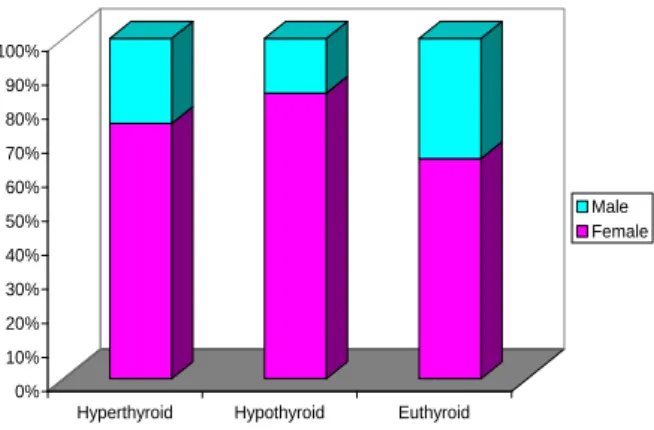
Figure 1: Gender-wise distribution of study population.
Majority of the patients were females hyperthyroid (75.0%), hypothyroid (83.9%) and euthyroid (64.7%) Though proportion of males among euthyroid (35.3%) as compared to hyperthyroid (25.0%) and hypothyroid (16.1%) was higher but this difference was not found to be statistically significant (Figure 1).
Table 2: Association of age with thyroid function test.
Age group
(in years) Total (n=120)
Hyperthyroid (n=4) Hypothyroid (n=31) Euthyroid (n=85)
No. % No. % No. %
≤20 19 0 0.0 7 22.6 12 14.1
21-30 31 1 25.0 6 19.4 24 28.2
31-40 27 2 50.0 3 9.7 22 25.9
41-50 28 1 25.0 10 32.3 17 20.0
51-60 10 0 0.0 3 9.7 7 8.2
>60 5 0 0.0 2 6.5 3 3.5
²=8.926 (df=10); p=0.539
Mean age±SD 36.08±13.15 34.50±7.72 37.29±14.68 35.72±12.86
Min-Max 18-72 27-45 18-66 18-72
F=0.190; p=0.827 (ANOVA)
Table 3: Association of consistency of swelling and thyroid function tests.
Consistency of
swelling Total (n=120)
Hyperthyroid (n=4) Hypothyroid (n=31) Euthyroid (n=85)
No. % No. % No. %
Cystic 2 0 0.0 2 6.5 0 0.0
Firm 105 4 100.0 22 71.1 79 92.9
Hard 1 0 0.0 1 3.2 0 0.0
Soft 12 0 0.0 6 19.4 6 7.1
²=13.788(df=6); p=0.032
0% 10% 20% 30% 40% 50% 60% 70% 80% 90% 100%
Hyperthyroid Hypothyroid Euthyroid
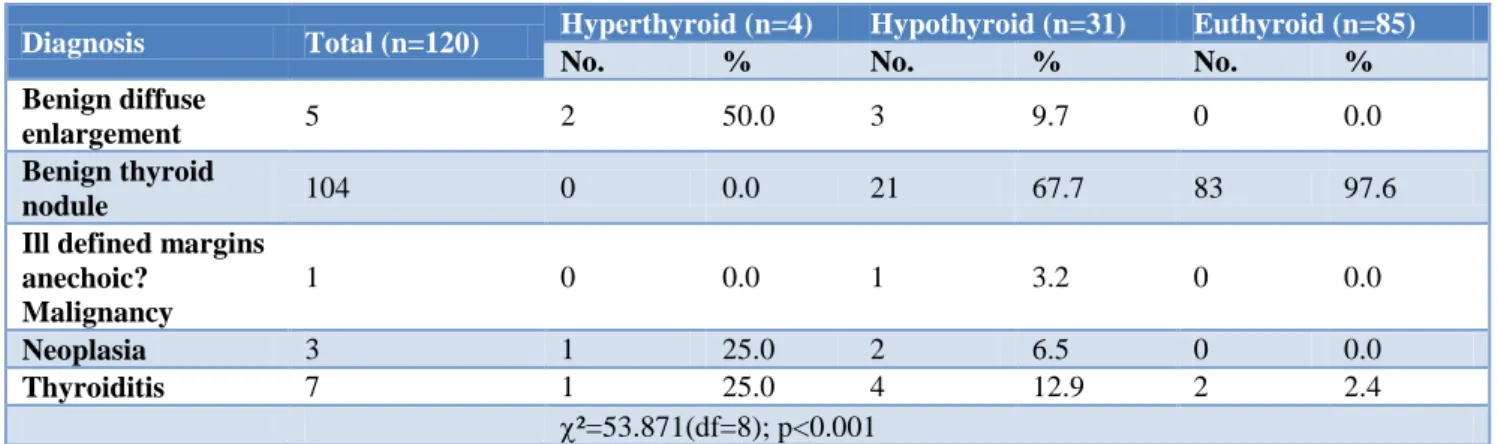
Table 4: Comparison of HR USG diagnosis.
Diagnosis Total (n=120) Hyperthyroid (n=4) Hypothyroid (n=31) Euthyroid (n=85)
No. % No. % No. %
Benign diffuse
enlargement 5 2 50.0 3 9.7 0 0.0
Benign thyroid
nodule 104 0 0.0 21 67.7 83 97.6
Ill defined margins anechoic?
Malignancy
1 0 0.0 1 3.2 0 0.0
Neoplasia 3 1 25.0 2 6.5 0 0.0
Thyroiditis 7 1 25.0 4 12.9 2 2.4
²=53.871(df=8); p<0.001
Table 5: Comparison of FNAC diagnosis.
Diagnosis Total (n=120) Hyperthyroid (n=16) Hypothyroid (n=21) Euthyroid (n=83)
No. % No. % No. %
Colloid goiter 74 0 0.0 4 12.9 70 82.4
Colloid goitre with
cystic changes 24 0 0.0 15 48.4 9 10.6
Follicular adenoma 2 0 0.0 1 3.2 1 1.2
Thyroiditis 18 3 75.0 10 32.3 5 5.9
Papillary/
medullary CA 2 1 25.0 1 3.2 0 0.0
²=73.417(df=8); p<0.001
Range of size of swelling of thyroid gland among patients enrolled in the study was 1-5 cm and mean size of swelling was 2.57±0.92 cm. Maximum swelling was observed among Hyperthyroid (2.75±0.96 cm) followed by euthyroids (2.65±0.93 cm) and minimum swelling was observed among hypothyroid (2.32±0.87 cm) (Figure 2).
Figure 2: Mean size of swelling.
Thyroid gland swelling was found to be firm for all the patients diagnosed as Hyperthyroid (100.0%) and majority of hypothyroid (71.1%) and euthyroid (92.9%) patients. Softness was observed in thyroid gland swelling among higher proportion of hypothyroid (19.4%) patients as compared to euthyroid (7.1%) and hyperthyroid. Among 6.5% and 3.2% hypothyroid patients swelling of
thyroid gland was found to be cystic and hard respectively. Difference in consistency of swelling among hyperthyroid, hypothyroid and euthyroid patients was found to be statistically significant (Table 3).
Based on HR USG findings benign thyroid nodule was diagnosed among significantly higher proportion of patients diagnosed as euthyroid (97.6%) and hypothyroid (67.7%) as compared to hyperthyroids (0.0%) while proportion of hyperthyroids was higher as compared to hypothyroid and euthyroid patients based on USG diagnosis as benign diffuse enlargement (50.0% vs. 9.7% and 0.0%), neoplasia (25.0% vs. 6.5% and 0.0%) and thyroiditis (25.0% vs. 12.9% and 2.4%). Anaechoic ill defined margins with malignancy were diagnosed for 3.2% of hypothyroid patients only. Association of HR USG diagnosis and diagnosis based on Thyroid profile was found to be statistically significant (Table 4).
significant association of FNAC diagnosis and thyroid profile of patients with asymptomatic thyroid swelling was found (Table 5).
DISCUSSION
In clinical ENT practice neck swelling is one of the common presentations. Enlargement of thyroid accounts for the significant number of cases.8 Despite their asymptomatic nature, thyroid swelling might have some underlying pathology or some hormonal changes. In order to understand the exact pathophysiological mechanisms and in order to make appropriate surgical or medical interventions, it is essential that the evaluation of asymptomatic thyroid swellings should be done appropriately in order to rule out both physiological as well as pathological etiologies.
All the patients underwent thyroid function test assessment as the preliminary investigation. Based on thyroid profile, majority (70.8%) were diagnosed as euthyroid. However, 31 (25.8%) were diagnosed as hypothyroid and 4 (3.3%) were diagnosed as hyperthyroid. Similar to findings of present study, Bamanikar et al. too found majority of their patients as euthyroid (56.5%).25 However, proportion of hyperthyroid patient was higher in their study (23%) as compared to hypothyroid patients (20.5%). In another study, Siddegowda et alreported majority (52.9%) of 327 patients as euthyroid, 41% as hypothyroid and 6.1% as hyperthyroid.26
In present study, age of patients ranged from 18 to 72 years. Mean age of patients was 36.08±13.15 years. Majority of patients were ≤40 years of age (64.2%). Compared to present study, Poudel et al reported the age of patients in 14 to 70 years range and mean age as 38.8 years.27 Similar to present study, in their study too, majority of patients (61.5%) were ≤40 years of age. Siddegowda et al on the other hand reported the age range of patients as 11 to 80 years but found most of the cases (56.0%) in age range 21-40 years itself.26 Bamanikar et alreported the age of patients in 20 to 70 years range with majority in 21-40 years and a mean age of 38.6 years.25 All these findings suggest that thyroid swelling is common in young adults.
In present study, majority of patients were females (n=84; 70.0%). Sex ratio of study population was 1:2.33. Statistically, there was no significant difference among different thyroid profile strata with respect to gender with a dominance of females in each group. A dominance of females has been reported in almost all the studies evaluating thyroid swelling. Kamra et al in their study reported 93.4% to be females.28 Sood and Nigam reported a male to female ratio of 1:10.29 Bamanikar et alin their study had 89.7% females.25 Other studies also reported proportion of females to be higher ranging from 84.2% to 95.4%.30,31
In present study, size of swelling ranged from 1 to 5 cm. Mean swelling size was 2.57±0.92 cm. Statistically, there was no significant association between swelling size and thyroid function strata. Similar to findings of present study, Hafez et al. too reported the swelling size in 1 to 6 cm range and mean size of swelling as 2.9±1.63 cm.32 Nazir et al on the other hand reported the swelling size in 0.5 cm to 5 cm and a mean size of 2.14±1.03 cm.33 In present study, majority of swellings were firm in consistency (n=105/120; 87.5%). In euthyroid group all the 4 cases had firm swelling, whereas in hypothyroid and euthyroid groups this proportion was 71.1% and 92.9%. Overall there was a significant difference in consistency pattern among different thyroid function strata. Most of the studies have not provided detail regarding the consistency of the swelling. However, Hassan et al. similar to present study, reported dominance of swellings with firm consistency (99.3%).34 However, their study was carried out in a study population that was exclusively euthyroid. In our clinical experience, soft palpable nodules are generally benign in nature.
As far as USG diagnosis is concerned, the present study found majority of cases in benign category (5 benign diffuse enlargements and 104 benign thyroid nodules and 7 thyroiditis; n=116/120; 96.7%). Malignancy and neoplasia were detected in 1 and 3 cases only. Thus neoplastic and malignant lesions as per USG diagnosis were seen in 4 out of 120; 3.3% cases only. Presence of neoplastic and malignant conditions was significantly more common in thyroid dysfunction cases as compared to euthyroid cases. Similar to these findings Marwaha et al also found USG detected abnormalities to be more common in patients having thyroid dysfunction. 35
In present study, on FNAC assessment, colloid goitre was the most common diagnosis (n=74; 61.7%) followed by colloid goitre with cystic changes (n=24; 20%), thyroiditis (n=18; 15%), follicular adenoma (n=2; 1.7%) and papillary/medullary carcinoma (n=2; 1.7%) respectively. Neoplastic conditions were more common in patients with thyroid dysfunction as compared to euthyroid patients. As far as profile of FNAC findings is concerned, a number of studies showed dominance of colloid goiter and colloid goiter with cystic degeneration and non-neoplastic conditions as the most common diagnoses in their studies.25,26,28, 30 The findings of present study also endorsed these findings.
CONCLUSION
The findings of present study showed that thyroid dysfunction could play a significant role in determining the underlying pathology behind thyroid swelling and must be evaluated at the earliest using thyroid function tests as the first line of diagnostic tool and in case of suspected thyroid profile; USG neck and FNAC should be done. In view of lack of studies correlating thyroid profile with clinicopathological profile of thyroid swelling cases, further studies to potentiate the findings of present study are recommended.
ACKNOWLEDGEMENTS
We would like to acknowledge Dr Zeba Siddiqui (MD) Professor, Department of Medicine, Dr Tasleem Raza (Phd) Professor, Department of Biochemistry, Dr Parul Gupta (MD) Associate professor, Department of Pathology for their adept guidance, without their support this project would not have been possible.
Funding: No funding sources Conflict of interest: None declared
Ethical approval: The study was approved by the Institutional Ethics Committee of Era Medical College and hospital, ERA University Lucknow (UP)
REFERENCES
1. UK guidelines for the use of thyroid function tests (British thyroid association), 2015.
2. Allen E, Bhimji SS, Anatomy, Neck, Thyroid. In: StatPearls. Treasure Island (FL): StatPearls Publishing; 2018. Available from: https://www.ncbi. nlm.nih.gov/books/NBK 470452/. Accessed on 13 December 2017.
3. Brent G. Thyroid hormones. In: Conn PM, Melmed S, eds. Endocrinology Basic and Clinical Principles. Totowa, NJ: Humana Press; 1997: 291-306.
4. Cibas ES, Ali SZ. NCI Thyroid FNA State of the Science Conference. The Bethesda system for reporting thyroid cytopathology. Am J Clin Pathol. 2009;132:658–65.
5. Gharia AA, Agravat AH, Dhruva GA. Thyroid Cytology Evaluation By Bethesda System A Two Year Prospective Study. Int J Res Med. 2016;5(3);1-6.
6. Alkabban FM, Patel BC. Goiter, Nontoxic. In: StatPearls. Treasure Island (FL): StatPearls Publishing; 2018. Available at: https://www.ncbi. nlm.nih.gov/books/NBK482274/#_NBK482274_pu bdet. Accessed on 13 December 2017.
7. Krohn K, Fuhrer D, Bayer Y, Eszlinger M, Brauer V, Neumann S. Molecular pathogenesis of euthyroid and toxic multinodular goiter. Endocr Rev. 2005.26:504–24.
8. Sclabas GM, Staerkel GA, Shapiro SE. Fine Needle Aspiration thyroid and correlation with
histopathology in a contemporary series of 240 patients. Am J Surg. 2003;186:702–10.
9. Makwana C, Lakum NR, Makwana H, Joshi J, Agnihotri A. Clinicopathological corelation of serum TSH level in patients with thyroid nodul. Int J Med Sci Public Health. 2016;5(2):332-6.
10. Unnikrishnan AG, Mennon UV. Thyroid disorder in India: An epidemiological perspective. Indian J Endocrino Metabolism. 2011;15:S78-81.
11. Mamun A, Alam Z, Haque R, Hasan DM. Study of Pathological Variations of Solitary Thyroid Nodule. Global J Med Res. 2014;24(3):9-16.
12. Yeung MJ, Serpell JW. Management of the solitary thyroid nodule. Oncologist. 2008;13(2):105–12. 13. Makwana NR, Shah VR, Unadkat S, Shah HD,
Yadav S. Goiter prevalence and current iodine deficiency status among school age children years after the universal salt iodization in Jamnagar district, India. Thyroid Res Pract. 2012;9:40-4. 14. Geisin KR, Stanley MW, Raab SS, Silverman JF,
Abati A. Modern Cytopathology, Churchill Livingstone, 2004.
15. Jameson JL. Disorders of the thyroid gland. In: Harrison's Principles of Internal Medicine, Fauci AS, Branunwald E, Kasper DL, eds. McGraw-Hill, New York, NY, USA, 17th edition, 2008: 2224– 2247
16. Guidelines on National Iodine Deficiency Disorders Control Programme. New Delhi: Directorate General of Health Services Ministry of Health and Family Welfare, Government of India; 2006. National Rural Health Mission IDD and Nutrition Cell. Revised Policy Available at: http://www. whoindia.org/Files/Nutrition_Revised_Policy_Guid elines_On_NIDDCP.pdf. Accessed on 25 December 2017.
17. UK guidelines for the use of thyroid function tests (British thyroid association), 2006.
18. Carvalho GD. The clinical use of thyroid function tests. Arq Bras Endocrinol Metab. 2013;57(3):193-204.
19. Ladenson PW. Optimal laboratory testing for diagnosis and monitoring of thyroid nodules, goiter, and thyroid cancer. Clin Chem. 1996;42(1):183-7. 20. Chaudhary V, Bano S. Thyroid Ultrasound. Indian J
Endocrinol Metab. 2013;17(2):219–27.
21. Solbiati L, Charboneau JW, Osti V, James EM, Hay ID, Rumack CM, et al. The thyroid gland and Diagnostic Ultrasound. 3rd ed. Vol. 1. St. Louis, Missouri: Elsevier Mosby. 2005: 735–770.
22. Esmaili HA, Taghipour H. Fine-Needle Aspiration in the Diagnosis of Thyroid Diseases: An Appraisal in Our Institution. ISRN Pathology. 2012;912728:1-4.
23. Baloch ZW, Sack MJ, Yu GH, Livolsi VA, Gupta PK. Fine needle aspiration (FNA) and cytology. Thyroid 2003;13:80-86.
25. Bamanikar S, Soraisham P, Jadhav S, Kumar H, Jadhav P, Bamanikar A. Cyto-histology and clinical correlation of thyroid gland lesions: A 3 year study in a tertiary hospital. Clin Cancer Investig J 2014;3:208-12.
26. Siddegowda MS, Kaur JK, Shivakumar S. Cytomorphological Assessment and Thyroid Function Analysis – A Dual Approach to Diagnose
Thyroid Lesions. National J Lab Med.
2016;5(3):PO16-PO21.
27. Poudel S, Regmi S, Shahi A, Samdurkar A. Cytopathological evaluation of thyroid by fine needle aspiration cytology and correlation with T3 T4 and TSH levels. J Universal Coll Med Sci. 2015;3(4):37-41.
28. Kamra HT, Agarwal R, Rana P, Kalra R, Kaur S, et al. Evaluation Profile of Thyroid Nodule by FNAC in the Rural Population of KhanpurKalan, Sonepat, Haryana. J ClinDiagn Res. 2014;8(10):FC16–FC18. 29. Sood N, Nigam JS. Correlation of Fine Needle Aspiration Cytology Findings with Thyroid Function Test in Cases of Lymphocytic Thyroiditis. J Thyroid Res. 2014;430510.
30. Prabhu Shankar S, Sundaravadanan BS, Sudarshan PB. Analysis of pattern of thyroid disorders in a tertiary care hospital and evaluating the accuracy of preoperative fine needle aspiration with postoperative histopathological examination. Int Surg J. 2017;4(4):1267-71.
31. Poudel A, Jain SK. Study of thyroid lesions by fine needle aspiration cytology and its correlation with
thyroid function test. J Lumbini Med Coll. 2013;1(1):28-30.
32. Hafez AM, Sheta YS, Elmessallamy FA, Elgohary EA, Mursy M. Highlights in the Diagnostic Dilemma of Solitary Thyroid Nodule; Fine Needle Aspiration Cytology in Comparison of Isotope Thyroid Scan. Int J Sci Res. 2015;4(9):1386-91. 33. Nazir I, Singh M, Rasool SS, Peer S, Gojwari T.
IOSR Journal of Dental and Medical Sciences (IOSR-JDMS) 2017;16(5):108-11.
34. Hassan MQ, Hasanat MA, Fariduddin M, Emran MS, Mustari-M, Jahan-S, et al. Fine Needle Aspiration Cytological Diagnosis of Thyroid Nodule with lts Clinical Correlation. BSMMU J 2013;6(2):108-11.
35. Marwaha RK, Tandon N, Kanwar R, Ganie MA, Bhattacharya V. Evaluation of the Role of Ultrasonography in Diagnosis of Autoimmune Thyroiditis in Goitrous Children. Indian Pediatr. 2008;45:279-84.
36. Singh GR, Singh KK, Kumar A, Singh S, Prasad U. To evaluate diagnostic utility of FNAC for palpable thyroid lesion and comparison with Ultrasound and Thyroid Profile. Indian J Public Health Res Develop. 2017;8(3):235-40.