Western University Western University
Scholarship@Western
Scholarship@Western
Electronic Thesis and Dissertation Repository
8-30-2018 10:00 AM
Comparative Study of Beat and Temporal Pattern Perception in a
Comparative Study of Beat and Temporal Pattern Perception in a
Songbird
Songbird
Brendon Samuels
The University of Western Ontario
Supervisor Grahn, Jessica
The University of Western Ontario Joint Supervisor MacDougall-Shackleton, Scott
The University of Western Ontario Graduate Program in Neuroscience
A thesis submitted in partial fulfillment of the requirements for the degree in Master of Science © Brendon Samuels 2018
Follow this and additional works at: https://ir.lib.uwo.ca/etd
Part of the Cognitive Neuroscience Commons
Recommended Citation Recommended Citation
Samuels, Brendon, "Comparative Study of Beat and Temporal Pattern Perception in a Songbird" (2018). Electronic Thesis and Dissertation Repository. 5772.
https://ir.lib.uwo.ca/etd/5772
This Dissertation/Thesis is brought to you for free and open access by Scholarship@Western. It has been accepted for inclusion in Electronic Thesis and Dissertation Repository by an authorized administrator of
Abstract
When humans listen to musical rhythms they sense a beat, the regular pulse that one might tap
their foot to. Much about the functions, evolution and neural substrates of beat perception
remains unclear. Research has considered whether other species perceive beat, yet more
empirical data is needed. Songbirds produce learned rhythmic vocalizations, but can they
perceive a beat? To answer this question, I developed a behavioural task that tested whether
humans could discriminate rhythms that contained or lacked a beat. I applied an equivalent
procedure to test European starlings. I found that humans learned the task with minimal
instructions, but starlings were unable to discriminate on the basis of beat presence. Additional
testing revealed that the starlings used absolute timing cues and ignored global patterns in
rhythms. This work contributes a paradigm that may be adapted to study other species. Its results
Keywords
European starling, beat perception, rhythm, comparative, auditory discrimination, implicit
Co-Authorship Statement
I performed the work in this thesis under the co-supervision of Dr. Scott
MacDougall-Shackleton and Dr. Jessica Grahn. Dr. Molly Henry contributed ideas that precipitated this
research and provided helpful support with experimental design and programming. Versions of
the second and third chapters of this thesis will be published with these three individuals
Acknowledgements
I am indebted to my two co-supervisors, Jessica Grahn and Scott
MacDougall-Shackleton, with whom I enjoyed a positive, productive collaboration on this project. Their
mentorships have been invaluable, and I have learned much from them on academic,
professional, and personal levels. This page affords little space to thank all of the many
individuals that have directly and indirectly contributed to this work. To the research volunteers
and staff, my colleagues and friends at the AFAR and BMI: if you ever lent an ear, a hand or a
word of advice to me, please know that I am deeply grateful for it. I am so fortunate to be able to
count on the support of my parents, Terry and Elana. My achievements are made possible by
their generosity and encouragement. One of the greatest joys of my life has been to share a close
relationship with my grandmother, “Mama” Rachel, who taught me to value knowledge for its
own sake. Her wisdom and strength of character have provided inspiration throughout my
education. This section would be incomplete without recognizing my beloved partner in life,
Emily, who makes every day brighter and has had my back through every challenge I have met.
This last section is for the birds. I am better for receiving the unconditional love of my
feathered family of pet parrots: Lester, Big Bird, Petri and Beau, whose antics first sparked my
interest in avian cognition, and who patiently shared me with other birds for a time. Working
daily with 15 starlings over the course of a year greatly improved my appreciation of animal
behaviour, in all its wildness. Though starlings are commonly regarded as pests, these birds have
imparted me with an appreciation for their remarkable intelligence and beauty.
I am told that the winding path to academic success must sometimes be followed through patches
Table of Contents
Abstract ... I
Keywords ... II
Co-Authorship Statement ... III
Acknowledgements ... IV
Table of Contents ... V
List of Tables ... X
List of Figures ... XI
List of Equations ... XII
List of Appendices ... XIII
Chapter 1 ... 1
1 Introduction ... 1
1.1 Perception of Rhythm and Beat ... 1
1.1.1 Models of Beat Perception ... 3
1.1.2 Neuroscience of Beat ... 3
1.2 Cross-Species Studies of Beat Perception ... 5
1.3 Considerations for Non-Human Animal Experiments ... 10
1.3.1 Use of Musical Stimuli ... 10
1.3.2 Dissociating Beat Perception from Beat Synchronization ... 12
1.4 Overview of Thesis Objectives ... 14
Table of Contents (cont.)
Chapter 2 ... 23
2 Introduction ... 23
2.1.1 Implicit Beat Perception ... 25
2.1.2 Clock-Induction Model of Beat Perception ... 26
2.1.3 The Role of Musical Expertise in Beat Perception Ability ... 32
2.1.4 Chapter Overview ... 32
2.2 Methods... 33
2.2.1 Task Summary ... 33
2.2.2 Explicit and Implicit Instructions ... 34
2.2.3 Subjects... 35
2.2.4 Materials ... 35
2.2.4.1 Auditory Rhythms ... 35
2.2.4.2 Stimulus Categories ... 37
2.2.4.3 Randomization of Stimulus Presentations ... 39
2.2.4.4 Testing Setup ... 39
2.2.5 Pilot Testing... 39
2.2.6 Experimental Procedure ... 40
2.2.6.1 Trial Procedure ... 40
2.2.6.2 Trial Feedback ... 40
2.2.7 Training Task... 41
2.2.8 Generalization Task ... 42
Table of Contents (cont.)
2.3 Beat Alignment Test (BAT) Production & Perception ... 43
2.3.1 Materials ... 43
2.3.2 Procedure ... 44
2.4 Results and Statistical Analyses... 45
2.4.1 Capturing Beat Expertise ... 45
2.4.2 Principal Component Analysis ... 46
2.4.3 Analysis of Training and Generalization Performance ... 47
2.4.4 Effect of Motor Synchronization ... 49
2.4.5 Sensitivity and Response Bias ... 51
2.4.6 Comparing Performance with Counterevidence Scores ... 52
2.5 Discussion ... 54
2.6 Chapter Summary ... 56
Chapter 2 References ... 58
Chapter 3 ... 62
3 Introduction ... 62
3.1 Comparative Studies of Beat ... 62
3.2 Songbirds: The Untapped Beat Perceivers? ... 64
3.3 Methods... 66
3.3.1 Auditory Stimuli ... 66
3.3.2 Subjects... 68
Table of Contents (cont.)
3.3.5 Experiment 1 ... 72
3.3.5.1 Pilot Training ... 74
3.3.5.2 Isochronous-Triplet Discrimination ... 74
3.3.5.3 Metric Simple-Complex Discrimination ... 75
3.3.6 Experiment 2 ... 76
3.3.6.1 Subjects ... 77
3.3.6.2 Baseline Training ... 77
3.3.6.3 Probe Stimuli ... 78
3.4 Results ... 80
3.4.1 Experiment 1 ... 79
3.4.1.1 Isochronous-Triplet ... 79
3.4.1.2 Metric Simple-Complex ... 82
3.4.1.3 Generalization to Novel Patterns ... 84
3.4.2 Results: Experiment 2... 85
3.4.2.1 A Strategy Based in Tempo ... 86
3.5 Discussion ... 88
3.5.1 Individual Differences in Performance ... 88
3.5.2 Characterizing a Perceptual Strategy ... 90
3.6 Chapter Summary ... 92
Table of Contents (cont.)
Chapter 4 ... 96
4.0 Summary of Results ... 96
4.1 Experiments with Human Participants ... 97
4.1.1 Use of Cognitive Strategies ... 97
4.1.2 Use of Motor Synchronization ... 101
4.2 Limitations ... 102
4.2.1 Single-Session Testing ... 102
4.2.2 Metrical Stimulus Design ... 103
4.3 Operant Experiments with Starlings ... 104
4.3.1 Comparative Assumptions... 105
4.3.2 Methodological Considerations ... 108
4.4 Future Directions ... 112
4.4.1 Rhythm Development in Non-Humans ... 112
4.5 Concluding Statement ... 114
Chapter 4 References ... 116
Appendix ... 119
Tables ... 119
Figures ... 124
List of Tables
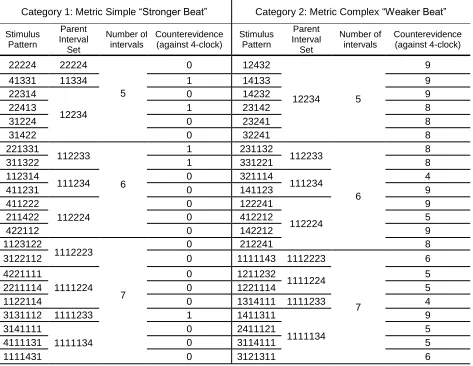
Table 2.1. The full pool of 44 equitone stimuli used in the explicit and implicit experiments, as
well as in the first operant experiment described in Chapter 3 ... 38
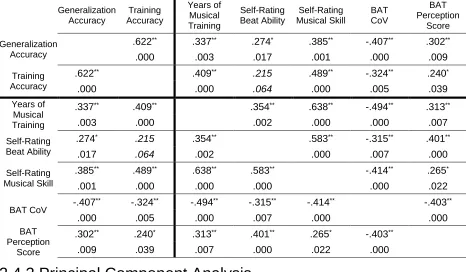
Table 2.2. Correlation matrix of five variables that capture musical expertise ... 46
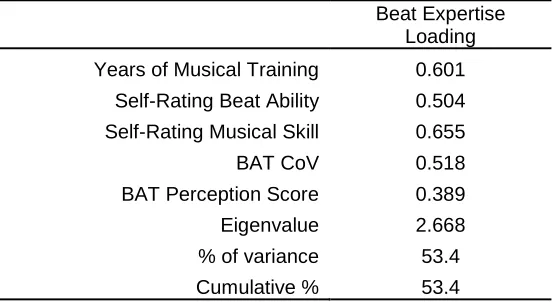
Table 2.3. Factor analysis values for demographic questionnaire items and BAT scores that
capture musical expertise ... 47
Table 3.1. Additional MS and MC patterns presented to one European starling subject, Liszt, as a
test of discrimination generalization from the “old” stimuli to the “new” stimuli ... 76
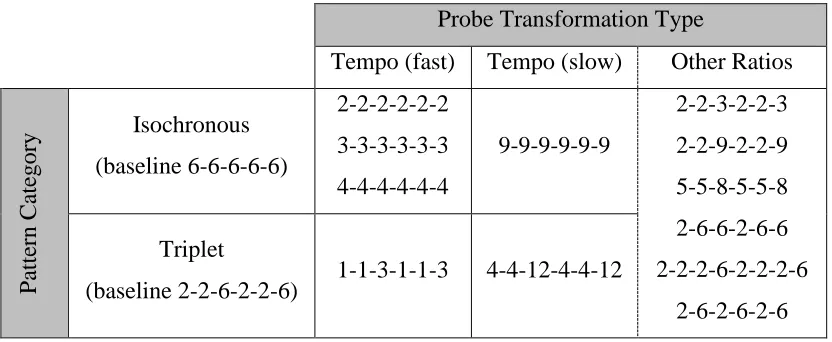
Table 3.2. The twelve probe stimuli used in the second operant experiment described using
integer notation ... 80
Table 4.1. Strategies reported on the debrief questionnaire by human participants (n = 39) in the
explicit instructions experiment ... 98
Table 4.2. Strategies reported on the debrief questionnaire by human participants (n = 38) in the
List of Figures
Figure 1.0. Vocal learning and motor pathways for controlling song production in songbirds and
spoken language in humans ………7
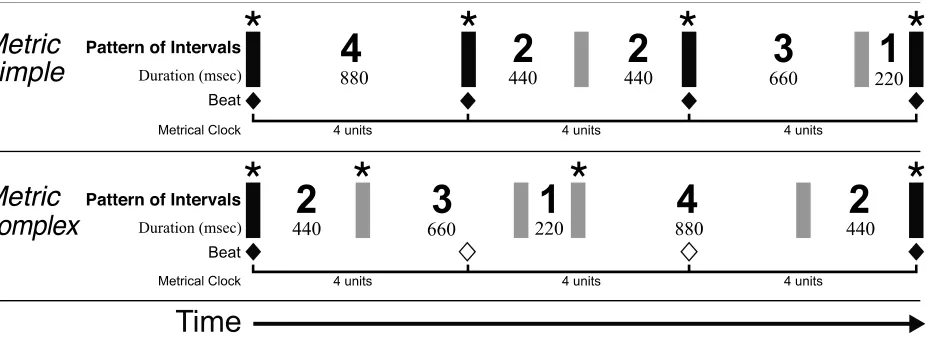
Figure 2.1. Schematic of two equitone patterns identifying their temporal structure in terms of
the Povel & Essens model... 31
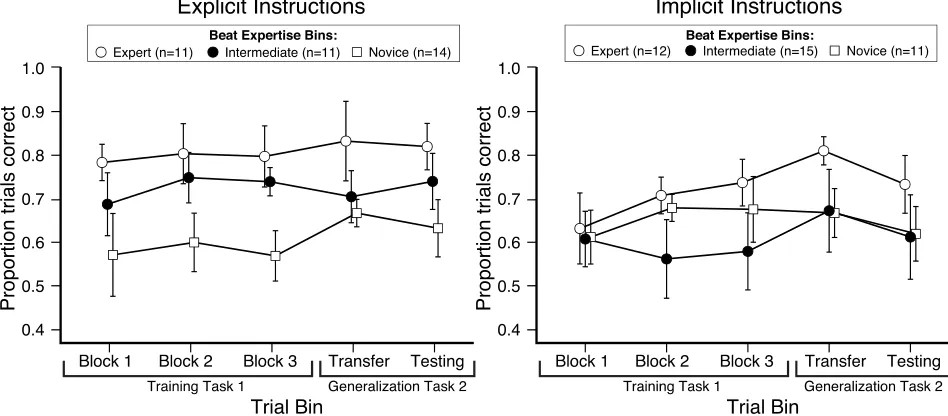
Figure 2.2. Repeated measures ANOVA of discrimination accuracy across the training and
generalization tasks ... 49
Figure 2.3. Mean discrimination accuracy for the metric simple and metric complex stimuli
within the generalization task ... 50
Figure 2.4. Mean discrimination accuracy for each metric complex stimulus averaged across
participants ... 53
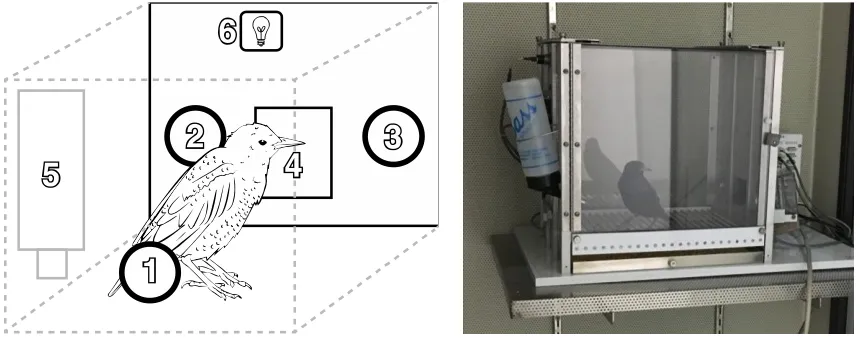
Figure 3.1. A schematic of the operant testing boxes used in the experiments ... 70
Figure 3.2. Learning of the isochronous-triplet discrimination by European starlings in an
operant categorization procedure ... 81
Figure 3.3. Failed acquisition of a discrimination between two stimulus patterns, metric simple
(42231) and metric complex (23142), by European starlings using a categorization operant
procedure... 83
Figure 3.4. Response data obtained from Liszt, a single starling subject that advanced from the
first training MS-MC discrimination of Experiment 1 to a discrimination between four stimuli 84
Figure 3.5. Re-acquisition of the isochronous-triplet discrimination used as a baseline in the
second experiment ... 85
List of Equations
List of Appendices
Appendix Tables
Table 1. Task instructions provided to participants in the explicit instructions experiment ... 119
Table 2. Task instructions provided to participants in the implicit instructions experiment ... 120
Table 3. Counts of the number of occurrences of runs of intervals in the metric simple (MS) and
metric complex (MC) categories ... 121
Table 4. Counts of the number of stimuli within the metric simple (MS) and metric complex
(MC) categories that begin and end with each of the possible intervals 1-4 ... 121
Table 5. The debrief questionnaire administered to human participants following the
generalization task. ... 122
Table 6. Sessional data for each starling subject across the two operant experiments ... 123
Appendix Figures
Figure 1. Accuracy scores on the training and generalization tasks for individual human
participants in the explicit and implicit experiments ... 124
Chapter 1
1 Introduction
In its waking state the brain works continuously to detect patterns as it processes sensory
input from the environment. By identifying a pattern of events that unfolds over time, the brain
may extract temporal information and use it to predict the timing of events into the future. The
capacities of humans to perceive temporal patterns in the auditory domain is fundamental to
cognition of speech and music. Of interest to this thesis are patterns that emerge from the
temporal features of rhythm and make humans want to move to them.
1.1 Perception of Rhythm and Beat
Music has been defined as an organization of sound that spans across time (Cage, 1961;
Varese and Wen-chung, 1966). In music humans will often sense a beat: a periodic isochronous
pulse that is experienced internally and derives from the timing of sounds and silences in a
rhythm (Cooper and Meyer, 1960). A series of beats defines meter, the timing framework which
organizes the series into repeating patterns of regular stressed and unstressed beats (Large, 2008;
Lerdahl & Jackendoff, 1983). An induced beat pattern is perpetuated as the listener anticipates
future beats and predicts that regularly recurring events in rhythms will fall on the beat (Rankin
et al., 2009). A sense of beat often emerges from the perception of variations across multiple
physical properties of music, such as the frequency and spectrum of notes. As described by
Kung, Chen, Zatorre and Penhune (2013): “musical beat has no one-to-one relationship with
auditory features—it is an abstract perceptual representation that emerges from the interaction
The beat may be identified as the point in time when humans will align their movements to
sound (Drake et al., 2000a). Induction of bodily movement is considered a universal feature of
musicality common to every culture in the world (Brown & Jordania, 2013). The ability to match
the timing of movement to beat, referred to as entrainment or synchronization, is essential for
dance and musical performance. Humans will spontaneously synchronize the timing of repetitive
movement (i.e., clapping, nodding, finger or foot tapping, etc.) to the beat of music, and doing so
has been shown to aid in finding a beat (Su & Pöppel, 2012).
Before I proceed further, I wish to clarify some of the terminology that is referenced
throughout this document. In the rhythm cognition literature, authors vary widely in their usage
of terms to represent certain characteristic features of music. Without providing clear definitions,
it can be tricky to interpret terminology that holds alternate meanings and to compare between
works on such abstract topics (Fitch, 2013). As it pertains to this thesis, rhythm simply refers to
any stream of discrete intervals of time. Humans will mentally fit rhythms to meter or metrical
structure, a hierarchical framework that predicts the position of stress/accents (as in speech and
music). An accent is an instance when a note onset is emphasized or particularly salient relative
to its neighbors. I use the term perception to describe both processes by which a listener senses
acoustic features of a rhythm (such as pitch perception) and other processes wherein the listener
encodes a rhythm through some psychological organization (i.e., in the perception of regularity,
accents or meter). Here the term beat describes the regular internal pulse that is experienced by
humans while listening to a rhythm. I use the term induction to relate the perception of
temporally regular accents to the emergence of a beat (as in Povel and Essens, 1985, discussed
1.1.1 Models of Beat Perception
Humans’ perception of rhythm has been modelled extensively, and much of this work has
concentrated on beat and meter (Desain, 1992; Longuet-Higgins & Lee, 1982; Parncutt, 1994;
Steedman, 1977). In general, models predict that the ease with which a beat may be found in a
piece of music depends on temporal regularity in the sound. Two alternate schools of thought
consider either a metrical (beat-based) coding of rhythm (Essens & Povel, 1985; Povel & Essens,
1985) or figural coding that is determined by grouping principles (Hébert & Cuddy, 2002). Some
models are defined by rules that the brain uses to impose metrical structure and accents onto a
rhythm (Povel & Okkerman, 1981) while others focus on the entrainment of internal oscillatory
processes to periodicities in rhythm (e.g., Large & Jones, 1999; Large & Palmer, 2002).
One prominent model of metrical coding is that of Povel & Essens (1985). To briefly
summarize the model, the distribution of accents that a listener perceives while listening to
rhythm is decided by a set of rules, and regularities in this distribution are related to the induction
of a beat. A sense of beat may emerge when the listener mentally compares the position of these
accents with the isochronous units of a regular internal clock. The fit of accents to the clock
predicts the strength of the beat, and the unit of the clock decides the rate of the beat. In this
thesis I design auditory rhythms based on the Povel & Essens model and present them to human
participants and animal subjects in a series of behavioural experiments. A more detailed
breakdown of the model and description of these stimuli are provided in the second Chapter.
1.1.2 Neuroscience of Beat
Most of the early experimental research on beat perception and production ability
concentrated on synchronization of tapping with auditory sequences (e.g., Duke, 1989, 1994;
literature). In recent years a broader variety of behavioural tasks have been developed for testing
beat perception, including those that measure production of movement in synchrony with beat
and others that probe beat perception more directly (e.g., Fujii & Schlaug, 2013; Iversen & Patel,
2008). These tasks have been used in several investigations into factors that underlie large
individual differences in beat perception and production (Grahn & McAuley, 2009; Musil et al.,
2014; Nozaradan et al., 2016). Perception of beat is profoundly influenced by exposure to music
and cultural differences in musical conventions (Cameron et al., 2015; Creel, 2012; Jacoby and
McDermott, 2017; Polak et al., 2018), though humans are sensitive to beat early in development
(Hannon & Trehub, 2005). Many studies have specifically looked at how beat perception ability
is shaped by past musical experiences and training, and differences have been found between the
performance of beat-based tasks by musical experts (i.e., musicians) and non-experts (e.g.,
Bouwer et al., 2018; Cameron & Grahn, 2014; Duke et al., 1991; Vuust et al., 2005).
In recent years progress has been made towards identifying the neural substrates of beat
perception. Advances in neuroimaging have allowed researchers to map the human brain’s
facilities for perceiving and producing rhythms. Using functional magnetic resonance imaging
(fMRI) many studies have observed patterns of neural activity during beat processing tasks that
overlap heavily with patterns observed during timing tasks. These include areas associated with
the motor system: premotor cortex, supplementary motor area, cerebellum, and the basal ganglia
(Bengtsson et al., 2009; Chen et al., 2008; Grahn & Brett, 2007; Grahn & Rowe, 2013; Lewis et
al., 2004; Mayville et al., 2002; Schubotz, 2001; Ullén et al., 2003). A growing body of
neuroimaging data supports the idea that beat perception depends upon interactions between the
patterns of neural activation in response to auditory stimulation. Electroencephalography (EEG)
and magnetoencephalography (MEG) have both been used successfully to characterize neural
components associated with meter and rhythm processing (Iversen et al., 2009; Snyder & Large,
2005).
Even with all these exciting developments, the scope of experimental research on beat
perception in humans is necessarily limited by obvious ethical restrictions of methodology that
can be carried out with human participants. Fortunately, through comparative research, it is
possible to further our understanding of cognitive processes in humans by studying the brains
and behaviour of other species. Examining the distribution of musical capacities and traits across
species may teach us about their evolutionary history (McDermott & Hauser, 2005). An animal
model of beat perception would enable more invasive approaches to be tried in research, such as
manipulations of a subject’s experiences across development (e.g., Fehér et al., 2009), the
application of brain lesions (e.g., Bottjer et al., 1984) or the use of intracranial recording
techniques for localizing neural activity in an anaesthetized or even awake subject (e.g., Schall et
al., 2015). In the third Chapter of this thesis I explore the feasibility of a songbird model of beat
perception.
1.2 Cross-Species Studies of Beat Perception
A sense of timing is vital to fitness for all animals. The interactions between an animal and
its environment unfold over time, and an animal’s perception of time can greatly influence its
success. For predators and prey, timing of movement can make the difference between a meal or
evasion; for social animals, timing is essential for communication. Social animals transmit
signals to each other with their behaviour and many signals are inherently temporal. The
competitive croaking of frogs (Klump & Gerhardt, 1994) are all examples in which proper
timing is necessary for a signal to be communicated effectively to conspecifics. However, these
behaviours are found in neurologically simple animals and are thought to require only
rudimentary cognitive processes that are largely automatic (Wilson & Cook, 2016). When the
communication of an animal is more sophisticated, as in spoken language or birdsong, the
temporal features of a signal may convey rich, meaningful information.
Many animals can vocalize, but few are capable of modifying their vocal repertoire with
experience. Imitative vocal learning is thought to occur in only five groups of mammals
(humans, cetaceans, elephants, bats and seals) and three groups of birds (songbirds, parrots, and
hummingbirds) (Nottebohm, 1972; Janik & Slater, 1997; Nowicki & Searcy, 2014). Vocal
learning is widely accepted as a rare ability. However, the criteria that may be used to define a
vocal behaviour as evidence for vocal learning in a given species are not clearly defined in the
literature. Additional to the groups listed above, some authors have argued that vocal learning
may also occur in some species which show a lesser degree of vocal flexibility – despite being
conventionally labeled as non-learners – such as the highly vocal marmoset monkey (e.g.,
Takahashi et al., 2017). Communication among vocal learning groups can be elaborate, and
vocal learning species possess specialized brain adaptations for orchestrating their vocalizations
(reviewed by Petkov & Jarvis, 2012). The striatal and pallial subdivisions of the cerebrum
contain neural structures that are required for vocal learning and bear some homologies between
mammals and birds (Jarvis et al., 2005), although the pallium’s cortical form in mammals and
nuclear form in birds complicate direct comparisons between these groups (Jarvis, 2007). In the
pathways that contribute to vocal learning. Two pathways have been anatomically and
functionally distinguished: a posterior pathway for vocal production (Nottembohm, 1976;
Simpson, 1990) and an anterior pathway for vocal imitation and plasticity (i.e., learning) (Jarvis,
2004). Together these pathways form a pallial-basal ganglia-thalamic loop that resembles
networks associated with speech production in the human brain (Chakraborty & Jarvis, 2015)
(Figure 1.0) Vocal learning is thought to critically depend on inputs from the auditory and motor
systems, and some theories consider vocal learning to have evolved from specialization of
existing motor structures (Feenders et al., 2008).
Figure 1.0. Vocal learning and motor pathways for controlling song production in songbirds and
spoken language in humans (adapted from Chakraborty & Jarvis, 2015, Figure 1). Black arrows
depict the posterior vocal motor pathway; white arrows depict the anterior vocal learning
pathway. Connections between these two pathways are depicted with dotted black arrows. Not
all structures and connections are shown for simplicity. See Chakraborty & Jarvis (2015) for the
The vocal learning and rhythmic synchronization hypothesis – referred to herein as vocal
learning hypothesis – predicts that the capacity of an animal to perceive beat and potentially
synchronize its behaviour to beat is restricted to species that learn their vocalizations (Patel,
2006). The hypothesis considers beat perception to be a byproduct of selection for traits that
were necessary for vocal learning to evolve. In both the induction of a beat while listening to
rhythm and in the process of learning a novel vocalization from the environment, the auditory
and motor systems of the brain must be tightly coordinated to facilitate precisely-timed motor
responses to auditory stimulation. Although a number of perspectives have been offered on this
topic, the nature of the relationship between vocal learning and beat perception ability is not
clearly defined in the literature. Some authors have speculated that vocal learning may
predispose animals to life experiences early in development that are necessary for beat
perception ability to emerge (Schachner, 2013). Others have considered the relevance of factors
that may influence an animal’s motivation to entrain their movement to sound, including the
artificiality of laboratory-based testing (Hoeschele et al., 2015) and whether a rhythmic stimulus
is social in nature (Wilson & Cook, 2015). I discuss some of these ideas in the fourth chapter of
this thesis.
What do animals perceive in music? In The Descent of Man Charles Darwin argued that
humans’ love of music is evolutionarily ancient and that other animals may also perceive musical
cadences and rhythm (Darwin, 1888). Darwin went so far as to speculate that music perception
depends on physiological traits shared by the nervous systems of other species. Scientific interest
in the possibility of motor entrainment to a beat in non-human animals began over a century ago
recent reviews of the comparative rhythm literature is that most species lack the capacity to
synchronize their movements with sounds (Bispham, 2006; Hoeschele et al., 2015).Sensitivity to
beat is regarded as rare among other animals and likely restricted to a small number of species.
Among vocal learning groups, positive experimental evidence for beat perception ability has
only been produced in a few individual captive birds, including an Eleonora cockatoo (Cacatua
galerita eleonora) (Patel et al., 2009) and two parrot species, namely budgerigars (Melopsittacus
undulatus) (Hasegawa et al., 2011) and grey parrots (Psittacus erithacus) (Schachner et al.,
2009).
The vocal learning hypothesis also predicts that vocal non-learning primates lack the
capacity to perceive auditory beat, despite their phylogenetic closeness to humans. The rhythmic
capabilities of other apes and monkeys are the subject of ongoing research and debate (Merchant
& Honing, 2014; Patel, 2014) but there is experimental evidence to at least suggest that other
primates perceive rhythm quite differently from humans (Honing et al., 2012; Zarco et al., 2009).
There is also a paucity of positive evidence for beat perception in vocal non-learning species that
have been domesticated and spend time in close proximity to humans, such as horses and dogs
(Bregman et al., 2013; Fitch, 2013). Studies of vocal non-learning birds, such as African
penguins (Spheniscus demersus) (Fobe et al., 2017) and pigeons (Columba liva) (Hagmann &
Cook, 2010) have found these species to generally lack sensitivity to rhythmicity. This
combination of evidence from both vocal learning and non-learning groups has maintained the
vocal learning hypothesis as a leading explanation for the distribution of beat perception ability
across the animal kingdom. However, the hypothesis was recently challenged by reports of
accurate synchronization to an auditory beat by a vocal non-learning species of sea lion (Cook et
hypothesis are met by other vocal learning and non-learning groups in which beat perception
ability has not yet been tested.
1.3 Considerations for Non-Human Animal Experiments
1.3.1 Use of Musical Stimuli
Multiple lines of cross-species research have examined motor synchronization to an
auditory beat in clips of Western music. Musical stimuli might be appropriate for exploring other
animals’ basic capacities for auditory processing, learning and memory. Studies have examined
music perception in primates, rodents, birds, fish (reviewed by Watanabe and Kuczaj, 2012) and
recently even in reptiles (Behroozi et al., 2018). In some cases, music has been used to enable
research that pursues a mechanistic understanding of human musicality by comparatively
examining the perception of music by other species. I considered three practical limitations on
the utility of music for studying motor entrainment and if/how beat is processed in the brains of
other animals.
First, there is the acoustic complexity of rhythmic music. The metrical structure of music is
typically hierarchical and may contain multiple nested patterns (Brown & Jordania, 2013).
Training a subject to attend towards a specific regularity in an auditory stimulus as complex as
music would likely require many incremental transfers from simpler stimuli. A non-human
animal subject may struggle to perceptually distinguish overlapping features of music. For
example, the regular temporal accents in Western music that are thought to contribute to the
sense of auditory beat are often accompanied in time by periodic deviations in the pitch, timbre
or amplitude of notes (Ellis & Jones, 2009). It would be difficult to convey the requirement of
known about auditory processing in most species. For inferences to be made about what
non-human animals perceive in music it is necessary to establish how the brains of other species
process the individual rudiments of music, such as meter and melody.
Secondly, just as music is enjoyed subjectively by humans, other animals may have their
own individual preferences for particular musical forms, or perhaps more generally, preferred
rates or other acoustic qualities such as pitches and timbres (Chiandetti & Vallortigara, 2011;
McDermott & Hauser, 2007). It is conceivable that a non-human animal might also conversely
experience dislike for certain variations of these features or whole pieces of music, and that their
subjective preferences may influence behavioural responding to musical stimuli.
Lastly, to study how animals respond towards human music is anthropocentric. It entails
projecting a human construct (music) onto other species to which it is entirely foreign.
Comparative research on music cognition must take care not to commit anthropomorphic
assumptions about auditory processing in other species. The perceptual sensitivities of other
animals may not be compatible with the acoustic qualities of music, which is designed to suit
human hearing and preferences. For instance, in some vocal-learning animals, like bats and
cetaceans, vocal communication occurs at frequencies beyond humans’ audible thresholds. In a
series of behavioural experiments Dooling et al. (2002) showed that three species of songbird
were able discriminate the temporal fine structure of harmonically complex sounds with
resolution approximately two to three times better than the limits shown for humans.
Furthermore, the vocalizations of some songbirds may take on rates that are much faster than
those common in human music (Eens, 1997).
A more valid approach than using music to investigate natural cognitive processes in other
the tested species. Beat is experienced by humans commonly in response to Western music, but
it is also possible to induce a sense of beat in a human listener using simpler rhythmic patterns.
Instead of testing beat perception ability in other species with music, recordings of
environmental sounds such as conspecific vocalizations, or other plain monotonal elements, may
be incorporated into rhythmic auditory stimuli. In this thesis I tested animal subjects with
acoustic rhythms that I constructed with pure tones and designed to loosely resemble the
frequency and rate of vocalizations of the test species (see Chapter 3, section 3.3.1 for more
information about how these stimulus parameters were selected).
1.3.2 Dissociating Beat Perception from Beat Synchronization
The majority of studies on beat perception ability in animals have examined the capacity of
a test subject to synchronize the timing of its body movements with a regular stimulus. Yet there
are marked inconsistences in the assumptions, methodology and reporting of these studies which
have rendered their findings incommensurable. For example, there is vigorous ongoing debate
over whether other primates are sensitive to rhythm and beat and what of their perception is
shared with humans. Numerous studies have demonstrated that in humans, the auditory system
dominates over the visual system in terms of temporal resolution and performance of temporal
tapping tasks (Glenberg et al., 1989; Grahn, 2012; Patel et al., 2005; Repp & Penel, 2002).
However, the opposite appears to be true in other primates: macaques have been found to entrain
their tapping more accurately to visual than acoustic stimuli (Nagasaka et al., 2013; Zarco et al.,
2009). Entrainment is thus not necessarily restricted to a single modality in other species. A few
studies have documented cases of spontaneous entrainment of self-initiated drumming in a
gelada monkeys (Theropithecus gelada) (Richman, 1978) and bonobos (de Waal, 1988). In
contrast, other laboratory-based studies that have trained primate subjects over many sessions to
tap to rhythms, including some that recorded brain activity during auditory presentations, have
found only limited evidence for entrainment (Zarco et al., 2009; Honing et al., 2012). How can
such mixed results be reconciled given the range of differences in these studies? Some authors
have put forward thoughtful suggestions for designing future experiments in an objective,
standardized manner that properly captures beat perception ability and will hopefully lead to
meaningful comparisons (Bregman et al., 2013; Hoeschele et al., 2015), but so far no particular
technique, entrainment-based or otherwise, has been applied consistently across species.
Entrainment of motor behaviour is certainly a strong indication that an animal can detect a
beat, but it is not necessarily the best or only means of demonstrating that beat perception occurs
in other species. From the existing evidence (and for most species a lack thereof) it seems likely
that moving along to sounds is not within the natural behavioural repertoires of most animals,
and that some rare few have the capacity to be taught to do so with human intervention. But even
in the absence of motor entrainment, it is theoretically possible that a species may still be capable
of perceiving an auditory beat. Perhaps an animal is unable, due to physical constraints on its
body movement, to synchronize its behaviour to a beat in a manner that is overt and measurable
by human observers. Rather than tasking the subject with synchronizing to beat, its capacity to
perceive beat may be probed directly by evoking responses that reflect perceptual judgements
1.4 Overview of Thesis Objectives
The research I have undertaken seeks to compare beat perception across species.In this
thesis I develop a novel paradigm for examining the sensitivity of an animal subject to regular
accents (the beat) in metrical auditory patterns. I apply this paradigm to test both human
participants and songbird subjects. No songbird species are known to spontaneously synchronize
their movement to sounds as parrots do, and consequently no positive evidence of beat
perception ability in this avian taxon has ever been reported. This thesis is among only a few
investigations that have looked at songbirds’ perception of acoustic regularity (van der Aa et al.,
2015; ten Cate et al., 2016; Hulse et al., 1984). It is the first to examine their perception of
accents in metrical structure. Unlike the majority of previous cross-species behavioural studies of
beat perception ability, this approach does not require the subject to entrain its body movement
to a stimulus, nor does it involve presenting human music to animals. The methodology I report
here potentially allows for direct comparisons of beat perception across species and may be
standardized for testing other animals in the future.
Here I outline three objectives for this research. In the second Chapter I describe two
experiments with human participants. One experiment addresses the first objective: to determine
if humans can detect a beat while listening to the auditory rhythms created for these experiments,
and to confirm that this task requires beat perception ability. I consider the effect of participants’
musical expertise on their performance. In the second experiment I address a second objective: to
examine how beat perception is influenced by prior expectations of a beat. This experiment
provides ambiguous instructions and requires participants to learn the task implicitly.
starling (Sturnus vulgaris). Using operant conditioning, I implement a version of the
categorization paradigm described in Chapter 2 to test a prediction of the vocal learning
hypothesis that songbirds, a vocal learning group, have the capacity to perceive auditory beat. In
a first experiment I train songbirds to discriminate between metrical patterns that contain or lack
regular temporal accents. I conduct a second operant experiment to probe starlings’ perception of
temporal patterns more generally, aiming to identify features of temporal patterns that the birds
are sensitive towards. I achieve this aim by presenting novel probe stimuli that require the
subjects to generalize from a learned set of baseline patterns.
In the fourth and final Chapter I critically discuss the methods and results of these
experiments. I consider the cognitive strategies that were used by human participants while
performing the discrimination. The discussion reviews the implications of this thesis and frames
its findings in the context of existing work on auditory processing in starlings. I conclude the
fourth Chapter with suggestions for future comparative research on beat perception in songbirds
Chapter 1 References
Bengtsson, S.L., Ullén, F., Ehrsson, H., Hashimoto, T., Kito, T., Naito, E., Forssberg, H., Sadato, N. (2009). Listening to rhythms activates motor and premotor cortices. Cortex 45, 62–71. Behroozi, M., Billings, B.K., Helluy, X., Manger, P.R., Güntürkün, O., Ströckens, F. (2018).
Functional MRI in the Nile crocodile: a new avenue for evolutionary neurobiology. Proceedings of Biological Sciences 285.
Bispham, J. (2006). Rhythm in Music: What is it? Who has it? And Why? Music Perception 24, 125–134.
Bottjer, S.W., Miesner, E.A., Arnold, A.P. (1984). Forebrain lesions disrupt development but not maintenance of song in passerine birds. Science 224, 901–903.
Bouwer, F.L., Burgoyne, J.A., Odijk, D., Honing, H., Grahn, J.A. (2018). What makes a rhythm complex? The influence of musical training and accent type on beat perception. PLoS One
13.
Bregman, M.R., Iversen, J.R., Lichman, D., Reinhart, M., Patel, A.D. (2013). A method for testing synchronization to a musical beat in domestic horses (Equus ferus caballus). Empirical Musicology Review 7, 144.
Brown, S., Jordania, J. (2013). Universals in the world’s musics. Psychology of Music 41, 229– 248.
Buck, J. (1988). Synchronous rhythmic flashing of fireflies. Quarterly Review of Biology 63, 265–289.
Cage, J. (2011). Silence: lectures and writings. Wesleyan University Press.
Cameron, D.J., Grahn, J.A. (2014). Enhanced timing abilities in percussionists generalize to rhythms without a musical beat. Frontiers in Human Neuroscience 8.
Cameron, D.J., Bentley, J., Grahn, J.A. (2015). Cross-cultural influences on rhythm processing: reproduction, discrimination, and beat tapping. Frontiers in Psychology 6.
ten Cate, C., Spierings, M., Hubert, J., Honing, H. (2016). Can birds perceive rhythmic patterns? A review and experiments on a songbird and a parrot species. Frontiers in Psychology 7. Chakraborty, M., Jarvis, E. D. (2015). Brain evolution by brain pathway duplication.
Philisophical Transactions of the Royal Society B 370(1684), 20150056.
Chen, J.L., Zatorre, R.J., Penhune, V.B. (2006). Interactions between auditory and dorsal premotor cortex during synchronization to musical rhythms. NeuroImage 32, 1771–1781. Chen, J.L., Penhune, V.B., Zatorre, R.J. (2008). Listening to musical rhythms recruits motor
regions of the brain. Cerebral Cortex 18, 2844–2854.
Cooper, G.W., Meyer, L.B. (1960). The Rhythmic Structure of Music. Chicago: The University of Chicago Press.
Craig, W. (1916). Synchronism in the rhythmic activities of animals. Science 44, 784–786. Creel, S.C. (2012). Similarity-based restoration of metrical information: Different listening
experiences result in different perceptual inferences. Cognitive Psychology 65, 321–351. Darwin, C. (1888). The descent of man and selection in relation to sex (Vol. 1). London. John
Murray.
de Waal, F.B. (1988). The communicative repertoire of captive bonobos (Pan paniscus) compared to that of chimpanzees. Behaviour 106, 183–251.
Desain, P. (1992). A (de)composable theory of rhythm perception. Music Perception 9(4), 439-454.
Dooling, R.J., Leek, M.R., Gleich, O., Dent, M.L. (2002). Auditory temporal resolution in birds: discrimination of harmonic complexes. The Journal of the Acoustical Society of America
112, 748–759.
Drake, C., Penel, A., Bigand, E. (2000). Tapping in time with mechanically and expressively performed music. Music Perception 18, 1–23.
Dufour, V., Poulin, N., Charlotte Curé, Sterck, E.H.M. (2015). Chimpanzee drumming: a spontaneous performance with characteristics of human musical drumming. Scientific Reports 5, 11320.
Duke, R.A. (1989). Musicians’ perception of beat in monotonic stimuli. Journal of Research in Music Education 37, 61.
Duke, R.A. (1994). When tempo changes rhythm: the effect of tempo on nonmusicians’ perception of rhythm. Journal of Research in Music Education 42, 27.
Duke, R.A., Geringer, J.M., Madsen, C.K. (1991). Performance of perceived beat in relation to age and music training. Journal of Research in Music Education 39, 35.
Dunlap, K. (1910). Reaction to rhythmic stimuli with attempt to synchronize. Psychological Review 17, 399–416.
Eens, M. (1997). Understanding the complex song of the European starling: an integrated ethological approach. Advances in the Study of Behavior. New York, 26, 355-434.
Ellis, R.J., Jones, M.R. (2009). The role of accent salience and joint accent structure in meter perception. Journal of Experimental Psychology: Human Perception and Performance 35, 264–280.
Essens, P.J., Povel, D.J. (1985). Metrical and nonmetrical representations of temporal patterns. Perception & Psychophysics 37, 1–7.
Feenders, G., Liedvogel, M., Rivas, M., Zapka, M., Horita, H., Hara, E., Wada, K., Mouritsen, H., Jarvis, E.D. (2008). Molecular mapping of movement-associated areas in the avian brain: a motor theory for vocal learning origin. PLoS One 3, e1768.
Fitch, W.T. (2013). Rhythmic cognition in humans and animals: distinguishing meter and pulse perception. Frontiers in Systems Neuroscience 7, 68.
Fobe, I.A., DeLong, C.M., Wilcox, K.T. (2017). An exploration of rhythm perception in African penguins (Spheniscus demersus). The Journal of the Acoustical Society of America 142, 2503–2503.
Fujii, S., Schlaug, G. (2013). The Harvard Beat Assessment Test (H-BAT): a battery for assessing beat perception and production and their dissociation. Frontiers in Human Neuroscience 7, 771.
Glenberg, A.M., Mann, S., Altman, L., Forman, T., Procise, S. (1989). Modality effects in the coding reproduction of rhythms. Memory & Cognition 17, 373–383.
Grahn, J.A. (2012). See what I hear? Beat perception in auditory and visual rhythms. Experimental Brain Research 220, 51–61.
Grahn, J.A., Brett, M. (2007). Rhythm and beat perception in motor areas of the brain. Journal of Cognitive Neuroscience 19, 893–906.
Grahn, J.A., McAuley, J.D. (2009). Neural bases of individual differences in beat perception. NeuroImage 47, 1894–1903.
Grahn, J.A., Rowe, J.B. (2009). Feeling the beat: premotor and striatal interactions in musicians and nonmusicians during beat perception. Journal of Neuroscience 29, 7540–7548.
Grahn, J.A., Rowe, J.B. (2013). Finding and feeling the musical beat: striatal dissociations between detection and prediction of regularity. Cerebral Cortex 23, 913–921.
Greenfield, M. (1994). Synchronous and alternating choruses in insects and anurans: common mechanisms and diverse functions. American Zoologist, 34(6), 605-615.
Hagmann, C.E., Cook, R.G. (2010). Testing meter, rhythm, and tempo discriminations in pigeons. Behavioural Processes 85, 99–110.
Hannon, E.E., Trehub, S.E. (2005). Metrical categories in infancy and adulthood. Psychological Science 16, 48–55.
Hattori, Y., Tomonaga, M., Matsuzawa, T. (2013). Spontaneous synchronized tapping to an auditory rhythm in a chimpanzee. Scientific Reports, 3, 1566.
Hasegawa, A., Okanoya, K., Hasegawa, T., Seki, Y. (2011). Rhythmic synchronization tapping to an audio–visual metronome in budgerigars. Scientific Reports 1, 120.
Hébert, S., Cuddy, L.L. (2002). Detection of metric structure in auditory figural patterns. Perception & Psychophysics 64, 909–818.
Hoeschele, M., Merchant, H., Kikuchi, Y., Hattori, Y., ten Cate, C. (2015). Searching for the origins of musicality across species. Philosophical Transactions of the Royal Society B: Biological Sciences 370, 20140094.
Hulse, S.H., Humpal, J., Cynx, J. (1984). Discrimination and generalization of rhythmic and arrhythmic sound patterns by European starlings (Sturnus vulgaris). Music Perception: An Interdisciplinary Journal 1, 442–464.
Iversen, J., Patel, A. (2008). The Beat Alignment Test (BAT): Surveying beat processing abilities in the general population. Proceedings of the 10th International Conference on Music Perception and Cognition. Sapporo, Japan. 465-468.
Iversen, J.R., Repp, B.H., Patel, A.D. (2009). Top-down control of rhythm perception modulates early auditory responses. Annals of the New York Academy of Sciences 1169, 58–73. Jacoby, N., McDermott, J.H. (2017). Integer ratio priors on musical rhythm revealed
cross-culturally by iterated reproduction. Current Biology 27, 359–370.
Janik, V., Slater, P. J. B. (1997). Vocal learning in mammals. Advances in the Study of Behavior 26, 59-99.
Jarvis, E. D. (2004). Learned birdsong and the neurobiology of human language. Annals of the New York Academy of Sciences 1016, 749-777.
Jarvis, E.D., Gunturkun, O., Bruce, L., Csillag, A., Karten, H., Kuenzel, W., Medina, L.,
Paxinos, G., Perkel, D.J., Shimizu, T., et al. (2005). Avian brains and a new understanding of vertebrate brain evolution. Nature Reviews Neuroscience 6, 151–159.
Jarvis, E.D. (2007). Neural systems for vocal learning in birds and humans: a synopsis. Journal of Ornithology 148, 35–44.
Large, E. W. (2008). Resonating to musical rhythm: theory and experiment. The Psychology of Time, 189-232.
Large, E.W., Gray, P.M. (2015). Spontaneous tempo and rhythmic entrainment in a bonobo (Pan paniscus). Journal of Comparative Psychology 129, 317–328.
Large, E.W., Jones, M.R. (1999). The dynamics of attending: how people track time-varying events. Psychological Review 106, 119–159.
Large, E.W., Palmer, C. (2002). Perceiving temporal regularity in music. Cognitive Science 26, 1–37.
Lerdahl, F., Jackendoff, R. (1983). A generative theory of tonal music. Cambridge: The MIT Press.
Lewis, P.A., Wing, A.M., Pope, P.A., Praamstra, P., Miall, R.C. (2004). Brain activity correlates differentially with increasing temporal complexity of rhythms during initialisation,
synchronisation, and continuation phases of paced finger tapping. Neuropsychologia 42, 1301–1312.
Longuet-Higgins, H.C., Lee, C.S. (1982). The perception of musical rhythms. Perception 11, 115–128.
Mayville, J.M., Jantzen, K.J., Fuchs, A., Steinberg, F.L., Kelso, J.A.S. (2002). Cortical and subcortical networks underlying syncopated and synchronized coordination revealed using fMRI. Human Brain Mapping 17, 214–229.
McDermott, J., Hauser, M.D. (2007). Nonhuman primates prefer slow tempos but dislike music overall. Cognition 104, 654-668.
McDermott, J., Hauser, M.D. (2005). The origins of music: innateness, uniqueness, and evolution. Music Perception 23, 29–59.
Merchant, H., Honing, H. (2014). Are non-human primates capable of rhythmic entrainment? Evidence for the gradual audiomotor evolution hypothesis. Frontiers in Neuroscience 7, 274.
Musil, J.J., Iversen, J.R., Müllensiefen (2014). Measuring individual differences in musical beat alignment perception. Personality and Individual Differences 60, S35.
Nagasaka, Y., Chao, Z.C., Hasegawa, N., Notoya, T., Fujii, N. (2013). Spontaneous
synchronization of arm motion between Japanese macaques. Scientific Reports 3, 1151. Nowicki, S., Searcy, W.A. (2014). The evolution of vocal learning. Current Opinion in
Neurobiology 28, 48–53.
Nottebohm, F. (1972). The origins of vocal learning. American Naturalist 106 (947), 116-140 Nottebohm F., Stokes T.M., Leonard C.M. (1976) Central control of song in the canary, Serinus
canarius. Journal of Comparative Neurology 165: 457–486.
Nozaradan, S., Peretz, I., Keller, P.E. (2016). Individual differences in rhythmic cortical
entrainment correlate with predictive behavior in sensorimotor synchronization. Scientific Reports 6, 20612.
Parncutt, R. (1994). A perceptual model of pulse salience and metrical accent in musical rhythms. Music Perception 11, 409–464.
Patel, A.D. (2006). Musical rhythm, linguistic rhythm, and human evolution. Music Perception
24, 99–104.
Patel, A.D. (2014). The evolutionary biology of musical rhythm: was Darwin wrong? PLOS One Biology 12, e1001821.
Patel, A.D., Iversen, J.R., Chen, Y., Repp, B.H. (2005). The influence of metricality and modality on synchronization with a beat. Experimental Brain Research 163, 226–238. Patel, A.D., Iversen, J.R., Bregman, M.R., Schulz, I. (2009). Experimental evidence for
synchronization to a musical beat in a nonhuman animal. Current Biology 19, 827–830. Petkov, C.I., and Jarvis, E.D. (2012). Birds, primates, and spoken language origins: behavioral
phenotypes and neurobiological substrates. Frontiers in Evolutionary Neuroscience 4, 12. Polak, R., Jacoby, N., Fischinger, T., Goldberg, D., Holzapfel, A., London, J. (2018). Rhythmic
Povel, D.J., Okkerman, H. (1981). Accents in equitone sequences. Perception & Psychophysics
30, 565–572.
Rankin, S.K., Large, E.W., Fink, P.W. (2009). Fractal tempo fluctuation and pulse prediction. Music Perception 26, 401–413.
Repp, B.H. (2005). Sensorimotor synchronization: a review of the tapping literature. Psychonomic Bulletin & Review 12, 969–992.
Repp, B.H., Penel, A. (2002). Auditory dominance in temporal processing: new evidence from synchronization with simultaneous visual and auditory sequences. Journal of Experimental Psychology: Human Perception and Performance 28, 1085–1099.
Richman, B. (1978). The synchronization of voices by gelada monkeys. Primates 19, 569–581. Schachner, A. (2013). If horses entrain, don’t entirely reject vocal learning: an experience-based
vocal learning hypothesis. Empirical Musicology Review 7, 157.
Schachner, A., Brady, T.F., Pepperberg, I.M., Hauser, M.D. (2009). Spontaneous motor
entrainment to music in multiple vocal mimicking species. Current Biology 19, 831–836. Schall, U., Müller, B.W., Kärgel, C., Güntürkün, O. (2015). Electrophysiological mismatch
response recorded in awake pigeons from the avian functional equivalent of the primary auditory cortex: NeuroReport 26, 239–244.
Schubotz, R.I. (2001). Interval and ordinal properties of sequences are associated with distinct premotor areas. Cerebral Cortex 11, 210–222.
Simpson H.B., Vicario D.S. (1990) Brain pathways for learned and unlearned vocalizations differ in zebra finches. Journal of Neuroscience 10, 1541–1556.
Snyder, J.S., Large, E.W. (2005). Gamma-band activity reflects the metric structure of rhythmic tone sequences. Cognitive Brain Research 24, 117–126.
Steedman, M.J. (1977). The perception of musical rhythm and metre. Perception 6, 555–569. Su, Y.H., Pöppel, E. (2012). Body movement enhances the extraction of temporal structures in
auditory sequences. Psychological Research 76, 373–382.
Takahashi, Y.D., Lao, D.A., Ghazanfar, A.A. (2017). Vocal learning via social reinforcement by infant marmoset monkeys. Current Biology 27, 1844-1852.
Ullén, F., Forssberg, H., Ehrsson, H.H. (2003). Neural networks for the coordination of the hands in time. Journal of Neurophysiology 89, 1126–1135.
van der Aa, J., Honing, H., ten Cate, C. (2015). The perception of regularity in an isochronous stimulus in zebra finches (Taeniopygia guttata) and humans. Behavioural Processes 115, 37–45.
Varese, E., Wen-chung, C. (1966). The liberation of sound. Perspectives of New Music 5, 11. Vuust, P., Pallesen, K.J., Bailey, C., van Zuijen, T.L., Gjedde, A., Roepstorff, A., Østergaard, L.
(2005). To musicians, the message is in the meter. NeuroImage 24, 560–564.
Watanabe, S. (2013). Animal aesthetics from the perspective of comparative cognition. In S. Watanabe & S. Kuczaj (Eds.), The science of the mind. Emotions of animals and humans:
Wheeler, W.M. (1917). The synchronic behaviour of phalangidæ. Science 45, 189.
Wilson, M., Cook, P.F. (2016). Rhythmic entrainment: why humans want to, fireflies can’t help it, pet birds try, and sea lions have to be bribed. Psychonomic Bulletin & Review 23, 1647–1659.
Zarco, W., Merchant, H., Prado, L., Mendez, J.C. (2009). Subsecond timing in primates:
Chapter 2
2 Introduction
Humans are highly perceptive of regularities in rhythmic sounds. Research on the
perception of musical rhythm has spanned over a century (Mach, 1887) and numerous perceptual
theories of rhythm have been contributed by the fields of music theory, psychology and cognitive
science. When presented with rhythmic music humans will often spontaneously sense a beat: an
internal pulse that repeats at equally spaced points in time (Drake et al., 2000; Large & Palmer,
2002). Humans can synchronize the timing of their body movement to a beat, and this capacity is
considered fundamental to musicality (Large, 2000). Both perception of a beat and production of
movement in response to a beat are essential for musical performance and synchronous dance.
The origins of humans’ sensitivity to the beat remains unclear: when and why did beat
perception ability evolve, what are its adaptive functions and how is it accomplished by the
brain? There is extensive ongoing research and debate about the nature of beat perception ability,
but more empirical data is still needed before research can begin to address these and other
important outstanding questions.
Recently there has been renewed interest in the sensitivity of other species to the beat
(Hoeschele et al., 2015; Patel & Iversen, 2014; Wilson & Cook, 2016). To recognize how the
traits necessary for beat perception are distributed across the animal kingdom, which may tell us
something about their evolution in humans, experimental research must span a diverse range of
taxa. If research produces evidence that other species can perceive a beat, it may be possible to
further study the cognitive processes that underlie beat perception in an animal model. A
growing body of work has focussed on the rhythmic capacities of primate species. Given that
2000) and to emerge early in development (Winkler et al., 2009), it is curious that multiple
animal studies have produced results that suggest our closest phylogenetic relatives in other
primates process rhythm very differently than we do. Though a couple of reports of accurate
motor entrainment to an auditory beat by chimpanzees and bonobos have surfaced in recent years
(e.g., Hattori et al., 2013; Large & Gray, 2015) earlier work had found that macaque monkeys
were incapable of matching the phase of their tapping with a beat (Zarco et al., 2009). Even more
perplexing is that positive experimental evidence for beat perception ability has only been found
elsewhere in parrots (Hasegawa et al., 2011; Patel et al., 2009; Schachner et al., 2009) and in an
individual sea lion (Cook et al., 2013). Most animal studies on this topic have measured their
subjects’ capacity for motor entrainment to a beat as a proxy for testing the species’ capacity for
beat perception. In the human rhythm literature beat perception and beat production (as a
measure of motor entrainment) are usually treated as separate cognitive skills; the relationship
between the two is a topic of much interest. Yet there are few proven methods for testing beat
perception in other animals that don’t rely on motor entrainment.
In this thesis I develop a novel behavioural testing paradigm that can be used to examine
whether other species can detect an auditory beat. The paradigm consists of a discrimination task
in which the subject sorts auditory stimuli into two categories depending on the strength of a beat
they may perceive while listening. This method enables direct comparisons between perceptual
judgements made about beat-based stimuli by human and non-human animal subjects. In this
Chapter I describe an application of this paradigm in two computer-based experiments with
human participants. The first aim of these experiments was to verify that the procedure recruits
the discrimination by humans with the performance of animal subjects in an equivalent operant
experiment described in the third chapter.
2.1.1 Implicit Beat Perception
Some research has considered how perception of rhythm is modulated by temporal
orienting of attention. Humans’ perception of complex temporal patterns, such as the
hierarchically structured regularities of speech and music, is thought to depend upon a
combination of lower-level processes that are mostly automatic (for example, perceptual
chunking of tones) and higher-level processes that may require voluntary attention (for example,
the perception of syntax). A key distinction is made in the timing literature between implicit
timing – the use of temporal structure for making subconscious predictions about future
durations – and explicit timing – deliberate comparison between a presented duration and a
memorized standard. Coull and Nobre (2008) found discrete neural substrates for these two
forms of timing using fMRI. In a separate imaging study Rohenkohl et al. (2011) examined how
the brain shifts between exogenous and endogenous mechanisms for orienting attention to
rhythm. Their findings suggest that similar to orienting of visual spatial attention, the brain uses
separate systems for temporal orienting of top-down (explicit) timing and bottom-up (implicit)
timing.
Little work has explored implicit awareness of a beat. Temporal anticipation is known to
be important for orienting attention in rhythms (Jones, 1976; Jones & Boltz, 1989) but it is
unclear how consciously expecting the presence of a beat relates to spontaneous beat induction.
For instance, in the absence of clear instruction to listen for a beat, will humans still perceive
one? Most behavioural tasks that test beat perception or production instruct subjects beforehand
Patel, 2008). Here I describe two experiments that examine how humans’ prior expectations of a
beat in auditory rhythms influences their perception of a beat. The two experiments contain
identical auditory stimuli and the same testing procedure, differing only in the task instructions
that are provided. I compare performance across these experiments in order to determine if
humans are as sensitive to a beat implicitly as they are when explicitly instructed to find a beat. I
also look at the role of musical expertise in this sensitivity.
In the first experiment, participants received explicit instructions, including a
conventional definition of the beat as a regular pulse experienced in music and a clear outline of
the requirement of the discrimination: to separate auditory patterns with a stronger beat from
those with a weaker beat. In the second experiment, other participants received implicit
instructions in which the requirements of the discrimination are ambiguous. The implicit
instructions only told the participant that they needed to figure out the discrimination’s
underlying rule using the feedback provided for each response. The implicit instructions are
analogous to the operant methodology used to train songbird subjects on an equivalent task in the
next Chapter. Since other species lack the capacity to receive verbal instructions, operant
methodology requires that an animal subject recognizes whatever rule underlies auditory
discriminations using feedback – typically reinforcement that indicates whether the most recent
response was correct/incorrect. Before examining the capacity of other species to learn this task,
it was necessary to determine if a rule concerning the presence of a beat could also be learned by
human participants without explicit instructions.
2.1.2 Clock-Induction Model of Beat Perception
models concentrate on properties of intervals of time, while others approach perception by
looking to entrainment of neural oscillations to rhythm (see McAuley, 2010 for a thorough
review of various perspectives). Although core differences exist between these models,
collectively they have provided a framework for research that has furthered our understanding of
the mechanisms implicated in beat perception in humans. From a comparative perspective, it is
unknown whether these models can be used to make predictions about perceptual processes in
other animals. In this thesis I followed a prominent interval model in creating auditory rhythms
for use in human and non-human animal experiments. The latter was intended to explore the
applicability of the chosen model to temporal processing in a species of songbird.
Being that rhythm is inherently temporal, models of rhythm and beat overlap with more
general models of timing that primarily concern the perception of single intervals (reviewed by
Grahn, 2012). Interval timing is well studied in humans and in a variety of other animals. But
musical rhythm is too complex for its perception to be wholly explained by these basic timing
models: rhythms contain multiple intervals between event onsets that can vary in duration from
approximately 0.1 to 2 seconds (Parncutt, 1994; Warren, 1993). Some rhythms may be organized
into metrical hierarchies in which a listener may perceive periodicities at multiple levels (Essens,
1986). Consistent perceptual grouping of event onsets is thought to be important for processing
meter in speech and music (Frazier et al., 2006; Cooper & Meyer, 1960). By perceptually
organizing the events in a rhythm into same-sized groups, a listener may create a higher-level
periodicity that spans the onsets of groups.
In this thesis I follow the Povel & Essens clock-induction model to create non-musical
auditory stimuli that contain a regular beat. With their model, Povel & Essens (1985) identify
an event in a sequence is subjectively experienced as more salient than the events that directly
precede or follow it. Accents in music may be induced by cues from multiple acoustic qualities,
such as periodic changes in the intensity, frequency or harmony of notes (Bigand, 1997; Dawe et
al., 1995; Ellis & Jones, 2009). The regularity of a beat can be physically represented in a piece
of music in the form of this variation. However, apart from these physical qualities, accents that
derive from temporal structure of rhythm are considered the most important for determining
meter (Hannon et al., 2004) and listening to music (Drake et al., 2000; Longuet-Higgins & Lee,
1984). Accents may be perceived in simpler rhythms in which physical qualities of sound are
held constant and the only features that are made to vary are the durations of inter-onset intervals
between events. Povel & Essens label such patterns “equitone” (equal tones).
The Povel & Essens model predicts that induction of a beat depends on the temporal
distribution of accents that are perceived in a rhythm. This distribution is determined by a set of
rules about the positioning of sound events and silent intervals between them. In general, if an
event is relatively isolated in time (not closely followed by other event onsets) then the listener
will perceive an accent on that event (Parncutt, 1994). An accent will also fall on the second
event within a perceptual grouping of two, and on the first and final event in a grouping of three
or more (Povel & Okkerman, 1981). The model states that the brain will encode the temporal
distribution of accents relative to an internal clock that is mentally superimposed onto the
stimulus. This clock is made up of identical isochronous units (intervals between “ticks” of the
clock), whose duration is determined by a process of comparing the fit of multiple possible clock
units with the distribution of accents perceived in a given rhythm. The clock unit that is
are exposed to Western music are predisposed to expect future events in rhythm to fit with duple
meter (Vuust and Witek, 2014; van der Weij et al., 2017) which coincides with a 4-clock.
In the final stage of matching the “best clock” to a rhythm the listener will calculate the
negative evidence, or “counterevidence”, against the fit of each possible clock to the accent
structure. Counterevidence against a clock is constituted by all the “ticks” of that clock that land
on unaccented events or on silent intervals between events. The model predicts that the ease with
which a listener may perceive a beat in rhythm is determined by the counterevidence score
against the selected clock. Povel & Essens tested the model in a series of experiments and found
that participants reproduced rhythms whose ‘‘best clock’’ had less negative evidence more
accurately than rhythms whose “best clock” had more negative evidence. They also report that
participants judged the former to be simpler, whereas rhythms with more counterevidence are
described as being higher in complexity (Essens & Povel, 1985; Povel & Essens, 1985).
There are some limitations of this model that are worth noting. The Povel & Essens
model only considers the contributions of negative evidence against the selection of a clock and
ignores positive evidence – the number of accents that align in time with the “ticks” of the clock.
McAuley et al., 1999 tested an opposite version of the model that only considered positive
evidence, and found individuals’ preferred use of positive or negative evidence for finding a beat
was related to their musical training in that musicians were less affected by negative evidence
than nonmusicians. (McAuley, 1999). Secondly, the model favors longer clock units
(isochronous intervals) since longer units will allow for fewer instances of negative evidence to
accumulate as possible clocks are matched with accent structure (Povel & Essens, 1985). Lastly,