LOHMANN, RAYCHELLE CASSADA. The Effects of a Customized School-based Anger Regulation and Aggression Reduction Intervention (Under the direction of Stanley B. Baker).
Adolescent anger and aggression are increasingly recognized as problems both inside and outside of the academic setting. Effective anger and aggression interventions, particularly
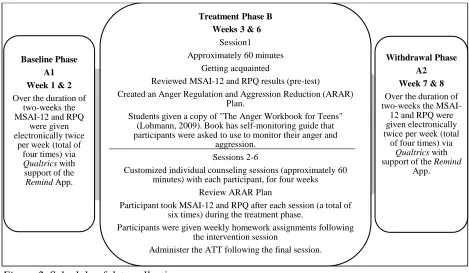
participants engaged in the treatment phase which included six individual sessions occurring over a course of four weeks that lasted approximately an hour each. During the treatment phase, participants continued to take MSAI-12 and RPQ. During the withdrawal phase, no treatment was present, but participants continued to take the assessments. Data were analyzed via an R software package, “SSDfor4”. Using a multidimensional approach, data were examined visually and quantitatively. In the quantitative method, descriptive statistics and autocorrelations and regression analysis were used to look for trends, effect sizes were calculated, and parametric tests such as ANOVA and Tukey’s HSD post-hoc were employed. Based on the results, the
by
Raychelle Cassada Lohmann
A dissertation submitted to the Graduate Faculty of North Carolina State University
in partial fulfillment of the requirements for the degree of
Doctor of Philosophy
Counseling and Counselor Education
Raleigh, North Carolina 2018
APPROVED BY:
_______________________________ _______________________________ Dr. Stanley B. Baker Dr. Helen Lupton-Smith
Committee Chair
DEDICATION
First and foremost, I would like to thank God for giving me the strength, courage, and endurance to take the road less traveled. Next, I dedicate this dissertation to my beloved husband, best friend and number one advocate, Lee Lohmann, with all my love and gratitude. I also would like to dedicate this piece of work to my two children, Cole and Ambria. Thank you for
BIOGRAPHY
Raychelle Cassada Lohmann is a board certified licensed professional counselor, who loves helping others. She earned her Bachelor of Arts in Psychology in 1991 and a Master of Science in Counselor Education in 1998 at North Carolina State University. With over 20 years in the counseling profession, she has devoted much of her time to working with children, adolescents, parents, and educators. Raychelle is passionate about what she does and strives to live out her personal mission statement of "helping others transform their lives from the inside out."
In addition to her educational background, Raychelle is an internationally known author covering several of today’s most popular topics. Her books are published in six languages such
as Dutch, English, French, Korean, Turkish, and Vietnamese. She is the author of The Anger Workbook for Teens, Staying Cool When You're Steaming Mad, The Bullying Workbook for Teens, Teen Anxiety and The Sexual Trauma Workbook for Teen Girls.
Raychelle is a regular contributor to media outlets, including Psychology Today, US News and World Report, Sharecare and Recovery.com. Her work has been featured in numerous publications, both nationally and internationally including the Associated Press, Chicago
Tribune, Seventeen Magazine, and Scholastic. Aside from writing, she is a professional speaker who presents on various topics pertaining to trending adolescent and parenting issues, as well as counseling and topics pertaining to education.
ACKNOWLEDGMENTS
Throughout my life, there has been a poem by Robert Frost, “The Road Not Taken” that
resonates deep within me. Perhaps this is because the poem captures many of my core life values. I do see my life as a journey, and throughout its course, I have been blessed to have people who mentored, befriended, and encouraged me along the way. I would like to acknowledge those who have given me countless hours, patience, guidance, support and friendship as I traveled my road.
To begin, my deepest and heartfelt gratitude and appreciation goes to my committee members: Dr. Stanley Baker, Dr. Marc Grimmett, Dr. Helen Lupton-Smith, and Dr. Angela Smith. Dr. Baker, words cannot begin to express my sincere gratitude for all of your mentorship, support, and guidance over the years. You have taught me the meaning of being a true
your sabbatical meant a great deal to me. I appreciate your enduring support and tremendous amount of patience. Your compassionate and authentic relationships with your students are something that I can only aspire to have in my own practice. To my committee, I am indebted to each of you for guiding me along this journey and challenging me to become a better more experienced professional counselor.
Also, a special thank you to Pauline Ellefson for your assistance with getting me into the necessary courses, helping via phone calls, emails, and answering my many questions. You were a wonderful trial guide and, needless to say, I am certain I would have wandered astray without your navigational expertise. To Dr. Regina Gavin Williams, thank you for sharing your insight, kindness, and being a wonderful mentor throughout my dissertation. To all my wonderful professional colleagues, thank you for your encouragement and help. I hope that in some way, I have provided you all with the same level of encouragement as you have given me. Best of luck to all of you.
To my family, Lee, Ambria and Cole, I know you too have journeyed with me and
sacrificed so that I could follow my dreams. I love you all, and you all really do complete me. To Mary, you are my go-to for guidance and support. You know how my mind works and can help me see through the fog when the trail that lies ahead is no longer visible. Thank you for bringing clarity into my life. To my beautiful sister, you have always been blessed with the gift of
hairs. You taught me the value of family and hard work. And now, as a first-generation college student, I have taken those values and applied them to my life. As a result of what you instilled in me, I was able to pursue this coveted achievement. I love you both. And to my wonderful Bible Study group, your prayers, love and cheering from the sidelines encouraged me to reach the finish line. You are true friends in every sense of the word.
TABLE OF CONTENTS
LIST OF TABLES ... xiii
LIST OF FIGURES ... xv
CHAPTER 1: INTRODUCTION ... 1
Statement of the Problem ... 5
Purpose of the Study ... 9
Rationale for the Study ... 10
Research Questions ... 11
Definition of Terms... 12
CHAPTER 2: LITERATURE REVIEW ... 16
Perspectives on Anger and Aggression... 16
Cultural Factors Affecting Students... 20
Disciplinary Disparity in Schools ... 22
Multicultural Competence of School Counselors ... 24
MSJCC Framework ... 24
Systemic Factors Affecting Students ... 25
School Climate and Student Engagement ... 27
Role of School Counselors... 29
ASCA National Model ... 31
ASCA Mindsets and Behaviors for Student Success ... 32
Anger and Aggression Interventions ... 33
Study One... 34
Study Two ... 34
Study Three ... 35
Study Four ... 36
Study Five ... 37
Study Six ... 37
Summary of Studies ... 38
Theoretical Framework ... 39
Relational Frame Theory (RFT) ... 40
Theoretical framework and key constructs ... 41
Acceptance Commitment Therapy (ACT) ... 44
Application to adolescent anger and aggression ... 44
Contributory perspective ... 45
Theoretical issues ... 46
RFT summary ... 47
Social Information Processing (SIP) ... 47
Historical context and philosophical assumptions ... 48
Theoretical framework and key constructs ... 49
Application to adolescent anger and aggression ... 51
Contributory perspective ... 52
Theoretical issues ... 52
SIP summary ... 53
Summary of Chapter Two ... 53
CHAPTER 3: METHOD ... 56
Research Design... 56
Single-case Research Design ... 56
Research Questions ... 61
Participants ... 62
Population ... 62
Sample... 64
Instrumentation ... 65
Multidimensional School Anger Inventory (MSAI) ... 65
Reactive Proactive Aggression Questionnaire (RPQ) ... 68
Social validity measures ... 69
Attitude Toward Treatment (ATT) ... 70
ARAR Staff Questionnaire... 70
Summary of Dependent Variables and Dependent Measures ... 71
Anger Regulation and Aggression Reduction Interventions ... 71
Customized individual ARAR interventions ... 75
Counselor/investigator experience ... 77
Key staff member experience ... 78
Procedure ... 78
Recruiting participants ... 78
Data collection ... 79
Data analysis ... 82
Visual analysis ... 83
Descriptive statistics ... 83
Data exploration... 83
Effect sizes ... 84
Statistical analysis ... 84
Treatment fidelity ... 85
Summary of data analysis ... 85
Summary of Chapter Three ... 86
CHAPTER 4: RESULTS ... 87
Anger and Aggression Factors by Participant ... 88
Adam ... 89
Visual analysis ... 90
Descriptive statistics ... 92
Data exploration ... 96
Effect sizes ... 97
Statistical analysis ... 98
Summary of Adam’s findings ... 99
Jordan ... 100
Visual analysis ... 100
Descriptive statistics ... 102
Data exploration ... 105
Effect sizes ... 106
Statistical analysis ... 107
Devon ... 109
Visual analysis ... 109
Descriptive statistics ... 111
Data exploration ... 114
Effect sizes ... 115
Statistical analysis ... 116
Summary of Devon’s findings ... 117
Tyler ... 117
Visual analysis ... 118
Descriptive statistics ... 120
Data exploration ... 124
Effect sizes ... 125
Statistical analysis ... 126
Summary of Tyler’s Findings ... 127
Summary of Dependent Variables Across All Participants ... 127
Affective Component of Anger ... 128
Cognitive Component of Anger ... 129
Behavioral Component of Anger ... 130
Proactive Aggression ... 131
Reactive Aggression ... 132
Total Aggression ... 133
Summary of ARAR Findings Across All Participants ... 134
Social Validity Measures ... 135
Attitudes Toward Treatment ... 135
ARAR Staff Questionnaire ... 135
CHAPTER 5: DISCUSSION ... 138
Overview of the Study ... 138
Discussion of the Findings ... 141
Adam ... 142
Jordan ... 142
Tyler ... 145
Summary of the ARAR Intervention Findings ... 145
Contributions to the Scholarly Literature ... 146
Research to Practice ... 148
Strengths ... 150
Limitations ... 151
Recommendations ... 153
Future Implications ... 156
Conclusion ... 158
REFERENCES ... 160
APPENDICES ... 192
Appendix A: Attitude Toward Treatment Measure ... 193
Appendix B: ARAR-Staff Questionnaire ... 197
Appendix C: ARAR Intervention Framework ... 199
Appendix D: ARAR Supplemental Information ... 201
Appendix E: ARAR Plans ... 203
Appendix F: Recruitment Materials ... 223
LIST OF TABLES
Table 1 Participant Demographic Data ... 65
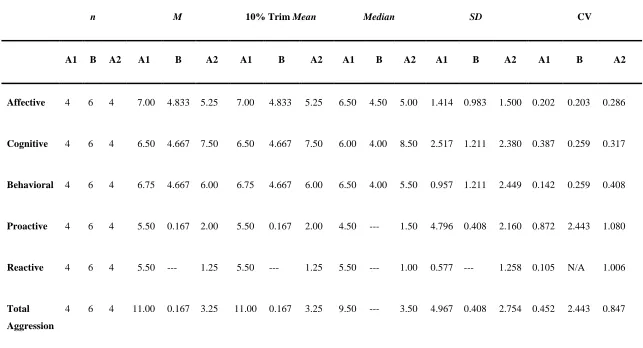
Table 2 Descriptive Statistics for Adam... 94
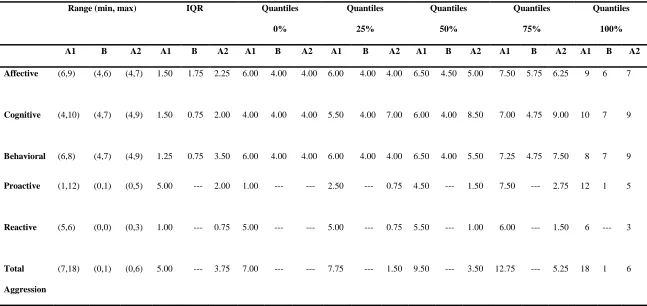
Table 3 Range and Quantile Data for Adam ... 95
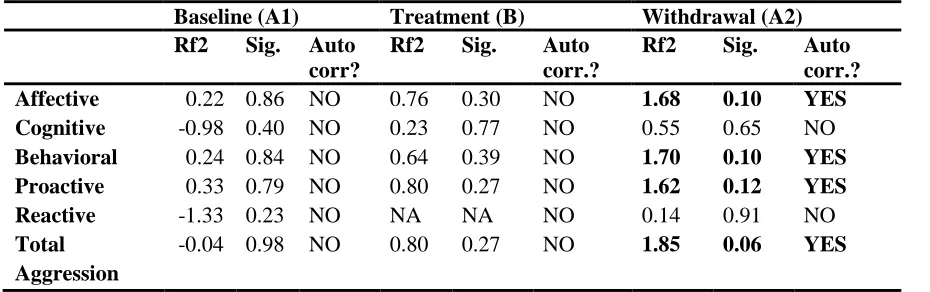
Table 4 Autocorrelation Data for Adam ... 96
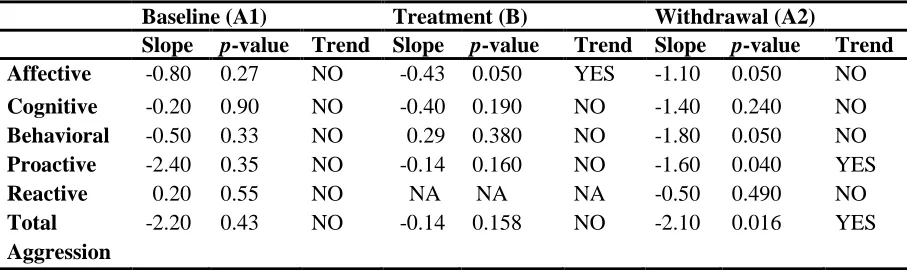
Table 5 Regression Results for Adam ... 97
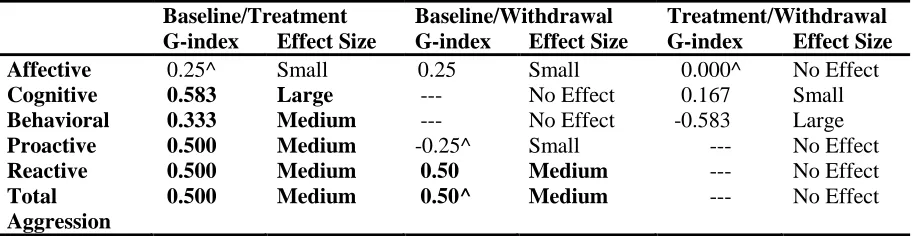
Table 6 G-index Effect Sizes for Each Factor Between Baseline and Treatment Phases for Adam ...98
Table 7 Analysis of Variance (ANOVA) for Adam ... 99
Table 8 Descriptive Statistics for Jordan... 103
Table 9 Range and Quantile Data for Jordan ... 104
Table 10 Autocorrelation Data for Jordan ... 105
Table 11 Regression Results for Jordan ... 106
Table 12 G-index Effect Sizes for Each Factor Between Baseline and Treatment Phases for Jordan ... 107
Table 13 Analysis of Variance (ANOVA) for Jordan ... 108
Table 14 Descriptive Statistics for Devon ... 112
Table 15 Range and Quantile Data for Devon ... 113
Table 16 Autocorrelation Data for Devon ... 114
Table 17 Regression Results for Devon ... 115
Table 18 G-index Effect Sizes for Each Factor Between Baseline and Treatment Phases for Devon ... 116
Table 19 Analysis of Variance (ANOVA) for Devon ... 117
Table 20 Descriptive Statistics for Tyler ... 122
Table 21 Range and Quantile Data for Tyler ... 123
Table 22 Autocorrelation Data for Tyler ... 124
Table 23 Regression Results for Tyler ... 125
Table 24 G-index Effect Sizes for Each Factor Between Baseline and Treatment Phases for Tyler ... 126
LIST OF FIGURES
Figure 1 ARAR Theory to Intervention Paradigm ... 74
Figure 2 Schedule of Data Collection ... 82
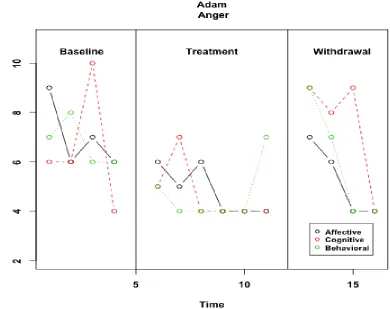
Figure 3 Visual Analysis of Components of Anger for Adam ... 91
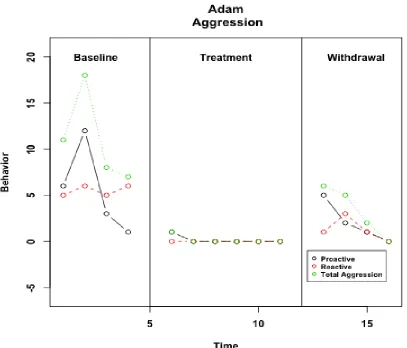
Figure 4 Visual Analysis of Components of Aggression for Adam ... 92
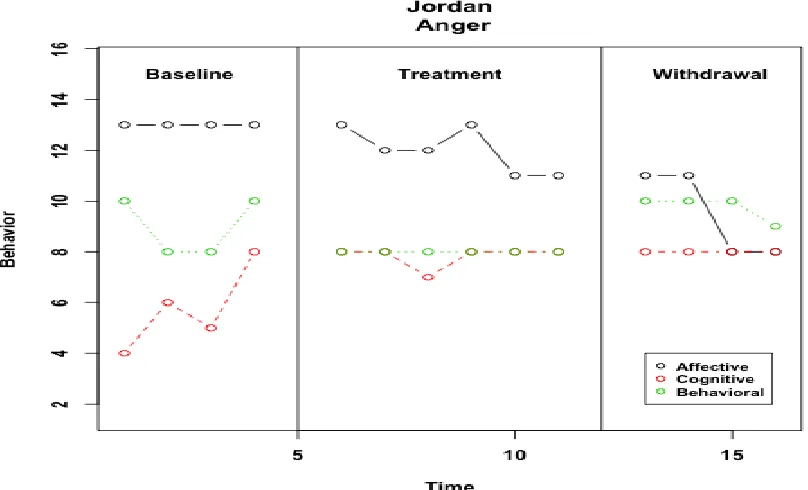
Figure 5 Visual Analysis of Components of Anger for Jordan ... 101
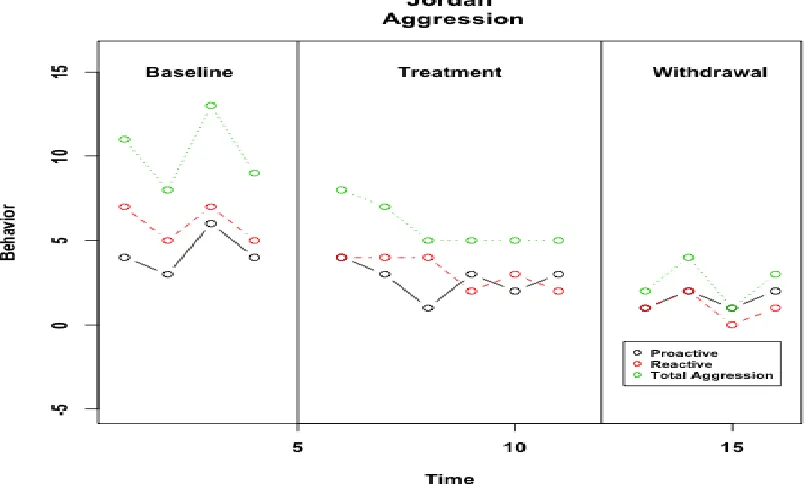
Figure 6 Visual Analysis of Components of Aggression for Jordan ... 102
Figure 7 Visual Analysis of Components of Anger for Devon ... 110
Figure 8 Visual Analysis of Components of Aggression for Devon ... 111
Figure 9 Visual Analysis of Components of Anger for Tyler ... 119
Figure 10 Visual Analysis of Components of Aggression for Tyler ... 120
Figure 11 Affective Component of Anger ... 129
Figure 12 Cognitive Component of Anger ... 130
Figure 13 Behavioral Component of Anger ... 131
Figure 14 Proactive Aggression ... 132
Figure 15 Reactive Aggression ... 133
CHAPTER 1: INTRODUCTION
Anger, outbursts, and aggression are some of the most common reasons for youth mental health referrals in America (Kassinove & Tafrate, 2002; Scherer, Wranik, Sangsue, Tran, & Scherer, 2004; Sukhodolsky, Smith, McCauley, Ibrahim, & Piasecka, 2016). Anger problems first manifest during the middle school and high school years (Charlesworth, 2008). During this developmental period, youth often search for autonomy, identity, and independence (Collins & Steinberg, 2008). In their quest to grow up, some adolescents struggle with strong emotions like anger and resort to using maladaptive behaviors like aggression. The pivotal adolescent years coupled with anger and aggression can create a perfect storm in the context of dysregulated emotional development (Broderick & Jennings, 2012).
Angry youth often lack the healthy coping skills needed to navigate through difficult situations (Ghanizadeh & Haghighi, 2010). As a result, they may experience frequent periods of anger at high levels of intensity that last for long periods of time (Deffenbacher, 2011). Often, youth who exhibit problematic anger show more aggressive and destructive behaviors, resulting in harm to self and others (Deffenbacher, 2011). Therefore, these adolescents should be taught
how to cope with life stressors and understand how their anger manifests and how their behavior affects their overall well-being. These skills can be taught by skilled professionals who
specifically understand the developmental needs of adolescents.
(Stagman & Cooper, 2010). However, the public school system is one place that is equipped with skilled professionals who understand adolescent development and to which most American youth have access.
As youth spend most of their waking hours at school, it seems fitting that the educational system could provide a place for social-emotional learning, particularly in the domain of anger regulation. Not to mention, behavioral problems often manifest themselves within the school day and can be addressed at early onset before they escalate to the point of classroom disruption, or worse, suspension or expulsion (Ghanizadeh & Haghighi, 2010). It is estimated that students who have extreme and pervasive problems with anger and aggression typically make up about 3% to 5% of the school population (Larson, 2008). Though statistically, these adolescents represent a small percentage of the school population, the effects of their anger can be felt across an entire classroom, leading to a school-wide problem. In response to problematic behaviors, schools across the nation have the responsibility of preparing all youth to be responsible citizens, and one way of meeting that challenge is to equip them with the necessary tools to better regulate their emotions (U.S. Department of Education, 2014).
Despite the need for such services, research shows that anger and aggression in schools is a growing concern of parents, educators, and mental health providers (Feindler & Engel, 2011). Some of that anger and aggression may be the result of being treated unfairly in an authoritative oppressive environment (Burt, 2012). From a disciplinary stance, youth face oppressive
The disparity is also observed with African American females receiving harsher disciplinary consequences than White females. According to Morris and Perry (2017), African American females were three times as likely as White females to be sent to the office for disruptive behaviors, and African American males were twice as likely as White males to be referred to the office. This problem is not only a national problem, but it is also a local one. According to data obtained from the state of interest, during the years of 2014-2015 and 2015-2016, 70% of school-initiated law enforcement referrals involved African American students, despite the district being comprised of 25% African American students (State data, 2017).
Racial and gender disparity, along with the increase in disruptive behaviors in schools, has led to educational systems evaluating ways to better assist and meet the needs of these angry youth. Differences in gender have also emerged in the literature. Males reportedly show more physical aggression resulting in disciplinary infractions at school (Boman, 2003; Fite, Rubens, Premddy, Raine, & Pardini, 2014; Fives, et al., 2011). Helping school faculty and staff look beyond behavior and into cultural ramifications that may impede performance is an area worthy of more scholarly attention.
Fortunately, professional school counselors can help angry youth while considering cultural and systemic factors (ASCA, 2012a). School counselors are indispensable student advocates. They work hard to help student development in the academic, career and
social/emotional domains. These professionals are instrumental in working with angry youth while helping them reach their optimum potential (Burt, Patel, Butler, & Gonzalez, 2013).
Grothaus & Johnson, 2012). Additionally, in the counseling profession, there are models to help guide counselors’ inclusive practices. One model is the Multicultural and Social Justice
Counseling Competencies (MSJCC; Ratts, Singh, Nassar-McMillan, Butler, & McCullough, 2016), set forth by the American Counseling Association (ACA), which takes “a more contextual approach to working with clients and communities, recognizing that individuals are part of a larger ecosystem” (p. 29). Another model is the American School Counselor Association National Model (ASCA, 2012a) which guides counselors into the implementation of a comprehensive school counseling program. School counselors can draw on models like the MSJCC to help guide their practice and learn essential skills.
The need for anger management interventions is great because dysregulated anger can have detrimental effects that can last well into adulthood (Del Vecchio & O’Leary, 2004; Kassinove & Sukhodolsky, 1995). Adolescents who struggle with dysregulated anger and aggression are prone to more long-term academic, interpersonal, and emotional problems than their non-aggressive peers (Smith, Stephens, Repper, & Kistner, 2016). Dysregulated anger can lead to social, physical, legal, and occupational problems that can severely affect an individual’s overall functioning (Del Vecchio & O’Leary, 2004; Kassinove & Sukhodolsky, 1995). Anger and aggression have been linked with more long-term mental health issues such as depression and anxiety (Erwin, Heimberg, Schneider, & Liebowitz, 2003; Swaffer & Hollin, 2001). The risk factors associated with problematic anger and aggression reveal that more needs to be done to help these individuals at an early age.
2014b). There is a great need for personalized anger intervention, but the scholarly literature supporting such approaches is lacking.
Statement of the Problem
During their developmental years, youth spend a substantial amount of time at school, which is the primary context for their social and emotional development (Daunic et al., 2012). Within this setting, students are exposed to complex and sometimes stressful social interactions leading to interpersonal conflicts that might provoke dysregulated emotions like anger. Some youth lack the skills to cope with anger, and as a result, resort to using inappropriate coping strategies, like aggression (Calvete & Orue, 2012; Fives, et al., 2011). Adolescent dysregulated anger and aggression remain among the top concerns of parents, educators, and mental health providers (Feindler & Engel, 2011).
From an educator’s perspective, it is important to recognize that anger is a normal human emotion, but when students experience it chronically and intensely, they are at an increased risk of academic difficulties (Furlong, et al., 2013). A more developed understanding of school-related anger could improve researchers’ and counselors’ awareness of the contributing factors
that lead to the emotion, resulting in refined prevention and intervention efforts. These driven efforts could improve the overall quality of students’ academic experience and emotional well-being (Furlong et al., 2013).
To support the need for such programs, the U.S. Department of Education (2014) called for academic institutions to “foster positive school climates [which] can help to engage all
students in learning by preventing problem behaviors and intervening effectively to support struggling and at-risk students” (p. 2). Mandates for educational institutions to address
and emotional development by implementing skills specific interventions like anger management (Grunbaum et al., 2004; Kuhn, Ebert, Gracey, Chapman, & Epstein, 2015). Along with
decreasing anger, the purpose of such interventions was to help school personnel identify and provide interventions to students who struggle with aggression in the school setting (Kellner, Bry, & Salvador, 2008). As a result, schools have adopted varying levels of interventions, including primary, secondary, and tertiary, to address students’ specific needs (Kuhn et al., 2015).
According to Kuhn, et al. (2015), primary-level interventions include preventative and proactive strategies that identify behaviors before they become problematic. These programs are often delivered at a school-wide level, so all students learn the skills. Secondary-level
interventions focus on addressing targeted behaviors like anger before they become severe and are often delivered at the classroom or group level. Tertiary-level interventions are more
individualized and aimed at youth who display more intense and frequent problematic behaviors (Kuhn et al., 2015). The present study uses a tertiary level approach. In this approach, students learn specific skills to address their individual needs. Though the literature specifies the need for tertiary interventions, due to time constraints and caseloads, they are not frequently employed in the school setting (Kuhn et al., 2015, Woods & Domina, 2014).
Additionally, in literature reviews of various child-, parent-, and family-level
literature focuses on utilizing these programs in a clinical setting (Kuhn, et al., 2015), but the structure of the individual service components makes it possible to implement them in other settings with adolescents such as in school (Burt, Lewis, & Patel, 2010; Powell, et al., 2011; Woltering & Shi 2016).
In an effort to reduce anger and aggression, many schools have implemented remediation strategies, such as anger management programs, to deter aggressive behaviors, but many of these programs are offered in a school-wide (i.e., primary level) or group counseling format (i.e., secondary level) (Burt, et al., 2010; Grunbaum et al., 2004; McCarthy, Van Horne, Calfa, Lambert, & Guzman, 2010). To begin to help angry youth, it has been suggested that schools understand the interplay between anger and aggression, precipitating factors, and healthy ways to deter outbursts (Fives, et al., 2011). Since schools are faced with the challenging task of
decreasing the frequency of disruptive behaviors, they are well-positioned resources to help a significant number of youth with social-emotional problems (Wilson & Lipsey, 2007).
Despite previous attempts to develop comprehensive anger management programs, helping angry and aggressive adolescents is no easy task, in part because most of the programs described in the literature address either school-wide programs or group interventions targeting several students at once (Barnes, Smith, & Miller, 2014; Burt, et al., 2010; Burt, et al., 2013; Kuhn, et al., 2015). Anger management, however, cannot be addressed as a one-size-fits-all emotion because not everyone fits the same mold. Some youth may harbor pent-up anger, and others may express it aggressively, and both need to be addressed differently. Also, subscribing to a specific curriculum may account for cultural differences. These are important factors
male youth of color (Losen & Martinez, 2013). To help students with problematic anger, counselors need to take individual elements into account.
A comprehensive picture of treating anger begins with a multimethod assessment including pre- and post-report measures relevant to the anger management objectives, self-monitoring throughout the intervention, and ratings by personnel who know and interact with the youth in the systemic setting (Barnes, et al., 2014; Feindler & Engel, 2011). Studies have shown that when students learn effective anger management coping skills, their scholastic performance improves (Burt, Patel, & Lewis, 2012; Kuhn, et al., 2015). Therefore, it is important for schools to address social emotional development and implement interventions based on the
individualized behavioral needs of students.
There are benefits to supporting behavioral programs in schools, but the literature
examining such interventions is lacking. Although anger is a primary emotion, there has been far less research into its measurement compared to other emotions such as sadness and fear
(DiGiuseppe & Tafrate, 2007). This lack of research is especially surprising considering the many negative correlates linked to anger, including strained interpersonal relationships, poor health, increased aggression, and low school achievement (Furlong & Smith, 1994).
Additionally, aggression can occur in conjunction with anger leading to more problematic behaviors. Aggressive adolescents place an excessive strain on their families and schools and on correctional and mental health systems (Smith et al., 2016). Knowing this information helps support the need for individualized adolescent anger regulation and aggression reduction interventions.
enrolled in an afterschool program that promotes social and emotional development as part of the organizational core principles. It is hoped that professional counselors working with youth, can utilize the information gleaned from this study to create an individualized intervention that taps into various dimensions of anger (e.g., affective, behavioral and cognitive) and address the different types of aggression (e.g., proactive, reactive and total aggression scores).
Purpose of the Study
According to Feindler and Engel (2011), adolescents who show frequent emotional dysregulation have poor problem-solving skills and may benefit from an anger management intervention. Research findings have shown that adolescent males are typically more prone to dysregulated anger and aggression (Boman, 2003; Fite, et al., 2014; Fives, et al., 2011). Therefore, the purpose of this study was to implement and evaluate the effectiveness of customized anger regulation and aggression reduction (ARAR) intervention for male
adolescents. An ABA single-case research design (SCRD) was used to investigate the effects of the intervention (Kazdin, 2016). The SCRD is often employed to demonstrate experimental control within a single-case while rigorously evaluating an action-based intervention with one or a small number of cases (Kazdin, 2011). The SCRD “offers counseling practitioners and
researchers a practical and viable method for evaluating the effectiveness of interventions that target behavior, emotions, personal characteristics, and other counseling-related constructs of interest” (Kazdin, 2011, p. 394).
Therapy (Hayes, 2005; Hayes, 2008). Additionally, theoretical tenets from the Social Information Processing model (Crick & Dodge, 1994) were used to develop the ARAR
framework. The intervention framework was created, and the individualized interventions were implemented by the counselor/investigator.
It was hoped that the ARAR intervention would assist youth struggling with dysregulated anger and aggressive behaviors by specifically targeting affective, behavioral, and cognitive components of anger coupled with aggressive behaviors such as proactive, reactive, and total aggression. A secondary hope was that a similar time-limited intervention could be utilized in settings that promote the academic and social/emotional development of students. The present study’s framework pulled from the American School Counselor Association National Model
(ASCA, 2012a) and the MSJCC (Ratts, et al., 2016); both models complement the professional school counselor’s role.
Rationale for the Study
Burt et al. (2010) posited that effective anger management interventions serve two primary purposes. First, they reduce excessive anger. Second, they provide counselors with a means for identifying students whose anger hinders their functioning and develop ways to support their personal and social development (Burt, et al., 2010). Excessive anger disrupts social learning and is detrimental to classroom performance (Kellner et al., 2008).
Correspondingly, Burt et al. (2012) suggested anger has adverse academic effects that negatively impact the overall school environment. To respond to the need for more advanced anger
individualized interventions is lacking (Burt, et al., 2010; Kellner et al., 2008; Kuhn, et al., 2015).
According to Kellner et al. (2008), very few studies have explored the effect of
accountability on anger-related aggressive behaviors. Furthermore, Kellner et al. (2008) stated that researchers need to look at how angry students can generalize positive behaviors learned in interventions to other settings. To address the need to help angry youth, this study focused on a tertiary intervention that was tailored to fit the unique needs of a sample of male students that were identified as presenting dysregulated anger and aggression. Little empirical research has explored the effects of tertiary interventions (Kuhn, et al., 2015).
With few single-case research designs on anger and aggression in the current literature, researchers are left with primary and secondary interventions that use experimental design methods. It is believed that an individualized program that incorporates cognitive behavioral, social cognitive and multicultural components may produce more fruitful results than programs that attempt to teach anger management via and everyone-fits-the-same-model approach. The present study provided an ARAR framework for counselors and researchers to replicate and contribute to the scarce amount of SCRD research.
Research Questions
1. What effect does the customized ARAR intervention have on adolescent anger across the treatment and withdrawal phases? Specific sub-questions to be addressed included: 1a. Do participants’ self-reports and self-monitoring indicate a change in cognitive components of anger?
1b. Do participants’ self-reports and self-monitoring indicate a change in behavioral components of anger?
1c. Do participants’ self-reports and self-monitoring indicate a change in affective components of anger?
2. What effect does the customized ARAR intervention have on the aggression of participants across the treatment and withdrawal phases? Specific sub-questions to be addressed include:
2a. Do participants’ self-reports and self-monitoring indicate a change in proactive aggression?
2b. Do participants’ self-reports and self-monitoring indicate a change in reactive aggression?
2c. Do participants’ self-reports and self-monitoring indicate a change in total aggression (both proactive and reactive combined)?
3. How did the participants rate the social validity of the interventions? 4. How did the key staff member rate the effectiveness of the interventions? Definition of Terms
The following terms apply to the present study.
expressions, and consequences (Schieman, 2003). Novaco (2000) defined anger as ‘‘a negatively toned emotion, subjectively experienced as an aroused state of antagonism toward someone or something perceived to be a source of an aversive event’’ (p. 170).
a. Components of anger: Anger has three primary components affective (anger), cognitive (hostility), and behavioral (aggression) (A-H-A; Spielberger, Reiser, & Sydeman, 1995). The affective component is the strength of emotional responses toward anger provoking situations. The behavioral component consists of coping mechanisms which are used for expressing anger. The cognitive component or hostility is made up of negative beliefs and the rumination on hostile thoughts which can lead to more intense anger episodes (Boman, 2003). For the purposes of this study, the core A-H-A (affective (anger), cognitive (hostility), and
behavioral (aggression)) components were measured using the Multidimensional School Anger Inventory (MSAI; Smith, Furlong, Bates, & Laughlin, 1998). These components were identified on the MSAI as anger experience, hostility, and anger expression (destructive expression and positive coping) (Smith, et al., 1998). b. Dysregulated anger: Dysregulated anger is an emotional response that is poorly
modulated, in this case, anger, which in turn can disrupt or interfere with the daily functioning and are characterized by anger reactions that are more frequent and intense than normal (Jaworska et al., 2013).Dysregulated anger, particularly when it results in proactive and reactive aggressive behaviors, impairs
2. Aggression - has been defined in a myriad of ways, but one of the most widely accepted definitions is Bandura’s (1978): “Aggression is generally defined as behavior that results in personal injury and physical destruction. Not all injurious and destructive acts are judged aggressive, however. Whether injurious behavior will be perceived as aggressive or not depends on subjective judgments of intentions and causality. The greater the attribution of personal responsibility and injurious intent to the harm-doer, the higher the likelihood that the behavior will be judged as aggressive” (p.12). Kenneth Dodge and colleagues (e.g., Crick & Dodge, 1994) expounded upon this definition and identified two types of adolescent aggression, proactive and reactive. Total aggression was obtained by summing both reactive and proactive scores together. Aggression was measured using the Reactive-Proactive Aggression Questionnaire (RPQ; Raine et al., 2006).
a. Proactive aggression: Participants who engage in proactive aggressive behaviors do so to obtain some desired outcome. It is the deliberate unprovoked, behavior intended influence or coerce a peer (Crick & Dodge, 1996; Dodge & Coie, 1987). Examples include harassing or hitting a peer to gain the respect of a peer group. b. Reactive aggression: Students who engage in reactive aggression are responding
to perceived threats. Reactive aggression is the defensive, revengeful response to a perceived prodding from a peer leading to retaliation. Youth with anger
management problems who display reactive aggression appear to be short-tempered, are likely to misinterpret neutral situations as being hostile and tend to overreact to minor provocations (Crick & Dodge, 1996; Dodge & Coie, 1987). 3. Anger-Management - According to Thomas (2001), an anger-management intervention
perspectives, and teaching specific strategies that can be learned and practiced by participants to cope with and manage problematic anger.
4. Self-monitoring - involves the systematic observing and recording of target behaviors, such as a client's affective or emotional response to anger, cognition or thoughts
associated with anger and behaviors or actions related to anger. Within a cognitive behavioral paradigm, students can use self-monitoring to help identify the link between their thoughts and emotions (Cohen, Edmunds, Brodman, Benjamin, & Kendall, 2013; Jarrett & Nelson, 1987). In this study, students were asked to track the occurrences of the behaviors as a part of a functional analysis. Self-monitoring was assigned as homework to aid in designing a collaborative intervention with the adolescent (Tee & Kazantzis, 2011), and through self-reported assessments.
CHAPTER 2: LITERATURE REVIEW
This literature review covers factors associated with adolescent anger and aggression. More specifically, the literature review examines interventions deemed empirically effective in working with youth who exhibit problematic anger. Though there are few single-case research designs (SCRD) in the counseling literature (Lenz, 2015; Ray, 2015) exploring the effectiveness of anger and aggression interventions, there are many group treatment comparison interventions (Down, et al., 2011; Fives, et al., 2011; Luciano, et al., 2011). Drawing from empirically-based group designs can help establish more non-clinical tertiary treatment approaches. The goal of the present study was to examine the effects of customized anger regulation and aggression
reduction individualized counseling intervention for adolescent males.
The literature review contains reflections on practitioner models, culture, systemic factors, anger and aggression theories, and implications for future research to improve the challenge counselors face to help youth develop social/emotional skills while supporting academic success. The literature review is presented in the following order: (a) perspectives on anger and aggression; (b) cultural factors affecting anger and aggression and the Multicultural Social Justice Counseling Competency Model; (c) systemic factors within the school setting and the American School Counselor Association National Model and Standards; (d) empirically-based anger and aggression interventions; (e) selected theoretical frameworks, (Cognitive Behavioral Theory, Relational Frame Theory utilizing Acceptance and Commitment Therapy; and Social Information Processing Theory; and (f) a recapitulation of the material.
Perspectives on Anger and Aggression
between anger and aggression is essential to understand the scope of problematic behaviors. Without a clear understanding of the variables, it is difficult to design an intervention that addresses both the emotion and the target behavior.
To begin to understand the scope of anger, it is important to look at the construct in a broader context. First, anger is one of the most frequent daily emotional experiences (Scherer, et al., 2004). Research spanning over 75 years suggests people become mildly to moderately angry several times a day to several times a week (Kassinove & Sukhodolsky, 1995). Given this information, it is no surprise that anger problems are a central focus of counseling interventions (Kassinove & Tafrate, 2002). The data are a continual reminder that counselors have a
professional obligation to develop and implement programs to assist adolescents with anger as it can affect academic success and social/emotional functioning.
Unfortunately, it can be a daunting task to narrow down and pinpoint the scope of anger, in part because anger has been explained in a myriad of ways, both empirically and practically. Kassinove and Sukhodolsky (1995) defined anger as a negative, internal feeling state associated with specific cognitive and perceptual distortions and deficiencies, subjective labeling,
physiological changes, and action tendencies. To expound upon this definition, Kerr and
Schneider (2008) defined anger as a subjective emotional state that varies in frequency, intensity, duration, and can be directed inward (anger-in) or outward (anger-out) pending the individual’s response style. Anger often involves a person’s affect, cognitions about a frustrating or
threatening event that results in a behavioral response (Kerr & Schneider, 2008). Anger has three primary components: (a) The affective component of anger, often referred to as the anger
coping skills used to express anger. (c) The cognitive component reflects the types of irrational beliefs or hostility that people have about their environment and their negative perceptions of others (Boman, 2003).
Often it is the behavioral reaction of aggression that can lead to problematic behaviors (Berkowitz, 2012). Aggression to anger-provoking events can be thought of as a motor behavior with the intent to harm (Deffenbacher, Demm, & Brandon, 1986). There are many definitions of aggression in the literature, but most consistently agree that it is a set of behaviors that has an aversive and intrusive effect on others (Cavell, 2008). This definition aligns with Bandura’s (1978) definition in which aggression is “defined as behavior that results in personal injury and physical destruction. Not all injurious and destructive acts are judged aggressive, however. Whether injurious behavior will be perceived as aggressive or not depends on subjective
judgments of intentions and causality” (p.12). Due to the intent to harm, aggression research has been strongly correlated with delinquency and disruptive behaviors (Reef, Donker, Van Meurs, Verhulst, & Van Der Ende, 2011). Additionally, aggression has been linked to disorders, such as conduct disorder, attention deficit hyperactivity disorder, substance abuse, anxiety, depression and other mental health conditions (Connor, Steingard, Cunningham, Anderson, & Melloni, 2003; Birkley & Eckhardt, 2015).
In the literature, aggression frequently gets delineated into two distinct parts: verbal and physical (Furlong & Smith, 1994). In the Social Information Processing (SIP) model, Crick and Dodge (1996) differentiated between two types of aggression: proactive and reactive aggression. Proactive aggression draws from Bandura’s social learning theory and is described as a
deliberate behavior aimed at obtaining the desired goal (Crick & Dodge, 1996). Reactive
1996). "According to social information-processing models, children's social behavior is a function of sequential steps of processing, including encoding of social cues, clarification of goals, response access or construction, response decision, and behavior enactment" (Crick & Dodge, 1996, p. 993). Overall, individuals who behave aggressively often engage in the impulsive, automatic processing of overwhelming affective experience (Crick & Dodge, 1994; Feindler & Baker, 2004).
Although anger and aggression have been linked with one another, it is important to separate the two, as not all angry students behave aggressively and not all aggressive students are angry. To help further define aggression, Coie and Dodge (1998) reviewed theoretical and
empirical literature on the construct and concluded:
an environmental variable will influence human aggressive behavior if it affects one or more of three mental processes: (a) the perception of threat and experience of irritation or fear; (b) the accessibility of aggressive responses in one's memorial repertoire; and (c) the evaluation that aggression will lead to desirable positive consequences. (p. 795)
In this respect, aggression draws from the cognitive and affective components of anger and can lead to a behavior disruption that can adversely interfere with the adolescent’s well-being. Unfortunately, if anger and aggression are coupled together, the aggressive behavior often becomes the focus of attention, and the anger does not get adequately addressed. As a result, youth do not learn the necessary skills to cope with dysregulated anger and instead learn specific techniques to reduce aggression. Therefore, the most immediate need becomes the foci of
attention, neglecting the anger that often precipitates the aggressive behavior.
individuals. So, just as anger can be detrimental, it can also serve as a means of justice and inspiration. Not all anger is maladaptive, as many good social justice movements have come out of anger. If used constructively, anger can serve as a moving force of positive change. When used negatively, anger can tear apart and destroy relationships and lives.
When anger starts to adversely affect a student’s social/emotional development and impede academic performance, it is considered dysregulated. Coping with anger and aggression does not mean restraining oneself from feeling or reacting. Instead, coping means exercising a deep understanding of how and why those feelings exist. The ability to regulate anger by applying various techniques may be associated with reduced aggression and may lead to
emotional regulation (Mauss, Cook, Cheng & Gross, 2007). Therefore, the benefits of effective anger and aggression counseling could support healthy coping skills that are carried forth throughout the lifespan.
Cultural Factors Affecting Students
These studies highlight the importance of how cultural influences can effect emotional development.
Culture is not the only influence on anger and aggression. According to the literature, gender is also affected by what are deemed acceptable behaviors for females and males. One of the most pronounced gender differences in child development literature is that boys display higher levels of aggressive behavior than females (Endendijk et al., 2017). According to Fives et al. (2011), males and females both displayed physical aggression, but males were more physical with their aggression compared to females. Previously, it was believed that males experienced anger differently from females, but research has failed to consistently confirm that notion (Archer, 2004). Rather than anger being experienced differently, Fives et al. (2011) found that stereotypes in how males and females respond to anger affect gender perceptions. Therefore, the expectations of how males and females should display aggression seem to be a socially
constructed concept.
In the Fives et al. (2011) study, peers rated levels of aggression and perceived males as being more aggressive than females. The study also showed boys were more likely to resort to physical aggression when they were angry, and females resorted to more indirect forms of aggression. This finding supports past research that shows males display higher levels of direct aggression than females (Bongers, Koot, Van Der Ende, & Verhulst, 2004; Hyde 2005; Martino, Ellickson, Klein, McCaffrey, & Orlando Edelen, 2008). One noteworthy finding of the study was that across genders, as anger increased, so did aggression. Though there may be minimal
Based on the literature, cultural perceptions of anger and aggression should be integral components of any individualized intervention. Multicultural experiences are believed to be beneficial to youth, both academically and interpersonally (Chang & Le, 2010) and are,
therefore, essential in developing a program that meets the diverse needs of students. As schools become more diverse, personnel need to become more culturally competent to meet the ever-changing needs of the student body. According to data from the National Center for Education Statistics, by 2023 America’s schools will likely be substantially more culturally diverse than they are currently, and they will serve more students who come from Hispanic, Asian or mixed-race backgrounds (Snyder, de Brey, & Dillow, 2016). By 2025, the U.S. Census Bureau projects America’s population to be 58 % white, compared to 62 % white in 2015 and by 2060, the
bureau projects the population will be 44 % white, indicating significant cultural changes in the nation (Colby & Ortman, 2015).
Though the public school population is becoming more diversified, the teaching occupation is not. During the 2011-2012 school year, according to the National Center for Education Statistics, over 80 % of classroom teachers identified as white, and it is projected that this is unlikely to change significantly by 2025 (Snyder, et al., 2016). Despite all the cultural changes within the student population, schools have not adapted to these changes as evidenced by the data on racial disciplinary disparity within the school system.
Disciplinary Disparity in Schools
Racial disciplinary disparities have been found at the national, state, and local level. Data using a variety of measures at all school levels and typologies (e.g., elementary vs. secondary; rural and urban) and documented in both peer-reviewed journals (Bradshaw, Mitchell,
Advancement Project/Civil Rights Project, 2000; Fabelo et al., 2011) highlight disciplinary disparity in the U.S. public education system. Disproportionately, African American youth receive harsher disciplinary consequences than their white counterparts. Children of diversity have received substantially more disciplinary referrals (Bradshaw, et al., 2010; Skiba, et al., 2011), suspensions, expulsions (Eitle & Eitle, 2004; Gregory & Weinstein, 2008), school arrests, (Theriot, 2009) and served more severe disciplinary consequences for similar infractions as their white counterparts (Skiba, et al., 2011). Disparities also exist for other ethnic groups such as Native American and Latinos (Losen & Martinez, 2013).
Data suggest that punishing youth through suspension is not the remedy for problematic behavior, and it can have adverse effects on their academic performance. Muscott, Mann, and LeBrun (2008) reported that on average, disciplinary office referrals result in 15–45 minutes of lost instructional time for students, teachers, and school administrators. Thus, there is a national consensus that rather than students missing class time, there needs to be a more proactive and preventive approach to handling problematic behaviors. According to the Discipline Disparities Research-to-Practice Collaborative, a national consortium of researchers, educators, advocates and policy analysts, schools should design interventions based on cultural awareness and equity (Gregory, Bell, & Pollock, 2016), policy (Carter, Fine, & Russell, 2014), and research (Skiba, et al., 2011). Though large numbers of students from every racial group are suspended each year, the disparities between groups are profound (Losen & Martinez, 2013). Rather than schools resorting to suspending youth with behavioral problems, there should be specific interventions in place to help them learn tools to handle life stress. Professional school counselors can be
Multicultural Competence of School Counselors
A part of the school counselor’s evolving and expanding role is to address educational and relational inequities within the student population (Burt, et al., 2010) According to the American School Counseling Association (2012a), professional school counselors help create a school climate that promotes cultural diversity and ensures that methods of instruction are inclusive within the school setting. School counselors must be culturally competent and implement services that address issues of power, privilege, and oppression and understand the intersectionality of each student (Ratts, et al., 2016). Fortunately, there is a model that counselors can draw upon to help them gauge and work through their personal cultural development and their student’s development: the Multicultural Social Justice Counseling Competency (MSJCC;
Ratts et al., 2016). The MSJCC can serve as a tool to help counselors develop individualized anger and aggression interventions like the one used in the present study.
MSJCC Framework
The MSJCC challenges the school counseling profession to see students’ issues from a cultural and contextual framework. There is a growing consensus among counseling scholars and practitioners that multicultural competence is a central concern in working with diverse student populations. School counselors need to be aware of their own worldviews and those of their clients. Cultural perspectives should be addressed in the counseling relationship and factored into designing an individualized intervention.
Overall, the MSJCC (Ratts, et al., 2016) is made up of four quadrants that highlight the intersection of counselor and client identities, the dynamics of power, privilege, and oppression that influence relationship between both client and counselor (Ratts, et al., 2016). The
counselor self-awareness, (b) client worldview, (c) counseling relationship, and (d) counseling and advocacy interventions. The first three areas of the framework include the competencies of attitudes and beliefs, knowledge, skills, and action (Ratts, et al., 2016). The MSJCC reflects how the counselor and client both bring eclectic worldviews, privileged and marginalized statuses, and cultural values, beliefs, and biases into the counseling relationship (Ratts, et al., 2016).
Being culturally competent is extremely important because as Sue, Rasheed and Rasheed (2015) noted “certain interventions may represent cultural oppression and may reflect primarily a Eurocentric worldview that may do great harm to culturally diverse clients and their
communities” (p. XV). To be culturally competent, counselors must be aware of their personal and professional influences and biases and begin to develop intervention strategies that are inclusive of the client’s cultural needs (Sue et al., 2015). In addition to cultural considerations, counselors also need to account for systemic issues affecting their students.
Systemic Factors Affecting Students
The adolescent developmental period coupled with anger can create a perfect storm in the context of dysregulated emotional development (Broderick & Jennings, 2012). Since adolescents spend most of their waking hours at school, it seems fitting that schools provide services to help youth with emotional regulation. Not only would such services benefit students, they would also benefit the school.
Research suggests angry youth significantly influence peers in schools (Burt, et al., 2012). According to Burt, et al. (2012), as the number of students with problematic anger
ways to address disruptive behavior that does not include out of school placement. Additional research suggests that there are a variety of measures other than suspension that can help these youth (Losen & Martinez, 2013).
In 2013, the American Pediatrics Association encouraged pediatricians nationally to discourage out-of-school suspensions and expulsions as they were more detrimental than beneficial to student success (Lamont, et al., 2013). Schools were asked to get more innovative in developing interventions to help students succeed. As a result, schools are adopting alternative ways to address students’ emotional and behavioral needs (Powell, et al., 2011).
To promote student success, some researchers support integrating education and mental health. The goal is to tie mental health to effective schools and effective schools to healthy functioning students (Atkins, Hoagwood, Kutash, & Seidman, 2010). This reciprocal relationship could help ensure “student access to quality mental health care by developing innovative
programs to link the local school system with the local mental health system’’ (U.S. Department of Education Office of Elementary and Secondary Education, 2002, p. 427). Utilizing empirical programs such as anger regulation and aggression reduction in schools would support the importance of emotional well-being and its relationship to academic success.
School Climate and Student Engagement
When students perceive their school environment as unfair, they may disengage from their academic life (Ruglis & Vallée, 2016). Student engagement is an essential part of academic success. Student engagement refers “to the degree to which a student is involved in the process of schooling, for example, involvement in class activity, school attendance, and feelings of belonging” (Ruglis & Vallée, 2016; p. 186). Youth who are placed in what they perceive to be unfair and unjust situations may either withdraw and suppress their emotions or lash out in anger (Burt, 2012). In return, if they act out their frustration aggressively, they may have disciplinary consequences like suspensions. On the other hand, some students may respond to oppression by working harder to achieve academic success, an approach that can help provide them with more opportunities to overcome impeding oppressive obstacles.
Research has identified specific groups of students, such as Native American, Black, and Latino, who receive more disciplinary referrals and harsher consequences than other students for similar behavior (Bradshaw, et al., 2010; Losen & Martinez, 2013; Skiba, et al., 2011). Data indicate that suspensions are linked with an increase in future behavioral problems, truancy, high school dropout, substance use/abuse issues, and involvement with the juvenile/adult justice system (Office of the State Superintendent of Education; OSSE, 2013). To address disciplinary bias within schools, a letter was sent to each school district from the U.S. federal government. The letter informed districts that legal action would be taken if their disciplinary policies had a disparate impact on students of a particular race. To help schools address policies and
and warned districts that the US Departments of Justice and Education would conduct full-scale investigations of disciplinary practices based on complaints of racial discrimination.
Aside from legal sanctions, inequality affects the school climate and has a larger impact on students functioning in that environment (Cohen, McCabe, Michelli & Pickeral, 2009). School climate “refers to spheres of school life (e.g. safety, relationships, teaching and learning, the environment) as well as to larger organizational patterns (e.g., from fragmented to cohesive or “shared” vision, healthy or unhealthy, conscious or unrecognized)” (Cohen et al., 2009; p.186). School climate creates a sense of unity and cohesion and fosters the academic success of the student population.
School personnel play a vital role in creating a healthy school climate. Students who report a safe and caring learning environment perform better. Additionally, schools that have a positive school climate report lower disciplinary problems and dropout rates (Cohen et al., 2009; Ruglis & Vallée, 2016). Conversely, when youth feel they are treated unfairly, they may adopt an “anti-establishment” code of conduct (Verdugo, 2002), which can also lead to disengagement. Conversely, some may perceive this as a means of self-preservation and a healthy response to a toxic and unhealthy environment, though it may still adversely affect their academic
performance (Ruglis & Vallée, 2016). Schools with higher rates of school suspension have been found to pay significantly less attention to school climate and have lower ratings in academic quality (Skiba & Rausch, 2006).
interventions, attention should not be placed on changing feelings, especially those of unfairness and oppression, but on using appropriate tools to communicate and express those feelings appropriately, thus increasing student engagement (Ruglis & Vallée, 2016).
Role of School Counselors
As school counselors are faced with the demanding task of decreasing the frequency of disorderly behaviors, they are well-positioned to help a substantial number of students with social emotional problems (Wilson, & Lipsey, 2007). Though school counselors are highly valuable professionals in the education system, their role is largely misunderstood (Bridgeland & Bruce, 2011). Often, they are taxed with other duties such as administrative responsibilities and disciplinary duties that affect their counseling role (Dahir & Stone, 2009).
Research indicates the counselor-to-student ratios affect the availability of counseling services to students (Woods & Domina, 2014). The counselor-to-student ratio as set forth by the American School Counseling Association (ASCA) is 1 to 250 (ASCA, 2012b). Schools with more counselors can offer a variety of counseling services to meet the needs of their students (Woods & Domina, 2014). To answer the national call for schools to better prepare students for post-secondary success, it is essential that counselors are more accessible to help students plan for life after high school (e.g., Bryan, Holcomb-McCoy, Moore-Thomas, & Day-Vines, 2009; Bryan, Moore‐Thomas, Day‐Vines, & Holcomb‐McCoy, 2011). Due to the vast array of extra duties, counselors often struggle to develop programs to meet the emotional needs of students (Burt, et al., 2010).
view their school climate as positive and perform better in school (Stone & Dahir, 2015). These findings support the need for school counselors and the role they play in helping students. One of their responsibilities is the development and implementation of evidence-based interventions to help youth with problematic behavior.
When developing these interventions, Toporek, Lewis, and Crethar (2009) identified three specific competency domains that counselors need to address to assist students. These dimensions align with the American School Counselor Association’s National Model (ASCA, 2005) and ethical standards (ASCA, 2010) and are as follows: (a) student level of intervention, (b) school/community level of intervention, and (c) the public arena. Each of these areas is of critical importance to help school counselors increase students’ social and relational
competencies (Toporek, et al., 2009).
In recent years, there has been an increase in documented aggression (Twemlow et al., 2008). In response to this documentation, many schools have implemented anger management interventions often in the form of group counseling (Kellner, et al., 2008). Though a number of these anger management groups exist, many are not based on empirical models and are not effectively decreasing anger (Shek & Wai, 2008). For instance, Shek and Wai (2008) stated many programs are not adequately dealing with the competencies of students and
school/community addressed by Toporek et al. (2009). For anger management programs to be effective, Burt, et al. (2010) asserted that they must be relational in nature and must affect students, school counselors, administrators, and parents.
2010). Thus, school counselors must keep current with the literature and design innovative empirical based interventions to address the needs of the student population (Clark & Breman, 2009). Counselors possess both the professional training and skills to develop schoolwide interventions supported by the American School Counseling Association (ASCA) (Sherrod, Getch, & Ziomek-Daigle, 2009).
ASCA National Model
The ASCA National Model (ASCA, 2012a) is a foundational framework to help school counselors meet the ASCA Mindsets and Behaviors for Student Success (ASCA, 2014a) and design and implement an outcome-based comprehensive school counseling program to show accountability in deliverance and management of student services. The ASCA National Model consists of four components: (a) foundation, (b) delivery, (c) management, and (d)
The ASCA National Model (2012a) addresses the need for school counselors to deliver direct services to students through a core curriculum that contains individual student planning and responsive services. In the core curriculum, the ASCA National Model can serve as a guiding framework for school counselors to meet the emotional needs of students who struggle with dysregulated anger and aggressive behaviors. This dissertation utilized the ASCA National Model and Standards (2012a) alongside the ASCA School Counselor Competencies (2012b) to design an intervention based on empirically supported theoretical models that have shown to be effective in working with angry and aggressive youth.
ASCA Mindsets and Behaviors for Student Success
In addition to the ASCA National Model (2012a), ASCA (2005) published the ASCA Mindsets and Behaviors for Student Success (ASCA, 2014a), which are the core components of the model. The standards clearly define a school counselor’s role and assist with the
development and delivery of a comprehensive school-wide counseling program. Three following core standards are addressed within the model: academic, career, and social/emotional
development. The model and standards serve as a guiding framework for school counselors to design their anger and aggression interventions.
The domain of social/emotional development is made up of two core standards mindset and beliefs. Both standards focus on students’ acquisition of knowledge, attitudes, and skills that will help that enrich the learning experience through the application of self-management
(a) learning strategies, (b) self-management skills, and (c) social skills (ASCA, 2014a). These themes stress the importance of strong cognitive thinking and organizational skills, how to manage one’s emotions and behaviors, and how to effectively communicate and express oneself. The mindset and behavior standards within the social/emotional development domain suggest that school counselors can effectively contribute to the emotional well-being of all students. ASCA considers the primary goal of school counseling programs as the enhancement of student achievement and accomplishment (ASCA, 2015), and part of that success falls within the arena of intervention development.
Anger and Aggression Interventions
Paul (1967) proposed three basic outcome research questions investigators should ask before conducting psychotherapy research: (a) what types of interventions (for anger) works best for which types of problems; (b) with which types of treatments; (c) by which types of therapies? To expound upon these questions, there has been an increase in outcome research conducted in clinical settings with adults (DiGiuseppe & Tafrate, 2003), but the literature pertaining to individualized interventions with adolescents is lacking. To date, the vast amount of research on anger and aggression interventions in academic settings is based on school-wide and group-based programs. Few studies have explored anger and aggression using a single-case research design.
are grounded in cognitive behavioral theory. The following is a synopsis of select anger and aggression interventions.
Study One
Through a meta-analysis Lee and DiGiuseppe (2018) examined the effectiveness of anger management programs. Results indicated that cognitive behavioral treatments were used most often to treat both anger and aggression. Also, anger interventions consistently showed a moderate effect among both non-clinical and psychiatric populations; whereas, aggression interventions were less consistent. Regarding children and adolescents, cognitive-behavioral interventions that targeted behavioral changes were more successful than those addressing internal (i.e., cognitive and emotional) processes (Lee & DiGiuseppe, 2018). Lee and DiGiuseppe (2018) concluded that interventions with youth appeared to be more effective if behavioral domains were addressed rather than focusing solely on cognitive processes (i.e., thoughts associated with anger). The findings of this study support the need for behavioral skills to be woven into the intervention.
Study Two
Fives, et al. (2011) conducted a study with 135 adolescents enrolled in a mandatory social studies class in high school. Using cognitive behavioral therapy and Rational
Emotive Behavior Therapy (REBT; Ellis, 1958), researchers examined whether