Western University Western University
Scholarship@Western
Scholarship@Western
Electronic Thesis and Dissertation Repository
9-11-2013 12:00 AM
Aging and Stabilization of Pyrolitic Bio-Oils and Model
Aging and Stabilization of Pyrolitic Bio-Oils and Model
Compounds
Compounds
A. G. Manjula Taranganie Siriwardhana The University of Western Ontario
Supervisor Franco Berruti
The University of Western Ontario Joint Supervisor Cedric Briens
The University of Western Ontario
Graduate Program in Chemical and Biochemical Engineering
A thesis submitted in partial fulfillment of the requirements for the degree in Master of Engineering Science
© A. G. Manjula Taranganie Siriwardhana 2013
Follow this and additional works at: https://ir.lib.uwo.ca/etd
Part of the Bioresource and Agricultural Engineering Commons, Other Chemical Engineering Commons, and the Power and Energy Commons
Recommended Citation Recommended Citation
Siriwardhana, A. G. Manjula Taranganie, "Aging and Stabilization of Pyrolitic Bio-Oils and Model Compounds" (2013). Electronic Thesis and Dissertation Repository. 1719.
https://ir.lib.uwo.ca/etd/1719
This Dissertation/Thesis is brought to you for free and open access by Scholarship@Western. It has been accepted for inclusion in Electronic Thesis and Dissertation Repository by an authorized administrator of
AGING AND STABILIZATION OF PYROLITIC BIO-OILS AND MODEL
COMPOUNDS
Thesis format: Integrated Article
by
A. G. Manjula Taranganie Siriwardhana
Graduate Program in Chemical and Biochemical Engineering
A thesis submitted in partial fulfillment of the requirements for the degree of Master of Engineering Science (MESc)
The School of Graduate and Postdoctoral Studies The University of Western Ontario
London, Ontario, Canada
ii Abstract
When compared to conventional liquid fuels, bio-oil has several undesired properties such as high viscosity, high acidity, high molecular weight, instability, and phase separation upon aging. Therefore, bio-oil needs further stabilization and upgrading before it can be used as a fuel in engines. Phase separation is considered as one of the major issues because it is detrimental to any fuel application and creates problems in storage, transportation and upgrading of bio-oils. This thesis investigates the phase separation of hardwood derived bio-oil under accelerated aging conditions. Different alcohols are used as stabilizing agents and the minimum required amount of alcohol for preventing phase separation for a given period of time is determined. The evolution in chemical composition of bio-oil during aging is studied using model compounds. Finally, this thesis explores the use of fractional condensation during bio-oil production to obtain a more stable bio-oil.
iii
Co-authorship statement
Chapter 1
Article title:
Quantification of phase separation of hardwood derived bio-oil and changes of physical and chemical compositions before and after phase separation.
Authors:
Manjula Siriwardhana, Franco Berruti, Cedric Briens
Article status:
Yet to be submitted for publications
Contributions:
Manjula Siriwardhana performed all experimental work, data analysis, method development and writing. Cedric Briens and Franco Berruti provided guidance, supervision and revised drafts of the work.
Chapter 2
Article title:
Understanding the chemical reactions that occur during bio-oil aging: a model compound study
Authors:
Manjula Siriwardhana, Cedric Briens, Franco Berruti
Article status:
Yet to be submitted for publications
Contributions:
Manjula Siriwardhana performed all experimental work, data analysis, method development and writing. Cedric Briens and Franco Berruti provided guidance, supervision and revised drafts of the work.
Chapter 3
Article title:
Change in physical properties and chemical composition during aging of dry birch bark bio-oil from fractional condensation
Authors:
Manjula Siriwardhana, Franco Berruti, Cedric Briens
Article status:
Yet to be submitted for publications
Contributions:
iv
Acknowledgements
The author wishes to express her deepest gratitude and sincere appreciations to her supervisors,
Prof. F. Berruti and Prof. C. Briens, first, for giving her this truly excited and valuable
opportunity to explore a new world and secondly, for their excellent advices and invaluable
guidance throughout her research stay at ICFAR.
Thanks are also extended to the National Science and Engineering Research Council of Canada
(NSERC) for providing financial assistance for her stay at ICFAR.
Sincere thanks and appreciations are expressed to Dr. Guus van Rossum for his support and
advices during the initial stages of her research. The author would like to thank C. Xu and Dr. Z.
Yuan for their support in her research by providing materials and assistance whenever requested.
Dr. A. Ray’s advices and encouragements are also greatly remembered here. Caitlin Marshall’s
consistent support in data analysis and other assistance during analytical lab work is greatly
appreciated too. Thank you to the administration staff at ICFAR and CBE, UWO.
Priceless thanks, love, utmost respect and deep sense of gratitude are expressed to her parents,
Nangi and Bhanu and sisters, to whom if not for their unconditional love, care and patience the
author would not have come along this journey.
Finally, author wishes to dedicate this thesis for her parents, Nangi and Bhanu. Thanks for being
v
Table of Contents
Abstract ……….. ii
Co-authorship statement... iii
Acknowledgments ………. iv
Table of Contents ………... v
List of Tables ………. viii
List of Figures ……….... ix
List of Appendices... xii
Introduction ………... xiii
Chapter 1 ……….... 1
1. Quantification of phase separation of hardwood derived bio-oil and changes of physical and chemical compositions before and after phase separation………... 1
1.1 Introduction ………... 1
vi
1.3.1 Is phase separation effective?………...
1.3.2 What triggers phase separation?………...
1.3.3 What happens after the phase separation occurs?………... 1.3.4 What happens when solvents are added to bio-oil?……….. 1.3.5 What happens when water is added to bio-oil?………... 1.3.6 Change of the higher heating value (HHV) of bio-oil with isopropanol as a
solvent ………... 5 6 7 9 13 14
1.4 Conclusions ………... 15
1.5 References ………... 16
Chapter 2 ………... 21
2. Understanding the chemical reaction happens during bio-oil aging: A model compound study ………...
21
2.1 Introduction ………... 21
2.2 Materials and methods ………..
2.2.1 Chemicals and materials ………...
2.2.2 Experimental procedure ………....
2.2.3 Chemical composition of samples with aging time ………...
23 23 23 24
2.3 Results and discussion ………..
2.3.1 Phase separation ………....
2.3.2 Conversion of acetic acid ………..
2.3.3 Conversion of ketones and aldehydes ………...
2.3.4 Conversion of Phenols ………...
2.3.5 What happened to furans? ………...
2.3.6 Is there an impact from operating conditions of the GC-MS towards results?
25 25 29 29 33 34 34
2.4 Conclusions ……….... 35
vii
Chapter 3……… 39
3. Change in physical properties and chemical composition during aging of dry birch
bark bio-oil from fractional condensation ………... 39
3.1 Introduction ………. 39
3.2 Materials and methods ………. 41
3.3 Results and discussion ………. 3.3.1 Properties of different fractions of bio-oil derived from birch bark ……… 3.3.2 Effect of the temperature of second condenser………... 3.3.3 GC-MS analysis for aqueous and second condenser fractions ……….... 3.3.4 Aging of different fractions of birch bark bio-oil ……… 3.3.5 Change in higher heating value of second condenser cut …………...………....
43 43 44 45 46 49
3.4 Conclusions ………. 50
3.5 References ……… 51
4. Conclusions and recommendations……….………... 55
4.1 Conclusions………....
4.2 Recommendations………..
viii List of Tables
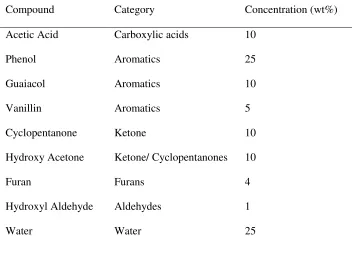
Table 2.1: Model compounds and their concentrations in the base mixture. ……... 23
Table 2.2: Special conditions of the runs. ………. 24
Table 2.3: Time required for phase separation. ……… 25
ix
List of Figures
Figure 1.1: The composition of top and bottom phases after phase separation
occurs (at 24 hours) (a) top phase (b) bottom phase………... 6
Figure 1.2: Change in chemical composition of BTG bio-oil during aging at 80 °C. 7
Figure 1.3: Chemical composition of bio-oil before phase separation and combined
valued for top and bottom phases after phase separation. ... 8
Figure 1.4: Water content of (a) top and bottom phases of aged, centrifuged and
settled bio-oil, and (b) the system (by water balance). ………... 9
Figure 1.5: Time taken for phase separation to occur at different percentage of
stabilizers, under accelerating aging conditions (at 80 °C). ... 10
Figure 1.6: Change in chemical composition of BTG bio-oil with 10% isopropanol
during aging at 80 °C. …..……… 11
Figure 1.7: The difference of chemical composition of BTG bio-oil with 20%
isopropanol and 10% isopropanol during aging at 80 °C. ………... 12
Figure 1.8: The variation of water content in the top and bottom phases of bio-oil
Vs. water content in the system. ……….. 14
Figure 1.9: Change in HHV of bio-oil with 10% and 20% isopropanol and
combined top and bottom phases without solvent (values are combined
based on their weight % at respective time of aging). ………. 15
Figure 2.1: Conversion of acetic acid along the aging period of model compound
with and without alcohol. ………. 27
Figure 2.2: Evolution of esters along the aging period of model compound with
x
Figure 2.3: Evolution of 1-hydroxy-2-propanone along the aging period of model
compound with and without alcohol. ………... 29
Figure 2.4: Evolution of cyclopentanone along the aging period of model
compound with and without alcohol. ………... 30
Figure 2.5: Evolution of 1,1-dimethoxycyclopentane along the aging period of
model compound with and without alcohol. ……… 31
Figure 2.6: Evolution of 2,2-dimethoxy- propane along the aging period of model
compound with and without alcohol. ………... 32
Figure 2.7: Evolution of phenolics along the aging period of model compound with
and without alcohol; (a) phenol, (b) phenol, 2-methoxy-, (c) vanillin … 33
Figure 3.1: The schematic diagram of the fluidized bed reactor and the condenser train 41
Figure 3.2: Water content, pH and HHV of different fractions of bio-oil derived from
birch bark (with the condenser 2 maintained at 70 °C) ……….... 44
Figure 3.3: The properties of second condenser cut of bio-oil at different
temperatures of condensation ………... 45
Figure 3.4: The GS-MS spectra for second condenser cut and aqueous
cut………... 46
Figure 3.5: Change in chemical composition of second condenser cut over the
aging period. …... 47
Figure 3.6: Change in chemical composition of the mixture of second condenser
cut and aqueous cut (condenser 3) over the aging period. ...………….... 48
Figure 3.7: Change in chemical composition of combination of second condenser
xi
Figure 3.8: Change in higher heating value of second condenser cut over the aging
xii
List of Appendices
Appendix A: Example of manual integration of GC-MS/FID data for the points of time = 3hrs
of aging in Figure 1.2... 57
xiii Introduction
Conversion of biomass into bio-oil is one of the most promising methods to replace depleting
fossil fuel resources with renewable feedstocks. Pyrolysis is a thermochemical process that
converts solid biomass into a liquid fuel, which is called bio-oil [1]. At room temperature, bio-oil
is usually, initially, a single phase, dark, viscous liquid that contains more than 300 chemical
components [1- 4].
However, when compared to conventional liquid fuels, bio-oil has several undesired properties
such as high viscosity, high acidity, high molecular weight, instability and phase separation upon
aging, and its properties, such as viscosity, change with storage time and temperature [1- 4].
Further, the high oxygen (typically 45-50 wt%) and water contents (typically 15-30 wt%) of
pyrolysis oil result in a lower energy density than conventional fuel oils [5, 6]. Amongst all the
above deleterious properties, instability is one of the biggest challenges because it not only
changes bio-oil properties such as viscosity, but also induces phase separation that prevents the
application of bio-oil as a fuel. Therefore, bio-oil needs further stabilization and upgrading
before it can be used as a fuel in existing engines [1].
The main objective of this thesis, therefore, is the development of practical solutions to eliminate
or reduce bio-oil aging. A first step is to characterize aging. In most of the past literature studies,
the stability of pyrolysis liquids has been measured as an absolute increase in its viscosity during
typical storage or during an accelerated aging test [2- 4]. In addition to increased viscosity,
storage (especially at elevated temperatures) has resulted in increasing water content [7],
increasing molecular weight [1- 4, 8] and phase separation [1]. Several studies show that the
weight-average molecular weight of aged bio-oil correlates linearly with its viscosity [4, 9]. This
is mainly due to the polymerization reactions between bio-oil components during storage [4, 9].
Further, Oasmaa et al. [10] showed that the change in viscosity is well correlated to the change in
carbonyl content of the bio-oil. However, increases in pH or Total Acid Number (TAN) are
barely noticeable during aging [3, 9] and hence, they are not good indicators for the
measurement of the stability or degree of aging of bio-oil [11].
To measure the degree of instability during aging, a method has been introduced to accelerate
xiv
that the aging reactions are relatively similar over the 37-90 °C temperature range [4] and
therefore, chemical changes during accelerated aging are representative of the changes that occur
during normal aging. For example, Czernik et al. [4] demonstrated that equivalent viscosities are
obtained in oak pyrolysis oil after 3 months of aging at room temperature, 4 days of aging at 60
°C or 6 hours of aging at 90 °C. In the same way, Chaala et al. [12] reported that the increase in
molecular weight observed after heating softwood bark pyrolysis oil for 1 week at 80 °C is
equivalent to keeping the sample for 1 year at room temperature.
As a result of ongoing chemical reactions, polymerization processes, and initial high water
concentrations, during aging, bio-oil spontaneously separates into two phases, i.e., a more polar
aqueous phase, which consist mainly of water soluble compounds, and a non-polar viscous
bottom phase, which consists of lignin extractives [2, 13-14]. The quantity of each phase
depends on many parameters such as the type and properties of the feedstock (e.g. water
content), the process parameters (e.g. temperature) and the storage conditions and period. From
all the above physical properties that have been considered to characterize bio-oil stability,
except phase separation, the desired range depends on the type of application of the fuel.
Therefore, phase separation is considered as one of the major issues because it is detrimental to
any fuel application and it creates problems in storage, transportation and upgrading of bio-oils.
Therefore, the first specific objective of this thesis, addressed in Chapter 1, is to analyze the
phase separation behaviour of fast pyrolysis bio-oil from hardwood. Its second specific objective
is to identify solvents and additives that are effective at retarding phase separation.
Additives, especially, low viscosity alcohols, can reduce both the initial viscosity of bio-oil and
mitigate its increase during aging [2, 3, 15, 16]. Ethyl Acetate, acetone, methanol, ethanol and
isopropanol are the additives that were the most commonly used in previous studies [1-4, 15].
Diebold and Czernik [2] showed that the effect of the solvents on viscosity reduction was greater
than would be expected from physical dilution. The authors also found that the addition of
methanol shortly after producing a hardwood bio-oil was significantly more effective than after
aging at 90 ºC for 20.5 hours. This suggests that beneficial chemical reactions occur between
xv
Boucher et al. [16] have shown that adding methanol is useful for delaying the phase separation
of vacuum pyrolysis softwood bark bio-oil. However, most of the recent upgrading studies use a
high concentration of solvent, reaching more than 50 wt% of the mixture [17, 18].
Therefore, a third specific objective of the thesis is to investigate the changes in chemical
composition of bio-oil before and after the phase separation, and when adding additives. This is
also addressed in Chapter 1. To better understand the fundamental aspects of such changes and
develop the best mitigation strategies, the aging behaviour of individual bio-oil model
compounds are investigated in Chapter 2.
As it was discussed before, bio-oil is a poorly defined mixture of acids, alcohols, aldehydes,
esters, ketones, sugars, phenols, guaiacols, syringols, furans, and multifunctional compounds.
The literature indicates that the whole picture of fuel stability is very complex and that there is
likely no single explanation for all the phenomena associated with bio-oil degradation. It has
been observed that, during aging, different unsaturated and reactive components interact by
means of polymerization, esterification, acetalization, oxidization or dimerization to form larger
molecules and consequently cause changes in physical properties, such as viscosity [1- 4].
Diebold [1] identified the following reactions as the main apparent interactions during bio-oil
aging:
• Organic acids + alcohols → esters + water.
• Organic acids + olefins → esters.
• Aldehydes + water → hydrates.
• Aldehydes + alcohols → hemiacetals + acetals + water.
• Aldehydes → oligomers + resins.
• Aldehydes + phenolics → resins + water.
• Unsaturated compounds → polyolefins.
Understanding how and why polymerization and other reactions occur is important to develop
methods to stabilize or upgrade bio-oil. Significant efforts have been made to understand the
polymerization and other chemical reactions between solvents (mainly low molecular mass
alcohols) and bio-oil [17 - 20]. Due to the extreme complexity of bio-oils, the contribution of the
xvi
studies have used model compound mixtures on polymerization and other ongoing chemical
reactions in oil [21 - 26]. Gunawan et al. [27] and Hu et al. [21], for example, have used
bio-oil model compounds to understand the chemical reactions that are happening at elevated
temperatures (70-170 °C), but did not investigate what is happening when bio-oil is heated or
stored for a prolonged time. All these model compound studies have been executed to understand
the chemical reactions that are occurring within 2 hours of heating time.
The quality and stability indicators of bio-oil are directly related to the chemical composition of
these oils [28]. Therefore, the quality or the stability of bio-oil can be improved by changing the
chemical composition of the bio-oil produced. This has been achieved by upgrading biomass
using torrefaction processes [29, 30] or other pretreatment processes [31], by controlling the
pyrolysis conditions [32 - 36], by using only a selective part of feedstock biomass with specific
qualities such as cellulose, hemicellulose or lignin [32 -33], by downstream fractionating of
bio-oil by methods such as molecular distillation [37] or by changing the temperature of the
condenser [38]. Oasmaa [39] has found that the concentration method, which removes part of the
water and light volatiles and replaces them with alcohols can improve the quality (viscosity,
flash point and stability) of the bio-oil. However, removing water is always accompanied by the
loss of organic vapors in the condenser and hence a reduction in bio-oil yield [34]. Demirbas
[33] and Dong et al. [32] studied the influence of pyrolysis temperature on the compounds and
composition of bio-oil obtained from fast pyrolysis [33].
It is well known that the temperature of the condenser affect the bio-oil yield and composition
[40]. In the recent years, lot of efforts has been made for the usage of a series of condensers to
collect bio-oil with specific fuel properties [37 - 38, 41 - 42]. Westerhof et al. [38], Pollard et al.
[41], Tzanetakis et al. [42] and Chen et al. [43] studied the effect of selective condensation on
bio-oil characteristics. These authors concluded that the liquid fraction collected from
condensing each stage has unique physical and chemical properties, and that the stage
fractionation can be used to control the water and acid contents of the bio-oil product. Based on
these results, Westerhof et al. [38] concluded that the fractional condensation is a promising
cheap downstream approach to concentrate compounds and thus, to control the quality of
bio-oils, making it more suitable for further upgrading and/or direct application. In the same way,
xvii
has the dual advantage of increasing the combustibility and decreasing the corrosiveness of the
other oil fractions [44]. Tzanetakis et al. [42] found that they could use fractional condensation to
produce a homogeneous single phase liquid bio-oil that remained a single phase after 7 months
of storage at room temperature. Tumbalam Gooty [45] also experienced a similar result from
fractional condensation.
Therefore, the fourth specific objective of this thesis is to investigate the use of fractional
condensation of pyrolysis vapors to obtain bio-oils that are more resistant to aging. The thesis is
formatted according to the ‘integrated article format” which includes 3 articles in Chapters 1, 2
and 3.
To summarize, this thesis focuses on the development of practical solutions to eliminate or
reduce bio-oil aging. It proceeds through several steps:
1) Development of a reliable and relevant method to characterize aging. It focuses on the
separation behaviour of fast pyrolysis bio-oil, which is a serious problem for any practical
application of bio-oil (Chapter 1).
2) Identification of solvents and additives that are effective at retarding phase separation
(Chapter 1).
3) Investigate the changes in chemical composition of bio-oil before and after the phase
separation, and when adding additives (Chapter 1). To better understand these changes
and develop the best mitigation strategies, changes obtained with model compounds of
bio-oil are also studied (Chapter 2).
4) Determine whether fractional condensation of pyrolysis vapors can be used to obtain
xviii References
[1] Diebold, J. P. (2000). A review of the chemical and physical mechanisms of the storage
stability of fast pyrolysis bio-oils. NREL/SR-570-27613. Colorado, National Renewable
Energy Laboratory.
[2] Diebold, J. P. and Czernik, S. (1997). Additives to lower and stabilize the viscosity of
pyrolysis oil during storage, Energy & Fuels 1997, 11, 1081-1091
[3] Oasmaa, A. and Kuoppala, E. (2003). Fast pyrolysis of forestry residue. 3. Storage
stability of liquid fuel. Energy & Fuels 2003, 17, 1075-1084
[4] Czernik, S., Johnson, D. K., Black, S. (1994). Stability of wood fast pyrolysis oil.
Biomass and Bioenergy, 7(1-6), 187- 192.
[5] Oasmaa, A. and Czernik, S. (1999). Fuel oil quality of biomass pyrolysis oils- state of the
art for the end users. Energy & Fuels 1999, 13, 914-921.
[6] Demirbas, A. (2007). The influence of temperature on the yield of compounds existing in
bio-oils obtained from biomass samples via pyrolysis. Fuel Processing Technology,
88(2007), 591-597.
[7] Batts, B.D. and Fathoni, A.Z. (1991). A literature review on fuel stability with particular
emphasis on diesel oil. Energy & Fuels 1991, 5, 2-21.
[8] Vispute, T. (2011). Pyrolysis oils: Characterization, stability analysis and catalytic
upgrading to fuels and chemicals. Open access dissertation, paper 349, Amherst,
University of Massachusetts.
http://scholarworks.umass.edu/open_access_dissertations/349
[9] Kim, T. S., Kim, J. Y., Kim, K. H., Lee, S. and Choi, D. (2012). The effect of storage
duration on bio-oil properties. Journal of Analytical and Applied Pyrolysis, 95(2012),
xix
[10] Oasmaa, A., Korhonen, J. and Kuoppala, E. (2011). An approach for stability
measurement of wood-based fast pyrolysis bio-oil. Energy & Fuels 2011, 25, 3307-3313.
[11] Oasmaa, A., Elliott, D. C. and Korhonen, J. (2010). Acidity of biomass fast pyrolysis
bio-oil. Energy & Fuels 2010, 24, 6548-6554.
[12] Chaala, A., Ba, T., Garcia-Perez, M. and Roy, C. (2004). Colloidal properties of bio-oils
obtained by vacuum pyrolysis of softwood bark: Aging and thermal stability. Energy &
Fuels 2004, 18, 1535-1542.
[13] Chen, H. W., Song, Q. H., Liao, B. and Guo, Q. X. (2011). Further separation,
characterization and upgrading for upper and bottom layer from phase separation of
biomass pyrolysis oils. Energy & Fuels 2011, 25, 4655-4661.
[14] Ba, T., Chaala, A., Garcia-Perez, M., Rodrigue, D. and Roy, C. (2004). Colloidal
properties of bio-oils obtained by vacuum pyrolysis of softwood bark. Characterization of
water-soluble and water-insoluble fractions. Energy & Fuels 2004,18, 704-712.
[15] Qiang, L., Xu-lai, Y. and Xi-feng, Z. (2008). Analysis on chemical and physical
properties of bio-oil pyrolysis from rice husk. Journal of Analytical and Applied
Pyrolysis. 82(2008), 191-198.
[16] Boucher, M. E., Chaala, A., Pakdel, H. and Roy, C. (2000). Bio-oils obtained by vacuum
pyrolysis of softwood bark as a liquid fuel for gas turbine. Part II: Stability and aging of
bio-oil and its blends with methanol and a pyrolytic aqueous phase. Biomass and
Bioenergy, 19(2000), 351-361.
[17] Li., X., Gunawan, R., Lievens, C., Wang, Y., Mourant, D., Wang, S., Wu, H.,
Garcia-Perez, M. and Li, C. Z. (2011).Simultaneous catalytic esterification of carboxylic acids
and acetalisation of aldehydes in fast pyrolysis bio-oil from mallee biomass. Fuel,
90(2011), 2530-2537.
[18] Hu, X., Gunawan, R., Mourant, D., Lievens, C., Li, X., Zhang, S. and Chaiwat, W.
(2012). Acid-catalysed reaction between methanol and bio-oil from fast pyrolysis of
xx
[19] Hu, X., Mourant, D., Wang, Y., Wu, L., Chaiwat, W. Gunawan, R., Gholizadeh, M.,
Lievens, C., Garcia-Perez, M., Li, C. Z. (2013). Acid-catalysed treatment of the mallee
leaf bio-oil with methanol: Effects of molecular structure of carboxylic acids and esters
on their conversion. Fuel Processing Technology, 106(2013), 569-576.
[20] Moens, L., Black, S. K., Myers, M. D. and Czernik, S. (2009). Study of the neutralization
and stabilization of a mixed hardwood bio-oil. Energy & Fuels 2009, 23, 2695-2699.
[21] Hu, X., Wang, Y., Mourant, D., Gunawan, R., Lievens, C., Chaiwat, W., Gholizadeh, M.,
Wu, L., Li, X. and Li, C. Z. (2012). Polymerization on heating up of bio-oil: A model
compound study. AIChE Journal, 00(0), 1-10. DOI: 10.1002/aic.13857.
[22] Wang, S., Guo, Z., Cai, Q. and Guo, L. (2012). Catalytic conversion of carboxylic acids
in bio-oil for liquid hydrocarbons production. Biomass and Bioenergy, 45 (2012),
138-143.
[23] Lohitharn, N., and Shanks, B. H. (2009). Upgrading of bio-oil: Effect of light aldehydes
on acetic acid removal via esterification. Catalysis Communications, 11 (2009), 96-99.
[24] Gu, Y., Xu, G., Guo, Z., and Wang, S. (2012). Esterification research on a bio-oil model
compounds system with an optimal solid acid catalyst. Advanced Materials Research,
383-390 (2012), 1144-1149.
[25] Zhang, Z., Sui, S., Tan, S., Wang, Q., and Pittman Jr. C. U. (2013). Catalytic conversion
of bio-oil to oxygen containing fuels by simultaneous reactions with butanol and
1-octene over solid acids: Model compound studies and reaction pathways. Bioresource
Technology, http://dx.doi.org/10.1016/j.biortech.2012.11.060.
[26] Yang, X., Chatterjee, S., Zhang, Z., Zhu, X., and Pittman, Jr. C. U. (2010). Reactions of
phenol, water, acetic acid, methanol, and 2-hydroxymethylfuran with olefin and models
for bio-oil upgrading. Industrial and Engineering Chemistry Research, 49 (2010).2003-
xxi
[27] Gunawan, R., Li, X., Larcher, A., Hu, X., Mourant, D., Chaiwat, W. and Wu, H. (2012).
Hydrolysis and glycosidation of sugars during the esterification of fast pyrolysis, Fuel,
95(2012), 146-151.
[28] Zhang, Q., Chang, J., Wang, T. and Xu, Y. (2006). Upgrading bio-oil over different solid
catalysts. Energy & Fuels 2006, 20, 2717-2720.
[29] Meng, J., Park, J., Tilotta, D., and Park, S. 2012. The effect of torrefaction on the
chemistry of fast -pyrolysis bio-oil. Bioresource Technology, 111(2012), 439- 446
[30] Van der Stelt, M. J. C., Gerhauser, H., Kiel, J. H. A., and Ptasinski, K. J. 2011. Biomass
upgrading by torrefacton for the production of biofuels: A review. Biomass and
Bioenergy, 35(2011), 3748- 3762.
[31] Boateng, A. A., and Mullen, C. A. 2013. Fast pyrolysis of biomass thermally pretreated
by torrefaction. Journal of Analytical and Applied Pyrolysis. 100(2013), 95- 102.
[32] Dong, C., Zhang, Z., Lu, Q., and Yang, Y. (2012). Characteristics and mechanism study
of analytical fast pyrolysis of poplar wood. Energy Conversion and Management,
57(2012), 49-59.
[33] Demirbas, A. (2007). The influence of temperature on the yields of compounds existing
in bio-oils obtained from biomass samples via pyrolysis. Fuel Processing Technology,
88(2007), 591-597.
[34] Westerhof, R. J. M., Kuipers, N. J. M., Kersten, S. R. A., and van Swaaij, W. P. M.
(2007). Controlling the water content of biomass fast pyrolysis oil. Industrial and
Engineering Chemistry Research, 46 (2007). 9238-9247.
[35] Garcia-Perez, M., Wang, S. X., Shen, J., Rhodes, M. J., Tian, F., Lee, W., Wu, H. C., and
Li, C. (2008). Fast pyrolysis of Mallee woody biomass: Effect of temperature on the yield
and quality of pyrolysis products. Industrial and Engineering Chemistry Research, 47
xxii
[36] Garcia-Perez, M., Wang, S., Shen, J., Rhodes, M., Lee, W. J., Li, C. Z. (2008). Effects of
temperature on the formation of lignin-derived oligomers during the fast pyrolysis of
Mallee woody biomass. Energy & Fuels, 22 (3), 2022–2032.
[37] Azeez, A. M., Meier, D., Odermatt, J. and Willner, T. (2010). Fast pyrolysis of African
and European lignocellulosic biomasses using Py-GC/MS and fluidized bed reactor.
Energy & Fuels 2010, 24, 2078-2085.
[38] Westerhof, R. J. M., Brilman, D. W. F., Garcia-Perez, M., Wang, Z., Oudenhoven, S. R.
G., van Swaaij, W. P. M. and Kersten, S. R. A. (2011). Fractional condensation of
biomass pyrolysis vapours. Energy & Fuels 2011, 25, 1817-1829.
[39] Oasmaa, A., Sipila, K., Solantausta, Y. and Kuoppala, E. (2005). Quality improvement of
pyrolysis liquid: Effect of light volatiles on the stability of pyrolysis liquids. Energy &
Fuels 2005, 19, 2556-2561.
[40] Chang, C. C., Wu, S. R., Lin, C. C., Wan, H. P. and Lee, H. T. (2012). Fast pyrolysis of
biomass in pyrolysis gas: fractionation of pyrolysis vapors using a spray of bio-oil.
Energy & Fuels 2012, 26, 2962-2967.
[41] Pollard, A. S., Rover, M. R., and Brown, R. C. (2012). Characterization of bio-oil
recovered as stage fractions with unique chemical and physical properties. Journal of
Analytical and Applied Pyrolysis. 93(2012), 129-138.
[42] Tzanetakis, T., Ashgriz, N., james, D. F., and Thomson, M. J. (2008). Liquid fuel
properties of a hardwood derived bio-oil fraction. Energy & Fuels, 22(2008), 2725-2733.
[43] Chen, T., Deng, C., and Liu, R. (2010). Effect of selective condensation on the
characterization of bio-oil from pine sawdust fast pyrolysis using a fluidized bed reactor.
Energy & Fuels, 24(2010), 6616-6623.
[44] Guo, X., Wang, S., Guo, Z., Liu, Q., Luo, Z and Cen K. (2010). Pyrolysis characteristics
of bio-oil fractions separated by molecular distillation. Applied Energy, 87(2010),
xxiii
[45] Tumbalam Gooty, A. 2012. Fractional condensation of bio-oil vapors. University of
Western Ontario - Electronic Thesis and Dissertation Repository. Paper 979.
Chapter 1
1
Quantification of phase separation of hardwood derived
bio-oil and changes of physical and chemical compositions
before and after phase separation
1.1 Introduction
Pyrolysis is a thermochemical process that converts solid biomass into a liquid fuel, which is
called bio-oil [1]. At room temperature, bio-oil is often, initially, a single phase, dark, viscous
liquid that contains more than 300 chemical components [1- 4].
However, as it was explained in the ‘Introduction’ (page xiv), when compared to conventional
liquid fuels, bio-oil has several undesired properties such as high viscosity, high acidity, high
molecular weight, instability and phase separation upon aging, which means that properties, such
as viscosity, change with storage time and temperature [1- 4]. Further, the high oxygen and
water contents of pyrolysis oil result in a lower energy density than conventional fuel oils [5, 6].
Amongst all the above deleterious properties, instability is one of the biggest challenges because
it not only changes bio-oil properties such as viscosity, but also induces phase separation that
prevents the application of bio-oil as a fuel. Therefore, bio-oil needs further stabilization and
upgrading before it can be used as a fuel in existing engines [1]. According to Batts and Fathoni
[7], the term “fuel stability” characterizes the general resistance of a fuel to change. At ambient
conditions, it can refer to “storage stability”, that is, the ability of a fuel to remain in storage over
an extended period of time without appreciable deterioration. However, in most of the past
literature, the stability of pyrolysis liquids was measured as an absolute increase in its viscosity
during typical storage or by using an accelerated aging test [2- 4]. In addition to increased
viscosity, storage (especially at elevated temperatures) has resulted in increasing water content
[7], increasing molecular weight [1- 4, 8] and phase separation [1].
The literature [1- 4] indicates that the whole picture of fuel stability is very complex and that
2
has been observed during aging that different unsaturated and reactive components interact by
means of polymerization, esterification, acetalization, oxidization or dimerization to form larger
molecules and consequently cause changes in physical properties, such as viscosity [1- 4]. To
prevent these undesired aging reactions, physical and chemical upgrading methods have been
investigated. They include solvent addition [8-15], emulsification with diesel fuel [16-20],
deoxygenation using zeolite catalysts and catalytic hydrotreating.
Hydrotreating is considered to be a very expensive and energy consuming process. It also
reportedly causes phase separation [21] and drastically increases the viscosity of the organic
phase [1]. Deoxygenation processes based on catalytic hydrotreatment or catalytic cracking not
only significantly reduce the liquid yield, but are also capital intensive [5]. Only a very small
fraction of bio-oil is soluble in typical diesel fuels [1]. However, recently, many efforts have
been directed to producing an emulsion of bio-oil with diesel [16-20]. In most cases, there is an
immediate phase separation between the bio-oil and diesel and, therefore, an emulsifying agent
needs to be added at high concentration [16-20] to stabilize the emulsion, resulting in a high fuel
cost [16]. Udomsap et al. [20] report that up to 40% of surfactant needs to be added to emulsify
bio-oil with oil with a proportion of 40%. Even with alcohols, a very high concentration of
alcohol is required for proper emulsification [17].
Additives, especially, low viscosity alcohols, can reduce both the initial viscosity of bio-oil and
its increase during aging [2, 3, 22, 23]. Literature shows that beneficial chemical reactions occur
between bio-oil and the solvent [1].
Oasmaa [24] developed the concentration method, which removes part of the water and light
volatiles and replaces them with alcohols can improve the quality (viscosity, flash point and
stability) of bio-oil. In this case, a fraction of the carboxylic acids, aldehydes and ketones are
removed along with water. Zuo-gang et al. [25] also improved the quality of bio-oil by removing
acid compounds from the bio-oil by molecular distillation.
As a result of ongoing chemical reactions, polymerization processes, and initial high water
concentrations, during aging, bio-oil spontaneously separates into two phases, i.e., the more polar
aqueous phase, which consist mainly of water soluble compounds, and the non polar viscous
3
conducted separately for upper and bottom bio-oil layers after phase separation by gravity or by
centrifugation [27]. Some work has also been done to extract valuable chemical and fuels from
bio-oil by effective phase separation through salt addition [26, 28]. Scholez et al. [29-30]
induced phase separation through water extraction, adding bio-oil to cold water, to extract
pyrolytic lignin from bio-oil. Since the water insoluble fraction is high in phenolics compounds,
Xu et al. [31] investigated the possibility of using this fraction of rice husk bio-oil for the
production of novolac resins.
Boucher et al. [32] have shown that adding methanol is useful for delaying the phase separation
of vacuum pyrolysis softwood bark bio-oil. However, most of the recent upgrading studies use a
high concentration of solvent, reaching more than 50 % of the mixture [8- 12].
The purpose of the current research is to study and identify the changes in chemical composition
physical properties of bio-oil before and after the phase separation. Then, the research is
extended to investigate the effect of low concentrations of alcohols on aging and specifically on
phase separation. The ultimate objective is to identify the most suitable stabilizer for avoiding
phase separation and the minimum required amount of stabilizer that needs to be added to
prevent phase separation during aging of bio-oil for a given period of time. The effect of
stabilizer on chemical composition is investigated.
1.2 Materials and methods
1.2.1 Chemicals and materials
Fast pyrolysis bio-oil was purchased from the Biomass Technology Group (BTG), The
Netherlands. Bio-oil is a single phase liquid at room temperature, with 21.8 wt% water content.
butanol, ethanol, isopropanol and propanol were purchased from the Sigma Aldrich Company.
1.2.2 Quantification of phase separation due to aging of bio-oil
A set of pre-weighed bio-oil samples (10g) was sealed in glass tubes and kept at 80 °C in a
constant temperature water bath for different periods of time. At hourly intervals, one sample
was taken out of the bath, cooled down to room temperature and the weight of the aged bio-oil
4
loss of the aged bio-oil was less than 2.0 wt%. Then, the samples were centrifuged in a Marathon
2100 centrifuge (Fisher Scientific) for 20 minutes at 5000 rpm and checked for phase separation.
Once the first signs of phase separation appeared, the sealed sample was stored at 4 °C in a
refrigerated cabinet for 20 hours. After 20 hours, the top and bottom phases were separated by
decanting and each phase was weighed. The water content of the top and bottom phases was
measured using a Mettler Toledo volumetric Karl Fischer titrator using AquaStar
CombiSolventKeto as the titrant. The higher heating value (HHV) of both top and bottom phases
was measured using a bomb calorimeter (IKA C200). The same steps were followed for other
periods of aging and a different sample was used for each time. The top and bottom phases were
analysed in a coupled GC-MS/FID (flame ionization detector) to determine their chemical
compositions.
1.2.3 Chemical composition of top and bottom phases with aging time
Gas chromatography – mass spectrometry
The samples from top and bottom phases were analysed by gas chromatography-mass
spectrometry (GC-MS) coupled with a flame ionization detector (FID). The mass spectrometer
was used to identify the various compounds while the flame ionization detector was used to
determine their concentrations. The GC-MS/FID is a Shimadzu GCMS-QP2010 plus, equipped
with auto sampler/injector and a capillary column (RTX-1701) of 30m x 0.25 mm i.d. (film
thickness: 0.25 µm, column flow: 0.75 mL/min, carrier gas: helium, maximum temperature:
280 °C). Samples were mixed with a 1-dodecanol internal standard solution at a 1:1 ratio, diluted
with methanol at a 1:22 ratio, and filtered using 0.2 µm pore size TEFLON filters. Then, 1 µL of
sample was injected with a split ratio of 1:20 while the column was maintained at 45 °C for
3 minutes before being heated to 220 °C at a rate of 5 °C/min, then the column was heated to
280 °C at a rate of 30 °C/min, and held for 3 min. The identification of the peaks in the
chromatogram was based on the comparison with standard spectra and/or on the retention time of
known standards injected. Quantification of each group of compounds was done by manual
integration of single ion chromatograms. The Appendix A shows the calculation of 3hrs of aging
data in Figure 1.2.
5
Butanol, ethanol, isopropanol or propanol was individually added in different concentrations to
bio-oil samples and the sealed samples were kept at 80 °C in a water bath. Every one hour
period, the samples were cooled down, centrifuged for 20 minutes at 5000 rpm and checked for
phase separation. These steps were followed until the samples became phase separated. The time
taken for phase separation to happen was recorded.
1.2.5 Chemical composition of bio-oil during aging with Isopropanol as a solvent
As shown below, isopropanol is the most effective of the tested solvents in preventing phase
separation during long storage periods. The changes in chemical composition of the bio-oil with
aging in presence of isopropanol (at 10 and 20 wt% concentrations) were, therefore, investigated.
Sealed samples of BTG bio-oil and 10 wt% isopropanol were kept at 80 °C in a water bath for
17 days and samples were taken for GC-MS/FID analysis at 24 hours interval at the beginning
and at 2-3 days intervals later on. Once phase separation had occurred, the top and bottom phases
were separated by decanting and samples were taken for GC-MS/FID analysis. The GC-MS/FID
analysis and peak area calculations were done according the method that is presented in section
2.3.
1.2.6 Quantification of phase separation by water titration
Different percentages of water were added to different sets of bio-oil samples. The samples were
well mixed, sealed and allowed to settle for 5 days at room temperature (because it was observed
that more watery samples took a longer time to settle). After settling, the top and bottom phases
were separated by decanting and the water content of each phase was measured using the Karl
Fischer titrator.
1.2.7 Higher heating value
HHV was measured with the bomb calorimeter for each aged sample and both top and bottom
phases in case of phase separation.
1.3 Results and discussion
6
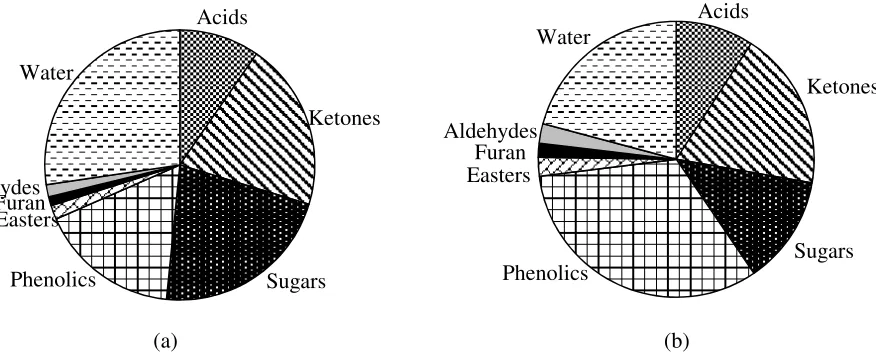
Figure 1.1 shows the composition of top and bottom phases 6 hours after the initiation of phase
separation. It is observed that the top phase contains a higher percentage of water and sugars and
a lower share of phenolics when compared to the bottom phase. However, the concentrations of
those components in both phases are still significant and the other components are also
distributed in both phases. Therefore, the phase separation is not an effective method to segregate
one or more of the component groups.
Figure 1.1: The composition of top and bottom phases after phase separation occurs (at 24 hours). (a) top phase. (b) bottom phase.
1.3.2 What triggers phase separation?
Figure 1.2 shows the evolution of chemical composition of aged bio-oil during the accelerated
aging process before phase separation occurs. The behaviour of a sample of BTG bio-oil during
aging shows that, at first, some reactions occur relatively rapidly: for example, the results show
that, after only 6 hours, the esters concentration has increased by about 50 %. After this initial
period, the concentration of all the component groups that are observed in GC-MS/FID decreases
with time. Since GC-MS can identify only the light compounds in the oil, this gives an indication
that some of the components from each group might be disappearing from the light fraction
through polymerization or condensation reactions.
Acids
Ketones
Sugars Phenolics
Easters Furan Aldehydes
Water
Acids
Ketones
Sugars Phenolics
Easters Furan Aldehydes
Water
7
Aging period (hours)
2 4 6 8 10 12 14 16
xi
/
x1
0.0 0.2 0.4 0.6 0.8 1.0 1.2 1.4 1.6
Esters Acids Sugars Phenolics Ketones Furans Aldehydes
Figure 1.2: Change in chemical composition of BTG bio-oil during aging at 80 °C.
x 1
1
x
1.3.3 What happens after the phase separation occurs?
Figure 1.3 shows the composition of bio-oil before phase separation and combined values of top
and bottom phases after phase separation. Since the weight proportion of the bottom phase
continuously increases with time, the compositions are combined based on their weight
percentages at the each time period. Figure 1.3 shows that phase separation does not have a
dramatic effect on the trends observed before phase separation, with the exception of acids,
whose concentration increases sharply upon phase separation and then remains approximately
8
Aging period (hours)
0 20 40 60 80
xi
0.0 0.5 1.0 1.5 2.0 2.5
Esters Acids Sugars Phenolics Ketones Furans Aldehydes
Figure 1.3: Chemical composition of bio-oil before phase separation and combined valued for top and bottom phases after the phase separation occurred (values are combined
based on their weight % at respective aging time).
Oasmaa et al. [33] show that the increase in water-insoluble compound is paired with the
reduction in carbonyl compounds, such as esters, carboxylic acids, ketones and aldehydes, and
this is correlated to the increase in molecular weight during aging. They show that the change in
carbonyl compounds is due to reactions of aldehydes and ketones during storage, whose reaction
products end up in the water-insoluble fraction. Similarly, Kim et al. [34] concluded that the
decrease in concentration of most of the low molecular weight components in bio-oil during
aging results from their chemical involvement in reactions with pyrolytic lignin. Their study also
found that these reactions increase both the yield of pyrolytic lignin and the average molecular
weight over the aging period [34].
P
h
as
e
se
p
ar
at
io
9
Figure 1.4: Water content of (a) Top and bottom phases of aged, centrifuged and settled bio-oil, and (b) the system (by water balance).
Phase separation can be a result of the formation of water or heavy compounds as a by product or
as a result of polymerization and condensation reactions during aging [35]. In this study, as
shown in Figure 1.4 (b), during aging of BTG bio-oil at 80 °C, for the first three days the
increase in the total water amount is hardly noticeable. Boucher et al. [32] have also noticed that
there was no significant increase or decrease of total water content during accelerated aging of
bio-oil derived from softwood bark. Similarly, Kim et al. [34] found the same result during aging
of poplar wood bio-oil at 23 °C for a 10 weeks period. However, after phase separation, the
water content of the top and bottom phases was significantly different at any given time (Figure
1.4a). Even though the water content of the bottom phase slightly declined with time, this was
due primarily to the growth with time in the amount of bottom phase through the migration of
compounds other than water from the top phase to the bottom phase.
1.3.4 What happens when solvents are added to bio-oil?
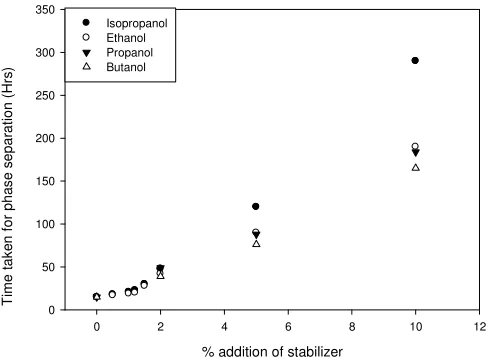
Phase separation during storage can be prevented by adding the proper solvent. The impact of the
addition of low concentrations (up to 10 wt%) of butanol, ethanol, isopropanol and propanol on
the occurrence of phase separation is shown in Figure 1.5. Obviously the phase stability
increases with increased proportion of additives. Isopropanol is the most effective of the four
tested additives, since it keeps the oil in a single phase for the longest duration at 80 °C. For
Aging period (Hrs)
0 20 40 60 80
W a te r c o n te n t (% ) 10 15 20 25 30 35 40 Top phase Bottom phase
Aging period (hours)
0 20 40 60 80
T o ta l w a te r c o n te n t (% ) 0 10 20 30 40 50
(a) (b)
10
example, 10 % addition of isopropanol prevents phase separation for 13 days at 80 °C. In the
same way, Boucher et al. [32] showed that 15 % addition of methanol will increase the phase
stability of bio-oil.
% addition of stabilizer
0 2 4 6 8 10 12
T im e t a k e n f o r p h a s e s e p a ra ti o n ( H rs ) 0 50 100 150 200 250 300 350 Isopropanol Ethanol Propanol Butanol
Figure 1.5: Time taken for phase separation to occur at different percentage of stabilizers, under accelerating aging conditions (at 80 °C).
There are two possible explanations for the inhibition of phase separation observed with the
addition of low molecular weight alcohol: the alcohol could increase the mutual solubility of the
polar and non-polar oil components or, alternately, alcohols may react with some of the
bio-oil components. The change in chemical composition of bio-bio-oil treated with 10 wt% of
isopropanol is shown in Figure 1.6. Prior to phase separation, the major changes are the decline
in phenolics, ketones and aldehydes and the increase of esters. Similar results have been
observed in many previous studies [2, 3, 33, 36]. The acid content is slightly decreased. After 13
days of aging at 80 °C, the aqueous phase, which is rich in sugars, and the organic phase, which
is rich in phenolics, separated. The decrease in phenolics, ketones and aldehydes might have
changed the mutual solubility of the bio-oil components, or the formation of high molecular
weight components through polymerization or condensation reactions might have reduced their
mutual solubility. Diebold [1] also argues that as the bio-oil composition changes during aging,
the mutual solubility of the components changes to make phase separation more likely. Diebold
also argues that the increasing difference in polarity among the compounds in the aged bio-oil
11
organic acid and alcohol molecules into esters with relatively low polarity and extremely polar
water. The formation of acetals shifts the composition away from acetaldehyde hydrates,
releasing the water of hydration and the water formed with the acetal. Acetals are in the
relatively nonpolar family of ethers.
Aging period (Days)
0 2 4 6 8 10 12 14
xi
/
x1
0 2 4 6 8
Esters Acids Sugars Phenolics Ketones Furans Aldehydes
Figure 1.6: Change in chemical composition of BTG bio-oil with 10 % isopropanol during aging at 80 °C.
x
1 1
x
The model compound study by Hu et al. [34] shows that phenolic compounds (phenol, guaiacol
and vanillin etc.) are reactive in an acidic environment. This is confirmed by the decrease in total
phenolic compounds observed in this study. Qu et al. [37] concluded that the majority of
carbohydrates and sugars in the bio-oil come from the cellulose fraction of biomass, while the
majority of phenolics come from the lignin fraction. They also found out that the hemicellulose
is the fraction which mainly contributes towards the acid, ketone and aldehydes contents of the
12
Aging period (Days)
0 2 4 6 8 10 12 14
(xi
/
x1 )for
2 0 % I s o p ro p . -( xi / x1 )for
1 0 % I s o p ro p . -8 -6 -4 -2 0 2 4 6 8 10 Esters Acids Sugars Phenolics Ketones Furans Aldehydes
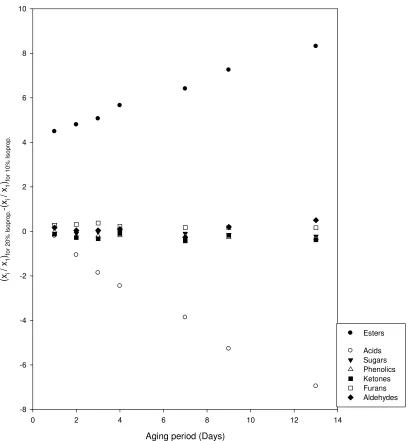
Figure 1.7: The difference of chemical composition of BTG bio-oil with 20 % Isopropanol and 10 % isopropanol during aging at 80 °C.
13
Figure 1.7 shows the change in composition of each component group when the isopropanol
concentration is increased from 10 % to 20 %. The proportion of esters continues to increase and
acids to decrease. There is no measurable impact on ketones, furans and aldehydes. It can be
concluded from these results that the addition of polar solvents (isopropanol in this case) not
only changes the mutual solubility of components but also changes the chemical composition
through reactions such as the esterification of carboxylic acids.
1.3.5 What happens when water is added to bio-oil?
It is well known that in the presence of excess water, bio-oil is separated into two phases, i.e., the
aqueous top phase and the organic bottom phase. More of the water is accumulated into the
aqueous phase whereas the bottom phase contains less water [26- 27]. Water extraction has been
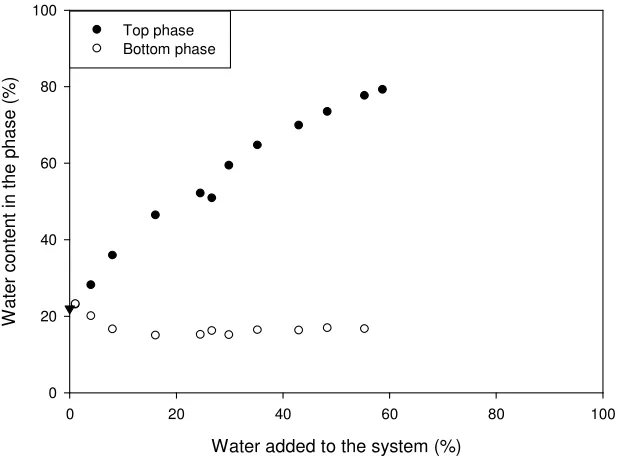
widely used as the first step for recovering renewable chemicals from bio-oil [38]. Figure 1.8
shows the water content of top and bottom phases when water titration is performed as explained
in section 1.2.6. The oil is phase separated when the total water content in the system (the
mixture of water and bio-oil) reaches 23.2 wt%. By adding more water to the system, the top
phase is continuously diluted while the water content of the bottom phase remains almost
constant.
In a previous study, Vitasari et al. [38] concluded that the addition of water to bio-oil from forest
residues and pine will dilute the aqueous phase while keeping the water content in the organic
phase nearly constant. This was exemplified in our results as well. However, Oasmaa and
Czernik [5] stated that the amount of water that can be dissolved in oil before phase separation
occurs depends on the feedstock and their paper demonstrated a similar phase diagram of water
and bio-oil system, of which, the phase separation of birch, pine and poplar wood bio-oil takes
place at 20, 23-25, 31 wt% of water, respectively [5]. In the present study, the hardwood derived
BTG bio-oil is phase separated at a water content very close to that of pine wood derived bio-oil
14
Water added to the system (%)
0 20 40 60 80 100
W
a
te
r
c
o
n
te
n
t
in
t
h
e
p
h
a
s
e
(
%)
0 20 40 60 80 100
Top phase Bottom phase
Figure 1.8: The variation of water content in the top and bottom phases of bio-oil vs. water content in the system.
1.3.6 Change of the higher heating value (HHV) of bio-oil with isopropanol added as a solvent
Figure 1.9 shows the evolution of the higher heating value (HHV) of bio-oil with the addition of
10 % or 20 % isopropanol, as well as the combined values of top and bottom phases based on
their weight percentages during aging at 80 °C. The addition of isopropanol prevents the drop in
15
Aging period (Days)
0 2 4 6 8 10 12 14 16 18
H
H
V
(
k
J
/k
g
)
10000 12000 14000 16000 18000 20000 22000
Bio-oil+20% Isopropanol Bio-oil+10% Isopropanol
Combined two phases after phase separation
Figure 1.9: Change in HHV of bio-oil with 10 % and 20 % isopropanol and combined top and bottom phases without solvent (values are combined based on their
weight % at respective time of aging).
1.4 Conclusions
Natural phase separation of bio-oil or artificial phase separation by water addition is not effective
tools to segregate components into two single phases.
During aging of bio-oil at 80 °C, phase separation of hardwood derived bio-oil occurs after about
15 hours. GC-MS analysis shows that some of the components, such as phenolics, sugars,
ketones, esters, acids, furans and aldehydes, are disappearing from the light fraction of the bio-oil
during accelerated aging. These components may undergo polymerization or condensation with
the heavier bio-oil components.
The addition of solvents greatly retards phase separation. Isopropanol is the most suitable alcohol
16
increases the mutual solubility of the components in bio-oil, but also modifies the chemical
composition of the bio-oil through reactions such as esterification.
1.5 References
[1] Diebold, J. P. (2000). A review of the chemical and physical mechanisms of the storage
stability of fast pyrolysis bio-oils.NREL/SR-570-27613. Colorado, National Renewable
Energy Laboratory.
[2] Diebold, J. P. and Czernik, S. (1997). Additives to lower and stabilize the viscosity of
pyrolysis oil during storage, Energy & Fuels 1997, 11, 1081-1091
[3] Oasmaa, A. and Kuoppala, E. (2003). Fast pyrolysis of forestry residue. 3. Storage
stability of liquid fuel. Energy & Fuels 2003, 17, 1075-1084
[4] Czernik, S., Johnson, D. K., Black, S. (1994). Stability of wood fast pyrolysis oil.
Biomass and Bioenergy, 7(1-6), 187- 192.
[5] Oasmaa, A. and Czernik, S. (1999). Fuel oil quality of biomass pyrolysis oils- state of the
art for the end users. Energy & Fuels 1999, 13, 914-921.
[6] Demirbas, A. (2007). The influence of temperature on the yield of compounds existing in
bio-oils obtained from biomass samples via pyrolysis. Fuel Processing Technology,
88(2007), 591-597.
[7] Batts, B.D. and Fathoni, A.Z. (1991). A literature review on fuel stability with particular
emphasis on diesel oil. Energy & Fuels 1991, 5, 2-21.
[8] Hu, X., Gunawan, R., Mourant, D., Lievens, C., Li, X., Zhang, S. and Chaiwat, W.
(2012). Acid-catalysed reaction between methanol and bio-oil from fast pyrolysis of
mallee bark. Fuel, 97(2012), 512-522.
[9] Hu, X., Mourant, D., Wang, Y., Wu, L., Chaiwat, W. Gunawan, R., Gholizadeh, M.,
17
leaf bio-oil with methanol: Effects of molecular structure of carboxylic acids and esters
on their conversion. Fuel Processing Technology, 106(2013), 569-576.
[10] Wang, J. J., Chang, J., Fan, J. (2010). Upgrading of bio-oil by catalytic easterification and
determination of acid number for evaluating esterification degree. Energy & Fuels2010,
24, 3251-3255.
[11] Moens, L., Black, S. K., Myers, M. D. and Czernik, S. (2009). Study of the neutralization
and stabilization of a mixed hardwood bio-oil. Energy & Fuels 2009, 23, 2695-2699.
[12] Li., X., Gunawan, R., Lievens, C., Wang, Y., Mourant, D., Wang, S., Wu, H.,
Garcia-Perez, M. and Li, C. Z. (2011).Simultaneous catalytic esterification of carboxylic acids
and acetalisation of aldehydes in fast pyrolysis bio-oil from mallee biomass. Fuel,
90(2011), 2530-2537.
[13] Zhang, Q., Chang, J., Wang, T. and Xu, Y. (2006). Upgrading bio-oil over different solid
catalysts. Energy & Fuels 2006, 20, 2717-2720.
[14] Song, M., Zhong, Z. and Dai, J. (2010). Different solid acid catalysts influence on
properties and chemical composition change of upgrading bio-oil. Journal of Analytical
and Applied Pyrolysis, 89(2010), 166-170.
[15] Boucher, M. E., Chaala, A. and Roy, C. (2000). Bio-oils obtained by vacuum pyrolysis of
softwood bark as a liquid fuel for gas turbine. Part I: Properties of bio-oil and its blends
with methanol and a pyrolytic aqueous phase. Biomass and Bioenergy, 19(2000),
337-350.
[16] Ikura, M., Stanciulescu, M. and Hogan, E. (2003). Emulsification of pyrolysis derived
bio-oil in diesel fuel. Biomass and Bioenergy, 24(2003), 221-232.
[17] Weerachanchai, P., Tangsathitkulchai, C. and Tangsathitkulchai, M. (2009). Phase
behaviors and fuel properties of bio-oil-diesel-alcohol blends. World Academy of Science,
18
[18] Jiang, X., Ellis, N. (2010). Upgrading bio-oil through emulsification with biodiesel:
Thermal stability. Energy & Fuels 2010, 24, 2699-2706.
[19] Yin, Q, Wang, S., Li, X., Guo, Z. and Gu, Y. (2010). Review of bio-oil upgrading
technologies and experimental study on emulsification of bio-oil and diesel. International
Conference of Optoelectronics and Image Processing 2010, 343-347.
[20] Udomsap, P., Yeinn, Y. H., Hui, J. T. H. and Yoosuk, B. (2011). Towards stabilization of
bio-oil by addition of antioxidants and solvents and emulsification with conventional
hydrocarbon fuels.International Conference and Utility Exhibition, September 2011,
Thailand. http://www.serd.ait.ac.th/icue2011/cd/papers/S11/S%2011.3.pdf
[21] Venderbosch, R. H., Ardiyanti, A.R., Wildschut, J., Oasmaa, A. and Heeres, H. J. (2009).
Stabilization of biomass derived pyrolysis oils. Journal of Chemical Technology and
Biotechnology 2010, 85, 674-686.
[22] Qiang, L., Xu-lai, Y. and Xi-feng, Z. (2008). Analysis on chemical and physical
properties of bio-oil pyrolysis from rice husk. Journal of Analytical and Applied
Pyrolysis. 82(2008), 191-198.
[23] Boucher, M. E., Chaala, A., Pakdel, H. and Roy, C. (2000). Bio-oils obtained by vacuum
pyrolysis of softwood bark as a liquid fuel for gas turbine. Part II: Stability and aging of
bio-oil and its blends with methanol and a pyrolytic aqueous phase. Biomass and
Bioenergy, 19(2000), 351-361.
[24] Oasmaa, A., Sipila, K., Solantausta, Y. and Kuoppala, E. (2005). Quality improvement of
pyrolysis liquid: Effect of light volatiles on the stability of pyrolysis liquids. Energy &
Fuels 2005, 19, 2556-2561.
[25] Zuo-gang, G., Shu-rong, W., Ying-ying, Z., Zhong-yang, L. and Ke-fa, C. (2009).
Separation of acid compounds for refining biomass pyrolysis oil. Journal of fuel
19
[26] Chen, H. W., Song, Q. H., Liao, B. and Guo, Q. X. (2011). Further separation,
characterization and upgrading for upper and bottom layer from phase separation of
biomass pyrolysis oils. Energy & Fuels 2011, 25, 4655-4661.
[27] Ba, T., Chaala, A., Garcia-Perez, M., Rodrigue, D. and Roy, C. (2004). Colloidal
properties of bio-oils obtained by vacuum pyrolysis of softwood bark.Characterization of
water-soluble and water-insoluble fractions. Energy & Fuels 2004,18, 704-712.
[28] Song, Q. H., Nie, J. Q., Ren, M. G. and Guo, Q. X. (2009). Effective phase separation of
biomass pyrolysis oils by adding aqueous salt solutions. Energy & Fuels 2009, 23,
3307-3312.
[29] Scholze, B., Hanser, C. and Meier, D. (2001). Characterization of water- insoluble
fraction from fast pyrolysis liquids (pyrolysis lignin). Part II: GPC, carbonyl group and
C-NMR. Journal of Analytical and Applied Pyrolysis. 58-59(2001), 387-400.
[30] Scholze, B. and Meier, D. (2001). Characterization of water- insoluble fraction from fast
pyrolysis liquids (pyrolysis lignin). Part I: PY-GC/MS, FTIR and functional groups.
Journal of Analytical and Applied Pyrolysis. 60(2001), 41-54.
[31] Xu, J., Jiang, J., Lv, W., Dai, W. and Sun, Y. (2010). Rice husk bio-oil upgrading by
means of phase separation and production of esters from the water phase and novolac
resins from the insoluble phase. Biomass and Bioenergy, 34(2010), 1059-1063.
[32] Boucher, M. E., Chaala, A., Pakdel, H. and Roy, C. (2000). Bio-oils obtained by vacuum
pyrolysis of softwood bark as a liquid fuel for gas turbine. Part II: Stability and aging of
bio-oil and its blends with methanol and a pyrolytic aqueous phase. Biomass and
Bioenergy, 19(2000), 351-361.
[33] Oasmaa, A., Korhonen, J. and Kuoppala, E. (2011). An approach for stability