
Abstract— Exposure of Iran among the vast Siberia territories in the north, the Mediterranean Sea in the West, Arabian deserts in the southwest and Indian lands in the East has been affected its weather within the certain period of years. Over the past decades, dust phenomena have caused many problems for the residents of South and South West regions of the country. Since the Karun River as the largest and the most watery rivers of Iran enjoyed of a great strategic importance in the region its hygiene conservation is considered the most significant affair. This study was conducted to evaluate changes in several important water quality parameters including turbidity, EC, TDS, temperature and PH affected by dust phenomenon and determine their violations of domestic and international standards. To determine changes in these parameters 11 sampling stations were determined. All measurements were carried out during 153 days in which Ahvaz City suffered from dust phenomenon. Measurement results indicate that all the parameters have been significant changes due to the impact of dust phenomena. And the amount of three parameters including EC, TDS and Turbidity was beyond the standard levels while two parameters including temperature and pH were placed in the range of standard levels.
Index Terms— clean air standard, dust, environmental protection agency, qualitative water parameters, world health organization.
I. INTRODUCTION
Generally, dust storms or sand storms are one of the meteorological phenomena that have some differences with each other terminologically. These kinds of storms are usually occurred in arid and semi arid areas in circumstances which the blowing speed of a gale is higher than erosion threshold [1-4]. In this case, soil particles with different sizes are isolated from their texture and move in the form of leap, creep, or suspension to be carried to remote locations. Thus, incidence of this phenomenon is caused soil erosion on harvested areas and in the other parts depends on the power and speed of the wind is induced precipitation or accumulation of particles. Sand storm in addition to partnerships with fine particles caused haze, are usually
Manuscript received march 31, 2011.
R. Sabouri is with Department of Environment and Energy, Science and Research Branch, Islamic Azad University, Khuzestan, Iran., Corresponding author: Roza Sabouri; Email: [email protected]; Cell phone: 098-916-3069173
M. Afkhami, is with Environment, KWPA (Khuzestan Water & Power Authority), Golestan, Ahvaz, Khuzestan, Iran.
A. Zarasvandi is with Department of Geology, Faculty Member of Science, Shahid Chamran University, Ahvaz, Khuzestan, Iran.
M. Khodadadi is with Islamic Azad University, Ahvaz Branch, Khuzestan, Iran.
moved with large quantities of coarse sands in the vicinity of the earth surface. While dust storms are usually formed from much smaller particles (0.05 to 0.1 mm and less) and are moving at a height far above ground level. They can be able to pass long distances and affect on several cities from one or more counties or even a continent [5]. These particles in addition of some negative effects, are moving pollutant particles along with them [6-9]. It is worth mentioning that, this type of particles causes respiratory and gastrointestinal diseases in the long term [10-13]. So far, scientists have mentioned different reasons for the occurrence of this phenomenon. Yang et al. [14] know the climate change as a cause of the dust storm. It should be mentioned that there lots of researched carried out around the world to combat with this destructive phenomenon. Xie et al. [15] examined the fluctuation of PM10, SO2, NOx and O3 concentrations through 3 predefined sampling site within dust storm period occurred in Beijing (April, 2000). They concluded that during the dust storm period, the PM2.5 concentration was nearly four times that of non-dust weather conditions. Wang et al. [16] investigated regional characteristics of three kinds of dust storm events in China. They revealed that frequently dust storm phenomenon were concentrated in the Northeastern Region and Hetao Region, but were dispersed in the Xinjiang Region. In 2006, Ta [17] and his colleagues carried out a research to find out the correlation between the 1950s large-scale migration for land reclamation impact and spring dust storms in Northwest China. They suggested that there is a positive correlation between the number of annual immigrants and the annual increase in cultivated land areas in the period 1953–1968, and also reduction of dust storms. Natsagdorj et al. [18] conducted a research to analyze dust storms observed in Mongolia within 1937–1999. They showed that how the number of dusty days has tripled from the 1960s to 1990s and has declined since 1990. In 2006, Huang et al. [11] explained the application of artificial neural networks to the prediction of dust storms in Northwest China. Xu [19] et al. investigated correlation between sand–dust storm and land surface characteristics in China using NOAA NDVI data. Qian et al. [20] reviewed regional characteristics of dust storms in China during 1954 to 1998. They finally suggested that there is a direct relation between the activities of dust storms in northern China with the cyclone activity, especially for the interdecadal variability. Sun et al. [21] presented an integrated dust storm modeling system for the prediction of dust storm. Okada et al. [22] examined individual Asian dust-storm particles over the Japanese islands and the North Pacific Ocean using X-ray spectrometry. Hoffmann et al. [23] distinguished two types of increased atmospheric dust concentration in Xilingele
Correlation Analysis of Dust Concentration and
Water Quality Indicators
Grassland (Mongolia) on the basis of the dust origin. Wang et al. investigated various ways of dust emissions control using geomorphic conditions, wind environments and land use in northern China. Wang et al. [24] examined the causes of dust storm erosion and its impact on soil carbon and nitrogen losses in northern China. Zhang et al. [25] analyzed the chemical and physical properties of dust storm particles existed within spring through Beijing. Kuo and Shen [26] conducted a study regarding indoor and outdoor PM2.5 and PM10 concentrations in the air during a dust storm.
As regards, currently, dust storm phenomenon is considered as a controversial issue in Iran, study ahead aims at definition of correlation between dust storm occurrence and water quality parameters variation. Considering that Iran is located on arid and semi arid region in which the water resources protection is among the emergence necessities the finding of research ahead will be a useful guide to inform decision makers in order to be aware of its potential side effects.
II.MATERIAL AND METHODS
A.The study area
The city of Ahvaz, the capital of Khuzestan Province is built on the banks of the Karun River. It is situated on latitudes 48°30′–51° 50′ E and longitudes 30°27′–33° 44′ N in an area of 8152 Km2. The city has an average elevation of 20 meters above sea level and a population of
1,338,126 in 2006 [27]. Figure 1 illustrates a picture of southwest of Iran surrounded by Dust storm.
Fig. 1: Khuzestan Province surrounded by dust storms [28]
Ahvaz has a desert climate with very hot summers its maximum temperature during the summer can be rise up to 65 degrees Celsius with many sand and dust storms [29]. The climatology information of the city is presented in Table 1.
TABLE 1: THE CLIMATOLOGY INFORMATION OF AHVAZ CITY [29] Climate data for Ahvaz
Month Jan Feb Mar Apr May Jun Jul Aug Sep Oct Nov Dec Year
Average high °C 17.3 20.3 25.3 31.8 39.0 44.3 46.2 45.3 42.5 35.6 26.5 19.4 32.79 Average low °C 6.5 8.2 11.8 16.7 22.2 25.1 27.3 26.5 22.6 17.9 12.3 7.7 17.07 Precipitation mm 52.8 32.1 27.3 15.7 6.7 0.6 0.1 0.0 0.1 8.3 31.9 52.9 228.5 Avg. precipitation
days
6.8 5.4 5.4 4.2 1.6 0.1 0.0 0.1 0.0 1.9 4.3 6.0 35.8
Karun River:
Kārūn River is the biggest and most watery river in southwestern Iran. Its total length and area are 515 829 km and 57,059 km2 respectively. A wide extent of the area is covered by mountainous, forming part of the Zagros Ranges. The river downstream (below Ahvaz City) is too shallow for navigation, particularly within the dry season. It’s the lowest and highest discharge rate are occurred during October and April respectively [30]. In recent years, the minimum, mean and maximum discharges of the river are respectively equal to 130, 716 and 1262 m3/s.
B.Initial data collection
Data collection, as an essential fundament of every research was carried out through library studies, referring to the relevant departments and agencies including the Environmental Protection Agency of Khuzestan Province, Water and Power Authority and so on, internal and international literature reviewing like ISI papers, internet and documented reports.
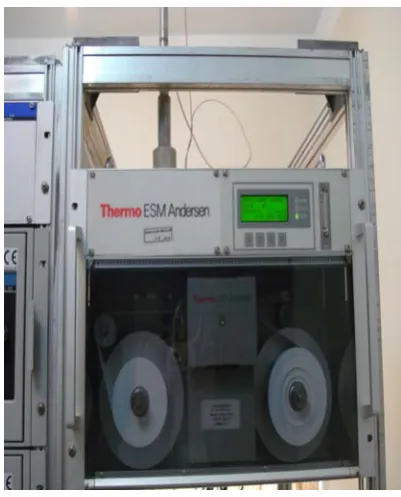
Fig. 2: a view of Andersen Device (made in UK)
Qualitative parameters such as EC, temperature and pH were measured using Portable Multi Parameter (made in Germany, Model: kits CX-401). The device has lots of sensors related to each parameter which to measure each of them the specific sensor is connected to it. Then, the device is to be calibrated using liquid applied for calibration of device with respect to each parameter. It should be noted that the device has capability of measuring EC with acuracy of 20000 hos/cmmµ and pH up to 14. Fig.3 demonstrates a view of the device. To determine the water turbidity, Turbidity Meter Device was applied as well. Turbidity meter device were used to measure water turbidity. The device is also made in Germany and water harvesting method is similar to the other parameters.
Fig. 3: a view of Multi Parameter Device
For data analysis SPSS statistical software is also applied. Field studies was performed to measure water quality parameters including EC, TDS and pH levels at 11 stations during the dusty days. For achieving this purpose Multi parameter device (made in Germany) and Turbidity meter (to measure turbidity) were applied. Sampling time was lasted for 9 months from October 2009 to June 2010. Number of measurements included in each station is equal to 153 which
are the same as the number of days in which dust phenomenon occurred in the region. Fig.4 demonstrates a schema of stations on the Karun River.
Fig.4 a schema of stations on the Karun River
Geographical situation of sampling stations are showed in Table 2.
TABLE 2: GEOGRAPHICAL SITUATION OF SAMPLING STATIONS Geographic coordinate system Station
N0.
latitude Longitude
48◦45’28.6” N 31◦22’19”E
Zergan 1
48◦43’44.7” N 31◦22’56.3”E
Kourosh 2
48◦42’1.7” N 31◦21’40.5”E
Seyed khalaf 3
48◦41’24.6” N 31◦20’23.7”E
Kianpars bridge 4
48◦40’28.6” N 31◦19’36.8”E
Island park 5
48◦39’57.2” N 31◦18’12.4”E
Shahid chamran university 6
48◦39’36.3” N 31◦16’46.6”E
Shekareh 7
48◦37’49.1” N 31◦14’16.5”E
Kout abdolah 8
48◦37’08” N 31◦16’16.2”E
Chonaybeh 9
48◦37’55.7” N 31◦15’42.7”E
Khobayneh 10
48◦33’45.4” N 31◦14’40.2”E
Om altomayr 11
TABLE 3:THE CLEAN AIR STANDARDS FOR THE YEARS 2009 AND 2010[31]
Pollutant 2010 2011
ppm g/m3µ ppm g/m3µ PM10
Annual Max in 24-hour
- 150 - 40
90
Note 1 – in 2009, the assessment criterion was suspended particles equal to 150 micrograms per cubic meter, and no separation based on the particle diameter was considered within the mentioned criterion. This parameter has been added since 2011.
C.EPA Standard for air
Air quality standards are given in Table 4.
TABLE 4: NATIONAL AMBIENT AIR QUALITY STANDARDS[31] Secondary Standards Primary Standards Pollutant Averaging Time Level Averaging Time Level Suspended Particulate
(PM10) 150 24-hour As Same as Primary µg/m3
D.WHO Standards
Table 5 demonstrates the potable water quality standards for some parameters.
TABLE 5: POTABLE WATER QUALITY STANDARDS FOR SOME PARAMETERS [32] Measurement unit Standard Limit Variable Celsius Not offered Temperature NTU <5 Turbidity 6.5-9.5 pH Mg/L <1000 TDS
E.Krenkel water quality standards for river
In this standard the different concentrations of the qualitative variables in river water are given in the form of four categories. In these categories Group 1 indicates good water quality that is suitable for all public purposes, while Group 4 shows the worst water quality that is unsuitable for most applications. And Class 1A is intended as a strict standard.
TABLE 6: RIVERS WATER QUALITY STANDARD [33]
Different classes Parameters 4 3 2 2B 1A 3000< 1500-300 0 750-1500 400-750 <400 EC (hos/cmmµ) 30< 25-30 22-25 20-22 <20 Temperature <5.5 OR 9.5< 5.5-9.5 6.5-8.5 6.5-8.6 6.5-8.5 pH
III. RESULT AND DISCUSSION
In low rainfall dry years, due to poor land cover of the area, severe changes in air pressure caused violent wind blowing
from the land on the Saudi Arabia, Iraq etc. is led to dust particles transportation into the western part of Iran particularly Khuzestan Province. Frequency of this phenomenon has been increased since 2001 due to reasons such as reduce the annual precipitation in the region, global warming caused by increased greenhouse gases, wetland drying and so on. Ahvaz City, the capital of Khuzestan Province in addition to problems of different industries establishment and high populations, each year, is faced with this phenomenon increasingly. Table 7 is included information about the number of dusty days in Ahvaz City since 2001.
TABLE 7: THE TREND OF DUST CHANGES FROM 2001 TO 2009 [34] Maximum concentration of dust (micrograms per cubic meter) Maximum stability (hr) Number of dust phenomena occurrence per year (days) year No 2200 2days(48) 6 2002 1 3040 3days(72) 10 2003 2 3600 1.5days(36) 11 2004 3 3440 2days(48) 9 2005 4 3860 2.5days(60) 12 2006 5 3660 5days(120) 19 2007 6 8360 3.5days(84) 32 2008 7 8860 10days(240) 59 2009 8 6900 12days(288) 136 2010 9
A.Dust concentration during the sample period
To determine dust concentration within the sampling period, after the end of each season the information related to each season measured by Andersen Device were achieved from Department of Environmental Protection of Khuzestan Province. It should be mentioned that in order to adaptation with water quality data was taken till 21st June, 2010. Table 8 shows the concentration of dust in the form of monthly average and mean in dusty days.
These measurements were hourly conducted in a station available at Administration of Environmental Protection which has been announced as daily averages. .The measured days during the different months revealed that the lowest and highest measured dust concentrations are equal to 170 micrograms per cubic meter in April and 2500 micrograms per cubic meter in March respectively. The frequency of the phenomenon occurrence is getting raised than the normal amount increasing. So that whatever the warmer months are being closed, increased evaporation and reduced chlorophyll level, will disposed the considered area for soil erosion and dust phenomenon occurrence (Table 9).
TABLE 8 DUST CONCENTRATIONS DURING THE SAMPLE PERIOD (MONTHLY AVERAGE AND AVERAGE IN THE DUSTY DAYS) [34]
Month of sampling
Monthly average of dust concentration (microgram in cubic
meter) Number of dusty days
Dust concentrations (mean concentrations in the days that it is higher than the limit) (micrograms per cubic
meter)
Oct 326.66 20 435
Sep 270 24 333.33 Nov 270 24 333.33
Jan 116.66 1 200
Feb 166.66 11 263.63
Mar 558.62 28 571.42
Apr 164.51 10 280
May 222.99 18 305.47
Jun 222.58 17 313.32
TABLE 9 –MEASUREMENTS AVERAGE OF VARIOUS PARAMETERS ON SOME SAMPLING DAYS Date Parameters
pH Turbidity Temperature EC TDS Discharge PM10
2009/10/16 7.23 30.02 27.14 2890.92 1815.61 182 1100
2009/10/8 7.41 19.02 27.82 2594.78 1626.08 161.33 200
2009/10/18 7.51 18.02 28.59 2036.63 1268.87 188 200
2009/11/28 7.54 116.74 24.27 2639.85 1654.93 205 200
2009/11/11 7.43 250.81 20.74 2361.15 1476.56 149.66 200
2009/11/09 7.38 1041.46 21.15 2223.35 1388.37 135 200
2009/12/02 7.36 689.18 18.42 2645.94 1658.82 338.33 300
2009/12/04 7.36 50.37 16.01 1332.62 818.303 281 600
2009/12/06 7.55 23.79 16.37 607.6 354.29 380.33 200
2009/01/28 7.66 347.608 16.23 2549.9 1597.36 177.66 200
2010/02/05 7.59 84.42 17.67 2645.35 1658.45 225.33 700
2010/02/06 7.58 151.52 17.04 2196.35 1371.09 363 200
2010/02/17 7 18.72 17.76 1682.35 1042.131 335.33 300
2010/03/20 7.26 26.808 20.1 2056.35 1281.49 278.33 400
2010/03/17 7.17 105.62 21.38 1905.35 1184.85 270 400
2010/03/24 7.48 107.82 18.36 1766.35 1095.89 371.33 1800
2010/03/01 7.47 218.12 17.59 1580.35 976.85 435.33 200
2010/04/09 7.22 271.82 23.99 2691.35 1687.89 195 200
2010/04/15 7.05 860.22 24.61 2147.35 1339.73 403.66 200
2010/04/20 7.2 551.42 23.52 1580.35 976.85 462.6 200
2010/05/23 6.75 148.22 28.21 1917.35 1192.53 420.66 420
2010/05/30 7.27 296.82 24.22 1458.32 898.77 360 462.5
2010/05/08 7.25 279.22 22.64 964.35 582.61 725.66 200
2010/06/30 7.37 103.42 28.12 2249.35 1405.01 200.33 487.5
2010/06/20 7.31 1333.72 26.55 1768.35 1097.171 296.9 280
2010/06/19 7.44 134.82 26.27 1308.35 802.77 441.33 315
IV. CONCLUSION
Based on performed predictions, the next century, will be the century of water crisis globally and have been somehow emerged appeared at the time being. Certainly, the mentioned crisis in low rain countries like Iran will be accompanied by more consequences. Therefore, optimize and comprehensive utilization must be provided using a logical and practical approach to water resources. The recent dust phenomenon, in addition to the potential effects on the health of humans and creatures, is intensely affected water quality of Karun River which provides the bulk of daily water consumption of Ahvaz City. By reducing the degree of water excellence, its applications will be limited and when the water is reached at its lowest grade quality, almost no appropriate use of the water can be brought into operation. Therefore, identifying
A.Comparison of PM10 concentrations during the studied months with the country standards in the years 2009 and 2010
Comparison of the average dust concentrations sampled in different months with the country standards for two years 2009 and 2010 (Table 10) shows that in all studied months the average dust concentration (PM10) levels are higher than standards in the country but January.
B.Comparison of PM10 concentrations of the studied months
with the National Ambient Air Quality Standards of EPA
Comparison between the average dust concentration of studied months with the EPA standard for air quality shows that the average concentrations of dust in all months is higher than standard but January.
Table 10 shows that turbidity levels within all days is higher than the standard limit and pH levels were within the standard ranges through all studied days.
TABLE 10 - CLASSIFICATION OF ALL STUDIED DAYS BASED ON RIVER WATER QUALITY STANDARDS OF KRENKEL AND
NOVOTNY
Date Parameters EC PH Temp.
2009/10/16 3 1A, 2B, 2, 3 3 2009/10/8 3 1A, 2B, 2, 3 3 2009/10/18 3 1A, 2B, 2, 3 3 2009/11/28 3 1A, 2B, 2, 3 3 2009/11/11 3 1A, 2B, 2, 3 2B 2009/11/09 3 1A, 2B, 2, 3 2B 2009/12/02 3 1A, 2B, 2, 3 1A 2009/12/04 2 1A, 2B, 2, 3 1A 2009/12/06 2B 1A, 2B, 2, 3 1A 2009/01/28 3 1A, 2B, 2, 3 1A 2010/02/05 3 1A, 2B, 2, 3 1A 2010/02/06 3 1A, 2B, 2, 3 1A 2010/02/17 3 1A, 2B, 2, 3 1A 2010/03/20 3 1A, 2B, 2, 3 1A 2010/03/17 3 1A, 2B, 2, 3 2B 2010/03/24 3 1A, 2B, 2, 3 1A 2010/03/01 3 1A, 2B, 2, 3 1A 2010/04/09 3 1A, 2B, 2, 3 2 2010/04/15 3 1A, 2B, 2, 3 2 2010/04/20 3 1A, 2B, 2, 3 2 2010/05/23 3 1A, 2B, 2, 3 2 2010/05/30 2 1A, 2B, 2, 3 2 2010/05/08 2 1A, 2B, 2, 3 2 2010/06/30 3 1A, 2B, 2, 3 3 2010/06/20 3 1A, 2B, 2, 3 3 2010/06/19 2 1A, 2B, 2, 3 3
According to the mentioned comparison table above categories and Navtvny Krnkl (Table 6) temperature in middle class and some days in the appropriate class and the pH almost middle class and the EC parameters except that the class of the day 2009/12/06 is appropriate in other days in class will be weak. Through dry and low rainfall years, regarding poor land cover of the region, sever fluctuation of air pressure caused sever wind blowing in deserts of Saudi Arabia, Iraq and so on, dust particles have been transferred into the western part of Iran, specially Khuzestan Province. It
should be noted that since 2001, the frequency of this phenomenon has increased due to reduce the annual precipitation in the region, global warming caused by increased greenhouse gases, drying of wetlands. Through the measured days within different month, the lowest measured dust concentration equals to 170 µg/m3 (in April) while its highest amount tantamount to 2500 µg/m3 (in Murch). The frequency of this phenomenon than the normal amount is increasing. So whatever we are closing to the warmer months of the year, increased evaporation and reduced chlorophyll level, dispose the study area for soil erosion and dust phenomenon. The obtained results of the current study through measurements conducted on qualitative parameters of river water including turbidity, EC, pH, temperature and TDS within days in which dust concentration was beyond the standard levels reveal that the changes rate for the mentioned parameters has significant differences with dust concentration.
C.Suggestions & Solutions
Here are some applicable suggestions in case of combat the dust phenomenon.
Long-term strategies:
1. Precise determination of the potential points for recent dust distribution areas to find suitable solutions for preventing possible occurrence of this phenomenon.
2. Conducting studies on the proper ways to predict the occurrence of the main causes of dust phenomenon.
3. Supplying required drinking water for in the days without the presence of dust phenomenon and its uses within dust-stained days.
4. Attraction of international organizations attention as well as cooperation of regional countries affected by dust phenomenonin order to implementation of construction projects 5. Establishment of a special research center to
search for scientific and practical techniques and methods of sand control as well as monitoring of climate and environmental changes accurately.
6. Scion and tree planting strategies is another long-term effective strategy.
7. As far as, the main sources of dust production is located in the countries of Saudi Arabia, Iraq and Syria - in the first place - and the United Arab Emirates, Qatar, Kuwait, Iran and some countries of North Africa –in the second place-in order to determine the proportion of the mentioned counties in the production and distribution of fine dust transported into Iran using investigation of sedimentations remained in affected provinces and mineralogical studies. Thus, contribution and responsibility of each country in occurred crisis is determined.
Short-term strategies
around oil and gas wells and airports around the country is employed, a comprehensive study as Task Force and a short-term work in the area can be considered among appropriate short-term strategies.
2. Holding of international conferences in order to informing the authorities of dust storms environmental consequences.
3. Conclusion of the convention between the countries of the region towards cooperation in combating this phenomenon.
REFERENCES
[1] Orlovsky L., Orlovsky N., Durdyev A. (2005). Dust storms in Turkmenistan. Journal of Arid Environments, 60(1): 83-97.
[2] McTainsh G., Chan Y., McGowan H., Leys J., Tews K. (2005). The 23rd October 2002 dust storm in eastern Australia: characteristics and meteorological conditions. Atmospheric Environment, 39(7): 1227-1236.
[3] Shao Y., Dong C.H. (2006). A review on East Asian dust storm climate, modelling and monitoring. Global and Planetary Change, 52(1-4): 1-22.
[4] Qu W., Zhang X., Wang D., Wang Y., Cao G., Che H., Yan L. (2006). Relationships between dust storms and dryness-wetness in middle–eastern china during 1470–1950. China Particuology, 4(1): 20-24.
[5] Wang Sh., Wang J., Zhou Z., Shang K. (2005). Regional characteristics of three kinds of dust storm events in China. Atmospheric Environment, 39(3): 509-520.
[6] Yang B., Bräuning A., Zhang Z., Dong Z., Esper J. (2007). Dust storm frequency and its relation to climate changes in Northern China during the past 1000 years. Atmospheric Environment, 41(40): 9288-9299. [7] Meng Z., Zhang Q. (2006). Oxidative damage of dust storm fine
particles instillation on lungs, hearts and livers of rats. Environmental Toxicology and Pharmacology, 22(3): 277-282.
[8] Goudie, A. S. (2009). Dust storms: Recent developments. Journal of Environmental Management, 90(1): 89-94.
[9] Guo J., Rahn K. A., Zhuang G. (2004). A mechanism for the increase of pollution elements in dust storms in Beijing. Atmospheric Environment, 38(6): 855-862.
[10] Wei A., Meng Z. (2006). Evaluation of micronucleus induction of sand dust storm fine particles (PM2.5) in human blood lymphocytes. Environmental Toxicology and Pharmacology, 22(3): 292-297. [11] Huang M., Peng G., Zhang J., Zhang Sh. (2006). Application of
artificial neural networks to the prediction of dust storms in Northwest China. Global and Planetary Change, 52(1-4): 216-224.
[12] El-Askary H., Gautam R., Singh R.P., Kafatos M. (2006). Dust storms detection over the Indo-Gangetic basin using multi sensor data. Advances in Space Research, 37(4): 728-733.
[13] Deng F., Guo X., Liu H., Fang X., Yang M., Chen W. (2007). Effects of dust storm PM2.5 on cell proliferation and cell cycle in human lung fibroblasts. Toxicology in Vitro, 21(4): 632-638.
[14] Yang M., Yao T., Wang H. (2006). Microparticle content records of the Dunde ice core and dust storms in northwestern China. Journal of Asian Earth Sciences, 27(2): 223-229.
[15] Xie Sh., Yu T., Zhang Y., Zeng L., Qi L., Tang X. (2005). Characteristics of PM10, SO2, NOx and O3 in ambient air during the dust storm period in Beijing. Science of The Total Environment, 345(1-3): 153-164.
[16] Wang X., Dong Zh., Zhang J., Liu L. (2004). Modern dust storms in China: an overview. Journal of Arid Environments, 58(4): 559-574.
[17] Ta W., Dong Zh., Sanzhi C. (2006). Effect of the 1950s large-scale migration for land reclamation on spring dust storms in Northwest China. Atmospheric Environment, 40(30): 5815-5823.
[18] Natsagdorj L., Jugder D., Chung Y. S. (2003). Analysis of dust storms observed in Mongolia during 1937–1999. Atmospheric Environment, 37 (9-10), 1401-1411.
[19] Xu X., Levy J. K., Zhaohui L., Hong Ch. (2006). An investigation of sand–dust storm events and land surface characteristics in China using NOAA NDVI data. Global and Planetary Change, 52(1-4): 182-196. [20] Qian W., Tang X., Quan L. (2004). Regional characteristics of dust
storms in China. Atmospheric Environment, 38(29): 4895-4907. [21] Sun J., Zhao L., Zhao S., Zhang R. (2006). An integrated dust storm
prediction system suitable for east Asia and its simulation results. Global and Planetary Change, 52(1-4): 71-87.
[22] Okada K., Naruse H., Tanaka T., Nemoto O., Iwasaka Y., Wu P.M., Ono A., Duce R. A., Uematsu M., Merrill J.T., Arao K.(1990). X-ray spectrometry of individual Asian dust-storm particles over the Japanese islands and the North Pacific Ocean. Atmospheric Environment. Part A. General Topics, 24(6): 1369-1378.
[23] Hoffmann C., Funk R., Sommer M., Li Y. (2008). Temporal variations in PM10 and particle size distribution during Asian dust storms in Inner Mongolia. Atmospheric Environment, 42(36): 8422-8431.
[24] Wang X., Zhou Z., Dong Zh. (2006). Control of dust emissions by geomorphic conditions, wind environments and land use in northern China: An examination based on dust storm frequency from 1960 to 2003, Geomorphology, 81 (3-4), 292-308.
[25] Zhang R., Wang M., Zhang X., Zhu G. (2003). 28. Analysis on the chemical and physical properties of particles in a dust storm in spring in Beijing. Powder Technology, 137(1-2): 77-82.
[26] Kuo H.W., Shen H.Y. (2010). Indoor and outdoor PM2.5 and PM10 concentrations in the air during a dust storm. Building and Environment, 45(3): 610-614.
[27] Population and Housing Census, 2006, Iran's Statistics Center, Tehran, Iran.
[28] Climate and weather. http://havaeghlim.blogfa.com/
[29] World Weather Information Service – Ahwaz. United Nations. http://worldweather.wmo.int/114/c00939.htm. Retrieved 01 January 2011.
[30] Center for Sustainability and the Global Environment, 1965-1984"Karun River at Ahvaz". River Discharge Database.. http://www.sage.wisc.edu/riverdata/scripts/station_table.php?qual=32 &filenum=1079. Retrieved 2010-03-15.
[31] New York: Academic, USEPA (2009). National Ambient Air Quality Standards (NAAQS). SERIES: Naaqms//2009-10. Central Pollution Control Board Ministry Of Environment & Forests.
[32] WHO (2004) Guidelines for Drinking-water Quality 3rd Edition. WHO, Geneva.
[33] P. A. Krenkel and V. Novotny. 1980. Water Quality Management. [34] Department of Environmental Protection- Khuzestan Province, 2009.
the trend of dust changes from 2001 to 2009. Khuzestan, Iran.
R. Sabouri did her MSc in Environmental Science
![TABLE 1: THE CLIMATOLOGY INFORMATION OF AHVAZ CITY [29]](https://thumb-us.123doks.com/thumbv2/123dok_us/1391634.1650470/2.595.344.504.86.294/table-climatology-information-ahvaz-city.webp)
![TABLE 6: RIVERS WATER QUALITY STANDARD [33]](https://thumb-us.123doks.com/thumbv2/123dok_us/1391634.1650470/4.595.48.293.593.733/table-rivers-water-quality-standard.webp)
