Predictors of Preeclampsia Based on a 10-Year Case-Control Study
Arezoo Shayan; M.Sc.1, Hadis Sourinejad; M.Sc.2, Mansoureh Refaei; Ph.D.1, Seyedeh Zahra Masoumi; Ph.D.1, Leili Tapak; Ph.D.3, Farzaneh Soltani; Ph.D.1
1 Mother and Child Care Research Center, Hamadan University of Medical Sciences, Hamadan, Iran 2 School of Nursing and Midwifery, Hamadan University of Medical Sciences, Hamadan, Iran
3 Department of Biostatistics, School of Public Health, Hamadan University of Medical Sciences, Hamadan, Iran
Received December 2018; Revised and accepted March 2019
Abstract
Objective: To investigate the predictors of preeclampsia based on a 10-years case-control study.
Materials and methods: The present retrospective, case-control study was carried out in a referral Hospital in Hamadan, Iran, during 2005-2015. Using a hospital information system (HIS), all the available information on hospitalized preeclamptic patients during 10-years period was collected and all preeclamptic women were qualified for the study as the case group (729 subjects) and the same number of non-preeclamptic women were assigned to the control group. The required data were collected using the researcher-made questionnaire and analyzed using descriptive statistics, chi-square test, independent t-test and logistic regression.
Results: The results show that high age (OR = 1.04), low education (diploma compared to illiterate OR = 0.51 and middle school education compared to illiterate OR = 0.55), blood group O (AB: OR = 0.32; B: OR = 0.36; A: OR = 0.26) and fertilization during autumn (spring: OR = 0.41; summer: OR = 0.26; autumn: OR = 1.13) could raise the risk of preeclampsia.
Conclusion: High age, low education, blood group O and fertilization in cold seasons could be the risk factors of preeclampsia. Recognizing the risk factors of preeclampsia could help the determination of high risk cases and designing of effective interventions.
Keywords: Preeclampsia; Prediction; Seasonal Changes; Blood Group
Introduction
1Hypertensive disorders are one of the deadly triad along with hemorrhage and infection. Preeclampsia is a pregnancy specific syndrome in which the perfusion of organs is deteriorated due to vasospasm and endothelial activation, and consequently, organs dysfunction occurs (1). Although the prevalence of preeclampsia is 3 to 10% globally, it has been reported as high as 20% in developing countries (2).
Correspondence:
Farzaneh Soltani
Email: [email protected]
failure, cerebrovascular accidents, disseminated intravascular coagulation (DIC), and maternal death. Despite numerous studies on preeclampsia screening tests, there is no reliable, authentic and affordable screening test for preeclampsia. However, preeclampsia can be detected at early stages only with planned prenatal cares. The evidence suggests that the dysfunction starts at early stages of pregnancy and hidden pathophysiologic changes start at the time of fertilization (6). Thus, as strong hypotheses certain preconceptional agents are correlated with the high risk of disease. In the past, the researchers have found that change in temperature, seasonal change and rainfall were correlated with the disease and several studies have shown that there is a relationship between the incidence of preeclampsia and the season at delivery. For example, a 30-year study in Norway showed that there is higher incidences of preeclampsia among women who gave birth in the winter than in the summer (7). In addition, Chesley reported a higher rate of preeclampsia in June marriages in New York (8). However, it is yet unclear whether the time of fertilization is correlated with preeclampsia or the time of delivery. In response to the above question, Phillip et al. studied 7904 pregnant women with preeclampsia and found that there was a stronger correlation between preeclampsia and fertilization season than birth season, that is, fertilizations in the summer had higher risk of preeclampsia incidence (70%) compared with fertilizations in spring (9). Nevertheless, there is contradiction between the results of studies on how changes in season or climate affect the incidence of preeclampsia (10, 11). Moreover, there are contradictions among studies on the correlation between preeclampsia and maternal blood group (12). The correlation between ABO/Rh blood groups and preeclampsia has been a controversial topic for many years. For example, South and Naldrett found no correlation between the risk of preeclampsia and blood groups O and A (13); however, May reported a high risk of preeclampsia in blood group A (14). In two studies with a two-year interval in Brazil, Hentschke et al. found no differences in distribution between blood groups in two case and control groups (15, 16). On the other hand, the results of recent studies have showed a correlation between blood group AB and higher risk of preeclampsia (17, 18). However, given the fixed blood groups in the human lifetime, it is very important to determine the correlation between
preeclampsia and blood groups. Identification the predictors of hypertensive disorders in pregnancy can have a significant role in reducing maternal and fetal mortality and morbidity; therefore, the present study was conducted to investigate the predictors of preeclampsia to make possible the provision of special cares for high risk women through implementing such studies.
Materials and methods
The present retrospective, case-control study was carried out using a hospital information system (HIS) at Fatemieh Hospital in Hamadan, Iran for a decade. The study inclusion criteria included all primigravida cases hospitalized after 20 weeks of pregnancy, diagnosed with preeclampsia in the hospital during 2005-2015, admitted with a complete medical file and accurate LMP. The study exclusion criteria included background diseases, incomplete medical file and uncertain date of last menstruation. Diagnostic criteria of preeclampsia were a systolic blood pressure ≥ 140 mmHg or diastolic blood pressure ≥ 90 mmHg as measured twice after 20 weeks of pregnancy along with proteinuria of over 300 mg/l in 24-hour urine test (1). At First, all the codes of the pregnant women hospitalized during 2005-2015 were extracted. Then, the files with the preeclampsia code were picked out and the history sheet was examined. The eligible cases were selected based on the Initial and final diagnosis of preeclampsia. Out of 80,000 birth cases during the decade, 726 preeclampsia cases were assigned to the case group and 726 non-preeclamptic pregnant cases were assigned to the control group. The collected data were analyzed using descriptive statistics and logistic regression in SPSS software (version 24, IBM Corporation, Armonk, NY, USA), and P-values less than 0.05 were considered significant.
Results
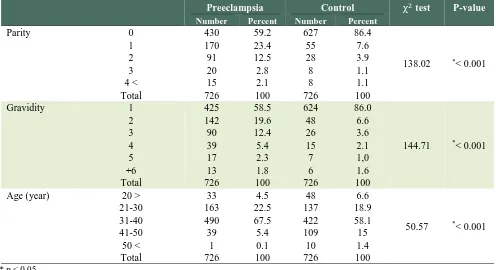
Table 1: Comparison of demographic and obstetric characteristic of women in the preeclampsia and control groups
Preeclampsia Control χ2test P-value
Number Percent Number Percent
Parity 0 430 59.2 627 86.4
138.02 *< 0.001
1 170 23.4 55 7.6
2 91 12.5 28 3.9
3 20 2.8 8 1.1
4 < 15 2.1 8 1.1
Total 726 100 726 100
Gravidity 1 425 58.5 624 86.0
144.71 *< 0.001
2 142 19.6 48 6.6
3 90 12.4 26 3.6
4 39 5.4 15 2.1
5 17 2.3 7 1,0
+6 13 1.8 6 1.6
Total 726 100 726 100
Age (year) 20 > 33 4.5 48 6.6
50.57 *< 0.001
21-30 163 22.5 137 18.9
31-40 490 67.5 422 58.1
41-50 39 5.4 109 15
50 < 1 0.1 10 1.4
Total 726 100 726 100
* p < 0.05
Table 2 illustrates the frequency of different blood groups for preeclamptic cases and controls. According to the table, there was a significant difference in terms of blood group and RH distribution between two groups (p < 0.001). Most preeclamptic cases (60.2%) were of the blood group O+; however, most cases in the control group (56.1%)
were of the blood group A+. Furthermore, blood group distribution alone showed a significant difference between the groups regardless of RH (p < 0.001). However, the majority of women in the preeclampsia group (63.4%) were of the blood group O, but women of the blood group A were the majority (58.7%) in the control group (Table 2).
Table 2: Comparison of blood groups and RH in the preeclampsia and control groups
Preeclampsia Control χ2test P-value
Number Percent Number Percent
Blood Group/Rh A+ 117 16.1 407 56.1 340.41 *< 0.001
A- 9 1.2 19 2.6
B+ 91 12.5 87 12.0
B- 10 1.4 8 1.1
AB+ 36 5.0 48 6.6
AB- 3 0.4 0 0.0
O+ 437 60.2 127 17.5
O- 23 3.2 30 4.1
Total 726 100 726 100
Blood Group A 126 17.4 426 58.7 90.07 *< 0.001
B 101 13.9 95 13.1
AB 39 5.4 48 6.6
O 460 63.4 157 21.6
Total 726 100 726 100
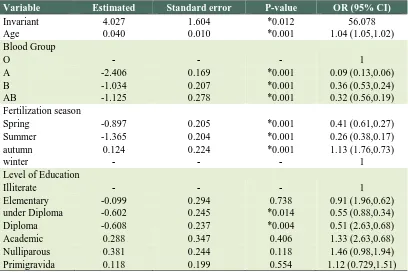
Table 3: Estimation of parameters and chance ratios in terms of Fit logistic regression model
Variable Estimated Standard error P-value OR (95% CI)
Invariant 4.027 1.604 *0.012 56.078
Age 0.040 0.010 *0.001 1.04 (1.05,1.02)
Blood Group
O - - - 1
A -2.406 0.169 *0.001 0.09 (0.13,0.06)
B -1.034 0.207 *0.001 0.36 (0.53,0.24)
AB -1.125 0.278 *0.001 0.32 (0.56,0.19)
Fertilization season
Spring -0.897 0.205 *0.001 0.41 (0.61,0.27)
Summer -1.365 0.204 *0.001 0.26 (0.38,0.17)
autumn 0.124 0.224 *0.001 1.13 (1.76,0.73)
winter - - - 1
Level of Education
Illiterate - - - 1
Elementary -0.099 0.294 0.738 0.91 (1.96,0.62)
under Diploma -0.602 0.245 *0.014 0.55 (0.88,0.34)
Diploma -0.608 0.237 *0.004 0.51 (2.63,0.68)
Academic 0.288 0.347 0.406 1.33 (2.63,0.68)
Nulliparous 0.381 0.244 0.118 1.46 (0.98,1.94)
Primigravida 0.118 0.199 0.554 1.12 (0.729,1.51)
*p < 0.05
Significant difference in the distribution of fertilization month between the two groups (p < 0.001). Most mothers in the preeclampsia group (15%) and control group (18.9%), respectively, gave birth in March and September. In addition, there was a significant difference in fertilization season distribution between the groups (p < 0.001). Most mothers in the preeclampsia group (54%) gave birth in the second half of the year (autumn and winter) and most mothers in the control group (72.6%) gave birth in first half of the year (summer).
Table 3 shows the results of the fit logistic regression model in the examination of the modified effects of variables on the preeclampsia chance logarithm. The table illustrates the estimation of parameters and odds ratios obtained from logistic regression as well as their P-values. The positive coefficient illustrates the direct effect on preeclampsia chance logarithm. In the examination of the effects of qualitative variables, one level is considered as the basic level and the estimation of effect is regarded as a comparison of group(s) in terms of basic level. The value of 1 illustrates the ineffectiveness of the variable. Age had a significant impact on the risk of preeclampsia (p < 0.001) and increase in age resulted in an increase in odds of
preeclampsia, that is, with every one year increase in age there is a 4% increase in odds of preeclampsia. Moreover, having the blood group O increased the chance of preeclampsia, so that people of the blood group O had a greater chance (1/0.09) than the people with blood group A (11.11 times higher). The fertilization season had a significant impact on chance of preeclampsia incidence (p < 0.001). However, fertilization in autumn rather than in spring increases the odds of preeclampsia as the odds of fertilization in autumn was 2.44 (= 1/0.41) times greater than fertilization in spring. Furthermore, education had a significant impact on the chance of preeclampsia incidence (p < 0.001) and people with a diploma had less chance of preeclampsia incidence than those who were illiterate. Therefore, the chance of preeclampsia in illiterate women was 1.96 (= 1/0.51) times greater than the women who had a diploma.
(0.810) and specificity (0.807).
Table 4: The result of the Hosmer-Lemeshow Test for the goodness of fit logistic regression model
Chi-square statistics Df P-value
8.223 8 0.412
Discussion
The results of the present study showed that high age, low education, blood group O and fertilization in autumn increase the risk of preeclampsia. Most preeclamptic cases were in the range of 39-40 years of age. Age of higher than 35 years is a risk factor for preeclampsia (19). Magnus and Eskild, in their 30-year study in Norway, found that pregnant women in the range of 35-39 years of age are at a 1.8 times greater risk of preeclampsia than their younger counterparts and this risk raised to 2.4 times higher for women of over 40 years of age (7). In addition, low education of pregnant women, as an indicator of low socioeconomic class, in other studies has been associated with an increased risk of preeclampsia. Other researchers have found association between low educational attainment, especially in low-income countries, with an increased risk of preeclampsia (20, 21). In the present study the highest incidence of preeclampsia was observed in pregnancies fertilized in March and the lowest in July, and incidence of preeclampsia was reduced by fertilization in winter, autumn, spring, and summer respectively, In other words, the incidence of preeclampsia is increased in cold climates and decreased in warm weather. Some studies reported the highest incidence of preeclampsia in pregnancies fertilized during cold seasons and the lowest during summer (22-24). Magnus et al. in a retrospective 30-years study during 1967-1998 on 1,869,388 births in Norway, found that mothers who gave birth in August were at the least risk of preeclampsia incidence, but those who gave birth in December were at the highest risk of preeclampsia incidence (7). Although, the criteria for the mentioned study were the month of delivery, it can be easily found that the fertilization of mothers who had given birth in December had been around March of the previous year, which is consistent with the results of our study that preeclampsia is associated with fertilization in cold seasons. In fact, the studies performed in the recent decade have provided a better understanding of the potential mechanisms of preeclampsia pathogenesis. It was assumed for a long time that
cold weather causes vasospasm followed by ischemia which forms part of the pathogenesis of preeclampsia (25). The preconceptional factors, especially the plasma volume and vascular tonicity, have been raised in this regard. It is assumed that the onset of the preeclampsia is secondary reduction of placental uterine perfusion to abnormal cytotrophoblastic invasion of spiral arterioles. Thus, placental
hypoxia/ischemia causes extensive
relationship between blood groups and preeclampsia (16). Since a hemostatic abnormality in the placental circulation of preeclamptic patients has been shown for many years, it can be assumed that the relationship of blood groups with preeclampsia can reflect the multifactorial characteristics of clot formation in the placenta (32). It seems that, due to the multifactorial nature of preeclampsia, in addition to blood groups, other thrombophilic factors may contribute to develop disease (33). Conducting longitudinal studies in larger populations and in different communities to investigate the risk factors of preeclampsia could help the determination of high risk pregnant women and designing of effective interventions.
Conclusion
According to the results of the present study, higher age, lower education, blood group O+ and fertilization in cold seasons could be the risk factors of preeclampsia.
Conflict of Interests
Authors have no conflict of interests.
Acknowledgments
This research plan with codes of ethics was accepted by the Mother and Child Care Research Center, Hamadan University of Medical Sciences, Hamadan, Iran. We express our gratitude to the director of the Center for Mother and Child Research, the University of Hamadan chancellor for research, the vice-chancellor for research and the personnel at Fatemiyeh Hospital who helped us conduct this study.
References
1. Cunningham F, Leveno K , Bloom S , Spong C Y , Dashe J , Hoffman BL, et al. Williams obstetrics. 24th ed.
New York: McGraw-Hill Professional Publishing, 2014. 2. Direkvand-Moghadam A, Khosravi A, Sayehmiri K.
Predictive factors for preeclampsia in pregnantwomen: aunvariate and multivariate logistic regression analysis. Acta Biochim Pol 2012; 59: 673-7.
3. Khan KS, Wojdyla D, Say L, Gülmezoglu AM, Van Look PF. WHO analysis of causes of maternal death: a systematic review. Lancet 2006; 367:1066-74.
4. Kharaghani R, Cheraghi Z, Okhovat Esfahani B, Mohammadian Z, Nooreldinc RS .Prevalence of Preeclampsia and Eclampsia in Iran. Arch Iran Med 2016; 19:64-71.
5. Shojaeian Z, Sadeghian HR, Negahban Z. Prediction value of hemoglobin and hematocrit concentration
during second trimester in diagnosis of preeclampsia. Iranian Journal of obstetrics, gynecology and infertility 2009; 12: 14-21.
6. Okafor UV, Ezegwui HU. Cesarean delivery in preeclampsia and seasonal variation in a tropical rainforest belt. J Postgrad Med 2010; 56:21-3.
7. Magnus P, Eskild A. Seasonal variation in the occurrence of pre-eclampsia. BJOG 2001; 108:1116-9. 8. Chesley LC. History and epidemiology of
preeclampsia-eclampsia. Clin Obstet Gynecol 1984; 27:801-20.
9. Phillips JK , Bernstein IM, Mongeon JA, Badger GJ . Seasonal variation in preeclampsia based on timing of conception. Obstet Gynecol 2004; 104:1015-20. 10.Hannan MA, Rahman MM, Haque A, Ahmed HU.
Seasonal variation and association with hypertension. Bangladesh Med Res Counc Bull 2001; 27: 69-78. 11.Subramaniam V. Seasonal variation in the incidence of
preeclampsia and eclampsia in tropical climatic conditions. BMC Womens Health 2007; 7:18.
12.Shahidfar S,Sharifnia H,Taghipoor B,Afshar MH . Association between seasonal patterns and preeclampsia. Journal of Obstetrics Gynecology Infertility 2014; 17:8-14.
13.Harlap S, Davies AM. Letter: Maternal blood group A and pre-eclampsia. Br Med J 1974; 3:171-2.
14.May D. Maternal blood group A and pre-eclampsia. Br Med J 1973; 4:738.
15.Hentschke MR,Caruso FB, Paula LG,Medeiros AK,Gadonski G,Antonello I C, et al. Pinheiroda Costa. Distribution of ABO and rhesus blood groups in patients with pre-eclampsia. Pregnancy Hypertens 2012; 2:268–9.
16.Hentschke MR, Caruso FB, Paula LG, Medeiros AK, Gadonski G, Antonello IC, et al . Is there any relationship between ABO/Rh blood group and patients with pre-eclampsia? Pregnancy Hypertens 2014; 4:170–3.
17.Alpoim PN, de Barros Pinheiro M, Junqueira DR, Freitas LG, das Graças Carvalho M, Fernandes AP, et al. Preeclampsia and ABO blood groups: a systematic review and meta-analysis. Mol Biol Rep 2013; 40:2253–61.
18.Avci D, Karagoz H, Ozer O, Esmeray K, Bulut K, Aykas F, et al. Are the blood groups of women with preeclampsia a risk factor for the development of hypertension postpartum? Ther Clin Risk Manag 2016; 12:617–22.
20.Bilano VL, Ota E, Ganchimeg T, Mori R, Souza JP. Risk factors of pre-eclampsia/eclampsia and its adverse outcomes in low- and middle-income countries: a WHO secondary analysis. PLoS One 2014; 9:e91198. 21.Kiondo P, Wamuyu-Maina G, Bimenya GS,
Tumwesigye NM, Wandabwa J, Okong P. Risk factors for pre-eclampsia in Mulago Hospital, Kampala, Uganda. Trop Med Int Health 2012; 17:480-7. 22.Lotfalizadeh M,Khoshsima M. Relationship between
maternal age and season with preeclampsia in the patients admitted in gynecology ward of Imam-Reza hospital during 3 years(2001-2004).The Iranian Journal of Obstetrics, Gynecology and Infertility 2016; 19:1-5. 23.Wellington K, MullaZd. Seasonal Trend in the
Occurrence of Preeclampsia and Eclampsia in Texas. Am J Hypertens 2012; 25:115-9.
24.Shental O, Friger M, Sheiner E. Ethnic differences in the monthly variation of preeclampsia among Bedouin and Jewish parturients in the Negev. Hypertens Pregnancy 2010; 29:342-9.
25.Baker AM, Haeri S, Camargo CA Jr, Espinola JA, Stuebe AM. A nested case-control study of midgestation vitamin D deficiency and risk of severe preeclampsia. J Clin Endocrinol Metab 2010; 95:5105–9.
26.Rylander A, Lindqvist PG. Eclampsia is more prevalent during the winter season in Sweden. Acta obstet Gynecol Scand 2011; 90:114-7.
27.Shiozaki A, Matsuda Y, Satoh S, Saito S. Comparison of risk factors for gestational hypertension and preeclampsia in Japanese singleton pregnancies. J Obstet Gynaecol Res 2013; 39:492-9.
28.Tam WH, Sahota DS, Lau TK, Li CY, Fung TY. Seasonal variation in pre-eclamptic rate and its association with the ambient temperature and humidity in early pregnancy. Gynecol Obstet Invest 2008; 66:22-6.
29.Zahirisoroori Z, shahrami H, Faraji R. Seasonal variation of the onset of preeclampsia and eclampsia. Journal of Research Medicine Science 2007; 12:198-202.
30.Subramaniam V. Seasonal variation in the incidence of preeclampsia and eclampsia in tropical climatic conditions. BMC Women's Health 2007; 7:18-25. 31.Elmugabil A, Rayis DA, Ahmed MA, Adam I, Gasim
GI. O Blood Group as Risk Factor for Preeclampsia among Sudanese Women. Open Access Maced J Med Sci 2016; 4:603-6.
32.Higgins JR, Walshe JJ, Darling MR, Norris L, Bonnar J. Hemostasis in the uteroplacental and peripheral circulations in normotensive and pre-eclamptic pregnancies. Am J Obstet Gynecol 1998; 179:520–6. 33.Hiltunen LM, Laivuori H, Rautanen A, Kaaja R, Kere
J, Krusius T, et al. Blood group AB and factor V Leiden as risk factors for pre-eclampsia: a population-based nested case-control study. Thromb Res 2009; 124:167–73.