Doctor of Nursing Practice (DNP) Projects Theses, Dissertations, Capstones and Projects
2009
Child Neurology Curriculum
Ruth K. Rosenblum
University of San Francisco, [email protected]
Follow this and additional works at:https://repository.usfca.edu/dnp
Part of thePediatric Nursing Commons
This Project is brought to you for free and open access by the Theses, Dissertations, Capstones and Projects at USF Scholarship: a digital repository @ Gleeson Library | Geschke Center. It has been accepted for inclusion in Doctor of Nursing Practice (DNP) Projects by an authorized administrator of USF Scholarship: a digital repository @ Gleeson Library | Geschke Center. For more information, please [email protected].
Recommended Citation
Rosenblum, Ruth K., "Child Neurology Curriculum" (2009).Doctor of Nursing Practice (DNP) Projects. 8.
Developing a Child Neurology Curriculum for School Nurses
Ruth K. Rosenblum
Abstract
Provision of comprehensive health services to children and adolescents is a central role
for school nurses. Children with chronic health conditions are at the intersection of the health and
education systems. Recently, educators, neurology care providers (MD/NP/PA) have initiated
discussions about the impact of a child’s health on their ability to learn. The purpose of this
project was to develop a child neurology curriculum for school nurses. A needs assessment
survey was distributed. The survey results revealed a need for further education and training in
child neurology diagnoses. Four areas were chosen for curriculum development: seizures/
epilepsy, headaches/migraines, tics, and post-concussion management. The Healthy Learner
Model (HLM) and Child Neurology Process-Oriented Triage (ChiNePOT) are the conceptual
frameworks used in this curriculum. Associated findings include the need of school nurses for
pertinent evidence-based research to guide their practice, which will ultimately lead to a healthier
Developing a Child Neurology Curriculum for School Nurses
School nurses have a central role in providing comprehensive health services to children
and adolescents in their constituency, whether school or community based. For most children,
school represents the second most influential environment in a child’s life (American Academy
of Pediatrics, 2008). School nurses are closely identified with the promotion of health among
children and the development of the school as an environment conducive to health (Wainright,
Thomas, & Jones, 2000). Medical and health care advances over the past quarter century have
improved survival of children and adults from many previously fatal illnesses and conditions.
Some childhood cancers now have a 90% five year survival rate. Formerly, individuals with
cystic fibrosis only just survived their school years before succumbing to the effects of the
disease. Now, children with cystic fibrosis are surviving into their fourth or fifth decades.
Children with neurologic disorders have also been beneficiaries of these advances. Recent
additions to the armamentarium of anticonvulsant medications allow for much improved seizure
control, allowing children with epilepsy to attend school regularly. Additionally, new routes of
administration of these medications permit immediate treatment at school, sometimes without
paramedic and hospital involvement. Recent advances and new knowledge in the area of
migraines and post-concussion management allow for improved assessment and symptomatic
treatment of these conditions. These and other advances have created a cohort of children, teens,
and young adults with chronic health conditions, all of which pose many challenges to parents,
school nurses, school administrators, and health care practitioners.
There are many reasons for these challenges. Thies (1999) states that children with
chronic health conditions are at the intersection of the health and education systems, which
philosophies. Historically, the school nurse has focused on health problems while the classroom
teacher focuses on academics. Only recently have educators, physicians, and school nurses
initiated discussions about the impact of a child’s health condition on their ability to learn.
Background
Terminology
Schools are ethically and legally responsible to provide required health services during
the school day in order that students can receive a free, appropriate public education.
The Education for all Handicapped Children Act (EHA) in 1975 established national standards
for free, appropriate public education of children with disabilities which affect their education,
delivered in the least restrictive environment. Subsequent legislation renamed this act the
Individuals with Disabilities Education Act (IDEA). It was reauthorized in 1997 and again in
2004. It is also well known as Public Law 94-142.
The Rehabilitation Act of 1973 (Section 504) requires all schools that receive or benefit
from federal financial assistance to provide reasonable accommodations to a student with a
disability. Reasonable accommodations may include services provided by or supervised by a
nurse such as medication administration, glucose monitoring, insulin administration, etc.
Services must be designed to meet the individual educational needs of students with disabilities
as adequately as the needs of others are met (National Association of School Nurses, 2006). The
Americans with Disability Act of 1990 (ADA) defines disability as a physical or mental
impairment that “limits one or more major life activities…..” (www.ada.gov, 2009) and is also
used in the provision of services to children and adolescents in schools.
The term “chronic health condition” is difficult to define. Thies (1999) reiterates that
has several drawbacks. Most germane, medical diagnoses reflect a problem-oriented approach to
treatment (“medical model”). Placing the focus on diagnosis and cure does not “capture the
course of chronic illness, which can be uneven and unpredictable” (Thies, 1999). In the current
healthcare milieu, treatment of chronic illness emphasizes management of symptoms, prevention
of complications, and promotion of health. To complement these ideas, the difference between
medical services and health services in the school setting is clearly described in the Position
Statement “Medical Services vs. Health Services in the School Setting” (National Association of
School Nurses, 2006). To summarize, medical services in the school setting are those activities
rendered by a physician and/or other healthcare provider. Health services in the school setting
are those activities rendered by a registered professional school nurse or other qualified person,
which include, but are not limited to, implementation of IDEA and Section 504 requirements
(National Association of School Nurses, 2006).
Clearly, federal law places the responsibility on schools to seek, identify, deem eligible,
and provide for any and all students with special educational needs. Identification of this
population, development of appropriate services, funding of such services, and evaluation of
each aspect are all areas for future research and evaluation. In order to optimize educational
performance, the child or adolescent with health care needs must have these needs met and be
ready to learn, emotionally and physically.
Role of the School Nurse
The nurse owes the same duty to self as to others, including the responsibility to preserve
integrity and safety, to maintain competence, and to continue personal and professional growth
(American Nurses Association, 2009). Vought-O'Sullivan, Meehan, Havice, & Pruitt (2006)
critical to the professional development of school nurses (Benner, 1984). School nurse practice
requires continuing education to ensure the application of advanced clinical knowledge and skills
in the school setting. Currently there are 1591credentialed school nurses in California, providing
services to 6.3 million students (Spradling, 2009). Formal education and preparation of a school
nurse may vary widely. In California, all school nurses must be crediantialed by the time they
have completed five years in the field. As with nurses in many settings, many school nurses face
time constraints and financial barriers that prevent participation in CE experiences
(Vought-O'Sullivan, Meehan, Havice, & Pruitt, 2006). CE is defined by NASN as a systematic
professional learning experience developed to enhance knowledge, skills, and attitudes
(National Association of School Nurses, 2006). Most importantly, the school nurse functions
independently and meets a variety of health care needs for large numbers of students in an
educational environment. Many times school nurses function without direct peer support and
often are the only nurse in the school district, without back-up coverage.
NASN (2002) and AAP (2008) identify seven core roles that the school nurse fulfills to
foster health and academic success. These seven goals are: 1) Provision of direct care to students,
2) Leadership for the provision of health services, 3) Screening and referral for health conditions,
4) Promotion of a healthy school environment, 5) Health promotion, 6) Leadership role for
health policies and programs, and 7) Liaison between school personnel, family, health care
professionals, and the community. School administrators must realize that CE (competency
based or other) is financially and strategically important. “Educated school nurses provide
cost-effective, quality health care that promotes academic success by keeping students healthy, in
attendance, and mentally and physically prepared.” (Vought-O'Sullivan, Meehan, Havice, &
mandates (IDEA, ADA, etc.) in order to provide the student with an optimal educational
experience in the least restrictive environment. Fagan (1995) as cited in Wainright, Thomas, &
Jones (2000) identified four main constraints to the success of school nursing: inadequate
education, absence of joint planning, lack of resources, and different perceptions of perceived
value. A depth and breadth of knowledge of children and adolescents with and without chronic
health problems is crucial knowledge for the school nurse to function effectively. Lack of
resources contribute to this constraint. The majority of districts are challenged with an
inadequate number of school nurses; those present cannot use time during the schoo lyear to
obtain CE. Therefore, competency is compromised, and value is reduced. Last, but perhaps most
important, is the perceived value of the school nurse. Practice based research on which to base
decisions regarding the provision of school nursing and its nature of practice is lacking.
Collection of data related to health outcomes, evaluation of outcome effectiveness research,
demographic and epidemiologic data are all areas in which school nurses can and should
participate in order to protect resources allocated to school health services (Broussard, 2004,
Wainright, Thomas, & Jones, 2000).
Evidence-Based Practice and School Nursing
Current school nurse practice is based on expert experience, oral tradition, and
incorporation of basic public health principles. Adams and McCarthy (2005) identify that school
nurse practice should be based on the best evidence available, which is usually data obtained
from research. “In nursing, evidence-based practice is a process of combining the best evidence
available with nursing expertise and patient and family preferences in order to determine
optimum care.” (Adams & McCarthy, 2005). School nurses, in their unique independent
To date, no known studies exist regarding the generation or adoption of evidence-based
practice in school nursing. Because school nurses already have a high degree of autonomy and
empowerment, they may be receptive to evidence-based research to further guide their practice.
NASN and state school nurse organizations have developed position statements on various
aspects of clinical school nursing. However, these documents are generally based on expert
reports, opinions and statements, rather than rigorous research. Additionally, school nurse
practice is subject to the interface of regulatory bodies which at times conflict with each other,
i.e. Board of Registered Nursing versus Education Code. This complicates the undertaking and
implementation of evidence-based data. School nurses 1) can be proactive in research
development, 2) identify topics for research, 3) collaborate with nurse researchers in academic
institutions. Most importantly, using evidence-based information to guide their practice reduces
liabilityfor substandard or negligent practice (Hootman, 2002).
Broussard (2004) identified barriers to school nursing research which include lack of
standardization, lack of administrative support, and difficulty in gaining parental consent. Issues
of confidentiality and ethics are also present and may hinder school nurse research. Common
barriers such as lack of time, funding, and clerical assistance were also identified. Price,
Telljohann, & King (1999) examined school nurses perceptions of and experience with school
health research. A random sample (n=590) of school nurses with varied levels of education
responded to the survey, over two-thirds were employed at the elementary school level. Three
benefits of research were identified: adding new knowledge to school nursing issues, benefitting
the health care of children at school, and helping peers do their jobs better. Many subjects also
Significance of Neurologic Concerns in the Child and Adolescent Population
The American Academy of Pediatrics (2008) identifies school nurses as well positioned
to take the lead in health issues which affect a child’s ability to be present at school and to learn.
Some health related events that occur in schools are life threatening and require immediate action
by a school nurse or designee. Other health related events in the school milieu are not life
threatening, are chronic in nature, and may have a behavioral component. Still other health
related issues may not be life threatening, nor chronic, but may impact a child’s ability to fully
participate in school for a period of time. The school nurse is uniquely placed to take
responsibility for each of these potential scenarios. Olympia, Wan, & Avner (2005) surveyed
573 school nurses regarding their preparedness to respond to emergencies in children at school.
The study examined compliance with emergency preparedness and readiness for potential mass
disaster. Interestingly, school nurse responders reported more confidence in managing certain
conditions (respiratory distress, bleeding, fractures, anaphylaxis, and shock). They identified less
confidence in managing cardiac arrest, overdose, seizures, heat illness, and head injury.
The purpose of this project is to develop a child neurology curriculum for school nurses.
A needs assessment survey was developed and sent to school nurses throughout the state of
California via surveymonkey. Most, but not all respondents were members of the California
School Nurse Organization (CSNO). The survey was also distributed to local school nurses who
attended various professional meetings in Spring 2009. Prior to development and distribution of
the survey, this researcher had identified four areas of need for further education and training of
school personnel. These four had been identified from the researcher’s 10+ years as a nurse
from parents and school nurses. Seizures/epilepsy, headaches/migraines, tics, and post
concussion management are the areas of concentration for this project.
Each year, approximately 200,000 people in the United States will be diagnosed with
epilepsy, 45,000 of these new cases will be school-age children (O’Dell & O’Hara, 2007).
Epilepsy remains the third most common serious pediatric neurologic disorder after mental
retardation and cerebral palsy. School nurses have greater confidence responding to asthma and
fractures and less confidence with seizure management at school. Many children and adults with
epilepsy have well controlled seizures, however, 30-40% continue to have seizures despite
treatment (O’Dell & O’Hara, 2007). Also, anyone with epilepsy can experience a breakthrough
seizure at any time, for idiopathic or other reasons (e.g. fever or concurrent illness, mild head
injury). Price, Murphy, & Cureton (2004) used a pre- and post-test design to examine the effects
of seizure education on educators’ knowledge of seizures, knowledge of seizure management,
and self-efficacy scores. Two content experts presented the seizure education program to
participants. Findings supported the hypothesis that educators would have significantly
increased post-test scores related to seizure management. These findings supported the need for
repeated seizure education programs on an frequent, regular basis. This study included only
educators, not school nurses. Certainly school nurses can benefit from ongoing education
regarding epilepsy, seizure management, medication management (daily anticonvulsant
medication and rescue medications used for seizures), post-seizure evaluation, and emergency
management.
Children and adolescents experience headaches. In fact, headaches are a common reason
for school absences. Bille’s (1962) classic study found that 40% of children have headaches by
younger than 15 years; recent evidence and anecdotal experience suggest that migraine
prevalence is rising. Once a clinician has excluded an acute or chronic illness beyond headache
(e.g. brain tumor), attention turns to pain and symptom management (Rosenblum & Fisher,
2001). Children and adolescents can have sporadic migraine headaches which may cause school
absence. In between episodes, the symptoms abate and the child is able to attend school.
Migraine headaches respond well to abortive and prophylactic medication for management.
However, in some cases, migraines transform into a chronic nonprogressive headache pattern.
These headaches become refractory to treatment and often require a multidisciplinary approach
to limiting morbidity and school absences related to headache. The school nurse is often a key
player in ensuring the child’s attendance at school and/or creating alternate methods for the
student to obtain necessary credits and classes. Often students may perceive some secondary
gain from school absence; the school nurse is in a unique position to assess the student, family,
and academic needs.
Tics and Tourette Syndrome, while not life threatening, can be very distressing to
students, families, teachers, and school nurses. Tics generally start between 6-7 years of age.
First tics are usually facial and then become accompanied by motor and vocal tics. Tourette
Syndrome (TS) is estimated to occur in at least 1% of all children; there are approximately
750,000 children with TS in the United States (Zinner, 2004). The diagnostic criteria for TS is
specific including both motor and vocal tics, tics occuring many times a day, no tic-free-period
of more than three consecutive months without resumption, onset before 18 years, and the ruling
out of direct physiologic effects of a substance (e.g., stimulant) or medical condition (e.g.,
While a small population of children and adolescents have TS, a much larger population
may have transient tics. One estimate is that 20-25% of the population have tics at some point
during their lives. Tics are generally temporary and disappear after a short time (Tourette
Syndrome Association, 2009). With Tourette Syndrome the tics remain, and can remit and
exacerbate. Tics are not life threatening but can be bothersome to teachers, parents, and students.
Generally, children with tics are not treated with medication unless the tics are socially or
physically debilitating. If so, debilitation is generally in the teen years. Since tics are not harmful
and rarely require medication, it is imperative that teachers, school nurses, and parents
understand the etiology and course of tics, so that the child can continue with his or her studies
without undue attention being given to the transient tics.
Athletes are one group of school age students at risk for head injuries (Meehan & Bachur,
2009). Concussion and traumatic brain injury in children and adolescents is an increasingly
controversial topic in schools and sports programs. The vast majority of people playing contact
or collision sports are under the age of 19. Many individuals either discontinue their sport at that
age or move up to a semi-professional level. Therefore it is important to understand age related
concussion risk, management, and how the athlete can safely return to play (Russo Buzzini &
Guskiewicz, 2006). The Centers for Disease Control and Prevention estimates and other
epidemiologic projections indicate that 250,000-300,000 sports related concussions occur in
children annually in the United States (Cantu, 1998; CDC, 2007; Russo Buzzini & Guskiewicz,
2006). Kelly & Rosenberg (1997) state that three main issues must be addressed by any return to
play guideline: 1) appropriate management at time of injury, 2) prevention of catastrophic
outcome related to brain swelling, and 3) avoidance of cumulative brain injury related to
grading scale to advance clinical research into the incidence of concussion and development of
permanent neurologic dysfunction.
To date, return to play decisions are still based on experience, not evidence. Theye &
Mueller (2004) wisely state that the decision to allow an athlete to return to play must be
multifactorial. Several factors including but not limited to prior concussions, time since last
concussion, symptoms at rest or with exertion, neurocognitive testing, and academic
performance prior to the injury must be assessed. The use of objective assessments
(neurocognitive testing, mental status, retrograde amnesia, etc.) should be used in conjunction
with qualitative information. Cantu (2001) concludes that all guidelines agree that an athlete
must be free of post traumatic symptoms AND of all postconcussive symptoms at rest and with
exertion. Approving return to play when a child or adolescent athlete has these symptoms would
be against all current guideline recommendations. However, provider clinical decision making in
2009 is still based on anecdotal experience and expert opinion, NOT systematic research.
School nurses and administrators must be aware of current return to play
recommendations for children and adolescents. School personnel also must have the knowledge
to assess a child immediately who has had a sport related or other head injury and to provide
triage appropriately. Acute head injury treatment and triage is beyond the scope of this paper.
Many of the morbidities associated with mild concussion are invisible. Memory loss,
concentration problems, academic performance prior to and after injury are all areas with which
the school nurse must have familiarity in order to act as a student advocate. As stated previously,
school nurses in the Olympia, Wan, & Avner (2005) study reported less confidence in managing
head injury than other conditions. Because research involving post-concussion is constantly
Development of a child neurology curriculum for school nurses is the second phase of a
larger project, development of Child Neurology Telephone Encounter Guides (TEG)
(Sprague-McRae, K, & Morrison, 2009). Development of the TEG was done in 2008-2009 with support
from the Association of Child Neurology Nurses, Child Neurology Foundation, and San Jose
State University. The TEG was published in 2009.
Review of the Evidence
To date, a child neurology curriculum for school nurses does not exist. Other
condition-specific, school based initiatives exist (Centers for Disease Control and Prevention, 2007; Food
Allergy and Anaphylaxis Network, 2009; National Association of School Nurses, 2006;
National Asthma Education and Prevention Program, 2009). However, none are specifically
designed for school nurses caring for children with neurologic disorders, and certainly no known
resource exists for teachers who are with these children 6-8 hours per day. The Heads-Up
curriculum (CDC, 2007), offers practical information for parents, health professionals, teachers,
and coaches regarding prevention of and immediate management of sport-related concussion.
The Epilepsy Foundation (EF) publishes a School Nurse Training Program, “Managing Students
With Seizures,” and provides various documentation forms and a fact sheet about epilepsy on the
website (Epilepsy Foundation, 2009). Additional information including videos, book, pamphlets,
are available at the organization’s website. There is also information available about headaches
in school children , and some information regarding tics and Tourette Syndrome for the teacher
or school nurse. However, no comprehensive educational tool covering child neurology
Conceptual Framework
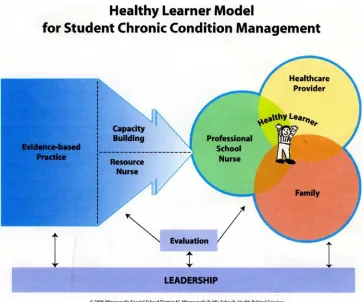
Erickson, Splett, Mullett, & Heiman (2006) developed the Healthy Learner Model for
Student Chronic Condition Management (HLM). This model is proposed as a bridge between the
medical model that focuses on the clinical setting and the school initiatives that focus on the
school environment. The HLM is an integrated, coordinated effort to optimize the health status
and support the academic success of children with chronic conditions. The authors further
describe a chronic condition as one which has: 1) long term impact on a child including
limitation of activities, 2) need for ongoing medical care, 3) medication requirement for ongoing
control of the condition, 4) need for treatment, adaptation or special assistance at home or school,
and 5) a need for technology assistance. The HLM identifies seven essential elements to ensure
high quality care and positive outcomes for students with chronic conditions. The elements are:
a) leadership; b) evidence-based nursing practice; c) capacity building; d) chronic disease
resource nurse; e) the healthy learner; f) partnership with families; g) partnership with health
providers (see Figure 1). Inherent to the model are two requisites that are not elements but are
inherent to the model. The first is a professional school nurse with a baccalaureate degree who
possesses knowledge, skills, and expeertise in all pertinent areas. The second requisite is
evaluation. Evaluation provides ongoing data to assess process and outcomes and to guide
program decisions. This model enhances practice by enabling the school nurse to function with a
higher knowledge base (Erickson C. D., Splett, Mullett, & Heiman, 2006).
The HLM has been replicated in two areas. The authors of the HLM developed the
Healthy Learner Asthma Initiative (HLAI) within the HLM. The availability of widely accepted
national evidence-based asthma guidelines was a trigger for action and provided a basis for
strategies were used to educate students, parents, school health staff, coaches and others. These
included direct care, a didactic curriculum, newsletter, wallet size first aid card, etc. The authors
state that criteria to consider when employing the HLM are the prevalence of the condition,
intensity of school nurse time and expertise required, impact on student attendance, student
performance, student safety, and requirements for student needed accomodations during school
hours. “School nursing practice, guided by evidence-based principles and informed by ongoing
evaluation, results in high-quality care for children and promotes educational success, including
improved attendance and active participation in learning” (Erickson C. D., Splett, Mullett,
Jensen, & Belseth, 2006).
Sawyer (2002) and Youssef, Murphy, Schuckalo, Intile, & Rosh (2007) surveyed school
nurses regarding managing acute and chronic health issues in the school setting. Sawyer found
that the school nurses were not as comfortable with health issues that required a higher level of
expertise and assessment. Youssef et. Al. examined the perceptions of school nurses related to
their knowledge and the need for educational programs to build their knowledge base. These
studies assist in documenting the need for professional education in the school nurse specialty
area.
The utility of professional education regarding other commonly seen childhood
conditions in schools is encouraging. A study of 336 school nurses in Iowa demonstrated
significant improvement in knowledge and understanding of growth disorders in respondents
who received an educational reference tool (Williams, McCarthy, Bragadottir, & Reed, 2002).
All of these studies suggest that school nurses are receptive to learning and that efforts to teach
The need for triage expertise is well documented in the literature. Educators’ perceptions
of the impact of having children with different chronic health conditions in the classroom was
studied by Olson, Seidler, Goodman, Gaelic, & Nordgren (2004). Teachers and other school
personnel in 23 elementary schools were surveyed using a Likert scale about the impact of
having a child with a chronic condition in the classroom. The six chronic conditions identified
were: AIDS, asthma, congenital heart disease, diabetes, leukemia and epilepsy. In
disease-by-disease comparisons, AIDS and epilepsy were seen as having more impact overall than any of
the other chronic health conditions (all P values <.01). Educators especially had concerns about
epilepsy, and felt that students with epilepsy needed the most special attention from teachers.
Barrett (2001) evaluated the effectiveness of a nurse-led educational intervention for 324
teachers on their knowledge of and anxiety about management of children having health
emergencies. Specifically, breathing difficulties, seizures, and choking were identified as the
most common health emergencies seen by these subjects. A quasi-experimental design was
employed using two non-equivalent groups. The hypothesis was that teachers in the treatment
group would demonstrate greater knowledge and lessened anxiety than those in the control
group. Results showed a statistically significant difference between the two groups, indicating
that the treatment group experienced a greater decrease in anxiety and a greater increase in
knowledge than the control group. The study supported the hypothesis, and anxiety remained
lowered 4 months after the intervention.
Child Neurology Process Oriented Triage
The Healthy Learner Model (HLM) emphasizes partnerships linking providers, families,
and schools. These linkages are imperative to optimize student health and school performance,
framework for schools and the community to ensure that students with chronic health conditions
are healthy, attend school, and are ready to learn.
The Child Neurology Curriculum for School Nurses was derived from the Child
Neurology Telephone Encounter Guides (Sprague-McRae, Rosenblum & Morrison, 2009).
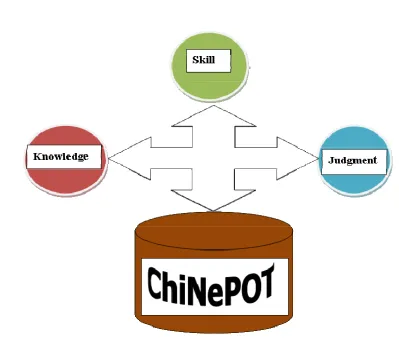
These Guides employ the Process Oriented Triage conceptual model. The two models (HLM)
and Child Neurology Process-Oriented Triage (ChiNePOT) complement each other. (see Figure
2) The HLM answers the question: Why is this curriculum necessary? The ChiNePOT answers
the question: How is the curriculum best presented?
Triage has historically been defined as a) the sorting of and allocation of treatment to
patients and especially battle and disaster victims according to a system of priorities designed to
maximize the number of survivors, and b) the sorting of patients (as in an emergency room)
according to the urgency of their need for care (www.merriam-webster.com). In the context of
this project, the concept of “triage” is modified. The context refers to non-acute systematic,
multi-dimensional and multilevel data collection which requires review of symptoms,
identification of priorities and development of interventions when caring for children with
neurologic problems. Process Oriented Triage is a structural format, thought process, or
framework for the teaching and learning of disease-specific information, and developing action
plans linking health care providers, families, and the school. Merging process and content in a
global way allows for adaptability in a variety of patient care settings. The Process Oriented
Triage Model lends itself to chronic condition management, in concert with the HLM. The three
elements of ChiNePOT are: knowledge, skill, and judgment. A thorough knowledge base is
required to understand and synthesize pathophysiologic and pharmacologic elements of care.
employing this model in this context. Clinical judgment is the final overriding principle of the
Process Oriented Triage Model. Knowledge and skill are crucial but the practitioner must also
appropriately interpret data to swiftly render safe, effective care. This combination of
knowledge, skill and judgment ultimately enhances the child’s potential to be a healthy learner.
Implementation Plan
Purpose and Research Question
The purpose of this project is to develop a child neurology curriculum for school nurses
consisting of annotated Power Point® lectures and then to measure the effectiveness of the
curriculum. School nurses who have been taught the content will:
1) demonstrate increased knowledge of etiology, epidemiology, and treatments for common
neurologic conditions, 2) report increased confidence in clinical judgment when caring for
students with common neurologic conditions, and 3) demonstrate leadership in the use of
evidence-based practice to foster healthy learning for students.
Seizures/epilepsy, headaches/migraines, tics, and post concussion management were the areas
of concentration throughout this project. A needs assessment survey was developed by this
researcher to obtain demographic and other pertinent data, including the school nurses’ greatest
concerns and questions with the child neurology population.
Research Design
A predictive correlational design was used in this project. This design facilitated
identification of many interrelationships in a situation in a short time. It predicted the value of
one variable based on values obtained from another variable (Burns & Grove, 2009). This study
Population and Sample
School nurses were recruited through convenience sampling to complete the survey. This
population was easily accessible and interested in the topic being studied. Convenience
sampling may be biased due to self selection. Nurses were invited to participate in the project at
various local school nurse meetings in Northern California. Flyers and email invitations were
circulated to elicit interest and participation. Participation in the project was voluntary without
compensation. Approval from the Institutional Review Board at the University of San Francisco
was requested and waived.
Methods and Procedures
Subjects (n=31) were directed to surveymonkey.com for access to the Needs Assessment of Child Neurology Topics for the School Nurse survey (see Appendix A). The survey is a 15
question tool consisting of multiple choice questions and Likert scales, with room for narrative
responses. Reliability and validity were not determined through pilot testing although the tool
was reviewed by experts in the field. Tool development was completed by this researcher.
Protection of human subjects and human subject data took place inherently via
surveymonkey.com (Surveymonkey. com, 2009).
Survey data was easily downloaded into a spreadsheet and database format from the
online server. Descriptive statistics were used including frequency distributions and raw
percentages to examine data. Demographic data was obtained and analyzed. A consulting
statistician was hired to perform specific statistical analyses. Additionally, qualitative data
Intervention
This researcher developed and had planned to present the Child Neurology Curriculum
for School Nurses to nurses in the Bay Coast Chapter of the California School Nurse
Organization (CSNO). However, during Fall 2009, school nurses were consumed by preparing
for and responding to H1N1 influenza. Future plans include teaching the school nurse
curriculum to nurses in the local area and then expanding state-wide at the CSNO conference in
Spring 2010. Lectures will be offered to school nurses on the curriculum content accompanied
by the annotated PowerPoint® to encourage self study. Additionally, participants will receive a
copy of the Child Neurology Telephone Encounter Guide as part of the educational package. A
post- intervention survey will given to all participants with questions regarding comfort and
confidence with the subject matter in general AND concerns that were specific to each content
area. Additionally, subjective information will be queried including assessing acquired
knowledge, increased comfort with topic, change in behavior, e.g. “Do you know more now than
you did before about this topic?” The annotated PowerPoint® presentations vary in length but
include approximately 40-60 slides each.
Results
Thirty-one school nurses responded to the needs assessment survey. The average
participant had been a nurse for over twenty-five years and a school nurse for 11 years.
Sixty-two percent of participants held a BSN, with 44% having a Master’s degree in nursing. No
participants were doctorally prepared. Most respondents had school nurse assignments in
elementary schools (n=18), others in middle or high schools, and some through the County
Office of Education. When queried about the most commonly seen neurology related diagnoses
identified. Nurses who responded to the survey identified that students contacting them
regarding symptoms as a common occurrence. It was reported that many concerned with a child’s
symptoms turned to the school nurse for a first contact. Medication questions and
administrative issues in general (documentation, clarification of orders) were also identified as
frequent reasons for contact.
The school nurses identified the MD as the child neurology provider with whom they
have the most contact (51.6%); RN’s and mental health providers came next. School nurses
rarely interfaced with nurse practitioners (6.5%), and 6.5% of respondents stated that they do not
interface with any child neurology provider. School nurses were neutral when responding to a
question regarding ease or difficulty in obtaining information from the child neurology provider.
School nurses identified the following as being useful to their practice: Improving their
knowledge base (72.2%), becoming more knowledgable/comfortable when talking to parents
(70%), increase student and parent satisfaction with care at school (70%), increasing comfort
level with child neurology diagnoses (55%), and improving general assessment skills (56.3%).
School nurses identified in-person lectures/slide presentations as the best way to acquire
educational content, although the other options offiered were also identified as being useful
(online study or learning modules, written information in handbook form including case studies,
and formal educational conferences). (See Appendix B)
Discussion/Evaluation
Quantitative survey results indicated that seizures, ADD/ADHD, and autism are the most
commonly seen neurology related diagnoses, with developmental delay/intellectual disability and
headaches also fairly common. When considering the frequency with which concussions and
respondents was surprising. This may be explained by the demographics of respondents, most of
whom work in the elementary setting rather than middle or high school. Additionally, some
nurses were employed by the County Office of Education. It is less likely that this population
participates in concussion-causing contact sports than a general secondary school population.
School nurses are frequently contacted by other school personnel (attendance clerks,
truancy officers, etc.) regarding a student’s attendance. Teachers contact school nurses about
behavior and school performance, and parents commonly contact the school nurse about
medication administration issues. Interestingly, nearly 90% of survey respondents identified that
students came to them with questions about symptoms of their condition. A surprising finding is
that 50% of nurses who responded stated that they interface with the MD provider most, rather
than a nurse practitioner. Several respondents identified RN’s and mental health providers as
frequent contacts, and 6.5% stated that they do not communicate with any child neurology
provider. It is unclear whether this is due to lack of availability or lack of need. Correspondingly,
43% of respondents identified “neutral” as the response to ease or difficulty in obtaining
information from a child neurology provider. But another 36.6% identified it as being “difficult”
or “very difficult” to obtain information.
Respondents to this survey are eager for further information in this clinical area. Many
stated interest in: improving their knowledge base, increasing knowledge when talking with
parents, increasing satisfaction with school nurse services, improving their general assessment
skills, and increasing their comfort with child neurology diagnoses. When respondents started in
their school nurse role, most (74%) acquired knowledge about child neurology diagnoses by
reviewing the literature, receiving on the job training, and attending continuing education
assessment, evaluation, and management of common child neurology conditions would be
helpful for their current role. This is in addition to an overwhelming need they expressed for
inservice sessions on pertinent topics by experts, and care and case management training.
Professional organization (CSNO, NASN) practice guidelines were also identified as being
somewhat valuable.
These findings complement the goals of the Healthy Learner Model for Student Chronic
Condition Management. The HLM is an integrated, coordinated effort to optimize the health
status and support the academic success of children with chronic conditions. The professional
school nurse uses evidence based practice as is provided in the Curriculum, and in conjunction
with the healthcare provider and family works to create high quality care and positive outcomes
for students with chronic conditions (Erickson C. D., Splett, Mullett, Jensen, & Belseth, 2006) .
The three elements of the ChiNePOT model are: knowledge, skill, and judgment. A thorough
knowledge base is required to understand and synthesize pathophysiologic and pharmacologic
elements of care. Skill in data collection from the student or parent, and other health
professionals, is also central in employing this model in this context. Clinical judgment is the
final overriding principle of this model. Knowledge and skill are crucial but the practitioner must
also appropriately interpret data to render safe, effective care. This combination of knowledge,
skill and judgment ultimately enhances the child’s potential as a healthy learner.
Although this survey and project add to the knowledge base of school nurses, limitations
are present in this study. These include a small sample size and a sample from one geographic
area in one state which limits the ability to generalize the information obtained to school nurses
in other areas of the state or country. Another limitation occurred due to H1N1 influenza
school nurses are consumed with an influenza epidemic that is postponing other responsibilities
and opportunities for education. Preliminary informal feedback has been favorable; however
data regarding the usefulness of the curriculum has not been obtained.
Conclusions
In summary, the needs assessment survey confirmed that providing educational offerings
to school nurses are needed and welcomed. . The purpose of this project was to develop a child
neurology curriculum for school nurses. Prior to development and distribution of the survey, this
researcher had identified four areas of need for further education and training of school
personnel. These areas had been identified from the researcher’s 10+ years as a nurse practitioner
in pediatric neurology as the conditions which most frequently elicited questions from parents
and school nurses. Seizures/epilepsy, headaches/migraines, tics, and post concussion
management were areas of concentration for this project. [Although autism and Asperger’s
Syndrome were also strongly identified as being areas of high educational need, the researcher
chose not to include those topics for curriculum development due to ongoing controversy
regarding current methods of diagnosis and treatment.]
General themes arising from this survey and curriculum development include the ongoing
need of school nurses for useful evidence-based research to guide their practice. This research
enhances nurses’ leadership skills which ultimately leads to healthier learners. Factors to
consider when implementing this curriculum include three elements. Feasibility or “buy-in” by
health service managers in local and statewide school districts. Evaluation of this element
includes: Who is the student population that will benefit? Who are the school nurses that will
benefit from this information? How is the information best presented? Also, questions of cost
curriculum and accompanying Child Neurology Telephone Encounter Guide? How will content
be reviewed and revised in order to maintain the current evidence-based integrity of the
curriculum and Telephone Encounter Guide’s? Last, the juxtaposition of both elements above –
how is cost effectiveness of these interventions best determined? Future plans include
implementation of the Curriculum locally and then expanding state-wide beginning at the CSNO
conference in Spring 2010. School nurses will attend lectures on the content along with the
annotated PowerPoint® slides for self-study. Additionally, participants will receive a copy of
the Child Neurology Telephone Encounter Guide as part of the educational package. A
post-intervention survey will be given to all participants with questions regarding comfort and
confidence with the subject matter in general AND questions that were specific to each content
area. Subjective information will be queried including assessing knowledge, increased comfort
with topic, change in behavior, e.g. Do you know more now than you did before about this topic?
Determination of actual cost effectiveness, an often elusive pursuit, will be addressed.
Recommendations for future expansion of this project include broadening the content
areas. Areas to consider may include autism, Asperger’s Syndrome and developmental delay.
Children in schools are continuing to need expert, sophisticated care from highly skilled
professional nurses. Demands on schools and school nurses continue to increase with increased
technology and complex medical treatments. The purpose of this project was to assess the need
for -- and then to develop -- a child neurology curriculum for school nurses that will aid in
References
Adams, S., & McCarthy, A. M. (2005). Evidence-based practice and school nursing. Journal of
School Nursing , 258-265.
American Academy of Pediatrics. (2008). Role of the School Nurse in Providing School Health
Services. Pediatrics , 1052-1056.
American Nurses Association. (2009).
http://www.nursingworld.org/MainMenuCategories/EthicsStandards/CodeofEthics.aspx.
Retrieved June 8, 2009, from www.nursingworld.org:
http://www.nursingworld.org/MainMenuCategories/EthicsStandards/CodeofEthics.aspx
American Psychiatric Association. (2000). Diagnostic and Statistic Manual of Mental
Disorders-IV. Washington DC: American Psychiatric Association.
Barrett, J. C. (2001). Teaching teachers about school health emergencies. Journal of School
Nursing , 316-322.
Benner, P. (1984). From novice to expert: Excellence and power in clinical nursing practice. .
Menlo Park: Addison-wesley.
Bille, B. S. (1962). Migraine in school children. Paediatra Scandinavia , 1-151.
Broussard, L. (2004). School nursing: Not just band-aids anymore. Journal of the Society of
Pediatric Nursing , 77-83.
Burns, N., & Grove, S. K. (2009). The Practice of Nursing Research. Elsevier.
Cantu, R. (2001). Posttraumatic and retrograde amnesia: pathophysiology and implications in
grading and safe return to play. Journal of Athletic Training , 244-248.
Cantu, R. (1998). Return to play guidelines after a head injury. Clinics in Sports Medicine ,
Centers for Disease Control and Prevention. (n.d.).
http://www.cdc.gov/ncipc/pub-res/tbi_toolkit/toolkit.htm. Retrieved June 8, 2009, from www.cdc.gov: www.cdc.gov
Centers for Disease Control and Prevention. (2007).
www.cdc.gov/ConcussioninYouthSports/default.htm. Retrieved June 8, 2009, from
www.cdc.gov: www.cdc.gov
Epilepsy Foundation. (2009).
http://www.epilepsyfoundation.org/living/children/education/schoolforms.cfm. Retrieved
June 8, 2009, from www.epilepsyfoundation.org: www.epilepsyfoundation.org
Erickson, C. D., Splett, P. L., Mullett, S. S., & Heiman, M. B. (2006). The healthy learner model
for student chronic condition management - Part 1. Journal of School Nursing , 310-318.
Erickson, C. D., Splett, P. L., Mullett, S. S., Jensen, C., & Belseth, S. B. (2006). The Healthy
learner model for student chronic condition management - Part II: The Asthma Initiative.
Journal of School Nursing , 319-329.
Food Allergy and Anaphylaxis Network. (n.d.). http://www.foodallergy.org/school.html.
Retrieved June 8, 2009, from www.foodallergy.org: www.foodallergy.org
Hootman, J. (2002). The importance of research to school nurses and school nursing practice.
Journal of School Nursing , 18-24.
Kelly, & Rosenberg, J.H. (1997). The diagnosis and management of concussion in sports.
Neurology , 575-580.
Meehan, W. P., & Bachur, R. G. (2009). Sport-related concussion. Pediatrics , 114-123.
Merriam Webster Online Dictionary. (2009). www.merriam-webster.com. Retrieved June 1,
National Association of School Nurses. (n.d.). http://www.nasn.org/Default.aspx?tabid=411.
Retrieved June 8, 2009, from www.nasn.org: www.nasn.org
National Association of School Nurses. (2006). Position Statement: Medical Services vs. Health
Services in the School Setting.
National Asthma Education and Prevention Program. (n.d.).
http://www.nhlbi.nih.gov/health/prof/lung/asthma/asth_sch.pdf. Retrieved June 8, 2009,
from http://www.nhlbi.nih.gov/health/prof/lung/asthma/asth_sch.pdf:
http://www.nhlbi.nih.gov/health/prof/lung/asthma/asth_sch.pdf
O'Dell, C., & O'Hara, K. (2007). School nurses' experience with administration of rectal
diazepam gel for seizures. Journal of School Nursing , 166-169.
Olson, A. L., Seidler, B., Goodman, D., Gaelic, S., & Nordgren, R. (2004). School professionals'
perceptions about the impact of chronic illness in the classroom. Archives of Pediatric
and Adolescent Medicine , 53-58.
Olympia, R. P., Wan, E., & Avner, J. R. (2005). The preparedness of schools to respond to
emergencies in children: A national survey of school nurses. Pediatrics , e738-e745.
Price, J. H., Telljohann, S. K., & King, K. A. (1999). School nurses perceptions of and
experience with school health research. Journal of School Health , 58-62.
Price, V., Murphy, S. O., & Cureton, V. Y. (2004). Increasing self-efficacy and knowledge
through a seizure education program for special education teachers. Journal of School
Nursing , 43-49.
Rosenblum, R. K., & Fisher, P. G. (2001). A guide to children with acute and chronic headaches.
Rosenblum, R.K. & Sprague-McRae, J.S. (2009). Child Neurology Process Oriented Triage
Model.
Russo Buzzini, S., & Guskiewicz, K. (2006). Sport-related concussion in the young athlete.
Current Opinion in Pediatrics , 376-382.
Sawyer, S. S. (2002, February). Factors affecting the school nurse's role in effectively managing
the child with asthma. Worcester, MA, USA.
Sprague-McRae, J. M., K, R. R., & Morrison, L. A. (2009). Child Neurology Telephone
Encounter Guides. Dog-Ear Publishing.
Theye, F., & Mueller, K. (2004). "Heads Up": Concussions in high school sports. Clinical
Medicine and Research , 165-171.
Thies, K. M. (1999). Identifying the educational implications of chronic illness in school
children. Journal of School Health , 392-397.
Tourette Syndrome Association. (2009). Tic Disorders Including Tourette Syndrome. 1-8.
Vought-O'Sullivan, V., Meehan, N. K., Havice, P. A., & Pruitt, R. H. (2006). Continuing
education: A national imperative for school nursing practice. Journal of School Nursing ,
2-8.
Wainright, P., Thomas, J., & Jones, M. (2000). Health promotion and the role of the school
nurse: A systematic review. Journal of Advanced Nursing , 1083-1091.
Williams, J., McCarthy, A., Bragadottir, H., & Reed, D. (2002). School nurses experiences,
concerns, and knowledge of growth disorders in children: development of a monograph.
Journal of School Nursing , 25-32.
www.surveymonkey.com. (2009). Retrieved from www.surveymonkey.com:
www.surveymonkey.com
Youssef, N. N., Murphy, T., Schuckalo, S., Intile, C., & Rosh, J. (2007). School nurse
knowledge and perceptions of recurrent abdominal pain: Opportunity for therapeutic
alliance? Clinical Pediatrics , 340-344.
Zinner, S. H. (2004). Tourette syndrome--much more than tics. Contemporary Pediatrics ,
22-36.
Figure 1 Healthy Learner Model
Figure 1. The Healthy Learner Model for student chronic condition management. The
aim of this model is to enable students with chronic conditions to be healthy, in school,
and ready to learn. Copyright 2006 Special School District #1, Minneapolis Public
Figure 2 ChiNePOT
Rosenblum & Sprague-McRae 2009
Figure 2. The Child Neurology Process Oriented Triage Model combines a thorough knowledge
base, skill at data collection, and clinical judgment to appropriately interpret data and render safe
Appendix A (see attached)
Appendix B
Question 1
Question 2
Question 3
Question 5
Question 7
Question 9
Question 11
Question 13
Appendix C
Power Point References
Healthy Learner Model
Adams, S., & McCarthy, A. M. (2005). Evidence-based practice and school nursing.
Journal of School Nursing , 258-265.
Erickson, C. D., Splett, P. L., Mullett, S. S., & Heiman, M. B. (2006). The healthy learner
model for student chronic condition management - Part 1. Journal of School Nursing ,
310-318.
Erickson, C. D., Splett, P. L., Mullett, S. S., Jensen, C., & Belseth, S. B. (2006). The
Healthy learner model for student chronic condition management - Part II: The Asthma
Initiative. Journal of School Nursing , 319-329.
Epilepsy
Hosseini, A (2008). Personal communication, September 10, 2009.
O'Dell, C., & O'Hara, K. (2007). School nurses' experience with administration of rectal
diazepam gel for seizures. Journal of School Nursing , 166-169.
Olson, A. L., Seidler, B., Goodman, D., Gaelic, S., & Nordgren, R. (2004). School
professionals' perceptions about the impact of chronic illness in the classroom. Archives
of Pediatric and Adolescent Medicine , 53-58.
Olympia, R. P., Wan, E., & Avner, J. R. (2005). The preparedness of schools to respond
to emergencies in children: A national survey of school nurses. Pediatrics , e738-e745.
Price, V., Murphy, S. O., & Cureton, V. Y. (2004). Increasing self-efficacy and
knowledge through a seizure education program for special education teachers. Journal
Terry, D., Paolicchi, J., Karn, M. (2007). Acceptance of the use of diazepam rectal gel in school
and day care settings. Journal of Child Neurology, 1135-1138.
Wyllie, E. (1997). The Treatment of Epilepsy: Principles and Practice. Williams and
Wilkins, 70-72.
Headaches
Larsson, B., Carlsson, J., Fichtel, A., Melin, L. (2005). Relaxation treatment of
adolescent headache sufferers: Results from a school-based replication series. Headache,
692-704.
Lewis, D.W., Middlebrook, M.T., Mehallick, L., Rauch, T.M., Deline, C., & Thomas, E.F.
(1996). Pediatric headaches: What do the children want? Headache, 224-230.
Penzien, D.B., Gabb, M.G. (2003) Nonpharmacologic prevention and treatment of
recurrent headache. Advanced Studies in Medicine, s168-s173.
Rosenblum, R.K. & Fisher, P.G. (2001). A guide to children with acute and chronic
headaches. Journal of Pediatric Health Care, 229-235.
Post-concussion
American Academy of Neurology Quality Standards Subcommittee. (1997). Practice parameter:
The management of concussion in sports (summary statement). Neurology, 581-585.
Centers for Disease Control and National Center for InjuryPrevention and Control.
(2006). Traumatic brain injury in the United States: Steps to prevent a serious public
health problem.
Centers for Disease Control and Prevention. (2007).
from Centers for Disease Control:
http://www.cdc.gov/ConcussioninYouthSports/default.htm
Harmon, K. G. (1999). Assessment and management of concussion in sports.
American Family Physician , 887-894.
Huhn, S. L. (2003). Concussions and sports: Diagnosis, management, and return to play
guidelines. Lecture at Lucile Salter Packard Children's Hospital at Stanford .
Kelly, J.P. & Rosenberg, J.H. (1997). Diagnosis and management of concussion in sports.
Neurology, 575-580.
Kirkwood, M. W., Yeates, K. O., & Wilson, P. E. (2006). Pediatric sport-related concussion: A
review of the clinical management of an oft-neglected population. Pediatrics ,
1359-1371.
Lovell, M. R., Collins, M. W., Iverson, G. L., Johnston, K. M., & Bradley, J. P. (2004). Grade 1
or "ding" concussions in high school athletes. The American Journal of Sports Medicine,
47-54.
Meehan, W.P. & Bachur, R.G. (2009). Sport-Related Concussion. Pediatrics, 114-123.
Russo Buzzini, S. R., & Guskiewicz, K. M. (2006). Sport-related concussion in the young
athlete. Current Opinion in Pediatrics , 376-382.
Theye, F., & Mueller, K. A. (2004). "Heads Up": Concussions in High School Sports. Clinical
Medicine and Research, 165-171.
Tics
AmericanPsychiatric Association (2000). Diagnostic and statistical manual-text revision
Berlin, C.M. Tic disorders including Tourette Syndrome. Tourette Syndrome Association.
Retrieved June 2, 2009 from http://www.tsa-usa.org/.
Jankovic, J. (2001). Tourette’s Syndrome. New England Journal of Medicine, 1185-1192.
Leckman, J.F., Bloch, M.H., Scahill, L., King, R.A. (2006). Tourette Syndrome: The self
under siege. Journal of Child Neurology, 642-649.
Zinner, S.H. (2004). Tourette syndrome – much more than tics. Moving beyond misconceptions
to a diagnosis. Contemporary Pediatrics, 22-36.
Zinner, S.H. (2004). Tourette syndrome – much more than tics. Management tailored to