USF Scholarship: a digital repository @ Gleeson Library |
Geschke Center
Doctor of Nursing Practice (DNP) Projects Theses, Dissertations, Capstones and Projects
2010
Entry-level Clinical Nurse Leader: Evaluation of
Practice
Eira Ilse Klich-Heartt
University of San Francisco, [email protected]
Follow this and additional works at:https://repository.usfca.edu/dnp
Part of theNursing Administration Commons
This Project is brought to you for free and open access by the Theses, Dissertations, Capstones and Projects at USF Scholarship: a digital repository @ Gleeson Library | Geschke Center. It has been accepted for inclusion in Doctor of Nursing Practice (DNP) Projects by an authorized administrator of USF Scholarship: a digital repository @ Gleeson Library | Geschke Center. For more information, please [email protected].
Recommended Citation
Klich-Heartt, Eira Ilse, "Entry-level Clinical Nurse Leader: Evaluation of Practice" (2010).Doctor of Nursing Practice (DNP) Projects. 5.
Running head: ENTRY-LEVEL CLINICAL NURSE LEADER: EVALUATION OF PRACTICE
Entry-Level Clinical Nurse Leader: Evaluation of Practice
Eira I. Klich-Heartt, RN, CNS, MSN, DNP(c), CNL
Submitted in partial fulfillment of the requirements for the degree Doctor of Nursing Practice
School of Nursing University of San Francisco
Author Note
Dedication and Acknowledgement
I would like to dedicate this project to my parents, Karl and Erika Klich, who always encouraged my further education. To my sister, Ingrid Klich, PhD, who showed me the way. To my children, Kyle and Danika, who lent me their ear and support.
Abstract
Table of Contents
List of Tables... iv
List of Figures ... v
Section 1. Problem Description ... 1
Section 2. Review of the Evidence ... 3
Section 3. Project Description and Implementation Plan ... 9
Section 4. Evaluation ... 11
Section 5. Continuous Quality Improvement Processes ... 16
Section 6. Implications for Advancing Nursing Practice ... 17
References ... 25
Appendices ... 29
Appendix A. Table 2: AACN CNL End of Program Competencies ... 29
Appendix B. Entry-Level CNL Survey ... 33
Appendix C. Consent Form ... 35
Appendix D. Gantt Chart... 36
List of Tables
Table 1: Review of CNL Literature... 4
List of Figures
Figure 1: Primary Client Populations ... 12
Figure 2: Apply CNL Competencies in Current Role ... 13
Section I. Problem Description
Nursing at the point of care has become increasingly complex as patients have higher acuities and stay in the hospital for shorter periods of time (Ingersoll, Hoffart & Schultz, 1990). Economic decisions by health care institutions have reduced point of care services by reducing or eliminating ancillary personal and these leaner staffing practices are tied to poorer patient
outcomes (Seago, 2001). Health care systems have abominable error rates, nosocomial
infections, dissatisfied patients (Kohn, Corrigan, & Donaldson, 2000) and nurses who complain that they cannot give quality care. (Aiken, Clarke, Sloane, Sochalski & Silber, 2000).
The Clinical Nurse Leader (CNL) is a new role, developed in 2000 by the American Association of Colleges of Nursing (AACN), to address these problems (AACN, 2007). The Clinical Nurse Leader is a master-prepared generalist accountable for patient outcomes through application of evidenced-based practice at the microsystem level. The position includes
responsibility for designing, implementing, and evaluating patient care, whether individual, clinical populations, or communities (AACN, 2007). Harris, Tornabeni, and Walters (2006), who implemented a pilot study of CNLs at the Veterans Association in the Tennessee Valley Health System, found that having CNLs as part of the system improved patient outcomes. The CNL is the champion at the bedside as a change agent and an early adaptor in applying the innovations of best nursing practices (Rogers, 2003). The CNL cares for patients at the point of care and the system influences that impede or support positive outcomes.
graduate level courses. The AACN recognizes this option as a Schedule C educational track and these programs are accredited by both the AACN and National League for Nursing ( NLN). Both Sonoma State University and the University of San Francisco began entry-level master’s CNL (ELM-CNL) programs in 2005. Presently, the first few cohorts (N= 163) have graduated and are practicing as nurses. While the AACN supports the second degree graduate as capable of CNL positions upon graduation most graduates are employed in entry level nursing positions. It is unknown whether such graduates use the skills associated with the CNL curriculum
identified in the end of program Competencies (Appendix A, Table 2 ). This doctoral project evaluates the entry-level master’s CNL graduates to determine if the end of program
competencies are actualized in their current practice and thus have the potential to improve practice.
The Clinical Nurse Leader Role
Early adopters of the CNL role included hospitals that were partnered with educational institutions to develop and utilize the new curriculum and role. Thompson and Lulham (2007) described how CNLs and Clinical Nurse Specialists differ in knowledge base, educational preparation, and usefulness. CNLs are conceived to be generalists who assist patients with the complexities of their care, promote and ensure best practices, and provide excellent outcomes, including decreased lengths of stay within the microsystem,or at the point of care.
CNL brought together both educators and business leaders in pilot projects in the work area. More than 90 universities and 190 partnership sites participated in the advancement of this new role (AACN, 2007). It has now been five years since the inception of these partnerships, and research is beginning to emerge regarding the outcomes proposed.
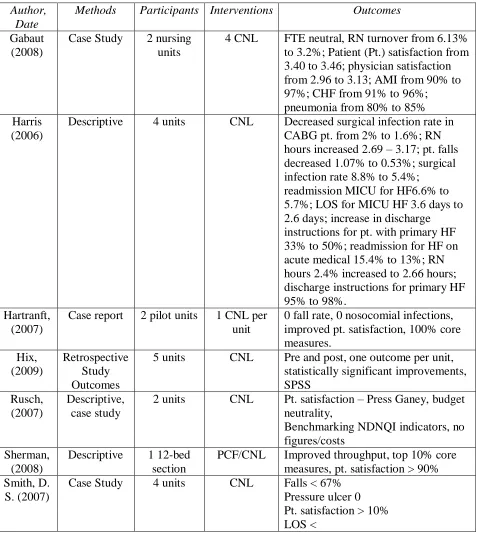
Harris et al. (2006), who conducted the first study of a CNL program, looked at data that pertained to finances, patient satisfaction, quality of care, internal processes, and subjective qualitative data. They found that there were significant decreases in infection rates, patient readmissions, and length of patient stays. These findings were instrumental in the development of the CNL role at a national level (see Table 1, below).
Entry-level master’s prepared CNL students are hired as new graduates into clinical units in a variety of settings. The question is, do these nurses continue to use their CNL competencies as they gain experience as novice nurses in those clinical environments? Tornabeni, Stanhope, and Wiggins (2006) state that the principal role functions of CNLs are as client advocates, team managers, information managers, systems analysts, risk anticipators, outcomes managers, educators, clinicians, and members of a profession.
Rusch (2004) contends that the CNL, while being a leader on a unit, is “neither an administrative or managerial role” (p. 65). It is not clear whether entry-level CNLs are able to continue developing their CNL competencies once they have graduated and entered into practice.
Section II. Review of the Evidence
Literature about Clinical Nurse Leaders
A systematic review of the literature on the topic of Clincal Nurse Leader was completed. Areas that were searched included Ebsco, Pub-Med, Cinahl Plus Full Text, ProQuest
new nursing role, developed by the AACN in partnership with practicing nurse leaders, this project was limited to American journals. Literature from other countries was examined ( de Casterle, Wilemse, Verschueren, & Milisen, 2008; Graham, 2003), but omitted from this study, because it did not focus specifically on the CNL role.
The searches yielded 85 articles with the search term “Clinical Nurse Leader.” Of those, more than 20 were position papers from the AACN, anecdotal articles, editorials, or reports of conferences. Twelve articles originally met the inclusion criteria. Of those 12, the writer eliminated 4 that did not meet the requirement of reporting outcomes criteria. Studies that were descriptive only were also excluded. One study discussed educational institutions, partner hospitals, and distribution around the country (Stanhope & Turner, 2006). Another research article was a qualitative study of chief nurse officers who had partnered with the AACN and validated the role of the CNL (Sherman, Clark, & Maloney, 2008). The final articles are summarized in Table 1, below.
Exclusion Criteria. Research studies that reported the educational development of the
Clinical Nurse Leader were not included. Also not included were articles that reported anecdotal information about CNLs. Two studies described the education, training, and role of the CNL in a variety of clinical situations (Brown, 2008; Pacca, 2008).
Inclusion Criteria. Studies were included that reported outcomes data on the Clinical
Table 1: Review of CNL Literature
Author, Date
Methods Participants Interventions Outcomes
Gabaut (2008)
Case Study 2 nursing units
4 CNL FTE neutral, RN turnover from 6.13% to 3.2%; Patient (Pt.) satisfaction from 3.40 to 3.46; physician satisfaction from 2.96 to 3.13; AMI from 90% to 97%; CHF from 91% to 96%; pneumonia from 80% to 85% Harris
(2006)
Descriptive 4 units CNL Decreased surgical infection rate in CABG pt. from 2% to 1.6%; RN hours increased 2.69 – 3.17; pt. falls decreased 1.07% to 0.53%; surgical infection rate 8.8% to 5.4%;
readmission MICU for HF6.6% to 5.7%; LOS for MICU HF 3.6 days to 2.6 days; increase in discharge instructions for pt. with primary HF 33% to 50%; readmission for HF on acute medical 15.4% to 13%; RN hours 2.4% increased to 2.66 hours; discharge instructions for primary HF 95% to 98%.
Hartranft, (2007)
Case report 2 pilot units 1 CNL per unit
0 fall rate, 0 nosocomial infections, improved pt. satisfaction, 100% core measures. Hix, (2009) Retrospective Study Outcomes
5 units CNL Pre and post, one outcome per unit, statistically significant improvements, SPSS
Rusch, (2007)
Descriptive, case study
2 units CNL Pt. satisfaction – Press Ganey, budget neutrality,
Benchmarking NDNQI indicators, no figures/costs
Sherman, (2008)
Descriptive 1 12-bed section
PCF/CNL Improved throughput, top 10% core measures, pt. satisfaction > 90% Smith, D.
S. (2007)
Smith, Manfredi,
et al. (2006)
Descriptive 1 unit CNL Nurse job satisfaction increased not stated how much, pt. satis > 85%, nursing skill 89%, physician
satisfaction 95%, LOS< .01 day, 9% and cost of $416,150. possible statistical significance, agency use <50%, cost savings 120,165. Smith,
Hagos, et al. (2006)
Descriptive 1 43 bed unit
3 CNL Pt. outcomes, staff satisfaction CWEQII, Pt. satisfaction unknown tool but improved, physician satisfaction 95%. Case mix index increased to 1.39, LOS decreased from 4.46 to 4.18, cost savings 412,150. 38% reduction in restraint useage, fall rate <, < contract labor use. Stanley, Hoiting… (2007) Descriptive Case Study
2 units CNL Descriptive only
Stanley, Gannon… (2008) Qualitative, naturalistic, case studies 3 different practice settings
CNL Improve quality, pt/fam satisfaction; decreased staff turnover; improved costs
Tachibana (2007)
Case report 4 units 1 CNL per unit
7% decrease LOS, descriptive process
Patient safety and coordination of care are the primary focus of the outcomes studies reported in Table 1. The studies reviewed unit specific measures of innovations or
improvements. Such unit specific measures included fall rates, pressure ulcers and meeting disease specific performance requirements such as AMI, CHF or providing discharge instructions for patients with heart failure. Some studies have reported only modest
improvements in patient care ( Hartranft, Garcia, Adams, 2007; Stanley, Hoiting, Burton, Harris & Norman, 2007, Stanley, Gannon, Gabaut, Hartranft, Adams, Mayes, et. al., 2008), while others have found significant improvement in this area, and cite quantitative data to support this conclusion (Harris, 2006; Smith, Hagos, et al., 2006; Smith, Manfredi, et al., 2006). Hix,
Outcomes criteria have been reported to be improving with the addition of a CNL. However, it is also important to measure staff retention; patient, physician, and employee satisfaction; and overall cost savings. The fragmentation of care, with experienced nurses working part-time twelve-hour shifts, and inexperienced nurses often not having direct
supervision, opens the possibilities for errors (Aiken, et al. 2000). In this group of preliminary research studies the outcomes were evaluated against metrics that had been measured prior to the implementation on the units, or only were descriptive studies of improvements seen. Because each of the 12 studies examines a different outcome, it is difficult to draw comparisons between the studies. Most studies described improvements in care. Only Hix et al. (2009) report
statistically significant improvement in the outcomes reported.
Stanley, Gannon, Gabaut, Hartranft, Adams, Mayes, et. al., (2008) describes the implementation of the CNL in three different practice settings and demonstrating improved metrics in all areas. Most studies included pilot projects, early implementation programs, and case studies of implementation of the CNL. Some studies reported vague improvements
(Hartanft, 2007), while others began reporting percentages of improvement and raw data (Harris, Tornabeni & Walters, 2006; Smith, et al., 2006). Smith, Manfredi, et al. (2006) described a unit that, with the addition of a CNL, saw patient satisfaction improve to greater than 85%, physician satisfaction improve to greater than 95%, and length of stay decrease by 0.1% for a cost savings of $416,150. Agency use decreased by 50% for another cost savings of $120,000. When data is reported in financial terms, the addition of a CNL provides greater benefits to the patients and the organizations than their salaries cost.
Clinical Nurse Leader End of Program Competencies
curriculum elements of nursing leadership, care environment management and clinical outcomes management. These competencies specifically address what the IOM (2011) is now
recommending as nursing education that “prepare them [future nurses] to deliver
patient-centered, equitable, safe, high-quality health-care services”( p. S-3). As a nursing leader students learn to effect change through advocating for their clients, units, the healthcare team, or the nursing profession. CNLs are expected to work within interdisciplinary teams to achieve
outcomes at the unit or micro-system level. As the member of the profession of nursing, Clinical Nurse Leaders are expected to effect change in healthcare practice on their units and demonstrate improvements in patient outcomes, as well as making changes in the profession of nursing. Clinical Nurse Leaders are also adept at using technologies and information systems to improve healthcare outcomes for their units and patients. As a team manager CNLs are participating on teams in leadership roles, able to manage team resources to improve safety, efficiency, quality in both clinical and cost outcomes. A Clinical Nurse Leader acts as a systems analyst or risk
identified in the end of program Competencies (Appendix A, Table 2 ) as they begin as new nurses.
Theoretical Framework
The role of the CNL is a novel approach, attempting to put a highly educated nurse at the point of care to effect positive changes for the patient, their families and the unit structure. They are the unit change agent and an early adopter in applying innovations and best practices
(Rogers, 2003). The CNL is at the point of care and is instrumental in recognizing opportunities for communicating among the social structure of the unit the innovations and novel processes that are to be implemented. Diffusion implies a social change, “a process by which alteration occurs in the structure and function of a social system” (Rogers, 2003, p. 6). The above mentioned activities in Table 1.are examples of the changes made in units where CNLs were implemented. The CNL knows educational programs have prepared the graduate to consider the social structure and, unwritten social mores of a unit of care delivery in order to determine priorities and adopt changes. The CNL serves the point of care as an advocate and educator in actualizing evidence practice research. Other CNL roles such as system analyst, information manager, risk anticipator and team manager all contribute to the understanding to the system as a social unit. Dearing (2009) discusses how a variety of combinations may be effective in
acceptance by the group and becomes incorporated into its structure (Rogers, 2003). The CNL considers the social structure and unwritten social mores of a unit of care delivery in order to determine priorities and adopt changes. The entry level CNL has opportunities for making change, adopting new practices and engaging themselves on a unit with the ability to influence early adoption of best practices (Rogers, 2003). The survey was designed to elicit activities and beliefs if entry level CNL nurses are influencing their organizations.
The entry level CNL is also working with the theoretical framework of knowledge transfer. Knowledge transfer is the ability to take information from one context and begin applying it in another situation (Argote and Ingram, 2000). The ability to transfer knowledge from one area to another can give an organization a competitive advantage. Questionnaires are one method for determining the ability to transfer knowledge embedded in individuals (Argote and Ingram, 2000). The development of a questionnaire for CNLs to determine their ability to transfer the competencies acquired during their CNL education into the clinical work
environment rests upon this premise. The development of a CNL role would allow the
organization to transfer the knowledge from one individual into the organizations operations and procedures and develop the culture of learning within an organization, all supported by the IOM report (2011).
Section III. Project Description and Implementation Plan
clinical outcomes management, and care environment management. As these nurses were both entry-level nurses as well as masters prepared, it was of interest to see whether they were utilizing all aspects of the CNL curricula in their current practice. It was not the focus of this project to evaluate the curriculum, but rather the connection between the educational program and continued practice of the end-of- program competencies for the novice nurse. The focus of the project evaluation was the end-of- program competencies as outlined by AACN (see Table 2). A grant was received from the American Association of Critical Care Nurses for the project and subscription to the Survey Monkey program (http:www.surveymonkey.com) (Appendix E). IRB approval was granted by USF for the project and consent (Appendix C).
The survey was administered in February, 2010, with reminders planned for periods of one and two months, March and April. Data evaluation continued through May with anticipated evaluation and completion of the project by August, 2010. A project management plan was developed in the form of a Gantt chart to track progress (Appendix D).
Implementation Plan
The Entry Level CNL survey was developed using the CNL end of program
competencies and was reviewed by two experienced researchers for content validation. The Entry Level CNL Survey included six Likert-style questions that were developed to elicit perceptions of practice using the AACN CNL End-of-Program Competencies (AACN, 2007). Themes were grouped around the ability to provide Nursing Leadership, Care Environment Management, and Clinical Outcomes Management. In addition, respondents were asked open ended question about the ability to apply the elements of the CNL role in their daily practice. The survey tool was ready to be implemented on schedule following the Gantt chart (Appendix D).
Procedures were developed to ensure timely reminders to be sent to graduates to maximize response rates. The graduate records of the schools of nursing from both programs were made available to contact possible respondents in a timely and equitable manner (See procedure below).
Recruitment Procedure
Graduates were contacted by email from graduation records from both nursing departments. A link to the survey was included in the email to facilitate responses. Survey Monkey (http://www.surveymonkey.com) was utilized as an efficient and effective tool to administer the survey. Reminders were sent out twice to encourage graduates to participate.
Subject Consent Process. Graduates were sent the consent for the survey through the
initial email and again acknowledged the consent at the beginning of the online survey
(Appendix C). Elements in the consent form included potential risks, benefits, cost, as well as the confidentiality of their responses. Participants were assured that only aggregated data will be reported. The consent received IRB approval from USF in Fall 2009.
Procedure
The evaluation was implemented in Spring of 2010. The following procedure was followed.
1. Graduates from USF and SSU accelerated Master’s in Nursing Clinical Nurse Leader programs were contacted by the researcher via email.
2. Consent information was available in the email contact information. 3. Participants logged onto the survey tool where they acknowledged their consent to participate.
5. Two reminders of the opportunity to participate were sent by email at 4 weeks and 8 weeks after the initial contact.
6. Participants logged on to the survey tool to acknowledge consent and complete the survey tool. The survey tool contained 10 demographic
questions and eleven end-of- program specific questions. It was estimated that it should not take more than 15 minutes to complete.
7. Confidentiality and anonymity were maintained. The researcher maintained the survey records in a confidential manner.
The project was designed to have objective measures by designing a tool that measured self-report of CNL performance against the end of program competencies. The tool and method of administration and contacting the graduates was designed to be timely, effective, efficient and equitable for all that participated. The project was designed in an intraprofessional manner, with assistance from advisors, nurses, as well as university staff from both organizations.
Section IV. Evaluation
This project solicited information from graduates of two CNL programs to evaluate the connection between elements of the CNL education and the reported practice of nurses in entry level nursing positions. A potential 163 graduates from two universities were invited to
participate. The Entry Level CNL survey was distributed in February and closed at the end of April 2010. The response rate was 35% (n=57). Not all respondents answered each question.
The first entry-level CNL programs began graduating nurses in 2006 and none of the graduates had been in practice for more than five years at the time of the survey. No graduate reported being employed as a CNL; however, 40% (n= 20) reported that they had been asked to be in charge or perform in a leadership position. Ninety-two percent were in staff nurse
researcher, stroke coordinator, and compliance officer. Six of the respondents were not working at the time of the survey.
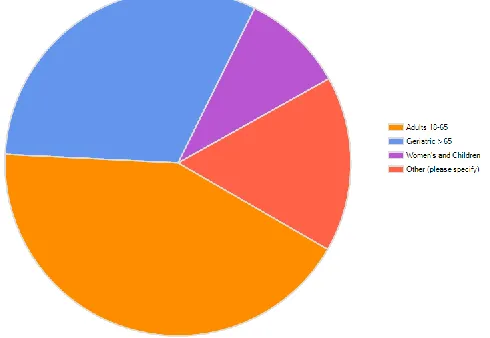
Seventy-four percent (n=42) reported working in the hospital or acute care environment. The remaining respondents (n=15) reported working in ambulatory care clinics, skilled nursing, hospice, community health, or other areas. Sixty percent were caring for adult clients, 44% working with a geriatric population, 14% with women and children, and two specified working with hematology/oncology clients (see Fig. 1). New graduates are branching out into areas other than traditional acute care hospital environments with 26% working in other than acute care.
Clinical Nurse Leader Competencies
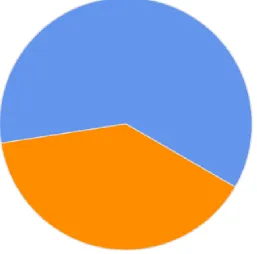
Thirty-six percent (n=18) of the respondents believed that they were valued because of their CNL competencies, as staff nurses. Forty percent (n=20) of the graduates were in charge or leadership roles. Twenty-four percent (n=12) were applying to clinical advancement positions within their organizations, while another 25% (n=13) stated that there were no such clinical ladders available.
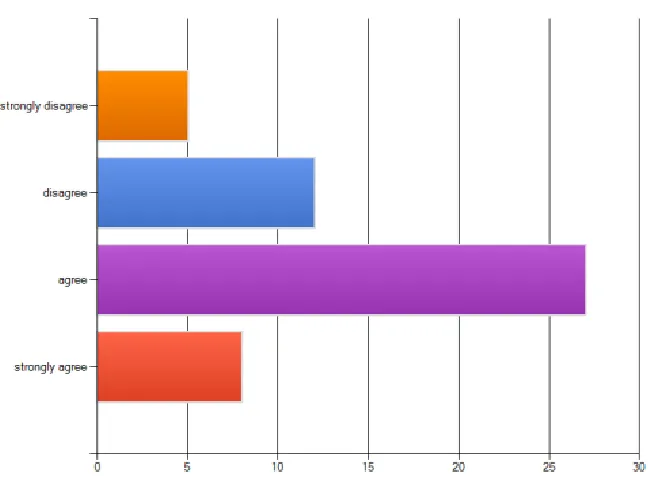
Figure 2: Apply CNL Competencies in Current Role
than half of the respondents agreed that they used aggregate data sets to improve patient care, citing participation with falls analysis as one example of such unit data. Others mentioned that they still felt too new and were absorbing “current practices and standards” while others stated that they did not have access to aggregate data at this point in their experience. More than half (55%) believed that they were able to apply their CNL competencies in their current role. Sixty-seven percent (n=35) of the respondents reported being able to assimilate research-based evidence to improve their unit outcomes. All of these examples of unit participation and attempting to improve unit based outcomes are examples of the graduates attempting to be change agents, looking for ways to stay engaged and make a difference through adoption and support of best practices (Rogers, 2003).
More than half of the respondents (n=27) stated that they have been taking part in facility wide committees and having an impact on client outcomes. Examples were given including Patient and Family Advisory Committee, Pharmacy Council, Core Measures Committee, Shared Governance Committee, Central Line Committee, Medication Safety Committee, Accident Prevention and Safety Committee, Nurse Quality Council, Falls Prevention Committee, Nurse Practice Committee, and Professional Practice Committee. Only one respondent noted that they felt they were “still too new … absorbing current practices and standards.” One commented that “access to journals and databases ended when they graduated.” The entry level CNL graduates are taking on projects by becoming involved in leadership activities, being involved in
committees and acting as champions on their units (Rogers, 2003).
Qualitative Themes
The Entry-Level CNL Survey included opportunities for respondents to provide free text commentary to each of the survey questions in addition to one open-ended question at the end of the survey. The open-ended responses were reviewed by the investigator with another researcher to identify common themes. Responses were coded and reviewed for consistency. The responses appeared to have three distinct qualities: person, environment, and undercurrent of potential to implement the CNL role. The central ideas of all nursing theorists follow a similar pattern of person, environment, health and caring as described by Fawcett (2004). These concepts are central to the metaparadigm of the discipline of nursing (Fawcett, 2004). The entry level CNL graduates who are finding their way as professional nurses identified two of these central themes, person and environment.
Person. With regard to person, the respondents described feeling new, like a novice, “just
pay my dues” and also to acquire clinician skills as a staff nurse. The survey was not able to discern whether there were differences at each year of practice, or if this perception changed over time.
Environment. In the theme of environment, the respondents spoke to the fact that their
managers and others did not know about the role of a CNL. There appeared to be a resistance by major healthcare institutions and unit cultures to the role of the CNL. One nurse stated, “I need to work for five years before I can advance, in spite of being on lots of committees.” Another stated that their unit was “very resistant to change under new management”, but they were looking forward to participation as new “team assimilation begins”. Educational modules for specific client populations were beginning to emerge, one nurse described the intention to develop ones on “Motivational Interviewing and Understanding Addictions, but have not completed them yet”. The entry level CNLs identified opportunities on their units that needed additional resources and assisting unit education (Rogers, 2003). Other respondents stated that they had developed ones for reducing falls in the oncology population and delirium
identification. One nurse stated that their days were filled with patient care; another reiterated that they were still trying to assimilate procedures and unit standards.
Undercurrent of Potential. The third theme was one of hope and an undercurrent of
will sustain them, and is this reflected in other accelerated graduates? What sort of projects will they be working on? Will they be able to realize their potential as a CNL? Do graduates of other accelerated CNL programs have similar experiences, and how will this data change over time as the CNL role becomes more developed?
Entry level CNLs are demonstrating the ability to integrate their end of program
competencies in addition to being new nurses through their self report on the Entry Level CNL Survey. They are beginning to take steps towards making positive impacts on the outcomes of their patients as well as their healthcare environments. These entry level CNLs are practicing as beginning nurses with no CNLs in positions to mentor them. They are self starting to continue to apply their end of program competencies and have the ability to transfer their knowledge and competencies in their work environments.
Section V. Continuous Quality Improvement Process
The inspiration to evaluate the entry-level CNLs against their end-of-program competencies followed the Deming model for process improvement (Nelson, Batalden &
Godfrey, 2007), also known as the Plan-Do-Study-Act cycle of process improvement. The initial question of whether entry level CNL graduates are able to continue practicing their end-of-program competencies while they were also gaining experience as new nurses was developed into the Entry-Level CNL Survey (Appendix B), and was reviewed by two experienced researchers for survey validation. This program evaluation is looking at the outcomes of the entry level CNL nurses and the competencies being applied in practice (Donabedian, 2003). The planning phase also included researching the literature with regard to both the CNL literature and the literature from accelerated nursing programs. The processes that were implemented to
tool, grant application, the Entry-Level CNL survey (Appendix B), the participants consent and IRB application, a project timeline or Gantt chart (Appendix D) and project procedure. The tool was reviewed by two CNL faculty, one from each of the schools for content validity, as well as ease and clarity. The survey tool as well as the consent obtained approval from the IRB at University of San Francisco.
The use of Survey Monkey (http://www.surveymonkey.com) as a tool allowed for ease of survey administration as well as data collection. It was a cost effective instrument, with ease of access via email. A yearly subscription was purchased to allow development of the survey. The grant from the American Association of Critical Care Nurses covered the costs of
administration of the survey. Reminders were sent via email to keep survey participation high. The development of a Gantt chart was essential to keeping the project on track and meeting all deadlines (Appendix D). Further use of the Gantt chart will be helpful in staying on track to disseminate information to funding organizations, such as report to the CNL national conference, American Association of Critical Nurses, as well as planned publications.
The Entry Level CNL project was a well designed, feasible, easy to administer and cost effective project. The development and execution of this project were assisted by the staff at both schools, the entry level CNL students and the project advisors. Authors were contacted in order to validate the project and clarify questions in the development of the project.
Section VI. Implications for Advancing Nursing Practice
Summary of Process
clearly in the area of novice practice – described by Brown and Olshansky (1997) as “laying the foundation” and feeling the anxiety of “launching” into a new career.
Such concerns are also expressed by Moore, Kelly, Schmidt, Miller, & Reynolds (2010) who described pre-licensure master’s graduates as they entered their first year of practice. In this qualitative study, new pre-licensure master’s graduates showed typical anxiety as they entered into practice; however they also chose their first areas of employment based upon the
relationships they had made as students and with managers that could support their growth and development. Recommendations included that managers know more about these entry-level master’s nurses as they enter employment. This task will become easier as more entry level CNLs are entering the workforce and the tipping point will be reached (Rogers, 2003).
Others, however, were able to forecast applications of the CNL role even as they worked as staff nurses, particularly in areas such as advocacy for their clients and participation on unit activities. Similar to entry-level nurses becoming FNPs, the transitions through several practice dimensions can happen simultaneously (Brown and Olshansky, 1997). Entry-level nurses can begin as novices and continue to attempt to apply CNL competencies as they work in staff nurse positions. The ability to integrate the CNL role is influenced by the absence of role models in the clinical arena. Similar to the development of the early nurse practitioner role these graduates are forging their own path. At present none are working as Clinical Nurse Leaders as hospitals in Northern CA are only beginning to implement such a role. This need to obtain gainful
meaningful employment is also reflected in Brown and Olshansky (1997) as being essential in the stage of “laying the foundation.” The graduates are becoming involved in their microsystems,
serving on unit based committees and looking for opportunities to serve their unit.
of feeling deficient as clinicians, of being overwhelmed by the new role, and in some situations, the frustrations of feeling unemployed. Benner (1984) described the role of novice, lacking the experience necessary to feel competent. Respondents described the need to first acquire clinician skills as a staff nurse before taking on the additional role of Clinical Nurse Leader. In addition to acquiring skills and feeling like they need to be “paying their dues”, entry-level CNLs are
continuing to view the competencies of the CNL as integration into their current job descriptions with possibilities for the future. Encouraging the graduates to take on both their clinical nursing roles and have opportunities to serve on projects and committees allows the graduate to continue applying their end-of-program competencies during their orientation process.
Lessons Learned
Future evaluation of the entry-level CNL would include comparing all entry-level CNLs on a national level. Are entry-level CNL graduates in other areas having similar experiences to these respondents? Are there role models and preceptors that influence progression into the role of the CNL?
Further research is necessary as to whether entry-level master’s CNL graduates move into the CNL role as such roles become available. Comparing such data with other entry-level CNL programs will be important. There are sixteen schools of nursing that have entry-level CNL programs (AACN, 2007). Whether these other graduates have similar concerns and experiences during entry into practice would be important to explore.
Environment recommendations
are beginning to see opportunities to apply their CNL skills by becoming change agents and working on unit based committees (Rogers, 2003). Nurse managers who are knowledgeable about the CNL’s prior careers as well as being aware of the CNL end-of-program competencies, could encourage these new nurses to continue to work on their CNL skills while they are
mastering novice nursing skills. This could be accomplished through continued development and implementation of the CNL role and by the graduates continued engagement, participation on unit committees, and seeking of opportunities to realize the areas that they are using their CNL competencies. The Institute of Medicine Report on the future of nursing (2011) is encouraging of nurses working to the full extent of their education and license. Such support on a national level as well as dialogue on an individual basis will educate and make the competencies that the CNLs bring to the workplace evident in all aspects of their job descriptions.
Education Recommendations
Schools of Nursing with CNL programs have established practice partners. However, continued outreach to these partners as well as other hospitals and healthcare agencies is
in this respect, because it recommends that nurses be allowed to practice in accordance with their professional training in order to provide safe, efficient and improved healthcare outcomes for their clients. Staff development and orientation plans tailored to reflect ongoing work on such competencies would encourage continued development of the CNL role in those simultaneously working as staff nurses. Even though the role of the CNL may not be available to new entry level CNL graduates, components of their end-of-program competencies are available to be
incorporated into their roles and must have orientation programs developed to incorporate those competencies.
Employment recommendations
Hospital administrators and managers have described second degree accelerated program graduates as having a high level of maturity, greater problem solving skills, and critical thinking skills (Siler, DeBasio, Roberts, 2008). Respondents were able to reflect on participating on hospital committees, performance improvement projects, and teams. Providing ongoing orientation plans and competency evaluations during the orientation process ensures that CNL skills will continue to be developed and honed as these graduates work in staff nurse roles. Moore (2010) describes the skills of other entry-level graduates urging administrators to use their knowledge from previous degrees to allow them to become strong members of the nursing team. The IOM Report on the Future of Nursing (2011) reinforces this recommendation.
Nurse administrators and educators can capture the optimism for the improvement of nursing at the bedside (as described by this survey) by becoming familiar with the CNL end-of-program competencies (AACN, 2007). They can incorporate activities into novice CNL
with experienced staff in policy development, research, and unit-based teaching.
Limitations
The findings of this survey must be considered in light of certain limitations. The survey was limited to the entry-level CNL graduates from two west coast nursing programs. Some graduates were having difficulty obtaining initial employment due to the economic downturn, lack of new-grad orientation programs, and lack of entry-level positions created an unusual employment climate for all new nursing graduates. Expanding this survey to all graduates of entry-level CNL programs (Model C) may show differing entry into practice experiences in differing geographic areas and more information regarding the transitions and choices such nurses may change as CNL positions become available.
This project has given new insight into accelerated entry-level CNL nurses’ entry into practice. Graduates are optimistic about utilizing their end-of-program competencies, even in light of working in positions other than CNLs. Many look forward to continuing being engaged with improving nursing practice at the bedside. Findings can assist nursing administrators and educators in finding ways to continue staying engaged with the CNL competencies of their employees. The entry-level CNL is well poised to quickly become a valued member of any unit’s healthcare team.
Plan for Dissemination
References
Aiken, L. H., Clarke, S. P., Cheung, R. B., Sloane, D. M., & Silber, J. H. (2003). Educational levels of hospital nurses and surgical patient mortality. Journal of the American Medical Association, 290(12), 1617-23.
Aiken, L.H., Clarke, S. P., Sloane, D.M., Sochalski, J., & Silber, J. H. (2002). Hospital nurse staffing and patient mortality, nurse burnout, and job dissatisfaction. Journal of the American Medical Association, 288 (16), 1987-1993.
Aktan, N. M., Bareford, C. G., Bliss, J. B., Connolly, K., DeYoung, S., Lancellotti Sullivan, K., & Tracy, J. (2009). Comparison of outcomes in a traditional versus accelerated nursing curriculum. International Journal of Nursing Education Scholarship, 6(1), 000-000. American Association of Colleges of Nursing (AACN), (2006). End of Program Competencies
and Required Clinical Experiences for the Clinical Nurse Leader. Retrieved on March 13, 2009 from
http://www.aacn.nche.edu/Publications/WhitePapers/ClinicalNurseLeader.htm American Association of Colleges of Nursing (AACN). (2007). White paper on the education
and role of the clinical nurse leader. Retrieved on March 13, 2009, from http://www.aacn.nche.edu/Publications/WhitePapers/ClinicalNurseLeader.htm
Argote, L. and Ingram, P. (2000). Knowledge transfer: A basis for Competetive Advantage in Firms. Organizational Behavior and Human Decision Processes, 82(1), 150 – 169. doi:10.1006/obhd.2000.2893
Atkins, S., Nygaard, J., Broome, S. J., Burger, D., Comeau, C., Crook, M., et al. (2004). Relationship between patient mortality and nurses’ level of education. Journal of the American Medical Association, 291(11), 1320-23.
Benner, P. (1984). From novice to expert: Excellence and power in clinical nursing practice. Menlo Park, CA: Addison Wesley.
Brown, A.B. (2008). Understanding the role of the Clinical Nurse Leader. American Nurse Today, 3, 40-41.
Brown, M., & Olshansky, E. F. (1997). From limbo to legitimacy: A theoretical model of the transition to the primary care nurse practitioner role. Nursing Research, 46(1), 46-51. Burns, N., & Grove, S. K. (2009). The practice of nursing research: Appraisal, synthesis and
generation of evidence, 6th ed. St. Louis: Saunders.
de Casterle, B., Wilemse, A., Verschueren, M., and Milisen, K. (2008). Impact of Clinical Leadership Development on the Clinical Leader, nursing team and caregiving process: a case study. Journal of Nursing Management, 16, 753-763.
Dearing, J. (2009). Applying diffusion of innovation theory to intervention development. Research on Social Work Practice, 19(5), 503-518.DOI: 10.1177/1049731509335569
Donabedian A. (2003). An Introduction to Quality Assurance in Health Care. New York: Oxford
University Press.
Erickson, J.I., and Ditomassi, M. (2005). The Clinical Nurse Leader: New in Name Only. Journal of Nursing Education, 44, 3, 99-100.
Ezer, H., MacDonald, J., & Gros, C. P. (1991). Follow-up of generic master’s graduates: Viability of a model of nursing in practice. Canadian Journal of Nursing Research, 23(3), 9-20.
Fawcett, J. (2004). Contemporary Nursing Knowledge: Analysis and Evaluation of Nursing Models and Theories. 2nd edition. Philadelphia, PA: F. A. Davis Company
Gabuat, J., Hilton, N., Kinnaird, L., & Sherman, R. (2008, June). Implementing the clinical nurse leader role in a for-profit environment: a case study. Journal of Nursing Administration, 38(6), 302-307.
Graham, I. (2003). Leading the development of Nursing within a Nursing Development Unit: The perspectives of Leadership by the team leader and a professor of nursing.
International Journal of Nursing Practice, 9, 213 – 232.
Haase-Herrick, K.S., Herrin, D.M. (2007). The American Organization of Nurse Executives’ Guiding Principles and American Association of Colleges of Nurse’s Clinical Nurse Leader. Journal of Nursing Administration, 37, 55-60.
Harris, J. L., Tornabeni, J., & Walters, S. E. (2006). The clinical nurse leader: A valued member of the healthcare team. Journal of Nursing Administration, 36(10), 446-449.
Hartranft, S. R., Garcia, T., Adams, N. (2007). Realizing the Anticipated Effects of the Clinical Nurse Leader. Journal of Nursing Administration, 37, 261-263.
Hix, C., McKeon, L., & Walters, S. (2009). Clinical nurse leader impact on clinical microsystems outcomes. Journal of Nursing Administration, 39(2), 71-76.
Ingersoll, G. L., Hoffart, N., & Schultz, A. W. (1990). Health services research in nursing: current status and future directions. Nursing Economics, 8(4), 229-238.
Johnson, S. A., & Johnson, L. J. (2008). Second-degree, entry-into-practice master’s of nursing program: Lessons learned. Nurse Educator, 33(5), 228-232.
Klich-Heartt, E. (2010). Special Needs of Entry-Level Master's-Prepared Nurses from Accelerated Programs. Nurse Leader, 8(5), 52-54.
Kohn, L. T., Corrigan, J. M., & Donaldson, M. S. (Eds.). (2000). To err is human: Building a safer health system. Washington, DC: National Academy Press.
Moore, L., Kelly, C., Schmidt, S., Miller, M., & Reynolds, M. (2010). Second-degree prelicensure master's graduates and their transition to practice. Journal of Nursing Administration, 40(5), 219-225.
Nelson, E. C., Batalden, P. B., Godfrey, M. M. (2007). Quality by Design: A Clinical Microsystems Approach. San Francisco, CA: John Wiley & Sons.
Pacca, B. (2008, September). American Association of Colleges of Nursing (AACN) Clinical Nurse Leader (CNL) Staff Nurse Advisory Panel. AAACN Viewpoint, 30(5), 3. Penner, S.J. (2004). Introduction to Health Care Economics and Financial Management.
Philadelphia, PA: Lippincott Williams and Wilkins.
Poulin-Tabor, D., Quirk, R. L., Wilson, L., Orff, S., Gallant, P., Swan, N., et al. (2008). Pioneering a new role: the beginning, current practice and future of the Clinical Nurse Leader. Journal of Nursing Management, 16(5), 623-628.
Raines, D. A. (2007). Accelerated second-degree program evaluation at graduation and 1 year later. Nurse Educator, 32(4), 183-186.
Rogers, E. (2003). Diffusion of Innovations. 5th ed. New York, NY: Free Press.
Rusch, L. (2004). Supporting clinical nursing leadership and professional practice at the unit level. Nursing Leadership Forum, 9,2, 61-65.
Schreier, A. M., Peery, A. I., & McLean, C. B. (2009). Educational innovations: An integrative curriculum for accelerated nursing education programs. Journal of Nursing Education, 48(5), 282-285.
Seago, J.A. (2001). Nurse staffing, models of care and interventions. In: Shojani, K.G.,
McDonald, K. M. & Wachter, R.M., eds. Making Healthcare Safer: A Critical Analysis of Patient Safety Practices. Agency for Healthcare Research and Quality, Washington, DC.
Siler, B., DeBasio, N., & Roberts, K. (2008). Profile of non-nurse college graduates enrolled in accelerated baccalaureate curricula: Results of a national study. Nursing Education Perspectives, 29(6), 336-341.
Smith, D. S., & Dabbs, M. T. (2007). Clinical nurse leader: evolution of a revolution.
Transforming the care delivery model in preparation for the clinical nurse leader. Journal of Nursing Administration, 37(4), 157-160.
Smith, S. L., Hagos, O., Harris, J., Claus, K., Thompson, D., & Young, J. (2006). Hospital use of a modified clinical nurse leader. Med-Surg Matters, 15(3), 1.
Smith, S. L., Manfredi, T., Hagos, O., Drummond-Huth, B., & Moore, P. D. (2006). Application of the clinical nurse leader role in an acute care delivery model. Journal of Nursing Administration, 36(1), 29-33.
Stanhope, M., & Turner, L. P. (2006). Clinical nurse leader: evolution of a revolution. Diffusion of the clinical nurse leader innovation. Journal of Nursing Administration, 36(9), 385-389.
Stanley, J. M., Gannon, J., Gabuat, J., Hartranft, S., Adams, N., Mayes, C., et al. (2008). The clinical nurse leader: A catalyst for improving quality and patient safety. Journal of Nursing Management, 16(5), 614-622.
Stanley, J., Hoiting, T., Burton, D., Harris, J., & Norman, L. (2007). Implementing innovation through education-practice partnerships. Nursing Outlook, 55(2), 67-73.
Steib, K. (2005, April). Degrees of success: Mastering master’s entry programs. Minority Nurse, 54-58.
Thompson, P., and Lulham, K. (2007). Clinical Nurse Leader and Clinical Nurse Specialist Role Delineation in the Acute Care Setting. Journal of Nursing Administration, 37, 429-431. Tornabeni, J., Stanhope, M., & Wiggins, M. (2006). Clinical nurse leader evolution of a
revolution. The CNL vision. Journal of Nursing Administration, 36(3), 103-108. Wink, D. M. (2005). Accelerated nursing programs for non-nursing college graduates. Annual
Appendix A
Table 2: AACN CNL End of Program Competencies
Graduate Level Curriculum Elements CNLRole Functions CNLRole Expectations
End of Program Competencies
Required Clinical Experiences
Nursing Leadership
Advocate • Keeps clients well
informed
• Includes clients in care planning
• Advocates for the profession
• Works with interdisciplinary team
• Strives to achieve social justice within the microsystem Effects change through advocacy for the profession, interdisciplinary health care team and the client Communicates effectively to achieve quality client outcomes and lateral integration of care for a cohort of clients
•Identify clinical and cost outcomes that improve safety, effectiveness, timeliness, efficiency, quality, and client-centered care.
•Communicate within a conflict
milieu with nurses and other health care professionals who provide care to the same clients in that setting and in other settings.
•Review and evaluate patient care
guidelines/protocols and
implement a guideline to address an identified patient care issue like pain management or readiness for discharge; follow-up to evaluate the impact on the issue.
•Discover, disseminate, and apply
evidence for practice and for changing practice.
•Participate in development of or
change in policy within the health care organization.
•Identify potential equity and
justice issues within the healthcare setting related to client care.
•Present to appointed/elected
Graduate Level Curriculum Elements CNLRole Functions CNLRole Expectations
End of Program Competencies
Required Clinical Experiences
Nursing Leadership
Advocate •Analyze the care of a patient
cohort and the care environment in light of ANA Nursing
Standards of Care and the Code of Ethics.
•Analyze interdisciplinary
patterns of communication and chain of command both internal and external to the unit that impact care.
Member of a Profession
• Effects change in health care practice
• Effects change in health outcomes
• Effects change in the profession
Actively pursues new knowledge and skills as the CNL role, needs of clients, and the health care system evolve
•Develop a lifelong learning plan
for self.
•Speak at a public engagement to
a public forum
•Participate in a professional
organization/or agency wide committee. Care Environment Management Team Manager
• Properly delegates and manages
• Uses team resources effectively
• Serves as
leader/partner on interdisciplinary team Properly delegates and utilizes the nursing team resources (human and fiscal) and serves as a leader and partner in the interdisciplinary health care team Identifies clinical and cost outcomes that improve safety, effectiveness, timeliness, efficiency, quality, and the degree to which they are client-centered
•Design, coordinate, & evaluate plans of care for a cohort of patients incorporating patient/family input and team member input.
•Monitor/delegate care in the
patient care setting.
•Present to the multidisciplinary
team a cost saving idea that improves patient care outcomes and improves efficiency
•Conduct a multidisciplinary
Graduate Level Curriculum Elements CNLRole Functions CNLRole Expectations
End of Program Competencies
Required Clinical Experiences
Information Manager
• Uses information systems/
technologies
• Improves health care outcomes
Uses information systems and technology at the point of care to improve health care outcomes
•Using patient information
system data, design and implement a plan of care for a cohort of patients.
•Use aggregate data sets to
prepare reports and justify needs for select care improvements.
•Evaluate the impact of new
technologies on nursing staff, patients and families.
Systems Analyst/Risk Anticipator
• Participates in system reviews •Evaluates/ anticipates client
risks to improve patient safety
Participates in systems review to critically evaluate and anticipate risks to client safety to improve quality of client care delivery
•Participate in establishing and
reviewing interdisciplinary patient care plans with team.
•Apply evidence-based practice
as basis for client care decisions
•Conduct a microsystem analysis
by:
•Identifying a clinical issue with a focus on a population. •Conducting a trend analysis of incident reports
•Evaluating a sentinel event and conducting a root cause analysis (RCA).
•Incorporating analysis of
outcome data.
•Analyzing barriers and facilitators within the organization related to the identified issue
•Writing an action plan related to the analysis
•Presenting/disseminating to appropriate audience.
•Work with quality improvement
Graduate Level Curriculum Elements CNLRole Functions CNLRole Expectations
End of Program Competencies
Required Clinical Experiences
Clinical Outcomes Management
Clinician •Designs/
coordinates/ evaluates care
• Delivers care in a timely, cost effective manner • Emphasizes health
promotion/risk reduction
Assumes
accountability for healthcare outcomes for a specific group of clients within a unit or setting recognizing the influence of the meso- and macrosystems on the microsystem. Assimilates and applies research-based information to design, implement and evaluate client plans of care
•Plan and delegate care for clients
with multiple chronic health problems, identify nursing interventions to impact outcomes of care.
•Using an existing database,
evaluate aggregate care outcomes for a designated microsystem with focus on specific nursing interventions
•Contribute to interdisciplary
plans of care based on best practice guidelines and evidence-based practice. Clinical Outcomes Management Outcomes Manager
• Uses data to change practice and improve outcomes. • Achieves optimal
client outcomes Synthesizes data, information and knowledge to evaluate and achieve optimal client and care environment outcomes
•Coordinate care for a group of
patients based on desired outcomes consistent with evidence-based guidelines and quality care standards.
•Revise patient care based on
analysis of outcomes and evidence-based knowledge.
•Analyze unit resources and set
priorities for maximizing outcomes
•Conduct a patient care team
research review seminar
Clinical Outcomes Management
Educator • Uses teaching/ learning principles/ strategies • Uses current
information/ materials/ techniques • Facilitates clients
learning,
anticipating their
Uses appropriate teaching/learning principles and strategies as well as current information, materials and technologies to facilitate the learning of clients, groups and other health care professionals
•Present a seminar or case study
at a grand rounds or team meeting.
•Conduct health education of
individual patient or cohort based on risk profile.
•Create or review an education
module directed at patients and staff; develop a self-management guide for patients and families.
•Develop and implement a
professional development session for other professional nursing and ancillary staff.
Graduate Level Curriculum
Elements
CNLRole
Functions
CNLRole
Expectations
End of Program Competencies
Required Clinical Experiences
health trajectory needs.
• Facilitates client care using evidence-based resources. • Facilitates group
& other health professions’ learning and professional development
for a unit-specific issue common to multiple clients.
•Implement & evaluate the health education plan, evaluating the role of the team, the teaching learning methods used, the client interactions, the expected & actual outcomes, including health status changes.
Appendix B: Entry-Level CNL Survey
Prior degree: BS, BA, MA, MS
Specialty/Discipline of Prior degree:_____________
Year graduated from accelerated Masters entry CNL program:__ Years practicing as RN: ___
Employment: Hospital, Ambulatory Care, community, SNF, other (specify)________ Type of Employment: (choose all that apply)
__ Academic Medical Center __ Community/Teaching Hospital __ Community Hospital
__ Critical Access/Rural Hospital __ Not-for Profit
__ For Profit
__ Federal/Government __ General Hospital
__ Specialty Hospital (specify) ____________ __ Long Term Care Facility
Licensed Bed Size of your facility: __ < 100 beds
__ 100 – 199 beds __ 200 – 299 beds __ 300 – 399 beds __ 400 – 499 beds __ > 500 beds
Employed in which specialty area: __Med/Surg
__ ED __ ICU __ NICU
__ Maternal Child __ other (specify)__
CNL Specific Questions
I have had the opportunity to advocate for my patients, the unit and the healthcare care team. 1 strongly disagree 2 disagree 3 agree 4 strongly agree
If strongly disagree please give reason: _______________________
I have had the opportunity to advocate for quality client outcomes in my job situation. 1 strongly disagree 2 disagree 3 agree 4 strongly agree
If strongly disagree please give reason: _______________________ I take part in hospital wide professional activities
1 strongly disagree 2 disagree 3 agree 4 strongly agree If strongly disagree please give reason: _______________________ I have the opportunity to serve as a leader or partner in a interdisciplinary team.
1 strongly disagree 2 disagree 3 agree 4 strongly agree If strongly disagree please give reason: _______________________
I have the opportunity to design, coordinate or evaluate plans of care for patients/clients incorporating family input and team members.
1 strongly disagree 2 disagree 3 agree 4 strongly agree If strongly disagree please give reason: _______________________
I have had the opportunity to improve quality of client care delivery, evaluate and anticipate risks.
1 strongly disagree 2 disagree 3 agree 4 strongly agree If strongly disagree please give reason: _______________________
I have had the opportunity to assume responsibility for outcomes of clients within a setting. 1 strongly disagree 2 disagree 3 agree 4 strongly agree
If strongly disagree please give reason: _______________________
I have had the opportunity to apply research based information to design, implement and evaluate client plans of care
1 strongly disagree 2 disagree 3 agree 4 strongly agree If strongly disagree please give reason: _______________________
I have had the opportunity to synthesize data, information and knowledge to achieve optimal client and care environment outcomes
1 strongly disagree 2 disagree 3 agree 4 strongly agree If strongly disagree please give reason: _______________________
I have had the opportunity to use teaching and learning principles to facilitate the learning of clients, families and staff.
Appendix C: Consent Form
January 18, 2010 Mr. John Doe 123 Sunny Circle Anywhere, CA 90000 Dear Mr. Doe:
My name is Eira I. Klich-Heartt and I am a graduate student in the College of Nursing, Doctorate of Nursing Practice, at the University of San Francisco. I am doing an evaluation of entry level Masters Clinical Nurse Leaders as entry level staff nurses. Your school of nursing program has given approval to conduct this evaluation. You are being asked to participate in a survey because you have graduated from an accelerated entry level masters nursing program with a focus on the CNL role. I obtained your name from your nursing school.
If you agree, please complete the on-line survey that asks about your educational background, and current employment. Your completion of the survey acknowledges your consent. You may be contacted by phone as well for a verbal interview.
It is possible that some of the questions on the survey may make you feel uncomfortable, but you are free to decline to answer any questions you do not wish to answer, or to stop
participation at any time.
Although you will not be asked to put your name on the survey, I will know that you were asked to participate in the program evaluation because I sent you this letter. Participation in this survey may mean a loss of confidentiality. Survey records will be kept as confidential as is possible. No individual identities will be used in any reports or publications resulting from the study. Survey information will be coded and kept in locked files at all times. Only study personnel will have access to the files. While there will be no direct benefit to you from
participating in this evaluation, the anticipated benefit is a better understanding of the impact of entry level masters prepared Clinical Nurse Leaders on clinical outcomes.
There will be no costs to you as a result of taking part in this study, nor will you be reimbursed for your participation in this survey. It is anticipated that the survey will take approximately 15 minutes to complete.
If you have questions about the survey, you may contact me at 707 481-3115. If you have further questions about the survey, you may contact the IRBPHS at the University of San
Francisco, which is concerned with protection of volunteers in research projects. You may reach the IRBPHS office by calling (415) 422-6091 and leaving a voicemail message, by e-mailing [email protected], or by writing to the IRBPHS, Department of Counseling Psychology, Education Bldg., University of San Francisco, 2130 Fulton Street, San Francisco, CA 941171080.
PARTICIPATION IN RESEARCH IS VOLUNTARY. You are free to decline to be in this survey, or to withdraw from it at any point.
Thank you for your attention. If you agree to participate, please complete the survey on line by logging on to ___________.
Sincerely,
Eira I. Klich-Heartt, RN
Appendix D: Gantt Chart
Begin In progress
DNP Project Workplan Completed
Updated: 11/13/2010
Sept. Oct. Nov Jan. Feb. Mar. Apr. May Jun. Jul Aug CNL Accelerated entry evaluation program
Grant Proposal
Discuss w ith Dr.s Barter, Prion, Vandeveer Choose most appropriate funder AACN selected
Write up grant Tool Development
Review program surveys from SSU and USF Review literature from CNL
Review CNL w hite paper - program completion competencies Develop CNL specific survey for SSU and USF
M anagement of the plan
Discuss w ith Dr. Prion methodology for survey - qual and quant approach
Outline the developmental plan
Obtain list of CNL graduates and contacts from SSU and USF
Project Make initial contact Send out surveys
Make appointments for continued conversations Possibly contact employers Depending upon survey tool Recontact those w ho responded for validation Analyses
Industry Research
Review other entry level masters schools - contact Xavier U. , others? Collect data
Analyze data collected Identify common themes Make recommendations for practice
Dissemination of Findings
Preparation & Participation in CNL and AACN Conferences Summer 2010/USF? Or 2011 NTI 2011
Preparation & Poster Presentation at NTI
Write Publishable Article
Appendix E. Grant Project Budget
Grant Project Budget
Personnel
Section Total 0
Consumable Supplies
Item # Supplies Costs % Tax Total
Printing of Instruments 100.00 0.09 109.00
Mailing, stamps 200.00 0.09 218.00
Office supplies, markers, pens, paper 100.00 0.09 109.00
Section Total 436.00
Permanent Equipment
Software Package - ie. Survey Monkey, others 300.00 9.00 218.00
Voice Recorder 200.00 9.00 218.00
Section Total 545.00
Travel
Section Total 0
Other Costs
Poster Materials 150 7.5 161.25
Section Total 161.25