Being on-call: an exploration of the experiences of doctors and significant others
Samantha Glasgow M.A., B.Sc.
A thesis submitted in partial fulfilment of the requirements for the degree of Doctor of Philosophy. The candidate has already achieved 180 credits for assessment of taught
modules within the blended learning PhD programme
December 2019
Faculty of Health and Medicine Lancaster University
Acknowledgements
“I can do all things through Christ who strengthens me” (Philippians 4:13).
I applaud Professor Susan Cartwright, Dr. Jane Simpson, Dr. Alison Collins and Dr. Matthew Hall for their patience, understanding and wisdom.
Samantha Glasgow, M.A., B.Sc. Being on-call: an exploration of the experiences of doctors and significant others, PhD Organisational Health and Well-Being, December 2019.
ABSTRACT
Table of Contents
Acknowledgments 1
Abstract 2
Tables of content 3
Tables 7
Figures 8
Glossary of terms 9
CHAPTER ONE
Introduction 10
1.1. Study background and rationale 10
1.2. The Trinidad and Tobago healthcare structure 11
1.3. Contribution to knowledge 13
1.4. Thesis structure 17
CHAPTER TWO
Literature review 18
2.1. Chapter overview 18
2.2. Formulating the review questions, identifying sources of information and
applying the search strategy 20
2.3. Defining the eligibility criteria, identifying and selecting relevant studies 22
2.4. Quality appraisal 25
2.5. Data extraction 26
2.6. Synthesis method 27
2.7. Results 29
2.7.1. Study characteristics 29
2.7.2. Theme 1: The rewards and demands of being on-call 31 2.7.3. Theme 2: The impact of on-call on spousal relationships 37 2.7.4. Theme 3: Personal and professional sacrifices by spouses 38 2.7.5. Theme 4: Commitment to children and adjusted behaviours 39 2.7.6. Theme 5: Opportunities for leisure and socialisation 39
2.8. Discussion and research agenda 44
2.8.1. Considering differences in the on-call experience 44 2.8.2. Theorising being on-call: The E-R model and the role of psychological
2.8.3. Spouses’ experiences: Another perspective 50
2.8.4. Methodological gaps 50
2.8.5. On-call work and family as gendered 52
2.8.6. Contextual differences 56
2.9. Limitations 58
2.10. Chapter summary 60
2.11. Research questions, aims & objectives 61
CHAPTER THREE
Methodology 63
3.1. Chapter overview 63
3.2. Philosophical approach 64
3.2.1. The interpretive paradigm 64
3.3. Sampling 66
3.4. Interviews 74
3.4.1. Interview structure and questions 76
3.4.2. The interview process 79
3.5. Thematic analysis 84
3.6. Chapter summary 89
CHAPTER FOUR
Analysis of findings 90
4.1. Chapter overview 90
4.2. Sample features 91
4.2.1. Proximal on-call doctors 91
4.2.2. Distal on-call doctors 92
4.2.3. Significant others (SOs) 96
4.3. Theme 1: Ambivalent perceptions of being on-call 98
4.3.1. Doctors’ experiences 98
4.3.1.1. Accepting on-call duty 98
4.3.1.2. Being on-call as tiring 100
4.3.1.3. Being on-call as stressful 104
4.3.1.4. Being on-call as dangerous 109
4.3.2. SOs’ experiences 111
4.3.2.3. Concerns about safety 116 4.4. Theme 2: Managing interpersonal demands of being on-call 118
4.4.1. Navigating intimate relationships 118
4.4.1.1. Doctors’ experiences 118
4.4.1.2. SOs’ experiences 122
4.4.2. Negotiating childcaring responsibilities and interactions 125
4.4.2.1. Doctors’ experiences 125
4.4.2.2. SOs’ experiences 129
4.5. Theme 3: Limits to engagement in non-work activities 133 4.5.1. Participating in leisure and social activities 133
4.5.1.1. Doctors’ experiences 133
4.5.1.2. SOs’ experiences 139
4.5.2. Performing household duties 143
4.5.2.1. Doctors’ experiences 143
4.5.2.2. SOs’ experiences 145
4.6. Chapter summary 146
CHAPTER FIVE
Discussion 151
5.1. Chapter overview 151
5.2. Comparing proximal and distal doctors’ on-call evaluations 152 5.2.1. Revisiting Meijman and Mulder’s (1998) E-R model and the role of
psychological detachment 156
5.3. SOs’ evaluations of on-call 161
5.4. The meaning of being on-call for family and social life 163 5.4.1. Doctors’ intimate relationships and childcare 163
5.4.2. The cost of spousal support 167
5.4.3. Doctors’ engagement in leisure and social life and the conduct of non-work
activities 168
5.4.4. The definition of leisure and social life for SOs 173
5.5. Gender revisited in relation to theory 174
5.6. Chapter summary 177
CHAPTER SIX
Conclusion 179
6.2. Strengths and limitations 181
6.3. Implications for practice 182
References 184
Appendices
Appendix A: Mixed method appraisal tool 213
Appendix B: Qualitative data extraction tool 214
Appendix C: Quantitative data extraction tool 216
Appendix D: Example of holistic profile 218
Appendix E: Table 4 (see list of tables) 219
Appendix F: Invitation e-mail/Access letter 253
Appendix G: Participation information sheet (doctors) 254
Appendix H: Participation information sheet (SOs) 258
Appendix I: Consent form 261
Appendix J: Interview protocol (doctors) 263
Appendix K: Interview protocol (SOs) 266
Appendix L: Table 5 (see list of tables) 270
Appendix M: Table 6 (see list of tables) 284
Appendix N: Table 7 (see list of tables) 292
Tables
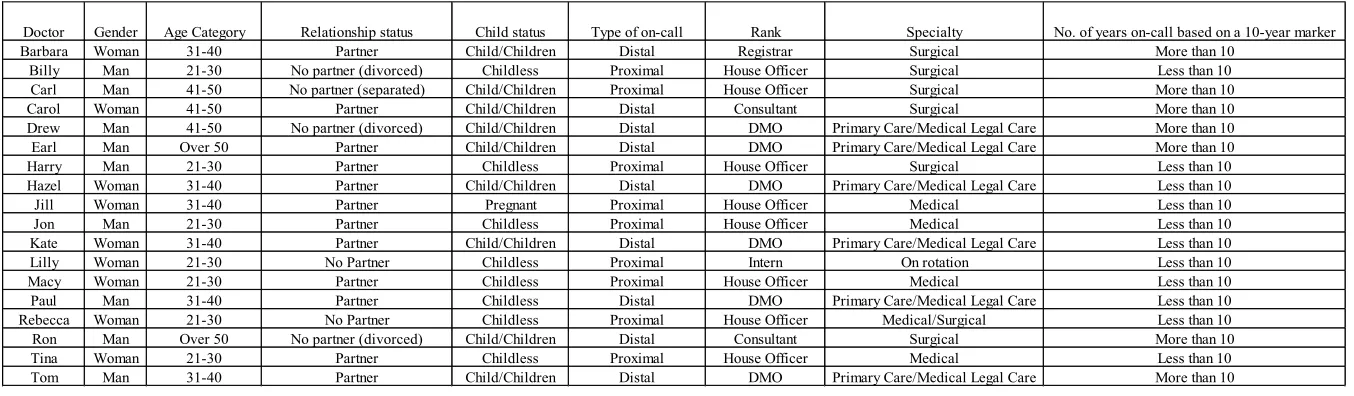
Table 1: Showing doctors identified by pseudonyms and characterised per
demographic data 95
Table 2: Showing SOs identified by pseudonyms and characteristics per
demographic data 97
Table 3: Showing a snapshot of the results of ‘Being on-call: an exploration
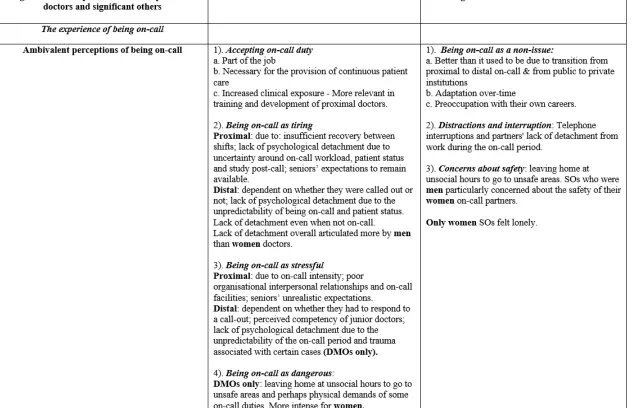
of the experiences of doctors and SOs’ 148
Table 4: Showing characteristics of included studies 219 Table 5: Showing transition from codes to themes (doctors) 270 Table 6: Showing transition from codes to themes (SOs) 284 Table 7: Showing transition from sub-themes to overarching themes
Figures
Figure 1: Diagram showing stages in review process -
adapted from Pluye and Hong (2014) 19
Figure 2: Flow chart depicting search process and results -
adapted from PRISMA 22
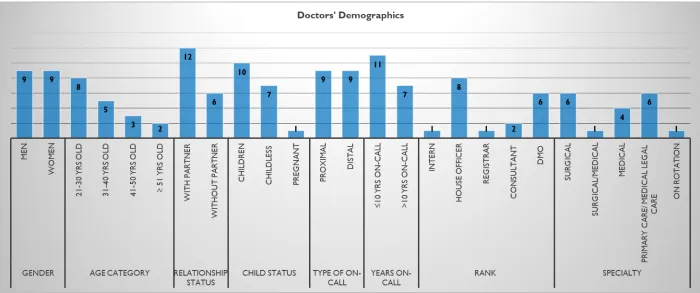
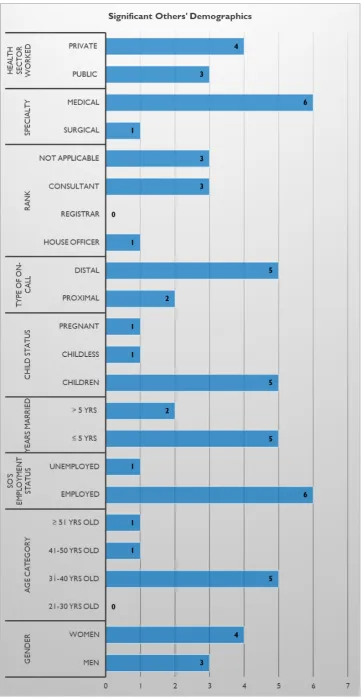
Figure 3: Vertical bar graph showing sample demographics for doctors 69 Figure 4: Horizontal bar graph showing sample demographics for SOs 71 Figure 5: Showing mind map (developed in NVivo 11 Pro) of main themes from
GLOSSARY OF KEY TERMS
active on-call period - time within which a worker is actively working or
responding to call-outs.
distal on-call - a situation in which the worker can be away from the
workplace during the on-call period.
District Health Agency (DHA) - fictitiously named agency charged with
the responsibility for the delivery of healthcare and the implementation of healthcare policy in the public sector in Trinidad and Tobago.
high-effort activities - high intensity activities such as sport which
require a relatively high level of resources and self-regulation to initiate and sustain.
inactive on-call period - time within which a worker is not actively
working or responding to call-outs.
low-effort activities - relatively passive activities such as watching
television which place low or no demands on resources to initiate and sustain.
on-call period - time within which a worker is on-call “either between
regular work hours or during a set period” (Nicol & Botterill, para. 2). proximal on-call - a situation in which the worker must stay at the
workplace during the on-call period.
significant other - a spouse or intimate partner.
Chapter 1: INTRODUCTION
1.1. Study background and rationale
In a press release on May 18, 2018, the Trinidad and Tobago Medical Association reported that there was a growing prevalence of burnout among Trinidad and Tobago (T&T) doctors (Doughty, 2018). While empirical work is ongoing, these claims might be supported by other findings which reveal that a majority of T&T medical students have high levels of stress, burnout and depression (Youssef, 2016). Among US surgeons, research has shown that higher levels of burnout and depression have not been only associated with reduced performance, but with a number of individual negative outcomes such as addictive behaviour and suicide ideation (Balch et al., 2010).
Increasing work hours and being on-call in particular, have been found to be directly related to burnout and other measures of distress among doctors generally (Balch et al., 2010). Being on-call, defined as a situation “where workers are called to work either between regular hours or during set on-call periods” (Nicol & Botterill, 2004, para. 2), has also been identified as one of the most common causes of stress among doctors surveyed in Britain, Ireland, Finland and New Zealand (Heponiemi, Aalto, Pekkarinen, Siuvatti, & Elovainio, 2015; Heponiemi et al., 2008; Heponiemi, Puttonen, & Elovainio, 2014; Lindfors et al., 2006). However, up to the time of writing this thesis, no empirical research on the topic had been conducted in T&T nor in the wider Caribbean region, despite calls by the Trinidad and Tobago Medical Association for improvements in on-call working arrangements (e.g. on-call rosters that include sufficient rest
1.2. The Trinidad and Tobago healthcare structure
In T&T, the provision of healthcare services occurs through public, private and non-governmental organisations. Public healthcare is funded by the State and taxpayers, while private healthcare operates on a “fee-for-service model” (Pan American Health Organization, World Health Organization, n.d., para. 10) which usually makes it unaffordable for low-income individuals. The public health system, which is the dominant system, functions at two tiers. At the first tier, the National Health Department is responsible for general oversight of healthcare including policy development, regulation and resource allocation among others. The National Health Department is supported in its work through collaborations with regional and international non-governmental organisations such as the World Health Organization and the Pan American Health Organization. At the second tier, the delivery of healthcare has been devolved to five District Health Agencies. Within their geographical jurisdictions, there is at least one major 1tertiary-level hospital, a few smaller district health facilities or
clinics and several community health centres.
Citizens’ perceptions of public healthcare service have been generally negative. According to a random survey conducted in 2015, 65% of the respondents were dissatisfied with the state’s management of public healthcare (Guardian Media, 2015). This can be compared with the 29% dissatisfaction rate with the National Health Service in the UK among respondents in a 2017 survey (Robertson, Appleby & Evans, 2018). Long waits for medical and surgical attention, lack of beds, poor patient/customer
1 Hospitals with state-of-the-art facilities which provide specialised medical care usually over an
service at the hospital, poor ambulance service and inadequate blood bank and drug supplies, are some of the complaints which have been levied against the T&T public health system for at least the last decade (Bahall, 2012; Guardian Media, 2015). This has led to many choosing private over public healthcare if they could afford to.
Overall, the doctor to population ratio in the country is approximately 1.8:1000, according to the latest report in 2011 (Central Intelligence Agency, US, n.d.). While this ratio meets the WHO standard of 1:1000 and is generally better than most other Caribbean nations, it trails behind more developed nations in the European Union which on average has a ratio of 3.8:1000 and the UK and US which on average have ratios of 2.8:1000 and 2.6:1000 respectively according to the same report (Central Intelligence Agency, US, n.d.).
1.3. Contribution to knowledge
The evidence base on on-call work is limited relative to research on other irregular working arrangements such as shift and over time work (Karan, Vincent, Ferguson, & Jay, 2019; Nicol & Botterill, 2004; Roberts, Vincent, Ferguson, Reynolds, & Jay, 2019). Furthermore, while the majority of the existing research has been carried out within the medical profession, there are several gaps in the literature which this thesis seeks to fill. Firstly, most studies have emphasised the experiences of doctors providing proximal call and there are fewer studies which focus on the experiences of distal on-call workers across all occupations including doctors (van de Ven et al., 2015; Ziebertz et al., 2015). Proximal on-call refers to a situation whereby the worker remains on-site for the duration of the on-call period (Nicol & Botterill, 2004; Ziebertz et al., 2015). Doctors who provide proximal call are relatively junior doctors (Nicol & Botterill, 2004). In most instances, these doctors are on-call at nights and may be afforded the opportunity to sleep for a few hours in on-call rooms.
with work demands) and from other irregular working schedules such as shift and over time work (Hall et al., 2017; van de Ven et al., 2015). With these other schedules, individuals know when or that they must work. On the contrary, the ambiguity associated with waiting to be called makes it difficult for distal workers to organise their time and lives around their work schedules (Nicol & Botterill, 2004). Some scholars have argued that previous studies on on-call workers failed to “distinguish between important parameters of on-call work, e.g. distal and proximal on-call work” (van de Ven et al., 2012, p. 1934). As such, they posit that future studies should compare these systems (Kiernan, Civetta, Bartus, & Walsh, 2006) since the impact of being on-call in each might be different. Hence, the current study aims to compare the on-call experiences of distal and proximal on-call doctors.
this study. Nevertheless, the current study offers more up-to-date evidence on the on-call experiences of doctors and SOs of on-on-call doctors.
Secondly, Ziebertz et al. (2015) commented that the experience of being on-call has implications for health and well-being including family and social life. However, previous research has mainly highlighted the impact of being on-call on sleep and other physiological outcomes, mental well-being and performance (Bamberg et al., 2012) and there are relatively few studies which emphasise its impact on family and social life. Therefore, the second objective of this thesis is to explore the meaning of being on-call for the family and social lives of doctors and SOs. Family and social life is conceptualised as participation in familial relationships and non-work activities. The lack of research on the family and social impact of being on-call might be related to the lack of research on distal on-call workers. One can expect that the restrictions and randomness of the distal on-call period may dictate the extent to which these workers interact with family and friends (Nicol & Botterill, 2004; Ziebertz et al., 2015).
on-call duties to that of men and, thus, having to balance it all. Furthermore, these findings are similar across cultures, ages, dual and single career families. However, most of the on-call research has been conducted in either the US, UK or Europe and thus, it might be misleading to assume that the findings in these territories could be applied elsewhere.
1.4. Thesis structure
Chapter 2: LITERATURE REVIEW
2.1. Chapter overview
Fig 1: Diagram showing stages in review process - adapted from Pluye and Hong (2014)
Stage 1:
Formulate review questions
Stage 2:
Identify sources of
information and apply search
strategy (02/11/15 –
31/12/17)
Stage 3:
Define the eligibility criteria,
identify and select relevant
studies
Stage 4:
Appraise the quality of
included studies
Stage 5:
2.2. Formulating the review questions, identifying sources of information and applying the search strategy
The review sought to explore:
1. How individuals who worked on-call and/or their significant others (SOs) evaluated their experience when they or their partners were on-call?
2. How being on-call impacted their family and social lives?
The literature search began on Nov 2, 2015 and ended on Dec 31, 2017. However, alerts were created and maintained in each database to keep abreast of new research on the topic up to the time of submission. The latest additions were two new articles (i.e. Jay, Paterson, Aisbett, & Ferguson, 2018; Roberts et al., 2019) which were identified on Feb 15, 2019 and incorporated into the discussion section of this chapter.
The search strategy was kept relatively broad so as not to miss relevant studies on the topic. Other reviews on the topic (Hall et al., 2017; Karan et al., 2019; Nicol & Botterill, 2004) used the key terms: ‘On-call’ or ‘on call’ or ‘night-call’ or ‘night call’ or ‘ stand-by’ or ‘standby’ which were also used to search titles in this review. Not ‘call-cent*’ nor ‘call cent*’ was also applied to distinguish between on-call work done in addition to regular work within designated on-call shifts (Nicol & Boterill, 2004) and on-call work done on an as-needed basis such as in call-centres. Filters were applied for language (English), population (humans) and document or source type (peer-reviewed empirical articles in academic journals). The latter was in keeping with the features of a systematic approach to mixed methods studies reviews as identified earlier, i.e. the synthesis of empirical quantitative, qualitative and/or mixed method research (Sahin et al., 2014).
2.3. Defining the eligibility criteria, identifying and selecting relevant studies
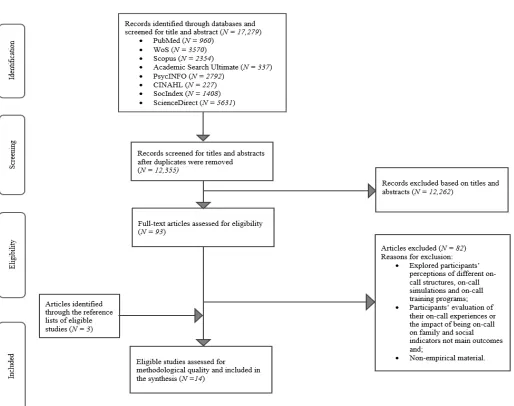
Eligible studies were those which had as one of their objectives the evaluation of the experience of being on-call. The population of interest was on-call workers from any occupation (including doctors and student doctors working on-call) and/or their spouses or SOs. Studies were also selected if they examined the impact of being on-call on family and social well-being outcomes directly or indirectly. The search generated 17,279 references across all databases and duplicates (N=4924) were removed. The remaining references were reviewed firstly by their titles and then by their abstracts and 12,262 were excluded. The remaining 93 references were identified for further full-text screening.
Of the 93 references identified for full-text screening, 82 were excluded mainly because of the reasons identified above. In addition, they also mainly compared participants’ perceptions of a night float system versus a traditional 24-hour system (e.g. Farkas, Shah, & Cosgrove, 2013; Moore, Talarico, Kempinska, Lawrence, & Weisz, 2015). The remaining 11 references were selected to be included in the review. Their reference lists were searched, and three additional studies were considered relevant. These studies might have been missed because they did not have the applied search terms in their titles but referred to on-call in their abstracts or full-text. A study by Mateen, Oh, Tergas, Bhayani and Kamdar (2013) revealed that there are no differences between using a “titles-first” and titles and abstract approach (p. 89). Both methods result in the identification of “the same set of articles for the final systematic review” (Mateen et al., 2013, p. 92). Other systematic review authors have screened references by their titles first (e.g. Frost, Kolstad & Bonde, 2009; Skagen & Collins, 2016; Wagstaff & Lie, 2011) to benefit from “an accurate, less time-consuming process that does not compromise the quality of the final review” (Mateen et al., 2013, p. 93).
2.4. Quality Appraisal
The eligible studies covered quantitative, qualitative and mixed methods designs and as such were appraised using the Mixed Methods Appraisal Tool. The Mixed Methods Appraisal Tool, also used in other mixed methods studies reviews (e.g. Bélanger et al., 2011; Donovan, Wakefield, Russell, & Cohn, 2015; Frantzen & Fetters, 2015), was developed based on literature and theoretical reviews, pilot testing, workshops and expert consultations (Pluye & Hong, 2014). Hence, it has been promoted as reliable and valid (Pluye & Hong, 2014). It is also efficient because it includes criteria which allow for the assessment of studies of different research designs concurrently (Pluye & Hong, 2014). In doing so, it avoids the difficulties associated with using different tools to appraise studies belonging to different epistemological traditions.
2.5. Data extraction
2.6. Synthesis method
One of the main data synthesis techniques used in mixed methods studies reviews is the conversion of all data into one form or tradition so that the same analytical method could be used to analyse the findings concurrently (Onwuegbuzie & Teddlie, 2003; Pluye & Hong, 2014; Tashakkori & Teddlie, 1998, Teddlie & Tashakkori, 2009). Convergent or concurrent qualitative synthesis occurs when the quantitative findings either from studies with quantitative designs or mixed method research designs are transformed into qualitative themes, categories or narratives (Onwuegbuzie & Teddlie, 2003; Pluye & Hong, 2014; Tashakkori & Teddlie, 1998; Teddlie & Tashakkori, 2009). Tashakkori and Teddlie (1998) refer to this process as “qualitizing” (p. 129) the data.
Concurrent QUAL synthesis or qualitizing is appropriate for answering ‘what’, ‘how’ and ‘why’ review questions such as the current’s (Pluye & Hong, 2014) and several studies have used either simple or more complex variations of this method (e.g. Ivankova, Creswell & Stick, 2006; Taylor & Tashakkori, 1997). In the current study, quantitative findings were converted into qualitative themes using Tashakkori and Teddlie’s (1998) “narrative profile formation” (p. 130). “Holistic profiles” or descriptions were created for each quantitative study and quantitative component of a mixed method study, which were treated as units of investigation (Tashakkori & Teddlie, 1998, p. 131). The holistic profile of one of the included quantitative studies is attached in Appendix D.
2.7. Results
2.7.1. Study Characteristics.
Of the 14 articles that met the inclusion criteria, nine used quantitative methods, four qualitative methods and one mixed method. The studies were published between 1993 and 2016 and were conducted in Europe, New Zealand, the UK, Ireland, the US and Canada. Data from the quantitative studies were obtained primarily from cross-sectional surveys. One study (Heponiemi et al., 2014) employed a longitudinal survey and another (Imbernon, Warret, Roitg, Chastang, & Goldberg, 1993), a weekly report together with a cross-sectional survey. The mixed method study (Corriere, Hanson, Hemmer, & Denton, 2013) used a retrospective cohort design with survey questionnaires. Data from the qualitative studies were obtained primarily from in-depth structured and semi-structured interviews.
as one of their main objectives the impact of on-call work on family and social life outcomes.
Sample sizes ranged from 10 to 7905 medical professionals (e.g. junior doctors surgeons, general practitioners [GPs]) and/or their spouses, medical students, National Health Service managerial and administrative staff, network administrators, electrical supervisors, social and service workers and caregivers. Ages ranged from 20 to 69 for those for whom this information was reported. On-call rotas ranged from one week in every four weeks to everyday on-call for those studies in which the data were reported.
Nine studies were conducted on doctors or student doctors, of which the majority were junior doctors (i.e. house officers or residents) providing proximal call at night. In one study (Heponiemi et al., 2014), information on the category of on-call doctors provided was not made explicit. In another (Callaghan et al., 2005), some of the doctors were on distal and others on proximal call. However, the analyses were not separated nor were these differences controlled.
imbalanced samples. An excerpt of the studies’ characteristics and results is presented in tabular form in Appendix E.
2.7.2. Theme 1: The rewards and demands of being on-call.
In more than half of the studies across all occupations, there tended to be conflicting results with regards to participants’ evaluations of their on-call experiences (Cuddy et al., 2001; Imbernon et al., 1993; Smithers, 1995). To put differently, while being on-call was described as demanding, it was also rewarding and considered a “reasonable and important” part of the participants’ jobs (Bamberg et al., 2012, p. 310). The majority of studies which had as its main objective the exploration of participants’ perceptions of being on-call were conducted in the medical profession (e.g. Callaghan et al., 2005; Corriere et al., 2013; McDonald et al., 2005). Among these, the opportunity to provide comfort for the ill and continuity of care were identified as rewards of being on-call (Cuddy et al., 2001).
doctors know that they can solicit the help of their seniors, their perceptions of their ability to handle on-call work improves and their stress lowers (McDonald et al., 2005).
Despite, the consensus that better team relationships were developed on-call, there was a disconfirming case. The senior house officers in Callaghan et al. (2005) felt that they did not feel as part of a team when on-call neither did they avail themselves of opportunities to liaise with medical and nursing colleagues. As a result, they described their on-call experience as “isolating” (Callaghan et al., 2005, p. 61). The difference in results may have been due to the context in which on-call work was provided in the studies. Unlike the homogeneous sample of participants in the other studies who remained at the hospital with their colleagues during the on-call period, and thus, might have had better opportunities to work together, some of the participants in Callaghan et al. (2005) were on distal call. Hence, they may not have had the same opportunities to work together with colleagues as those on proximal call.
insight into what being a senior doctor would be like (Callaghan et al., 2005; Corriere et al., 2013).
Despite the opportunity to provide continuous care and comfort to the ill, foster excellent team relationships and gain clinical experience, medical participants described being on-call as tiring and stressful. Tiredness was particularly common among junior doctors and students who were on proximal call at night and seemed to be related to the frequency of these shifts (Corriere et al., 2013; Tucker et al., 2010). For example, the junior doctors in Tucker et al. (2010), on proximal on-call rotas structured in blocks of seven consecutive nights, reported more fatigue than those working three or four nights consecutively. The authors suggested that this was due to the lack of recovery between duties since fatigue was also associated with the number of rest days following consecutive nights on-call and with the length of the interval between shifts. Other studies revealed that increasing hours of active on-call duty had adverse impacts on the health and well-being of physicians including surgeons (Balch et al., 2010; Heponiemi et al., 2014).
carried out on participants who were on-call at nights. Night shifts have been shown to be negatively related to employees’ health and well-being (Ziebertz et al., 2015).
However, another explanation might have been due to the type of on-call provided (i.e. distal versus proximal). Proximal employees (especially doctors) are the first to respond and as such are essentially always faced with an emergency. Therefore, their exposure to active on-call duty would be relatively higher than those on distal call who are usually only called out in the event that proximal workers are unable to manage the emergency. The participants in Ziebertz et al. (2015) were on distal call and thus, their exposure to active on-call duty might have been too insignificant to have had a substantial impact on fatigue.
Electricity and gas supply on-call workers on distal call in Imbernon et al. (1993) reported that their tiredness was related to the “frequency of on-call shifts” (p. 1135). Frequency in this instance, did not merely describe exposure to active on-call duty but represented how often participants had to be on-call. This finding suggests that for distal workers it may be that the sheer expectation or preoccupation with being called out and not only active on-call duty is tiring. The reports of the transplant coordinators in Smithers (1995), some of whom were on distal call and the distal network administrators in Bamberg et al. (2012), support this explanation.
participants’ evaluations of being on-call as stressful based on scores on various scales or measures. This has been mainly due to the quantitative research objectives and methods used in these studies. Thus, on-call stress was usually a tested variable and did not necessarily emerge as a theme in the participants’ responses. As such, the underlying meanings participants attached to their evaluation of being on-call as stressful were not always visible.
Nevertheless, in three of the studies included in this review (Cuddy et al., 2001; Rout, 1996; Smithers, 1995), participants (the majority of whom were on distal call) described their evaluations of being on-call as stressful. This was due to the disruptive impact it had on their family and social lives and its unpredictable nature. In one of these studies, which was based on qualitative traditions, a GP commented that “often what becomes stressful is not what you have to do but what you have to be available to do” (Cuddy et al., 2001, p. 287). These results were consistent with the reports of GPs who were men in another qualitative study by Rout (1996) as described in the quote below:
The uncertainty about the content of an on-call day makes me really unhappy. Any moment the telephone might ring. (p. 158)
definitive conclusions within studies could not have been made due to the imbalanced nature of some samples.
As mentioned earlier, spouses’ perceptions of their experiences when their partners are on-call were only explored in three studies (Cuddy et al., 2001; Emmett et al., 2013; Rout, 1996). In these studies, the participants were spouses of doctors on distal call. Furthermore, with the exception of one (Rout, 1996), the spouses were predominantly women. As with their medical partners, spouses generally perceived their experience as tiring and stressful (Emmett et al., 2013). They also felt depressed, frustrated and angry (Emmett et al., 2013). This was primarily due to the impact of their partners’ call on their personal lives (including their careers) but also due to the lack of intimacy and communication with their partners, their partners’ detachment from the family during the on-call period, their workload, short-tempered moods and patients who intruded their homes (Cuddy et al., 2001; Emmett et al., 2013; Rout, 1996).
workers, various aspects of their family and social lives were disrupted as is discussed in the following sections.
2.7.3. Theme 2: The impact of on-call on spousal relationships.
With the exception of one study (Imbernon et al., 1993), in which participants reported that they were satisfied with their conjugal relationships including their sex lives, the data revealed that being on distal call interrupted intimacy between the on-call worker and his/her spouse at nights (Cuddy et al., 2001; Emmett et al., 2013; Rout, 1996). In one study, a spouse confessed that “when on-call he [her husband] is more edgy and so it is much harder to relax [. . .] we don’t tend to get so intimate on on-call nights” (Emmett et al., 2013, p. 247). The difference in the results might have been because unlike the other studies, the data in Imbernon et al. (1993) were gathered from the on-call workers and not their spouses. The perceptions of the spouses might have been different from those of the on-call workers themselves. Additionally, occupational differences might have accounted for these findings. Still, these are only speculations since Imbernon et al. (1993) offered no explanation for the on-call participants’ satisfaction with their intimate relationships.
on-call had on spouses’ careers and personal lives (Cuddy et al., 2001; Emmett et al., 2013).
2.7.4. Theme 3: Personal and professional sacrifices by spouses.
Spouses believed that their marital relationships were strained by the impact of their partners’ on-call on their own lives (Cuddy et al., 2001; Emmett et al., 2013). Their social and career lives, in particular, were hindered (e.g. through restrictions in occupational choices and working hours) because they had to assume most of the responsibility for domestic and childcare duties (Cuddy et al., 2001; Emmett et al., 2013). In one study, a wife believed that her “family life and […] marriage were eroding [due to] the nature of [her husband’s] on-call that was unsustainable and caused [them] to move from one end of the world to the other” (Emmett et al., 2013, p. 247).
substantiated since the majority of participants across the studies were women (Cuddy et al., 2001; Emmett et al., 2013).
2.7.5. Theme 4: Commitment to children and adjusted behaviours.
Apart from marital relationships, the review revealed that being on distal call disturbs children’s rest and impacts the quantity and quality of time on-call workers spend with their children (Cuddy et al., 2001; Emmett et al., 2013). Additionally, on-call participants spoke of reducing activities with their children or missing school events and other activities entirely either because they were called out or because they “didn’t have the energy for family life […] or the space [in their heads] for anybody’s needs” (Cuddy et al., 2001, p. 289).
Moreover, children had to adjust their behaviours when their parents were on-call. For example, in Emmett et al. (2013), children learnt to withhold requests for attention during this period. In another study (Cuddy et al., 2001), one spouse explained that her husband’s on-call causes her and her children to be more cautious around him. She described a scenario where, “everything is shhh” and the children are going around the house saying, “gosh Daddy is having a bad time” (Cuddy et al., 2001, p. 289). Still, despite its impact on conjugal and parent-child relationships, the most pronounced impact of being on-call based on the current review was its restriction on leisure and social life as is discussed under the last theme.
2.7.6. Theme 5: Opportunities for leisure and socialisation.
conducted on medical and non-medical participants (Altomonte, 2016; Bamberg et al., 2012; Cuddy et al., 2001; Emmett et al., 2013; Imbernon, et al., 1993). It is worth highlighting, however, that this theme seemed to be more relevant in the context of distal call. Being on distal call required that these on-call workers remain in a state of availability (Cuddy et al., 2001). The unpredictability of the distal on-call period meant that participants did not know in advance if they could socialise or become involved in leisure activities. Even if they did, the requirement to be in proximity to the worksite, restricted the location of these activities (Cuddy et al., 2001). In one study (Emmett et al., 2013), decisions regarding living locations were constrained by the need to remain available.
Despite the above, there were notable contextual distinctions between the unpaid caregivers discussed in Altomonte (2016) and the paid work of on-call workers in the other studies. For example, the caregivers in her study may have been unable to opt out from their work at any given time because their work was their family and therefore, the boundary between private and care time was blurred. In some cases, participants lived with those for whom they cared. Moreover, Altomonte (2016) suggested that there was an unequal distribution of time between care work and leisure for men and women. Thus, she contended that it was usually women who experienced less leisure time because of their greater caring responsibilities (Altomonte, 2016).
relatively complex especially for the men in Bamberg et al.’s (2012) sample and thus, might explain why they may have been avoided during the on-call period.
Bamberg et al. (2012) also hypothesised that fewer “low-effort activities” (i.e. those requiring less self-regulation) would be conducted (p. 303). They commented that merely coping with being on distal call requires self-regulation to remain available and therefore, may impede the further self-regulation needed to conduct low-effort activities (Bamberg et al., 2012). However, although their predictions were confirmed, Sonnentag (2001) and Sonnentag and Jelden (2009) maintain that low-effort activities are deliberately pursued when self-regulatory resources are depleted or are being conserved because they require little or no self-regulation. These activities provide a “cognitive distraction” (Sonnentag, 2001, p. 200) from work, facilitate recovery and promote positive affect (Sonnentag & Fritz, 2009). Besides the fact that their sample consisted of mainly men, the small sample size used in Bamberg et al. (2012) was inconsistent with the survey method adopted by the authors. This might explain their findings and therefore, its limited applicability in other contexts.
2.8. Discussion and research agenda
Findings from this review suggest that on-call workers and their spouses held neither entirely positive nor negative perceptions about their experiences when they or their partners were on-call. This conflict was demonstrated in that while they described this working arrangement as tiring and stressful, they also believed that it was a necessary and beneficial part of their jobs. The review also confirmed that the impingement of being on-call on the personal lives of especially distal on-call workers and their families contributed to the conflicting evaluations associated with the experience. Although, “the evidence base is currently skewed towards studies focused primarily on” medical professionals, particularly doctors, there were several content and methodological knowledge gaps regarding research within this occupation (Vedio et al., 2016, p. 535).
2.8.1. Considering differences in the on-call experience.
appropriate strategies could be developed to meet the diverse needs of doctors on-call in each system.
Applying the realities of proximal doctors to the realities of distal doctors could be risky. For instance, previous research has shown that being on proximal call especially at night is associated with fatigue and other adverse outcomes due to reductions in sleep quantity and quality in a similar manner to night shifts (Balch et al., 2010; Heponiemi et al., 2014; Ziebertz et al., 2015). However, it is unclear how distal doctors may experience fatigue when physically away from work. The problem is that the majority of studies included in this review were not informed by any explicit theory. Indeed, the lack of detailed theory-led evaluations meant that it was not possible to ascertain how these evaluations were constructed. The research described in this thesis utilises Meijman and Mulder’s (1998) Effort-Recovery (E-R) theory to situate the construction of on-call doctors’ experiences. Two studies in the review, albeit conducted on non-medical participants referred to this theory to explain how fatigue among distal on-call workers occurs (Bamberg et al., 2012; Ziebertz et al., 2015).
2.8.2. Theorising being on-call: The E-R model and the role of psychological detachment.
compensatory effort must be expended to meet work demands in the next work situation (Meijman & Mulder, 1998). This results in an accumulation of negative load reactions which over time can lead to long-term impairments on health and well-being (Meijman & Mulder, 1998).
As was previously stated, the E-R model was considered applicable to the current study since it was used in other on-call studies (e.g. Bamberg et al., 2012; Ziebertz et al., 2015) to demonstrate how physical and psychological exposure to on-call duty impact on-call workers. The availability of time periods particularly after work or between shifts are crucial to recovery because it is usually during these periods, employees are no longer exposed to work demands (Guerts & Sonnentag, 2006). Yet, it is during these same periods that workers are usually placed on-call (Nicol & Botterill, 2004). For proximal on-call workers, being physically present at the workplace impedes recovery in a manner akin to working over time because these workers are still effectively being exposed to work demands (Nicol & Botterill, 2004). This might explain why in some studies, as was previously highlighted, tiredness was particularly common among junior doctors and students on proximal call who were more likely to be actively working during the on-call period (Corriere et al., 2013; Tucker et al., 2010). Similarly, when distal on-call workers are called out, the recovery process is disrupted because they now become physically exposed to work demands (Bamberg et al., 2012; Ziebertz et al., 2017; Ziebertz et al., 2015).
have intrusive work-related thoughts or ruminations (Guerts & Sonnentag, 2006) about whether they will be called out, when they will be called out and what they may be required to do when called out (Ziebertz et al., 2015). The expectation that they may be interrupted makes it difficult to psychologically detach from work (Bamberg et al., 2012). In a simulated on-call laboratory study by Wuyts et al. (2012), expectations of interruption affected both objective and subjective sleep measures among university students. The authors suggested that the findings may have been due to the anticipation around expecting a call, having to act upon it and concerns over missing the call altogether (Wuyts et al., 2012).
Notwithstanding its applicability to the current study, there have been certain criticisms levied against the assumptions of the E-R theory. Firstly, Zijlstra, Cropley and Rydstedt (2014) contended that the conceptualisation of recovery as a change in psychophysiological systems implies that it is a dynamic process and not a static construct. Therefore, unlike the model’s depiction, it may not be clear when recovery starts or stops especially in jobs characterised by mental demands (Zijlstra et al., 2014). As previously explained, distal doctors may not be necessarily called out to physically work on a patient but may be called at home by proximal doctors for consultation on a patient’s condition. Additionally, in some cases, mental preoccupation with work may occur within the individual unconsciously and extend beyond the on-call period. For example, research has shown that junior doctors on-call reported “anticipatory” stress on the night preceding call and “hangover” stress on the night following call (French et al. 2001, p. 172). In the current study, I remain alert to the less than obvious ways in which on-call doctors talk about being mentally exposed to their jobs (during and beyond the on-call period) and the implications of this on their ability to recover.
integral to their ability to psychologically detach themselves from work. While this is a valid concern, my study’s objectives centre on group-level experiences and differences (e.g. between proximal and distal on-call doctors). Therefore, it is not my intention to explore the role of individual factors in participants’ (in)ability to psychologically detach from being on-call and to recover.
Finally, the individual orientation of the theory suggests that more systemic factors in the work and family domains may be overlooked. Thus, while the theory is useful for exploring how prolonged physical and mental exposure to call duty can impact on-call workers’ perceptions of their experiences, it is important to remain cognisant of the impact social structures have on the workers’ constructions. Past evidence has revealed a moderating role for stressful work and family conditions in the relationship between prolonged exposure to work demands and a need for recovery (Guerts & Sonnentag, 2006). To put differently, the extent to which recovery is impeded might be a function of situational factors in the work and non-work domains (Guerts & Sonnentag, 2006; Taris & Schaufeli, 2014).
demands or over time and a need for recovery, over time was associated with a need for recovery in jobs which were characterised as highly demanding - that is, those jobs with a high workload and skill variety (van der Hulst, van Veldhoven & Beckers, 2006). Thus, while the E-R model might be arguably individual in its focus, I will use it in the current study to show the role institutional factors at work (e.g. the expectations associated with being a doctor on-call) and at home (e.g. social role expectations as it relates to family life) might play in the participants’ narratives about their (in)ability to recover from on-call duty.
2.8.3. Spouses’ experiences: Another perspective.
The perceptions of others who may be directly or indirectly affected by the on-call worker’s requirement to be on-call have been relatively neglected in the literature (Karan et al., 2019). In a study by Roberts et al. (2019), published after the conduct of this review, over half of the participants “either agreed or strongly agreed that their on-call work negatively impacted important people in their lives” (para.13). Apart from children, this review suggests that it particularly impacts the social and professional lives of the on-call workers’ spouses. Yet, as previously explained, the evidence on the experiences of this group is scarce, mostly outdated and based predominantly on samples of women. More current research with intentionally balanced samples is needed to explore the experiences of SOs of on-call doctors so as to bring to light another set of realities.
2.8.4. Methodological gaps.
unbalanced characteristics). In a majority of the studies (e.g. Callaghan et al., 2005; Heponiemi et al., 2014; McDonald et al., 2005), the authors either did not report or give sufficient information to indicate whether the risk of non-response bias was low. In others, the risk of non-response bias was assessed as high which challenged the validity of the results (e.g. Balch et al., 2010; Ziebertz et al., 2015). Additionally, almost all quantitative studies relied on self-reported measures. However, these were not always validated and thus, results may have been affected by “2common-method bias” (Brown,
2006, p. 159). Furthermore, with the exception of one (Heponiemi et al., 2014), the quantitative studies were cross-sectional so that causal relationships and directionality of effects could not have been established. Relatedly, the likelihood of the presence of confounding factors could not have been ruled out.
Apart from this, the majority of the studies in the review focused on quantitatively assessing participants’ evaluations of being on-call or the effect being on-call had on family and social life outcomes. As such, there were relatively fewer studies exploring, via qualitative approaches, the subjective meanings participants attached to their on-call experiences or how family and social life was lived out during this period. The use of quantitative methodologies tended to force participants’ experiences into the pre-determined categories of closed-ended questionnaires, thereby, limiting their descriptions of their realities. For example, the negative wording of the scale used to measure the experience of being on-call in Ziebertz et al. (2015) indicated that the authors might have allowed their pre-assumptions about how being on-call is experienced to lead participants towards negative perceptions. Furthermore, they
2 Common method bias, “exists when some of the differential covariance among items is due to the
contended that distal “on-call stress (i.e., the experience of stress due to the unpredictability of being on-call) seemed to be the most important predictor of health and well-being outcomes as it was positively related to [almost] all outcome variables” (Ziebertz et al., 2015, p. 8). While results from qualitative studies (e.g. Cuddy et al., 2001; Rout, 1996) might have also described the random nature of being on distal call as stressful, they also implied that there may be other underlying meanings in the perceptions of distal on-call stress (such as restrictions to stay within close proximity to the worksite, disruptions to family and social life and the inability to detach) which are important to health and well-being. Furthermore, these workers might describe their on-call experiences in other ways besides being stressful.
Therefore, further qualitative research that provides a deeper and more nuanced understanding of the realities of the on-call experience from those who experience being on-call and which allows them to share their experiences, is needed. Qualitative research can also “shed light on the ways that on-call workers limit or modify” their family and social lives during the on-call period (Roberts et al., 2019 para. 18). The richness of the data in such studies can provide context and understanding to the quantification needed in quantitative studies (Roberts et al., 2019).
2.8.5. On-call work and family as gendered.
explored, it was difficult to isolate the similarities and differences in the on-call perceptions and family and social life experiences of men and women within studies due to the homogenous nature of samples (e.g. Altomonte, 2016; Cuddy et al., 2001; Emmett et al., 2013; Ziebertz et al., 2015).
Wharton (2005) contended that the construct of gender (defined as “a system of social practices [that creates and maintains] differences and inequalities”) is important for understanding the patterning of the social world or social phenomena such as work and family life (p. 7). By its very definition, it implies going beyond sex categorisation or the “taken for granted” physical and biological markers assigned at birth or prenatally (Wharton, 2005, p. 2) and instead looking at the “social processes or practices” that give them meaning (Wharton, 2005, p. 23). She identified three frameworks which reflect where the “sociological action” that (re)produce gender and gender inequalities resides (Wharton, 2004, p. 157).
not based merely on individual traits (Wharton, 2004). Finally, in an institutional approach, systems and practices rooted in macro-structures such as work and the family are viewed as playing a role in (re)producing gender (Wharton, 2004).
Wharton (1991) suggests that no one conceptualisation of gender is superior to the other or offers a complete explanation for social action. Instead, she called for a “historically and situationally contingent” approach, which focuses on the conditions in which a particular perspective becomes appropriate for understanding action (Wharton, 1991, p. 381). Thus, while I agree that gender is a part of social relations at all levels, (i.e. the individual, interactional and institutional levels), in this study, I stress the institutional approach to gender, highlighting the ways in which it is reinforced in structures such as in the medical profession and family unit. This approach is relevant to the focus of my research which explores the on-call experiences of doctors within the T&T medical profession and the implications of this working arrangement for their families. Notwithstanding its relevance, the institutional perspective has been criticised for its view of gender as an external and independent phenomenon acting on a passive social actor (Wharton, 1991). However, rather that regard gender as being initially produced in external structures, I view gender as a social construct that is merely reinforced or perpetuated within macro-structures or institutions.
reproduced within the T&T labour landscape where, while women who are pregnant are afforded at least three months paid maternity leave, there is no statutory requirement for paternity leave (Wharton, 2005, p. 105).
It follows therefore, that femininity and masculinity are bound up with the performance of normative roles which have been sustained through institutionalised practices and beliefs in the workplace and in some occupations relative to others. In the medical profession, masculinity is reproduced in the notion of the “ideal worker” who must be committed to placing work before family (Turk, Davas, Tanik & Montgomery, 2014, p. 444). However, because women have primary responsibility for childcare and domestic work, it follows that, being an ‘ideal’ doctor and more specifically, “being on-call as a pattern of work may pose uniquely different challenges for men and women” (Roberts et al., 2019, para. 2). Recent research indicates that the unequal distribution of unpaid work between men and women, makes it particularly difficult for the latter to navigate the unpredictable nature of being on-call (Jay et al., 2018; Roberts et al., 2019) since women are expected to behave in ways that put their families first. Those who deviate from these role expectations are usually penalised through stigmatisation (Wharton, 2005). Therefore, gender role expectations provide men and women with a diegesis about how they should behave and dictate the choices they should make about the organisation of their work and lives (Wharton, 2005).
observation was consistent with findings relating to another type of irregular work pattern - homeworking. Sullivan and Smithson (2007) sought to understand the ways in which the flexibility associated with homeworking was experienced and made sense of by homeworkers and their co-residents. The authors found that the flexibility advantage afforded to homeworkers was constructed by women in terms of their ability to be available for domestic labour (Sullivan & Smithson, 2007) which was consistent with their internalisation of their role as caretakers. Men homeworkers, on the other hand, seldom constructed the advantage of homeworking in terms of family life and when they did, it was in terms of merely spending time with family or ‘helping’ their wives with domestic duties (Sullivan & Smithson, 2007).
Nevertheless, the evidence presented here (Emmett et al., 2013; Jay et al., 2018; Roberts et al., 2019; Sullivan & Smithson, 2007) was based on studies primarily conducted in the UK, Australia and New Zealand. Therefore, it remains uncertain what insight the findings might offer into the ways in which men and women on-call doctors and SOs in different regions such as in the Caribbean, think of their roles generally and when their partners are on-call. More specifically, research in this context is also needed to understand how these ideologies might be reinforced in the workplace and family and the implications this may have for how the participants organise and manage their family and social lives during the on-call period.
2.8.6. Contextual differences.
2.9. Limitations
This review was limited by the contemporary and independent nature of its approach. Firstly, mixed methods studies reviews are relatively a new form of review and even less has been written about convergent synthesis within these reviews. There have been particularly fewer examples of ‘qualitizing’ quantitative data to learn from (Teddlie & Tashakkori, 2009). Furthermore, narrative profile formation, especially the use of holistic profiles, has been criticised for presenting an “oversimplified view” of quantitative findings and for the influence of the reviewer’s subjectivities in the analysis of the results (Tashakkori & Teddlie, 1998, p. 133). However, the consistency between original qualitative findings, which were used along with the qualitized summaries of the quantitative studies, reduced the likelihood of this bias (Tashakkori & Teddlie, 1998). Yet, as is discussed in the next chapter, bias is considered inevitable and is welcomed in the interpretation of data associated with the interpretivist epistemological tradition, within which the current research was carried out.
2.10. Chapter summary
The preceding mixed methods studies review explored the evaluation of on-call work and its impact on the social well-being of on-call workers and their families. However, there were several limitations and knowledge gaps, particularly as it related to the experiences of doctors.
2.11. Research questions, aims and objectives
Therefore, the current study seeks to explore:
A. How do on-call doctors and SOs of on-call doctors perceive their experience when they or their partners are on-call?
B. What does being on-call mean for the family and social lives of on-call doctors and SOs of on-call doctors?
The study aims to identify:
a) How doctors on proximal on-call evaluate their on-call experience relative to doctors on distal on-call
b) How SOs evaluate their experience when their partners are on-call and;
c) How on-call doctors and SOs of on-call doctors engage in family relationships and non-work activities when on-call.
These aims will be accomplished through the following objectives:
a. to explore how doctors providing proximal call generally describe their experience of being on-call
b. to explore how doctors providing distal call generally describe their experience of being on-call
c. to explore how SOs generally describe their experience when their partners are on-call
e. to explore whether on-call experiences (including family and social life experiences) are based on traditional ideologies about gender and how these ideologies are reproduced at work and within the family.
Chapter 3: METHODOLOGY
3.1. Chapter overview
3.2. Philosophical approach
3.2.1. The interpretive paradigm.
The majority of studies referred to in chapter two utilised quantitative methodologies to determine the relationship between being on-call and other variables such as stress, fatigue and work-life interference. Cuddy et al. (2001) inferred that the quantitative nature of studies in the on-call literature do not provide “a deeper understanding of the [participants’] perceptions and experiences” necessary for uncovering the hidden realities of being on-call (p. 286). Research utilising quantitative methodologies are usually based on positivist ideologies (Crossan, 2003) whereby the aim is to establish generalisable laws to explain or predict behaviour (Darlaston-Jones, 2007; Fossey, Harvey, McDermott, & Davidson, 2002; Ormston, Spencer, Barnard, & Snape, 2014, Rolfe, 2013; Taylor, Bogdan, & DeVault, 2016). However, my goal in the current study was to understand the meanings doctors and SOs attached to being on-call in their everyday lives. In light of this, I chose to utilise a qualitative methodology which I believed allowed me to attain this goal.
idealism known as “contextual or collective idealism” (Ormston et al., 2014, p. 5). For example, the experience of being on-call might have been similar for: proximal on-call doctors relative to distal on-call doctors, those working in hospitals versus those working in community health centres, men versus women doctors and so on. Hence, it became the goal of the research to find out what these group constructions were.
3.3.Sampling
Trinbagonian doctors working on-call (including those who may have been training and working on-call abroad as part of their training) and who were able and willing to reflect and talk about their experiences, were purposefully selected to provide rich and detailed meaningful data with which to answer the research questions (Koerber & McMichael, 2008; Latham, 2007). Doctors who may have worked on-call in the past and those who did not work on-call at the time of recruitment were excluded. Consistent with qualitative research, is the use of purposive sampling - i.e. the selection of those who have experienced the phenomena relevant for answering the research question (Joffe, 2012). Other qualitative on-call studies in the literature also utilised purposive sampling (e.g. Cuddy et al., 2001; Emmett et al., 2013).
After acquiring ethical approval from all relevant committees, electronic mails (e-mails) were sent to the doctors on my behalf by the Medical Chiefs of Staff of each District Health Agency (DHA) inviting them to the study (see Appendix F). Due to demographic and geographical differences, doctors were selected from across multiple DHAs in the country. Of the five DHAs, one was not approached due to 3intellectual data property
concerns and the other due to the logistical difficulties involved in conducting research there. Doctors were thus recruited from the other three DHAs, namely, the Cranville DHA, the Pramble Lake DHA and the Sun Valley DHA which altogether serviced a catchment of approximately 78% of the national population.
While the majority of doctors recalled being informed about the study, only two responded to the e-mails. The remaining doctors were reminded when I made on-site visits to the hospitals. Some distal on-call hospital doctors did not believe that their experience of being on-call away from the hospital qualified them for the study. They felt that because they were rarely called, I should have sought only to engage doctors who were on proximal call since they believed that it is those doctors who are mostly affected by being on-call. Their perceptions about their unsuitability for the study remained even after I explained to them how their experiences were also relevant to the research.
As such, recruiting distal on-call hospital doctors, proved to be relatively difficult when compared to the recruitment of proximal on-call doctors. The former, therefore, were mainly invited to the study through snowballing techniques and referrals (Koerber & McMichael, 2008; Latham, 2007; Marshall, 1996). Coyne (1997) described all qualitative sampling methods including snowballing sampling as purposeful because the underlying element is the selection of “information-rich cases” or those purposefully selected to answer the research question (p. 627). However, the distal hospital doctors’ perceptions of being on-call caused me to wonder how many other distal hospital doctors felt that their experiences were irrelevant. It is not known whether these perceptions were responsible for the low recruitment of distal hospital doctors via the e-mail invitation which did not distinguish between being on proximal or distal call.
SOs were also invited to take part in the study because this was in alignment with the research question which explicitly sought to explore their experiences when their partners were on-call. In chapter two, it was argued that being on-call impacts the lives of SOs. Furthermore, as was consistent with the interpretive nature of this study, recruiting SOs allowed for a more nuanced understanding of the realities of being on-call. As interpretivists would argue, there is no absolute or single on-call experience (Ormston et al., 2014).
The choice of sample size for studies following a qualitative methodology and using thematic analysis (the method of analysis chosen in this study) is based on whether there are sufficient participants to allow for the discernment of variation within the dataset as a whole and across sub-groups (Braun & Clarke, 2014; Joffe, 2012), yet small enough to allow for rich and complex data on the “lived experience” to be drawn out (Ormston et al., 2014, p. 13). Braun and Clarke (2014) broadly recommends recruiting 30 or more participants for interviews for a PhD project. While, it was my intention to follow this recommendation, in the current investigation, 25 participants were recruited (i.e. 18 doctors and seven SOs). This was due to the difficulties encountered in the recruitment of distal hospital doctors and in gaining access to the partners of the doctors in the study, as was previously highlighted. Nevertheless, at this point, group-based patterns within and across the dataset were discernible. Similar qualitative studies on on-call workers (doctors and non-doctors) have had an average of 27 participants (e.g. Altomonte, 2016; Cuddy et al., 2001; Emmett et al., 2013; Rout, 1996).
3.4.Interviews
In keeping with philosophical and methodological consistency, individual qualitative interviews, the main method of data collection in qualitative research, were used to collect data on the participants’ experiences of being on-call (Braun & Clarke, 2013). As discussed earlier, in qualitative research, both the researcher and participant are actively involved in the construction of meaning (King, 2004). Thus, the qualitative interview facilitated the social closeness I required to co-create meaning with the participants (King, 2004). It was also the way through which I was able to access the participants’ realities of being on-call. Other qualitative studies on the impact of being on-call on doctors and/or their spouses have also utilised individual interviews (e.g. Cuddy et al., 2001; Emmett et al., 2013).
sufficiently explored through the single one-to-one in-depth conversations which I held with them.
Secondly, I believed that the sensitive nature of some of the topics addressed in the interviews (e.g. the meaning of being on-call as it related to intimate and organisational relationships) would have been more effectively and comfortably revealed in individual interviews than within a group setting. Some authors argued however that the “opposite may be true” (Kitzinger, 1995, p. 300). More courageous participants may stimulate disclosure on sensitive topics from more inhibited participants provided that the latter feel safe and supported in discussing these issues (Coenen, Stamm, Stucki, & Cieza, 2011; Kitzinger, 1995). However, I would not have been able to afford the participants confidentiality and anonymity which might have lowered their participation rates. It would have also been more time-consuming and logistically difficult to bring together busy professionals such as those in the current sample in one place at the same time. Additionally, I was not trained in moderating the interactions and dynamics characteristic of group interviews (Coenen et al., 2011).