GUIDANCE ON A STRATEGY FOR GENOTOXICITY TESTING
OF CHEMICAL SUBSTANCES
CONTENTS
PARAGRAPH
I. Preface 1-5
II. Introduction 6-10
III. Significance of Chemical Induced Mutation for Human Health 11-12 IV. General Principles of Testing Strategy 13-17
V Genotoxicity Testing Strategy 18
Stage 0: Preliminary Considerations Prior to Genotoxicity Testing (Figure 1) 19 Physico-chemical and Toxicological Properties 20
Structure Activity Relationships 21-23
Screening Tests 24-26
Stage 1: In Vitro Genotoxicity Testing (Figure 2)
Overview of Strategy 27-33
Discussion of Stage 1 Tests - General aspects 34-45 Discussion of Stage 1 Tests - Core tests
In Vitro Bacterial Tests for Gene Mutation 46-47 In Vitro Mammalian Cell Micronucleus Test for Clastogenicity
and Aneuploidy (MNvit) 48-53
Discussion of Stage 1 Tests- Non Core tests
In Vitro Chromosomal Aberration Assay in Mammalian Cells (Metaphase Analysis) for Clastogenicity and Aneuploidy 54 In Vitro Mouse Lymphoma Assay for Gene Mutation
and Clastogenicity 55-56
In Vitro CHO/HPRT assay for Gene Mutation 57 In Vitro Assays using Human Reconstructed Skin 58 In Vitro Alkaline Comet Assay for DNA Damage 59
Summary Stage 1: (In Vitro Genotoxicity Testing) 60 Stage 2: In Vivo Genotoxicity Tests (Figure 3)
Overview of Strategy 61-73
Discussion Stage 2-Initial Testing Strategy-General Aspects 74 Discussion Stage 2-Recommended Core In Vivo Genotoxicity Tests 75
Rodent Micronucleus and Chromosome Aberration Assays
for Clastogenicity and Aneuploidy 76-77
Transgenic Rodent Mutation (TGR) for Gene Mutation 78
Rodent Comet Assay for DNA Damage 79
Non-Core In Vivo Test-Rat Liver UDS Assay for DNA Damage 80 Discussion Stage 2-Supplementary Tests 81-82
Summary Stage 2: (In Vivo Genotoxicity Testing) 83
VI: Possible Future Developments 84
Annex 1: Sensitivity and Specificity Data Considered by COM
Annex 2: Tabulation of Genotoxicity Tests in Stages 1 and 2 and Mutagenicity and Genotoxicity End Points Detected
Annex 3: Rationale for Selection of Ames Test and In Vitro Micronucleus Assays as the Two Principal In Vitro Tests
GUIDANCE ON A STRATEGY FOR GENOTOXICITY TESTING
OF CHEMICAL SUBSTANCES
Executive Summary
The Committee on Mutagenicity of Chemicals in Food, Consumer Products and the Environment (COM) has a remit to provide UK Government Departments and Agencies with advice on the most suitable approaches to testing chemical substances for genotoxicity. The COM published guidance in 1981, 1989 and again in 2000. This document, incorporating some significant changes, reports on the COM views regarding the most appropriate strategy for genotoxicity testing reached in 2011.
The COM recommends a staged approach to testing:
Stage 0 consists of preliminary considerations which include physico-chemical properties of the test chemical substance, Structure Activity Relationships (SAR), and information from screening tests. However, data from SAR and screening tests should not overrule test data from adequately designed and conducted genotoxicity tests.
Stage 1 consists of in vitro genotoxicity tests. The COM recommends a core-test battery of the Ames test combined with the in vitro micronucleus test. This combination provides information on three types of genetic damage for which data are required (namely, gene mutation, chromosomal damage and aneuploidy) and gives appropriate sensitivity to detect chemical mutagens. There is no need to independently replicate adequately designed and conducted core in vitro tests which are either clearly negative or clearly positive. The strategy document also considers the value which can be attributed to a number of non-core in vitro tests.
Stage 2 consists of in vivo genotoxicity tests. A case-by-case strategy should be developed to answer one or more of the following specific queries;
1) Investigation of mutagenic end point(s) identified in Stage 1, 2) Investigation of genotoxicity in tumour target tissue(s), 3) Investigation of potential for germ cell genotoxicity,
4) Investigation of in vivo mutagenicity for chemicals, which were negative in Stage 1 but where there is high or moderate and prolonged exposure,
The core tests in Stage 2 are the rodent micronucleus/chromosome aberration assays for aneuploidy and clastogenicity, the transgenic rodent gene mutation assay and the rodent Comet assay for DNA damage.
Usually negative results obtained in a carefully selected in vivo test (possibly studying more than one endpoint and tissue) will be sufficient to address positive results found in vitro. However, a further test(s) may be needed if some of the genotoxic effects seen in Stage 1 in vitro tests had not been adequately studied in vivo (e.g. the chemical affects multiple mutagenic end-points), or other aspects of the genotoxic potential of the chemical had not been fully resolved (e.g. in the case where an investigation of heritable effects was required). The strategy document also considers the value which can be attributed to a number of non-core in vivo tests. In most instances information from core in vivo tests is sufficient to evaluate the in vivo mutagenicity of chemical substances. A supplementary in vivo test strategy can provide additional information on a case-by-case basis, to investigate aspects such as further characterisation of germ cell genotoxicity, and DNA adduct
data which can provide information to elucidate the mode of genotoxic action of carcinogenic chemicals.
It is acknowledged that the field of genotoxicology and genotoxicity testing is rapidly developing. A short overview of possible future developments and techniques such as toxicogenomics is provided.
I. Preface
1. The Committee on Mutagenicity of Chemicals in Food, Consumer Products and the Environment (COM) is an independent expert advisory committee whose members are appointed by the Chief Medical Officer for England and the Chair of the Food Standards Agency (FSA) following an appointments exercise involving public advertisement. Members serve in their own capacity as independent experts and observe a published code of practice including principles relating to the declaration of possible conflicting interests.
2. The remit of the COM is to advise all U.K. government departments and agencies with an interest in the safety of chemicals across various sectors on the human health aspects of the mutagenicity and genotoxicity of chemicals. (These terms are defined for the purposes of this guidance document in paragraphs 7-8 below.) The Secretariat is provided by the Health Protection Agency (HPA), who lead, and the FSA. Other government departments with an interest provide assessors to the COM; these are specifically from the Department of Health (DH), the Department of Environment, Food and Rural Affairs (Defra), the Chemicals Regulation Directorate (CRD) of the Health and Safety Executive (HSE) (responsible for legislation regulating chemicals, pesticides, biocides and detergents), the Environment Agency, the Veterinary Medicines Directorate (VMD: a Defra agency responsible for the licensing of veterinary drugs) and the Medicines and Healthcare products Regulatory Agency (MHRA; a DH agency responsible for the licensing of human medicines). In addition there are assessors from the Scottish Government, the Welsh Assembly Government and the Northern Ireland Assembly.
3. The role of the COM is advisory. It has no regulatory status, although its advice may be provided to a body that does have such a role (e.g. HSE CRD for occupational aspects and for pesticides etc). Its remit is to advise on the human health aspects of mutagenicity and genotoxicity of chemicals, and this may involve advice on a specific chemical, and also on testing strategies and research. This guidance document focuses on testing strategies for chemical substances for which there are no available genotoxicity data. Separate guidance on a strategy for the genotoxicity testing and mutagenic hazard assessment of chemicals with inadequate genotoxicity data is in preparation. Throughout this guidance the COM has referred to the genotoxicity testing of substance(s). In this document the term test substance refers to a specified chemical or material including any additive necessary to preserve its stability
and any impurity deriving from the process used. However the COM usually provides advice on a specific chemical substance which can be equated to a single chemical or compound or pure substance.
http://www.hse.gov.uk/reach/definitions.htm#substance. The COM also has a general remit to advise on important general principles or new scientific discoveries in connection with potential mutagenic and genotoxic hazards (inherent properties of chemicals) or risk (the likelihood of mutagenic or genotoxic effects occurring after a given exposure to a chemical) and to present recommendations for genotoxicity testing. In practice the bulk of the work of the COM relates to assessing genotoxicity tests and providing advice on the mutagenic hazard of chemicals.
4. In the context of testing strategies, the COM first published guidelines for the testing of chemicals for mutagenicity in 1981, and these were revised in 1989 (DOH, 1989). These provided guidance to the relevant government departments and agencies on best practice for testing at those times. The need for guidance to be periodically updated, to reflect advances in development and validation of methods, was recognised and revised guidance was published in 2000 (DOH, 2000). This new guidance continues this updating process. The strategy outlined in this guidance is considered to be the most scientifically appropriate given available methods and recognises the need to avoid the use of live animals where practical and where validated alternative methods are available. It is recognised that, as with the earlier published COM guidance, it may be some time before this strategy is reflected in guidelines used by UK regulatory authorities.
5. The COM believes that the approach outlined presents an updated overview of the core principles of genotoxicity testing and will remain valid for several years. It is acknowledged that existing national or international testing strategies will be at different stages of review and hence inconsistencies are expected. The COM guidance is not intended to supersede or replace existing national or international sector-specific genotoxicity testing strategies (e.g. those recommended for pharmaceuticals by the International Conference on Harmonisation of Technical Requirements for Registration of Pharmaceuticals for Human Use (ICH)
http://www.ich.org/products/guidelines/safety/article/safety-guidelines.html
and for chemicals assessed under the Registration, Evaluation, Authorisation and Restriction of Chemicals (REACH) Regulation (EC1906/2006)
http://guidance.echa.europa.eu/docs/guidance_document/information_require ments_en.htm.
II. Introduction
6. The COM last published guidance on a strategy for the testing of chemicals for mutagenic potential in 2000 (DOH, 2000). The rationale developed by COM in 2000, particularly in relation to the testing of all potential mutagenic endpoints, has also been adopted by the International Workshops on Genotoxicity Testing (IWGT) (Muller et al., 2003). Since 2000 there has been development of new approaches to identifying genotoxic hazards in vitro including new approaches to identify misleading positive results and evaluate target organ genotoxicity in vivo. There is also a need to develop a testing strategy which can encompass chemicals such as cosmetics where no animal tests are permitted under EU law. It is the objective of this paper to set out a scientifically valid testing strategy comprising those methods which the COM believe to be the most informative with regards to the detection of genotoxic hazard and (when possible) are well validated. There is no discussion of methods which experience has shown to have no place in the recommended genotoxicity testing strategy. Details of methodologies are not given since they are provided in the Organisation for Economic Cooperation and Development (OECD) test guidelines, the EU Test Methods Regulation (EC 440/2008) and the International Workshops on Genotoxicity Testing (IWGT) guidance.
7. The genome can be damaged in a variety of ways either spontaneously or from exposure to genotoxic agents. The term “mutagenic” refers to the ability of a substance to induce a permanent change in the amount or structure of the genetic material of an organism, which may result in a heritable change in the characteristics of the organism. Chemicals inducing mutations are referred to as mutagens (they are mutagenic). These alterations may involve individual genes, blocks of genes, or whole chromosomes. Mutations involving single genes may be a consequence of effects on single DNA bases (point mutations) or of larger changes, including deletions and rearrangements of DNA. The potential to induce mutation is measured in test systems that detect a broader range of genetic changes than simply mutation
– they measure genotoxicity. Mutagenicity is accepted as a key event in
carcinogenicity.
8. Genotoxicity refers to interaction with, or damage to, DNA and/or other cellular components which regulate the fidelity of the genome. It is a broad term that, as well as mutation (see paragraph 7) includes damage to DNA such as the production of DNA adducts, by the chemical itself or its metabolites. Cells have the capacity to protect themselves from such potentially lethal or mutagenic genotoxic effects by many repair processes and therefore many genotoxic events do not become evident as mutations. However, the capacity to damage the genome (genotoxicity) is an indicator of potential mutagenicity. Thus, some methods that measure genotoxicity may not provide direct evidence of heritable mutation.
9. The objective of genotoxicity testing is to exclude or identify potential mutagenic hazards to humans, and, for those substances that are positive, to aid in the elucidation of the mode of genotoxic action (MoGA). This guidance therefore presents a strategy for genotoxicity testing since this term encompasses all the assays included in the strategy. Consequently, it is important to generate information on three types of genetic damage, namely gene mutation, changes to chromosome structure (i.e. clastogenicity) and number (i.e. aneuploidy), to provide comprehensive coverage of the mutagenic potential of a chemical.
10. The COM reaffirms its view, published in 1989 and 2000, that there is currently no single validated assay that can provide comprehensive information on all three types of genetic damage and thus it is necessary to subject a given test substance to several different assays. The range of assays discussed in this document include those using prokaryotes (bacteria) and mammalian cells in vitro, and whole mammals, where effects in a wide range of target organs including germ cells can be measured. Assays may be classified on the basis of genetic end-points (e.g. gene mutation, clastogenicity, aneugenicity and tests for DNA damage) or by consideration of the different phylogenetic levels (e.g. bacteria, and mammalian cell) represented and also in mammals by the tissues or target organs studied.
III Significance of Chemical-Induced Mutation for Human Health
may be transferred only to descendant daughter cells. Mutagenic chemicals may present a hazard to health since exposure to a mutagen carries the risk of inducing germ-line mutations, with the possibility of inherited disorders, and the risk of somatic mutations including those leading to cancer.
12. A separate statement discussing the significance of chemical-induced mutation to human health is in preparation.
IV. General Principles of Testing Strategy
13. The COM recommends a two-stage genotoxicity testing strategy (Stages 1 and 2) for the detection of the mutagenic hazard of chemicals which can be supported by appropriate preliminary screening tests and/or in silico data (Stage 0). Initial testing for mutagenic potential in Stage 1 is based upon two core in vitro tests that are chosen to provide information on gene mutation, clastogenicity and aneuploidy, with case-by-case additional testing and investigation depending on the results of these initial genotoxicity tests. All in vitro tests should be designed to provide the best chance of detecting potential activity, with respect to (a) the exogenous metabolic activation
system (S9 - see glossary); (b) the ability of the compound or its metabolite(s) to reach the target DNA and/or targets such as the cell division apparatus, and; (c) the ability of the genetic test system to detect the given type of genotoxic event. Where international guidance is available, the assays should be carried out to conform to those internationally recognised protocols e.g. as published by the OECD, the IWGT and in the EU test methods Regulation (EC 440/2008). The same approach to testing can be used for chemical substances where in vivo genotoxicity testing is not permitted (e.g. cosmetics). Investigations regarding MoGA are important to derive conclusions on biological relevance of genotoxicity test results, to aid in overall risk assessment, and to inform on the strategy for in vivo tests. This is of particular importance for those chemicals where no in vivo genotoxicity testing is permitted.
14. For most chemicals, results from the two Stage 1 core tests should be sufficient to reach a conclusion on the presence or absence of mutagenic potential. However, in some instances, even when Stage 1 tests are negative, regulatory authorities may require consideration of the need for in vivo Stage 2 testing particularly where exposure is considered to be high, or moderate and prolonged (e.g. most human medicines), or where there is a chemical class precedent of positive in vivo genotoxicity data. Guidance on
the level of exposure which equates to high, moderate or prolonged is beyond the remit of the COM.
15. Stage 2 consists of a number of in vivo tests designed to investigate whether in vitro genotoxic activity including specific mutagenic end-points identified by in vitro tests can be expressed in the whole animal. This may also include assays for specific target organs (e.g. rodent tumours detected in
carcinogenicity bioassays) or in germ cells. Few chemicals are active only in vivo and in such cases this may be due to a number of factors such as metabolic differences, the influence of gut flora, higher exposures in vivo compared to in vitro and pharmacological effects (e.g. folate depletion or receptor kinase inhibition) (Tweats et al, 2007b).
There is currently no single in vivo test which can assay all three types of genetic damage (Thybaud et al., 2007) and thus a strategy for Stage 2 has to be designed based on the nature of genotoxic effects identified in Stage 1 and the possibility that genotoxic activity will only be expressed in vivo as discussed above. However consideration should be given to the possibility of evaluating different genotoxicity endpoints in a single set of test animals. 16. There should be a clear strategy for planning tests within each stage and for
progressing from Stage 1 to Stage 2. Clear statements can be made regarding the initial in vitro tests to be used in Stage 1 as these methods have been well studied, whereas the strategy for Stage 2 is more complex and, if not a specific regulatory requirement, needs to be developed on a case-by-case basis.
17. Under the strategy recommended by COM, the use of animals in mutagenicity testing is primarily required when it is necessary to investigate whether genotoxic activity detected in Stage 1 in vitro is reproduced in vivo, to study target organ genotoxicity (for example involvement of genotoxicity in rodent tumours (Kirkland et al., 2007a) and to evaluate the potential for heritable mutagenic effects. Genotoxicity testing using animals should be carried out when there is no suitable alternative, and the minimum number of animals should be used, consistent with obtaining valid results. If feasible, studies can be conducted as an adjunct to single or repeat dose toxicity studies. The COM supports current and future developments to replace, refine or reduce the need for in vivo genotoxicity testing.
V Genotoxicity Testing Strategy
18. The COM guidance provides a strategy for testing chemical substances where no genotoxicity data are available. Test substances may also contain impurities at varying levels which may exhibit genotoxic activity. Separate guidance on the genotoxicity assessment of impurities has been identified as a priority project during the COM horizon scanning exercise in 2010 (see minutes of COM meeting of October 2010
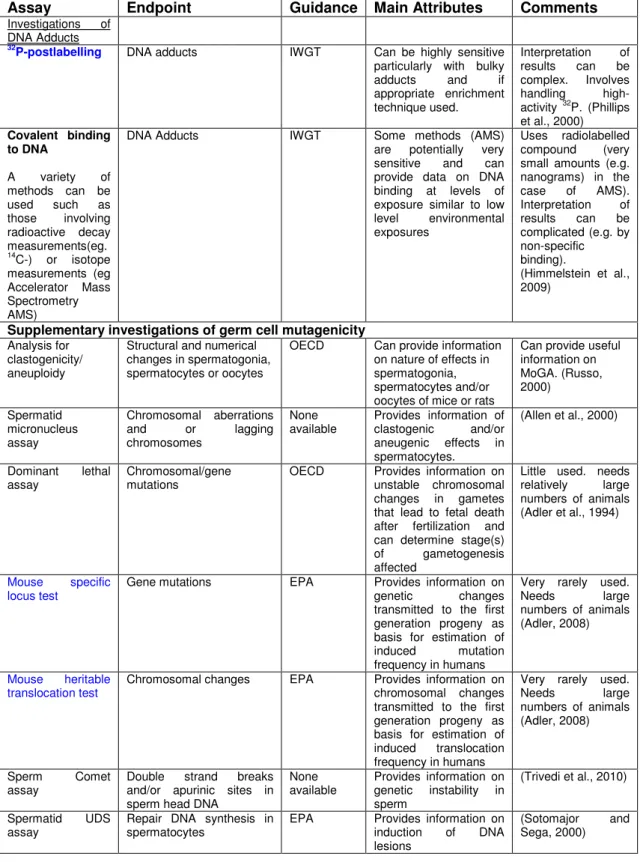
http://www.iacom.org.uk/meetings/index.htm ), and is currently the subject of an ICH expert working group .
http://www.ich.org/fileadmin/Public_Web_Site/ICH_Products/Guidelines/Multi disciplinary/M7/M7_Final_Concept_Paper_June_2010.pdf
The strategy recommended in the following sections is concerned with testing for genotoxic activity of chemical substances and does not specifically address complex mixtures of chemicals. Since the publication of the COM guidance in 2000, assessments of the performance of (Q)SAR approaches, screening tests and genotoxicity assays (both individually and in combinations) regarding the prediction of rodent carcinogenicity have been published (Kirkland et al., 2005a; Kirkland and Speit, 2008; Matthews et al., 2006a; Matthews et al., 2006b). Reference to these publications can provide an insight into the performance of the in vitro genotoxicity assays specifically in relation to the particular data sets analysed and the end points considered, predominantly rodent carcinogenicity but also in vivo genotoxicity (Kirkland et al., 2011). Relevant sensitivity and specificity data and assay performance assessments have been summarised in Annex 1, and are discussed further in
Annex 3, for information and are cited where appropriate in the text below. Overall the older available data suggest that mammalian cell assays did not perform well at discriminating between rodent carcinogens and non-carcinogens. However, recent experience suggests that mammalian cell tests conducted and interpreted according to current recommendations perform more robustly (Fellows et al., 2011).
Stage 0: Preliminary Considerations Prior to Genotoxicity Testing
19. The intrinsic chemical and toxicological properties of the test substance must be considered before devising the genotoxicity testing programme.
Physico-chemical and Toxicological Properties
20. The physico-chemical properties of the test substance (for example, pKa, partition coefficient, solubility, volatility and stability in, and potential reactions with, solvents/vehicles) and its purity can affect the ease of conduct and results of in vitro tests. For example, the tolerance of cells to acidic chemicals can be enhanced by neutralisation but this may affect the inherent reactivity of substances to DNA (Hiramoto et al., 1997). Potential reactions of the test substance with solvent /vehicle should also be considered (e.g cisplatin reacts with DMSO) (Fischer et al., 2008 ). Alternatively, low solubility may limit the feasibility of undertaking some or all of the in vitro mutagenicity tests recommended in this strategy. The potential for auto-oxidation of the test chemical in the culture medium can also affect the outcome of in vitro genotoxicity tests (Long et al., 2007). It is noteworthy that the toxic properties of test substances, such as target organ effects, or irritancy/corrosivity in contact with skin or mucous membranes and their toxicokinetics and
metabolism will influence the choice of route of administration and the highest dose level achievable in Stage 2 in vivo mutagenicity tests.
Structure Activity Relationships
21. Whether the test substance would be expected to have mutagenic potential may be assessed from its chemical structure, which may provide structural alerts for mutagenicity. A composite model structure was originally devised by Ashby and Tennant indicating substituent chemical groups or moieties associated with DNA-reactivity (Ashby and Paton, 1993). A number of freely available and commercial systems to investigate structure activity relationships (SAR) for mutagenicity have been developed and evaluated since 2000 (Benigni and Bossa, 2008; Benigni et al., 2007; Cariello et al., 2002; Contrera et al., 2005; Snyder and Smith, 2005; Zeiger et al., 1996). Further information on various models is provided in Annex 1. The OECD (OECD, 2004) and the European Commission (Joint Research Centre) have published principles for the validation of (Q)SAR ((Quantitative) Structure Activity Relationships) (Worth et al., 2005, Benigni and Bossa, 2008). (Q)SAR assessment of the in vitro mutagenicity in bacteria has been attained by two types of approach; statistical analyses of structure and mutagenic activity
and/or (Q)SAR models using programmed rules for prediction of mutagenic activity based on the available knowledge and expert judgement.
22. Such (Q)SAR systems can be useful when a large number of chemicals require assessment and prioritisation for genotoxicity testing or in instances where a rapid assessment of a chemical is required and there are no genotoxicity test data available. Each (Q)SAR system has a defined domain of applicability which is determined by the structural/descriptor factors, modes/mechanism of mutagenicity, and metabolic aspects included within the system. In addition in silico approaches can aid in the interpretation of Stage 1 in vitro genotoxicity test results (Dearfield et al., 2011). The available systems perform well for prediction of bacterial mutagenicity (i.e. for chemical structures within the domain of applicability of the model under consideration) (see Annex 1). However, lower sensitivities and specificities have been reported for a number of systems when used for prediction of results from in vitro cytogenetics or the mouse lymphoma assay (e.g. using MCASE and MDL-QSAR) (Contrera et al., 2008). One factor in the lower predictive capability of (Q)SAR systems for mammalian cell genotoxicity assays is inadequate coverage of non-covalent DNA interactions and non-DNA targets associated with cell division (Grant et al., 2000; Snyder and Smith, 2005). It has also been proposed that (Q)SAR assessments can aid in the interpretation of the relevance of in vitro genotoxicity assays through prediction of biotransformation (Combes et al., 2007). Other systems combining metabolic simulation with structure toxicity rules have been developed (e.g. TIMES; tissue metabolic simulator) but are at a relatively early stage of validation (Mekenyan et al., 2004; Serafimova et al., 2007). Lhasa Ltd has developed a computer programme (METEOR), which has the facility to integrate prediction of metabolism with (Q)SAR approaches for genotoxicity. (https://www.lhasalimited.org/meteor/). An authoritative and comprehensive evaluation of the different (Q)SAR approaches to the identification of genotoxic potential has been prepared for the European Food Safety Authority (EFSA) by the Computational Toxicology group, Institute for Health & Consumer Protection, European Commission-Joint Research Centre (JRC), Ispra, Italy (http://www.efsa.europa.eu/en/scdocs/scdoc/50e.htm). A compilation of structural alerts for prediction of the rodent in vivo micronucleus assay has recently been published. The authors advocate that
the derived rules can be used for preliminary identification of in vivo mutagens (Benigni et al., 2010).
23. Overall, (Q)SAR approaches for the prediction of genotoxic activity can be a valuable tool to aid in the high throughput screening of compounds, the provision of assessments for chemicals for which no genotoxicity test data are available and also prioritisation for genotoxicity testing. (Q)SAR can also aid in the interpretation of genetic toxicology tests, although such predictions cannot replace the need to undertake the in vitro and in vivo genotoxicity tests required to derive conclusions on mutagenic hazard. However, expert judgement is needed when reaching conclusions on mutagenic hazard on the basis of (Q)SAR information alone. In reaching conclusions, data from well conducted in vitro or in vivo genotoxicity tests should be attributed a much higher weight of evidence than (Q)SAR predictions, although all information should be assessed on a case-by-case basis.
Screening Tests
24. There are a number of current initiatives which attempt to combine data mining in silico approaches with high throughput tests to develop approaches to screening large numbers of novel chemicals (Benfenati et al., 2009.). In this guidance, genotoxicity screening tests refers to high throughput tests which have been designed to be rapid, economical, reproducible, require only small amounts of test substances (typically below 50 mg) and have a high concordance with comparator genotoxicity end points in genotoxicity tests. (These tests are also often referred to as pre-screening tests.) High throughput bacterial tests have been developed using combinations of Salmonella tester strains (Ames II™), primary DNA damage (umu assay), mutations in ampicillinase gene (MutaGen assay), bioluminescence or 5-fluorouracil resistance (Ackerman et al., 2009; Aubrecht et al., 2007; Kamber et al., 2009 ; Miller et al., 2005 ; Reifferscheid et al., 2005). Other screening systems cited in the literature include DNA repair activity in yeast cells (Westerink et al., 2009). One research group has proposed a combination of two commercial screening assays (VitotoxTM for bacterial mutagenicity and RadarScreen yeast screen for clastogenicity) for rapid screening of compounds. (Westerink et al., 2009).
25. A number of genotoxicity screening tests using in vitro systems have been proposed, including alkaline elution using rat hepatocytes (Gealy et al., 2007),
the detection of DNA damage (via p53 or GADD45a activation, GreenScreen) in cell lines (Knight et al., 2009) and differential survival in DNA repair proficient and deficient cell lines (Helleday et al., 2001). A screening test for genotoxicity using HepG2 cells (metabolically competent with wild type p53 genotype) based on four different luciferase-reporter assays has been published. The authors claim, based on a small dataset, a high sensitivity for identification of genotoxicity when used in combination with the commercially available systems (VitotoxTM and RadarScreen) (Westerink et al., 2010). None of these genotoxicity screening tests have reached the stage of development where they could routinely be used to replace data generated from in vitro genotoxicity testing. The predominant use of high throughput screening tests is as an aid in prioritisation of compounds for development undertaken by industry. The COM reviewed the GADD45a-GFP assay and it was agreed that currently, it is most suited as part of a battery of high throughput screening (COM minutes March 2010,
http://www.iacom.org.uk/meetings/index.htm).
26. High throughput genotoxicity screening tests can be used in a tiered approach with in vitro genotoxicity tests to aid in the selection of chemicals for development. It has been suggested that greater validation and acceptance by regulatory authorities of these tests could lead to the replacement of existing genotoxicity testing strategies with a combination of high throughput screening tests (Custer and Sweder, 2008).
Stage 1: In Vitro Genotoxicity Testing (Figure 2)
Overview of strategy
27. The COM concluded in 1989 and 2000 that it was appropriate to concentrate on a relatively small number of assays, using validated, sensitive methods particularly chosen to avoid misleading negative results. Two important parts of the revised Stage 1 strategy include using appropriate tests to gain an insight into the nature of the genotoxic effects of a test substance and also to avoid misleading positive results. Misleading positive results have been reported for certain mammalian cell assays (Fowler et al., 2010; Pfuhler et al., 2009; Kirkland et al., 2007a) particularly when multiple test systems were used.
28 As outlined above in paragraphs 13 and 14, Stage 1 involves tests for genotoxic activity using in vitro methods and comprises a two test core system (namely an Ames test and in vitro micronucleus test (MNvit)) with the objective of assessing mutagenic potential by investigating three different end points (gene mutation, structural chromosomal damage and changes in chromosome number). The rationale for this test strategy is given in Annex 3.
A clear positive result in either of these two core tests is sufficient to define the chemical as an in vitro mutagen, although further in vitro and/or in vivo testing may be undertaken to understand the relevance of the positive results. The Committee considers that this revised strategy allows for efficient identification of all mutagenic-end points but, by reducing the number of mammalian cell tests from that recommended by COM in 2000, and following improved methodologies, the risk of misleading positive results is decreased. 29. Additional investigations of chemicals which give positive or repeated
equivocal results in Stage 1 tests can include an assessment of mode(s) of in vitro genotoxic action. There are a number of reasons (discussed in paragraphs 34-37) why positive results in in vitro genotoxicity tests might occur by mode(s) of action not relevant to human health hazard assessment. Such MoGA evaluation in vitro is particularly relevant for those chemicals (e.g. cosmetics) where there is a regulatory constraint which precludes the use of in vivo genotoxicity assays in the testing strategy. The COM does not recommend the use of in vitro genotoxicity assays that have not been considered in detail in this guidance such as assays for sister chromatid exchange, the in vitro UDS assay or tests using fungi. A table of mutagenic endpoints detected by each genotoxicity assay cited in Stage 1 of this strategy is given in Annex 2.
30. For chemicals which give equivocal results or repeated small positive effects, it is important to consider evidence of reproducibility in the same assay or in different assays detecting similar effects, and the magnitude of the induced genotoxic effect in relation to historical negative control data, and then consider whether further in vitro genotoxicity testing is needed (Kirkland et al., 2007a; Hayashi et al., 2011). Further consideration of SAR data for these chemicals may also give valuable information (Dearfield et al., 2011).
31. If clear negative results are obtained in both core in vitro tests undertaken, it can generally be concluded that the chemical has no mutagenic activity.
genotoxicity testing may be undertaken for chemicals giving a negative response in the two in vitro core genotoxicity tests. For example, situations where tumours are found in rodents, where the in vitro metabolic activation systems are not optimal or where there are human-specific metabolites, may need to be subject to further genotoxicity assessment. A further testing strategy would have to be designed on a case-by-case basis (Muller et al., 2003; Kirkland et al., 2007a). An IWGT working group has published guidance on this topic (Kasper et al., 2007). An important part of any additional in vitro strategy should be consideration of the appropriate exogenous metabolic activation system (including alternative sources of S9 or other metabolic systems including genetically engineered cell lines, see paragraph 36)(Ku et al., 2007b). Further information on in vivo genotoxicity testing of such test substances is provided in Stage 2 of this strategy.
32. Information from other combinations of genotoxicity tests which may include one or more non-core tests outlined below in paragraphs 54-59 may also give adequate data on all three end-points on a case-by-case basis. In vitro genotoxicity tests using human reconstructed skin may provide useful information on in vitro mutagenic hazard in circumstances where in vivo testing is not permitted, or when extensive dermal exposure is anticipated (e.g. cosmetic ingredients).
33. The full Stage 1 strategy should be performed and the results of studies evaluated before a decision is made on whether to proceed to Stage 2 testing or whether a conclusion on mutagenic hazard can be derived for test substances where no in vivo genotoxicity testing is permitted. An outline of Stage 0 and Stage 1 (in vitro genotoxicity testing) is given in Figure 2 and a description of the assays recommended is provided in the following paragraphs.
Discussion of Stage 1 Tests-General Aspects
34. The conduct of genotoxicity assays has improved over time and the overall sensitivity of in vitro testing strategies regarding prediction of rodent carcinogens is very high (Kirkland et al., 2005a; Kirkland et al., 2007c). Proposals have been published for genotoxicity testing advocating a single in vitro genotoxicity test (Ku et al., 2007a) or a complex approach involving up to six in vitro genotoxicity tests (SCCNFP/0720/03) and critically evaluated by Kirkland et al (Kirkland et al., 2005b). Neither of these approaches is
considered preferable to the proposed Stage 1 core testing. Although the
sensitivity (producing positive results with carcinogens) for rodent carcinogenicity of a battery of Stage 1 tests was very high, the specificity
(producing negative results with non-carcinogens) was poor (Kirkland et al., 2005; Kirkland et al., 2007a,b). Possible reasons for the poor specificity have been discussed by various working groups e.g., see (Kirkland et al., 2007a). A comprehensive review of the performance of Stage 1 genotoxicity assays for prediction of rodent carcinogenicity reported positive results in one or more in vitro tests for a substantial number of rodent non-carcinogens (as assessed by the Carcinogenic Potency Database (CPDB), National Toxicology Program (NTP), and the International Agency for Research on Cancer (IARC)). Thus the specificity (i.e. correct identification of rodent non-carcinogens) was considered to be reasonable for the Ames test (74%) but poor for the mammalian cell assays (below 45%) particularly when multiple assays were performed (Elespuru et al., 2009; Kirkland et al., 2005a). Many reasons for low specificity have been proposed, particularly for mammalian cells; for example, the use of high-concentrations, cytotoxicity, prolonged exposure, overloading defence mechanisms, lack of detoxification capacity. The influence of such confounding effects leading to indirect mechanisms of genotoxicity, has been widely recognised (Kirsch-Volders et al., 2003b; Müller and Kasper, 2000; Pratt and Barron, 2003)
35. A more recent analysis on the sensitivity of a combination of Ames test and MNvit test to detect rodent carcinogens and in vivo genotoxicants is summarised and discussed in Annex 3 Table 1, and published in Kirkland et al (Kirkland et al., 2011). It is difficult to draw precise conclusions from the available sensitivity and specificity data since the databases of chemicals used vary. However these data do show that mammalian cell genotoxicity tests can have low specificity and that combinations of in vitro genotoxicity tests result in high sensitivity for rodent carcinogens and in vivo genotoxicants. High sensitivity has always been a priority of genotoxicity testing strategies recommended by the COM (DOH, 2000). An evaluation of the use of in vitro genotoxicity tests to predict rodent carcinogens and in vivo genotoxicants prepared for the COM meeting in June 2010 (http://www.iacom.org.uk/papers/index.htm MUT/2010/08) concluded that there is no convincing evidence that any rodent carcinogen or in vivo
genotoxicant would fail to be detected by using an in vitro genotoxicity test battery consisting of Ames test and MNvit.
36. It is most likely that the few occasions where in vitro test strategies fail to detect mutagenic activity (i.e. misleading negative results) will be due to the absence of appropriate metabolic activity in vitro (Brambilla and Martelli, 2004). Approaches to resolving potential inadequacies in metabolic activation include structure based metabolism predictions, use of genetically modified target organisms (e.g. CYP2E1 in Salmonella YG7108pin3ERb5) (Emmert et
al., 2006), the use of exogenous metabolic activation systems derived from human sources, or recombinant human cytochrome P450 systems as an external activation system (Ku et al., 2007b).
37. There are a number of MoGAs by which a chemical may demonstrate an in vitro genotoxic effect that is either not relevant for humans or has a threshold. The COM has reviewed the evidence for a number of threshold MoGAs and a general guidance statement is available.
(http://www.iacom.org.uk/guidstate/index.htm statement G05). Threshold MoGAs can generally be attributable to non-DNA interactions or an overload of normal cellular physiology. In such cases a No Observed Effect Concentration (NOEC) can be determined and may be useful in evaluating risk. Investigations of a threshold-based MoGA need to be designed on a case-by-case basis and can be complex to interpret (Kirkland et al., 2007c). 38. There has been considerable debate regarding the highest concentration that
should be used routinely in mammalian cell assays. The International Conference on Harmonisation of the Technical Requirements for Registration of Pharmaceuticals for Human Use (ICH) is considering whether the maximum concentration tested for pharmaceuticals should be 1mM in mammalian cell genotoxicity assays which would have the effect of reducing the number of misleading positive results due to excessive concentrations where the cellular defence mechanisms might be overwhelmed. However, a reduction to 1mM would not be consistent with the OECD recommendation for a top concentration of 10mM in mammalian cell genotoxicity assays (OECD, 1997). A recent analysis of published data for the top concentration in mammalian cell genotoxicity tests identified a small number of carcinogens that (according to the publications) would not be detected in any part of a three test in vitro genotoxicity test battery (consisting of the Ames, mouse
lymphoma and in vitro chromosomal aberration tests) if the testing concentration limit for mammalian cell assays were reduced from 10mM to 1mM (Parry et al., 2010) A further investigation of these carcinogens found that some positive results at concentrations above 1mM were not reproducible (i.e. they were not genotoxic in mammalian cells under current OECD guideline protocols) and others were positive at concentrations below 1mM, particularly when continuous treatments in the absence of S-9 (not included in the original publications) were conducted. A new upper limit for mammalian cells tests of 1mM or 500 µg/ml (whichever is higher) has been proposed as sufficient to detect all genotoxic carcinogens that are negative in the Ames test (Kirkland and Fowler, 2010). Several international organisations are examining the principles underpinning this upper limit selection (e.g ICH, OECD, IGWT) although currently no international consensus has been reached. Precipitation can also be used to define a maximal concentration or upper limit for testing.
39. There has also been considerable investigation of the role of excessive cytotoxicity in mammalian cells and choice of cell type as possible causes of misleading positive results (Blakey et al., 2008; Fellows et al, 2008; Pfuhler, 2009; Pfuhler et al., 2011). The method used to assess cytotoxicity may affect the selection of highest concentration tested and potentially the results obtained using mammalian cell genotoxicity assays (Kirkland et al., 2007b) and recommendations have been made to use cytotoxicity measures based on cell proliferation (Galloway et al., 2011). However, it is important to note that although excessive cytotoxicity may lead to misleading positive results, it may also result in misleading negative results when pronounced cell cycle delay occurs. A similar conclusion was reached at an international symposium on regulatory aspects of genotoxicity testing (Blakey et al., 2008).
40. Most cell lines used for genotoxicity testing lack appropriate metabolism leading to reliance on exogenous metabolic activation systems. These cell lines may often have impaired p53 function and altered DNA repair capacity (Kirkland et al., 2007b). There is some evidence that human lymphocytes are less susceptible to misleading positives than the rodent cell lines currently used (e.g. CHO, V79, CHL). Other cell systems such as the human cell lines HepG2, TK6 and MCL5 cells and the reconstructed human skin models and
HepaRG show promise for future use (Kirkland et al, 2007b; Fowler et al., 2009a; Le Hegarat et al., 2010).
41. The COM agrees that it is not necessary to undertake independent confirmatory in vitro tests when clear negative or positive results have been obtained provided the following criteria are satisfied:
• there is no doubt as to the quality of the study design and the conduct of the test,
• the spacing and range of test substance concentrations rule out missing a positive response,
• sufficient treatment conditions and sampling times have been used. 42. It is recognised that it can be difficult to provide convincing evidence for
absence of genotoxic effects. The investigator should consider the power of the study design and the past performance of the test system when formulating a protocol in order to optimise the chances of obtaining an unequivocal result from a single experiment and to ensure that any potential genotoxic effect is not missed.
43. There is a need to undertake further in vitro genotoxicity testing when an equivocal result is obtained (i.e. neither clearly negative nor clearly positive by appropriate biological or statistical criteria). Such additional genotoxicity tests need to be planned on a case-by-case basis and need not necessarily be undertaken in an identical fashion to the initial experiment(s). Indeed it may be preferable to alter certain aspects of the study (e.g. concentration levels investigated, treatment and sampling times, concentration of metabolic activation mix) so as to obtain supplementary data. It may also be appropriate to use a different genotoxicity test system, e.g. a chromosomal aberration test, if there is equivocal evidence of clastogenicity from an in vitro micronucleus test, or an in vitro cell mutation assay (e.g. TK or HPRT mutation assays) if there is equivocal evidence of gene mutations from an Ames test.
44. The use of historical negative control data to aid in the interpretation of genotoxicity test results has been considered particularly in relation to equivocal and small magnitude genotoxic effects (Kirkland et al., 2007d). Advice has been recently published on approaches to collecting historical control data. Ideally data should be reported in terms of means and
confidence intervals for the distribution of baseline genotoxic effects rather than observed ranges where outliers can have a disproportionate effect. The dataset should be updated regularly and should be as large as possible. Negative historical control data should have been generated using a fixed testing protocol unless it can be demonstrated that changes in protocol do not impact on the range of values reported in studies (Hayashi et al., 2011). 45. If a chemical is considered on the basis of Stage 1 genotoxicity test results to
have in vitro mutagenic potential but has not been tested in vivo, the COM considers it prudent to assume that the substance may have in vivo mutagenic potential.
Discussion of Stage 1 Strategy: Specific Core Tests
In Vitro Bacterial Tests for Gene Mutations
46. The most widely used in vitro mutagenicity test is the bacterial reverse mutation assay for gene mutations developed by Ames and his colleagues using Salmonella typhimurium (Gatehouse et al., 1994). The very extensive database available for this assay justifies its inclusion in any initial genotoxicity testing for mutagenic hazard. Several strains of bacteria capable of detecting both base-pair and frame-shift mutations must be included, the validated strains being TA1535, TA1537 (or TA97 or TA97a), TA98 and TA100. In addition, in order to detect oxidising and cross-linking agents, TA102 or a repair proficient Escherichia coli strain (WP2 or WP2 (pKM101)) should be included. Testing should be carried out both in the presence and absence of an appropriate exogenous metabolic activation system such as S-9. Both plate-incorporation and pre-incubation methods are widely used and should be considered.
47. There have been developments to automate and minimise the amount of test substance required for the Ames test (e.g. Spiral Salmonella mutagenicity assay (Claxton et al., 2001) and Ames IITM test (Fluckiger-Isler et al., 2004)). The Committee considers that these methods have not currently been developed to a point where they can be routinely used for regulatory submissions.
In Vitro Mammalian Cell Micronucleus Assay (MNvit) for Clastogenicity and Aneuploidy
48. The COM recommended in 2000 that equivalent information on clastogenicity could be obtained from the MNvit compared with chromosomal aberration testing in mammalian cells (metaphase analysis) but that aneuploidy could be more easily detected by MNvit. This has since been confirmed in a collaborative trial (Lorge et al., 2006). The COM was aware in 2000 of the ongoing protocol developments and validation of this assay but noted that development of an OECD guideline would take some time. Since 2000 there have been extensive and authoritative investigations of the utility of the in vitro micronucleus assay, and an ECVAM (European Centre for the Validation of Alternative Methods) retrospective validation study concluded that the MNvit is reliable and can be used as an alternative to the in vitro chromosomal aberration for the assessment of clastogenicity and has the benefit of more easily detecting aneuploidy (Corvi et al., 2008). OECD guideline 487 has now been adopted.
http://www.oecd- ilibrary.org/environment/oecd-guidelines-for-the-testing-of-chemicals-section-4-health-effects_20745788 Many current published in vitro genotoxicity testing strategies recommend that the micronucleus assay and metaphase analysis can be considered as equivalent in the detection of clastogens (Cimino, 2006; Eastmond et al., 2009). However the detection of aneugens in the metaphase test requires non-standard approaches and the COM recommends the MNvit assay as the first choice test for clastogenicity and aneuploidy detection.
49. The MNvit can be carried out in the absence or presence of cytochalasin B, which is used to block cell division and generate binucleate cells (CBMN method). The advantage of using cytochalasin B is that it allows clear identification that treated and control cells have divided in vitro and provides a simple assessment of cell proliferation. The use of cytochalasin B has no impact on the sensitivity of the test results (Garriott et al., 2002, Lorge et al., 2006, Oliver et al., 2006, Wakata et al., 2006). The target population in the presence of cytochalasin B are the binucleate cells (because it is clear they have divided); however scoring of both mononucleated and binucleated cells can be useful for the detection of aneugens (Lorge et al., 2006; Wakata et al., 2006). In the absence of cytochalasin B, it is essential to have evidence that cells have divided.
50. There have been major international collaborative investigations to develop the protocol (Aardema et al., 2006; Clare et al., 2006; Garriott et al., 2002; Kirsch-Volders et al., 2003a; Lorge et al., 2006; Phelps et al., 2002), provide information on the performance of this assay using different cell lines (Oliver et al., 2006; Pfuhler et al., 2011; Wakata et al., 2006) to investigate the most appropriate methods for measuring cytotoxicity (Fellows et al., 2008a; Kirkland, 2010; Lorge et al., 2008). There have also been initial studies to evaluate a flow cytometric approach to the micronucleus assay (Bryce et al., 2008b; Bryce et al., 2007; Laingam et al., 2008). The MNvit can be performed using most mammalian cell lines used in genotoxicity testing (Lorge et al., 2006). However there is emerging evidence that rodent cell lines with compromised p53 activity such as V79, CHO and CHL cells can give more misleading positive results than cell lines proficient for p53 activity such as TK6 and human lymphocytes (Fowler, 2009; Fowler et al., 2009a). Overall the COM’s preference is for human lymphocytes which have a number of advantages over cell lines (e.g. normal diploid primary human cells with some protection against oxidative damage when whole blood cultures are used). If cell lines are used, it is important that the impact of potential genetic drift of the cells cultured is understood (Tweats et al, 2007a).
51. One particular area of protocol development which has been subject to considerable investigation is the most appropriate method(s) for estimating cytotoxicity in MNvit tests {Lorge et al., 2008; Fellows et al., 2008; Kirkland, 2010). It has been suggested that using relative cell counts (RCC) may underestimate cytotoxicity and lead to potentially misleading positive results (Fowler et al., 2009b). In the absence of cytokinesis block, the relative increase in cell count (RICC) or relative population doubling (RPD) are comparable with replication index (RI) used with the cytokinesis block assay and are the most appropriate methods of cytotoxicity estimation. Consensus recommendations embedded in the OECD guideline 487 indicate that the target range for cytotoxicity in the MNvit is 55±5%. Careful selection of toxicity measurements has been shown to reduce the potential for misleading positive results (Fowler et al., 2009b).
52. The in vitro micronucleus assay can be combined with centromere or
kinetochore stains, with pancentromeric or chromosome specific centromeric probes using fluorescence in situ hybridisation (FISH) as a sensitive way to discriminate between chromosome breaks, chromosome loss and
chromosome non-disjunction and polyploidy (Kirsch-Volders et al., 2002) and therefore is useful in assessing mode of action (Parry, 2006). Binucleate cells obtained with the cytokinesis block methodology (CBMN) will usually be needed for determination of non-disjunction of chromosomes between daughter nuclei. Fenech has proposed that the CBMN assay can be further modified to provide comprehensive information on nucleoplasmic bridges (NPBs) which may provide information on chromosome rearrangements or telomere end fusions, and nuclear buds (NBUDs) which may provide information on gene amplification (Fenech, 2006, 2007). Fenech proposed that the comprehensive CBMN assay should be considered as a ‘cytome’ method for measuring chromosomal instability and altered cellular viability (Fenech, 2006). The ‘cytome’ method is complex and requires considerable technical skill and is currently not suitable for routine testing of chemicals for genotoxicity but may provide useful information on MoGA.
53. The flow-cytometry-based micronucleus assay (FCMMN) has the potential for increased reproducibility and decreased turnaround time for the micronucleus test (Laingam et al., 2008). However the potential still exists for misleading positive results from cell processing or from chemical induced apoptosis and necrosis (Laingam et al., 2008). Approaches to overcoming potential misleading positive results have included: the use of differential staining of
micronuclei (MN) and necrotic and apoptotic cells, (Bryce et al., 2008b; Bryce et al., 2007), the use of electronic gating procedures and the use of concurrent assessment of cytotoxicity (Laingam et al., 2008). The FCMMN assay has also been adapted to cell lines which attach to solid surfaces (Bryce et al., 2010). The COM recognises the ongoing validation of the in vitro FCMMN assay which is important before it can be used for regulatory submissions. A separate approach to automation of the CBMN assay involves automated image analysis using Giemsa stained slides (Decordier et al., 2009) which may be useful with appropriate validation.
Discussion Stage 1: Non-Core Tests
In Vitro Chromosomal Aberration Assay in Mammalian Cells (Metaphase Analysis) for Clastogenicity and Aneuploidy
54. The in vitro chromosome aberration assay in mammalian cells has been widely used in genotoxicity testing for many decades and provides
information on genetic damage that may be associated with adverse health outcomes. Only limited information can be obtained on potential aneugenicity by recording the incidence of polyploidy and/or modification of mitotic index (Aardema et al., 1998). The COM notes that polyploidy may not be a reliable indicator for aneugenicity and may result from a number of different genetic changes (Galloway, 2000; Mitchell et al., 1995). It is possible to adapt the chromosome aberration assay to include the use of chromosome specific centromeric probes with FISH to assess the potential for aneuploidy (Maierhofer et al., 2002). An IWGT working group (Galloway et al., 2011) has agreed that the preferred measure of cytotoxicity in the chromosomal aberration test should be one based on cell proliferation (e.g. relative population doubling or relative increase in cell counts) compared to negative control cultures rather than simple cell counts. The available data indicate that the in vitro metaphase analysis and the in vitro micronucleus assay have similar overall performance for determination of clastogenicity. On balance it is considered preferable to use the in vitro micronucleus test for the initial assessment of clastogenic and aneugenic potential.
In Vitro Mouse Lymphoma Assay for Gene Mutation and Clastogenicity
55. The COM reaffirms the view stated in the 1989 and 2000 guidance, that the most appropriate in vitro mammalian cell gene mutation test is the mouse lymphoma assay.
56. Since 2000, there has been considerable development of suitable protocols, negative solvent control data, criteria to define an acceptable positive control response and the use of the Global Evaluation Factor (GEF) and statistical analysis of test results (Clements, 2000; Kirkland et al., 2007a; Moore et al., 2007; Moore et al., 2003; Moore et al., 2006). Many of the published studies were undertaken by the US National Toxicology Program (NTP) and a recent re-evaluation of these results shows many of the studies to be uninterpretable or the outcomes to be equivocal (Schisler et al., 2010). Some authors have reported that the mouse lymphoma assay can detect, in addition to gene mutations and clastogenicity, information on recombination, deletion and aneuploidy (Ogawa et al., 2009; Sofuni et al., 1996; Wang et al., 2009). It is possible that aneuploidy in these cells could be a secondary effect of chromosomal rearrangement. However, the COM considers that this assay is not appropriate for the routine assessment of aneuploidy.
In Vitro HPRT assays for Gene Mutation
57. An in vitro cell mutation assay which uses forward mutation in the hypoxanthine guanine phosphoribosyl transferase (HPRT) gene to assess mutations has been developed in several cell lines, principally Chinese hamster ovary cells (CHO) cells (Li et al., 1988). It is described in the OECD 476 guideline. The Committee have previously considered the sensitivity of this assay and it was concluded that 107 surviving cells are required for a valid test http://www.iacom.org.uk/meetings/02.10.2003.htm. Thus, certain mammalian cell gene mutation protocols that have been widely used, particularly some involving CHO cells, are considered to be insufficiently sensitive for the identification of mutagens, predominantly on statistical grounds (UKEMS., 1989).
In Vitro Assays using Human Reconstructed Skin
58. A number of research groups have developed genotoxicity assays based on
micronuclei measurement using commercial sources of human reconstructed skin (such as Episkin® and EpiDermTM) (Curren et al., 2006; Flamand et al., 2006; Hu et al., 2009; Mun et al., 2009) or a co-culture technique involving reconstructed skin and mouse lymphoma L5178Y cells (Flamand et al., 2006). Proposals for the measurement of DNA damage using the Comet assay in reconstructed skin have also been made (Pfuhler et al., 2011). The primary purpose in developing genotoxicity tests using reconstructed skin has been to supplement genotoxicity data-packages for cosmetic chemicals where no invivo genotoxicity tests are permitted. A tiered approach to testing cosmetic ingredients for genotoxicity has recently been published (Pfuhler et al., 2010).
In Vitro Alkaline Comet Assay for DNA Damage
59. The in vitro alkaline Comet assay for DNA damage has been proposed as an alternative to clastogenicity assessment in mammalian cells since cell proliferation is not needed, therefore any cell type can be used, and the assay is reported to result in fewer misleading positive results due to cytotoxicity or precipitation than chromosomal aberration tests (Hartmann et al., 2001; Witt et al., 2007). The alkaline Comet assay detects a wide range of genetic damage including single and double strand breaks, repair induced breaks, alkali labile lesions and abasic sites. There is evidence that the in vitro Comet assay can be used to detect DNA cross-linking agents (Spanswick et
al., 2010). The Comet-FISH assay has been developed to provide information on site specific DNA strand breaks (Glei et al., 2009; Rapp et al., 2000; Santos et al., 1997). There is evidence that the in vivo Comet assay can detect substances that induce gene mutations in vitro (Kawaguchi et al., 2010; Kirkland and Speit, 2008). Extrapolation from this suggests that the in vitro Comet assay can also detect substances that induce gene mutations and this capability has been demonstrated (Kawaguchi et al., 2010). However, it is not recommended as a routine replacement for gene mutation tests in vitro. Thus, the Comet assay measures DNA damage irrespective of genotoxic end-point, with the exception of aneuploidy. A positive Comet assay result may be due to repairable DNA damage or lesions which lead to cell death and not necessarily mutations or micronuclei. Negative results from an Ames test and MNvit would reduce the level of concern associated with positive results from an in vitro Comet assay. Thus, the in vitro Comet assay can serve as a very useful adjunct to the recommended core-tests, especially in instances where in vivo testing is not permitted such as in cosmetic testing. However, since the Comet assay does not detect aneuploidy, and may report repairable DNA damage, it is not recommended as a core in vitro test.
Summary Stage 1 (In Vitro Genotoxicity Testing)
60. The COM recommendations for Stage 1 testing incorporate a number of changes to the 2000 guidelines, the main changes being the replacement of the in vitro metaphase analysis in mammalian cells with the in vitro micronucleus assay and a reduction from three tests to two in vitro tests for Stage 1. Tests should be undertaken according to the best international guidance available to avoid misleading positive or negative results. Data should be interpreted using appropriate statistical analysis and use of historical negative control data. The COM confirms the need to provide information on gene mutation, clastogenicity and aneugenicity and to understand genotoxic mode(s) of action (MoGA) in order to derive conclusions regarding the biological importance of results. Data on MoGA are important in elucidating whether genotoxicity tests give misleading negative or positive results, and also to aid decisions with regard to devising a strategy for Stage 2 in vivo genotoxicity testing. There is a particular need to understand MoGA for chemicals which cannot be subjected to in vivo
genotoxicity tests (e.g. cosmetics). In this particular instance some useful additional information on genotoxicity may be provided by undertaking further testing, for example in vitro tests using reconstructed human skin or the Comet assay. The recommended two core genotoxicity tests in Stage 1 are the in vitro bacterial gene mutation test and in vitro micronucleus test (MNvit). These recommended assays, when combined, provide sufficient information for the genotoxicity assessment of most chemicals and provide high sensitivity for the identification of rodent carcinogens and in vivo genotoxicants and reduce the risk of misleading positive results when compared with a battery containing more than one mammalian cell test. Information from non-core tests described in this document may provide useful additional information on in vitro mutagenic hazards on a case-by-case basis. In most instances misleading negative in vitro results are due to inadequate exogenous metabolic activation (Ku et al., 2007b). However, some regulatory authorities may require an in vivo genotoxicity test where high, or moderate and prolonged, levels of exposure are expected (e.g. most human medicines) in order to provide additional reassurance even when Stage 1 tests have given negative results. If a chemical is considered on the basis of Stage 1 test results to have in vitro mutagenic potential but has not been tested in vivo, the COM considers it prudent to assume that the chemical may have in vivo mutagenic potential..
Stage 2: In Vivo Genotoxicity Tests (Figure 3)
Overview of Strategy
61. Stage 2 of the testing strategy involves an assessment of genotoxic activity in vivo in somatic tissues and in germ cells (when there is a need for the assessment of heritable effects and/or information on hazard classification of mutagens) (see Figure 3). The in vivo genotoxicity testing strategy has to be designed on a case-by-case basis and can be used to address aspects of in vivo mutagenicity, for example;
1) Investigation of mutagenic end point(s) identified in Stage 1, 2) Investigation of genotoxicity in tumour target tissue(s), 3) Investigation of potential for germ cell genotoxicity,