Scholarship@Western
Scholarship@Western
Electronic Thesis and Dissertation Repository
4-11-2010 12:00 AM
Physical Function During Performance-Based Tasks and
Physical Function During Performance-Based Tasks and
Throughout Daily Life. Is It Different Across Levels of Frailty?
Throughout Daily Life. Is It Different Across Levels of Frailty?
Olga Theou
The University of Western Ontario Supervisor
Dr. Anthony Vandervoort
The University of Western Ontario Joint Supervisor Dr. Gareth Jones
The University of Western Ontario
Graduate Program in Health and Rehabilitation Sciences
A thesis submitted in partial fulfillment of the requirements for the degree in Doctor of Philosophy
© Olga Theou 2010
Follow this and additional works at: https://ir.lib.uwo.ca/etd
Part of the Rehabilitation and Therapy Commons
Recommended Citation Recommended Citation
Theou, Olga, "Physical Function During Performance-Based Tasks and Throughout Daily Life. Is It Different Across Levels of Frailty?" (2010). Electronic Thesis and Dissertation Repository. 2.
https://ir.lib.uwo.ca/etd/2
This Dissertation/Thesis is brought to you for free and open access by Scholarship@Western. It has been accepted for inclusion in Electronic Thesis and Dissertation Repository by an authorized administrator of
(Spine title: Physical Function Across Levels of Frailty)
(Thesis format: Integrated-Article)
by
Olga Theou
Graduate Program in Health and Rehabilitation Sciences
A thesis submitted in partial fulfillment of the requirements for the degree of
Doctor of Philosophy
The School of Graduate and Postdoctoral Studies The University of Western Ontario
London, Ontario, Canada
ii
THE UNIVERSITY OF WESTERN ONTARIO
SCHOOL OF GRADUATE AND POSTDOCTORAL STUDIES
CERTIFICATE OF EXAMINATION
Supervisor
______________________________ Dr. Gareth Jones
Co-Supervisor
______________________________ Dr. Anthony Vandervoort
Supervisory Committee
______________________________
Examiners
______________________________ Dr. Jan Polgar
______________________________ Dr. Denise Connelly
______________________________ Dr. Donald Paterson
______________________________ Dr. Michelle Porter
The thesis by
Olga Theou
entitled:
Physical Function During Performance-Based Tasks and Throughout
Daily Life. Is it Different Across Levels of Frailty?
is accepted in partial fulfillment of the requirements for the degree of
Doctor of Philosophy
Date__________________________ _______________________________
iii Abstract
The overall aim of this thesis was to provide a more focused understanding about
the physical function of older women across levels of frailty. The specific aims were: 1)
Examine the physical function of older women across levels of frailty during
performance-based tasks and throughout their normal daily life; and 2) Review the
effectiveness of current exercise interventions for the management of frailty. To answer
these aims an observational study of community-dwelling older women (63-100 years)
from rural Greece and a comprehensive systematic review on the impact of exercise on
frail older adults were conducted.
The performance-based measures that had the strongest association with frailty
were ambulatory mobility, lower body muscular endurance, and non-dominant handgrip
strength. Walking at a preferred pace was more related to frailty than walking at maximal
pace and grip strength of the non-dominant hand had a stronger association with frailty
compared to the dominant hand. In addition, accelerometers showed good agreement
with the other physical activity tools, had the strongest association with frailty, and could
be used to dissociate levels of frailty. This thesis showed that multiple methods can be
used to accurately determine the duration and intensity of physical activity in older adults
across levels of frailty since each method examined in this thesis had limitations but
provided useful information about different aspects of physical activity. Muscle activity
and quiescence, as measured with portable electromyography, may add insight to the
dissociation of frailty since they differ across levels of frailty and may also be used to
indicate differences between the upper and lower body muscles. Finally, the systematic
iv
adults and thus can be helpful for the management of frailty. Multicomponent training
interventions, of long duration (≥ 5 months), performed three times per week, for 30-45
minutes per session, generally had superior outcomes than other exercise programs. The
findings from this thesis indicated that the criteria selected to define frailty and the
measurement protocols for these criteria are important. Future investigations will help
classify the potential role of these measures in preventing further functional decline.
Keywords: frail, levels of frailty, aging, older adults, community-dwelling, women,
physical function, physical activity, mobility, accelerometer, global positioning system,
v
Co-Authorship
This thesis contains materials from four manuscripts (Chapters 2-5). Three
manuscripts are currently under peer-review in notable scientific journals for this field of
research (Chapters 2,4,5) and one manuscript is in final preparation (Chapter 3):
Theou O, Jones GR, Jakobi JM, Mitnitski A, Vandervoort AA. Relationship between
Frailty and Physical Function Performance-based Measures. J Am Geriatr Soc
(submitted April, 2010)
Theou O, Jones GR, Jakobi JM, Vandervoort AA. A Comparison of Physical
Activity Tools in Older Women Across Levels of Frailty. (in preparation)
Theou O, Jakobi JM, Vandervoort AA., Jones GR. Daily Muscle Activity and
Quiescence in Non-Frail, Pre-Frail, and Frail Older Women. Exp Gerontol (accepted
August, 2010)
Theou O, Stathokostas L, Roland K, Jakobi JM, Patterson C, Vandervoort AA., Jones
GR. The Effectiveness of Exercise Interventions for the Management of Frailty: A
Systematic Review. Can J Aging (submitted November, 2009)
The first author on all manuscripts was O. Theou who collected, analyzed, and
interpreted the data of this thesis and wrote the manuscripts. In addition to O. Theou, all
manuscripts were co-authored by GR. Jones, JM. Jakobi, and AA. Vandervoort who
provided ongoing feedback to O. Theou during the design and implementation of these
studies and the writing of the manuscripts. Chapter 2 had an additional co-author, A.
Mitnitski, who assisted on the data analysis for this study. Chapter 5 was co-authored by
L. Stathokostas who assisted with the design and acted as a reviewer, K. Roland who
vi
Acknowledgments
This thesis would not have been completed without the guidance and support of
many people who made the last four years an exceptional experience. First, I would like
to thank my co-supervisors Dr. Gareth Jones and Dr. Tony Vandervoort. You were
incredible mentors who not only play a major role in this thesis but also assisted me in
becoming an independent researcher. I cannot express my appreciation for always
making time to meet and being so patient with me. Our long multi-topic discussions will
definitely be valuable for my future career. I was very fortunate to have a third mentor,
Dr. Jennifer Jakobi, who shared her passion for basic science physiology allowing me to
move beyond my applied research background. Thank you for being there during
stressful moments at work and helping me complete this thesis on time. Tony, Gareth,
and Jenn thank you for making Canada feel like home.
Next I would like to acknowledge the positive influence that the Health and
Rehabilitation Sciences program had on me during my thesis. My interaction with the
faculty, Dr. Aleksandra Zecevic, Dr. Tom Overend, Dr. Marita Kloseck, Dr. Debbie
Rudman, and Dr. Dorothy Forbes challenged me to think critically from all aspects of
quantitative and qualitative research. I am also grateful to the Faculty of Graduate
Studies and Health Sciences at the University of Western Ontario and other funding
agencies (CIHR, NICE, BCNAR) for their financial support throughout my candidacy.
Further I would like to thank Dr. Lisa Stathokostas and my friends and colleagu es in the
Human Kinetics lab at UBCO for keeping me motivated, listening to my complaints, and
accepting my cultural differences. I will never forget the fun we had during our social
vii
I would like to express my gratitude to the older women who participated in my
studies and the participants at my exercise classes at the Canadian Center for Activity
and Aging. Our interaction gave me an appreciation for the beauty of aging. Finally, I
would like to thank my family and friends in Greece. To my parents thank you for
believing in my abilities and teaching me that nothing is impossible. To my brother thank
you for showing me the importance of enjoying work. To my Greek friends thank you
for staying close to me regardless of the long distance and for being there when I needed
you. Most importantly I would like to thank my grandparents. I was fortunate to grow up
with three exceptional people whose goal in life was/has been to die young in heart as
viii
Table of Contents
Certificate of Examination ... ii
Abstract ... iii
Co-Authorship ... v
Acknowledgments ... vi
Table of Contents ... viii
List of Tables ... xii
List of Figures ... xiv
List of Appendices ... xv
List of Abbreviations... xvi
CHAPTER 1 Introduction and Background ... 1
1.1 Frailty ... 1
1.2 Tools to Identify Frailty ... 4
1.3 Frailty and Physical Function During Performance-Based Tasks ... 7
1.4 Frailty and Daily Life Measurements ... 9
1.5 Levels of Frailty ... 10
1.6 Management of Frailty... 12
1.7 Thesis Outline... 14
1.8 References ... 15
CHAPTER 2 Relationship Between Frailty and Physical Function Performance-Based Measures ... 22
2.1 Introduction ... 22
2.2 Methods ... 23
2.2.1 Frailty Index ... 23
2.2.2 Muscle Strength ... 24
2.2.3 Muscle Fatigue ... 25
2.2.4 Muscular Endurance ... 26
2.2.5 Agility and Dynamic Balance ... 26
2.2.6 Walking Performance ... 27
2.2.7 Statistical Analysis ... 27
2.3 Results ... 29
2.3.1 Relation Between Frailty, Age, and Physical Function ... 30
ix
2.4 Discussion ... 36
2.5 References ... 42
CHAPTER 3 A Comparison of Physical Activity Tools in Older Women Across Levels of Frailty... 46
3.1 Introduction ... 46
3.2 Methods ... 47
3.2.1 Frailty Index ... 48
3.2.2 Accelerometer... 49
3.2.3 Heart Rate Monitor ... 49
3.2.4 Electromyography ... 50
3.2.5 Global Positioning System ... 51
3.2.6 Self-Report PA ... 51
3.2.7 Statistical Analysis ... 52
3.3 Results ... 53
3.3.1 Participation and Data Completeness ... 53
3.3.2 Distribution of PA Measures ... 54
3.3.3 Convergent Validity ... 54
3.3.4 Relation Between Frailty and Physical Activity Measures ... 56
3.3.5 Physical Activity Measures Across Tertiles of Frailty ... 57
3.4 Discussion ... 60
3.5 References ... 67
CHAPTER 4 Daily Muscle Activity and Quiescence in Non-Frail, Pre-Frail, and Frail Older Women ... 71
4.1 Introduction ... 71
4.2 Methods ... 74
4.2.1 Frailty Definition ... 74
4.2.2 Electromyography ... 75
4.2.3 Mobility ... 77
4.2.4 Muscle Strength ... 78
4.2.5 Statistical Analysis ... 78
4.3 Results ... 79
4.3.1 Frailty ... 80
4.3.2 Muscles ... 83
4.3.3 Relation between Mobility and Burst and Gap Characteristics ... 85
4.4 Discussion ... 87
4.4.1 Effect of Frailty on Muscle Activity and Quiescence ... 88
x
4.5 Conclusions ... 93
4.6 References ... 94
CHAPTER 5 The Effectiveness of Exercise Interventions for the Management of Frailty: A Systematic Review ... 98
5.1 Introduction ... 98
5.2 Methods ... 100
5.2.1 Literature Search ... 100
5.2.2 Inclusion/Exclusion Criteria ... 101
5.2.3 Data Collection and Analysis ... 101
5.3 Results ... 103
5.3.1 Description of Studies ... 103
5.3.2 Participants Characteristics... 105
5.3.3 Measurement of Frailty ... 126
5.3.4 Intervention Characteristics ... 127
5.3.4.1 Frequency ... 127
5.3.4.2 Intensity ... 127
5.3.4.3 Duration ... 127
5.3.4.4 Type... 128
5.3.5 Methodological Quality ... 128
5.3.6 Exercise Compliance, Adverse Events, Cost ... 129
5.3.7 Outcome Measures ... 130
5.3.7.1 Physical and Psychosocial Determinants ... 130
5.3.7.1.1 Body Composition ... 130
5.3.7.1.2 Nutritional Status... 131
5.3.7.1.3 Biochemical status ... 131
5.3.7.1.4 Cardiorespiratory Function ... 132
5.3.7.1.5 Muscle Function ... 132
5.3.7.1.6 Flexibility ... 133
5.3.7.1.7 Physical Activity Participation ... 133
5.3.7.1.8 Neurological and Cognitive Function ... 133
5.3.7.1.9 Psychosocial State ... 134
5.3.7.2 Functional Ability ... 134
5.3.7.2.1 Mobility ... 134
5.3.7.2.2 Balance ... 135
5.3.7.2.3 Functional Performance Test Batteries ... 136
5.3.7.3 Adverse Health Consequences... 136
5.3.7.3.1 ADL Disability ... 136
5.3.7.3.2 Quality of Life ... 137
xi
5.3.7.3.4 Utilization of Resources ... 137
5.4 Discussion ... 138
5.5 Conclusion ... 143
5.6 References ... 144
CHAPTER 6 Discussion and Conclusions ... 152
6.1 Introduction ... 152
6.2 Physical Function During Performance-Based Tasks ... 152
6.2.1 The Association of Frailty with Physical Function During Performance-Based Tasks.. ... 152
6.2.2 Physical Function During Performance-Based Tasks Across Levels of Frailty.. ... 154
6.3 Physical Function During Daily Life ... 155
6.3.1 The Association of Frailty with Physical Activity ... 155
6.3.2 The Association of Frailty with Muscle Activity ... 158
6.3.3 Muscle Activity Across Levels of Frailty ... 160
6.4 Exercise and Frailty ... 162
6.5 Limitations ... 165
6.6 Directions for Future Research ... 169
6.7 Conclusion ... 172
6.8 References ... 174
Appendices... 179
xii List of Tables CHAPTER 2
Table 2.1- Descriptive Characteristics ... 29
Table 2.2 - Standard Multiple Regression of Frailty Index and Age on Physical Function
... 32
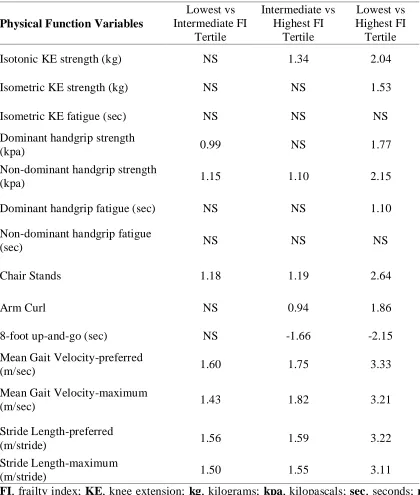
Table 2.3 - Effect Size of the Relationship Between Frailty and Physical Function ... 36
CHAPTER 3
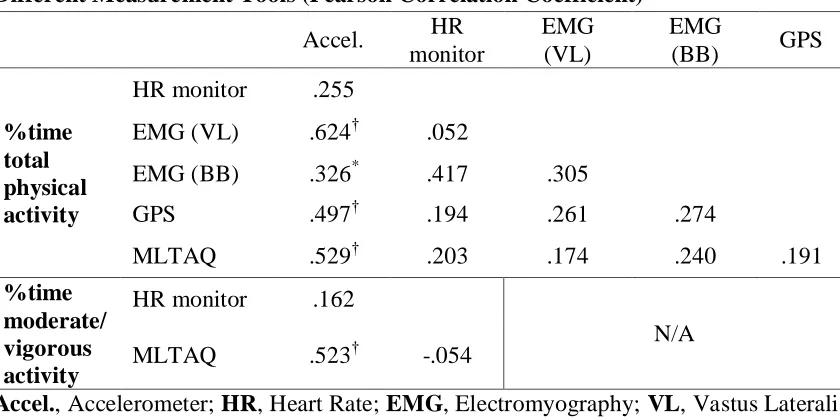
Table 3.1 - Relationship Between Physical Activity Duration as Measured by Different
Measurement Tools (Pearson Correlation Coefficient) ... 55
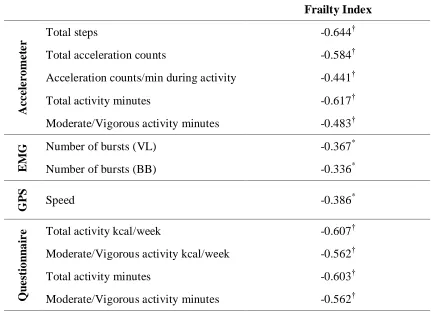
Table 3.2 - Relationship Between Frailty Index and Physical Activity Measures (Pearson
Correlation Coefficient) ... 56
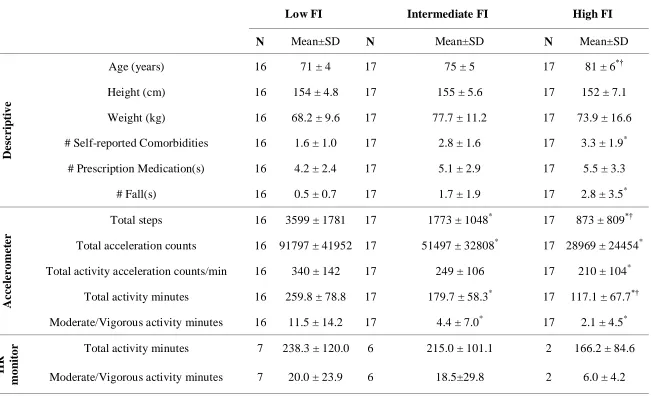
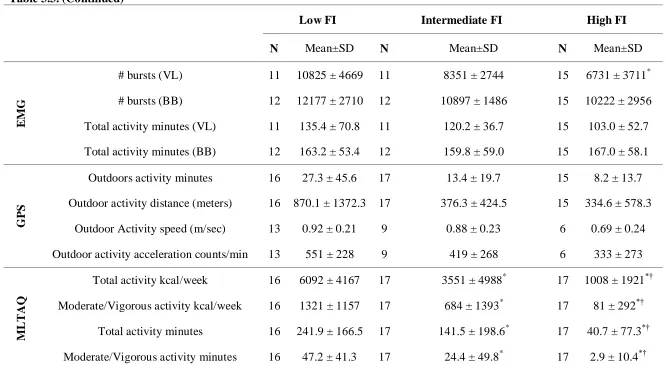
Table 3.3 - Descriptive Characteristics and Physical Activity Measures Across FI Tertiles
... 58
CHAPTER 4
Table 4.1 - Descriptive Characteristics ... 80
CHAPTER 5
Table 5.1 - Description of Studies That Were Done in Long Term Care ... 106
Table 5.2 - Description of Studies That Included Community-Dwelling Older Adults . 111
Table 5.3 - Description of Studies That Were Done in Retirement Homes and in Mixed
Settings ... 118
xiii
Table 5.5 - Percentage of Outcome Measures That Improved due to the Exercise
Interventions ... 123
APPENDIX C
Table C.1 - Domains, Measures and Scores for the Frailty Index for Chapter 2 ... 192
xiv List of Figures CHAPTER 2
Figure 2.1 - The Relationship Between Frailty Index and Chronological Age ... 31
Figure 2.2 - Measures of Physical Function Across Frailty Tertiles... 34
CHAPTER 4
Figure 4.1 - Burst Activity for Non-Frail, Pre-Frail, and Frail Women ... 81
Figure 4.2 - Gap activity for Non-Frail, Pre-Frail, and Frail Women... 82
Figure 4.3 - Burst Activity for the Vastus Lateralis, Biceps Femoris, Biceps Brachii, and
Triceps Brachii ... 84
Figure 4.4 - Gap Activity for the Vastus Lateralis, Biceps Femoris, Biceps Brachii, and
Triceps Brachii ... 85
Figure 4.5 - The Relationship Between Number of Steps and Burst Activity of the Two
Thigh Muscles ... 86
CHAPTER 5
xv
List of Appendices
APPENDIX A. Health History Questionnaire (Chapters 2-4) ... 180
APPENDIX B. Short Version of the Minnesota Leisure Time Activity Questionnaire (Chapters 2-4) ... 190
APPENDIX C. Frailty Index: Domains, Measures and Scores (Chapters 2-3) ... 191
APPENDIX D. Medline Search (Chapter 5) ... 199
APPENDIX E. Feedback to Participants: Report Card ... 200
APPENDIX F. Personal Framework: Self-Reflection on “Greek Older Women” ... 202
APPENDIX G. Copyright Permission for Reproduction of Journal Articles ... 204
G.1 - Copyright Permission for Chapter 1 ... 205
G.2 - Copyright Permission for Chapter 2 ... 208
G.3 - Copyright Permission for Chapter 4 ... 209
G.4 - Copyright Permission for Chapter 5 ... 210
xvi
List of Abbreviations
ADL activities of daily living
ACSM American College of Sports Medicine
ANOVA analysis of variance
BADL basic activities of daily living
BB biceps brachii
BF biceps femoris
BMI body mass index
EMG electromyography
FI Frailty Index
GV gait velocity
GPS global positioning systems
HR heart rate
HRR heart rate reserve
IADL instrumental activities of daily living
IGF-I insulin-like growth factor-I
KE knee extension
LTC long-term care facilities
VO2max maximal oxygen consumption
MVE maximal voluntary exertions
SF-36 Medical Outcomes Survey Short-Form 36
MET metabolic equivalent
xvii
1RM one repetition maximum
PA physical activity
SL stride length
TB triceps brachii
1 CHAPTER 1
Introduction and Backgrounda
1.1Frailty
In almost every country throughout the world, the proportion of older adults,
those 65+ years of age, is growing faster than any other age group. In Canada the number
of older adults is expected to double to ~ 8.6 million within the next 25 years.1 Although
the majority of older adults consider themselves to be in good health and lead
independent lives, 91% have one or more chronic conditions, 40% live with a disability2
and a considerable proportion (10-25%) are considered frail.3 The number of frail older
individuals is expected to grow substantially in the very near future.
The knowledge-base related to understanding frailty has increased exponentially
within the past decade.4,5 While frailty is increasingly recognized as a geriatric
syndromeb,6,7 the terms “frail” and “frailty” are often used in the literature without a clear
definition or criteria. Frailty‟s precise definition and mechanisms continue to be matters
of debate.8 There is an urgent need for agreement on a definition of frailty among health
care professionals to optimize the identification and treatment of frail individuals.9
A variety of theoretical definitions exists. Some focus on the presence of
dependency while others emphasize disease state.10 For example, Hamerman11 defined
frailty as the midpoint between independencec and pre-death. The current understanding
is that frailty is a result of cumulative multisystem deterioration and represents a loss in
a
Sections reprinted from published articles in “Physical and Occupational Therapy in Geriatrics” (Appendix G.1a) and “Applied Physiology Nutrition and Metabolism” (Appendix G.1b) Journals with permission from the publisher
b
Multifactorial health conditions (e.g. pressure ulcers, falls, incontinence, delirium) that occur when the accumulated effects of impairments in multiple systems render an older person vulnerable to situational challenges
c
2
one‟s reserve capacitya
below a level to sustain homeostasis required to meet the
demands of everyday life.12 Frail older adults are vulnerable to physiological and
psychological stressors, and are at risk for a range of adverse health events such as falls,
fractures, subsequent disability, and death. Such adverse health events place a substantial
financial strain upon health care resources.10,13,14 Although, frailty is often associated
with institutional care,15 the majority of frail older adults actually live in the
community16,17 despite some degree of impairment in one or more activities of daily
living (ADL).
Frailty is an emerging yet controversial concept.18 It is related to age, disability
and comorbidity, yet it is distinct from these concepts.15 The determinants of frailty are a
mix of physiological, psychological, social, and environmental factors. Fried and
Walston19 proposed a frailty phenotypeb that included three physiological determinants;
sarcopenia, neuroendocrine dysregulation, and immunologic dysfunction, all of which
interact to cause physical frailtyc. Frailty becomes more prevalent with age.
Forty-six percent of community-dwelling older adults above the age of 85 are
considered frail.19 Although one‟s risk increases with age, frailty may exist
independently of age.15 For example, an 80-year older adult may be healthy whereas
another individual of the same age may be severely frail. Frailty is related to disability,
but disability may occur independently of this geriatric syndrome.20 Only 27% of older
adults who are dependent for ADL are considered frail.13 Comorbidity is also often
falsely treated as a synonym of frailty as it may exist independently of this syndrome.
a
A margin of safety that allows a system to survive during failure
b
The observable characteristics, at the physical, morphologic, or biochemical level, of an individual, as determined by the genotype and environment
c
3
Fried et al.13 reported that 32% of frail older adults did not have any comorbidity.
Although frailty is related with disability and comorbidities for both men and women,
frailty is more common in women than men.13
At any given age women are frailer than men.21 Age-related decline of muscle
mass and strength likely cause women to transition into frailty earlier than men due to
their naturally lower physiological reserve capacity.13 Both men and women have higher
mortality rates as level of frailty increases; however, women have lower mortality rates
compared with men of the same frailty level.22 The relationship of frailty with age and
sex is comparable across countries;22,23 yet, there are differences in the prevalence of
frailty between countries and races.24,25
The majority of frailty studies have been conducted in North America, but recent
investigations suggest that frailty may be more prevalent in Europe as a result of social
and environmental factors.20,25,26 Research on frailty is very limited in the developing
countries. Gu et al.23 reported similar results to those already recorded in more developed
countries, in that frailty in Chinese older adults is more prevalent with advanced age and
is highly associated with mortality. They also reported differences in the prevalence of
frailty across various Chinese ethnic groups. Greece is a country of interest for many
gerontological researchers because it has one of the oldest populations in Europe (19.2%
of the population over the age of 65).27 Within the Greek older adult population, 45% are
at risk for frailty, and 15% are already considered frail.25 Due to the rapidly aging
population across all countries, frailty should be identified early to prevent the human
4
1.2Tools to Identify Frailty
Frailty is a measurable syndrome both clinically and in the community.28 Criteria
have been proposed to diagnose frailty in relation to the determinants of frailty.
However, currently none of the proposed operational definitions of frailty that examine
these criteria provide a definitive diagnosis of frailty.5,13 Most operational definitions
include mobility, balance, muscle strength, motor processing, cognition, nutrition,
endurance, and physical activity as criteria of frailty.12,13,17,29-31 The most commonly used
operational definitions are the Frailty Phenotype13 and the Frailty Index (FI).32 Other
frailty assessment tools include; Frailty and Vigorousness Classification,33 Study of
Osteoporotic Fractures frailty measure,34 and the Edmonton Frail Scale.35
Fried et al.13 demonstrated that five physical criteria (muscle weakness,
subjective fatigue, reduced physical activity, low gait speed, and weight loss) could be
used to determine a physical frailty phenotype. Three or more of these criteria indicate
frailty, one to two criteria indicate a pre-frail condition, and no indicators suggest the
individual is not frail. This three-level classification has strong content, construct,
concurrent, and predictive validity.13,36 Identification of physical frailty predicts falls,
poor mobility, ADL disability, hospitalization, and death.13 In addition, it is applicable
across diverse population samples.36
Ensrud et al.34 proposed another operational definition of frailty that might be
more suitable in a busy clinical practice setting. The three criteria were weight loss,
inability to rise from a chair five times without using arms, and reduced energy level.
Presence of all these criteria would identify an individual as “frail”, one or two would
5
someone as “non-frail”. Similar to Fried‟s definition,13
this operational definition was
associated to the increased risk of adverse outcomes as the severity of frailty became
more apparent. However, its validity is limited solely to older women.
The FI32 is based on a mathematical model of the accumulation of deficits (e.g.
how many things people have wrong with them) where a deficit can be any symptom,
sign, disease, disability, or laboratory abnormality. All deficits represent conditions that
accumulate with age and are associated with adverse outcomes.37 The number of deficits
present within a person are divided by the total deficits. For example, if the total
variables were 60 and 10 deficits were present, then the FI score would be 10/60 = 0.17.
The FI does not give a cut point up to which someone is frail, rather it is graded so that
the greater the score (closest to one) the more likely that someone is vulnerable to
adverse outcomes. People accumulate on average 0.03 deficits per year after the age of
70 with a maximal limit approximately at 0.7.32,38 The FI predicts worsening health
status, institutionalization, and death, and is validated in both community and
institutionalized older adults.38 Prior studies have shown that the FI, even when different
deficits are collected, has remarkably similar measurement properties and substantive
results especially when a minimum of 30 variables are included.38 This tool is reasonably
easy to use and requires no special instrumentation. However, it may better serve
clinicians who have experience in the care of older adults, as it requires experienced
clinical judgment.
Speechley and Tinetti,33 in an effort to identify different types of falls and fallers
and better target fall prevention programs, developed a method for screening frailty
6 criteria that defined these levels were: age, gait/balance, walking for exercise, other types
of exercise, depression, use of sedatives, near vision status, upper and lower extremity
strength, and lower extremity disability. These criteria were measured through functional
tests, physical examination, and health and behavioral questionnaires. Speechley and
Tinetti‟s33
classification system is shown to be predictive for falls and fall related injuries
and was validated in community-dwelling older adults.
The Edmonton Frail Scale35 proposes ten criteria of frailty; cognition, self-rated
health status, hospitalization, functional independence, social support, medication use,
nutrition, mood, continence, and mobility. These criteria were either continuous, ordinal,
or binary variables. The binary variables were re-coded using the convention that “0”
indicates the absence of a deficit and “1” the presence. The ordinal and continuous
variables were re-coded between “0” and “2” based on the levels of the variable. The
maximum score is 17 and the higher the score the greater the severity of frailty. This
scale has good construct validity, reliability, and internal consistency, is brief and does
not require clinical judgment.35
There is currently no gold standard against which frailty scales may be judged. It
is likely that some frailty scales might be more successful than others.39 Van Iersel and
Olde Rikkert40 used four different operational definitions (frailty phenotype, FI, low
handgrip strength, and low gait speed) to measure frailty, which resulted in highly
different selections of older adults for each definition. Herrmann et al.9 examined how
nurses, medical residents and chief medical residents perceive frailty and concluded that
these health care professionals characterize different kinds of people as frail because they
7 decide upon use of a frailty assessment tool they should examine which measure is the
most appropriate based-upon the purpose, the similarities between the population under
investigation and the validation group, and the quality of the validation process.40 For
example, researchers who focused solely on physical frailty may find Fried‟s operational
definition more predictable whereas practitioners who are interested in other components
of frailty might find the FI, the Edmonton Frail Scale or the Frailty and Vigorousness
Classification to be more meaningful. For the purpose of this thesis the Frailty
Phenotype13 and the FI32 were used to assess frailty in the included studies. Regardless of
the operational definition used to assess frailty, some measure of physical function
should be included as a criterion of this geriatric syndrome.12
1.3Frailty and Physical Function During Performance-Based Tasks
Performance-based measures of physical function are essential criteria for
frailty.12,41 Poor performance on tests of physical function (e.g. muscle strength and
walking) predicts falls, disability, hospitalization, and death in older adults.42-46 These
tests may offer a clearer understanding about relevant assessment, treatment and
rehabilitation pathways than traditional clinical and self-reported measures.47,48
Laboratory and functional performance measures are important, but limited for this
population. Most laboratory tests developed for older adults are not applicable to those
who are frail. In addition, frail older adults are often unable to attend a laboratory for
testing due to their impaired health. Thus, the development of standardized measures of
physical function that may be reliably performed by frail older adults within their home
environment are highly desirable.12 Recent research suggests that impaired muscle
8
measure changes in frailty status;12,30 yet, assessment protocols for these criteria often
differ across studies.49
Impaired muscle function is one of the main contributors of frailty and has been
examined more than other risk factors (neuroendocrine dysregulation and immunologic
dysfunction).13 Frail older adults have reduced muscle mass and strength and greater fat
mass than non-frail older adults.26 Therefore, frail older adults probably need to engage
relatively more of their maximal strength to simply perform ADL as compared to
non-frail or younger adults.
Fried et al.13 utilized low isometric handgrip strength as a criterion of frailty as
have others.24,36,50-57 Although isometric handgrip strength is thought to be a good
predictor of adverse health events46 it is limited to only the upper limb, usually the
dominant hand, and may not entirely capture the role of lower extremity weakness
causing frailty.26 Studenski et al.30 reported that handgrip, upper and lower body strength
were indicators of changes in frailty status. Speechley and Tinetti33 stated that changes in
frailty status could be predicted by reduced strength around the knee and shoulder joint.
Others have suggested using chair stands as a criterion of frailty.34,58-60 Muscle function
has been extensively used as a criterion of frailty and there is an urgent need for
agreement on the assessment protocol of this concept when used to predict frailty. It is
reasonable to suggest a measure of lower body strength given its importance for
remaining mobile.
Impaired motor control and slowed gait speed are readily observed in frail older
adults.12 Ambulatory mobility, another measure of physical function, was tested in many
9
15-foot (~ 4.5 meters) walk test at preferred pace,13,24 4-meter walk test at preferred
pace,36,50-54 8-foot (~ 2.5 meters) walk test at preferred pace,55,60 and 10-foot (~ 3 meters)
up-and-go test at maximal pace.35,56,57,59 The measures of ambulatory mobility are
considered to be essential criteria of frailty. However, those measures that capture the
daily life of older adults may provide a greater understanding about frailty.
1.4Frailty and Daily Life Measurements
Daily activities are often reported to be “hard work” for most frail adults.61
Frail
adults live close to thresholds of physical ability where an acute adverse event
precipitates the older adult into a state of frailty.12 Decline in physiological reserve
capacity will make ADL seem difficult to complete often leading to physical inactivity.
However, we don't know if these changes leading to physical inactivity are preceded by
changes in muscle activity or vice versa. Measuring physical and muscle activity together
during normal daily life may elucidate our understanding of progressive physiological
decline.
Low level of physical activity (PA) is one of the key criteria of frailty57 and
increased PA could prevent or reverse frailty.62 There are a range of objective and
subjective tools designed to measure duration and intensity of PA. These methods are
validated for older adults but not for frail older adults.63-68 Self-report PA questionnaires
are the most common method to evaluate PA but are limited due to memory/cognition
and recall problems associated with frail older adults.69 Objective measures of PA
include; pedometers, accelerometers, heart rate (HR) monitors and global positioning
systems (GPS).64,67,68,70 Each of these methods has strengths and weaknesses for the
10 comprehensive evaluation of PA during daily life, especially in slow moving frail older
adults. To our knowledge no studies have yet used multiple tools to quantify PA in older
women across levels of frailty. These measures of PA cannot provide direct information
on the intensity of muscle activity performed during ADL, but portable
electromyography (EMG) may be an option.
Recent studies have suggested that recordings of daily muscle activity using
portable EMG alone or in combination with accelerometers can be used to examine
muscle activity in healthy community-living middle-aged and older adults.71-73 Portable
EMG may provide information on the intensity of daily PA, paralleling the information
provided when EMG is used to assess workplace demands.74-78 Daily upper and lower
limb muscle activity and quiescence is a result of an interaction of several systems (e.g.
muscular and nervous system) and may be a more complete indicator of health status and
a more precise indicator of frailty. Recent studies measuring muscle activity during daily
life and discrete tasks reported muscle activity was greater in non-frail older adults
relative to young adults. In addition, this age-related difference was greater in women
compared with men.71,79 Muscle activity and quiescence recorded during daily life in
older women across various levels of frailty is yet unknown, but could contribute to our
understanding of the progression of this syndrome and the dissociation of its levels.
1.5Levels of Frailty
The development of the frailty syndrome is a slow and insidious process,
individually specific and unique in its presentation. The eventual diagnosis is often made
too late along the clinical pathway making treatment complex and challenging.28 There is
11 public to recognize and manage frailty in community settings before it contributes to
significant functional dependency. Even though the majority of frail older adults live in
the community, most of the studies on frailty have been done in hospitalized or nursing
home populations.16 In addition, most people who arrive in these settings usually have
the highest levels of frailty and may have already experienced significant adverse
outcomes (i.e. fall and/or fracture).13
Measuring levels of frailty has proven to be more challenging. Rockwood et al.29
argue that a successful operational definition of frailty should identify clinically
recognizable levels of frailty. Frailty ranges in form from mild to severe,12 and it is
possible that lower levels of frailty (less severe) might be associated with different
factors than higher levels of frailty (more severe).13 For example, at lower levels of
frailty weight loss may be the result of malnutrition, whereas reductions in body mass
and accompanying muscle weakness that occur during higher levels of frailty may
involve more complex interactions across multiple factors such as; malnutrition,
catabolism, injury, and inflammatory disease.19 Lower levels of frailty are most often
observed in community-dwelling older adults, whereas higher levels of frailty are more
common in nursing home populations.13,56 One recent study found that over half of
community-dwelling older adults were considered at risk, thus living perilously close to
becoming frail while 7% were already frail.56 Frailty is a dynamic process, but the
transition to higher levels of frailty is more common than the transition to states of lesser
frailty. However, transitions to less frail clinical states and even from being frail to
12
1.6Management of Frailty
Frailty confers an array of adverse outcomes most often identified during an acute
or sub-acute presentation. The current research literature has shown that such
presentations are potentially amenable to prevention, early identification, assessment and
rehabilitation.12,56,58 Although we have no way to impact the underlying biological
process, frailty criteria are modifiable and therefore can be prevented and treated.12,56,58
Hence, it is of value to delay or prevent the onset of frailty.80 Different interventions may
be appropriate based-on the level of frailty.81 In addition, the level of frailty, age and
physical function play a role in the effectiveness of the intervention.18
Lower levels of frailty may be assumed to be the most responsive to
intervention82 through management of underlying morbidity and deconditioning.
Targeting those in this level may make a significant difference in reducing frailty among
community-dwelling older adults. If frailty is detected early (those at risk for frailty) then
interventions can be used to restore and/or maintain functional independence, prevent
further progression toward frailty,12 and even facilitate transition back to a non-frail
level.56
Although there may be debate on how to clinically measure the concept and
levels of frailty, especially in circumstances where time is of the essence,34 there is little
doubt about its impact on the older individual, the family and society as a whole. At both
the population and social level, mounting evidence suggests that public education,
preventative interventions and adhering to a healthy lifestyle, early in the aging process,
13 Community health care professionals will become increasingly exposed to frail
older adults and therefore require a better understanding of frailty, including the
interventions that can improve the clinical outcomes of frailty. An integrated health care
system with an effective collaboration between health care professionals is essential to
delay or prevent the onset of this syndrome in older adults.80 Emphasis should be on
those health professionals (e.g. family physicians, nurse practitioners, physiotherapists,
occupational therapists and nurses) who regularly treat older, reasonably independent,
community-dwelling adults and can most often identify low levels of frailty before it is
too late. By identifying individuals “at risk” and intervening early on, by preventing or
mitigating the impact of disease and increasing fitness, it may be possible to compensate
for the underlying biologic process of senescence.
Mounting evidence suggests that exercise interventions can be used to restore
and/or maintain functional independence in older adults84,85 and may potentially prevent,
delay or reverse the frailty process.56 The American College of Sports Medicine‟s
(ACSM) position stand86 on exercise for older adults recommends that exercise
prescription for frail people is more beneficial than any other intervention and that the
contradictions to exercise for this population are the same as those used with younger
and healthier people. In addition, the most recent updated ACSM guidelines87
recommend that resistance and/or balance training should precede the aerobic training for
this population. However, recommendations on the appropriate design of the exercise
protocol were not included. An updated systematic review of exercise interventions for
frail older people, that comprehensively examines how frailty is assessed and does not
14
1.7Thesis Outline
The aims of this thesis were: 1) Examine performance-based physical function
and daily muscle and PA in older women across levels of frailty; and 2) Review the
effectiveness of current exercise interventions for the management of frailty. The first
chapter (Chapter 1) provided background information about the topic of this thesis and
the rationale for why we conducted the four studies. The thesis consisted of four studies.
The first three studies (Chapters 2, 3 and 4) reported data from an observational study of
community-dwelling older women from rural Greece. The fourth study (Chapter 5)
presents the results of a systematic review. The aim of the first study (Chapter 2) was to
determine which performance-based measures of physical function are most closely
related to frailty and whether physical function is different across levels of frailty. The
second study (Chapter 3) examined the association of frailty with daily PA measured
with multiple objective and self-reported methods. The aim of the third study (Chapter 4)
was to determine whether daily muscle activity in upper and lower limb muscles differs
in older women across levels of frailty. The fourth study (Chapter 5) systematically
examined the literature about the use of the term “frailty” in relation to exercise
interventions and their effectiveness on preventing and/or reversing frailty. The final
chapter (Chapter 6) summarized the findings of the thesis and provides recommendations
for future research. The overall aim of these research investigations was to provide a
more focused understanding about the physical function of older women across levels of
frailty during performance-based tasks and daily life and to emphasize the importance of
15
1.8References
1. Statistics Canada. Population and dwelling count: a portrait of the Canadian
population. Statistics Canada Catalogue no. 97-550-XWE2006001. Ottawa. March 13, 2007. Analysis Series, 2006 Census.
2. National Advisory Council on Aging. Seniors in Canada 2006 report card. Ottawa,
ON. Available from: http://dsp-psd.pwgsc.gc.ca/Collection/HP30-1-2006E.pdf
3. Hebert R, Brayne C, Speigelhalter D. Incidence of functional decline and
improvement in a community-dwelling, very elderly population. Am J Epidemiol 1997;145(10):935-44.
4. Bauer JM, Sieber CC. Sarcopenia and frailty: a clinician‟s controversial point of
view. Exp Gerontol 2008;43:674–8.
5. Levers M-J, Estabrooks CA, Ross Kerr JC. Factors contributing to frailty: literature
review. J Adv Nurs 2006;56(3):282-91.
6. Tinetti ME, Inouye SK, Gill TM et al. Shared risk factors for falls, incontinence, and
functional dependence: unifying the approach to geriatric syndromes. JAMA 1995;273(17):1348-53.
7. Inouye SK, Studenski S, Tinetti ME et al. Geriatric syndromes: clinical, research, and
policy implications of a core geriatric concept. J Am Geriatr Soc 2007;55:780-91.
8. Markle-Reid M, Browne G. Conceptualization of frailty in relation to older adults. J
Adv Nurs 2003;44(1):58-68.
9. Herrmann FR, Osiek A, Michel J-P et al. Frailty judgment by hospital team
members: degree of agreement and survival prediction. J Am Geriatr Soc 2005;53(5):916-7.
10.Hogan DB, MacKnight C, Bergman H. Models, definitions and criteria of frailty.
Aging Clin Exp Res 2003;15(3):1-29.
11.Hamerman D. Toward an understanding of frailty. Ann Intern Med
1999;130:945-950.
12.Ferrucci L, Guralnik JM, Studenski S et al. Designing randomized, controlled trials
aimed at preventing or delaying functional decline and disability in frail, older persons: a consensus report. J Am Geriatr Soc 2004;52:625-34.
13.Fried LP, Tangen CM, Walston J et al. Frailty in older adults: evidence for a
16
14.Woods NF, LaCroix AZ, Gray SL et al. Frailty: emergence and consequences in
women aged 65 and older in the women's health initiative observational study. J Am Geriatr Soc 2005;53(8):1321-30.
15.Fried LP, Ferrucci L, Darer J et al. Untangling the concepts of disability, frailty, and
comorbidity: implications for improved targeting and care. J Gerontol A Biol Sci Med Sci 2004;59(3):255-63.
16.Chandler JM, Duncan PW, Kochersberger G et al. Is lower extremity strength gain
associated with improvement in physical performance and disability in frail, community-dwelling elders? Arch Phys Med Rehabil 1998;79:24-30.
17.Gill TM, Allore HG, Holford TR et al. Hospitalization, restricted activity, and the
development of disability among older persons. JAMA 2004;292(17):2115-24.
18.Faber MJ, Bosscher RJ, Chin A Paw MJ et al. Effects of exercise programs on falls
and mobility in frail and pre-frail older adults: a multicenter randomized controlled trial. Arch Phys Med Rehabil 2006;87(7):885-96.
19.Fried LP, Walston J. Frailty and failure to thrive. In: Hazzard WR, Blass JP, Halter
JB eds. Principles of geriatric medicine and gerontology (5th ed.). New York: McGraw-Hill, 2003 pp. 1487-502.
20.Puts MT, Lips P, Deeg DJ. Sex differences in the risk of frailty for mortality
independent of disability and chronic diseases. J Am Geriatr Soc 2005;53:40-7.
21.Mitnitski A, Song X, Skoog I et al. Relative fitness and frailty of elderly men and
women in developed countries and their relationship with mortality. J Am Geriatr Soc 2005;53:2184–9.
22.Mitnitski A, Rockwood K. Help available--phenomenological models for research on
aging. Sci Aging Knowledge Environ 2003;12:VP2.
23.Gu D, Dupre ME, Sautter J et al. Frailty and mortality among chinese at advanced
ages. J Gerontol B Psychol Sci Soc Sci 2009;64B(2):19-26.
24.Hirsch C, Anderson ML, Newman A et al. The association of race with frailty: the
cardiovascular health study. Ann Epidemiol 2006;16(7):545-53.
25.Santos-Eggimann B, Cuenoud P, Spagnoli J et al. Prevalence of frailty in
middle-aged and older community-dwelling Europeans living in 10 countries. J Gerontol A Biol Sci Med Sci 2009;64A(6):675–81.
26.Cesari M, Leeuwenburgh C, Lauretani F et al. Frailty syndrome and skeletal muscle:
17
27.Central Intelligence Agency. The world factbook 2009. ISSN 1553-8133,
Washington, DC; [cited 2010 Apr 25]. Available from:
https://www.cia.gov/library/publications/the-world-factbook/index.html
28.Bergman H, Béland F, Karunanathan S et al. Developing a working framework for
understanding frailty. Gérontologie et société 2004;109:15-29.
29.Rockwood K, Song X, MacKnight C et al. A global clinical measure of fitness and
frailty in elderly people. CMAJ 2005;173(5):489-95.
30.Studenski S, Hayes RP, Leibowitz RQ et al. Clinical global impression of change in
physical frailty: Development of a measure based on clinical judgment. J Am Geriatr Soc 2004;52:1560-6.
31.Syddall H, Cooper C, Martin F et al. Is grip strength a useful single marker of frailty?
Age Ageing 2003;32:650-6.
32.Mitnitski A, Mogilner A, Rockwood K. Accumulation of deficits as a proxy measure
of aging. ScientificWorldJournal 2001;1:323-36.
33.Speechley M, Tinetti M. Falls and injuries in frail and vigorous community elderly
persons. J Am Geriatr Soc 1991;39:46-52.
34.Ensrud KE, Ewing SK, Taylor BC et al. Comparison of 2 frailty indexes for
prediction of falls, disability, fractures, and death in older women. Arch Intern Med 2008;168(4):382-9.
35.Rolfson DB, Majumdar SR, Tsuyuki RT et al. Validity and reliability of the
Edmonton Frail Scale. Age Ageing 2006;35(5):526-9.
36.Bandeen-Roche K, Xue Q-L, Ferrucci L et al. Phenotype of frailty: characterization
in the women‟s health and aging studies. J Gerontol A Biol Sci Med Sci 2006;61(3):262-6.
37.Searle SD, Mitnitski A, Gahbauer EA et al. A standard procedure for creating a
frailty index in a cohort study. BMC Geriatr 2008;8:24.
38.Rockwood K, Mitnitski A. Frailty in relation to the accumulation of deficits. J
Gerontol A Biol Sci Med Sci 2007;62A(7):722-7.
39.Rockwood K. What could make a definition of frailty successful? Age Ageing
2005;34:432-4.
40.Van Iersel MB, Olde Rikkert MGM. Frailty criteria give heterogeneous results when
18
41.Brown M, Sinacore DR, Binder EF et al. Physical and performance measures for the
identification of mild to moderate frailty. J Gerontol A Biol Sci Med Sci 2000;55A(6):M350-5.
42.Bohannon RW. Hand-grip dynamometry predicts future outcomes in aging adults. J
Geriatr Phys Ther 2008;31(1):3-10.
43.Katsiaras A, Newman AB, Kriska A et al. Skeletal muscle fatigue, strength, and
quality in the elderly: the health ABC study. J Appl Physiol 2005;99:210-6.
44.Petrella JK, Kim J, Tuggle SC et al. Age differences in knee extension power,
contractile velocity, and fatigability. J Appl Physiol 2005;98:211-20.
45.Puthoff ML, Nielsen DH. Relationships among impairments in lower-extremity
strength and power, functional limitations, and disability in older adults. PhysTher 2007;87:1334–47.
46.Rantanen T, Harris T, Leveille SG et al. Muscle strength and body mass index as
long-term predictors of mortality in initially health men. J Gerontol A Biol Sci Med Sci 2000;55A(3):M168-73.
47.Rockwood K, Rockwood MR, Andrew MK et al. Reliability of the hierarchical
assessment of balance and mobility in frail older adults. J Am Geriatr Soc 2008;56:1213–7.
48.Studenski S, Perera S, Wallace D et al. Physical performance measures in the clinical
setting. J Am Geriatr Soc 2003;51:314-22.
49.Theou O, Kloseck M. Tools to identify community-dwelling older adults in different
stages of frailty. Phys Occup Ther Geriatr 2007;26(3):1-21.
50.Blaum CS, Xue Q-L, Michelon E et al. The association between obesity and the
frailty syndrome in older women: the women's health and aging studies. J Am Geriatr Soc 2005;53(6):927-34.
51.Boyd CM, Xue Q-L, Simpson CF et al. Frailty, hospitalization, and progression of
disability in a cohort of disabled older women. Am J Med 2005;118(11):1225-31.
52.Michelon E, Blaum C, Semba RD et al. Vitamin and carotenoid status in older
women: associations with the frailty syndrome. J Gerontol A Biol Sci Med Sci 2006;61(6):600-607.
53.Schmaltz HN, Fried LP, Xue Q-L et al. Chronic cytomegalovirus infection and
19
54.Semba RD, Blaum CS, Bartali B et al. Denture use, malnutrition, frailty, and
mortality among older women living in the community. J Nutr Health Aging 2006;10(2):161-7.
55.Ottenbacher KJ, Ostir GV, Peek MK et al. Frailty in older Mexican Americans. J
Am Geriatr Soc 2005;53:1524-31.
56.Gill TM, Gahbauer EA, Allore HG et al. Transitions between frailty states among
community-living older persons. Arch Intern Med 2006;166(4):418-23.
57.Rothman MD, Leo-Summers L, Gill TM. Prognostic significance of potential frailty
criteria. J Am Geriatr Soc 2008;56:2211–6.
58.Binder EF, Schechtman KB, Ehsani AA et al. Effects of exercise training on frailty in
community-dwelling older adults: results of a randomized, controlled trial. J Am Geriatr Soc 2002;50(12):1921-8.
59.Gill TM, Baker DI, Gottschalk M et al. A prehabilitation program for the prevention
of functional decline: effect on higher-level physical function. Arch Phys Med Rehabil 2004;85(7):1043-9.
60.Schmidt JA, Gruman C, King MB et al. Attrition in an exercise intervention: a
comparison of early and later dropouts. J Am Geriatr Soc 2000;48(8):952-60.
61.Moss SZ, Moss MS, Kilbride JE et al. Frail men's perspectives on food and eating. J
Aging Stud 2007;21:314-24
62.Peterson MJ, Giuliani C, Morey MC et al. Physical activity as a preventative factor
for frailty: the health, aging, and body composition study. J Gerontol A Biol Sci Med Sci 2009;64A(1):61–8.
63.Copeland JL, Esliger DW. Accelerometer assessment of physical activity in active,
healthy older adults. J Aging Phys Act 2009;17(1):17-30.
64.Harris TJ, Owen CG, Victor CR et al. A comparison of questionnaire, accelerometer,
and pedometer: measures in older people. Med Sci Sports Exerc 2009;41(7):1392-402.
65.Kochersberger G, McConnell E, Kuchibhatla MN et al. The reliability, validity, and
stability of a measure of physical activity in the elderly. Arch Phys Med Rehabil 1996;77:793-5.
66.Miller NE, Strath SJ, Swartz AM et al. Estimating absolute and relative physical
20
67.Pruitt LA, Glynn NW, King AC et al. Use of accelerometry to measure physical
activity in older adults at risk for mobility disability. J Aging Phys Act 2008;16(4):416-34.
68.Strath SJ, Swartz AM, Bassett DR Jr et al. Evaluation of heart rate as a method for
assessing moderate intensity physical activity. Med Sci Sports Exerc
2000;32(9):S465-70.
69.Jørstad-Stein EC, Hauer K, Becker C et al. Suitability of physical activity
questionnaires for older adults in fall-prevention trials: a systematic review. J Aging Phys Act 2005;13:461-81.
70.Webber SC, Porter MM. Monitoring mobility in older adults using global positioning
system (GPS) watches and accelerometers: a feasibility study. J Aging Phys Act 2009;17:455-67.
71.Harwood B, Edwards DL, Jakobi JM. Age- and sex-related differences in muscle
activation for a discrete functional task. Eur J Appl Physiol 2008;103:677-86.
72.Howe TE, Rafferty D. Quadriceps activity and physical activity profiles over long
durations in patients with osteoarthritis of the knee and controls. J Electromyogr Kinesiol 2009;19(2):e78-83.
73.Kishimoto M, Yoshida T, Hayasaka T et al. An internet-based wearable watch-over
system for elderly and disabled utilizing EMG and accelerometer. Technol Health Care 2009;17:121-31.
74.Blangsted AK, Hansen K, Jensen C. Muscle activity during computer-based office
work in relation to self-reported job demands and gender. Eur J Appl Physiol 2003;89:352–8.
75.Blangsted AK, Sogaard K, Christensen H et al. The effect of physical and
psychological loads on the trapezius muscle activity during computer keying tasks and rest periods. Eur J Appl Physiol 2004;91:253-8.
76.Holtermann A, Sogaard K, Christensen H et al. The influence of biofeedback training
on trapezius activity and rest during occupational computer work: a randomized controlled trial. Eur J Appl Physiol 2008;104:983-9.
77.Laursen B, Jensen BR, Ratkevicius A. Performance and muscle activity during
computer mouse tasks in young and elderly adults. Eur J Appl Physiol 2001;84:329-36.
78.Madeleine P, Vedsted P, Blangsted AK et al. Effects of electromyographic and
21 standardized computer work. Ergonomics 2006;49(10):921-33.
79.Jakobi JM, Edwards DL, Connelly DM. Utility of portable electromyography for
quantifying muscle activity during daily use. Gerontology 2008;54:324-31.
80.Hirdes JP. Addressing the health needs of frail elderly people: Ontario‟s experience
with an integrated health information system. Age Ageing 2006;35:329-31.
81.Boockvar KS, Meier DE. Palliative Care for frail older adults. “There are things I
can‟t do anymore that I wish I could…”. JAMA 2006;296(18):2245-53.
82.Kinney JM. Nutritional frailty, sarcopenia and falls in the elderly. Curr Opin Clin
Nutr Metab Care 2004;7(1):15-20.
83.Gill TM, Baker DI, Gottschalk M et al. A program to prevent functional decline in
physically frail, elderly persons who live at home. N Engl J Med 2002;347(14):1068-74.
84.Paterson DH, Jones GR, Rice CL. Aging and physical activity data on which to base
recommendations for exercise in older adults. Appl Physiol Nutr Metab 2007;32 Suppl. 2F:75-171.
85.Paterson DH, Warburton DE. Physical activity and functional limitations in older
adults: a systematic review related to Canada's Physical Activity Guidelines. Int J Behav Nutr Phys Act 2010;7(1):38 (Epub ahead of print).
86.American College of Sports Medicine position stand. Exercise and physical activity
for older adults. Med Sci Sports Exerc 1998;30(6):992-1008.
87.American College of Sports Medicine position stand. Exercise and physical activity
22 CHAPTER 2
Relationship Between Frailty and Physical Function Performance-Based Measuresa
2.1Introduction
Frailty is an age-related state of vulnerability to adverse outcomes, which has a
devastating impact on older adults, their family, and society. Frailty is more common in
older women than men.1 Although frailty has a complex etiology it is measurable both
clinically and in the community.2 Many operational definitions of frailty now compete,3
of which the most commonly used are the Frailty Phenotype,4 and the Frailty Index.5
Although these operational definitions identify groups of people at high risk, they do not
necessarily recognize the same individuals as being frail older adults.6-9 Criteria proposed
as clinical markers of frailty include ambulatory mobility, muscle strength, balance,
motor processing, cognition, nutrition, endurance and physical activity.3,4,10-14
Performance-based physical function measures have been proposed as essential
criteria for frailty.10,15 Poor performance on tests of physical function (e.g. muscle
strength and walking) predicts falls, disability, hospitalization, and death in older
adults.16-20 These tests are said to offer a clearer understanding about relevant
assessment, treatment and rehabilitation pathways than traditional clinical and
self-reported measures;21,22 however, there is presently no agreement on the specific tools
needed to measure these criteria. Multiple researchers have suggested that impaired
muscle function and ambulatory mobility are primary criteria of frailty and may be used
to measure changes in the frailty status;10,13 however, assessment protocols differ across
studies. Recruiting frail people for studies that require them to visit a laboratory may be
a
23
challenging and preclude frail older adults from participation.23 Thus, the development of
standardized measures of physical function that may be reliably performed by frail older
adults within their home environment is highly desirable.10 The specific objectives of this
study were: 1) Examine which performance measures of physical function are most
closely related to frailty; and 2) Determine if physical function is different across levels
of frailty.
2.2Methods
Fifty-three community-dwelling women aged 63-100 years who were living in
rural areas within the prefecture of Thessaloniki, Greece participated in this study.
Research approval for this investigation was granted by the Human Ethics Research
Board and informed consent was received prior to participation.
The researcher visited participants‟ homes on three occasions. The first visit
entailed administration of a health history questionnaire, which was used to determine
the level of frailty using the Frailty Index.5 Measurements of agility and dynamic
balance, handgrip muscle strength and fatigue, walking performance, and lower body
isotonic muscle strength were also assessed. To minimize participant burden the
researcher returned to the participant‟s home the subsequent morning to administer the
upper body muscular endurance and lower body isometric muscle strength and fatigue
tests. At the end of the day, the researcher made a third visit to assess lower body
muscular endurance. All measures were carried out by the same investigator (OT).
2.2.1 Frailty Index
A Frailty Index (FI) was constructed based on a mathematical model of the
24
laboratory abnormality that accumulate with age and are associated with adverse events.5
Care was taken that non performance-based measures were used for the development of
the FI for this study, derived from 56 measures within 13 domains that comprise a
standard health history questionnaire (adapted from Rogers, 200524) (see Appendix C,
Table C.1 for domains, measures and scores for the FI). There were either continuous,
ordinal, or binary variables and the number of recorded deficits was then divided by the
total measures (56 measures) to give a FI. For example, if 10 deficits were present the FI
score would be 10/56 = 0.18. The FI does not give a cut-off which identifies someone as
frail, rather it is graded so that the greater the score (closest to one) the more likely that
someone is vulnerable to adverse events associated with frailty.
2.2.2 Muscle Strength
Maximal isometric and isotonic knee extension (KE) strength of the dominant
(self-reported) leg was measured in a sitting position using a portable custom-built chair.
Participants sat on the chair (seat height 63 cm) in a comfortable upright position with
feet unsupported and the knee and hip flexed to 90 degrees. Straps were positioned
diagonally across the chest to prevent forward flexion and the arms were placed on these
position belts.
Maximal isotonic KE strength was measured using the adjustable Recordman™
foot weights to determine the participant‟s one repetition maximum (1RM). Initially,
participants performed three submaximal KE with a light load [~ 2-3 kg (4.5-6.5 lb)] to
warm-up. Participants started with the knee joint at 90 degrees and extended the leg
upward to approximately 10 degrees of knee flexion (instructed to not fully extended
25 weight loads [~ 0.25-1 kg (0.5-2 lb)] until their 1RM was achieved. The one RM was
defined as the maximal weight that the participants could lift, with control, through the
full range (80 degrees) of motion.25
Maximal isometric KE strength was measured using the Chatillon™ Digital
Force Gauge (Ametek Inc, Digital Measurement Metrology, Inc, Mississauga, Canada)
dynamometer. The dynamometer was rigidly stabilized to the back leg of the chair
corresponding to the dominant side of the participant and in line with the ankle. The
participant‟s ankle was fastened by a belt to the strain-gauge system allowing no KE
beyond 90 degrees. Prior to each test the dynamometer was adjusted according to the
participant‟s leg length. After two or three practice trials the participants were asked to
perform three maximal isometric KE. The inter-trial rest interval was one minute. The
highest of the three measures was used for this analysis.
Handgrip muscle strength was measured using a Martin™ Vigorimeter (Elmed,
Addison, USA). The shoulder of the participant was adducted and neutrally rotated, the
elbow was flexed at 90 degrees, and the forearm was in neutral position with the wrist
slightly extended (0-30 degrees).26 After two to three practice trials participants were
instructed to squeeze the rubber bulb as hard as possible for three consecutive trials. The
inter-trial rest interval was one minute. The highest of the three measures was used for
the analysis. Both hands were tested and the sequence of dominant and non-dominant
hand measures was randomized.
2.2.3 Muscle Fatigue
For the handgrip and isometric KE fatigue tests the position was identical to the