ResearchOnline@GCU
Glasgow Caledonian UniversityResearch and development agenda for Learning from Incidents
Margaryan, Anoush; Littlejohn, Allison; Stanton, Neville
Published in:
Safety Science
DOI:
10.1016/j.ssci.2016.09.004
Publication date:
2016
Document Version
Peer reviewed version
Link to publication in ResearchOnline@GCU
Citation for published version (APA):
Margaryan, A., Littlejohn, A., & Stanton, N. (2016). Research and development agenda for Learning from Incidents. Safety Science. 10.1016/j.ssci.2016.09.004
General rights
Copyright and moral rights for the publications made accessible in the public portal are retained by the authors and/or other copyright owners and it is a condition of accessing publications that users recognise and abide by the legal requirements associated with these rights.
• Users may download and print one copy of any publication from the public portal for the purpose of private study or research. • You may not further distribute the material or use it for any profit-making activity or commercial gain
• You may freely distribute the URL identifying the publication in the ResearchOnline@GCU portal
Take down policy
Research and development agenda for Learning from Incidents
Anoush Margaryan (corresponding author) Glasgow Caledonian University
70 Cowcaddens Road, Glasgow G4 0BA, UK
Allison Littlejohn The Open University
Walton Hall, Milton Keynes MK7 6AA, UK
Neville A Stanton University of Southampton
Burgess Road, Southampton, SO16 7QF, UK
Abstract
This paper outlines a research and development agenda for the nascent field of Learning from Incidents (LFI). Effective, deep and lasting learning from incidents is critical for the safety of employees, the general public and environmental protection. The paper is an output of an international seminar series ‘Interdisciplinary Perspectives on Learning from Incidents’ funded by the UK Economic and Social Research Council (ESRC) in 2013-2016
http://lfiseminars.ning.com/ The seminar series brought together academics, practitioners and policymakers from a range of disciplines and sectors to advance the theory, methodology, organisational practice and policy in LFI. Drawing on a range of disciplinary and sectoral perspectives, as well as on input from practitioners and policymakers, this paper lays out four key research and development challenges: defining LFI; measuring LFI; levels and factors of LFI; and strengthening research-practice nexus in LFI.
Keywords:
learning from incidents; learning from accidents; learning from near-misses; organisational learning; adult learning; workplace learningHighlights:
Interdisciplinary research is critical to advancing our understanding of learning from incidents
Integration should be a core activity in future research and development in LFI
R&D areas are defining and measuring LFI; differentiating LFI levels; strengthening research-practice link in LFI.
1. Introduction
Learning from incidents (LFI) has been defined as a process through which “employees and the
LFI process starts with an incident being reported, followed by a thorough investigation to identify the causes of the incident (Lindberg, Hansson and Rollenhagen, 2010). Once an
investigation has been completed and recommendations for changes are developed, high-level 'learning points' are abstracted and circulated throughout the organisation and are sometimes shared with others in different organisations. These ‘learning points’ - presented in different forms for different groups of employees – aim to communicate the required changes in human behaviour and/or processes that need to be put in place to prevent or ameliorate future
incidents. A variety of communication channels are used to disseminate these ‘learning points’, ranging from reports and publications (such as inclusion in manuals, procedures and policies), to postings on notice boards or email circulars. However, dissemination of information about an incident does not always result in the necessary changes in professional practice to prevent future incidents (Lukic, Littlejohn and Margaryan, 2012). To get around this problem some organisations follow up information dissemination activities by encouraging groups of workers to think about the ways in which incident investigation findings fit with their own work contexts. Examples include ‘Toolbox Talks’, where a manager leads a team discussion around ‘learning points’, inviting colleagues to reflect on the impact on their practice (Lukic, 2012). Organisations that structure their LFI activities so as to connect incident information with professional practice recognise that reflective activities are more likely (than information dissemination alone) to stimulate employees to connect the new information they receive with what they already know and do, whilst extending their expertise and helping them identify potential incidents before they occur.
Connecting incident information with professional practice can lead to improved learning. Yet many organisations across different sectors continue to limit LFI activities to incident
investigation and post-investigation information dissemination (Lukic, Margaryan and Littlejohn, 2010). This means that in LFI ‘learning’ is conceptualised as the knowledge and information about the causes of incidents developed by a team of investigators and disseminated to people who are expected to learn from this information. This is a limited view of the way in which humans learn. Research in human learning has demonstrated that access to information does not per se lead to learning and that people learn not only by reading reports and circulars, but also by guided reflection; by deliberate practice; by observation and emulation of the behaviour of other people; by giving and receiving feedback; by participating in formal education as well as through self-study, self-monitoring and introspection (e.g. Billett, Harteis and Etelapelto, 2008; Ericsson, Charness, Feltovich, and Hoffman, 2006; Malloch, Cairns, Evans and O’Connor, 2011; Merriam, Caffarella and Baumgartner, 2007; Rainbird, Fuller and Munro, 2004; Smith and De Frates-Densch, 2008). An indication of whether or not someone has learned is not whether they have read information, but whether they have changed their practice, their behaviour and their mental models to accommodate the new insight. Although within the LFI discourse there is recognition of the importance of moving beyond information dissemination towards guided reflection and discussion (Kletz, 2001), organisational LFI processes and interventions often fail to integrate these (Gordon, 2008). LFI initiatives based on unidirectional flow of information often struggle to engage the workforce, missing the opportunity to capitalise on employees’ experiential knowledge of their local contexts (Pedler, 2002). There is an urgent need to reconceptualise LFI and apply it more effectively.
As well as an area of safety practice within organisations, LFI is a nascent research field, with an increasing number of scholarly articles, books and PhD theses appearing on this topic. LFI research originated in the domain of Safety Science, specifically Human Factors and Industrial Psychology. Safety Science research on LFI has focused on a range of factors that can be grouped into four types: technical factors, human error, socio-technical factors and
and regulatory environment (Salmon et al, 2011). Sociotechnical factors are those variables that arise from interactions between humans and machines (Walker, Stanton, Salmon and Jenkins, 2008; Salmon, Walker and Stanton, 2016). Organisational factors that influence LFI include leadership, rewards or culture, among many others (Fruhen and Keith, 2014; Littlejohn, Lukic and Margaryan, 2015; Mearns, Whitaker and Flin, 2003;).
A previous analysis identified three key limitations in LFI research and practice (Margaryan and Littlejohn, 2013). First, LFI research has been limited to Psychology- and Engineering-based perspectives (Human Factors, Industrial Psychology, Safety Science, see Noyes and Stanton, 1997; Plant and Stanton, 2012). Relevant Social Sciences such as Sociology and Adult and Workplace Learning, tend to be disregarded (Lukic et al., 2010). Yet these Social Science disciplines, with their extensive bodies of knowledge on micro-, meso- and macro-processes of human learning, have much to contribute to advancing our understanding of LFI. For example, Adult and Workplace Learning can contribute the understanding of general principles and mechanisms of individual and collective learning in the workplace (Illeris, 2011; Knowles, Holton and Swanson, 2012). Sociology could help expand the understanding of the ways in which social situations steer action and risk-taking leading to incidents, explaining outcomes in terms other than individual motivation, for example collective understandings (Adams, 1995; Scott and Freeman, 1995). This gap in the conceptualisation of LFI is mirrored in
organisational structures, where LFI tends to be the responsibility of Health and Safety
professionals, with little or no input from Learning and Development experts. LFI research and practice would benefit from a concerted, interdisciplinary, systematic analytical effort, through the integration of a broader set of disciplinary perspectives across Social Sciences, Life
Sciences and Engineering and a wider range of stakeholders in incident investigation and post-investigation learning processes (Sanne, 2012).
A second limitation of LFI research is methodology. Most data in LFI is collected through questionnaire surveys, sometimes supplemented by interviews. Most work has been limited to measuring employees’ and leaders’ or managers’ perceptions of various aspects of LFI and analysing the interrelationships between various sets of individual and organisational variables. LFI can be improved by expanding the methodological repertoire, through the inclusion of methods that enable more holistic, in situ, multidimensional and longitudinal analyses of individual and organisational learning processes and work practices. Potential approaches include real-time data capture using mobile devices, Business and Learning analytics-based methods (Berendt, Vuorikari, Littlejohn and Margaryan, 2014); ethnographic methods (Ybema, Yanow, Wels and Kamsteeg, 2009) or participatory research methods (Engestrom, 2005) as well as building on a mixture of qualitative and quantitative approaches, rather than relying on single-method designs (Johnson and Onwuegbuzie, 2004).
In response to these challenges, a series of seminars titled ‘Interdisciplinary perspectives on Learning from Incidents’ were held in 2013-2016. The seminar series aimed to stimulate inter-sectoral and interdisciplinary knowledge exchange, by bringing together experts from
universities and companies with professional and regulatory bodies. The series comprised six seminars focused on mapping the LFI problem space as well as exploring theories, methods, practice and policy and the research-practice nexus in LFI. The seminars attracted 27
speakers from academia, industry, regulatory and professional organisations, from seven countries(UK, Italy, US, Norway, Netherlands, Finland, Germany) representing ten fields (Psychology, Sociology, Human Factors, Ethnomethodology, Learning Sciences, Engineering, Organisational Learning, Complexity Science, Cognitive Science, Law, Construction). Non-academic stakeholders made up at least 30% of the seminar participants at most seminars, and some seminars attracted over 60% of practitioners, including construction mangers, financiers, and surgeons as well as energy specialists. The academic participants were based across 22 universities in six different countries: London School of Economics, University College London, King’s College London, Edinburgh, Aberdeen, Southampton, Lancaster, Liverpool, Nottingham, Penn State, Darmstadt, Regensburg, Trento, Valencia, and Helsinki among others.
Non-academic stakeholders included small to medium enterprises, large companies and
multinationals such as Shell, BP, Centrica, SSE, E.ON, ConocoPhillips, Kier Group, Bilfinger Salamis, Baker Hughes, Glasgow Airport, Sir Robert McAlpine, among many others.
Professional bodies and third sector organisations included the Energy Institute, British Safety Council, Chartered Institute of Securities and Investments (CISI), doctors.org.uk, and TNO Netherlands. Public sector organisations and policymakers included the UK National Health Service, the UK Health and Safety Executive, Italian National Research Council, Eurocontrol, and the Norwegian Petroleum Safety Authority.
This paper is a key output from the seminar series. Building on and extending the issues identified by the seminar participants, the paper proposes a set of key research and
development (R&D) challenges in four areas of LFI. Before presenting the R&D agenda, we discuss a principle - integration as a core activity - that we propose should underpin future work in LFI.
2. Integration as a core activity
The gaps in LFI outlined in the previous section (the narrow scope, limited methodology and need for improved intersectoral collaboration) are essentially underpinned by insufficient integration - of theories, disciplines, methodologies, and sectors. The impetus for integration within research is often external to science, for example a societal or a hybrid problem
(Bergmann et al, 2012). Societal problems are problems that influence a significant number of individuals within a society, whilst hybrid problems are problems that have societal importance, but are also interesting from a purely scientific point of view. Societal and hybrid problems are usually complex and multifaceted and therefore can seldom be solved by any one group of actors or any single discipline. Individual stakeholders can usually deal only with aspects rather than the whole of the problem. Therefore tackling a societal or hybrid problem requires bringing together facets of the problem, focusing on how these are understood by the different actors. LFI is a hybrid problem and requires several layers of integration.
of inquiry, different levels and forms of integration are emphasised. The LFI seminars examined LFI in an interdisciplinary manner, however there is scope for and value in addressing LFI through each of these three different modes, depending on the goal of inquiry. For example, practice-oriented research questions may be better addressed through multidisciplinary approaches, whilst theory development might require an interdisciplinary or transdisciplinary approach. Whatever the mode of inquiry, integration should be a core consideration and a core activity in future LFI work.
There are several ways in which integration to address LFI could be actuated (Bergmann et al, 2012). It could be achieved through the development of integrative theoretical frameworks and models bringing together the relevant concepts, constructs and theories across the Social Sciences, Psychology and Engineering. Integration could be supported through joint
formulation of interdisciplinary hypotheses or research questions, with input from non-academic stakeholders, including safety specialists and shop-floor workers. Integration could be fostered through the development of new measurement procedures bringing together input from various stakeholders using mixed methodologies. Another potential approach is the development of research infrastructures and processes that are supportive of integration, for example
interdisciplinary and intersectoral R&D centres, journals and other publication fora, or interdisciplinary and cross-sectoral integrated curricula for training LFI specialists and
researchers. Finally, integration of the related functions within organisations, such as safety and training specialists, or creating organisational environments where these groups are
encouraged to collaborate closely in developing and evaluating LFI interventions could be considered.
Bergmann et al (2012) caution against the narrow interpretations that view integration primarily as knowledge integration. They specify several other dimensions at which integration must be accomplished: communicative integration (linking the different terminologies and
communicative practices to develop a common language); social and organisational integration (linking participants’ different interests and activities into a coherent and mutually
understandable whole); and cognitive-epistemic integration (linking the various knowledge bases in such a way that all participants understand the methods and terms of each other as well as are able to understand the limits for their own knowledge). All of these options should be taken into account in future LFI work.
One problem highlighted during the LFI seminars was a lack of recognition among safety practitioners that LFI is a hybrid problem requiring a systematic, interdisciplinary and
intersectoral approach. Therefore, as well as facilitating co-production of knowledge through the ways outlined above, future work should raise awareness of academic research in LFI among industry and policymakers articulating ways in which research-informed LFI initiatives could generate return-on-investment.
3. Research and development challenges in Learning from Incidents
In this section, we outline several R&D challenges, formulated through the seminar series: (i) defining LFI; (ii) measuring LFI; (iii) levels and factors of LFI; and (iv) strengthening research-practice nexus in LFI.
3.1. Defining LFI
In other words, how do we know when LFI has occurred? Is the desired end-state that there are zero incidents? (Halpin, 1966; Zwetsloot et al, 2013) Or do we subscribe to the view that complex hazardous systems will always be confronted with incidents (Perrow, 1984). Therefore our focus should be on systematic improvements in safety - redesigning processes and
technologies, minimizing human error (Zwetsloot and Ashford, 2013) and maximising resilience to risk (Weick and Sutcliffe, 2007). If the desired end-state is a systematic improvement of safety, rather than complete elimination of incidents, then what are the metrics for LFI: no recurrence of the same incident, 100% safe behaviour or some other criterion?
There are several reasons why a shared definition and nomenclature of LFI is required (Repko, 2012). First, it would help this nascent field achieve greater depth and sophistication,
conceptually and methodologically. No field can move forward in a cumulative way if each study must start over again in formulating the foundations. Second, a shared definition will enable more robust measurement and evaluation of LFI, by removing confusion about what LFI is, what learning outcomes should be assessed, and by which criteria LFI interventions should be evaluated. Without a clear definition it is impossible to assess LFI outcomes, because there is no basis to judge the evidence collected. Third, a common conceptualisation of LFI would facilitate communication among the disciplines and the non-academic stakeholders. In LFI, academic and non-academic stakeholders must work together to clarify different
understandings of terminology, develop new common terms and concepts, suggest overarching theories and articulate both the scientific and practice-based facets of the problem.
The issue of defining LFI is multifaceted. First, ‘learning’ is an ambiguous term: no shared definitions exist within the disciplines that study human learning. How researchers define ‘learning’ depends on what school of thought, paradigm or worldview they subscribe to. Learning is variably defined as memorisation of information, change in mental models or declarative ability, increased ability to connect specialised nodes of information sources (both human and non-human) and/or observable change in behaviour. The second issue is that whilst ‘learning’ is a technical term, it is also extensively used in everyday language. This familiarity can both help and hinder the use of the concept in research. On one hand, the familiarity of the concept lowers barriers to its application helping build bridges between the different stakeholders. On the other hand, familiarity can be a hindrance: the everyday usage of the term lacks the necessary precision as too wide a variety of activities and outcomes are understood as ‘learning’. The third problem is that in LFI ‘learning’ is often conceptualised as incident investigators’ understanding of the causes of incidents developed through the
investigation process rather than what and how every individual worker, the whole organisation and other stakeholders learn (Drupsteen and Guldenmund, 2014; Labib et al, 2014). Finally, LFI discourse has tended to focus overwhelmingly on organisational learning at the expense of individual learning. Organisations are aggregations of individuals and focusing exclusively on the ‘organisation’ creates considerable ambiguity, both conceptually and practically, about who exactly it is that has failed to learn and is expected to learn (Lukic, Margaryan and Littlejohn, 2013).
There is limited work on refining conceptualisation of LFI (e.g. Drupsteen, 2014; Lukic,
learning are important and should be combined within LFI interventions.
More generally, future research should include conceptual work in which the initial definitions and conceptualisations of LFI are structured by the disciplines and translated into the kinds of research questions that are amenable to scientific study. A clearer distinction should be made between the learning of individuals and the learning of aggregations of individuals (teams, organisations, sectors). Non-academic stakeholders, including workers, unions, frontline and senior management, policymakers, lawyers, and professional bodies, should be involved in this conceptual development alongside researchers, each testing the other and critically appraising the other in line with their areas of expertise.
Also, future work should incorporate a broader range of perspectives. This could be facilitated through a systematic integration of the scholarly and practitioner literatures on past incidents including investigation reports, scientific literature and professional bodies as well as historical analyses of incidents. There is relevant work within humanities examining the historical and socio-cultural contexts of incidents (e.g. Bluma and Reinhorn, 2015; Neal, 1992, Nowak, 2016). Integration of the historical perspective can help strengthen the collective memory and
understanding of the past incidents and prevent their recurrence. In addition, future work should focus more closely on the legal context (regulation, mitigation culture and processes), ensuring that lawyers are involved in both the conceptualisation and operationalisation of LFI.
Economists and political scientists should also be involved, since political and economic factors, such as the effect of incidents on share prices, the price of oil, growing public demand for ethical business, and effects of climate change, all have implications for LFI initiatives. Philosophers could also contribute in important ways, since ethics, values and morality issues underpinning individual and collective human behaviour pose potential risks, especially since the perceptions of these factors can vary across different stakeholder groups (Rollenhagen, 2010).
3.2. Measuring LFI
Closely linked to the issue of defining LFI is the challenge of measuring LFI. Seminar
participants prioritised the following key question related to the second challenge: What are the desirable outcomes and indicators of LFI and how can these be measured?
Substantial research has been carried out on safety performance indicators (e.g. Hopkins, 2009; Kongsvik, Almklov and Fenstad, 2010; Oien, Utne and Herrera, 2011; Oien, Utne, Tinmannsvik and Massaiu, 2011). Safety performance indicators have been grouped into reactive and active measurements (Zwetsloot et al, 2013). Reactive measurements involve investigation of and learning from actual incidents and near-misses, whilst active
measurements focus on potential incidents analysing the factors and elements of performance that may lead to future incidents. Of these, reactive measurements are the most frequently used indicators of safety in organisations (Zwetsloot et al, 2013). In contrast, there has been limited work on the development of learning-specific indicators in safety, suggesting a gap to be addressed through future research. An example of learning-specific indicators in the early stages of development is a diagnostic instrument ‘Learning from Incidents Questionnaire’ aimed at supporting organisations in reflecting on the effectiveness of their LFI processes and
practices (Lukic, Littlejohn and Margaryan, 2013).
How LFI is measured largely depends on how it is defined. Different measurement methods and metrics can be applied depending on whether LFI is defined as consistent, reproducible, behaviour change or change in mental models and perceptions. Research in Human
outcomes in mind (Kirkpatrick, 1994): (i) reactions (i.e. what learners think and feel about a learning intervention); (ii) learning (i.e. that is what learners know as a result of learning intervention); (iii) behaviour (how the learner’s job performance improved as a result of the learning intervention); and (iv) impact, (how and in what ways the organisation as a whole has benefitted from the learning intervention). Current approaches to measuring and evaluating LFI tend to focus on the first level (reactions and perceptions of change or understanding), rather than the higher levels of learning, change in behaviour or impact.
The measurement of learning poses several issues. First, in the workplace, learning is often viewed as part of everyday work, so people are not always aware that they are learning,
therefore identifying workplace learning processes is a non-trivial task (Eraut, 2007). Second, it is generally difficult to isolate and measure learning in real-time, therefore retrospective
analysis is often used. Retrospective analysis can be inaccurate, especially when not supported by systematically recorded evidence (Townsend & Heit, 2011). Third, people’s insight into their own learning processes can be inaccurate and limited, therefore overreliance on subjective, perceptional data is problematic (Nisbett & Wilson, 1977). Fourth, in the workplace, learning is a means to an end, that is better performance, rather than an end in itself; therefore there may be tensions between learning goals and performance goals with the latter being prioritised over the former negatively impacting LFI (Littlejohn et al., 2015). Focus on performance goals alone has been shown to have a detrimental effect on learning (Pintrich and Shunk, 1996).
Addressing these challenges requires extending the methodological repertoire within LFI. While in discipline-specific research a critical and reflective use of existing methods is often sufficient, in interdisciplinary endeavours new methodological developments are almost always required (Bergmann et al, 2008). A creative combination of existing methods and the development of new methods, with participation from all disciplines and drawing in the expertise of
non-academic stakeholders is needed, at the same time making sure that methodological rigour is not forfeited. The involvement of safety practitioners and workers is critical because they can pinpoint potential factors that could hinder the implementation of methods in practice. LFI is essentially a form of multidimensional change – both personal and organisational -
encompassing change in individuals’ cognitive structures, metacognitive strategies, behavioural patterns, identity perceptions and agency beliefs as well as modifications in organisational culture, management and safety processes and technologies. Therefore future research in LFI should move beyond methodologies that examine learning as a ‘snapshot in time’ towards methods that analyse LFI as an ongoing process capturing its dynamic nature (Spector and Meier, 2014).
Methodological innovation in LFI is limited. The seminar participants highlighted the need to integrate in situ, real-time, objective, longitudinal and multidimensional methods to measure LFI. Qualitative, in particular ethnographic, methods (Buescher et al, 2009) or approaches that support transformational change in professionals’ practice, such as Developmental Work Research (Engestrom, 2013) could help devise a holistic understanding of LFI. By examining configurations of people, their work practices, environments, and the artifacts and values that permeate these environments, these methods facilitate moment-to-moment production of analyses, uncovering the tacit practices that play a crucial role in incident prevention. However, they also have limitations, specifically in terms of the possibility of observing incidents as these are extended in space and time and the strong dependence of these methods on access, chance, and willingness of practitioners to engage in prolonged contact with researchers. Furthermore, emergent digitally-mediated approaches and methods such as Quantified Self, Big Data, Business and Learning Analytics, behavioural analysis through tracking devices or experience sampling methods using mobile devices offer potentially powerful ways of
Examples of recent work applying real-time experience sampling and ethnographic methods to help organisations design and implement improved safety interventions include: a diary study of LFI in retail and logistics sectors (Pilbeam, Davidson, Doherty and Denyer, 2016); an
ethnographic study of healthcare workers’ understanding of and response to safety risks in medical wards (Dixon-Woods, Suokas, Pitchforth and Tarrant, 2009); reasons for rule violations by operatives in industrial settings (Iszatt-White, 2007); and an ethnographic analysis of the investigation process of a nuclear accident in Sweden (Sanne, 2012). Furthermore, several ethnographies of disasters have been published, including analyses of the space shuttle Challenger disaster (Vaughan, 1996); the 2004 Asian Tsunami (Hastrup, 2011; Farias, 2014) and prospective risks of oil exploration (Weszkalnys, 2014).
The seminar series has initiated an inventory of research methods and methodologies that have been used or potentially could be used in LFI (Littlejohn and Margaryan, 2014;
http://tinyurl.com/happq9t ). The inventory outlines an initial typology of key methods including human factors, ethnographic, and experimental and quasi-experimental methods. Behind each of these high-level method descriptions there is a range of more detailed methods. Human Factors in particular has a large number of methods that had been refined for specific industrial applications. Each family of methods has advantages and limitations in terms of application in real-world settings. The limitations are contrasted in the inventory. Key characteristics of the methods were identified: (i) ease of application: does the method require the deep expert knowledge of a researcher for application or can the method be applied by a practitioner? (ii) time for application: can data be collected relatively quickly or does data collection take a long time? (iii) complexity of data: are the data simple to abstract and interpret or do they require complex analysis? (iv) representation of data: do the data represent human or technical factors and are they representative of an entire system or part of the system? The inventory is a starting point in identifying potential methods to improve our understanding of LFI and should be further expanded. Furthermore, the field would benefit from a scoping of current
approaches, measures and indicators of LFI used in organisations and a systematic review of the effectiveness of these approaches and metrics. Meta-analyses of effectiveness of formal safety training interventions have been published (Ricci, Chiesi, Bisio, Panari and Pelosi, 2016). These should be expanded to incorporate a broader range of LFI interventions rather than only formal training events in order to determine whether these can and should be modified,
combined or supplemented, where the gaps are, and what innovative approaches are required to address the gaps. Initially, such analyses of extant organisational approaches could be addressed through expert evaluation (e.g. a Delphi method) involving practitioners and policymakers across a range of sectors.
One potentially useful and promising method is the ‘Change Laboratory’ (Engestrom, 2013; Engestrom et al, 1996). Rooted in Developmental Work Research (Engestrom, 2005), the Change Laboratory is an intervention methodology aimed at collective transformation and development of work, technology, and organisations. A typical Change Laboratory comprises a series of iterative workshops through which researchers work closely with practitioners
representing all organisational levels (for example, shop-floor employees, frontline managers, senior executives) to identify and analyse problems associated with the issue under
3.3. Levels and factors of LFI
Learning from incidents is subject to a complex and dynamic interplay of
personal-psychological as well as environmental (organisational, socio-cultural, technological, economic, political) factors. The importance of taking into account the environmental factors has been recognised by safety researchers (Rosness et al, 2012). The seminar series have begun to conceptualise the various perspectives and levels of LFI (Figure 1):
Figure 1. Multiple perspectives on LFI (Littlejohn, 2014)
The central part of the diagram illustrates the connection between organisation, investigation, individual and incident. The lower half shows the interaction of the individual with others both within the organisation and around the world, governed by risk management processes and with professional bodies and government agencies. The upper half of the diagram illustrates the relationship of an organisation with, on the one hand, government agencies and regulators (termed ‘blockers’) and, on the other hand other companies, trade organisations and groups that collectively provide knowledge (although only one blocker has been depicted by seminar participants, there can be blockers at each stage).
level. At the team level, team culture and group dynamics, as well as factors such as
knowledge flow within intra-organisational and inter-organisational networks and peer pressure were signalled as significant. Organisational factors were also identified as important, for example organisational design and environment, organisational culture and leadership. Questions were raised about who ‘owns’ LFI in an organisation and who defines and decides what an incident is, including issues around power, control and data gathering. At the inter-organisational level, issues discussed included whether learning is from or learning for an incident (i.e. to anticipate and avoid an incident). Factors such as the ‘client-supplier chain’, cross-sector collaboration in safety, and ‘what is shared’ were marked as important. Other significant influences included leadership, power asymmetry, trust, competition, minimising costs and legal factors (sometimes termed as ‘blockers’). Seminar participants discussed whether there was a common understanding of the term ‘safety’, the idea that ‘what is bad for one is bad for all’ and questioned whether learning is always a part of the process, recognising the significance of common bodies (such as safety organisations and professional bodies) as inter-organisational ‘bridges’.
Within LFI research and practice, the focus has disproportionately been on the organisational factors - organisational learning, culture, leadership or organisational processes. The other three levels, especially inter-organisational and cross-sectoral LFI has received relatively limited attention. Therefore, moving forward, an important step in improving our understanding of how individuals and organisations may learn from incidents and developing effective
methods of LFI is to devise empirically-grounded, explanatory frameworks explicating how LFI takes place at individual, group and organisational levels. There is a sizable body of literature on individual, team and organisational learning, arising from the wide range of disciplines studying human learning that can be (and some of it has been) applied to LFI. Some examples of relevant ongoing research at the individual level include studies on how internal attribution of error and ambiguity of responsibility affect LFI (Myers, Stats and Gino, 2014); the role of
gender, occupation, and the type of company on people’s perceptions of error climate and how people respond to errors (Baumgartner and Seifried, 2014). Lukic, Margaryan and Littlejohn (2013) introduced the concept of ‘individual agency’ (a well known concept in workplace
learning and sociological literatures, eg Billett, 2002 and Giddens, 1991), which refers to one’s perception of the extent to which one can make decisions and judgments related to one’s job. The sense of individual agency is essential for an employee’s active engagement with LFI. Future work should include systematic review and synthesis of this body of research applying it specifically to LFI in order to link these different levels. Also, more work needs to be done to articulate a set of research and development questions for studying LFI at each of these four levels and to examine the relevant factors that affect LFI at each level and the interrelationships between these factors. There is related work in the field of Organisational Learning around linking the individual and organisational levels (e.g. Crossan, Lane and White, 1999) but these have not been applied to LFI. No systematic interdisciplinary synthesis of this kind has been carried out in LFI; such synthesis has the potential to bring about theoretical and conceptual breakthrough in this area.
contemporary theories of human learning and effective instruction; this framework can be generically applied to any learning situation regardless of organisation, including to LFI. Other recent relevant work in this area is the set of key principles of safety culture and learning culture devised by Littlejohn, Lukic and Margaryan (2015). Moving forward, this work could be built on to develop a more comprehensive set of first principles.
3.4. Strengthening research-practice nexus in LFI
A fourth priority area identified by the seminars was to foster translational activities in LFI. Seminar participants put forward the following key question: how to help organisations examine themselves with regard to how they learn? (Margaryan, Littlejohn, and Watson, 2013).
Translational activities refer to the application of findings from fundamental research in the relevant social sciences, life sciences and engineering to enhance safety practices and policy frameworks in organisations and policymaking bodies. Translational activities in LFI would focus on the development of a range of practitioner-focused outputs - products, interventions and policies - that can bring about effective and lasting learning from incidents. For example, the outputs could involve practitioner-focused analyses, toolkits with recommendations and guidance on LFI interventions or measurement and evaluation, specific expert reports, self-diagnostic instruments, or compilations of cross-sector LFI practices worth replication. These outputs should be presented in such a way that they, firstly, are accessible to non-academic audiences and, secondly, can be detached from the narrow context in which they were developed (Bergmann et al, 2012). This requires understanding and appreciating how research-based evidence is used by non-academic stakeholders, for example what is considered good enough and what are the relevant dissemination channels.
Therefore, translational activities must be carried out in close cooperation with the non-academic stakeholders. As Bergmann et al (2012) suggested, while non-non-academic
stakeholders can play a variety of roles that are central with respect to the content of the work, it is also critical to maintain an iterative and discursive cooperative relationship between
academics and practitioners, focusing on bidirectional knowledge flow rather than one-way knowledge transfer, as for example through licensing intellectual property.
The seminar participants highlighted the importance of developing practitioner-focused outputs targeted towards different groups of practitioners. For example, at the individual level, LFI toolkits could be targeted at shop-floor workers to assist them in interpreting and learning from incidents, or at frontline managers to help them conduct productive and effective (from the learning point of view) guided discussions on safety with their employees. Ideally there would be different translational outputs for different roles (e.g. frontline managers, workers, senior managers, safety and human factors specialists, policymakers) at all four levels of individual, team, organisational and cross-sectoral learning from incidents.
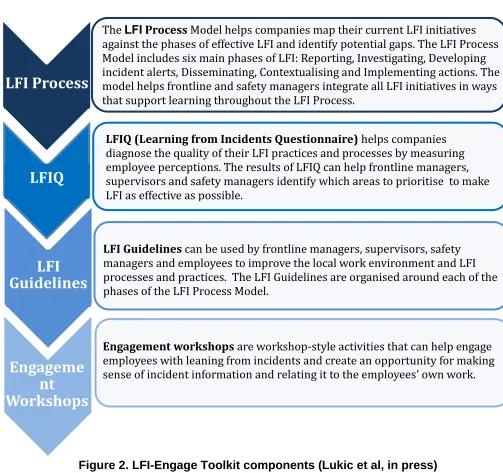
Figure 2. LFI-Engage Toolkit components (Lukic et al, in press)
The seminar participants from industry confirmed the demand within practitioner communities for LFI toolkits, including guidance on good practice, tools to assist investigation and analysis of incidents as well as learning and engagement tools. Specifically, there is a need for LFI toolkits that help industry to identify what matters and what works in terms of improving LFI. The
seminar participants from industry also highlighted the need to identify and involve in
translational activities non-academic actors who are best positioned to trigger real change in practice.
4. Conclusions
We outlined a research and development agenda for the nascent field of Learning from Incidents (LFI). The agenda is based on discussions and knowledge co-production within a three-year, international, interdisciplinary, intersectoral seminar series on LFI representing ten fields - Psychology, Sociology, Human Factors, Ethnomethodology, Learning Sciences,
Engineering, Organisational Learning, Complexity Science, Cognitive Science, Law, Construction.
LFI Process
LFIQ
LFI
Guidelines
Engageme
nt
Workshops
TheLFI Process Modelhelps companies map their current LFI initiatives against the phases of effective LFI and identify potential gaps. The LFI Process Model includes six main phases of LFI: Reporting, Investigating, Developing incident alerts, Disseminating, Contextualising and Implementing actions. The model helps frontline and safety managers integrate all LFI initiatives in ways that support learning throughout the LFI Process.
LFIQ (Learning from Incidents Questionnaire) helps companies diagnose the quality of their LFI practices and processes by measuring employee perceptions. The results of LFIQ can help frontline managers, supervisors and safety managers identify which areas to prioritise to make LFI as effective as possible.
LFI Guidelines can be used by frontline managers, supervisors, safety managers and employees to improve the local work environment and LFI processes and practices. The LFI Guidelines are organised around each of the phases of the LFI Process Model.
The seminars highlighted a core principle that should underpin future R&D in LFI – integration as a core activity - highlighting the need to synthesise the relevant theories, concepts,
methodologies, and disciplinary and sectoral perspectives. The seminars identified LFI as a hybrid problem – one that both influences a significant number of people within a society as well as having a purely scientific importance in terms of development of our knowledge – thereby necessitating a concerted effort by scientists and societal actors (industry,
policymakers, trade unions and professional bodies).
The key challenges for future research and development in LFI include, first, refining the conceptualisation and devising multilevel definitions of LFI to cover individual, team,
intra-organisational and inter-intra-organisational/cross-sectoral levels of LFI. Key activities within the first challenge include defining and operationalising LFI, identifying the desired end-state of LFI and developing a shared nomenclature of LFI. Non-academic stakeholders, including workers, unions, frontline and senior management, policymakers, lawyers, and professional bodies, should be involved in this conceptual development alongside researchers, each testing the other and critically appraising the other in line with their areas of expertise. A broader range of disciplinary perspectives should be brought to bear on the problem, including historians,
lawyers, economists, political scientists and philosophers.
The second challenge is measuring LFI, in particularly developing LFI indicators and metrics as well as extending the methodological repertoire in LFI. Moving forward, a creative combination of existing methods and the development of new methods, with participation from all disciplines and drawing in the expertise of non-academic stakeholders is needed, at the same time making sure that methodological rigour is not forfeited. We call for the broader use of in situ, real-time, objective, longitudinal and multidimensional methods to measure LFI. Emergent, digitally-mediated approaches and methods such as Quantified Self, Big Data, Business and Learning Analytics, behavioural analysis through tracking devices such as portable badges, experience sampling methods using mobile devices, or participatory methods such as Change Laboratory offer potentially powerful ways of uncovering and analysing LFI processes as well as bringing about transformational change in practices.
The third challenge is to advance the understanding of the individual, team, organisational and cross-sectoral factors impacting LFI, moving beyond the current emphasis on the organisational factors. We call for an interdisciplinary, systematic synthesis of the literature on how learning takes place at all these different levels and what the known barriers and enablers at each level are. We propose that from this sort of comprehensive synthesis first principles of LFI -
prescriptive criteria for designing and implementing effective LFI interventions and guiding policy development - be developed. Grounded in state-of-the-art research on how people and organisations learn and fail to learn and actionable, the first principles would help organisations, trade unions, regulatory and professional bodies to rethink and improve their approaches to LFI.
The fourth and final challenge is to strengthen research-practice nexus in LFI, by fostering translational activities, in particular developing toolkits targeted at different types of
stakeholders. Such tools could include practitioner-focused analyses, toolkits with
recommendations and guidance on LFI interventions or measurement and evaluation, specific expert reports, self-diagnostic instruments, or compilations of cross-sector LFI practices worth replication.
Acknowledgements
This work was supported by the UK Economic and Social Research Council [grant number ES/L000512/1]. The authors would like to thank all IP-LFI seminar keynote speakers and participants for their valuable, engaging and stimulating contributions. Special thanks to Professor Rhona Flin (University of Aberdeen), Mr Stuart King (Energy Institute) and Mr Neal Stone (British Safety Council) for hosting and co-funding some of the seminars. Finally, many thanks to Dr Colin Milligan, Dr Manuela Bianco, Dr Catherine Gabelica, Mrs Jennifer Watson, Mrs Fiona Rieley, Ms Clare Blackburne (all Glasgow Caledonian University), Mrs Wendy Booth (University of Aberdeen) and Ms Joy Richardson (University of Southampton) for their help in organising the seminars and producing the seminar reports.
References
Adams, J. (1995). Risk. London: Routledge.
Baumgartner, A., & Seifried, J. (2014). Error climate and how individuals deal with errors in the workplace. C. Harteis et al. (eds.), Discourses on professional learning: On the boundary between learning and working (pp. 95-111). Dordrecht: Springer.
Bergmann, M., Jahn, T., Knobloch, T., Krohn, W., Pohl, Ch., & Schramm, E. (2012). Methods for transdisciplinary research: A primer for practice. Frankfurt/New York: Campus Verlag. Berendt, B., Vuorikari, R., Littlejohn, A., & Margaryan, A. (2014). Learning analytics and their
application in technology-enhanced professional learning. In Littlejohn, A., & Margaryan, A. (Eds.), Technology-enhanced Professional Learning: Processes, practices and tools (pp. 144-157). London: Routledge.
Billett, S. (2002). Toward a workplace pedagogy: Guidance, participation and engagement.
Adult Education Quarterly, 53(1), 27-43.
Billett, S., Harteis, C., & Etelapelto, A. (2008) (Eds.). Emerging perspectives of workplace learning. Rotterdam: Sense Publishers.
Bluma, L. & Reinhorn, J. (2015) (Eds.). A history of the workplace: Environment and health at stake. London: Routledge.
Crossan, M., Lane, H., & White, R. (1999). An organizational learning framework: From intuition to institution. Academy of Management Review, 24(3), 522–537.
Dixon-Woods, M., Suokas, A., Pitchforth, E., & Tarrant, C. (2009). An ethnographic study of classifying and accounting for risk at the sharp end of medical wards. Social Science and Medicine, 69, 362-369.
Drupsteen, L. (2014). Improving organisational safety through better learning from incidents and accidents. Enschede: Ipskamp (PhD thesis, Aalborg University, Denmark).
Drupsteen, L., & Guldenmund, F. (2014). What is learning? A review of the safety literature to define learning from incidents, accidents and disasters. Journal of Contingencies and Crisis Management, 22(2), 81–96.
Engestrom, R. (2013). New forms of transformative agency. In Littlejohn, A., & Margaryan, A. (Eds.), Technology-enhanced professional learning: Processes, practices and tools (pp. 92-109). London: Routledge.
Engestrom, Y. (2005) (Ed.). Developmental Work Research: Expanding Activity Theory in practice. Berlin: Lehmanns Media.
Engestrom, Y., Virkkunen, J., Helle, M., Pihlaja, J., & Poikela, R. (1996). Change Laboratory as a tool for transforming work. Lifelong Learning in Europe, 1(2), 10–17.
Ericsson, K.A., Charness, N., Feltovich, P., & Hoffman, R. (2006) (Eds.) The Cambridge handbook of expertise and expert performance. New York: Cambridge University Press. Eraut, M. (2007). Learning from other people in the workplace. Oxford Review of Education,
Farias, I. (2014). Misrecognizing tsunamis: Ontological politics and cosmopolitan challenges in early warning systems. In Tironi, M., Rodriguez-Giralt, I., & Guggenheim, M. (Eds.),
Disasters and politics: Materials, experiments, preparedness (pp. 61–87). Chichester, UK:
Wiley-Blackwell.
Fruhen, L. S. & Keith, N. (2014). Team cohesion and error culture in risky work environments.
Safety Science, 65, 20-27.
Giddens, A. (1991). Modernity and self-identity: Self and society in the later modern age.
Cambridge: Polity Press.
Gordon, H. (2008). Integrating learning into safety: Developing a robust lessons-learned program, Professional Safety, 53(9), 30.
Green, J. (1997). Risk and misfortune: A sociology of accidents. London: UCL Press. Hopkins, A. (2009). Thinking about process safety indicators. Safety Science, 47, 460-465. Halpin, J. (1966). Zero defects: A new dimension in quality assurance. McGraw-Hill: New York. Hastrup, F. (2011). Weathering the world: Recovery in the wake of the tsunami in a Tamil
fishing village. New York, Oxford: Berghahn Books.
Illeris, K. (2011). The fundamentals of workplace learning: Understanding how people learn in working life. London: Routledge.
Iszatt-White, M. (2007). Catching them at it: An ethnography of rule violation. Ethnography, 8(4), 445–465.
Johnson, R., & Onwuegbuzie, A. (2004). Mixed methods research: A research paradigm whose time has come. Educational Researcher, 33(7),14-26.
Kirkpatrick, D. (1994). Evaluating training programs. San Francisco: Berrett-Koehler. Kletz, T. (2001). Learning from accidents. Oxford: Gulf Professional Publishing. Knowles, M, Holton, E., & Swanson, R. (2012). The adult learner. London: Routledge. Kongsvik, T., Almklov, P., & Fenstad, J. (2010). Organisational safety indicators: Some
conceptual considerations and a supplementary qualitative analysis. Safety Science, 48(10), 1402-1411.
Labib, A., & Harris, M. (2014). Learning how to learn from failures: The Fukushima nuclear disaster. Engineering Failure Analysis, 47(A), 117-128.
Lindberg, A., Hansson, S. O., & Rollenhagen, C. (2010). Learning from accidents: What more do we need to know? Safety Science, 48(6), 714-721.
Littlejohn, A. (2014). Summary of seminar ‘Theorising Learning from Incidents’. Report on IP-LFI seminar 2. [Online]
http://api.ning.com/files/0QhDR-HWkfnHSEbTSipvF7z6hAwY*Qo5ihH7gBwjS0TYnldQz3RkqHW6Hb8fbiWJnU251*I9OmSx WL-56xLtwO0WRTC4pp5W/170714LFISeminar2SummaryFINAL.docx
Littlejohn, A., & Margaryan, A. (2014). Methodologies for researching learning from incidents. Report on IP-LFI Seminar 3. [Online]
http://api.ning.com/files/rkFK1BYzsGj7EVxHArCRiWUZkimFV5Rjm4gA8vyriVF8*K6QcXGgU APjX1g9O0P5OqGNAX53DadU7lRCdoWw5vuCMD*FaVA/LFIMethodsLFISeminar3Output1 81114.docx
Littlejohn, A., Lukic, D., & Margaryan, A. (2015). Comparing safety culture and learning culture.
Risk Management, 16(4), 272-293.
Lukic, D., Littlejohn, A., & Margaryan, A. (in press). Developing and validating the Learning from Incidents Questionnaire. Safety Science Special Issue on Learning from Incidents.
Lukic, D., Margaryan, A., & Littlejohn, A. (in press). Engaging with learning from incidents: From research to practice. Safety Science.
Lukic, D., Littlejohn, A., & Margaryan, A. (2013). Measuring the quality of learning from incidents processes in the workplace. In Proceedings of the Researching Work and Learning Conference (RWL), Stirling, UK.
Lukic, D., Margaryan, A., & Littlejohn, A. (2013). Individual agency in learning from incidents.
Lukic, D., Littlejohn, A., & Margaryan, A. (2012). A framework for learning from incidents in the workplace. Safety Science, 50(4), 950-957.
Lukic, D., Littlejohn, A., & Margaryan, A. (2011). University and industry interaction in learning from incidents. In Proceedings of the 5th International Technology, Education and
Development Conference (INTED 2011). Valencia: IATED.
Lukic, D. (2012). Learning from incidents: A social approach to reducing safety incidents in the workplace. Unpublished doctoral thesis. Glasgow Caledonian University, UK.
Lukic, D., Margaryan, A., & Littlejohn, A. (2010). How organisations learn from safety incidents: A multifaceted problem. Journal of Workplace Learning, 22(7), 428-450.
Malloch, M., Cairns, L., Evans, K., & O’Connor, B. (2011) (Eds.). The SAGE handbook of workplace learning. London: SAGE.
Margaryan, A. (2008). Work-based learning: A blend of pedagogy and technology. VDM Verlag: Saarbruecken.
Margaryan, A., & Collis, B. (2005). Design criteria for work-based learning: Merrill's First Principles of Instruction expanded. British Journal of Educational Technology, 36(5), 725-738.
Margaryan, A., & Littlejohn, A. (2013). Learning from incidents (LFI): Mapping the problem space. Green paper. [Online]
http://api.ning.com/files/zNSLWuvsJ1IgMJi7kOkraO-F0Q6AGAG20JCBPoU08BGjQVzgVHSObPmE7snd5CuwJbD6TzncBGobPHSxuHDEMX3g Zsm888te/301013GCULFIGreenPaper.docx
Margaryan, A., Littlejohn, A., & Watson, J. (2013). Outcomes of the group work session ‘Operationalising LFI’. Report on IP-LFI Seminar 1. [Online]
http://api.ning.com/files/uY3PJt2fxPz-v8IDl-D2nNP1S*gZfnNx1Snp3DNI3jQ2K0u5EHyvXRNkWeQEzvN8a4ux4HrBE9ZmWO4qEl8X4p0 pzPOMZU4H/181213LFISeminar1KeyQuestionsForNING.docx
Myers, Ch., Stats, B., & Gino, F. (2014). “My Bad!”: How internal attribution and ambiguity of
responsibility affect learning from failure. Harvard Business School, Working paper 14-04. [Online] http://ssrn.com/abstract=2426674
Mearns, K., Whitaker, S. & Flin, R. (2003). Safety climate, safety management practice and safety performance in offshore environments. Safety Science, 41, 641-680.
Merriam, Sh., Caffarella, R., & Baumgartner, L. (2007) (Eds.). Learning in adulthood: A comprehensive guide. San-Francisco, CA: Jossey-Bass/John Wiley.
Neal, W. (1992). With disastrous consequences: London disasters 1830-1917. London: Hisarlik Press.
Nisbett, R., & Wilson, T. (1977). Telling more than we can know: Verbal reports on mental processes. Psychological Review, 84(3), 231–259.
Nowak, K. (2016). Teaching self-control: Road safety and traffic education in postwar Germany.
Historical Social Research, 41(1), 135-153.
Noyes, J., & Stanton, N. A. (1997). Engineering psychology: Contribution to system safety.
Computing & Control Engineering Journal, 8(3), 107-112.
Oien, K., Utne, I., & Herrera, I. (2011). Building safety indicators: Part 1 – theoretical foundation. Safety Science, 49, 148–161.
Oien, K., Utne, I., Tinmannsvik, R., & Massaiu, S. (2011). Building safety indicators: Part 2- Application, practices and results. Safety Science, 49(2), 162-171.
Pedler, M. (2002). Accessing local knowledge: Action Learning and Organizational Learning in Walsall. Human Resource Development International 5(4), 523–540.
Perrow, C. (1984). Normal accidents: Living with high-risk technologies. Princeton, NJ: Princeton University Press.
Pintrich, P. & Schunk, D. (1996). Motivation in education: Theory, research and applications. Englewood Cliffs, NJ: Prentice-Hall.
Plant, K. L., & Stanton, N. A. (2012) Why did the pilots shut down the wrong engine? Explaining errors in context using Schema Theory and the Perceptual Cycle Model. Safety Science, 50(2), 300-315.
Rainbird, H., Fuller, A., & Munro, A. (2004) (Eds.) Workplace learning in context. London: Routledge.
Repko, A. (2012). Interdisciplinary research: Process and theory. Los Angeles: SAGE. Ricci, F., Chiesi, A., Bisio, C., Panari, Ch, & Pelosi, A. (2016). Effectiveness of occupational
health and safety training: A systematic review with meta-analysis. Journal of Workplace Learning [online first].
Rollenhagen, C. (2010). Can focus on safety culture become an excuse for not rethinking design of technology? Safety Science, 48, 268–278.
Rollenhagen, C., Westerlund, J., Lundberg, J., & Hollnagel, E. (2010). The context and habits of accident investigation practices: A study of 108 Swedish investigators. Safety Science, 48, 859-867.
Rosness,R., Blakstad,H., Forsteth, U., Dahle, I., & Wiig, S. (2012). Environmental conditions for safety work: Theoretical foundations. Safety Science, 50(10), 1967–1976.
Salmon, P. M., Stanton, N. A., Lenné, M., Jenkins, D. P., Rafferty, L. A., & Walker, G. H. (2011). Human factors methods and accident analysis: Practical guidance and case study applications. Farnham: Ashgate.
Salmon, P.M., Walker, G.H., & Stanton, N. A. (2016). Pilot error versus sociotechnical systems failure: A distributed situation awareness analysis of Air France 447. Theoretical Issues in Ergonomics Science, 17(1), 64-79.
Sanne, J. (2012). Learning from adverse events in the nuclear power industry: Organizational learning, policy making and normalization. Technology in Society, 34(3), 239-250.
Scott, S., & Freeman, R. (1995). Prevention as a problem of modernity: The example of HIV and AIDS. Sociology of Health and Illness Monograph Series, 151-170.
Smith. C., & De Frates-Densch, N. (2008) (Eds). Handbook of research on adult learning and development. London: Routledge.
Smith, E., Roels, R., & King, S. (2015). Guidance on learning from incidents, accidents and events. In Proceedings of Hazards 25 Conference, 13-15 May, Edinburgh, UK. [Online]
http://blogs.dnvgl.com/oilgas/wp-content/uploads/2015/05/LFI-Paper.pdf
Spector, P., & Meier, L. (2014). Methodologies or the study of organizational behaviour
processes: How to find your keys in the dark. Journal of Organizational Behavior, 35, 1109-1119.
Townsend, C., & Heit, E. (2011). Judgements of learning and improvement. Memory & Cognition, 39(2), 204–216.
Vaughan, D. (1996). The Challenger launch decision: Risky technology, culture, and deviance at NASA. Chicago: The University of Chicago Press.
Walker, G.H., Stanton, N.A., Salmon, P. M., & Jenkins, D.P. (2008). A review of sociotechnical systems theory: A classic concept for new command and control paradigms. Theoretical Issues in Ergonomics Science, 9(6), 479-499.
Weick, K., & Sutcliffe, K. (2007). Managing the unexpected. San Francisco: Jossey-Bass. Weszkalnys, G. (2014). Anticipating oil: The temporal politics of a disaster yet to come. The
Sociological Review, 62, 211-235.
Ybema, S., Yanow, D., Wels, H., & Kamsteeg, F. (2009) (Eds.). Organizational ethnography: Studying the complexities of everyday life. Los Angeles: Sage.
Zwetsloot, G., Aaltonen, M., Wybo, J-L., Saari, J., Kines, P., & Beeck, R. (2013). The case for research into zero accident vision. Safety Science, 58, 41-48.