DEVELOPING A MEASURE OF HOPE FOR EXPLORING HIV-RELATED RISKS AMONG YOUNG SOUTH AFRICAN WOMEN IN A HIGH PREVALENCE SETTING
Laurie Ann Abler
A dissertation submitted to the faculty of the University of North Carolina at Chapel Hill in partial fulfillment of the requirements for the degree of Doctor of Philosophy in the Department
of Health Behavior.
Chapel Hill 2012
Approved by:
Suzanne Maman, PhD
Robert DeVellis, PhD
Vangie Foshee, PhD
Catherine MacPhail, PhD
iii ABSTRACT
LAURIE ANN ABLER: Developing a Measure of Hope for Exploring HIV-related Risks among Young South African Women in a High Prevalence Setting
(Under the direction of Suzanne Maman)
Introduction: Young women in South Africa are disproportionately affected by HIV. Recent research has focused on how structural factors, including adverse risk environments, increase HIV risk. Hope is a psychosocial strength that may help explain how adverse risk environments influence risk behaviors. The objective of this study is to create and validate a hope measure with young women in South Africa, and then use the measure to explore the relationship between hope, the risk environment and risk behaviors guided by the Hope and HIV Prevention framework.
Methods: Hope was studied using mixed-methods research. In-depth interviews with young women who were enrolled in- and dropped-out of school, their parents, and a secondary school teacher were conducted together with focus group discussions with young women to develop the hope scale. The scale was administered within a cross-sectional survey collected from 2135 young women, aged 13-20, enrolled in secondary school. Reliability and validity were evaluated using factor analysis and calculating correlations. Logistic regression was used to test
associations between hope, the risk environment and risk behaviors, and whether hope mediates the relationship between the risk environment and risk behaviors.
factor analysis revealed only one dimension containing items from the three hypothesized domains. Correlations with related constructs showed preliminary support for the validity of the scale. Reliability was high (Cronbach’s α=0.95).
A majority of young women reported high hope (88.6%). Hope was related to sexual debut, but not to condom use or early sexual debut. Young women in households with more
consumption, no biological parent, older average household age, and fewer youth enrolled in school were more likely to report high hope. There was some evidence that hope mediated the relationship between the risk environment and sexual debut.
v DEDICATION
To my mother, Donna Mae Abler, for instilling me with the means for hopefulness
ACKNOWLEDGEMENTS
My hope throughout the process of completing this dissertation was sustained by innumerable colleagues, friends, and family to whom I am immensely grateful. Without them, this dissertation would not have been possible. These words only begin to convey the degree of thanks I have for their support.
This dissertation emerged out of a half a year of field work in South Africa, where it is impossible to separate work relationships from friendships. My fondest memories of those months involve interactions with the Conditional Cash Transfer pilot and the Agincourt Health and Population Unit staff. I am indebted to the team of fieldworkers who directly helped me collect and manage data from participants during my field work in South Africa – to Nester Monareng and Plantain Gugu Sibuyu who worked as my interviewers and translators, in more ways than one, to Angel Kulani for putting Shangaan into English, and to Levy Ngobeni for navigating the Agincourt communities. I am thankful for the advice that Kathy Kahn and Mark Collinson provided on my study based on their long-term research experience working in
Agincourt. Numerous other staff (who also became friends) associated with the Conditional Cash Transfer pilot study made my work easier – Sarah Kagan, Mpumi and Lulu, Christopher
Manyamba and Samson Khoza for liaising with the Agincourt communities, Paul Mee, Ngoni and Doreen, and Rhian Twine. I give special thanks to Mandie Selin for bridging the personal friendship and professional relationship we developed in South Africa and bringing it back to the U.S. Others in South Africa provided their friendship and compassion, especially Leah
vii
The feedback and involvement of my dissertation committee was essential to my success. I extend my deepest gratitude to my dissertation chair and advisor, Suzanne Maman, who has mentored me with patience and support for over eight years beginning with my MPH, through project coordination on a study in Tanzania on which she was involved, and culminating in this dissertation. I appreciate Suzanne’s indefatigable investment in the process of mentoring and building my capacity, of teaching by showing and telling as well as discussing, and of giving me the space to learn from my mistakes. I hope one day to be as talented, thoughtful, insightful, knowledgeable and giving as her.
I am also thankful for having a supportive committee who challenged me to think, clarify ideas and grow intellectually – to Audrey Pettifor for helping me develop the idea of studying hope and providing the means to conduct the research as part of her intervention work with young women in South Africa; to Vangie Foshee for sharing her wisdom regarding adolescents and fostering my writing skills to help me communicate more clearly; to Bob DeVellis for modeling a collaborative teaching relationship while sharing his scale development expertise; and to
Catherine MacPhail for helping reveal the nuances of young women’s experiences in South Africa.
In addition to my committee members, other faculty at UNC provided support, guidance and mentorship for my professional development. In particularly, I am grateful to the China R24 for modeling what healthy, collaborative, global health research groups should look like – Gail Henderson, Carol Golin, Sharon Weir, and Jane Brown.
writing this dissertation was motivated by my writing group who dispensed endless advice and accountability as I developed my dissertation path – Ali Groves, Malena Rousseau, and Mary Bratsch.
My family – especially my dad and step-mom – has long encouraged me to engage my curiosity and in doing so has somehow learned to accept my proclivity for spending extended amounts of time living outside of the U.S. I am thankful that they are always there for me and for continuing to support me regardless of the physical distance.
I offer a large debt of gratitude and love to Malena Rousseau, my partner, best friend, and confidant. Every day during the dissertation process she provided tangible and intangible support, offering a mix of humor and distraction when I needed a break and doling out sage advice and asking probing questions to improve the soundness of my research. Her assistance kept me on track in countless ways, and it will be my pleasure to use what she has taught me so that I can return the favor to her as she progresses with her dissertation.
Finally, I give my heartfelt thanks to the young women who participated in this study and others like them in South Africa, as well as the parents and the teacher who were involved. They entrusted me with their stories, their hardships, their hopes and their thoughts about the future. Feeling indebted to the generosity of these young women and sharing their findings served as my ultimate source of hope for this dissertation.
ix
TABLE OF CONTENTS
TABLE OF CONTENTS ... ix
LIST OF TABLES ... xiii
LIST OF FIGURES ... xiv
LIST OF ABBREVIATIONS ... xv
CHAPTER 1: INTRODUCTION ... 1
1.1 Problem statement ... 1
1.2 Study purpose ... 4
1.3 Study rationale ... 4
1.4 Study design and aims ... 6
1.5 Significance ... 7
1.6 Organization of the dissertation ... 8
CHAPTER 2: BACKGROUND... 9
2.1 Chapter overview ... 9
2.2 Epidemiological profile of HIV ... 10
2.2.1 HIV in Southern Africa ... 10
2.2.2 Influence of South African history on HIV ... 10
2.2.3 HIV in South Africa ... 12
2.3 HIV risk factors for young women in South Africa ... 14
2.3.1 Individual-level HIV behavioral risk factors in South Africa ... 14
2.3.3 Relational risk factors ... 20
2.4 Behavioral interventions prevent the spread of HIV ... 30
2.4.1 Behavioral interventions for adolescents ... 31
2.4.2 Behavior interventions are ineffective at the population level ... 32
2.5 Structural HIV interventions need to be studied ... 33
2.5.1 Cash transfers as structural interventions ... 34
2.5.2 Overview of the conditional cash transfer intervention parent study ... 34
CHAPTER 3: HOPE THEORY ... 36
3.1 Chapter overview ... 36
3.2 Interdisciplinary development of hope theory ... 36
3.3 Hope scale constructs/domains ... 41
3.3.1 Key components of the hope construct in the literature ... 46
3.3.2 Inadequacy of existing hope measures for young women in South Africa ... 47
3.4 Study definition of hope ... 48
3.4.1 Domain 1: Anticipation of a positive future ... 50
3.4.2 Domain 2: Personal motivation to achieve goals ... 51
3.4.3 Domain 3: Influence of others on hope ... 51
3.5 Linking hope to HIV ... 51
3.5.1 Hope among PLWHA ... 52
3.5.2 Hope and health behaviors, including HIV-related risk behaviors ... 53
3.5.3 Hope and the risk environment ... 54
3.5.4 Conceptual links between hope and HIV risk ... 55
CHAPTER 4: STUDY AIMS, RESEARCH QUESTIONS, HYPOTHESES, AND CONCEPTUAL MODEL ... 58
xi
4.2 Study aims, research questions and hypotheses ... 58
4.3 Conceptual Model ... 63
CHAPTER 5: HOPE MATTERS: DEVELOPING AND VALIDATING A MEASURE OF FUTURE EXPECTATIONS AMONG YOUNG WOMEN IN A HIGH HIV PREVALENCE SETTING IN RURAL SOUTH AFRICA ... 67
5.1 Introduction ... 67
5.2 Methods ... 73
5.3 Results ... 80
5.4 Discussion ... 88
CHAPTER 6: HOPE’S RELATIONSHIP WITH THE HOUSEHOLD RISK ENVIRONMENT AND SEXUAL RISK BEHAVIORS AMONG YOUNG WOMEN IN RURAL SOUTH AFRICA ... 94
6.1 Introduction ... 94
6.2 Methods ... 100
6.3 Results ... 106
6.4 Discussion ... 115
CHAPTER 7: DISCUSSION ... 124
7.1 Summary of Findings ... 124
7.2 Study Strengths ... 128
7.3 Study limitations ... 131
7.4 Implications for Theory ... 134
7.5 Implications for Public Health Practice ... 136
7.6 Implications for Future Research ... 139
APPENDIX I: IN-DEPTH INTERVIEW GUIDE ... 143
APPENDIX II: FOCUS GROUP DISCUSSION GUIDE ... 146
xiii
LIST OF TABLES
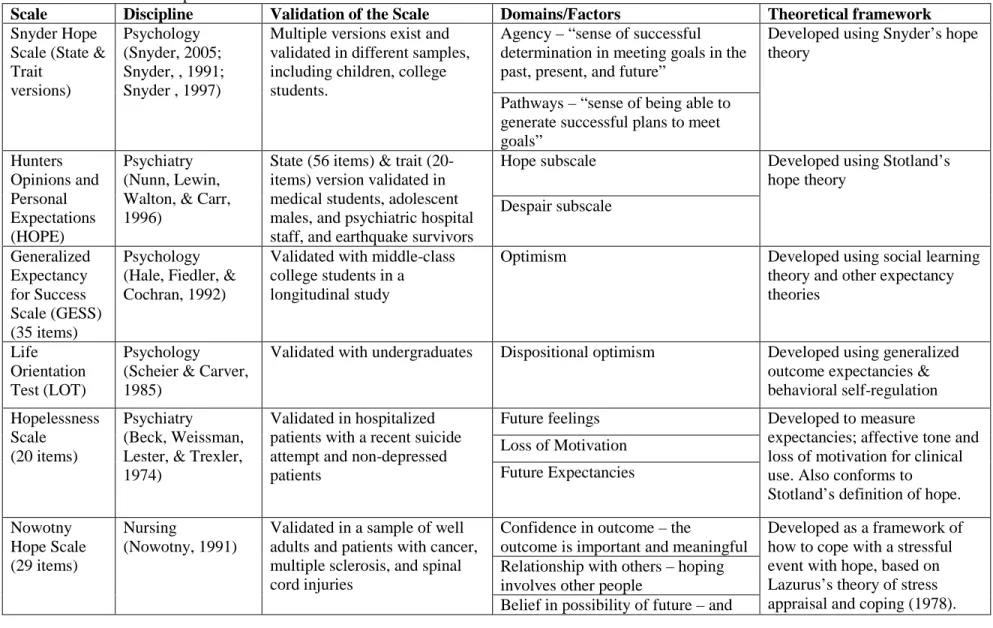
Table 3.1 Measures of hope and related constructs………43
Table 3.2 Overview of hope domains and related constructs in
the hope theory and measurement literature….……….………50
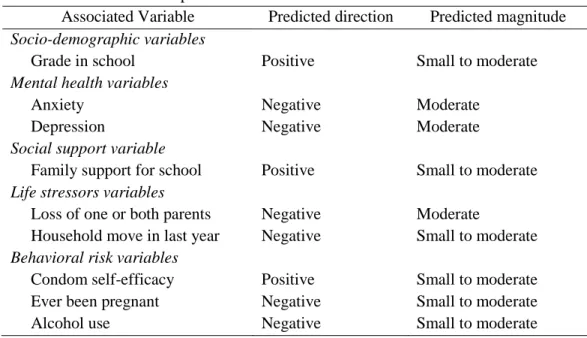
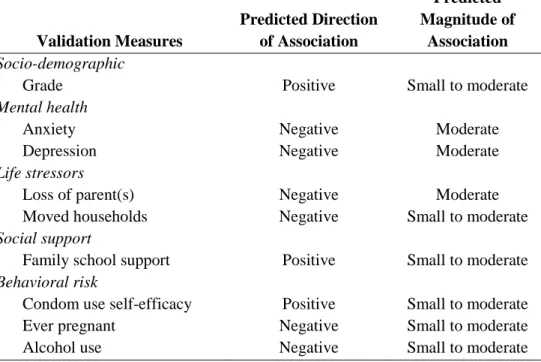
Table 4.1 Construct validity of the new hope measure
by hypothesizing the magnitude and direction of its
relationship with other measures….………...60
Table 5.1 Direction and magnitude of hypothesized
relationships between validation variables and hope..……...80
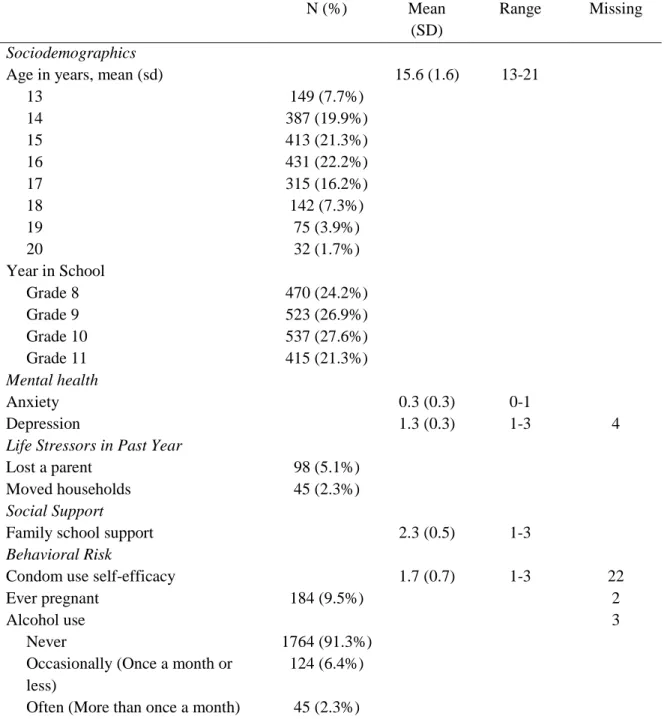
Table 5.2 Descriptive characteristics of the sample of 13-20
year old young women in Agincourt, South Africa………82
Table 5.3 Distribution of the hope items………....……83
Table 5.4 Factor loadings for hope – the final single factor
solution……….…………...……....87
Table 5.5 Construct validity assessment using Pearson’s
correlation with the mean hope score………...…….…...88
Table 6.1 Characteristics of the South African young
women and their households………...……….………....107
Table 6.2 Associations between the household risk
environment and low and high hope…...………..………...109
Table 6.3 Unadjusted and age-adjusted odds ratios for sexual
risk behaviors regressed on hope…………...…….…………..111
Table 6.4 Multivariate association between household risk
LIST OF FIGURES
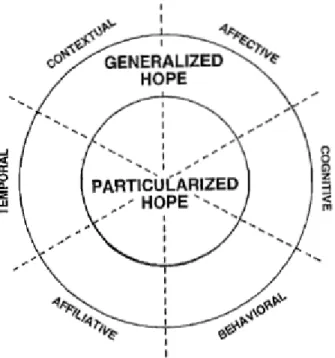
Figure 3.1 Conceptual model of the spheres and dimensions of hope………39
Figure 3.2 Conceptual model of Snyder’s hope theory………...41
Figure 3.3 The Hope and HIV Prevention framework………57
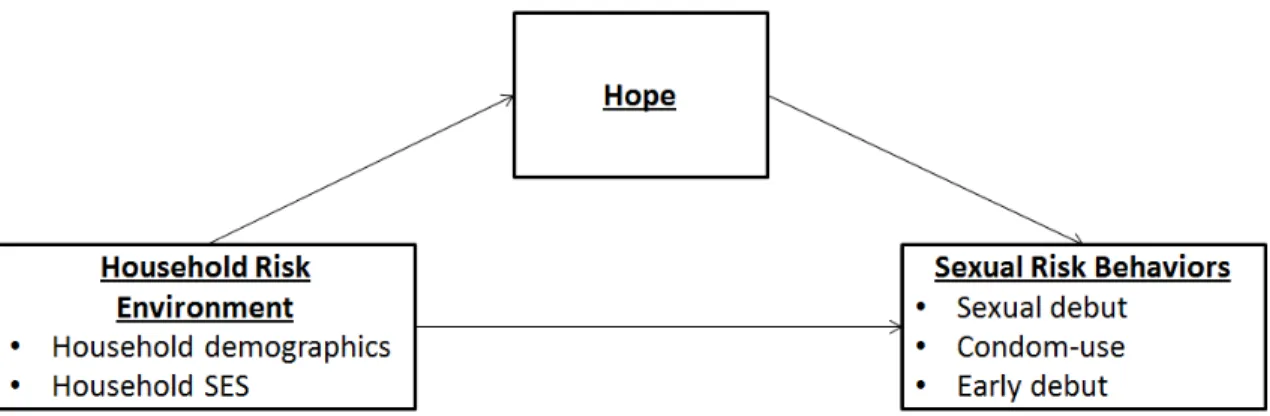
Figure 4.1 Conceptual model for study Aim 3………64
Figure 5.1 Eigenvalues for the young women’s sample data and the 100 simulated datasets……….…...………...86
Figure 6.1 Analysis for the mediation by hope of the relationship between number of youth in school and sexual debut…...……....…..114
xv
LIST OF ABBREVIATIONS
ACASI Audio Computer-assisted Self-interview
AHDSS Agincourt Health and Demographic Surveillance Survey
AOR Adjusted Odds Ratio
ART Anti-retroviral Therapy
CASI Computer-assisted Self-interview
CCT Conditional Cash Transfer
CDI Children’s Depression Inventory
CI Confidence Interval
FA Future Anticipation (Hope scale domain)
GBV Gender-based Violence
HAART Highly Active Anti-retroviral Therapy
HIV Human Immunodeficiency Virus
HSV-2 Herpes Simplex Virus 2
IO Influence of Others on Hope (Hope scale domain)
IRB Internal Review Board
OR Odds Ratio
PLWHA People Living with HIV/AIDS
PM Personal Motivation to Achieve Goals (Hope scale domain) RMCAS2 Revised Children’s Manifest Anxiety Scale (version 2)
SES Socio-economic Status
STI Sexually-transmitted Infection
UNC University of North Carolina
CHAPTER 1: INTRODUCTION 1.1 Problem statement
South Africa has one of the largest HIV epidemics in the world. An estimated 5.6 million people in a country of approximately 50 million are infected with HIV (UNAIDS, 2012). The epidemic in South Africa is spread predominantly by heterosexual transmission, putting many of the sexually active population at risk for HIV. Young women in South Africa bear the majority of the burden of the HIV epidemic. For every young man ages 15-24 infected with HIV, there are more than three young women ages 15-24 who are infected (UNAIDS, 2010).
Many resources in South Africa have been dedicated to responding to the HIV epidemic and containing the high prevalence, as well as treating and caring for people already infected with HIV. Investments and research into new biological innovations to prevent HIV show promise – such as the identification of circumcision as a means of reducing men’s chance of infection by up to 60% in the South African context (Auvert et al., 2005) and the use of early anti-retroviral therapy (ART) for discordant couples (Cohen et al., 2011) – but the policy changes, effectiveness trials, and translational research necessary for their implementation slow down their scale-up. For South Africans already infected with HIV, government roll-out of anti-retroviral therapy has increased to approximately 80% coverage of those eligible for treatment (Johnson, 2012). These measures and other efforts have led to success in stabilizing the epidemic; HIV prevalence has maintained a plateau for the last five years at approximately 16% for adults ages 15-49
2
Even if there were an adequate biomedical intervention for HIV, like a vaccine, much of the bulk of containing the further spread of HIV relies on improving behavioral mechanisms to reduce the HIV risk. Research has identified numerous behaviors that increase HIV transmission risk for young women, including concurrent partners, unprotected sex, transactional sex, alcohol use, early age of sexual debut and gender-based violence in relationships. Together with other biological efforts, behavioral interventions for HIV – including peer education, health education, condom promotion, testing mobilization, and school-based activities – have been introduced to reduce risk behaviors and therefore decrease young women’s chances of HIV infection in South Africa. Although many of these behavioral interventions have been efficacious at reducing risk behaviors, they have not shown a concomitant reduction in HIV incidence.
As a result of the limited success of behavioral interventions, HIV prevention research has paid greater attention to structural approaches for supporting behavior change at the population level in order to decrease the prevalence of HIV. These efforts, known as structural interventions, aim to develop the environment, the systems, and the infrastructures needed to facilitate changes in risk behavior. Structural interventions “locate the source of public-health problems in factors in the social, economic and political environments that shape and constrain individual, community, and societal health outcomes” (Blankenship, Bray, & Merson, 2000). They include a multitude of efforts to reduce the spread of HIV, ranging from reducing poverty, increasing education access, promoting gender equality, strengthening health care systems and access, and addressing historically created racial disparities. As researchers identify the structural determinants of HIV, prevention is shifting from solely focusing on individual behavior change to altering the structural factors that contribute to higher HIV prevalence.
ultimately need to reduce risk behaviors at the individual level in order to impact the prevalence of HIV. Psychosocial factors are the individual-level cognitive and emotional psychological characteristics that are influenced by both social and behavioral factors (Martikainen, Bartley, & Lahelma, 2002). These psychosocial factors are potential intermediate outcomes of structural improvements to the environment, but little is known about this association in the context of an HIV epidemic. This study focuses on “risk environments” in settings with a high prevalence of HIV, which are the social, physical, financial, and political structures that increase the risk of HIV transmission (Rhodes & Simic, 2005). By studying how psychosocial strengths are impacted by the risk environment, we may be able to describe the mechanisms used by structural
interventions to alter the risk environments that lead to behavior change. Hope is a an example of a psychosocial factor that may be strengthened by improvements to the risk environment (Barnett, 2008b).The “Hope and HIV Prevention” framework has been developed to conceptualize hope as psychosocial strength that acts to bridge the effect of the risk environment on sexual risk
behaviors (Bernays, Rhodes, & Barnett, 2007). As structural improvements are made, it is likely that the changes lead to increased access to opportunities, which further results in more hope for the future. Hope can help people modulate their behavior in ways that model how they envision their future.
The risk environment not only influences hope, but hope has also been shown in turn to affect health behaviors and outcomes. In relation to general and clinical health, hope has been
researched predominantly with regards to coping with a disease diagnosis. In the last 50 years, conceptualizations of hope have been developed to understand hopeful responses to a diagnosis of a chronic or an acute disease, for example cancer (Crothers, Tomter, & Garske, 2005; Fehring, Miller, & Shaw, 1997) and mental illness (Bland & Darlington, 2002; Schrank, Hayward,
4
2000; Harris & Larsen, 2008). Although hope plays an important role in improving well-being and coping with a disease, little is known about how hope relates to sexual risk behaviors that promote the transmission of HIV.
Prior to understanding how changes to the risk environment may help improve hope, it is important to have a culturally appropriate means of measuring hope along with a better understanding of how the risk environment and sexual risk behaviors are related to hope. As a result of a numerous hope studies in various contexts and disciplines, many hope measures exist. The majority of these measures have been developed in laboratory or clinical settings, which do not necessarily have transferability to community-based settings. Also, all of the known measures have been created in the United States or other resource rich settings, while none have been created specifically for use in low-resource settings like South Africa. There is a need for scale development work to create a hope measure that is applicable for a high HIV prevalence setting like South Africa.
1.2 Study purpose
The overall objective of this study was to create and validate a measure of hope for use with young women in South Africa. The specific purpose was to use mixed-methods research to explore what hope means for rural young women in South Africa and use that information, coupled with pre-existing hope theory, to develop and validate a hope scale. The scale was then used to test hope’s relationships with the risk environment at the household level and HIV-related sexual risk behaviors in young women participating in a structural intervention study in South Africa.
1.3 Study rationale
Cash Transfer (CCT) parent study is a randomized control trial that uses a 2x2 factorial design, to assess how altering two structural factors – the creation of educational opportunities for young women and equal gender norms for young men – in 24 rural communities in South Africa impacts young women’s HIV incidence. The first intervention activity is conditional cash transfers to young women ages 13-20, which are small payments made to young women and their families to reduce the financial barriers that otherwise may prevent young women from remaining enrolled in school, but are conditional on young women attending school on a regular basis. Half of the young women enrolled in the CCT study are assigned randomly into the intervention arm to receive the conditional cash transfer, while the other half of the young women are randomized into the comparison arm and will not receive a conditional cash transfer. Prior to launch of the CCT trial, a pilot trial of the conditional cash transfer intervention arm was conducted with 40 young women, ages 14-20, enrolled in ninth grade at one secondary school. The main purpose of the pilot activities was to determine the feasibility and acceptability of provision of the
conditional cash transfers, and to pilot test the study data collection tools. In addition to the cash transfers, the second intervention activity of the CCT parent study provides community
mobilization activities targeting young men ages 18-35 to improve gender equality and foster an environment where young women and men can successfully change their HIV risk behaviors. Community mobilization activities have been assigned randomly to occur with men in 12 of the 24 study communities. The main study outcome for the CCT intervention trial is biological – HIV incidence among the young women participants in the cash transfer arm of the study. The
secondary aims of the CCT study are to understand the impact of the intervention on young women’s HIV-related sexual risk behaviors – such as unprotected sex, number of sex partners, partner age differences, age of first sex, and pregnancy.
6
baseline data, the hope scale could not be used to evaluate the effect of the conditional cash transfers on changes in hope. This exploratory research will help inform future research within CCT and potentially other structural interventions to test intervention effects on sexual risk behavior and HIV transmission via action on hope.
1.4 Study design and aims
To develop and test the hope scale, this study contained two phases of mixed-methods research. The first phase involved formative qualitative research conducted to develop an understanding of how young women conceptualize what hope means in their lives in order to inform the creation of a measure of hope. Because education may influence how young women talk about their hope and future, study participants for the formative research included young women who are currently enrolled in school and young women who were not currently enrolled in school nor have graduated from high school, as well as parents/caregivers and teachers who can talk about the young women’s experiences and hope. Along with a literature review of previous hope theory and scale development, the data collected from the first phase informed the development of the hope scale.
The second phase of the research used cross-sectional data from the baseline CCT survey collected prior to young women’s randomization into an intervention or control study arm. With a baseline sample of 2135 young women available, this study first used these data to finalize the factor structure and validate the hope scale and then explored the relationship of hope with the risk environmental and sexual risk behaviors.
To guide the two phases of data collection, this study was supported by three research aims:
• Specific Aim 1 (Qualitative Phase 1) – To conduct formative research to describe South
• Specific Aim 2 (Quantitative Phase 2) – To develop and validate a scale that reliably
measures the construct of hope in a sample of young women in rural South Africa.
• Specific Aim 3 (Quantitative Phase 2) – To empirically test the relationship between
South African young women’s risk environment and hope, between hope and sexual risk behaviors, and whether hope mediates the relationship between the risk environment and sexual risk behaviors.
1.5 Significance
The study findings fill a critical gap in understanding young women’s hope in South Africa. This study creates the first measure of hope developed specifically for use in South Africa and for understanding the HIV epidemic in a high prevalence setting. The hope scale is validated within a sample of young women in rural South Africa, a country which bears a disproportionate burden of the world’s HIV epidemic. Beyond the impact of developing and validating a hope scale, this work elucidates important elements of the risk environment and sexual risk behaviors which are associated with young women’s hope. The explorations of the hope construct conducted in this study with young women, and the testing of hope’s relationships with the household-level risk environment and sexual risk behavior provides new insights into how to improve hope as an individual-level psychological strength. Although this research cannot test hope as an outcome of the CCT structural intervention because the study was conducted at baseline, the findings provide evidence that hope may be a relevant factor to explore in order to explain how structural
interventions outcome of such interventions that affects behavior change.
8
behaviors. The research may have further implications for considering hope as a determinant of other health behaviors that can be applied in other settings, with other health problems.
1.6 Organization of the dissertation
CHAPTER 2: BACKGROUND 2.1 Chapter overview
This chapter provides a broad overview of the HIV epidemic in South Africa with an emphasis on individual-level, relationship-level and environmental-level determinants of HIV risk for young women. Also, the chapter addresses HIV prevention efforts that intervene on young women’s HIV risk. The information provided in this chapter explores the environmental context in which young South African women live through a description of behaviors and other factors that relate to their HIV risk. Although numerous aspects of young women’s HIV risk are covered in this chapter which do not apply directly to constructs measured in the dissertation research, their inclusion helps to demonstrate that much of young women’s HIV risk in South Africa is influenced by factors outside of their immediate control in an adverse risk environment. The description of the HIV-related literature in this chapter provides a foundation for considering how hope may be used to understand the connection between risk environments and risk
behaviors (see Chapter 3). The overview of young women’s risk in this chapter addresses: 1) the epidemiology of HIV in Southern and South Africa; 2) individual risk behaviors that increase young women’s likelihood of acquiring HIV; 3) relationship risks and environmental-level factors that increase the risk of HIV infection in young women; 4) behavioral and structural interventions to address the HIV epidemic in light of HIV-related sexual risk behaviors; and 5) an overview of the parent study – the Conditional Cash Transfer (CCT) HIV prevention trial
10 2.2 Epidemiological profile of HIV
2.2.1 HIV in Southern Africa
HIV in Southern Africa is spread predominantly by heterosexual transmission (Wilson, Wright, Safrit, & Rudy, 2010). Currently, 71% of all new HIV infections worldwide occur in Sub Saharan Africa (Jewkes, 2010) and the region accounts for 35% of the world’s population
infected with HIV (UNAIDS, 2010). In 2007, there were 1.9 million new HIV cases in Sub-Saharan Africa, corresponding to two to three new infections for every person who initiated anti-retroviral therapy (ART) to treat HIV that year (UNAIDS, 2010). While other regions in Africa have epidemics that have stabilized or decreased, this is not the case for all of Southern Africa. Drivers of the epidemic – such as labor migration, concurrent sexual partnerships, gender inequalities and limited access to male condoms – impede efforts to get the epidemic under control (Beyrer & Mayer, 2007).
Women in Southern Africa bear a majority of the burden of the HIV epidemic. Globally, 50% of HIV-infected women 15 years or older live in Southern Africa, which amounts to more than 60% of all the infections in Southern Africa (UNAIDS, 2008). Young women ages 15-24 in Southern Africa are approximately eight times as likely to have HIV than their male peers (UNAIDS, 2010). As women age, they experience a faster increase in HIV infection rate than young men, and women reach a peak in prevalence at a younger age than men (Gouws, Stanecki, Lyerla, & Ghys, 2008).
2.2.2 Influence of South African history on HIV
At the time when HIV was first identified in South Africa in 1982, the country was in the midst of some its most difficult and violent struggles against apartheid – the institutionalized social, political, cultural and economic segregation of South Africans based on racial
in 1990 to about 10% in 1995 among antenatal clinic attendees (Abdool Karim & Abdool Karim, 2002) – the Republic of South Africa was emerging as a free democracy with the black majority population voting for the first time in the country’s history. Although many complex factors have played a role in creating one of the largest HIV epidemics in the world, the legacy of apartheid continues to frame the country’s HIV epidemic over fifteen years after the advent of political enfranchisement for all South Africans.
The public health response in the early years of the HIV epidemic was inadequate because the apartheid government was not concerned with prioritizing a problem affecting gay men and black people, the population most impacted by the political and social oppression (Abdool Karim & Abdool Karim, 2002; Marks, 2002). In addition, the apartheid policy of institutionalized segregation meant that black people in the country were systematically relegated to lesser jobs, education, land and housing options, health and social services, natural resources, and food security, which further exacerbated the inadequacy of the HIV response to stop the epidemic. One enduring example of how the apartheid system aided the spread of HIV was (and still is)
migration (Lurie et al., 2003). Black families were separated by the apartheid economic system, in which only those who were employed were entitled access to urban economic centers and meager residences in the surrounding townships, while unemployed spouses (typically women) and children were left behind in the traditional homelands. This migratory system affected the community social cohesion that is protective for HIV (Marks, 2002) and supported migrant men having multiple partners between their two urban and rural homes (Abdool Karim & Abdool Karim, 2002).
12
Walker, 2002). Gender identity in South Africa, coupled with sexual norms and behavior, has undergone rapid changes as a result of the social and political shifts into and then out of the apartheid system which occurred in the last half a century (Hunter, 2005). The enduring elements of apartheid’s unequal social order continue to support gender inequality, masculine dominance, and gender-based violence, all linked to HIV infections in women (Jewkes & Morrell, 2010). In responding to the HIV epidemic in South Africa, a basic understanding of these historical issues is important to situate how the epidemic is manifest today.
2.2.3 HIV in South Africa
More people in South Africa live infected with HIV than in any other country in the world; there were approximately 5.6 million people living with HIV/AIDS (PLWHA) in 2008 in South Africa (UNAIDS, 2010). Since 2002, the HIV prevalence in South Africa has stabilized around 11% (Gouws et al., 2008; Katz & Low-Beer, 2008; Shisana, 2009), though in many other
Besides gender, location in South Africa plays a role in determining the epidemic profile of the prevalence of HIV. Among those infected, the urban informal settlements have the highest prevalence (17.6%), followed by rural informal (11.6%), rural formal (9.9%) and urban formal settlements (9.1%) (Shisana, Rehle, Simbayi, & Mbelle, 2008). Historically, informal settlements did not have a government structure with resources that could guide the development of those communities, though such a government is now in place. Like urban informal areas, rural informal areas are densely populated, but differ in the continued dearth of essential community services, especially health care, and the long distances from urban economic centers. The lack of services and resources affect the informal communities’ ability to respond to HIV, thereby affecting the prevalence of HIV.
14 2.3 HIV risk factors for young women in South Africa
HIV in South Africa is predominantly spread through heterosexual intercourse, especially for young South African women. Numerous determinants at the individual, relationship, and
environmental level have been identified and studied to show how young women are particularly at high risk for HIV in this setting. Each of these determinants demonstrate the increased risk of HIV transmission in high prevalence setting, but little is known about the potential for
psychosocial strengths like hope to protect young South African women against these risks of HIV.
2.3.1 Individual-level HIV behavioral risk factors in South Africa
In addition to biological factors that predispose women to HIV risk (Abdool Karim, Sibeko, & Baxter, 2010), a number of behavioral sexual risk factors make young women susceptible to HIV infection. When considering which behavioral risk factors to target for HIV prevention, the most basic determinants focus on how HIV is predominantly spread through unprotected
heterosexual sex. Consideration of gender-specific HIV risks adds nuance to our understanding of how young women learn and navigate their sexuality in a high prevalence HIV setting like South Africa. Along with unprotected sex, both age of sexual debut which lengthens the time in which one can contract HIV and multiple and/or concurrent partners influence a young women’s chances of being infected by HIV.
2.3.1.1 Age of sexual debut
For young women, delaying their first sexual experience is associated with decreased risk of HIV infection. The younger a woman is when she first has sex, the longer the duration of sexual activity and the more partners she is likely to have by the age of 24, leading to higher risk of HIV transmission (Mpofu, Flisher, Bility, Onya, & Lombard, 2006). Early sexual debut also is
greater high risk behaviors in subsequent partnerships, and more partners over her lifetime (Mpofu et al., 2006; Wellings et al., 2006).
In Southern Africa, approximately 16% of girls had experienced sexual debut prior to the age of 15 (Peltzer, 2010). In a nationally representative sample of South African youth ages 15-24, 8% of young women reported that their first sexual encounter occurred before they reached the age of 15 (Pettifor, O'Brien, MacPhail, Miller, & Rees, 2009). Although young women are less likely than young men to initiate sex before the age of 15, likely due to social norms, the HIV risk ramifications for young women who start having sex at an earlier age are greater than they are for young men. Reports of nearly half (46%) of young women show that their first sexual experience was coerced (Maharaj & Munthree, 2007), though more conservative estimates range from 10-20% (Dunkle et al., 2004). Young women are more likely to report that they were forced to have sex at sexual debut than young men (Pettifor et al., 2009), and young women who start having sex at a young age are more likely to have been coerced or violated during their first sexual
experience compared to young women who delay first sex (Moore, Awusabo-Asare, Madise, John-Langba, & Kumi-Kyereme, 2007). The greater the age of a young woman’s male partner at first sex, the greater her chance of reporting sexual debut before the age of 15 (Pettifor et al., 2009). An earlier age of sexual debut is associated with non-condom use at first sex (Maharaj & Munthree, 2007), especially if the sex was forced (Pettifor et al., 2009). The consequences of not using a condom during first sex extend into future sexual experiences; young women who used a condom at sexual debut are three times more likely to report using a condom at their most recent sexual intercourse compared to young women who did not use a condom at first sex (Hendriksen, Pettifor, Lee, Coates, & Rees, 2007).
2.3.1.2 Multiple, concurrent partners
16
epidemic in high prevalence settings like South Africa. About a quarter (24.7%) of South African young men and 4.7% of young women ages 15-24 report having multiple, concurrent partnerships (Steffenson, Pettifor, Seage III, Rees, & Cleary, 2011). The larger the sexual network, the greater the chance to pass HIV among that network of partners. The spread of new cases of HIV is aided by concurrency; when new, acute infections enter the sexual network, they are especially
contagious and easily spread to the entire network (Pinkerton, 2008). Concurrency in Southern Africa, where the HIV epidemic is the largest, is higher than other parts of the world and has been partially attributed to labor migration systems in the region (Mah & Halperin, 2010).
Women in South Africa are two times less likely to report concurrent partners than men (Harrison, Cleland, & Frohlich, 2008), but among those young women with more partners and concurrent sexual partners, they have been shown to be at higher risk for HIV than their peers with fewer partners (Pettifor et al., 2005). Men’s concurrent partnerships are not significantly associated with HIV, whereas women in concurrent relationships are at significantly more risk of HIV (Steffenson et al., 2011).
Concurrency also can signify multiple partners over the course of a lifetime. Although young women who report one lifetime sexual partner are at significant risk for HIV (Pettifor, Hudgens, Levandowski, Rees, & Cohen, 2007; Pettifor et al., 2005), the greater the number of partners women report, the greater likelihood that they have been infected with HIV (Pettifor et al., 2005). Based on nationally representative data in South Africa, young women ages 15-24 have an average of 2.3 partners (Pettifor et al., 2007).
2.3.1.3 Condom use
In fact, condom use is higher at last sex in high prevalence settings like South Africa compared to low prevalence settings, likely due to increased risk perceptions among people living in high prevalence settings priming them to use condoms (Chapman et al., 2010). But with only about half of youth ages 15-24 reporting condom use at last sex (Hendriksen et al., 2007; Pettifor et al., 2005) and fewer reporting consistent condom use (Pettifor, van der Straten, Dunbar, Shiboski, & Padian, 2004), condom use in South Africa can be improved. Although rates of condom use have increased in the last decade, they have not reached levels high or consistent enough to slow the HIV epidemic in the country. Research has identified a number of the reasons why people, especially young women, use condoms, but significant barriers to protected sex remain. Condom use is not solely a matter of individual choice. Whether or not youth use condoms is compounded by three levels which are influenced by the risk environment: 1) individual beliefs and attitudes concerning condom use, 2) interpersonal negotiation of condom use within the sexual partner dyad, and 3) availability and accessibility of condoms to use.
18
In addition to personal reasons for not wanting to use condoms, young women also need to negotiate significant barriers to condom use with their male sexual partners. Within sexual partnerships, women who do want to use condoms compete against common South African masculine norms promoting flesh-to-flesh sex (Campbell, 2000; Selikow, Ahmed, Flisher, Mathews, & Mukoma, 2009). Asking for a condom use during sex can be equated to disclosing an HIV positive status to a partner or insinuating that the partner is HIV positive and/or
promiscuous (Selikow et al., 2009). Young women may fear their partners will retaliate with violence for broaching the topic of condom use and expressing the desire for protection
Finally, having unimpeded access to condoms remains a significant barrier to promoting and utilizing condoms. Evidence points to a large gap in the number of condoms available for distribution in Sub-Saharan Africa. Monies allocated to condom distribution in the region amounts to 3 condoms available per man per year, leading to an estimated 1.9 billion condom shortfall (Beyrer & Mayer, 2007). Although access to condoms has improved over time in South Africa, other access issues serve as a barrier to condom use. Often, condoms are available for free at the local clinics but it can be difficult for young women who are not married to acquire
condoms due to perceptions of clinic staff that distributing condoms condones non-marital sex (Wood & Jewkes, 2006). Parents and other adults in young women’s lives may believe that it is immoral to allow adolescents access to condoms because they are thought to promote sexual activity (Caldwell, 2000). Condoms are available for purchase in local shops for a small price, but young women may not invest their scarce financial resources for something that they dislike. Condoms are not available when, where and in ways that young women can easily find them, adding to the complexity of trying to consistently use them with partners.
2.3.2 Individual risk behavior alone does not explain the HIV epidemic
20
compared to young men by the age of 21 (Pettifor et al., 2005). Young women with the same sexual behavioral risk profiles as men in the region are 70% more likely to have an HIV infection (Magadi, 2011). Although biological factors which make young women more susceptible to HIV infection likely account for some of the differences, other social factors in the risk environment also influence how young women form sexual partnerships that make sexual activity a risky endeavor (MacPhail, Williams, & Campbell, 2002). A primary focus on individual behavior as the drivers of the HIV epidemic assumes that people are empowered to choose rationally the behaviors that protect against the transmission of HIV. However, the data suggest that the gender and the regional disparity in HIV prevalence cannot be explained by either the individual-level risk behaviors or population-level prevalence of risk behaviors. A psychosocial strength, such as hope, which mediates the effects of the high prevalence risk environment on individual young women’s risk of HIV (Poundstone, Strathdee, & Celentano, 2004) has the potential to help explain these prevalence disparities. This suggests that further research is needed to explore what other factors – both at the environmental and individual psychosocial level– combine with individual-level risk behaviors to impact a population’s HIV prevalence.
2.3.3 Relational risk factors
Relational risk factors characterize the nature of the young women’s relationships with their male partners that increase HIV risk, and include age mixing, transactional sex, and relationship violence.
2.3.3.1 Age-mixing
In South Africa, it is common for young women to partner with men who are older than them. Pettifor and colleagues (Pettifor et al., 2005) found that young women ages 15-24, on average, partner with men who are four years older. Between 27-50% of young women in South Africa have partners who are at least six years older, and 12-25% have partners who are more than ten years older (Silberschmidt & Rasch, 2001). The age disparity between younger women with older men is called age-mixing or age symmetry. Although there is no standard measure of what warrants an older male partner, typically the cut-point is set at a five or more years age difference. That the HIV prevalence profile of 15-19 year old young women mirrors men ages 20-24 is attributed to age mixing, and is one of the main reasons why young women are thought to be at higher risk of HIV than their male age peers (Luke, 2003). In South Africa, young women with older partners are significantly more likely than young women same-age partners to be at risk for HIV infection, and age differences of as little as a year can increase the likelihood of HIV (Pettifor et al., 2005).
The reasons that young women pick older partners are varied, such as men’s ability to provide gifts and money to the young women, for their social and educational maturity, for the belief that they are better sexual partners, for their material advancement that younger men have not yet attained, and they may be perceived as more marriageable (Harrison et al., 2008; Leclerc-Madlala, 2008; Luke, 2003). Young women do not always have a choice when it comes to partner selection; men have been shown to desire young partners because of the perception that they are less likely to have HIV, an STI, or other male partners with whom to contend (Longfield, Glick, Waithaka, & Berman, 2004).
22
HIV by gender and age (Luke, 2003). The age differential in relationships compounds already prevalent gender inequities for women. Age mixing in relationships may heighten gendered power inequalities, in turn making it more difficult for young women to negotiate safe sexual behavior. Young women’s sexual inexperience and vulnerability make it harder to communicate with their male partners (Luke, 2003), they may accept or withstand more coercion and violence than would otherwise be acceptable in a relationship (Wood, Maforah, & Jewkes, 1998), they may be less able to hold their male partners accountable regarding wives or other sexual partners (Silberschmidt & Rasch, 2001), they are more likely to start having sex earlier (Pettifor et al., 2009), and it is more likely that these relationships are characterized by financial or material transaction (MacPhail et al., 2002).
The disparities caused by age-mixing may be partially responsible for the impact of HIV on young women. In high HIV prevalence settings like South Africa, a larger differential in ages between young women and older men sexual partners is one of the only behavioral differences found in South African young women compared to young women in low prevalence settings like Tanzania and Uganda (Chapman et al., 2010). In a comparison of HIV risk behaviors between youth in South Africa and in the United States, the only significant difference was that sexually active South African young women were more likely to have older partners (on average, a 4 year difference) than young women in the United States (on average, a 2.6 year difference) (Pettifor et al., 2011).
2.3.3.2 Transactional sex
reasons; women’s sexual relationships that involve transactions are less likely to involve
condoms, are more likely to be with older men or more casual partners, and have a more unequal gender power imbalance so that young women are not able to assert themselves in the
relationship (Kaufman, Clark, Manzini, & May, 2004; Townsend et al., 2010). Some degree of transaction in a relationship may be the norm in Southern Africa and is often expected as a means for men to show love and respect for their female partners (Shelton, 2009). Studies have found that a broad range of young women engaging in transactional sex in various urban and rural locations throughout the region, ranging from 8-78% depending on the study (Dunkle et al., 2007).
Transactional sex is often framed as survival sex; that women need the resources garnered in the relationship to meet their basic living requirements, which would amount to money or gifts such as soap and basic food. While young women’s need for basic necessities facilitates some of the transactional relationships, other transactions involve consumable goods that young women desire for prestige or social status within their peer group and for making their lives easier: gifts like cell phones and clothes that are a luxury item in this setting (Townsend et al., 2010).
Focusing on transactional sex as survival sex portrays women as unwilling, passive victims in the relationships involving transactions. Research highlights the complexity of motivations for young women’s active role in engaging in the transactional nature of the relationships (Leclerc-Madlala, 2003). Young women may need or desire the resource benefits of being in a transactional
24
that it is not only the poorest young women who report having transacted sex in exchange for a money or a gift.
2.3.3.3 Gender-based violence (GBV)
South African women are at high risk for experiencing sexual and physical violence. In urban areas like Cape Town, it has been reported that 40% of women had been assaulted (Kalichman et al., 2005) and 55% of women visiting an antenatal clinic in Soweto had been physically or sexually assaulted by a sexual partner (Dunkle et al., 2004). Men also admit to high rates of perpetration with approximately 20-42% of men reporting being physically violent toward their sexual partners in Cape Town (Abrahams, Jewkes, Hoffman, & Laubsher, 2004; Kalichman et al., 2005). The rates at which interpersonal violence are reported suggest that it is common, with 20-55% of women reporting experiences (Jewkes, Dunkle, Nduna, & Shai, 2010). The nature of violence that affects women’s HIV risk in South Africa are often more subtle and chronic than obvious cases of violent rape and sexual abuse. These less overt forms of intimate partner violence – including forced sex, physical abuse, and emotional abuse – occurring within relationships are characteristics of women’s inequality which fuel the HIV epidemic.
Sikweyiya, Morrell, & Dunkle, 2009).It is estimated that one out of seven HIV infections could have been prevented if GBV was not a factor (Jewkes, 2010).
Unequal gender norms throughout much of the region position women lower than men and hinder women’s ability to control behaviors in their relationships that put them at risk for HIV (Jewkes, 2010). Not only do women have fewer employment and economic opportunities, they also have social norms that work against their pursuit of such opportunities which likely act to stifle their hope. The impact of GBV is heightened by the relative economic disparities for women in South African society compared to men, which makes women more reliant on their male partners to provide their basic needs. Because women show significantly lower levels of education and employment than men in South Africa, they have little recourse to hold their male partners accountable to a higher standard of behavior. As a result of women’s lower status, escaping or avoiding violence within a relationship is difficult (Jewkes & Morrell, 2010).
Within the scope of sexual partnerships, reports show that young women are apt to believe that violence within the relationship is acceptable, in fact desirable. One perception is that the more the man loves her, the more likely he is to beat her, expressing love through violence (Wood, Lambert, & Jewkes, 2007). Younger women may be at a distinct disadvantage because they are less likely to be empowered to speak up against the violence, may think it is normal, and be more likely to put up with it (Wood et al., 1998).
2.3.4 HIV risk associated with a risk environment
26 2.3.4.1 Living in a high prevalence setting
Although many factors have contributed to the number of current infections in South Africa, one characteristic of the epidemic helps to continue its intensity and hinders efforts to decrease the prevalence. Living in a high prevalence setting is risky, allowing even the slightest risk behavior the potential opportunity to spread HIV, and therefore the consequences of any relaxed vigilance of protective sexual behaviors are greater (Pettifor et al., 2009). For example, in a study comparing risk behaviors among youth in the United States and South Africa, American youth reported earlier ages of sexual debut and less condom use than their South African counterparts, yet the HIV prevalence in this population is less than 1% in the US and greater than 10% in South Africa (Pettifor et al., 2011).
While individual and relationship risk behaviors help spread HIV and fuel the continued epidemic, for the most part South Africans have not been shown to have more risky behaviors than other settings with lower HIV prevalence (Chapman et al., 2010). South Africans have inherent risk due to the fact that they live in a high prevalence setting. Incidence of HIV is bound to prevalence, so that when prevalence is high, HIV infections continue to spread (Braunstein et al., 2009).
2.3.4.2 Education
Lack of education is a notable predictor of HIV risk in young women, likely due to education’s assistance in improving uptake of protective behaviors (Hargreaves, Bonell, et al., 2008; Hargreaves, Morison, et al., 2008). Research throughout Southern Africa as the HIV epidemic has matured overtime – including Malawi (Crampin et al., 2003), Uganda (Walque, Nakiyingi Miiro, Busingye, & Whitworth, 2005), Zambia (Michelo, Sandøy, Dzekedzeke, Siziya, & Fylkesnes, 2006), and Tanzania (Kwesigabo et al., 1998) – has shown that the regional
As an individual-level factor, a young woman’s level of education is also associated with less risk of HIV infection; Pettifor and colleagues (2008) found that among young women who reported only one sexual partner in their lifetime, those who had finished secondary school were four times less likely to be HIV negative compared to those who had not graduated. In a cohort of youth ages 15-35 in rural South Africa, over three years of study follow-up, young women without a primary school education or less were the ones who most rapidly acquired HIV (Hargreaves et al., 2007). As the epidemic has matured among a national sample of pregnant women ages 15-24 in South Africa attending public antenatal clinics, those with a secondary education did not have increased risk of HIV from 2001-2005, while those with only primary education experienced an 8% increase in HIV risk every year (Johnson, Dorrington, Bradshaw, Plessis, & Makubalo, 2009).
Not only is education associated with reductions in HIV transmission, it also is related to decreases in risk behaviors in South Africa and elsewhere. Among rural young women in South Africa, those with higher education were more likely to have used a condom with a non-spousal partner (Hargreaves et al., 2007). UNAIDS (UNAIDS 2000) has reported that educated young women were more likely to delay sexual debut and to use condoms. Education for young women helps them delay marriage and pregnancy, bare fewer and healthier children, and develop opportunities for greater lifetime financial earnings (Bundy & Gotur, 2002). Young women in school are about 2.5 times less likely to report a male partner who is five or more years older (Harrison et al., 2008).
28
embedded in the school curriculum in South Africa, so young women who are not in school may miss out on important health messaging provided in the classroom (Jukes, Simmons, & Bundy, 2008). Also, educated young women may be better equipped to utilize HIV prevention messages to change their behavior (Jukes et al., 2008).
The beneficial effect of getting an education on HIV risk extends beyond the educated individual. In Zambia, young women living in communities which had greater percentages of educated women were more likely to have lower HIV prevalence than those in communities with lower percentages of educated women (Kayeyi, Sandøy, & Fylkesnes, 2009).
2.3.4.3 Socio-economic status
In general, poverty levels often are associated with a variety of poorer health outcomes. The specific relationship between poverty and HIV is more complicated, with conflicting findings depending on when the research was conducted and which population was studied. At the national level, some of the richest countries in Southern Africa have the highest prevalence rates and rich urban areas within those countries also tend to have more concentrated HIV infections (Fox, 2010). During the early stages of the epidemic in Southern Africa, more evidence pointed to an increased risk of HIV for people with greater SES (Gillespie, Kadiyala, & Greener, 2007) which was attributed to richer people having more money to build sexual networks and more access to resources that attract and maintain sexual partner(s) (Bärnighausen, Hosegood, Timaeus, & Newell, 2007). Evidence from more recent studies on this topic is now coalescing around the theory that as the epidemic matures, the effect of poverty on HIV risk is not a simple, direct relationship (Gillespie et al., 2007; Mishra et al., 2007; Wojcicki, 2005). Further
disproportionate income inequality is associated with higher HIV prevalence (Fox, 2010); settings characterized by income disparities likely have patterns of sexual networking between the rich and the poor that facilitate HIV transmission (Auerbach, Parkhurst, & Cáceres, 2011). Increasing SES to reduce the risk of HIV transmission is likely to have the most benefit in countries with greater income inequality, like in South Africa (Wojcicki, 2005).
Despite the conflicting evidence, individual studies of young women in Southern Africa have shown a link between poverty and HIV risk (Hallman, 2008). Impoverished young women in South Africa were more likely to have an earlier sexual debut and not use a condom at last sex compared to wealthier young women, associations that were not found among poorer young men in the same study (Hallman, 2005). Increases to the income of Zimbabwean women were related to reports of fewer partners and less transactional sex (Lopman et al., 2007). Young women, but not young men, in impoverished families in South Africa not only were more likely to
demonstrate HIV-related risk behaviors, they also reported more negative psychosocial factors like depression (Brook, Morojele, Zhang, & Brook, 2006).
2.3.4.4 Household demographic factors
30
were more likely to be pregnant (Jewkes, Vundule, Maforah, & Jordaan, 2001). Young people who had healthy relationships with their parents in South Africa were also less likely to report negative psychosocial traits like depression (Brook et al., 2006).
Youths’ relationships with their parents are not the only important characteristics of the household that have the potential to influence HIV-related sexual risk behaviors. The mean number of people living in a household is associated with young women’s risk of pregnancy, an indication that they are sexually active (Jewkes et al., 2001). More traditional family structures influence young women’s notions of fertility and having children, so living with more extended family and members with less education likely decrease young women’s uptake of contraception and encourage young women to have sex to become pregnant (Hogan, Berhanu, & Hailemariam, 1999). Food insecurity stresses households and in neighboring Botswana and Zimbabwe, any instance of food insecurity in the last year was associated with women’s non-condom use with a non-primary partner, transactional sex, age mixing, and lack of control in sexual relationships (Weiser et al., 2007).
2.4 Behavioral interventions prevent the spread of HIV
2.4.1 Behavioral interventions for adolescents
The majority of the HIV intervention literature focuses on adults, as intervening on adolescents’ HIV risk requires extra care and thought to implement, consideration of ethical issues due to the age of the participants, attention to social and structural factors in addition to individual risks, deliberation of the setting in which to deliver the intervention, and understanding of the development of young people (Harrison, Newell, Imrie, & Hoddinott, 2010). Nevertheless, adolescence is a crucial intervention period because of youths’ high rates of HIV infection occurring during a developmental stage when they begin to explore sexual behaviors. Targeting young people in interventions, especially young women, is important because of the high chance of infection by the time that young women reach the age of 21 (Harrison et al., 2010), yet few interventions with young people have been evaluated (Cowan & Pettifor, 2009). A meta-analysis of behavioral interventions with adolescents worldwide has found that behavioral interventions have had success at increasing HIV-related behavioral outcomes like condom use, frequency of sex, and number of partners (Johnson, Scott-Sheldon, Huedo-Medina, & Carey, 2011).
A handful of behavioral HIV interventions in Southern Africa have shown some promise in reducing HIV risk behaviors, such as Stepping Stones in South Africa and Regai Dzive Shiri in Zimbabwe. Stepping Stones, a randomized control trial testing a participatory learning
32
The Regai Dzive Shiri intervention utilized professional peer educators to provide participatory learning materials to build skills and knowledge of youth in and out of school in Zimbabwe (Cowan et al., 2010). The intervention also engaged parents and community members to increase their knowledge about reproductive health and communication skills with youth, as well as training nurses and staff at local clinics to provide youth-friendly reproductive health services (Cowan et al., 2010). Young men and women sampled in the intervention communities exhibited some increases in knowledge and attitudes, but no difference was seen in self-reported risk behaviors or prevalence of HIV and HSV-2 compared to respondents sampled in comparison communities (Cowan et al., 2010).
2.4.2 Behavior interventions are ineffective at the population level
Overall, behavioral interventions for youth in Southern Africa, such as Stepping Stones and Regai Dzive Shiri which include a measure of a biological outcome, typically only have shown an effect on HIV-related knowledge, attitudes and risk behaviors, but not on HIV incidence. Thus far, interventions that impact on risk behaviors have not reduced significantly the transmission of HIV (Cowan & Pettifor, 2009). Further, while some of the behavioral intervention programs may have shown limited efficacy in controlled research settings among individual participants, none have been scaled-up and translated successfully into programs resulting in significant reductions in prevalence in South Africa and elsewhere (Chapman et al., 2010; Gregson, Todd, & Zaba, 2009).
Africa where there has been little change in the HIV prevalence in the last decade (Merson, O'Malley, Serwadda, & Apisuk, 2008; Ragnarsson, Townsend, Ekström, Chopra, & Thorson, 2010).
2.5 Structural HIV interventions need to be studied
One of the main reasons that most behavioral interventions have been unsuccessful is due to a focus on targeting individual risk behaviors (i.e., the knowledge, attitudes and practices) related to HIV risk without focusing on the social, political, and organizational factors (i.e., the
structures) which form the risk environment that influences population HIV risk (Ragnarsson et al., 2010). Factors outside of the direct control of individuals drive much of the epidemic in settings like South Africa. Although the complete mechanism by which environmental-level risks and individual-level risk behaviors work in tandem to affect a young woman’s likelihood of HIV acquisition is unknown, the combination of personal and contextual factors warrants further development and study.
In a systematic review of what does work for HIV prevention with youth in South Africa, Harrison et al. (2010) recommends that successful interventions should: 1) intervene on factors beyond individual’s knowledge and related psychosocial factors and focus on context specific HIV-related causal pathways like gender, sexual coercion, alcohol use or economic risk; 2) affect change in the context of young people’s lives that facilitates the spread of HIV such as economic and skills development; 3) work to alter the social norms that otherwise promote risk behaviors while discouraging protective behaviors; and 4) capitalize on schools and education as a prime venue to target young people, but consider delivering school-based interventions in novel ways that look beyond peer education or teacher-delivered curriculum. In evaluating such structural interventions, one aspect of the research will be to understand and document how the
34
providing an important opening for research on the individual-level psychosocial targets of a structural intervention, such as hope.
2.5.1 Cash transfers as structural interventions
One novel structural intervention targeting the financial barriers to behavior change is the provision of cash transfers. Cash transfer interventions dispense money to participants that help facilitate a desired behavior, typically to promote health and social welfare. Such interventions are often “conditional”, meaning that the receipt of the money is contingent on enacting a prescribed behavior change. While the impact of conditional cash transfer (CCT) interventions is well known for improving general health, nutrition, and educational outcomes for children, particularly in Latin America (Rawlings & Rubio, 2005), less is known about the effect of CCTs on HIV outcomes (Baird, McIntosh, & Özler, 2011). However, the few CCT interventions that have been conducted for HIV prevention have resulted in reductions to sexual risk behaviors (Pettifor, MacPhail, Nguyen, & Rosenberg, 2012). School-related CCTs have been shown to lead to large increases in school enrollment (Baird, Chirwa, McIntosh, & Özler, 2009). In one trial thus far conducted in Malawi, intervention recipients of a conditional or an unconditional cash transfer were less likely at 18-months follow-up to have HIV or HSV-2, to have a partner 25 years or older, and to have sexual intercourse once per week compared to control participants (Baird, Garfein, McIntosh, & Özler, 2012). Even though these results show promise for the impact of education improvements on HIV risk, the study did not measure the effect of the cash transfer intervention on HIV incidence (Pettifor, McCoy, & Padian, 2012).
2.5.2 Overview of the conditional cash transfer intervention parent study
cash transfer mechanism to improve education opportunities that have been shown to protect young women from HIV infection. By lowering the financial barriers for young women to obtain a secondary education, the intervention aims to promote a less adverse risk environment that will reduce the HIV incidence and risk behaviors of the young women in the intervention arm of the study.
Swa Koteka is a Phase III, randomized control trial using a 2x2 factorial design to reduce the young women’s incidence of HIV. One intervention arm provides cash transfers to female secondary students, ages 13-20, and their parents conditional on school attendance. The other intervention arm conducts community mobilization activities to equalize masculine gender norms with young men ages 18-35 in 12 out of 24 study communities in which the trial is conducted. The primary objective is to determine whether young women who receive the CCT and live in communities with mobilization activities have lower incidence of HIV over the course of the intervention compared to young women who do not receive the CCT nor live in communities with mobilization activities. The intervention is conducted in 24 rural communities in Agincourt, Mpumalanga, home to an annual research census – called the Agincourt Health and Demographic Surveillance Survey (AHDSS) – which serves as a demonstration site to study the health of and services available to residents in rural settings in South Africa (Kahn et al., 2007). Approximately 2660 HIV negative young women ages 13-20 and enrolled in grades 8-11 will be randomized to the intervention arm in which they will receive a cash transfer conditional on their attendance at school or to the comparison arm. Half of the 24 communities will receive community
CHAPTER 3: HOPE THEORY 3.1 Chapter overview
This chapter addresses two aspects of hope theory that are relevant to this study: 1) a synthesis of how the hope construct has been described in the literature to inform the conceptualization of how hope should be measured within this study; and 2) a review of
theoretical and empirical literature that demonstrates how hope can play a role in HIV prevention. To do so, this chapter covers four main topic areas. First, I explore the history of how hope has been defined in the course of the last fifty years in different disciplines, particularly psychology and nursing, and how this previous work has influenced subsequent measures of hope across disciplines. As examples, I include a description of three well-developed, influential hope theories within the disciplines of nursing and psychology. Second, I review the literature regarding other measurements of hope that have been developed and validated. This review identifies gaps in the measurement of hope that can be addressed by this study. Third, the overview of hope theory and measurement informs how to consider hope from a public health perspective within the context of the HIV epidemic. It includes a discussion of what needs to be modified or added to make hope conceptualizations appropriate for study in public health. The definition of hope developed for use in this study is described here. Finally, I show how hope is linked to the risk environment and sexual risk behaviors, both theoretically and empirically.
3.2 Interdisciplinary development of hope theory