AUTOMATIC AND CONTROLLED COMPONENTS OF ATTRIBUTION BIASES IN SCHIZOPHRENIA; EXAMINATION OF NOVEL MEASURES OF INTENTIONALITY AND
IMMORALITY BIAS
Benjamin Edwards Buck
A dissertation submitted to the faculty at the University of North Carolina at Chapel Hill in partial fulfillment of the requirements for the degree of Ph.D. in the Clinical Psychology Program of the
Department of Psychology and Neuroscience in the College of Arts and Sciences.
Chapel Hill 2017
! ! ! ! ! ! ! !
! ! ! ! !
! ! ! ! ! ! ! ! ! ! ! ! ! ! ! ! ! ! ! ! ! ! ! ! ! ! ! ! !
© 2018
ABSTRACT
Benjamin Edwards Buck: Automatic And Controlled Components Of Attribution Biases In Schizophrenia; Examination Of Novel Measures Of Intentionality And Immorality Bias
(Under the direction of David L. Penn)
Social cognition is a strong predictor of outcome in schizophrenia and it is responsive to psychosocial intervention. In schizophrenia research, it has been shown to comprise two
categories of cognitive variables, skills and biases. Existing measures of one core social cognitive bias – hostile attribution bias – do not allow access to assessment of the processes underlying such judgments, they conflate multiple constructs, and relationships to criterion outcomes are modest. To address these limitations, the present study applied two innovative paradigms from social psychology – the intentionality bias (Rosset, 2008) and the immorality bias (Hester, Payne & Gray, 2017) – to a sample of individuals with schizophrenia or
schizoaffective disorder and a comparison group of non-clinical controls. Results suggested that individuals with schizophrenia do present with an elevated bias to interpret intentionality in others’ ambiguous actions, and this bias appears modestly related to interpersonal conflict, paranoia, hostile cognition and behavior, though unrelated to positive symptoms. The immorality bias, on the other hand, was not elevated in schizophrenia or paranoia, nor was it related to any disorder-related processes. In examining parameters separating controlled and automatic
ACKNOWLEDGEMENTS
TABLE OF CONTENTS
LIST OF TABLES ... x
LIST OF FIGURES ... xi
LIST OF ABBREVIATIONS ... xii
CHAPTER 1: INTRODUCTION ... 1
Social Cognition In Schizophrenia ... 1
Differentiating Social Cognitive Biases and Social Cognitive Skills ... 2
Clinical Utility of Social Cognitive Biases ... 4
Limitations in the Study of Social Cognitive Biases ... 7
Hostile Attribution Bias ... 9
The Ambiguous Intentions Hostility Questionnaire (AIHQ) ... 11
Empirical Support for Hostile Attribution Bias ... 12
Group Differences ... 12
Relationship to Non-psychosis Psychopathology ... 13
Relationship to Functioning ... 15
Limitations and Persisting Questions ... 16
Process Orientation ... 16
Theoretical Model ... 18
Measurement Issues ... 19
Directions for Future Research ... 21
Intentionality Bias ... 23
Immorality Bias ... 25
The Present Study ... 27
Aims and Hypotheses ... 27
Aim #1. Construct Validity, Group Differences ... 28
Aim #2. Automatic and Controlled Processes ... 28
Aim #3. Psychometric Analysis ... 29
Exploratory Aim #1. Incremental Validity ... 29
Exploratory Aim #4. Relationships Beyond Neurocognition ... 29
Exploratory Aim #3. Relationships To Social Functioning, Social Skills ... 29
Exploratory Aim #4. Relationships To Non-Psychosis Psychopathology ... 30
CHAPTER 2: METHODS ... 31
Sample ... 31
Measures ... 31
Social Cognitive Biases ... 32
Intentionality Bias Task (Rosset, 2008) ... 32
Immorality Bias Task (Hester, Payne & Gray, 2017) ... 32
Discernibility (Slope) and Pure Bias (Intercept) Estimates. ... 33
Process Dissociation Procedure. ... 34
Psychiatric Symptoms ... 36
Neurocognition ... 36
Social Cognitive Skills ... 36
Trait Hostility ... 38
Observed Hostility ... 38
Role Functioning ... 39
Social Skills ... 39
Procedure ... 40
Data Analytic Plan ... 40
CHAPTER 3: RESULTS ... 42
Demographics ... 42
Intentionality Bias Task (IBT) Analyses ... 43
Aim #1. Construct Validity, Group Differences ... 43
Aim #2. Automatic and Controlled Processes ... 43
Aim #3. Psychometric Analysis ... 44
Exploratory Aim #1. Incremental Validity ... 45
Exploratory Aim #4. Relationships Beyond Neurocognition ... 46
Exploratory Aim #3. Relationships To Social Functioning, Social Skills ... 46
Exploratory Aim #4. Relationships To Non-Psychosis Psychopathology ... 46
Categorizing Immoral Sentences Task (CIST) Analyses ... 47
Aim #1. Construct Validity, Group Differences ... 47
Aim #2. Automatic and Controlled Processes ... 47
Aim #3. Psychometric Analysis ... 48
Exploratory Aim #1. Incremental Validity ... 48
Exploratory Aim #4. Relationships Beyond Neurocognition ... 48
Exploratory Aim #4. Relationships To Non-Psychosis Psychopathology ... 49
CHAPTER 4: DISCUSSION ... 50
Intentionality Bias ... 50
Immorality Bias ... 54
Dual-Process Methodology in the Study of Attributions in Psychosis ... 56
Limitations ... 57
Directions for Future Research ... 58
APPENDIX 1: FIGURES ... 60
APPENDIX 2: TABLES ... 62
LIST OF TABLES
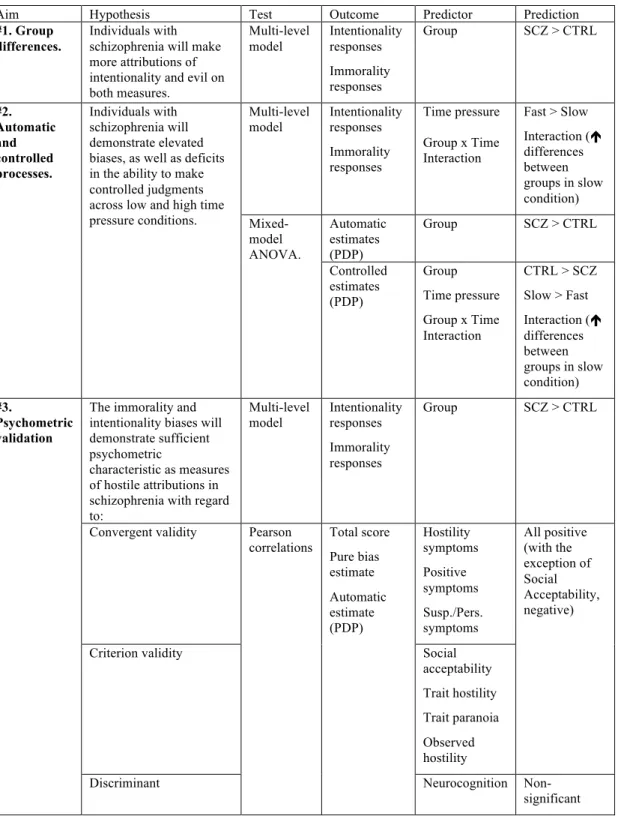
Table 1. Overview of aims and hypotheses. ...62
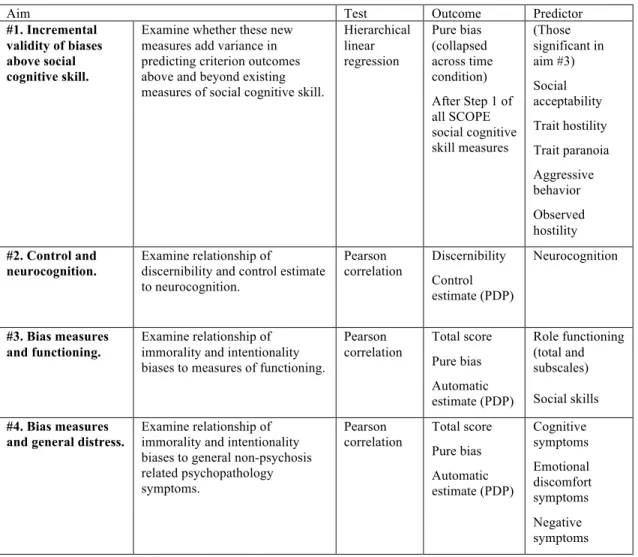
Table 2. Overview of exploratory aims. ...63
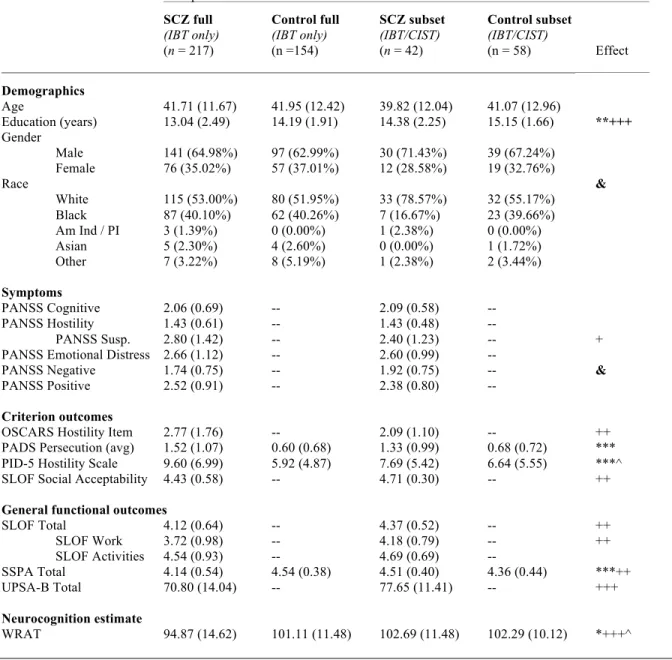
Table 3. Participant demographics. ...64
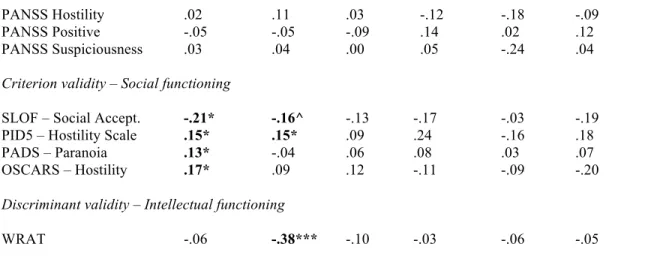
Table 4. Psychometric examination ...65
Table 5. Psychometric examination (cont.) ...66
LIST OF FIGURES
LIST OF ABBREVIATIONS
AIHQ Ambiguous Intentions Hostility Questionnaire ANOVA Analysis of Variance
BLERT Bell Lysaker Emotion Recognition Task CIST Categorizing Immoral Sentences Task CTRL Control group participant
ER-40 Penn Emotion Recognition Task (40 Item)
IBT Intentionality Bias Task
OSCARS Observable Social Cognition: A Rating Scale PADS Persecution and Deservedness Scale
PANSS Positive and Negative Syndrome Scale PDP Process Dissociation Procedure
PID-5 The Personality Inventory for DSM-5
SCOPE Social Cognition Psychometric Evaluation Study SCZ Schizophrenia group participant
SLOF Specific Levels of Functioning Scale SSPA Social Skills Performance Assessment TASIT The Awareness of Social Inferences Test UPSA UCSD Performance Skills Assessment
CHAPTER 1: INTRODUCTION
Social Cognition in Schizophrenia
Schizophrenia, a severe mental disorder that affects nearly 1% of the world’s population (Saha et al., 2005), is characterized by the positive symptoms of hallucinations, delusions, or disorganization, the negative symptoms of affect flattening, anhedonia, avolition or alogia, and significant impairment in vocational or social functioning (Bellack et al., 2007; Couture, Penn & Roberts, 2006). Early research work on the treatment of schizophrenia aimed at improvements in symptom management with psychotropic medications (Eckman et al., 1992; Falloon et al., 1982). While medications have been effective in managing positive symptoms, they have significant side effects (Leucht et al., 1999), and only provide modest improvements in functioning (e.g. work attendance and performance, social engagement, etc.) and negative symptoms (Sergi et al., 2007; Swartz et al., 2007).
Thus, recent developments in schizophrenia research have taken two aims: first, identify any measurable cognitive abilities that provide reliable predictions of functioning (Fett et al., 2011; Holthausen et al., 2007) and second, develop and evaluate evidence-based interventions that best remediate these domains (Gold, 2004; Kurtz & Richardson, 2012). The most well-established predictor of functioning in schizophrenia, neurocognition (Green et al., 2004;
identified to address this limitation, one of these being specifically social cognition (Penn et al.,
1997).
Individuals with schizophrenia are consistently impaired in social cognition (Savla et al.,
2013), which is defined in the clinical research on schizophrenia as “the mental operations that
underlie social interactions, including perceiving, interpreting, and generating responses to the
intentions, dispositions, and behaviors of others” (Green et al., 2008, p. 1211). Social cognition
is separable statistically and theoretically from general neurocognition (Allen et al., 2007; van
Hooren et al., 2008), is itself a robust predictor of concurrent (Couture, Penn & Roberts, 2006;
Fett et al., 2011) and prospective (Horan et al., 2012) functioning, and is largely responsive to
psychosocial interventions (Kurtz & Richardson, 2011). As a result of this, research into social
cognition has been rapidly growing; the number of PsycINFO citations per year using “social
cognition” and “schizophrenia” as key terms more than quintupled in the five years between
2002 and 2007 (Green & Leitman, 2008).
Differentiating social cognitive biases and social cognitive skills
Social cognition in schizophrenia comprises two categories: (1) abilities to correctly
interpret social information, or social cognition skills and (2) specific patterns in open-ended
interpretations of social situations, or social cognitive biases (Mancuso et al., 2011; Roberts &
Pinkham, 2013). Each social cognition skill comprises a singular ability to arrive at a clear
correct answer, thus each skill presents an area in which an individual is either impaired or
skilled. These skills – which include abilities like emotion perception (Kohler et al., 2009),
theory of mind (Bora, Yucel & Pantelis, 2009), and social perception (Sergi et al., 2006) –
correlate highly with neurocognition (Fett et al., 2011; Sergi et al., 2007; van Hooren et al.,
These social cognition skills are either unifactorial (Browne et al., 2016; Buck et al., 2016a), or
divide across two-factors according to level of the complexity of judgment involved (i.e.
low-level cue detection and higher order processes; Mancuso et al., 2011).
Differently, social cognition biases do not assess one’s ability to correctly respond in a
right-or wrong determination, but rather examine the style with which one tends to respond in
certain social circumstances. In this way, pathological responding is not identified solely through
so-called “deficits,” but instead, generally extreme response patterns. Five social cognitive biases
have been identified in the schizophrenia literature: (1) the bias to attribute negative events to the
external world and positive events to oneself, or externalizing bias (EB; Bentall, Kinderman &
Kaney, 1994), (2) the bias to attribute events caused externally to specific others rather than
situations or chance or personalizing bias (PB; Kinderman & Bentall, 1996), (3) the bias to
attribute all events to others rather than oneself, regardless of valence (Moritz et al., 2007), (4)
the bias to attribute negative events caused by others to intentional hostile motives or the hostile
attribution bias (HAB; Combs et al., 2007), and (5) aberrant decision making in determining the
trustworthiness of ambiguous others, or trustworthiness bias (TB; Pinkham et al., 2008).
Individuals from a general schizophrenia sample tend to regard others’ intentions as
hostile and intentional in ambiguous negative situations (HAB; Combs et al., 2009; Buck et al.,
2016b; Lahera et al., 2015; Kanie et al., 2014), and use facial cues differently from controls to
make determinations about trustworthiness (TB; Couture et al., 2010; Hall et al., 2004; McIntosh
& Park, 2014). Those experiencing active paranoia or persecutory delusions are likely to blame
others for negative events and oneself for positive events (EB; Bentall & Kaney, 2005; Combs et
al., 2009; Craig et al., 2004; Jolley et al., 2006; Mehl et al., 2010; Randall et al., 2003), attribute
Diez-Alegria et al., 2006; Lincoln et al., 2010; Moritz et al., 2010; Randall et al, 2003; Randjbar et al.,
2011), more strongly and consistently attribute ambiguous negative events to others’ intentional
hostility (HAB; Chang et al., 2009; Combs et al., 2009; Kim et al., 2014) and also systematically
regard others as untrustworthy (TB; Buck et al., 2016b, Pinkham et al., 2008; Pinkham, Harvey
& Penn, 2016). Further, these biases provide information about clinically important phenomena
in schizophrenia, including persecutory delusions or paranoia (Combs et al., 2007b, 2009; Craig
et al., 2004; Mehl et al., 2010, 2014; Kinderman & Bentall, 1997b; Langdon et al., 2006;
Langdon, Ward & Coltheart, 2010; Lincoln et al., 2010), depressive symptoms and self-esteem
(Candido & Romney, 1990; Fraguas et al., 2008; Krstev, Jackson & Maude, 1999; Mancuso et
al., 2011; Martin & Penn, 2002; Sanjuan et al., 2009), attachment style (Donohoe et al., 2008),
state and trait anxiety (le Gall et al., 2013), and clinical insight (Langdon et al., 2006).
Clinical utility of social cognitive biases
Overall, social cognitive biases appear to provide useful information that differs from the
kind of information provided by assessments of social cognitive skills. Social cognitive skills
provide information primarily about skill-based functional outcomes like independent living or
social functioning. Social cognitive bias measurement is useful in a clinical context as these
measures appear to aid in (1) clarifying heterogeneity and identifying subgroups within
schizophrenia, (2) identifying treatment targets for cognitive interventions, and (3) providing a
window into the cognitive processes that contribute to the emergence of paranoia or persecutory
symptoms.
First, each social cognitive bias appears to identify groups within the heterogeneous
schizophrenia category. In particular, there is significant variation within a schizophrenia sample
how. For example, individuals with primary social cognitive skill impairments may struggle to process incoming messages, remember information, and solve problems, but avoid interpersonal conflicts (Mancuso et al., 2011; Pinkham et al., 2016b). On the other hand, the individual
elevated in suspiciousness and hostility may process and remember information effectively, but she or he may avoid interpersonal interaction or approach socializing in a manner that results in
conflict (Buck et al., 2016b; Pinkham, Penn & Harvey, 2016). Social cognitive biases provide information underlying domains that might explain or predict the risk of individuals’
encountering such outcomes.
Second, social cognitive biases provide an area of for clinical intervention, though large trials examining the effect of interventions have been rare. A few studies (Brakoulias et al, 2008;
Tas et al., 2012) have examined the effect of cognitive behavior therapy on externalizing and personalizing biases, but these were not specifically targeting individuals with persecutory delusions. Skills training interventions (e.g. Social Cognition Interaction Training [SCIT;
Roberts & Penn, 2009]; Social Cognition Skills Training [SCST; Horan et al., 2009, Horan et al., 2011] and Metacognitive and Social Cognitive Training [MSCT; Rocha & Queirios, 2013]) have
taken this approach in challenging participants to adjust their attributions, yet these have had mixed support, with small treatment effects in outpatient and community settings (Hasson-Ohayon et al., 2014; Roberts & Penn, 2009; Roberts et al., 2010; Tas et al., 2012; Kurtz &
Richardson, 2012 for a review), moderate treatment effects in inpatient settings (Combs et al., 2007a) and large effects in reducing extreme responding overall (Wang et al., 2013). Overall,
from a psychosocial perspective. Approaching persecutory delusions from a psychosocial
approach can be particularly challenging for clinicians; persecutory delusions (once well-formed) often defy rational counterargument and are maintained despite overwhelming counterevidence (Langdon & Coltheart, 2000). Addressing social cognitive biases might lend themselves to treatment in a way well-formed persecutory delusions do not. Remediating or practicing adjustments to aberrant social cognitive biases might aid clients in preventing or countering potentially delusional beliefs.
Third, from a broad research perspective, the study of social cognitive biases could provide further insight into the processes that underlie psychosis, in particular persecutory delusions. Social cognitive biases are strongly related to these phenomena (Combs et al., 2007b, 2009; Craig et al., 2004; Mehl et al., 2010, 2014; Kinderman & Bentall, 1997b; Langdon et al., 2006; Langdon et al., 2010; Lincoln et al., 2010). A better understanding of these biases might provide groundwork for a cognitive model of persecutory delusions. Findings related to changes in these biases provide testable hypotheses about the cognitions associated with persecutory delusions. Preliminary research suggests that persecutory delusions might emerge as products of dual process interactions of social cognitive biases with stress, time, and context. For example, in their defensiveness model of paranoia, Bentall and colleagues (2001) hypothesized that
controls (Bentall & Kaney, 2005). Further, Moritz and colleagues (2011) found that under a stress induction, individuals with paranoia showed increases in their tendency to attribute responsibility to other people (across event valence), whereas control participants’ responses remained the same. While these findings are too preliminary for developed models, they do support a view suggesting that paranoia may result from difficulty regulating the downstream effects of automatic biases (as in Moritz et al., 2011) or an explicit effort to counteract implicit low-self esteem (Lyon et al., 1994). These rich accounts of the emergence of persecutory delusions suggest value exists in treatment approaches that attend to managing stress and challenging biased cognitions when the individual is under threat. Studies of social cognitive biases might allow for that rich process-oriented account of the emergence of persecutory delusions.
Limitations in the study of social cognitive biases
participant (e.g. inter-rater and test-retest reliability), and (3) consistently predict measures of real-world functioning (e.g. independent living skills, role functioning, social functioning) (Pinkham et al., 2015, 2016b).
Such efforts have led to progress in developing theoretical models (Lysaker et al., 2013; Mancuso et al., 2011) and empirically supported instruments (Pinkham et al., 2016b) for social cognitive skills; however, similar success with regard to social cognitive biases has been elusive. A critical development in social cognition research in schizophrenia was the Social Cognition Psychometric Evaluation (SCOPE; Pinkham et al., 2015) study, a large-scale multiphase study gathering expert opinions on core domains and measures of social cognition in this population, establishing consensus through RAND panel methodology (Fitch et al., 2001), and developing, piloting, and validating a gold-standard measurement battery assessing these domains (Pinkham et al., 2016b). In the first phase of the SCOPE study (Pinkham et al., 2015) one bias-related domain was identified as a core domain of social cognition, attributional style/bias, and only one measurement was identified as having adequate psychometric support, the Ambiguous Intention Hostility Questionnaire (AIHQ; Combs et al, 2007c), a measure of hostile attribution bias. Other social cognitive biases did not have sufficient research support, as some biases have not been systematically studied in a clinical context (trustworthiness bias and self-causation bias), and others are inconsistently present in schizophrenia samples, (externalizing bias and personalizing bias; Savla et al., 2013).
well-established and important domain of social cognition with ostensible psychometric support and clinical utility, however, in-depth psychometric review revealed that this measure had limited utility in predicting criterion outcomes, and therefore was excluded from further study (Pinkham et al., 2016b). This complexity has directed current research toward an improved and more nuanced understanding of attributional style, and in particular, the domain studied in SCOPE, the hostile attribution bias.
Hostile Attribution Bias
Attributions, or explanations of the cause of events, can have affective, behavioral, or cognitive consequences for individuals generating them. People differ with regard to the frequency with which they make certain kinds of attributions, particularly for important life events. “Attributional style” (AS; or “attributional bias”1, AB) refers to the pattern with which individuals generate explanations of the causes of positive, negative or ambiguous events that occur in their lives (Peterson et al., 1982). The effects of attributional style on emotion and behavior are well-documented in a range of psychiatric disorders, most extensively in mood disorders (Abramson, Seligman & Teasdale, 1978; Sweeney, Anderson & Bailey, 1986), but also in externalizing symptoms in childhood (Crick & Dodge, 1994), anxiety disorders (Heimberg et al., 1989), eating disorders (Mansfield & Wade, 2000), and pediatric chronic illnesses
(Schoenherr et al., 1992).
Initial work on attributional style in patients with schizophrenia merely examined these individuals as a psychiatric control sample compared to those with depression, who
rather than to others or circumstances), and to regard these characteristics as stable (i.e.,
unchanging) and global (i.e., relevant across domains of life). People with schizophrenia, on the other hand were significantly less likely to attribute negative events to themselves, not only in comparison to the depressed subjects, but also to non-clinical controls (externalizing bias). While these initial observations raised important questions about the nature of attributions in psychosis, later developments demonstrated inconsistent results in samples with schizophrenia and
persecutory delusions (Savla et al., 2013).
However, future research noted that even when events are clearly negative and attributable to others, individuals still differ in patterns with which they interpret others’ intentions. Combs and colleagues (2007c) argued that individuals with schizophrenia might be more likely to interpret others’ actions as intentional and hostile, and this tendency may contribute to paranoia. This – the hostile attribution bias – describes the tendency to believe negative events are the result of intentional, hostile actions, rather than accidents or chance. Combs et al. (2007c) presented a model of three related biases in these negative situations: blame (the tendency to think others acted intentionally), hostility (the tendency to ascribe hostile
The Ambiguous Intentions Hostility Questionnaire (AIHQ)
The rationale of the AIHQ is that as individuals with schizophrenia show social cognition impairments, they are less apt to correctly attribute the causes for others’ behavior, and in the absence of information, may show a bias toward threat (Combs et al., 2007c). Each item of the AIHQ presents individuals with ambiguous scenarios (e.g. “You walk past a bunch of teenagers at a mall, and they start to laugh”) and asks three questions with ratings provided on a Likert scale: “did [the person(s)] do this to you on purpose?”, “how angry would it make you feel?”, and “how much would you blame [the person(s)]?”. The participant also generates an attribution for why the event occurred, and how they would hypothetically respond behaviorally. The Likert scale questions are summed to calculate a blame score and the open-ended responses are
evaluated by an independent rater (also on a Likert scale) for how hostile the attribution and how aggressive the hypothetical behavioral response. Thus, the hostility bias describes the tendency for an individual to interpret an other’s action as ill-wishing or hostile, the aggression bias describes the tendency for the individual to respond to ambiguous situations with antisocial or aggressive behaviors (e.g. to shout at others), and the blame score is an index measure
combining judgments of blame and feelings of anger. Each scenario item is varied by its
ambiguity, and these items are separated into three categories: accidental (other actors seemingly acting unintentionally), intentional (other actors seemingly acting intentionally), and ambiguous (intentions of actors are unclear).
(combined Aggression, Hostility and Blame scores in ambiguous situations) predicted paranoia above and beyond the influence of gender, ethnicity, extant attributions measures, Paranoia-Suspiciousness Questionnaire Hostility subscale, and psychosis proneness as measured by the Chapman Perceptual Aberration Scale. Combs et al. (2007c) demonstrated an advantage for the AIHQ over previous measures of personalizing blame, which were uncorrelated with these outcomes in the same sample.2 The blame score across all intentionality scenarios correlated significantly with paranoia and hostility scales; only Hostility Bias in ambiguous scenarios and Aggression Bias in accidental scenarios correlated with any other convergent predictors (self-reported paranoia). Thus, the authors concluded that validity analyses were strong for the Blame scale, mixed for the Hostility bias, and weak for the Aggression bias. Therefore in subsequent research, greater attention has been paid specifically to the blame and hostility subscales. Empirical support for hostile attribution bias
Group differences
Group differences exist between schizophrenia and control groups in hostile attribution bias, as individuals with schizophrenia appear to have elevations in blame and hostility (Buck et al., 2016b, 2017; Kanie et al., 2014; Lahera et al., 2015). These elevations appear most extreme among patients with persecutory delusions. Combs and colleagues (2009) demonstrated that patients with persecutory delusions (and schizophrenia) had elevations on all AIHQ subscales compared directly to both participants with schizophrenia without persecutory delusions and non-clinical controls. Interestingly, non-persecutory deluded participants with schizophrenia looked statistically indistinguishable from non-patient controls. When examined with
correlational analyses, the AIHQ has demonstrated consistent relationships to paranoia in
non-""""""""""""""""""""""""""""""""""""""""""""""""""""""""
patient control samples (Combs et al., 2007c; Combs et al., 2013), paranoid individuals with a range of diagnoses (Combs et al., 2009), individuals at ultra-high risk (An et al., 2010), as well as combined across phases of psychosis (Kim et al., 2014). It appears that these consistent relationships are not specific to self-report questionnaires or clinical interviews as well. Relationships of hostile attribution bias to paranoia, hostility and suspiciousness persist when assessing them in a number of ways, including objective personality test subscales (Combs et al., 2009), and self-report questionnaires (Chang et al., 2009; Combs et al., 2007b; Combs et al., 2009; Kim et al., 2014), interview-based ratings of hostility/suspiciousness symptoms (An et al., 2010; Mancuso et al., 2011), as well as in-the-moment ratings of anger (Kim et al., 2014). Only one study (Buck et al., 2016b) demonstrates any prospective relationships, demonstrating that hostile attribution bias predicts prospective worsening in emotional discomfort and hostility symptoms. Further, different from other social cognitive biases (EB, Delvyder et al., 2013; Humphreys and Barrowclough, 2006; Langdon et al., 2013); PB, Delvyder et al., 2013), an increased hostile attribution bias presents in early psychosis as well. Hostility (An et al., 2010) and blame scores (le Gall et al., 2013) are elevated in first-episode psychosis compared to non-clinical controls.
Relationship to non-psychosis psychopathology
predicts AIHQ as well (Kim et al., 2014). Le Gall and colleagues (2013) showed that for first-episode psychosis patients, blame and hostility biases were associated with high anxiety and low self-esteem. A combined AIHQ total score was strongly correlated with not just positive
symptoms of psychosis, but anxiety and mood symptoms as well (Mancuso et al., 2011). This raises questions about the specificity to psychosis of this bias, or if instead it is related generally to psychopathology more broadly.
No studies have compared a depressed or anxious sample to a schizophrenia sample in AIHQ scores, but other statistical techniques have been employed to clarify these relationships. An and colleagues (2010) examined the effect of controlling for depression on the relationship between the AIHQ and the paranoia scale, finding that for individuals in the midst of a psychotic episode, controlling for depression increased the relationship between AIHQ scores (both blame and hostility) and the paranoia scale, but for individuals at ultra high risk for development of psychosis, controlling for depression decreased it, almost fully accounting for it. They also noted that individuals at ultra high risk had significantly lower self-esteem than non-clinical controls and patients in the midst of a first psychotic episode. This pattern of results seem to suggest that – as is the case for externalizing bias – subclinical at-risk or sub-threshold individuals might present with hostile attributional biases that are more closely related to depressive symptoms than positive symptoms of psychosis. This would be indicative of a qualitative difference between those with psychosis and those at risk (rather than a continuous dimensional change), and that these attributional biases are sustained independently of mood symptoms in later phases of the disorder.
conceptually with depressive cognitions. For example, the individual who responds with a hostile attribution to the item “You walk past a group of teenagers and they start to laugh” (e.g. “they were laughing at how I look”) might suffer primarily from paranoia, or they might just be affected by cognitions associated with depression, given the overlap of psychosis and dysphoria (Lako et al., 2012; Majadas et al., 2012). Thus, studies comparing individuals with psychosis to controls or examining relationships of attributional style to functioning could be impeded by not employing models that account for the role of depression and anxiety in affecting both variables. Granted, these relationships may not be mutually exclusive (i.e., it’s possible for hostile
attributions to be relevant in both depressed and paranoid people) but the coexistence and confounding of these patterns leaves questions unanswered about the specific clinical relevance of these patterns in cognition to psychosis.
Relationship to functioning
SCOPE study (Pinkham et al., 2016b), the same pattern emerged (no correlations to the subscales of the Specific Levels of Functioning [SLOF], and the UCSD Performance-Based Skills Assessment [UPSA]). As mentioned, it was this pattern of findings (or lack thereof) that led to the exclusion of the AIHQ from the SCOPE gold-standard battery of social cognition in schizophrenia.
A hostile attribution bias may, however, have a more significant relationship to
functioning in areas related to interpersonal conflict. Waldheter et al. (2005) showed that hostile attributional bias predicted violence on an inpatient unit both concurrently and prospectively. Similarly, a re-evaluation of SCOPE data according to interpersonal conflict criteria (Buck et al., 2016b) reveals that the AIHQ is more closely related to interpersonal conflict (e.g. physical and verbal fights with others) and personality ratings of hostility and paranoia than independent living or work skills. Findings in this area are scant, but patterns thus far suggest that hostile attributional style is a factor that might affect one’s propensity to engage in conflicts, both physical and verbal, and that this may be a more specific pathway through which attributions could affect functioning.
Limitations and persisting questions Process orientation
processes describe effortful, controllable and conscious. According to such a model, cognitive processes are comprised of automatic reactions that can be accepted, rejected, or amended “downstream” moments later with cognitive processing. Thus, cognitive processes (and
particularly biases) are not the product only of immediate reactions, but one’s ability to regulate and control such initial reactions.
While this has not been examined in depth, there is some reason to believe that models of hostile attributions in psychosis may be better described with a similar dual process model of automatic and controlled processes. Preliminary research suggests that individuals with paranoia may have difficulty regulating automatic biases under stress (as in Moritz et al., 2011, 2015), may be more susceptible to primes (Hooker et al., 2011) or may present opposite biases across implicit and explicit conditions (Lyon et al., 1994). Existing hostile attribution bias measures ignore such processes. For example, the large-scale SCOPE study (Pinkham et al., 2015, 2016b) examined only comparisons of mean scores across a clinical and control sample as well as
Theoretical model
Another limitation of the hostile attribution bias is how it ostensibly combines several constructs into one assessment. Specifically, in asking individuals to ascribe levels of blame and hostility for a range of negative events, this measure confounds immediate biases about
negativity of others’ actions with beliefs about the intentionality of others’ actions. The scenarios of the AIHQ are ambiguous and involve negative outcomes (e.g. a friend doesn’t attend a dinner, an important person skips an appointment). In this way, it cannot be determined whether
individuals have an increased bias toward attributing intentionality in negative events
specifically, or in all events. Using other instruments, individuals with schizophrenia appear to assign intentionality to neutral actions (e.g. “he set the alarm off” being perceived as intentional rather than accidental) at higher rates than non-patient controls (Peters et al., 2014; Peyroux et al., 2014), though these results have limited success in predicting symptoms or functional outcomes.
It is also unclear if hostile attributional style is specific to the emergence of paranoia, or if it emerges as a result of (or concurrently with) other comorbid symptoms like anxiety and
explore the range of more appropriate criterion validity outcomes that might be impacted by this bias, e.g., interpersonal violence (Waldheter et al., 2005) or other conflict (Buck et al., 2017). Measurement issues
There are several flaws that were first observed in the initial study of the AIHQ (Combs et al., 2007c). First, the subscales of the AIHQ are of unclear incremental validity. As mentioned, the aggression bias was regarded as having weak psychometric support initially (Combs et al., 2007c) and subsequent research has supported this, as it has not demonstrated relationships to paranoia scales (Combs et al., 2007c), hostility (Combs et al., 2009) and trait anger
questionnaires (Jeon et al., 2013), and the hostility and blame subscales of the AIHQ (Buck et al., 2017; Combs et al., 2009, Mancuso et al., 2011). Factor analytic work (Buck et al., 2016a) has demonstrated a small factor loading with the other subscales of the AIHQ as well. One reason for the unimpressive results of the aggression subscale might be its lack of variability, as reporting an aggressive action (e.g. a plan to fight an individual that slights the participant) is a relatively infrequent response or subject to social desirability bias (Buck et al., 2017). On the other hand, it is also unclear the extent to which the hostility and blame subscales diverge from one another, or if indeed they are two items measuring the same underlying construct. Previous research suggests that the two scales are highly correlated with one another, both in psychotic disorder and control samples (Buck et al., 2017; Combs et al., 2009, Mancuso et al., 2011).
are later rated by trained researchers (Combs et al., 2007c). This characteristic – because of its burden on providers and time – potentially limits the number of items, reducing variance in measure performance and therefore statistical power. This is concerning given the fact that the blame scale of the AIHQ sufficiently relates to interpersonal conflict outcomes without the help of the additional subscales (Buck et al., 2016b, 2017).
Third, biases in social judgments emerge across a range of situations that vary according to how obvious or demanding their cues. For example, a situation where intention appears less ambiguous (e.g. “a person cuts you off in traffic”) may result in a hostile attribution for a higher number of participants from both clinical and normative samples. A more ambiguous action, on the other hand (e.g. “you walk by a group of teenagers and they start to laugh”) might generate varied responses, the patterns in which might relate to clinical factors. Because the initial large-scale analogue sample validation study showed highest convergent correlations for the
ambiguous items (Combs et al., 2007c), most subsequent studies only include these items to simplify administration and reduce testing time. While this did successfully simplify the scale, it potentially limits variability by both lowering the ceiling of the scale and raising its floor. And in fact, work in progress demonstrates that the AIHQ accidental items provide incremental validity above and beyond totals of the ambiguous items in predicting independent living skills and informant-reported levels of functioning (Buck et al., 2017). Thus, it should be noted that a planned and systematic varying of the demand of the situational cues might provide a more sensitive and holistic measurement of hostile attribution bias.
better), social cognitive biases differ. In interpreting others’ actions as hostile or intentional, it would neither be adaptive to always assume hostile intentions or to never do so. Rather, adaptive functioning in a social cognitive bias ought to be defined in relation to an adaptive level of hostile attribution according to the situational context of each item. Leading measures of hostile attribution bias in schizophrenia (AIHQ; Combs et al., 2007c) do not do this. Comparing mean values between groups allows for comparison of raw values, but it does not characterize whether the individual is demonstrating elevated responses because of an inability to understand
situational cues (i.e. low discernibility) or an actual bias toward hostility (i.e. true bias). More sophisticated models can compare attributional responses against expected responses such that this fine-grained analysis can be conducted.
Directions for future research
research suggests people with schizophrenia do tend to interpret others’ actions as more intentional than non-patient controls (Peyroux et al., 2011) but this measurement was not
conducted in a manner allowing examination of automatic or controlled processes. Third, there is a need to test potential improvements to existing measures of hostile attribution bias, in
particular increasing the number of items and varying them with regard to a criterion variable (e.g. ambiguity, valence) that pulls for the phenomenon of interest (e.g. a hostile interpretation of motives, externalizing blame). One specific way to address these limitations is to turn toward the non-patient control literature, and in particular innovative measurement technologies from social psychology. These paradigms provide potential answers to these limitations.
Paradigms from social psychology
Two particular biases from the social psychology literature studied in large non-patient control samples address these limitations, the intentionality bias (Rosset et al, 2008) and the immorality bias (Hester, Payne & Gray, 2017). Each of these assessments has been validated in a non-clinical population and addresses the identified limitations in the hostile attribution bias in schizophrenia by (1) examining automatic and controlled processes of automatic social
or cognitive load. Examining these measures could allow for a more precise differentiation between the biased judgments of non-patient controls and participants with schizophrenia. In particular, applying these paradigms to a clinical sample allows for researchers to determine whether the social cognitive biases of individuals with schizophrenia or paranoia are simply an exaggeration or unchecked expression of a bias shared by non-clinical samples. This contribution could lay the groundwork for a normalizing cognitive model of the gradient between normative and pathological thinking associated with psychosis.
Intentionality bias
When interacting with others, one important determination in response to both positive and negative actions is whether the individual in question regards the other’s action as
intentional. Philosophers and cognitive scientists have understood one’s intentionality of actions as being characterized by the individual desiring an outcome, believing an action will lead to the outcome, an intention to perform this act, and awareness of performing the act. Non-clinical samples generally tend to agree about overall determinations of intentionality (Malle & Knobe, 1997).
However, while conceptually, people tend to agree on their notions of intentionality, there exist individual differences with regard to how frequently individuals tend to regard others’ actions as intentional. This can have significant downstream effects on moral judgments (Knobe, 2008), emotions, and behavioral responses (Wegner, 2002). For example, the individual that interprets a friend’s ignoring her or him at a social gathering as an intentional “snub,” rather than an accidental oversight is more likely to experience anger or hostility in response.
These data suggest that that judgments of intentionality are best understood in terms of a dual-process model demonstrating that these judgments are the product of (1) immediate automatic judgments as well as (2) more complex or cognitively demanding attempts to revise or override these initial quick judgments. Specifically, participants tend to show a bias toward interpreting more events as the result of intentional action when under time pressure. The ability to identify actions as accidental results from the “ability to override, and thus inhibit” the tendency to view “everything anyone ever does as intentional” (p. 772; Rosset, 2008). This ability is hypothesized to emerge through the ability to “override an initial interpretive impulse” and consider additional information including social norms, others’ beliefs, goals, and intentions.
Rosset and colleagues (2008) have demonstrated this bias through the use of their
intentionality bias task, which presents participants with a number of sentences, varied according to their pre-rated intentionality (based on pre-collected and untimed ratings), featuring
unambiguously accidental (e.g. “he stubbed his toe”), unambiguously intentional (e.g. “he threw the football), prototypically accidental (e.g. “the girl popped the balloon”), and prototypically intentional (e.g. “he took an illegal left turn”) items. Participants are asked to determine whether these items describe actions that were done “on purpose” or “by accident,” and do so in several (counterbalanced) task blocks, varying whether individuals are required to respond under time pressure (2400 ms), and another with reduced time pressure (5000 ms). Participants were
significantly more likely to regard unambiguously accidental and prototypically accidental items as intentional in the speeded condition, while estimates for the unambiguously intentional and prototypically intentional remained the same.
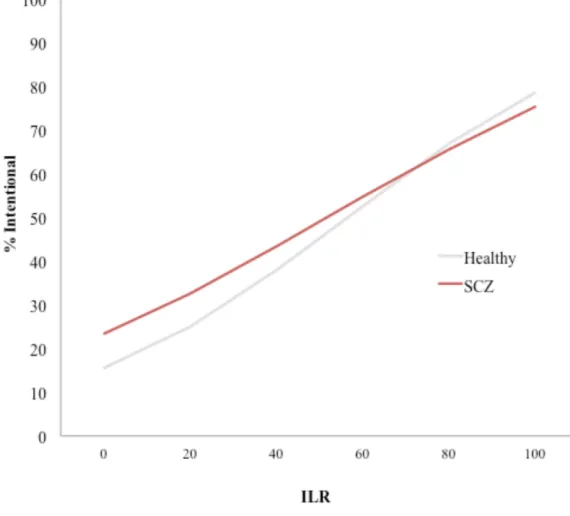
controls with 72 sentences that varied with regard to whether they were previously rated as clearly intentional or clearly unintentional, and indeed, individuals with schizophrenia were more likely than the control participants to rate all the sentences as the result of intentional action rather than by accident. Performance also was significantly related to scores on clinician-rated symptom interviews, including poor impulse control and excitement. Importantly, however, this study did not examine the ability of all participants to regulate initial responses, but rather gave all items without time pressure.
The intentionality bias is a viable candidate for improved measurement of social cognitive biases in schizophrenia for a number of reasons previously mentioned. First, it examines a cognitive bias that appears to present in continuous levels between non-patient and clinical samples. Second, the intentionality bias task provides a range of items of varying situational demands; some items are designed to be interpreted as clearly intentional, others clearly accidental, and the remaining items of varying clarity with this criterion. This, along with a higher number of items, allows for a more fine-grained examination of subtle biases in
intentionality judgments. Finally, the intentionality bias as designed by Rosset (2008) allows for an examination of the process of intentionality judgments, by comparing bias levels across differing time pressure conditions.
Immorality bias
This bias appears to be related to or draw from components of three other biases consistently demonstrated in non-clinical samples, in particular a bias to detect threat (Cisler & Koster, 2010), to overvalue negative information (Hilbig, 2009; Skowronski & Carlston, 1989), as well as the aforementioned intentionality bias (Rosset, 2008). However, the bias to assess ambiguous actions as immoral appears to result from an emergent process drawing upon each of these components yet is greater than the sum of all three. Morality judgments demonstrate a statement of global social beliefs about the likelihood of others’ intentional, nefarious, or harmful behavior (Gray, Schein & Ward, 2014). Further, these judgments are inherently specific to social
interactions with others, as morality tends to apply to communities of individuals interacting with one another.
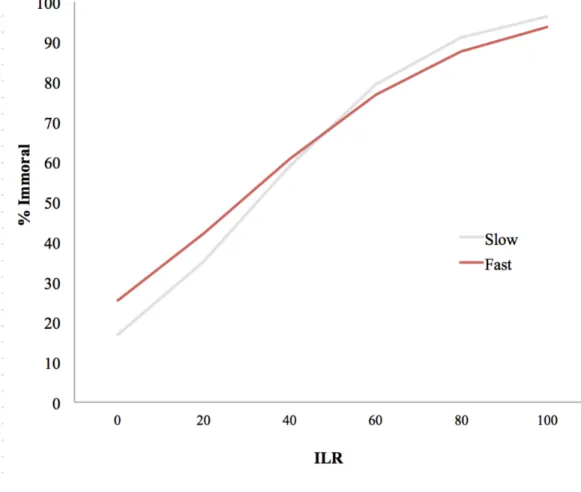
to rely on automatic processes. Hester and colleagues (2017) demonstrated that indeed, under
time pressure, participants demonstrated a reduced ability to engage controlled processes, and
thus were more likely to regard items as immoral, and particularly with regard to the
prototypically non-moral items. This was interpreted ultimately that “the immorality bias
represents a stable preference for assumptions of wrongdoing, and that controlled processing can
be used to override this initial preference when cognitive resources are available.” (p. 29; Hester,
Payne & Gray, 2017).
The present study
The proposed study applies these innovative research paradigms – the intentionality bias
and the immorality bias – to the study of hostile attribution bias in schizophrenia. The implicit
measurement paradigm and process dissociation procedure provides several quantifiable
outcomes, one for each time condition (low or high time pressure): total score, or the total number of items identified as immoral or intentional, as well as the extent to which participant
responses correlate with criterion standards (inherent likelihood ratings, or ILRs) for responses
(discernibility score, regression slope) and the extent to which participant responses are biased in either direction (pure bias score, regression intercept). Additionally, using a process dissociation procedure, this paradigm produces two additional values, an automatic bias estimate, or an estimate of the automatic bias to see acts as immoral or intentional, and control estimate, or an estimate of the extent to which one’s pattern of responding is based upon effortful cognitive
processing. These values provide the estimates necessary to address a number of aims and
hypotheses related to the automatic and controlled components of hostile attribution bias
judgments in schizophrenia.
Aim #1. Construct validity, group differences
The first aim of the present study is to compare the levels of each of these biases in schizophrenia by comparing total scores. With regard to the immorality bias, while a general population demonstrates a bias to view ambiguous events as immoral under pressure (Hester, Payne & Gray, 2017), several factors suggest a schizophrenia sample will demonstrate further elevations compared to controls. Previous work on hostile attribution bias demonstrates those with schizophrenia are more likely to view ambiguous actions as hostile and intentional (Combs et al., 2007c; 2009), and the immorality bias appears face valid with this construct. With regard to the intentionality bias, previous research has demonstrated increased intentionality bias amongst a heterogeneous sample of individuals with schizophrenia (Peyroux et al., 2013). This has not been conducted, however, with a dual-process paradigm. Hypothesis: It is hypothesized that individuals with schizophrenia will make more attributions of intentionality (intentionality bias) and evil (immorality bias) than non-clinical controls.
Aim #2. Automatic and controlled processes
Individuals with schizophrenia present with elevations in the tendency to make hostile interpretations of others’ actions (Combs et al., 2007; 2009) as well as deficits in processing speed (Kern et al., 2011) and executive functioning (Green et al., 2000). As intentionality bias (Rosset, 2008) and the immorality bias (Hester, Payne & Gray, 2017) are present in pressured judgments of non-patient controls, it is possible that reports of biased social judgments amongst individuals with psychosis result from difficulty regulating or correcting initial biased judgments similar to a normative sample. This might point to a process of an initial biased judgment as well as failure to correct or adjust as a result of neurocognitive impairment. Hypothesis: It is
time conditions and reduced controlled processing relative to controls across condition, and this difference will be amplified during the slow condition.
Aim #3. Psychometric analysis.
The third aim is to examine the utility of each task as an indicator of relevant clinical phenomena. Previous research suggests that hostile attribution bias (Combs et al., 2009) is related primarily to paranoia, hostility, persecutory delusions, and interpersonal conflict outcomes (Buck et al., 2016b, 2017; Combs et al., 2007; 2009) as well as predict change over time in hostility symptoms (Buck et al., 2016b). Hypothesis: It is hypothesized that intentionality and immorality biases will demonstrate convergent (concurrent relationships to hostility,
positive, and suspiciousness/persecution symptoms), criterion (relationships to trait paranoia, trait hostility, observed hostility, aggressive behavior, and interpersonal conflict outcomes) and discriminant validity (lack of relationships between bias estimates and neurocognition).
Exploratory Aim #1. Incremental validity
Previous research suggests that measures of social cognitive bias provide additional information about hostility, paranoia and interpersonal conflict that is not captured by social cognitive skill measures (Buck et al., 2016a). Given that these measures are proposed to be improvements on assessments of these social cognitive biases, we will also examine the extent measures of intentionality and immorality bias predict hostility, paranoia, and interpersonal conflict above and beyond the SCOPE social cognitive skills battery.
Exploratory Aim #2. Relationships beyond Neurocognition
including executive functioning and processing speed. This exploratory aim suggests that while bias estimates should be unrelated to neurocognitive functioning, the ability to control the expression of these biases may be specifically related to it.
Exploratory Aim #3. Relationships to social functioning, social skills
Previous measures of social cognitive bias have inconsistent or low relationships to overall measures of social skill and social functioning (Buck et al., 2016a; Mancuso et al., 2011). There are multiple explanations for this pattern of results, among them either the possibility that (1) hostile attribution bias measures are limited, or (2) hostile attribution bias is relevant only to paranoia, hostility, and interpersonal conflict outcomes. With the proposed improved
measurements available in the present study, we seek to examine these explanations. Thus, we will also examine the relationships of each pure bias estimate with role functioning, social functioning and social skill.
Exploratory Aim #4. Relationships to non-psychosis psychopathology
Previous research suggests that hostile attribution bias is related not only to paranoia and persecutory delusions, but also mood and anxiety symptoms. In order to explore the specificity of these biases to paranoia, we will also examine the relationship of these biases to
CHAPTER 2: METHODS Sample
Data collection was completed in the final phase of the SCOPE study (Pinkham et al.,
2015, 2016). Number (n = 217) participants with schizophrenia or schizoaffective disorder and
number (n = 154) controls were recruited to three different research sites, the University of North
Carolina at Chapel Hill, The University of Texas at Dallas and the University of Miami Miller
School of Medicine. Participants had diagnoses (schizophrenia or schizoaffective disorder)
confirmed with a structured clinical interview administered by trained research assistants.
Participants with schizophrenia were included in the study if they were not hospitalized in the
previous two months, were stable on one medication for at least six weeks, and had no changed
in dose in two weeks. Participants in both groups were excluded if they met any of the following
exclusion criteria: 1) current or past pervasive developmental disorder, 2) low IQ (< 70), 3)
current or past medical or neurological conditions that may affect participation, 4) presence of
sensory limitations, 5) presence of substance abuse in the past month, or 6) presence of substance
dependence not in remission for at least 6 months. The full sample completed the IBT as well as
the remainder of the proposed study battery. However, due to study protocol limitations and time
constraints, the immorality bias task was only administered at one site (University of North
Carolina at Chapel Hill), meaning that only a subset of participants (n = 42 in the schizophrenia
group; n = 58 in the control group) completed this task.
Social cognitive biases
Intentionality Bias Task (Rosset, 2008)
A slightly modified version of Rosset’s (2008) intentionality bias procedure was used to
assess bias toward intentionality. This assessment presents participants with sentences varied
according to their pre-rated intentionality (based on previously collected and untimed ratings),
featuring possibly intentional (average of 25% of participants rating statement as intentional; e.g.
“the girl popped the balloon”), and probably intentional (average of 75% of participants rating
statement as intentional; e.g. “he took an illegal left turn”) items. Participants are asked to
determine whether these items describe actions that were done “on purpose” or “by accident,”
and do so in several (counterbalanced) task blocks, varying whether individuals are required to
respond under time pressure (2400 ms), and another with reduced time pressure (5000 ms).
Comprehension of the task and definition of anchors (i.e. “on purpose, “by accident”) was
confirmed by trained research assistants by asking participants their understanding of the task.
Participants completed 14 practice trials, 14 trials with low time pressure, and 14 trials with high
time pressure. This methodological choice was made given previous findings suggesting that
when participants complete high time pressure conditions first, they continue strategies
employed in the first set of items and answer all items quickly, thus invalidating the
manipulation between conditions. Raw scores were totaled as the number of “on purpose”
responses across time pressure conditions (ranging 0 to 28).
Immorality Bias Task (Hester, Payne & Gray, 2017)
The final version of Hester’s (Experiment 7; Hester, Payne & Gray, 2017) short sentence
categorization task was used to examine the immorality bias. All items were previously rated
immoral” or “immoral,” resulting in two categories of items, characterized as “prototypically
immoral” (average of 75% of participants rating statement as immoral) or “prototypically not
immoral” (average of 25% of participants rating statement as immoral). These two categories (14
items in each category) are presented to participants in two blocks, one block with high time
pressure (1500 ms to respond) and another with low time pressure (5000 ms to respond).
Participants will be asked to respond whether they found the act to be “immoral” or “not
immoral.” Again, trained research assistants confirmed comprehension of the task and definition
of anchors (i.e. “immoral,” “not immoral”), and for the same reason as for the intentionality bias,
the low time pressure trial block preceded the high time pressure block. Raw scores were totaled
as the number of “immoral” responses across time pressure conditions (ranging 0 to 28).
Discernibility (slope) and pure bias (intercept) estimates
In previous pilot testing for both the intentionality (Rosset et al., 2008) and immorality
(Hester, Payne & Gray, 2017) assessments, data were collected on a non-clinical sample
responding to each item without time pressure. These values represent how an individual would
be expected to respond with normative functioning and under normal circumstances. These
values were called “intentionality likelihood ratings” (p. 774, Rosset, 2008) when referring to the
intentionality bias. For consistency across intentionality and immorality biases; in the present
study we will call these values inherent likelihood ratings (ILRs). These values allow a
determination of whether individuals respond differently than criterion values because they are
either (1) not attending to items or discerning the target variable, or whether they are (2)
demonstrating a pure bias that reflects a greater likelihood to interpret actions as intentional or
immoral. Thus, in addition to raw total values, the present study will examine the extent to which
responses (binary yes or no responses) are regressed on the percentage values collected from
pilot testing on each task (Hester, Payne & Gray, 2017; Rosset et al., 2008). These regressions
generate two values, a slope (β) or discernibility score – indicating the extent to which
individuals’ responses differ across items that adheres to the non-pressured non-clinical criterion
response pattern – as well as an intercept, or pure bias estimate – indicating the extent to which
the respondent tends to provide responses that are elevated in perceived immorality or
intentionality. These values were collected within each participant, within each time pressure
condition, such that each individual has a discernibility and bias estimate for each the slow and
fast conditions for each task.
Process dissociation procedure
Process dissociation (Jacoby et al., 1993) is an algebraic manipulation that allows
estimates for the automatic and controlled processes that underlie quick judgments. In such
judgments, responses indicate presence of a target phenomenon (i.e. an immoral act) or its
absence (i.e. a non-immoral one). Control is defined as the ability of the individual to “produce a
particular response when they intend to, but not produce the response when they intend not to”
(p. 183, Payne, 2001). When applied to the present study, a similar logic can apply, assuming the
previously demonstrated automatic biases of non-clinical samples toward attributing evil and
intentionality, using Payne’s (2001) previous work as a guide. For example, an item is defined as
“prototypically immoral” by pre-set criterion ratings (i.e. an average of 75% of untimed
participants regarded the item as immoral), the participant attributing immorality is encountering
a “congruent” condition. This means that both the participant’s automatic response and
controlled response would result in the same determination (immoral action). The probability of
probability, C, and the probability of automatic response occurring with the failure of control, A(1 – C):
PCONGRUENT = C + A(1 – C)
In incongruent conditions, however, the participant attempts to make a judgment wherein their automatic response (to see intentionality or immorality) and controlled response (the item was rated only by 25% of untimed participants as immoral) are in conflict. In this situation, the likelihood of that the participant will identify the item as intentional or immoral is the probability of the expression of the automatic bias where there exists the failure of control, A(1 – C):
PINCONGRUENT = A(1 – C)
Based on these assumptions, one can quantify separate estimates of controlled and automatic responding. Control estimates are defined as the difference between identifying the target in congruent (i.e. “correct”) conditions and incongruent (i.e. “incorrect”) conditions:
C = PCONGRUENT – PINCONGRUENT
Finally, with these conditions, one can solve for the automatic bias estimate as well:
A = PINCONGRUENT/(1 – C)
According to this paradigm, therefore, controlled processes are defined as “those in which
Psychiatric symptoms
The Positive and Negative Syndrome Scale(PANSS, Kay et al., 1987) is an
interview-based measure comprised of 30 items assessing for positive and negative symptoms of
schizophrenia, as well as general psychopathology symptoms. These interviews were conducted
and rated by experienced research assistants who were trained to adequate reliability (ICC > .80
with a gold standard rater). In the present study, we generated the five-factor solution subscales
proposed by Bell and colleagues (1994): cognitive, emotional discomfort, hostility, positive, and
negative symptoms, along with the specific item related to suspiciousness/persecution symptoms.
Totals for each factor as calculated by Bell and colleagues (1994) are examined, as well as the
specific score on the suspiciousness/persecution item separately.
Neurocognition
A verbal task of neurocognition was used in the discriminant validity analysis, given the
paper-and-pencil vignette structure of the AIHQ. This was assessed with the WRAT, a 42-item
task involving participants to read words at varying levels of language difficulty. The WRAT,
though brief, is a highly significant predictor of both verbal and full-scale IQ (Wiens et al.,
1993).
Social cognitive skills
The final phase SCOPE battery was used to assess social cognitive skills in the present
study. This battery consists of five measures. The Penn Emotion Recognition Task (ER-40;
Kohler et al., 2003) is a 40-item assessment of emotion perception. Each item consists of a color
photograph of a face that is expressing one of four states, happy, sad, angry, afraid, or neutral.
Items represent a balanced presentation of gender, age, ethnicity, and intensity of emotion
seeing the face. Scores on this task range from 0 to 40, with each score representing the number
of items answered correctly.
The Reading the Mind in the Eyes Task (Eyes; Baron-Cohen et al., 2001) is a 36-item
assessment of theory of mind. Each item is presented as the eyes region of the face expressing a
complex mental state. Participants are asked to determine what mental state is being depicted.
Four options are presented with each photo. Scores range from 0 to 36, with each score
representing the number of items answered correctly.
The Bell Lysaker Emotion Recognition Task (BLERT; Bryson, Bell, & Lysaker, 1997)
assesses participants’ ability to correctly affect in one actor presenting the same statement with
varying emotional tones: happy, sad, afraid, disgusted, surprised, angry, or neutral. Each item is
a ten-second clip of the face and shoulders of a male actor expressing the same statement with
one of the affective tones. Scores range from 0 to 21 on this task, with higher scores indicating
the number of correctly identified items (ranging from 0 to 21).
The Hinting Task (Corcoran, Mercer & Frith, 1995) involves participants interpreting ten
brief written stories that require them to identify and make inferences involving others’ mental
states. Scores range from 0 to 20 on this task, with higher scores indicating better performance.
The Awareness of Social Inference Test - Social Inference: Minimal Subscale(TASIT,
McDonald et al., 2004) consists of Yes/No questions related to four video-taped social vignettes
requiring participants to infer individual motives which may contradict verbal communication
(e.g., sarcasm or “white lies”). The TASIT is scored based on number of correct responses out of
60 possible, and includes subscales that distinguish between simple sarcasm (sarcastic phrases
with a meaning that matches the utterance) and paradoxical sarcasm (phrases that imply the
internal state of the speaker to infer meaning, paradoxical items require a more complex
judgment of meaning. Performance is indexed as total number correct.
Trait paranoia
The Persecution and Deservedness Scale (Melo et al., 2009)is a 10-item self-report scale
designed to assess paranoia and perceived deservedness of persecution. Items describe traits or
behaviors related to paranoia to which participants respond with a Likert scale response (scale 0
to 4) identifying the extent to which they identify with each item as well as a follow up item with
the same scale identifying the extent to which they feel they deserve the reported persecution.
This is designed to distinguish between bad me (depressive type) and poor me (non-affective
psychosis type) paranoia in schizophrenia (Melo et al., 2009), though this distinction was not
explored in the current study. Scores range from 0 to 40 with higher scores indicating higher
levels of paranoia.
Trait hostility
The Personality Inventory for DSM-5 (PID-5, Krueger et al., 2012) is a 220-item
self-report questionnaire evaluating potentially pathological personality dimensions related to DSM-5
disorders. Items consist of statements related to behaviors or personality dimensions and Likert
scale (0 to 3) responses for participants. In the present study, participants were administered the
ten items related to the Hostility Scale of the PID-5 (PID-5-HS). Total scores thus ranged from 0
to 30, with higher scores indicating greater hostility.
Observed hostility
The Observable Social Cognition: A Rating Scale (OSCARS; Healey et al., 2015) is a
rating scale of the participant’s performance in a number of arenas related to social cognition,
conclusions. There are eight items with accompanying Likert scale responses (1 = no evidence of
difficulty to 7 = evidence of extreme difficulty). In the present study, we used the hostility item,
which assesses whether the individual has difficulty “interpreting social interactions in a
malevolent or hostile manner.” For the current study, the informant-rated scale was used.
Informants were identified by the participants and were high contact clinicians, family members,
or close friends.
Role functioning
The Specific Levels of Functioning Scale (SLOF; Schneider & Struening, 1983) is a
31-item informant-rated measure of social functioning, community functioning, and effectiveness in
activities of daily living. The present study examined the social acceptability subscale, which
comprises the following items: regularly arguing with others, having physical fights with others,
destroying property, physically abusing self, being fearful/crying/clinging, and taking property
from others without permission. Ratings on the SLOF are made on a Likert scale as well (1 to 5,
with higher scores indicating better functioning). Informants were the same as those selected for
collection of the OSCARS. Given informant response rates, the sample for all analyses involving
the SLOF (all conducted only in the schizophrenia group) were smaller than the full sample (n =
135).
Social skills
The Social Skills Performance Assessment (SSPA; Patterson et al, 2001) is an
observer-rated assessment of social skill performance in two three-minute role-play conversations with a
confederate. First, the participant is instructed to role-play a conversation with a new neighbor
who has just moved to the area and second, a conversation with a landlord who had failed to fix a