ACADEMIC AND CIVIC OUTCOMES OF AFRICAN AMERICAN GRADUATES OF HISTORICALLY BLACK AND HISTORICALLY WHITE HIGH SCHOOLS
Kristen Vaughn Bell Hughes
Dissertation submitted to the faculty of the University of North Carolina at Chapel Hill in partial fulfillment of the requirements for the degree of Doctor of Philosophy in the
School of Education (School Psychology).
Chapel Hill 2014
© 2014
ABSTRACT
KRISTEN BELL HUGHES: Academic and Civic Outcomes of African American Graduates of Historically Black and Historically White High Schools
(Under the direction of Rune J. Simeonsson, Ph.D.)
The purpose of this study was to examine how high school experience impacts adult outcomes for African Americans across time given changes in academic, social, and political climates. This research is very much needed to help the African American community identify what factors are related to individuals giving back to their community through civic engagement in order to promote self-sufficiency within the African American community. The study design explored the role of these factors by comparing the personal high school experience, long-term outcomes of civic engagement and academic attainment as well as racial identity perceptions of African American graduates of historically Black high schools (HBHSs) and historically White high schools (HWHSs). Statistically, 2x3 Analysis of Variance (ANOVA) designs were run to
compare group outcomes by school type and graduation year. Overall results indicated that African American graduates did not differ significantly on long-term outcomes or personal racial identity as a function of school type, but HBHS graduates reported more positive school experiences compared to HWHS graduates. Study results provide support for the contribution of Historically Black Institutions in secondary education with
DEDICATIONS
ACKNOWLEDGMENTS
TABLE OF CONTENTS
LIST OF TABLES ... viii
LIST OF FIGURES ...x
LIST OF ABBREVIATIONS ... xi
CHAPTER 1--INTRODUCTION ...1
Purpose of Study ... 3
Research Questions ... 4
Definition of Terms... 6
Independent Variables ... 6
Dependent Variables ... 6
CHAPTER 2: LITERATURE REVIEW ...8
Changes Overtime in Long-Term Outcomes for African Americans ...8
Quality of Life...12
Racial Idenity and Academic Attainment ...17
School Climate ...20
Racial Concentration and School Climate ...24
School Pride and School Climate ...40
Role of School Climate on African American Outcomes ...42
Instruments ...53
Variables ...55
Analytic Procedure...56
CHAPTER 4: RESULTS ...58
Preliminary Analysis ...58
Research Question 1 ...66
Research Question 2 ...67
Research Question 3 ...67
Research Question 4 ...69
Follow-up Analysis ...70
Regressions ...75
CHAPTER 5: DISCUSSION ...83
Explanation of Findings ...85
Limitations ...100
Implications and Future Directions ...102
APPENDIX A: AFRICAN AMERICAN OUTCOMES SCALES ...106
LIST OF TABLES
Table 1. African American Graduate Sample Demographic Characteristics ... 51
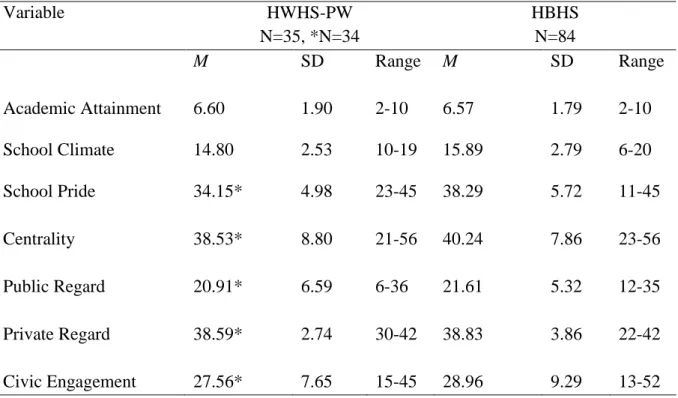
Table 2. Means of Variables based on School Type for Total Sample...58
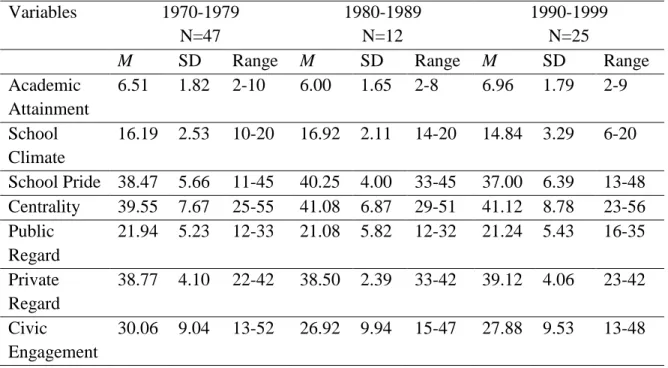
Table 3. Means of Variables based on Graduation Year for Total Sample ...60
Table 4. Means of Variables based on Graduation Year for HWHS-PW Graduates ...62
Table 5. Means of Variables based on Graduation year of HBHS Graduates ...64
Table 6. Analysis of Variance of Academic Attainment ... 67
Table 7. Analysis of Variance of Civic Engagement ... 67
Table 8. Analysis of Variance in School Climate Perceptions ... 68
Table 9. Analysis of Variance in School Pride ... 68
Table 10. Summary of Variance in Centrality based-on Variables ...69
Table 11. Summary of Variance in Public Regard based-on Variables ... 69
Table 12. Summary of Variance in Private Regard based-on Variables ... 70
Table 13. Results of T-test and Descriptive Statistics for Selected Variables by Gender for HWHS-PW Graduates ...71
Table 14. Results of T-test and Descriptive Statistics for Selected Variables by Gender for HBHS Graduates ...71
Table 15. Correltation Matrix of Survey and Outcome Variables ...73
Table 16. Summary of Hierarchical Regression Analysis for Variables Predicting Civic Engagement ...76
Table 18. Summary of Hierarchical Regression Analysis for Variables Predicting
Academic Attainment ...80 Table 19. Summary of Hierarchical Regression Analysis for Variables Predicting
LIST OF FIGURES
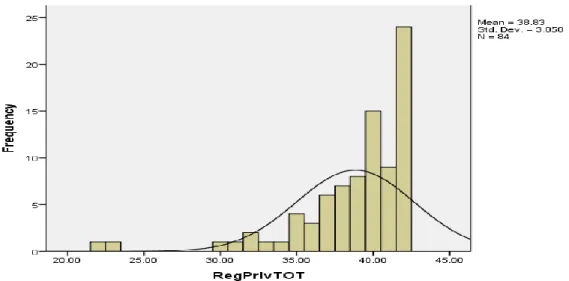
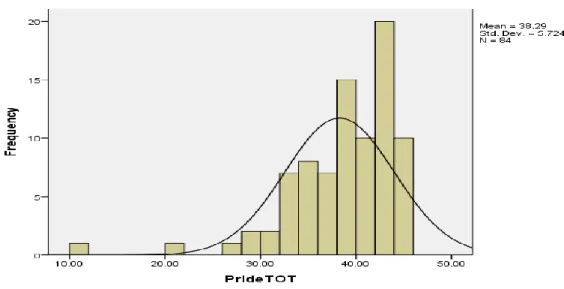
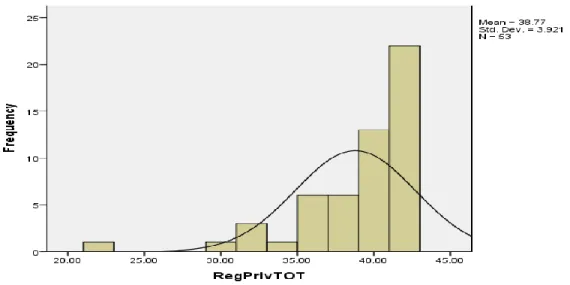
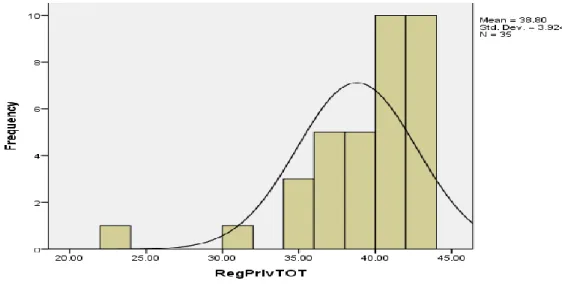
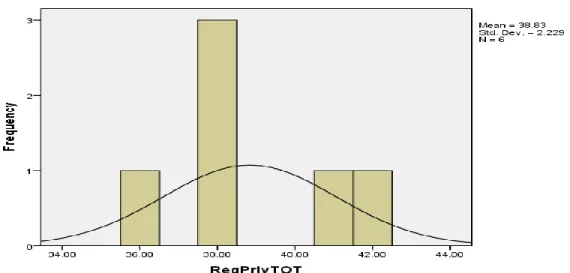
Figure 1. Distribution of scores for variable Private Regard for HBHS ...59 Figure 2. Distribution of scores for variable School Pride for HBHS ...60 Figure 3. Distribution of scores for variable Private Regard for 1970-1979 Graduates ....61 Figure 4. Distribution of scores for variable Private Regard for 1990-1999 Graduates ....62 Figure 5. Distribution of scores for variable Private Regard for 1970-1979 HWHS-PW Graduates ...63 Figure 6. Distribution of scores for variable Private Regard for 1970-1979 HBHS
Graduates ...65 Figure 7. Distribution of scores for variable Private Regard for 1990-1999 HBHS
Graduates ...65 Figure 8. Distribution of scores for variable School Pride for 1970-1979 HBHS
ABBREVIATIONS HBHS Historically Black High School
HWHS-PW Historically White High School-Predominantly White HWHS-PB Historically White High School-Predominantly Black SES Socioeconomic Status
HBCUs Historically Black College and Universities PWIs Predominantly White Institutions
CHAPTER 1 INTRODUCTION
The adult outcomes of African Americans are of increasing concern as financial stability and healthcare issues continue to impact many Americans and governmental programs. While state and national governments strive to achieve balanced budgets; many government assistance programs that were expanded during the beginning of the Recession and geared toward middle-class and low-income populations are now being cut (Chapell, 2013; Whitehouse, 2013). These cuts and proposed cuts are causing many Americans to wonder how they will pay their bills, keep their homes, and feed their families (Pilkauskas et. al, 2012). For many Americans, particularly minority Americans, education is perceived to be the means for improving their economic and social status in society (Tillman, 2009). However, education by itself cannot assure a healthy quality of life. What a person achieves with his or her education is important. In today’s highly competitive work environment, a college degree is often required to gain an interview for many occupations and those without postsecondary education often suffer the most during times of economic hardships (Hoynes et. al, 2012). However because a diploma or GED is required to gain entry into a college or university, the high school experience often determines a person’s life direction as an adult.
competitive workers. Therefore, it is imperative to understand how the high school experience impacts later outcomes as an adult. Furthermore, it is important to understand if the impact of the high school experience on long-term outcomes has differed overtime as a result of changes in academic, social, and political climates. Self-sufficiency for middle-class and low-income individuals is even more critical today than in prior years. This line of research is very much needed to help the African American community identify how high school environments influence an individual’s long-term success. It is also important for the African American community to understand what factors are related to individuals giving back to their community through volunteerism, activism, and employment in order to promote self-sufficiency within the African American
community.
underperformance on standardized test still continue to plague America’s school systems (Bonneau, 2008; Childs Trend Data Bank, 2008; Journal of Blacks in Higher Education, 2003).
Purpose of the Study
Factors impacting academic achievement of African American children such as low economic status, poverty, family structure, student motivation have all been cited throughout the literature. Although studies have been conducted on academic outcomes based on the racial make-up of a school, it has typically been at the College or University level. Some studies argue that “environments that require African Americans to interact with European American students will result in more positive educational experiences (Fordham, 1988) and that predominantly White institutions (PWIs) provide superior academic resources (Wenglinsky, 1995). Other research (Fleming, 1981, 1984; Fordham, 1988; Hughes, 1987) on PWIs found that African American students who were socially and academically successful at PWIs tended to have less connection to African American culture (Chavous, 2000). Additional research on racial identity (e.g. Baldwin et. al, 1990; Taub & McEwen, 1992) has suggested that accepting mainstream views or lack of
The aim of this study is to clarify the findings of previous research of African American academic achievement in the high school context and identify which high school environments produce graduates that are leaders within the African American community. This study is designed to compare African American high school graduates perceptions of their racial identity, high school climates, which includes school pride, as well as, their long-term outcomes (academic attainment and civic engagement) as a function of their high school experience. In reviewing research evaluating the impact of school environments based on academic achievement and long-term outcomes, previous studies have rarely made a distinction between high school environments that are
predominantly African American due to “middle-class or White flight” and historically Black high schools (HBHSs) that were originally established for African Americans and continue to educate primarily African American populations. Furthermore, there is a lack of studies investigating the relationship between civic engagement and high school environment at time of graduation. As many HBHSs still tend to be located in primarily African American communities, it is important to investigate the impact of graduation status on community investment to identify factors related to people giving back long-term to their community in order to keep African American communities flourishing. Research Questions
factors by looking at the racial history of three types of high school environments established in the United States prior to segregation and that continue to exist after integration: (1) historically Black high schools (HBHSs); (2) historically White high schools that are still predominantly White (HWHSs-PW); and (3) historically White high schools that are now predominantly Black and/or minority (HWHS-PB). By following-up African American graduates from these three high school environments, four research questions will be addressed: (1) Do African American graduates significantly differ in the long-term outcome of academic attainment based on their high school graduation status (HBHS graduate, HWHS graduate-PW; and HWHS graduate-PB) and year of graduation (1990-1999, 1980-1989, and 1970-1979)? (2) Do African American graduates
significantly differ in the long-term outcome of civic engagement based on their high school graduation status (HBHS graduate, HWHS PW; and HWHS graduate-PB) and year of graduation (1990-1999, 1980-1989, and 1970-1979)? (3) Are African American HBHS graduates significantly different from other African American graduates in their school experience? (4) Are African American HBHS graduates significantly different from HWHS-PW African American graduates on their perceptions of personal racial identity including centrality, public regard, and private regard?
“long-term outcomes”, “school climate”, “predominantly Black educational
environments” and “predominantly White educational environments”. Articles ranging from 1985-2012 related to African American academic achievement in different
environments were selected to be included in the review.
Initially, a review will be made of the literature to identify changes in African American long-term outcomes overtime. Previous research on the relationship between the perception variables (racial identity, school climate and school pride) and long-term outcomes (including academic achievement and civic responsibility) will be reviewed and gaps in the current research will be identified in order to clarify the aims of the present study.
DEFINITION OF TERMS Independent Variables
School Environment/Type. Defined by the history of the school prior to
integration in terms of whether it was originally a historically white school or historically black school, as well as, the current racial proportions of the school (i.e. predominantly black or white).
High School Socioeconomic status. Defined by reported family income and use of government programs during high school.
Gender. Defined by reported identification as a male or female. Dependent School Experience Variables
most susceptible to change and that provide the preconditions necessary for teaching and learning to take place; measured by self-reports on School Climate subscale of Quality of School Life Scale.
School Pride. The amount of personal pleasure or satisfaction that a person feels in the achievements, accomplishments, or successes of their school environment;
measured by a student’s responses to questions about their school, involvement in school activities, and alumni participation; measured by self-reports on School Pride Scale. Dependent Personal Experience Variables
Racial Identity. Defined by one’s perception of their individual significance in belonging to their racial group on their life (centrality), personal perceptions of people belonging to their racial group (private regard), and perception of society’s view of their racial group (public regard) on the Multidimensional Inventory of Black Identity (MIBI) scales of centrality, public regard, and private regard.
Dependent Outcome Variables
Academic Attainment. Defined by an individual’s self-report of their highest level of educational experience and degree(s) earned on the Demographic Survey.
CHAPTER 2 LITERATURE RIVIEW
Changes Overtime in Long-Term Outcomes for African Americans
The Coleman report of 1966 led some educators and researchers to believe that African Americans fared better in desegregated school environments that tended to be located outside of predominantly African American communities (Bankston et al., 1996; Mickleson, 2003). The Coleman Report (1966) compared academic outcomes of blacks in desegregated schools versus those that were in segregated schools (Mickleson, 2003). It was found that backgrounds of fellow students, specifically the race of students, impacted academic achievement with blacks in segregated schools having poorer
academic outcomes than those in desegregated environments (Bankston et. al, 1996). The Coleman report cited the lack of intangible resources in schools with heavy minority concentrations as a primary factor (Bankston et. al, 1996). Intangible resources can be defined as supportive home environments in which parents and/or other caretakers have time to attend school functions, volunteer, and give back to their child and school. With many African American children coming from dual or single-working parent homes; parents contributing thru intangible means may be limited in certain school climates. A review of recent research and literature shows that acquiring culturally-sensitive, appropriate and effective tangible and intangible resources for educating African American youth remain problematic (Tillman, 2009).
every two years through 1986, with the 1980 class being surveyed for an additional year in 1992 (National Center for Education Statistics). Overall, the NCES data supported the idea that African Americans have made educational and economic gains since the 1970s. From 1972 to 1992, the proportion of Black seniors in the highest SES quartile doubled (Ingels Ben Dalton, 2008). Black-White gaps in annual earnings for men were greater in 1983-1989 and 1986-1992 samples than they were in 1979 (Jacobson et. al, 2001). Educationally, African Americans had the same or higher college attendance and completion rates as their similarly educated White counterparts (Jacobson et. al, 2001). However although there have been many gains, African American youth tended to still earn less per year than Whites for overtime and were more likely to be unemployed than White workers (Jacobson et. al, 2001).
college graduates were compared, there was little difference in their employment rates (as cited in Wimberly, 2002) suggesting that increasing educational attainment levels of African Americans may help to close the gap in employment rates between Blacks and Whites. However to increase educational attainment rates, educators need to know what factors contribute to African Americans seeking postsecondary education upon
graduation and if educational attainment levels are related to their quality of life.
Although the National Educational Longitudinal study looked at the achievement of African Americans and long-term outcomes overtime, it only looked at student
socioeconomic levels, racial make-up of the student populations, as well as staff and faculty training levels. They did not look at the history of the schools, particularly the predominantly Black schools, to determine if there were significant outcome differences for African Americans that graduate from historically Black high schools. In the 21st century, some of the schools established under segregation for African Americans and Whites remain, but their school climate and racial-makeup may be different. When looking at the United States’ educational history and schools established during segregation that continue to operate several years after integration, it is assumed that there are three categories of schools in existence: historically Black high schools (HBHSs); historically White high schools that are still predominantly White (HWHSs, PW); and historically White high schools that are now predominantly Black and/or minority (HWHS, PB). The Coleman Report (1966) found that desegregated environments proved better for African American outcomes when compared to
Center for Education Statistics has shown that African Americans have made gains. However, employment rates and wages for African Americans still fall behind their White counterparts and attainment of postsecondary degrees may account for this
discrepancy. Therefore, it is important to investigate the relationship between history of a school environment and long-term outcomes for African Americans. Quality of life for African Americans is an important aspect to explore further.
Quality of Life
An important aspect of African American outcomes is their quality of life. A person’s quality of life is impacted by his or her physical, emotional, intellectual, and cultural satisfaction with life. These quality of life variables may range from concrete factors including income, education, civic engagement, and marital status to abstract factors including self-esteem, optimism, extraversion, and neuroticism (Oishi et. al, 1999). Maslow’s hierarchy of needs suggests that a person’s lower level needs must be addressed before they can receive satisfaction from meeting their higher level needs (Oishi et. al, 1999; Hagerty, 1999). In order of significance, the first level of needs
increase (Wimberly, 2002); people without postsecondary education may be limited in their ability to access resources to meet their basic needs leading to a lower level of quality of life.
However, other research (Moller & Sterns, 2012; Wimberly, 2002) has indicated that the high school experience may have a significant impact on a person’s lifelong learning outcomes, goals and beliefs. Moller & Sterns (2012) found that the nature of students’ curricula/track in high school predicts labor market income in early adulthood, regardless of educational attainment after high school. Furthermore within the school climate, “racialized perceptions of student ability, motivation, and behavior affect track assignment, and decisions on the part of many different stakeholders—teachers,
administrators, parents, and students—influence course-taking patterns” (p 1047). In more rigorous courses, minority students may feel isolated and devalued due to the social climate, may avoid taking these classes (Moller & Sterns, 2012), and therefore perpetuate the inequality in the labor market by limiting their skill set needed to obtain highly skilled occupations. Additional research (Wimberly, 2002) supports the idea that high school experience and school climate influences African Americans’ long-term outcomes and postsecondary educational attainment.
graduation, approximately three-quarters of white students were attending college in 2000. Although in 2000, graduation rates for African Americans increased to
approximately 85%, African American graduates pursuing their goal of postsecondary education have not increased at the same rate. Wimberly (2002) identified three factors impacting African American educational expectations, aspirations, and enrollment in postsecondary education including: (1) a school’s ability to address the student needs and implement programs that address those needs; (2) staff’s sensitivity and awareness of cultural, social, and economic diversity issues that allow them to build relationships with students and the school districts willingness to provide training in these areas if needed; and (3) student availability to school-based and school-sponsored activities that
encourage participation of all students and connect them to adults, mentors and support systems in their school. For all students, particularly minority students, assistance in navigating the high school experience is essential in assuring students acquire the skills necessary to obtain jobs or postsecondary education after high school graduation (Moller & Sterns, 2012; Wimberly, 2002). For African American students, particularly those whose parents have little experience in successfully navigating the high school
educational system themselves, race and socioeconomic factors can negatively impact the students’ interactions with educators and increase their chances of being placed in
courses that do not lead to high paying jobs after high school graduation (Moller & Sterns, 2012).
of gender effects (Utsey et. al, 2002, Yap et. al, 2011) and a need to belong (Yap et. al, 2011) For elderly African American women and men, institutional racism was a significant predictor of an individual’s overall level of vitality, social functioning, emotional well-being, and mental health. In this study, many of the elderly African Americans grew-up during the times of segregation and Jim Crow laws and these experiences likely contributed to racism being a significant predictor of mental health functioning for African American men and women (Utsey et. al, 2002). Although racism was significantly related to quality of life outcomes for African American men and women, African American men had significantly higher levels of race-related stress than African American women. This discrepancy may be indicative of the chronic exposure to racism and discrimination that African American men experience in society (Utsey et. al, 2002). It also may be indicative of African American women’s need to belong and foster interpersonal support systems that serve as protective factors against racism (Yap et. al, 2011).
To further understand the possible mediating relationship of group membership perception on racial identity and well-being, Yap et. al (2011) conducted a study of 161 African American women and men ranging in age from 18-86 years old. Racial identity was divided into three dimensions of centrality, private regard, and public regard. Racial centrality was defined as whether people viewed their race to be a significant part in their self-concept. Private regard was defined as the extent to which an individual feels
divided into positive and negative functions; belongingness, the positive function and discrimination, the negative function. Results of the study show that belongingness “mediated the effects of centrality and private regard on life satisfaction, and
discrimination mediated the effect of public regard on life satisfaction” (Yap et. al, 2011, p 94). Racial centrality and private regard were significantly related to belongingness for both men and women. However, gender effects were found with higher levels of
belongingness being related to greater life satisfaction for women only. An examination of the perceptions of life satisfaction variable indicates that forming interpersonal relationships and having a sense of belonging may be more important for African American women than African American men; which is consistent with other research (Chavous, 2004). Despite the gender differences found in both studies when looking at the relationship between race and quality of life, for African American men and women, positive perceptions of their racial group have positive impacts on their well-being (Yap et. al, 2011) and perceived racism significantly impacts quality of life and mental health (Utsey et. al, 2002) .
Other studies on African American outcomes (Lincoln & Chae, 2010; Yap et. al, 2011; Utsey et. al, 2002) have identified racism, financial strain, social support, and psychological wellbeing variables as being related to quality of life outcomes for African Americans. Furthermore, research has shown that in order for people to feel confident and capable of directing their life, lower level needs of food, shelter, safety, and belonging need to be addressed (Oishi et. al, 1999; Hagerty, 1999). This is particularly important for African Americans as they are disproportionally living in low resourced environments that make it difficult for them to meet their basic needs. However given previous research on African Americans (Chavous, 2003; Eccles, 2006), racial identity levels may serve as a protective factors in meeting lower level of needs, as well as, higher level needs of self-confidence and self-actualization. Therefore, research on racial
identity and academic achievement will be explored as higher levels of academic attainment are associated with greater rates of financial stability related to meeting a person’s basic needs.
Racial Identity and Academic Attainment
of African Americans. Based on significantly different ratings by African Americans on the three variables, Chavous et. al, (2003) identified four groups of racial identity for African Americans including “buffering/defensive”, “idealized”, alienated”, and “low connectedness/high affinity”. .
Two of the groups, “buffering/defensive” and “idealized” had higher academic attainment when compared to the two groups of “low connectedness/high affinity” and “alienated”. Overall, “having high centrality, strong group pride (private regard), and positive beliefs about society’s views of Blacks (public regard) were related to more positive academic beliefs” (Chavous et. al, 2003, p 1086). In contrast, African American students in the alienated group that were low on all three dimensions of private regard, public regard, and centrality, also “felt the most negative about their group”, “had the most negative academic attitudes”, the highest number of dropouts by 12th
grade, and lowest college attainment when compared to other African American racial identity groups (Chavous et. al, 2003, p 1086). Furthermore, “youth’s own personal group attitudes and feelings about their group influenced their educational behavior more strongly, regardless of their societal views” (Chavous, 2003, p 1086).
both studies, racial identity worked as both promotive and protective factors by compensating and shielding against perceptions of racial discrimination (Eccles et. al, 2006; Chavous et. al, 2003). Both of these studies demonstrate how African American students’ racial identity beliefs impact their academic behaviors, and these behaviors affect their academic achievement (Chavous et. al, 2003; Eccles et. al, 2006).
Research has shown that racial identity beliefs are related to quality of life factors (Yap et. al, 2011) and student achievement by serving as promotive and protective factors against perceived racial discrimination (Chavous et. al, 2003; Eccles et. al, 2006).
Research (Wimberly (2002) has also shown that African Americans have postsecondary educational aspirations similar to their white counterparts, but over half have not pursued these goals two-years after high school graduation. Research has not explored the
School Climate
As previous research has shown (Moller & Sterns, 2012; Wimberly, 2002), another important factor that has been linked to adult outcomes overtime is the high school experience which is influenced by the climate of the school. School climate “reflects the physical and psychological aspects of the school that are most susceptible to change and that provide the preconditions necessary for teaching and learning to take place” (Tableman & Herron, 2004, p 2). A school climate can be measured by people’s feelings about their school environment. In Freiberg’s analysis (1999), school climate is defined as “the heart and soul of a school” (p 11). Freiberg further states that “school climate is about that quality of a school that helps each individual feel personal worth, dignity, and importance, while simultaneously helping create a sense of belonging to something beyond ourselves” (p 11). In a healthy school climate, students feel nurtured, teachers feel excited about working, and all members of the school feel empowered (Freiberg, 1999).
Previous research on school integration has found that African American children in urban and suburban public schools often feel alienated and that no one cares (Rury & Hill, 2012; Hurley & Lustbader, 1997). Students reporting these feelings lack a school climate in which they feel connected to their environment. Students’ perform better when they have a support system (Wimberly, 2002; Hurley & Lustbader, 1997). Students’ perceptions of school often depend on their development of a strong, relationship with a caring school adult (Wimberly, 2002; Hurley & Lustbader, 1997). Hurley and
conduct a 5-year program called Project Support. The study targeted 4 districts of middle school children living in at-risk situations in the suburbs of New York City. Hurley and Lustbader (1997) found that the strong relationships developed between students, school staff, family and peers led to the success of their program. By engaging the students in the educational process, a positive climate was created which led to a decrease in the potential negative effects of students’ home, school and community (Hurley & Lustbader, 1997). This positive climate was lacking before the program was introduced. As a result, the strategies of Project start (including modeling of expected positive behavior, sense of responsibility for self and others, practicing reflection and respect for positive risk-taking, maintaining a safe and nurturing environment, and breaking down barriers) are now being initiated in other programs (Hurley et. al, 1997).
A support system not only maintains a level of expectant behavior from the student, but also supports the student emotionally in order to maintain this expectant behavior. The school climate helps to shape the behavior of students (Bryk, A. et. al, 2010; Tillman, 2009; Wimberly, 2002). In a school that fosters a healthy school climate, this support and guidance does not only come from the teachers and administration, but from fellow peers. A study by Gottfredson (2006) on school-based delinquency
suspension rates, fewer negative experiences in school, and a decrease in delinquent and drug-related activities (Gottfredson, 2006).
School leadership is important in establishing positive school climate. The principal of the school sets the tone for the school (Bryk, A. et. al, 2010; Tillman, 2009; Dinham, et. al, 1995; Freiberg, 1999; McPartland, et. al, 1998). In a case study of an urban school in Baltimore over two years, McPartland et. al (1998) found that principals that did not give their staff and faculty autonomy within their departments typically led schools with poor academic success. The principal establishes a vision for the school and empowers the right people to implement that vision thereby increasing the pride and sense of ownership for everyone in the school (McPartland et. al, 1998). In another study on teacher innovation conducted in nine different schools with similar socioeconomic status, the outcomes for each school were very different as a result of the leadership of the principal (Freiberg, 1999). In a healthy school climate, everyone from student to administrator feels empowered to make the gains towards strong academic achievement.
quality of school life. A survey by the U.S. Department of Education in 2004 revealed that schools with at least a 75 percent or more low-income student population, reported “three times as many uncertified or out-of field teachers in both English and science” when compared to schools with a smaller low-income student population (Orfield et. al., 2005). In order to avoid sending their children to schools with uncertified or out-of-field teachers, parents with more financial and social resources tend to place their children in higher performing schools with a more equal proportion of middle-class students, leading to the perpetuation of inequality (Bankston et. al, 1996).
An investigation of school climate research suggests that many factors including principal leadership, student variables (e.g. race, socioeconomic status, family structures, feeling of belongingness, etc.), teacher characteristics, and community resources impact student outcomes. School climates are often established in a top down fashion with principals setting the tone for a supportive, nurturing, and enriching school environment (Bryk, A. et. al, 2010; Tillman, 2009; Dinham, et. al, 1995; Freiberg, 1999; McPartland, et. al, 1998). A teacher’s ability to support his or her students and to provide an enriching experience is impacted by his or her feelings of autonomy, educational qualifications, and personal experiences.
For African American youth, positive school climates are important in supporting successful academic achievement and feelings of belongingness (Tillman, 2009;
Wimberly, 2002; Hurley, 1997). Research has also shown that supportive school climates can help off-set the potentially negative factors of students’ home lives
to improve quality of schools and resource distribution (Mickelson, 2003; Bankston and Caldas, 2002), educational and wage earning gaps still persists and impact African Americans’ quality of life. Furthermore, middle class flight by both African American and White families perpetuates the cycle of educational inequality and makes it difficult for low-resourced schools to excel (Bankston and Caldas, 2002; Osterman, 1991). Review of school climate research typically cites the racial composition of the school as being a significant variable in student academic outcomes. However a lack of research on high school environments and African American long-term outcomes makes it difficult to determine whether a distinction needs to be made between the HBHSs, HWHSs, and PBHSs high schools when looking at African American long-term outcomes across generations. Furthermore, the racial history of American schooling makes it difficult to discuss the relationship between school climate and racial concentration of schools without acknowledging the history of oppression within American schools for ethnic minorities. Therefore, research evaluating the effects of African Americans perceptions of oppression within the school climate and racial concentration of the school on African American outcomes needs to be explored.
Racial Concentration and School Climate
to promote the competitive interests of their own children” (Bankston and Caldas, 2002, p 7). This sometimes dichotomous relationship between school goals and individual goals of the family impacts the racial concentration and climate of a school. Furthermore, it makes it more difficult for school districts to get high resourced families to attend lower-resourced schools that tend to be predominantly minority. Even African American families that can financially choose to send their children to any school of choice, opt to send their children to predominantly white schools in order to avoid the perceived effects of predominantly minority school environments.
Integration of schools has led to further segregation of neighborhoods; White families have increasingly moved to school districts with small minority populations in order to avoid being in a majority minority school district. The flight previously known as White flight is now more properly labeled as “middle class flight” (Osterman, 1991) as both White and African Americans are moving away from heavily minority
neighborhoods in order to distance themselves from undesirable school climates at predominantly minority schools (Hastings et. al, 2005; Bankston and Caldas, 2002). People who avoid predominantly African American schools may perceive African
Americans as lacking educational, social, and economic resources necessary to promote a healthy academic environment, particularly African Americans from lower SES
backgrounds (Orfield et al., 2005). Some Whites and African Americans may view the presence of African Americans in the school as a negative regardless of their
as having a school climate conducive to promoting positive outcomes for their children (Bankston et. al, 1996).
to be more skeptical of government, more aware of discrimination, and less likely to believe that the “American Dream” will happen for them (Flanagan et. al, 2007, p 424).
However the school climate can determine the way a school or individual teacher chooses to impede the knowledge of civic duty on students (Flanagan et. al, 2007). Teachers convey messages to students in their interactions that can shape students perceptions about social inclusion and tolerance within their classroom (Flanagan et. al, 2007). The messages that teachers convey establishes the climate within the classroom and school. Lessons about civic responsibility learned in high school can impact students’ sense of civic responsibility as an adult after graduation. For those students who do not have opportunities to engage in volunteer and civic activities within their community, the school may be the only avenue for which a student has to learn about and participate in civic engagement. In the long-term, lack of civic engagement may impact an individual’s sense of self-advocacy within their community on local and global levels (Flanagan et. al, 2007; Balsano, 2005). “Civically engaged youth tend to have an increased sense of their own competencies, be more internally driven to get involved in prosocial activities, and have higher self-esteem” (Balsano, 2005, p 188). The difference in how schools frame and make relevant historical references to student experiences for their civic duty and the effectiveness of schools in producing civic leaders may be related to the historical
foundation and resources of the school which impact the school’s ability to meet the needs of the student population that it was designed to serve (Balsano, 2005).
have no access to or means for involvement in civic engagement or because the civic engagement opportunities existing in their areas are not ethnically and culturally sensitive or do not address communal issues of importance to the local youth” (Balsano, 2005, p 195). Schools that do not take into account the needs of the youth and community that they serve may purposefully or unintentionally relay historical information, create a school environment that is oppressive, and marginalizes civic involvement. Feelings of marginalization leave some minorities viewing the academic setting as just one of several aspects of the social system created to privilege certain groups of people and oppress other groups (Hillard, 1988). However for all students regardless of ethnicity, Flanagan et. al (2007) found that “youth were more committed to the kinds of public interest goals that sustain a democratic polity (serving their country, helping people in need, and working to improve race relations) to the extent they felt their teachers were respectful of and fair to all students and insisted on students respecting one another” (p 429).
Therefore, a respectful and fair school climate is important in fostering civic responsibility for African Americans.
changing the school climate in order to view the culture that African American children bring to school as a benefit and not a deficit (Boykin, 2000; Boykin, 1978). In studies that focus on teaching African American students in ways that allow them expression, align with their interest, offer flexibility, and are supportive; African Americans have
succeeded academically (Allen, 1992; Boykin, 2000; Davis, 1994).
In an oppressive or non-nurturing environment, when students encounter hardships academically or socially, they typically have no one for support. Human functioning is a result of reciprocal interactions (Bandura, 2001) between personal characteristics (e.g. thoughts, beliefs), environmental features, and behaviors (Schunk et al., 2007). In Peter’s analysis (1987) of Jane Elliot’s “A Class Divided” experiment, the important relationship between cognitive skills and human interactions was identified. By dividing her all White class into “brown-eyed” and “blue-eyed” people, and
discriminating against students according to their eye-color; Elliot demonstrated the negative impact of oppression on student’s academic performance and behavior within the classroom. After one day of being oppressed, those students assigned to the “inferior” group expressed reluctance to come to school. Results reflected placement of students in the “superior” group “obviously pushed them to do better work than before” (Peters, 1987, p 37). In the academic setting, African American students’ perceptions of deliberate and unintentional racial stereotype threats may “depress academic
For oppressed populations, education is a means of obtaining power, liberating, and exerting resistance (Rury and Hill, 2012; Tillman, 2009; Shircliffe, 2006; Bankston and Caldas, 2002). Most students want to succeed and know the importance of academic success; even those that drop-out or have poor academics. However, they may not see this goal being within their grasp because they feel marginalized within the school environment and do not perceive their school climate to be positive or supportive.
For example, research by Borman and Rachuba (2001) analyzed the academic resilience of 40,000 minority students from three grade cohorts over a four-year period. The results indicated that minority students had poorer levels of internal locus of control, academic self-efficacy and were exposed to school environments that were less
career goals; teachers, counselors, and administration create a school climate that is relevant and supportive (Sanders, 2000).
An environment of support must be one that is not only encouraging, but offers the student a sense of belonging (Phelps et. al, 2001). The necessity of belonging does not have to come from a large number of individuals. In a study asking students that once lived in poverty what proved important in their upward mobility to middle class, a majority of responses included a significant adult relationship in which a teacher, counselor, or coach provided them with guidance or took interest in them as individuals (Clark, 2003). The individuals that provide a child with support need to be consistently accessible (Phelps et. al, 2001). When students do not have any or enough support to meet their individual needs and are confronted with academic or social obstacles, they stop trying.
classrooms had significantly negative effects on Black and White student academic outcomes. However, Mickleson did acknowledge that tracking in schools limited African Americans access to better teachers and resources in desegregated schools, a finding consistent with other research (Moller & Steams, 2012). In terms of long-term effects, Mickleson (2003) found that African Americans attending desegregated environments tended to obtain higher educational and occupational levels than those who did not. Additionally, they were more likely to live and work in integrated environments and express less interracial hostility and fear of Whites.
Similar results by Bankston et. al (1996) found minority concentration to be a negative influence on African American academic achievement “independent of patterns of behavior and habits prevailing in schools and independent of the socioeconomic level of schools” (p552). In their study, they analyzed 42,041 Louisiana public school students in 10th grade by controlling for individual traits and family characteristics of African American students to determine if these factors impacted the academic achievement of students. Bankston et. al (1996) found that personal habits (i.e. watching TV, studying, and reading) had significant but weak influences on academic performance. Additionally, parental socioeconomic status was the second strongest predictor of academic
However, further research of the Louisiana Public School systems by Bankston and Caldas (2002) found that the number of single-parent families, not racial concentration of the school, is the strongest predictor of academic performance, followed by the
socioeconomic levels of students. When the number of single-parent families within a school was controlled for, the correlation between racially segregated schools and academic outcomes is no longer significant. Furthermore, since research has shown benefits in African Americans attending predominantly Black schools, Bankston and Caldwell (2002) suggest that “these benefits may be offset if these predominantly Black schools are dominated by students from single parent-families” (p 203). Support for the significant relationship between family structure and student academic outcomes can be found in the high academic achievement of Vietnamese students. Within the Louisiana Public schools, Vietnamese students tend to come from lower-socioeconomic families that have immigrated into the United States. However, the tightly knit family structure of many Vietnamese students serves as a protective factor against the potentially negative effects of growing-up in poverty and helps to foster high academic achievement (Bankston and Caldwell, 2002).
than males. This may imply that girls in the study had stronger academic skills, greater effort, and stronger intentions to finish the school year when compared to males. However for both genders, higher self-perceptions were associated with stronger
intentions to finish the present year in school suggesting that the more equipped a person feels they are to complete academic tasks, the more determined they will be to complete the school year. Therefore when comparing grade point average and intentions of females and males, it makes sense that females reported higher levels of academic self-efficacy and importance of school because their GPAs were higher than their male counterparts. However, there were no gender differences found between racial identity or levels of self-esteem. Lack of gender effects suggests that for African American youth in all-African American school environments, self-esteem and racial identity may not be affected by an individual’s perception of his or her academic ability, particularly for African American males.
Other research at the university level (Chavous et. al, 2004) has proven that predominantly African American school climates are nurturing academically and socially for African American males and females. A study by Chavous et al (2004) looked at the impact of race and gender on African American students at historically Black institutions (HBIs) and predominantly White institutions (PWIs) at the college level. Among other things, the study aimed to see how gender and institution type moderated the
institution. African Americans at predominantly White institutions had higher high school GPAs on average than those at HBI. The difference between incoming freshman GPAs may reflect a tradition of HBIs enrolling African American students who otherwise might not be able to attend college because of social, financial, or academic barriers (Allen, 1992).
Additional findings by Chavous et. al (2004) found that all African American students reported racially biased evaluations or treatments in classes regardless of their attendance at an HBI or PWI. However, African American students attending HBIs felt less racially stereotyped treatment in their classes than did African Americans attending PWIs. This significant difference suggests that African American students at HBIs may feel a stronger sense of belonging and connection than African American students at PWIs, and these feelings of belonging shelter them from racial issues and discrimination. Additionally, African American women at HBIs had significantly higher academic competence than did African American women at the PWI. For African American women, social variables of belonging and connectedness may be important in fostering academic competence levels. Furthermore because stereotype expectations did not differ significantly for African American men and women in either setting, the assumption that African American women feel like double-minorities in academic settings did not hold true.
males (Chavous et. al, 2004). Gender differences in race-related perceptions were related to the presence of African Americans in particular disciplines and not the
academic setting overall. Furthermore, African American men and women tended to have different experiences at PWIs with women’s academic self-concept being less negatively impacted by perceptions of discrimination (Fleming, 1984). African American men may experience greater negative effects of perceived discrimination at PWIs because African American men are less prevalent, and therefore have fewer African American role models or support systems when encountering negative stereotypes in these
environments. Additionally, stereotype expectations were a stronger predictor of GPA for men than for women at PWIs suggesting that African American men tended to be more impacted by stereotypes than African American women at a PWI. However at HBIs, stereotype expectations impacted academic performance for African American women more than African American men. At HBIs, where race is less important, women may attribute discrimination to their identity of being a woman versus being African American (Chavous et. al, 2004).
characteristics and quality of social and academic life on the campus (1992). Students who felt that they chose the right college also reported being more socially involved. Not surprisingly, those students who had positive faculty relationships and peer relationships (both Black and White) had the greatest social involvement. Additionally as other research has shown, Allen (1992) found a positive relationship between African American students’ perceptions of and responses to the academic environment and outcomes. A review of African American outcomes based on the racial history of the schools suggests that African American students at HBIs reported better academic performance, greater social involvement, and higher occupational aspirations than students at PWIs. Furthermore, African American students at HBIs tended to emphasize feelings of engagement, connection, acceptance, and extensive support and
encouragement. The presumed positive correlation between high social integration and high academic performance is not necessarily true for African Americans at PWIs. African American students that attend PWIs may express high levels of social alienation and disconnection, but they are often able to maintain high academic performance levels despite these feelings (Allen, 1992).
The history of American schools makes it difficult to analyze the relationship between racial concentration of a school and African American outcomes without addressing potentially oppressive school practices and climates. Goals of the school can often be in conflict with that of a family, leading to a dichotomous relationship in which middle class flight makes it difficult to get high resourced families to integrate
oppressive school climates for African Americans. The emphasis of civic responsibility within the school climates can help to reinforce African American students’ sense of belonging, increase feelings of competency, and levels of self-esteem (Balsano, 2005). However, school climates that do not emphasize civic responsibility or teachers that do not take a culturally sensitive approach in relaying information, can create academic environments that further isolate and oppress African American youth and impact their academic performance (Balsano, 2005). Additionally, research (Borman et. al, 2001) has indicated that strong and supportive relationships with teachers was key to resilient African American students being academically successful, and racial concentration of non-white students in the schools had little impact on the resiliency status of African American students when encountering academic difficulties.
An investigation of African American outcomes based on the racial history and racial concentration of the schools produces mixed findings. Some researchers
(Mickleson, 2003; Bankston et. al, 1996) have identified minority concentrated school climates as negatively impacting African American students’ academics at the secondary level. Other researchers (Bankston & Caldas, 2002) have found that the family structure of students was more predictive of school achievement, not racial concentration; findings similar to other research (Borman et. al, 2001). At the college or university level,
racial composition and climate of their high school (Mickelson, 2003; Bankston et. al, 1996, Bankston & Caldas, 2002, Coleman, 1966), but these studies have not explicitly made a distinction between high schools that are predominantly Black versus high schools that are historically Black when reporting African American outcomes based on high school environment. Other research (Rury & Hill, 2012; Shircliffe, 2006) has researched the history of integration for historically Black high schools using the
experiences of African American leaders, teachers, students, and activists that were born before and after integration. This research takes a primarily qualitative approach by describe how historical events have impacted the efficacy of integration (Rury & Hill, 2012), or by relaying changes in historically Black high school environments across time that resulted in many historically Black high schools being closed, while others were restored (Shircliffe, 2006). This information is important in describing how and why some African Americans perceive historically Black high schools to be important school climates for the African American community (Rury & Hill, 2012; Shircliffe, 2006). However, the research has not statistically compared the long-term outcomes of graduates from historically Black high schools to those from other high school environments across time. Due to a lack of extensive mixed-methods or quantitative research that
distinguishes between high school environments that are historically Black, historically White predominantly White, and historically White, predominantly Black, exploration of long-term outcomes for African Americans should be explored further to see if
environments as negatively or positively impacting the academic achievement of students may be in the students’ perceptions of their school which can impact their behavior and academic performance. Therefore, an important dimension to study would be school pride.
School Pride and School Climate
school pride (Garrido, Cobb, & Jackson, 2004). School climate helps to define the amount of school pride developed in students.
In a study of the school climate of Boston’s high schools, surveys revealed that school pride was lagging in most schools (Sibley & Garcia, 2004). The areas of the greatest pride in the Boston schools were athletics and academic reputation (Sibley et. al, 2004). Research by McPartland et al (1998) of a Talent Development Program found that as perceptions of school climate improved so did students’ feelings of pride in telling others about their school. When compared to the control high school that did not receive the Talent Development curriculum, the students in the Talent Development School reported 16.2% higher level of pride in telling others that they attend that school. Along with advancing the school pride, the school climate of the school increased the graduation rate (McPartland et. al, 1998). In a study of school climate and leadership of three
secondary schools, Dinham et. al (1995) reported that the principal’s emphasis on school pride in one school was related to people reporting a positive school climate. Gottfredson (1986) looked at the impact of Project PATHE (Positive Action Through Holistic
Education) on eight, predominantly African American middle and high schools in South Carolina (as cited in Welsh, 2000). Gottfredson (1986) reported, amongst other things, that extracurricular activities that included a school pride program resulted in a reduction of suspensions and delinquent behavior.
perceptions of school climate. However, there is limited research investigating
differences in school pride amongst African Americans based on the racial concentration and history of the school. During times of segregation, African Americans may have had a different level of school pride for a school climate that was established for African Americans by African Americans, than they do today. During segregation, HBHSs were the only option for attendance for African Americans (Rury & Hill, 2012; Tillman, 2009; Hillard, 1988). However, after integration, African Americans have more school choice options including public, private, and charter schools. Overall, there is a gap in research exploring the generational changes in African Americans levels of school pride and perceptions of school climate based on high school environment.
Role of School Climate on African American Outcomes
During the time in which the United States is becoming more of a global
environments; contributions that may or may not be related to their postsecondary academic achievement.
This review of literature has identified various factors impacting long-term outcomes of African American high school graduates. Although African Americans have made educational, occupational, and financial gains across the years, gaps still persists when comparing African Americans and Whites (Wimberly, 2002; Tillman, 2009; Bankston & Caldas, 2002). Racism, financial strain, social support, cognitive
community. Additionally, civic responsibility fostered within the high school can lead to civic engagement and self-efficacy within the community after graduation. However, the conflicting goals of schools and high-resourced parents can make it difficult to achieve equal opportunity for all students by means of integration.
Student’s socioeconomic status, family structures and perceptions of their school climate have proven to impact their academic achievement and socialization of students (Israel et. al, 2001; Hastings et. al, 2005; Orfield et. al., 2005; Phelps et. al, 2001; Chavous et. al, 2002; Chavous et. al, 2004; Chavous, 2000; Allen, 1992; Bankston & Caldas, 2002). Gender and racial identity have been related to an individual’s opinion of their school environment (Saunders et. al, 2003; Chavous et. al, 2002) with positive racial identity beliefs promoting academic behaviors related to high academic achievement (Chavous et. al, 2003; Eccles et. al, 2006). Although there has been substantial research looking at drop-out rates, low-performance of predominantly minority schools, and underperformance of African American students, (Sanders, 2000; Bridgeland et. al, 2006; Vise, 2007) a gap in research still exists.
What have been looked at very minimally are predominantly African American high school environments that lead to positive African American outcomes. A person is shaped by the factors in their environment (Kao, 2000); therefore, the history of
academic achievement focuses on what can be done to help African Americans and suggests that something is lacking in African Americans; particularly African Americans from low-socioeconomic backgrounds (Boykin, 1978; Hollins et. al 1994; Kao, 2000). African Americans need to be able to visualize themselves as being examples of educational excellence. Perceiving the African American race as a role model for academic excellence may be difficult with research that supports the belief that African Americans fare worse academically in predominantly African American schools at the secondary level (Bankston et. al, 1996; Mickelson, 2003). The experiences of many successful African Americans have proven that African Americans are capable of
(HBHS graduate or Non-HBHS graduate) across three time periods (1990-1999, 1980-1989, 1970-1979).
Conducting this research is important in determining whether current methods of using standardized test scores to measure school performance translates to positive life-outcomes for African American graduates. When policy makers use standardized test scores to determine the success of HBHSs, these schools often fall below the standard; resulting in many HBHSs being closed or watched closely by the national and state educational reformers. The results of this research can add to present research looking at the effects of integration on African Americans and HBIs (Rury & Hill, 2012; Shircliffe, 2006; Landson-Billings, 2009; Bankston & Caldas, 2002). Furthermore, by gaining current information about the long-term outcomes of African American graduates;
African American communities can understand any potential relationships between racial concentration and history of the school to those African American graduates that
demonstrate civic responsibility by giving-back, volunteering and/or working within organizations to promote the betterment of the African American community. Lastly by looking at the school’s historical context and African American graduates’ views of the schools, this research is designed to identify significant differences overtime between predominantly Black school climates that were historically founded for African
hypotheses regarding their perceptions of high school, personal racial identity, and long-term outcomes:
1) The long term outcomes of academic attainment for African American
graduates of HBHS will be significantly higher than that of African American graduates of HWHS-PW and HWHS-PB across three time periods (1990-1999, 1980-1989, and 1970-1979).
2) The long term outcome of civic engagement for African American graduates of HBHS will be significantly greater than that of African American graduates of HWHS-PW and HWHS-PB across three time periods (1990-1999, 1980-1989, and 1970-1979).
3) The personal perceptions of school experience (i.e. school climate and school pride) for African American graduates of HBHSs will be significantly more positive than those of African American graduates of PW and HWHS-PB across three time periods (1990-1999, 1980-1989, and 1970-1979).
CHAPTER 3 METHODS
The study was designed to analyze results from three high school
environments/types. However the planned inclusion of HWHS-PB was dropped due to the difficulty of recruiting participants to the study. The description of study methods and analysis of data will therefore be based on the two school environments of HBHS and HWHS-PW.
Participants
The HBHS was selected in that it had always been a predominantly African American school, and had existed for generations in the African American community. It remained a HBHS after desegregation in 1969 and through the process of voluntary integration by White students in the following years. The HBHS is defined as
“historically black” because it was established to educate only African American students in 1887, continued to educate primarily African American students several years after integration, and has continued to educate primarily African American students. The approximate school size over the years has been 1,000 students with the senior graduating class sizes ranging from 150-300 students.
The HWHS, PW, defined as “historically White”, was selected in that it was established in 1963 as an all-white high school for the purpose of educating only White students. The desegregation of the school in 1969 and voluntary integration of the school by African American students included an influx of middle-class African American and Caucasian families. However after the process of integration began, the population of the school has continued to remain predominantly White. The approximate school size over the years has been 1800 students with senior graduating class sizes ranging between 400-500 students.
Participants in this study were individuals who graduated post-segregation (1970-1999) from the selected schools in the district. By controlling for the time span of
graduation, the study was designed to capture persons who had time to finish any post-secondary training and establish themselves within their community. The study was also designed to eliminate any environmental factors of school climate that may impact self-reports of individuals who graduated from a school during the time when the selected schools were still legally segregated (1969 and before).
Prior to initiating the study, approval was sought for the study from the Institutional Review Board at UNC. Once approved, participants from the selected schools were invited to participate in the study through various solicitation methods. Directors of the alumni associations at the selected schools were contacted to gain
support for conducting the research. Once support was given, the surveys were placed on the alumni website and Facebook pages of the three selected schools. The Alumni
Directors also emailed potential survey respondents informing them of the location of the survey and providing a direct link to the survey. People were able to access the link to their survey by clicking on it via the emailed link or alumni website. Paper copies of the survey were also provided to respondents if requested. Additionally, participants were recruited at alumni events (e.g. homecoming games) by obtaining potential respondents emails in order to provide them with a link of the survey. High School alumni who agreed to participate received the chance to be entered into a raffle.
American graduates from the HBHS (31 male and 52 female). From the HWHS-PW, 17.1% graduated between 1970-1979, 51.4% graduated between 1980-1989, and 31.4% graduated between 1990-1999. From the HBHS, 56% graduated between 1970-1979, 14.3% graduated from 1980-1989, and 29.8% graduated from 1980-1989. Demographics for each school environment are visually represented in Table 1.
Table 1. African American Graduate Sample Demographic Characteristics High School
Environment/Type
HWHS-PW HBHS TOTAL
Variable N Percentage N Percentage N Percentage
Total Sample 35 29.4% 84 70.6% 119 100%
Gender Male Female 9 26 25.7% 74.3% 31 52 36.9% 61.9% 40 78 33.6% 65.5% Graduate Year 1970-1979 1980-1989 1990-1999 6 18 11 17.1% 51.4% 31.4% 47 12 25 56% 14.3% 29.8% 53 30 36 44.5% 25.2% 30.3% HS Family SES
Lower-class, Not working Lower-class, Working Middle-class, Not working Middle-class, Working Upper-class, Not working Upper-class, Working 2 4 -- 27 -- 2 5.7% 11.4% -- 77.1% -- 5.7% 1 26 1 53 1 2 1.2% 31% 1.2% 63.1% 1.2% 2.4% 3 30 1 80 1 4 2.5% 25.2% 0.8% 67.2% 0.8% 3.4% HS Gov Assistance
HS GPA Mostly A’s Mostly A’s & B’s Mostly B’s Mostly B’s & C’s Mostly C’s Mostly D’s 4 12 6 9 4 -- 11.4% 34.3% 17.1% 25.7% 11.4% -- 10 31 15 20 5 3 11.9% 36.9% 17.9% 23.8% 6% 3.6% 14 43 21 29 9 3 11.8% 36.1% 17.6% 24.4% 7.6% 2.5% Current Academic
Attainment Post HS High School Graduate Some Community College
Community College Grad./Assoc. Degree or Certificate Some College College Graduate Some Post-Graduate hours Master’s Degree/Physician Assistant Professional Degree (Ph.D., MD, JD) More than one Professional Degree 1 2 1 5 9 1 12 3 1 2.9% 5.7% 2.9% 14.3% 25.7% 2.9% 34.3% 8.6% 2.9% 4 2 2 10 24 12 19 10 1 4.8% 2.4% 2.4% 11.9% 28.6% 14.3% 22.6% 11.9% 1.2% 5 4 3 15 33 13 31 13 2 4.2% 3.4% 2.5% 12.6% 27.7% 10.9% 26.1% 10.9% 1.7%
Across the two school environments, there were some similarities. Females accounted for the largest percentage in both environments. Additionally, most
Instruments
The data collection process involved the use of five different instruments to assess the dependent variables of academic attainment, school climate, school pride, racial identity, and civic engagement. A self-report survey was developed to secure information on high school grades, academic achievement level after high school graduation,
household pre-tax income (during high school), and whether or not the graduate received free-or-reduced lunch while in school.
School Climate
To assess the relationship between school environment and research variables; 4 items from two subscales on The Quality of School Life Scale (Epstein & McPartland, 1976) were used: Satisfaction with School and Reaction to Teachers. The full scale is a 27-item, with all responses scored on a 0 to 1 scale. The reliability of the original