EVALUATION OF THE SEXUALITY & RELATIONSHIPS PSYCHOEDUCATION PROGRAM FOR ADOLESCENTS WITH INTELLECTUAL AND/OR DEVELOPMENTAL
DISABILITIES AND THEIR PARENTS
Lauren Hamilton
A Doctorate of Nursing Practice Project submitted to the faculty at the University of North Carolina at Chapel Hill in partial fulfillment of the requirements for the Doctorate of Nursing
Practice degree in the Bachelor's of Science in Nursing to Doctorate of Nursing Practice program, with a specialization in Psychiatry Mental Health, in the Graduate School of Nursing
Chapel Hill 2018
Approved by:
Grace Hubbard
Cheryl Giscombe Morgan Parlier
ABSTRACT
Lauren Hamilton: Evaluation of the Sexuality & Relationships Psycho-education Program for Adolescents with Intellectual and/or Developmental Disabilities and their Parents
(Under the direction of Grace Hubbard)
The purpose of this DNP project is to evaluate an existing psycho-education program about sexuality and relationships for adolescents with intellectual and/or developmental disabilities and their parents. The clinical problem at the heart of this project is the need to address adolescent psychosexual development in the IDD population. This problem is based on the understanding that sexuality and relationships have an extensive impact on long-term holistic
health and individuals with IDD confront unique challenges. Failure to satisfy psychosexual developmental needs results in increased risks and problems in the IDD population. Comprehensive sexuality education equips adolescents and their parents with the knowledge and
skills to build the foundation for health and positive experiences in these areas of life. The Context, Input, Process, Product model guides the program evaluation and the alignment of DNP
project goals. DNP project participants included the Sexuality & Relationships program director and co-facilitators. The program evaluation consisted of two outcome measures: an online survey
ACKNOWLEDGEMENTS
TABLE OF CONTENTS
CHAPTER 1: INTRODUCTION ... 1
CHAPTER 2: REVIEW OF THE LITERATURE ... 3
Background and Significance ... 3
Challenges Secondary to Characteristics of IDD ... 4
Adolescent Development and Healthy Sexuality ... 6
Increased Risk for Sexual Abuse ... 7
Sexual Abuse and Offense ... 9
Consequences of Inadequate Sexuality Education ... 9
Sexuality Education Considerations in the IDD Population ... 12
Stigma and Misconceptions ... 14
Teaching Methods ... ... 15
Parental Involvement in Sexuality Education ... 17
Evaluation of Sexuality and Education Programs ... 19
Outcomes and Recommendations ... 20
CHAPTER 3: Conceptual Framework ... 22
Program Evaluation ... 22
CHAPTER 4: PROJECT PLAN AND IMPLEMENTATION
Project Design ... 24
Protection of Human Subjects and Research Ethics ... 24
Program Description ... 25
History ... 25
Setting ... 26
Group Leaders ... 26
Group Participants ... 26
Program Implementation ... 26
CHAPTER 5: EVALUATION DATA Evaluation Data: Collection and Analysis ... 28
Thematic Content Analysis ... 29
CHAPTER 6: Program Evaluation Outcomes ... 31
Context Evaluation Outcomes ... 31
Input Evaluation Outcomes ... 32
Process Evaluation Outcomes ... 34
Product Evaluation Outcomes ... 35
Overall Positive Experience ... 37
CHAPTER 7: PROJECT LIMITATIONS AND STRENGTHS ... 38
CHAPTER 8: BARRIERS, FACILITATORS AND SUSTAINABILITY ... 39
CHAPTER 9: RECOMMENDATIONS ... 41
Recommendations for Future Program Series ... 41
APPENDIX A: CIPP, DNP PROJECT OUTCOMES AND PROJECT PLAN ... 43
APPENDIX B: OUTCOME MEASURES ... 47
I. Online Survey ... 47
II. Semi-structured Interview Questions ... 50
APPENDIX C: CIPP AND DNP PROJECT OUTCOMES ... 51
APPENDIX D: QUANTITATIVE RESULTS ... 55
DNP Project Participants Background Information ...55
Context Evaluation Results ... 56
Input Evaluation Results ... 56
Process Evaluation Results ... 57
APPENDIX E: QUALITATIVE RESULTS ... 58
LIST OF TABLES
Table 1. Context Evaluation ... 43
Table 2. Input Evaluation I ... 44
Table 3. Input Evaluation II ... 44
Table 4. Process Evaluation I ... 45
Table 5. Process Evaluation II ... 45
Table 6. Product Evaluation ... 46
Table 7. Context Evaluation Outcomes ... 51
Table 8. Input Evaluation I Outcomes ... 52
Table 9. Input Evaluation II Outcomes ... 52
Table 10. Process Evaluation I Outcomes ... 53
Table 11. Process Evaluation II Outcomes ... 53
Table 12. Product Evaluation Outcomes ... 54
LIST OF FIGURES
Figure 1. Discipline ... 55
Figure 2. Experience with IDD Population ... 55
Figure 3. Problems Related to Sexuality and Relationships in the IDD Population ... 56
Figure 4. Co-facilitator's Perceived Level of Preparation with Respect to Responsibilities ... 56
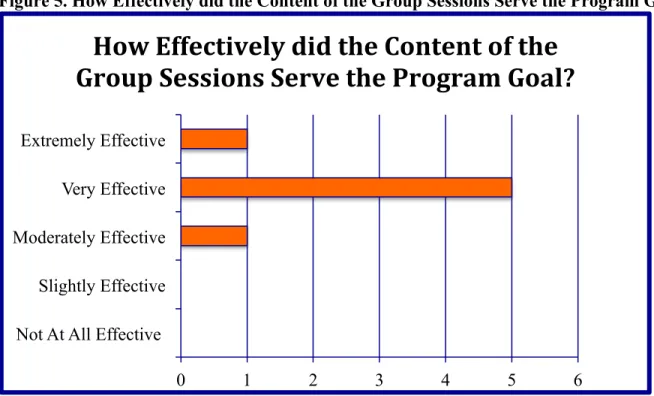
Figure 5. How Effectively did the Content of the Group Sessions Serve the Program Goal? .... 57
CHAPTER 1: INTRODUCTION
Sexuality and relationships have an extensive impact on long-term health. It is imperative for health care professionals to recognize and address these issues. Adolescence is a critical period for sexual development and development of healthy sexuality is essential for successful navigation of the transition from childhood to adulthood (Chan, & John, 2012; Dewinter, Vermeiren, Vanwesenbeeck, & Van Nieuwenhuizen, 2013; World Health Organization, 2016). Like their peers, adolescents with intellectual and/or developmental disabilities (IDD) experience the physical changes of puberty and express developmentally appropriate interest in sexuality and relationships (Fouquier, & Camune, 2015; Jones, Chatterjee, Anslow, Searle, & Blackhall, 2014; Kok, & Akyuz, 2015). Unique from their peers, adolescents with IDD confront additional challenges. Core features of IDD related to communication, behavior and learning can
complicate psychosexual development and impede individuals' ability to acquire
CHAPTER 2: REVIEW OF THE LITERATURE
Literature searches were conducted in PUBMED, CINAHL and PSYCHINFO databases. Search terms were used to target the population (e.g. autism, ASD, autism spectrum disorder, Asperger*, attention deficit hyperactivity disorder, ADHD, Down syndrome, intellectual disability, ID, developmental disability, DD, neurodevelopmental disorder, ND, IDD) and combined with the directives "sexual*" OR "sex education" to focus the topic. Filters for human subject, full text availability and publication dates 2012-2017 further narrowed results. Due to the paucity of research, parameters were expanded (i.e. to include perspectives from adults with IDD) and auxiliary searches supplied articles for many topic areas. Initially, 746 articles were identified (i.e. in 322 in PUBMED, 186 in CINAHL and 238 PSYCHINFO). Review of abstracts for relevance and elimination of duplicates resulted in 68 articles for review.
Background and Significance
Intellectual and developmental disabilities (IDD) are described in the fifth edition of the Diagnostic and Statistical Manual. The IDD population includes a broad range of conditions with onset in the developmental period (before age twenty-two years) that impact learning, language, behavior and physical areas of life (American Psychiatric Association, 2013; U.S. Department of Health and Human Services Administration for Community Living, 2017). Data from the
Houtrow, Larson, Olson, Newacheck, & Halfon, 2014). Rates increased among children (age 3-17 years) in the United States from 1997 (12.84%) to 2008 (15.04%), largely due to trends in diagnosis of Autism Spectrum Disorder (ASD) and Attention Deficit Hyperactivity Disorder (ADHD) (Boyle, et al., 2011).
The IDD population is comprised of a wide range of neurological, psychiatric and genetic conditions, including autism spectrum disorder (ASD), intellectual disability (ID), attention deficit hyperactivity disorder (ADHD), Down syndrome (DS), Fragile X syndrome (FXS), Angelman syndrome (AS), Prader-Willi syndrome (PWS) and cerebral palsy (CP). Thus, characteristics of individuals within this heterogeneous population are highly variable. For example, autism spectrum disorder (ASD) is characterized by social communication deficits and restrictive or repetitive patterns of behavior, whereas cognitive deficits define intellectual
disability (ID) and behavioral hyperactivity/impulsivity is a component of attention deficit hyperactivity disorder (ADHD) (American Psychiatric Association, 2013). Characteristics inherent to specific diagnostic groups (e.g. intellectual disability, autism spectrum disorders, attention deficit hyperactivity disorder) render different challenges and risks.
Challenges Secondary to Characteristics of IDD
impact of social marginalization must be considered to clearly grasp the challenges confronting the IDD population (Chan, & John, 2012; Hannah, & Stagg, 2016; Jahoda, & Pownell, 2014). For example, recent evidence reveals that adolescents with intellectual disability (ID) have smaller social networks, less access to informal sources of information and inferior sexuality knowledge compared to peers without ID (Aderemi, Pillay, & Esterhuizen, 2013; Jahoda, & Pownall, 2014). Overall, research shows that insufficient sexuality knowledge is a problem throughout the entire IDD population. Compared to typically developing peers, adolescents with autism spectrum disorder (ASD) and Down syndrome (DS) display less understanding of
privacy, sexually appropriate behavior and sex education (Ginevra, Nota, & Stokes, 2016). The process of acquiring sexuality knowledge and skills can be especially complicated for
adolescents who have deficits in cognitive or social areas. Cognitive deficits present apparent problems with comprehension, especially more complex topics. Social communication deficits (i.e. poor social communication, lack of understanding of social expectations and judgment, impaired ability to detect others' emotions and intentions) interfere with the ability to recognize and interpret nuanced or abstract ideas (Dekker, Hartman, et al., 2015; Dewinter, et al., 2013; Hannah, & Stagg, 2016). Underdeveloped social skills and social marginalization both contribute to challenges by limiting exposure and hindering opportunities to learn. Additionally, behavioral issues related to hyperactivity/impulsivity, sensory issues, restrictive interests and/or repetitive behavior precede certain psychosexual problems and increase the risk for negative consequences.
expressed problems with negative social attitudes (i.e. disapproval, oppression,
over-protectionism), fears, delayed expression, denied experience and lack of self-efficacy (Barnett, & Maticka-Tyndale, 2015; Rushbroke, Murray, & Townsend, 2014). Another small body of
research suggests that attention deficit hyperactivity (ADHD) symptoms (i.e. hyperactivity, impulsivity, inattention) predispose individuals to high-risk sexual behavior and subsequent interpersonal violence (Guendelman, Ahmad, Meza, Owens, & Hinshaw, 2016; Hosain,
Berensen, Tennen, Bauer, & Wu, 2012; Sarver, McCart, Sheidow, & Letourneau, 2014; White, & Buehler, 2012; White, Buehler, & Weymouth, 2014). The ASD population is a main focus throughout the literature because multiple ASD symptom categories (i.e. social-communication deficits, restrictive interests and/or repetitive behavior, sensory issues) are associated with difficulties with sexuality and relationships (Beddows, & Brooks, 2016; Kellaher, 2015; Fernandes, et al., 2016). Expectedly, a recent study comparing adolescents with ASD, DS and typically developing peers, significantly correlates ASD diagnosis with the lowest psychosexual function (i.e. social behavior, privacy, sex education, sexual behavior, parent concerns) (Ginevra, et al., 2016). Evidence suggests young adults with ASD have significantly lower sexual
awareness compared to those without a diagnosis (Hannah, & Stagg, 2016). Studies in adults with ASD reflect anticipated challenges related to social-communication deficits and sensory issues as well as reduced access to peer-based sexual socialization (i.e. exclusion, missed opportunities) and dissatisfaction with inadequate school-based sexuality education (Barnett, & Matika-Tyndale, 2015; Hannah & Stagg, 2016).
Adolescent Development and Healthy Sexuality
body, mind, relationships and social influences (Dewinter, Vermeiren, Vanwesenbeck, & Van Nieuwenhuizen, 2016b). The literature emphasizes three key points relevant to sexual
development and adolescence: (1) the importance of addressing human sexual development and sexual health from a lifespan developmental perspective (2) adolescence is a crucial stage in human sexual development (3) addressing needs related to sexual development prevents problems and promotes health during adolescence and into adulthood (Chan, & John, 2012; Dewinter, et al., 2013; Holland-Hall, & Quint, 2017). In addition to the physical changes associated with puberty, adolescent sexual development entails acquisition of knowledge and skills, exploration of values, expression of personal identity and socialization. Psychosexual development requires adolescents to expand social skills to navigate increasingly complex peer socialization and the emergence of romantic relationships (Chan, & John, 2012; Cridland, Jones, Caputi, & Magee, 2014; Dekker, Hartman, et al., 2015). These aspects of sexual development often require additional support and early intervention in the IDD population.
Increased Risk for Sexual Abuse
The increased risk for sexual abuse in the IDD population is a prominent theme
throughout the literature. Sexual abuse includes undesired, non-consensual sexual contact in the form of coercion, exploitation, rape and assault. Previous studies have established that children with disabilities are more likely to experience sexual abuse compared to their non-disabled peers (McEachern, 2012). Estimated odds ratios range from three to seven times greater risk; children with speech/language impairments, intellectual disability, mental or behavioral disorders, autism
spectrum disorders and other developmental delays are particularly vulnerable (Chan, & John, 2012; Jones, et al., 2012). Though supportive research is limited, the collective literature adds
abuse (Martinello, 2014; Normand, & Sallafranque-St-Louis, 2016; Sevlever, Roth, & Gillis, 2013).
Features inherent to IDD such as underdeveloped social skills and cognitive impairments contribute to the IDD population's increased vulnerability to abuse. For example, poor ability to ascertain subtle cues (i.e. safe vs. unsafe) and lack of theory of mind (i.e. judge other's
intentions) can lead to the failure to recognize threatening relationships and situations (Dekker, Hartman, et al., 2015; Kim, 2015; Sevlever, et al., 2013). Alternatively, speech-language impairments may prohibit a child from stopping an advance or reporting abuse (Kim, 2015; Martinello, 2014; Sevlever, et al., 2013). The combination of ingrained behavioral compliance training (i.e. manipulation) and dependent relationships with caregivers (i.e. opportunity) makes lower functioning individuals unique targets for abuse (Euser, Alink, Tharner, Van Ijzendoorn, & Bakermans-Kranenburg, 2016; Martinello, 2014; Sevlever, et al., 2013). Stigmatized social perceptions of individuals with ID as unassertive, incapable of self-defense or unreliable witnesses may appeal to perpetrators and factor into heightened vulnerability (Lund, & Hammond, 2014). Specific risk factors also exist for the ADHD subpopulation. Childhood ADHD symptoms correlate with an increased risk of interpersonal violence (IPV) (Guendelman, et al., 2016). Recent studies contribute evidence that attribute risky sexual behavior in ADHD to symptoms of hyperactivity/impulsivity; subsequently, risky sexual behavior is a mediating risk factor for IPV (Hosain et al., 2012; Sarver et al., 2014; White, & Buehler, 2012).
Abuse is particularly concerning due to the damaging physical, emotional and
(Roberts, Koenen, Lyall, Robinson, & Weisskopf, 2015). Conversely, comorbid social and psychological problems (e.g. anxiety, depression, post-traumatic stress disorder, substance use, poor self-esteem, isolation/loneliness, history of abuse, domestic violence, dysfunctional family environments, poverty, academic distress) escalate the risks for exploitation and abuse
(Guendelman, et al., 2016; Lund, & Hammond, 2014; Wiggins, Hepburn, & Rossiter, 2013). Sexual Abuse and Offense
In addition to the increased risk for sexual abuse victimization, the IDD population has an increased risk for perpetrating sexual abuse (Martinello, 2015). Offensive or deviant sexual behaviors often emerge from neglect or violation of socio-cultural rules, norms and conventions (Martinello, 2015; Kellaher, 2015). Individuals with IDD who exhibit harmful sexual behavior may be acting out as a sign of trauma (Sevlever, et al., 2013; Walters, et al., 2013; Wiggins, et al., 2013). Abused individuals are more likely to repeat the cycle of harmful behavior, and this may be especially true for the IDD population (Bellows, &Brooks, 2016; Sevlever, et al., 2013). Research conducted by Put, Asscher, Wissink, & Stams (2014) in the Washington State Juvenile Court system shows an even stronger connection between maltreatment victimization and legal sexual offense in youth with intellectual disabilities compared to peers with normal intelligence. Consequences of Inadequate Sexuality Education
confusion, frustration or anxiety) related to the physical and hormonal changes of puberty and medication effects (i.e. libido) also influences sexual behavior (Beddows, and Brooks, 2016).
Underdeveloped social and relational skills pose barriers to social inclusion (Dewinter, et al., 2013; Gomez, 2012; Lofgren-Martensen, & Sobring, 2015). Social marginalization often compounds difficulties related to social skills deficits and interferes with the formation and maintenance of meaningful relationships (Corona, Fox, Christodulu, & Worlock, 2016; Dekker, Hartman, et al., 2015; Tullis, & Zangrillo, 2013). Consequently, a lack of fulfilling relationships leads to reduced quality of life (i.e. dissatisfaction, loneliness, distress, depression or other mental health problems) and the missed opportunity for personal growth and satisfaction (Chan, & John, 2012; Holmes, Himle, & Strassberg, 2016b; Mackin, Loew, Gonzalez, Tykol &
Christensen, 2016). In research exploring lifetime sexuality experience, adults with ASD express courtship difficulties, delayed romantic debuts, relationship dissatisfaction, low self-efficacy, struggles with sexual identity and self-expression, among other negative experiences (Byers, Nichols, & Voyer, 2013; Dewinter, Vermeiren, Vanwesenbeeck, & Van Nieuwenhuizen, 2016a; Hannah, & Stagg, 2016). A pioneer study by Byers, Nichols, & Voyer (2013) correlates the severity of social impairment in ASD to decreased satisfaction with sexuality and relationships. Poor understanding of socially acceptable and culturally expected norms for psychosexual behavior increases the risk for negative sexual experiences (i.e. awkward encounters, rejection, dissatisfaction, exploitation, abuse) (Dekker, Hartman, et al., 2015).
boundaries contributes to inappropriate behaviors such as touching private parts, speaking about sexual activities or masturbating in public (Beddows, & Brooks, 2016). Problems such as
excessive or improper masturbation may arise from a lack of practical knowledge and skills (Beddows, & Brooks, 2016). One retrospective analysis examines the relationship of age, verbal ability, symptom severity, intellectual ability and adaptive functioning to inappropriate sexual behaviors in adolescents with ASD. Findings suggest that cognitive function is an influential factor. Inappropriate behaviors are observed in one-fourth of subjects, but problem types differ on the basis of intellectual ability (i.e. public masturbation with ID compared to pedophilia and paraphilia without ID) (Fernandes, et al., 2016).
Findings in the current literature review reinforce previous evidence that inappropriate sexual behaviors are more problematic in the IDD population compared to the general
population. Limited evidence stresses that ASD may confer a particularly heightened risk for problematic sexual behavior. Research shows higher incidence of problematic sexual behaviors among adolescents with ASD compared to other groups within the IDD population (e.g. Down Syndrome) and typically developing peers (Ginevra, et al., 2016; Visser, et al., 2017). Stronger
evidence comes from a recent study of 1873 youth examining the relationship between autistic
hypo/hyper-sensitivities) impact the experience of sexuality, such that misdirected curiosity about the human body or sexual stimuli may manifest as inappropriate behaviors (Beddows, & Brooks, 2016; Dewinter, Vermeiren, Vanwesenbeeck, Lobbestael, & Van Nieuwenhuizen, 2015; Kellaher, 2015).
Intricate relationships exist between core features of IDD, inadequate sexuality education and a lack of sexuality knowledge with respect to the increased risk for abuse in the IDD
population. Both inadequate sexuality education and various core features of IDD lead to insufficient knowledge. Lack of knowledge also functions as an independent risk factor for abuse. A pioneer study by Brown-Lavoie, Viecili, & Weiss (2014) contributes meaningful evidence linking decreased sexual knowledge to increased occurrence of abuse. Overall, the literature affirms that sexual knowledge is a protective factor for abuse, which reinforces the need for proactive sexuality education (Kellaher, 2015).
Sexuality Education Considerations in the IDD Population
The importance of comprehensive sexuality education is well established (Sexuality Information & Education Council of the United States, 2012). Comprehensive sexuality
education promotes positive aspects of sexuality and prevents negative consequences (Jahoda, & Pownall, 2014; McEachern, 2012; Wiggins, et al., 2013). Interventions addressing the need for comprehensive sexuality education in the IDD population possess the unique potential to
personal skills; sexual behavior; sexual health; society and culture (2004). In this respect, the sexuality education needs of adolescents with IDD are the same as typically developing peers. However, adolescents with IDD confront many obstacles with respect to sexuality education, including barriers imposed by negative social attitudes and impediments that arise from characteristics inherent to IDD.
Sexuality education for the IDD population is laden with challenges. The nature of sexuality, characteristics of the target population and negative social attitudes intersect with aspects of the health care system to create numerous barriers. Many factors related to acceptance (i.e. attitudes), motivation (i.e. prioritization), preparation (i.e. education, training) and support (i.e. funding, research) function as potential barriers to the implementation and sustainability of sexuality education for the IDD population. Consequently, sex education has traditionally been neglected, inadequate or implemented only in reaction to problems in the IDD population (Holmes, et al., 2014; Sevlever, et al., 2013; Tullis, & Zangrillo, 2013).
care delivery systems. Accordingly, research is likely scarce due to a cascade of other system level barriers, such as low prioritization and lack of funding.
Sexuality education requires collaboration between multiple stakeholders, including parents, adolescents and multidisciplinary professionals. However, the highly fragmented United States health care system segregates practice specialties and impairs collaboration (Brown-Levey, Miller & deGruy, 2012; Mandersheid & Kathol, 2014). Furthermore, the current specialty-focused structure muddles responsibility for complex multidimensional (i.e.
encompasses aspects of physical, mental, emotional, social and spiritual health) issues such as sexuality education causing important aspects of holistic health care to become lost within a highly fragmented system.
Stigma and Misconceptions
Negative social attitudes (i.e. among parents, educators, health care professionals) surrounding sexuality in IDD is a prominent theme throughout the literature. Common myths portray individuals with IDD as childlike, asexual, over-sexualized or sexually aggressive. A legacy of stigmatization contributes to inattention to sexuality-related issues in health care professionals' education and practice (Fouqiuer, & Camune, 2015; Thompson, et al., 2014; Winges-Yanez, 2014). Holmes, et al., (2014) reveal problematic trends in the discussion of sexual health topics between health care professionals and parents of pediatric patients with ASD, such that discussions are avoided entirely or only occur in reaction to problems.
The literature describes how misunderstanding of sexuality in IDD hinders access to adequate sexuality education. For example, a tendency toward overprotection arises from the misconception of individuals as childlike or immature. Research suggests that parents
and experience intimate relationships (Ballan, 2012; Dewinter, et al., 2016a; Holmes, et al., 2016b). Although protection may be based on good-intentions or justifiable fears, shielding individuals with IDD from information about sexuality disempowers them and exacerbates their risks (Holmes, Himle, & Strassberg, 2016a; Lofgren-Martensen, 2012; Pownell, Jahoda, & Hastings, 2012). Another misconception is that exposure to sexuality information will "over-sexualize" individuals with IDD, which leads to oppression (Kellaher, 2015; Visser, et al., 2017; Winges-Yanez, 2014). For example, individuals in special education classrooms or residential facilities have historically been excluded from sexuality education (Jones, et al., 2014; Kim, 2015; Lofgren-Martenson, 2012). Critics add that when sexuality education has been offered to the IDD population it is restrictive. Abuse protection and risk avoidance dominate the content and overshadow information that affirms positive aspects of sexuality and encourages healthy psychosexual development (Holland-Hall, & Quint, 2017; Jahoda, & Pownall, 2014; Lofgren-Martenson, 2012). The myth that individuals with IDD are asexual or disinterested in
relationships leads to the presumption that sexuality education is irrelevant (Fouqier, & Camme, 2015; Byers, Nichols, & Voyer, 2013).
Conversely, emerging literature espouses the relevance of sexuality and relationships in the lives of individuals in the IDD population (Byers, & Nichols, 2014; Dewinter, et al., 2015; Rushbroke, et al., 2014). Several recent studies convey that parents understand the importance of sexuality and relationships to quality of life and value their children's ability to develop to their full potential (Cridland, et al., 2014; Mackin, et al., 2016; Pownall, Jahoda, & Hastings, 2012). Teaching Methods
characteristics (Ballan, 2012; Curtis, & Ebata, 2016; Tullis, & Zangrillo, 2013). Experts
throughout the literature advocate for a shift in attitudes to change the tone of sexuality education from a problem-focused, deficit-centered approach to a strengths-based approach that promotes healthy sexuality and positive experience (Holland-Hall, & Quint, 2017; Jahoda & Pownall, 2014; Lofgren-Martenson, 2012). Professional recommendations exist in lieu of research on effective methods for teaching sexuality education to the IDD population (Chan & John, 2012; Holland-Hall, & Quint, 2017; Tullis & Zangrillo, 2013). For example, Ballan & Freyer (2017) offer examples of sexuality education content delivered through methods commonly used with the ASD population: Applied Behavior Analysis, Social Stories, and Social Behavior Mapping (Ballan & Freyer, 2017). Although none of the sexuality education program evaluations included in this review evaluate teaching methods, several articles report details about the teaching
strategies employed in the intervention. Common methods include repetition, active learning (i.e. role-playing) and reinforcement of content through modeling and multimodal representations of material (Corona et al., 2016; Dekker, Van Der Vegt, et al., 2015; Kim, 2015; Holland-Hall, & Quint, 2017; Tullis & Zangrillo, 2013; Wiggins et al., 2013: Visser et al., 2015). Communication strategies are generally described in terms such as simple, clear, tangible, concrete, direct, specific and explicit (Corona et al., 2016; Dekker, Van Der Vegt, et al. , 2015; Holland-Hall, & Quint, 2017; Tullis & Zangrillo, 2013; Wiggins et al., 2013). Other examples include
Parental Involvement in Sexuality Education
Experts recommend health care professionals support parental involvement in formal sexuality education for the adolescent with IDD, as well as parental engagement in informal discussions about topics related to sexuality and relationships (Ballan, 2012; Holmes, et al., 2014; Mackin, et al., 2016). In the IDD population, this challenging task is exacerbated by social stigmas, elevated risks and the variable influence of IDD characteristics on sexuality,
relationships, learning and behavior. Several well-designed studies explore parents' perspectives and highlight common concerns reported by parents with regard to their children's sexual development and educational needs. In general, parent-reported concerns are comparable to the range of issues previously discussed, including: vulnerability to abuse; coping with pubertal development; their child's level of comprehension or emotional maturity; fears that introducing sexual information could lead to perseveration/fixation, overgeneralization or behavioral reactions; fears that social or legal problems could result from inappropriate public behavior or misinterpretation of their child's behavior; risky sexual behavior; negative sexual health
outcomes (e.g. unintended pregnancy, STI); their child's limited prospects for romantic relationships and sexual experience; a lack of resources (Ballan, 2012; Cridland, et al., 2014; Gurol, Polat, & Oran, 2014; Holmes, et al., 2016b; Lofgren-Martenson, & Sobring, 2015;
Mackin, et al., 2016; Pownall, et al., 2012). Baseline information collected in sexuality education program evaluation studies also validates concerns discussed throughout the literature and
reinforces the need to provide enhanced support for sexuality education in the IDD population. Parents recognize that their adolescent children with ASD express interest in romantic
children lack an understanding of important sexuality topics (e.g. sexual hygiene, sexually transmitted diseases and birth control) (Corona, et al., 2016). Additionally, parent reports and clinician referrals indicate the presence of inappropriate behavior and concern for problems with psychosexual development in the IDD population (Dekker, Van Der Vegt, et al., 2015; Kok, & Akyuz, 2015).
Despite heightened concerns, research examining trends in parent-child communication suggests that parents of children with IDD neglect or delay discussions about sexuality and relationships, (Ballan, 2012; Holmes et al., 2016a; Pownall, et al., 2012). Parents are more likely to discuss basic information related to sexual abuse prevention, private space and body parts, appropriate touch, personal hygiene, and puberty; whereas relatively mature, complex and abstract topics about dating and sexual activities are the most neglected (Holmes, et al., 2014; Holmes, et al., 2016a; Mackin, et al., 2016). This discrepancy is not well understood, but experts hypothesize that both child factors (i.e. IDD characteristics) and parent factors (i.e. attitudes) influence parent-child communication (Ballan, 2012; Dewinter, et al., 2016b; Holmes, et al., 2016a). For example, research indicates that parents discuss more topics when children have higher cognitive function and fewer topics when children display more severe ASD symptoms (Holmes, & Himle, 2014; Holmes, et al., 2016a). Furthermore, Holmes, Himle, & Strassberg (2016a) demonstrate a positive predictive relationship between low parental romantic
communication. More research is needed to capture how parent attitudes influence parent-child communication and the subsequent impact on children's acquisition of sexuality knowledge. Evaluation of Sexuality Education Programs
The literature search for this review produced six articles containing a program
et al., 2013). More outcomes-based research is needed to inform program development, implementation and evaluation. Despite these limitations, the available literature provides preliminary evidence to guide future efforts.
These studies establish the feasibility of offering sexuality education programs to adolescents with IDD and their parents. Recruitment methods included voluntary participation, clinician referral or a combination of both. Regardless, the participation response demonstrates acceptance of educational interventions addressing sexuality and relationships in the IDD
population. The majority of programs report participant completion rates of 100% (Corona et al., 2016; Kim, 2016; Kok & Akyuz, 2015; Wiggins et al., 2013). One program reports reasons that involve relocation or logistics for completion rates of 82.5-85% (Dekker, Van Der Vegt et al., 2015; Visser et al., 2017). Comparable retention rates are reported for intervention and control groups in the randomized controlled trial (Visser, et al., 2017). Additionally, positive feedback from parents suggests high satisfaction, which may encourage parent-involvement in future programs (Corona et al., 2016; Kok & Akyuz, 2015).
Outcomes and Recommendations
correlate younger age (11-16 years) with greater improvements in knowledge (Dekker, Van Der Vegt, et al., 2015; Visser, et al., 2017). Accordingly, intervention during early adolescence may optimize benefits. Beyond strictly cognitive outcomes (e.g. knowledge), the ability to apply knowledge and skills in day-to-day life is an important goal for adolescents with IDD. Kim (2015) evaluates adolescents' ability to generalize protective behavioral skills to real-world settings, but small sample size (n=3), narrow focus (i.e. abuse prevention in females with IDD) and the anecdotal nature of the measure diminish the value of the results. The TTT program is an individual psycho-educational program targeting adolescents with ASD without intellectual disability (Visser, et al., 2015). Research on the TTT assesses social function and problematic sexual behavior with validated measures, but produces mixed results. Parents report
CHAPTER 3: CONCEPTUAL FRAMEWORK Program Evaluation
The methodology for this DNP project is a program evaluation. Program evaluations are generally categorized as formative or summative. Formative evaluations refer to evaluations conducted in advance or during a program's implementation for purposes such as program planning, design, development and revision. Summative evaluations refer to a retrospective assessment of a program for purposes such as accountability or goal attainment. Program evaluations serve multiple functions, including both internal and external purposes (Frye, & Hammer, 2012). Internal purposes include program development, quality improvement and sustainability, whereas external purposes include accountability, education and distribution (Frye, & Hammer, 2012). The Context Input Process Product (CIPP) evaluation model can be applied to both formative and summative program evaluations (Frye, & Hammer, 2012). Context Input Process Product Model
The comprehensive CIPP model enables evaluators to provide multiple stakeholders with useful information and has been used to guide program evaluations in a variety of settings, including health care (Mirzazadeh, et al., 2016; Shams, Golshiri, & Najimi, 2013; Stufflebeam, 1971). The model has been applied extensively for evaluation of educational programs
evaluation is a continuous process, in which information about strengths and weaknesses is used to inform ongoing decisions for program improvement (Mokhtarzadegan, et al., 2015;
Rooholamini, et al., 2017; Stufflebeam, 1971).
This model has four core components, context (C), input (I), process (P), and product (P), depicting four different aspects of program evaluation (Stufflebeam & Shinkfield, 2007;
Stufflebeam, 1971). A context evaluation serves purposes of program planning, development, organization, and management (Frye, & Hammer, 2012; Neyazi, et al., 2016). It is useful to identify needs and problems and to establish program goals (Stufflebeam, 1971). An input evaluation examines different strategies that may be employed to accomplish program goals. It is used to determine the program design and required resources (Frye, & Hammer, 2012; Neyazi, et al., 2016; Stufflebeam, 1971). A process evaluation describes and assesses the program's
implementation process. A detailed description of the program process is useful for the purpose of replication. Information about the program's strengths and weaknesses serves ongoing quality improvement (Stufflebeam, 1971). A product evaluation consists of measuring outcomes to assess the program's impact, which is useful for accountability and dissemination purposes (Frye, & Hammer, 2012). For example, application of the CIPP model to an existing program would evaluate the program goals in relation to the identified needs, assess whether or not the content of the program effectively meets the program goals, and identify areas for improvement.
The CIPP model contains three vertical components that represent three steps of program evaluation: (1) delineating (2) obtaining and (3) providing (Mokhtarzadegan, et al., 2015;
information that will be used to conduct the evaluation for each of the four horizontal
CHAPTER 4: PROJECT PLAN AND IMPLEMENTATION Project Design
The DNP scholarly project is a program evaluation of an existing psycho-education group Sexuality & Relationships designed for adolescents with a diagnosis of IDD and their parents (Parlier, & Miller, n.d). The CIPP model for program evaluation guides the implementation of the DNP project. The DNP project outcomes align with four overarching questions that correspond to the context, input, process and product aspects of the CIPP model for program evaluation. The outcomes for the program evaluation are: (1) How effective are the program goals in meeting the identified need? (2) How effective is the preparation of group facilitators to lead group sessions? (3) How well does the curriculum content serve the program goals? (4) How well do the group sessions serve the program goals? (5) How effective are the behavioral management strategies? DNP project outcomes and the corresponding CIPP components are represented in APPENDIX A, Tables 1, 2, 3, 4, 5 and 6.
Protection of Human Subjects and Research Ethics
Program Description
The Sexuality & Relationships psycho-education program is designed to serve as a
catalyst for parent-child communication on topics related to sex and relationships for adolescents with intellectual and developmental disabilities and their families. In addition to providing accurate and developmentally appropriate information to increase sexuality knowledge, the program aims to empower youth participants to make good decisions and practice healthy
behaviors related to personal relationships and their bodies (Parlier, & Miller, n.d). The Sexuality & Relationships psycho-education group represents a unique family-system based approach to comprehensive sexuality education. The program aims to equip parents with information,
strategies, and resources to support continuous informal sexuality education in the home (Parlier, & Miller, n.d.)
History
In 2014 Morgan Parlier and Kylee Miller began developing the Sexuality & Relationships program for the Carolina Institute for Developmental Disabilities (CIDD) in response to a
service gap identified by the clinic. In addition to her role as clinician and research coordinator at the CIDD clinic, Morgan Parlier, MSW, had previous research experience and interest in issues related to sexuality and relationships. Kylee Miller was a graduate student intern working closely with Parlier at the CIDD clinic while she completed a Ph.D. in School Psychology. The Sexuality & Relationships program series commenced in the fall of 2014. This DNP project focuses on the seventh implementation of the Sexuality & Relationships program completed in the spring of 2018.
Setting
children and adolescents with intellectual and developmental disabilities and is affiliated with a large teaching university in the southeastern United States.
Group Leaders
The DNP project participants consisted of the Sexuality & Relationships group program leader and co-facilitators. The Sexuality & Relationships group program leader is a master's prepared clinical social worker and clinical research faculty member at the clinic. Group co-facilitators include staff, interns and students associated with the clinic.
Group Participants
The group participants consisted of a small group of four adolescents, three boys and one girl, ranging in age from 13 to 19 with ASD and ADHD diagnoses. Each adolescent was
accompanied by at least one adult family member. The parent group generally consisted of five adults, including three mothers and two fathers.
Program Implementation
Co-facilitators were prepared to lead group sessions with a variety of orientation
resources including an introductory presentation, web-based modules developed for the purpose of training professionals to deliver sexuality education for the IDD population and
additional resources and circulated them via email. Behavioral management strategies were introduced in the pre-program orientation meeting. Materials from the orientation were distributed to co-facilitators via email. Additional discussion of behavioral management strategies was addressed in pre-session planning emails, specifically in discussion threads amongst the adolescent group leaders.
The Sexuality & Relationships program implementation entailed six consecutive weekly sessions, each scheduled for ninety minutes in the evening after regular clinic hours. With the exception of the introduction to the group at the beginning of the first session, each weekly session commenced with the participants divided into adolescent and parent subgroups.
CHAPTER 5: EVALUATION DATA Data Collection and Analysis
Evaluation data was obtained from two outcome measures (refer to APPENDIX B.) A ten question online survey provided quantitative data and a semi-structured interview provided qualitative data. The online survey contained ten total questions in multiple choice or Likert scale format. Four pertained to demographics, two related to context and one question each related to the input, process and product aspects of the evaluation. Five total questions comprised the semi-structured interview, one question relating to each of the four CIPP components and one final open-ended question. Similar to the structure of the outcome measures, the presentation of the evaluation data is based on the CIPP model (refer to APPENDIX D, Figures 1, 2, 3, 4, 5 and 6 for graphic representations of the quantitative results).
Eight individuals who served as Sexuality & Relationships group co-facilitators were identified as potential DNP project participants. Participation in the DNP project program evaluation was voluntary, and provision of an email address served as consent to participate in the program evaluation. All eligible participants were invited to participate in the DNP project program evaluation via email.
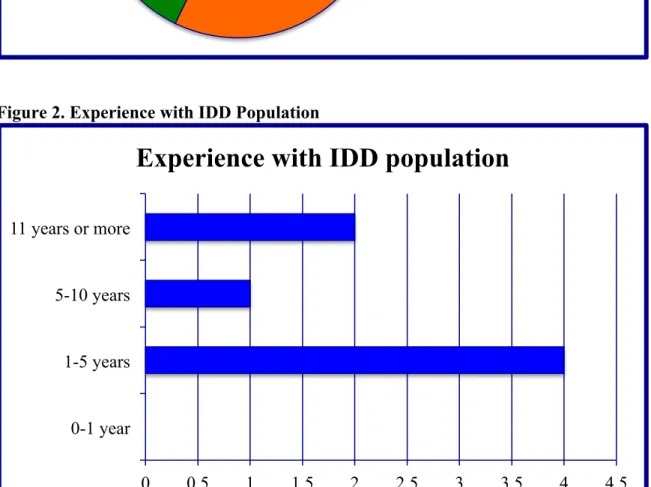
than ten minutes to complete. Seven of the eight co-facilitators completed the online survey, for a response rate of eighty-eight percent. No partial responses were recorded. All co-facilitators who participated in the online survey completed the measure in its entirety. Survey participants self-identified as graduate students and professionals from various disciplines, including social work, psychology, speech pathology and nursing. The majority reported one-to-five years experience with the IDD population. QualtricsTM (http://www.qualtrics.com) software enabled quantitative analysis that was interpreted to rank and compare responses to questions in order to evaluate the programs' strengths and weaknesses.
Semi-structured interviews were conducted by phone during the two weeks following the end of the program. Interviews were scheduled at each participant's convenience and required ten to fifteen minutes to complete. Six of the eight co-facilitators completed the semi-structured interview, for a response rate of seventy-five percent. In original form, the qualitative data consists of notes typed by the DNP Project Leader during phone interviews. Personal identifiers were not linked to the interview data to preserve anonymity beyond the DNP Project Leader. Thematic Content Analysis
Validity of the results is established by clearly depicting the steps involved to determine the results (Elo, Kaarianen, Kanste, Polkki, Utriainen, & Kyngas, 2014). Data analysis was
CHAPTER 6: PROGRAM EVALUATION OUTCOMES Context Evaluation Outcomes
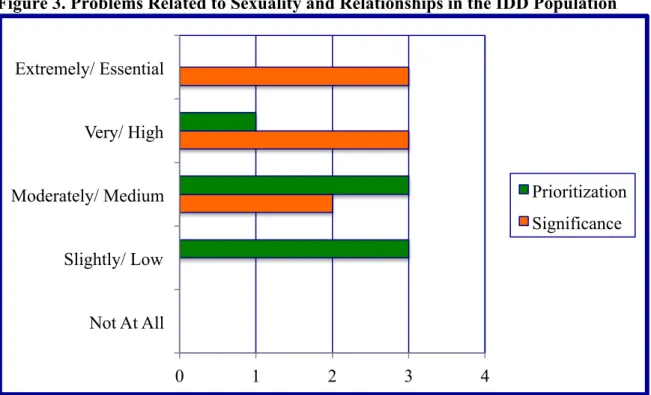
The context evaluation corresponds to the first DNP project outcome: How effective are the program goals in meeting the identified need? In general, the context for the Sexuality & Relationships program is explained and supported by the review of the literature. Additionally, the online survey contained two questions (#6 and #7) that explicitly address the context of the Sexuality & Relationships psycho-education program. Survey respondents rated problems related to sexuality and relationships in the IDD population as moderately, very and extremely
significant. Conversely, most indicated that such problems are given low to medium priority within their clinical or educational environment. Survey responses indicate that the level of prioritization of problems related to sexuality and relationships is relatively lower than the level of significance. These results bring attention to the gap that exists between the population's needs and the efforts being devoted to those needs.
One of the themes that emerged from the qualitative data pertains to the context
awareness, knowledge, skills and confidence in this area of life to positively impact adolescents lives. Findings also suggest that the program's existence inspired co-facilitators to develop more interest in the issues surrounding sexuality and relationships in the IDD population. Overall, findings highlight the importance of implementing a program to address sexuality and relationships issues in the IDD population.
Input Evaluation Outcomes
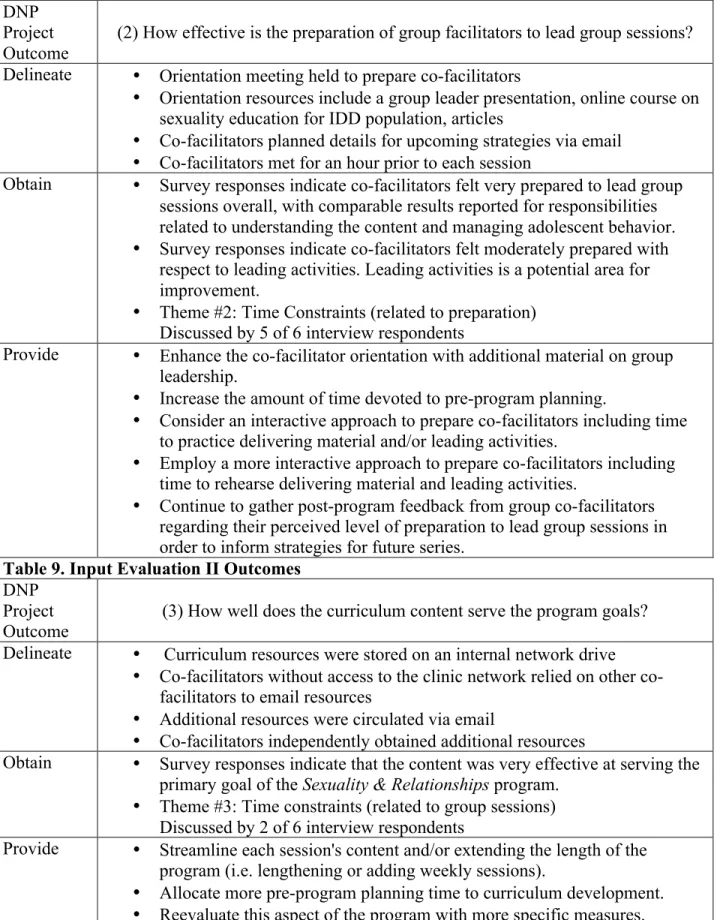
Based on the CIPP model, the second and third DNP project outcomes evaluate the material and human resource inputs required for the Sexuality & Relationships program. As discussed below, two themes identified in the qualitative data yielded insightful information for both of these DNP project outcomes. Additionally, one online survey question (#10) directly addressed the second DNP project outcome: How effective is the preparation of group facilitators to lead group sessions? Co-facilitators ranked their perceived level of preparation overall and with respect to different responsibilities: understanding the content; leading
activities; managing adolescent behavior. Survey responses indicate that co-facilitators generally felt very well prepared to understand the content, manage adolescent behavior and to lead group sessions overall. Understanding the content and managing adolescent behavior were similarly ranked highest in terms of the level of preparedness, closely followed by overall. Leading
activities ranked the lowest. Co-facilitators reported that they only felt moderately well prepared to lead activities. These findings reveal that preparing co-facilitators to lead activities is a
potential area for program improvement.
constraints as they apply to different aspects of the program. Time constraints were discussed during five of the six total semi-structured interviews in the context of planning and preparation, program sessions and post-processing. During program implementation the post-processing that occurred between each session functioned as planning and preparation for the subsequent
session; therefore, for practical purposes, post-processing will be considered along with planning and preparation. Interviewees discussed this barrier from a constructive perspective and offered suggestions for program improvement. For example, one co-facilitator emphasized that it was very helpful to have the prepared power-point presentations (saved from previous program sessions) as a curriculum resource, and suggested more development of similar curriculum resources. Another described the use of email to communicate pre-session plans as "functional," but "it would have been helpful to have had more time to meet as groups of facilitators to prepare, talk in person and run through things." Recommendations for future sessions include allocating more pre-program planning time to curriculum development and more pre-session
preparation time for co-facilitators to rehearse for delivering information and leading activities. Qualitative data from the semi-structured interview also offered useful information for
the input evaluation through feedback represented by a similar theme: time constraints (related to group sessions). Two interviewees recognized challenges related to the large amount of
Process Evaluation Outcomes
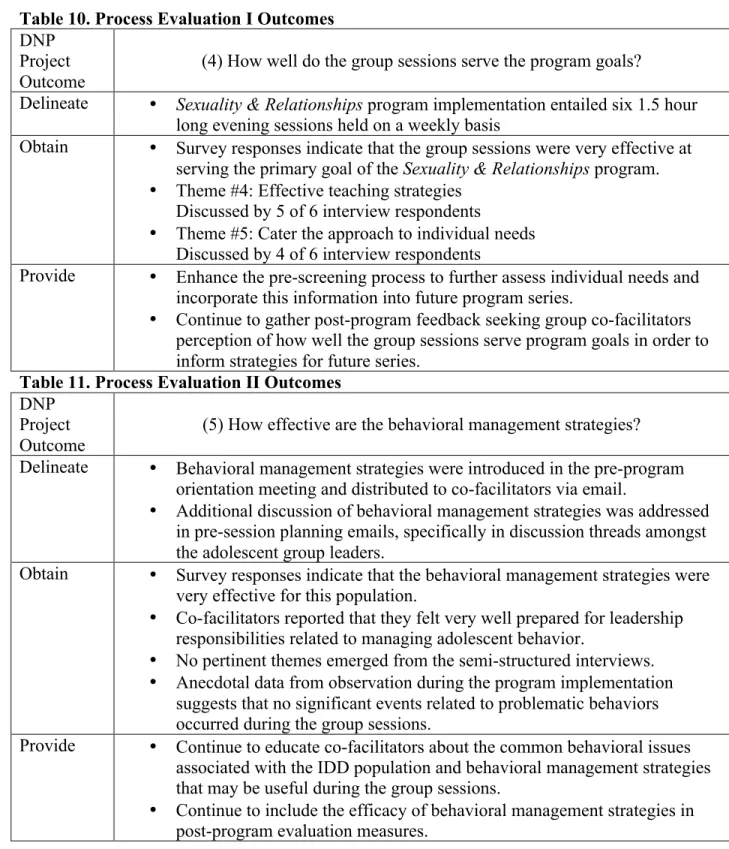
Corresponding to the fourth DNP project outcome, online survey question (#8) sought co-facilitators perspective on how well the content of group sessions served the program goals. Content encompasses both the curriculum and activities because they are practically
indistinguishable during group sessions. Similarly, the reference to program goals incorporates an element of the product evaluation. Although it is reported in the process evaluation outcomes, it also reflects input and product aspects of the Sexuality & Relationships program. Survey responses indicate that the content (i.e. activities and curriculum) of group sessions very effectively supported the primary program goal to serve as a catalyst for parent-child communication on topics related to sexuality and relationships for adolescents with IDD.
Two themes identified from the semi-structured interview data contain feedback relevant to the process of program implementation. Co-facilitators recognized effective approaches that can be enhanced to improve the process of implementing the program session in future program series. One of these, cater to individual needs, was identified based on comments from four of the six interviews. For example, co-facilitators suggested that "more efforts to individualize the delivery of information" would be beneficial. Specifically, a "question jar" may be useful to manage parents' specific questions and incorporate families' unique concerns during group sessions in an organized manner. Additionally, it was suggested that it would be helpful to enhance the pre-screening process to further assess individual needs and incorporate this information into future program series.
emphasized the need for a more interactive approach to delivering content and leading activities and suggested incorporating more games, role-play and discussion for program improvement. Two interviewees especially stressed the importance of delivering content "with different
modalities" and "repetitively"; for example, "teach the same content in different ways." Although more of the discussions about effective teaching strategies were framed by the challenge to engage the adolescent IDD population during group sessions, these ideas were also applied to the parent group.
Product Evaluation
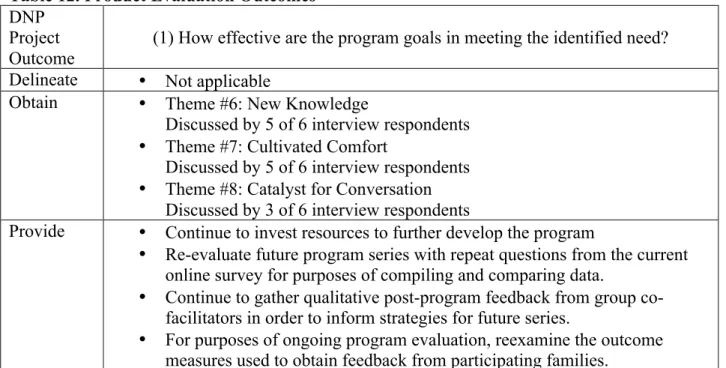
Based on the CIPP model, the product evaluation corresponds to the first DNP project outcome: How effective are the program goals in meeting the identified need? Three themes that convey the program's accomplishments were identified in the qualitative data, including new knowledge, cultivated comfort and a catalyst for conversation. Collectively, these themes reflect the principles of one of the main theories (i.e. social learning theory) that support the
intervention. The theory anticipates that new knowledge increases a sense of competence and cultivating comfort increases confidence. Thus, it predicts that these conditions will facilitate more discussion of sexuality and relationship topics between adolescents with IDD and their parents. All six of the interviewees discussed changes in awareness, comfort and/ or open conversation from the beginning to the end of the Sexuality & Relationships program.
These impressions emerged with respect to both the adolescent and parent participants, as well as the co-facilitators themselves. For example, one co-facilitator observed that initially "these kids were not aware" of sexuality "or how to communicate with your parents" about it, and it was rewarding to witness their growth during sessions when "kids discussed trusting adults, when and who to talk to" about these issues. Other co-facilitators appreciated that the parents appeared to be better equipped, not only with new knowledge and tangible resources for accurate sexuality information, but also intangible resources in the form of a "community
following quote illustrates how, when it comes to learning, there is no substitute for direct experience. The program "made it acceptable, less embarrassing... for these teens ... and even for me", for example, " talking about something like masturbation," from this program "I felt like I could really talk about it." Finally, three interviewees explicitly recognized that the program served as a catalyst for conversion about sexuality and relationships. Ultimately, the program's impact manifested as "fostering that open-dialogue" among participating families.
Overall Positive Experience
CHAPTER 7: PROJECT LIMITATIONS AND STRENGTHS
This DNP project was limited in time and scope. Project weaknesses included the small scope of the project and the limited quantity and quality of research available to guide the development and/or evaluation of programs with comparable goals for the target population. However, given the limited time required from participants to complete both outcome measures, efficiency and convenience were advantages of the outcome measures. Conducting individual interviews by phone was conducive to taking detailed notes, but the lack of verbatim transcripts or recordings is a potential limitation of the qualitative data. Although the methods for collecting data preserved anonymity, the individualized nature of both outcome measures were a
CHAPTER 8: BARRIERS, FACILITATORS AND SUSTAINABILITY
Several logistical aspects of the program are potential barriers to implementation. Time and space constraints exist due to coordination of multiple co-facilitators' and potential clients' schedules in conjunction with the availability of public meeting space within the clinic.
Additionally, three interviewees recognized barriers related to affordability and accessibility. In particular, respondents pinpointed the cost for families to participate in the program with the current fee for service pay structure. Based on anecdotal data from observation of the recruitment process, the low enrollment rate for this program series is largely attributable to this barrier. Affordability has the greatest potential to impact program implementation and sustainability because a minimum number of participants (approximately 3 adolescents with 3-6 parents) are required to offer the program. For future series, co-facilitators suggested obtaining additional funding to support the program and/or considering options for billing health insurance.
CHAPTER 9: RECOMMENDATIONS Recommendations for Future Program Series
• Continue to offer the Sexuality & Relationships program to address important issues and
areas of need for the IDD population.
• Enhance the pre-screening process to further assess individual needs and incorporate this
information into future program series.
• Continue to educate co-facilitators about the common behavioral issues associated with
the IDD population and behavioral management strategies that may be useful during the group sessions.
• Enhance the co-facilitator orientation with additional material on group leadership. • Increase the amount of time devoted to pre-program planning.
• Allocate more pre-program planning time to curriculum development.
• Employ a more interactive approach to prepare co-facilitators including time to rehearse
delivering material and leading activities.
• Seek additional sources of funding to support the program and/or consider a financial
structure that would enable families to utilize health insurance.
• Streamline each session's content and/or extending the length of the program (e.g.
lengthening or adding weekly sessions).
• Continue to hold co-facilitator debriefings after each group session to evaluate the
efficacy of strategies implemented during each session and anticipate strategies to implement in subsequent group sessions.
Recommendations for Ongoing Program Evaluation
• Continue to conduct program evaluation for the purposes of ongoing program
improvement.
• Continue to gather post-program feedback from group co-facilitators regarding their
perceived level of preparation to lead group sessions in order to inform strategies for future series.
• Continue to gather post-program feedback seeking group co-facilitators perception of
how well the group sessions serve program goals in order to inform strategies for future series.
• Continue to include the efficacy of behavioral management strategies in post-program
evaluation measures.
• Reevaluate the efficacy of curriculum content with more specific measures in future
post-program evaluations.
• Reexamine the outcome measures used to obtain feedback from participating families.
• Re-evaluate future program series with repeat questions from the current Qualtrics online
survey for purposes of compiling and comparing data.
• Continue to gather qualitative post-program feedback from group co-facilitators in order
to inform strategies for future series.
• Host a formal post-program meeting with co-facilitators to debrief the entire program and
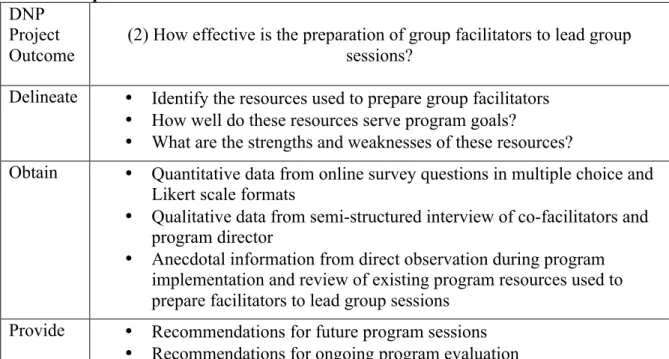
APPENDIX A: CIPP, DNP PROJECT OUTCOMES AND PROJECT PLAN Table 1. Context Evaluation
DNP Project Outcome
(1) How effective are the program goals in meeting the identified need?
Delineate • Identify the need/problem that the program intends to address • Identify program goals
• Are the program goals appropriate to address the need/problem?
Obtain • Quantitative data from online survey questions in multiple choice and Likert scale formats
• Qualitative data from semi-structured interview of group
co-facilitators and program director
• Anecdotal information from direct observation during program
implementation and review of existing program evaluation materials (i.e. adolescent pre/post test; parent pre/post survey)
Provide • Recommendations for future program sessions
Table 2. Input Evaluation I DNP
Project Outcome
(2) How effective is the preparation of group facilitators to lead group sessions?
Delineate • Identify the resources used to prepare group facilitators
• How well do these resources serve program goals?
• What are the strengths and weaknesses of these resources?
Obtain • Quantitative data from online survey questions in multiple choice and Likert scale formats
• Qualitative data from semi-structured interview of co-facilitators and
program director
• Anecdotal information from direct observation during program
implementation and review of existing program resources used to prepare facilitators to lead group sessions
Provide • Recommendations for future program sessions
• Recommendations for ongoing program evaluation
Table 3. Input evaluation II DNP
Project
Outcome (3) How well does the curriculum content serve the program goals? Delineate • Identify the curriculum resources
• How well do these resources serve program goals?
• What are the strengths and weaknesses of these resources?
Obtain • Quantitative data from online survey questions in multiple choice and Likert scale formats
• Qualitative data from semi-structured interview of group
co-facilitators
• Anecdotal information from direct observation during program
implementation and review of existing program resources for curriculum content
Provide • Recommendations for future program sessions
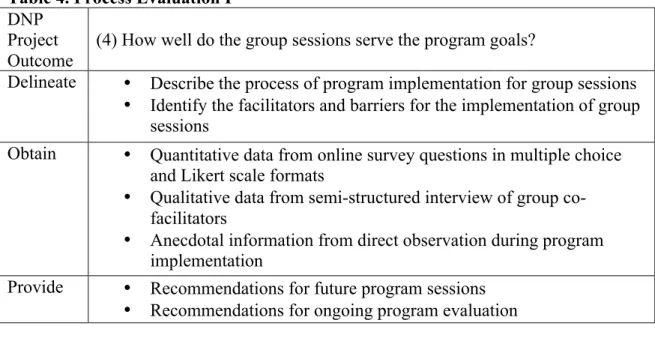
Table 4. Process Evaluation I DNP
Project Outcome
(4) How well do the group sessions serve the program goals? Delineate • Describe the process of program implementation for group sessions
• Identify the facilitators and barriers for the implementation of group
sessions
Obtain • Quantitative data from online survey questions in multiple choice and Likert scale formats
• Qualitative data from semi-structured interview of group
co-facilitators
• Anecdotal information from direct observation during program
implementation
Provide • Recommendations for future program sessions
• Recommendations for ongoing program evaluation
Table 5. Process Evaluation II DNP
Project Outcome
(5) How effective are the behavioral management strategies?
Delineate • Describe the process of behavioral management for group program
implementation
• Identify specific elements of the behavioral management strategies
used during the program sessions and the context in which they were applied
• Are the strategies implemented as intended?
• How effective are the strategies in managing behaviors?
Obtain • Quantitative data from online survey questions in multiple choice and Likert scale formats
• Qualitative data from semi-structured interview of group
co-facilitators
• Anecdotal information from direct observation during program
implementation
Provide • Recommendations for future program sessions
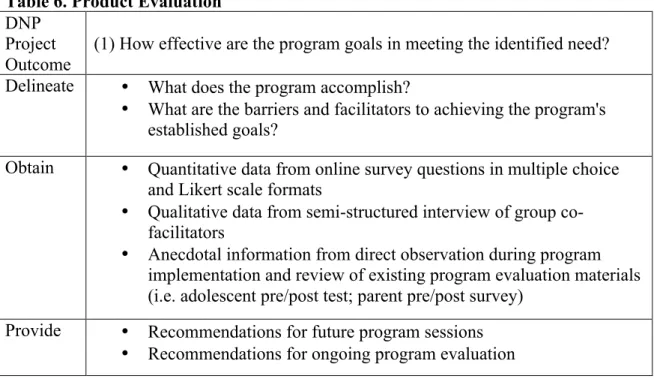
Table 6. Product Evaluation DNP
Project Outcome
(1) How effective are the program goals in meeting the identified need? Delineate • What does the program accomplish?
• What are the barriers and facilitators to achieving the program's
established goals?
Obtain • Quantitative data from online survey questions in multiple choice and Likert scale formats
• Qualitative data from semi-structured interview of group
co-facilitators
• Anecdotal information from direct observation during program
implementation and review of existing program evaluation materials (i.e. adolescent pre/post test; parent pre/post survey)
APPENDIX B: OUTCOME MEASURES I. Online Survey
1. Identify your role in the CIDD Clinic o Undergraduate student
o Graduate student o Professional/ employee
o Other (please specify) __________________
2. Identify your discipline
o Social work o Psychology o Education o Nursing
o Other (please specify) ___________________
3. Are you a current or former LEND trainee/fellow? o Yes, for the current academic year (2017-2018) o Yes, for a previous academic year
o No
4. Which participant group of the Sexuality & Relationships Psycho-education Group did you co-facilitate?
o Adolescent group o Parent group
5. How much experience do you have working with the intellectual and developmental disabilities population?
o No previous experience o 0-1 year
6. Based on your experience, how significant are problems related to sexuality and relationships in the IDD population?
o Extremely significant o Very significant o Moderately significant o Slightly significant o Not at all significant
7. In your experience, what level of prioritization is generally given to problems related to sexuality and relationships in the IDD population in your clinical or educational environment?
o Essential o High priority o Medium priority o Low priority
o Not at all a priority
8. A primary goal of the Sexuality & Relationships psycho-education group program is to serve as a catalyst for parent-child communication on topics related to sexuality and relationships for adolescents with intellectual and developmental disabilities. In your opinion, how effectively did the content (i.e. activities & curriculum) of the group sessions serve this goal?
o Extremely effective o Very effective o Moderately effective o Slightly effective o Not at all effective
9. Overall, how effective were the behavioral management strategies for this population?
10. Please indicate how prepared you felt to facilitate the group sessions, with respect to each of the following responsibilities:
(a) Understanding the content o Not applicable
o Extremely prepared o Very prepared o Moderately prepared o Slightly prepared o Not at all prepared (b) Leading activities
o Not applicable o Extremely prepared o Very prepared o Moderately prepared o Slightly prepared o Not at all prepared
(c) Managing adolescent behavior
o Not applicable o Extremely prepared o Very prepared o Moderately prepared o Slightly prepared o Not at all prepared (d) Overall
II. Semi-structured Interview Questions
1. Why were you interested in volunteering to co-facilitate the Sexuality & Relationships program? For example, describe your motivation to volunteer and/or what you hoped to gain from the experience. (context evaluation)
2. What would have made you a more effective group leader? (input evaluation) 3. Upon reflection, what would you do differently? (process evaluation)
4. Overall, what do you feel the program accomplished? (product evaluation)
APPENDIX C: CIPP AND DNP PROJECT OUTCOMES Table 7. Context Evaluation Outcomes
DNP Project
Outcome (1) How effective are the program goals in meeting the identified need? Delineate • Adolescents with IDD need to be equipped with knowledge and skills
related to sexuality and relationships.
• A primary goal of the Sexuality & Relationships psycho-education group
program is to serve as a catalyst for parent-child communication on topics related to sexuality and relationships
• Literature review finds endorsement for parental involvement in sexuality
education interventions for the IDD population.
Obtain • Survey responses indicate that the level of prioritization in clinical and educational environments is relatively lower than the level of significance for problems related to sexuality and relationships in the IDD population.
• Theme #1: Important Issue
Discussed by 4 of 6 interview respondents
Provide • Continue to offer the Sexuality & Relationships program to address important issues and areas of need for the IDD population.
• Continue to conduct program evaluation for the purposes of ongoing