ESTIMATING THE IMPACTS OF FATHER ENGAGEMENT ON EARLY CHILDHOOD OBESITY IN A NATIONAL SAMPLE OF US CHILDREN
Lorenzo Neal Hopper
A dissertation submitted to the faculty at the University of North Carolina at Chapel Hill in partial fulfillment of the requirements for the degree of Doctor of Philosophy in the Department of Maternal and Child Health in the Gillings School of Global Public Health.
Chapel Hill 2020
ABSTRACT
Lorenzo Neal Hopper: Estimating the Impacts of Father Engagement on Early Childhood Obesity in a National Sample of US Children
(Under the direction of Jon M. Hussey)
Overweight/obesity is an urgent threat to the health and well-being of US children. Parents influence early childhood obesity risk, yet little evidence exists on the specific impact of fathers. Motivated by this gap, I examined how father engagement impacts preschool (age 4 years) diet, screen time and overweight/obesity status.
Data came from the Early Childhood Longitudinal Study - Birth Cohort (ECLS-B), a nationally representative sample of US children born in 2001. The analytical sample
comprised approximately 4,500 child-mother-father triads. Two latent resident father engagement variables (caregiving and play), along with father-child shared breakfast, were investigated as main exposures of interest. The dependent variables were preschool diet (sugar-sweetened beverage, fast-food, fruit, vegetable, and juice consumption), screen time, and overweight/obesity status. Aim I modeled the relationship between father engagement and six obesity-related health behaviors. In Aim II, the obesity-related health behaviors were evaluated as potential mediators and race/ethnicity and father’s education were evaluated as potential modifiers of the father engagement- overweight/obesity status relationship.
childhood obesity risk behaviors were statistically significant. Father engagement through caregiving and play decreased excessive juice consumption Father engagement in caregiving increased screen time and father engagement in play predicted lower fruit consumption. Finally, engagement through father-child shared breakfast decreased excessive screen time.
Aim II documented a high prevalence of preschool overweight/obesity (34.3%). No direct or indirect associations between age 2 years father engagement and preschool
overweight/obesity status were found. Additionally, these associations were not modified by father race/ethnicity or education.
Contributions of this research include analysis of a nationally representative,
longitudinal dataset; application of exploratory factor analysis (EFA) to identify and model key dimensions of father engagement; and evaluation of hypothesized mediators and
moderators of the father engagement-childhood obesity relationship. We found evidence that age 2 years father engagement was associated with obesity-related health behaviors.
To my guardian angel – Ronnie. I would not be the man that I am today without you. Thank you for all of your influence and for being you – continue to watch down on us from heaven.
ACKNOWLEDGMENTS
Giving ALL glory and honor to God. Words will never fully capture my thankfulness and gratitude, but I hope my actions throughout my life will. To my family and friends – I have been blessed with brothers and sisters of all kinds throughout my life and am thankful for the support you have provided me throughout the program thus far and beyond. I am thankful for perspective because the more I learn about family systems, the more I can reflect on the safe, secure, and supportive network of the family I have in Shelby, NC. I owe this accomplishment to every last one of you. This program was a true test and I could not have made it thus far without your love. To my family – we did it.
TABLE OF CONTENTS
LIST OF TABLES ... X LIST OF FIGURES ... XII LIST OF ABBREVIATIONS ... XIII
I. CHAPTER ONE: INTRODUCTION ... 1
I.A.BACKGROUND &SIGNIFICANCE ... 1
I.B.EVIDENCE &GAPS IN THE LITERATURE ... 6
I.C.THEORETICAL FRAMEWORKS ... 8
I.D.DISSERTATION AIMS... 12
REFERENCES ... 15
II. CHAPTER TWO: METHODOLOGY ... 24
II.A.OVERVIEW ... 24
II.B.THE EARLY CHILDHOOD LONGITUDINAL STUDY –BIRTH COHORT ... 24
II.C.DISSERTATION ANALYSIS SAMPLE ... 28
II.D.DISSERTATION MEASURES ... 31
II.E.DATA ANALYSIS ... 34
REFERENCES ... 36
III.B.INTRODUCTION ... 39
III.C.METHODS ... 42
III.D.RESULTS ... 47
III.E.DISCUSSION... 55
REFERENCES ... 59
IV.CHAPTERFOUR:ASSOCIATIONBETWEENFATHER ENGAGEMENTANDPRESCHOOLOVERWEIGHT/OBESITY INANATIONALSAMPLEOFUSCHILDREN ... 66
IV.B.INTRODUCTION ... 66
IV.C.METHODS ... 69
IV.D.RESULTS ... 74
IV.E.DISCUSSION ... 77
REFERENCES ... 81
V. CHAPTER FIVE: DISCUSSION AND NEXT STEPS ... 86
V.A.SUMMARY OF PRINCIPAL FINDINGS ... 86
V.B.STRENGTHS AND LIMITATIONS ... 87
V.C.STRENGTHS AND LIMITATIONS IN RELATION TO PREVIOUS ECLS-BSTUDIES ... 89
V.D.IMPLICATIONS FOR POLICY AND PRACTICE ... 90
V.E.FUTURE RESEARCH ... 92
REFERENCES ... 96
APPENDIX A: ECLS-B DATA LICENSE ... 100
APPENDIX C: ECLS-B 2 YEAR & PRESCHOOL SURVEY
QUESTIONS ... 105
APPENDIX D: FACTOR ANALYSIS AND RELEVANT PLOTS FOR FATHER ENGAGEMENT A ... 110
LIST OF TABLES
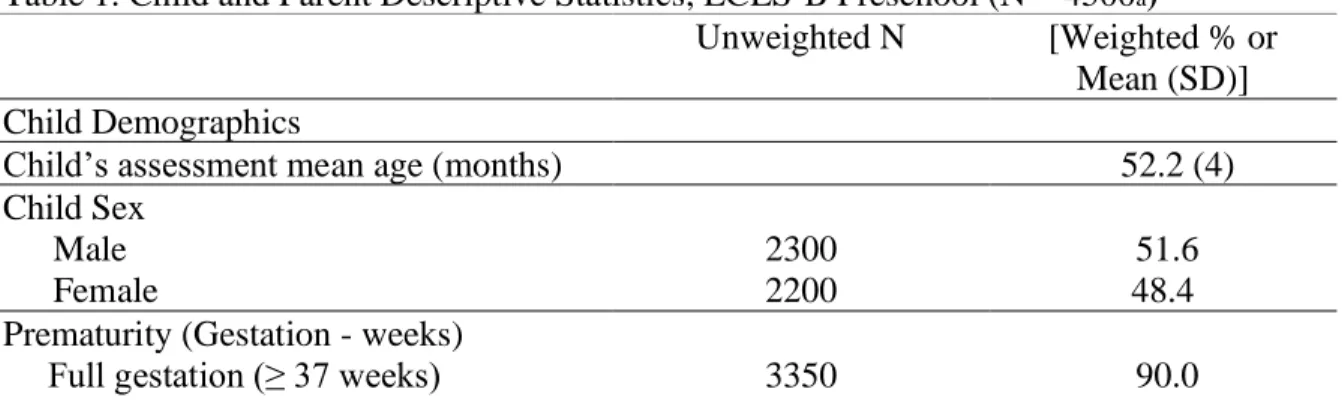
Table 1. Child and Parent Descriptive Statistics, ECLS-B Preschool (N ~ 4500a) ... 47
Table 2. Bivariate associations between types of father engagement
with early childhood obesity-related health behaviors: ECLS-B 2 year & Preschool N ~ 4200a,b ... 50
Table 3. Multivariable associations between types of father engagement with early childhood obesity-related health behaviors: ECLS-B 2 year & Preschool N ~ 3,600a,b, ... 51
Table 4. Multivariable associations between types of father engagement
with early childhood obesity-related health behaviors: ECLS-B 2 year & Preschool N ~ 3,600a,b ... 52
Table 5. Preschool Overweight/Obesity Status by Child, Parent, and Household Characteristics, ECLS-B preschool survey collection N ~ 4,250a,b ... 74
Table 6. Adjusted Relative Risks of Preschool Overweight/Obesity for Three Types of Father Engagement: ECLS-B N ~ 3,800a,b ... 77
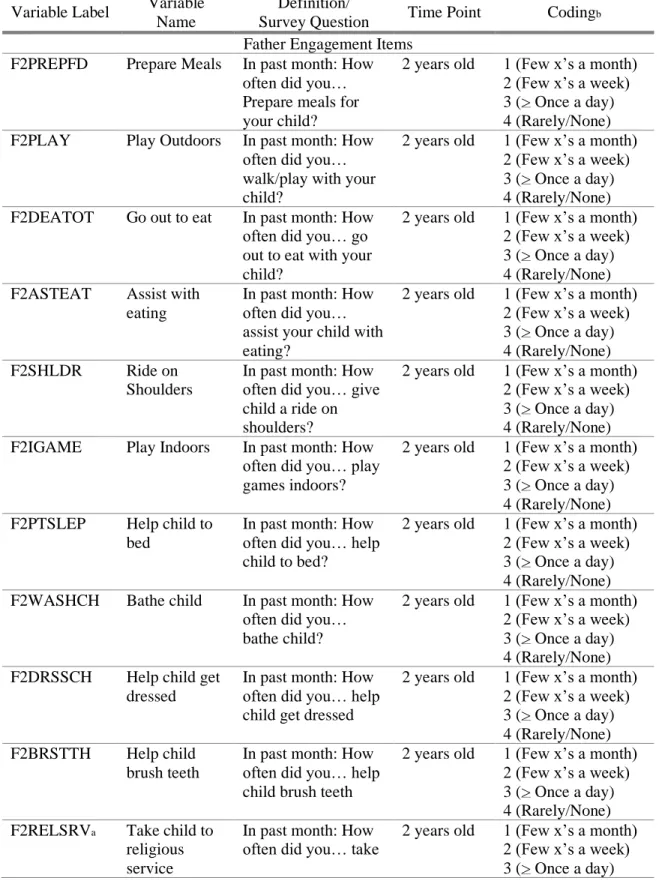
Table 7. Dissertation Variables a ... 101
Table 8. Correlation matrix for 13 father engagement items, 2 year Resident Father Self-Administered Questionnaire, N~4200. ... 110 Table 9. Kaiser-Meyer-Olkin and Bartlett’s test of sphericity for
appropriateness of factor analysis, ECLS-B, N~4200. ... 111 Table 10. Factor Scores based on exploratory factor analysis with oblique
rotations for 12 father caregiving activities, ECLS-B, N~4200. ... 111 Table 11. Descriptive statistics and reliability analysis for the two father engagement factors, ECLS-B, N~4200 ... 111 Table 12. Assessing effect measure modification of the association of father engagement and child overweight/obesity status, by race/ethnicity.a,b ... 115
Table 13. Assessing effect measure modification of the association of father engagement and child overweight/obesity status, by father’s
Table 14.Comparison of included and excluded father engagement and other age 2 father/mother/child characteristics ... 117 Table 15. Evaluating Functional Form of Father Engagement-Preschool BMI Associations: Percent Overweight/Obese by Father Engagement
LIST OF FIGURES
Figure 1. Conceptual model illustrating the hypothesized influence of
father engagement on early childhood overweight/obesity ... 13
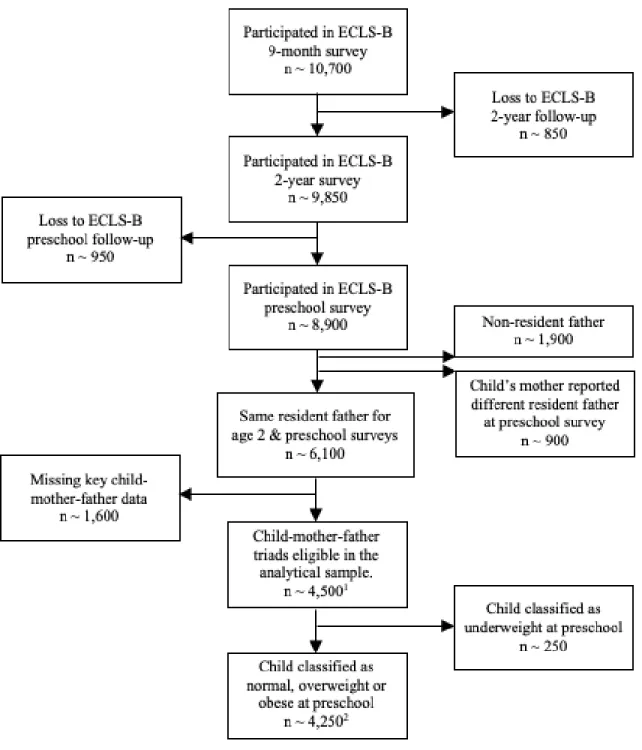
Figure 2. Flowchart illustrating the inclusion/exclusion of children into the analysis sample. ... 30
Figure 3. Summary Forest Plots of Relative Risks between types of father engagement with early childhood obesity-related health behaviors, adjusted for child parent socio-demographics N ~ 3,600. ... 54
Figure 4. Illustration of potential association of father engagement and overweight/obesity status mediated by diet and screen time. ... 69
Figure 5. Scree Plot illustrating eigenvalues for father engagement factor analysis ... 112
Figure 6. Path diagram illustrating factors retained and father engagement items. ... 113
Figure 7. Histogram illustrating distribution of father engagement in caregiving. ... 114
LIST OF ABBREVIATIONS
AAP American Academy of Pediatrics BMI Body Mass Index
CAPI Computer assisted personal interview CDC Centers for Disease Control and Prevention CI Confidence Interval
DHHS Department of Health and Human Services
ECLS-B Early Childhood Longitudinal Study - Birth Cohort EFA Exploratory Factor Analysis
EMM Effect Measure Modification IRB Institutional Review Board
LCHD Life Course Health Development Approach
NCD-RisC Non-Communicable Diseases Risk Factor Collaboration NCES National Center for Education Statistics
NHANES National Health and Nutrition Examination Survey
NICHD Eunice Kennedy Shriver National Institute of Child Health and Human Development
NSFG National Survey of Family Growth SSB Sugar-Sweetened Beverage
UNC University of North Carolina at Chapel Hill UNCC University of North Carolina at Charlotte US United States of America
I. CHAPTER ONE: INTRODUCTION
I.a. Background & Significance
I.a.i Early Childhood Obesity in the US
Obesity in children is defined as a weight to height ratio, Body Mass Index, at or above the 95th percentile for age and sex (Ogden et al., 2016). The US prevalence of childhood (ages 2-19 years) obesity is 18.5 percent (Fryar, Carroll, & Ogden, 2018), a rate that has more than tripled since 1970. Similarly, obesity at the earliest stages of life has also trended upward (NCD, 2017; Ogden et al., 2016). Early childhood, defined as ages 2-5 years, is a life course period with tremendous physical, emotional and mental growth and
highlighted by the CDC as an essential time frame for obesity research and prevention (Nyaradi, Li, Hickling, Foster & Oddy, 2013; CDC, 2017). During this time, children begin to make great advances in being able to think and reason, speak and express emotions, and walk and build on sensory and motor skills (Healthwise, 2016).
The most recent US national data on early childhood obesity (ages 2-5 years) reveals that in 2015-2016 the rate was 13.9% (Fryar, Carroll, & Ogden, 2018). In short, the
and non-Hispanic blacks (19.5%) compared to their non-Hispanic white counterparts (14.7%) (Ogden, Carroll, Fryar, & Flegal, 2014). Singh and colleagues (2008) found that income, net of race/ethnicity, was related to childhood obesity with the risk of obesity being 2.7, 1.9, and 3.2 times higher for low-income Hispanic, white, and black children compared to affluent white children.
Obesity is also associated with an increased risk of disease and death, particularly due to cardiovascular disease (CVD), diabetes, and cancers (Ogden et al., 2016). According to the National Institutes of Health (NIH), overweight and obesity are responsible for an estimated 300,000 deaths each year resulting in the second leading cause of preventable death in the United States (Stein & Colditz, 2004; National Heart Lung and Blood Institute, 1998).
Healthy People 2020 (HP2020) calls for reductions in the proportion of children and
adolescents who are obese, with a sub-objective to reduce the proportion of children aged 2 to 5 years who are obese (HP2020, 2019). Additionally, obesity often persists from childhood into adulthood (Dixon et al., 2012; Chan & Woo, 2010) resulting in substantial individual, interpersonal and financial consequences.
I.a.ii Determinants of Childhood Obesity
& Butcher, 2006; Thorp, Owen, Neuhaus, & Dunstan, 2011). Researchers, as well as parents, have expressed concerns about the short and long-term influence of child health behaviors. Among these concerns are questions about how behaviors exhibited during early childhood translate into behaviors in adolescence and the impact they have on adult health outcomes. For example, the epidemiologic evidence of the health benefits associated with fruit and vegetables consumption in adults is substantial (Duyn & Pivonka, 2000; He, Nowson, & MacGregor, 2006). Fruits and vegetables are high in water and fiber and low in energy density, which is how consumption may influence overweight/obesity status (Stelmach-Mardas et al., 2016). Excess consumption of fast-food and limited amounts of fruits, vegetables, and whole grains have also been linked with obesity risk (Affenito et al., 2005; Ebbeling et al., 2004; Ludwig, Peterson, & Gortmaker, 2001). Current reports suggest that children do not eat enough fruits or vegetables. Specifically, statistics from 2007-2010 show that 6 in 10 US children did not eat enough fruit and 9 in 10 children did not eat enough vegetables (CDC, 2014).
Additionally, studies show that children are more sedentary than they used to be, which contributes to higher levels of physical inactivity and obesity (Singh, Kogan, Van Dyck, & Siahpush, 2008; Boone, Gordon-Larsen, Adair, & Popkin, 2013). In 2009, children spent an average of 89 minutes per day using a computer for fun, an increase from 62
minutes just five years prior in 2004. Screen time has been linked to language delay, smaller vocabularies, and behavior issues in early childhood (Hancox & Poulton, 2006; Thompson & Christakis, 2005). Increases in physical inactivity among children as well as the
considerable evidence that watching more than two hours of TV per day was associated with higher risk of being overweight or obese (Tremblay et al., 2011). Increases in the amount of time spent watching television may explain why levels of physical activity remain
insufficient for all age groups. Growing evidence supports that physical inactivity in adolescence strongly and independently predicts the risk of many chronic diseases, such as obesity (Tremblay et al., 2011; Pietiläinen et al., 2008). Among the various factors implicated in childhood obesity risk are parental influences on diet and physical activity.
Dietary guidelines for children and adults are designed in the US to help individuals ages 2 years and older to consume a healthy and nutritionally adequate diet (USDA, 2015). Evidence from the nutrition literature show that healthy eating patterns help to maintain good health and reduce the risk for adverse health outcomes. The 2015-2020 Dietary Guidelines
for Americans reflects this body of evidence through its recommendations (USDA, 2015).
These recommendations state that children in particular are encouraged to maintain a nutritious diet to support normal growth and development without leading to excess weight gain. Additionally, children who are overweight or obese should change their eating and activity behaviors to reduce their rate of weight gain as linear growth occurs.
Following the 2015-2020 dietary guidelines (USDA, 2015), children should consume 2-3 servings of fruits and vegetables daily. Sugar-sweetened beverages (SSB) are one of the main sources of added sugars in the US for children and adults. Nearly half of children in the US aged 2 to 5 years drink SSB daily (Vercammen et al., 2018) and as a result,
recommended allowances for children. Thus, fast-food consumption is deemed harmful to child health and should be limited, especially in early childhood (Das, 2015). Screen time, defined as the amount of time spent in front of all types of screens (TV, computer, phone, video), has become an increasing issue among children and teens. The American Academy of Pediatrics (AAP) recommends that parents create a media plan to help monitor the amount of screen time children consume. According to these recommendations, children ages 2 to 5 years should have no more than 1-2 hours per day of screen time (AAP, 2018).
I.a.iii Defining Fatherhood and Father Engagement
Fatherhood is a multidimensional concept that has seen changes and growth in how we understand and operationalize the meanings (Cabrera, Tamis-LeMonda, Lamb, & Boller, 1999). Often researchers use such terms as fatherhood, father involvement, and father
engagement, interchangeably, even though they are referring to different constructs with
varying definitions (Marsiglio, Day, & Lamb, 2000). Involvement implies doing to, whereas engagement, an element of involvement, implies doing with. The widely accepted Lamb and Pleck conceptualization of father involvement (Lamb, Pleck, Charnov, & Levine, 1987; Pleck, 2012) identifies three dimensions: 1) engagement, 2) accessibility, and 3)
responsibility. Engagement, the most frequently examined component – and the focus of this study – refers to the one-to-one interaction with the child (Lamb, Pleck, Charnov, & Levine, 1987).
2005). Growing evidence on children with involved fathers demonstrates better cognitive and emotional outcomes (Baker, 2014; Rollè et al., 2019) as well as higher economic and
educational attainment (Flouri & Buchanan, 2004). However, a major shortcoming in the study of father engagement is the lack of research geared towards exploring fathers’ engagement in child health-related behaviors. Therefore, the goal of this dissertation is to examine the relationship between father engagement and early childhood overweight/obesity status by studying fathers’ time spent engaged in many daily caregiving activities in the home.
I.b. Evidence & Gaps in the Literature
Substantial work has examined the influence parents have on early childhood obesity (Rhee, 2008; Davison, 2016). Findings suggest that having an overweight mother and living in a single-parent family increases the likelihood of a child being overweight or obese (Gibson et al., 2007). Additionally, there are reported correlations between maternal diet, feeding practices and child diet (Morrison, Power, Nicklas & Hughes, 2013). However, research on the unique contributions of fathers on childhood obesity-related health behaviors is limited. Evidence from the National Longitudinal Survey of Youth (NLSY) suggests that obese children are more likely to live in father-absent homes than non-obese children
Watterworth and colleagues (2017) explored how food preparation practices are associated with young children’s diet intake in Canada. Findings suggested that both
mothers’ and fathers’ engagement of children in meal preparation were associated with lower child nutrition risk and fathers’ modeling of healthy behaviors was associated with lower nutrition risk (Watterworth et al., 2017). Pearson and colleagues (2009) conducted a
systematic review of observational studies on family correlates of child-adolescent fruit and vegetable consumption and found positive relationships between parents’ and child fruit and vegetable consumption and surmised that children vastly mirror the behaviors of their parents.
Two recent studies have utilized the Early Childhood Longitudinal Study – Birth Cohort data to explore the relationship between father involvement and childhood obesity. Wong and colleagues (2017) hypothesized that increasing fathers’ involvement with
caregiving and decision-making would be associated with decreases in obesity-related health behaviors. The authors concluded that increases in fathers’ involvement with some aspects of caregiving (e.g., bathing and dressing child) lowered the odds of becoming obese between age 2 year and preschool. They found that a one category increase in the frequency that fathers took their children out for walks or play was associated with a 30% decrease in the odds of childhood obesity. Finally, the authors found few significant interactions as they assessed the modification effects of family poverty, father education, and maternal
additional day that fathers ate breakfast with their child decreased the risk of the child’s SSB consumption but increased the risk of child overweight status. Each of these studies,
however, only modeled a subset of individual indicators of father involvement available in ECLS-B.
Efforts to explore father engagement have been met with numerous challenges (Allen & Daly, 2007). These challenges include, but are not limited to defining engagement,
measurement issues or validity of fathers’ self-report data, sampling/representativeness issues or limited generalization of findings from middle-class, white families, and same-informant bias or using mothers as proxies for the father (Day & Lamb, 2004). These challenges limit how the role of the father is conceptualized and measured. As a result, three study design standards have been identified (Pleck, 2012) and include: 1) data for fathers and child outcomes from different sources, 2) longitudinal analysis, and 3) taking mothers into account. Furthermore, Allen & Daly (2007) highlight how further research and theory can build the father engagement literature by attending to these limitations.
I.c. Theoretical Frameworks
I.c.i Overview
I.c.ii Social-Ecological Model
Originally developed by developmental psychologist Urie Bronfenbrenner, the Social-Ecological Model (SEM) explains how individual behaviors and outcomes are shaped by different levels of interrelated influences (e.g., individual, interpersonal, community and societal factors) (Bronfenbrenner, 1986). The CDC uses the SEM to inform potential prevention strategies (CDC, 2019; Dahlberg & Krug, 2002). Prevention efforts at the intrapersonal level may include educating individuals about the importance of adopting healthy lifestyles and understanding how family medical history can increase the risk for health outcomes. The next level is expanded to include interpersonal relationships. The exposure of interest for this work, father engagement, is housed within this level. Family-focused programs, as well as peer-programs, may be used as prevention strategies at this level of the SEM. It is important to also recognize the community, societal, and political influences on father engagement and childhood obesity as action at these levels will
maximize the promotion of father engagement as well as the chances at reducing the obesity epidemic.
To my knowledge, there has not been a specific theory or theorized mechanism to date that explains the role of father engagement factors in the risk of early childhood obesity (Gibson et al., 2007). However, it seems most appropriate to analyze the topic of father engagement and obesity through an ecological lens. As explained by Adamsons and
colleagues (2007) in their study using data from the NICHD Study of Early Child Care, given the complex nature of family systems it is useful to apply an ecological perspective to studies examining father involvement. The authors state:
relationships (Whitchurch & Constantine, 1993) that are affected by larger contextual factors (Doherty et al., 1998; Hofferth, 2003). Thus, Bronfenbrenner’s (1979, 2005) ecological framework is particularly useful to this area of study (Adamsons, O’Brien & Pasley, 2007, p. 130).
The interpersonal or microsystem level (face-to-face relationships the child has with parents, peers, teachers, and other adults) of Bronfenbrenner’s SEM as it relates to human nutrition addresses the relationships with a child’s immediate surroundings, which is where the relationship with the father becomes significant (Bronfenbrenner, 1986). In ecological theory, ‘proximal process’ refers to the dynamic interaction between the person and the environment through which development occurs (Bronfenbrenner, 1986). Considering SEM, the impact of the father can be an additional microsystem partner for the child or serve as a more unique kind of microsystem partner with different personalities and interactions with their child. Applied to this dissertation, the process will refer to the active engagement
between father and child while controlling for the influence of the mother. Davison and Birch (2001) present a model of development of early childhood overweight which links child behavioral patterns to a higher risk of overweight. Additionally, research suggests that other proximal factors that may influence childhood obesity include the father’s race/ethnicity, the father’s health - through genetic predisposition and exposure to obesity-related health
behaviors; the father’s education level and parental BMI (Guerrero et al., 2016). I.c.iii Life Course Perspective
death (Bengtson, & Allen, 2009). The life course health development (LCHD) model used in chronic disease epidemiology highlights how behavioral and psychosocial exposures that occur at key stages in the life course may have differential and/or lasting effects on later health outcomes. The LCP helps to justify the decision to focus this work on the early childhood stage as early prevention of obesity may set the stage for a healthier trajectory through life (Hawkins, Oken, & Gillman, 2017; Umberson, Pudrovska, & Reczek, 2010). I.c.i Father Engagement by Race/Ethnicity and SES
Associations between the family context and child health behaviors may differ by race/ethnicity and socioeconomic status. Parenting styles and culture may influence the different ways in which engagement is received or reinforced for the child (McWayne, 2008). Another consideration is that measurement techniques may be more Euro-centric (McWayne, 2008). Some research suggests that children of color may derive more benefit from an engaged father than their white counterparts (Jeynes, 2015). Specifically, in their meta-analysis, Jeynes and colleagues concluded that the association between father
The quality of parenting is complex, and research suggests that it is strongly
influenced by the larger ecological context in which it evolves. Substantial literature draws associations between socioeconomic status and parenting (Roubinov & Boyce, 2017) while examining the pathways to parenting. The rationale for assessing SES in this dissertation is drawn largely from the substantial yet narrow field of study that attempts to examine the potential downstream effects on parenting that SES may have. Research on culture and parenting suggest that culture-specific influences on parenting begin long before children are born, and they shape fundamental decisions about which behaviors parents will promote in their children as well as how parents interact with their children (Bornstein, 2012). This research informs this dissertation and the need to test for evidence of modification by race/ethnicity and father’s education as a proxy for household socioeconomic status.
I.d. Dissertation Aims
The second aim of this dissertation seeks to assess whether the three types of father engagement at child age 2 years are each associated with preschool child overweight/obesity weight status. The first sub aim evaluates the obesity-related health behaviors as potential mediators of the relationship between father engagement and preschool overweight/obesity status. The second sub aim for this work explores effect measure modification by
race/ethnicity and father education as a proxy for SES. The main hypothesis for this aim is that father engagement at age 2 years is inversely associated with preschool (age 4 years) overweight/obesity status. Figure 1 below illustrates the conceptual model developed to guide this dissertation using the ECLS-B dataset.
Figure 1. Conceptual model illustrating the hypothesized influence of father engagement on early childhood overweight/obesity
This dissertation provides innovation to the field of maternal and child health and obesity research because it 1) examines the impact of father engagement on childhood obesity risk using a nationally representative sample of US children; and 2) applies exploratory factor analysis to reveal father engagement constructs. Although there has been considerable interest in the public health and medical communities on the parental influence on children’s health (Flouri, Buchanan, & Bream, 2002; Harris, 2016; Gibson et al., 2007), few studies have examined paternal contributions.
This dissertation attempts to take an innovative approach to measure father
engagement as a latent variable to reduce the dimensionality of the father data. By pulling together multiple assessments of father engagement for two of the three father engagement items, the current study presents a more comprehensive understanding of the
conceptualization of fathering. This dissertation will apply principles from both
Bronfenbrenner’s ecological model and LCP to investigate how fathers serve as a unique kind of microsystem partner for child development (Pleck, 2007; Main & Weston, 1981; Parke, 2002).
REFERENCES
Adamsons, K., O’Brien, M., & Pasley, K. (2007) An ecological approach to father involvement in biological and stepfather families. Fathering, 5(2): 129-147. Doi: 10.3149/fth.0502.129.
Affenito, S.G., Thompson, D.R., Barton, B.A., Franko, D.L., Daniels, S.R., Obarzanek, E., et al. (2005) Breakfast consumption by African American and white adolescent girls correlates positively with calcium and fiber intake and negatively with body mass index. Journal of the American Dietetic Association, 105(6): 938–945. Doi: 10.1016/j/jada/2005.03.003.
Allen, S.A., & Daly, K. (2007) The effects of father involvement: An updated research summary of the evidence. Father Involvement Research Alliance. Available at http://www.fira.ca/cms/documents/29/Effects_of_Father_Involvement.pdf.
American Academy of Pediatrics (2018) Children and media tips from the American Academy of Pediatrics. Available at https://www.aap.org/en-us/about-the-aap/aap-press-room/news-features-and-safety-tips/Pages/Children-and-Media-Tips.aspx.
Anderson, P.M. & Butcher, K.E. (2006) Childhood obesity: Trends and potential causes.
Future Child, 16(1): 19-45. Available at www.jstor.org/stable/3556549.
Baker, C.E. (2014) African American fathers’ contributions to children’s early academic achievement: Evidence from two-parent families from the Early Childhood Longitudinal Study- Birth Cohort. Early Education and Development, 25(1).
Bengtson, V.L. & Allen, K.R. (2009) The life course perspective applied to families over time. In: Boss P., Doherty W.J., LaRossa R., Schumm W.R., Steinmetz S.K. (eds) Sourcebook of Family Theories and Methods. Springer, Boston, MA
Boone, J.E., Gordon-Larsen, P., Adair, L.S., & Popkin, B.M. (2013) Screen time and physical activity during adolescence: Longitudinal effects on obesity in young
adulthood. International Journal of Behavioral Nutrition and Physical Activity, 4:26.
Bornstein, M.H. (2012) Cultural approaches to parenting. Parent Sci Pract, 12(2-3): 212-221. Doi: 10.1080/15295192.2012.683359.
Boswell, N., Byrne, R., & Davies, P.S.W. (2019) Family food environment factors associated with obesity outcomes in early childhood. BMC Obesity, 6(17). Doi: 10.1186/s40608-019-0241-9.
Bronfenbrenner, U. (1986) Ecology of the family as a context for human development.
Developmental Psychology, 22: 723–742. Doi: 10.1037/0012-1649.22.6.723.
Cabrera, N.J., Hofferth, S.L., & Chae, S. (2011) Patterns and predictors of father-infant engagement across race/ethnic groups. Early Child Res Q, 26(3): 365-375. Doi: 10.1016/j.ecresq.2011.01.001.
Cabrera, N.J., Tamis-LeMonda, C.S., Lamb, M.E., & Boller, K. (1999) Measuring father engagement in The Early Head Start Evaluation: A multidimensional
conceptualization. Available at
file:///C:/Users/lhopper6/Downloads/measurefather.pdf.
Centers for Disease Control and Prevention. (2014) Children eating more fruit, but fruit and vegetable intake still too low. Available at
https://www.cdc.gov/media/releases/2014/p0805-fruits-vegetables.html.
Centers for Disease Control and Prevention. (2017) Childhood obesity facts. Available at https://www.cdc.gov/obesity/data/childhood.html.
Centers for Disease Control and Prevention (2019) The social-ecological model: A framework for prevention. Violence Prevention. Available at
Chan, R.S.M., & Woo, J. (2010) Prevention of overweight and obesity: How effective is the current public health approach. International Journal of Environment Research and
Public Health, 7(3), 765-783. Doi: 10.3390/ijerph7030765.
Dahlberg LL, Krug EG. (2002) Violence-a global public health problem. In: Krug E, Dahlberg LL, Mercy JA, Zwi AB, Lozano R, eds. World Report on Violence and
Health. Geneva, Switzerland: World Health Organization: 1–56.
Das, J.C. (2015) Fast food consumption in children: A review. Med Clin Rev, 1. Doi: 10.21767/2471-299X.1000001.
Davison, K.K., & Birth, L.L. (2001) Childhood overweight: A contextual model and recommendations for future research. Obesity Reviews, 159-171.
Davison, K.K., Gicevic, S., Aftosmes-Tobio, A., Ganter, C., Simon, C.L., Newlan, S., & Manganello, J.A. (2016) Fathers’ representation in observational studies on parenting and childhood obesity: A systematic review and content analysis. Am J Public Health, 106(1980): e14-e21. Doi: 10.2105/AJPH.2016.303391.
Day, R.D., & Lamb, M.E. (2004) Conceptualizing and measuring father involvement:
Pathways, problems and progress. In R.D. Day & M.E. Lamb (Eds.), Conceptualizing
and measuring father involvement (pp. 1-15). Mahwah, NJ, US: Lawrence Erlbaum
Associates Publishers.
Dick, G. (2007). Review of 'Fathering and child outcomes'. Social Work in Health Care, 46(1): 96-100.
Dixon, B., Pena, M., & Taveras, E.M. (2012) Lifecourse approach to racial/ethnic disparities in childhood obesity. Adv. Nutr, 3:73-82. Doi:10.3945/an.111.000919.
Doherty, W.J., Kouneski, E.F., & Erickson, M.F. (1998) Responsible fathering: An overview and conceptual framework. Journal of Marriage and Family, 60(2): 277-292.
Duyn, M.A., & Pivonka, E. (2000) Overview of the health benefits of fruit and vegetable consumption for the dietetics professional: Selected literature. Journal of the
Ebbeling, C.B., Sinclair, K.B., Pereira, M.A., Garcia-Lago, E., Feidman, H.A., & Ludwig, D.S. (2004) Compensation for energy intake from fast food among overweight and lean adolescents. JAMA, 291(23): 2828-2833.
Flouri, E., Buchanan, A., & Bream, V. (2002) Adolescents’ perceptions of their fathers’ engagement: Significance to school attitudes. Psychology in the Schools, 39(5): 575-582.
Flouri, E., & Buchanan, A. (2004) Early father’s and mother’s engagement and child’s later educational outcomes. British Journal of Educational Psychology, (74): 141-153.
Fryar, C.D., Carroll, M.D., & Ogden, C.L. (2018) Prevalence of overweight, obesity, and severe obesity among children and adolescents aged 2-19 years: United States, 1963-1965 through 2015-2016.
Gibson, L.Y., Byrne, S.M., Davis, E.A., Blair, E., Jacoby, P., & Zubrick, S.R. (2007) The role of family and maternal factors in childhood obesity. Medicine and the
Community, 186(11).
Guerrero, A.D., Chu, L., Franke, T., & Kuo, A.A. (2016) Father involvement in feeding interactions with their young children. Am J Health Behav, 40(2): 221-230. Doi: 10.5993/AJHB.40.2.7.
Hancox, R.J., & Poulton, R. (2006) Watching television is associated with childhood obesity: But is it clinically important? International Journal of Obesity, (1): 171-175.
Harris, R.D. (2016) A meta-analysis on father engagement and early childhood social-emotional development. Accessed 2016. Available at
http://steinhardt.nyu.edu/appsych/opus/issues/2010/spring/father_childhood_develop ment.
Hawkins, J.D., Catalano, R.F., & Miller, JY. (1992) Risk and protective factors for alcohol and other drug problems in adolescence and early adulthood: Implications for substance abuse prevention. Psychological Bulletin, 112(1): 64-105.
Course Health Development, Springer, Cham: 169-196 Doi: 10.1007/978-3-319-47143-3_9
He, F.J., Nowson, C.A., & MacGregor, G.A. (2006) Fruit and vegetable consumption and stroke: Meta-analysis of cohort studies. Lancet, 367(9507): 320-326.
Healthwise. (2016) Growth and Development, Ages 2 to 5 Years. Available at https://myhealth.alberta.ca/Health/Pages/conditions.aspx?hwid=ta3612 .
Healthy People 2020 (HP2020). (2019) Nutrition, physical activity and obesity. Available at
https://www.healthypeople.gov/2020/leading-health-indicators/2020-lhi-topics/Nutrition-Physical-Activity-and-Obesity.
Hofferth, S.L., & Anderson, K.G. (2003) Are all dads equal? Biology versus marriage as a basis for paternal involvement. Journal of Marriage and Family, 65(1): 213-232. Doi: 10.1111/j.1741-3737.2003.00213.x.
Horn, W.F., & Sylvester, T. (2002). Father facts (4th ed.). National Fatherhood Initiative. [On-line]. Available: http://www.fatherhood.org/fatherfacts.htm.
Jeynes, W.H. (2015) A meta-Analysis: The relationship between father involvement and student academic achievement. Urban Education, 50(4): 387-423.
Jones, J., & Mosher, W.D. (2013) Fathers’ involvement with their children: U.S., 2006–2010.
National Health Statistics Reports. 71:1-21. Available at
http://www.cdc.gov/nchs/data/nhsr/nhsr071.pdf.
Krueger, P.M., & Reither, E.N. (2015) Mind the gap: Race/ethnic and socioeconomic disparities in obesity. Obesity, 15(95): 1-9. Doi:10.1007/s11892-015-0666-6.
Ludwig, D.S., Peterson, K.E., & Gortmaker, S.L. (2001) Relation between consumption of sugar-sweetened drinks and childhood obesity: A prospective, observational analysis.
Lancet, 357(9255): 505–508.
Main, M., & Weston, D. R. (1981) The quality of the toddler’s relationship to mother and to father: Related to conflict behavior and the readiness to establish new relationships.
ChildDevelopment, 52: 932–940.
Marsiglio, W., Day, R.D., & Lamb, M.E. (2000) Exploring fatherhood diversity:
Implications for conceptualizing father involvement. Marriage and Family Review, 29: 269-293.
Matthews, C.E., Chen, K.Y., Freedson, P.S., Buchowski, M.S., Beech, B.M., & Pate, R.R. (2008) Amount of time spent in sedentary behaviors in the United States, 2003-2004.
Am J Epidemiol, 167:875-881.
McWayne, C.M., Owsianik, M., Green, L.E., & Fantuzzo, J.W. (2008) Parenting behaviors and preschool children’s social and emotional skills: A question of the consequential validity of traditional parenting constructs for low-income African Americans. Early
Childhood Research Quarterly, 23: 173–192.
Morrison, H., Power, T.G., Nicklas, T., & Hughes, S.O. (2013) Exploring the effects of maternal dietary habits on maternal feeding and child eating. Appetite, 63(1): 77-83. Doi:10.1016/j.appet.2012.12.017.
National Heart Lung and Blood Institute. (1998) Clinical guidelines on the identification, evaluation, and treatment of overweight and obesity in adults–the evidence report. National Institutes of Health. Obes Res 6(Suppl 2):51S–209S.
NCD Risk Factor Collaboration. (2017) Worldwide trends in body-mass index, underweight, overweight, and obesity from 1975 to 2016: A pooled analysis of 2416 population-based measurement studies in 128.9 million children, adolescents, and adults. Lancet. Doi: 10.1016/S0140-6736(17)32129-3.
Nyaradi, A., Li, J., Hickling, S., Foster, J., & Oddy, W.H. (2013) The role of nutrition in children’s neurocognitive development, from pregnancy through childhood. Front
Ogden, C.L., Carroll, M.D., Lawman, H.G., Fryar, C.D., Kruszon-Moran, D., Kit, B.K., et al. (2016) Trends in obesity prevalence among children and adolescents in the United States, 1988-1994 through 2013-2014. JAMA, 315(21): 2292-2299.
Parke, R. D. (2002) Fathers and families. In M. H. Bornstein (Ed.), Handbook of parenting (2nd ed., Volume 3, pp. 27–73). Mahwah, NJ: Erlbaum Associates.
Pearson, N., Biddle, S.J.H., Gorely, T. (2009) Family correlates of fruit and vegetable consumption in children and adolescents: A systematic review. Public Health
Nutrition, 12(2): 267-283. Doi: 10.1017/S1368980008002589.
Pietiläinen, K. H., Kaprio, J., Borg, P., Plasqui, G., Yki-Järvinen, H., et al. (2008) Physical inactivity and obesity: A vicious cycle. Obesity, 16(2): 409-414.
Pleck, J.H., (2012) Integrating Father Involvement in Parenting Research. Parenting: Science
and Practice, 12: 243-253. Doi: 10.1080/15295192.2012.683365.
Pleck, J.H. (2007) Why could father engagement benefit children? Theoretical perspectives.
Applied Developmental Science, 11(4): 196-202. Doi: 10.1080/10888690701762068.
Rhee, K. (2008) Childhood overweight and the relationship between parent behaviors, parenting style, and family functioning. The ANNALS of the American Academy of
Political and Social Science, 615(1): 11-37. Doi: 10.1177/0002716207308400.
Rollè, L., Gullotta, G., Trombetta, T., Curti, L., Gerino, E., Brustia, P., & Caldarera, A.M. (2019) Father involvement and cognitive development in early and middle childhood: A systematic review. Front Psychol, 10: 2405. Doi: 10.3389/fpsyg.2019.02405.
Roubinov, D.S. & Boyce, W.T. (2017) Parenting and SES: Relative values or enduring principles? Curr Opin Psychol, 15: 162-167. Doi: 10.1016/j.copsyc.2017.03.001.
Singh, G.K., Kogan, M.D., Van Dyck, P.C., Siahpush, M. (2008) Racial/ethnic,
Spence, J.C., Carson, V., Casey, L., & Boule, N. (2011) Examining behavioural
susceptibility to obesity among Canadian pre-school children: The role of eating behaviours. Int J Pediatr Obes, 6: e501–e507. Doi: 10.3109/17477166.2010.512087.
Stein, C.J., & Colditz, G.A. (2004) The epidemic of obesity. The Journal of Clinical
Endocrinology & Metabolism, 89(6): 2522-2525.
Stelmach-Mardas, M., Rodacki, T., Dobrowolska-Iwanek, J., Brzozowska, A., Walkowiak, J…., & Boeing, H. (2016) Link between food energy density and body weight changes in obese adults, Nutrients, 8(4): 229.
Strauss, R. S., & Knight, J. (1999). Influence of the home environment on the development of obesity in children. Pediatrics, 103(6), e85-.
Thompson, D.A., & Christakis, D. (2005) The association between television viewing and irregular sleep schedules among children less than 3 years of age. Pediatrics, 116(4): 851-856.
Thorp, A.A., Owen, N., Neuhaus, M., & Dunstan, D.W. (2011) Sedentary behaviors and subsequent health outcomes in adults: A systematic review of longitudinal studies, 1996-2011. American Journal of Preventive Medicine, 41(2): 207-215.
Torres, J.M., & Young, M.D. (2016) A life-course perspective on legal status stratification and health. SSM Popul Health, 2: 141-148. Doi: 10.1016/j.ssmph.2016.02.011.
Tremblay, M.S., LeBlac, A.G., Kho, M.E., Saunders, T.J., Larouche, R., Colley, R.C., et al. (2011) Systematic review of sedentary behavior and health indicators in school-aged children and youth. International Journal of Behavioral Nutrition and Physical
Activity, 8: 98.
Umberson, D., Pudrovska, T., & Reczek, C. (2010) Parenthood, childlessness, and well-being: A life course perspective. Journal of Marriage and Family, 72(3), 612-629.
United States Department of Health and Human Services and US Department of Agriculture (USDA). (2015) Dietary Guidelines for Americans 2015-2020. 8th Edition. Retrieved
Vercammen, K.A., Frelier, J.M., Lowery, C.M., McGlone, M.E., Ebbeling, C.B., & Bleich, S.N. (2018) A systematic review of strategies to reduce sugar-sweetened beverage consumption among 0-year to 5-year olds. Obesity Reviews, 19(11): 1504-1524. Doi: 10.1111/obr.12741.
Watterworth, J.C., Mackay, J.M., Buchholz, A.C., Darlington, G., Randall Simpson, J.A., Ma, D.W., & Haines, J. (2017) Food parenting practices and their association with child nutrition risk status: Comparing mothers and fathers. Appl Physiol Nutr Metab, Doi: 10.1139/apnm-2016-0572.
Webber, L., Hill, C., Saxton, J.,Van Jaarsveld, C.H.M., & Wardle, J. (2009) Eating behavior and weight in children. Int J Obes, 33: 21-28. Doi: 10.1038/ijo.2008.219.
Whitchurch, G. G., & Constantine, L. L. (1993). Systems theory. In P. G. Boss, W. J. Doherty, R. LaRossa, W. R. Schumm, & S. K. Steinmetz (Eds.), Sourcebook of
family theories and methods: A contextual approach (p. 325–355). Plenum
Press. Doi: 10.1007/978-0-387-85764-0_14
Wong, M.S., Jones-Smith, J.C., Colantuoni, E., Thorpe Jr, R.J., Bleich, S.N., & Chan, K.S (2017) The Longitudinal association between early childhood obesity and fathers’ involvement in caregiving and decision-making. Obesity, 25(10). Doi:
II. CHAPTER TWO: METHODOLOGY
II.a. Overview
The following sections describe the Early Childhood Longitudinal Study – Birth Cohort and provides more complete details on the data used in this dissertation. These details include the data source and how it was obtained at each round of survey collection. Next, this chapter describes the eligibility criteria for the dissertation’s analytical sample, defines the main dissertation variables, and presents the data analysis plan for the dissertation.
II.b. The Early Childhood Longitudinal Study – Birth Cohort
ECLS-B followed children from birth through kindergarten enrollment collecting information on children’s health, development, care, and education (Nord, Edwards,
Andreassen, Green, & Wallner-Allen, 2006). Data were collected at five rounds: 9 month, 2 year, preschool (4 year), and two final collections at kindergarten entry (60 and 72 month). Approximately 75% of the children in the cohort entered kindergarten in the fall of 2006 (60 month), the remaining either entered kindergarten for the first time or repeated kindergarten in the fall of 2007 (72 month). The ECLS program was designed to provide policymakers, researchers, childcare providers, and instructors with robust and accessible information about children’s early life experiences.
home environment, childcare environment, and school environment). Direct cognitive, socioemotional, motor skill and physical assessments were collected. Information from parents, both mothers, and fathers, was collected through direct observations, and questionnaire surveys (ECLS, n.d.).
A true strength of this data source is the rich national data provided on children’s health status and behaviors at birth and various points thereafter. Access to these data allows for investigation into the relationships among a wide range of individual and interpersonal variables with children’s development and learning (Nord et al., 2006). The longitudinal nature of the data grants researchers the opportunity to study children’s physical, cognitive, language, social, and emotional development and to relate children’s growth and
development to their early learning environment. ECLS-B works to fill gaps in research through its ability to analyze children along with their resident mothers and fathers.
Numerous sources of data were amassed by the ECLS-B research team in order to capture information from children, parents, childcare and early education providers/educators (ECLS, n.d.). Sources included birth records; field interviewer direct and taped home
observations; parent/primary caregiver (usually the children’s mother) interviews; and self-administered father surveys. Direct and indirect assessments include measures specifically for the ECLS-B as well as measures taken from other well-established and/or standardized assessments (e.g., Bayley Short Form – Research Edition, National Household Education Surveys Program questionnaires, MacArthur Communicative Development Inventory, Nursing Child Assessment Teaching Scale, and the Toddler Attachment Q-Sort) (Bell & Allen, 2000; Gross et al., 1993; Mayor & Mani, 2019; NHES, 2019; Nord et al., 2006; Rutgers et al., 2007).
In each round of data collection, children participated in assessment activities and parent respondents (both mothers and fathers) were asked about themselves, their families, and their children (Nord et al., 2006). The ECLS-B research team was relatively successful at retaining families at each wave of data collection. Of the nearly 10,700 participants from 9-month survey collection with completed parent data, approximately 9,850 (93.1%) of completed data were followed up at 2 year survey collection and nearly 8,900 (90.8%) completed preschool survey collection. Approximately 100 children were lost from the study due to moving permanently out of the country, death, or nonresponse of family/refusal to participate. Despite efforts to follow non-resident fathers, only 39.8% responded; thus, I focus only on resident fathers in the current study.
variables were drawn from the 2 year resident father self-administered questionnaire, and outcome variables (sugar-sweetened beverage consumption, fast-food consumption, daily fruit consumption, daily vegetable consumption, juice consumption, and screen time) were obtained as part of the preschool parent self-administered questionnaire and home
assessments.
II.b.i ECLS-B Data Collection
Parent Data. Trained assessors visited the study participants’ homes at each wave of
ECLS-B data collection (Nord et al., 2006; Andreassen, Fletcher, & Park, 2007). During visits, assessors conducted a computer-assisted personal interview (CAPI) with the sampled child’s primary caregiver, most frequently the mother. Parents were asked to provide information about a wide range of child behaviors, themselves, the home environment, and family characteristics. Questions from the modified Q-sort regarding family structure, child participation in non-parental care and education arrangements, household income, and community and social support also were included. Fathers (both resident and nonresident) completed 2 year resident father self-administered questionnaires that covered topics such as the role they play in parenting and their attitudes toward fatherhood. Questionnaires were given directly to the fathers and left with the primary caregiver if the father was not home during the data collection visit. (Andreassen, Fletcher, & Park, 2007). Due to their low response rate (39.8 percent) at the 2 year survey collections, nonresident fathers were not included in subsequent collections.
Physical Measurements. Height and weight was measured at each data collection
(Andreassen, Fletcher, & Park, 2007). Child weight was captured by instructing the child to stand on the SECA scale. These values along with the CDC formula and SAS coding were used to find the child’s BMI or overweight/obesity status (Andreassen, Fletcher, & Park, 2007).
II.c. Dissertation Analysis Sample
The primary focus of this dissertation is to examine how three types of resident father engagement may influence child health behaviors and overweight/obesity status. Hence, we used children who had complete information on resident fathers as well as mothers from the 2 year and 4-year parent administered questionnaires, the 2 year resident father self-administered questionnaire, and preschool child height and weight measures.
II.c.i Criteria for Inclusion/Exclusion for Analysis Sample
Children were included into the analytic sample if they had age 2 years resident father data, had preschool parent data, and had the same resident father from age 2 years to
al., 2004; WHO, 2018). The inclusion of underweight children may introduce bias into the study as fathers with children with low weight-for-age may prompt increased father
II.d. Dissertation Measures
Resident Father Engagement. Data from the resident, biological father was used to
define father engagement as the primary independent variable. The “resident father” was identified during the parent self-administered questionnaire as the adult male figure who resided in the household with the primary responder and child. The most common definition of resident father encompasses both biological and nonbiological social fathers – and
includes step, foster, or other father figures such as a grandfather or cohabitating boyfriend (Berger et al., 2008).
Across all ECLS waves, resident father information when the focal child was 2 years of age provides the most extensive and detailed measures of child diet and father-child caregiving engagement activities between father and child (Guerrero et al., 2016). As a result, complete father responses at age 2 years are utilized for dissertation analysis. More detailed information on the specific questions that fathers were asked as well as how the variable is constructed and analyzed are outlined in Chapters 3 and 4 and in the Appendix.
were assessed through EFA using oblique rotations (Costello & Osborne, 2005), two factors were retained based on eigenvalues and scree plots. Initial eigenvalues indicated that the first two factors explained 61.3% and 38.7% of the variance respectively. A third factor had an eigenvalue just at 1, however, this factor was not used due to the ‘leveling off’ of eigenvalues on the scree plot as well as the insufficient number of loadings onto the factor. A list of the included father engagement items and relevant statistics on how the factors loaded are provided in Appendix D.
Internal reliability and consistency for each of the factors were examined using Cronbach’s alpha. The alphas were sufficient: 0.821 for factor 1, which was renamed
“caregiving activities” (7 items), and 0.654 for factor 2, which was named “play activities” (5 items) (Griethuijsen et al., 2014). Additionally, a third father engagement variable, fathers reported the number of days spent eating breakfast with the child, was investigated separately from the factor analysis as a continuous predictor variable (Stewart, 1981). A third factor (Attended Religious Services) had an eigenvalue just at 1, however, this factor was not used due to the ‘leveling off’ of eigenvalues on the scree plot as well as the insufficient number of loadings onto the factor. See Appendix D for factor analysis tables and figures discussed here.
Dependent Variables. Eight dependent variables were modeled capturing the child’s
time. Dependent variables are coded to follow the national dietary guidelines for Americans (USDA, 2015). People aged 2 years or older are recommended to have 1-2 cups of fruit and 1-3 cups of vegetables per day. The American Academy of Pediatrics recommends no more than 2 hours of screen time per day while the World Health Organization recently published new guidelines that children under the age of five should have no more than one hour of screen time a day (Nebehay, 2019).
Child’s overweight/obesity status at preschool was determined from body mass index (BMI), derived from child height and weight measurements collected by trained field
workers during home visits at preschool survey collection. BMI z scores are used to find the percentiles using the US CDC national growth reference sex-specific data. The CDC
standards are accepted as most appropriate for children in the US, as opposed to the World Health Organization’s (WHO), since children are over the age of 2 years (Grummer-Strawn, Reinold, & Krebs, 2010; Kuczmarski et al., 2000).
Covariates of Interest. Following previous parenting and childhood obesity research,
II.e. Data Analysis
There were 4,500 children who met the inclusion criteria for analysis. All analyses were done in SAS 9.4 for Windows (SAS Institute, 2012). For Aim I, bivariate and
multivariable regression analyses were used to estimate relative risk (RR) associations and 95% confidence intervals for the associations between each of the three father engagement measures and the child diet and screen time outcomes. For Aim II, regression models estimated the relationship between each of the three father engagement measures and child overweight/obesity status (coded normal versus overweight/obesity). Following Baron and Kenny’s four-step framework for formal mediation analysis (Baron & Kenny, 1986), child diet and screen time were evaluated as possible mediators of the father
engagement-overweight/obesity relationship. Hypothesized effect measure modification (EMM) by race/ethnicity and father educational attainment was also evaluated via stratification. Results from these analyses are provided in the following chapters. Covariates included in the adjusted models for dissertation Aims I and II are listed in appendix B.
II.e.i. Protection of Human Subjects in Research/Institutional Review Board
The University of North Carolina at Chapel Hill (UNC) Institutional Review Board (IRB) within the Office of Human Research Ethics reviewed this dissertation and found it to be exempt from full review based on the dissertation utilizing secondary data, with little to no risk for identification of participants. The UNC IRB study number is 17-1307. This
REFERENCES
Andreassen, C., Fletcher, P., & Park, J. (2007) Early childhood longitudinal study, birth cohort (ECLS-B): psychometric report for the 2 year data collection. Methodology report. Available at http://files.eric.ed.gov/fulltext/ED497762.pdf.
Baron, R.M. & Kenny, D.A. (1986) The moderator-mediator variable distinction in social psychological research: Conceptual, strategic, and statistical considerations. Journal
of Personality and Social Psychology, 51(6): 1173-1182. Doi:
10.1037//0022-3514.51.6.1173.
Bell, S., & Allen, B. (2000) Book review: Bayley Scales of infant development, second edition: Manual. Journal of Psychoeducational Assessment, Doi:
10.1177/073428290001800208.
Berger, L.M., Carlson, M.J., Bzostek, S.H., Osborne, C. (2008) Parenting Practices of Resident Fathers: The role of marital and biological ties. J Marriage Fam, 70(3): 625-639. Doi: 10.111/j.1741-3737.2008.00510.x.
Costello, A.B., & Osborne, J.W. (2005) Best practices in exploratory factor analysis: Four recommendations for getting the most from your analysis. Practical Assessment,
Research & Evaluation 10(7). Retrieved December 5, 2018 from
https://www.pareonline.net/pdf/v10n7.pdf.
Early Childhood Longitudinal Program (ECLS) – Birth Cohort (ECLS-B). (n.d.) Retrieved December 5, 2018, from https://nces.ed.gov/ecls/birth.asp.
Griethuijsen, R.A.L.F., Eijck, M.W., Haste, H., Brok, P.J., Skinner,N. C., Mansour, N., et al. (2014). Global patterns in students’ views of science and interest in science. Research
in Science Education, 45(4), 581–603. Doi: 10.1007/s11165-014-9438-6.
Gross, D., Conrad, B., Fogg, L., Willis, L., & Garvey, C. (1993) What does the NCATS (Nursing Child Assessment Teaching Scale) measure? Nurs Res, 42(5): 260-265.
Grummer-Strawn, L.M., Reinold, C., & Krebs, N.F. (2010) Use of World Health
Guerrero, A.D., Chu, L., Franke, T., Kuo, A.A (2016) Father involvement in feeding interactions with their young children. Am J Health Behav 40(2): 221-230. Doi: 10.5993/AJHB.40.2.7.
Kuczmarski, R.J., Flegal, K.M. (2000) Criteria for definition of overweight in transition: Background and recommendations for the United States. The American Journal of
Clinical Nutrition 72(5): 1074-1081.
Mayor, J., & Mani, Nivedita. (2019) A short version of the macarthur-bates communicative development inventories with high validity. Behavior Research Methods, 51: 2248-2255.
National Household Education Survey (NHES) (2019) American Institutes for Research. Available at https://www.air.org/project/national-household-education-survey
Nebehay, S. (2019) WHO recommends one-hour maximum screen time per day for under-5s.
Health News. Available at
https://www.reuters.com/article/us-health-children- who/who-recommends-one-hour-maximum-screen-time-per-day-for-under-5s-idUSKCN1S01PR.
Nord, C., Edwards, B., Andreassen, C., Green, J.L., & Wallner-Allen, K. (2006). Early childhood longitudinal study, birth cohort (ECLS-B), user’s manual for the ECLS-B longitudinal 9-month–2 year data file and electronic codebook (NCES 2006–
046). National Center for Education Statistics.
Olson, C.M., Demment, M.M., Carling, S.J., & Strawderman, M.S. (2010) Associations between mothers’ and their children’s weights at 4 years of age. Child Obes 6(4): 201-207.
Rodgers, A., Ezzati, M., Hoorn, S.V., Lopez, A.D., Lin, R., & Murray, C.J.L. (2004)
Distribution of major health risks: Findings from the global burden of disease study.
PLoS Med, 1(1): e27. Doi: 10.1371/journal.pmed.0010027.
SAS Institute (2012). SAS 9.4 for Windows. SAS Institute Inc., Cary, NC, USA.
Stewart, D.W. (1981) The application and misapplication of factor analysis in marketing research. Journal of Marketing Research 18: 51-62.
United States Department of Health and Human Services and US Department of Agriculture (USDA). (2015) Dietary Guidelines for Americans 2015-2020. 8th Edition. Retrieved
from http://health.gov/dietaryguidelines/2015/guidelines/.
Wong, M.S., Jones-Smith, J.C., Colantuoni, E., Thorpe Jr, R.J., Bleich, S.N., & Chan, K.S (2017) The Longitudinal association between early childhood obesity and fathers’ involvement in caregiving and decision-making. Obesity, 25(10). Doi:
10.1002/oby.21902.
III. CHAPTER THREE: ASSESSING RESIDENT FATHER ENGAGEMENT, EARLY CHILDHOOD DIET, AND SCREEN TIME IN A NATIONAL SAMPLE OF
US CHILDREN
III.b. Introduction
Diet and physical activity are two of the strongest behavioral predictors of obesity (Davison & Birth, 2001). Children require healthy diets and regular activity to support optimal cognitive, emotional, and physical growth and development. Currently, children do not meet national diet and physical activity recommendations (Tanda & Salsberry, 2014; USDA, 2015; Di & Thompson, 2012; Warren-Findlow & Hooker, 2009). The Centers for Disease Control and Prevention (CDC) notes that while children are eating more fruit than previously, vegetable consumption remains low and both still fall below the national dietary guidelines (CDC, 2019). In addition, only one in three children meet physical activity recommendations and screen time has more than doubled for young children since 1997 (Chen & Adler, 2019; NASPE, 2010).
Parents have an early and important influence on childhood obesity risk. In early childhood, when learning is occurring so rapidly, eating preferences are also developing (Kowal-Connelly, 2017). The increasingly recognized role that families play has boosted research on parenting and other family factors that may impact child obesity (Wong et al., 2017; Barlow, 2007). Pearson, Biddle, and Gorely (2009) conducted a systematic literature review to evaluate associations between family environment and child fruit and vegetable consumption and concluded that children generally mirror the eating behaviors of their parents. More recent findings suggest that both mothers’ and fathers’ engagement of children in meal preparation was associated with lower child nutrition risk (Watterworth et al., 2017; Hall et al., 2011). Further, fathers’ modeling of healthy behaviors was associated with lower nutrition risk (Watterworth et al., 2017; Hall et al., 2011).
the influence of parenting on childhood obesity between 2009-2015 found that only 10% of over 650 studies presented results for fathers (Davison et al., 2016). This review also concluded that studies including fathers were less likely to focus on diet and young children (aged < 5 years). Existing studies on fathers were mostly cross-sectional and relied heavily on proxy reports of father engagement from the mother (Cano, Perales, & Baxter, 2018; NCES, 2017; Khandpur et al., 2014; Nepomnyaschy & Garfinkel, 2011).
A noteworthy exception is the work of Guerrero and colleagues (2016), which leveraged longitudinal data from the Early Childhood Longitudinal Study – Birth (ECLS-B) cohort and direct reports from fathers on their engagement with their children. These authors estimated the relationship between six measures of father-child engagement at age 2 years and five obesity-related health behaviors at preschool (age 4 years). Specifically, the authors found that more frequent father-child meals outside the home were associated with excessive sugar-sweetened beverage and fast-food consumption. Additionally, more frequent father-child breakfasts increased the risk of father-child overweight/obesity status. Sharing breakfast with fathers was found to be modestly protective against sugar-sweetened beverage consumption (Guerrero et al. 2016).
constructs of father engagement. This approach will make better use of the multiple and correlated indicators of father-child engagement measured in ECLS-B.
III.c. Methods
Study Sample
Our study utilizes mother, father, and child data from the Early Childhood Longitudinal Study - Birth Cohort (ECLS-B). ECLS-B is the first of three longitudinal studies, conducted by the National Center for Education Statistics (NCES), examining child development as well as early school experiences (NCES, 2017). The cohort is a nationally representative probability sample of approximately 14,000 US children born in the year 2001 and followed annually through kindergarten entry. The sample was captured through a complex multistage survey design, including oversampling children who met certain criteria (twins, born low birth weight, American Indians, and Asian/Pacific Islanders). More
information on ECLS-B is available in the literature (Andreassen, Fletcher, & Park, 2007). Children were included in the analytic sample if they 1) had 2 year resident father self-administered questionnaire data; 2) had the same resident father reported by the biological mother across data collections; and 3) had complete parent self-administered questionnaire data on outcomes of interest at the preschool survey collection. The final analytical sample included approximately 4,500 child-mother-father triads. The sample size is rounded to the nearest 50 to comply with ECLS-B’s restricted data requirements.
Study Measures
Obesity-related health behaviors (preschool). We examined six obesity-related
health behaviors reported by the mother at the preschool (age 4 years) parent
the number of hours their child watched television per day. These variables were coded as inadequate or excessive if they do not meet the American Academy of Pediatrics (AAP) or the US Department of Health and Human Services (DHHS) and US Department of
Agriculture (USDA) guidelines for child nutrition and screen time (AAP, 2017; DHHS, 2015). The five diet measures were excessive fast-food consumption, inadequate fruit
consumption, inadequate vegetable consumption, excessive sugar-sweetened beverage (SSB) consumption, and excessive juice consumption. Mothers reported these behaviors based on the week before the survey was completed. Frequency response categories were collapsed into binary variables distinguishing between behaviors consistent with (coded = 0) and not consistent with (coded = 1) these recommendations. Following prior ECLS-B work
(Guerrero et al., 2016), fast-food consumption was considered excessive if the primary caregiver reported the child ate fast-food at least once in the past seven days. SSB
Resident father engagement. The level of resident father engagement at age 2 years was measured with two-factor scores representing the frequency of caregiving and play activities, respectively. Resident fathers were asked thirteen questions about their level of involvement with child activities in the past month, with six response options ranging from “more than once a day” to “not at all.” The thirteen specific activities assessed were: 1.) play chasing games with your child; 2.) prepare meals for your child; 3.) change your child’s diapers or help your child use the toilet; 4.) take your child for a ride on your shoulders or back; 5.) play with games or toys indoors with your child; 6.) help your child to bed; 7) give your child a bath; 8) take your child outside for a walk or to play in the yard, a park, or a playground; 9.) help your child get dressed; 10.) go to a restaurant or out to eat with your child; 11.) assist your child with eating; 12.) help your child brush his or her teeth; 13.) take him or her with you to a religious service or religious event. Additionally, fathers were asked how many days “in a typical week” they eat breakfast with the child (range: 0-7).
For the study, exploratory factor analysis, a widely utilized statistical technique in the social sciences for variable reduction (Costello & Osborne, 2005), was conducted using the 2 year resident father self-administered questionnaire (Stewart, 1981). In addition to potentially identifying one or more latent father engagement constructs, EFA can be a more efficient way to summarize multiple related items into a smaller number of factor scores (i.e., data reduction), and provides additional information on how well individual items explain an underlying factor (DiStefano, Zhu & Mîndrilă, 2009). In order to take the most