Western University Western University
Scholarship@Western
Scholarship@Western
Electronic Thesis and Dissertation Repository
8-28-2018 11:00 AM
Exploring the Process of Statistical Language Learning
Exploring the Process of Statistical Language Learning
Nicolette B. Noonan
The University of Western Ontario Supervisor
Archibald, Lisa M. D.
The University of Western Ontario Joint Supervisor Joanisse, Marc F.
The University of Western Ontario
Graduate Program in Psychology
A thesis submitted in partial fulfillment of the requirements for the degree in Doctor of Philosophy
© Nicolette B. Noonan 2018
Follow this and additional works at: https://ir.lib.uwo.ca/etd
Part of the Cognition and Perception Commons, and the Developmental Psychology Commons
Recommended Citation Recommended Citation
Noonan, Nicolette B., "Exploring the Process of Statistical Language Learning" (2018). Electronic Thesis and Dissertation Repository. 5638.
https://ir.lib.uwo.ca/etd/5638
This Dissertation/Thesis is brought to you for free and open access by Scholarship@Western. It has been accepted for inclusion in Electronic Thesis and Dissertation Repository by an authorized administrator of
Abstract
In this thesis, I investigated the process of statistical word segmentation using a
combination of behavioural, clinical, and neuroimaging approaches. Prior research has
largely focused on the outcome of statistical learning approaches, with little research
attention paid to the process of learning. In this body of research, I sought to address this
issue. In Chapter 2, I examined how domain-specific and domain-general working
memory interference effects on a statistical word segmentation task. I found that when
completing a concurrent visuospatial or verbal working memory task, statistical language
learning was impaired. Thus, this study provided some evidence that domain-general
working memory may support statistical language learning. In Chapter 3, I further
investigated how cognitive processes, including language and working memory, are
involved in statistical learning across domains. In this study, school-aged children with
and without a developmental language disorder (DLD) completed a statistical language
learning task and a visual statistical learning task. I found that those with DLD did not
differ from typically developing children on either statistical learning task, and that
performance across groups was meager for the statistical language learning task, and not
above chance levels for the visual statistical learning task. Further, performance on the
statistical learning tasks was not associated with other cognitive processes. This raised the
possibility that an alternative measurement approach may be better suited to examine
statistical learning. I addressed this issue in Chapter 4, where I measured event related
potentials (ERPs) using electroencephalography (EEG) during exposure to a structured,
unsegmented language. I found that statistical learning performance was related to neural
of language exposure, revealing the dynamic nature of statistical learning. Chapter 5
discusses the relevant findings of this thesis in relation to the current state of affairs in
statistical learning research, and presents recommendations for future research in
examining the process of statistical learning.
Keywords
Statistical language learning, language acquisition, implicit learning, working memory,
Acknowledgements
I am incredibly grateful for the support I received from my friends, family, and
advisors in completing this thesis.
To Dr. Lisa Archibald: You took a chance on me seven years ago. You showed
me not only how far I could go, but guided and supported me at every step along the way.
Your mentorship and your dedication to your research continues to be a model to me.
To Dr. Marc Joanisse: I walked into your classroom in eight years ago, not
knowing that those short four months would eventually lead me onto this long path. I’m a
better scientist because of the example you have set. Your guidance and support as a
mentor has been truly invaluable.
I would also like to thank the other scientists I have worked with along the way.
Thank you to my advisory committee, Dr. Debra Jared and Dr. Ryan Stevenson, for your
helpful comments, input, and support. Thank you to the Developmental Psychology
Research Group and the Language and Concepts Research Group, or as they are now
known known, the Cognitive, Developmental, and Brain Sciences Research Group, for
your useful feedback throughout six brownbag presentations. I would be remiss to not
acknowledged the Brain and Mind Institute. The experience of being part of this
scientifically rigorous research group is truly unparalleled.
To my lab mates past and present: Alex Cross, Christina Van den Bosch der
Nederlander, Christine Moreau, Joseph Nidel, Leah Brainin, Emily Nichols, Veronica
Whitford, Meghan Vollebregt, Alyssa Kuiack, Theresa Pham, Laura Pauls, Areej Balilah,
Monica DaSilva, Allison Partridge, and all the RAs and undergraduate students who
emotional support throughout the years. It has been a pleasure to work with both the
LWM and LRCN lab groups. I’ll miss our elevenses and 12pm-sharp lunch breaks.
To my family: Thank you for continually supporting and encouraging me. I would
like to extend a special thank you to my grandparents, without whom, none of this would
have been possible.
And finally, to Kyle: Thank you for being a supportive partner, and for patiently
listening to me while I described every minute detail of this thesis to (/at) you.
Table of Contents
Abstract... i
Keywords... ii
Acknowledgements ... iii
Table of Contents... v
List of Tables ... vii
List of Figures ... viii
List of Appendices ... ix
Chapter 1: Introduction ... 1
1.1 Early Theories on Language Acquisition ... 1
1.2 The Emergence of Statistical Learning Accounts ... 4
1.3 Statistical Learning beyond Word Segmentation ... 7
1.3.1 Phonetic perception ... 7
1.3.2 Syntax acquisition ... 8
1.3.3 Bridging between linguistic levels ... 9
1.3.4 Summary... 9
1.4 Computational Approaches to Statistical Learning ... 10
1.4.1 The critical period and the Less is More Hypothesis ... 10
1.4.2 Testing the Less is More Hypothesis ... 11
1.4.3 Memory-based accounts of statistical language learning ... 12
1.4.4 Summary... 14
1.5 Domain-Generality and Domain-Specificity in Statistical Learning ... 14
1.5.1 Terminology ... 14
1.5.2 Domain specificity in perceptual processing ... 16
1.5.3 Attention ... 17
1.5.4 Working memory ... 18
1.5.5 Executive functions ... 19
1.5.6 Summary... 20
1.6 Neuroimaging Support for Statistical Learning ... 21
1.7 Relevant Issues in Statistical Learning Research ... 24
1.7.1 Modelling language acquisition in infancy with laboratory experiments ... 24
1.7.2 Measurement approaches ... 26
1.8 Objectives and Overview ... 27
1.9 References ... 29
Chapter 2: Domain-Specific and Domain-General Constraints on Statistical Language Learning ... 36
2.1 Introduction ... 36
2.1.1 Present study ... 42
2.2 Method ... 44
2.2.1 Participants ... 44
2.2.2 Procedure ... 44
2.3 Results... 50
2.3.1 Preliminary Analyses: n-back task performance ... 50
2.3.2 Two-alternative forced-choice (2AFC) test ... 51
2.4 Discussion ... 53
2.5 References ... 60
Chapter 3: Examining the relationship between statistical learning and cognitive abilities in school-aged children ... 64
3.1 Introduction ... 64
3.1.1 Present study ... 77
3.2 Method ... 78
3.2.1 Participants ... 78
3.2.2 Procedure ... 79
3.2.3 Materials ... 80
3.3 Results... 86
3.3.1 Statistical language learning ... 86
3.3.2 Visual statistical learning... 89
3.4 Discussion ... 92
3.4.1 Conclusions ... 98
3.5 References ... 100
Chapter 4: Individual variation in the time course of statistical word segmentation: An ERP investigation ... 107
4.1 Introduction ... 107
4.1.1 Present study ... 118
4.2 Method ... 120
4.2.1 Participants ... 120
4.2.2 Stimuli ... 120
4.2.3 Procedure ... 122
4.2.4 EEG recording and pre-processing ... 123
4.2.5 Data analysis ... 124
4.3 Results... 127
4.3.1 2AFC behavioural outcome measure ... 127
4.3.2 Growth curve analysis of exposure phase event-related potentials ... 128
4.3.3 N100 training effect ... 131
4.3.4 N400 training effect ... 132
4.4 Discussion ... 132
4.4.1 Conclusions ... 139
4.5 References ... 140
Chapter 5: General Discussion... 144
5.1 Relevant Findings ... 144
5.1.1 Domain-general and domain-specific contributions to statistical language learning . 144 5.1.2 Developing a novel measure to assess statistical learning ... 149
5.2 Recommendations and Directions for Future Research ... 150
5.3 A Role for Statistical Learning in Language Acquisition ... 152
5.4 References ... 155
Appendices ... 158
List of Tables
Table 2.1 Average d’ scores on secondary n-back tasks across conditions. ... 51 Table 2.2 Average test scores for the 2-alternative forced choice task on word
identification across secondary task conditions. ... 51
Table 3. 1 Standard scores for DLD and TD groups across the standardized language and cognitive measures. ... 79 Table 3.2 Scores for DLD and TD groups in the follow-up sample across standardized
and cognitive measures. ... 91
List of Figures
Figure 2.1 Schematic diagram of n-back task ... 48 Figure 2.2 Scores on the two-alternative forced-choice task assessing word identification across secondary task groups. ... 52
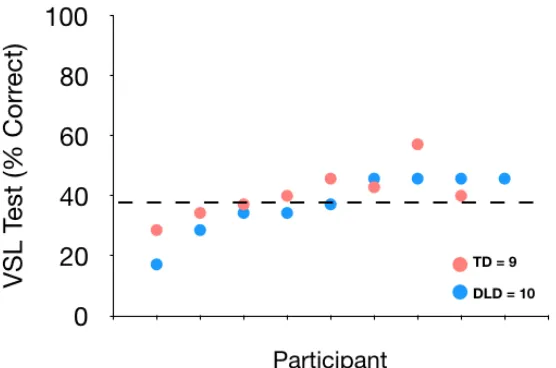
Figure 3.3 Individual performance on the test of visual statistical learning (VSL) ... 89
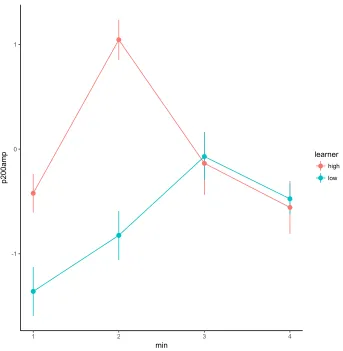
Figure 4.1 Individual performance on the 2AFC discrimination task following language exposure ... 128 Figure 4.2 Average P200 amplitude across frontal electrode sites for learner groups
List of Appendices
Appendix 1: Shape inventory and training items for the visual statistical learning task 158 Appendix 2: Summary of the 35 test items for the visual statistical learning task ... 159 Appendix 3: Correlations between statistical language learning performance and
standardized measures ... 160 Appendix 4: Correlations between visual statistical learning performance, statistical
Chapter 1: Introduction
The process of human language acquisition is an extraordinary cognitive
phenomenon. Infants are born without the ability to use language, but remarkably, they
are well underway in developing the ability to learn language. What is perhaps most
remarkable is the rapidity with which infants learn the unique characteristics of their
native language. For instance, at birth, infants can discriminate languages with different
prosodic structure (Mehler, Jusczyk, Lambertz, Halsted, Bertoncini, & Amiel-Tison,
1988), with the ability to discriminate between their native language and a language in the
same rhythmic class developing around 4-5 months of age (Nazzi & Ramus, 2003). By 7
months of age, infants show a preference for the stress, melody, and phonotactics of their
native language (Jusczyk, 2002), and have become attuned to the phonetic categories
within their native language (Kuhl, Williams, Lacerda, Stevens, & Lindblom, 1992). By
their first birthday, infants begin to produce their first words, and begin using full
sentences by 3 years of age. And, by 4-5 years of age, young children have mastered
nearly all the rules of their native language, and can both use and understand most
linguistic structures. Given how quickly infants seem to master many of the fundamentals
of their native language, it seems only natural that exploring this phenomenon has been of
great interest to psychologists, linguists, and neuroscientists. My research seeks to
examine one way in which humans acquire language, namely, the process of statistical
learning.
1.1 Early Theories on Language Acquisition
Early theories of language acquisition sought an explanation for the rapidity with
(see Piaget, 2005), Skinner (1957) and Chomsky (e.g., Chomsky, 1965) varied
substantially in how they viewed the interaction between general cognition and language
faculties. Fitting with his view on cognitive development as a movement through distinct
stages, Piaget saw language acquisition as a similar stage-like phenomenon (see Piaget,
2005). In his view, a child’s language developed from being largely egocentric, to being
symbolic and reflective of socialized knowledge and behaviour. Additionally, Piaget saw
language development as being constrained by domain-neural cognitive processes.
Similar to Piaget, Skinner (1957) argued that language developed like other cognitive
phenomena, though his theory was constrained within his own views on behaviorism.
Skinner speculated that language was acquired via a process of operant conditioning, that
is, language acquisition was due to an organism’s history of reinforcement and shaping.
This view was strictly a learning-based account, and viewed the language-learner as a
tabula rasa or blank slate.
Chomsky’s (1959) proposals on language acquisition were a direct critique of
Skinner’s (1957) tabula rasa view. Chomsky (1959) argued that reinforcement learning
has little to do with language acquisition as instead, he saw the language learner as an
“innate grammarian”. Central to his argument was his notion of the “poverty of the
stimulus”, as the language learner receives too little input to account for their language
outcomes. Because of this impoverished input, Chomsky suggested that the formal
structures of language must be innately specified. This nativist view of an innate
specification for language was echoed by others, including Eimas, Siqueland, Juszcky and
Vigorito (1971), who also concluded that the ability to acquire a language must be part of
a human’s biological make-up. These built-in constraints, it was thought, could only be
Wanner, 1982; Pinker, 1984). In a similar argument, Pinker (1994) suggested that a
“language instinct” was based on micro-circuitry that detailed the innate knowledge of the
principles of grammar, and was determined by natural selection (also see Pinker &
Bloom, 1990). At the same time that Chomsky (1965) was arguing for a specialized and
innately specified “language acquisition device”, Lenneberg (1967) was advancing his
proposal that language is a system deeply constrained by biology. In his influential book,
Biological Foundations of Language, Lenneberg (1967) argued for a “critical period” for
language, based on observations that optimal language development can only be acquired
through birth until the onset of puberty (see Werker & Tees, 2005 for a discussion).
Lenneberg’s (1967) proposal was found to be consistent with later findings related to
second language acquisition throughout development (e.g., Johnson & Newport, 1989).
Although there are theoretical distinctions between many of these nativist claims, this
body of work has converged at the conclusion that language must be constrained by our
biological makeup.
These nativist claims have been, and continue to be, strongly influential theories
of language acquisition. However, their validity has been questioned by a growing body
of research indicating the importance of interactions with the environment during the
learning process. Beginning in the 1980s, research on infants’ phonetic perception
challenged nativist views, as this research showed that young infants could engage in a
detailed mapping between the distributional properties of environmental input to a
phonetic percept (Kuhl et al., 1992; Werker & Tees, 1980; see Kuhl, 2000), highlighting
how experience-dependent learning can operate within some of the earliest stages of
language acquisition. Moreover, the input to the child is not as impoverished as
instance, infants’ constrained visual world subsequently constrains their encoding of
linguistic input (e.g., Yu, Smith, Klein, & Shiffrin, 2007). Additionally, regularities
within the linguistic environment provide reliable cues for visual object categorization
(Smith, Jones, Landau, Gershkoff-Stowe, & Samuelson, 2002). Computational modeling
approaches have also largely outstripped nativist accounts, as they have construed
learning as a stochastic process over distributed representations (e.g., Elman, 1990), as
opposed to a manipulation of discrete symbols (e.g., Marcus et al, 1999). More recent
claims (e.g., Spencer, Blumberg, McMurray, Robinson, Samuelson, & Tomblin, 2009)
have argued that nativist theories should be abandoned entirely, as they ignore
epigenetics: The view that developmental processes including language acquisition
emerge via cascading interactions across multiple levels of causation, from genes and
environment. Also, close examinations of population-level data have shown no evidence
for a discontinuity in second language acquisition at the critical period (Hakuta,
Bialystok, & Wiley, 2003), which runs in stark contrast to hypotheses regarding a
biologically-defined critical period.Given the fragility of nativist accounts, there is room
to explore how the language learner harnesses the information available to them in the
environment in order to acquire a language.
1.2 The Emergence of Statistical Learning Accounts
Despite the early influence of innate or modularist accounts,
experience-dependent theories for language acquisition have gained prominence in recent decades. In
one of the most influential findings on the study of language acquisition, Saffran,
Newport, and Aslin (1996), and Saffran, Aslin, and Newport (1996) empirically
demonstrated that distributional cues inherent to linguistic input may play an important
colleagues were a particularly intriguing endeavor, as one of the first tasks facing the
infant language learner is discovering the words embedded in fluent speech. Moreover,
word segmentation in a natural language is a complicated task as there are multiple cues
that may be confounded with word boundaries, including prosodic cues (Christophe,
Dupoux, Bertoncini, & Mehler, 1994; Cutler, 1994; Cutler & Norris, 1988), stress
patterns (Echols, 1993; Echols & Newport, 1992, Jusczyk, Houston, & Newsome, 1999),
and speakers’ tendency to rarely pause between words (Cole & Jakamik, 1980). However,
linguists had determined that words could reliably be segmented based on the conditional
or transitional probabilities between adjacent syllables (Harris, 1955). Specifically, the
transitional probabilities of adjacent syllables within words is higher than the transitional
probabilities between words. For instance, in the phrase “personal computer”, the
probability of the syllable “al” following “son” is higher than the probability of “com”
following “al”. It is this distinction between within and between word transitional
probabilities that allows the language learner to discover the boundaries between words,
and segment words from fluent speech (e.g., Hayes & Clarke, 1970).
To demonstrate word segmentation using an artificial language, adults (Saffran,
Newport, et al., 1996) and 8-month-old infants (Saffran, Aslin, et al., 1996) were exposed
to a structured, unsegmented artificial language where the only cue to word boundaries
were the transitional probabilities between syllables. Both studies found that even after a
brief exposure, participants could readily identify words from the speech stream, and
demonstrated that experience with the distributional cues within a language may
contribute to language acquisition. However, these studies did not definitively show that
transitional probabilities drive word segmentation. To overcome this, Aslin, Saffran, and
probabilities and joint probabilities. To accomplish this, both the trained words part-word
foils used in the test phase were equated in frequency of co-occurrence during the
familiarization phase. However, the trained words had higher conditional probability of
co-occurrence, or higher transitional probabilities, than the part-word foils. They found
that infants could reliably discriminate trained words and part-words, and demonstrated
that the computation of transitional probabilities supersedes the simple frequency of
co-occurrence between units. This discovery that language learners could detect the
distributional regularities within speech was termed statistical language learning, and has
since become an expanding area of research on the experience-dependent mechanisms of
language acquisition.
The findings from these initial studies on statistical word segmentations coincided
with other emergentist theories at the time. Emergentist theories were concerned with
how internal representations developed or emerged gradually due to exposure, and
included how information was computed across distributed representations based on the
principles of associative learning (see Bates & Elman, 1996; Cleermans, 1993; Hollich,
Hirsh-Pasek, & Golinkoff, 2000). Major developments in infant research demonstrated
how experience shaped linguistic perception, including the narrowing of phonetic
perception for native-language consonants (Werker & Tees, 1984) and vowels (Kuhl et
al., 1992), stress patterns (e.g., Jusczyk, Cutler, & Redanz, 1993), and phonotactics
(Jusczyk et al., 1993). These results suggest that infants are skilled learners, and that their
perceptual system is organized based as a function of their linguistic experience (see
Kuhl, 2004; Werker & Curtin, 2005). And, this experience-based learning may not be
restricted to infancy: Experience may be capable of guiding statistical learning throughout
other examples of language learners using linguistic input to extract more complex
statistical structures, and I will now review some of relevant findings of statistical
learning beyond word segmentation.
1.3 Statistical Learning beyond Word Segmentation
1.3.1 Phonetic perception
Different acoustic contrasts are meaningful across different languages. For
example, in English, the distinction between /r/ and /l/ phonemes is meaningful, as in
“rake” and “lake”, while in Japanese, these phonemes are treated as part of the same
category and are thus indistinguishable to Japanese speakers. Learning these distinctions
is the result of statistical learning of distributional phonemic information within one’s
native language. In a series of studies, Maye and her colleagues (Maye, Werker, &
Gerken, 2002; also see Yoshia, Pons, Maye, & Werker, 2010) demonstrated that infants
or adults form phonemic categories based on experience with distributional regularities.
In Maye, Werker, and Gerken (2002), infants were familiarized with sounds along a
phonetic /da/-/ta/ continuum that was distributed as either unimodal or bimodal.
Specifically, in the bimodal condition, infants heard the endpoints of the /da/-/ta/
continuum more frequently than stimuli at the mid-point of the continuum. In the
unimodal condition, on the other hand, infants heard stimuli from the mid-point of the
continuum more frequently than stimuli at the endpoints of the continuum. They found
that during the test phase, only infants in the bimodal training condition could distinguish
between phonetic tokens at the endpoints of the continuum, while those trained in the
unimodal condition could not. This finding was significant as it demonstrated that infants
are sensitive to the statistical distribution of speech sounds in language input, and that this
accounts showing that by 6 months of age, native-language experience has shaped
infants’ phonetic perception (e.g., Kuhl et al., 1992).
1.3.2 Syntax acquisition
One of the key criticisms from the original Saffran et al. (1996) findings was that
it is grammar learning, and not word learning, that is informative for understanding the
mechanisms involved in language learning; According to Pinker (1997), the results from
Saffran et al. (1996) were seen as an inconclusive account of language acquisition via a
distributional learning mechanism. A response to this criticism came from Gómez (2002),
who demonstrated that statistical learning can account for learning of higher-level
linguistic structures. In their study, adults and 8-month-old infants were trained on an
artificial language with an AXB structure: The first element in the sequence, A, reliably
predicted the final element, B, while X was not predictive of either A or B. The key
manipulation in this study was that X came from a variable set size across conditions,
with vocabularies of either 2, 6, 12, or 24 words. Gómez (2002) found that infants and
adults only learned the non-adjacent A-B relationship when X was least predictive and
came from the largest set size. The findings from Gómez (2002) were particularly
influential for statistical learning approaches, as it showed that language learners could
use distributional regularities beyond the single-order adjacent relationships originally
demonstrated in Saffran, Aslin, and Newport (1996). Further, the demonstration of
statistical learning for non-adjacent sequences demonstrated that statistical learning may
contribute to learning grammatical or syntactic structures, and was closely related to other
implicit learning approaches examining language acquisition, namely, artificial grammar
Matthews et al., 1989; Reber, 1967; 1989, see Christiansen, 2018 and Perruchet &
Pacton, 2006 for discussions).
1.3.3 Bridging between linguistic levels
Distributional learning can also be seen when bridging between linguistic levels.
In a novel approach, Graf Estes, Evans, Alibali, and Saffran (2007) used a speech
segmentation paradigm to train 8-month-old infantson an artificial language. Similar to
the Saffran, Newport, and Aslin (1996) paradigm, infants heard a structured,
unsegmented speech stream containing four, bi-syllabic, nonsense words. Following
language exposure, the trained “words” from the artificial language were used as labels
for novel objects. They found that infants who heard labels that were either inconsistent
with the regularities in the training language (Experiment 1), or familiar sequences with
low internal probabilities (Experiment 2) did not learn the labels. However, infants who
heard labels that were consistent with the statistical regularities in the training stimuli
learned the labels for the novel objects. This finding was the first to demonstrate that
words with a high internal probability in a speech stream may be treated as proto-lexical
traces or candidate words, and expanded our understanding of the output of statistical
learning. Additionally, it provided convincing support that statistical cues interact (also
see Lany & Saffran, 2010; Thiessen & Saffran, 2007; Sahni, Seidenberg & Saffran,
2010), with learning at one level affecting learning downstream.
1.3.4 Summary
Despite early criticism to statistical learning approaches (see Pesetsky, Wexler, &
Fromkin, 1997) it is clear that there are applications for distributional learning beyond the
original findings from Saffran, Aslin, and Newport (1996). The findings reviewed here
multiple levels of linguistic structure. In this thesis, I will focus specifically on the
statistical word segmentation paradigm originally explored by Saffran, Newport, and
Aslin (1996). Crucially, I will focus on the process of statistical learning, as much of the
prior research has primarily focused on the outcome of statistical learning (see Romberg
& Saffran, 2013). The cognitive processes involved in statistical learning, as well as the
constraints on learning, will be examined in detail. In this chapter, I will first explore
some of the theoretical background on statistical language learning. Next, there will be a
discussion of some of the domain-general and domain-specific constraints on statistical
learning, and how statistical learning is situated within our broader cognitive architecture.
Finally, some current issues in statistical learning paradigms will be addressed before
proceeding to a review of the studies included in this thesis.
1.4 Computational Approaches to Statistical Learning
1.4.1 The critical period and the Less is More Hypothesis
It is important to review the relevant theoretical and computational work that has
been influential for the field of statistical learning, as much of this work guides the
discussion of the cognitive processes theorized to underlie this process. An early and
influential theory in this realm was the Less is More Hypothesis from Newport (1990).
The basis for this theory was earlier work from Lenneberg (1967), hypothesizing a
biologically-defined critical period for language acquisition. Since Lenneberg’s (1967)
proposal, however, it was difficult to empirically test for the critical period
experimentally given strong (and ethically conscionable) constraints on how scientists can
deprive children of input (cf. ‘natural experiments’ involving children raised under
extreme cases of sensory deprivation, e.g., Curtiss, 1977). In a ground-breaking finding at
Korean children who moved to the United States. They reported that children who moved
before the age of 7 achieved better second language proficiency than those who arrived
after the age of 7. They then concluded that there is, in fact, a critical period of language
acquisition, and that this critical period extended to second language acquisition. This
finding also raised an intriguing question: Why were younger children, who have lower
cognitive ability, more proficient than older children at learning a second language? To
reconcile this, the Less is More Hypothesis (Newport, 1990) suggested that the restricted
working memory of children was advantageous for language acquisition, and attempted to
offer a causal explanation for this phenomenon. It was thought that the smaller perceptual
window in children, due to a smaller working memory capacity, constrained the number
of possible analyses language learners can make relative to adults, who have a larger
perceptual window. Hence, the likelihood of making a correct analysis is increased as
extraneous or complex information is omitted.
1.4.2 Testing the Less is More Hypothesis
Following Newport’s (1990) proposal, Elman (1993) tested the Less is More
Hypothesis with a model of syntactic agreement acquisition using a simple recurrent
network (SRN; Elman, 1990). An SRN is a three-layer feed-forward artificial neural
network consisting of input units, hidden units, and output units. After the first item is fed
into the network, the state of the hidden units is “copied back” to the context or input
units. Activation in the network is propagated forward, and the output is compared to the
target via backpropagation. The development of an SRN for natural language processing
was a substantial advancement for cognitive and linguistic theory, as it was the first
simulation to break away from a priori commitments to specific linguistic units or
be an emergent consequence of learning. To test the Less is More Hypothesis, Elman
(1993) trained an SRN on a corpora of English sentences. The context units of the model
represented working memory, and the size of these units was varied in order to simulate
the modulation of working memory capacity throughout development. Elman (1993)
found that the network could successfully learn the dependencies within the corpora when
a gradual increase in working memory was instantiated in the model, which mirrored
developmental increases in working memory. However, when the working memory
parameter was initially set at a full capacity, the model failed to learn. This finding was
important on twoaccounts. First, it offered a plausible explanation as to why there are
developmental constraints on language acquisition. Second, this model provided a role for
working memory within language acquisition.
1.4.3 Memory-based accounts of statistical language learning
One of the most important contributions from Elman’s (1993) model was the
inclusion of the role of memory in segmentation, and the role for memory in
segmentation was clearly acknowledged in later chunking models. Chunking models
account for segmentation by grouping speech segments or syllables together into
manageable units. One illustrative example of a chunking model adapted for speech
segmentation was the PARSER model (Perruchet & Vinter, 1998), which was used to test
the behavioural findings reported by Saffran et al. (1996). This model, and later chunking
models (e.g., Frank, Goldwater, Griffiths, & Tenenbaum, 2010; Giroux & Rey, 2009;
Orbán, Fiser, Aslin, & Lengyel, 2008), relied on three interrelated memory processes for
word segmentation: Activation, decay, and interference. When first exposed to a string of
syllables, the model randomly groups them into chunks. However, as the model proceeds
time, comprising the decay function. This gradual decay of chunks stored in memory
continues, unless the chunks are re-encountered. In this way, groups that are likely to
co-occur (e.g., syllables that co-co-occur within a word) are likely to be chunked and stored as a
memory trace due to re-activation. Groups that are less likely to occur (e.g., syllables that
span a word boundary) are less likely to be chunked and are thus subject to decay.
Similarly, there may be interference for the chunks stored in memory when conflicting
segmentations are made. Speech segmentation, then, consists of synthesizing a set of
elements (e.g., syllables) into larger units (e.g., words). For instance, in learning the
phonological form of the word “computer”, learners would differ in their response to the
subcomponents of the unit, such as “comp”, “u”, or “ter”, as they become more familiar
with the overall unit. As learners become more familiar with (or learn) the overall unit,
the subcomponents embedded within that unit become less plausible as discrete units.
Thus, “comp”, “u”, and “ter” become less likely as candidate words, as “computer”
becomes more likely.
The iMINERVA model (Thiessen & Pavlik, 2013) was a recent update of these
earlier chunking models, and continued to invoke memory processes in statistical
learning. In this memory-based approach, a probe to memory activates prior exemplars
based on a function of their similarly to one another: More similar exemplars are
activated more strongly than less similar exemplars. If no similar prior exemplar exists,
the probe is integrated into memory as a new exemplar. Features that are consistent across
exemplars become strengthened over accumulated exposure, while features that are
inconsistent are weakened. Thus, the model eventually comes to represent a set of
exemplars that are prototypical in nature, or, reflect the central tendency of the
important development, as they extended beyond statistical learning of word boundaries
to incorporate other types of statistical learning (Thiessen, 2017).
1.4.4 Summary
Treating statistical learning as a memory-based process, as described by these
computational approaches, has relevant theoretical implications. First, it provides a link
between statistical learning and other forms of learning. For instance, factors that
influence memory have also been shown to influence statistical learning, including spaced
practice and consolidation (Gómez, Bootzin, & Nadel, 2006), and memory constraints in
how stimuli are encoded, stored, and accessed may similarly constrain language learning
(Christiansen & Chater, 2015). Returning to the idea that language learning capabilities
decrease with development (e.g., Elman, 1993; Newport, 1990), the connection between
statistical learning and memory may also provide insights into this developmental change.
As discussed by Thiessen (2017), developmental changes in language learning may be
characterized by changes in memory abilities, with earlier stages of learning being slow
and flexible learning, to later stages where learning is fast but constrained. The models
described in this section are by no means an exhaustive description of the computational
approaches in statistical learning research. However, they all highlight a role for memory
in statistical learning. In the next section, I will explore how memory and other
domain-general cognitive processes may be involved in statistical language learning, and how
these are contrasted with domain-specific constraints on statistical learning.
1.5 Domain-Generality and Domain-Specificity in Statistical Learning
1.5.1 Terminology
Before proceeding to a review of different domain-general processes that may be
conceptualizations of cognitive and linguistic architecture within “domain-specific” and
“domain-general” systems. Domain-specificity often refers to Fodorian modules, that is,
modules that operate on only certain kinds of input, and that are highly specialized
(Fodor, 1983). For the purposes of nativist or modularist approaches, language is viewed
as domain-specific, and a distinct and encapsulated cognitive system (e.g., Chomsky,
1965; Levy & Kavé, 1999). Domain-general processes are quite distinct from these
encapsulated views, and instead view mental activity as being distributed in nature (e.g.,
Rumelhart, McClelland, & The PDP Research Group, 1986). In terms of language
acquisition accounts, domain-generality was thought to arise from a unitary learning
mechanism operating across stimulus types (e.g., Skinner, 1957). However, this account
seemed insufficient (see Saffran & Thiessen, 2007), and domain-generality in statistical
learning has more recently been viewed as a result of domain-general constraints in
cognition and perception. Specifically pertaining to statistical learning account,
domain-generality in has been ascribed to statistical learning, as similar learning has been shown
across stimulus types (see Thiessen, 2011). However, domain-generality in statistical
learning is not the result of a unitary learning mechanism (e.g., Endress & Mehler, 2009),
and there are qualitative and quantitative differences in statistical learning outcomes
across domains (Conway & Christiansen, 2005). What is more likely is that statistical
learning is comprised of multiple distributed domain-general processes, including
memory and attention (Arciuli, 2017), that are responsible for engaging in
domain-general computations across stimulus types (Frost, Armstrong, Siegelman, &
Christiansen, 2015). Views on domain-specificity have also been updated from
modularist accounts, with domain-specificity arising from domain-specific processing
domain-specificity in statistical learning, and possible component cognitive processes that
may be involved in statistical learning in a domain-general way.
1.5.2 Domain specificity in perceptual processing
Recent theoretical accounts (e.g., Frost et al., 2015) suggest that
domain-specificity in statistical learning arises from specific perceptual processing constraints that
distinguish learning across domains. In this view, statistical learning is thought to be
subject to constraints that are specific to the modality of input. For instance, auditory
information unfolds over time, and is thus subject to the temporal characteristics of the
input. Visual information, on the other hand, is not sensitive to the same temporal
constraints, as visual information is processed (more or less) instantaneously. Evidence
for these domain-specific constraints in statistical learning comes from reports comparing
statistical learning across domains that consistently reveal domain-specificity. For
instance, rate of presentation has different effects on statistical learning of audio versus
visual material (Conway & Christiansen, 2009). Additionally, performance across
auditory and visual statistical learning tasks has been shown to be uncorrelated
(Siegelman, Bogaerts & Frost, 2017). Further evidence for domain-specificity in
statistical learning was clearly demonstrated in Conway and Christiansen (2005). In this
study, statistical learning across auditory, visual, and tactile sequences was compared.
The researchers found quantitative differences in learning across domains, with better
overall memory for auditory sequences, and qualitative differences in the memory for
learned sequences across domains. Conway and Christiansen thus demonstrated that
statistical learning is constrained by the modality of input.
The domain-specific constraints proposed by Frost et al. (2015) are also supported
auditory statistical learning results in increased activation in primary auditory processing
regions of the cortex (e.g., Cunillera et al., 2009), while visual statistical learning results
in greater activation in primary visual areas (e.g., Turk-Browne, Scholl, Chun, &
Johnson, 2009). These findings of domain-specific cortical activation further clarify
statistical learning operates in a specific way. However, there are other
domain-general cognitive constraints on statistical learning, which I will now explore.
1.5.3 Attention
Although it was originally proposed that statistical learning can operate in the
absence of attention (Saffran et al., 1997), subsequent research has provided contrasting
evidence to this claim. In an investigation of attentional interference on statistical
learning, Toro, Sinnett, and Soto-Faraco(2005) had participants complete a word
segmentation task while concurrently engaged in an attention-demanding task that was
verbal or nonverbal in nature. The attentional interference task was either auditory
(noises) or visual (pictures), or involved attending to pitch changes in the speech stream
itself. They found that across all secondary task conditions, diverted attention led to an
impairment in statistical word segmentation, leading to the conclusion that statistical
learning is reliant on attentional resources. Other work has also shown that when attention
is divided (Fernandes, Kolinsky, & Ventura, 2010) or directed to an irrelevant stream
(Emberson, Conway, & Christiansen, 2011), statistical learning is disrupted. Attentional
interference effects have also been found on visual statistical learning tasks
(Turk-Browne, Junge, & Scholl, 2005). It may also be that when attention is enhanced,
statistical language learning performance improves. To investigate this, Thiessen, Hill
and Saffran (2005) examined infant-directed speech facilitated word segmentation in
attention better than adult-directed speech (e.g., Werker, Pegg, & McLeod, 1994).
Thiessen et al. (2005) found that compared to infants who heard adult-directed speech,
infants who heard infant-directed speech were more accurate at identifying words from an
artificial language following language exposure, and concluded that the infant-directed
speech promoted attention to the statistical regularities in the language. Thus, even though
statistical learning occurs implicitly (e.g., Reber, 1967), some degree of attention is may
support learning.
1.5.4 Working memory
Some accounts view working memory as a domain-specific system, with separate
stores for visuospatial and verbal information, mediated by a domain-general central
executive (e.g., Baddeley & Hitch, 1974) and episodic buffer (Baddeley, 2000), while
other models view working memory as a domain-general system (Daneman & Carpenter,
1980; 1983; Just & Carpenter, 1992 also see Cowan, 1999; 2001). Recently, it has been
suggested that domain-general processes within working memory are involved in
statistical learning. Arciuli and Simpson (2011) speculated that for a task like statistical
learning, where implicit computations are made between sequentially delivered input, it is
likely that some form of working memory is involved. This view was later echoed by
Janacsek and Nemeth (2015), who also speculated that some form of short-term storage is
necessary for extracting statistical structure. Similar to the findings of attentional
interference in statistical learning, recent research has shown that working memory
interference also disrupts statistical learning. Speech segmentation has been shown to be
disrupted via an articulatory suppression task (Lopez-Barroso, de Deigo-Balaguer,
Cunillera, Camara, Münte, & Rodríguez-Fornells, 2011), showing that phonological
research has shown that statistical word segmentation is improved with a slower
compared to a faster speech rate, which is thought to facilitate maintenance within verbal
working memory (Palmer & Mattys, 2016, Experiment 1 and 2). Statistical learning was
also shown to be disrupted when participants were engaged in a concurrent verbal or
visual working memory task. Additionally, the level of working memory disruption was
largest when the artificial language was presented at a slow rate of articulation, or when
the contributions from working memory were thought to be greatest (Palmer & Mattys,
2016, Experiment 3). The interference effects from both verbal and visual secondary tasks
led Palmer and Mattys (2016) to conclude that statistical learning is supported by
domain-general processes within working memory. One of the goals of this thesis is to examine
the effects of domain-specific and domain-general working memory interference in a
statistical word segmentation task (Chapter 2).
1.5.5 Executive functions
Although there is little research on the subject, some have speculated that
executive functions may also be involved in statistical or implicit learning. Executive
functions are domain-general processes, and researchers have identified three related but
separable components of executive functions, including inhibitory control, shifting, and
updating or attentional monitoring (Miyake, Friedman, Emerson, Witzki, Howerter, &
Wager, 2000). Kapa and Colombo (2014) examined the relationship between executive
functions and artificial grammar learning in adults and preschoolers, and found that the
adults’ artificial grammar learning was predicted by their inhibitory control abilities
(Study 1), and that children’s performance was predicted by their attentional monitoring
and shifting abilities (Study 2). Importantly, executive functions uniquely predicted
working memory abilities. This finding is consistent with other implicit learning research
showing a positive association between executive functions and performance on
procedural learning tasks (e.g., Beaunieux et al., 2006). Converging evidence comes from
neuroimaging research demonstrating the involvement in statistical learning of the
prefrontal cortex (Robertson, Tormos, Maeda, & Pascual-Leone, 2001), an area
considered critical to executive functions (see Kane & Engle, 2002). However, further
examination of the involvement of executive functions in statistical language learning are
necessary before any strong conclusions can be made.
1.5.6 Summary
Taken together, it appears that statistical learning involves multiple processes that
are domain-general in nature, including attention, working memory, executive functions,
and general memory processes. The notion that statistical learning is comprised of
multiple component processes is consistent with a recent account from Arciuli (2017). In
her account, the components involved in statistical learning relate to the encoding,
integration, and abstraction processes necessary for segmentation (e.g., Thiessen &
Pavlik, 2013), and may include attention, processing speed, and working memory.
Individuals vary in terms of these underlying components, and statistical learning across
different domains may vary as a function of how a specific statistical learning task draws
on these underlying components. Thus, if statistical learning is viewed as a
multicomponent ability, restrictions or impairments in any one of these processes may
constrain statistical learning. More work is needed to examine how variations in
domain-general cognitive processes are involved in statistical learning. One of the goals of this
thesis is to examine this in terms of domain-general working memory restrictions in
variability in language, working memory, and other cognitive abilities is related to
statistical learning on verbal and visual segmentation tasks (Chapter 3).
1.6 Neuroimaging Support for Statistical Learning
Our understanding of the processes involved in statistical learning can be
informed by examining its neural bases. There are a few recent functional magnetic
resonance imaging (fMRI) studies that have examined the neural bases of auditory
statistical learning. Two main regions that have been identified are the superior temporal
gyrus (STG), and inferior frontal gyrus (IFG). The STG is involved in auditory perception
and speech processing (Hickock & Poeppel, 2004), and has been shown to have increased
activation for structured auditory sequences relative to random auditory sequences
(McNealy, Mazziotta, & Dapretto, 2006), and has been implicated in the segmentation of
words from fluent speech (e.g., Cunillera et al., 2009). The IFG seems to track the
expression of auditory statistical learning in behaviour (Karuza, Newport, Aslin, Starling,
Tivarus, & Bavelier, 2013). In a natural language learning experiment, Plante, Patterson,
Dailey, Kyle, and Fridriksson (2014) examined functional changes in neural activation
with accumulated language exposure. They found that when exposed to structured input,
adults’ brain activation reflected increased activation with a widely distributed language
network including the superior gyrus, the temporo-parietal-occipital junction and frontal
regions, and that activation levels within this network were related to offline behavioural
measures of word segmentation. Overall, structured auditory input leads to reliable and
measureable neural responses reflective of language processing.
In addition to the relevant evidence of cortical involvement in auditory statistical
learning, the distinction between domain-specific and domain-general constraints on
invokes stimulus-specific cortical activation, with activation in cortical regions being in
accordance with the mode of learning. As mentioned, for auditory statistical learning,
activation can be seen in the STG and IFG (e.g., Cunillera et al., 2009; Hickok, 2012;
Karuza et al., 2013; Overath et al., 2007), while for visual statistical learning, activation is
seen primarily in visual areas including the lateral occipital cortex (e.g., Turk-Browne et
al., 2009). The domain-general computations involved in statistical learning may be
mediated by memory systems within the medial temporal lobe, specifically, the
hippocampus. Evidence for domain-general involvement of the hippocampus in statistical
learning comes from a case study of a patient with bilateral hippocampus loss who
exhibited deficits in statistical learning across a range of auditory and visual tasks
(Schapiro et al., 2014). Given the limitations of a single-case design, however, this
possibility would need to be examined further. The hippocampus also has a unique role in
statistical learning in that different sub-regions of the hippocampus seem to have distinct
roles in extracting distributional regularities. These sub-regions include the dentate gyrus
and CA3, which are responsible for encoding of specific exemplars and pattern
extraction, respectively (Schapiro et al., 2012). The complementary involvement of these
hippocampal sub-regions in statistical learning is consistent with memory-based accounts,
which proposed distinctions between the extraction and integration processes involved in
statistical learning (e.g., Thiessen & Pavlik, 2013).
Other relevant neuroimaging support comes from studies using
electroencephalography (EEG) to examine event-related potentials (ERPs) in response to
artificial language stimuli. Different studies have proposed several ERP components that
may reflect word segmentation, including the N100 (Sanders, Newport, & Neville, 2002),
Rodríguez-Fornells, & Bachoud-Lévi, 2007), P300 (Batterink, Reber, Neville, & Paller,
2015), the N400 (de Diego-Balaguer et al., 2007; Cunillera, Toro, & Rodríguez-Fornells,
2006; Cunillera et al., 2009, Sanders et al., 2002), and the LPC (Batterink et al., 2015). In
the first study to examine the ERP components related to word segmentation, Sanders and
colleagues (2002) examined the ERP responses to nonsense words in a statistical word
segmentation task. Following the artificial language exposure, participants showed an
enhanced N100 and N400 in response to the nonsense words. The N400 has commonly
been associated with processing meaningful words (e.g., Kutas & Federmier, 2011),
which lead Sanders et al., (2002) to suggest that the N400 response following language
exposure was reflective of proto-lexical trace formation of the novel words. Subsequent
research from Abla, Katahira, and Okanoya (2006) and Cunillera et al. (2009) examined
the dynamic nature ERP responses during auditory statistical learning tasks, and found
that the amplitude of the N400 response increased with accumulated language exposure.
In examining how statistical regularities modulated ERP responses to trained words,
Batterink et al. (2015) measured the amplitude of the P300 in response to word onset,
medial, or final syllables following exposure to an artificial language. They found that the
P300 amplitude linearly increased as a function of syllable position, suggesting that
neural responses to trained words differ as a function of learned statistical regularities.
What has not been explored is how this modulation in ERP responses to predictable and
unpredictable syllables changes as a function of exposure to structured input, which will
1.7 Relevant Issues in Statistical Learning Research
1.7.1 Modelling language acquisition in infancy with laboratory experiments
Critical periods are biologically determined and fixed time periods in which an
organism’s neural functioning (and related behaviour) is open to external input and
modulation. In the original conception, a critical period was seen as time-invariant,
although more recent formulations suggest that some biological developments may be
better characterized by a “sensitive period” (e.g., Bateson, 1979; Michel & Moore, 1995).
As mentioned previously, the idea of a critical period for language acquisition was first
proposed by Lenneberg (1967), who suggested that the process of language acquisition is
deeply constrained by biology. Lenneberg’s (1967) proposal was seen to be consistent
with Chomsky’s (1965) argument for a specialized, language-acquisition device. These
ideas converged on their biological restrictions for when language can be acquired.
Although theories of language acquisition have largely moved away from strict nativist
theories, there nevertheless seem to be some aspects of language for which humans seem
to be biologically endowed (see Werker & Tees, 2005 for a review), and age of
acquisition maintains a strong predictive relationship with later language proficiency (see
Newport, Bavelier, & Neville, 2001). Given that there are some aspects of language that
seem to be better acquired earlier in life, it raises the question as to why much of the
research on statistical learning has been conducted on adults, and whether adults are an
appropriate model in which to examine this language acquisition mechanism.
Early findings supported no difference between children and adults on a statistical
word segmentation task (Saffran, Newport, Aslin, Tunick, & Barrueco, 1997). However,
one caveat distinguishing statistical learning paradigms in infants and adults is that infants
(e.g., Saffran, Aslin & Newport, 1996) compared to six words (e.g., Saffran, Newport, &
Aslin, 1996). Additionally, although earlier reports suggested age invariance, later reports
(Arciuli & Simpson, 2011) showed that statistical learning improves with age. Although it
can be noted that Arciuli and Simpson (2011) used a visual statistical learning task, and
this finding cannot be used as direct evidence against language acquisition accounts, it
nevertheless raises the possibility that statistical learning in general improves with age.
Another possibility is that there is a bidirectional relationship between statistical learning
and language acquisition, such that improvements in statistical learning abilities with age
boost language learning, and language that is already acquired shapes statistical learning
(e.g., Siegelman, Bogaerts, Elazar, Arciuli, & Frost, 2018). However, statistical or
implicit learning is underpinned by phylogenetically older brain structures that mature
early and remain invariant throughout much of development (Reber, 1992). In line with
this, it may be that at least some aspects of statistical learning are intact from infancy to
adulthood.
Although examining the developmental trajectory of statistical learning is not
examined in this thesis, it is nevertheless a stipulation in the research that is important to
address. It seems that there are some statistical learning advantages for older children
(e.g., Arciuli & Simpson, 2011), and this may extend into adulthood. Thus, the findings
from adult statistical learning paradigms may constrict or confound our interpretations of
language acquisition in infancy. However, statistical language learning may remain
unchanged through development (e.g., Saffran et al., 1997). Further still, there is a
plethora of research examining statistical learning in infancy (see Gómez & Gerken,
2000; Romberg & Saffran, 2010 for a review) that has already been informative for
statistical learning outside of the critical period is, at minimum, informative for existing
theories of language acquisition based on statistical learning research in infants.
1.7.2 Measurement approaches
Typically, in adult statistical language learning paradigms, participants are
exposed to a structured, unsegmented speech stream for 21 minutes, and complete a
two-alternative forced-choice task following language exposure. This task involves making a
forced-choice response between two exemplars, which is presumed to test participants’
knowledge of the distributional structure of the language. It has recently been
demonstrated that this test paradigm relies on explicit knowledge of the artificial
language, and it in fact underestimates implicit learning in statistical learning paradigms
(Batterink, Reber, Neville & Paller, 2015). Siegelman, Bogaerts, and Frost (2016) also
addressed a number of psychometric limitations in the two-alternative forced-choice test,
including there being a limited number of items included at test, most of the sample
performing at-chance, and all items being at the same level of difficulty. Earlier work (see
Romberg & Saffran, 2013) suggested that implicit online measures may more accurately
measure the process of statistical learning, and proposed a move away from measuring
learning via explicit, post-training outcome measures. Some recent methodologies have
been proposed, including using reaction time measures in response to trained language
stimuli (e.g., Batterink et al., 2015; Batterink, Reber, & Paller, 2015), measuring
event-related potentials (ERPs) during a statistical learning task (e.g., Abla et al., 2006;
Cunillera et al., 2006; Cunillera et al., 2009), and measuring neural entrainment during a
word segmentation task (Batterink & Paller, 2017). The development of these new
measurement approaches is greatly informative for further uncovering the processes
1.8 Objectives and Overview
The central objective of this thesis is to examine the process of statistical language
learning. While most prior studies have primarily focused on the product or outcome of
statistical learning, the studies in this thesis will examine both the cognitive and neural
processes involved in statistical word segmentation, and how statistical learning unfolds
in real-time. By combining behavioural, clinical, and neuroimaging approaches, I
consider both the cognitive processes speculated to be involved in statistical learning, and
measurement approaches that best capture this learning process.
Chapter 2 examines the effects of both domain-specific and domain-general
working memory interference on a statistical word segmentation task. Prior studies have
shown that dual-task paradigms can impair statistical learning due to attentional
interference (e.g., Toro et al., 2005), or domain-general working memory interference
(Palmer & Mattys, 2016). To expand on this prior research, Chapter 2 investigates how
visual and verbal working memory tasks interfered with performance on a statistical word
segmentation. This paradigm allowed me to examine both general and
domain-specific working memory interference effects on a statistical word segmentation task.
Chapter 3 extends this investigation on the domain-general and domain-specific
constraints on statistical learning. In this study, children with and without a marked
language impairment complete both a statistical language learning and visual statistical
learning task, as well as a series of linguistic and domain-general cognitive measures.
This experiment expands on the currently scarce area of research examining statistical
word segmentation in those with a developmental language impairment. Moreover, this
study is novel in that it compared performance across a verbal and visual statistical
A perennial issue in the statistical learning literature is the apparent disconnect
from using explicit tasks, such as a word-recognition task, in order to measure implicit
learning outcomes. I also speculate that the findings exhibited in Chapters 2 and 3 may be
more nuanced than the outcome measures allowed. In order to overcome this limitation,
Chapter 4 investigates the application of an implicit, indirect measure of statistical
learning. In this study, participants’ event-related potentials (ERPs) were measured online
during a statistical word segmentation task. Specifically, I examined responses to
predictable syllables during language exposure. In this novel approach, I examined how
neural responses were modulated in an online fashion as a function of statistical learning.
The findings presented in this thesis will inform theories regarding the
domain-general and domain-specific constraints on statistical language learning, and advance the
1.9 References
Abla, D., Katahira, K., & Okanoya, K. (2008). On-line assessment of statistical learning by event-related potentials. Journal of Cognitive Neuroscience, 20(6), 952-964. Arciuli, J. (2017). The multi-component nature of statistical learning. Philosophical
Transactions of the Royal Society of London B, 372(1711), 20160058.
Arciuli, J., & Simpson, I. C. (2011). Statistical learning in typically developing children: the role of age and speed of stimulus presentation. Developmental Science, 14(3), 464-473.
Aslin, R. N., Saffran, J. R., & Newport, E. L. (1998). Computation of conditional probability statistics by 8-month-old infants. Psychological Science, 9(4), 321-324.
Baddeley, A. (2000). The episodic buffer: a new component of working memory?. Trends in Cognitive Sciences, 4(11), 417-423.
Baddeley, A. D., & Hitch, G. (1974). Working memory. In Psychology of Learning and Motivation, 8, 47-89.
Bates, E., & Elman, J. (1996). Learning rediscovered. Science, 274(5294), 1849-1850. Bateson, P. (1979). How do sensitive periods arise and what are they for?. Animal
Behaviour, 27, 470-486.
Batterink, L. J., & Paller, K. A. (2017). Online neural monitoring of statistical learning. Cortex, 90, 31-45.
Batterink, L. J., Reber, P. J., & Paller, K. A. (2015). Functional differences between statistical learning with and without explicit training. Learning & Memory, 22(11), 544-556.
Batterink, L. J., Reber, P. J., Neville, H. J., & Paller, K. A. (2015). Implicit and explicit contributions to statistical learning. Journal of Memory and Language, 83, 62-78. Beaunieux, H., Hubert, V., Witkowski, T., Pitel, A. L., Rossi, S., Danion, J. M., ... &
Eustache, F. (2006). Which processes are involved in cognitive procedural learning?. Memory, 14(5), 521-539.
Chomsky, N. (1959). Verbal behavior.
Chomsky, N. (1965). Aspects of the Theory of Syntax. Cambridge, MA: MIT press. Christiansen, M. H. (2018). Implicit statistical learning: a tale of two literatures. Topics in
Cognitive Science.
Christiansen, M. H., & Chater, N. (2015). The language faculty that wasn't: A usage-based account of natural language recursion. Frontiers in Psychology, 6, 1182. Christophe, A., Dupoux, E., Bertoncini, J., & Mehler, J. (1994). Do infants perceive word
boundaries? An empirical study of the bootstrapping of lexical acquisition. The Journal of the Acoustical Society of America, 95(3), 1570-1580.
Cleeremans, A. (1993). Attention and awareness in sequence learning. In Proceedings of the 15th Annual Conference of the Cognitive Science Society, 330-335.
Cole, R. A. and Jakamik, J. (1980) A model for speech perception. In Perception and Production of Fluent Speech, R. A. Cole. (Ed.) Hillsdale, NJ: Lawerence Erlbaum Associates, Inc.