Geschke Center
Doctor of Nursing Practice (DNP) Projects Theses, Dissertations, Capstones and Projects
2011
An Educational Workshop: Introducing an
Evidence-Based Psychotherapy Strategy "Tool Kit"
for the Treatment of Chronic Depression
Kimberleigh Christine Cox
University of San Francisco, [email protected]
Follow this and additional works at:https://repository.usfca.edu/dnp
Part of thePsychiatric and Mental Health Nursing Commons
This Project is brought to you for free and open access by the Theses, Dissertations, Capstones and Projects at USF Scholarship: a digital repository @ Gleeson Library | Geschke Center. It has been accepted for inclusion in Doctor of Nursing Practice (DNP) Projects by an authorized administrator of USF Scholarship: a digital repository @ Gleeson Library | Geschke Center. For more information, please [email protected].
Recommended Citation
Cox, Kimberleigh Christine, "An Educational Workshop: Introducing an Evidence-Based Psychotherapy Strategy "Tool Kit" for the Treatment of Chronic Depression" (2011).Doctor of Nursing Practice (DNP) Projects. 12.
Running Head: AN EDUCATIONAL WORKSHOP
An Educational Workshop: Introducing an Evidence-Based
Psychotherapy Strategy ‗Tool Kit‘ for the Treatment of Chronic Depression
Kimberleigh Cox MSN, NP, CNS, DNPc
Section I
Introduction
Chronic depression (CD) is a pervasive and unique illness encompassing a subset of five
disorders and accounting for one-third of all depression cases (Michalak & Lam, 2002; Trivedi
& Kleiber, 2001). Depression in general affects 17% of the general population in community
samples and 25-30% of these patients will develop a chronic depressive course (Pignone, et al.,
2002; Angst, 1997). For the purposes of this paper and project, the term chronic depression
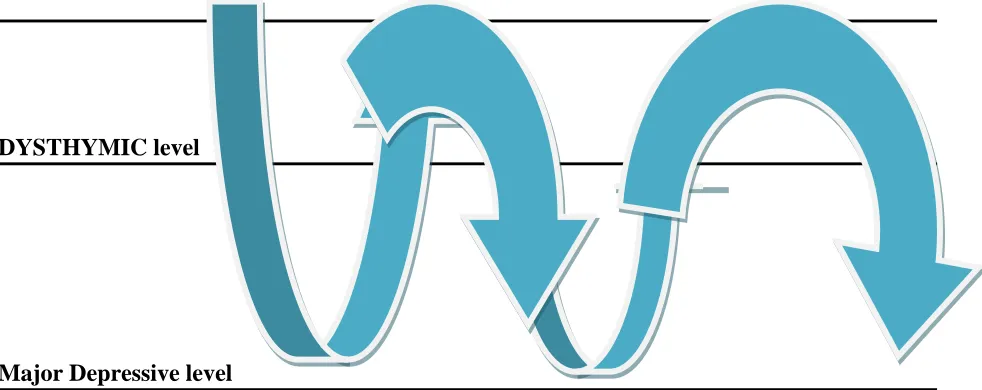
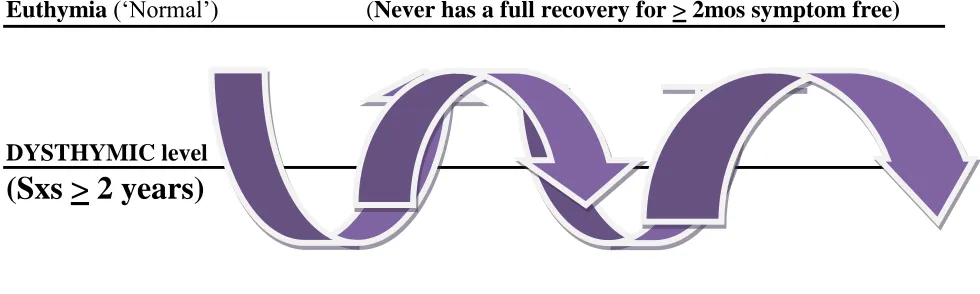
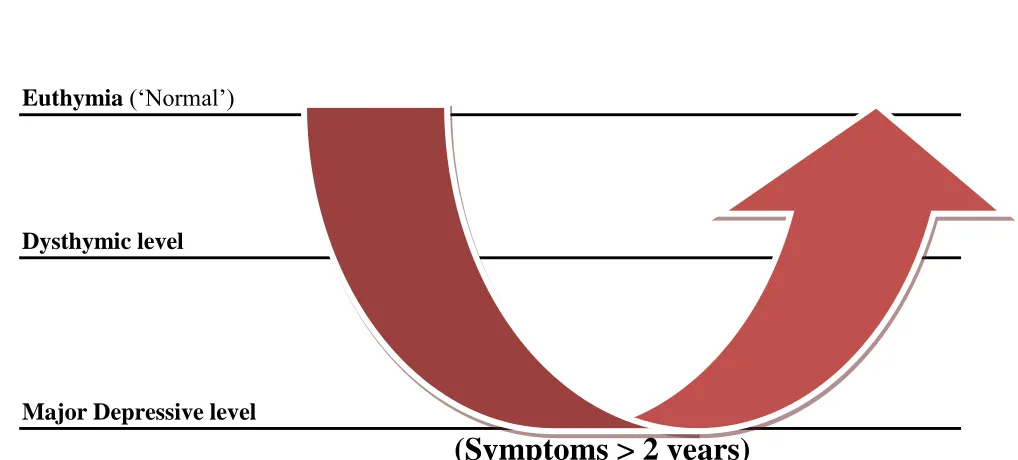
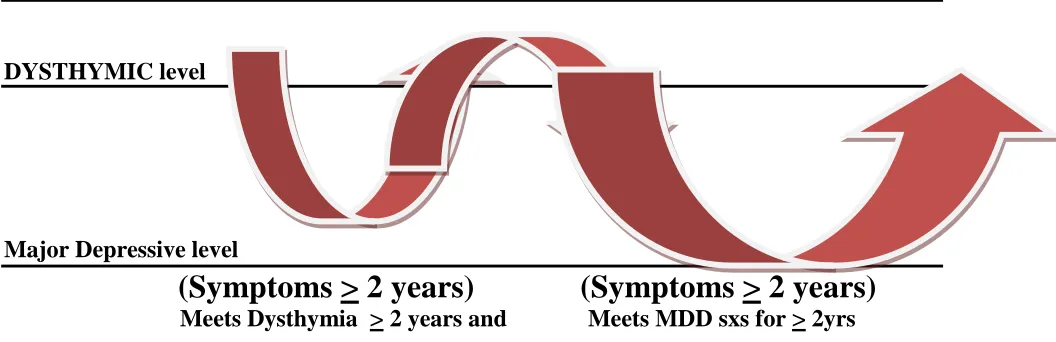
refers to unipolar, non-psychotic depression (See Appendix A for definitions and Figures 1
through 5 for graphical depictions) and focuses on adult chronic depression identification and
treatment challenges. The project was the distillation and synthesis of key information and
complex evidence-based strategies for the treatment of chronic depression. The material was
prepared as an educational presentation in the form of a continuing education workshop for
mental health professionals. The educational component was designed to address the
aforementioned issues and present synthesized approaches derived from an Evidence-Based
Psychotherapy (EBP) modality, Cognitive Behavioral Analysis Systems Psychotherapy
(CBASP) for chronic depression and prepare providers to use the key aspects of the intervention.
The research demonstrates that depression in general is a widespread, often
under-recognized and undertreated disorder (Keller, 2003; Pignone, et. al, 2002; Goldman, Nielson, &
Champion, 1999; Katon & Sullivan, 1990). Further evidence supports that chronic depression
presents additional clinical and treatment complexity and incurs greater impact and costs. Thus,
the identification of chronic depression is necessary and significant in terms of accurate
diagnosis and differentiation from other similar disorders, disease impact and the need for
launched an international initiative on depression in public health with the following objectives:
―To reduce the impact of depression by closing the substantial 'treatment gap' between available
cost-effective treatments and the large number of people not receiving it, worldwide‖ (2010,
www.who.int/mental_health/management/depression/definition/en/). Specific WHO aims
include patient and provider education about depression and to reduce the stigma associated with
depression. In addition, other goals proposed are the training of primary care personnel in the
diagnosis and management of depression and regional events to increase awareness of depression
and, of particular relevance to this project, workshops to strengthen the capacity to care for
depression (WHO, 2010).
This project‘s primary intent was to distill information and synthesize evidence-based
strategies into an accessible ‗Tool Kit‖ for broad use by community providers working with
patients with chronic depression. The need to provide these providers with strategies to address
the issues regarding chronic depression is significant. Consistent with the WHO initiative, the
intervention or educational component was to provide a day long, interactive continuing
education (CE) workshop piloted at the University of San Francisco (USF) for mental health
providers to improve the identification of chronic depression and to learn synthesized
evidence-based tools for the treatment of CD. The project was sponsored by the USF School of Nursing
and co-sponsored by the School of Education, Department of Counseling Psychology and
Marriage and Family Therapy. Community, public health, and mental health providers, and in
particular, nurses, licensed social workers and other clinicians, from California were targeted
with a minimum goal of 10-12 participants. The workshop was designed for providers to learn
developed into a ―Tool Kit‖, and synthesized from an evidence-based psychotherapy (EBP)
modality, CBASP for CD.
Generally, the program addressed the conceptual framework and key elements of CD
identification and CBASP. The therapeutic goal for clinicians was highlighted: to teach CD
patients that their behavior has interpersonal consequences or effects (McCullough, 2006, 2001).
The instruction for the workshop included a variety of learning objectives, tools and modules as
well as case study vignettes, simulation, and role play with interactive participant exercises to
solidify learning. Detailed information folders (See Attached Cox, CE Workshop Packet,
October 2, 2010) and evaluative tools were disseminated to participants. Pre-assessments
compiled demographic, education, and professional information and the pre and post-tests also
queried key educational content areas to assess learning. Evaluations of the offering, and a two
week follow-up survey regarding content application and barriers to practice were also
implemented. Evaluations were reviewed to determine necessary content and implementation
changes for potential future educational events. Treatment challenges and the inefficacy of
established psychotherapy practices for CD patients, mandate a need for evidence-based
approaches. CBASP has been shown to be efficacious in several large, rigorous studies and is
specifically designed to address chronic depression (Keller et. al., 2000; Schatzberg et. al., 2005),
hence the focus of this project and paper.
Clinical Relevance
Depression is a significant, prevalent public health problem and is currently the leading
cause of disability for adults ages 15-44 in the United States (U. S.) (National Institute of Mental
Health, NIMH, 2010; Kessler et. al, 2005; Kessler, et. al., 2003). Depression incurs high
suicides while all individuals with major mental health problems are estimated to live on average
25 years less than those who do not suffer from mental illness (Healthcare Intelligence Network,
HIN, 2009; Kessler, et. al, 2003). The impact of depression in general is staggering, with annual
direct and indirect costs estimated at $83 billion in the United States (U. S.) and 11.5 billion
Euros in the United Kingdom (U. K.) (Espinoza et. al., 2009; Lyness, Schwenk, & Sokol, 2009;
HIN, 2009). Depression in general accounts for 11% of the international disease burden and is
the fourth leading cause of disability with growth projections over the next ten years (WHO,
2010). In fact, the World Health Organization anticipates that depression will become the
second leading killer of individuals after heart disease by the year 2020 at the current growth rate
(WHO, 2010; NIMH, 2010; U.S. Public Health Service (USPHS): Mental Health: A report of the
Surgeon General).
Indeed, depression is a worldwide phenomenon and rivals cardiovascular disease (CVD)
in terms of disability and mortality rates, as well as the public health costs from depression itself
and the associated co-morbidities (Kneisl & Trigoboff, 2009; Lyness, Schwenk, & Sokol, 2009).
In particular, costs of all chronic diseases have been found to be higher when an individual
suffers from a co-morbid depression (See Table I below; Melek & Norris, 2008). Notably,
morbidity and mortality data show that depression in general is associated with increased risks of
medical complications and co-morbidity, and specifically death from CVD and stroke, as well as
suicide (15% of all depressed patients), significant disability including lost work, wages, and
reduced quality of life (Lyness et. al, 2009; Keller et. al, 1998; Nemeroff et. al., 2003).
Depression has also been linked to weakened immune system response, cancer, inflammatory
(Gross, et. al., 2010; Joynt, Whellan & O'Connor, 2003). Thus, depression in general is a
Table I
Costs of chronic diseases are higher when a co-morbid depression is present.
Depressive Disorder:
Higher costs…
Reference: Melek, S. & Norris, D. (2008, July). Chronic conditions and comorbid psychological
disorders. Milliman Research Report, 1-20.
http://publications.milliman.com/research/health-rr/pdfs/chronic-conditions-and-comorbid-RR07-01-08.pdf Retrieved June 2010.
Chronic Depression Significance
Chronic depression, specifically, and its subtypes derive from variations of major
depression, also referred to as Major Depressive Disorder (MDD) and Major Depressive Episode
(MDE) (See Table II below for DSM-IV-TR criteria and Figure 6 in appendices for graphical
depiction).
Table II
The American Psychiatric Association‘s (APA) Diagnostic and Statistical Manual-IV (DSM-IV,
2000) diagnostic criteria for Major Depressive Disorder (MDD) or Major Depressive Episode
(MDE):
Quick Review:
DSM-IV TR Diagnostic Criteria
Major Depression (MDD or MDE)
At least 5 of the following sxs, present most of the day, nearly every day (80-90% of time) for at least 2 wks:
1. Depressed (dysphoric) mood AND/OR,
2. Anhedonia: Loss of interest or pleasure (usual activities) with:
Significant weight gain or loss (w/o attempt to ∆ weight, ~5%)
Insomnia or hypersomnia
Fatigue or loss of energy
Psychomotor agitation or retardation
Feelings of worthlessness, or excessive or inappropriate guilt
Impaired ability to concentrate, indecisiveness
Recurrent thoughts of death or suicide (SI)
May be Single or Recurrent episodes.
Must represent a change in functioning with Impairment or Marked Distress
APA 2000.
Major depression carries a lifetime risk of 10-25% in the U. S. population with women
disproportionately affected at a rate of 21.3% compared to 5-12% for men across the lifespan,
regardless of marital status, income, ethnicity or education (Kessler, et. al, 2005; Kessler, et. al.
2003; Nemeroff et. al., 2003; American Psychiatric Association, APA, 2000). The impact of
MDD is growing and as the population increases and ages, the impact of depression and
co-morbid chronic diseases are also rising (Dotson, 2009; Krishnan, et. al, 1993). Evidence
supports the premise that 50-85% of patients who have one MDD will experience subsequent
major depressive episodes and the remission periods in between the depressive episodes become
shorter over time, suggesting that many of these patients incur a more chronic course later in life.
A history of previous depressive episodes is, in fact, predictive of future episodes (Niremberg, et.
al., 2003; DeBattista, 1997). Co-morbid psychiatric and substance abuse disorders (Kneisl &
Trigoboff, 2009), further increase the risk for recurrence of depression and a more chronic
depressive course (Niremberg, et. al., 2003; DeBattista, 1997).
More specifically, at least half of all first MDE‘s will eventually recur to a second
episode and of those, 90% recur to a 3rd episode. After three episodes, an individual has a greater
than 95% chance of suffering another depression in the subsequent two year period (Niremberg,
et. al., 2003; Keller, 2002). In addition, the greater the number of depressive episodes
experienced in a lifetime, the shorter the symptom-free or inter-episode periods of recovery
become, leading ultimately to a greater probability for the development of chronic depressive
course. Furthermore, evidence further supports that 15-20% of all first MDE‘s initially never
remit and entail a chronic and unremitting from the onset (Eaton, et. al., 2008; Berlim & Turecki,
2007; Keller, 2002). Overall, 25-30% of all depressions become chronic, lasting two years or
Indeed, MDE‘s become more severe, extensive, and refractory over time and with
subsequent episodes (Niremberg, et. al, 2003; DeBattista, 1997; Thase, 1992). Thus, episodic
major depressions often recur and progress to a more chronic course and may implicate
pathophysiologic and neurologic decline (neurodegeneration) with chronicity, wherein the brain
theoretically ―learns‖ depressive pathways more efficiently and thereby, phenotypically
expresses dysphoria more easily and frequently (Maes, Yirmyia, Noraberg, et. al., 2009).
While chronic depression manifests with clinically similar symptoms to episodic and
recurrent depressive episodes, CD persists unabated for at least two years and can continue for
much longer. Conservative estimates suggest that 20 million individuals in the U.S. or 10-12% of
the population suffer from depression in general at any point in time (National Institute of
Mental Health, NIMH, 2010) according to the original Epidemiological Catchment Area
research study done from 1980-1985 and 1990-1992. The NIMH National Comorbidity Survey
Replication (NCS-R, 2003) also suggested similar statistics while other studies indicate even
higher annual point prevalence rates of upwards of 35 million Americans or over 16% of the
population (Kessler, et. al, 2005; Kessler, et. al. 2003).
Chronic depression data suggest a prevalence rate of 3-5% while other studies report
prevalence as high as 17% for the general population or community samples, and 9-31% for
clinical populations (American Psychiatric Association, APA, Diagnostic Statistical Manual,
DSM IV-TR, 2000). Despite, these large numbers, only one in three individuals seeks help and
of those, it is estimated that less than 10% receive adequate treatment (Eaton, et. al, 2008; Berlim
& Turecki, 2007; Keller, 2002).
Similar to depression in general, there is a vast under-recognition and under-treatment of
these chronic patients and due to inadequate responses, chronic patients are often referred to as
‗treatment resistant‘, ‗treatment refractory‘ or ‗treatment failures‘, although no consistent
definitions exist for the terminology (APA, 2010; Keller, 2002). Overall, chronically depressed
patients are at elevated risk for relapse, recurrence, heightened disease burden, costs and
complications, resulting in an overall poor prognosis.
Individuals with CD often have difficulties coping adequately with life stressors, have a
history of developmental trauma, repeated interpersonal difficulties, and deficient coping tools
that lead to feelings of hopelessness and helplessness (McCullough, et. al, 2003; Penza, et. al,
2003). Thus, it can be speculated that the individual with chronic depression, over time engages
in behaviors and thinking that reinforce specific psychosocial, interpersonal and biological brain
pathways that are more consistent with depressive symptomatology (Penza et. al, 2003).
Ultimately, these psycho-social and biological underpinnings enhance the likelihood of clinical
depression, accounting for a more chronic course with reduced inter-episode remissions or
symptom-free periods.
Despite the significance and pervasive nature of this problem, depression benchmarks
and practice guidelines do not exist specifically for chronic depression. Guidelines must be
applied and tailored to this sub-population from the general depression or major depression
evidence base (APA, 2010). General and major depression guidelines include a focus on accurate
identification and screening for depression, early detection and evidence-based treatments (APA,
2010; Druss, et. al, 2008). The majority of the data however focus on medication guidelines
while few address psychotherapy approaches for depression in general, and none target chronic
depression specifically. This project distilled current practice standards for depression as they
supports the premise that screening for depression, the accurate identification of recognized
subtypes of chronic depression, application of effective and early treatment with EB approaches
is essential; hence another impetus for this educational workshop.
Section II
Introduction to the Evidence Critique
This section is divided into multiple sub-sections due to the complexity and breadth of
the topic of depression and as it relates to chronic depression and treatment. Included is an
introductory overview and summary of the evidence that precedes a more in-depth, analytic
review and critique of the specific evidence in more focused areas related to chronic depression
and psychotherapy modalities. The initial overview addresses a summary of the evidence
regarding depression management in general and the specific evidence base for the identification
and treatment of chronic depression. Also included in a following sub-section is information
regarding a particular psychotherapeutic approach, Cognitive Behavioral Analysis Systems
Psychotherapy (CBASP), to specifically manage chronic depression (Swan & Hull, 2007;
McCullough, 2000). Research discussing the challenges of chronic depression, appropriate
identification, treatment resistance, and an evidence-based approach that considers the unique
nature inherent to this disorder, are also presented in further sections.
Overview and Summary of the Evidence
To summarize, the majority of evidence supporting depression treatment in general is
pharmacologically-based and while some guidelines exist for medication management, there are
no guidelines for the management of chronic depression specifically, or for psychotherapeutic
approaches to CD. The literature consistently supports that medication monotherapy provides
efficacy is inadequate, particularly with the chronic population (Trivedi & Kleiber, 2001;
Anderson, Nutt & Deakin, 2000; Howland, 1993a; Miller, et. al, 1998; Rush, et. al, 1998).
There is also a consensus in the field that manual-based or protocol-driven
psychotherapies combined with medications are the gold standard for depression treatment but
little empirical evidence exists to support specific manual-based therapies in general let alone for
chronic depression (Weissman, 2007; Markowitz, 1994). Notably, CBASP is the only
manual-based psychotherapy modality that has been tested and shown to be efficacious for chronic
depression specifically (McCullough, 2003; Keller, et. al, 2000), despite widespread use of other
modalities in the field for this population. Thereby, clinical and expert consensus that
manual-based therapies can be effective, at least one, in this case, is supported. However, comparative
psychotherapy trials for chronic depression have not yet been published. One recently published
protocol (Wiersma, et. al., 2008) stated the intent to study ‗usual secondary care‘ with
medication and CBASP with medication to compare the overall effectiveness and cost efficacy
of the two combination modalities. This potential multi-site study planned in the Netherlands has
yet to be published but could enlighten the issue further.
Overall, the literature supports the premise that chronic depression is indeed different
from non-chronic depression, but does not adequately respond to conventional depression
treatment, and remains a significant problem for those affected (Michalak & Lam, 2002;
Howland, 1993a; Howland, 1993b; Kessler, et. al, 1993; Scott, Barker, & Eccleston, 1988).
Specifically, the evidence reviewed implies that the impact of chronicity is analogous to an
increased likelihood for relapse and recurrence, disease burden, as well as diminished response
to treatment (i.e. treatment resistance) (Michalak & Lam, 2002; Tranter, O‘Donovan,
1994; Thase,1992; Keller, Lavori, Rice, Coryell & Hirshfeld, 1986). The evidence also supports
the idea that clinicians often do not recognize depression in general let alone chronic patients,
and even when they are noted, ineffective and inappropriate treatment modalities are applied
(Keller, 2003; Weissman & Markowitz, 2003; McCullough et. al, 2003; Michalak & Lam, 2002;
McCullough et. al, 1996; Markowitz, 1994).
Further evidence supports the identification of subgroups of chronic depression
(McCullough et. al, 2003; Michalak & Lam, 2002; McCullough et. al, 1996; Scott, Barker, &
Eccleston, 1988) although again no guidelines exist for identification or treatment once a patient
and depression subtype is correctly identified. The American Psychiatric Association (APA,
2010, October) and the United States Preventive Services Task Force (USPSTF 2002) have
proposed guidelines for screening adults for major depression and depression in general
respectively, and maintain that proper screening and diagnosis improves clinical outcomes
(2010; 2002). However, no treatment guidelines exist specifically for chronic depression
identification, management or follow-up and maintenance. A few randomized control trials
(RCT‘s) of chronic depression compare treatments that depart from conventional depression
management and suggest future implications for care and this paper will discuss them.
Please refer to Appendix B for the analytic methods used to critically appraise existing
literature in the following sections and Appendices C and D for the specific articles reviewed. In
addition, based on the available evidence, practice guidelines for chronic depression have been
developed despite significant gaps in the knowledge base (See Appendix E). A detailed text
summary of the practice guidelines is also included in Appendix F.
Critique First Search Category: Chronic Depression Identification, Screening, and Disease
Impact
Several articles in the initial search on the identification of chronic subtypes and disease
impact revealed primarily expert opinion pieces (Trivedi & Kleiber, 2001; Howland, 1993a;
Howland, 1993b; Scott, Barker, & Eccleston, 1988), although one excellent review article of key
randomized controlled trials (RCT‘s) was elucidated as well and is deemed good quality, type I
(See Appendices C, D & E; Michalak & Lam, 2002). Another article indirectly discusses
chronic depression by citing that one-third of depression patients are non-responders and
inferring that they incur a chronic course (Katon & Sullivan, 1990) but due to the remote date,
opinion only, and lack of specificity to chronic depression, it is poor quality for the purposes of
this review. In general, recent good quality evidence was scarce. The expert opinion manuscripts
are overall considered fair quality evidence (USPSTF, 2002; See Appendix C) in that they are
limited in number and have remote dates of publication, but are nevertheless consistent in their
conclusions.
Only two well done and thorough review articles were located (Michalak & Lam, 2002;
Angst, 1997) and the 1997 article reported data derived from longitudinal outcome studies
(1966-1997) that depressive disorders often become chronic in 25% of patients (Angst, 1997).
Both are considered good evidence (USPSTF, 2002) despite the Angst article being somewhat
older. Moreover, only one, more recent, large descriptive study of chronic depression
nomenclature, was located and it was derived from a rigorous well-designed RCT of 681
outpatients (incidentally the same study that is discussed later in this paper in the RCT‘s section
All the aforementioned articles consistently discuss the symptom criteria for the
identification of chronic depressions listed in the Diagnostic and Statistical Manual (either
DSM-III-R or DSM-IV depending on their publication date), which is considered the gold standard and
currently accepted American Psychiatric Association‘s (APA) empirically-based psychiatric
diagnoses (2000, 1994). Due to the common reference to the APA‘s DSM, there was agreement
in chronic depression definitions amongst all articles and is considered good evidence (See
Appendices C & E). Moreover, these articles cited similar prevalence rates for chronic
depression subtypes from 3-5% and 9-31% in community and clinical samples respectively.
Similarly, there is a consensus that no evidence exists for chronic depression
identification rates but there is significant evidence for poor prognosis, treatment resistance and
high co-morbidity rates, even when chronic depression is correctly identified. The authors agree
that the evidence supports that significant numbers of chronic patients receive suboptimal
treatment if any treatment at all. This data is consistent with depression data in general and so it
is considered fair quality as it may have external validity and be considered applicable to a wider
population, type IV or V (expert panel or opinion pieces; See Appendices C, D, & E) despite the
lack of empirical research support needed to earn a good quality or type I-A (See Appendices C
& D) rating per the criteria chosen for this review.
Some of the evidence discusses the premise that if and when chronic depression is
identified correctly, there are poor outcomes and inadequate treatment (Michalak & Lam, 2002;
Keller, et. al, 2000). Thus, screening is considered by several experts (opinion pieces, type IV or
V; See Appendix D) in the field to be an important step in terms of appropriate identification.
Several opinion articles suggest a variety of methods for appropriate screening for chronic
method (Keller, 2003; See Appendix E). No current best-practice guidelines exist for screening
chronic depression, although the USPSTF indicates screening for adult acute (non-chronic)
depressions improve outcomes (Pignone, et. al, 2002) and other evidence-based guidelines for
depression in general, have also have also been clinically generalized to include chronic patients
(Anderson, Nutt, & Deakin, 2000). Thus, the quality of this evidence is also somewhat
consistent and thereby fair quality, but similarly has the problem of a lack of specificity to
chronic depression.
In addition, several of the expert opinion pieces (type IV or V as per Appendix D criteria)
identify specific methods for identification and screening but only one recent rigorous and
well-designed, multi-site, large RCT provides strong data that the utilization of depression self-report
questionnaires is helpful in identifying chronically depressed outpatients (Rush, et. al, 2005).
Hence, this latter article is the only evidence specific to chronic depression with a type I-A good
quality rating (See Appendix E). However, a significant gap in the data in general, is that many
chronically depressed patients are not in treatment, and or may only come into contact with
service providers through primary care. Primary care is a level of prevention and care that still
shows abysmal detection rates (30-50%) for depression in general, let alone chronic depressions
(Pignone, et. al, 2002; Trivedi & Kleiber, 2001; Goldman, Nielson, & Champion, 1999).
The next search area included the impact of chronicity or treatment resistance and any
guidelines for identification, screening and management. After discovering that there is minimal
evidence concerning chronic depression specifically, the search was expanded to depression in
general to try to elucidate chronic references by including the term ‗treatment resistance‘ but
Summary of Search Category One: Chronic Depression Identification, Screening, and Disease
Impact
Thus, the initial search of articles provided information confirming the unique impact of
chronic depression and the identification of specific subtypes of the disorder. The evidence
revealed through Medline, NCBI-pub med and Google scholar searches consistently supports the
premise that chronic depression does indeed differ from episodic and recurrent depression and it
is typically viewed as having four to five subtypes depending on the authors‘ use of defining
criteria. Generally speaking however, there is a lack of evidence specific to chronic depression
and much of the evidence is based on depression in general and extrapolated by experts to
include chronic depression. Screening is an area that is considered necessary but there is little
agreement in terms of the best approach.
Critique Second Search Category: Treatment
This search area generally revealed that there is scant empirical evidence for chronic
depression from identification and screening through management. However, numerous
well-constructed research articles provide evidence for the benefits of a unique treatment approach to
the chronic depression problem. Eight of the articles look at different aspects from one large,
well-designed, randomized, double-blind, multi-site, clinical, comparative treatment trial,
including the specific psychotherapeutic modality for chronic depression, CBASP. Additional
smaller rigorous studies also support these initial research findings. Overall, this compilation of
data is the strongest evidence to date and is deemed good quality type I-A (See Appendix E), due
to the specificity with regards to chronic depression, recent dates of study, large sample sizes,
efficacy of CBASP alone and even superiorly in combination with medication for chronic
depression treatment and with specific psychopathological co-morbidities.
Detailed Evidence Base Summary for CBASP
The first and perhaps most prominent study was published by New England Journal of
Medicine (NEJM) in 2000 by Keller and colleagues and attempted to determine the relative
efficacy of medications and psychotherapy for chronic depression. In this national multi-site
study, 681 outpatients (18-75 years) with chronic non-psychotic unipolar major depression were
randomly assigned to either 12 weeks of antidepressant treatment, Nefazodone (Serzone
maximum daily dose 600 mg), or 16-20 sessions of CBASP, or a combination of Nefazodone
and CBASP therapy. Nefazodone, a post-synaptic serotonin receptor antagonist (5HT-2)
moderately inhibits both serotonin (5HT) and norepinephrine (NE) reuptake and has been shown
efficacious with depression in general (Denton, et. al., 2010; Keller, et. al., 2000).
Notably, one of this study‘s and the associated protocols‘ largest limitations is that there
is no comparative psychotherapy group or ‗placebo‘ control therapy group structured into the
design, such as a ‗usual treatment‘ circumstance (i.e. what a typical patient might encounter at a
general health or mental clinic). Despite these limitations however, roughly half (48%) of the
patients in this particular study had a response to either Nefazodone or CBASP, but the
combination treatment was significantly superior (73% response) to either treatment group alone
(Keller, et. al, 2000). Thus, the combination of Nefazodone (Serzone) and CBASP was found to
be more efficacious than either treatment alone in CD . CBASP was equal in efficacy to Serzone
after 12 weeks and again after 4 months of monotherapy. In addition, 85% of responders after 12
weeks of treatment maintained the treatment response in the 4 month continuation phase (Keller,
This data is consistent with studies looking at recurrent and episodic depression and
consensus findings that combination medication and Cognitive Behavioral Therapy (CBT), an
EBP for depression in general, are efficacious. These findings are relevant to clinical practice
since in the era of managed care; many patients with depression are started on medication
treatment alone and not in psychotherapy due to access, preference, cost, time and insurance
coverage issues. However, due to the complexity and treatment challenges of CD, most chronic
patients are started on medications initially. Thus, the improved outcome data described in this
well-constructed large study mandates further consideration by providers for the use of a
combination of CBASP and medication therapy for chronic patients.
A second study, found that 12 weeks of CBASP appears to be efficacious for
non-responders to Nefazodone in a crossover design of chronically depressed adults from 12
nationwide sites (Schatzberg, et. al, 2005). The research focused on three subtypes of chronic
depression; chronic major depression, double depression, and recurrent major depression without
full inter-episode remission (See Appendix A and Figures 1, 2 and 3). This study is notable for
being the first prospective controlled trial to evaluate the efficacy of psychotherapy following
non-response to an antidepressant trial. It is further significant because a large proportion of
depressed patients do not respond to initial trials of either medication or therapy, called stage I
antidepressant resistance (Schatzberg, et. al, 2005). Few empirical guidelines exist in assisting
treatment approaches and thus this study is an important premier step in that process.
Similarly, Koscis and colleagues demonstrated that combination treatment (Nefazodone
and CBASP) may carry protective effects against relapse. The authors found that combined
therapy was associated with less symptom re-emergence during continuation compared to either
consisting of only follow-up assessments (Klein, et. al, 2004). Additionally, CBASP was found
in another related study to have significant effects on psychosocial functioning independent of
depressive symptom changes, demonstrating that regardless of how much or little improvement
in depressive symptoms occurs, there is still significant improvement in overall life functioning
in those patients who engage in CBASP regularly (Hirschfeld, et. al, 2002).
CBASP may also be an essential element in the treatment of patients with chronic forms
of major depression and with a history of childhood trauma. Not all that surprisingly, in this
study, chronic depression patients who reported a loss of parents at an early age, or a history of
physical, sexual abuse or neglect, improved more with CBASP monotherapy than with
antidepressant therapy alone. Similar to previous studies, the combination treatment of
antidepressant and CBASP was superior to either singular treatment in the child abuse cohort
(Nemeroff, et. al, 2003). This is significant since 50% of chronic patients have co-morbid
psychopathology (Keller, et. al, 2000).
Another recent study found that the combination of CBASP with Nefazodone was twice
as successful and CBASP monotherapy was superior to medication alone after 12 weeks of
treatment in terms of dyadic discord (marital, couples, long-term intimate partnership
dissatisfaction). In this study, both CBASP alone and in combination with Nefazodone were
found to more effectively reduce the severity of depressive symptoms than medication alone.
One limitation in this study was that the reported data improvements were from the patient only
and the partner was not assessed. However, valid and reliable measures were used in this study
enhancing the rigor (also used in all of the aforementioned protocols) including: the 30-item
for Depression (HRSD), the Social Adjustment Scales (SAS), the Marital Adjustment Scale
(MAS, this study only) (Denton, et. al, 2010).
In another offshoot study Blalock and colleagues (2008) analyzed data from the seminal
Keller study (2000), and found that a combination of CBASP with Nefazodone was successful in
improving maladaptive cognitions and coping, especially with escape-avoidance coping
(Blalock, et. al, 2008).
Similarly, another effort stemming from the Keller study (2000), found CBASP to be an
effective long-term treatment for CD. In this particular analysis, CD responders (n=82) to acute
(12 weeks) and continuation phases (16 weeks) with CBASP were randomized to one year of
monthly CBASP or ‗Assessment-Only‘ sessions. The findings included that significantly fewer
CBASP group patients experienced recurrence (Klein, et. al, 2004).
Finally, a patient‘s therapeutic skill acquisition and response to psychotherapy, alone or
in combination with Nefazodone, was analyzed from the Keller and colleagues (2000) original
data. Even though differences were demonstrated in terms of the speed of depressive symptom
reduction, with combination treatment being superior, there were no differences found in the rate
or overall level of skill acquisition when comparing CBASP alone to combination therapy. In
fact, CBASP alone was found to be just as effective, even though combination treatment brought
about more rapid symptom reduction; a more efficient process, perhaps implicating a synergystic
response. However, that authors concluded from their results that medication alone does not
enhance skill acquisition or effective participation in psychotherapy in CD patients who are
Summary of Second Search Category: Treatment
Additional research concerning treatment for chronic depression does not address specific
combination (medication and psychotherapy) approaches although one rigorous review article of
RCT‘s suggests that combination medication and psychotherapy is the optimal approach for
chronic depression. Thereby, there appears to be consensus in the evidence that combined
modalities are optimal for chronic depression adding strength from this expert review to the
aforementioned studies reviewed. However, there remains little consensus as to which
therapeutic modality is most efficacious in the review manuscript. Thereby, it is difficult to
conclude since the main limitation of all of the aforementioned trials is the lack of a control or
psychotherapy group, and with no comparative psychotherapy trials to date little evidence
currently exists to support any one modality over another.
In summary, the findings in this area indicate that CBASP alone or in combination is
efficacious for the treatment in both the short-term and maintenance treatment of chronic
depression. However, extensive gaps remain in the treatment knowledge base and confirm the
need for future research of modalities designed to further manage this unique disorder that depart
from traditional depression treatment approaches and compare efficacies of those approaches.
Critique of Third Search Category: Evidence-Based Guidelines for Depression
Cochrane, Ovid, National Institutes for Health and Clinical Excellence (NICE), Institute
for Healthcare Improvement (IHI), National Guideline Clearinghouse, and the Center for Disease
Control (CDC), searches yielded no evidence of empirically supported guidelines for the
identification and or treatment of depression, let alone chronic depression. The Agency for
Healthcare Research and Quality (AHRQ), National Institute of Mental Health (NIMH), and
specific being the Texas Medication Algorithm Project for chronic depression, an expert opinion
piece (Trivedi & Kleiber, 2001; See Appendix E). The authors suggest identification of chronic
depression subtypes and the progressive steps for treatment starting with specific options of
medication monotherapies to later treatment with psychotherapy in general. No detail however is
offered as to optimal type or duration of psychotherapy and it is almost mentioned as an
afterthought without much empirical support. Thereby, this evidence is not especially helpful
and is considered type V-B fair by the standards (See Appendices C, D & E) since it is an expert
opinion article, insufficient in scope, but does pertain to chronic depression specifically.
However, this piece adds to the consensus data regarding subtypes of chronic depression.
The American Psychiatric Association (APA) recently published, for the first time in
over ten years, new Practice Guidelines (PG) on October 1, 2010 for MDD (APA, 2010; Brauser,
2010). The updated treatment guidelines for adult major depression include new evidence-based
recommendations compiled from a review of over 13,000 scientific articles published from
1999-2006. An independent review board without ties to the pharmacological industry
acknowledges relationships and the perception of potential industry conflicts of interest by the
authors but pronounces the manuscript to be free of ostensible bias MDD (APA, 2010; Brauser,
2010).
These new practice guidelines (APA-PG) primarily discuss medication strategies with
brief mention of CBT and other interpersonal, psychodynamic and group therapies (2010). There
is scant discussion of chronic depression overall in the 152 page document and no mention of
CBASP is included. There are no guidelines for chronic depression specifically, although
Dysthymia, Double Depression, and Chronic Major Depression are alluded to as chronic mood
to monotherapy (APA, 2010), in concurrence with the clinical trials discussed in a previous
section of this paper. However, no specific psychotherapy modality is discussed and it is
reported that ―Unfortunately, clinical trials provide little evidence of the relative efficacies of
particular agents‖ (p. 62) in terms of medication for these chronic disorders.
In addition, the guidelines tout the superiority of combination psychotherapy and
medication for treatment resistant or ‗non-response‘ and allude to ‗depression-focused‘
psychotherapy as augmentation strategies for non-responders but few additional details are noted
(APA 2010). In particular, psychotherapy (cognitive-behavioral therapy CBT, cognitive therapy,
CT, behavioral therapy, BT, or interpersonal therapies, IPT) with antidepressant medications are
recommended for the initial treatment of moderate to severe depression (APA, 2010). In the
initial treatment of milder depressions, psychotherapy alone was found to be helpful especially
when there are psychosocial stressors, interpersonal, or intra-psychic problems, and or co-morbid
personality disorders; all issues with particular relevance to chronic depression. In addition, the
guidelines purport that CBT and IPT psychotherapy are less effective than pharmacotherapy
alone for chronic depression acutely (APA, 2010). The APA-PG propose that psychotherapy
may ―foster the development of social skills and confidence after years of depression-related
impairments‖ (2010, p, 47) another item with particular significance to the CD population and
supported in literature. Thus, few guidelines exist to date specifically for chronic depression.
The only other article providing a guide to depression treatment is somewhat outdated, a
2000 revision of the 1993 British Association for Psychopharmacology guidelines for treating
depressive disorders in general (Anderson, Nutt & Deakin, 2000; See Appendix E). These
guidelines were developed for antidepressants alone, with no mention of psychotherapy models
of the literature and expert consensus. Therefore, the evidence is here is considered type IV-B,
fair quality, although not especially helpful for the specificity of the present topic.
Summary of Third Search Category: Evidence–Based Guidelines
Thus, few evidence-based guidelines are published and none are ideal or fully adequate
with regards to the specificity of chronic depression treatment and psychotherapy.
Critique Fourth Search Category: Expanded search for generalized depression psychotherapy
There exists an overwhelming amount of evidence for non-chronic depression traditional
treatment modalities but detailed critique falls beyond the scope of this paper. The consensus in
this information base considers that depression in general is a treatable disorder, with favorable
treatment responses pharmacologically, and most optimally in combination with specific types of
psychotherapy including; Cognitive and Behavioral Therapies (CT, BT and CBT), Interpersonal
Therapy (IPT), and Psychodynamic psychotherapy.
Much of the psychotherapy literature includes studies of empirically-validated
psychotherapy for major depression by at least two different investigators, conducted
occasionally with manuals, and at least two between group and randomized controlled designs,
primarily focused on non-chronic Major Depressive Disorder (MDD) and the following specific
modalities: Behavior Therapy (BT) (Jacobsen, et. al, 1996; McLean & Hakstian, 1979),
Cognitive Therapy (CT) (Medvide, 2005; Dobson, 1989), Cognitive Behavioral Therapy (CBT)
(Gloaguen, Cottraux, Cucherat, & Blackburn, 1998; Elkin, et. al, 1989), and Interpersonal
Therapy (IPT) (DiMascio et. al,1979; Elkin et. al,1989). In general, the evidence is type I-II and
A-B, good to fair quality, and supports a variety of psychotherapy approaches that are widely
particular for chronic depression are published, and thus this significant gap mandates further
study.
Summary of Fourth Search Category: Expanded search for generalized depression
psychotherapy
Despite agreement regarding the efficacy of many of these conventional psychotherapy
approaches for non-chronic depression, the evidence supports the premise that there remain
significant numbers of depressive patients who do not respond or only partially respond to
treatment, and or relapse into a more chronic course, often associated with high psychiatric and
medical co-morbidities, as well as societal costs (Keller, et. al 2000; Keller, et. al, 1998a;
Howland, 1993; Thase, 1992). Many of these patients are likely unrecognized chronic patients,
highlighting the need for further depression symptom, pattern and chronology assessment and
research. Thus, while the lack of empirical evidence in this area does not negate the efficacy of
CBASP, the evidence generally supports a deficiency of these traditional psychotherapy
approaches with regard to chronic depression and the new APA-PG support this idea (APA,
2010). Thereby, it is difficult to discern relative quality of therapy across modalities without
further comparative trials and research. Thus, it behooves clinicians to ultimately choose the only
demonstrated efficacious evidence-based approach, CBASP, pending further convincing
psychotherapy research.
Critique Fifth Category Search: Manual-Based Psychotherapies
While there has been an information explosion for evidence-based medication therapy for
major depression (APA, 2010) and depression in general, lesser recognized psychotherapy
practices and in particular, protocol-driven or manual-based psychotherapies (such as those
experts in the field (Weissman 2007; Weissman & Markowitz, 2003). Again however, little
empirical evidence exists to support these opinions specifically for chronic depression (with the
exception of CBASP).
Thus, departing from monotherapy with medication, the evidence exists predominantly as
expert opinion articles touting manual-based psychotherapies as optimal for treating depression
typically in combination with medications. Only one 1992 meta-analysis of 11 studies was
discovered that reviewed the efficacy of manual-based, brief dynamic psychotherapies alone and
in general (i.e. not merely for depression) and thus is considered poor quality evidence for the
purpose of this paper, due to the remote date, lack of generalizability to chronic depression, lack
of combined modalities, and the limited number of articles. The article highlights that one of the
largest challenges in these types of studies is a lack of control and treatment variable specificity
(Crits-Cristoph, 1992) which again adds to the poor rating.
Summary of Fifth Category Search: Manual-Based Psychotherapies
Ideally, adequate screening and prevention of recurrent depressive episodes may
ultimately become the primary approach to the development of chronic depression, but
inconsistent guidelines and data fail to demonstrate what evidence works best. Although many
authors in these expert opinion and review pieces cite this premise, exhaustive searches resulted
in no chronic depression treatment or screening guidelines and yield a general lack of empirical
evidence in this area. Additionally, while experts similarly tout the use of manual-based
psychotherapies, little empirical support for their efficacy in chronic depression exists, with the
sole exception of the RCT‘s that support the efficacy of CBASP, a manual-based psychotherapy
Thus, much evidence from the arena of non-chronic depression has been generalized to
chronic depression somewhat inadequately, highlighting the need for further study. The primary
gaps in the data are best screening tools and identification procedures, comparative
psychotherapy trials, alone and in combination with medications as well as maintenance and
follow-up guidelines for relapse, and relapse-prevention strategies.
Section III
Implementation Plan
The conception for the workshop originated and developed from personal training in
CBASP, experience with its efficacy and an interest in broadening the knowledge and use of
aspects of the modality in a more accessible manner in line with the WHO initiative. Despite the
demonstrated efficacy and effectiveness of CBASP for over a decade, the certification and
training process are rigorous, timely and expensive. Thus, few CBASP providers exist and as a
modality, it remains not widely recognized or applied. Market analysis indeed supports that few
CBASP providers exist locally (See Appendix G Market Analysis). There are probably
numerous reasons for this particular outcome, but according to James McCullough PhD, CBASP
founder, to become a CBASP provider involves a time-consuming process that includes
(intensive training) plus ongoing weekly supervision via video (for 4-5mos), and the use of a
provider skills manual (2003, 2000). In addition, to become a ‗certified‘ CBASP provider, incurs
even more time, ratings, inter-rater reliability, and additional training and supervision
(McCullough, 2003).
Thus, the modality is not easily accessible to most providers, let alone patients. The
therapy was originally tested and conceived to be 1-2x/week hour-long sessions with homework
CBASP characteristics and implementation details). While access is limited, expensive,
intensive, and time-consuming, many patients may not be able to use therapy even when
accessible, due to other restrictions, such as current economic and health care insurance
limitations. The workshop premise evolved as an opportunity to bring a synthesis of specific
CBASP strategies to more providers in a broader way, analogous to how CBT or IPT are now
widely used with varied application across specialties. Thus, the workshop was designed with a
mix of didactic and interactive simulation and case vignette exercises for practical application for
use ‗in-the moment‘ by the provider with any patient encounter.
Specific implementation included a trainer with specialty experience and knowledge of
CBASP and the development of teaching materials (See Appendix J for Workshop Course
Outline and Attached Cox CE Workshop Packet from October 2, 2010). Potential participants
were targeted through mental health websites, postal and e-mail addresses, intra and
inter-professional contacts, as well as electronic postings, e-flier announcements (See Appendix K for
Workshop E-flier) and a USF alumni mailing list (yielding >3000 addresses), as well as San
Francisco/Bay Area mental health, inpatient and community health settings via postcards and
electronic advertising fliers.
The workshop‘s overarching objective was to distill key approaches from a complex
evidence-based psychotherapy modality for community providers to impact current practice. The
educational intervention‘s aim was to provide the distilled evidence-based strategies in an
accessible ―Tool Kit‖ to a variety of community and mental health providers, and to seize
opportunities for patients to experience these approaches that might not otherwise have the
chance. The workshop was viewed as an opportunity to apply the concepts and tools of this
come into regular contact with chronically depressed patients and can interact with them
‗in-the-moment‘ in the community, inpatient settings, clinics, at the bedside, and even in the patient‘s
homes.
The underlying idea of distilling the conceptual CBASP strategies and presenting the
synthesized ‗Tool Kit‘ was to impact current practice by changing the treatment environment,
and from a culturally competent standpoint, bringing these approaches to the patient in his/her
environment. This idea ultimately fits exceptionally well within the CBASP perspective since
one of the underlying concepts is that the CD patient is disconnected from their environments
and the clinician role is to reconnect them. Provider participants were thereby encouraged to
bring the tools back to their respective clinical settings and adapt them in ways that work for the
patients and the setting; recognition that one size does not fit all was essential and this
application process was evaluated.
Specifically, the two main educational intervention workshop objectives were: 1). To
improve participants‘ knowledge-base in the identification of chronic depression (CD) patients
and, 2). To introduce and synthesize therapeutic strategies and tools from Cognitive Behavioral
Analysis Systems Psychotherapy (CBASP), an Evidence-Based psychotherapeutic (EBP)
approach for the treatment of CD, to impact current practice. The continuing education (CE)
objectives for the Board of Registered Nursing (BRN) and Board of Behavioral Sciences (BBS)
were to:
1. Learn to accurately identify chronic depression (CD).
2. Learn evidence-based strategies to work more effectively with chronically depressed clients. 3. Learn tools from Cognitive Behavioral Analysis Systems Psychotherapy (CBASP), a
The workshop was held from 8:45am until 5:00pm and the course outline is provided (See
Appendix J). From 9:15 to 10:15am the workshop‘s morning sessionofficially opened with the
educational content and slide show addressing ‗What is Chronic Depression?‘. The unique
aspects of chronic depression, the subtypes, treatment challenges as well as strategies and tools
for CD identification, monitoring and application were also presented. Throughout the workshop,
participation and discussion were encouraged, and attention was given to additional resources
and educational items for application in the corresponding Cox-CE folder and resource packet.
A break was offered from 10:15 to 10:30 am followed by another hour a half of content
including, the introduction to CBASP, and an overview of the tools and evidence-base. This
section started with a role play of the case presented in the pre-assessment, Evaluation A, to
demonstrate a typical CBASP approach and highlight the similarities and differences from more
traditional psychotherapy practices.
The afternoon session opened with an hour and forty five minutes of content addressing
the specific CBASP Skills including, the strategies and official "Tool Kit‖ along with practical
exercises for each tool. The tools included specific CBASP strategies such as: the significant
other history (SOH), situational analysis (SA), assertiveness and interpersonal discrimination
exercises (IDE), the proactive use of transference and negative reinforcement, maintaining an
active patient role and the patient‘s ‗attentional focus‘, highlighting maladaptive patient
cognitions and a facilitative provider role with disciplined personal involvement, and mood
monitoring tools and evidence-based measures; all synthesized in a fashion to be utilized
in-the-moment with patients. Another brief 15 minute break was offered and from 3:00 to 4:30 pm an
interactive discussion including group work and simulation case exercises for practical
statements, additional resources offered and dissemination of the post-assessments and reminders
regarding the two- week follow-up survey were done to conclude the workshop.
Consistent with the WHO initiative (2010), implementation of the workshop is deemed a
timely, evidence-based, effective and efficient venue to present relevant information to a broad
variety of mental health and community providers. The endeavor inherently was designed to
heighten awareness of the chronic depression problem and allow any participant an equal
opportunity to learn, adapt and disseminate the therapeutic strategies and tool kit (See Appendix
L for Workshop Tool Kit) in their respective professional settings, in a patient-centered and
culturally competent manner.
The original workshop goal was to obtain a minimum of 10 participants with a maximum
capacity for this type of learning format set at 25 attendees. The official number of registrants
was 20 plus two doctorate- prepared nurse assistants, who participated in the workshop but not
the evaluations (due to their assistance in the development of the workshop and evaluative
measures), and the trainer for a total of 23. Two student assistants also helped with the program
event including registration and administrative support, but also participated in the workshop and
the evaluations and thus are counted in the evaluative measures. Thus, the actual number of
participants who attended and participated on October 2nd, 2010 was 19 minus the two nurse
assistants for an N=17 for the evaluation purposes. Thus, the minimum participant goals were
exceeded. USF Institutional Review Board (IRB) approval was obtained. The board determined
the project to be safe and declined the need to further evaluate the project based on the premise
that it is a continuing education (CE) workshop and an educational intervention with no
manipulation of subjects.
Evaluations Overview
Four evaluations were disseminated to all workshop participants. A pre-assessment,
Evaluation A, and two post-workshop Evaluations B (event day) and D (a two week follow-up
survey) were distributed and queried demographic information and content knowledge in a
multiple choice format (See Appendices M, N and P). Each evaluation also included one case
study exercise to offer an opportunity for participants to qualitatively respond from the provider
perspective. An evaluation of the offering, Evaluation C, was also dispensed at the close of the
workshop to meet board requirements (See Appendix O). Outcomes data were analyzed and
compiled (See Tables III through XVI below for summary data and Tables XVII through XIX
after the Appendices for individual participant outcome data).
More specifically, the first evaluation or pre-assessment (Evaluation A, See Appendix M)
was dispensed during the morning registration period and queried demographic and professional
information as well as pre-workshop content knowledge. Every evaluation (except Evaluation C
for the offering) was assigned an identifier number so that answers were confidential (not
anonymous), in order to compare pre and post-workshop individual participant responses. The
post-assessment (See Appendix N for Evaluation B) was dispensed at the close of the workshop
and collected as participants departed. The evaluation of the offering (See Appendix O for
Evaluation C), a Board of Registered Nursing (BRN) and Board of Behavioral Sciences (BBS)
requirement, and the two week post-assessment follow-up survey (See Appendix P for
Evaluation D) will be discussed separately in later sections.
In Evaluations A, B and D, the participants were asked to write a brief response to each
case scenario with potential provider and client responses. The idea was to see if any CBASP
of the participants‘ responses based on a numerical key (See Appendix R). The ‗expert‘ raters
included: a CBASP trainer and two additional raters with prior knowledge of CBASP who also
attended the training (but did not participate in the evaluations except in terms of development).
All three raters were blinded to each other‘s responses and coded every participant‘s response to
each of the three cases. The participant responses were transcribed verbatim, then rated with an
Table III
Comparison of Rater (R) 1, 2 and 3‘s assessment of each participant‘s responses to Eval A, B and D cases.
Participant ID#
Coded
Responses Eval A
Coded
Responses Eval B
Coded
Responses Eval D
2
R1: 1, 5, 15R2: 1, 2, 3, 4, 5, 8, 18 R3: 1, 2, 3, 4, 5, 8
R1: 3, 8, 9, 10, 14
R2: 2, 3, 5, 8, 9, 14, 18, 19 R3: 3, 8, 9, 1, 14, 19
R1: 5, 8, 10, 14, 18
R2: 2, 3, 8, 9, 10, 12, 14, 15, 18, 19 R3: 3, 8, 9, 10, 11, 12, 14, 15, 18, 19
3
Missing data.No response.
R1: 3, 9, 14
R2: 2, 3, 5, 8, 9, 14, 18 R3: 3, 9, 14, 17
R1: 1, 2, 3, 5, 10, 15
R2: 2, 3, 4, 5, 8, 9,10,11,12,14,15,16,18 R3: 2, 3, 5, 8, 10, 11, 15, 16
5
R1: 1, 2, 20 R2: 1, 2, 8 R3: 1, 2, 7, 20R1: 5, 8, 9, 14, 15
R2: 2, 3, 5, 8, 9, 14, 18, 19 R3: 2, 3, 9, 11, 14, 17, 19
R1: 5, 10
R2: 2, 3, 4, 5, 8, 9, 12, 14, 17, 18 R3: 2, 5, 8, 9, 14, 18
7
R1: 1, 2, 3, 9 R2: 2, 3, 8, 12, 16 R3: 3, 4, 8R1: ‗?18?‘
R2: ‗not really a response‘ R3: ‗0, N/A‘
R1: 3, 4, 5, 9, 14
R2: 2, 3, 4, 5, 8, 12, 14, 15, 17, 18 R3: 3, 5, 8, 10, 14
8
R1: 3, 9, 14R2: 2, 5, 7,12, 16, 19 R3: 3, 4, 7
R1: 3, 15 R2: 2, 3, 5, 7, 9 R3: 3, 11, 15
R1: 1, 2, 16 R2: 1, 2, 16 R3: 1, 2, 8, 16
9
Missing data.No response.
R1:8, 10, 14, 15
R2: 2, 3, 4, 5, 8, 10, 12, 14, 15, 18 R3: 3, 10, 12, 14, 15
R1: 1, 2, 9, 14
R2: 1, 2, 3, 4, 5, 8, 9, 11, 12, 14, 17, 18 R3: 1, 2, 8, 10, 11, 12, 14, 15, 16, 20
10
R1: 3, 9, 15, 20 R2: 2, 3, 4, 8, 9, 14, 18 R3: 4, 5, 6, 7, 20R1: 3, 10, 15
R2: 2, 3, 4, 5, 8, 9, 10, 12, 14, 15, 17, 18, 19
R3: 3, 8, 10, 11, 12, 14, 15
R1: 2, 3, 10, 14
R2: 2, 3, 4, 5, 8, 9, 10, 11, 12, 14, 15, 17, 18
R3: 2, 3, 8, 9, 10, 11, 12, 14, 19
11
R1: 1, 2, 9, 20 R2: 1, 2, 8, 17, 18, 20 R3: 1, 2, 4, 6, 7, 20R1: 1, 3, 9, 10, 14, 17
R2: 1,2,3,4,5,8,9,10,11,12,14,15,16, 18, 19
R3: 1, 2, 3, 9, 10, 11, 14,15,17,18,19
R1: 1, 2, 3, 5, 8, 9, 18, 19, 20
R2: 1, 2, 3, 4, 5, 8, 9, 12,14,16,17,18,19 R3: 1, 2, 3, 8, 9, 11, 14, 18, 19
13
R1: 1, 2, 3, 8, 9 R2: 2, 3, 8, 17, 18, 19 R3: 2, 4, 7Missing data; not returned. R1: 3, 5, 10, 15
R2: 2, 3, 4, 5, 8, 9, 10, 11, 12, 14, 15, 17, 18, 19
R3: 3, 5, 8, 9, 10, 14, 17, 19
16
R1: 3, 9 R2: 2, 14 R3: 3, 7R1: 3, 8, 9, 14
R2: 2, 3, 4, 5, 8, 9, 12, 14, 18 R3: 3, 5, 9, 14, 18
Missing data; not returned.
17
R1: 3, 5, 8, 9, 14, 15R2: 1, 2, 3, 4, 5, 8, 9, 12, 14, 16, 18
R3: 1, 3, 5, 8, 9, 14, 16, 18
R1: 3, 8, 9, 14
R2: 2, 3, 4, 5, 8, 9, 14, 18, 19 R3: 2, 3, 5, 9, 14, 18
R1: 3, 5, 9, 19
R2: 2, 3, 4, 5, 8, 9, 12, 13, 14, 15,18, 19
R3: 3, 5, 12, 15
18
R1: 1, 3, 9, 14R2: 1, 2, 3, 5, 8, 9, 14, 18, 19 R3: 3, 5, 8, 9
Missing data; not returned. R1: 1, 2, 3, 9, 20
R2: 1, 2, 3, 5, 8, 9, 11, 12, 14, 15, 18, 20
R3: 1, 2, 3, 9, 20
19
R1: 3, 9, 11, 14 R2: 2, 3, 8, 11, 14 R3: 3, 7, 11, 14Missing data; not returned. R1: 1, 2, 11, 14
R2: 1, 2, 3, 7, 9, 11, 14, 15 R3: 1, 2, 3, 7, 9, 11, 16, 18
20
R1: 3, 9, 14R2: 2, 3, 8, 14, 18, 19 R3: 3, 7, 14
R1: 1, 3, 8, 9
R2: 1, 2, 3, 5, 8, 9, 14, 16, 18 R3: 1, 2, 3, 5, 8, 9, 14, 16, 18
The overall premise of the case scenarios was essentially to see if participants were able
to apply CBASP tools and principles to the cases. Specifically, the idea was to discern if any
common themes developed, or did the ratings capture any degree of agreement between the
raters or any differences between the pre and post assessments. Despite a generally increased use
of CBASP-tools in the post-assessments, as seen in the aforementioned table, there was little
consistency in ratings between raters and even within each individual rater across items.
Moreover, despite the strong intentions, there was no standardized training or practice with the
measure and numerical codes. Thus, no definitive conclusions can be drawn due to a lack of
rigor, internal validity, inter-rater and intra-rater reliability; potential issues to address in any
future evaluative measures.
Pre-Assessment (Evaluation A) Results Summary
Demographic data derived from the Pre-Assessment (Evaluation A, Appendix M), found
the cohort of 17 respondents to be a diverse group in terms of age, ethnicity, educational
background, professional roles and certifications. The majority of the group, or 41% of
participants, reported that they are between the ages of 51-60 years while 24% fell into the 31-40
year old age category. Eighteen percent identified as 41-50 year olds and 6% of participants each
(or 3 individuals) had their own category from 20-30 years to 71+ years. The majority of
registrants, or 71%, were women and 35% identified as Asian or Filipino, followed by 29%
Caucasian and 18% Latino/Hispanic origin. Another 18% (or 3/17) chose not to respond to this
cultural background item.
In terms of educational background, 47% (8/17) reported a Master‘s degree or Master‘s
of Science in Nursing (MSN) with one master‘s in nutrition, and 24% (4/17) attained a highest
Nursing, BSN). Two of the 17 participants or 12% reported a highest educational level at the
Associate‘s degree and 18% (3/17) had doctorate degrees. The majority or 71% of the
respondents, were registered nurses (RN‘s, both BSN and Associate‘s degree level). Two
participants identified as medical doctors (MD‘s, one board-certified Rheumatologist and one
medical doctor from Mexico), and others identified as the following: one Licensed Vocational
Nurse (LVN), one Certified Recreational Therapist (CRT), one Doctorate of Nursing Practice
(DNP), two Masters degrees in Public Health (MPH), and two case managers (CM).
Subspecialty certifications and areas of practice covered a broad spectrum (with several
individuals carrying multiple roles) ranging from veterans to hospice and geriatrics, community
HIV, Rheumatology/pain management (private MD practice), substance abuse/Methadone
Maintenance Treatment (MMT), long-term care (LTC), business administration, case
management, public health, inpatient nursing and community and residential mental health
arenas and the majority (77%) worked with adults ages 18-65 or older. Almost 77% of
individuals work full-time, 30+ hours per week, while the remaining members of the cohort
worked either part-time or per diem, with one unemployed new graduate volunteering four hours
weekly. Fifty-three percent identified their work settings as being comprised of upwards of 51%
licensed nursing personnel while only 24% identified their setting as having less than 10%
Participant Demographic Summary: Table IV
AGE (n=17) PERCENT
20-30 years 6%
31-40 years 24%
41-50 years 18%
51-60 years 41%
61 + years 12%
GENDER
Female 71%
Male 29%
ETHINICITY
Asian/Filipino 35%
Caucasian 29%
Latino/Hispanic 18%
No response identified 18%
HIGHEST LEVEL OF EDUCATION ATTAINED
Associate degree 12%
Bachelors degree 24%
Masters degree 47%
Doctorate degree 18%
PROFESSIONAL ROLE
LVN (licensed vocational nurse) 6%
RN (registered nurse) or BSN 71%
MD (medical degree) 12%
MPH (masters degree public health) 12%
Other-CRT (certified recreational therapist) 6%
POPULATION CARED FOR
Ages <18 years 12%
Ages 18-65 years 77%
Ages 66+ years 35%
WORK STATUS
Full-time (30+ hours/week) 77%
Part-time (<30 hours/week) 12%
Per diem, Unemployed/Volunteer 12%
WORK SETTING STAFF MIX