Biology Theses Department of Biology
Summer 7-9-2012
Is the Cytoskeleton Necessary for Viral Replication?
Is the Cytoskeleton Necessary for Viral Replication?
Rachel E. Morgan Georgia State University
Follow this and additional works at: https://scholarworks.gsu.edu/biology_theses
Recommended Citation Recommended Citation
Morgan, Rachel E., "Is the Cytoskeleton Necessary for Viral Replication?." Thesis, Georgia State University, 2012.
https://scholarworks.gsu.edu/biology_theses/38
This Thesis is brought to you for free and open access by the Department of Biology at ScholarWorks @ Georgia State University. It has been accepted for inclusion in Biology Theses by an authorized administrator of
By
RACHEL MORGAN
Under the Direction of Dr. Teryl Frey
ABSTRACT
The cytoskeleton plays an important role in trafficking proteins and other
macromolecular moieties throughout the cell. Viruses have been thought to depend heavily on
the cytoskeleton for their replication cycles. However, studies, including one in our lab, found
that some viruses are not inhibited by anti-microtubule drugs. This study was undertaken to
evaluate the replication of viruses from several families in the presence of
cytoskeleton-inhibiting drugs and to examine the intracellular localization of the proteins of one of these
viruses, Sindbis virus, to test the hypothesis that alternate pathways are used if the cytoskeleton
is inhibited. We found that Sindbis virus (Togaviridae, positive-strand RNA), vesicular stomatitis
virus (Rhabdoviridae, negative-strand RNA), and Herpes simplex virus 1 (Herpesviridae, DNA
virus) were not inhibited by these drugs, contrary to expectation. Differences in the localization
of the Sindbis virus were observed, suggesting the existence of alternate pathways for
intracellular transport.
IS THE CYTOSKELETON NECESSARY FOR VIRAL REPLICATION?
by
RACHEL MORGAN
A Thesis Submitted in Partial Fulfillment of the Requirements for the Degree of
Master of Science
in the College of Arts and Sciences
Georgia State University
Copyright by Rachel Elizabeth Morgan
IS THE CYTOSKELETON NECESSARY FOR VIRAL REPLICATION?
by
RACHEL MORGAN
Committee Chair: Teryl Frey
Committee: Aneja Ritu
Charlie Benson
Electronic Version Approved:
Office of Graduate Studies
College of Arts and Sciences
Georgia State University
TABLE OF CONTENTS
LIST OF TABLES ... v
LIST OF FIGURES ... vi
1 INTRODUCTION ... 1
1.1 The cytoskeletal system and pharmacological inhibitors of it ... 1
1.2 Virus replication cycles and their use of the cytoskeletal system ... 8
1.3 Sindbis virus ... 14
1.4 Goals of the thesis ... 18
1.5 Expected Results ... 19
2 MATERIALS AND METHODS ... 19
2.1 Cell culture, viruses, drugs, and antibodies ... 19
2.2 Reconstitution of SINV nsP3-GFP ... 20
2.3 Plaque assay ... 21
2.4 Cytoskeletal drug treatments ... 21
2.5 Immunofluorescence assay ... 22
2.6 Golgi fluorescence assay ... 23
3 RESULTS ... 23
4 DISCUSSION ... 28
LIST OF TABLES
LIST OF FIGURES
Figure 1. Cross view of the Sindbis virion ... 39
Figure 2. The life cycle of the Sindbis virus. ... 44
Figure 3. The Effect of the optimal concentration of drugs on uninfected cells ... 45
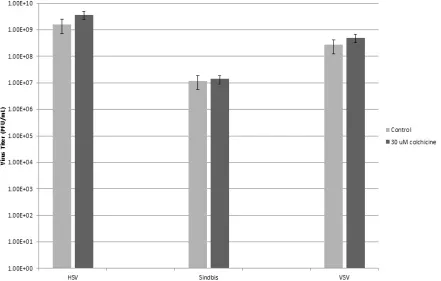
Figure 4. Effect of colchicine treatment on virus replication. ... 46
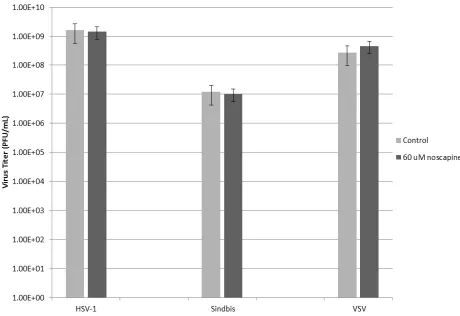
Figure 5. Effect of noscapine treatment on virus replication. ... 47
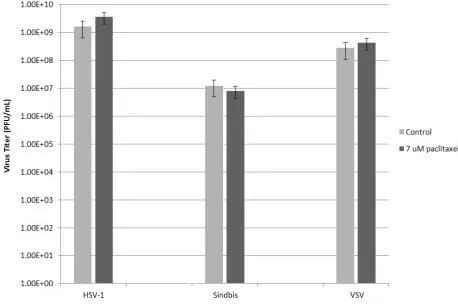
Figure 6. Effect of paclitaxel treatment on virus replication. ... 48
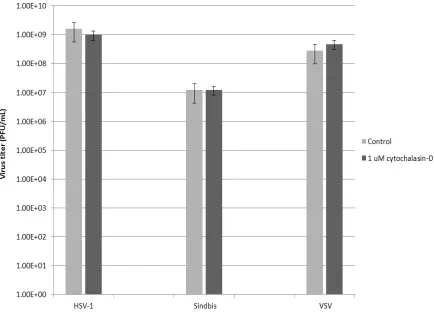
Figure 7. Effect of cytochalasin-D treatment on virus replication. ... 49
Figure 8. Effect of all drug treatment on virus replication ... 46
Figure 9. Location of RNA synthesis in SINV-infected cells after cytoskeletal drug treatment. 47 Figure 10. Analysis of location of virus non-structural proteins in SINV-infected cells after cytoskeletal drug treatment ... 48
Figure 11. Effect of cytoskeletal drug treatments on localization of virus structural proteins. 49 Figure 12. Analysis of location of virus structural proteins in SINV-infected cells after cytoskeletal drug treatment.. ... 50
Figure 13. Effect of cytoskeletal drug treatments on localization of virus nonstructural proteins. ... 51
Figure 14. Analysis of location of virus non-structural and structural proteins in SINV-infected cells after cytoskeletal drug treatment. ... 52
1 INTRODUCTION
The cytoskeletal system of the cell is thought to be a key component in the life cycle of
viruses because during every aspect of the viral life cycle, from entry to egress, the virus needs
the intracellular transport that the cytoskeleton provides (Radtke et al., 2006). There are three
major components to the cytoskeleton: the actin filaments, the intermediate filaments, and the
microtubules. Of these, the actin filaments, found directly beneath the cellular membrane, and
the microtubules, found throughout the cell, are involved in intracellular transport. Although
only a relatively small number of the viral families and their interactions with the cytoskeleton
have been characterized in detail, it is assumed that all viruses need the actin and/or
microtu-bule networks to actively transport new viruses into the cell, their macromolecular components
to appropriate places throughout the cell, and their progeny out. Most studies to date have
de-scribed specific aspects of viral intracellular trafficking while a few have looked at the role that
the microtubules play in viral transcription and gene regulation (Simon et al., 2009).
1.1 The cytoskeletal system and its pharmacological inhibitors
The cytoskeleton is composed of three protein filaments: microtubules, microfilaments,
and intermediate filaments. These filaments give the cell its shape and structure as well as
play-ing key roles in intracellular transport and cell division. The microtubules are hollow tubes,
av-eraging 25 nm in diameter, composed of α- and β-tubulin dimers (Pollard et al., 2008). The
tu-bulin polymerizes with the α-tutu-bulin subunit of one dimer making contact with the β-tutu-bulin of
the next dimer. This results in one end of the tubulin having the β-tubulin exposed and the
microtubule has β-tubulin exposed while the (-) end has α-tubulin exposed. The (-) end is
al-most always capped, so growth normally occurs from the (+) end. The microtubule (+) end
usu-ally points towards the plasma membrane where it can interact with the actin cortex (Radtke et
al., 2006). The microtubules are nucleated and organized from the microtubule organizing
cen-ter (MTOC), which in animal cells is called the centrosome (Pollard et al., 2008). The MTOC
plays two important roles: organizing the microtubules that comprise the flagella and cilia and
organizing the mitotic and meiotic spindle apparati during cell division. Contained in the MTOC
is another type of tubulin, γ-tubulin. The γ-tubulin forms a complex with other proteins, known
as the “γ-tubulin ring complex.” The ring complex forms scaffolding for the α- and β-tubulin to
build upon. The γ-tubulin also caps and stabilizes the (-) end of the microtubules (Pollard et al.,
2008). Many proteinsbind to the microtubules to facilitate transport and many other proteins
associate with microtubules to aid in the maintenance of the cell. For example, the motor
teins, dynein and kinesin mediate transport along the microtubules. Each family of motor
pro-teins walks along the microtubules in one direction; dynein mediates most of the (-) end
di-rected transport while kinesin transports toward the (+) end. However, some members of the
kinesin family, such as KIFC2 can also transport toward the (-) end (Radtke et al., 2006).
Microfilaments form the thinnest filaments of the cytoskeleton, averaging 7nm in
di-ameter (Pollard et al., 2008). The filaments are solid rods composed of actin polymers. The
mi-crofilaments nucleate from the plasma membrane (so the outer edges of the cell have the
greatest concentration of microfilaments) forming a three-dimensional meshwork known as the
actin cortex. The actin cortex provides mechanical strength to the plasma membrane and the
built head-to-tail of polar monomeric actin, which result in polar filaments. The microfilaments
grow and shrink from both ends, but the (+) end assembles and disassembles faster than does
the (-) end. The growth of one end while the other end shrinks allows for cell motility and
crawling (Karp, 2009). The microfilaments are flexible, but the cell has accessory proteins which
bind to the actin and organize the filaments into stronger, larger structures with various
func-tions. Myosin motor proteins also play a role in cellular transport. There exist different classes
of myosin proteins and each move in only one direction along the actin; some classes transport
toward the (+) end, while others transport to the (-) end (Radtke et al., 2006).
Intermediate filaments are formed by a group of related proteins and have an average
size between that of the microtubules and actin filaments, about 10 nm.About 70 genes
con-trol the expression of the intermediate filament proteins. The intermediate filaments have
greater tensile strength than do microtubules and actin, so their main functions are structure
and support. Each monomer filament has an alpha helical rod domain which connects the
ami-no (head) and carboxyl (tail) terminals. The filaments can form dimers and tetramers. The
monomer filaments coil around each other with head regions aligned. Then these dimers can
form tetramers by staggering head-tail with other dimers (Karp, 2009). There are several types
of intermediate filaments, characterized by the type of proteins that construct them. Type I and
Type II are acidic and basic keratin filaments in epithelial cells that form hair, nails, horns, and
scales. The most common of the Type III filaments are the vimentin filaments, which can be
found in a range of cells including endothelial cells, leukocytes, and fibroblasts. These filaments
support the cell membrane and hold organelles in place. Other kinds of Type III filaments are
neurofilaments which are found in the axons of vertebrate neurons. Type V filaments are lamin
filaments which have structural functions in the cell nucleus. Type VI filaments are comprised of
nestin, which are found in nerve cells (Karp, 2009).
Intracellular trafficking is most commonly completed by vesicular transport from one
membrane-bound organelle to another or from the exterior of the cell to a target on the
interi-or interi-or vice versa. Vesicular transpinteri-ort is reliant on the cytoskeletal system as the cargo buds from
the donor membrane to form the vesicle and is carried by motor proteins on the microtubules
to the target membrane where the vesicle fuses to release its cargo. For example, in most
eu-karyotic cells, the Golgi body packages and processes proteins for secretion and segregates
pro-teins that are to be delivered to the plasma membrane from those that are to remain inside the
cell. The Golgi consists of from four to ten flattened cisternae which together make up the cis-,
medial, and trans- Golgi (Karp, 2009). The perinuclear structural organization of the Golgi is
de-pendent on the integrity of the microtubule network and the Golgi is often seen in close
associ-ation with the MTOC. It has been observed that when the microtubules are depolymerized, the
Golgi elements are scattered through the cytoplasm (Storrie et al., 1998).
Viral trafficking, as it is currently understood, involves the virus hijacking the cellular
transport system and relying on the host’s motor proteins associated with the actin filaments
and microtubules. Viral proteins often interact with actin/tubulin binding proteins or bind
di-rectly to the motor proteins themselves. Some viruses, such as the retroviruses, interact with
actin before entering the cell. These viruses can “surf” along filopodia towards the cell body.
This “surfing” requires dynamic actin and during the viral “surfing” the virus receptor is most
viruses are first transported in vesicles, but leave these vesicles in the cytoplasm. During
cyto-solic replication, viruses may also interact with the cytoskeleton. For example, the RNA of
hu-man parainfluenza virus type 3 is transcribed in association with ribonucleoproteins which are
bound to actin filaments (Radtke et al., 2006). Other viruses can reorganize the host
cytoskele-ton for their own purposes; microtubules and actin have been seen to anchor the viral
tran-scription apparatus and sequester host regulatory factors. After replication and assembly,
vi-ruses either have to traffic out individually by budding through host membranes or wait for cell
lysis. When trafficking out, the viruses must make use of kinesin and/or myosin. The actin
cor-tex can be a barrier to some viruses, which is why brief periods of actin depolymerization
in-crease the release of some viruses (Radtke et al., 2006).
The cell cycle is highly regulated by many proteins and the microtubules play a key role
in correctly aligning and separating the chromosomes during mitosis. The MTOC is the one of
the major regulators of cell division. The centriole within the MTOC is responsible for organizing
the mitotic spindle in animal cells, although it is not necessary to form the spindle in other cells.
During prophase, motor proteins push the centrioles to polar opposite sides of the cell. Once
the nuclear membrane breaks down during the late part of prophase, the microtubules attach
to kinetochores at the centromere of each chromosome (Pollard et al., 2008). Proper
chromo-some separation requires every kinetochore to be attached to the microtubules. If a
kineto-chore remains unattached, mitosis will not progress to anaphase. During anaphase, the sister
chromatids are separated into daughter chromosomes by the shrinking of microtubules
pulling the centrosomes to the poles of the cell. Cell division occurs after mitosis is complete
(Pollard et al., 2008).
Cancer researchers often use mitosis-disrupting drugs to study the role of abnormal cell
division in cancer development. In normal cells, factors that interfere with microtubule function
cause the mitotic checkpoint to remain unsatisfied and arrest the cell in mitosis, prohibiting cell
division. However, some cells are able to override the arrest and keep diving, forming tumor
cells. For this reason, mitotic inhibitors are often used in cancer research on one hand as
poten-tial therapeutic drugs, but on the other hand to induce the formation of tumor cells.
Microtu-bule dynamics can be impacted in two ways by these inhibitors. The first is to stabilize the
mi-crotubules, which makes them resistant to depolymerization and decreases their dynamics. The
second is to disrupt the microtubules by fragmenting them. In most cases, the cell can recover a
few hours after exposure to the drug has stopped.
Colchicine is the most well-known mitotic inhibitor. It is an alkaloid that is found in the
autumn crocus flower (Colchicum autumnale) and was first used as a medicine in 16th century
BC Egypt. Colchicine interferes with mitosis by binding to tubulin and inhibiting microtubule
polymerization, interfering with the development of the spindles as the nuclei are dividing.
When colchicine is present in the cell, the spindles don’t form and the cell cannot move the
chromosomes around, causing the cell to arrest in mitosis. Colchicine is most commonly used to
treat gout and familial Mediterranean fever. Despite its potential anti-cancer properties, it is
rarely used as a cancer treatment because it has a limited therapeutic range as a chemotherapy
Paclitaxel is a member of a group of chemotherapy drugs known as taxens, named after
the genus of plant, Taxus, from which they were first derived. Paclitaxel was first derived from
the Pacific yew tree, but is now synthetically made. It is widely used for treatment of a variety
of cancers including breast, ovarian, and lung cancers. It is also been used extensively in
bio-medical research as a microtubule stabilizer. Paclitaxel works by binding to the tubulin and
pro-tecting the microtubules from disassembly. With paclitaxel bound, the microtubules are unable
to form the proper spindle conformation which arrests the cell in metaphase and leads to
apop-tosis (Surhone et al., 2010).
Noscapine is a non-opiate alkaloid derived from the poppy family (Papaveraceae). Since
the 1960’s it has widely been used as an antitussive and in the late 1990’s it was discovered to
have anti-cancer properties. Currently, ongoing studies are assessing noscapine’s effectiveness
in treating stroke as well. Noscapine works by binding to tubulin and altering its conformation,
which results in an increase in time that the microtubules spend idle in a paused state,
trigger-ing apoptosis and cell death. This is unlike the mechanism of taxanes and vinca alkaloids, which
affect microtubule polymerization. Noscapine is also noted for its low toxicity and ease of
ad-ministration (Mahmoudian, 2009).
Cytochalasin-D is a member of the cytochalasin drug family, potent fungal metabolites
that bind to actin to prevent the polymerization of actin filaments. Cytochalasin-D will bind with
high affinity to the fast growing plus end of actin, which prevents further growth or
disassem-bly. The disruption of the actin microfilaments causes several side effects for the cell, including
the activation of p53-dependent pathways that arrest the cell in mitosis between the G1 and S
changes in cell morphology and cell motility. Due to its high toxicity, there are no medical uses
for cytochalasin-D (Cooper, 1987).
1.2 Virus replication cycles and their use of the cytoskeletal system
Viruses have a large diversity of virus particle structures, genome organizations, and
replication strategies. The different viral families have different genomes, which can be single
or double stranded RNA or DNA. Among the viruses with single-stranded genomes, the
ge-nome can be positive sense (collinear with mRNA), negative sense (complementary to mRNA),
or ambisense (both). Each variation requires a different replication strategy. However, all
virus-es must be transported to the correct sitvirus-es within the cell before replication can begin. Thvirus-ese
sites can be in the nucleus or in the cytoplasm, and in the latter case they are often associated
with specific membranes organelles (Fields et al., 2007). All viruses follow the same basic steps
in their replication cycle: attachment, entry, uncoating, gene expression, replication, assembly,
and exit.
The cell membrane is a barrier that all viruses must overcome. In order to do so, they
must bind to cellular receptors on the surface of the cell using surface proteins on the outer
coat of the virus. The type of cellular receptors that the virus binds determines the specificity of
cells, tissues, and organisms that the virus can infect, known as tropism which plays a part in
determining the type of disease the virus causes. Many viruses can attach to multiple receptor
types, which they can use independently or in series (Fields et al., 2007).
Different viral families use different entry pathways once bound to the cellular receptor.
Most use endocytic pathways, but a few, such as HIV, can fuse with the plasma membrane and
which is used by the cell to internalize a large variety of ligands, proteins, and lipids. Viruses
bind to receptors which localize in clatherin-coated pits and are taken into the cell in a matter
of minutes. Once in the endosomes which are formed by internalization of these pits, specific
virus proteins must undergo conformational changes to mediate penetration of the endosomal
membrane. For many viruses, the pH change in the endosome triggers the process. For
envel-oped viruses, the virus envelope fuses with the endosomal envelope and the capsid is released
into the cytoplasm. Nonenveloped viruses have coat proteins which change conformation in
response to a trigger, such as low pH, which allows release of the genome across the
endosomal membrane into the cytoplasm. For viruses that replicate in the nucleus, following
penetration of the cytoplasm the capsid must enter the nucleus through one of two methods.
Viruses can use the nuclear pore complex (NPC) which often requires various strategies to
over-come the size limit of the pores (35 – 45 nm) including having a genome with multiple segments
like influenza virus, or opening the capsid at the pore, which releases the genome into the
nu-cleus, as in the case of HSV-1 and adenovirus. Alternatively, the virus capsid can wait in the
cy-tosol for the dissolution of the nuclear envelope which occurs during cell division.
Although there are many different strategies viruses use to replicate their genome, they
all use the conventional base-pairing between template and daughter strands. Most DNA
virus-es replicate in the nucleus, while most RNA virusvirus-es replicate in the cytoplasm, with a few
ex-ceptions like the influenza viruses which replicate their RNA in the nucleus and poxviruses
which replicate their DNA in the cytoplasm (Fields et al., 2007). Regardless of the site of
cation, each virus must coordinate the synthesis and trafficking of viral proteins, genome
to traffic in intracellular space, they must rely on the cellular cytoplasmic transport systems.
Most commonly, viruses are thought to use microtubule-mediated mechanisms for long
dis-tance transport (Fields et al., 2007; Sodeik et al., 1997; Luftig, 1982; Radtke et al., 2006) while
the actin filaments are used for short distances near the cell membrane.
Numerous studies have been done across several virus families that have examined
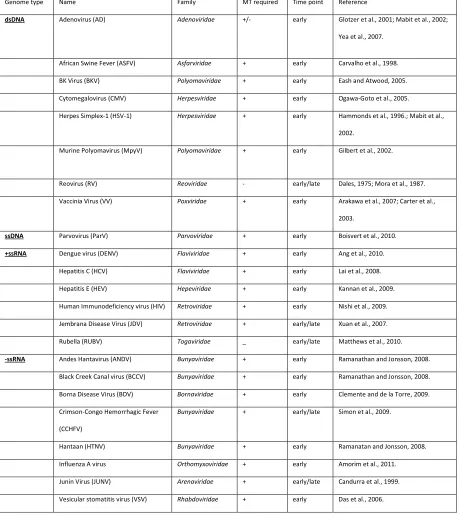
var-ious steps in the replication cycle that rely on the cytoskeletal system (Table 1, Radtke et al.,
2006). Most of these studies have used immunofluorescence and colocalization techniques to
determine the strength of the interaction between virus moieties and the microtubules during
early entry and subsequent trafficking. The majority of these studies observed a need for an
intact cytoskeleton system for entry and trafficking to the nucleus or perinuclear region.
How-ever, a couple of studies have shown that viruses can employ alternate strategies when the
cy-toskeleton is disrupted (Glotzer et al., 2000; Yea et al., 2007).
Adenovirus is one of the viruses that has been shown to successfully replicate in the
ab-sence of an intact cytoskeleton system. Adenovirus is a medium sized, double stranded DNA
virus that replicates in the nucleus of the infected cell. While entry mechanisms for human
ad-enoviruses are well understood, the mechanisms for movement to the nucleus are not. The
vi-rus particle travels up to 50 µM in the cell within an hour between binding to the plasma
mem-brane and localizing near the nucleus. This is too great of a distance for free diffusion through
the cytoplasm, so it suspected that the cytoskeletal system, mainly the microtubules, transports
the virus to the nucleus. While some studies have found evidence for the use of microtubules
for successful transport, others have suggested that a microtubule-independent pathway exists
drugs. Glotzer et al., 2001, were the first to suggest that adenovirus can utilize
microtubule-independent transport and that the mechanisms of cytoplasmic transit and nuclear targeting
are more diverse than just the microtubule network. Their study was based on engineered
ade-novirus particles with fluorescently labeled genomes to study the path the genome followed
from entry to nuclear deposition. These infectious adenovirus particles, which were termed
AdLite particles, were developed by fluorescently labeling the adenovirus DNA genomes with a
green fluorescent protein (GFP)-DNA binding protein fusion. Labeling the genome in this
man-ner was more desirable than labeling the capsid protein by fusion with GFP because the capsid
is dismantled upon entry and may not follow the path of the genome. The AdLite particles
al-lowed them to follow the infecting viral DNA using video microscopy in A549 or HeLa cells (both
human cell lines) that had been treated with 20 µM nocodazole or 0.5 µM cytochalasin-D. It
was found that while intact microtubules were required for the virus to localize in stable
clus-ters around the MTOC, as seen in control cells, the virus particles were still able to reach the
nucleus in similar numbers in the treated cells as in the control cells. Genomes in
drug-treated cells exhibited similar motility to those in undrug-treated cells, even when the cells were
ex-posed to both nocodazole and cytochalasin-D at the same time. The researchers concluded that
the mechanisms of intracellular transport may include both microtubule-dependent and
micro-tubule-independent pathways and that adenovirus may be capable of interacting with different
cytoskeletal elements to traffic its particles throughout the cell.
Yea et al. also did a study on the trafficking of adenovirus in HeLa, HEp-2, A549, and HEK
293 cells (all human cell lines) and obtained results similar to those of Glotzer et al. The goal of
labeled virions and to investigate microtubule-mediated transport based on the patterns seen.
To test what effect microtubule disruption would have on virion trafficking and genome
deliv-ery, A549 and HEK293 cells were treated with 30 µM nocodazole before and during infection
with adenovirus. Like Glotzer et al., it was found that, while the formation of MTOC-associated
clusters was dependent on intact microtubules, the virions were able to reach the nucleus in
the absence of them. Adenovirus with a GFP-tagged capsid and expressing X-Gal was then used
to determine if infectivity was compromised by the treatment of the cells with nocodazole. It
was reasoned that if this drug inhibited infection, then the number of cells with GFP would be
lower in the treated cells than the control cells. However, in both A549 and 293 cells the
pro-portion of cells with GFP in treated and non-treated cells was comparable. Genome delivery
was monitored microscopically by X-Gal staining (used for the detection of β-galactosidase)
treated and non-treated 293 cells. As before, the cells expressing signal was comparable in
treated and non-treated cells. It is unknown why virions form stable clusters around the MTOC
and spindle poles, but it was concluded these clusters do not appear to be necessary for
infec-tion to proceed. The clusters are dependent on intact microtubules, but are not essential to
in-fectivity, as the viruses are able to express their genome in comparable levels in treated cells
and control cells. Yea et al. concluded, like Glotzer et al., that the microtubules are not essential
for adenovirus trafficking to the nucleus, but the microtubules may play a role in untreated,
in-fected cells.
Mabit et al. also investigated the role of microtubules in adenovirus infection and found
through quantitative analysis of adenovirus-mediated gene expression and use of adenovirus
this study was to investigate the findings of Glotzer et al. who were the first to suggest
adenovi-rus can infect cells using microtubule-independent transport. First, adenoviadenovi-rus transgene
ex-pression was analyzed in A549 cells. The cells either were untreated or had been treated with
20µM nocodazole prior to infection with adenovirus expressing β-Gal. It was found that in the
presence of nocodazole, β-Gal expression was reduced by 85% compared to the control cells.
Similar results were obtained with an adenovirus expressing luciferase. Consistent with the
re-sults with β-Gal, luciferase activity was reduced by 50% to 70%, regardless of MOI used in
nocodazole-treated cells. It was determined that this reduction was not due to cell loss, as
de-termined by staining the cells with vital dyes. Mabit et al. repeated these experiments using
dif-ferent promoters directing transgene expression (HSV-1 ICP4 and CMV) and difdif-ferent MOIs (2
to 100 PFU/cell) and obtained similar results each time. Mabit et al. also used fluorescently
la-beled adenovirus (Ad2-TR) on A549 cells that were untreated or had been treated with 20 µM
nocodazole. Virus was adsorbed to the cells for 1 hour at 4°C and the cells were then shifted to
37°C to achieve a synchronous infection. The cells were fixed at 75 minutes post infection. If
was found that while the control cells had high nuclear fluorescent signal, the drug-treated cells
had significant increases in signal in the periphery of the cell and cytoplasm, but not the
nucle-us. Mabit et al. thus concluded that microtubules are necessary for the transport of infecting
adenovirus to the nucleus and subsequent replication.
Although variable results were obtained, these findings suggest that other cytoskeletal
elements play a role in intracellular trafficking and nuclear targeting of adenovirus or that
ade-novirus can reach the nucleus completely independent of the cytoskeleton, possibly through
virions in vesicles and free in the cytoplasm around the nuclei of cells that had been treated
with drugs, but the vesicles could also be a defense mechanism of the host. An alternate, less
efficient pathway could exist that the viruses are able to use when the microtubules are
dis-rupted. The lack of cell death when the cells are treated with the microtubule inhibiting drugs
suggests that the cell could possibly have alternate means of transporting and moving its
ele-ments around that the virus is able to exploit.
Reovirus, a double stranded RNA virus, has also been well characterized in terms of the
interaction of its proteins with the microtubules. The study, done by Mora et al., used gel
elec-trophoresis and sedimentation analysis to analyze the temporal association of the virus
pro-teins to cytoskeletal extracts and IFA to analyze the spatial distribution of the viral propro-teins.
Like two of the adenovirus studies, it was found that exposure to colchicine did not prevent the
association of viral proteins or RNA with the intracellular matrix where replication occurs (Mora
et al., 1987). However, these researchers did not find that the virus relied fully on the
cytoskel-eton. On the contrary, they found that the virus interacted with the cytoskeleton components
at defined times during replication, but the interactions that the virus had with the microtubule
and intermediate filaments were not dependent on colchicine-sensitive interactions and thus
these interactions were not reflective of active microtubular transport.
1.3 Sindbis virus
Sindbis virus, the model virus used in my research, is a member of the family
Togaviridae, whose members are enveloped, plus-strand RNA viruses. The family is divided into
two genera: alphaviruses and rubiviruses. Although rubiviruses are classified within the same
the two genera is still obscure. Alphavirus is a large group, consisting of more than 40 members,
while the Rubivirus genus only has one member, the rubella virus (Fields et al., 2007).
Alphavirus members cause a number of human and animal diseases, including encephalitis,
fe-ver, and rash. All members of the Alphavirus genus are arboviruses, viruses transmitted by
ar-thropods. Sindbis virus is maintained naturally by transmission from birds to mosquitos.
Hu-mans are infected when bitten by an infected mosquito. Sindbis virus is the most studied
mem-ber of the alphaviruses due to its easy growth in the lab and low risk for human disease.
Sindbis virus has an 11.7 kb RNA genome with a capped 5’ end and a poly A sequence at
the 3’ end (Fields et al., 2007). The envelope has a spherical shape that is about 70 nm in
diam-eter. The E1 and E2 transmembrane glycoproteins form repeating subunits that give the
enve-lope a rigid icosahedral lattice structure. The enveenve-lope is a host-derived lipid bilayer that is rich
in cholesterol and sphingolipid. Inside the lipid bilayer is the icosahedral capsid comprised of
multiple copies of the capsid protein and containing the single stranded RNA genome (Figure 1).
A cartoon of the Sindbis replication cycle is shown in Fig. 2. The Sindbis virus genome
separates expression of the replicative proteins, also known as nonstructural proteins, and
viri-on structural proteins into two open reading frames. The replicativiri-on protein coding regiviri-on
spans nearly two thirds of the genome, starting at the 5’ end. The replicative proteins are
trans-lated directly from the genomic RNA while the structural proteins are transtrans-lated from a
subgenomic mRNA. The replicative proteins are translated as a single precursor which is
proteolytically cleaved into 4 mature proteins, termed nsP1 through nsP4, while the
subgenomic mRNA codes for 5 proteins, the capsid protein, E1, E2, E3, and the 6K protein. The
guanylytransferase activities which are involved in the capping of viral positive strand RNA;
nsP2 contains a helicase and the protease which mediates the cleavage of the nonstructural
proteins; the function of nsP3 is poorly understood, but it is thought to be important for minus
strand synthesis; and nsP4 codes for the RNA dependent RNA polymerase.
Alphaviruses have a broad host range in both the species of animals and the types of
cells. There is speculation that the E2 glycoprotein contains multiple binding sites and uses a
cell receptor that is highly conserved across species to make the broad range possible.
Howev-er, the role for receptors in the entry of the virus is still uncertain (Fields et al., 2007). Sindbis
virus is internalized once it is bound to receptors in a clathrin-coated pit. Inside the vesicles,
ex-posure to acidic conditions causes the E1 and E2 to undergo conformational changes. The
pro-teins attach to the vesicle membrane and fold back, fusing the viral and cell membrane
togeth-er and allowing the nucleocapsid to escape into the cytoplasm.
Following the release of the nucleocapsid, it is believed to be disassembled by
ribo-somes. The genome RNA serves as messenger RNA for the synthesis of the replicative proteins.
Two polyproteins are translated from the nonstructural region of the genome, P123 and P1234,
the latter being translated by occasional readthrough of a stop codon between nsp3 and nsp4
coding regions. These are subsequently cleaved and processed to form individual nonstructural
proteins. P1234 is only made 10 – 20% of the time, and relies on read through of an opal codon
between nsP3 and nsP4 (Fields et al., 2007). The polyproteins are processed and cleaved by the
protease within nsP2. The nonstructural proteins form a replicative enzyme complex (RC) in the
cytoplasm contained within vesicles associated with endosomes and lysosomes in the infected
subgenomic RNA takes place (Gorchakov et al., 2008). Three species of RNA are produced by
the RNA dependent RNA polymerase: genomic RNA, subgenomic RNA, and minus strand RNA,
and their abundance is regulated by the availability of the nonstructural proteins. Each species
of RNA requires a different configuration of polypeptides. The synthesis of the minus strand is
carried out by P123 plus nsP4. Plus strand RNA synthesis is carried out by polyprotein P23 plus
nsPs1 and 4, or all four nsPs. Subgenomic RNA synthesis is carried out by all four nsPs. In each
case, host factors also likely play a role.
The amount of subgenomic RNA made is roughly three times more than the genomic
RNA (Fields et al., 2007). The capsid protein is translated first and immediately cleaved by an
embedded protease, followed by cleavage of the nascent polypeptide chain by cell signalase to
produce E1, pE2 (a precursor of E2 containing E2 and E3) and the 6K protein. The capsid protein
associates with the genomic RNA to produce the nucleocapsid. A package sequence in the
ge-nomic RNA allows for the internalization of the RNA into the developing capsid, which ensures
specificity of packaging (Fields et al., 2007). As the capsids are formed the envelope proteins
are translocated into the endoplasmic reticulum membrane. From there the glycoproteins are
translocated to the Golgi, and then to the plasma membrane, undergoing modifications along
the way, including cleavage of pE2 to E2 and E3 by a furin-like enzyme. The final stage in the
replication cycle is when the capsids interact with the envelope glycoproteins to promote
bud-ding. The capsids assemble close to the plasma membrane and acquire their envelope when
1.4 Goals of the thesis
Our lab has been interested in the use of anti-microtubule drugs effective in cancer
therapy against life-threatening acute virus infections, based on the premise that viruses
re-quire an intact cytoskeleton for their replication. However, studies in our lab found that rubella
virus replication was not inhibited by four anti-microtubule drugs. To follow up on this finding
and to test the hypothesis that viruses can replicate in the presence of drugs which compromise
the cytoskeletal system, two specific aims were proposed:
1. To test a panel of viruses that represent a variety of families with different replication
cycles against a variety of microtubule- and actin filament- interfering drugs to
determine if replication is dependent on an intact and dynamic cytoskeletal system.
2. To use Sindbis virus to determine where the viral proteins are localized in infected cells
exposed to microtubule and actin interfering drugs to detect if there are changes in the
localization and to potentially determine if any alternate localization pathways are
employed when the cytoskeletal system is inhibited.
The panel of viruses is made up of viruses from several different viral families that
rep-resent a variety of genomic structures and replication strategies, including: Sindbis virus (family
Togaviridae, plus strand RNA), VSV (family Rhabdoviridae, minus strand RNA), Dengue virus
(family Flaviviridae, plus strand RNA), Herpes Simplex Virus (HSV-1) (family Herpesviridae,
DNA), and Adenovirus (family Adenoviridae, DNA). The drugs used were colchicine, noscapine,
paclitaxel, and cytochalasin –D. Fluorescence microscopy using viruses expressing fluorescently
tagged proteins and immunofluorescence will be employed to examine Sindbis virus protein
1.5 Expected Results
Based on the generally accepted dogma that virus replication is dependent on the
cyto-skeleton system, the expected result of this study were that most, if not all, of the viruses in
the panel will exhibit a drop in titer (virus production) when cells exposed to the cytoskeletal
inhibiting drugs are infected as compared to untreated control cells. It is also expected that
the intracellular localization of the Sindbis virus proteins and dsRNA will be radically altered in
the drug infected cells.
2 MATERIALS AND METHODS
2.1 Cell culture, viruses, drugs, and antibodies
Baby hamster kidney (BHK-21) cells and African green monkey kidney (Vero) cells were
obtained from the American Type Culture Collection (ATCC) and grown and maintained at 35°C
in Dulbecco's Modified Eagle Medium (D-MEM, Cellgro) with 5% fetal bovine serum (FBS),
es-sentially as described previously (Frolova, 2010). Adenocarcinomic human alveolar basal
epi-thelial (A549) cells were obtained from ATCC and grown and maintained at 37°C in Ham's F-12,
Kaighn's Modification (F-12K, Cellgro) media with 10% FBS and 1% Penicillin/Streptomycin
(Pen/Strep), essentially as described previously (Yea et al., 2007). Human Embryonic Kidney 293
(HEK 293) cells were obtained from Dr. Sarah Pallas and grown and maintained at 37°C in
D-MEM with 10% FBS, essentially as described previously (Yea et al., 2007). Colchicine and
cytochalasin-D were purchased from Sigma. Noscapine and paclitaxel were gifts from Dr. Ritu
Aneja, Department of Biology, Georgia State University, Atlanta, Georgia. The Sindbis virus
rou-tinely used in the Frey laboratory. Herpes Simplex 1 (HSV-1; KOS-63) virus was a gift from Dr.
Richard Dix, Department of Biology, Georgia State University, Atlanta, Georgia. Adenovirus
(species C, type 5, dl309) was a gift from Dr. Charlese Benson, Department of Biology, Georgia
State University, Atlanta, Georgia. Dengue virus (DENV, serotype 2) was a gift from Dr. Richard
Kuhn, Purdue University, West Lafayette, Indiana. Rabbit polyclonal antibody against Sindbis
virus was prepared by Dr. Teryl Frey at the University of Pittsburgh. Mouse dsRNA
anti-body was purchased from Scientific Consulting. Rabbit anti- α-tubulin antianti-body was purchased
from Sigma. Alexa Fluor 568 phalloidin and wheat germ agglutinin Alexa Fluor 594 conjugate
were purchased from Molecular Probes. Secondary antibodies, goat anti-mouse TRITC and goat
anti-rabbit FITC were purchased from Molecular Probes. Hoechst 33342 was purchased from
Molecular Probes.
VSV, SINV, DENV, and HSV-1 were propagated on BHK-21 cells. At 2 days post infection
(dpi), the development of cytopathic effects (CPE) was present in nearly 100% of the cells and
at that time the supernatant was collected and stored at -80°C, essentially as previously
de-scribed (Frolova, 2010; Hammonds, 1996). Adenovirus was propagated on 293 cells in 10%
D-MEM. At 2 dpi, the development of CPE was present in the majority of the cells and at that time
the supernatant was collected, mixed at a 1:1 ratio with sterile glycerol, and stored at -20°C,
essentially as previously described (Yea 2007).
2.2 Reconstitution of SINV nsP3-GFP
The pSINV/nsP3GFP plasmid, containing the cDNA of SINV with a GFP insertion in the
nsP3-coding sequence, was a gift from Dr. Ilya Frolov, Department of Microbiology, University
es-sentially as previously described (Gorchakov, 2008). Briefly, the plasmid was linearized by XhoI
digestion and in vitro RNA transcripts were synthesized with SP6 polymerase (Epicentre) in the
presence of cap analog (New England Biolabs). RNA yield and integrity was analyzed by gel
elec-trophoresis. In vitro transcripts were used to tranfect BHK-21 cells as previously described
(Gorchakov, 2008). Following development of CPE in 100% of the cells, the culture fluid was
harvested and stored at -80 C.
2.3 Plaque assay
Plaque assays were carried out essentially as previously described with minor
modifica-tions (Tzeng and Frey, 2002). Briefly, plaque assays were performed on monolayers of Vero
cells or A549 cells grown in 60 mm cell culture dishes or 6-well plates. The plates were infected
with 0.5 ml of virus diluted in PBS-1% FBS. At 1 h post infection, the inoculum was removed
and the agar overlay was added to each plate. Plaques were visualized by removing the agar
overlay and staining the monolayer with 0.1% crystal violet in 10% formalin. Plaques were
counted at 2 days post infection for HSV-1, VSV, and Sindbis, 5 days post infection for
adenovi-rus. DENV failed to form plaques on Vero cells, even after 7 days incubation. Plaque assay of
DENV was also attempted on BHK cells, also without success.
2.4 Cytoskeletal drug treatments
For virus replication assays, the drug treatment was performed essentially as previously
described with minor modifications (Frolova, 2010). Briefly, a monolayer of cells (BHK-21, 35°C;
or 293, 37°C) were infected with the appropriate virus for 1 hr at a multiplicity of infection
washed and incubated for 24 hours in media containing drugs at the concentrations indicated
in the appropriate figures. The supernatant for virus was collected at 24 hours post-infection
for quantification. The supernatant for cells infected with SINV, VSV, and HSV-1 was collected
and stored at -80°C. The supernatant for cells infected with adenovirus was mixed 1:1 with
ster-ile glycerol and stored at -20°C. Cell monolayer quality after drug treatment of uninfected cells
was assessed at 24 hr with a crystal violet stain.
For microscopy, BHK-21 cells were seeded onto glass cover slips in a 35mm cell culture
dish 1 day before infection. The cells were inoculated with SINV at a MOI of 1 in 1% FBS/PBS. At
1 hpi the inoculum was removed and the cells continued to incubate in media with or without
colchicine (30 µM) until 5 hpi, at which time the cells were processed for fluorescence or
im-munofluorescence.
2.5 Immunofluorescence assay
Cytoplasmic localization was determined by fluorescence microscopy with fluorescently
tagged stains, fluorescently-tagged viruses, or immunofluorescence and was carried out
essen-tially as previously described with minor modifications (Matthews, 2010). Briefly, the cells were
fixed and permeabilized with 100% methanol at -20°C for 10 to 15 min. The cells were
rehy-drated by an overnight incubation in phosphate-buffered saline (PBS) at 4°C. All antibodies
were diluted to 1:1000 in 1% FBS/PBS. The cells were incubated with the primary antibody for
at least 1 h, followed by two washes in PBS and application of the secondary antibody.
Follow-ing 40 min of incubation with the secondary antibody, the cells were washed with PBS,
using a Zeiss microscope with epifluorescence capacity and photographed with a Zeiss Axiocam
or a Zeiss LSM 700 confocal microscope.
2.6 Golgi fluorescence assay
Golgi staining was performed following the manufacturer’s protocol. Briefly, the cells
were fixed with 4% paraformaldehyde at room temperature for 10 minutes. The wheat germ
agglutinin (WGA) Alexa Fluor 594 conjugate was diluted 1:200 in PBS. The cells were incubated
with the WGA-conjugate solution for 10 mins, followed by two washes with PBS, and then
permeabilized with 1% Triton X-100 for further preparation for immunofluorescence.
3 RESULTS
Determination of the optimal concentrations of drugs to use started with the
concentra-tions used on Vero cells in Matthews et al., 2010, which were 1 µM colchicine, 2.5 µM
noscapine, and 7 nM paclitaxel. BHK cells were grown at low density on cover slips for 24 hours
and then exposed to cell media containing one of the drugs for a 24 hour period, after which
they were fixed with methanol and stained for microtubules and actin filaments. The most
ef-fective dose was determined by the highest incidence of morphological change or metaphase
cells with the minimal amount of apparent cell death. Ultimately, 30 µM colchicine, 60µM
noscapine, 7 µM paclitaxel and 1 µM cytochalasin-D proved to be the optimal concentrations to
use on BHK cells.
The effects of the optimal concentration of drugs on uninfected cells treated for 24
drugs, colchicine and cytochalasin-D, produced the greatest morphological changes. The cells
treated with colchicine clearly exhibit the depolymerization of the microtubules, turning the
long, linear BHK cells into rounded, slightly smaller cells (Figure 3). Noscapine does not change
the morphology of the microtubules, so the noscapine treated cells do not exhibit the same
morphological changes as do the ones treated with colchicine, but they do have an
accumula-tion of DNA in the nucleus. Cells treated with noscapine are arrested in metaphase, however,
they still undergo multiple rounds of DNA synthesis and become multinucleated (Figure 3).
Paclitaxel- treated cells also exhibit multinucleated cells. Paclitaxel arrests the cells in
meta-phase and allows the DNA in the nucleus to undergo multiple rounds of replication, like
noscapine. However, unlike noscapine, paclitaxel stabilizes the microtubules and prevents their
polymerization, so the cells show some morphological changes, appearing more rounded than
the control cells (Figure 3). Cytochalasin-D is the most toxic of the drugs tested. Cytochalasin-D
stops mitosis by binding to the actin and not allowing further growth of the filaments. Cells
treated with cytochalasin-D show extreme morphological changes, which includes the shrinking
and rounding up of cells (Figure 3).
To determine if virus replication was affected by the drug treatments, monolayers of
BHK cells were infected and the virus was allowed to adsorb for one hour. After the one hour
adsorption, the inoculum was removed and cell media containing one of the drugs was added
to the cells and viral replication was allowed to continue for 24 hours, after which time the
in-fected cell medium was collected and the virus titer produced was tittered by plaque assay. A
low multiplicity of infection (MOI) was used so the viruses had to undergo multiple rounds of
(en-try, gene expression, replication, assembly, and exit). HSV-1 is a large DNA virus that replicates
in the nucleus of mammalian cells. We found that none of the drugs tested had an effect on
HSV-1 replication. HSV-1 was still able to reach very high titers in 24 hours in the presence of
drugs and the viral titers achieved in drug treated cells were similar to those in untreated cells
(Figure 4-7, Figure 8). VSV is a negative sense, single strand RNA virus whose replication takes
place in the cytoplasm. VSV titers recovered from cells in the presence of all four drugs and the
viral titers in untreated cells were similar (Figure 4-7, Figure 8). Sindbis virus is a positive sense
single strand RNA virus, whose replication takes place in the cytoplasm. Like the viruses
dis-cussed previously, there was no difference in the titers from the drug treated cells and the
un-treated cells (Figure 4-7, Figure 8).
It was the plan of the study to also test adenovirus and DENV. Even though the DENV
received from Dr. Kuhn produced complete CPE on BHK cells within 48 hours of incubation, it
would not form plaques on Vero or BHK cells and thus neither input MOI’s nor output could be
determined. Thus, we did not continue experimentation with DENV. Adenovirus was grown in
the absence or presence of drugs on 293 cells and plaque assays were performed on A549 cells.
However it was not possible to quantify the virus titers produced by plaque assay. Adenovirus
normally takes 48 to 72 hours to produce a high titer, however, the infected cell medium had to
be collected after 24 hours due to the toxicity of the drugs on the cells. The infected cell media
did contain virus, but at a low titer. Therefore, the residual drug left in the infected cell medium
was not diluted out as it was with the other viruses. This, combined with the long period
re-quired for adenovirus to form plaques (5 to 7 days), meant that the residual drugs in the media
Cytochalasin-D and colchicine completely destroyed the monolayers. Noscapine and paclitaxel
did some damage, but plaques were recoverable (data not shown).
Considering the lack of effect of both anti-microtubule and anti-actin filament drugs on
virus replication, SINV replication in the presence of these drugs was studied in detail to see if
any effect could be discerned. Through fluorescence and immunofluorescence microscopy the
localization of dsRNA and both the structural and nonstructural proteins of Sindbis virus were
examined. The dsRNA is a marker for locations in the cell where the virus is synthesizing RNA.
Only two drugs were used in these studies, colchicine, which had the most profound effect of
the anti-microtubule drugs, and cytochalasin-D. For these studies, BHK cells were grown
sparse-ly on coverslips for 24 hours and then infected with SINV for one hour, using an MOI of 1
pfu/cell. At 1 h.p.i., the inoculum was removed and media with one of the drugs was added to
the cells. At 5-6 h.p.i., the cells were fixed and stained as necessary. 5 to 6 h.p.i. was
deter-mined to be the optimal time through a series of pilot studies that exadeter-mined the extent of virus
replication and the health of the cells at varying time points after infection (data not shown).
dsRNA and its relationship with tubulin was first examined (Figure 9). In untreated,
in-fected cells, the dsRNA did not form any particular pattern and appeared spread out
through-out the cytoplasm in infected cells. When the cells were treated with colchicine, the tubulin
predictably depolymerized and clustered around the nucleus and the cells became more
rounded. However, the cells treated with cytochalasin-D shrank considerably, causing the
mi-crotubules to become compacted, although the tubules were not disrupted. Colchicine
treat-ment caused a clustering of dsRNA foci coincident with the depolymerized tubulin while
The nonstructural proteins were examined using a Sindbis virus expressing a green
fluo-rescent protein (GFP) tagged nsP3 (Figure 10). In infected, untreated cells, the nonstructural
proteins were spread uniformly throughout the cytoplasm, although in some cells they
clus-tered in the perinuclear region. In colchicine treated cells, however, the nonstructural proteins
formed foci in most of the cells. Although the cytochalasin-D cells were shrunken, the
nonstruc-tural proteins appeared uniformly distributed, and not collected into foci. The frequency of cells
with the nonstructural proteins distributed uniformly throughout the cytoplasm or clustered in
perinuclear foci under the different drug treatments was tabulated as shown in Fig. 11. These
cells were co-stained for dsRNA, the distribution of which overlapped with the nonstructural
proteins, as expected since these proteins are involved in RNA synthesis.
Next, the localization of the structural proteins was examined (Figure 12). In infected,
untreated cells, these proteins localized to the Golgi in the perinuclear region in the majority of
the cells observed, as expected since the envelope glycoproteins are processed in the Golgi. In
colchicine treated cells, however, the structural proteins were dispersed into foci throughout
the cytoplasm. The infected cells treated with cytochalasin-D were markedly shrunken, but the
distribution of the structural proteins appeared similar to the control cells, with the structural
proteins localizing to the Golgi in perinuclear region. The frequency of cells with the structural
proteins coincident with an apparent Golgi apparatus in the perinuclear region under the
dif-ferent drug treatments was tabulated as shown in Fig. 13.
The relationship of localization between the structural and nonstructural proteins was
also examined as shown in Fig. 14. There was some overlap in the perinuclear region, but in
nonstruc-tural proteins, either in untreated or drug-treated, infected cells. As seen in the other
experi-ments, colchicine disrupted the patterns of the structural and non-structural proteins while
cytochalasin-D did not appear to do so
Given the dispersal of the structural proteins in the colchicine-treated cells, the
relation-ship of the structural proteins and the Golgi was examined using a Golgi-specific stain. As
shown in Fig. 15, the structural proteins localized to the Golgi in the infected, untreated cells.
As observed previously, the Golgi becomes disrupted and scattered throughout the cytoplasm
when the microtubules are depolymerized with colchicine (Storrie et al., 1998). In these cells,
the structural proteins still localized to the Golgi elements, although they were dispersed
(Fig-ure 10). Cytochalasin-D did not disrupt the Golgi, so the relationship between the proteins and
the Golgi was similar to that seen in untreated cells.
4 DISCUSSION
This study was initiated based on the findings that treatment with anti-microtubule
drugs did not affect rubella virus (RUBV) replication (Matthews et al, 2010). In that study, the
goal was to determine the role of the fibers made by the replicase proteins during RUBV
repli-cation. The fibers appear 24 to 48 h.p.i and their function is unknown. Matthews et al took a
two-pronged approach to determine the role of the fibers; one was pharmacological and the
other through mutagenesis. In the pharmacological approach, Vero cells were treated with
col-chicine, noscapine, or paclitaxel. In particular, colchicine was shown to disrupt the replicase
fibers. The infected Vero cells were treated either early, 4 to 24 h.p.i (before fibers formed), or
af-fected in a meaningful manner during either early or late infection despite the presence of any
of these drugs. However, during late infection, a modest (15-25%) decrease in titer was
exhibit-ed in the presence of colchicine and vinblastine (usexhibit-ed as a control for the toxic effects of
colchi-cine). In the second approach, proline residues were inserted into three α-helices within the N-
and C-termini regions of P150, one of the replicase proteins, that had previously been shown to
be required for fiber formation (Matthews et al., 2009). These mutations showed that the three
domains were critical for fiber assembly and the mutations eliminated infectivity when
intro-duced into a RUBV infectious cDNA clone. However, it is likely that the mutations had harmful
effects other than fiber formation, so it could not be determined through the mutagenic
ap-proach that the fibers are necessary for RUBV infectivity. The importance of the Matthews et
al., 2010 study, however, was that it indicated that functional microtubules are not important
for RUBV infection, which runs counter to the main stream idea that most viruses rely on the
cytoskeletal system during replication (Table 1, Radtke et al., 2006).
This study found that additional diverse viruses, SINV, VSV, and HSV-1, do not show any
sensitivity to cytoskeletal inhibiting drugs as measured by viral titer. A low MOI (0.1 or less) was
used for all infections by these viruses. It was reasoned that by so doing, the viruses had to
complete the full replication cycle several times in the presence of the anti-cytoskeleton drugs
and thus all aspects of the replication cycle would be subjected to treatment by the drugs. The
viruses chosen all replicate rapidly and thus can complete multiple replication cycles within 24
hours before the anti-cytoskeleton drugs exert a toxic effect on the cells. A more in-depth
anal-ysis of SINV replication using fluorescence microscopy revealed that, while the titers in treated
struc-tural and nonstrucstruc-tural viral proteins when the cells were treated with colchicine, the drug with
the most dramatic effect on microtubules, but not cytochalasin. In the presence of colchicine,
the nonstructural proteins were concentrated in the perinuclear region of the cytoplasm rather
than dispersed throughout the cell. In contrast, the structural proteins were scattered
throughout the cell, rather than localized in a perinuclear focus, which was concomitant with
dispersion of the Golgi throughout the cytoplasm. Despite the dramatic effect on the Golgi, no
effect was seen on virus titer.
DENV and adenovirus were supposed to be included in this study; however, a couple of
factors prevented their use. In the case of DENV, we were not able to induce the virus to form
plaques, thus obviating the quantitative aspects of the experimental plan of the study. In the
case of adenovirus, it replicates at a slower rate than the other viruses used in this study. The
slower replication rate meant much lower titers in the 24 hour period allowed for replication. A
longer incubation period was not possible due to the cytotoxicity of the drugs. The length of
time for these viruses to form plaques was also a problem. Before the time required for plaque
formation, the monolayer of cells died due to the toxicity of the drugs remaining in the
inocu-lum. However, some faint plaques were seen in adenovirus assay plates using medium from
infected cells that had been treated with some of the less cytotoxic drugs, such as noscapine
and paclitaxel. Although these plaques were not quantifiable, their presence supported the
hy-pothesis that adenovirus can replicate in the presence of these drugs.
This study produced similar results as the Matthews et al., 2010 study did. Of all the
vi-ruses tested, none showed any adverse changes in titer as a result of exposure to the drugs.
few viruses which represent a variety of genome types and viral families.Of the three viruses
tested, none showed any sensitivity to the cytoskeletal disrupting drugs. A previous study using
SINV showed no effect of anti-microtubule drugs on virus titer (Frolova et al., 2010). However,
previous studies on HSV-1 and VSV showed that these viruses do interact with the microtubules
(Das et al., 2006, Hammonds et al., 1996, Sodeik et al., 1997, Mabit et al., 2002). However, the
studies done on HSV-1 focused on early replication events and transport to the nucleus, rather
than the entire replication cycle (Hammonds et al., 1996, Sodeik et al., 1997, Mabit et al.,
2002). Hammonds et al looked at HSV-1 replication in Vero cells pre-treated with
podophyllotoxin (which depolymerizes microtubules) or did variable treatment times with
podophyllotoxin and colchicine. In both cases, antiviral activity was measured as the
percent-age inhibition of monolayer destruction, rather than determination of virus titers produced.
The authors determined that podophyllotoxin inhibits HSV- 1 replication in stationary
monolay-ers and by the application of multiple concentrations and treatment times showed that the
an-tiviral effects were distinct from the cytostatic effect of the drug. The authors concluded that by
breaking down the cytoskeleton via podophyllotoxin, the resting monolayer of cells was
pro-tected from viral infection.
Sodiek et al. tracked the internalization and movement of the HSV-1 capsids to the
nu-cleus. These researchers first looked at the rate of internalization and determined that
nocodazole or cytochalasin-D had no effect on the internalization of the capsids. They then
fol-lowed the movement of capsids to the nucleus using fluorescent and electron microscopy.
Through visualization of the capsids and the microtubules, it was determined that the capsids
transport of the capsids by treating the cells with taxol or cytochalasin-D. They found that
nei-ther drug affected the transport of the capsids to the nucleus. However, capsid accumulation at
the nuclear membrane was significantly reduced by treatments with colchicine, vinblastine, and
nocodazole (all of which depolymerize microtubules). This meant that in cells devoid of a
func-tional cytoskeleton, capsid arrival to the nucleus was significantly delayed. Finally, whether
nocodazole had an effect on productive infection was examined, for which viral protein
synthe-sis was monitored. It was found that while nocodazole delayed the onset of viral protein
syn-thesis, it ultimately did not prevent viral infection. The authors concluded, that based on their
evidence with microscopy and a delay of infection, that HSV-1 was transported to the nucleus
during early infection via the microtubules, however their study did not conclude that HSV-1
replication was inhibited in the absence of functional microtubules. In a followup study, Mabit
et al, 2002 showed that nocodozole (a microtubule depolymerizing agent) interfered with
HSV-1 immediate early reporter gene expression when applied during early infection (through 7
hours post-infection).
The study done with VSV examined both early and late replication events using a
mu-tant expressing GFP fused to the virus P protein, which functions in RNA synthesis (Das et al.,
2006). The mutant exhibited 10-fold reduced growth in comparison to the wild-type virus.
When exposed to nocodazole and colcemid (both of which interfere with the polymerization of
the microtubules), the titers produced by this mutant were reduced by ~80%. Fluorescent
imag-ing techniques were used to visualize the nucleocapsids and microtubules in treated and
un-treated cells. In unun-treated cells, the nucleocapsids were spread evenly in the cytoplasm while
ob-served a close association of the nucleocapsids with the mitochondria as well, although they
stated that the significance of the association was unclear.
In summary of these other studies, the studies on HSV-1 by Sodeik and colleagues
(Sodeik et al.; Mabit et al.) concluded that it is transported to the nucleus via microtubules in
normal cells but found that while drug-treated cells may lack an intact cytoskeleton, this delays
capsid transport to the nucleus, immediate early promoter-driven reporter gene expression,
and the onset of viral protein synthesis. These results are not inconsistent with our results
since ultimate virus titers were not measured. Hammonds et al. concluded that
podophyllotoxin had anti-viral activity, but measured the activity only through monolayer
sur-vival measured by a stain, but again virus titers were not measured. The results of Das et al.
contradicted those of this study, since virus titers were measured, albeit using a high, rather
than a low, MOI. Additionally, the results were obtained using the GFP-tagged P protein mutant
and no experiments on the anti-viral activity of the anti-cytoskeleton drugs were done on wild
type VSV. The study employing SINV (Frolova et al.) were entirely consistent with the results of
our study.
As stated before, few studies have been done that looked at the full viral replication
cy-cle in the absence of an intact and dynamic cytoskeleton. The studies that have been done have
most often looked at early replication events and most concluded that the viruses rely on the
microtubules for transport (Table 1, Radtke et al., 2006). The adenovirus and reovirus papers
discussed previously, as well as the Matthews et al., 2010, study, the Frolova et al. 2010 study,
and this study present evidence that this may not always be the case. The studies of Glotzer
role in intracellular trafficking, specifically nuclear targeting, some viruses can reach the
nucle-us independent of the cytoskeleton, possibly through vacuoles or other vesicles. The vesicles
hypothesis was supported by the observation of Yea et al. of virions in vesicles and free in the
cytoplasm around the nuclei of cells that had been treated with anti-cytoskeleton drugs.
Alter-natively, the vesicles could be a defense mechanism of the host. Free diffusion of the capsids
through the cytoplasm is thought not to be an option, since the rate of the distance covered is
too great and the amount of molecular crowding from high protein concentrations restrict free
diffusion of molecules larger than 500kDa (Glotzer et al., 2000, Radtke et al., 2006).
It is also possible that alternate, less efficient pathways exist that viruses are able to use
for transport when the cytoskeleton is disrupted. Yea et al. suggested “cross talk” among the
filaments of the cytoskeleton. When one type of filament becomes compromised, it might
sig-nal for the use of alternate pathways. It is possible that viruses normally use the microtubules,
and much evidence exists to support this, but are able to utilize these putative alternate
path-ways that the cell has in place when the microtubules become disrupted. Our findings suggest
that the use of the cytoskeleton by viruses is more complex than previously thought and brings
attention to the necessity for further study. Future studies should include more viruses from
other untested viral families, but quantification to determine if virus replication is ultimately
hindered despite alterations in specific aspects of the virus replication cycle. Once this is
de-termined, more specific analysis of steps in the virus replication cycle is needed to see if
alter-native intracellular transport mechanisms are indeed in play. In conclusion, this study, as far as
is known, is the first to look at the use of the cytoskeleton by a variety of viruses. Although