Citation:
White, A and Bagnall, A and South, J and Forshaw, M and Spoor, C and Witty, K and Rooke, S
(2008) An evaluation of the Working in Partnership Programme Self Care in Primary Care Initiative.
Final Report. Project Report. NHS Working in Partnership Programme.
Link to Leeds Beckett Repository record:
http://eprints.leedsbeckett.ac.uk/880/
Document Version:
Monograph
The aim of the Leeds Beckett Repository is to provide open access to our research, as required by
funder policies and permitted by publishers and copyright law.
The Leeds Beckett repository holds a wide range of publications, each of which has been
checked for copyright and the relevant embargo period has been applied by the Research Services
team.
We operate on a standard take-down policy.
If you are the author or publisher of an output
and you would like it removed from the repository, please
contact us
and we will investigate on a
case-by-case basis.
FINAL REPORT
An evaluation of the Working in Partnership Programme
Self Care in Primary Care Initiative
Alan White, Anne-Marie Bagnall, Jane South, Mark Forshaw Chris Spoor, Karl Witty,
Sue Rooke
FACULTY OF HEALTH
July 2008
Acknowledgements
We would like to thank all those who contributed to the evaluation, including:
The National WIPP project leads, Anna Lynall and Helena Jordan, for their consistent support and guidance to the evaluation team.
The PCT project leads, for their support in recruiting primary care practices and their valuable contributions to the Health Economy Working Group.
Geoff Leigh and information managers from PCTs who were part of the Health Economy Working Group and helped to develop and pilot protocols for the use of routine service data.
Primary care practice managers for their support in recruitment and routine data collection and for taking part in health economy interviews.
Primary care practice health professionals and staff for taking part in interviews.
All our study participants.
Paul Marchant, Leeds Metropolitan University, for his statistical advice.
Academic Steering Group, Leeds Metropolitan University
Katherine Jackson, Nicola Farrelly, Karina Kinsella and Frances Darby for their substantial contributions to the study
Eileen Osman for her financial management and advice
Table of contents
Executive Summary... 5
1. Introduction... 8
1.1 WIPP Self care interventions ... 8
1.2 The Self Care in Primary Care (SCinPC) initiative ... 8
1.3 Structure of Report ... 9
2. Research methods ...10
2.1 Aims and objectives ...10
2.2 Research with frequently attending patients ...11
2.3 Research with Primary Health Care Professionals ...11
2.4 Research on the impact on local health economies ...11
2.5 Population and sample size ...12
2.6 Ethics ...13
2.7 Intervention and comparison groups ...13
3. Process evaluation of the implementation of ...14
SCinPC...14
3.1 Stakeholder perspective ...14
3.1.1 Context...15
3.1.2 Delivering the Multidisciplinary Training Package ...15
3.1.3 Developing SCinPC in Practices ...16
3.1.4 Influencing factors ...16
3.1.5 Recommendations from the stakeholders ...19
3.2 Professionals’ perspectives ...20
3.2.1 Beliefs and attitudes about self care ...20
3.2.2 Starting point ...23
3.2.3 Views on SCinPC ...23
3.2.4 Recommendations from professionals and practice staff ...28
4. Patient perspectives...30
4.1 Characteristics of frequent attenders ...30
4.2 Self care beliefs and activities...31
4.2.1 Findings from patient questionnaires ...31
4.2.2 Findings from qualitative interviews...32
4.3 Support and decision making ...33
4.3.1 Findings from patient questionnaire ...33
4.3.2 Findings from patient qualitative interviews ...34
4.4 Patients’ perspectives on the general practice...36
4.4.1 Patient satisfaction ...36
4.4.2 The appointment process ...36
4.4.3 Consultation ...36
4.4.4 Doctor-patient relationship ...37
5. Patient outcomes...38
5.1 Use of services ...38
5.1.2 Routinely collected data from Practices and NHS Direct ...40
5.2 Secondary outcome measures – data from patient questionnaires...45
5.2.1 Perceived health status ...45
5.2.2 Social support...45
5.2.3 Anxiety ...46
5.2.4 Recovery locus of control ...46
5.2.5 Perceived stress score ...46
5.2.6 Self esteem ...46
5.2.7 Wellbeing ...46
5.2.8 Longitudinal analysis - MANOVA ...47
5.3 Qualitative outcomes...47
5.3.1 Changes at the Practice ...47
5.3.3 Support for self care at the Practice...48
6.0 Summary of evidence ...50
6.1 Has Self Care decreased primary care consultations?...51
6.2 What impact does the SCinPC initiative have on patterns of self care and service utilisation? ...51
6.3 Does the SCinPC initiative lead to a reduction in general practice workloads? ...51
6.4 Does this initiative lead to changes in primary healthcare professionals’ knowledge, attitudes and beliefs relating to self care? ...52
6.5 What impact does the initiative have on the health economy and culture within practices and the Primary Care Trust (PCT)? ...52
6.6 What changes can be seen within the target population in relation to their self care activities, beliefs and healthcare behaviours? ...52
6.7 What changes can be seen within the target population in relation to health outcomes? ...53
6.8 Is the SCinPC initiative feasible, relevant, appropriate and acceptable to major stakeholder groups? ...53
6.9 What are the facilitating factors and barriers that influence the process of successfully implementing, embedding and sustaining the SCinPC initiative? ...53
7. Discussion points...55
7.1 Interpretation of results...55
7.2 Theoretical model ...55
8. Conclusions ...57
Executive Summary
Research Summary
This evaluation followed the implementation of a training package for health
professionals to introduce Self Care into four pilot Primary Care Trusts (PCTs) across England. The project was delivered during a time of reorganisation in primary care, with many competing pressures on PCTs and Practices.
Key finding:
• The primary outcome measure of a reduction in usage of primary health care
services as measured by GP consultations in frequent attenders comparing the 6 months prior to study to final 6 months of the study period was not demonstrated.
Other main findings:
• The initiative was welcomed by PCT and Practice based stakeholders but
recognised as a cultural change from the way the NHS currently operates.
• Both patients and staff reported that they were already engaged in self care
activities, but there was wide variation in definitions and understanding of self care, not all of which fit the proactive concept of self care that the SCinPC initiative aimed to embed.
• The introduction of Self Care in Primary Care (SCinPC) into the Practices has been
problematic due to other competing priorities, and therefore patchy and unsustained.
• The training programme has resulted in many Practices scrutinising their current
working practices and making changes to the way they analyse and manage their workload.
• There were no significant differences between the comparison and intervention
group patients in degree of change in perceived well-being and other psychometric measures.
• Qualitative interviews with patients did not reveal any change in self care activity
over the follow-up period.
The Research
There were three components to the study, which followed patients and health
professionals over a 12 month period following the introduction of the training packages:
• Qualitative interviews with health professionals and key stakeholders within the
PCTs and baseline and exit questionnaires with the health professionals in intervention Practices.
• Qualitative interviews and questionnaires with patients identified as frequent
attenders in pilot Practices within the PCTs.
• Analysis of routinely collected data on usage of health services by those patients
recruited into the study.
Patients were recruited from intervention and comparison group Practices.
A total of 1454 patients were recruited onto the study, 746 in the intervention group and 708 in the comparison group.
Implementation of Self Care into the Practices
• The aims of the initiative were felt to be important by PCT and Practice based
stakeholders.
• The initiative was felt to complement the NHS drive to increase the health of the
population through greater use of self care, but at the same time was seen as a shift from the way the NHS currently operates.
• Changes were felt to be needed both with the public and at all levels of the health
service to ensure matched knowledge and awareness of their place in the changing culture.
• The PCTs were supportive of the initiative.
• SCinPC had limited buy-in at the Practice level leading to minimal implementation
within Practices.
• There was difficulty reported in finding time / incentives for Practice staff to
attend workshops and implement changes due to other competing priorities.
• There was a mismatch between the expectations of the Practice staff and those
developing the training package, with Practice staff wanting more prescriptive training.
• There were problems of follow-up, leading to a feeling that the programme
‘fizzled out’.
• The current culture does not encourage change in either content of patient/ GP
consultations or patterns of consulting.
• There is disagreement among primary health care professionals and Practice staff
as to whose role it is to support self care.
• The majority of primary health care professionals reported that they were already
engaged in supporting self care.
• Demand management/triage was often seen as the implementation of ‘self care’
and it is here that most of the activity seemed to be focused.
• There was acknowledgement of the need for further training/education across the
board.
• There was no evidence that GPs changed their consultation style to promote self
care.
Impact on Patients’ self care
• The primary outcome measure of a reduction of 20% in usage of primary health
care services as measured by GP consultations in frequent attenders comparing the 6 months prior to study to final 6 months of the study period was not found.
• Secondary outcomes: No significant differences between patients from
• Patients were already generally confident in their ability to self care, but there
was wide variation in understanding of the concept of self care and what it involves.
• Patients were largely unaware of changes within the Practice. The appointment
system was commonly reported as having changed (specifically triage) however this cannot be attributed specifically to ScinPC.
• Most patients had not been given self care advice, or were unaware of being
given self care advice from anyone at the Practice.
•
Patients were concerned about continuity of care and accessibility of primary care services.•
The majority of patients saw the GP as the first port of call for health support.Conclusions
This was the first attempt to introduce a change within primary care that would have an effect on the GP consultation itself. It was recognised that the successful introduction of self care into primary care required the very culture of GP practice to alter and this was a challenge that would take more time and resources than this current pilot could call on.
For the initiative to be successful, changes needed to be made at organisational level, at consultation level between primary health care professionals and patients and ultimately in individuals’ behaviour, both of professionals and patients. There were attempts made in some Practices to initiate changes but these seemed to relate more to demand management issues rather than supporting the development of self care within individuals.
No significant changes were seen in study participants’ use of health services,
1. Introduction
1.1 WIPP Self care interventions
With the negotiation of the General Medical Services (GMS) contract for General Practitioners, there came a commitment to support self care. That is, to identifying, first, ways in which the public could be encouraged to be proactive in taking care of themselves and their health and to use healthcare services more effectively, and, second, where these services could be offered by other health professionals, especially where these services could be accessed more easily and more cost-effectively than through traditional general practice (Department of Health 2004; 2006).
The remit given to the Working in Partnership Programme enabled the development strategies and projects to support self care in mainstream services and to pilot how best to support individuals within their own communities. The Self Care in Primary Care initiative (SCinPC) aimed to enable healthcare professionals to support their patients to self care. The Self Care for People initiative (SC4P) aimed to provide skills to enable the public to self care. These two initiatives are complementary. Leeds Metropolitan
University also carried out a separate evaluation of SC4P and on the site with both interventions (Bradford tPCT) to assess ‘Self Care in Action’.
1.2 The Self Care in Primary Care (SCinPC) initiative
The Self Care in Primary Care initiative (SCinPC) offered a practical guide for Practices, Primary Care Trusts (PCTs) and other care agencies to help embed support for self care in primary care. The Self Care in Primary Care training package, which was developed by Staffordshire University, included workshops and tools to help develop a Practice-based strategy and training skills programme that supports self care, and gave practical
examples of how self care can be delivered (Chambers 2006). The training was designed with the intention that Practices would take ownership by identifying the areas they viewed as needs and priorities for the Practice. The intention was that Practices would work on specific topics and learn ways of working that could be transferred to other topics in the medium and longer term. The training would be cascaded by those who attended the workshops to those who did not attend. The main aims of the SCinPC initiative were to further develop key self care support skills for primary health and social care professionals, improve the understanding of NHS policies around self care, and facilitate the development of a locality-wide strategy to support self care.
The SCinPC initiative was piloted in three PCTS; Bradford, Central Cheshire, and
Lambeth and Southwark. Primary care Practices (hitherto referred to as ‘Practices’) who took part in the initiative received three three-hour workshops delivered by facilitators who where either from the PCT or the private sector. The workshops were held over a period of three to six months and all Practice staff were encouraged to attend; to facilitate this most workshops were held in protected learning time.
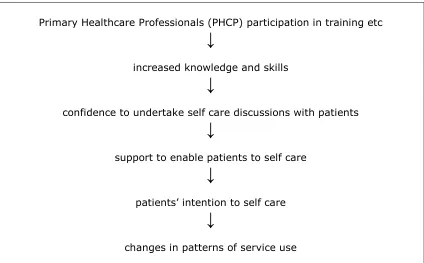
SCinPC was not about research subjects passively being given an intervention but about professionals and patients being actively engaged in the process of self care. The
Figure 1.1 Theoretical model of intervention effects
Primary Healthcare Professionals (PHCP) participation in training etc
↓
increased knowledge and skills
↓
confidence to undertake self care discussions with patients
↓
support to enable patients to self care
↓
patients’ intention to self care
↓
changes in patterns of service use
1.3 Structure of Report
This document reports the findings of the evaluation of the pilot phase of the WiPP Self Care in Primary Care initiative. The report comprises:
outline of the research methods;
a process evaluation of the implementation of SCinPC, from the points of view of stakeholders and primary healthcare professionals;
evaluation of the impact of SCinPC on PHCPs and Practice staff;
qualitative analysis of patients’ perspectives on self care, support around health care decision making, and relationships with primary health care professionals;
evaluation of the impact of SCinPC on patients over a twelve month follow-up period, comprising:
o analysis of changes in health service use,
o analysis of changes in psychometric and health literacy scales, and o qualitative perspectives on the initiative.
2. Research methods
2.1 Aims and objectives
The aims of the study were to evaluate the development and implementation of the SCinPC initiative and to assess its effect on primary health care professionals (PHCPs) who participated in the initiative and their patients, and its impact on the local health economies, over a period of one year. The research programme consisted of three major elements:
(i) Quantitative and qualitative research with frequently attending patients (see section 2.5 for definition of ‘frequent’);
(ii)Quantitative and qualitative research with PHCPs and Practice staff; (iii)Assessment of the impact on service utilisation and local health
economies.
These three elements measured specific aspects of the SCinPC initiative; however an integrated approach was adopted for the conduct and reporting of the research. The overarching research questions for the study were as follows:
What impact does the SCinPC initiative have on patterns of self care and service utilisation on the part of patients?
Does the SCinPC initiative lead to a reduction in General Practice workloads?
Does this initiative lead to changes in primary healthcare professionals’ knowledge, attitudes and beliefs relating to self care?
What impact does the initiative have on the health economy and culture within Practices and the PCT?
What changes can be seen within the target population in relation to their self care activities, beliefs and healthcare behaviours?
What changes can be seen within the target population in relation to health outcomes?
Is the SCinPC initiative feasible, relevant, appropriate and acceptable to major stakeholder groups?
What are the facilitating factors and barriers that influence the process of successfully implementing, embedding and sustaining the SCinPC initiative? The approach and design of the evaluation were informed by the nature of the
intervention and the primary health care settings in which it was implemented. The research design was quasi-experimental, allowing comparison between patients from Practices (termed ‘intervention Practices’) receiving the multidisciplinary training package and patients from Practices (‘comparison group Practices’) that were not. The evaluation was longitudinal, allowing comparison over time by tracking changes in both the PHCPs and the patients targeted by the SCinPC programme. The research design also used triangulation by drawing on data from different methods and data sources, thereby strengthening evidence.
2.2 Research with frequently attending patients
Structured postal questionnaires (see Appendix 2) were sent to frequently attending patients (see section 2.5 for definition) at baseline, 6 months and 12 months. The questionnaires incorporated items from standardised psychometric measures of anxiety, perceived stress, self-esteem, self efficacy, recovery locus of control, subjective well being and reported health status. These were chosen to capture the potential range of changes that could take place at the individual level, whether or not a change in service use was seen. Demographic information, and information about patterns of service use, sources of health advice, health literacy, confidence to self care, future intentions to self care and exposure to self care initiatives and resources were also collected.
Qualitative, semi-structured telephone interviews were conducted with 80 study participants from intervention Practices who volunteered to be interviewed. Interviews were conducted at baseline, around 6 months and at 12 months to allow changes to be tracked longitudinally. Interview schedules were used to elicit information on key aspects including interactions with PHCPs, changes in the Practice, changes in service use, access to sources of support and other health and social outcomes.
2.3 Research with Primary Health Care Professionals
Quantitative research was planned to include all PHCPs and other NHS staff who received the multidisciplinary training (MDT) package. An initial questionnaire (see Appendix 3) was administered during the period between a Practice being recruited onto the programme and the first training workshop. Subsequently, postal questionnaires were administered at 6 months and 12 months. These focused on beliefs and attitudes towards self care, role and activities in general practice and perceived value of the MDTP. Due to the low response rate to these questionnaires, a shorter exit questionnaire was sent to all members of staff in all the intervention Practices at twelve months. Semi-structured interviews were carried out with a sample of PHCPs and staff from each of the intervention Practices. The sample was selected to ensure that a range of roles and professional backgrounds were included in the study. The purpose of the interviews was to determine their views of the initiative and their experiences in supporting self care within routine practice. An interview schedule was used to elicit information on satisfaction with the programme, barriers and facilitating factors, changes in service use, access to sources of support and other health and social outcomes.
2.4 Research on the impact on local health economies
Routinely collected data were used to assess the impact of the initiative on the use of primary care and acute services. The primary outcome measure was a reduction in GP consultations, comparing the 6 months prior to entry into the study to the final 6 months of the study (i.e. the same six month period, one year apart). Anonymised data was collected for each study participant on service use including:
Consultation rates with:
o GP
o other health care professionals in the practice;
Out-of-hours service use;
A&E visits;
NHS Direct use.
Routine data collection protocols can be found in Appendix 10.
In addition to the routine service data, qualitative semi structured interviews were used to examine process issues arising from the development and implementation of the initiative in the three intervention PCTs.
2.5 Population and sample size
A key component of the need to promote and support self care by primary health care professionals is the issue of the number of frequent attenders that are using the
services. For the measurement of change in the evaluation of the SCinPC initiative, we chose to focus on frequently attending patients, for the following reasons:
(i) Patients who attend their Practice frequently would seem to be the most likely to experience any changes brought about in the Practice by SCinPC over the relatively short follow-up period of 12 months.
(ii) Frequently attending patients are more likely to show a difference in the primary outcome measure (GP consultation rates) over the course of 12 months than the whole Practice population, which would include people who attend infrequently. There is more potential for change in the frequently attending group.
The sample was drawn from those people who were identified as higher users of health services (8 -11 consultations in a year) and included men and women aged 16 years and over. A pilot study carried out in one of the participating PCTs indicated that targeting this group should give sufficient numbers of potential study participants.
Exclusion criteria were:
Those with a terminal illness or receiving terminal care
Pregnancy
Severe mental illness
A protocol for selection, recruitment and consent procedures for the study was drawn up in consultation with the SCinPC steering group and PCT leads. Each participating Practice identified people meeting the study criteria by means of an electronic system search. In some Practices the search was carried out by Practice staff and in some an IT company carried it out. Practice managers were given discretion to exclude other potential participants from the sample if they were considered to be unsuitable for the research, for any reason.
Sample size calculations were carried out using the primary outcome of reduction in GP consultation rates in the last six months of the study compared to the six months before baseline. An estimated effect size of 20%, gave a required sample size of 250
participants in each group (intervention and comparison group) at the end of the twelve month follow-up period. To allow for an estimated 30% dropout at six months and a further 30% at twelve months follow up, a minimum of 510 people needed to be recruited into each group (intervention and comparison group) at baseline.
There were 1454 participants (patients) who returned a completed questionnaire: 746 from intervention Practices and 708 from comparison group Practices. At six months, 1454 questionnaires were sent out and 1041 were returned, giving a retention rate of 72% (71% in the intervention group and 73% in the comparison group). At twelve months, 1404 questionnaires were sent out (to all baseline study participants, minus those who had died, moved away or asked to be withdrawn from the study) and 1018 were returned giving a retention rate of 73% (74% in the intervention group and 70% in the comparison group) or 70% from baseline.
2.6 Ethics
Ethical approval and R&D contracts were obtained for the study. In line with the
proposal submitted to both committees all those involved in the study gave their consent for inclusion (Appendix 4).
2.7 Intervention and comparison groups
Four PCT areas and 11 Practices were involved in the study:
Two PCT areas undertaking a single programme (SCinPC) – Central Cheshire (now Central and Eastern Cheshire) (4 Practices) and Lambeth & Southwark (4 Practices)
One PCT undertaking two programmes (SC4P and SCinPC) – Bradford North & Airedale (now Bradford) (2 Practices)
One PCT undertaking neither programme, which is acting as a comparison area for Bradford North and Airedale due to the potential for contamination of
comparison group Practice participants, who might have been exposed to the Self Care for People initiative – Leeds West (now Leeds) (1 Practice)
More details about the PCTs taking part in the initiative can be found in Appendix 5.
Intervention group:
• 2 Practices from Central and Eastern Cheshire PCT; • 3 Practices from Lambeth and Southwark PCTs; • 2 Practices from Bradford tPCT
Comparison group:
3. Process evaluation of the implementation of
SCinPC
3.1 Stakeholder perspective
Four PCT leads, five Practice Managers, three trainers/facilitators and five other PCT staff were interviewed between six months and one year after the SCinPC workshops began. Many of those involved at Practice and PCT level had done previous work on long term conditions and/ or patient public involvement or health inequalities.
Summary of key findings Stakeholder perspective
This initiative was felt to complement and assist the NHS drive to increase the health of the population through greater use of self care support, however it was seen as a shift from the way the NHS currently operates.
There were competing pressures on PCTs and Practices due to the reorganisation of primary care.
For the initiative to work, changes were felt to be needed to inform the public and all levels of the health service of the changing culture and their place within it.
The PCTs seemed to favour the initiative, but felt that it may be too early to see its effects.
Practices found it harder to assimilate the necessary culture change due to:
▫ Problems in running the training packages as envisaged due to the degree of commitment needed from Practice staff and mismatched expectations of the course content;
▫ Perceived resistance among health professionals, particularly GPs, to change current ways of working.
▫ Perceived resistance among patients to change current ways of consulting Primary Health Care Professionals’ perspective
There was a limited response from the health professionals to requests for interviews or for completion of baseline or exit questionnaires.
The majority reported that they were already engaged in promoting self care.
Self care was seen as likely to be of benefit to most patients.
Respondents to the baseline questionnaire could see a range of positive potential outcomes to the initiative including improved patient health, improved patient self esteem, and improved health services.
Many positive effects of the training programme were perceived, including the opportunity to work as a team and examine current practices and ways of working.
Most activity was focused onto setting up triage systems.
Table 3.1 Stakeholder interviewees
Role:
PCT: Bradford Lambeth & Southwark
Central Cheshire
PCT lead 1 2 1
PCT staff 2 0 3
Practice Manager 2 1 2
Trainer/ Facilitator 1 1 1
Total 6 4 7
3.1.1 Context
The general impression was that the Self Care initiative complemented and assisted the work of the NHS well, and fitted in with the health strategies being promoted by the Government. At the same time, self care support was seen as a shift from the position the NHS had held since its inception:
“there has been a real shift over time if you look at the way health care was delivered. Probably 10/15 years ago it was really very much about putting your body in the hands of an expert and it being mended and given back to you. You weren’t expected to ask questions about the treatment that you were receiving; you weren’t expected to inform yourself about it, you weren’t expected to challenge the options that you were being offered.” PCT-based stakeholder, Bradford
The stakeholders felt that the aspiration of the initiative was laudable, and there was praise for the book accompanying the training.
3.1.2 Delivering the Multidisciplinary Training Package
There were difficulties in getting access to the Health Centres and arranging the sessions with the GPs:
“Most of the barriers with delivering the training have been GPs saying they are too busy or don’t have the resources. Just getting into a GP Practice is difficult in terms of the bureaucracy.” PCT-based stakeholder, Lambeth & Southwark
To get senior Practice management together three times in three to six months proved difficult. Although they were using protected learning sessions, there was a problem in having to use three of the 11 sessions available on the same subject area.
Those facilitating the sessions found that they had to adapt the programme to make it shorter and also to make it more appealing to the Practice staff, although the materials were designed to be flexible and easily adapted between Practices.
The feedback the stakeholders were getting from the Practices was that they were expecting more of a ‘how to’ kind of training than discussions on the nature of self care as part of the package. The package did contain a number of ‘how to’ tools but interviewees did not mention these:
It was important that the facilitators were confident enough to challenge the health professionals and had the ability to create the right environment to allow recognition of present practice and the kind of cultural change necessary for SCinPC to work.
Many of the practitioners thought that they were already promoting and supporting self care:
“Some of the GPs realised they weren’t self-caring [sic], even though they thought they were promoting self care, when they really looked at the model, they weren’t promoting self care.” PCT-based stakeholder, Cheshire
The relationship with the external training organisation was quite challenging at the beginning and having a package that was not developed from practice, but from the ‘centre’ was a problem as that prevented Practice staff from engaging with enthusiasm and taking ownership of the training package. Some staff felt it did not reflect their everyday challenges.
3.1.3 Developing SCinPC in Practices
Having time to consider self care with an external facilitator created a good environment to explore taken-for-granted assumptions about what self care support could be provided by them, and also to raise the profile of self care: “… at the end we had a clear list of things that we were doing right, things that we could improve on and that we weren’t doing right. Now that is something that unless [the] self care [initiative] had come along it would have been well low down our list, …It doesn’t happen we never have any time but this actually gave us time. It was actually a real benefit because it gave us head work and it gave us time for everybody to get together.” Practice-based stakeholder, Bradford
There was a perception that there were many positive effects of the training programme, including an examination of current practices and how patients with minor ailments are identified and supported. Once Practices started to look at who the frequent attenders were and what other services could be offered to them, the way they saw their provision changed.
SCinPC was seen as complementary to the work of a lot of community and voluntary organisations that deliver self care skills training programmes for people with long term conditions, such as the Expert Patients Programme (EPP). It was also perceived to complement the work of local governments, for example healthy walks and healthy lifestyles, as well as creating better links with Public Health initiatives.
There was an impression that more patients were choosing to self care, but it was accepted that this is not easy to audit.
There was some concern that it was ‘not on the agenda’ of community teams such as physiotherapists, specialist nurses etc.
There was mention of a link with prescriptions as an indicator of why people frequently attended. One explanation was that people attended to get larger numbers of tablets than buy them over the counter.
3.1.4.1 The role of GPs and Self Care
The role of GPs in getting Self Care in Primary Care established was seen as particularly crucial:
“Interestingly some of the GPs that we’ve worked with have said themselves that they believe that they are responsible in part for not encouraging patients to self care, because obviously they’re people who have come into a service and they want to be needed. … to actually hand control over to patients and lots of information to patients can potentially threaten their own value.” PCT-based stakeholder Bradford
• Stakeholders reported that many of the frequent attenders stated that they keep
coming back due to the doctor requesting to see them:
“The patients kept saying ‘I don’t want to keep coming in it’s your doctor that keeps asking me to come in’. You need to tell your doctor if you don’t want me to come in.” (Practice-based stakeholder, Bradford)
• A new skill set was thought to be needed within the consultations to direct
patients towards self care:
“… behavioural change is most powerful in a one-to-one setting. Motivation is an interpersonal process. If you hear yourself saying you’re going to do something you’re more likely to do it than if you just think it. There is no assessment of consultation style. From the focus groups with the patients, they said the one thing that would make them do what the doctor said was trust. How much do GPs know about rapport skills, questioning skills, building up trust? … They need something to enable people to assess their level of skills and to know what a really good consultation style is.” PCT-based stakeholder, Lambeth & Southwark
For Self Care to work the respondents felt that GP’s needed to be more aware of health as a goal rather than treating illness.
There was recognition that for some GPs patients with minor problems create a welcome relief within a busy case-load:
“The other thing is for the doctors that said the trouble is we get all these chronics in, people with really bad problems, so it’s quite nice to have somebody come in with an ear ache or a sore throat. It’s quite nice for that to happen; it gives you a 10 minute, ‘phew that’s nice’.” (Practice-based stakeholder, Bradford)
3.1.4.2 Patients and self care
From the stakeholders’ perspective there was a concern that many patients expected to have direct access to their GP and did not like having to give information to the receptionist or being diverted to another health professional: “There’s still a cultural thing… people believe that seeing the doctor is the thing they want. When you offer them something else, whether to see the nurse or pharmacist or self care, people aren’t nasty but they do believe it’s a second best.” Practice-based stakeholder, Cheshire
“The patients are still very dependent, particularly in deprived areas, the most important person to hear their diagnosis or to be reassured by is the GP.” Practice-based
3.1.4.3 Complexity/organisational constraints
There was a feeling that this was a very complex project for the Practices to come to terms with and implementing the programme was more difficult than imagined due to the significant cultural changes needed:
“because the PCT can see the bigger picture but they’re not the ones actually doing the implementing…” PCT-based stakeholder, Cheshire
The development of a strategy to support self care was affected by the competing pressures the PCTs and Practices found themselves operating in: “The Chief Exec that backed it has gone, the Chief Exec that backed it after that has gone, the Chief Exec after that’s gone! Out of ten directors we’ve got two left, it’s the reality. We’ve got a financial deficit that we had to turn round so that’s the context of all this it’s not easy so I think the work itself has been excellent.” PCT-based stakeholder, Bradford
3.1.4.4 Financial issues
Competing pressures were seen to exist for GPs, including meeting their QOF1 targets:
“They are very focused on and distracted by the QOF. There was some talk about until you start getting points for self care (reduction in waiting lists etc) and they get some kind of payback that will make a real difference. If it’s the time of the year when they look at QOF points then everything else is put to one side.” PCT-based stakeholder, Lambeth & Southwark
Although all Practices were offered back-fill to attend the training, there was an impression given that the Practices did not feel adequate moneys had been put aside to back-fill posts for staff time whilst they were on the training
programme.2 GPs also felt that they should be given an incentive to undertake this new role:
“Also, GPs seem to expect payment or incentives. I don’t see why we have to give them incentives but we do. It seems to be the culture.” PCT-based stakeholder, Lambeth & Southwark
The general feeling in some PCTs was that financial constraints prevented them from rolling the programme out across many Practices:
“We should have put £200,000 in to this. We put nothing in, we should have had two managers, we didn’t have them. We’ve scraped together and made it work through determination. PCT-based stakeholder, Bradford
3.1.4.5 Marketing
It was suggested that there should be careful marketing with the Practices over what the package had to offer. Information on benefits, in the form of money or time saved, needed to be provided to create a business case for the Practice based Commissioning consortia.
1
There was scepticism due to the lack of research on the effectiveness of the initiative, although it was understood by some interviewees that one of the aims of the project was to provide research evidence:
“The partners need to be more confident that it can make a difference to workload – if we could demonstrate that then it could start to gain some momentum... Probably because they have tried things in the past which haven’t worked – the doctors have seen that patients have gone down a different route but still ended up coming back to them.” PCT-based stakeholder, Cheshire
3.1.5 Recommendations from the stakeholders
Changes were felt to be needed both with the public and at all levels of the health service for the initiative to work. This needed to be in synchrony to ensure both the public and professionals understood what was going on and how they fitted into the changing culture:
“A clinician cannot help you lose weight, they can advise you, help you, support you, keep your morale up but they can’t do it for you. This project legitimises that from the organisation. …It’s trying to get people not to see it as a separate project but it’s about getting it embedded in their thoughts and when somebody sees a clinician they’re not just saying ‘oh well do this, do that or take this medicine’, it is about saying ‘let’s have a look at you as a whole, what you can do to help’.” PCT-based stakeholder, Cheshire
There was recognition that the current health system could not survive due to the resources it demanded and that there had to be a change in people’s ability and skills to take care of their own health needs and to be better able to avoid ill-health.
The extent of the philosophy behind self care had yet to be realised by many and the stakeholders tended to feel that it was too early to see changes, but that the seeds had been sown;
“If we don’t do it the costs will be horrendous and we’ll have loads of ill people. It’s worth investing the money to promote this self care and legitimise it and empower people to promote it and use it because that will be cheaper than the consequences if we don’t do it. It’s long term and you won’t see an immediate saving, you’re probably
talking 5-10 years before you’ll see it.” PCT-based stakeholder, Cheshire
Although the initiative is aimed at producing culture change across the whole system, there was an expectation that it would be the nurses who eventually develop this initiative:
“Making sure the PCTs have the strategy in place, marketing to the acute trusts, and looking at the nursing workforce, rather than GPs. The GPs want to do their clinical intervention, make a drug prescription, the nursing staff [have] the more holistic proactive conversations with patients.” PCT-based stakeholder, Lambeth & Southwark
The stakeholders also recognised that quite fundamental changes to how
Practices are organised and run were required. For instance, structural issues of providing an integrated self care support resource or facility were raised:
3.2 Professionals’ perspectives
Evaluation and monitoring forms collected from the training workshops in Lambeth and Southwark and Central Cheshire PCTs indicate that all professional and Practice staff roles were represented but that there was diminishing attendance over time and in some cases workshop 3 did not take place (Table 3.2). We do not know what proportion of professionals and Practice staff from participating Practices did not attend the
[image:21.595.65.538.184.327.2]workshops.
Table 3.2
Professional and Practice staff roles attending workshops
Role
Workshop 1
Workshop 2
Workshop 3
GP
10
6
2
Nurse
5
2
1
Pharmacist
4
2
0
Receptionist
12
12
5
Practice Manager
4
3
1
Administrative support staff
6
6
3
Health Care assistant
2
2
0
Mental health worker
1
0
0
3.2.1 Beliefs and attitudes about self care
Findings from Baseline questionnaire
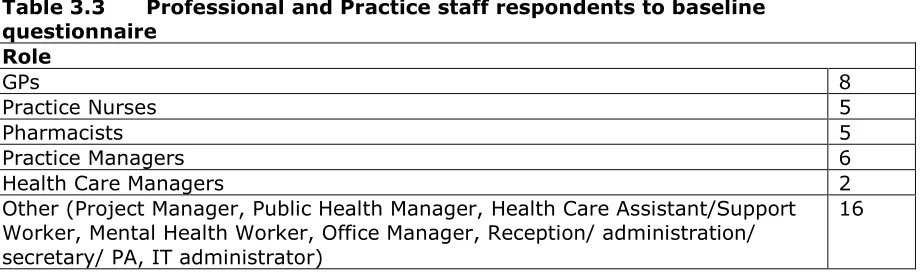
[image:21.595.71.531.441.579.2]Forty-two Primary Health Care Professionals and Practice staff returned the baseline questionnaire. 28 (67%) of respondents stated that they were in regular contact with patients.
Table 3.3 Professional and Practice staff respondents to baseline questionnaire
Role
GPs 8
Practice Nurses 5
Pharmacists 5
Practice Managers 6
Health Care Managers 2
Other (Project Manager, Public Health Manager, Health Care Assistant/Support Worker, Mental Health Worker, Office Manager, Reception/ administration/ secretary/ PA, IT administrator)
16
At least 50% of respondents felt that they had the knowledge, skills and training to enable patients to self care, although more than one fifth of respondents were uncertain.
The majority of participants, 74% (n=31) did not think that they had done any previous training in relation to enabling and supporting patients to self care.
Overall a high percentage (67%, n=28) reported that they had spoken to patients about self care in the last six months, even if only occasionally.
Table 3.4 Examples of self care activities respondents had talked to patients about
Signposting patients on:
Managing medicine:
Medicines to treat disease; non therapeutic options in taking care of illness or health conditions; optimising the use of medicines;
managing medicines (e.g. inhalers)
Lifestyle: Encouraging healthy diet and exercise; encouraging less alcohol intake; smoking cessation; washing and cooking; self care for anxiety and depression; prevention rather than cure (e.g. athletes foot)
Taking care of minor ailments:
Monitoring diabetes; taking care of back pain, coughs, colds and sore throats; coping with pain, grief, loss
Participants were asked to rate the importance of a list of factors in influencing how much a person is motivated to self care. 61% of respondents rated “education” as important, followed by age (24%) and time (9%).
Findings from exit questionnaire
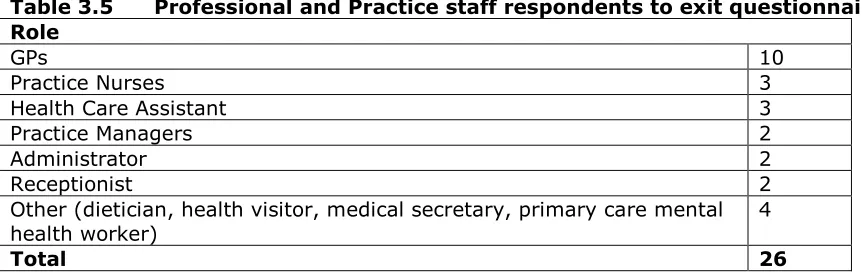
Table 3.5 Professional and Practice staff respondents to exit questionnaire Role
GPs 10
Practice Nurses 3
Health Care Assistant 3
Practice Managers 2
Administrator 2
Receptionist 2
Other (dietician, health visitor, medical secretary, primary care mental health worker)
4
Total 26
More than half the respondents reported that they had the knowledge, skills and training to enable and support patients to self care; around a fifth were uncertain and a further fifth disagreed.
The majority of respondents (> 70%) agreed that self care improved people’s self esteem, was likely to be of benefit to most patients, and was a good way to make patients invest in their future.
More than half of respondents agreed that self care works if patients know when it is relevant or not and that training patients is of value.
Only 40% of respondents thought that self care was likely to work only on the most motivated patients.
More than half of respondents stated that they often or very often spoke to patients about self care. Examples of self care activities spoken about included: self care of minor illnesses, care of long term conditions, diets and exercise, signposting and smoking cessation.
Participant responses were not related to their professional role.
Participants believed that the most important factor to influence patients’ motivation to self care was “education”, with time, age of patient and financial status also having influence.
More details from PHCPs questionnaire data can be found in Appendix 6.
Findings from qualitative interviews
A total of 21 interviews were conducted with health care professionals and staff from intervention Practices in each of the three PCT areas. Interviewees had a wide range of roles, skills and responsibilities.
Table 3.6 Professional and Practice staff interviewees PCT Area
Bradford 10
Cheshire 7
Lambeth and Southwark 4
[image:23.595.68.503.611.677.2]Primary Health Care Professionals’ perceptions of the concept of self care were generally positive, with many staff seeing self care as a patient responsibility. It was felt that self care would build confidence in patients and empower them to take care of their health more independently.
Interviewees felt that the use of self care would enable resources to be utilised in areas of greater need:
“It will save GP appointments for more ill patients and in the long run it will help people look after themselves.” Accounts Manager
Confidence in talking to patients about self care varied across role. Receptionists were in general cautious about providing self care advice, emphasising the need for backup from the team and further training. GPs and other practitioners were however more confident, with some seeing supporting self care as part of their role.
3.2.2 Starting point
Findings from qualitative interviews
The majority of interviewees felt that their Practice was already active in supporting self care. A variety of self care support practices were reported, including routine promotion of self care within the Practice, and self care within consultations.
Signposting was also seen as a key aspect of supporting self care within
Practices, with receptionists being seen as well positioned to utilise their skills and patient knowledge in signposting patients to relevant self care information
resources such as the pharmacist or NHS Direct.
Other systems of supporting and promoting Self Care included the Expert Patients Programme, minor ailments schemes, healthy living groups and networks and regular health promotion forums involving Practice staff. One participant also highlighted the development of a register for patients with diabetes which would enable Practice staff not only to arrange appointments more efficiently, but also to form self care support networks; however this (the register) is already a requirement of all Practices under QOF.
Triage systems involving receptionists and nursing staff within the Practice and engagement with community partners such as local pharmacies were also in place in some Practices.
The use of protocols such as those to be used in the screening of patients
presenting with sore throats was seen as beneficial. Despite the use of protocols having been discussed in a number of workshops, it was reported by a number of professionals that these procedures had not been commonly implemented.
3.2.3 Views on SCinPC
3.2.3.1 The training workshops
Participation in the self care workshops was not universal, with three of the 16 members of staff stating that they had not attended the meetings, others were unsure or had only attended one session.
It was suggested that members of staff who did not attend the workshops were not made aware of the issues raised within the groups. Of those professionals who did attend workshops, a large proportion stated that they had no
expectations about the content. The role of the interviewee appeared to play a part in determining expectations and understanding of the workshop, with senior staff members reporting a greater understanding than more junior roles.
A large degree of variation in the content of the self care workshops was noted. Issues covered in the workshop were reported to be formation of teams, minor ailments, screening and triage, raising awareness of self care and providing advice. Interviewees did not recall working with any specific tools, but in three Practices interviewees mentioned that they had been put into groups to discuss self care needs and solutions in the Practice.
Benefits of the workshop were perceived to be focused around issues such as raised awareness of existing and alternative services, reinforcement of self care values and increasing commitment to self care and signposting to self care
support facilities. Secondary effects of the workshops included mobilisation of the team to support self care and the value of this mobilisation to the Practice more generally:
“It was really good to have that conversation amongst the team in general because I don’t think it’s a doctors or nurses job only.” General Practitioner
“One thing I’d like to say about gains from the self care workshop is it has given me opportunity to get involved with the Practice.” Pharmacy Branch Manager
Respondents were critical of the lack of organisation and focus of the workshops and some interviewees felt that they had not gained anything from the
workshops. It was suggested that the workshops sometimes lacked organisation and clarity. The benefit of external facilitation was stated, as it was felt that this would improve engagement:
“I felt the meeting was disorganised, that there hadn’t been a strategy developed and everybody was going straight into solutions.” Pharmacy Branch Manager
“It made us realise that sometimes we can’t do all this ourselves, sometimes you do need somebody from outside to come in because if I stand up at the front there, most people won’t be as open because they think well [name] might think I should know that or something, so they’re not as open. So I think sometimes although it may cost you, it’s beneficial to say to somebody can you come in and just facilitate that for us.” Patient Services Manager
Whilst only highlighted by one participant, there was also criticism concerning the demarcation of mental and physical health care within the workshops. It was suggested that self care support for mental health was largely excluded from the workshops, therefore impacting on staff members working within the field of mental health.
3.2.3.2 Developing SCinPC in Practices
Interviewees emphasised that implementation of change within Practices and within the NHS as a whole was a slow process, with some professionals
questioning the capacity of their Practice to implement change and the overall commitment to supporting self care. These were commonly cited as barriers to progress:
“I think we’re still trying but I think it’s slow progress.” Personal Assistant
There was a perception from some staff members that supporting self care was not considered to be part of their role, or their role did not enable them to support and promote self care within the Practice. It was therefore suggested by some that responsibility must lie with the GP. This could also be related to lack of training among staff leading to lack of confidence in supporting self care:
“It’s not my role to advise patients... We’re told how to deal with queries and we do on the phone have to give out certain amounts of advice but very generalised and usually with the backup of the doctor.” Personal Assistant
There was a concern over the accountability of receptionists required to screen patients with minor ailments. It was reported that receptionists were often nervous of incorrectly screening patients and missing more serious conditions.
Respondents cited inconsistent or incorrect advice as possible areas of concern. It was also felt that a policy to encourage self care may send out the message that patients should avoid or delay seeking help, potentially having serious effects on patients’ health:
“We could give someone wrong advice and you don’t know what might happen.” Receptionist
Whilst respondents did highlight the financial costs associated with the care of minor ailments within Practices and the potential savings of supporting self care, some participants expressed doubt over its cost effectiveness within the Practice. It was suggested that dissemination of a self care culture through the family could be a more effective method of promotion.
3.2.3.3 Impact of SCinPC
Findings from baseline questionnaire
Participants were asked ‘What do you think are the three most positive potential outcomes for the Self Care in Primary Care initiative?’ Their responses are illustrated below:
Table 3.7 PHCPs’ and Practice staff responses to ‘most positive potential outcomes’ for SCinPC initiative
Improved patient health
Involvement of patients in their own care; raised awareness; better skills for patients; knowledge and expertise to self care; long term health gain; patients realising that providing support for self care is a positive and valid intervention; access to information resources Improved patient
self esteem
Promotes patient empowerment; improved quality of life; increased confidence in taking care of own health; happier patients who are able to depend on themselves more
Improved health services
patients; better partnership between patients and professionals; ability to direct patients to other places of care; increased patient satisfaction
Guide for future of SCinPC
To assess training needs for professionals to acquire the skills to support and encourage self care; to support professionals in teaching the benefits of self care
Findings from exit questionnaire
Not all respondents had knowledge of the Self Care in Primary Care initiative. While 56% (n=14) of those answering the question stated that they had heard of the initiative, 40% (n=10) had not and one person was unsure.
Attendance at SCinPC workshops was not universal. Of those who answered the question, only 36% (n=9) stated that they had attended a workshop, with the remaining 64% (n=16) reporting that they had not attended any workshops.
Only two of the 26 respondents stated that they had used any of the tools linked to the workshops (‘Access to patient information sheets’ n=1; no detail provided n=1), while a further five were unsure whether they had used any of the tools.
Despite poor attendance rates at workshops, 42% of respondents (n=11) stated that they had personally been involved in making plans or changes around supporting self care in the Practice, 50% (n=13) stated that they had not been involved and 8% (n=2) were unsure. Furthermore, 46% (n=11) of those
answering the question were aware of activities taking place at the Practice as a result of the SCinPC initiative. Reported activities already in place included information available in the waiting area (42%, n=11), receptionists using a triage system for appointments (19%, n=5), extra self care skills training for staff (27%, n=7), setting up patient groups (35%, n=9) and improved links with pharmacy (31%, n=8).
Staff members’ perception was that the impact of the SCinPC initiative was low. Of those answering the question “What impact do you think the Self Care in Primary Care initiative has had on what happens in your Practice?”, 59% (n=13) of participants stated that the initiative had either a limited or very limited impact on what happens within the Practice. 41% (n=9) believed that the initiative had some impact. In explanation of these answers, participants reported such issues as staff shortages and time constraints as reasons for the low impact.
Findings from qualitative interviews
There was considerable variation in how the intervention was implemented in each Practice (see Table 3.8). Three Practices implemented a receptionist triage system, one focused on audit of minor ailment consultations and one focused on patient information. Two Practices did not implement any significant changes as a result of the initiative. Minor ailment schemes were mentioned by interviewees in several Practices but these seemed to be taking place already and were unconnected to the SCinPC initiative,
Table 3.8 Implementation of SCinPC in Practices
Practice Changes implemented as a result of ScinPC
Princess Street
Increased patient information: notice board and leaflets – increased signposting (via written material) to NHS Direct and pharmacist Streatham
Place
No change implemented
Tudor Receptionist triage – without protocol. Nurse triage (unclear whether due to SCinPC)
Vauxhall No change implemented. Weaver
Vale
Receptionist triage – with protocol. Increased use of minor ailment scheme?
Wilsden Receptionist triage. Working more closely with pharmacist. Increased access.
There was indication from some Practice staff that aspects of self care had been implemented within Practices. Interviewees talked about directing patients to the triage nurse or minor ailments scheme, signposting, improved communication amongst staff and delivering more self care advice. It was not, however, clear whether these changes were implemented as a result of the workshops.
Some professionals and Practice staff were critical of the failure to follow up planned action within the workshops. Although issues such as signposting and the establishment of screening protocols were discussed within workshops, a number of professionals stated that these were not implemented. For example, it was stated by one professional that an action plan was drawn up, but this ultimately ‘fizzled out’:
“I’ve been wondering what’s been going on with this initiative and how we’ve been getting on in the Practice because it’s kind of disappeared and died a death from my view point.” Primary Care Mental Health Worker
“I think if we knew that people were going to be coming back to us and saying, ‘How’s it going?’ or whatever I think that would make it much more likely that things would happen.” General Practitioner
Professionals’ perceptions of the impact of SCinPC on patients were inconsistent. There was an acknowledgement from some professionals that SCinPC was unsuccessful or indeed irrelevant with a suggestion that staff had not changed their practice. In contrast some Practice staff suggested that SCinPC assisted Practices to change patient attitudes to self care, nevertheless it was perceived that any change would be a slow process:
“They seem to have got their head round it but you obviously get the ones who have always been to the doctor and it’s hard to break [to them] that self care can help them but we’re getting there. We’re chipping away and we are getting there with them.” Health Care Assistant
Change in some patients’ health behaviours was also reported, for example the willingness to change dressings, consulting information resources and monitoring for signs of infection. However once again staff emphasised that attitudinal change within patients was a slow process.
A number of barriers to the implementation and success of SCinPC were
highlighted. Health care staff stated that there was a lack of time and resources to implement any further self care support activities within Practices:
“We don’t have a huge amount of capacity to be doing new pieces of work at the moment.” General Practitioner
staff members who were put under particular pressure with the demands from their role in triage. It was also suggested that there was no incentive for receptionists to promote self care:
“The girls [on reception] think why should they do it when they’re not paid a major amount of money.” Office Manager
Resistance to self care from health care professionals was cited as a key barrier to change. Several respondents felt that supporting self care was not a priority within the Practice. Others talked of a lack of training, or did not feel that it fell within their role:
“I can’t say it’s something I relish doing because I’ve not had proper training. We’ve had the basic training but nothing major.” Office Manager
Patients were also seen as resistant to change. One professional stated that it was important to catch people early, emphasising that it is harder to change the behaviour of older people. It was stated that some elderly patients felt that it is their ‘right’ to see the doctor:
“The patients get used to having things automatically done I think and I think it’s hard for them to be educated into looking after themselves more.” Personal Assistant
“I think it takes forever! Any changes, you might get some very quick wins for example signposting that might be some quick links to divert people to information that can help them. But I think to change behaviour we all know it can take a very long time and it depends on the individual.” General Practitioner
There was a suggestion that ‘the system’ was not accommodating of self care, and was potentially providing perverse incentives. Examples such as easy access to GPs, walk in centres, described as pampering to the ‘worried well’, and
exemptions from prescription charges were seen as encouraging some patients to attend the Practice rather than self caring.
3.2.4 Recommendations from professionals and practice staff
Respondents felt that the training workshops should have more structure and purpose, with one person ‘owning’ and taking responsibility for the initiative, ensuring that outputs are implemented.
A strong theme within the interviews was a call for further training of all Practice staff, from receptionists through to GPs.
A team approach was seen as valuable for the development of policies to support self care within the Practice.
Consultation with patients was seen by some staff as a valuable exercise in the development of self care support policies within Practices. It was suggested that the GP had a responsibility to emphasise to patients that they do not have to see their GP every time they require assistance.
Professionals emphasised the importance of standardised, national guidelines and the use of clear protocols so health care professionals and reception staff can deliver a clear and consistent message to patients:
goes I told you so, so people are reluctant to be forceful if they think in 3 years time somebody will come and turn the advice over.” General Practitioner
The use of promotional materials, particularly leaflets, were also seen as beneficial:
“What I’d like to do is find out from everyone else because we haven’t really got
together as a team as it were, and to find out what everyone feels is important and then work out how as aPpractice we could take that forward.” Practice Nurse
4. Patient perspectives
Summary of key findings
Health literacy improved in both intervention and comparison groups over the twelve month follow-up period
Patients’ knowledge about minor ailments did not show consistent change over the 12 month follow-up period
Patients were confident in their ability to self care, although there was wide variation in definitions and understanding of the concept of self care and what it involves
Patients in the intervention group were less keen than those in the comparison group on future use of advice and information services such as NHS Direct
Choice of support was strongly related to the perceived level of seriousness or level of concern attached to ailments
Patients were concerned about continuity of care and accessibility of primary care services
4.1 Characteristics of frequent attenders
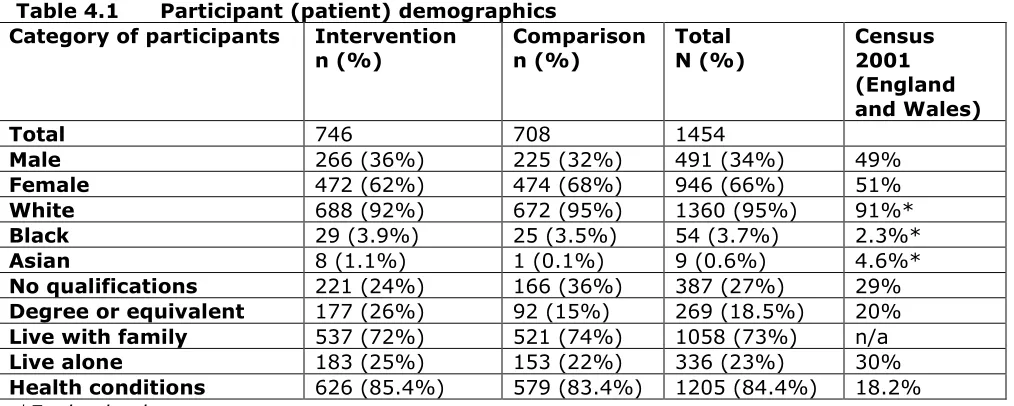
1454 participants took part in the study: 746 from intervention practices and 708 from comparison group practices. 66% were female and 94.8% were White. 3.9% reported their ethnicity as Black, 0.7% as Mixed and 0.6% as Asian. 27% reported that they had no qualifications, while 18.5% had qualifications to degree level or equivalent. A higher proportion of people in the comparison group than the intervention group reported having no qualifications (36% vs 24%), and a higher proportion of people in the intervention group than the comparison group reported having a degree or equivalent (26% vs 15%). 73% lived with family, while 23% lived alone. 84.4% considered
[image:31.595.64.571.523.726.2]themselves to have health conditions (83.4% in the comparison group and 85.4% in the intervention group) – this is high compared with 2001 Census results (18.2% in England and Wales reported limiting long term illness while 9.2% said their general health was ‘not good’). No significant differences were found between intervention and comparison groups for any demographic characteristics at baseline.
Table 4.1 Participant (patient) demographics Category of participants Intervention
n (%)
Comparison n (%)
Total N (%)
Census 2001 (England and Wales)
Total 746 708 1454
Male 266 (36%) 225 (32%) 491 (34%) 49%
Female 472 (62%) 474 (68%) 946 (66%) 51%
White 688 (92%) 672 (95%) 1360 (95%) 91%*
Black 29 (3.9%) 25 (3.5%) 54 (3.7%) 2.3%*
Asian 8 (1.1%) 1 (0.1%) 9 (0.6%) 4.6%*
No qualifications 221 (24%) 166 (36%) 387 (27%) 29%
Degree or equivalent 177 (26%) 92 (15%) 269 (18.5%) 20%
Live with family 537 (72%) 521 (74%) 1058 (73%) n/a
Live alone 183 (25%) 153 (22%) 336 (23%) 30%
Health conditions 626 (85.4%) 579 (83.4%) 1205 (84.4%) 18.2% *England only
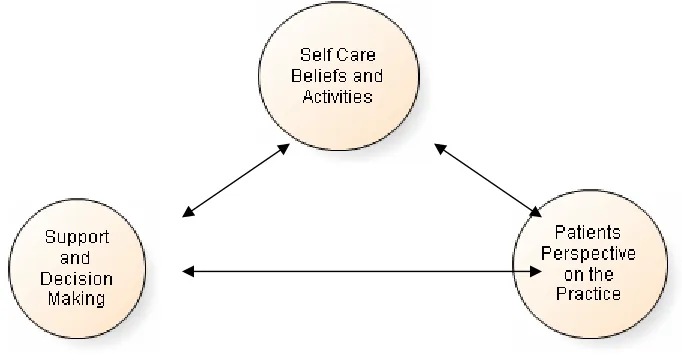
Figure 4.1 depicts the three categories of self care that were examined through the patient questionnaires and interviews.
Fig 4.1 Diagram showing the different components of Self Care
4.2 Self care beliefs and activities
4.2.1 Findings from patient questionnaires
4.2.1.1 Knowledge of specific minor ailments
At baseline, the majority of people reported that they knew ‘a little’ or ‘a reasonable amount’ about back pain. When asked about asthma, the majority of people said they knew ‘a little’ or ‘nothing at all’. For adult cough and sore throat, there was a significant difference (chi-square p<0.001) between intervention and comparison groups, with a higher proportion in the comparison group reporting that they knew ‘nothing at all’ or ‘a little’ and a higher proportion in the intervention group reporting that they knew ‘a reasonable amount’ or ‘quite a lot’.
At six months, the findings were very similar to baseline, except that knowledge about sore throat and adult cough seemed to have increased in the comparison group, such that there was no longer a statistically significant difference between groups. At twelve months, knowledge about back pain had diverged between the groups: more people in the intervention group said they knew ‘nothing at all’ or ‘quite a lot’ and more people in the comparison group said they knew ‘a great deal’ or ‘a little’ (chi-square p=0.036). There was no statistically significant difference between groups in knowledge about asthma, adult cough or sore throat.
4.2.1.2 Health literacy
4.2.2 Findings from qualitative interviews
4.2.2.1 Understanding of the concept of Self Care
At baseline all patients were read the following definition of self care; Self Care is the care taken by individuals towards their own health and well being, It includes the actions people take to stay fit and maintain good physical and mental health; meet social and psychological needs; prevent illness or accidents; care for minor ailments and long-term conditions and maintain health and wellbeing after an acute illness or discharge from hospital.
Patients expressed a diverse range of personal definitions of the term ‘self care’ during follow-up interviews. A common theme amongst men and women was that self care referred to ‘looki