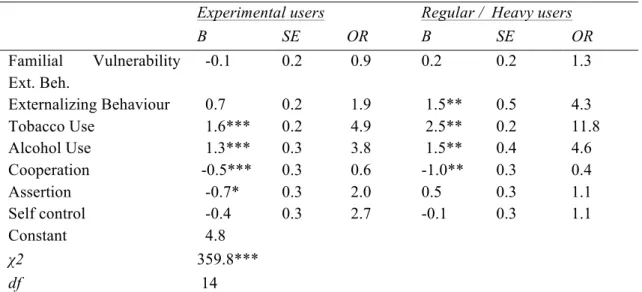
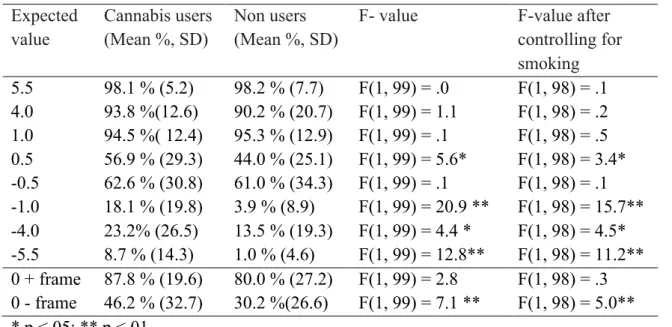
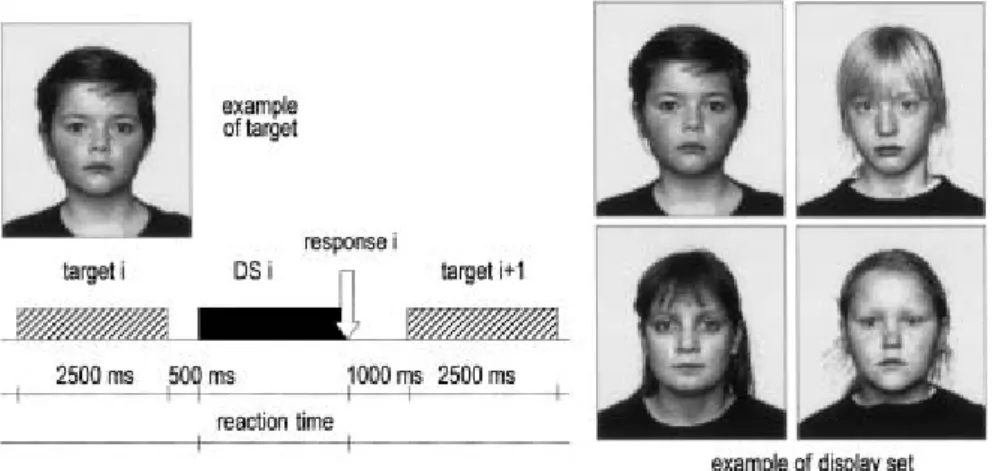
Cover Page
The handle http://hdl.handle.net/1887/20683holds various files of this Leiden University dissertation.
Author: Griffith-Lendering, Merel Frederique Heleen
Cannabis use, cognitive functioning and behaviour problems.
Proefschrift
Cannabis use, cognitive functioning and
behaviour problems
Proefschrift
ter verkrijging van
de graad van Doctor aan de Universiteit Leiden,
op gezag van de Rector Magnificus, prof. mr. C.J.J.M. Stolker,
volgens het besluit van het College voor Promoties
te verdedigen op donderdag 28 Maart 2013
klokke 11:15 uur
door
Merel Federique Heleen Griffith – Lendering
geboren op 3 september 1983
Promotiecommisie
Promotoren: Prof. dr. H. Swaab
Prof. dr. W.A.M. Vollebergh (Universiteit Utrecht, Algemene Sociale Wetenschappen, Faculteit Sociale Wetenschappen)
Co-promotor: Dr. S.C.J.Huijbregts
Overige leden: Prof. Dr. T.F.M. ter Bogt (Universiteit Utrecht, Gedragswetenschappen, afdeling Jeugd en Gezin)
Prof. Dr. H. Van Engeland (UMC Utrecht, afd. Psychiatrie, Rudolph Magnus Instituut)
Prof. Dr. I.H.A. Franken (Erasmus Universiteit Rotterdam) Prof. Dr. E.M. Scholte
Content
1. General Introduction 7
2. Cannabis use and development of externalizing and internalizing
behaviour problems in early adolescence - a TRAILS study 31
3. Cannabis Use and Vulnerability for Psychosis in Early Adolescence
- a TRAILS Study 57
4. Social Skills as Precursors of Cannabis Use in Young Adolescents
- a TRAILS Study 79
5. Motivational and cognitive inhibitory control in recreational
cannabis users 101
6. Quality of social perception moderates associations between cannabis
use and psychological problems 123
7. General Discussion 147
Acknowledgements 167
Summary 169
Samenvatting 173
Curriculum Vitae 177
8
Introduction
Since the 1960s, cannabis has gained enormous popularity. Nowadays, cannabis is the most widely used drug worldwide. It has been estimated that 78 million people (aged 15 – 64) have used cannabis at least once in European countries (European Monitoring Centre for Drugs and Drug Addiction (EMCDDA), 2011). Also, an estimated 23 million have used cannabis in the last year, which represents 6,7 % of all 15 – 64 year olds (EMCDDA, 2011). Cannabis use has become especially prevalent among 15-24 year olds. In 1990, it was estimated that about 5 % had used cannabis in the past year. This number has increased rapidly; based on the 2011 survey reports, about 12.1 % of 15-24 year olds have used it in the past year and 6.6 % in the past month (EMCDDA, 2011). Research in countries outside Europe, including the US, New Zealand and Canada, has shown a high prevalence among young adults as well (EMCDDA, 2011). Interestingly, despite the fact that the Netherlands is the only country where possession of up to five grams of cannabis is not legally prosecuted, prevalence rates of cannabis use are higher in other countries. For example in 2009, annual prevalence within the adult population (aged 15-64 years) was far higher in the US (11%) and Australia / New Zealand (15 %) than in the Netherlands (7%) (EMCDDA, 2011; UNODC, 2012).
Along with increasing prevalence rates, the level of delta-9-tetra-hydrocannabinol (Δ9-THC) has increased over the past years, in particular in Dutch weed (EMCDDA 2011; Pijlman et al., 2005). THC is the primary (psycho-)active ingredient of cannabis, and it has been argued that higher levels of THC may yield stronger effects. THC concentrations in imported marijuana remained stable (Pijlman et al., 2005). In 2004, Dutch marijuana contained on average 20 % THC levels, whereas THC levels in imported marijuana was around 7 %. In 2008, THC levels in European marijuana ranged between 3 – 16 %, again with especially high levels in Dutch marijuana (EMCDDA, 2011). These higher levels of THC concentrations, in combination with an increase in prevalence rates, may contribute to cannabis abuse and dependency problems (Cooper & Haney, 2009).
9 experiencing any adverse health effects that cannabis use may have in later adult life (e.g. Moore et al., 2007; Patton et al., 2002). According to Hawkins, Catalano & Miller’s (1992) and Petraitis, Flay & Miller’s (1995) risk factor taxonomy, risk factors for the initiation of cannabis use or extent of cannabis use can be summarized into four categories: (1) Socio-environmental variables (e.g. male gender, low SES, unemployment, financial situation); (2) substance-related variables (e.g. easy availability of drugs, drug-using peers, positive attitude towards drugs, prior history of tobacco, alcohol, or other illicit drug use); (3) intrapersonal variables (e.g. mental health problems) and (4) interpersonal variables (e.g. family functioning, relationship with mother, not having been brought up by both parents) (Von Sydow et al., 2002). The focus of the present thesis is on intrapersonal variables, including vulnerability for psychosis and internalizing and externalizing behaviour problems, which may be correlates of cannabis use. In addition to factors that have been more or less established as intrapersonal risk factors, there will be an emphasis on social functioning (more specifically, lack of social skills) as a risk factor for cannabis use, its initiation and its frequency. Although social functioning in general may also be considered an interpersonal risk (or protective) factor, specific social skills appear to classify more readily as intrapersonal risk (or protective factors). Lastly, we will focus on (specific) cognitive weaknesses in cannabis users, which may also classify as intrapersonal risk factors.
Cannabis Use and Mental Health
Research reveals that regular cannabis use is strongly correlated with use of alcohol, smoking, and use of other (illicit) drugs (Fergusson, Boden & Horwood, 2006, Fergusson et al., 2002a; Lynskey et al., 2003), and is related to delinquency, unemployment, risky sexual behaviour, affiliation with delinquent peers, school dropout and reduced educational achievement (Fergusson & Horwood, 1997; Fergusson et al., 2002b; Lynskey & Hall, 2000). Also, cannabis use, in particular regular use, has been associated with a wide range of mental health problems, including psychotic disorders (Arseneault et al., 2002; van Gastel et al., 2012; Malone et al., 2010; Moore et al., 2007; van Os et al., 2002), externalizing problems (aggressive and delinquent behaviour) (Monshouwer et al., 2006), depression (Degenhardt et al., 2001; Degenhardt et al., 2003; Patton et al., 2002) and anxiety (Hayatbakhsh et al., 2007; Patton et al., 2002; van Laar et al., 2007).
11 the vulnerability hypothesis may have many different faces and should be investigated more thoroughly. Moreover, it is related-, but not entirely similar to the so-called 'shared causes hypothesis'. This last type of hypothesis implies that the linkage between cannabis use and mental health problems is largely non-causal and may be the result of several factors associated with the use of cannabis and mental health problems (simultaneously), such as disadvantaged backgrounds (including low SES; low maternal education; growing up in a single parent family; poorer parental attachment) and difficult childhood circumstances (including family dysfunction, crime, depression, anxiety, suicidal behaviours, exposure to the use of (illicit) substances) (Fergusson & Horwood, 1997; Fergusson, Horwood & Swain-Cambell, 2002a). Thus, this hypothesis states that the higher rate of mental health problems found among cannabis users arises because cannabis use is more common in individuals exposed to other possible causes of mental health problems. As with the vulnerability hypothesis, there are many different (other) factors that might play a role in the development of mental health problems. The main difference between the two types of hypotheses is that the vulnerability hypotheses state that co-occurring cannabis use and other risk factors constitute supra-additive effects on mental health, whereas the shared-causes hypotheses particularly involve mediating effects of other risk factors on cannabis-mental health associations.
Although many studies have focused on cannabis use and mental health outcomes, including psychosis and both internalizing and externalizing behaviour problems, little is known about this relationship during (early) adolescence. This seems crucial, since adolescence is a life phase characterized by significant biological changes and consecutive maturation processes, especially neurologically, which might increase vulnerability to enduring effects of external influences like such as exposure to cannabis (Bossong & Nieding., 2010; Schneider, 2008). The first aim of this dissertation is to determine the temporal order of cannabis use and mental health problems, including vulnerability for psychosis, internalizing and externalizing problems, thereby testing the damage hypothesis, the self-medication hypothesis and the shared-causes hypothesis.
Cannabis use and Social Functioning
12 in this age range generally use cannabis in social contexts (e.g. at parties, dancing clubs or on the street). Indeed, some of the most frequently reported reasons for using cannabis by young adults are of a social nature, i.e. ”to bond with friends” or to “hang out” (Lee et al., 2007). Another reason for engaging in cannabis use is conformity, in other words, “under peer pressure” or “because friends do it” (Simons et al., 1998). Taken together, cannabis can be seen as a social drug, and many of the reported motives for engaging in cannabis use are socially-driven.
There has been relatively little research focusing on possible prospective associations between social parameters and cannabis use during adolescence. Cross-sectional studies have shown that adolescents who experiment with cannabis show lower levels of social self-control and higher levels of negative self-esteem compared to non-users (Sussman et al., 2003; Veselska et al., 2009). Such results appear to indicate relatively poor social adjustment among cannabis users. Also, although being under the influence of cannabis has been associated with increases in the extent of social interactive behaviour, the quality of such behaviour (e.g. of verbal exchanges during these social interactions) has been shown to be relatively low (Foltin et al., 1987, 1988). Other studies, however, showed that cannabis users displayed higher levels of social competence (e.g. assertive behaviour) compared to non-users, without apparent differences in the quality of such behaviour (e.g. Shedler & Block, 1990; Veselska et al., 2009). Such results lead to the hypothesis that socially competent adolescents may find themselves in social contexts more often, where the probability of exposure to cannabis is higher. Other studies have found similar results, namely that those who experiment with cannabis during adolescence are socially better adjusted and have better social skills than both abstainers and heavy users (Engels & Ter Bogt; 2001; Shedler & Block, 1990). Pokhrel et al. (2007) investigated the prospective relationship between cannabis use and social self-control. Lack of social self-control refers to one’s tendency to ‘act without thinking’ (Tarter, 1988), especially in a social context. Results showed a reciprocal relationship between social self-control and cannabis use. Lack of social self-self-control increased cannabis use, which in turn decreased social self-control.
13 psychopathology. These individuals could, however, still experience social problems with potential impact upon everyday life. To our knowledge, there are no studies focusing specifically on social skills as predictors of cannabis use.
Therefore, another aim of the present thesis is to study cannabis use and its relation to social parameters. More specifically, the focus will be on (lack of) different social skills (cooperation, assertion and self-control) as possible risk factors of cannabis initiation and frequency of cannabis use (chapter 4).
The above research questions on mental health (Chapter 2 and 3), social functioning (Chapter 4) and cannabis use will be studied using data from a large prospective cohort study called TRAILS (Tracking Adolescents’ Individual Lives Survey), which follows Dutch adolescents biennially, starting at the age of 10-12 years at the first assessment (chapter 2-3-4).Due to a lack of available data on specific possible moderating factors such as particular gene polymorphisms and their associated cognitive profiles, (variants of) the vulnerability hypothesis were not tested in this sample. In chapter 5 and 6 of this thesis moderating effects of cognitive abilities on cannabis use predicting psychological problems are tested in a different sample, consisting mainly of undergraduate students. The TRAILS-sample was used for a related research question featuring in this thesis, i.e. whether social functioning predicts (different aspects of) cannabis use. Social functioning could be regarded as another intermediate phenotype in associations between cannabis use and mental health, and might therefore also moderate such associations. It may be argued, however, that social functioning is not a very unitary concept, i.e. it contains many subcomponents and different operationalizations as well as its own broad set of determining factors. Thus, if an interaction between cannabis use and social functioning in the prediction of psychological problems would be observed, this would not yet provide very detailed information on (constellations of) risk factors for poor mental health. Moreover, social functioning has, perhaps unfortunately, not yet been extensively studied in relation to cannabis use.
Cannabis use and Cognitive Functioning
14 reason is that cognitive weaknesses generally do not appear to be specific to cannabis use: similar weaknesses can be found among users of other substances. A second reason lies in methodological issues, i.e. the means of assessment of certain cognitive constructs, the definition of those constructs, and differing sample characteristics.
Cognitive impairments that have been associated with cannabis use involve executive function (EF), implicit cognition, episodic memory, and emotional processing (Pope et al., 2001; Solowij, 1998; Solowij et al., 2002; Stacy and Wiers, 2010; Verdejo-Garcia, Lawrence & Clark, 2008). Except perhaps episodic memory, these are all broadly defined constructs. Core EF-abilities include inhibitory control and working memory, which are multi-faceted concepts themselves (cf. Christ et al., 2010; D’Esposito et al., 1999; Nigg, 2000). Core aspects of emotional processing include social perception (e.g. emotion recognition), Theory of Mind (i.e. the ability to “mentalize"), empathy, and reward/punishment sensitivity (Adolphs, 2002; Beer et al., 2004; Dodge and Rabiner, 2004; Ochsner, 2008; Pettit and Mize, 2007). Studies investigating cognitive correlates of cannabis use have often employed task paradigms addressing combinations of different (social-) cognitive skills. Examples include decision-making and implicit cognition tasks, which require working memory, and cognitive and motivational inhibitory control (Busemeyer and Stout, 2002; Stacy and Wiers, 2010; Whitlow et al., 2004).
In this thesis, the focus will be on more specific cognitive constructs that may underlie or follow cannabis use, i.e. motivational versus cognitive inhibitory control (chapter 5) and social perception (chapter 6). Contrasting cognitive and motivational inhibitory control is based on the taxonomy of executive function proposed by Zelazo and Müller (2002). Zelazo and Müller (2002) distinguish executive functions along “hot” and “cool” dimensions. Hot EF involves affect and motivation, either inherent in the task or the context in which a task has to be performed, while cool EF does not involve such components or contexts and is more related to basic abilities. This taxonomy has been supported by neuroanatomical and developmental studies (Kerr & Zelazo, 2004; Prencipe et al., 2011; Zelazo & Müller, 2002) Results of several (recent) studies suggest that cognitive deficits in cannabis users (particularly in “non-addicted” users) may only become apparent when a task involves an affective/motivational component or has to be performed in a context containing such elements. In order to test this hypothesis, contrasting performance on tasks with and without such components is required.
15 following cannabis use) ((Yucel et al., 2008), thereby taking into account the evidence for amygdale-involvement in social perception (Adolphs, 2002; Ochsner, 2008), and the central role of social perception in affective/motivational information processing. Another very important argument to investigate social perception is that this aspect of cognition (similar to other aspects of cognition associated with affect and motivation) has repeatedly been associated with the types of psychological problems that have also been associated with cannabis use, including (subclinical) levels of psychosis/schizophrenia, and internalizing and externalizing behaviour problems (Demenescu et al., 2010; Germine and Hooker, 2011; Kiehl et al., 2000; Kohler et al., 2010; Marsh and Blair, 2008; Nigg et al., 1998; Raaijmakers et al., 2008; Riggs et al., 2006; Rössler et al., 2011). As for the study of cognitive versus motivational inhibitory control, a contrast will be introduced in order to allow more specific statements on the cognitive profile of cannabis users. This contrast is provided as one of the tasks that will be used involves actual emotion recognition whereas the other task does not. Moreover, the two tasks that are used differ in the amount of working memory capacity that has to be allocated to achieve optimal performance. Again similar to the cognitive versus motivational inhibition study, interrelations between possible cognitive impairments and psychological problems will be investigated, incorporating both mediating and moderating effects.
16
Research questions
The first aim of this dissertation is to determine the temporal order of cannabis use and mental health problems during (early) adolescence. Secondly, we will focus on social parameters in association with cannabis use. The third aim of this thesis is to investigate cognitive correlates of cannabis use, thereby specifically investigating their roles in cannabis-behaviour associations.
The main research questions of this thesis are:
1. Is there a relationship between cannabis use and both internalizing and externalizing behaviour problems in early adolescence? And if so, what is the temporal order of these relationships?
2. Is there a relationship between cannabis use and vulnerability for psychosis, as measured by social problems, thought problems and attentional problems, in adolescence? And if so, what is the temporal order of this relationship?
3. Are the social skills cooperation, assertiveness and self-control precursors of cannabis use during early adolescence? Specifically, are these social skills precursors of (early) cannabis initiation and the frequency of use?
4. Do cannabis users experience problems with motivational inhibitory control, cognitive inhibitory control or both? Also, do cannabis users experience problems in behavioural impulsivity, and is this related to motivational and/or cognitive inhibitory control?
17
Samples en Methods
For the present thesis, three different samples were used. The first 3 research questions concerning mental health and social functioning were studied in a population-based sample, the cognitive processes (research questions #4 and #5) were studied in two samples of (mostly) undergraduate students. Details of the datasets are provided below.
1. TRAILS Sample
The study described in this thesis was embedded in the Tracking Adolescents’ Individual Lives Survey (TRAILS) (de Winter et al., 2005; Huisman et al., 2008). TRAILS is a large prospective cohort study of Dutch adolescents initially aged 10-12 years, who are measured biennially at least until they are 24 years old. The key objective of TRAILS is to chart and explain the development of mental health from preadolescence into adulthood, both at the level of psychopathology and the levels of underlying vulnerability and environmental risk. For the present thesis, data from the first (2001-2002), second (2003-2004), third (2005-2007) and fourth (2008-2010) assessment waves were used. The TRAILS target sample involved young adolescents living in five municipalities in the North of the Netherlands, including both urban and rural areas.
Sample selection involved two steps. First, the municipalities selected were requested to give names and addresses of all inhabitants born between 10-01-1989 and 09-30-1990 (first two municipalities) or 10-01-1990 and 09-30-1991 (last three municipalities), yielding 3483 names. Simultaneously, primary schools (including schools for special education) within these municipalities were approached with the request to participate in TRAILS; i.e., pass on students’ lists, provide information about the children’s behaviour and performance at school, and allow class administration of questionnaires and individual testing (neurocognitive, intelligence, and physical) at school. School participation was a prerequisite for eligible children, before parents were approached by the TRAILS staff, with the exception of children already attending secondary schools (< 1%), who were contacted without involving their schools. Of the 135 primary schools within the municipalities, 122 (90.4% of the schools accommodating 90.3% of the children) agreed to participate in the study.
18 information, answer questions, and ask whether they and their son or daughter were willing to participate in the study. Respondents with an unlisted telephone number were requested by mail to pass on their number. If they reacted neither to that letter, nor to a reminder letter sent a few weeks later, staff members paid personal visits to their house. Parents who refused to participate were asked for permission to call back in about two months to minimize the number of refusals due to temporary reasons. If parents agreed to participate, an interview was scheduled, during which they were requested to sign an informed consent form. Children were excluded from the study if they were incapable to participate due to mental retardation or a serious physical illness or handicap; or if no Dutch-speaking parent or parent surrogate was available, and if it was not feasible to administer part of the measurements in the parent’s language.
Of all children approached for enrollment in the study (i.e., selected by the municipalities and attending a school that was willing to participate, N = 3145), 6.7% were excluded because incapability or language problems. Of the remaining 2935 children, 76.0% (N = 2230, mean age = 11.09, SD = 0.55, 50.8% girls) were enrolled in the study (i.e., both child and parent agreed to participate). Responders and non-responders did not differ with respect to gender, parental education, proportion of single-parent families, teacher-rated problem behaviour, or school absence; but children in the non-response group needed additional help for learning difficulties more frequently. At T2, 96.4% of these participants (N=2149) were re-assessed, mean age 13.56 years; SD 0.53; 51.0% girls. T3 was completed with 81.4 % of the original number of participants (N=1816), mean age 16.27 years old; SD 0.73 and 52.3% girls. During T3, 42 subjects were unable to participate in the study, due to mental/physical health problems, death, emigration, detention or by being untraceable. With these subjects left out, response rate increases to 83.0%. T4 was completed with 84.3% of the original sample (total n = 1881, mean age 19.1 (SD 0.60), 52.3% girls) (Nederhof et al., 2012).
The number of individuals that were included in the analyses differs for the separate chapters of this thesis (specifically chapter 2-3-4), depending on the availability of complete data on the measures that were used (and the choice to use data imputation for missing data or not).
2. Leiden Samples
19 weaknesses and psychological or behaviour problems, and to find out whether chances of psychological or behaviour problems among cannabis users were influenced by the presence of cognitive weaknesses. Participants were classified as cannabis users when they reported using cannabis at least three times a month during the past year (they had not used cannabis 24 hours prior to testing) and as non-users when they reported the use of cannabis 0 times in the past year and less than 4 times in their lifetimes. Based on these criteria, cannabis users and non-users were recruited at two points in time (2009 and 2010). In 2009 (Wave 1), 53 cannabis users (mean age of 22.6) and 48 non-users (mean age of 22.3) were recruited. In 2010 (Wave 2), 75 cannabis users (mean age 24.6 years) and 75 non-users (mean age 24.7 years) were recruited. Participants were asked to volunteer in a study into information processing and social functioning of cannabis users. All participants signed informed consent forms.
20
Outline of the thesis
21
References
Adolphs, R. (2002). Recognizing emotion from facial expressions: psychological and neurological mechanisms. Behavioral and Cognitive Neuroscience Review, 1, 21-62.
Arseneault, L., Cannon, M., Poulton, R., Murray, R., Caspi, A., & Moffitt, T.E. (2002). Cannabis use in adolescence and risk for adult psychosis: longitudinal prospective study. British Medical Journal, 325, 1212–1213.
Beer J.S., Shimamura A.P., & Knight R.T. (2004). Frontal lobe contributions to executive control of cognitive and social behavior. In: Gazzaniga MS, (Ed.). The cognitive neurosciences III. 3rd ed. Cambridge, MA: MIT Press, pp. 1091–1104.
Bossong, M.G., & Niesink, R.J.M. (2010) Adolescent brain maturation, the endogenous cannabinoid system and the neurobiology of cannabis-induced schizophrenia. Progress in Neurobiology, 92, 370-385.
Brook, J.S., Cohen, P., & Brook, D.W. (1998). Longitudinal study of co-occurring psychiatric disorders and substance use. Journal of the American Academy of Child and Adolescent Psychiatry, 37, 322–330.
Busemeyer, J.R., & Stout, J.C. (2002). A contribution of cognitive decision models to clinical assessment: Decomposing performance on the Bechara gambling task. Psychological Assessment, 14, 253-262.
Caspi, A., Moffit, T.E., Cannon, M., McClay, J., Murray, R., Harrington, H., Taylor, A., Arseneault, L., Williams, B., Braithwaite, A., Poulton, R., & Craig, I.W. (2005).
22 Christ, S.E., Huijbregts, S.C.J., De Sonneville, L.M.J., & White, D.A. (2010). Executive function in early-treated phenylketonuria: Profile and underlying mechanisms. Molecular Genetics and Metabolism, 99, S22-S32.
Coffey, C., Lynskey, M., Wolfe, R., & Patton, G.C. (2000). Initiation and progression of cannabis use in a population-based Australian adolescent longitudinal study. Addiction, 95, 1679–1690.
Cooper, Z.D., & Haney, M. (2009). Actions ode delta-9-tetrahydrocannabinol in cannabis: Relation to use, abuse, dependence. International Review of Psychiatry, 21, 104 – 112.
De Winter, A., Oldehinkel, A.J., Veenstra, R., Brunnekreef, J.A., Verhulst, F.C., & Ormel, J. (2005). Evaluation of non-response bias in mental health determinants and outcomes in a large sample of pre-adolescents. European Journal of Epidemiology, 20, 173–181.
Degenhardt, L., Hall, W., & Lynskey, M., (2001). The relationship between cannabis use, depression and anxiety among Australian adults: findings from the National Survey of Mental Health and Well-Being. Social Psychiatry and Psychiatric Epidemiology, 36, 219–227.
Degenhardt, L., Hall, W., & Lynskey, M. (2003). Exploring the association between cannabis use and depression. Addiction, 98, 1493–1504.
D’Esposito, M., Postle, B.R., Ballard, D., & Lease, J. (1999). Maintenance versus manipulation of information held in working memory: An event-related fMRI study. Brain and Cognition. 41, 66-86.
23 Dodge, K., & Rabiner, D. (2004). Returning to roots: On social information processing and moral development. Child Development, 75, 1003-1008
Engels, R., & ter Bogt, T. (2001). Influences of risk behaviors on the quality of peer relations in adolescence. Journal of Youth and Adolescence, 30, 678–695.
European Monitoring Centre for Drugs and Drug Addiction (EMCDDA) (2011). Annual report 2011: the state of the drugs problem in Europe. Publication office of the European Union, Luxembourg
Fergusson, D. M., Boden, J. M., & Horwood, L. J. (2006). Cannabis use and other drug use: testing the cannabis gateway hypothesis. Addiction, 101, 556-569.
Fergusson, D.M., & Horwood, L.J. (1997). Early onset cannabis use and psychosocial adjustment in young adults. Addiction, (92), 279–296.
Fergusson, D.M., Horwood, L.J., & Swain-Campbell, N. (2002a). Cannabis use and psychosocial adjustment in adolescence and young adulthood. Addiction, 97,
1123–1135.
Fergusson, D. M., Swain-Campbell, N. R., & Horwood, L. J. (2002b). Deviant peer affiliations, crime and substance use: a fixed effects regression analysis. Journal of Abnormal ChildPsychology, 30, 419-430.
Fernández-Serrano, M.J., Pérez-Garcia, M., & Verdejo-García, A. (2011). What are the specific versus generalized effects of drugs of abuse on neuropsychological performance? Neuroscience and Biobehavioral Reviews, 35, 377–406
24 Foltin, R.W., Brady, J.V., Fischman, M.W., Emurian, C.S., & Dominitz, J. (1987). Effects of smoked marijuana on social-interaction in small-groups. Drug and Alcohol Dependence,20, 87-93.
Gill, M., Donohoe, G., Corvin A. (2010) What have genomics ever done for the psychoses? Psychological Medicine, 40, 529-520.
Germine, L.T., & Hooker, C.I. (2011). Face emotion recognition is related to individual differences in psychosis-proneness. Psychological Medicine, 41, 937-947.
Hayatbakhsh, M.R., Najman, J.M., Jamrozik, K., Mamun, A.A., Alati, R., & Bor, W. (2007). Cannabis and anxiety and depression in young adults: a large prospective study. Journal of the American Academy of Child and Adolescent Psychiatry, 46, 408–417.
Hawkins, J.D., Catalano, R.F. & Miller, J.Y. (1992). Risk and protective factors for alcohol and other drug problems in adolescence and early adulthood: implications for substance abuse prevention. Psychological Bulletin, 112, 64 – 105.
Henquet, C., Di Forti, M., Morrison, P., Kuepper, R., Murray, R.M. (2008). Gene-Environment interplay between cannabis and psychosis. Schizophrenia Bulletin, 34, 1111-21.
Henquet, C., Krabbendam, L., Spauwen, J., Kaplan, C., Lieb, R., Lieb, H.U., & van Os., J. (2005). Prospective cohort study of cannabis use, predisposition for psychosis, and psychotic symptoms in young people. British Medical Journal, 330, 11 -14.
25 Kandel, D.B., Yamaguchi, K., & Chen, K. (1992). Stages of progression in drug involvement from adolescence to adulthood: further evidence for the gateway theory. Journal of Studies on Alcohol, 53, 447–457.
Kerr, A, & Zelazo, P.D. (2004). Development of ‘hot’ executive function: the children's gambling task. Brain and Cognition, 55, 148–15.
Khantzian, E.J., 1985. The self-medication hypothesis of addictive disorders – focus on heroin and cocaine dependence. American Journal of Psychiatry, 142, 1259–1264.
Kiehl, K.A., Smith, A.M., Hare, R.D., & Liddle, P.F. (2000). An event-related potential investigation of response inhibition in schizophrenia and psychopathy. Biological Psychiatry, 48, 210-21
Klein, D. & Riso, L. (1994). Psychiatric disorders: problems of boundaries and comorbidity. In: Costello, G., (Ed.). Basic Issues in Psychopathology, New York: Guilford Press, pp. 19–66.
Kohler, C.G., Walker, J.B., Martin, E.A., Healey, K.M., & Moberg, P.J. (2010). Facial emotion perception in schizophrenia: a meta-analytic review. Schizophrenia Bulletin, 36, 1009-1019.
Lee, C.M., Neighbors, C., & Woods, B.A. (2007). Marijuana motives: Young adults’ reasons for using marijuana. Addictive behaviors, 32, 1384-1394.
Lynskey, M.T., Heath, A.C., Nelson, E.C., Bucholz, K.K., Madden, P.A.F., Slustke, W.S., Statham, D.J., &Martin, N.G. (2002). Genetic and environmental contributions to cannabis dependence in a national young adult twin sample. Psychological Medicine, 32, 195–207.
26 Lynskey, M.T., Vink, J.M., & Boomsma, D.I. (2006). Early Onset Cannabis Use and Progression to other Drug Use in a Sample of Dutch Twins. Behavior Genetics, 36, 195-200.
Malone, D.T., Hill, M.N., & Rubino, T. (2010). Adolescent cannabis use and psychosis: epidemiology and neurodevelopmental models, British Journal of Pharmacology, 160, 511-522.
Marsh, A.A., & Blair, R.J. (2008). Deficits in facial affect recognition among antisocial populations: A meta-analysis. Neuroscience & Biobehavioral Reviews, 32, 454-465.
Miller, P., Lawrie, S. M., Hodges, A., Clafferty, R., Cosway, R., & Johnstone, E.C. (2001) Genetic liability, illicit drug use, life stress and psychotic symptoms: preliminary findings from the Edinburgh study of people at high risk for schizophrenia. Social Psychiatry and Psychiatric Epidemiology, 36, 338 -342.
Moore, T.H.M., Zammit, S., Lingford-Hughes, A., Barnes, T.R.E., Jones, P.B., Burke, M., & Lewis, G. (2007). Cannabis use and risk of psychotic or affective mental health outcomes: a systematic review. Lancet, 370, 319–328.
Monshouwer, K., Van Dorsselaer, S., Verdurmen, J., Ter Bogt, T., De Graaf, R., & Vollebergh, W., (2006). Cannabis use and mental health in secondary school children. Findings from a Dutch survey. British Journal of Psychiatry, 188, 148–153.
Nederhof, E., Jorg, F., Raven, D., Veenstra, R., Verhulst, F.C., Ormel, J., & Oldehinkel, A.J. (2012). Benefits of extensive recruitment effort persist during follow-ups and are consistent across age group and survey method. The TRAILS study. BMC Medical Research Methodology, 12, doi:10.1186/1471-2288-12-93.
27 Nigg, J. T., Quamma, J. P., Greenberg, M. T., & Kusche, C. A. (1998). A two-year longitudinal study of neuropsychological and cognitive performance in relation to behavioral problems and competencies in elementary school children. Journal of Abnormal Psychology, 27, 51–63.
Ochsner, K.N., & Feldman Barett, L. (2001). A multiprocess perspective on the neuroscience of emotion. In T.J. Mayne & G.A. Bonnano (Eds.), Emotions: Current issues and future directions. Guilford Press, New York, pp. 38-81.
Patton, G.C., Coffey, C., Carlin, J.B., Degenhardt, L., Lynskey, M., & Hall, W. (2002). Cannabis use and mental health in young people: cohort study. British Medical Journal, 325, 1195–1198.
Pettit G.S., & Mize J. (2007). Social-cognitive processes in the development of antisocial and violent behavior. In: Flannery D.J., Vazsonyi A.T., & Waldman I.D., (Eds.). The Cambridge handbook of violent behavior and aggression. Cambridge, MA: Cambridge University Press, pp. 322–343
Petraitis, J., Flay, B.R., & Miller, T.Q. (1995). Reviewing theories of adolescent substance use: organizing pieces in the puzzle. Psychological Bulletin, 117, 67 – 86.
Pijlman,F.T., Rigter,S.M., Hoek,J., Goldschmidt,H.M., & Niesink,R.J. (2005). Strong increase in total delta-THC in cannabis preparations sold in Dutch coffee shops. Addiction Biology. 10, 171-180.
Platt, B., Kamboj, S., Morgan, C.J., & Curran, H.V. (2010). Processing dynamic facial affect in frequent cannabis-users: evidence of deficits in the speed of identifying emotional expressions. Drug and Alcohol Dependence, 112, 27-32.
28 Pope, H.G., Gruber, A.J., Hudson, J.I., Huestis, M. A., & Yurgelun-Todd, D. (2001). Neuropsychological performance in long-term cannabis users. Archives of General Psychiatry, 58, 909-915.
Prencipe, A., Kesek, A., Cohen, J., Lamm, C., Lewis, M.D., & Zelazo, P.D. (2011). Development of hot and cool executive function during the transition to adolescence. Journal of Experimental Child Psychology, 108, 621-637.
Raaijmakers, M. A. J., Smidts, D. P., Sergeant, J. A., Maasen, G.H., Posthumus, J. A., van Engeland, H., & Matthys, W. (2008). Executive functions in preschool children with aggressive behavior: Impairments in inhibitory control. Journal of Abnormal Child Psychology, 36, 1097–1107.
Riggs, N.R., Greenberg, M.T., Kusché, C.A., & Pents, M. (2006). The Mediational Role of Neurocognition in the Behavioral Outcomes of a Social-Emotional Prevention Program in Elementary School Students: Effects of the PATHS Curriculum. Prevention science, 7, 91-102.
Rijsdijk F.V., Gottesman I.I., McGuffin, P., Cardno, A.G. (2011). Heritability estimates for psychotic symptom dimensions in twins with psychotic disorders. American Journal of Medical Genetics part B: Neuropsychiatric Genetics, 156B, 89-98.
Rössler, W., Vetter, S., Müller, M., Gallo, W.T., Haker, H., Kawohl, W., Lupi, G., & Ajdacic-Gross, V., 2011. Risk factors at the low end of the psychosis continuum: much the same as at the upper end? Psychiatry Research, 189, 77-81.
Shedler, J., & Block, J. (1990). Adolescent drug use and psychological health. A longitudinal inquiry. American Psychologist, 45, 612-630.
29 Schneider, M. (2008). Puberty as a highly vulnerable developmental period for the consequences of cannabis exposure. Addiction Biology, 13, 253-263.
Solowij, N. (1998). Cannabis and cognitive functioning. Cambridge University Press, Cambridge, UK .
Solowij, N., Stephens, R.S., Roffman, R.A., Babor, T., Kadden, R., Miller, M., Christansen, K., McRee, B., & Vendetti, J. (2002). Cognitive functioning of long-term heavy cannabis users seeking treatment. JAMA-Journal of The American Medical Association, 287, 1123-1131.
Stacy, A.W., & Wiers, R.W. (2010). Implicit cognition and addiction: A tool for explaining paradoxical behavior. Annual Review of Clinical Psychology, 6, 551-575.
Sussman, S., McCuller, W. J., & Dent, C. W. (2003). The associations of social self-control, personality disorders, and demographics with drug use among high-risk youth. Addictive Behaviors, 28, 1159–1166.
Tarter, R. E. (1988). Are there inherited behavioral traits that predispose to substance abuse? Journal of Consulting and Clinical Psychology, 56, 189–196.
United Nations Office on Drugs and Crime (UNODC) (2012). World Drug report 2012. United Nations Publication, Sales No. E. 12.X1.1, New York.
Van Gastel, W.A., Wigman, J.T.W., Monshouwer, K., Kahn, R.S., van Os, J., Boks, M.P.M., & Vollebergh, W.A.M. (2011). Cannabis use and subclinical positive psychotic experiences in early adolescence: findings from a Dutch survey, Addiction, 107, 381-7.
30 van Os, J., Bak, M., Hanssen, M., Bijl, R.V., de Graaf, R., & Verdoux, H. (2002). Cannabis use and Psychosis: A Longitudinal Population-based Study. American Journal of Epidemiology, 156, 319-327.
Verdejo-Garcia, A., Lawrence, A.J., & Clark, L. (2008). Impulsivity as a vulnerability marker for substance-use disorders: review of findings from high-risk research, problem gamblers and genetic association studies. Neuroscience and Biobehavioral Reviews, 32, 777-810.
Verdoux, H., Gindre, C., Sorbara, F., Tournier, M., & Swendsen, J.D. (2003). Psychological Medicine, 33, 23-32.
Veselska, Z., Geckova, A. M., Orosova, O., Gajdosova, B., van Dijk, J. P., & Reijneveld, S. A. (2009). Self-esteem and resilience: the connection with risky behavior among adolescents. Addictive Behaviors, 34, 287-29.
Von Sydow, K, Lieb, R., Pfister, H., Höfler, M., Wittchen, H. (2002). What predicts insicent use of cannabis and progression to abuse and dependence? A 4-year prospective examination of risk factors in a community sample of adolescents and young adults. Drug and Alcohol Dependence, 68, 49 – 64.
Warner, R., Taylor, D. & Wright, J. (1994). Substance use among the mentally ill: prevalence, reasons for use and effects on illness. American Journal of Orthopsychiatry, 74, 30–39.
Whitlow, C.T., Liguori, A., Livengood, L.B., Hart, S.L., Mussat-Whitlow, B.J., Lamborn, C.M., Laurienti, P.J., & Porrino, L.J. (2004). Long-term heavy marijuana users make costly decisions on a gambling task. Drug And Alcohol Dependence, 76, 107-111.
31
2.
Cannabis use and development of externalizing and internalizing
behaviour problems in early adolescence
- a TRAILS study
32
Abstract
Aim: To examine the prospective relationship between externalizing and internalizing problems and cannabis use in early adolescence.
Materials and Methods: Data were used from the TRAILS study, a longitudinal cohort study of (pre) adolescents (n = 1,449), with measurements at age 11.1 (T1), age 13.6 (T2) and age 16.3 (T3). Internalizing (withdrawn behaviour, somatic complaints and depression) and externalizing (delinquent and aggressive behaviour) problems were assessed at all data waves, using the Youth Self Report. Participants reported on cannabis use at the second and third wave. Path analysis was used to identify the temporal order of internalizing and externalizing problems and cannabis use.
Results: Path analysis showed no associations between cannabis use (T2-T3) and internalizing problems (T1-2-3). However, cannabis use and externalizing problems were associated (r ranged from .19–.58); path analysis showed that externalizing problems at T1 and T2 preceded cannabis use at T2 and T3, respectively. In contrast, cannabis use (T2) did not precede externalizing problems (T3).
33
Introduction
Regular cannabis use has been associated with a wide range of mental health problems including psychotic disorders (Arseneault et al., 2002; Moore et al., 2007), externalizing problems (aggressive and delinquent behaviour) (Fergusson et al., 2002; Monshouwer et al., 2006) and, to a lesser extent, internalizing problems, such as depression (Degenhardt et al., 2001; Degenhardt et al., 2003; Patton et al., 2002) and anxiety (Patton et al., 2002; van Laar et al., 2007; Hayatbakhsh et al., 2007a). Several hypotheses have been put forward to explain these associations, including the “damage hypothesis”, which proposes that cannabis use precedes mental health problems (Brook et al., 1998; Kandel et al., 1992) and the “self medication hypothesis”, which proposes that individuals with mental health problems tend to resort to drug use to sooth their problems (Khantzian, 1985). The “shared causes hypothesis” proposes that the linkage between cannabis use and mental health problems is the result of genetic and environmental factors associated with both problem behaviour and cannabis use (Fergusson and Horwood, 1997; Fergusson et al., 2002; Shelton et al., 2007).
34 possibility of shared causes more than necessary. For internalizing behaviour, the relationship is evenmorecomplex: firstly, compared to externalizing behaviour problems, there is less evidence for an association between cannabis use and internalizing behaviour problems (Monshouwer et al., 2006). In several studies that did initially find a significant association between cannabis use and internalizing behaviour, the association became non-significant after statistical control for confounding variables (Harder et al., 2008; McGee et al., 2000). Nonetheless, there are some studies that have found evidence for the self-medication hypothesis, with internalizing behaviour problems preceding cannabis use at later age (King et al., 2004; Wittchen et al., 2007). Again, shared causes cannot be ruled out, as the associations may be explained by residual confounding (Fergusson and Horwood, 1997; Fergusson et al., 2002; Hayatbakhsh et al., 2007a). There is also (contrasting) evidence suggesting that internalizing behaviour in young adolescence is not related to substance use at a later age, including the use of cannabis (Alati et al., 2008; Hayatbakhsh et al., 2008; Ferdinand et al., 2001). Thus, in general, evidence regarding (the direction of) associations between cannabis use and internalizing/ externalizing behaviour problems in adolescence is not yet convincing, which is mainly due to the fact that most studies did not analyze temporally bi-directional associations (i.e., where cannabis use can precede but also follow behaviour problems), and which might also partly be due to the fact many studies did not control comprehensively for potentially confounding variables.
35 might still help targeting one of the problems (preferably the one that occurs first in time) in order to prevent other or combined problems.
In the present study, we investigated relations between both internalizing and externalizing behaviour problems and cannabis use in a large population sample of young adolescents enrolled in the Tracking Adolescents’ Individual Lives Survey (TRAILS, Huisman et al., 2008). Using path analysis, we investigated the temporal order of the association between cannabis use and internalizing and externalizing behaviour, thereby controlling for confounding factors to eliminate, to some extent, the effect of shared causes. It was expected that the link between internalizing behaviour and cannabis use would be weaker than the association between externalizing behaviour and cannabis use. In addition, based on findings to date, it was expected that internalizing and externalizing behaviour problems would precede cannabis use and not the other way around.
Method
Sample36 (de Winter et al., 2005; Huisman et al., 2008). Analyses in the present study were based on 1.449 adolescents (53.3% girls, 46.7% boys) with non-missing data on all variables of interest (described below).
Measures Cannabis use
Cannabis use was assessed at T2 and T3 by self-report questionnaires filled out at school, supervised by TRAILS assistants. Confidentiality of the study was emphasized so that adolescents were reassured that their parents or teachers would not have access to the information they provided. Among others, participants were asked about lifetime use and use in the last year with the following questions: ‘How often have you used cannabis in your life/in the last year’, with answer categories: ‘I have never used’, ‘used it once’, ‘used it twice’, ‘three times’,..., ‘10 times’, ‘11–19 times’, ‘20–39’ times, ‘40 times or more’). Items were recoded into five categories; (1) those who had never used; (2) those who had used but not during the past year (discontinued use); (3) those who used once or twice during the past year (experimental use); (4) those who reported using cannabis between 3 and 39 times during the past year (regular use); and (5) thosewhoreported using it 40 times or more during the last year (heavy use). The construction of these categories was similar to that used in other studies investigating cannabis use and mental health in young adolescents (e.g. Monshouwer et al., 2006).
Behaviour problems
37 complaints; and (b) externalizing problems, with items measuring aggressive and rule-breaking behaviour.
Control variables
Since SES, use of other substances and parental psychopathology have been shown to be among the most important correlates of cannabis use and both internalizing and externalizing behaviour (Fergusson and Boden (2008)), it was examined whether these should be included in the path analyses.
Socioeconomic Status (SES)
Socioeconomic Status (SES) was assessed at T1 using a 5 point scale consisting of five variables: educational level (father/mother), occupation (father/mother), and family income. The internal consistency of this measure is satisfactory (Cronbach’s alpha 0.84; Veenstra et al., 2006).
Parental psychopathology
38 Other substances
In order to assess alcohol and tobacco use, participants filled out a questionnaire at both T2 and T3 on the frequency of use in the past month. For tobacco use reported frequency was recoded into non-weekly (0) versus weekly (1), and for alcohol use, the reported frequency was recoded into non-monthly (0) versus monthly use (1). These categories were similar to those used in other studies investigating cannabis use and mental health in young adolescents (e.g. Monshouwer et al., 2006).
Data analysis
It was first examined whether non-responders differed from responders on SES (by means of t-test) and gender (by means of Pearson χ2-test). Next, it was examined whether, among the responders, there were differences between cannabis users and non-users with respect to SES, familial vulnerability for internalizing and externalizing behaviour, use of alcohol and tobacco and gender (using Pearson Chi-square analysis for alcohol, tobacco use and gender and t-tests or GLMunivariate analysis of variance for SES and familial vulnerability). These analyses were performed in order to determine which variables should be included in the main analyses as covariates. The temporal order of occurrence of cannabis use and internalizing and externalizing behaviour was investigated using path analyses. In path analysis, an extension of the regression model, the regression weights predicted by the model are compared with the observed correlation matrix for the variables, and a goodness of fit statistic is calculated. The path coefficient is a standardized regression coefficient (beta) indicating the effect of an independent variable on a dependent variable in the path model. Thus, when the model has two or more independent variables, path coefficients are partial regression coefficients, which measure the extent of effect of one variable on another in the path model controlling for other variables, using standardized data or a correlation matrix.
39 consisted of anxious/depressed, withdrawn/ depressed and somatic complaints. The latent variable ‘externalizing’ consisted of the indicators aggressive and delinquency. Cannabis use was represented by one indicator (i.e., the self-report measure consisting of the following categories: (1) those who had never used; (2) those who had used but not during the past year; (3) those who used once or twice during the past year; (4) those who reported using cannabis between 3 and 39 times during the past year; and (5) those who reported using it 40 times or more during the last year (see section 2.2.1). Next, we modelled prospectively cannabis use and internalizing/ externalizing identified in the CFA. Here, we included all possible associations between latent variables. To evaluate overall model fit, the root mean square error of approximation was used (RMSEA; Steiger, 1998); a RMSEAvalue less than .05 (Browne and Cudeck, 1993) indicates good model fit. Both χ2 statistics and RMSEA are dependent on the size of the sample: as we had a relatively large sample (n = 1,449), we also used the comparative fit index (CFI; Bentler, 1990) to evaluate overall model fit. A CFI value greater than .90 (Bentler, 1990) indicates good model fit. All analyses were performed using EQS 6.1 for Windows (Bentler, 1995).
Results
Non-responders analysis
Responders (n = 1,449) and non-responders (n = 739) differed in terms of SES (t =−9.6, p < .001); responders scored higher on SES than non-responders (M= .07, SD = .78 vs. M=−.28, SD = .79). Responders also differed from non-responders in terms of gender (χ2 (1) = 10.5, p = .001: responders were more likely to be female (53.3%) than non-responders (46.1%).
Descriptives
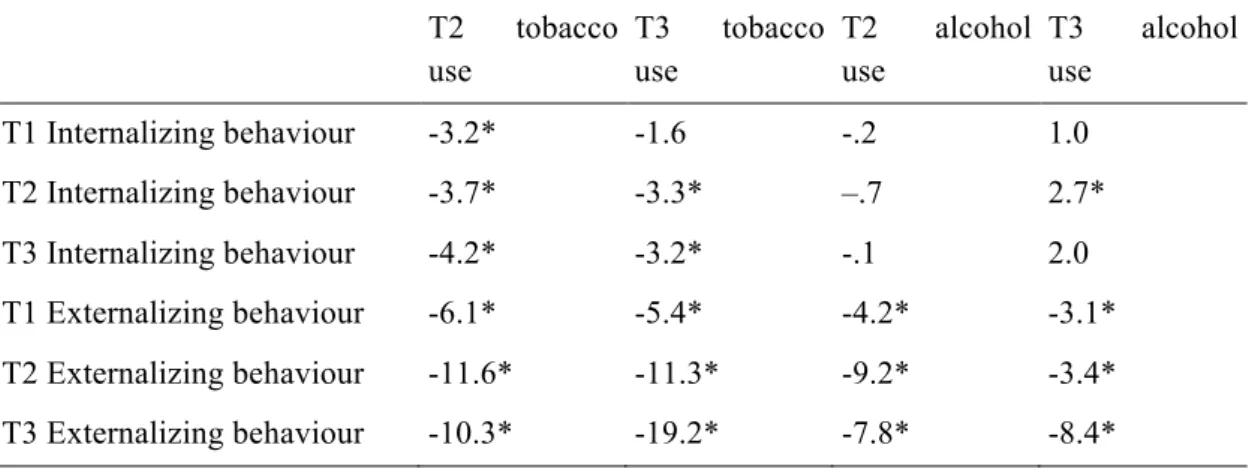
40 alcohol use at T3 (χ2 (1) = 95.0, p < .001), tobacco use at T2 (χ2 (1) = 137.3, p < .001) and tobacco use at T3 χ2 (1) = 346.8, p < .001), with cannabis users using alcohol and tobacco more often than non-users (57.8% vs. 31.2% reported monthly alcohol use at T2; percentages for T3: 94.0% vs. 70.7%; 19.8% vs. 2.2% reported weekly tobacco use at T2; percentages for T3: 57.4% vs. 11.1%). Tobacco and alcohol use were also related to both internalizing and externalizing behaviour and therefore included as covariates in subsequent path analysis (for detailed information, see Table 2).
Table 1:Descriptive information on cannabis use at T2 and T3 (n=1,449)
T2 T3
Never used 93.6 % (n=1359) 69.9 % (n=1013)
Discontinued use 1.4 % (n=20) 5.9 % (n=86)
Experimental use 3.7 % (n=54) 10.9 % (n=158)
Regular use 1.2 % (n=17) 9.6 % (n=139)
Heavy use .1 % (n=2) 3.7 % (n=53)
Table 2: t-statistics of significant control variables (tobacco use and alcohol use) and internalizing and externalizing behaviour
T2 tobacco
use
T3 tobacco
use
T2 alcohol
use
T3 alcohol
use
T1 Internalizing behaviour -3.2* -1.6 -.2 1.0
T2 Internalizing behaviour -3.7* -3.3* –.7 2.7*
T3 Internalizing behaviour -4.2* -3.2* -.1 2.0
T1 Externalizing behaviour -6.1* -5.4* -4.2* -3.1*
T2 Externalizing behaviour -11.6* -11.3* -9.2* -3.4*
T3 Externalizing behaviour -10.3* -19.2* -7.8* -8.4*
41 Path analyses: Preliminary analyses
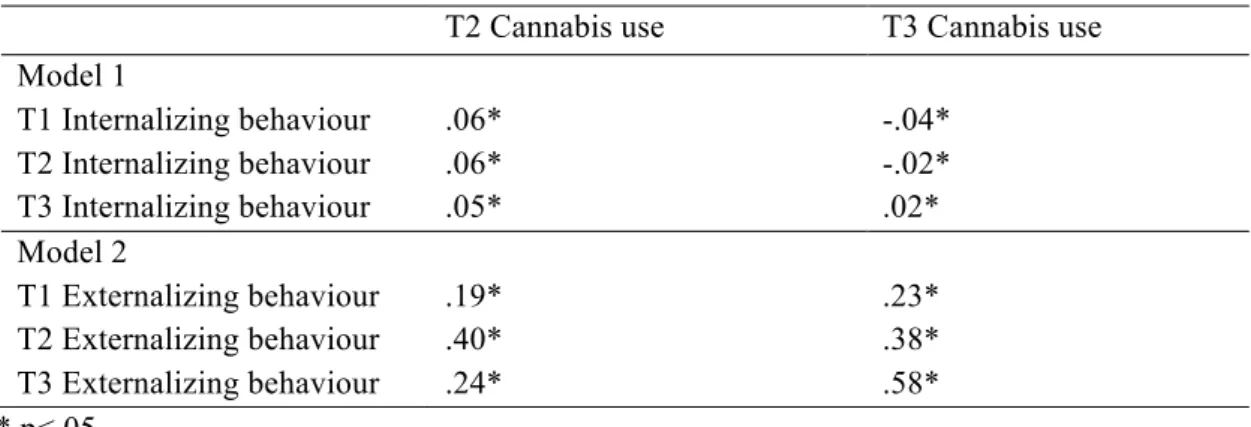
Table 3 shows the correlations between all latent variables. Factor loadings of the indicators of the latent variables of internalizing behaviour and externalizing behaviour of all three measurement waves are presented in Table 4.
Table 3: Correlations of all latent variables of the CFA
T2 Cannabis use T3 Cannabis use
Model 1
T1 Internalizing behaviour .06* -.04*
T2 Internalizing behaviour .06* -.02*
T3 Internalizing behaviour .05* .02*
Model 2
T1 Externalizing behaviour .19* .23*
T2 Externalizing behaviour .40* .38*
T3 Externalizing behaviour .24* .58*
* p<.05
Model 1. Cannabis use and internalizing behaviour problems
42 Table 4: Factor loadings of the Indicators of the Latent variables of internalizing and externalizing behaviour and cannabis use.
Variable Factor Loadings
Internalizing behaviour and cannabis T1 Internalizing behaviour
Anxious/Depressed .24
Withdrawn/Depressed .21*
Somatic complaints .17*
T2 Internalizing behaviour
Anxious/Depressed .27*
Withdrawn/Depressed .21*
Somatic complaints .15*
T2 Cannabis use
Cannabis use 1.00
T3 Internalizing behaviour
Anxious/Depressed .26*
Withdrawn/Depressed .23*
Somatic complaints .16*
T3 Cannabis use
Cannabis use 1.00
Externalizing behaviour and cannabis T1 Externalizing behaviour
Aggressive behaviour 1.00
Rule-breaking behaviour .90*
T2 Externalizing behaviour
Aggressive behaviour 1.00*
Rule-breaking behaviour 1.38*
T2 Cannabis use
Cannabis use 1.00
T3 Externalizing behaviour
Aggressive behaviour 1.00
Rule-breaking behaviour 1.67*
T3 Cannabis use
Cannabis use 1.00
43 Model 2. Cannabis use and externalizing behaviour problems
The independence model that tested the hypothesis that all cannabis scores and externalizing behaviour scores were uncorrelated, was rejected: χ2 (9, N= 1,449) = 64.4, p < .001. Also, although RMSEA was relatively high (.07), the CFI was .99 and therefore our model provided an acceptable fit to the data. Correlations between externalizing behaviour (T1-2-3) and cannabis use (T2-T3) ranged from .19 to .58 and thus were indicative of a relationship between externalizing behaviour problems and cannabis use (see Table 4). Next, path analysis was performed to address the temporal order of cannabis use and externalizing behaviour problems (Fig. 1), hereby controlling for alcohol and tobacco use at T2 and T3.
Path analysis revealed that the model represented the data well [χ2 (34,N= 1,449) = 270.2, p < .001; RMSEA = .07, CFI = .96]. The paths between externalizing behaviour problems measured at T1, T2, and T3 were all significant (T1-T2; z = 11.8, p < .05; T1-T3; z = 4.9, p < .05; T2-T3; z = 11.5, p < .05). The path between cannabis use T2 and T3 was also significant (z = 5.4, p < .05). In addition, the paths between externalizing behaviour and tobacco use were all significant (T2; z = 11.7, p < .05; T3; z = 16.9, p < .05). Also, the paths between externalizing behaviour and alcohol use were all significant (T2; z = 8.4, p < .05; T3; z = 6.6, p < .05). The same occurred with cannabis use, where the paths between cannabis use and tobacco use were significant at T2 (z = 17.8, p < .05) and T3 (z = 18.0, p < .05) and also with alcohol use at T2 (z = 2.9, p < .05) and T3 (z = 5.7, p < .05). Moreover, externalizing behaviour and cannabis use significantly correlated at T2 (r = 0.19, p < .05) and T3 (r = 0.34, p < .05).
44 Figure 1: Path analysis of externalizing behaviour, with indicators aggressive behaviour and rule breaking behaviour, and cannabis use in young adolescence after controlling for tobacco and alcohol use, measured at both T2 and T3. All non-significant paths have been removed from the full model. Latent variables are shown in ellipses, and observed variables are shown in rectangles.
45
Discussion
In the present longitudinal study, 1,449 respondents were followed from the age of 11 to 16 to assess the relationship between both internalizing and externalizing problems and cannabis use. Two different hypotheses, the damage hypothesis and the self-medication hypothesis, were tested using path analyses, thereby controlling for possible confounding factors.
First, our data showed that cannabis use is strongly related to externalizing behaviour problems in early adolescence, including aggressive and delinquent behaviour. This result is largely in agreement with previous studies (Fergusson et al., 2007; Fergusson et al., 2002; Khantzian, 1985; Monshouwer et al., 2006). As expected, our data supported the self-medication hypothesis, indicating that externalizing problems precede cannabis use during adolescence and not the other way around. Specifically, in our study, externalizing problems at age 11 were associated with cannabis use at age 13 and age 16. Also, externalizing behaviour at age 13 predicted cannabis use at age 16.
46 For the present study as well as earlier studies, it should be noted that externalizing behaviour explained only part of the variance of cannabis use, indicating that other factors are also important correlates of cannabis use during adolescence. Examples of such factors may be substance using peers and family functioning (e.g. Coffey et al., 2000; Fergusson and Horwood, 1997). In addition, considering the concurrent correlations of cannabis use and externalizing behaviour at different measurement points we cannot rule out reciprocal relations between the two, i.e. lagged associations remain possible (Fergusson et al., 2005). Nonetheless, some evidence is provided here that such lagged associations start with the presence of externalizing behaviour, as there was negligible cannabis use at T1, while there was externalizing behaviour at that time.
Although evidence of damaging effects of cannabis has been provided in other studies (Kandel et al., 1986; Kandel et al., 1992), our study did not support this hypothesis. This could be due to the fact that the sample was quite young and had not been using cannabis for a long period of time. Indeed, studies providing evidence for damaging effects of cannabis observed these effects in young adulthood (Fergusson et al., 2002; White et al., 1999). Possibly, such effects will also become evident in our sample at a later stage. For now, however, it should be concluded that externalizing problems at age of 11 and 13 predict cannabis use at later ages.
If the self-medication hypothesis is true, as the evidence suggests, it would be good to know in more detail which aspects of externalizing behaviour elicit the need for “medication”. One explanation could be that those who show externalizing problems at age 11 use cannabis to get rid of feelings of hostility or anger. If the temporal order is not the consequence of some form of self-medication, a possible explanation is that cannabis use is a form of sensation seeking behaviour, which has regularly been identified as a characteristic of externalizing behaviour (Huizink et al., 2006; Marsman et al., 2008; Raine, 1996). There may be several mediating factors explaining the temporal order with externalizing problems preceding cannabis use as well. Examples include exclusion from peer groups that show less experimental behaviour and inclusion in peer groups showing increased levels of experimental behaviour among individuals characterized by externalizing behaviours (Coffey et al., 2000; Fergusson and Horwood, 1997).
47 (Degenhardt et al., 2001; Degenhardt et al., 2003; Patton et al., 2002; Hayatbakhsh et al., 2007a). It should be noted that generally the relations between cannabis use and internalizing behaviour have been weaker than those with externalizing behaviour, and that existing associations could often be accounted for by co-occurring risk factors such as sociodemographic factors and use of other substances (Moore et al., 2007). Our results are in agreement with those studies not finding an association at all (Monshouwer et al., 2006; Harder et al., 2008; McGee et al., 2000).
A possible explanation for these mixed results might be that studies that did find significant associations focused mainly on older individuals (Brook et al., 1998; Hayatbakhsh et al., 2007a; Patton et al., 2002; van Laar et al., 2007; Wittchen et al., 2007), although there is evidence opposing this hypothesis as well (Hayatbakhsh et al., 2008). For example, Hayatbakhsh et al. (2007a) showed, using logistic regression analysis, that cannabis use at the age of 15 was associated with an increased risk for Anxiety and depression at the age of 21. One study providing compelling evidence in favor of the hypothesis was performed by Arseneault et al. (2002), who concluded that the association between cannabis use and depressive symptoms was age dependent, following findings showing that cannabis use at age 15 was not associated with depressive symptoms at age 26 while cannabis use at age 18 was. Hayatbakhsh et al. (2007a) suggested that the association is not only dependent on age, but also on duration and frequency; only those who already started cannabis use at age 15 and using it frequently until the age of 21 showed elevated levels of anxiety and depression in young adulthood. The fact that internalizing problems are more evident in late adolescence and young adulthood than in early adolescence may also play a significant role (Kessler et al., 2007).
non-48 responders would have been included in the present analysis, the present results would have strengthened, since it can be presumed that more cannabis users would be present among the non-responders. On the other hand, it can also be argued that the present results would have been weakened when non-responders (with lower SES) would have been included in the present analysis. SES could have explained a greater part of the variance of cannabis use, which in turn could have weakened the variance explained by externalizing behaviour. Lastly, despite the fact that we controlled for several important confounders, it cannot be ruled out that our results can be explained by non-observed confounding factors (thus supporting the shared causes hypothesis). For example, it has been shown that genetic factors are important determinants of both externalizing behaviour problems and cannabis use (Kendler et al., 2000; Lynskey et al., 2002; Rutter et al., 1999). Research using twin designs has also identified common genetic factors of externalizing problems and substance use behaviour during adolescence (Shelton et al., 2007; Young et al., 2000). For this study, we only had proxy variables of genetic confounding available (i.e. those constituting familial risk of internalizing and externalizing behaviour as well as substance use). There are also several environmental factors (e.g. family functioning, peer group influences) that could not be incorporated in this study.
49
References
Achenbach, T.M. (1991). Manual for the Youth Self-Report and 1991 Profile. Burlington: University of Vermont
Alati, R., Kinner, S.A., Hayatbakhsh, M.R., Al Mamun, A., Najman, J.M., & Williams, G.M. (2008). Pathways to ecstacy in young adults; anxiety, depression of behavioural deviance? Drug and Alcohol Dependence, 92, 108–115.
Anderson, J.C., & Gerbing, D.W. (1988). Structural equation modeling in practice: A review and recommended two-step approach. Psychological Bulletin 103, 411–423.
Arseneault, L., Cannon, M., Poulton, R., Murray, R., Caspi, A., & Moffitt, T.E. (2002). Cannabis use in adolescence and risk for adult psychosis: longitudinal prospective study. British Medical Journal, 325, 1212–1213.
Bentler, P.M. (1990). Comparative fit indexes in structural models. Psychological Bulletin, 107, 238–246.
Bentler, P.M. (1995). EQS Structural Equations Program Manual. Encino, CA: Multivariate Software.
Brook, J.S., Cohen, P., & Brook, D.W. (1998). Longitudinal study of co-occurring psychiatric disorders and substance use. Journal of the American Academy of Child and Adolescent Psychiatry, 37, 322–330.
Browne, M.W., & Cudeck, R. (1993). Alternative ways of assessing model fit. In: Bollen, K.A., & Long, J.S. (Eds.), Testing Structural Equation Models (pp. 136– 162). Newbury Park, CA: Sage.
50 Coffey, C., Lynskey, M., Wolfe, R., & Patton, G.C. (2000). Initiation and progression of cannabis use in a population-based Australian adolescent longitudinal study. Addiction, 95, 1679–1690.
de Winter, A., Oldehinkel, A.J., Veenstra, R., Brunnekreef, J.A., Verhulst, F.C., & Ormel, J. (2005). Evaluation of non-response bias in mental health determinants and outcomes in a large sample of pre-adolescents. European Journal of Epidemiology, 20, 173–181.
Degenhardt, L., Hall, W., & Lynskey, M. (2001). The relationship between cannabis use, depression and anxiety among Australian adults: findings from the National Survey of Mental Health and Well-Being. Social Psychiatry and Psychiatric Epidemiology, 36, 219–227.
Degenhardt, L., Hall, W., & Lynskey, M. (2003). Exploring the association between cannabis use and depression. Addiction, 98, 1493–1504.
Ferdinand, R.F., Blum, M., & Verhulst, F.C. (2001). Psychopathology in adolescence predicts substance use in young adulthood. Addiction, 96, 861–870.
Fergusson, D.M., & Boden, J.M. (2008). Cannabis use and later life outcomes. Addiction,
103, 969–976.
Fergusson, D.M., & Horwood, L.J. (1997). Early onset cannabis use and psychosocial adjustment in young adults. Addiction, 92, 279–296.