December 18, 2008
Dear NIMS Stakeholders:
Homeland Security Presidential Directive (HSPD)-5, Management of Domestic Incidents, directed
the development and administration of the National Incident Management System (NIMS).
Originally issued on March 1, 2004, by the Department of Homeland Security (DHS), NIMS
provides a consistent nationwide template to enable Federal, State,
1tribal, and local
2governments,
nongovernmental organizations (NGOs), and the private sector to work together to prevent, protect
against, respond to, recover from, and mitigate the effects of incidents, regardless of cause, size,
location, or complexity.
HSPD-5 also required DHS to establish a mechanism for ongoing coordination to provide strategic
direction for, and oversight of, NIMS. The National Integration Center (NIC)’s Incident
Management Systems Integration Division (IMSI)—formerly the NIMS Integration Center—was
established to support both routine maintenance and the continuous refinement of NIMS.
Since 2006, the NIMS document has been revised to incorporate best practices and lessons learned
from recent incidents. The NIMS revision also clarifies concepts and principles, and refines
processes and terminology throughout the document. A wide range of feedback was incorporated
while maintaining the core concepts of NIMS and no major policy changes were made to the
document during the revision. Below is a summary of changes to the NIMS document:
Eliminated redundancy;
Reorganized document to emphasize that NIMS is more than the Incident Command System
(ICS);
Clarified ICS concepts;
Increased emphasis on planning and added guidance on mutual aid;
Clarified roles of private sector, NGOs, and chief elected and appointed officials;
1
As defined in the Homeland Security Act of 2002, P.L. 107-296, the term “State” means “any State of the United States, the District of Columbia, the Commonwealth of Puerto Rico, Guam, American Samoa, the Commonwealth of the Northern Mariana Islands, and any possession of the United States.” 6 U.S.C. 101(14)
2
As defined in the Homeland Security Act of 2002, section 2(10), the term “local government” means “(A) a county, municipality, city, town, township, local public authority, school district, special district, intrastate district, council of governments..., regional or interstate government entity, or agency or instrumentality of a local government; (B) an Indian tribe or authorized tribal organization, or in Alaska a Native village or Alaska Regional Native Corporation; and (C) a rural community, unincorporated town or village, or other public entity.” 6 U.S.C. 101(10)
Expanded the Intelligence/Investigations function; and
Highlighted the relationship between NIMS and the National Response Framework.
I ask for your continued assistance as we implement NIMS. I look forward to continuing our
collective efforts to better secure the homeland and protect our citizens. Thank you for your hard
work in this important endeavor.
Sincerely,
C
ONTENTS
Transmittal Letter ... i
List of Tables ... ix
List of Figures ... ix
What Is the National Incident Management System? ...1
PREFACE...3
INTRODUCTION AND OVERVIEW ...5
A. Introduction ... 5
B. Concepts and Principles ... 6
1. Flexibility ... 6
2. Standardization ... 7
C. Overview of NIMS Components ... 7
1. NIMS Components ... 7
COMPONENT I: PREPAREDNESS ...9
A. Concepts and Principles ... 9
1. Unified Approach ... 9
2. Levels of Capability ... 10
B. Achieving Preparedness ... 10
1. Relationship Between NIMS and Other Preparedness Efforts ... 10
2. NIMS and Its Relationship to the National Response Framework ... 11
3. Preparedness Roles ... 12
4. Preparedness Elements ... 16
5. Mitigation ... 21
COMPONENT II: COMMUNICATIONS AND INFORMATION MANAGEMENT ... 23
A. Concepts and Principles ... 23
1. Common Operating Picture ... 23
2. Interoperability ... 24
3. Reliability, Scalability, and Portability ... 24
4. Resiliency and Redundancy... 24
B. Management Characteristics ... 25
1. Standardized Communication Types ... 25
2. Policy and Planning ... 25
3. Agreements ... 26
4. Equipment Standards and Training ... 26
C. Organization and Operations... 27
1. Incident Information ... 27
COMPONENT III: RESOURCE MANAGEMENT ... 31
A. Concepts and Principles ... 32
1. Concepts ... 32
2. Principles ... 32
B. Managing Resources ... 34
1. Identify Requirements ... 35
2. Order and Acquire ... 37
3. Mobilize ... 37
4. Track and Report ... 38
5. Recover and Demobilize ... 38
6. Reimburse ... 39
7. Inventory ... 39
COMPONENT IV: COMMAND AND MANAGEMENT ... 45
A. Incident Command System ... 45
1. Management Characteristics ... 46
2. Incident Command and Command Staff ... 49
3. General Staff ... 54
4. Incident Management Teams ... 61
5. Incident Complex: Multiple Incident Management Within a Single ICS Organization ... 61
6. Area Command ... 62
B. Multiagency Coordination Systems ... 64
1. Definition ... 64
2. System Elements ... 65
3. Examples of System Elements ... 66
4. Primary Functions of MACS ... 67
5. Differences Between a MAC Group and Area Command ... 69
C. Public Information ... 70
1. Introduction ... 70
2. System Description and Components ... 70
3. Public Information Communications Planning ... 74
D. Relationships Among Command and Management Elements ... 74
COMPONENT V: ONGOING MANAGEMENT AND MAINTENANCE ... 75
A. National Integration Center ... 75
1. Concepts and Principles ... 75
2. NIMS Revision Process ... 76
3. NIC Responsibilities ... 76
B. Supporting Technologies ... 79
1. Concepts and Principles ... 79
2. Supporting Incident Management With Science and Technology ... 80
Appendix A: EXAMPLES OF RESOURCES FOR WHICH TYPING HAS BEEN COMPLETED... 83
Appendix B: INCIDENT COMMAND SYSTEM ... 89
A. Purpose ... 89
B. Organization of This Appendix ... 89
TAB 1—ICS ORGANIZATION ... 91
A. Functional Structure ... 91
B. Modular Expansion ... 91
1. Command Staff ... 92
TAB 2—THE OPERATIONS SECTION ... 97
A. Operations Section Chief ... 97
B. Branches ... 97
1. Maintaining Recommended Span of Control for the Operations Section Chief ... 97
2. Incident Calls for a Functional Branch Structure ... 98
3. Incident Calls for a Multijurisdictional Branch Structure ... 99
C. Divisions and Groups ... 99
1. Geographical Divisions ... 100
2. Functional Groups ... 100
3. Combined Geographical Divisions and Functional Groups ... 101
D. Resource Organization ... 101
1. Single Resources ... 101
2. Task Forces ... 101
3. Strike Teams ... 101
E. Air Operations Branch ... 101
TAB 3—THE PLANNING SECTION ... 103
A. Planning Section Chief ... 103
B. Resources Unit ... 103
1. Responsibilities ... 103
2. Resource Status ... 103
C. Situation Unit ... 104
D. Documentation Unit ... 104
E. Demobilization Unit ... 104
F. Technical Specialists ... 105
TAB 4—THE LOGISTICS SECTION ... 107
A. Supply Unit ... 108
B. Facilities Unit ... 108
C. Ground Support Unit ... 108
D. Communications Unit ... 109
1. Command Net... 110
2. Tactical Nets ... 110
3. Support Net ... 110
4. Air-to-Ground Net ... 110
E. Food Unit ... 110
F. Medical Unit... 111
TAB 5—THE FINANCE/ADMINISTRATION SECTION ... 113
A. Time Unit ... 113
B. Procurement Unit ... 113
C. Compensation and Claims Unit ... 114
D. Cost Unit ... 114
TAB 6—ESTABLISHING AN AREA COMMAND ... 115
A. Responsibilities ... 115
B. Organization ... 115
1. Area Commander (Unified Area Command) ... 115
2. Assistant Area Commander–Logistics ... 116
3. Assistant Area Commander–Planning ... 116
4. Area Command Aviation Coordinator ... 116
5. Area Command Support Positions ... 116
C. Location ... 116
D. Reporting Relationships... 117
TAB 7—FACILITIES AND LOCATIONS... 119
A. Incident Command Post ... 119
B. Incident Base... 119
C. Camps ... 119
D. Staging Areas ... 119
TAB 8—THE PLANNING PROCESS AND THE IAP ... 121
A. Overview... 121
1. Understand the Situation... 122
2. Establish Incident Objectives and Strategy ... 122
3. Develop the Plan ... 122
4. Prepare and Disseminate the Plan ... 122
5. Execute, Evaluate, and Revise the Plan ... 122
B. Responsibilities and Specific Planning Activities ... 123
1. Operational Period Planning Cycle ... 123
2. Planning Steps: Understanding the Situation and Establishing Objectives and Strategy ... 124
3. Conducting the Planning Meeting ... 125
TAB 9—ICS FORMS ... 129
A. ICS Forms ... 129
1. ICS 201 – Incident Briefing ... 129
2. ICS 202 – Incident Objectives ... 129
3. ICS 203 – Organization Assignment List ... 129
4. ICS 204 – Assignment List ... 129
5. ICS 205 – Incident Radio Communications Plan ... 130
6. ICS 206 – Medical Plan ... 130
8. ICS 211 – Incident Check-In List ... 130
9. ICS 215 – Operational Planning Worksheet ... 130
10. ICS 215A – Hazard Risk Analysis ... 130
TAB 10—SUMMARY OF MAJOR ICS POSITIONS... 131
GLOSSARY OF KEY TERMS ... 135
ACRONYMS ... 151
L
IST OF
T
ABLES
Table 1. Overview of NIMS ... 6
Table 2. Example Categories for National Resource Typing ... 42
Table 3. Example of a Resource With Multiple Components (Firefighting Engine Company) ... 42
Table 4. Example of a Resource With Multiple Types (Coast Guard Oil Skimmer) ... 43
Table 5. Sample IAP Outline ... 57
Table 6. Differences Between a MAC Group and Area Command ... 69
Table 7. Types of Joint Information Centers ... 72
Table A-1. Single Resource (Track Dozer) That Has Been Typed ... 83
Table A-2. Team Resource (Swiftwater/Flood Search and Rescue Team) That Has Been Typed ... 85
Table B-1. ICS Organization ... 92
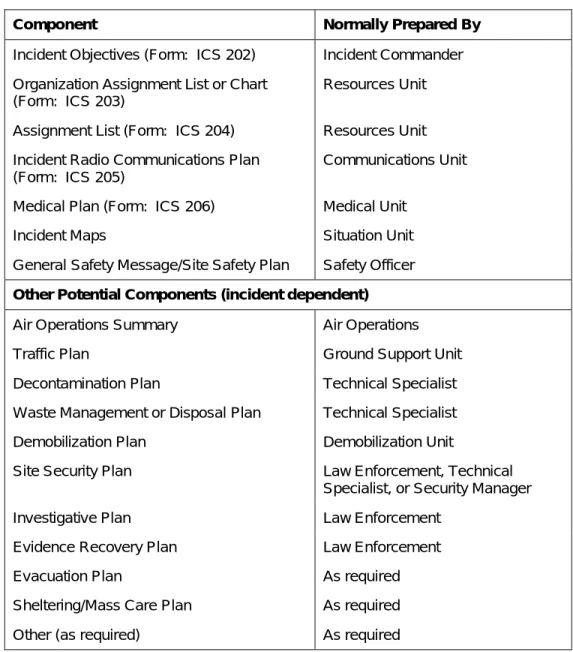
Table B-2. The IAP and Typical Attachments ... 126
Table B-3. ICS Forms That Can Aid the Planning Process ... 128
Table B-4. Summary Table of Major ICS Positions ... 131
L
IST OF
F
IGURES
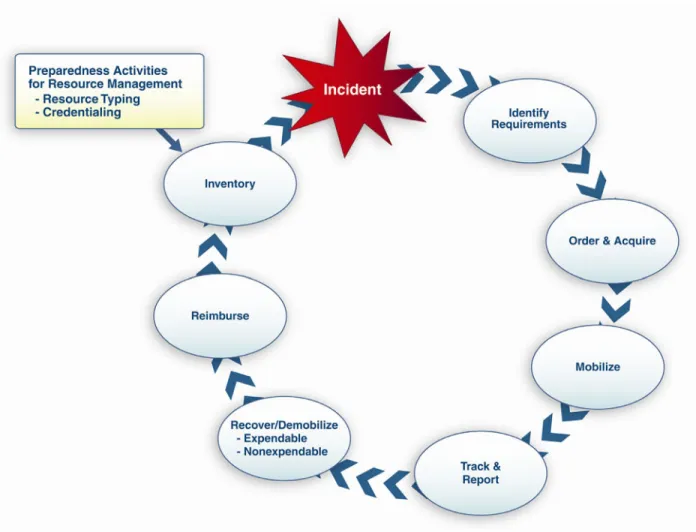
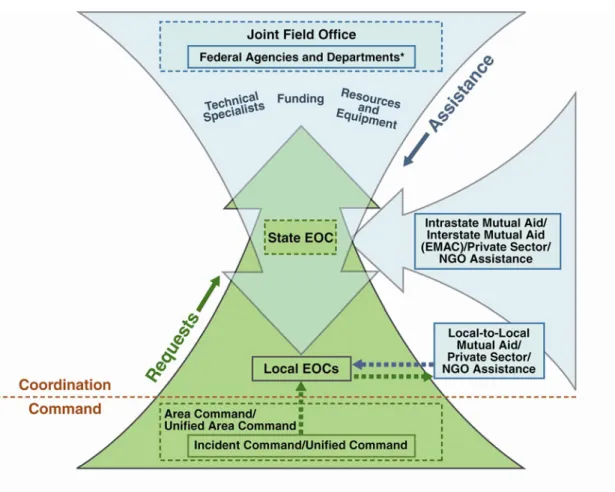
Figure 1. Resource Management During an Incident ... 35Figure 2. Flow of Requests and Assistance During Large-Scale Incidents ... 36
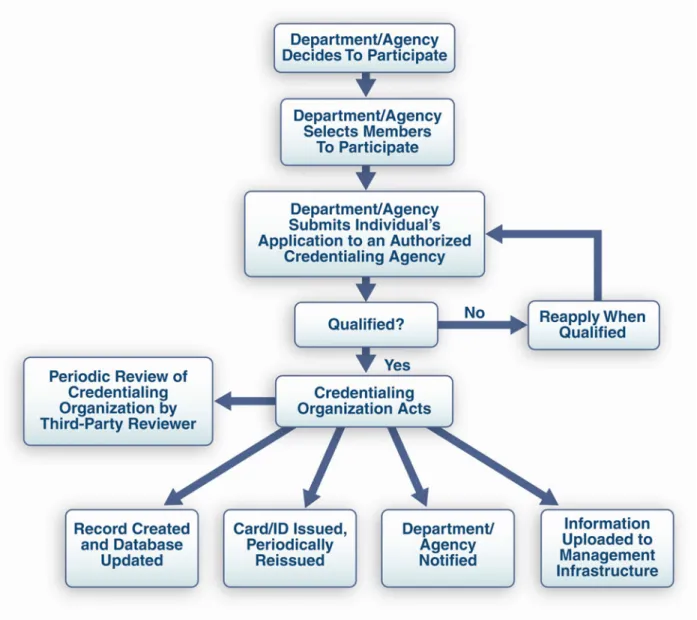
Figure 3. Recommended NIMS Personnel Credentialing Process... 41
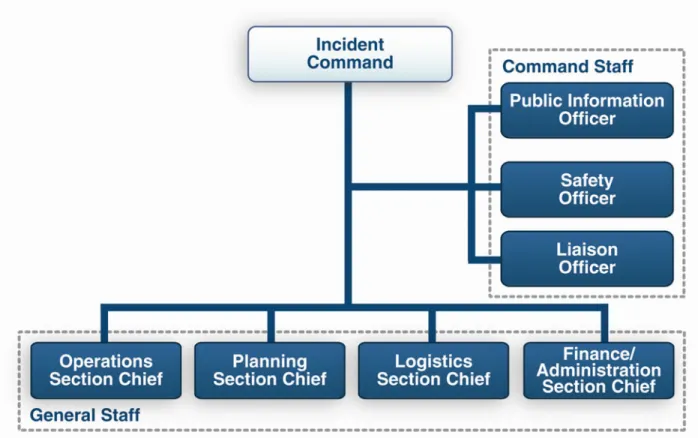
Figure 4. Incident Command System: Command Staff and General Staff ... 53
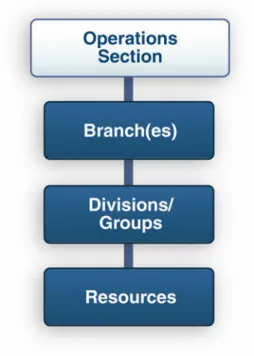
Figure 5. Major Organizational Elements of Operations Section ... 54
Figure 6. Planning Section Organization ... 56
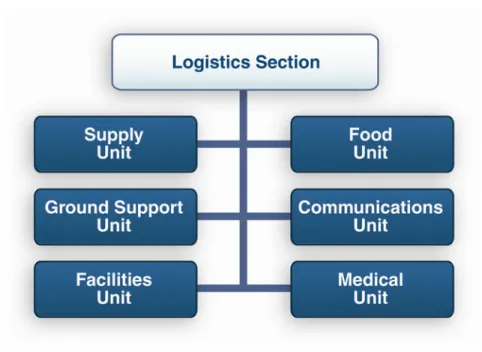
Figure 7. Logistics Section Organization ... 58
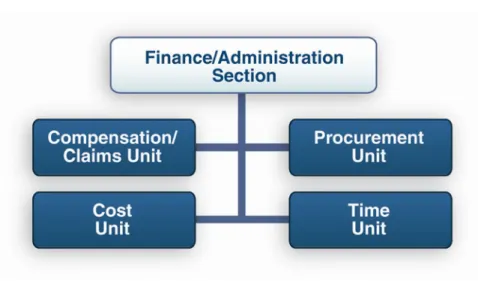
Figure 8. Finance/Administration Section Organization ... 59
Figure 9. Chain of Command and Reporting Relationships ... 63
Figure 10. Multiagency Coordination System (MACS) ... 65
Figure B-1. Example of the Role of Safety Officer and Assistant Safety Officers in ICS in a Multibranch Incident ... 94
Figure B-2. Geographic Branch Organization ... 98
Figure B-3. Deputy Operations With Functional Branch Structure ... 99
Figure B-4. Multijurisdictional Incident ... 99
Figure B-5. Use of Geographical Divisions ... 100
Figure B-6. Use of Functional Groups ... 100
Figure B-7. Air Operations Organization ... 102
Figure B-8. Logistics Section With Branch Organizational Structure ... 107
What Is the National Incident
Management System?
The National Incident Management System (NIMS) provides a systematic, proactive approach to guide departments and agencies at all levels of
government, nongovernmental organizations, and the private sector to work seamlessly to prevent, protect against, respond to, recover from, and mitigate the effects of incidents, regardless of cause, size, location, or complexity, in order to reduce the loss of life and property and harm to the environment. NIMS works hand in hand with the National Response Framework (NRF). NIMS provides the template for the management of incidents, while the NRF provides the structure and mechanisms for national-level policy for incident
P
REFACE
On February 28, 2003, the President issued Homeland Security Presidential Directive 5 (HSPD–5), “Management of Domestic Incidents,” which directed the Secretary of Homeland Security to develop and administer a National Incident Management System (NIMS). This system provides a consistent nationwide template to enable Federal, State, tribal, and local governments, nongovernmental organizations (NGOs), and the private sector to work together to prevent, protect against, respond to, recover from, and mitigate the effects of incidents, regardless of cause, size, location, or complexity. This consistency provides the foundation for utilization of NIMS for all incidents, ranging from daily occurrences to incidents requiring a coordinated Federal response.
NIMS is not an operational incident management or resource allocation plan. NIMS
represents a core set of doctrines, concepts, principles, terminology, and organizational processes that enables effective, efficient, and collaborative incident management.
HSPD–5 also required the Secretary of Homeland Security to develop the National Response
Plan, which has been superseded by the National Response Framework (NRF). The NRF is a
guide to how the Nation conducts all-hazards response. The NRF identifies the key
principles, as well as the roles and structures, that organize national response. In addition, it describes special circumstances where the Federal Government exercises a larger role, including incidents where Federal interests are involved and catastrophic incidents where a State would require significant support.
HSPD–5 requires all Federal departments and agencies to adopt NIMS and to use it in their individual incident management programs and activities, as well as in support of all actions taken to assist State, tribal, and local governments. The directive requires Federal
departments and agencies to make adoption of NIMS by State, tribal, and local
organizations a condition for Federal preparedness assistance (through grants, contracts, and other activities). NIMS recognizes the role that NGOs and the private sector have in preparedness and activities to prevent, protect against, respond to, recover from, and mitigate the effects of incidents.
Building on the foundation provided by existing emergency management and incident response systems used by jurisdictions, organizations, and functional disciplines at all levels, NIMS integrates best practices into a comprehensive framework for use nationwide by emergency management/response personnel1 in an all-hazards context. These best practices lay the groundwork for the components of NIMS and provide the mechanisms for the further development and refinement of supporting national standards, guidelines, protocols, systems, and technologies. NIMS fosters the development of specialized technologies that facilitate emergency management and incident response activities, and allows for the adoption of new approaches that will enable continuous refinement of the system over time.
The Secretary of Homeland Security, through the National Integration Center (NIC), Incident Management Systems Integration Division (formerly known as the NIMS Integration Center), publishes the standards, guidelines, and compliance protocols for determining whether a Federal, State, tribal, or local government has implemented NIMS.
1Emergency management/response personnel include Federal, State, territorial, tribal, substate regional, and local governments, nongovernmental organizations, private-sector organizations, critical infrastructure owners and operators, and all other organizations and individuals who assume an emergency management role.
PREFACE
Additionally, the Secretary, through the NIC, manages publication and collaboratively, with other departments and agencies, develops standards, guidelines, compliance procedures, and protocols for all aspects of NIMS.
This document was developed through a collaborative intergovernmental partnership with significant input from the incident management functional disciplines, NGOs, and the private sector. Originally published on March 1, 2004, the document was revised in 2008 to reflect contributions from stakeholders and lessons learned during recent incidents.
I
NTRODUCTION AND
O
VERVIEW
A.
I
NTRODUCTION
The September 11, 2001, terrorist attacks and the 2004 and 2005 hurricane seasons highlighted the need to focus on improving emergency management, incident response capabilities, and coordination processes across the country. A comprehensive national approach, applicable at all jurisdictional levels and across functional disciplines, improves the effectiveness of emergency management/response personnel2 across the full spectrum of potential incidents and hazard scenarios (including but not limited to natural hazards, terrorist activities, and other manmade disasters). Such an approach improves coordination and cooperation between public and private agencies/organizations in a variety of
emergency management and incident response activities. The National Incident
Management System (NIMS) framework sets forth the comprehensive national approach
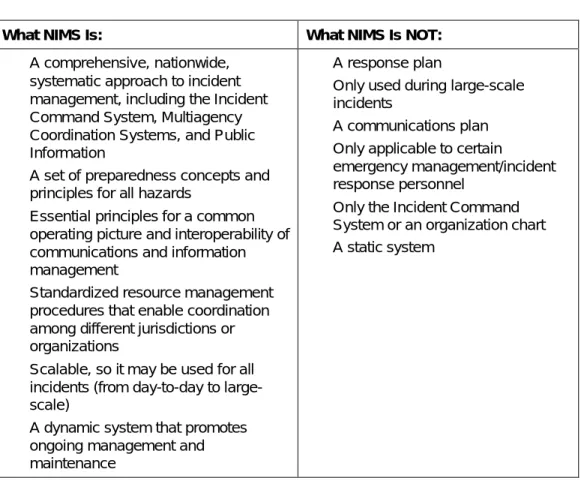
(see Table 1).
Incidents typically begin and end locally, and are managed on a daily basis at the lowest possible geographical, organizational, and jurisdictional level. However, there are instances in which successful incident management operations depend on the involvement of multiple jurisdictions, levels of government, functional agencies, and/or emergency responder disciplines. These instances require effective and efficient coordination across this broad spectrum of organizations and activities.
NIMS uses a systematic approach to integrate the best existing processes and methods into a unified national framework for incident management. Incident management refers to how incidents are managed across all homeland security activities, including prevention,
protection, and response, mitigation, and recovery.
This framework forms the basis for interoperability and compatibility that will, in turn, enable a diverse set of public and private organizations to conduct well-integrated and effective emergency management and incident response operations. Emergency
management is the coordination and integration of all activities necessary to build, sustain, and improve the capability to prepare for, protect against, respond to, recover from, or mitigate against threatened or actual natural disasters, acts of terrorism, or other manmade disasters. It does this through a core set of concepts, principles, procedures, organizational processes, terminology, and standard requirements applicable to a broad community of NIMS users.
2Emergency management/response personnel include Federal, State, territorial, tribal, substate regional, and local governments, nongovernmental organizations, private-sector organizations, critical infrastructure owners and operators, and all other organizations and individuals who assume an emergency management role.
INTRODUCTIONANDOVERVIEW
Table 1. Overview of NIMS
What NIMS Is: What NIMS Is NOT:
• A comprehensive, nationwide, systematic approach to incident management, including the Incident Command System, Multiagency Coordination Systems, and Public Information
• A set of preparedness concepts and principles for all hazards
• Essential principles for a common operating picture and interoperability of communications and information management
• Standardized resource management procedures that enable coordination among different jurisdictions or organizations
• Scalable, so it may be used for all incidents (from day-to-day to large-scale)
• A dynamic system that promotes ongoing management and maintenance
• A response plan
• Only used during large-scale incidents
• A communications plan
• Only applicable to certain
emergency management/incident response personnel
• Only the Incident Command System or an organization chart
• A static system
B.
C
ONCEPTS AND
P
RINCIPLES
NIMS is based on the premise that utilization of a common incident management framework will give emergency management/response personnel a flexible but standardized system for emergency management and incident response activities. NIMS is flexible because the system components can be utilized to develop plans, processes, procedures, agreements, and roles for all types of incidents; it is applicable to any incident regardless of cause, size, location, or complexity. Additionally, NIMS provides an organized set of standardized operational structures, which is critical in allowing disparate organizations and agencies to work together in a predictable, coordinated manner.
1. FLEXIBILITY
The components of NIMS are adaptable to any situation, from routine, local incidents to incidents requiring the activation of interstate mutual aid to those requiring a coordinated Federal response, whether planned (e.g., major sporting or community events), notice (e.g., hurricane) or no-notice (e.g., earthquake). This flexibility is essential for NIMS to be applicable across the full spectrum of potential incidents, including those that require multiagency, multijurisdictional (such as incidents that occur along international borders), and/or multidisciplinary coordination. Flexibility in the NIMS framework facilitates scalability of emergency management and incident response activities. NIMS also provides the
INTRODUCTIONANDOVERVIEW
flexibility for unique implementation in specified areas around the Nation. The National Integration Center (NIC), as appropriate, will review and support implementation plans, which reflect these individual requirements and organizational structures, for consistency with NIMS concepts and principles.
2. STANDARDIZATION
Flexibility to manage incidents of any size requires coordination and standardization among emergency management/response personnel and their affiliated organizations. NIMS provides a set of standardized organizational structures that improve integration and connectivity among jurisdictions and disciplines, starting with a common foundation of preparedness and planning. Personnel and organizations that have adopted the common NIMS framework are able to work together, thereby fostering cohesion among the various organizations involved in all aspects of an incident. NIMS also provides and promotes common terminology, which fosters more effective communication among agencies and organizations responding together to an incident.
C.
O
VERVIEW OF
NIMS
C
OMPONENTS
NIMS integrates existing best practices into a consistent, nationwide, systematic approach to incident management that is applicable at all levels of government, nongovernmental organizations (NGOs), and the private sector, and across functional disciplines in an all-hazards context. Five major components make up this systems approach: Preparedness, Communications and Information Management, Resource Management, Command and Management, and Ongoing Management and Maintenance.
1. NIMS COMPONENTS
The components of NIMS were not designed to stand alone, but to work together in a flexible, systematic manner to provide the national framework for incident management. A more detailed discussion of each component is included in subsequent sections of this document.
a. Preparedness
Effective emergency management and incident response activities begin with a host of preparedness activities conducted on an ongoing basis, in advance of any potential incident. Preparedness involves an integrated combination of assessment; planning; procedures and protocols; training and exercises; personnel qualifications, licensure, and certification; equipment certification; and evaluation and revision.
b. Communications and Information Management
Emergency management and incident response activities rely on communications and information systems that provide a common operating picture to all command and coordination sites. NIMS describes the requirements necessary for a standardized
framework for communications and emphasizes the need for a common operating picture. This component is based on the concepts of interoperability, reliability, scalability, and portability, as well as the resiliency and redundancy of communications and information systems.
INTRODUCTIONANDOVERVIEW
c. Resource Management
Resources (such as personnel, equipment, or supplies) are needed to support critical incident objectives. The flow of resources must be fluid and adaptable to the requirements of the incident. NIMS defines standardized mechanisms and establishes the resource management process to identify requirements, order and acquire, mobilize, track and report, recover and demobilize, reimburse, and inventory resources.
d. Command and Management
The Command and Management component of NIMS is designed to enable effective and efficient incident management and coordination by providing a flexible, standardized incident management structure. The structure is based on three key organizational
constructs: the Incident Command System, Multiagency Coordination Systems, and Public Information.
e. Ongoing Management and Maintenance
Within the auspices of Ongoing Management and Maintenance, there are two components: the NIC and Supporting Technologies.
(1) National Integration Center
Homeland Security Presidential Directive 5 required the Secretary of Homeland Security to establish a mechanism for ensuring the ongoing management and maintenance of NIMS, including regular consultation with other Federal departments and agencies; State, tribal, and local stakeholders; and NGOs and the private sector. The NIC provides strategic direction, oversight, and coordination of NIMS and supports both routine maintenance and the continuous refinement of NIMS and its components. The NIC oversees the program and coordinates with Federal, State, tribal, and local partners in the development of compliance criteria and implementation activities. It provides guidance and support to jurisdictions and emergency management/response personnel and their affiliated organizations as they adopt or, consistent with their status, are encouraged to adopt the system. The NIC also oversees and coordinates the publication of NIMS and its related products. This oversight includes the review and certification of training courses and exercise information.
(2) Supporting Technologies
As NIMS and its related emergency management and incident response systems evolve, emergency management/response personnel will increasingly rely on technology and systems to implement and continuously refine NIMS. The NIC, in partnership with the Department of Homeland Security Science and Technology Directorate, oversees and
coordinates the ongoing development of incident management-related technology, including strategic research and development.
C
OMPONENT
I:
P
REPAREDNESS
NIMS provides the mechanisms for emergency management/response personnel3 and their affiliated organizations to work collectively by offering the tools to enhance preparedness. Preparedness is achieved and maintained through a continuous cycle of planning,
organizing, training, equipping, exercising, evaluating, and taking corrective action. Ongoing preparedness efforts among all those involved in emergency management and incident response activities ensure coordination during times of crisis. Moreover, preparedness facilitates efficient and effective emergency management and incident response activities.
This component describes specific measures and capabilities that emergency
management/response personnel and their affiliated organizations should develop and incorporate into their overall preparedness programs to enhance the operational
preparedness necessary for all-hazards emergency management and incident response activities. In developing, refining, and expanding preparedness programs and activities within their jurisdictions and/or organizations, emergency management/response personnel should leverage existing preparedness efforts and collaborative relationships to the greatest extent possible. Personal preparedness, while an important element of homeland security, is distinct from the operational preparedness of our Nation’s emergency management and incident response capabilities and is beyond the scope of NIMS.
A.
C
ONCEPTS AND
P
RINCIPLES
Within NIMS, preparedness focuses on the following elements: planning; procedures and protocols; training and exercises; personnel qualifications, licensure, and certification; and equipment certification. Effective adoption, implementation, and training of all NIMS components in advance of an incident or planned event will facilitate collaborative
emergency management and incident response activities. Preparedness is a foundational step in emergency management and incident response; therefore, the concepts and principles that form the basis for preparedness are an integration of the concepts and principles of all NIMS components.
1. UNIFIED APPROACH
Preparedness requires a unified approach to emergency management and incident response activities. To achieve this, components of NIMS should be integrated within a jurisdiction’s or organization’s emergency management and incident response structure. Specifically, preparedness should be integrated into communications and information management, resource management, and command and management to form an effective system. Additionally, the unified-approach concept is at the core of the Command and Management component, as it is based on chain of command, unity of command, unity of effort, and when implemented, Unified Command. These characteristics allow organizations with
3Emergency management/response personnel include Federal, State, territorial, tribal, substate regional, and local governments, nongovernmental organizations, private-sector organizations, critical infrastructure owners and operators, and all other organizations and individuals who assume an emergency management role.
COMPONENTI: PREPAREDNESS
different jurisdictional, geographical, or functional responsibilities, authorities, and resources to coordinate, plan, and interact effectively in support of a commonly recognized objective.
2. LEVELS OF CAPABILITY
Preparedness involves actions to establish and sustain necessary capabilities to execute a full range of emergency management and incident response activities. For NIMS to function effectively, jurisdictions and organizations should set expectations about the capabilities and resources that will be provided before, during, and after an incident. The inventorying and categorizing of resources available for an incident or planned event is a critical element of preparedness, as it helps to establish and verify the level of capability needed. Additionally, the concept of identifying this level of capability is woven throughout the components of NIMS, including the credentialing system.
B.
A
CHIEVING
P
REPAREDNESS
Individual jurisdictions should prepare in advance of an incident, in coordination with and supported by Federal and State partners, nongovernmental organizations (NGOs), and the private sector, as appropriate. In order for successful emergency management and incident response to occur, emergency management/response personnel and their affiliated
organizations must have a clear understanding of their roles and responsibilities. This clarity is essential not only for emergency management/response personnel, but also for those acting in a policy, coordination, or support role.
• Policy Role:
•
Development, revision, signing, and/or formalization of policies,
procedures, mutual aid agreements, and assistance agreements and/or plans relating to emergency management and incident response programs and activities.
Coordination Role:
•
Resource management or any other necessary coordination
efforts required for emergency management and incident response programs and activities.
Support Role:
1. RELATIONSHIP BETWEEN NIMS AND OTHER PREPAREDNESS
EFFORTS
Provision of assistance for emergency management and incident
response programs and activities.
To achieve national preparedness and coordinated response, emergency management and incident response activities should be coordinated at all levels of government and should include NGOs and the private sector, where appropriate. Homeland Security Presidential Directive 5 (HSPD–5) established a single, comprehensive approach to incident
management, with the objective of ensuring that all levels of government across the Nation have the capability to work together efficiently and effectively. Several other Homeland Security Presidential Directives are inextricably linked with HSPD–5, as they deal directly with national preparedness and the protection of critical infrastructure. These directives are discussed more fully below.
a. Homeland Security Presidential Directive 7, “Critical
Infrastructure Identification, Prioritization, and Protection”
HSPD–7 directed the Department of Homeland Security (DHS) to establish a national policy for Federal departments and agencies to identify and prioritize critical infrastructure and key
COMPONENTI: PREPAREDNESS
resources (CIKR) in order to prevent, deter, and mitigate the effects of deliberate efforts to destroy, incapacitate, or exploit them. Federal departments and agencies are to work with State, tribal, and local governments, NGOs, and the private sector to accomplish this
objective. This effort includes the development, implementation, and ongoing management and maintenance of the National Infrastructure Protection Plan (NIPP). The NIPP and its complementary Sector-Specific Plans provide the unifying structure for integrating existing and future CIKR protection activities.
b. Homeland Security Presidential Directive 8, “National
Preparedness”
HSPD–8 directed DHS to lead a national initiative to develop a National Preparedness System—a common, unified approach to “strengthen the preparedness of the United States to prevent and respond to threatened or actual domestic terrorist attacks, major disasters, and other emergencies.” The requirements of HSPD–8 led to the National Preparedness Guidelines, which were developed to provide the means for the Nation to answer three fundamental questions:
• How prepared do we need to be?
• How prepared are we?
• How do we prioritize efforts to close the gap?
HSPD–8 also required DHS to develop mechanisms for the improved delivery of Federal preparedness assistance to State, tribal, and local governments and to strengthen the Nation’s preparedness capabilities. Annex I to HSPD-8, titled "National Planning," establishes a comprehensive approach to national planning and provides guidance for
conducting planning in accordance with the National Strategy for Homeland Security. Annex I calls for the development and updating of an Integrated Planning System (IPS). Fifteen National Planning Scenarios were developed to illustrate the range, scope, magnitude, and complexity of incidents for which the Nation should prepare. Using this wide range of possible scenarios, including terrorism, natural disasters, and health emergencies, helps reduce uncertainty in planning.
After identifying the most important performance needs across the scenarios, DHS then developed the Target Capabilities List (TCL), designed to guide efforts to build a national network of capabilities that will be available when and where they are needed. The TCL outlines an all-hazards approach to development of capabilities that will be needed for natural or manmade disasters or other major incidents, and defines the primary roles that all levels of government, NGOs, the private sector, and individuals have in national
preparedness. The capabilities provide the means to accomplish a mission and achieve desired outcomes by performing critical tasks, under specified conditions, to target levels of performance. Capabilities are delivered by appropriate combinations of properly planned, organized, equipped, trained, and exercised personnel.
2. NIMS AND ITS RELATIONSHIP TO THE NATIONAL RESPONSE
FRAMEWORK
NIMS provides the template for the management of incidents, regardless of cause, size, location, or complexity. This template establishes the structure, concepts, principles, processes, and language for the effective employment of capabilities nationally, whether those capabilities reside with Federal, State, tribal, or local jurisdictions or with the private sector or NGOs.
COMPONENTI: PREPAREDNESS
The NRF is a guide to how the Nation conducts all-hazards response.
NIMS and the NRF are designed to ensure that local jurisdictions retain command, control, and authority over response activities for their jurisdictional areas. The National Response Framework (NRF), which
superseded the National Response Plan, is an all-hazards framework that builds upon NIMS and describes additional specific Federal roles and
structures for incidents in which Federal resources are involved.
The NRF provides the structure and mechanisms for national-level policy and operational direction for incident management to ensure timely and effective Federal support to State, tribal, and local related activities. The NRF is applicable to all Federal departments and agencies that participate in operations requiring a coordinated Federal response.
NIMS and the NRF are designed to improve the Nation’s incident management capabilities and overall efficiency. During incidents requiring coordinated Federal support, the NRF provides the guidelines and procedures to integrate capabilities and resources into a cohesive, coordinated, and seamless national
framework for incident management.
A basic premise of both NIMS and the NRF is that
incidents typically be managed at the local level first. In the vast majority of incidents, local resources and local mutual aid agreements and assistance agreements will provide the first line of emergency management and incident response. If additional or specialized
resources or capabilities are needed, Governors may request Federal assistance; however, NIMS is based on the concept that local jurisdictions retain command, control, and authority over response activities for their jurisdictional areas. Adhering to NIMS allows local agencies to better utilize incoming resources.
The fundamental role of preparedness in emergency management and incident response is a universal concept incorporated in both NIMS and the NRF. Though the specific elements of preparedness described within each document may vary slightly, the concepts remain complementary. The key elements found within the Preparedness component of NIMS and the NRF are described and organized in a fashion to best assist stakeholders in the
development of efficient, effective emergency management and incident response capabilities.
3. PREPAREDNESS ROLES
Preparedness activities should be coordinated among all appropriate agencies and
organizations within the jurisdiction, as well as across jurisdictions. NGOs and the private sector should be involved in these efforts, as they often provide incident-related services, and are the owners and operators of critical infrastructure and key resources that may be involved in emergency management and incident response. Though not integrated directly into NIMS, individuals play a critical role in preparedness and are expected to prepare themselves and their families for all types of potential incidents. Jurisdictions should have outreach programs to promote and support individual and community preparedness (e.g., public education, training sessions, demonstrations), including preparedness of those with special needs.
COMPONENTI: PREPAREDNESS
a. Preparedness Organizations
Preparedness organizations provide coordination for emergency management and incident response activities before an incident or planned event. These organizations range from groups of individuals to small committees to large standing organizations that represent a wide variety of committees, planning groups, or other organizations (e.g., Citizen Corps, Community Emergency Response Teams, Local Emergency Planning Committees, Critical Infrastructure Sector Coordinating Councils). Preparedness organizations should meet regularly and coordinate with one another to ensure an appropriate focus on helping jurisdictions and groups of jurisdictions to meet their preparedness needs.
The needs of the jurisdictions involved will dictate how frequently such organizations should conduct their business, as well as how they are structured. When preparedness activities routinely need to be accomplished across jurisdictions, preparedness organizations should be multijurisdictional and/or multiagency and include critical infrastructure owners and operators, NGOs, and the private sector, when relevant. Memorandums or agreements should be established between necessary parties so that each will be aware of the capabilities, expectations, and roles of the others.
Preparedness organizations may take the following actions, among others:
• Establish and coordinate emergency operations plans, protocols, and procedures, including public communications and awareness.
• Integrate and coordinate the activities and functions within their purview.
• Establish the standards, guidelines, and protocols necessary to promote interoperability and consideration for responder safety.
• Adopt standards, guidelines, and procedures for requesting and providing resources.
• Identify resources and other requirements and set priorities for their use.
• Encourage training, exercises, evaluation, and corrective action programs.
• Ensure the establishment and maintenance of necessary mutual aid agreements and assistance agreements and outreach to NGOs and the private sector.
• Use Multiagency Coordination Systems, as needed and where appropriate, for
planned events (such as parades or sporting events) or for specific types of incidents (such as pandemic influenza or hurricanes).4
• Plan for operational scientific support, which can be done at each level of
government, and contribute ideas to ongoing research and development of new technologies.
5
• Conduct after-action reviews to strengthen future preparedness.
b. Elected and Appointed Officials
Elected and appointed officials should have a clear understanding of their roles and responsibilities for successful emergency management and incident response. These officials include administrative and political personnel, as well as department/agency administrators who have leadership roles in a jurisdiction, including legislators and chief executives, whether elected (e.g., Governors, mayors, sheriffs, tribal leaders, and county executives) or appointed (e.g., county administrators and city managers). Although their roles may require providing direction and guidance to constituents during an incident, their
4See page 64, Component IV: Command and Management, Multiagency Coordination Systems. 5See page 79, Component V: Ongoing Management and Maintenance, Supporting Technologies.
COMPONENTI: PREPAREDNESS
Major Responsibilities of Elected and Appointed Officials • Clearly state agency/jurisdiction
policy
• Evaluate effectiveness and correct deficiencies
• Support a multiagency approach day-to-day activities do not necessarily focus on emergency management and incident response.
To better serve their constituents, elected and appointed officials should do the following:
• Understand, commit to, and receive training on NIMS and participate in exercises.
• Maintain an understanding of basic emergency management, continuity of operations and continuity of government plans, jurisdictional response capabilities, and initiation of disaster declarations.
• Lead and encourage preparedness efforts within the community, agencies of the jurisdiction, NGOs, and the private sector, as appropriate.
• Help to establish relationships (including mutual aid agreements and assistance agreements) with other jurisdictions and, as appropriate, NGOs and the private sector.
• Support and encourage participation in mitigation efforts within the jurisdiction and, as appropriate, with NGOs and the private sector.
• Provide guidance to their jurisdictions, departments, and/or agencies, with clearly stated policies for NIMS implementation.
• Understand laws and regulations in their jurisdictions that pertain to emergency management and incident response.
• Maintain awareness of CIKR within their jurisdictions, potential incident impacts, and restoration priorities.
Elected and appointed officials may also be called upon to help shape and revise laws, policies, and budgets to aid in preparedness efforts and to improve emergency management and incident response activities.
An incident may have a mix of political, economic, social, environmental, public safety, public health, and financial implications with potentially serious long-term effects.
Frequently, incidents require a coordinated response (across agencies, jurisdictions, and/or including NGOs and the private sector), during which elected and appointed officials must make difficult decisions under crisis conditions. Elected and appointed officials should be aware of how NIMS can work to ensure cooperative response efforts, thereby minimizing the potential implications of an incident.
(1) Elected and Appointed Officials During an Incident
Generally, elected and appointed officials are not at the scene of the incident, but should have the ability to communicate and meet with the Incident Commander (IC)/Unified Command (UC), as
necessary. Depending on the nature of the incident or level of the overall emergency, elected and appointed officials could function from the following locations:
• The agency or jurisdictional offices.
• An Emergency Operations Center.
• A location housing multiagency coordination.
Elected and appointed officials should provide input on policy, direction, and authority to the IC/UC. Proper coordination between elected and appointed officials and the IC/UC can be crucial to the successful management of an incident. Elected and appointed officials should
COMPONENTI: PREPAREDNESS
clearly communicate views to the IC/UC. As time and agency policy dictate, the following considerations should be clearly communicated, documented, and provided to the IC/UC:
• Safety considerations.
• Environmental issues.
• Legal and policy limitations.
• Issues relating to critical infrastructure services or restoration.
• Economic, political, and social concerns.
• Cost considerations.
In some circumstances, if information is not delineated in policies or laws, it should be defined through a formal delegation of authority or letter of expectation.
c. Nongovernmental Organizations
NGOs, such as community-based, faith-based, or national organizations (e.g., the Salvation Army, National Voluntary Organizations Active in Disaster, American Red Cross), play vital roles in emergency management and incident response activities. NGOs that have the capacity and desire to be involved should be fully integrated into a jurisdiction’s
preparedness efforts, especially in planning, training, and exercises. Furthermore,
memorandums of agreement should be established with NGOs prior to an incident so that each organization is aware of the capabilities, expectations, and roles of others.
It is recommended that key executives and administrators of NGOs use NIMS for planned events or incidents, because its use improves the organizations’ ability to integrate into incident management. While compliance with NIMS is not mandated for NGOs, adhering to NIMS procedures and terminology, and requiring staff with disaster-related missions to take appropriate training, will support the continued integration of the NGOs into a jurisdiction’s preparedness efforts.
d. Private Sector
The private sector plays a vital role in emergency management and incident response and should be incorporated into all aspects of NIMS. Utilities, industries, corporations,
businesses, and professional and trade associations typically are involved in critical aspects of emergency response and incident management. These organizations should prepare for all-hazards incidents that may affect their ability to deliver goods and services. It is
essential that private-sector organizations directly involved in emergency management and incident response, or identified as a component of critical infrastructure (e.g., hospitals, public and private utility companies, schools), be included, as appropriate, in a jurisdiction’s preparedness efforts. Although private-sector entities cannot be required to be NIMS compliant, it is strongly encouraged that those private-sector organizations that are directly involved in response operations have their response personnel receive NIMS training and that the response elements of their organization be NIMS compliant.
Governments at all levels should work with the private sector to establish a common set of expectations consistent with Federal, State, tribal, and local roles, responsibilities, and methods of operations. These expectations should be widely disseminated and the
necessary training and practical exercises conducted so that they are thoroughly understood in advance of an actual incident. These expectations are particularly important with respect to private-sector organizations involved in CIKR areas. In addition, private-sector
organizations may wish to consider entering into assistance agreements with governments or other private-sector organizations to clarify the respective capabilities, roles, and
COMPONENTI: PREPAREDNESS
expectations of the parties involved in preparing for and responding to an incident. Finally, the private sector may be a source for best practices in emergency management and incident response.
Academia also plays a significant role in NIMS. Many academic institutions assist in
providing NIMS training to responders and community leaders. Additionally, many courses of study include NIMS training and concepts in their curricula. The academic community is also a primary vehicle for the development of new concepts and principles.
4. PREPAREDNESS ELEMENTS
Preparedness efforts should validate and maintain plans, policies, and procedures, describing how they will prioritize, coordinate, manage, and support information and resources. The elements described below build the foundation necessary for efficient and effective response and recovery. Ongoing support is provided by the National Integration Center (NIC) in the following areas: training and exercises; personnel qualifications, licensure, and certification; and equipment certification.6
a. Preparedness Planning
Plans should be realistic, scalable, and applicable to all types of incidents, from daily
occurrences to incidents requiring the activation of interstate mutual aid to those requiring a coordinated Federal response. Plans should form the basis of training and be exercised periodically to ensure that all individuals involved in response are able to execute their assigned tasks. It is essential that plans address training and exercising and allow for the incorporation of after-action reviews, lessons learned, and corrective actions, with
responsibility agreements following any major incident or exercise. Plans should be updated periodically to reflect changes in the emergency management and incident response
environment, as well as any institutional or organizational changes.
Plans should describe how personnel, equipment, and other governmental and
nongovernmental resources will be used to support emergency management and incident response requirements. Plans are the operational core of preparedness and provide mechanisms for setting priorities, integrating multiple jurisdictions/organizations and functions, establishing collaborative relationships, and ensuring that communications and other systems effectively support the full spectrum of emergency management and incident response activities. Plans should also incorporate strategies for maintaining continuity of government and continuity of operations during and after incidents, provide mechanisms to ensure resiliency of critical infrastructure and economic stability of communities, and
incorporate the advance planning associated with responder protection, resource management, and communications and information management.
Plans should integrate all relevant departments, agencies, and organizations (including NGOs and the private sector, where appropriate) to facilitate coordinated emergency
management and incident response activities. Where appropriate, plans should incorporate a clearly defined process for seeking and requesting assistance from necessary
departments, agencies, or organizations. While it is recognized that jurisdictions and organizations will develop multiple types of plans, such as response, mitigation, and
recovery plans, it is essential that these plans be coordinated and complement one another. State, tribal, and local governments are encouraged to comply with the Integrated Planning
COMPONENTI: PREPAREDNESS
System (IPS) by using Comprehensive Preparedness Guide (CPG) 101, “Producing
Operations Plans for State, Territorial, Tribal, and Local Governments.” CPG 101 meets the Annex I requirement that IPS include a “guide for all-hazards planning . . . that can be used at Federal, State, local, and tribal levels to assist the planning process.” IPS is flexible enough to accommodate the many planning formats, styles, and processes used by State, tribal, and local governments. Over time, the use of IPS is expected to facilitate
standardization of plans across the United States at all levels of government and enhance preparedness. Together IPS and CPG 101 support national vertical integration by clearly articulating Federal planning procedures to State, tribal, and local governments and by establishing a consistent planning process across all levels of government.
Each jurisdiction, in coordination with appropriate agencies and organizations, should develop plans that define the scope of necessary activities for preparedness, emergency management, and incident response for that jurisdiction. As appropriate, jurisdictions should also develop scenario-specific plans or annexes derived from their threat assessment. These plans should describe organizational structures, roles and
responsibilities, policies, and protocols for providing support; should be flexible enough for use in all incidents; and should be comprehensive enough to meet the wide variety of public needs that may arise. While preparedness of the public is generally beyond the scope of NIMS, plans should also include public awareness, education, and communications plans and protocols.
(1) Continuity Capability
Recent natural and manmade disasters have demonstrated the need for a robust continuity capability at the Federal, State, territorial, tribal, and local levels, as well as within the private sector, in order to ensure the preservation of our form of government under the Constitution and the continuation of essential functions under all conditions. Ensuring that the right leadership, support staff, communications, facilities, infrastructure, and other resources with the right continuity planning and program management are available to support a jurisdiction is critical to the success of emergency management and incident response operations.
The goal of a robust continuity capability is to have the resiliency to confront any challenge, threat, or vulnerability. Continuity planning should be instituted within all organizations—to include all levels of government and the private sector—and especially within those
organizations that support the National Essential Functions found in National Security Presidential Directive 51/Homeland Security Presidential Directive 20 (NSPD-51/HSPD-20), “National Continuity Policy,” dated May 4, 2007. NSPD-51/HSPD-20 and Federal Continuity Directive 1, dated February 4, 2007, outline the continuity requirements for all Federal departments and agencies (with guidance for non-Federal organizations). These
requirements include such things as essential functions, orders of succession, delegations of authority, continuity facilities, continuity communications, vital records management, and human capital.
COMPONENTI: PREPAREDNESS
Agreements, preferably written, should include the following elements or provisions:
• Definitions of key terms used in the agreement
• Roles and responsibilities of individual parties
• Procedures for requesting and providing assistance
• Procedures, authorities, and rules for payment, reimbursement, and allocation of costs
• Notification procedures • Protocols for interoperable
communications
• Relationships with other agreements among jurisdictions
• Workers’ compensation
• Treatment of liability and immunity • Recognition of qualifications, licensure,
and certifications
• Sharing agreements, as required • Termination clause
(2) Mutual Aid Agreements and Assistance Agreements
Mutual aid agreements and assistance agreements are agreements between agencies, organizations, and jurisdictions that provide a mechanism to quickly obtain emergency assistance in the form of personnel, equipment,
materials, and other associated services. The primary objective is to facilitate rapid, short-term deployment of emergency support prior to, during, and after an incident. A signed agreement does not obligate the provision or receipt of aid, but rather provides a tool for use should the incident dictate a need. There are several types of these kinds of agreements, including but not limited to the following:
• Automatic Mutual Aid:
•
Agreements that permit the automatic dispatch and
response of requested resources without incident-specific approvals. These agreements are usually basic contracts; some may be informal accords.
Local Mutual Aid:
•
Agreements between
neighboring jurisdictions or organizations that involve a formal request for
assistance and generally cover a larger geographic area than automatic mutual aid.
Regional Mutual Aid:
•
Substate regional
mutual aid agreements between multiple jurisdictions that are often sponsored by a council of governments or a similar
regional body.
Statewide/Intrastate Mutual Aid:
Agreements, often coordinated through the State, that incorporate both State and local governmental and nongovernmental resources in an attempt to increase preparedness statewide.
• Interstate Agreements:
•
Out-of-State assistance through the Emergency
Management Assistance Compact (EMAC) or other formal State-to-State agreements that support the response effort.
International Agreements:
•
Agreements between the United States and other
nations for the exchange of Federal assets in an emergency.
Other Agreements: Any agreement, whether formal or informal, used to request or provide assistance and/or resources among jurisdictions at any level of
government (including foreign), NGOs, or the private sector.
Jurisdictions should be party to agreements with the appropriate jurisdictions and/or organizations (including NGOs and the private sector, where appropriate) from which they expect to receive, or to which they expect to provide, assistance. States should participate in interstate compacts and look to establish intrastate agreements that encompass all local jurisdictions. Authorized officials from each of the participating jurisdictions and/or
organizations should collectively approve all mutual aid agreements and assistance agreements.
COMPONENTI: PREPAREDNESS
Memorandums of understanding and memorandums of agreement are needed with the private sector and NGOs, including community-based, faith-based, and national
organizations such as the American Red Cross and the Salvation Army, to facilitate the timely delivery of assistance during incidents.
b. Procedures and Protocols
Procedures and protocols should detail the specific actions to implement a plan or system. All emergency management/response personnel and their affiliated organizations should develop procedures and protocols that translate into specific, action-oriented checklists for use during incident response operations.
Procedures are documented and implemented with checklists; resource listings; maps, charts, and other pertinent data; mechanisms for notifying staff; processes for obtaining and using equipment, supplies, and vehicles; methods of obtaining mutual aid agreements and assistance agreements; mechanisms for reporting information to Department
Operations Centers and Emergency Operations Centers; and communications operating instructions, including connectivity among governments, NGOs, and the private sector. There are four standard levels of procedural documents:
• Standard Operating Procedure or Operations Manual:
•
Complete reference
document that provides the purpose, authorities, duration, and details for the preferred method of performing a single function or a number of interrelated functions in a uniform manner.
Field Operations Guide or Incident Management Handbook:
•
Durable pocket or
desk guide that contains essential information required to perform specific assignments or functions.
Mobilization Guide:
•
Reference document used by agencies/organizations outlining
agreements, processes, and procedures used by all participating organizations for activating, assembling, and transporting resources.
Job Aid:
Protocols are sets of established guidelines for actions (which may be designated by individuals, teams, functions, or capabilities) under various specified conditions. Establishing protocols provides for the standing orders, authorizations, and delegations necessary to permit the rapid execution of a task, function, or a number of interrelated functions without having to seek permission. Protocols permit specific personnel—based on training and delegation of authority—to assess a situation, take immediate steps to
intervene, and escalate their efforts to a specific level before further guidance or authorizations are required.
Checklist or other visual aid intended to ensure that specific steps for
completing a task or assignment are accomplished. Job aids serve as training aids to teach individuals how to complete specific job tasks.
c. Training and Exercises
Personnel with roles in emergency management and incident response at all levels of government—including persons with leadership positions, such as elected and appointed officials—should be appropriately trained to improve all-hazards capabilities nationwide. Additionally, NGOs and private-sector entities with direct roles in response operations should be strongly encouraged to participate in NIMS training and exercises. Standardized NIMS training courses focused on the structure and operational coordination processes and
COMPONENTI: PREPAREDNESS
Exercises should contain a mechanism for incorporating corrective actions into the planning process.
systems, together with courses focused on discipline-specific and agency-specific expertise, help to ensure that emergency management/response personnel can function together effectively during an incident. Training and exercises should be specifically tailored to the responsibilities of the personnel involved in incident management. Mentoring or shadowing opportunities, to allow less experienced personnel to observe those with more experience during an actual incident, should be incorporated to enhance training and exercising. Additionally, exercises should be designed to allow personnel to simulate multiple command, supervisory, or leadership roles whenever possible.
NIMS training levels are dependent on the individual’s, jurisdiction’s, or organization’s level of involvement in emergency management and incident response activities.
Training should allow practitioners to:
• Use the concepts and principles of NIMS in exercises, planned events, and actual incidents.
• Become more comfortable using NIMS, including the Incident Command System. To improve NIMS performance, emergency
management/response personnel should also participate in realistic exercises—including multidisciplinary,
multijurisdictional incidents, and NGO and private-sector interaction—to improve coordination and interoperability. Thorough exercising of NIMS components may be done using a single exercise or a series of exercises, each of which evaluates specific aspects of NIMS and its components.
Exercises should be conducted with parties identified in strategic and operational plans (e.g., the emergency operations plan), including departments, agencies, partners in mutual aid agreements and assistance agreements, NGOs, and the private sector. Exercises should contain a mechanism for incorporating corrective actions and lessons learned from incidents into the planning process. For guidance on exercise design, methodology, and evaluation, refer to the Homeland Security Exercise and Evaluation Program or other exercise
development tools. Exercises should also cover the following:
• All aspects of a plan, particularly the processes and procedures for activating local, intrastate, and/or interstate mutual aid agreements and assistance agreements.
• Knowledge needed to activate those agreements.
d. Personnel Qualifications and Certification
A critical element of NIMS preparedness is the use of national standards that allow for common or compatible structures for the qualification, licensure, and certification of emergency management/response personnel.7
7See page 40, Component III: Resource Management, Credentialing.
Standards will help ensure that these personnel possess the minimum knowledge, skills, and experience necessary to execute incident management and emergency response activities safely and effectively. Standards typically include training, experience, credentialing, validation, and physical and medical fitness. Federal, State, tribal, and local certifying agencies, and professional and private organizations with personnel involved in emergency management and incident response, are encouraged to credential those individuals in their respective disciplines or jurisdictions.