1 | P a g e © C e n t r e f o r E n g l i s h L a n g u a g e C o m m u n i c a t i o n N a t i o n a l U n i v e r s i t y o f S i n g a p o r e
LEARNING OBJECTIVES:
• To understand the key elements you need to pay attention to when formatting your
business messages
• To ensure that your messages conform to standard business conventions
NTRODUCTION
Ensuring the correct format is the mechanical part of the letter writing process. Although this may seem trivial to you, the presentation of the letter does convey a message to your reader. If you use a format that does not conform to standard business letter conventions, your letter may come across as unprofessional to the reader who may then form an unfavorable image of you and your company. Since the presentation of the message is the first thing that catches the reader’s attention, it is important that some attention be paid to format. This handout deals with the formats of letters, memos and emails.
LETTERS
In discussing the format of letters, it is helpful to first examine the
different parts of a letter. Below are the compulsory parts of a letter and a few of the more common optional parts. There are many points worth noting with respect to the different parts of a letter.
PARTS OF A LETTER
Letter Head Each company letterhead usually consists of the company’s logo, name,
address, telephone, fax numbers and a website address.
Date Line Always write out your date in full. Do not use short forms for the months
and do not use numerals alone, as the date 2/10/03 could also be read as 10th of February 2003, following the American convention.
Date Line – Inside Address
If you know the name of your reader, then use it. Not only will it make your letter more personal, but it will also ensure that your letter reaches the person for whom it was intended more quickly.
Salutation If you don’t know the name of the person you are writing to, use
‘Dear Sir/Madam’. If you know the reader’s name, then you should use it. Whether you use the first name or the surname depends on your
relationship with your reader.
I
BUSINESS LETTER WRITING: FORMATTING
2 | P a g e © C e n t r e f o r E n g l i s h L a n g u a g e C o m m u n i c a t i o n N a t i o n a l U n i v e r s i t y o f S i n g a p o r e
Subject Line Though the subject line is optional in letters, an effective subject line is helpful in giving the reader an indication of the letter’s content. The convention is to use a different font style for the subject line to set it apart from the body of the letter. As far as possible, try to limit the subject line to one line. Subject lines should be clear, concise and specific.
e.g., ES2002 (too general)
ES2002 Exam Meeting (better)
When writing a subject line for a bad news message, make sure that it does not give away the bad news; keep the subject line neutral.
e.g., Cut in travel and expenditure allowance (reveals the bad news) Changes in travel and expenditure allowance (better)
Signature
Block The signature block comprises the complimentary close, the signature of the writer, and the writer’s typed name and designation. The complimentary close you use depends on the salutation you used earlier. If you have
addressed your reader by the impersonal Sir/Madam, then the close you use is “Yours Faithfully”. If you have addressed your reader by name, be it a surname or a first name, you close with “Yours Sincerely”.
Carbon Copy Notation
This is used when a copy of the letter is sent to a third party who has an interest in the subject of the letter. The copy notation indicates to the addressee who else the letter has been sent to.
Blind Copy Notation
This is used when a copy of the letter is sent to a third party who may be interested in the content of the letter but the sender does not want to reveal the identity of the third party to the addressee of the letter. The blind copy notation therefore appears only on the copy of the letter addressed to the third party, not in the copy that is sent to the addressee.
Enclosure Notation
The enclosure notation is used when another item like a pamphlet, form, flier or other printed material is being sent with the letter.
3 | P a g e © C e n t r e f o r E n g l i s h L a n g u a g e C o m m u n i c a t i o n N a t i o n a l U n i v e r s i t y o f S i n g a p o r e
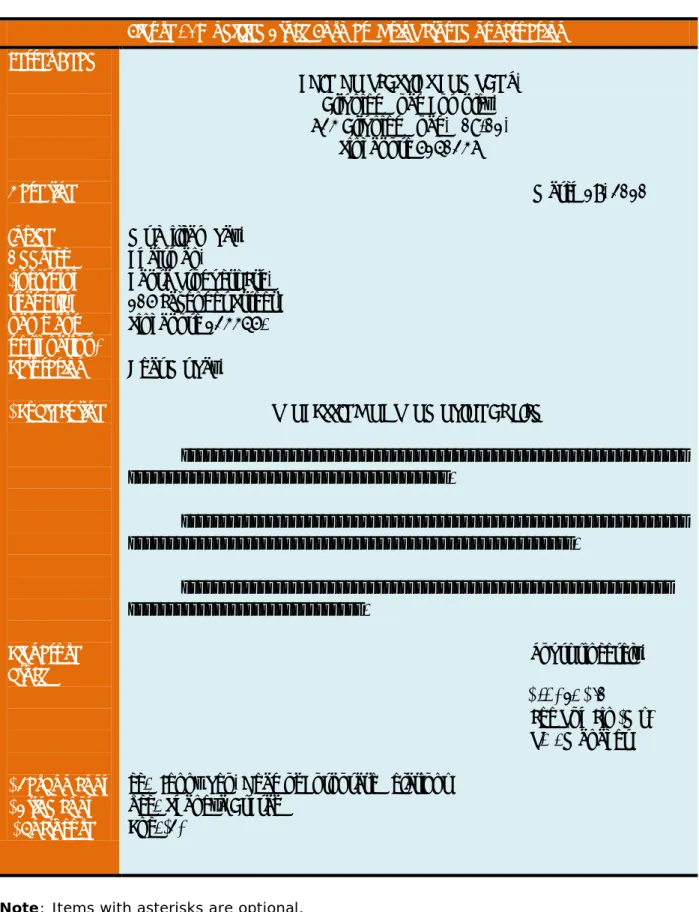
Figure 1: Parts of the Letter and the Block Format (using open punctuation) Letter Head
Date line Inside Address
(including reader’s name and
designation)
Salutation *Subject line
Signature block
CHIN HO PLASTICS COMPANY Aljunied Road Complex 623 Aljunied Road, #08-01 Singapore 5140236
17 March 2010 Mr William Tay Chairman
Capra Products Ltd 105 Lavender Street Singapore 123345 Dear Mr Tay
PROCESSING OF PROMOTIONAL FILM
xxxxxxxxxxxxxxxxxxxxxxxxxxxxxxxxxxxxxxxxxxxxxxxxxxxxxxxxxxxxxxx xxxxxxxxxxxxxxxxxxxxxxxxxxxxxxxxxxxxxxxxx.
xxxxxxxxxxxxxxxxxxxxxxxxxxxxxxxxxxxxxxxxxxxxxxxxxxxxxxxxxxxxxxx xxxxxxxxxxxxxxxxxxxxxxxxxxxxxxxxxxxxxxxxxxxxxxxxxxxxxxxxx. xxxxxxxxxxxxxxxxxxxxxxxxxxxxxxxxxxxxxxxxxxxxxxxxxxxxxxxxxxxxx xxxxxxxxxxxxxxxxxxxxxxxxxxxxxx.
Yours sincerely
Lee Poh Lin
Lee Poh Lin (Ms) P.R. Manager Note: Item with asterisk is optional.
The two most common business letter formats are block format and modified block format. The block format is used in Figure 1 above. Notice that all parts of the letter start at the left margin, including even the beginning of paragraphs. The modified block format can be seen in Figure 2 below. Notice that the address, date as well as the signature block do not begin from the left margin. Each paragraph is also indented.
4 | P a g e © C e n t r e f o r E n g l i s h L a n g u a g e C o m m u n i c a t i o n N a t i o n a l U n i v e r s i t y o f S i n g a p o r e
Figure 2: Modified Block Format (Using closed punctuation) Letter Head
Date line Inside Address
(including reader’s name and designation)
Salutation *Subject line
Signature block
*Carbon copy *Blind copy *Enclosure
CHIN HO PLASTICS COMPANY, Aljunied Road Complex, 623 Aljunied Road, #08-01,
Singapore 5140236
March 17, 2010 Mr William Tay,
Chairman,
Capra Products Ltd, 105 Lavender Street, Singapore 123345. Dear Mr Tay,
PROCESSING OF PROMOTIONAL FILM
xxxxxxxxxxxxxxxxxxxxxxxxxxxxxxxxxxxxxxxxxxxxxxxxxxxxxxxxxxxxxxxxx xxxxxxxxxxxxxxxxxxxxxxxxxxxxxxxxxxxxxxxxx.
xxxxxxxxxxxxxxxxxxxxxxxxxxxxxxxxxxxxxxxxxxxxxxxxxxxxxxxxxxxxxxxxx xxxxxxxxxxxxxxxxxxxxxxxxxxxxxxxxxxxxxxxxxxxxxxxxxxxxxxxxx.
xxxxxxxxxxxxxxxxxxxxxxxxxxxxxxxxxxxxxxxxxxxxxxxxxxxxxxxxxxxxxxx xxxxxxxxxxxxxxxxxxxxxxxxxxxxxx.
Yours sincerely,
Lee Poh Lin
Lee Poh Lin (Ms) P.R. Manager cc. Jenny Teo, Head of Corporate Relations
bcc. Shaneza Ashraf Enc. (2)
5 | P a g e © C e n t r e f o r E n g l i s h L a n g u a g e C o m m u n i c a t i o n N a t i o n a l U n i v e r s i t y o f S i n g a p o r e
As a letter writer, you also need to be aware of the possible punctuation styles to use as
punctuation also forms part of the presentation of the letter. The punctuation being considered here is the punctuation for all the parts of the letter except the body.
There are three basic punctuation styles to choose from. First, there is the closed style. This involves the use of commas in the date, inside address, after the salutation and after the close. Please note that in the American convention, a colon instead of a comma is used after the salutation. Figure 2 displays the closed punctuation style.
Next, there is the open style, in which punctuation is very minimal; only full-stops for abbreviations and commas where necessary are used (please see Figure 1).
Finally, there is the mixed style, which follows the open style but commas are inserted after the salutation and close.
MEMOS
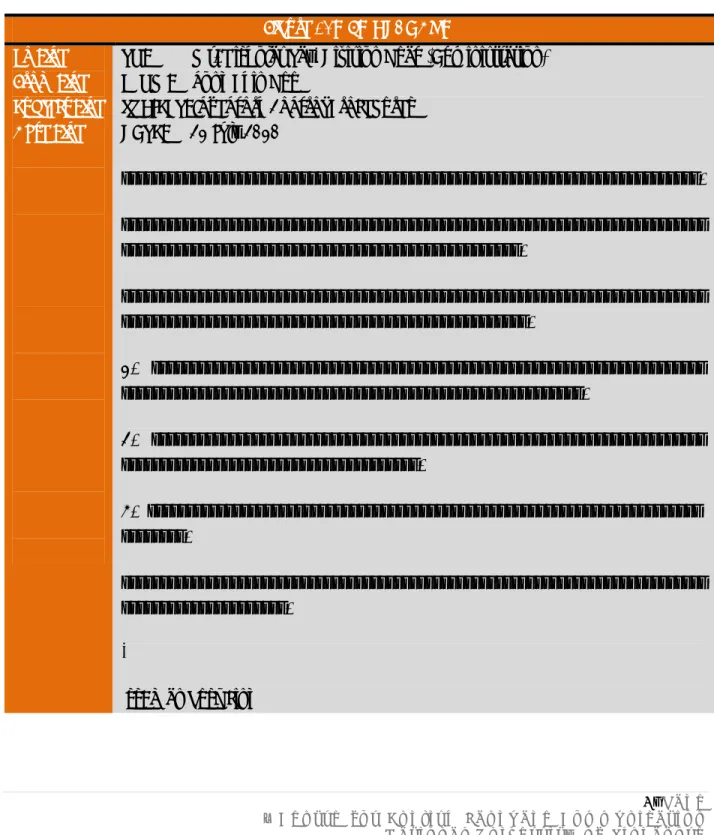
As mentioned in BusinessLetter Writing:Introduction, memos are written communications circulated within a business organization. As such memos may be written in a less formal tone than letters because both the writer and reader of memos are part of the same organization. However, just like letters, the degree of formality would be dictated by the position of the writer in relation to the reader as well as the purpose and subject of the communication. Figure 3 on the next page shows the memo format.
PARTS OF A MEMO
To Line Interoffice memos may be addressed to an individual, several individuals, a
division or department, or all personnel. Courtesy titles (Mrs, Mr, Ms, and so on) are usually omitted in memo headings. However, it is fairly common to include designations like Vice President, Sales Manager, and so on.
From Line Again, writers of memos do not usually include courtesy titles but may
indicate their designation and department for identification purposes and to facilitate a response.
Subject Line The subject line in a memo is a standard element of it and is not optional. It
serves as the title of your message just as it does in letters.
Date Line As with letters, the date should be written in full.
Unlike letters, memos do not require the formality of an inside address, salutation, or complimentary closing.
6 | P a g e © C e n t r e f o r E n g l i s h L a n g u a g e C o m m u n i c a t i o n N a t i o n a l U n i v e r s i t y o f S i n g a p o r e
The normal practice is to just sign your initials at the end of the memo. However, some people prefer to sign their initials after their typed name in the ‘From’ line.
Each company letterhead usually consists of the company’s logo, name, address, telephone, fax numbers and a website address.
Figure 3: MEMORANDUM To Line
From Line Subject Line
Date Line
TO: Mr. Nicholas Tay, Division Head (Administration) FROM: Yong Chin Hee
SUBJECT: Inventory Control Procedures DATE: 21 July 2010
xxxxxxxxxxxxxxxxxxxxxxxxxxxxxxxxxxxxxxxxxxxxxxxxxxxxxxxxxxxxxxxxxxxxxxxxxx. xxxxxxxxxxxxxxxxxxxxxxxxxxxxxxxxxxxxxxxxxxxxxxxxxxxxxxxxxxxxxxxxxxxxxxxxxxx xxxxxxxxxxxxxxxxxxxxxxxxxxxxxxxxxxxxxxxxxxxxxxxxxxx.
xxxxxxxxxxxxxxxxxxxxxxxxxxxxxxxxxxxxxxxxxxxxxxxxxxxxxxxxxxxxxxxxxxxxxxxxxxx xxxxxxxxxxxxxxxxxxxxxxxxxxxxxxxxxxxxxxxxxxxxxxxxxxxx.
1. xxxxxxxxxxxxxxxxxxxxxxxxxxxxxxxxxxxxxxxxxxxxxxxxxxxxxxxxxxxxxxxxxxxxxxx xxxxxxxxxxxxxxxxxxxxxxxxxxxxxxxxxxxxxxxxxxxxxxxxxxxxxxxxxxx.
2. xxxxxxxxxxxxxxxxxxxxxxxxxxxxxxxxxxxxxxxxxxxxxxxxxxxxxxxxxxxxxxxxxxxxxxx xxxxxxxxxxxxxxxxxxxxxxxxxxxxxxxxxxxxxx.
3. xxxxxxxxxxxxxxxxxxxxxxxxxxxxxxxxxxxxxxxxxxxxxxxxxxxxxxxxxxxxxxxxxxxxxxx xxxxxxxx.
xxxxxxxxxxxxxxxxxxxxxxxxxxxxxxxxxxxxxxxxxxxxxxxxxxxxxxxxxxxxxxxxxxxxxxxxxxx xxxxxxxxxxxxxxxxxxxxx.
YCH
7 | P a g e © C e n t r e f o r E n g l i s h L a n g u a g e C o m m u n i c a t i o n N a t i o n a l U n i v e r s i t y o f S i n g a p o r e
EMAILS
Sending emails
When sending an email, the computer puts in the date, time of day, and your name and email address automatically. What you need to do is:
• indicate the recipient(s) in the ”To” line
• decide who else needs to have a carbon copy of the email
• include a subject line
• choose the appropriate level of importance and sensitivity, if needed.
In addition, you also need to decide on the appropriate salutations and complimentary closes to use as well as the signature block to include, if any.
PARTS OF AN EMAIL
To Line If you are sending the email to a few recipients of different positions in an
organization, ensure that the addresses are sequenced correctly, with the highest ranking person coming first.
Cc Line In sending a carbon copy of the email, make sure that you send it only to
people who need to know.
Subject Line It is helpful to always insert a subject line for an email message to give the
recipient a good idea of the content to make response and filing easier. Your readers may get so many messages that they may delete emails from senders they do not recognize or if subject lines do not catch their attention. Thus, compose SMART subject lines that are specific, meaningful, appropriate, relevant and thoughtful. Here are some examples of good email subject lines:
Full sponsorship to attend the TLHE 2009 Conference
IT Security Advisory: Beware of new Internet Explorer vulnerability being exploited
Venue for Annual Review Interview
Again, in negative letters, it is advisable not to write subject lines that give away that bad news. For example, instead of writing “Termination of your contract”, an alternative line is “Matters concerning your contract” which is still SMART.
8 | P a g e © C e n t r e f o r E n g l i s h L a n g u a g e C o m m u n i c a t i o n N a t i o n a l U n i v e r s i t y o f S i n g a p o r e
Level of
Sensitivity and Importance
By default, new email messages are classified as 'normal' in their level of sensitivity and importance. However, for emails that contain confidential information or require urgent attention, the level of sensitivity (private, personal, confidential) and/or urgency (high) of the message should be appropriately selected.
Salutations In a formal business message, it is appropriate to include a salutation Dear so
and so. The salutations can be left out for routine internal email to
colleagues whom you know well and are more or less on par in terms of the positions you hold in the company. Leaving out the salutations in emails sent to senior or new staff and outsiders can be considered disrespectful and unfriendly, but the company culture should tell you whether this is so. Complimentary
Closes Most email writers prefer complimentary closes like “Regards”, “Best regards”, “Thanks and regards”, “Best wishes”, “All the best” to “Yours sincerely” or “Yours faithfully”. However, the last two complimentary closes are still used in formal email messages. In internal email communication, you can do away with a complimentary close but make it a habit to always
indicate your name at the end of your message as it does make the message come across as more friendly and personal.
Signature blocks
For external email messages, it is useful to include a complete signature block that includes:
Your full name Your position
The name of your department The name of the organization Complete snail mail address Telephone no.
Email address
Website address, if available
A trimmed down version of the signature block might be useful to include for internal email communication across departments. Information that can be left out includes the name of the organization and its snail mail address.
9 | P a g e © C e n t r e f o r E n g l i s h L a n g u a g e C o m m u n i c a t i o n N a t i o n a l U n i v e r s i t y o f S i n g a p o r e
Replying to emails
When you reply to a message, the email system automatically creates a subject line “Re: [subject line of message to which you are responding]”. If the subject line is suitable, use it but otherwise change it to a new more relevant subject line. Do not send emails back and forth with the same subject line even when the communication has drifted to a whole different subject.
In addition, when you are replying to an email sent to a list of people, use prudence in hitting the “Reply to All” button. Ask yourself if everyone needs to have your response or if only the sender needs to have it. The important thing here again is that you do not want to inundate people’s Email Inbox with unnecessary messages.
Below are some pointers on the do’s and don’ts in writing business emails. Business e-mails: Do’s and don’ts
Use underlining or bold typeface to emphasize certain words.
Don’t put the whole message in caps as it indicates shouting and can appear rude and threatening.
Don't use all lowercase letters as they make your message appear too informal. Don’t use abbreviations/emoticons. Again, this makes your message appear very informal.
Always accompany attachments with a short message. Never send angry messages by email.
Keep sensitive information offline as far as possible. Check accuracy of your message before clicking on “Send”.
Reply your email in a day or two. This is common courtesy, even if it is just to say that detailed response will be sent later.