UNDER-REPORTING OF SURGICAL ERRORS: STATE PERCEPTIONS AND RESPONSES
Paul W. Throne
A dissertation submitted to the faculty of the University of North Carolina at Chapel Hill in partial fulfillment of the requirements for the degree of Doctor of Public Health in the Department of Health Policy and Management in the Gillings School of Global Public Health.
Chapel Hill 2013
Approved by:
ABSTRACT
PAUL W. THRONE: Under-Reporting of Surgical Errors: State Perceptions and Responses
(Under the direction of Sandra Greene, DrPH)
Objective: Under-reporting of surgical errors inhibits development of knowledge and strategies that can lead to lower error rates. Mandatory error reporting programs have proliferated among states as one means of reducing the incidence of errors. Evidence suggests that errors are under-reported. Little is known of the perceptions of states regarding the risk of under-reporting, their responses to it and the ways they use reported data to improve patient safety. A qualitative study was conducted to assess the perceptions of state managers regarding the risk of under-reporting and the role of enforcement, analysis and feedback in current and ideal error reporting programs
Methods: 24 state medical error reporting programs were surveyed for characteristics and perceptions of surgical error reporting compliance. A key informant sample of 11 states explored perceptions of barriers and facilitators to reporting, and current and ideal strategies for enforcement and data use. Qualitative data were coded for themes and key findings. A plan for change responds to the conclusions.
care industry to improve patient safety. State managers understood most of the same reasons given by the health care industry in the literature for failure to report, except lack of program usefulness and feedback. Most managers valued using error data analysis in collaboration with the health care industry to reduce the incidence of surgical errors, but only 37.5% of states use data this way.
Conclusion: Most state managers do not know whether their programs
ACKNOWLEDGMENTS
I deeply thank the members of my dissertation committee for their guidance and helpful advice.
I’m especially grateful to Jill Rosenthal of the National Academy for State Health Policy, Sydney Edlund of the Oregon Patient Safety Commission, and the National Quality Forum for their assistance in identifying state managers for this study.
Many thanks to the state error reporting program managers who generously shared their opinions with me.
Thanks to my parents for their enthusiastic support.
Table of Contents
List of Tables ... ix
List of Figures... x
List of Abbreviations ... xi
Chapter 1: Surgical Errors and Error Reporting Systems ... 1
Medical Errors and System Challenges ... 1
Surgical Error: An Important Type of Medical Error ... 2
Variation in the Incidence of Surgical Errors ... 4
Efforts to Reduce Surgical Errors ... 5
Learning from Failure ... 8
Reporting of Surgical Errors ... 9
State Medical Error Reporting Systems ... 11
Fulfilling the Call of the IOM through a Cycle of Reporting and Feedback ... 14
Failure Points in the Cycle of Error Reporting and Feedback ... 17
Research into the Failure of Step 2 ... 20
Study Questions and Aims ... 21
Significance of this Study ... 22
Chapter 2: Literature Review ... 23
Institutional Barriers to Reporting in the Literature ... 25
Analysis of the Literature ... 27
Major Themes in the Literature ... 29
Issue Overviews ... 36
Editorials and Commentary ... 39
Studies Specific to State Agency Perceptions and Responses ... 40
Discussion ... 41
Limitations in the Literature ... 44
Limitations in this Review ... 46
Conclusion ... 46
Chapter 3: Study Model and Methodology ... .. 53
Study Objectives ... 53
Method and Support ... 54
Environmental Model and Conceptual Framework ... 56
Overview of Study Design ... 60
Study Design and Research Strategy in Detail ... 62
Recruitment ... 66
Pre-Interview Survey ... 66
Selection of Key Informants for Interviews ... 68
Key Informant Interviews ... 69
Reliability and Validity ... 70
Risks and Benefits: IRB and Confidentiality ... 72
Study Delimitations ... 73
Chapter 4: Pre-Survey Results ... 79
Topic 1: Extent of concern regarding possible noncompliance ... 81
Chapter 5: Key Informant Interview Results ... 94
Topic 2: Perceptions of potential causes of underreporting ... 96
Topic 3: Perceptions of the Agency’s role in enforcement ... 101
Chapter 6: Conclusions and Opportunities ... 118
Topic 1: Extent of concern regarding possible noncompliance ... 118
Topic 2: Perceptions of potential causes of underreporting ... 119
Topic 3: Perceptions of the Agency’s role in enforcement ... 119
Topic 4: Agency Role in Data Analysis ... 120
Conclusions ... 121
Further Research Opportunities ... 129
Limitations of this Study ... 130
Summary ... 132
Chapter 7: Plan for Change ... 134
Opportunities for System Improvements ... 134
Leverage Points ... 135
Causal Loop Diagram ... 137
Plan for Change ... 141
Strengthening Existing Systems ... 144
Widening the Reporting Universe ... 146
Timeline for Plan for Change ... 148
Impact of the Plan for Change ... 148
Appendix A: Study Purpose and Confidentiality ... 150
Appendix B: Pre-Interview Survey Guide ... 151
Appendix C: Key Informant Interview Guide ... 154
Appendix D: Results of the Pre-Survey ... 156
Appendix E: Pre-Survey Responses to the Question: ... 163
Appendix F: Regrouping Guide ... 166
List of Tables
Table 1-1: Adverse Event Reporting Systems in 2000 and 2007 ... 12
Table 2-1: Synthesis of Studies and Systematic Literature Reviews ... 48
Table 2-2: Factors Affecting Error Reporting ... 51
Table 3-1: Sampling Frame for Key Informant Interviews ... 69
Table 3-2: Interview Topics Keyed to Research Questions ... 70
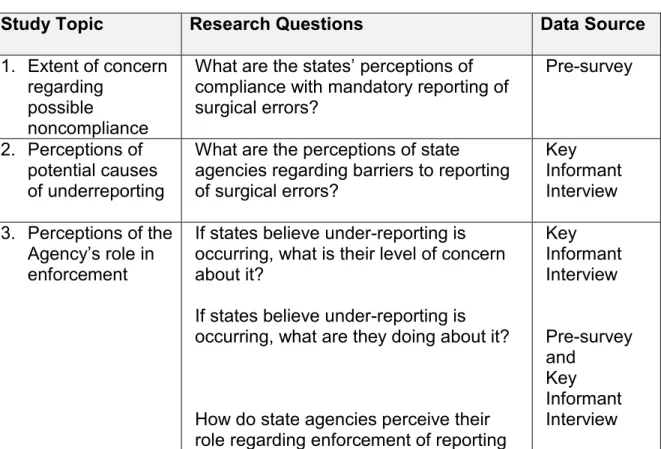
Table 4-1: Study Topics Keyed to Research Questions and Data Sources ... 79
Table 5-1: Characteristics of Key Informant Sample ... 95
Table 5-2: Congruence Between QSMs and Health Care Entities Regarding Facilitators .... 97
Table 5-3: Congruence Between QSMs and Health Care Entities Regarding Barriers ... 99
Table 6-1: Key Findings Mapped to Topic Areas and Themes ... 118
Table 7-1: Current System and Opportunities ... 134
List of Figures
Figure 1-1: States with Medical Error Reporting Systems in 2012 ... 13
Figure 1-2 Model Cycle of Surgical Error Reporting and Feedback ... 16
Figure 1-3: Failure Points in the Cycle of Surgical Error Reporting and Feedback ... 18
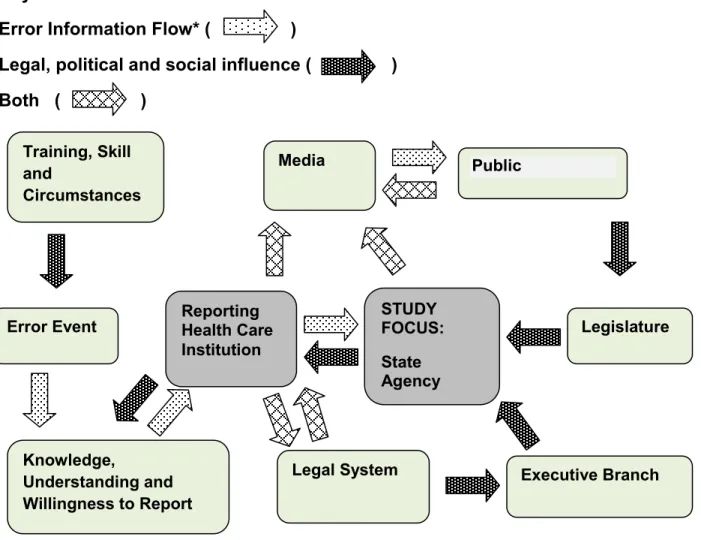
Figure 3-1: Location of the Study Focus within the Environment of Error Reporting …….…58
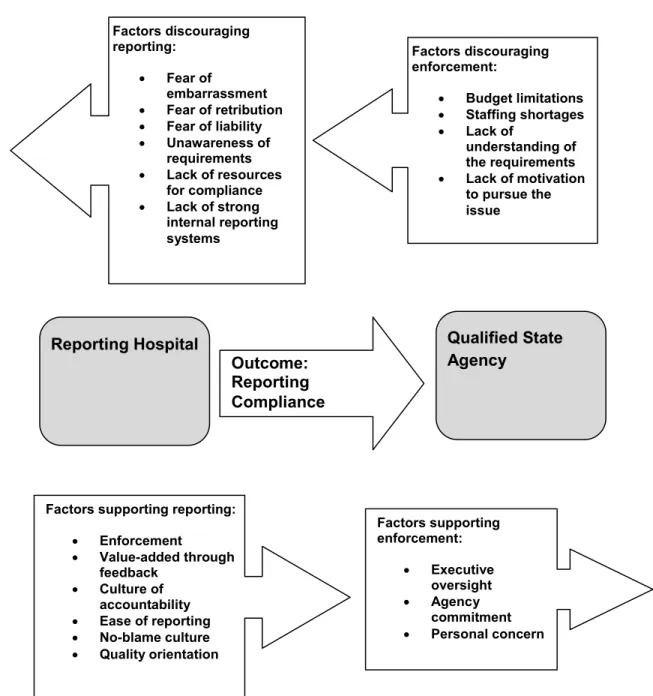
Figure 3-2: Conceptual Framework ………..….…59
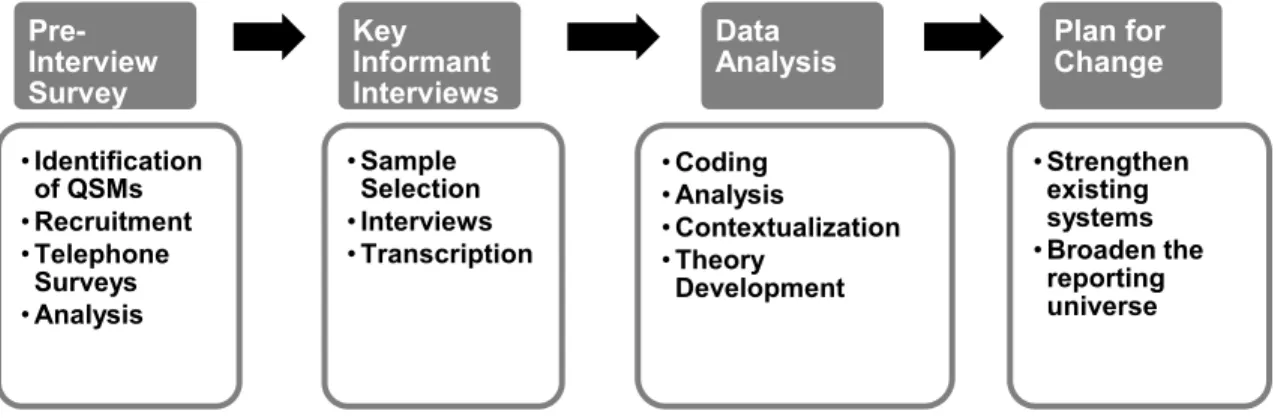
Figure 3-3: Study Components and Sequence ... 62
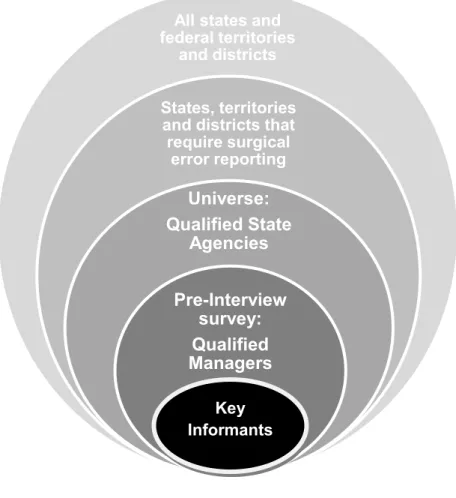
Figure 3-4: Selection of Study Subjects ... 63
Figure 4-1: Facilities Required to Report Surgical Errors by Number of States ... 82
Figure 4-2: Responses of States to Reports of Surgical Errors ... 83
Figure 4-3: Disclosure of Reported Errors by State Agencies ... 84
Figure 4-4: Protection Offered by States to Reporting Health Care Entities ... 84
Figure 4-5: Definition of Surgical Error Used by States ... 85
Figure 4-6: Analysis of Reported Surgical Errors by States ... 86
Figure 4-7: Enforcement of Error Reporting Requirements by States ... 87
Figure 4-8: QSA Awareness of Unreported Errors ... 89
Figure 4-9: Means by Which QSA Became Aware of Unreported Errors ... 89
Figure 4-10: QSA Perception of Compliance with Reporting Requirements ... 91
List of Abbreviations
ACA Affordable Care Act
ACO Accountable Care Organization AHA American Hospital Association
AHRQ Agency for Health Care Research and Quality AIMS Australian Incident Monitoring System
ASA Anesthesia Society of America ASC Ambulatory Surgical Center
CLD Causal Loop Diagramming
CMS Centers for Medicare/Medicaid Services
ICD-9 International Classification of Diseases - 9th Revision
IG Inspector General
IHI Institute for Healthcare Improvement IOM Institute of Medicine
IRB Institutional Review Board HHS Health and Human Services
NASHP National Academy for State Health Policy NQF National Quality Forum
QSM Qualified Manager
QSA Qualified State Agency
NYPORTS New York Patient Occurrence and Tracking System PSO Patient Safety Organization
TJC (formerly
Chapter 1: Surgical Errors and Error Reporting Systems
Medical errors are a frequent occurrence in acute care. Surgical errors are an important subtype of medical errors and are the focus of this study. Efforts to prevent surgical errors include procedural and systems advances, and internal and external reporting systems. This study examines external reporting systems by exploring the perceptions of regulators regarding compliance with mandatory reporting
requirements and the use of the information provided by health care entities.
The perspective of regulators on the strength of the error reporting relationship between state agencies and the health care industry is not well
understood. This study develops this knowledge and leads to suggestions that will enhance the effectiveness of mandatory surgical error reporting as one strategy to reduce the incidence of surgical errors.
Medical Errors and System Challenges
disability (2.6% of events) or death (13.6% of events) (Brennan et al., 2004). The Harvard study concluded that “There is a substantial amount of injury to patients from medical management, and any injuries are the result of substandard care” (Brennan et al., 2004: 145).
A second study examined by the IOM found a slightly lower rate of adverse events in hospitalized patients in Colorado and Utah (2.9%) (Thomas et al., 1999), but concluded that, even using this lower figure, medical errors were the 7th leading cause of death at the time, exceeding deaths from “motor vehicle accidents, breast cancer or AIDS” (Kohn et al., 2000: 1). April Significantly, in both the Colorado/Utah and New York studies, slightly more than half of all adverse events were attributable to preventable error (Kohn et al., 2000).
Surgical Error: An Important Type of Medical Error
One important type of medical error is surgical error, and surgical errors themselves have subtypes. The definition of “surgical error” varies between states and health care monitoring organizations, but among those errors most commonly referenced are:
1. Surgery on the wrong patient 2. Surgery on the wrong body part 3. Wrong surgical procedure
4. Unintentionally retained foreign bodies after surgery
5. Death of an ASA Class I patient during or immediately after surgery [ASA is the American Society of Anesthesiologists. ASA Class I patients are considered the healthiest patients with the lowest risk for anesthesia-related complications or reactions]
“Error in diagnosis
o Misinterpretation of diagnostic test results
o Failure to diagnose or misdiagnosis
o Delayed diagnosis
o Failure to perform diagnostic tests… Error in treatment
o Unnecessary treatment
o Medication error
o Delayed treatment
o Technical error
o Wrong treatment concept
o Failure to treat… Error in communication
o Error in written communication
o Error in verbal communication
o Error in information handover… Error in judgment
o Inadequate planning of procedure
o Wrong indication for procedure
o Violation of guideline or protocol… System issue
o Time-out not performed
o Environmental safety or security issue
o Error in credentialing or competency
o Error in supervision or staffing
o Inadequate resources…” (Stahel et al., 2010: 981)
errors frequently result in permanent patient injury and litigation awards that average $96,032 and have ranged as high as $9 million (Seiden and Barach, 2006: 935).
Variation in the Incidence of Surgical Errors
Estimates of the incidence of surgical errors vary by as much as eleven times (ranging from 0.4/10,000 surgeries to 4.5/10,000 surgeries), partly due to variation in definitions and types of reporting systems (Neily, 2011). Referring to one type of surgical error (wrong site surgery), Michaels, et al., report that “…we lack national estimates of the true incidence of wrong site operations, and little is known about hospital efforts to mitigate these preventable events” (Michaels et al., 2007: 526).
be catastrophic for a patient and can also be destructive to a surgeon’s career and an institution’s reputation” (Mehtsun et al., 2012: 1).
Seiden and Barach examined the National Practitioner Data Bank and found that between 1990 and 2003 there were at least:
2217 cases of “wrong body part surgery”
3723 cases of “wrong treatment/wrong procedure performed” 4295 cases of “retained foreign body”
They state, however, that “the exact incidence and prevalence of WSPEs [wrong-side/wrong-site/wrong-procedure/wrong-patient events] remains unknown” (Seiden and Barach, 2006: 932). Extrapolating from a review of WSPEs at 17 Minnesota hospitals in 2003 – 2004, however, they estimate that as many as 2760 surgical errors occur in the United States annually. This number only includes extrapolating from three of the five common categories of surgical error, since they did not consider wrong patient or death of an ASA I patient.
Efforts to Reduce Surgical Errors
and a pause before initiating surgery to verify that the correct procedure is being performed on the correct patient (Stahel, 2010).
Perhaps the most celebrated of the prevention efforts has been the adoption of the surgical checklist advanced by the World Health Organization. In trials in eight hospitals in different nations the use of the checklist was found to reduce surgical complications by 36% and deaths by 47% (Gawande, 2009).
In spite of many efforts to reform surgery processes to prevent errors,
however, they continue to occur, and “We have few data on how often and why they occur and on why the safety mechanisms in place fail to prevent them” (Seiden and Barach, 2006: 931). Stahel et al. note that “Despite the widespread implementation of the Universal Protocol in recent years, wrong-site surgery continues to pose a significant challenge to patient safety in the United States” (Stahel et al., 2010: 978-979). Seiden and Barach report that “…one third of wrong-site surgery cases occurred even with careful site identification procedures…” (Seiden and Barach, 2006: 937).
either prevent or anticipate and compensate for errors that human beings inevitably make” (Becher and Chassin, 2001: 75).
The Center for Transforming Healthcare agrees:
Since wrong site surgeries are relatively rare events, they are difficult to study. Research has shown that there is usually no one root cause of failure. Instead, such events are frequently the result of a cascade of small errors that are able to penetrate organizational defenses. It is important to examine the failures in an organization’s defenses to fully understand the event and reduce the risk of future failures (Joint Commission Center for Transforming Healthcare, 2011: 1).
Ultimately, as with other medical errors, “The current health care system is not culturally or structurally organized for preventing” them (Seiden and Barach, 2006: 935). A major complication in the effort to reduce medical errors is “A widely held view in society of error as indicative of incompetence [that] leads people in organizational hierarchies to systematically suppress mistakes and deny
responsibility....Hierarchical structures thus discourage the kind of systematic analysis of mistakes that would allow people to better design systems to prevent them” (Edmondson, 1996: 9). Tucker and Edmondson agree that poor system design prevents learning from error (Tucker and Edmondson, 2003).
Carroll and Edmondson state that health care institutions “…can improve quality and other outcomes by enhancing their capabilities for organizational learning…” a process that they describe as “…increasing the capacity for effective organizational action through knowledge and understanding” (Carroll and
Edmondson, 2002: 51). They find that learning does not come naturally to
Learning from Failure
The complex web of causation behind surgical errors creates an imperative to understand and define the contributing factors that permit errors to occur. Such understanding in turn requires cooperation from the medical profession and hospital administrators. Progress, however, has been slow, at least in part because such cooperation cuts against the traditions of these institutions. Edmondson states that “…the culture of medicine more generally discourages admission of error, thereby greatly diminishing a given hospital’s potential to learn from mistakes, both
consequential or not” (Edmondson, 2004: ii5). Tucker and Edmondson concur that “…in spite of increased emphasis on these issues, hospitals are not learning from the daily problems and errors encountered by their workers…..process failures are not rare but rather are an integral part of working on the front lines of health care delivery” (Tucker and Edmondson, 2003: 56).
(Tucker and Edmondson, 2003: 60 – 61). Because serious medical errors are rare, “…an individual health care facility cannot improve its performance unless its
research goes beyond its own data….Hospitals may have to share data if they are to improve their performances” (West, 2006: 15).
The World Health Organization agrees. The WHO Draft Guidelines for
Adverse Event Reporting and Learning Systems state that “Too often neither health-care providers nor health-health-care organizations advise others when a mishap occurs, nor do they share what they have learned when an investigation has been carried out. As a consequence, the same mistakes occur repeatedly in many settings and patients continue to be harmed by preventable errors” (WHO, 2005: 7).
Reporting of Surgical Errors
One important means by which organizations are thought to learn to prevent errors is through reporting systems, and “…there has recently been increasing recognition of the need for healthcare organizations to monitor and learn from patient safety incidents” (Hutchinson et al., 2009: 5). This opportunity for
improvement arises when errors are considered not only in the moment of their occurrence, by those who have intimate knowledge of the error, but when they are reported to authorities who can then assess the scope and severity of the problem, as well as provide greater objectivity and expertise in the appropriate preventive measures needed. As Mehtsun, et al., note:
event so that safe hospital systems can be developed (Mehtsun et al., 2012: 6).
Reporting systems are thought to be important because they “…have the potential to serve two important functions. They can hold providers accountable for performance or, alternatively, they can provide information that leads to improved safety” (Kohn, 2000: 86). Indeed, Chamberlain reports that in New Zealand, “One study showed incident reporting reduced the adverse event rate in hospitals and emergency department to a half and a quarter respectively over an 8-year period” (Chamberlain, 2008: 60). Thus, reporting of serious errors may help reduce future errors by creating an opportunity to investigate and learn from them (Hartnell et al., 2012: 362). In addition, mandatory reporting requirements create a risk of possible public exposure of errors, which in turn is an incentive to reduce their incidence in order to prevent embarrassment.
Many organizations and governments have recognized the need to develop systems for reporting surgical errors. Becher and Chasin note that “State
State Medical Error Reporting Systems
The 1999 IOM report was a catalyst for the growth of state medical error reporting systems. In 2000 15 states had some type of reporting system in place, although they did not all focus on the serious events considered in this study. By 2005, 23 states had some system in place for reporting medical errors, and the Joint Commission, as well as the National Quality Forum, had developed well-defined standardized lists of reportable errors, including surgical errors (Clarke, 2006).
The state error reporting landscape is subject to continuous modification through the addition of new state systems, deletion of other state systems, and adjustment of reportable events and reporting requirements. As of 2007, NASHP reported that four states had added mandatory reporting systems and eleven states extensively revised their systems in the period of 2005 – 2007 (Rosenthal and Takach, 2007).
Table 1-1: ADVERSE EVENT REPORTING SYSTEMS IN 2000 AND 2007 15 authorized adverse event
reporting systems in 2000
(including several that focused solely on abuse, neglect, or clinical outcomes, not adverse/patient safety events)
27 authorized adverse event
reporting systems in October 2007 (only those systems that focus on adverse events with the intent to improve patient safety)
Colorado, Florida, Kansas, Massachusetts, Nebraska, New
Jersey, New York, Ohio, Pennsylvania, Rhode Island, South Carolina, South Dakota, Tennessee, Texas,
Washington
California, Colorado, Connecticut, District of Columbia, Florida, Georgia, Illinois, Indiana, Kansas, Maine, Maryland, Massachusetts, Minnesota, Nevada, New Jersey, New York, Ohio, Oregon, Pennsylvania, Rhode Island, South Carolina, South Dakota,
Tennessee, Utah, Vermont, Washington, Wyoming Source: Rosenthal and Takach (2007)
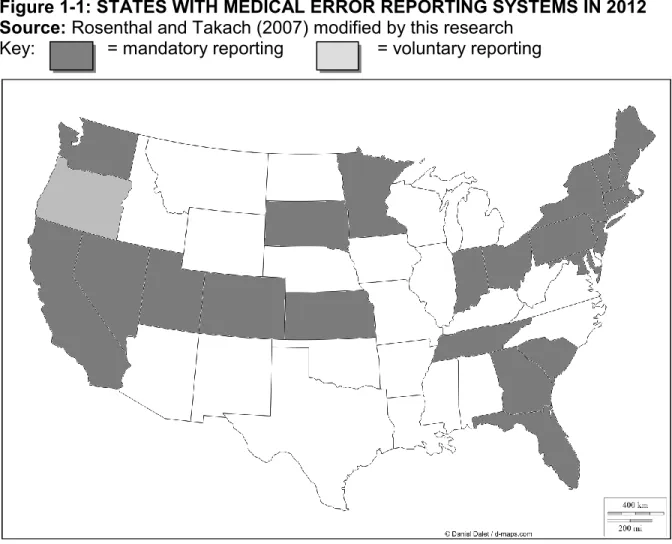
Figure 1-1: STATES WITH MEDICAL ERROR REPORTING SYSTEMS IN 2012 Source: Rosenthal and Takach (2007) modified by this research
Key: = mandatory reporting = voluntary reporting
Types of reporting systems vary widely between states. The fundamental difference is whether medical error reporting is voluntary or mandatory. Each of these types has a particular purpose. The Institute of Medicine notes that mandatory systems exist mainly to enforce accountability for serious incidents that lead to injury or death. These systems are primarily located within state agencies with
investigative and enforcement powers, and:
“…provide the public with a minimum level of protection by assuring that the most serious errors are reported and investigated and appropriate follow-up action is taken”
“…require all health care organizations to make some level of investment in patient safety, thus creating a more level playing field.” (Kohn, 2000: 86) In contrast, voluntary reporting systems are intended to permit the review of incidents that result in minor harm or do not actually reach a patient. Such voluntary reports typically do not result in public disclosure or penalties. Their purpose is to “…identify and remedy vulnerabilities in systems before the occurrence of harm” (Kohn, 2000: 87).
Only mandatory medical error reporting systems are considered in this study, because the purpose of this research is to determine state agency perceptions regarding compliance with the reporting requirements.
Fulfilling the Call of the IOM through a Cycle of Reporting and Feedback
If the reporting process functions ideally, the additional knowledge acquired by analysis of the error will generate recognition and learning at the level of the surgical episode, and future errors may be prevented. WHO states that “…if the event is reported and the findings from the investigation are entered into a database, the event can be aggregated with similar incidents to elucidate common underlying causes. A variety of solutions could emerge...” (WHO, 2005: 9). WHO finds that reporting can lead to improvements in several ways:
1. By generating safety alerts
2. Dissemination of lessons learned from errors 3. Analysis can reveal patterns of errors
4. Aggregation of data can lead to recommendations for improved practice (WHO, 2005).
only capture system errors, it must also use them to drive improvement in the system of healthcare delivery. Effective analysis is the other critical component of a patient safety reporting system” (Clarke, 2006:1089).
In an effective error reporting system, the stakeholders include the medical professions, hospitals, governmental authorities, and the public. Each party requires information in order to make informed judgments regarding the nature and cause of surgical errors. The system relies upon the honest and complete reporting of error data, from operating room to hospital administration, to governmental authority, to the public and back to the providers.
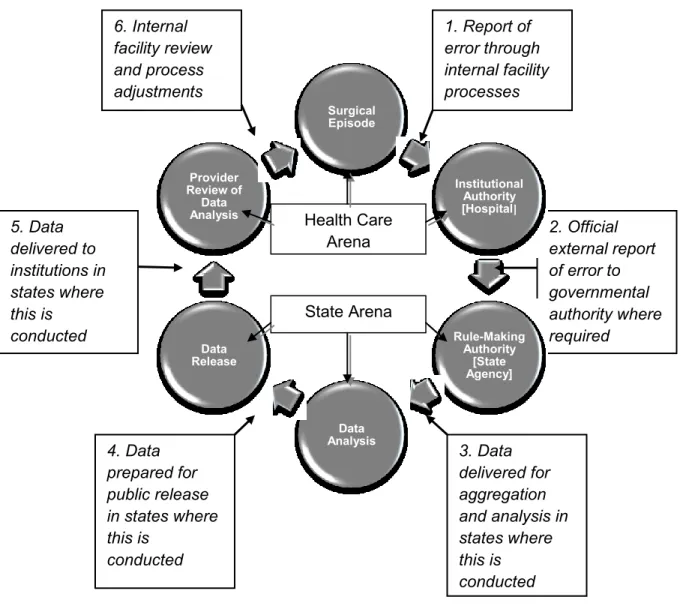
Figure 1-2 illustrates a model error reporting system that returns critical information back to medical providers in order to use learning to prevent future surgical errors. The model was adapted for this study from performance
1. Report of error through internal facility processes 2. Official external report of error to governmental authoritywhere required 3. Data delivered for aggregation and analysis in states where this is conducted 4. Data prepared for public release in states where this is conducted 5. Data delivered to institutions in states where this is conducted 6. Internal facility review and process adjustments
Figure 1-2: MODEL CYCLE OF SURGICAL ERROR REPORTING AND FEEDBACK TO PREVENT FUTURE ERRORS THROUGH LEARNING
Each of these steps is worthy of study to identify vulnerabilities and
opportunities to strengthen the system. Step 2 is one of the two intersection points between the institutional and governmental processes in the cycle (the other point being Step 5). This study is concentrated on the role of the governmental authority in the process, and the perceptions and responses of managers to institutional failures
Surgical Episode Institutional Authority [Hospital] Rule-Making Authority [State Agency] Data Analysis Data Release Provider Review of Data
Analysis Health Care
Arena
to report errors as required. Therefore, the focus of this study was Step 2, although data were generated that also illuminate processes downstream from Step 2 as well.
Failure Points in the Cycle of Error Reporting and Feedback
The chain of reporting surgical errors is vulnerable. At each step in the process there are multiple players and multiple opportunities to misunderstand or overlook the error itself or the need to report the error, and each of the process steps in this cycle is susceptible to failure through lack of data input. As the cycle
progresses the risk of failure increases because each step relies on the data inputs and processes in the previous steps. As a result, the opportunities for learning and performance improvement offered by the system are subject to multiple failure points. When events are not reported, critical opportunities to learn how to prevent future surgical errors may be lost.
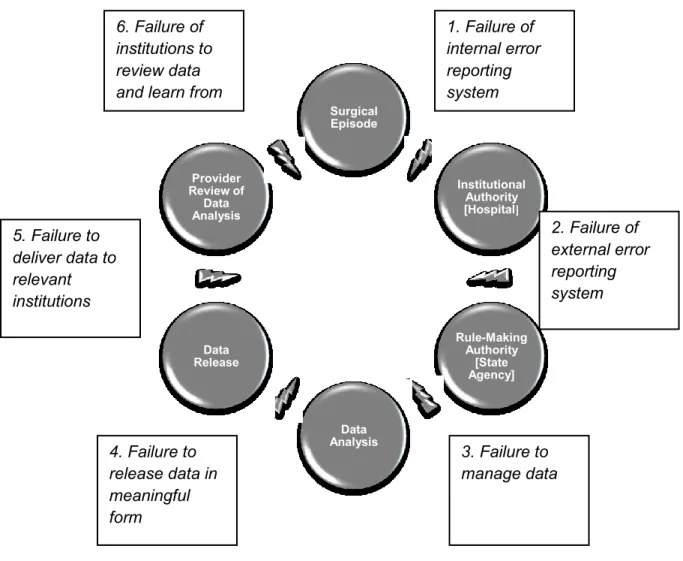
Figure 1-3: FAILURE POINTS IN THE CYCLE OF SURGICAL ERROR REPORTING AND FEEDBACK
Examples of failures at each of these process steps include: Step 1: Report of error through internal facility processes. Institutional
personnel who become aware of an error may fail to follow policy to report the error internally.
Step 2: Official external report of error to governmental authority where required. The institutional authority may fail to report the error to the governmental authority for many reasons described in the literature review, including fear of
negative consequences, uncertainty regarding reporting requirements, perception of lack of value in reporting, and lack of awareness of the error occurrence.
Surgical Episode Institutional Authority [Hospital] Rule-Making Authority [State Agency] Data Analysis Data Release Provider Review of Data Analysis
1. Failure of internal error reporting system
2. Failure of external error reporting system
3. Failure to manage data 4. Failure to
release data in meaningful form 5. Failure to deliver data to relevant institutions
Step 3: Data delivered for aggregation and analysis in states where this is conducted. States may fail to process data in a meaningful way, including failure to deliver the necessary data to personnel with the skills and awareness of the issues required for effective data analysis and summaries.
Step 4: Data prepared for public release in states where this is conducted. In those states where data are aggregated, analyzed and then publicly released, the release of data may be compromised by lack of resources, lack of appropriate information outlets, or low prioritization of this step.
Step 5: Data delivered to institutions in states where this is conducted. Data may be released in a format that is not useful to institutions, including “summary only” data, data missing causative analysis, or data not reaching specific institutions with an interest in process improvement.
Step 6: Internal facility review and process adjustments. The institutions receiving data may be incapable, unwilling or uninterested in using the data to review and improve internal processes designed to prevent future errors.
Lack of resources and failures of organization structure may also occur at every step.
Research into the Failure of Step 2
As error reporting systems began to proliferate starting in the early 2000s, expectations were high. “As states adopt the serious reportable events list…the data on medical errors will become more and more reliable, with the ability to spot trends and regional problems (American Health Consultants, 2001: 162).
However, some research has found that many reportable medical errors are not reported (Gottleib, 2004). Review of medical records in two states found many more reportable errors than actual official error reports. In Washington State, a collaboration between Hearst Newspapers and the Niagara Health Quality Coalition utilized retrospective medical record review to determine that as many as 2200 serious errors should be reported in Washington annually, but only about 200 events were actually reported (Nalder, 2010). A similar discovery was made in Nevada, where billing data showed that:
1,363 occurrences statewide that fit the definition of grave, reportable medical errors in 2008 and 2009. But Nevada hospitals reported to state health officials 402 serious errors for those years. A subsequent review by the state found some serious hospital mistakes weren't reported (Mullen, 2011).
Noncompliance with reporting requirements can begin at the surgical episode and extend through the institutional management. The Inspector General of the Department of Health and Human Services reported that “93 percent of serious adverse events in hospitals went undetected by the hospitals’ own internal reporting systems” (Nalder, 2010). Responsibility for maintaining an effective cycle of
reports. Governmental authority plays a critical part in the cycle of error reporting, analysis and feedback. This role is under-evaluated, as the literature review will show.
Study Questions and Aims
This study is intended to illuminate questions of what states perceive to be the effectiveness of their medical error reporting programs, the extent and urgency of under-reporting and what approaches they take in using reported data to reduce surgical errors. This study will concentrate on surgical errors because the definition of reportable medical error varies widely between the states, but many states either use the NQF definition of surgical errors or have developed their own definitions that are quite similar. At least at the level of defined reportable error, surgical errors are a fairly consistent category for exploration of medical error reporting systems in
various states.
As the literature review will demonstrate, barriers to reporting surgical errors have been reported from the perspective of health care institutions. Little, however, is currently known about the perceptions held by state agencies regarding barriers to surgical error reporting and the risk of under-reporting. Because the error reporting system plays an important role in the prevention of future errors, it is important to understand the beliefs of state agencies regarding potential under-reporting, and the states’ perception of their role in managing reporting compliance.
1. What are the states’ perceptions of compliance with mandatory reporting of surgical errors?
2. What are the perceptions of state agencies regarding barriers to reporting of surgical errors?
3. If states believe under-reporting is occurring, what is their level of concern about it?
4. If states believe under-reporting is occurring, what are they doing about it? 5. What are the states doing with their reported error data to improve healthcare
Quality?
6. What feedback do states give to providers regarding reported errors?
7. How do state agencies perceive their role in enforcing reporting requirements?
The unit of analysis and sample size, which will be described more fully in Chapter 3, were the twenty five state government agencies that receive and process reports of surgical errors from health care institutions. The study utilized qualitative methods, which do not require a hypothesis. Instead, the qualitative methodology illuminates perceptions and processes that help to answer the research questions.
Significance of this Study
1. Provides previously unknown information about state agency perceptions of the risks of medical error under-reporting 2. Provides previously unknown information about state agency
perceptions of barriers to medical error reporting
3. Provides previously unknown information about state agency perceptions of their role in enforcing medical error reporting requirements and using reported data to improve patient safety 4. Results in a plan for change that includes enhancements to the error
reporting systems that may increase the data available for review and can broaden and deepen the knowledge available to providers on the causes and prevention of surgical errors.
Chapter 2: Literature Review
Extensive study, analysis and intervention have been conducted on the health care institution side of the medical error reporting system, where errors actually occur. Researchers have examined the training, competence, teamwork, work and stress levels, communication, human factors issues and many other aspects involved in the actual commission of surgical errors in an effort to reduce their incidence. One of the profound results of this work has been the World Health Organization Safe Surgery Checklist, the use of which has been associated with major reductions in surgical errors around the globe (Gawande, 2009).
The act of reporting errors has received some research attention as well, but it focuses primarily on actions inside health care institutions: the individuals who commit or observe an error, and whether they recognize and report errors to their institutional authorities. Less data are available regarding the regulatory side of the error reporting systems, where institutions report to the governmental authorities, and the governmental authorities analyze and report the data back to the industry and to the public.
be usefully employed to promote safety awareness, improve clinical processes and promote future reporting” (Benn, 2009: 11). The issue of potential noncompliance with medical error reporting rules therefore requires an examination of barriers, both real and perceived, in the reporting process. This literature review was conducted to determine what barriers to surgical error reporting are cited by health care
institutions and state regulatory agencies.
The published literature on the subject of state perceptions of their own reporting systems is meager. Little is available regarding the state agencies’
perceptions of the strength of the reporting relationship, the agencies’ enforcement roles, the degree of health care industry non-compliance, and attitudes within the state agencies to their place in the reporting cycle.
The primary source of published information regarding these questions is the National Academy for State Health Policy (NASHP), which has issued 11 reports on the subject since 2000. These reports are valuable for describing the various state systems, their legislative mandates, their approaches to defining reportable events and collecting, managing, analyzing and distributing data. However, almost no research conducted by NASHP or any other individual or agency has been found on the subject of state attitudes toward compliance with their own reporting systems. One relevant NASHP study regarding state perceptions is noted below.
systems and to identify points of potential weakness and leverage in the error reporting relationship.
A crucial aspect of this study is determining whether state agencies recognize these challenges and are actively responding to them. The major themes developed in the literature review appear again in the study results section in a matrix
comparing them against the themes arising from the key informant interviews. This comparison permits an evaluation of whether the perceptions of industry and those of the regulatory agencies are congruent.
Institutional Barriers to Reporting in the Literature
Efforts to determine the causes of errors in the surgical environment have been productive, and analysis of barriers to reporting of errors from the surgical environment to the institutional authorities, such as hospital administration, have revealed training, trust and other issues (Hughes, 2008). Relatively little research, however, has been conducted regarding barriers to reporting of surgical errors to governmental authorities by the health care institutions where the errors occurred.
As is the case regarding state perceptions of their own reporting systems, literature is scarce on the larger subject of institutional barriers to mandatory surgical error reporting between health care entities and regulators. Therefore, the literature review was broadly designed to capture as many available published articles and studies on the subject as could reasonably be accomplished. Both descriptive and analytical studies were considered for this review, and both qualitative and
quantitative data were accepted. No hierarchy of evidence, such as that in which randomized control trials are pre-eminent, was employed.
Many of the retrieved articles, while relevant, did not rely on primary or secondary evidence for their specific conclusions regarding the phenomenon of institutional reporting to governmental authorities. These articles were grouped into the categories “Issues Overviews” and “Editorials and Commentary” in order to emphasize that their perspectives are not explicitly founded in evidence presented or cited in the studies. Their place to this literature review arises through their
contribution to a general consensus regarding the nature of barriers and the need for system improvements. Although the conclusions found in the Issues Overviews and Editorials and Commentaries are not grounded in presented data, the consistency of perspective found in these articles is notable.
a fairly recent phenomenon. Results were accepted from research conducted outside the United States, because lessons from the interaction of medical practice and governmental regulation may be illuminating regardless of the country
considered. The only search limitation applied was [language = English].
The captured articles were a rich source of additional references, both because references to external error reporting were frequently embedded within an article that had a slightly different primary emphasis, and because the additional articles had not been captured by the original search terms. Including both the original search and the snowballing results, 32 journal articles were reviewed. Each article in the final selection was read twice to capture its type, methods and findings and to ensure that barriers to external reporting were defined or suggested. Tabular analysis was used to categorize the articles by strength of research method and details of processes and findings.
Many of the articles, referred to positive requirements for effective external reporting as well as to negative barriers. These positive statements may imply
negative barriers (e.g. “effective reporting systems must be confidential” implies that lack of confidentiality can be considered a barrier to reporting), and therefore the positive requirements, which are remarkably consistent between the articles, are presented in addition to explicit negative barriers that were identified.
Analysis of the Literature
systematic literature reviews were included, but like the overview articles their insights on external reporting barriers sometimes took the form of assertions or statements that were either not supported by the studies’ data, or were supported by research that was actually conducted on a different subject. When this was the case, these analytic studies were included in the Issues Overviews or the Editorials and Commentary category. Likewise, several commentaries were found that made claims to external reporting barriers that were only lightly supported.
This presents questions regarding validity of many of the articles, which will be discussed below. However, some of the cross-sectional studies and retrospective reviews that were identified, as well as several systematic literature reviews,
considered the subject of barriers to external reporting in an explicit manner.
A recurring feature of many of these articles is that reporting systems in the USA differ significantly in structure from those in the UK, Australia, and several other countries. In the USA practitioners report errors to their facility administration, which then reports to the government agencies where required. In many other nations the reporting systems permit practitioners to enter errors directly into a government database, eliminating the mediating effect of the institution. Many of the barriers identified in other countries to error reporting actually refer to hesitancy by
practitioners, rather than institutions, and therefore correspond to internal barriers in the USA. However, there remains some relevance to the question of external
The results of the systematic literature review were:
Descriptive and Analytic studies (n = 8) Systematic literature reviews (n = 2)
Issue overviews (n = 15 (including 2 analytic studies moved to this category))
Editorials and commentary (n = 7 (including 2 analytic studies moved to this category))
Major Themes in the Literature
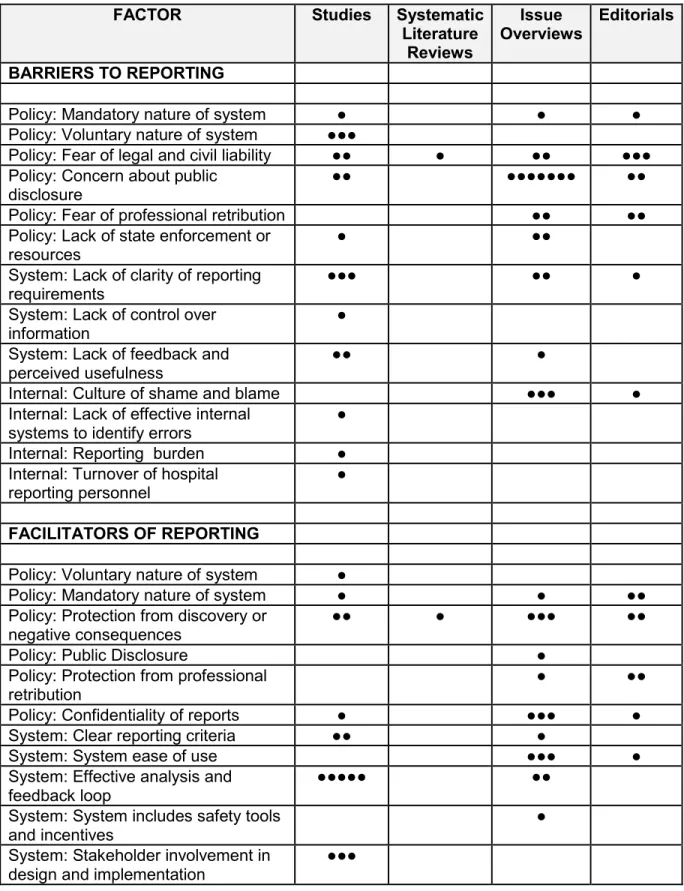
Taken as a whole, the barriers identified in all categories of literature reviewed include these major areas and subtopics (number of articles mentioning each theme in parentheses):
1. Policy issues
a. Mandatory or voluntary reporting systems (4) b. Legal and civil liability risks and protections (8) c. Legal discovery risks and protections (8)
d. Negative publicity or consequences of public disclosure (11) e. Protection from, or risk of, professional retribution (4)
f. Confidentiality guarantees or lack of confidentiality (5) g. Lack of state enforcement or resources (3)
2. System issues
a. Degree of clarity of reporting requirements (6) b. System ease of use (4)
c. Control over information (1)
d. Perceived value in reporting data, including effective analysis and feedback (7)
e. Stakeholder involvement in system design (3)
f. Ongoing training in system requirements and use (1) g. Inclusion of safety tools as part of the reporting process (1) 3. Internal issues
a. Institutional culture (safety- or blame-oriented) (5)
b. Effectiveness of internal error reporting and control systems (1) c. Institutional leadership on reporting (1)
The results of the literature review are organized by the themes arising in the stronger of the studies, and by general synopses of the points made in the Issues Overviews and Editorials and Commentary.
Themes Arising in the Descriptive and Analytic Studies
Seven studies were identified that were either conducted explicitly on the subject of external reporting and its barriers, or drew supported conclusions on the subject from the data. The studies are summarized in Table 2-1. In addition, two systematic literature reviews addressed the topic explicitly.
Theme 1: Policy Issues
Policy issues were discussed extensively in most of the relevant literature. Policy issues, for the purposes of this review, include discussion of barriers or benefits inherent in different system types and structures.
Several studies directly questioned institutional users about external reporting of errors. Weissman et al. (2005) interviewed senior management in 203 hospitals, including those from:
1. states with mandatory reporting systems with public disclosure 2. states with mandatory reporting systems without public disclosure 3. states without mandatory reporting systems
reporting systems encouraged lawsuits. Not surprisingly, then, hospital leaders strongly endorsed confidentiality for both hospitals and practitioners involved.
Direct analysis of reported errors also provided an opportunity for several researchers to examine the barriers inherent in the reporting process. Flink et al. compared voluntary error reports made to JCAHO and mandatory reports entered into the New York error reporting system, NYPORTS. Wrong site surgery had a clear correspondence as a defined reporting category in both JCAHO and
NYPORTS. 104 cases of wrong site surgery had been entered in NYPORTS from June 1, 2000 to December 31, 2003, while there were only 300 nationwide reports made to JCAHO between 1995 and 2003. They concluded that “the comparison of the number of reports in a mandatory system (NYPORTS) versus a voluntary
system (JCAHO) shows the potential utility of mandatory reporting,” implying that the voluntary nature of the JCAHO reporting system is in itself a possible barrier to reporting (Flink et al., 2005: 142).
The question of whether the voluntary or mandatory nature of a system may itself be a barrier to reporting was also examined by Morton et al., (2006) who compared nationwide voluntary and mandatory reporting systems (mandatory
had lower provider participation and was prone to the risk of editing patient outcomes when logging complications into the system.
Russell et al. sought to understand the quality of data on surgical mortality. They examined over 3300 abstracts of studies related to the monitoring of
postoperative mortality. Their relevant conclusion for the purposes of this review was that “Reluctance to treat high-risk patients when mortality rates were made public was reported from North America” (Russell et al., 2003: 930). This finding was specific to the literature on cardiac surgery, however, and mortality rates are not the same as error rates. Still, the impact of publication of outcomes data on provider willingness to treat is relevant to the discussion of errors that may be disclosed to the public.
Theme 2: System Issues
System issues were not reported as widely as policy issues, but they did arise in several of the captured studies. System issues, for the purposes of this review, include discussion of barriers or benefits inherent in different system types and structures.
In contrast to fears of liability and a perception of lack of clarity and usefulness in the USA, Spigelman and Swan (2005) administered a satisfaction survey to twelve institutional users of AIMS, the Australian Incident Monitoring System. They found that the major limitations of the system for users were
“…frustrations around the limited reporting capabilities and the lack of control over the database to modify reports for individual user needs” (Spigelman and Swan, 2005: 659).
Flink observed that “One of the most critical lessons learned is that
information gathered into the system must be meaningful and useful to those who are reporting events,” (Flink et al., 2005: 148) while Weissman, et al., found that twenty-three per cent of hospital leaders “…from the mandatory reporting states thought that reporting criteria were not very clear or not at all clear” (Weissman et al., 2005: 1363).
Theme 3: Internal Institutional Issues
institutional issues were not reported as widely as policy issues, but they also arose in several of the studies.
In the UK, where providers enter error data directly into the national database, Hutchinson, et al., (2009) analyzed incident and error reports in 148 hospitals that had reported at least one event into the national system from April 2004 – November 2005. Reporting rates were generated and compared with positive responses on a safety culture survey administered at the same hospitals at approximately the same time as the events were reported. The researchers found that “The significant correlations between reporting rates and staff survey responses over two
consecutive years (2004 and 2005) suggest that staff perceptions of the culture of safety and reporting within their hospital influence the actual number of reports being made” (Hutchinson et al., 2009: 8).
Likewise, Tuttle, et al. (2002) reviewed their own hospital’s ICD-9 data to determine whether additional state-reportable incidents could be identified beyond those already reported as required. After 560 completed retrospective record reviews, they conclude “Hospitals that code more aggressively (assigning
postoperative complications codes) than others could show an artificially high rate of postoperative events” (Tuttle et al., 2002: 357). This suggests that internal
Flink noted that, in addition to factors noted above, “The turnover of hospital staff affects reporting rates and the quality of the reports submitted” (Flink et al., 2005: 149).
Summary of the Descriptive and Analytic Studies
Policy issues dominated the literature in the studies that included original research. Weissman, et al., conclude that “…most hospital leaders had serious reservations about these systems. On balance, hospital leaders believed that mandatory, nonconfidential state reporting systems as designed discouraged internal reporting of medical errors and led to a greater frequency of lawsuits while failing to provide substantial benefit to patient safety….hospital leaders resoundingly favored confidentiality….….many hospital leaders perceived a lack of clarity…” (Weissman et al., 2005: 1364).
It should be noted that Weissman, et al. surveyed hospital chief executives, chief operating officers and chief medical officers. In some hospitals, these positions may have a direct role to play in the external reporting of medical errors. In many hospitals, however, the reporting of errors is the domain of the risk manager or hospital compliance officer, positions that were not included in this survey.
Flink, who found that a system with mandatory reporting (NYPORTS) was more likely than a voluntary reporting system (JCAHO) to capture events, concluded with lessons learned for the success of such a system, including:
1. “Making the system legally required, with protection from discovery 2. Developing the system collaboratively, including all stakeholders in the
3. Clear and objective definitions of reporting criteria as a basis for collecting accurate and consistent data
4. Ongoing training and educational support for system users; and 5. Having a stakeholder advisory group for ongoing assessment and
recommendations, ensuring the system’s relevance and
viability….Ultimately, the success of the system also requires that users received feedback regarding their own performance” (Flink et al., 2005: 149).
By stating these essential elements for system success, they again imply that their opposites may result in system failure.
The conclusions of these studies were largely supported by those of Barach and Small (2000), who interviewed directors of error and incident reporting systems in various non-health care industries. They conclude:
Examination of successful non-medical domains indicates that the following factors are important in determining the quality of incident reports and the success of incident reporting systems: immunity (as far as practical); confidentiality or data de-identification (making data untraceable to
caregivers, patients, institutions, time); independent outsourcing of report collection and analysis by peer experts; rapid meaningful feedback to reporters and all interested parties; ease of reporting and sustained leadership support (Barach and Small, 2000: 761).
Issue Overviews
Thirteen articles were essentially overviews and summaries of the history and issues related to medical error reporting. In addition, two analytical studies are
placed in this category because their conclusions about barriers to external reporting are derived from research other than their own. These overviews stated both
remarkable consistency in the positive and negative attributes of error reporting systems between the articles and between national systems.
Summaries of reporting systems and issues in the USA identified these positive aspects of successful systems:
Freedom from retribution (Seiden and Barach, who note “After a near miss in clinical care, clinicians in Florida are at risk of paying significant fines and of performing community service. This practice has had a chilling effect on reporting and patient safety programs in the state” (Seiden and Barach, 2006: 938)).
“Rapid, nonpunitive, confidential, simple, and demonstrably beneficial” (Spencer, 2000: 417).
Public dissemination of data (Becher and Chassin, 2001).
Safe, simple, worthwhile (Leape, 2002).
Confidential, supportive of a culture of safety, and disseminated knowledge about how to use the system, executive level dedication to reporting,
knowledge of reporting requirements, two-way communication between agencies and institutions, awareness of how external reporting is beneficial (Wood and Nash, 2005).
These negative barriers were noted:
Events are rare and “so devastating they are often not disclosed openly,” and (relating to aspergillus arising from a hospital construction project)
“…presumably due to litigation and risk to program operations, the
phenomenon is not addressed much in a public forum” (Larson, 2002: 997-998).
No feedback and no trend-tracking. Public disclosure and litigation. Lack of state resources (Leape, 2002).
“…health care facilities face major deterrents to revealing mistakes. Reporting can result in fines or even loss of accreditation for a health care facility”
Concern that information will be used in a punitive manner against physicians; uncertainty about requirements, lack of state enforcement, a culture of non-reporting, fear of liability and fear of publicity (Robeznieks, 2004).
Barriers to reporting in Australia were found to include:
Concerns for job security, the views of other professionals, inhibitive reporting cultures, lack of adequate systems and “patterns of sociologically implicit or explicit discouragement or blaming mores” (Braithwaite et al., 2008: 185).
In New Zealand, the barriers included:
Fear, medical culture, Individual counterincentives, organizational
embarrassment, knowledge of the importance of the issue (Chamberlain, 2008).
The UK was no different. Barriers included:
Lack of engagement from doctors and lack of knowledge of how to access incident form (Mahajan, 2010).
“…mandatory systems deter practitioners and hospitals from reporting
incidents as they fear public disclosure will lead to possible comeback for the reporting physician or trust” (Panesar, Cleary, and Sheikh, 2009:256). (Note that two issues are collapsed into one in this statement: mandatory systems and public disclosure).
A system should be developed in the historical, incentive and political context of its country. It should be mandatory and national; it should exist alongside supporting safety tools and incentives to promote a sense of safe reporting; learning and dissemination systems should be parallel; new safety
interventions should be developed; front line compliance should be
strategized; candor should be encouraged, along with anonymity (Williams and Osborn, 2006).
In the Netherlands the same issues were addressed:
As they were in Greece:
“…such events often lead to long lasting internal investigations from the hospital’s manager or end up in the press or in the courts, with adverse consequences for a doctor, a hospital or for the Health Care System” (Vozikis, 2009: 21).
Summary of Issue Overviews
Although the issues overviews are so categorized because they do not consist of original research, their assertions and conclusions are consistent with those of the descriptive and analytic studies reviewed above. In particular, there is great emphasis on the risk to institutions and individuals of reporting. Cultures of safety and governmental resources merit a mention, but by far the greater
discussion relates to legal and civil liability and to the public embarrassment to which providers and institutions may be exposed as a result of reporting.
Editorials and Commentary
one that has perhaps neared a point of consensus, and helps determine whether the consensus is well-founded.
The elements of the editorials are not described further, but are included in the summary in Table 2-2.
Studies Specific to State Agency Perceptions and Responses
The reports of the NASHP are the primary reference available regarding the history, structure and mandates of the various state reporting systems. What little is found regarding state perceptions of under-reporting appears in one NASHP report that specifically surveyed state agency perceptions of the causes under-reporting.
The perspective of state error reporting system administrators was examined by Marchev et al. (2003), who studied the question of public disclosure of reported errors by analyzing the data release practices of states with mandatory error reporting. Telephone interviews were conducted with the responsible managers of 19 states. They found that “All states with mandatory systems… recounted a problem with under reporting.” Among the barriers to event reporting mentioned by the states were:
1. “A lack of effective internal systems within hospitals to identify incidents
2. Unclear definitions or requirements for what must be reported 3. Reporting burden and a lack of perceived usefulness by facilities 4. Fear of liability and negative publicity creates a culture of
non-reporting, and
They observe, interestingly, that “Many states noted that they provide data protection in the interest of achieving a high level of compliance. However, since all of the states with mandatory reporting systems describe under reporting as a problem, the connection between protection of data and under reporting is not an easy one to draw” (Marchev et al., 2003: 20).
It is notable that Marchev found that state agency managers named many of the same concerns that hospital administrators and researchers working at the institutional level also mentioned. Marchev’s findings suggest that state agencies should acknowledge underreporting and should express an understanding of the health care industry’s perceptions of the causes of underreporting. This study tests this suggestion.
The survey by Marchev comprises the entire published literature located on the subject of state agency perceptions of compliance with medical error reporting requirements.
Discussion
Literature on the cause and prevention of medical errors is enormous, and on the identification and reporting of errors to internal authorities is quite large. The literature addressing barriers to external reporting of medical errors is, by contrast, minimal. Little original research was found specifically addressing barriers to
certain state systems, or was founded in the experience of other countries with different reporting systems.
Four studies, however, consisted of retrospective reviews of reported
incidents in several contrasting systems, which permitted a comparison of voluntary and involuntary reporting rules and tested the reliability of hospital data. These studies concluded that voluntary systems, and those that rely on spontaneous reporting rather than automated reporting, may lead to underreporting of errors. They also found that internal barriers, such as coding and reporting structures within a hospital and turnover of hospital personnel, may affect external reporting
compliance, and a culture of safety within an institution may be associated with increased rates of reported errors, and is thus likely a facilitator of reporting.
The two systematic literature reviews that were located reached few
conclusions about barriers to external reporting. They did find that concerns about legal liability, and a consequent recommendation that data be protected from discovery, were important. They also noted that public disclosure could have unanticipated negative effects, such as a reluctance to care for high-risk patients.
By contrast, many overviews of the issue have been published, along with editorials and commentary urging one approach or another. The overviews tend toward a broader, historical perspective, and perhaps as a consequence they discuss a wider range of barriers and recommendations. By far the most common barriers mentioned in the issue overviews were public disclosure and its consequent embarrassment to institutions or individual providers, the related issues of
discoverability and confidentiality/anonymity, and internal hospital cultures.
Internal institution issues, which are relevant to this discussion because internal error reporting is the beginning of the external error reporting process, were not mentioned often in the original research. They were discussed in issues
overviews and editorials, particularly in terms of institutional cultures of shame and blame or of safety, with a consensus that blame-free cultures and those that support and promote safety and reporting would be more successful.
However, the methodology and results of the study were not described fully, so a complete analysis of this study is not possible. The interview protocol published in the report reveals that only two of the questions on the survey specifically asked about under-reporting: “Is there a high level of reporting compliance among hospitals or is there a problem with under reporting?” and, “What factors influence
compliance?”
Limitations in the Literature
Most of the literature that was captured in this search is limited in some manner. The seven editorials and commentaries are opinion only, at least as far as their references to external reporting barriers or strategies for success, although they may be based on research that has not been referenced in the articles. Similarly, the issues overviews did not present a methodology for searching the literature to reach their conclusions, but instead appeared to collect references that reflected the author’s purposes.
These articles must be considered warily in terms of any contribution they make to the state of knowledge on the subject. They have been included here because they illustrate the degree to which some elements of the question of
The original studies were of various validity. Weissman et al. interviewed hospital administrators. While leadership is vital to reporting compliance,
administrators are not necessarily the hospital personnel who make decisions regarding external reporting. Hospital risk managers and compliance officers would have been appropriate to include in the sample.
Marchev et al. do not quantify their conclusions. They state that “The
following were among the reasons cited for under reporting,” (Marchev et al., 2003: 20) but they do not report how many of the 19 states in the sample reported each or all of the five reasons they give. Likewise, Barach and Small reach their conclusions without discussing the specifics of the interview sample and precisely which
industries the experts represented.
Spigelman and Swan, and Hutchinson et al., studied error reporting barriers and facilitators, but in countries (Australia and the UK) where providers report directly into the national system. Their conclusions regarding data control concerns and cultures of safety may be transferrable to the USA, but mainly correspond to internal reporting processes in this country.
rather than a broader review of the success of several voluntary and mandatory databases), or not limited to surgical error reporting.
Limitations in this Review
Inclusion of studies not specifically referring to surgical error reporting is also a limitation of this literature search. Although the search terms were specific to surgical error, many of the articles that were retrieved were not limited to surgical errors, and frequently did not address them specifically. Instead, the literature tended to discuss reportable medical errors in general, particularly the studies of NYPORTS and in foreign countries, where it appears that many incident reports are entered into government databases that would not meet the more restricted criteria of surgical errors as defined by many state systems in the USA.
Conclusion
The literature on barriers to external reporting of surgical errors is immature. Little work has been published specific to the processes hospitals and other medical institutions engage as they report, or fail to report, as required by many states. There remain questions about whether barriers to internal reporting within hospitals may be analogous to external reporting barriers, perhaps with analogous solutions. It also remains mysterious whether states and institutions are fully aware of the extent of under-reporting, consider this a serious problem, or know what to do about it.
cited as major factors complicating compliance with reporting. The actual effect of these concerns on reporting has not been quantified.
Although some states have adopted the Patient Safety Organizations permitted under the Patient Safety and Quality Improvement Act, no research was located that studies whether states with PSOs are experiencing improved rates of error reporting, even though the PSO system provides increased protection from discovery and disclosure.
48
Table 2-1: SYNTHESIS OF STUDIES AND SYSTEMATIC LITERATURE REVIEWS Authors and
Year
Nation Methodology Sample Negative Barriers Positive Recommendations
Weissman et
al. (2005) USA Cross-sectional survey 203 hospital senior administrators
By % asserting:
Mandatory, nonconfidential nature (68%, p=.83)
Mandatory, confidential nature (64%, p=.83
Nonmandatory nature (73%, p = .83)
Legal liability (79%, p=.01)
Unclear reporting criteria (23%, p not stated)
Belief systems do not effect patient safety (no effect or negative effect 73%, p=.04)
Confidentiality
Clarify definitions
Collaborate with hospitals
Grant protected access to information
Liaison with state hospital and medical associations
Spigelman and Swan (2004)
AUS Cross-sectional
survey 12 users (including multiple hospitals for each user) of national reporting system
Limited reporting capabilities
Lack of control over database
Monitoring of clinical quality and patient safety strategies would create an incentive for under-reporting
Comparison data readily available
Marchev et al. (2003)
USA Cross-sectional survey
Responsible managers in 19 states with mandatory reporting systems
Lack of internal systems to identify errors
Lack of clarity over reporting requirements