A RODENT MODEL OF COCAINE’S EFFECT ON THE MOTHER INFANT DYAD
Matthew Stephen McMurray
A dissertation submitted to the faculty of the University of North Carolina at Chapel Hill in partial fulfillment of the requirements for the degree of Doctorate of Philosophy in the Department of Psychology (Behavioral Neuroscience).
Chapel Hill 2011
Approved by: Aysenil Belger
Rita Fuchs-Lokensgard Josephine Johns Mitchell Picker Martin Styner
ABSTRACT
MATTHEW S. MCMURRAY: A Rodent Model Of Cocaine’s Effect On The Mother Infant Dyad (Under the direction of Josephine M. Johns)
Cocaine abuse by women is correlated with a high incidence of child neglect and abuse, and young children prenatally exposed to cocaine show early signs of neurobehavioral stress, including excessive and high-pitched crying, increased state lability, decreased responsiveness to caregivers, stress-related behavioral differences, and poor social development. Research on the effects of in utero cocaine exposure on early brain development and behaviors that elicit maternal care is relatively sparse. Using a rat model of cocaine-induced maternal neglect, the goals of this dissertation were to first examine the impact of cocaine on the interactions between rodent mothers and pups and to determine whether specific elements of pup behavior may be altered by prenatal cocaine exposure to influence these interactions. The first experiment described here examined whether the effects of cocaine-induced maternal neglect extend intergenerationally and if the rearing environment
(neglectful or nurturing) can alter the effects of prenatal cocaine on offspring. Results from this study indicated that cocaine-exposed pups elicited reduced maternal care from their rearing mother,
ACKNOWLEDGEMENTS
It would be unreasonable for me to express my gratitude to everyone who has helped me accomplish this body of work, but a number of individuals deserve particular recognition for the importance of their contributions, be they scientific, psychological, or otherwise. First and foremost is my advisor, Dr. Josephine Johns, to whom the term advisor barely suffices to describe. Dr. Johns, you and I have worked side by side over the last 8 years, and our relationship has become one of the most important of my life. You have been a constant source of both mentorship and friendship, and without your guidance and encouragement, I could not have accomplished anything remotely close to what I present here. Gratitude does not begin to describe what I feel towards you.
Aside from Dr. Johns, I must acknowledge the important contributions of my committee members, Drs. Sandy Zeskind, Rita Fuchs-Lokengard, Martin Styner, Mitch Picker, and Aysenil Belger, as well as my collaborators, especially Drs. CJ Malanga and Mark Blumberg whose scientific expertise is the foundation of this dissertation. I would also like to acknowledge the other graduate students in the Johns Lab: Sarah Williams, Beth Cox, and Tom Jarrett. You have all been a constant source of inspiration and friendship. Through the years, we have cheered, cried, and trudged together, and I cannot think of how I would have completed this undertaking without you all. In addition to your psychological support, you have also provided invaluable experimental and technological support. The uncountable hours you’ve all spent with me in animal quarters and data collection have made this possible. For this and more, I am incredibly grateful for your contributions.
scientific contributions may have been small, your friendship has gotten me through some very rough times, many of which took place during this dissertation. Bob, your friendship and mentorship has been immeasurable, and your support during my graduate school career has been by no means inconsiderable. My friends also deserve considerable appreciation, especially my girlfriend Katherine Johnston, whose support has been unwavering despite my almost constant curmudgeonry, and my best friends John Setzer, James Higgins, and Bucky Harris. You’ve all had such a powerful influence over my life and its direction, without acknowledging your contributions would be immoral.
Aside from the specific individuals listed above, I must also acknowledge the financial support of the National Institute on Drug Abuse, through my own predoctoral fellowship
TABLE OF CONTENTS
Page
LIST OF TABLES…………..………... viii
LIST OF FIGURES………...
ix
LIST OF ABBREVIATIONS………... xi
Chapter I. GENERAL INTRODUCTION..………... 1
1.1. A Brief History of Prenatal Drug Exposure………... 1
1.2. Epidemiology………... 2
1.3. Effects of Prenatal Cocaine Exposure……….... 3
1.4. Effects of Cocaine on the Mother-Infant Dyad………...
7
II. AN INTERGENERATIONAL CROSS-FOSTERING STUDY OF THE EFFECTS OF COCAINE ON MATERNAL BEHAVIOR AND AGGRESSION……….. 11
2.1. Introduction……….... 11
2.1. Methods………..
14
2.3. Results………....
21
2.4. Discussion………..
25
III. AN INVESTIGATION OF PRENATAL COCAINE’S EFFECT ON EARLY POSTNATAL THERMOGENESIS AND VOCALIZATION PRODUCTION………...
31
3.1. Introduction………....
31
3.2. Methods………...
37
3.4. Discussion………..
47
IV. A STUDY OF PRENATAL COCAINE’S EFFECTS ON URINE CONSTITUENTS………...
52
4.1. Introduction………....
52
4.2. Methods………...
55
4.3. Results………....
58
4.4. Discussion………..
59
V. GENERAL DISCUSSION………....
62
5.1. Alterations to the Maternal Environment………...
64
5.2. Alterations to Postnatal Development and Behavior………...
68
5.3. Conclusions...
74
LIST OF TABLES
Table Page
LIST OF FIGURES
Figure Page
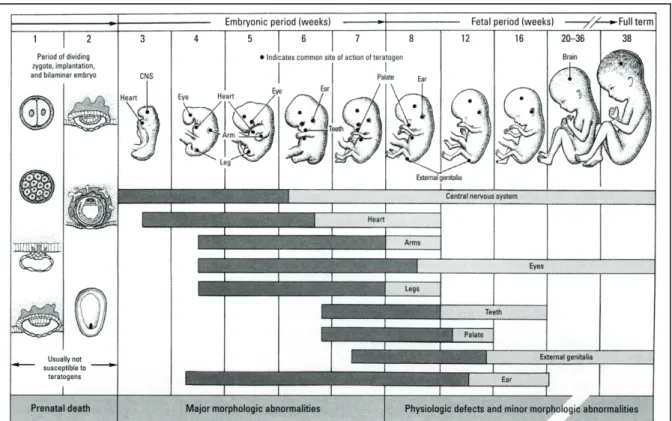
1. Critical periods in human development………... 4
2. Critical periods in rodent brain development………... 4
3. Timeline of intergenerational cross-fostering study..………... 15
(a) Maternal behavior testing (b) Maternal aggression testing 4. The relationship between maternal behavior received and maternal behavior performed………... 27
5. The thermogenesis testing apparatus………... 39
6. Environmental challenges posed on postnatal days 3 and 5……….... 40
7. Explanation of acoustic measures of two pup ultrasonic vocalizations... 41
8. Postnatal day 3 pup thermoregulation and thermogenesis………... 44
(a) Interscapular temperatures (b) Back temperatures (c) Interscapular – Back temperatures 9. Postnatal day 5 pup thermoregulation and thermogenesis………... 44
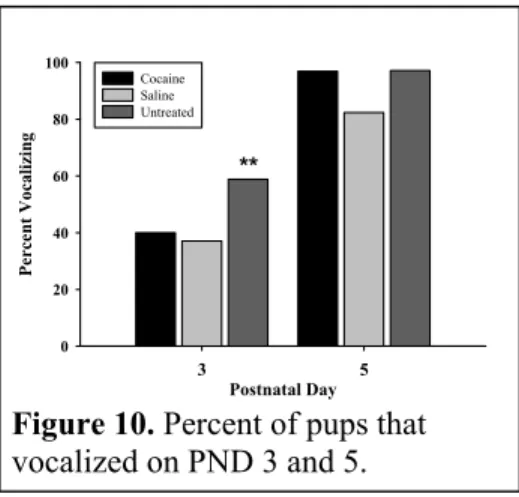
(a) Interscapular temperatures (b) Back temperatures (c) Interscapular – Back temperatures 10. Percent of pups that vocalized on PND 3 and 5... 46
11. Cardiac mass on postnatal day 5………... 50
12. LC/MS results from standards... 57 (a) Dodecyl propionate
13. Levels of cocaine and metabolites in pup urine... 58 (a) Postnatal Day 1
(b) Postnatal Day 3
14. Detection of dodecyl propionate in pup urine... 58 (a) Unprocessed control urine sample
(b) Control urine spiked with 1.4 nmol dodecyl propionate standard 15. Theoretical diagram of the effects of maternal cocaine use on the next
LIST OF ABBREVIATIONS
GD Gestation day
PPD Postpartum day
PND Postnatal day
HPA Hypothalamic-pituitary-adrenal
CC Chronic cocaine
CS Chronic saline
UN Untreated
FGD First generation dam ANOVA Analysis of variance BAT Brown adipose tissue
TA Air temperature
TIS Interscapular temperature TB Back temperature
USV Ultrasonic vocalization
DP Dodecyl propionate
CHAPTER I
GENERAL INTRODUCTION
A Brief History of Prenatal Drug Exposure
Fetal exposure to drugs of abuse is arguably one of the more preventable causes of learning and developmental disorders, and exceeds Down’s Syndrome and Autism in prevalence (Fombonne 2009). Fetal Alcohol Spectrum Disorder alone effects approximately 10 out of every 1000 births (May et al. 2001), a statistic that increases when considering exposure to other drugs of abuse. Even more startling is that despite a concerted public health effort, the number of infants born with in utero exposure to drugs of abuse (including alcohol and nicotine) is climbing (Office of Applied Studies 2008), as is the human and financial cost associated with such exposure. Recent estimates (Stade et al. 2009) of the cost of Fetal Alcohol Spectrum Disorder alone are as much as $11 billion (adjusted for 2002), or nearly half of the annual budget for the state of North Carolina. Clearly, prenatal exposure to drugs of abuse continues to pose an enormous public health and financial problem, and thus an important field for scientific study.
While a large body of research has been accumulating with respect to fetal alcohol exposure, less is known about exposure to other drugs of abuse, particularly stimulants, with cocaine being one of the most prominent. During the height of the cocaine epidemic of the 1980’s and 90’s an
President John Silber’s statement lamenting the usage of tax dollars to care for "crack babies who won't ever achieve the intellectual development to have consciousness of God." Pulitzer Prize winning columnist Charles Krauthammer declared that cocaine-exposed babies would have "a life of certain suffering, of probable deviance, of permanent inferiority.”
Clinical science finally began to address the issue of prenatal cocaine exposure to some extent in the 1980’s to 1990’s. Clinical research on the topic was not without its weaknesses, however. Physicians published case-reports on infants in the worst possible situations, born exposed to a number of drugs, to single mothers with a low socio-economic status, and having numerous other health issues. In 1985, one of the first scientifically designed studies was published indicating that infants of 23 cocaine users were more irritable and less interactive or engaged than non-exposed babies (Chasnoff et al. 1985). Even though several important controls were not employed (socioeconomic status, concurrent non-cocaine drug use, prenatal care, etc), many individuals considered these to be the definitive findings concerning these infants.
The National Institutes of Health had not funded large-scale clinical research to this point, largely because of the expense required for such projects. Journals were also more likely to publish papers that demonstrated an effect of prenatal cocaine than those showing no effect regardless of control issues in the late 1980s (Koren et al. 1989). A turning point came in a 1992 paper that stated, “predictions of an adverse developmental outcome for these children are being made despite a lack of supportive scientific evidence. Whatever the true outcome, we are concerned that premature
conclusions about the severity and universality of cocaine effects are in themselves potentially harmful to children” (Mayes et al. 1992). Clearly, clinical science was just becoming aware of the need for well-designed research in this area.
Epidemiology
and continues to be, one of this country’s top illicit drug problems. The perceived availability of cocaine has remained relatively constant since 2002. In 2008, an estimated 12% of the American population, roughly 37,000,000 individuals, reporting use during their lifetime (Office of Applied Studies 2007; Office of Applied Studies 2008). This number is up from approximately 11% in 2007. Approximately 16 million women report use during their lifetime, and 1.9 million reported using during the past month. While these statistics may show a trend towards increasing usage, there have been some improvements, especially with regard to use by women of childbearing age (15-44 years old). In 2006, roughly 700,000 women of child-rearing age reported usage in the past month, while in 2008, this number dropped to a little over 500,000. The improvement is even more positive within pregnant women. The number of pregnant women using cocaine decreased from a reported 45,000 in 1992 to approximately 9,000 in 2008. While there have been some positive trends in cocaine use statistics, it is clear that cocaine remains an important public health and financial concern, especially for maternal and child health.
Effects of Prenatal Cocaine Exposure
Generally it is thought that there are two primary causes of the pathophysiological effects from prenatal cocaine exposure: the direct effects of cocaine on neurodevelopment, and its indirect effects resulting from vasoconstriction. Cocaine readily crosses the placental barrier, thus entering fetal circulation and directly affecting the central and peripheral nervous systems. Cocaine’s mechanism of action in fetal brain is identical to its mechanism in adult brain, where it primarily blocks presynaptic monoamine uptake, effectively increasing extracellular levels of the
Figure 1.2. Critical periods for neuronal development in the neonatal rodent brain. Times are based on autoradiographic studies of specific structures over time. The vertical line at day 12 represents the approximate end of critical period for gross defects and the vertical line at day 20 indicates birth.
systems become functional, these developing systems are more susceptible to insult caused by teratogens, such as cocaine. Such vulnerable periods in development are summarized in Figure 1 below (adapted from (Selevan et al. 2000)).
Especially vulnerable
developmental periods exist not only in the whole organism, but within the developing brain as well. During central nervous system development, brain regions form non-synchronously, causing especially vulnerable periods of
development for specific brain regions. Such periods in the rat are shown in
Figure 2 (Selevan et al. 2000). While each region may emerge anatomically at different
developmental time points, their development tends to overlap to some degree. These periods of overlap include especially sensitive periods where exposure to teratogens can affect the development of a large number of brain regions, potentially resulting in widespread effects on postnatal behavior and health (highlighted in Figure 2, noted between the vertical dotted lines). In addition to such critical periods in brain formation, the early stages of brain development are also especially
vulnerable to effects of environmental contaminants, as disruptions in neurogenesis and cell migration can have long lasting and often dramatic effects on the outcome of the developing brain, as seen in fetal alcohol exposure (Sulik 2005).
As discussed above, cocaine’s primary mechanism of action results in reuptake inhibition and, thus initially increased levels of the neurotransmitters serotonin, dopamine, and norepinephrine, which in turn allow for both direct and indirect effects on development. Monoamines are among the earliest signaling molecules to emerge in development (Levitt et al. 1982; Puelles et al. 1998), and thus provide an important regulatory role as demonstrated in mouse knock out models of tyrosine-hydroxylase and dopamine-β-tyrosine-hydroxylase, the precursors to dopamine and norepinephrine,
respectively. Knock-outs of these genes result in an almost complete loss of fetal viability (Kobayashi et al. 1995; Thomas et al. 1995; Thomas et al. 1998; Zhou et al. 1995). Dopamine plays a particularly important regulatory role in both neurogenesis and neuron migration to cortical regions (Bhide 2009). Additionally, serotonin works developmentally to influence the genesis, migration, and targeting of growing serotonergic neurons, which in turn can alter the development of other neuron types and even target tissues (Whitaker-Azmitia et al. 1996). Given the importance of these neurotransmitter systems in development, it appears likely that the developmental effects of cocaine work directly through these mechanisms.
Among the most robust physical findings in cocaine-exposed human infants is a reduction in head circumference compared to control infants (Bada et al. 2002; Chasnoff et al. 1998; Mirochnick
cocaine exposure on brain development. These findings have been further explored in preclinical models using full-term cocaine exposure, which have demonstrated alterations in the development of both the neocortex (Akbari et al. 1994; Jones et al. 1996; Kosofsky et al. 1994; Lidow et al. 2001; Ren et al. 2004) and hippocampus (Baraban et al. 1999), as well as disruptions in central myelination (Wiggins et al. 1990). Prenatal cocaine exposure has also been shown to alter developmental
neurogenesis, new neuron proliferation, and connectivity (Garg et al. 1993; Nassogne et al. 1995; Nassogne et al. 1998), effectively disrupting neuronal migration and thus cortical structure.
Secondary to its direct effect on monoamine levels, cocaine may work indirectly to alter development through its vasoconstrictive properties. An increased plasma concentration of
catecholamines in the cocaine-using mother reduces placental blood flow, thus reducing fetal oxygen and nutrient supply and potentially causing hypoxia in the developing fetus. Catecholamine levels are also elevated in the developing fetus, resulting in fetal vasoconstriction and potentially resulting in further hypoxia in the developing brain. When coupled with the anorectic effects of cocaine, a reduction in fetal blood supply can have disastrous effects on development. In general, maternal cocaine usage leads to an increased likelihood of fetal resorption, and in those infants that survive, there is an increased likelihood that the infant will be Small for Gestational Age, born prematurely, and have reduced birth weight. These are likely the effects of in utero malnourishment. In addition to malnourishment, hypoxia activates the sympathoadrenal system through increases in pH, resulting in fetal stress.
influence of an adverse intrauterine environment on neuroendocrine and neurobehavioral functioning in the newborn” (Lester et al. 2009).
Researchers have recently turned to animal models in an effort to isolate the specific effects of prenatal cocaine from the various confounds associated with research in human populations (socioeconomic status, subject compliance, etc). Rodent research has revealed that rat pups of different ages that are prenatally exposed to cocaine differ in their endocrine response to tactile stimuli, stress responsivity, ability to elicit play solicitations from a normal conspecific (Wood et al.
1994; Wood et al. 1995), and exhibit abnormal social/aggressive behavior (Johns et al. 1994a; Johns
et al. 1994b; Johns et al. 1999; Overstreet et al. 2000). Prenatal cocaine exposure has also been speculated to result in an altered ability to recognize social cues or relevant behavioral displays (Johns et al. 1995), as evidenced by a tendency towards asocial behavior and aggression. Many of these effects of prenatal cocaine found in rodent populations are similar to the effects of fetal stress, suggesting the validity of this theory. Fetal stress alone is associated with a number of developmental effects in rodents, including an elevated degree of “emotionality,” deficits in play behavior, increased vocalizations, and impairments in discrimination, reversal learning, and memory. Additionally, human infants with fetal stress are often reported to be more irritable, anxious, and difficult to control. These last effects are particularly important as they relate to maternal-infant interactions. It is
unknown if such effects of cocaine also exist in rodents, but should these effects translate between the two species it would suggest yet another potential phenotype targeted by prenatal cocaine.
Effects of Cocaine on the Mother-Infant Dyad
when maternal care is poorest. The effects of maltreatment are not only immediate, with maltreated children showing significant cognitive delay and weight gain compared to controls (Scarborough et al. 2009), but long term behavioral effects can also occur, often manifesting in adolescence or adulthood (Johnson et al. 1999).
Cocaine-use by human mothers during pregnancy is associated with a greater incidence of child neglect (Kelley 1992), deficits in mother/infant “bonding” (Burns et al. 1991), child abuse (Murphy et al. 1991), and placement in foster homes (Leventhal et al. 1997; Nair et al. 1997). Cocaine-using mothers have been shown to respond less to their infants (Mayes et al. 1997), and are more likely to show hostility during feeding or play interactions (Goldman-Fraser 1997; Light et al.
Since many cocaine-exposed children experience adverse maternal care environments, as clinical data indicate, any behavioral/biological disorders caused by prenatal cocaine exposure may be exacerbated in these children (Eiden et al. 1999; Smith 1992; Zuckerman et al. 1993). Thus, there is likely an important interaction between any biological vulnerabilities due to the direct effects of prenatal cocaine exposure and any indirect effects of the postnatal environment. In other words, infants with prenatal cocaine exposure may be less capable of eliciting the optimal care from their mothers. Indeed, infants with prenatal cocaine exposure show poor state regulation (Eiden et al. 2009a; Schuetze et al. 2007; Schuetze et al. 2009b; Schuetze et al. 2009a), exhibit altered
physiological responses to stimulation (Eiden et al. 2009a; Eiden et al. 2009b), are more excitable (Eiden et al. 2009a), and are generally less physiologically stable (Bendersky et al. 1998a; Bendersky et al. 1998b; Brown et al. 1998; Chasnoff et al. 1989; Chiriboga et al. 1993; Delaney-Black et al. 1996; Gingras et al. 1995; Jacobson et al. 1996; Karmel et al. 1996; Lester et al. 1998; Mayes et al. 1995; Mayes et al. 1996; Neuspiel 1995; Nulman et al. 1994; Regalado et al. 1996; Regalado et al. 1995; Sheinkopf et al. 2006b; Tronick et al. 1996). Given cocaine’s likely effects on early brain development resulting from both prenatal exposure, as well as the secondary effects of altered maternal care, it is reasonable to suggest that individuals with prenatal exposure to cocaine may exhibit a different pattern of effects as adolescents and adults than they did as infants.
The Specific Aims of this dissertation examine how prenatal cocaine exposure affects stimuli related to early mother-infant interactions. Specifically, to determine: 1. If dam cocaine treatment or pup prenatal cocaine exposure alters dam-pup interactions; 2. If prenatal cocaine exposure alters pup-produced stimuli that could subsequently affect maternal behavior towards those pups; and 3. How long cocaine and its metabolites are present in pup urine following parturition and if levels of
CHAPTER II
AN INTERGENERATIONAL CROSS-FOSTERING STUDY OF
THE EFFECTS OF COCAINE ON MATERNAL BEHAVIOR AND AGGRESSION
Introduction
As discussed in the general introduction above, maternal cocaine abuse during pregnancy has been associated with deficits in maternal-infant “bonding” (Burns et al. 1991), and mothers with a history of drug abuse often exhibit poor mother-infant interactions (Bauman et al. 1983; Bays 1990; Howard et al. 1995; Johnson et al. 1990). Though studies with human subjects are helpful in understanding the connection between cocaine-use and maternal neglect, these experiments are correlational at best. There is an unavoidable lack of control over many important variables that could confound the results, such as socioeconomic issues, lack of family support, multi-drug abuse, and poor general prenatal care (Chasnoff et al. 1998; Koren et al. 1998). However, despite this lack of control, studies that employ numerous controls have shown a strong correlation between reported history of child maltreatment and the perpetration of maltreatment and/or neglect in next generation mothers (Egeland et al. 1987; Hunter et al. 1978).
Pedersen et al. 1994) so that any insult to normal maternal behavior can be easily determined. One subset of maternal behaviors in the rat is maternal aggressive behavior, related to protecting offspring from intruders into the nesting environment (Gammie 2005; Numan 1994). Maternal aggression is found in most mammals and has been characterized as an offensive/aggressive series of actions and postures, including direct attacks on an intruder, thought to help ensure offspring survival (Numan 1994). Maternal aggression can be elicited during the late gestational period, but is thought to peak during the first 10 postpartum days (PPDs) (Giovenardi et al. 1997).
The results of the animal studies to date seem to replicate the disruptions in maternal care seen in human populations. There is general agreement that acute cocaine treatment in rat dams disrupts both early onset and established pup-directed maternal behavior, while increasing locomotor behavior and stereotypies (Johns et al. 1994c; Johns et al. 1998b; Kinsley et al. 1994; Zimmerberg et al. 1992). Significant disruptions in maternal behavior following chronic gestational cocaine
treatment during pregnancy were reported only for the onset of maternal behavior or very early postpartum period, and these dams did not display the hyperactivity often seen in acutely treated dams (Heyser et al. 1992; Johns et al. 1994c; Kinsley et al. 1994; Peeke et al. 1994; Vernotica et al.
1996a). To our knowledge, no reports have been previously published on the intergenerational effects of such treatment on maternal behavior; however, numerous studies have demonstrated the non-genomic intergenerational transmission of naturally occurring variations in maternal behavior and stress responsivity (Champagne et al. 2001b; Francis et al. 1999; Meaney 2001; Weaver et al. 2004).
In addition to its effect on maternal behavior, drug abuse has long been associated with both anxiety and aggressive behavior (Moss et al. 1993). Research from several labs has reported that chronic and acute cocaine-treatment can both alter maternal aggression, sometimes in a dose-dependent fashion (Heyser et al. 1992; Johns et al. 1994c; Johns et al. 1998b; Lubin et al. 2001; Vernotica et al. 1996a). Chronic cocaine-treatment has been shown to increase maternal aggression significantly by PPD six (Johns et al. 1994c), and under certain conditions, PPD 10 (Heyser et al.
Vernotica et al. 1996b). Importantly, the effects of chronic cocaine-treatment on aggression do not result from cocaine withdrawal (Johns et al. 1997b). Most findings to date are reported for lactating dams during the earlier postpartum period at more moderate doses of cocaine, with some data available for the later postpartum period at higher doses (Heyser et al. 1992). Interestingly, the concept of intergenerational transmission of stress responding through altered maternal behavior has gained attention over the last few years (Champagne et al. 2001b; Fish et al. 2004; Francis et al. 2000; Francis et al. 2002; Pedersen et al. 2002). To our knowledge there are no reports of intergenerational studies examining maternal aggression following cocaine treatment or exposure in the later
postpartum period.
This initial study was designed to examine if the previously reported effects of cocaine-treatment on maternal behavior and maternal aggression persist into the next generation, and if these effects were primarily related to the offspring prenatal exposure condition, maternal care experience, or the interaction between both of these factors. We hypothesized that the onset of maternal behavior in first generation dams (FGDs) would be altered primarily by prenatal cocaine exposure, with secondary effects resulting from the maternal care environment, and the largest behavioral effect resulting from the combined effect of poor maternal care and prenatal exposure to cocaine. With regards to cocaine’s effect of maternal aggression, we hypothesized that the cocaine-induced increases in maternal aggression previously reported on PPD six (Johns et al. 1994c; Johns et al.
Methods Subjects:
Following a two-week habituation period, virgin female (200-240 grams) Sprague-Dawley rats (Charles River, Raleigh, NC) were placed with males on a breeding rack until a sperm plug was found, which was designated as gestation day (GD) zero. Subjects were randomly assigned to treatment or control groups and singly housed and maintained on a 12:12 reverse light cycle (lights off at 0900) for seven days. They were then transferred to a room with a regular light cycle (lights on at 0700) for the remainder of the experiment, a procedure that generally results in the majority of dams delivering their litters during daylight hours (Mayer et al. 1998).
While a total of five treatment groups were presented in the original publications (Johns et al.
Cross-fostering
On the day of parturition, pups were removed from each dam, weighed, counted and their gender determined before being culled to a litter of 4 males and 4 females. Litters were culled 30 minutes before testing and then returned to either their natural mothers at time of testing or the entire litter fostered to a dam from a different treatment or control group having delivered as closely as possible to the same time (usually within several hours) who had her own pups removed. Dams and their litters were matched for delivery time and cross-fostering interval in all groups. Group numbers varied somewhat because of the loss of some animals during testing and the necessity of breeding extra dams to deliver at specific times to allow fostering of specific groups. Cross-fostering allowed for independent assessment of the effects of prenatal drug exposure of a rearing litter and the effects of maternal drug treatment (or the interaction of these conditions) on maternal behavior and maternal aggression in original test dams. We were also able to determine the effects of prenatal drug
exposure, as well as the effects of treatment condition of the rearing mother on the maternal behavior of first generation offspring dams.
Original Dam Maternal Behavior Testing
The procedure for maternal behavior testing has been previously described (Johns et al.
1994c). Following delivery of their final pup, dams and their litters were brought in their home cage
to an enclosed behavioral observation room, 400cm x 460cm, where dams were removed from their cage and weighed, and their pups removed. Dams were placed back in their home cages without pups, and the cages placed in a 60.96cm x 40.64cm x 50.80cm dimly lit testing cubicle, designed to reduce environmental distractions, for a 30-minute habituation period. During the habituation period, litter measurements were taken and litters were culled to four female and four male pups. Then, either her natural litter or a foster litter culled at the same time was placed in a warm, (room temperature) plastic cage lined with paper towels on top of the dam’s testing cubicle. After habituation, nesting material (10, 2.54cm strips of paper towel) was placed at the back of the cage and each dam’s culled litter (fostered or natural) was placed in the front of her cage. Videotaping with a Panasonic VHS
pups (dam has carried all 8 pups from the front to the rear of the cage), rear-sniff (dam rears on hind legs and sniffs the cage or air), and ‘other’ (any behavior other than those designated above).
Original Dam Maternal Aggression Testing
Maternal aggression was assessed using a procedure similar to one previously described (Johns et al. 1998b; Lubin et al. 2003). Tests were conducted on PPDs eight and 12 for the original dams. On the morning of PPD eight, between 0800 and 1100 hrs (during the light phase), dams and their litters were brought in their home cage to a behavioral observation room where weight gain was recorded. On both test days, all dams and litters habituated to the test area in a quiet environment for 25 minutes, after which the home cage was placed in a 61x41x51cm dimly lit testing cubicle, designed to reduce environmental distractions, for a further 5-min habituation period. A smaller intruder male (~175 grams) was then placed in the front of the cage and the session was videotaped with a low light sensitivity VHS recorder for 10 minutes, after which the session was terminated. A new inexperienced intruder male was used for each session with no male used more than once. If the pups were attacked by the dam or the intruder, or if the dam or intruder was severely injured, the session was immediately terminated and data was excluded from analysis. Terminated sessions were noted for each group. After testing on PPD eight, dams and their culled litters were returned to the colony room and monitored for health daily. Maternal aggression was again assessed on PPD 12, using the same procedures as on PPD eight.
Observed maternal aggressive behaviors included maternal behaviors, defensive behaviors (threat), aggressive behaviors varying in intensity (rough groom, nip/bite male, aggressive posture, fight attack) and general activity. These behaviors of interest have been described previously (Johns
et al. 1998b; Lubin et al. 2003) and included: maternal behavior (dam licks pups, moves pups, or crouches over pups); rough-groom (dam grooms intruder male roughly, usually around head, neck or back); lateral / front threat (dam threatens male while approaching with her body in a lateral
attack (dam makes a quick lunge usually followed by rolling, biting, and fur pulling directed towards the neck and back regions of the intruder); nip / bite (dam nips or bites male; differentiated from a fight attack by degree and lack of jumping and lunging); aggressive posture (dam forces intruder into a full submissive posture and pushes him down with extended front paws or stands over him with her paws on his chest or belly); and general activity (including general locomotor behaviors and other non-aggressive motor activities). Dams and litters were returned to the colony room after testing on PPD 12 and pups were weaned and separated on PPD 21.
First Generation Dam Subjects and Testing
After weaning on PPD 21, litters were separated by sex into same-sex housing (4
males/females per cage), from which one female from each litter was randomly selected at 60 days of age for breeding and testing for the onset of maternal behavior on PPD one or maternal aggression on PPD eight. Remaining pups from the litters were used for other behavioral tests at various ages (not reported here). Breeding conditions were the same as with the original treatment dams except that all animals were drug-naive, were tested with their natural litters, were bred to different males, and were fed ad libitum. FGDs were assigned group designations based on their prenatal exposure condition and their rearing dams’ drug treatment (for example, CCCS indicates that the dam that reared the first generation dam was CC treated but the dam she was born to was treated gestationally with CS, thus she was prenatally exposed to saline). First generation dams were weighed every five days to monitor weight gain throughout pregnancy.
culled litter on PPD eight using testing procedures as described above, except that they were tested with eight of their own pups that they had reared from delivery (four male and four female). At the completion of the 10-min behavioral test, dams and their litters were returned to the colony.
Data Analysis
Videotaped sessions were scored by two independent observers blind to treatment condition with inter-and intra-reliability set at 95-100% concurrence for frequency and latency, and 80% or better for duration of behaviors displayed by the dam using a computer program that calculated the frequency, duration, and latency of all relevant behaviors displayed by the dams. Behaviors not displayed by the dam were assigned a frequency and duration of 0 and the highest possible latency (1800 seconds for a 30-minute test, 900 seconds for a 15-minute test).
For statistical analysis of maternal behavior data, two-factor (drug treatment x litter prenatal exposure) Analyses of Variance (ANOVA) for between groups were employed for original dams and first generation offspring (prenatal exposure condition x rearing dam treatment) on PPD one. Test durations for PPDs five and 10 were only 15 minutes, so the data could not be directly compared to PPD one. Repeated measures ANOVA were employed for original dams on PPDs five and 10 for between and within group differences (drug treatment x litter prenatal exposure). Tukey (HSD) tests were used for post hoc analyses and statistical significance was set at less than or equal to the 0.05 level with relevant trends acknowledged in the results or discussion. Effects on maternal behavior of original dams as a result of drug treatment across PPDs, effects based on their rearing litter condition (litter prenatal exposure), and interaction effects (dam treatment by prenatal litter condition) are presented. Effects on first generation dam maternal behavior are presented based on prenatal exposure condition, rearing condition (treatment of rearing dam), and interaction effects (rearing by prenatal).
Results Original Dam Gestational Variables
There were significant effects of dam treatment on gestational weight-gain [F(4,354)=20.95, p≤0.01] and litter birth weight [F(4,360)=2.75, p≤0.03], with cocaine-treated dams displaying reduced weight gain over the gestational period (p≤0.05), and cocaine and saline-treated dams displaying reduced litter birth weight compared to untreated dams (p≤0.05). Lower litter birth weight in the CC and CS treated dams may be the result of either cocaine treatment or stress, but may also be related to a non-significant reduction in litter size in these treatment groups.
Original Dam Maternal Behavior
On PPD one, there were significant effects of dam treatment on the duration of crouching [F(4,331)=4.24, p≤0.01], nest-building [F(4,332)=4.12, p≤0.01], and self-grooming [F(4,333)=2.65, p≤0.03]. There were also significant effects on the frequency of nest-building [F(4,333)=2.59, p≤0.04], self-grooming [F(4,333)=3.51, p≤0.01], rear-sniff [F(3,333)=2.71, p≤0.03], and ‘other’ [F(4,333)=2.57, p≤0.04], and on the latency to begin nest-building [F(4,333)=3.28, p≤0.01]. CC treated dams crouched less (duration p≤0.01) than both CS and UN treated dams, and had a longer duration of (p≤0.03) and shorter latency (p≤0.02) to nest-build than UN treated dams. CC treated dams also spent more time performing non pup directed behaviors (self-groom, other, rear/sniff) than CS and UN treated dams (p≤0.01).
chronically treated groups crouched more often (but for shorter durations) on PPD 5 than 10 and while activity was generally constant, self-grooming was increased in intermittent groups on PPD 10 compared to 5.
The prenatal exposure condition of the litter significantly affected the duration of nest-building by all dams [F(4,333)=2.52, p≤0.04]. Dams that reared pups prenatally exposed to CC spent less time nest-building compared to dams that reared pups prenatally exposed to CS (p≤0.02). There were also many strong trends that persisted over the entire testing period (PPD one through 10) indicating that CC pups received less overall maternal care (less or later crouching, licking, touching, more resting away from pups) than offspring from other prenatal exposure conditions.
There was a significant interaction between dam treatment and litter exposure on the latency to crouch [F(16,332)=1.86, p≤0.02]. CC-treated dams rearing CS or UN exposed pups crouched later than all other chronically treated dams rearing pups from any prenatal exposure group (p≤0.05). There was also a significant interaction of dam treatment and prenatal litter exposure on within-group lick pup latency [F(16,321)=2.27, p≤0.01] across PPDs five and 10. All groups licked later on PPD 5 than 10 except CCCS, UNCC, and UNCS groups (p≤0.05).
Original Dam Maternal Aggression
There were no differences resulting from dam treatment on defensive behaviors (threat), maternal behaviors, aggression, or general activity on either PPD eight or 12. Levels of most behaviors were relatively low in all groups compared to those previously reported (Johns et al. 1994c) at earlier times during the postpartum period (PPD 6). There were also no effects of litter prenatal exposure condition on defensive, aggressive, maternal behavior, or general activity levels in dams, and no effects resulting from the interaction of dam treatment and litter prenatal exposure.
There were no significant effects of rearing condition or prenatal exposure condition on any gestational measure.
First Generation Dam Maternal Behavior
There was a significant main effect of rearing condition on the frequency of ‘other’ behaviors [F(4,262)=2.72, p≤0.03]. First generation dams reared by CC-treated dams performed ‘other’
behaviors less frequently than CS reared dams (p≤0.01) and had a non-significantly lower frequency of crouching [F(4,260)=2.32, p=0.06] compared to UN and CS reared dams.
There were also significant effects of prenatal exposure on the latency to retrieve all 8 pups [F(4,262)=3.25, p≤0.01] and the duration of rest away/lie on pups [F(4,264)=2.79, p≤0.01]. CC exposed dams took longer to retrieve all eight pups than CS (p≤0.01) and UN (ns) exposed FGDs, and spent more time resting away from pups or lying flat on top of pups than did CS or UN exposed dams (p≤0.01).
There was a significant interaction effect on the latency to touch/sniff pups [F(16,262)=1.86, p≤0.02]. First generation dams with no prenatal drug exposure that were reared by CC treated dams (CCUN) touched pups later than FGDs from any other rearing condition (p≤0.05) and later than any other CC-reared FGDs from any prenatal exposure condition (p≤0.05).
First Generation Dam Maternal Aggression
FGDs reared by cocaine-treated dams, regardless of their prenatal exposure condition, exhibited a number of behavioral effects related to rearing condition alone. CC-reared FGDs had higher frequencies of aggressive posture and rough grooming of the intruder compared to CS-reared FGDs (aggressive posture, χ2
(1)=10.76, p≤0.01; rough groom, χ2(1)=5.51, p≤0.02). Conversely, they had significantly lower levels of nip/bite compared to both UN- (χ2
(1)=10.14, p≤0.02) and CS-reared (χ2
Prenatal exposure to chronic cocaine, regardless of rearing condition, also resulted in behavioral differences in first generation dams. CC-exposed FGDs exhibited maternal behaviors less frequently (χ2
(1)=3.92, p≤0.05, see Figure 7) and were more frequently defensive and aggressive than CS-exposed control FGDs (threat, χ2
(1)=4.59, p≤0.04; aggressive posture, χ2(1)=7.23, p≤0.01).
FGDs prenatally exposed to chronic gestational cocaine and reared by their own CC-treated dams (CCCC) displayed fewer instances of maternal behavior than control FGDs (UNUN, χ2
(1)=7.26, p≤0.02; CSCS, χ2
(1)=5.89, p≤0.02). They also displayed a higher frequency of aggressive behaviors than CSCS FGDs (rough groom, χ2
Discussion Maternal Behavior
The findings of the maternal behavior study support our hypotheses, as cocaine drug exposure as well as differential maternal treatment disrupted the onset of maternal behavior in first generation offspring. The effects on the original dams have been reported (Johns et al. 2005a), but to briefly summarize, the disruptive effects of cocaine treatment on PPD one, regardless of litter prenatal exposure, are similar to those previously reported with cocaine-treated dams rearing only surrogate offspring (Johns et al. 1994c). In addition to the decreased crouching seen here, consistent with previous reports following cocaine treatment, there were also non-significant trends for these dams to touch pups later, rest away from or lie flat on pups longer, and to lick pups later than other dams, indicating a general disruption of pup directed behavior on PPD one with non-significant trends continuing to PPD five. A slight increase in activity-related behaviors of cocaine-treated dams on PPD one was also found in this study, but had not been previously reported in dams that did not have cocaine in their bloodstream at the time of testing.
More applicable to our focus on first generation offspring were the effects of litter prenatal exposure on the original dam behavior and consistent trends across the postpartum period. Similar to prior reports of cocaine-treated dams rearing surrogate pups, in this study cocaine-treated dams rearing control (saline and untreated) pups began crouching later than other dams (Johns et al. 1994c; Johns et al. 1994b; Johns et al. 1996; Johns et al. 1998c; Kinsley et al. 1994; Vernotica et al. 1996a). In a design similar to the one used here, Heyser and colleagues reported that the maternal behavior of cocaine-treated dams did not differ from controls when examined in later postpartum periods (PPDs five through nine) and when rearing either their own biological offspring or fostered offspring (Heyser et al. 1992). Here, we report similar findings with respect to diminishing group differences later in the postpartum period; however, we also unexpectedly found a pattern of differential
strong considering the design (p≤0.06-0.07), indicating impaired or delayed nesting, less crouching, licking, touching of pups, and more time spent resting away from pups or lying flat on pups that were prenatally exposed to cocaine. In our subjects, the behavior of lying flat on the pups did not appear to stimulate nursing, although others may disagree (Stern et al. 1989).
Rat pups prenatally exposed to cocaine differ in their stress responsivity, ability to elicit play solicitations from an untreated conspecific (Johns et al. 1995; Overstreet et al. 2000), have different activity levels, and some early physical developmental differences such as lower body weight, smaller head circumference, and potentially different cry patterns (Johns et al. 1992b; Johns et al. 1992a). These data taken together suggest that behavior and physical attributes of drug exposed offspring may make them more vulnerable to neglect or even abusive behavior. Preliminary data in humans suggests that premature babies or babies with low birth weight are physically unattractive and emit disturbing high pitched, arrhythmic cries leaving them more susceptible to abuse and neglect (Belsky 1993; Brunk et al. 1984). The specific attributes of offspring with prenatal cocaine exposure that may lead to poorer social outcomes is potentially a very interesting topic.
First Generation Dams
Dam Treatment / Pup Rearing Environment
Cocaine Saline Untreated
C rouch Frequenc y 0.0 4.5 5.0 5.5 6.0 6.5 7.0 7.5 8.0
First Generation Dams Original Dams
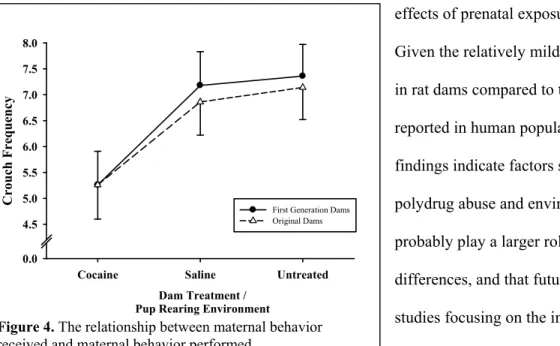
Figure 4. The relationship between maternal behavior received and maternal behavior performed.
rearing dams (see Figure 4). Interestingly, they also exhibited trends to touch, crouch, and lick pups later, as well as rest away from pups more often than other FGDs from different rearing conditions. This was the first systematic investigation reporting effects of cocaine exposure and rearing condition on mothers and their offspring.
The fact that despite the cocaine treatments, the drug treated dams performed relatively adequately maternal behavior, especially in the later postpartum period, highlights the robust nature of maternal behavior in rats. Although the rearing effects were not particularly robust effects, they likely impact other types of offspring behavior (other than maternal), particularly in combination with
effects of prenatal exposure to cocaine. Given the relatively mild effects we see in rat dams compared to the effects reported in human populations, these findings indicate factors such as polydrug abuse and environment probably play a larger role in behavioral differences, and that future animal studies focusing on the interaction between stress, environment, and relevant polydrug abuse models may be very informative. One important common finding in this and other intergenerational studies (cocaine or maternal separation) is that there is some transfer of behavior resulting from altered maternal care, which manifests itself in the next generation.
seen in the original cocaine-treated dams; and c) that prenatal exposure to cocaine increases the likelihood that a litter will receive less pup-directed care compared to controls.
Maternal Aggression
Using this paradigm we did not find that cocaine-treated dams exhibited higher levels of maternal aggression towards intruders on PPD eight as we had hypothesized. Historically, significant increases in maternal aggressive behavior in gestationally treated dams rearing surrogate pups have been seen on PPD six through ten (Johns et al. 1994c; Johns et al. 1997a; Johns et al. 1998b; Johns et al. 1998a). When higher doses of cocaine are used, these effects can extend through PPD twelve (Heyser et al. 1992), however behavioral effects apparently diminish by PPDs eight through 12 using the dose and regimen used here. Without testing throughout the entire postpartum period, we cannot say whether the early increased levels of aggression are a truly transient effect. Importantly however, our findings may also be a factor of the different cross-fostering conditions in this study, as previous reports used untreated surrogate pups, and as indicated in the maternal behavior study, dams rearing cocaine-exposed pups exhibit a number of altered behavioral patterns.
During aggression testing, we rarely see high rates of pup-directed maternal behavior, as the dam is generally more focused on the intruder than in performing these behaviors over the short test period. Thus, the lack of group differences in crouching, licking, and touching of pups during testing was not surprising. Along with maternal behavior, the frequency and duration of all behaviors examined were similar on both PPDs eight and 12, with slightly lower overall maternal aggression levels on PPD 12, consistent with prior reports that maternal aggression diminishes after PPD 10 (Flannelly et al. 1987; Mayer et al. 1987).
First Generation Dams
rearing dam’s drug history. FGDs reared by cocaine-treated dams were more likely to pin intruders and have direct contact with the male, but were less likely to nip/bite the male than were controls. The differentiation of the type and degree of aggressive behaviors in the next generation is perhaps
something that needs to be studied further, as it may provide clues to the mechanisms through which cocaine is be acting. As seen in the maternal behavior study, the less than optimal maternal behavior received when pups are reared by cocaine-treated dams appeared to have influenced behavior of the FGDs. Perhaps these findings reflect the strong link between rearing environment and behavior as suggested in numerous published reports of the non-genomic transmission of behavior (Champagne et al. 2001b; Fish et al. 2004; Francis et al. 1999; Meaney 2001; Pedersen et al. 2000).
The behavioral effects of prenatal exposure to cocaine have been reported in numerous papers, too extensive to describe here. However, for the purposes of this discussion it is important to note that prenatal cocaine exposure in rat pups has been shown to alter stress responsivity in
adolescence and adulthood (Bilitzke et al. 1992; Campbell et al. 2000; Molina et al. 1994; Planeta et al. 2001; Spear 1996; Wood et al. 1995), play behavior in adolescence (Wood et al. 1994; Wood et al.
1995), the ability to elicit play or social interactions (Johns et al. 1995; Overstreet et al. 2000), and social/aggressive behavior at older ages (Johns et al. 1994b; Overstreet et al. 2000). Most of the literature to date has focused on resident intruder and social aggression in males; however, maternal aggression and female aggression differ from male aggression in a number of respects, and thus generalizing across paradigms may be unwise.
Given this literature though, we expected to see more aggression in our offspring. FGDs that were prenatally exposed to cocaine did exhibit minor increases in several aspects of maternal
cocaine exposure in both sexes. As we expected, the FGDs exposed to cocaine and also reared by cocaine-treated dams were the most aggressive and least maternal offspring, highlighting both the individual and interactive effects of prenatal and rearing conditions.
There were several instances of behaviors in saline-reared (rough groom, aggressive posture) or exposed (threat, nip/bite, aggressive posture) FGD groups that were performed even less frequently than in UN-reared or unexposed FGDs. Although we have no evidence to support stress related effects in this group, we believe this is very likely an important factor, and indicates a need for further research on the effects of stress alone on these behaviors.
CHAPTER III
AN INVESTIGATION OF PRENATAL COCAINE’S EFFECT ON EARLY POSTNATAL THERMOGENESIS AND VOCALIZATION PRODUCTION
Introduction
Unlike the prominent neuroanatomical and behavioral alterations seen following Fetal Alcohol Spectrum Disorder (Kodituwakku 2009; Norman et al. 2009), prenatal cocaine exposure is known to produce a myriad of subtle effects on developing infants. The behavioral effects of prenatal cocaine exposure are well documented (Bandstra et al. 2010; Chae et al. 2009) and a number of these effects may directly impact the ability of the infant to elicit optimal maternal care. Although
deleterious effects of cocaine exposure on maternal stress responsivity and infant attention have been reported in human clinical populations (Strathearn et al. 2010a), as well as in studies of rodent mothers treated with cocaine while pregnant (Johns et al. 1998b; Johns et al. 2005a; Kinsley et al.
1994; McMurray et al. 2008b; Nelson et al. 1998; Quinones-Jenab et al. 1997; Vernotica et al. 1996a; Vernotica et al. 1999; Vernotica et al. 2007), the impact of cocaine on maternal and neonatal behavior is best viewed interactively (Eiden et al. 2011; Stern 1986). Thus far, few studies have systematically studied how cues from cocaine-exposed infants influence maternal care.
1985; Stern et al. 1996; Woodside et al. 1988). The importance of each cue depends loosely on the maternal environment, including the number of pups, age of the pup producing the cue, maternal experience, and the environment in which the nest resides (Brudzynski 2005; Champagne et al. 2001a; Champagne et al. 2003; Mattson et al. 2001). All of these behavior sets could affect maternal care and likely interact with any alterations in maternal stimulus perception and response resulting from potential drug exposure or other environmental disruption.
Thermoregulation presents a particularly interesting target for study, given both its own role in eliciting care as well as its involvement in other cues, such as ultrasonic vocalization production (discussed below). While human infant temperature regulation is largely accomplished in an
individual manner, in rat pups thermoregulation is achieved on both a group and an individual level. In the early days of life, individual rat pups rely on external sources for heat production, such as their littermates and their mother, as well as internal metabolic sources. As a litter, rat pups achieve warmth through huddling, are insulated from cold by the nest, and receive additional heat from their mother during close contact nursing. Individual rat pups produce heat through a number of
mechanisms, including shivering and locomotion to warmer environments, but primarily through brown adipose tissue (BAT) thermogenesis (Smith 1964). BAT thermogenesis is sympathetically driven by β-adrenergic activity, and once activated the mitochondrial uncoupling protein 1 effectively oxidizes fatty acids to produce heat. Brown adipose tissue is primarily located surrounding the heart and is also distributed throughout the peritoneum. Its location proximal to the heart is of particular importance, as the heart acts as a pumping mechanism to distribute the heat generated by BAT throughout the body via the circulatory system.
into white adipose tissue, the primary purpose of which is to store energy in the form of triglycerides. Individual brown adipose tissue thermogenesis is immediately apparent at birth in rats and is of seminal importance to proper nervous system development (Blumberg 2002), may play a role in the development of obesity and diabetes (Cinti 2005; Cinti 2006; Cypess et al. 2009), and likely determines nursing opportunities. When in the huddle, heat is shared with littermates to reduce total heat loss and supplement maternally provided warmth, with BAT thermogenesis supplying additional heat to the litter (Alberts 1978). Rat dams are indeed capable of determining the current thermal state of pups, and their behavior is modified by their pups’ thermal state (Adels et al. 1986; Bates et al. 1985; Henning et al. 1982; Jans et al. 1990; Leon et al. 1985; Stern et al. 1996; Woodside et al. 1988). Specifically, decreases in pup body temperature have been associated with increases in nursing behaviors in rat dams, during which maternal heat is passed to the litter.
The effects of prenatal cocaine exposure on pup thermal control have not been thoroughly investigated, although acute exposure to cocaine in adulthood does alter cardiac function in both humans and animals (Regalado et al. 1996; Sheinkopf et al. 2006a; Sheinkopf et al. 2007; Sun et al. 2003), and raises body temperature and impairs heat dissipation in humans (Crandall et al. 2002). Brown adipose tissue thermogenesis specifically is a likely target of prenatal cocaine exposure due to cocaine’s direct impact on maternal norepinephrine systems as well as on the developing stress response systems of the fetus. Cocaine-induced prenatal malnutrition is also a likely contributor, as maternal cocaine use has been strongly associated with malnourishment of the mother and fetus, as well as placental vasoconstriction that further complicates nourishment delivery to the fetus. As is the case with fetal cocaine exposure, under- or over-provision of nutrients and even postnatal nutritional challenges can alter the long-term adipose tissue volume and function (Mostyn et al. 2009),
potentially leading to obesity, diabetes, and disruptions in renal function (Cinti 2006).
likely result in qualitative differences in vocalizing behavior. Thus, this study is designed to determine if there are differences in thermoregulation or ultrasonic vocalization resulting from prenatal cocaine exposure and if the normal relationship between these two behaviors is maintained. In humans, vocalizations have been used as important biomarkers of developmental delay, thus such findings in rodents would have great impact on predicting the level of insult caused by a drug.
In addition to its contribution toward the elicitation of maternal care, thermal state also has tremendous influence over vocalizing behavior in early life, which in turn contributes to the elicitation of maternal attention. Rats of various ages have been shown to vocalize in response to handling, cold temperatures, isolation, and social factors (Blumberg et al. 1992; Branchi et al. 2001; Hahn et al. 2005; Shair et al. 1997), thus vocalizations potentially constitute one major method of communication between rats (Brudzynski 2005; Brunelli et al. 1994). While the perceptual frequency range of human hearing is thought to be from 20 Hz – 20 kHz, rats are able to perceive frequencies up to 100 kHz. Additionally, rat pups are born able to vocalize at frequencies from 20 Hz – 100 kHz. Thus, along with vocalizations that occur in frequency ranges that are audible to humans, rats can vocalize in frequencies that would be ultrasonic to humans. For the purposes of this discussion, label ultrasonic vocalizations are considered relative to the human perceptual range: those produced with fundamental frequencies in the 20 kHz – 100 kHz range.
respiratory distress this provides much needed oxygen; however, laryngeal braking also boosts blood oxygenation to assist in brown adipose tissue metabolism and associated thermogenesis. This increase in intrathoracic pressure results in a comparatively quick expulsion of air from the lungs, which produces the vocalization as it flows past the vocal cords and out the respiratory tract. In humans, these vocalizations are typically audible; however, whether due to the diameter of the respiratory tract or properties of the larynx itself, rodent pups typically produce these in ultrasonic ranges.
Vocalizations at this age are not thought to be socially intended by the pup producing the call, but are none-the-less an important indicator to the rat mother that the pup is in need of care.
As pups grow older, two changes typically occur that alter the production of vocalizations: the need for brown adipose tissue thermogenesis reduces in favor of more effective thermoregulatory mechanisms and the positive relationship between vocalizing and maternal attention is learned. Thus, the purpose of calling can become more socially mediated and less of an acoustic bi-product. This shift is thought to occur between postnatal day (PND) eight to ten (Blumberg et al. 2001), and such a shift in mechanism would suggest that characteristics of the call change as the pup develops. Indeed, ultrasonic vocalizations tend to decrease slightly in the fundamental frequency across the neonatal period as pups grow larger (Naito et al. 1987), while the duration of calling and the complexity of the sonographic characteristics of the call increase (Brudzynski et al. 1999; Brudzynski 2005). These developmental changes in vocalizations may in part regulate naturally occurring changes in maternal care over the postpartum period, and thus provide interesting targets to use in the study of
developmental disorders.
Human vocalizations have been suggested as a marker for central nervous system integrity following prenatal insult; however, this relationship has not yet been established in rodents.
Unfortunately, rodent studies have typically used poorly controlled thermal environments and have focused simply on the number of vocalizations emitted following removal from littermates and dam. These studies have shown some common themes though, mostly demonstrating decreased
Kehoe et al. 1991; Tattoli et al. 2001; Winslow et al. 1990) or malnutrition (Tonkiss et al. 2003). Unfortunately, few studies have been conducted longitudinally and even fewer studies have performed in depth analyses of assessed acoustic properties of the call. One such study examined prenatal pesticide exposure, finding a decrease in the duration of each call produced and an increase in the latency to emit the first call (Venerosi et al. 2009). Additionally, and perhaps most relevant to the current discussion, prenatal cocaine exposure has been shown to increase the starting pitch of calls following a mild thermal challenge, but that these effects were dependent upon the genotype of the subject (Hahn et al. 2000).
As a stimulus for maternal attention, a sustained high-rate of vocalizing by pups is the most effective for eliciting retrieval from dams (Brunelli et al. 1994; Deviterne et al. 1990; Farrell et al. 2002a; Fu et al. 2007; Zimmerberg et al. 2003) and can also be an important stimulus for the maternal consumption of pup excretions during anogenital licking (Brouette-Lahlou et al. 1992). In humans, alterations in infants cry patterns can illicit altered physiological and behavioral responses from their caregivers (LaGasse et al. 2005; Sheinkopf et al. 2006b; Tronick et al. 2005), though the direct mechanisms of these effects are still being revealed. In rats, it is thought that ultrasonic vocalizations may directly stimulate prolactin secretions in dams, thus altering maternal care, although some controversy exists (Hashimoto et al. 2001; Stern et al. 1984; Terkel et al. 1979). However, the implication of a direct effect of vocalizations on the endocrine systems of dams is certainly an interesting theory considering the altered endocrine system of drug-exposed dams.
It is likely that the effect of developmental exposure to drugs of abuse on ultrasonic
et al. 1992) and high-risk infants have shown altered patterns of vocalization (LaGasse et al. 2005). As discussed in Chapter 2, rat dams typically respond less or slower to cocaine-exposed pups, suggesting that something about these pups alters maternal motivation or ability to elicit normal levels of care.
Methods Breeding
Individually housed Sprague-Dawley nulliparous female rats (200 grams, Charles River, Raleigh, NC) were kept on a 12:12 reverse light cycle (8:00 AM dark) for one week and then mated until conception was noted by the presence of a vaginal plug and sperm in a vaginal smear (gestation day (GD) 0). Following conception, females were randomly assigned to chronic cocaine, chronic saline, or untreated groups as they became pregnant (see below for treatment information). Weight gain was measured daily for all animals throughout gestation. Water and chow was available ad libitum for all except chronic saline-treated rat dams, who were matched with a chronic cocaine dam on a pair-feeding schedule to control for any effects of cocaine-induced anorexia. Seven days following conception (GD 7), females were moved to a colony room and individually housed on a regular 12:12 light:dark cycle with lights on at 7:00 AM. This procedure results in the majority of dams delivering in the normal daylight hours (Mayer et al. 1998). PPD 1 was defined as the calendar day during which delivery was completed. Following delivery, litters were culled to 10 pups (5 male, 5 female) and pups were returned to their own biological mothers. We chose not to employ surrogate mothers to control for differences in postnatal care between groups as we wished to study the more natural interactions of mothers and pups, as occurs in human clinical populations.
Dam Treatment
base, 2ml total volume, Sigma, St. Louis, MO) dissolved in normal saline at approximately 9:00 AM and 4:00 PM throughout gestation (GD 1-20) and not thereafter. This is the lowest chronic gestational cocaine treatment dose consistently reported to produce significant effects on pup-directed maternal behavior (Nelson et al., 1996). To prevent skin lesions, injections were alternated daily between rear leg flanks. If a lesion appeared, the fur was clipped at the site, cleaned daily with a betadine solution, and a topical antibacterial ointment (Polymycin-Bacitracin-Neomycin, E. Fougera & Co., Melville, NY) was applied to the area. These measures have been shown to minimize skin lesion appearance and severity and have been used in numerous studies (McMurray et al. 2008b).
Control groups included both chronic treated and untreated dams. Chronic saline-treated dams received injections of normal (0.9%) saline (2ml/kg total volume) on the same schedule and regimen as the chronic cocaine dams. Saline-treated dams were pair-fed to chronic cocaine dams in the early gestation period such that the amount of food ingested by cocaine-treated dams on average on a specific gestation day during the first 7 days of gestation was the amount provided to saline-control dams on the corresponding gestational day. Beginning GD 8, saline-treated dams had free access to rat chow. This procedure accounts for the time when cocaine-treated dams are most affected by the anorectic effects of cocaine in prior studies (Johns et al. 2005a; McMurray et al.
2008b), while not inducing the serious confound of food deprivation in saline-treated dams. Untreated control dams received no drug treatment or food restriction during gestation or during the postpartum period, but were weighed daily to control for the effects of handling.
Apparatus, Temperature Measurement, and Vocalization Recording
Figure 5: The thermogenesis testing apparatus. The subject is placed in the subject basket inside the double-walled glass chamber. The walls of the chamber are filled with temperature-controlled water, which actively regulates the internal temperature of the chamber. Forced humidified air is pumped into the chamber throughout testing. Subject and ambient temperatures were measured using thermocouples.
touching the chamber walls directly. Holes in the side of the chamber, as well as in its plastic lid, allowed for the connection of thermocouples. Forced humidified air (300ml/min) entered the bottom of the chamber, flowed past the pup, and exited through the lid. Thermocouple leads for measuring physiological and air temperatures were attached to a National Instruments data acquisition device (USB-9211A), which sampled once per second per channel. All hardware and
timing was controlled through LabView 2009 software.
Chamber air temperature (TA) and physiological temperatures were measured using Chromel-Constantan (T-Type) thermocouples. TA within the metabolic chamber was measured using a
thermocouple suspended 2 cm beneath the subject. Two physiological temperatures were acquired by attaching thermocouples just under the surface of the skin using callodion as an adhesive (Blumberg et al. 1996; Spiers et al. 1986). One thermocouple was attached in the interscapular region above the brown fat pad, thus providing a measure of interscapular temperature (TIS) and BAT thermogenesis. The other thermocouple was attached in the lumbar region, and measured the temperature of the back of the subject (TBack), a non-heat-producing region. The difference between TIS and TBack (TIS - TBack) was used to confirm the presence and degree of brown adipose tissue thermogenesis (Blumberg et al. 1996; Hull et al. 1965).