SIMULATIONS AMONG RADIOLOGY PROGRAM STUDENTS
by
Kimberly Lynn Onstott
A dissertation
submitted in partial fulfillment of the requirements for the degree of Doctor of Education in Educational Technology
Boise State University
© 2019
DEFENSE COMMITTEE AND FINAL READING APPROVALS
of the dissertation submitted by
Kimberly Lynn Onstott
Dissertation Title: Perceived Impact of Virtual Scenario-based Branching Simulations Among Radiology Program Students
Date of Final Oral Examination: 11 October 2019
The following individuals read and discussed the dissertation submitted by student Kimberly Lynn Onstott, and they evaluated her presentation and response to questions during the final oral examination. They found that the student passed the final oral examination.
Chareen Snelson, Ed.D. Chair, Supervisory Committee
Brett E. Shelton, Ph.D. Member, Supervisory Committee
Dazhi Yang, Ph.D. Member, Supervisory Committee
iv
v
ACKNOWLEDGEMENTS
I would like to express my appreciation to the faculty of the Educational
Technology Doctoral Program at Boise State University. Your guidance in my pursuit of learning has broadened my knowledge which led to the framing of the research in this manuscript, and which also led to my ability to develop and implement the virtual scenario-based simulations for this study and for my students.
Particularly I would like to thank Dr. Chareen Snelson, my dissertation chair, whose research endeavors and dedicated teaching inspired my research. I am deeply grateful for your patience, guidance, and your willingness to share your expertise.
I would also like to thank my committee members, Dr. Brett Shelton and Dr. Dazhi Yang, whose vision, counsel, and expertise have been invaluable in enhancing the level of this research. I am fortunate to have had such a great team supporting me.
My gratitude also extends to the Dr. Billie Doris McAda Graduate College and the Robert D. & Carol Gunn College of Health and Human Services at Midwestern State University for supporting my research through the procurement of the Articulate® 360 software.
vi
in the field of radiology, testing and proofing ‘hours’ of virtual simulations. With your love, encouragement, support, and patience this dissertation was made possible.
Finally, I would like to thank God, for it is through You that all things are
vii ABSTRACT
The influx of medical technology and medical knowledge creates challenges for healthcare providers in maintaining up to date knowledge and skills for their practice. Healthcare educators are further challenged in that the goal is to encourage learners to become competent healthcare providers who are knowledgeable and skilled, self-directed, and who will think critically and ethically when faced with challenging situations. Advancing imaging technologies and new complex procedures in radiology increase the risk of harm for patients and providers as advanced imaging is often learned outside of a primary degree in radiology with real patients through on the job training. Online education has been a way for the profession to extend needed education to
viii
personnel. The simulations were designed to enhance the level of learning in magnetic resonance imaging and in computed tomography online courses. They were tested with 57 advanced modality students to determine the impact the virtual scenario-based
branching design had on student satisfaction with the experience and also their perceived confidence in making critical decisions in real practice.
This mixed methods case study provided an analysis of both quantitative and rich qualitative data in a concurrent design. The participant voice provided insight into how this experience positively impacted this particular group of students and it also provided support for further development of virtual scenario-based simulations in a healthcare context.
ix
TABLE OF CONTENTS
DEDICATION ... iv
ACKNOWLEDGEMENTS ...v
ABSTRACT ... vii
LIST OF TABLES ... xiv
LIST OF FIGURES ... xvi
LIST OF ABBREVIATIONS ... xvii
CHAPTER ONE: INTRODUCTION ...1
Background ...1
Radiologic Science Education ...2
Radiologic Sciences Profession (Radiographer) ...3
Statement of the Problem ...7
Purpose ...7
Research Questions ...8
Research Design...8
Limitations and Delimitations ...8
CHAPTER TWO: LITERATURE REVIEW ...10
Healthcare Safety and Education ...10
Strategies for Teaching Healthcare Students ...15
x
Problem-based Learning ...18
Deliberate Practice ...19
Simulation-Based Learning ...20
Fidelity ...21
Educational Outcomes ...24
Best Practices for Simulation Design ...25
Virtual Simulation Technology...27
Educational Virtual Environments ...30
Scenario-based Learning ...31
Digital Scenario-based Design ...36
Conclusion ...47
CHAPTER THREE: METHODOLOGY ...50
Research Questions ...51
Research Design...51
Mixed Methods Case Study Design ...51
Participants ...56
Sample Selection and Setting...56
Instructional Intervention Design ...59
Peer reviews ...68
Data Collection ...69
Worksheet Assignment ...69
Semi-structured Interviews ...69
xi
Data Analysis ...72
Quantitative Data Analysis ...72
Qualitative Data Analysis ...74
Research Quality ...77
Research Design...78
Mixed Methods ...78
Organization ...79
Member Checking ...79
Triangulation ...79
Thick description ...80
Researcher Bias and Assumptions ...81
Assumptions ...83
Delimitations and Limitations ...84
CHAPTER 4: RESULTS ...86
Overview of the Study ...86
Participant Characteristics ...87
Research Question 1-Satisfaction ...92
Theme 1: Objectives and Scenario Resources ...95
Theme 2: Feedback and Support...103
Theme 3:Problem-solving ...109
Theme 4: Fidelity (Realism) ...114
Theme 5: Perceived Usefulness ...119
xii
Research Question 2-Confidence ...130
Theme 1: Confidence in Learning ...131
Theme 2: Self Efficacy and Transfer ...137
Summary ...141
Discussion Research Question 1- Impact of Design ...142
Self-directed Learning ...145
Problem-based Learning ...148
Realism ...151
Affect ...152
Discussion Research Question 2-Confidence ...155
Confidence in Learning...156
Self-efficacy and Transfer ...157
CHAPTER 5: CONCLUSIONS ...160
Conclusions ...162
Recommendations for Design and Implementation ...164
Implications...168
Future research ...168
REFERENCES ...171
APPENDIX A ...194
APPENDIX B ...197
APPENDIX C ...199
APPENDIX D ...201
xiii
APPENDIX F...212
APPENDIX G ...214
APPENDIX H ...217
APPENDIX I ...222
APPENDIX J ...226
xiv
LIST OF TABLES
Table 1. Recommendations for Educational Strategies ... 15
Table 2. Similarities in Research for Best Practices in Medical Simulation Design ... 26
Table 3. Characteristics of a Scenario-based eLearning Environment ... 39
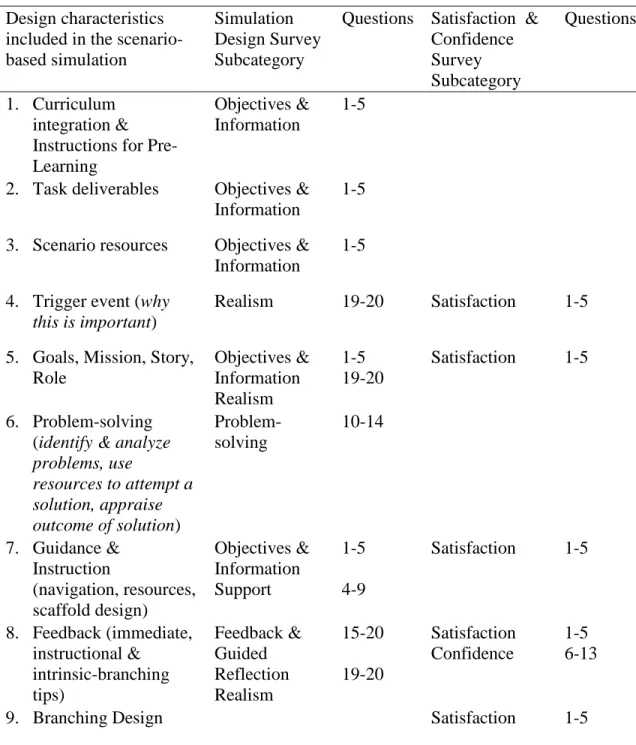
Table 4 Alignment of Survey Instruments with the Design Characteristics ... 61
Table 5. Participant Characteristics ... 89
Table 6. Interview Participants’ Characteristics ... 91
Table 7. Student Satisfaction with Current Learning: Student Satisfaction and Self-Confidence Scale ... 94
Table 8. Objectives & Information: Simulation Design Scale ... 97
Table 9. Convergence Objectives & Scenario Resources ... 102
Table 10. Support and Feedback: Simulation Design Scale ... 105
Table 11. Convergence Feedback and Support ... 109
Table 12. Problem Solving: Simulation Design Scale ... 111
Table 13. Convergence Problem-solving ... 114
Table 14. Fidelity (Realism): Simulation Design Scale ... 116
Table 15. Convergence Fidelity (Realism) ... 119
Table 16. Convergence Perceived Usefulness ... 124
Table 17. Convergence Affect ... 130
xv
xvi
LIST OF FIGURES
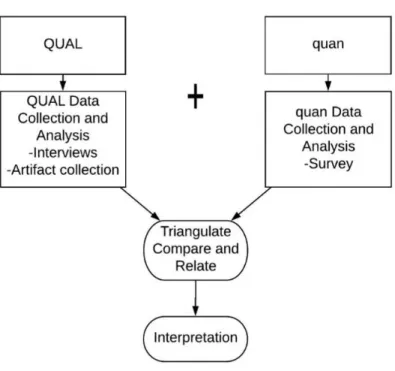
Figure 1. Mixed Methods Concurrent Design. This figure illustrates data collection,
triangulation, and interpretation of mixed methods concurrent design. ... 54
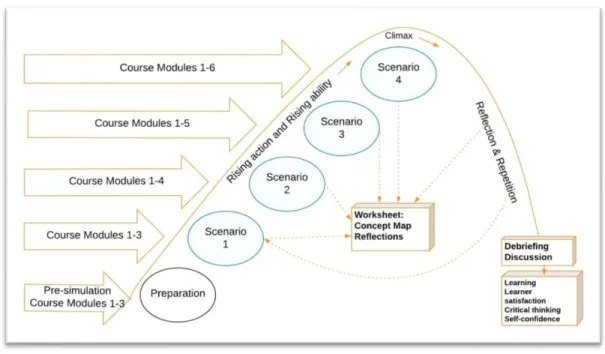
Figure 2. Simulation instructional map. This figure illustrates implementation design. ... 63
Figure 3. Example of a decision point within the scenario ... 195
Figure 4. Example of a consequence within the scenario ... 195
Figure 5. Example of assessment within the scenario ... 196
xvii
LIST OF ABBREVIATIONS 3DCG 3-Dimensional Computer Graphics models
ACICBL Advisory Committee on Interdisciplinary, Community-based Linkages
ACR American College of Radiology
ARRT American Registry of Radiologic Technologists ASAHP Association of Schools of Allied Health Professions ASRT American Society of Radiologic Technologists
AVM arteriovenous malformation
BIg PHARMA Background, IV, Pregnancy, HPI, Age, Renal function, Medications, Allergies
BSU Boise State University
CAQDAS Computer Assisted Qualitative Data Analysis Software
CIN Contrast-Induced Nephrotoxicity
CPR Cardiopulmonary Resuscitation
CQR Continuing Qualifications Requirements
CT Computed Tomography
CTA Computed Tomography Angiography
DNP Doctor of Nursing Practice
DP Deliberate Practice
xviii
EDH Epidural Hematoma
EVE Educational Virtual Environments
GBS Goal-Based Scenario
GC Graduate College
GFR Glomerular Filtration Rate
HIPAA Health Insurance Portability and Accountability Act of 1996
ICH Intracerebral Hemorrhage
IOM Institute of Medicine
IQR Interquartile Range
LMS Learning Management System
Mdn Median
MAI Metacognitive Assessment Inventory MMORGS Massively Multiplayer Online Games
MRI Magnetic Resonance Imaging
MS Multiple Sclerosis
MSU Midwestern State University
MUVES 3D Multi-User Virtual Environments
n Sample size
N Population size
NLN National League of Nursing
OECD Organisation for Economic Co-operation and Development
PBL Problem-based Learning
xix PET Positron Emission Technology
PET-CT Positron Emission Technology Computed Tomography PET-MR Positron Emission Technology Magnetic Resonance Imaging
RF burn Radiofrequency burn
SAH Subarachnoid Hemorrhage
SAMPLE Symptoms, Alert & oriented, Mental state, Physical needs, Language barriers, Events leading to exam
SAR Specific Absorption Rate
SDH Subdural Hematoma
SHOP BAIT Screening *2, HPI, Order, Priors, Bloodwork, Assessment, Implanted devices, Thermoregulatory disorders
SPSS Statistical Package for the Social Sciences
t t-test value
TDC Thesis and Dissertation Coordinator
TES Technology-Enhanced Simulation
VP Virtual Patient
WGCTA Watson-Glaser Critical Thinking Appraisal
CHAPTER ONE: INTRODUCTION
Harm from medical error has been a topic of concern since the Institute of Medicine (IOM) published a study in the late 20th century that revealed an alarming number of medical errors that led to patient death or harm, such as wrong-site errors, communication errors, medication errors, and more (Lark, Kirkpatrick, & Chung, 2018). In an effort to increase patient safety, educators in the field of radiologic sciences have a responsibility to disseminate knowledge in a manner that will produce competent
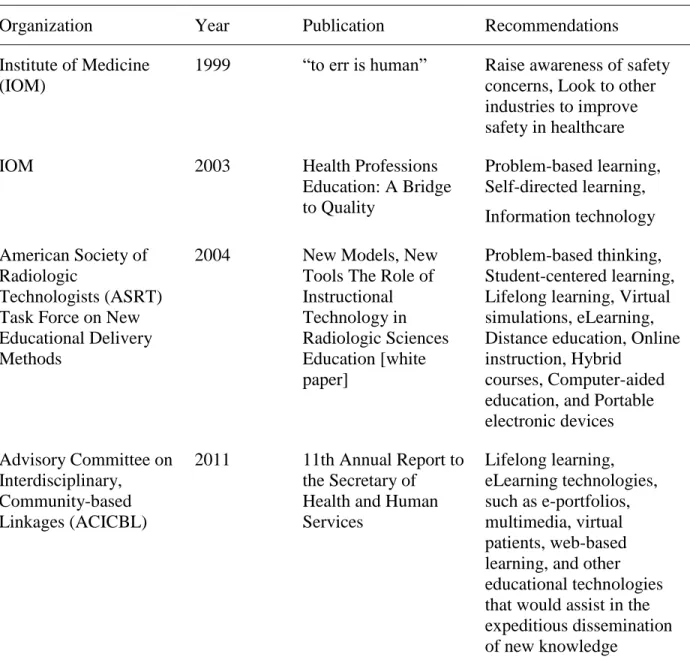
healthcare providers who are knowledgeable and skilled, self-directed, and who will think critically and ethically when faced with challenging situations. Although awareness has increased, medical errors continue to plague the healthcare system (Makary & Daniel, 2016). Advancing imaging technologies and new complex procedures increase the risk of harm for patients and providers in radiology. As a way to mitigate risk, regulating bodies and professional organizations have recommended healthcare educators explore more effective and innovative teaching strategies (ACICBL, 2011; IOM, 1999; IOM, 2003; Martino & Odle, 2008).
Background
Since its inception into clinical use in 1896, radiologic sciences and radiologic education have evolved along with advances in imaging technology and advances in the medical field (American Society of Radiologic Technologists [ASRT], n.d.). By
anatomic structures or aides in the treatment of disease (radiology, n.d.). The radiation producing X-ray and fluoroscopic technology revolutionized the way medicine was first practiced and has continued to be a significant part of the health care regimen ever since (Spiegel, 1995).
Radiologic Science Education
Education programs for radiographers began in the early 1900s. Marie Curie, Physicist, developed the first known radiology program during WWI (Curie, 1937). She recognized early on in the war the applicability of this new technology for wounded soldiers, and, in an effort to bring this technology to the battlefields, she invented the mobile x-ray car. Twenty cars were built with x-ray units and photographic darkroom equipment installed. Curie thus developed a curriculum to train 150 women to operate these units. Curie’s program included aspects of anatomy, patient care, electronics, and the use of radiation-producing equipment. Since then, radiology education programs in the United States, guided by the national credentialing agency, the American Registry of Radiologic Technologists (ARRT), have expanded knowledge requirements as the field has grown. Radiographers are primarily educated in the field of diagnostic radiology, which includes, but is not limited to an intense focus on patient interactions and
combined with, an extensive clinical practicum at a hospital, clinic, or imaging center in which the student practices outside of the university on real patients to engage their experiential learning (Trad & Larrotta, 2016). This method of teaching continues to be commonplace for many radiology programs (Kowalczyk, 2011).
Radiologic Sciences Profession (Radiographer)
Radiographers are medical practitioners formally trained in radiologic sciences. Radiographers are experts in their field as they receive more education and training than radiologic technicians do. They are credentialed in the United States through the national credentialing agency, the ARRT. The requirements for this registry include completing an associate’s degree or higher, completing an ARRT-approved educational program, successfully demonstrating clinical procedures, and successfully scoring a 75% or better on the ARRT national registry examination (ARRT, 2016). Once registered,
radiographers are required to maintain proficiency through biennial continuing education, and, if any credential was earned after Jan.1, 2011, they must complete a re-evaluation of their skills with the ARRT's decennial Continuing Qualifications Requirements (CQR) (ARRT, 2017).
Radiographers are also considered a part of a larger group of healthcare professionals called allied health professionals. The Association of Schools of Allied Health Professions (ASAHP) defines allied health professionals as the segment of the workforce that delivers services involving the identification, evaluation and prevention of diseases and disorders (The Association of Schools of Allied Health Professions
therapists, physical therapists, radiographers in many different areas of radiology, and many other healthcare providers and support personnel (ASAHP, 2015).
With advances in imaging technology and procedures, combined with the rapid growth in medical knowledge, the role of the radiographer in the professional
and MRI scans in the United States alone rose from 119 million to 127 million scans per year (OECD, 2019a; OECD, 2019b).
In addition to increased demand for advanced modalities, multiple uses for the different modalities has extended into many other areas of the healthcare regimen to include interventional procedures, therapeutic procedures, and surgical procedures within imaging suites and within surgical suites (Adler & Carlton, 2016; Beardmore, Woznitza, & Goodman, 2016; Pieterse et al., 2016). As a result, radiographers are tasked with greater decision-making requirements. Students must be confident in their abilities before entering these environments to ensure accurate performance in the procedures and
prompt reaction to emergencies or to errors.
Additionally, radiologic technologists who perform these procedures alongside radiologists or with surgeons expand their skills into areas previously performed by other healthcare professionals, such as advanced patient care, surgical methods, and
pharmacology. The variability of skill required of the radiographer presents challenges in educating radiology students. Covering all aspects, modalities, and scenarios is not feasible in a four-year radiology program and less in programs that only offer associates degrees.
(IOM, 1999; Watson & Odle, 2013). As a way to meet the challenge of time and space, several radiology programs have pursued online learning to expand their curriculum. Midwestern State University (MSU) has had a distance learning radiology program since the early 1970s, and over time has expanded their online education programs. There are several programs with varying levels of online instruction. These include an online bachelor completion program with a continuous enrollment of approximately 300 students, graduating about 100 per year; an entry-level program consisting of
approximately 100 students per semester, who have a mixed curriculum of online and face-to-face instruction and who continue their learning completely online while in the clinical phase of the program; and, a graduate-level program consisting of approximately 40 graduate students per year in a masters hybrid program (C. Snyder, personal
communication, December, 2018). Online programs bring advanced education to students who have already begun their clinical rotations and who are no longer on campus, and they also provide avenues for professionals to return for bachelor completion and graduate completion programs who cannot travel or take time from work. Additionally, the online delivery is beneficial for professionals in the field seeking to expand their expertise to meet the increasing need for multi-modality technologists. Although online learning fills the gap for time and space, it does not replace actual hands-on learning that challenges the student’s decision-making abilities within the healthcare setting.
Statement of the Problem
When the IOM published their study, which revealed a large number of medical mistakes within the United States, a movement began to improve the quality and safety of care delivered to patients (IOM, 1999). Since this movement began, regulating bodies, professional organizations, and the general public have increased their expectations of healthcare educators to strengthen professional programs to address safety concerns (ACICBL, 2011; IOM, 2003; Martino & Odle, 2008). However, an influx in imaging technology and procedures, and increased demands upon the radiographer to perform continues to increase the risk of harm for patients and providers. Although the
introduction of online education in the radiology profession broadens the reach for needed advanced education, radiology education programs need ways to improve the level of learning in online courses in advanced radiology modalities. The problem in this study relates to the exploration of innovative teaching methods that will aid in current and future demands in radiology.
Purpose
Hackett, & Evans, 2018), however, efforts in allied health programs, and, specifically radiology technology education, have been limited (Thoirs, Giles, & Barber, 2011).
Research Questions
There were two research questions guiding this study.
1. For the group of advanced imaging radiology students in this study, how does the design of the virtual scenario-based branching simulation impact the students’ satisfaction with the learning experience?
2. For the group of advanced imaging radiology students in this case study, how does a virtual scenario-based branching simulation impact the students’
confidences in their ability to make appropriate decisions in real-world practice?
Research Design
The research method proposed to answer the questions is a mixed methods case study design. A rich understanding of an educational intervention in a unique educational program is desired. Yin (1994) stated, “…case studies are the preferred strategy when "how" or "why" questions are being posed, when the investigator has little control over events, and when the focus is on a contemporary phenomenon within some real-life context” (p. 1). Case study design can provide an exploration of the events of a
phenomenon within the context in which it occurs (Yin, 2009), which lends well to the research questions in which the perceived impact of an intervention within an online radiology course is the focus.
Limitations and Delimitations
course section. Additionally, a limitation of the case study design is that generalization of results may be limited since the study is focusing on one group.
Delimitations include the exclusion of allied health students outside of radiology and radiology students who are not in advanced imaging courses. These will be
CHAPTER TWO: LITERATURE REVIEW
This mixed methods case study integrates an online instructional design method with virtual scenario-based simulations, spurred by the need to improve upon the quality of healthcare education to provide better patient outcomes. The review of the literature focused on four areas that contributed to the reasons for, the choice of, and the design of a product developed for this study. As radiology specific education research is limited, and as radiology is included in the larger group of healthcare professionals, a broader scope encompassing evidence from all healthcare research is warranted. First, a review of the history of healthcare safety describes recommendations for innovative educational strategies when training 21st-century healthcare students. Next, teaching strategies were reviewed that were described by recommending healthcare agencies for explicit learning needs for healthcare providers. Third, a review of simulation-based instructional design strategies that have been used by different healthcare disciplines was performed. Lastly, scenario-based instructional design methods in a virtual context were studied.
Healthcare Safety and Education
given to the effort for many years, follow up reports have suggested there has been no change in the number of iatrogenic deaths (deaths occurring from medical treatment). Makary and Daniel (2016) estimated an increase in these deaths from the numbers provided in 1999 and that there could be as many as 251,000 American deaths in 2016 alone. The exact causes of these deaths have been difficult to track as the effects of errors may take time to emerge and may be overlooked by the patient’s initial or subsequent disease processes (James, 2013; Makary & Daniel, 2016). In radiology, errors in the use of ionizing radiation may not present until months or even years after exposure. A recent example of incorrect safety protocols that were not discovered for 18 months, caused an extreme case of overexposure in 206 patients before it was linked to patient symptoms (Kuehn, 2010). Only after some patients began experiencing skin redness and losses of patches of hair, did they discover patients had received eight times the normal dose from their computed tomography (CT) exams performed months and in some over a year earlier. Many of these patients suffered from acute injury and all of them are now at an increased risk of developing certain types of cancer in their lifetime (Kuehn, 2010). In an industry where errors are not always immediately known or may be masked by other etiology, it is difficult for educators to determine which course of action would be best to prepare their students.
increased (Weick & Sutcliffe, 2001), such as the military, the aviation industry, and the nuclear power industries. In those industries, cognitive errors have been the focus of safety for some time (Flin, O’Connor, & Mearns, 2002). To mitigate human error in those industries the emphasis has been on the restructuring of training processes using
educational technologies, such as simulators, serious games, and branching-scenarios. Their use of educational technology strategies has been shown to improve high order thinking and metacognitive skills (Flin et al., 2002). In healthcare, it has been suggested that fatal errors are a result of a lack of these skills in the providers (James, 2013; Stark & Fins, 2014). James (2013) found in the literature many commonalities in fatal errors that may have been prevented with improvements in the thinking skills of the provider. He categorized these into several common themes; communication, commission, omission, contextual, and diagnostic. Stark and Fins (2014) suggested that rising numbers of research on these types of cognitive medical errors give concern and reason for educators to strengthen the critical-thinking processes of medical professionals calling it a “moral and professional duty” (p.1). Facione and Facione (2008) also focused on cognitive skills relating professional judgment to the use of critical-thinking skills stating, “Lives depend on competent clinical reasoning. Thus it is a moral imperative for health care providers to strive to monitor and improve their clinical reasoning and care-related judgments” (p. 1). Thus, as an educator, the use of teaching methods that focus on improving cognitive processes may help mitigate many medical errors. This has not only been suggested by many researchers but has also been suggested by many healthcare governing agencies.
A continuing safety effort by the IOM (Institute of Medicine) resulted in a
which focused on transforming education to address the ongoing safety issues (IOM, 2003). Among many observations that were made, some included were that healthcare students were not proficient in resource gathering, they were not proficient in the
application of those resources, and students were not given opportunities to analyze root causes of errors and other quality problems (IOM, 2003). The IOM recommended a shift in educational approaches from lecture-based delivery to problem-based and self-directed learning strategies, both strategies that are known to build the cognitive processes of students. Additionally, as one of their five major recommendations, the integration of information technology in education was also proposed (IOM, 2003).
The radiology community responded in 2004 by forming the ASRT (American Society of Radiologic Technologists) Task Force on New Educational Delivery Methods to help radiology educators make a transition from, “content experts to context experts” (Martino & Odle, 2008, p. 31), through the use of new educational strategies and technologies. The task force focused on new technologies for clinical and didactic settings that would improve the delivery of radiology education in a manner that would foster problem-based thinking, student-centered learning, and lifelong learning (Martino & Odle, 2008). Virtual simulations, eLearning, distance education, online instruction, hybrid courses, computer-aided education, and portable electronic devices were all reviewed and recommended (Martino & Odle, 2008).
The Advisory Committee on Interdisciplinary, Community-based Linkages (ACICBL) also addressed new educational strategies in its 11th Annual Report to the Secretary of Health and Human Services (ACICBL, 2011). Extensive attention was
research on the Macy Foundation’s (2010) characterization of lifelong learning as one’s ability to resolve issues through inquiry, resource identification, and
independent/continual assessment of one’s own learning needs (ACICBL, 2011). They suggested to healthcare educators this should be accomplished using eLearning
Table 1. Recommendations for Educational Strategies
Organization Year Publication Recommendations
Institute of Medicine (IOM)
1999 “to err is human” Raise awareness of safety concerns, Look to other industries to improve safety in healthcare
IOM 2003 Health Professions
Education: A Bridge to Quality
Problem-based learning, Self-directed learning, Information technology American Society of
Radiologic
Technologists (ASRT) Task Force on New Educational Delivery Methods
2004 New Models, New
Tools The Role of Instructional Technology in Radiologic Sciences Education [white paper] Problem-based thinking, Student-centered learning, Lifelong learning, Virtual simulations, eLearning, Distance education, Online instruction, Hybrid
courses, Computer-aided education, and Portable electronic devices Advisory Committee on
Interdisciplinary, Community-based Linkages (ACICBL)
2011 11th Annual Report to the Secretary of Health and Human Services
Lifelong learning, eLearning technologies, such as e-portfolios, multimedia, virtual patients, web-based learning, and other educational technologies that would assist in the expeditious dissemination of new knowledge
Strategies for Teaching Healthcare Students
Since many recommendations in the literature and by these organizing agencies for explicit learning needs for healthcare providers include a strong focus on
problem-based learning and deliberate practice (DP), as they pertain to the healthcare field, were performed.
Critical Thinking
The goal of effective healthcare education is founded on the principles of preparing the student to safely and effectively apply their disciplinary knowledge and practical experience to perform sound clinical reasoning and problem-solving skills when delivering care to patients (Facione & Facione, 2008). There are several variations of the definition of critical thinking, however, a collective effort by Facione (1990) and the American Philosophical Association defined it as a purposeful, self-regulatory, nonlinear, and recursive cognitive process that a person uses to make a decision about what to do in a given context (p.3).
Using scenario-based simulation technology can recreate real-world experiences that can help a student build his or her critical thinking skills (Cook, Erwin, & Triola, 2010; Jamkar et al., 2007). Abuzaid and Elshami (2016) found that when using virtual patient scenarios as an online virtual teaching experience for radiology physician interns, learning outcomes were positive and critical thinking skills were challenged and
improved. Residents worked through the scenarios as if they were working with actual patients. They were able to control which scenarios they worked with, were able to draw from relevant resources, were able to reflect, and thus were able to make informed decisions.
In radiology technology education, the use of critical thinking educational
profession, and that the perception of radiology directors own level of critical thinking skills were high, their perceived level of confidence to instill and assess student critical thinking was mediated by their level of education (Kowalczyk, Hackworth, & Case-Smith, 2012). This imparts a need for the development of innovative teaching strategies.
Halpern (1998) suggested critical thinking is a product of metacognition, and Kuhn (1999) stated that metacognition is the key feature of critical thinking. Critical thinking and metacognitive strategies are similar in that they are both ways of thinking about thinking, however critical thinking is analyzing, assessing, and improving thinking
in a particular domain, while metacognition refers to one’s awareness of their thinking processes that can be used to complete a task as well as the ability to regulate those processes (awareness and control of cognition) (Schunk & Zimmerman, 2008). Magno (2010) reported that student scores from the Metacognitive Assessment Inventory (MAI) and the Watson-Glaser Critical Thinking Appraisal (WGCTA) showed a significant path from metacognition to critical thinking.
Developing a student’s critical thinking and metacognitive skills collectively could guide the learner to become a clinician who is flexible, adaptable, and who would engage in lifelong learning.
Problem-based Learning
Problem-based learning (PBL) is a student-centered pedagogy that provides the student with meaningful practice that also encourages higher-order thinking through the design of solving problems that are related to future practice. It is an active learning strategy in which the learner identifies and analyzes a problem, searches for resources to solve the problem, produces a solution, critically appraises the solution, and engages in self-assessment (Neufeld & Barrows, 1974).
Problem-based learning in healthcare education has been seen as a way to transition from lecture-based curricula to innovative teaching practices (Tavakol & Reicherter, 2003). The concept emerged in the 1960s as a better way to inform medical students who were disengaged in lecture-based curricula and to invoke self-directed learning and metacognitive skills (Neufeld & Barrows, 1974). In an attempt to relate metacognition to problem-based learning simulations, Oh (2016), found that students who possessed high metacognitive abilities before the problem-based learning task show a significant difference in the effectiveness of the exercise. Although this benefited students who already had high metacognitive skills the study also showed an increase in the metacognitive abilities of those who had low incoming metacognitive abilities.
Although typically seen in a classroom or simulation lab as a face-to-face
McGee (2013) found virtual simulations using virtual patients with branching scenarios using a problem-based learning approach was effective in advanced therapeutics courses. In addition, in a social work context video case-scenarios that were provided in an eLearning environment using a problem-based learning approach were also successful (Ballantyne & Knowles, 2007). Jin and Bridges (2014) meta-analysis of 28 studies in medicine, dentistry, and speech and hearing showed positive outcomes for authentic problems and/or case contexts for PBL, however, it was stated a limitation found was cumbersome scenarios. The technologies used in their studies to incorporate PBL were learning software and digital learning objects; interactive whiteboards and plasma screens; and learning management systems (LMSs).
Deliberate Practice
deliberate practice as they have the capability to include repeated practice, immediate feedback, and allow the learner to reflect on what worked or did not work (Cook et al., 2010), challenging the learner’s metacognitive skills.
Simulation-Based Learning
Simulation-based learning is an innovative teaching method that is prominent in healthcare education programs for physicians, nurses, and in allied healthcare professions from undergraduate work to graduate work and further into advanced training and
continuous assessments (Alinier & Platt, 2014; Cook et al., 2011; Ziv, Wolpe, Small, & Glick, 2003). Although much of the literature on simulation in healthcare education focuses on physical simulation as compared to virtual simulation, an understanding of the tenets of simulation in all environments are needed to inform the practice in a virtual space.
Simulation-based learning is a learning model that exploits the benefits of experiential learning to achieve educational goals using a simulated environment or activity. In healthcare, this educational strategy allows students to practice both their technical and non-technical skills in a safe environment with no danger of harming the patient (Ziv et al., 2003). Cook et al. (2012) defined technology-enhanced healthcare simulation (TES) as, “an educational tool or device with which the learner physically interacts to mimic an aspect of clinical care for the purpose of teaching or assessment” (p. 308). The difference in the literature between technology-enhanced simulation and
simulation is the absence of standard patients, or human actors, in TES. There are several variations of simulation-based tools found in healthcare research, such as static
reality simulators, computer-enhanced full-body mannequins, and more (Cook et al., 2011; Damassa & Sitko, 2010; Miller, Lee, Rogers, Meredith, & Peck, 2011; Ziv et al., 2003). However, much repeated in the literature, Gaba (2004) cautions that a simulation is a “technique-not a technology-to replace or amplify real experiences with guided experiences that evoke or replicate substantial aspects of the real-world in a fully interactive manner” (p. i2), thus requiring much exploration into the design of these activities.
Just as Gaba has focused on the technique, Reedy (2015) also suggested
instructional designers take into consideration the effects of cognitive load theory when implementing a simulation-based approach. Cognitive overload is a state in which the learner becomes unable to process new information either because the difficulty of the task is inappropriate for the learner’s current level of knowledge (intrinsic load and germane load), or the task has been inappropriately presented or designed (extraneous load) (Reedy, 2015). Simulation research describes levels of realism and complexity as fidelity. Reedy (2015) suggests novice learners be provided with low-fidelity simulations, and, as the student progresses in their knowledge, increasing levels of fidelity should then be introduced.
Fidelity
simulation-based assessment methods using Miller’s levels and by correlating assessment with the levels of fidelity of simulation activities.
Low-fidelity
In a low-fidelity simulation, there is a lack of realism or situational context and the simulation is incapable of providing feedback (Seropian, Brown, Gavilanes, & Driggers, 2004). After gaining the background knowledge from lecture or study, the goal of a low-fidelity simulation is for the learner to gain the ‘know how’ of a technical skill or knowledge and then proceed to the ‘show how’ level of competence. Examples include the use of a prosthetic arm for the insertion of an intravenous catheter and the use of a static mannequin for the performance of CPR.
Moderate-fidelity
High-fidelity
A high-fidelity simulation incorporates a high level of realism that can be used to evaluate the ‘performance’ and ‘does’ tiers of Miller’s pyramid (Schuwirth & van der Vleuten, 2003). Originally the ‘does’ level was intended for working with actual patients, however, the level of realism now available with simulation technology may come close to the experience of working with real patients (Munshi, Lababidi, & Alyousef, 2015). High fidelity examples include simulation laboratories that incorporate digital manikins in which the manikins can be programmed with responses in vital signs and reactions, hiring an actor or actors to recreate a medical scenario, or using interactive operative suites with actual equipment and haptic feedback surgical tools. These interactive
simulations, or human-in-the-loop simulations, require the learner to become a participant in the simulation. The simulator reacts according to how the learner responds. Interaction provides the learner with opportunities for trial and error based on consequences and feedback. High fidelity simulations lend well to scenario-based learning and are often an integral part of the scenario-based instructional design. They have been used in training multidisciplinary trauma teams (Falcone et al., 2008), training nurses for psychiatric encounters (Murray, 2014), preparing for mass casualties in disaster situations (Scott et al., 2012) and more. High fidelity simulation is limited in the research for radiographers, however, in the management of adverse contrast media reactions, improvements in skill and improved perceptions of competence have been seen (Aura, Jordan, Saano,
Educational Outcomes
(2014) also noted that in comparison with the use of high versus low fidelity simulators small to moderate effects for higher fidelity simulators were seen. Additionally, Ma et al.’s (2011) review of 20 studies for a particular procedure that is often performed by an interventional radiologist using sonography or fluoroscopy, the insertion of a central venous catheter, simulation based-learning was associated with improvements in learner outcomes, and select clinical outcomes, but no significant risk reduction for arterial puncture or catheter-related infections was seen (Ma et al., 2011).
Best Practices for Simulation Design
With the variability of simulation technologies, there has also been various reporting in the research defining characteristics of simulation design that leads to
learning effectiveness (Cook et al., 2010; Cook et al., 2012; Zendejas, Brydges, Wang, & Cook, 2013). Two in depth-meta analyses reviewing healthcare simulations were
Table 2. Similarities in Research for Best Practices in Medical Simulation Design
Features of High-Fidelity Medical Simulations that Lead to Effective Learning (Okuda et al., 2009, p. 333)
Features and best practices for SBME (McGaghie et al., 2010, p. 52)
1. Mechanism for repetitive practice 1. Deliberate practice
2. Ability to integrate into a curriculum 2. Curriculum integration
3. Ability to alter the degree of difficulty 3. Mastery learning
4. Ability to capture clinical variation 4. Transfer to practice
5. Ability to practice in a controlled environment
5. High-stakes testing
6. Individualized, active learning 6. Skill acquisition and maintenance
7. Adaptability to multiple learning strategies
7. Simulation fidelity
8. Existence of tangible/measurable outcomes
8. Outcome measurement
9. Use of intra-experience feedback 9. Feedback
10.Validity of simulation as an approximation of clinical practice
10.Educational and professional context
11.Team training
Virtual Simulation Technology
Although the medical community has used simulation learning for a long time, the adoption of technology-enhanced simulation has been slower than in other high-reliability professions, such as aviation, the military, and the nuclear power industry (Ziv et al., 2003). However, technology-enhanced simulations have recently gained
momentum in healthcare as the need for safe learning environments has increased, and as advances in technology have led to increased availability of quality simulators (Damassa & Sitko, 2010). Simulation technologies that are becoming more prevalent include computer-enhanced mannequins, computer-based or computer-driven simulators, virtual reality simulators, and serious games (Damassa & Sitko, 2010).
Advanced human-computer interaction, or virtual reality, is growing in popularity among physician and nursing based programs and has been seen in only some radiology and other allied healthcare studies. Virtual simulations are similar to the varying degrees of traditional simulations as the level of realism and user interactivity varies with the design (Issenberg, McGaghie, Petrusa, Lee Gordon, & Scalese, 2005). The definition of virtual simulation is sometimes intertwined with the definition of educational games as the virtual simulation can be designed to incorporate an interactive game-like quality. Sitzmann (2011) referred to these as simulation games and described them as,
“…instruction delivered via a personal computer that immerses trainees in a decision-making exercise in an artificial environment in order to learn the consequences of their decisions” (p. 492).
interactive online collaborative learning environments such as, 3D multi-user virtual environments (MUVES) and massively multiplayer online games (MMORGS),
computer-based free-range or linear scenarios (virtual patients), semi or fully immersive technology, and computer-based interactive complex scenarios with a branching scenario design. Anatomical representations using 3-dimensional computer graphics (3DCG) are interactive virtual models of the human body. This technology, such as the Anatomage table, and augmented reality apps like Visible Body, allows users to dissect and interact with specific virtual body parts obtained from actual CT and MRI scans and cadaver images and are useful in the knowledge gaining tier of Miller’s clinical assessment clinical skills, competence, and performance pyramid, and may be used for the ‘knows how’ tier.
3D multi-user virtual environments (3D MUVEs), such as Second Life, and massively multiplayer online games (MMOGs), such as World of Warcraft or Runescape have also been introduced in healthcare education (Damassa & Sitko, 2010; Miller et al., 2011) and have the ability to develop collaborative learning, situated cognition, and problem-solving (Wang & Burton, 2013). Although popularity in MUVEs and MMOGs have encompassed the gaming world, and MUVEs are steadily increasing in the
healthcare education community (Damassa & Sitko, 2010), they are still not well researched for use with healthcare education (Miller et al., 2011).
Another technology is haptic feedback technology. These simulation tools allow the learner to experience a virtual activity with an added sense of touch and response. These have been used in physician training for practicing virtual surgeries with
2009). Laparoscopic virtual surgery simulators and interventional radiology simulators have been used to assist physicians in developing both technical and process skills (Panait et al., 2009). Particularly in radiology, these systems can provide the physician with a force/tactile reflecting mechanism for the deliberate practice of difficult or rare procedures, such as of carotid artery stenting and contralateral iliac angioplasty/stent procedures (Gould, 2010), These systems incorporate a more heightened level of realism and can be used to build technical skills for performing surgeries and for integral
dentistry work.
Another development in immersive virtual technology that can be combined with haptic systems involves 3D virtual reality in which the user dons a head-mounted display for a fully immersive visual experience (Jensen & Konradsen, 2017). Although there has been much interest in the technology for healthcare students, Jensen and Konradsen (2017) reviewed the research currently available and have found benefits for skills acquisition in certain situations, such as, cognitive skills related to remembering and understanding spatial and visual information and knowledge; psychomotor skills related to head-movement, such as visual scanning or observational skills; and affective skills related to controlling emotional response to stressful or difficult situations (p. 13). However, in most other situations they found little benefit was seen over less immersive technology and standard instruction.
Elshami, 2016; Schinman & Trad, 2016) it is necessary to draw from these and other professions when developing similar activities for radiology students.
Educational Virtual Environments
With positive results for technology-enhanced simulations in general, it is necessary to consider design characteristics and teaching and learning theories that may inform the design of healthcare education simulations delivered using computer-based virtual environments. The research has yet to provide a clear theoretical model for the design of educational virtual environments (EVE) (Mikropoulos & Natsis, 2011).
However, it is proposed that since technology-enhanced simulations and virtual simulations are similar enough to be combined in studies of effect, it can be reasoned that designs and concepts gained from healthcare simulations research (Table 2) may be transferable from generalized healthcare educational simulations to the virtual simulation environment (Cook & Triola, 2009; Okuda et al., 2009). Virtual simulations offer
opportunities for deliberate practice in a safe environment that can assist in building the skills necessary to deliver safe effective care for real patients.
Scenario-based Learning
Although a simulation activity without scenario-based learning may be useful for the practice of certain technical skills such as equipment familiarization, radiology imaging critique, imaging anatomy familiarization, or recall of domain-specific
Scenario-based learning is based on the principles of situated cognition and situated learning theory (Errington, 2009). Situated cognition is the idea that knowledge is better understood if it is acquired within the context, culture, and activity in which it is developed and used (Brown, Collins, & Duguid, 1989). Salas, Wilson, Burke, and Priest (2005), pointed out that the use of content-valid scenarios is critical in high-risk
environments. For example, the military uses them to train soldiers in a variety of areas, such as cultural relations, leadership training, and areas in which the soldier must become skilled in critical decision making to ensure the success of the mission (Gordon, van Lent, van Velsen, Carpenter, & Jhala, 2004).
instruction, 4) the incorporation of instructional resources, and 5) a focus on invoking expertise (p. 5-7).
Salas et al. (2005) suggested the design of scenarios in simulations is critical, particularly for instances of catastrophic consequences and for rarely performed
procedures. They suggested the design of the scenarios be constructed from the learning outcomes using a storyboard, and should be realistic with varying levels of difficulty. To assure scenarios are as close to the real event as possible, Clark and Mayer (2013) suggested content for these scenarios should be obtained by interviewing an expert or team of experts. Additionally, Cook et al. (2010) recommended that a focus on the design of these scenarios that can improve learning outcomes should include: (a) repetition until demonstration of mastery (deliberate practice), (b) advanced organizers (metacognitive skills), (c) enhanced feedback (deliberate practice and metacognitive skills), and (d) explicitly contrasting cases (critical thinking skills) (p. 5-7).
Similar to the fidelity levels in simulations, the delivery of a virtual scenario can be tailored to the level of the students. Using virtual technologies enables the educator to vary the design of these scenarios from simplistic, to complex, to branched, or they can be mixed. As an example, Cook et al. (2010) categorized the types of patient case progressions in virtual patient scenarios as either:
1. free, in which the virtual patient does not progress with the student, for example, the patient status does not change as the learner gathers information, so the learner may be solving problems related to the patient condition, however, no
2. linear, in which the patient evolves over time, regardless of the learner’s
decisions, for example, the patient may steadily deteriorate regardless of how the student responds, or
3. branching in which the patient evolves with the learner’s decisions requiring the learner to think critically and draw upon previous knowledge to make a decision about what should be done (p. 1590).
In a branched design, which is what was used in this study, it is possible the scenario could become quite complex. Branching of virtual simulations takes a narrative approach a step further requiring the student to make decisions about the clinical
situations, and, depending on his or her choices, the scenario changes and becomes a web of individualized interactive experiences for the student (Gordon, 2009). Gordon (2009) describes branching scenarios as a type of outcome-based simulation activity that includes a set of characters and a storyline with causally related events that emulates fictional or non-fictional events. Cook et al. (2010) considered the branching attribute as moderate in terms of individualized learning, and, when discussed in the context of a virtual branching simulation, many have described the activity as a problem-solving strategy that encourages the critical thinking and decision-making skills of the learner (Gordon, 2009; Smith, Mohammad, & Benedict, 2014; Talbot, Sagae, John, & Rizzo, 2012).
and challenging atmospheres that may invoke more game-like qualities (Karakuş, Duran, Yavuz, Altintop, & Çalişkan, 2014). Game-informed elements similar to serious games provide the learner with challenge, repeatability, and the achievement of a goal, which have been said to increase motivation (Kapp, 2012).
An additional advantage to delivering a scenario in a virtual environment is that it allows the educator to provide open access to these scenarios that can encourage
repetitive skill practice, which has been a guiding principle in the acquisition of expertise (Ericsson & Charness, 1994). The most studied use of these in healthcare has been in the form of virtual patients, or interactive patient scenarios, which include simulating
procedures, history and physical exam indications, and signs and symptoms. However, even though virtual branching scenarios in healthcare have become increasingly popular in high-level professional programs such as pharmacy and physician training, research on its use in allied healthcare professional education is limited, specifically in undergraduate radiologic science programs (Cook et al., 2010; Gordon et al., 2004; Smith et al., 2014).
Digital Scenario-based Design
In addition to these suggestions, a design for scenario-based eLearning developed by Clark and Mayer (2013) describes six core components to think through when
designing eLearning scenarios. These are task deliverables, a trigger event, case data, guidance and instruction, feedback, and reflection. The latter two, feedback and reflection, satisfy features also identified with effective medical simulation learning outcomes as well as the ability to provide an opportunity for building metacognitive skills (McGaghie et al., 2010; Schraw & Moshman, 1995).
Task Deliverable
The task deliverable is the objective of the scenario. Clark and Mayer (2013) suggest defining a clear outline of the objectives and clearly defining all items necessary for the learner to be able to resolve or complete the scenario. This includes the desired actions and decisions that will reflect critical thinking skills, the paths that would be determined to define successful or moderate completion, procedural skills that may need to be completed in a particular order, and any domain-specific knowledge that may need to be known prior to the learner’s engagement with the activity (Clark & Mayer, 2013).
Trigger Event
The trigger event is the initial start of the scenario. This is where the story begins and where the learner is provided with the setting and the specific event. In a virtual scenario, this would be the first page that provides the learner with the problem. This page gives the learner an opportunity to analyze the situation and review any background information needed to carry out the scenario. A unique approach described by Clark and Mayer (2013) as the “Murphy’s Law Trigger” approach first provides the learner with the outcome to the scenario or similar scenario in which everything goes wrong. The learner is then virtually allowed to go back in time to correct the errors (p. 39). An additional approach to the design of this page comes from Ke (2016), who suggested that the drive for motivation should be accomplished through representations of the most fun part of the academic domain (p. 237). For healthcare students, this may involve actual
representations (images or videos) of disease processes or catastrophic events. Scenario Data
Scenario data, or scenario resources, provides the learner with unique data to the situation. Clark and Mayer (2013) suggest incorporating an area for students to save data if it will be needed for later analysis. This type of organization can provide the student with an opportunity for self-directed learning, as they will need to organize information so they may use it later to aid in solving the problem.
Guidance and Instruction
game elements, Ke (2016) found that if the guidance is cognitively demanding or is not directly integrated into the gameplay it may be intrusive and may affect learning
engagement.
Scaffolding the level of guidance has been suggested as a way to encourage self-directed learning and metacognitive skills, and has been suggested as a way to reduce the possibility of cognitive overload (Clark & Mayer, 2013; Ke, 2016). Kornell and Finn (2016) emphasize the difference between self-regulated learning in an online
environment as compared to classroom-based learning in that self-regulated learning is on the burden of the instructor in the classroom and vice versa. Scaffolding can be used in an online activity to ease the student into the self-regulated learning (SRL) processes. Clark and Mayer (2013) outlined several ways of scaffolding guidance in a scenario-based eLearning activity. These are: faded support, simple to complex scenario design, low to high number of choices, closed to open-ended responses, simple to full-screen navigation, slow introduction to access of tools or objects, worksheets for the
Table 3. Characteristics of a Scenario-based eLearning Environment
Suggestion Explanation
Faded support More guidance in the beginning and less as the student progresses.
Simple to complex scenarios
Each module includes a progression of simple to more complex scenarios. Increasing number of variables, increasing the amount of conflict in the data or including the number of unanticipated number of events.
Open versus closed responses Limited choice responses or open-ended responses. Interface navigation Fewer options at a time on the screen as compared to
full-screen display.
Training wheels Limited functionality for some items at certain stages. Coaching and advisors Virtual agent offers hints on feedback and less help as the
student progresses.
Worksheets More guidance in the beginning and less as the student progresses.
Feedback
Each module includes a progression of simple to more complex scenarios. Increasing number of variables, increasing the amount of conflict in the data or including the number of unanticipated number of events.
Collaboration Limited choice responses or open-ended responses. Note: Information in this table was taken from Clark & Mayer, 2013, p.76-77
Self-directed Learning
(Holmboe, Ginsberg, & Bernabeo, 2011), it is imperative healthcare professionals continuously inform their practice. Self-directed learning has often been associated with the skills needed to develop as a lifelong learner, and, as such, has been a
recommendation in the educational strategies for healthcare educators (ACICBL, 2011; IOM, 2003; Martino & Odle, 2008). Benedict et al. (2013) reported virtual patient cases strongly promoted self-directed learning and were as effective as traditional teaching methods. Virtual patients have been used in the education of nurses, physicians, dentists, pharmacists, veterinarians, physical therapists, and radiology physicians (Abuzaid & Elshami, 2016; Benedict et al., 2013; Cook et al., 2010).
Although it has been suggested that educators use new technologies as a bridge to developing lifelong learning skills, a meta-analysis by Brydges Hatala, Zendejas, Erwin, and Cook (2015) revealed that self-regulated learning (SRL), synonymous to SDL, has not been given attention in technology-enhanced medical simulation studies. They suggested educators may not have a full understanding of how to foster this type of learning and suggested using a previously successful model, the social-cognitive model of SRL (Schunk, 1999).
1. Observational-student observes the task
2. Emulative-student then practices with guidance
3. Self-control-student begins to perform the task independently with some guidance 4. Self-regulation-student adapts performance to various situations independently
through instruction, cues, or videos, and then slowly reduce the amount of help requiring the learner to develop his or her own methods of data information collection.
Self-efficacy and Transfer
Zimmerman (1995) suggested a failure to regulate might lie in the self-efficacy of the student, stating that self-beliefs have an effect on self-regulatory
processes, such as cognition, motivation, and affect. Similarly, Gegenfurtner, Quesada-Pallarès, and Knogler’s (2014) meta-analysis of digital simulation-based training also found that self-efficacy correlates to transfer of learning. Furthermore, although
simulation has been shown to increase the self-efficacy of nursing students, it is not well known what aspects of medical simulations are a direct result of those findings (Franklin, Burns & Lee, 2014). Gegenfurtner et al. (2014) focused on studying design features that improve self-efficacy in digital simulations based on social, narrative, adaptivity,
however, it was found the amount of control and a delay of assessment should be considered in the design to incorporate opportunities to improve self-efficacy.
Feedback
Feedback, or assessment, as defined in the previous section, is considered an effective instructional design feature in the healthcare simulation literature (Cook et al., 2013). Feedback promotes cognitive engagement and provides opportunities for the learner to engage in metacognitive activities (Cook et al., 2013). Clark and Mayer (2013) suggest both instructional feedback and intrinsic feedback should be included in the scenarios and should follow the same scaffolding design as their guidance
recommendations. Instructional feedback would give the learner an immediate response to an incorrect action by telling the student what was incorrect by either voice or text, while intrinsic instruction would provide the learner with a response from the game that would let the learner see the consequence of his or her action. Examples of intrinsic feedback might include a sudden drop in heart rate or blood pressure changes for a virtual patient. Instructional feedback is inherently similar to traditional methods of assessment and, for realism; intrinsic feedback could provide the learner with a more realistic action or consequence (Ke, 2016).
Repetition and Reflection
practice was described first by K. Anders Ericsson (2004) to define the importance of the repetitive performance of intended cognitive or psychomotor skills in a specific domain, that, when combined with rigorous skills assessment, helps develop individual skill from novice to expert.
The tenets of the deliberate practice framework include similarities to other learning strategies that intend to engage the student in developing their critical thinking skills, problem-solving skills, and metacognitive skills by engaging in repetitive and reflective practice. One tenet of deliberate practice is to engage in practice activities with the primary goal of improving a well-defined aspect of a task (Ericsson, 2015). An important aspect of both deliberate practice and mastery learning is the ability of the learner to obtain immediate expert detailed feedback as soon as the task is complete (Ericsson, 2015). Another tenet of deliberate practice is that the learner is given multiple opportunities to practice the task to progressively improve upon his or her performance (Ericsson, 2015), thus allowing the student to problem-solve to find better methods to perform the task. McGaghie et al. (2010), showed that when the tenets were applied to medical simulation, significant transfer to clinical outcomes was improved. Deliberate practice is a repetitive, reflective active activity that builds expertise through experience and problem solving and provides opportunities to build metacognitive skills through reflection of cognition. Deliberate practice has been shown to be an important framework when used in differing medical education arenas (McGaghie et al., 2010), thus
to achieve medical education goals. These may also guide the design of virtual simulations.
1. Highly motivated learners, with good concentration, 2. Engagement with a well-defined learning objective or task, 3. An appropriate level of difficulty,
4. Focused, repetitive practice, 5. Rigorous, reliable measurements,
6. Informative feedback from educational sources (e.g. simulators or teachers), 7. Monitor their learning experiences and correct strategies, errors, and levels of
understanding, engage in more DP,
8. Evaluation to reach a mastery standard, and 9. Advancement to another task or unit.
Reflection can occur before the simulation in the form of planning and can continue during the simulation as the learner reflects on the results of each decision made, and after the simulation has ended. Similarly, monitoring and evaluation can also occur during or after the simulation as the leaner decides how one is doing and what is known that will help in the current, repeated, or future simulations. This type of reflection provides the learner with opportunities for improving one’s metacognitive abilities. However, when Scoresby and Shelton (2014) investigated student reflection and metacognition in a 3D simulation, it was found many students were unaware of their thinking and needed a support mechanism for the reflective experience as well as
these processes, as well as prompts and cues for reflection throughout the experience, be included.
Curriculum Integration and Perceived Usefulness
The integration of the virtual scenarios can be either formal or optional activity. There is limited research into which is more effective. McCarthy, O’Gorman, and Gormley (2015) found that medical student’s use of virtual patients in microbiology courses depended largely on the student’s perceptions of its usefulness for both educational and clinical attainment. Faculty integration as either formal or hidden and peer opinion had a significant impact on the perceived usefulness of the simulation activity. They also suggested they be properly positioned in the curriculum holistically and at an early stage in student learning.
domain-specific knowledge that would be needed for the scenario. In this way, the student could be confident in their preparedness for the activity.
Goal-based Scenario
The development of a goal-based scenario (GBS) is an approach to building scenarios that focuses on the motivation of the student to learn content knowledge through the achievement of goals. Similar to design characteristics found in scenario-based learning, Roger Schank developed this teaching strategy after noting that an important construct of motivation in learning is to provide an opportunity to achieve goals that are intrinsically motivating to the student (Schank, Fano, Bell, & Jona, 1994). Schank et al. (1994) further defined the GBS strategy as, “A GBS is a type of learn-by-doing task with very specific constraints on the selection of material to be taught, the goals the student will pursue, the environment in which the student will work, the tasks the student will perform, and the resources that are made available to the student” (p. 305). The GBS has also been described as a role-playing dynamic scenario in which the learner drives the scenario (Ip, 2002), which is similar to motivational characteristics found in online games. Likewise, Schank, Berman, and Macpherson (1999) emphasized that the relevant tasks within a scenario should be intrinsically meaningful to the student in order for the student to obtain the desired content knowledge.
The components of this strategy are similar to design suggestions from Clark and Mayer (2013) and also similar to design components of motivational games. There are seven components outlined by Schank et al. (1999).
3. A cover story-The background storyline should create the need for the mission. It should be motivational and it should provide opportunities for skill practice and knowledge seeking.
4. Role-The role the student dons should be an important and motivating role that will engage the student in activities that will develop the skills and knowledge outlined in the objectives.
5. Operations-There should be multiple activities which are aligned with the mission and the goals. These should include decision points and consequences that will engage the student to practice the skills outlined in the objectives.
6. Resources-Resources should be readily accessible and organized and should provide enough information to accomplish the mission.
7. Feedback-Feedback should be situated and provided just in time. This should be delivered as either a consequence, a coaching dialogue, or as a domain expert’s stories about similar experiences (Schank & Cleary, 1995).
Schank and Cleary (1995) noted this strategy is well suited for the virtual environment or within the classroom. This strategy is advantageous for teaching
healthcare students as it incorporates scenario-based learning in a motivational context.
Conclusion