Faculty of Science and Technology
Lancaster Environment Centre
USING BIO-MANIPULATION TO
OPTIMISE NUTRIENT MANAGEMENT
WITHIN INTENSIVE FARM SYSTEMS
Vito Abbruzzese (MSc)
This thesis is submitted in partial fulfilment of the requirements for the degree of Doctor of Philosophy
September 2016
ii
Abstract
Optimising the use of organic amendments, such as livestock slurry, on commercial
farms represents one route through which the reliance of agricultural production on
inorganic fertiliser use might be reduced. For economic, environmental and
geopolitical reasons, decoupling future agricultural production from inorganic
fertiliser use is desirable, particularly if increases in future demand for food at global
scale are to be met sustainably. However, there remains substantial uncertainty
surrounding the impacts of organic amendments on many of the key physico-chemical
and microbial properties of agricultural soils. This uncertainty reduces the likelihood
that land owners and land managers will adjust farming practices in order to deliver
more widespread use of organic amendments to support production. In this context,
the research reported in this thesis sought to understand how the management of
livestock slurry within intensive grassland systems can be optimised to support
production. The thesis had a particular focus on understanding how the soil microbial
community mediates the input of livestock slurry, in terms of the influence of this
community on the cycling and crop-availability of macronutrients within soil. The
thesis first examined the impact of a biological slurry additive, SlurryBugs, on the
nutrient content of livestock slurry during storage, finding positive effects of the
additive particularly with respect to the total phosphorus (P), where an increase by
27% was observed compared to the control slurry treatment, and the total solids
contents of slurry during storage. It was hypothesised that the SB additive may have
altered the emission of phosphine (PH3) from slurry during storage. Subsequently, the
impacts of slurry application, both with and without the biological additive, on soil
organic matter (SOM), as well as on the nitrogen (N) and P content of grassland soils
iii
effects following slurry application were observed, spanning SOM, Olsen P, mineral
N and soil pH conditions.
Finally, the impacts of applying slurry alongside a range of carbon (C) substrates of
different quality (glucose, glucose-6-phosphate (G6P), and cellulose) to a grassland
soil were examined, in terms of the partitioning of C within soil as mediated by the
microbial community and in terms of changes in the structure and biomass of the soil
microbial community. The results revealed an increase in the soil microbial biomass,
as well as a decrease in the cumulative respiration, following the application of both
slurry types, alongside a carbohydrate, compared to the treatment with the
carbohydrate alone, likely due to a microbial metabolic mechanism known as
preferential substrate utilisation. In addition, a bacterial predominance within the soil
microbial community was observed in all treatments, with increasing dominance of
fungi toward the end of the 49-day incubations. This thesis also revealed that the
quality of C substrates represented a major factor affecting both the extent of
mineralisation and of incorporation of externally-derived C into microbial biomass.
The application of 14C-glucose or 14C-G6P to soil resulted in a significantly greater
incorporation of 14C into microbial biomass by 68 or 57%, respectively, compared to
41% following the 14C-cellulose application. Further, the addition of US slurry
alongside 14C-glucose generated a significantly greater extent of mineralisation by
30%, compared to the treatments with AS slurry or with only 14C-glucose added with
19 and 21%, respectively. Taken together, the data reported within this thesis have
potentially important implications for the way in which livestock slurry is managed as
a nutrient resource on commercial farms, as well as for broader environmental
concerns including the acidification of agricultural soils and the impact of agricultural
iv
Declaration
This thesis contains no material which has been accepted for the award of any other
degree or diploma in any University, and is less than 100,000 words in length. To the
best of my knowledge and belief, this thesis contains no material previously published
or written by another person, except due reference has been made.
Vito Abbruzzese
v
Acknowledgments
I would like to express my gratitude to my supervisors, Dr Ben Surridge and Prof
Phil Haygarth, as well as Prof Kirk Semple, who were always encouraging, patient
and generous with their time. I enjoyed their constructive comments, criticisms and
discussions. I am indebted to them for being always ready to help me, to discuss and
read the draft versions of my thesis.
I would also like to thank all the lab managers and technicians, Dr Montserrat
Auladell-Mestre, Dr John Crosse, Marion Dunn, Carola Graf, Dr Paddy Keenan,
Helen Quirk, Dr Annette Ryan, Dr Catherine Wearing and Anne Wilkinson that
helped me explaining complex methodologies and calculations, and sometimes
cheering me up when some results were not particularly encouraging! A special thank
goes to Dr Andy Pickard and all the staff of my research centre, the Centre for Global
Eco-Innovation. Your support to carry on during tough moments and the informal
meetings I had with you have always been special moments I will remember.
I would also like to acknowledge the industrial partner of my research project,
EnviroSystems, and particularly, the owner Liz Russell, the scientific consultant Dr
Fernanda Aller, and Sally Russell, as well as Hannah Kent for her kind support during
slurry inoculations. I will always be grateful not only for all your financial support for
this incredible achievement, but also for all your encouragement, energy and ideas I
have received from you every time we have met!
A big thanks goes to my special colleagues Alhaji, Ben, Ceri, Khasifah and
Michael for all your help and suggestions during the tough moments that only a PhD
student can understand! Last but not least, my biggest thank is for my mum for having
vi
List of acronyms and abbreviations
The list below shows the acronyms used in this thesis and their definitions.
ANOVA Analysis of variance
AS Amended slurry
CL soil Clay loam soil
Cmic Microbial biomass C
dwe dry weight equivalent
EA-IRMS Elemental analyser - isotope ratio mass spectrometry
F/B fungal/bacterial
FYM Farmyard manure
GC-FID Gas chromatography - flame ionisation detector
GC-MS Gas chromatography – mass spectrometry
GHGs Greenhouse gases
G -ve bacteria Gram-negative bacteria
G +ve bacteria Gram-positive bacteria
ICP-OES Inductively coupled plasma – optical emission spectrometry
MANOVA Multivariate analysis of variance
MR Maintenance respiration
n.a. Not applicable
O soil Organic soil
PE Priming effect
PI Priming index
PLFA Phospholipid fatty acid
Pmic Microbial biomass P
PSB Phosphate solubilising bacteria
PSU Preferential substrate utilisation
RCF Relative centrifugal force
vii
SB SlurryBugs-SlurryBooster
SOM Soil organic matter
SL soil Sandy loam soil
SSR Soil with substrate respiration
TK Total potassium
TMg Total magnesium
TN Total nitrogen
TNa Total sodium
TOC Total organic carbon
TP Total phosphorus
TS Total solids
TSP Triple superphosphate
US Unamended slurry
VFA Volatile fatty acid
VOC Volatile organic compound
viii
Table of contents
Abstract ... ii
Declaration ... iv
Acknowledgments ... v
List of acronyms and abbreviations ... vi
Table of contents ... viii
List of figures ... xi
List of tables ... xiv
1 Introduction and objectives of the thesis ... 1
1.1 The importance of native organic matter in the availability of plant nutrient within soil 3 1.2 Role of soil microorganisms in the cycling of soil organic matter and the availability of plant nutrient from soil stocks ... 6
1.3 Thesis objectives ... 9
2 Application of slurry to grassland soil: potential implications for key crop nutrients and the soil microbial community ... 12
2.1 The role of slurry and slurry additives in agricultural production ... 12
2.2 Application of slurry to soil in farm systems ... 23
2.3 Impact of slurry application on soil microbial composition and activity ... 26
2.4 Impact of slurry application on the priming effect and SOM turnover ... 31
3 The effects of amended slurry application on soil nutrient availability ... 35
3.1 Introduction ... 35
3.2 Materials and methods... 41
3.2.1 Slurry and slurry additive ... 41
3.2.2 Soils and soil sampling ... 42
3.2.3 Experimental design of the slurry trial ... 42
3.2.4 Experimental design of the soil trial ... 43
3.2.5 Soil moisture content ... 46
3.2.6 Soil pH ... 46
3.2.7 Soil organic matter content ... 47
3.2.8 Mineral-N in soil ... 47
3.2.9 Olsen P in soil... 49
3.2.10 Extractable cations in soil ... 50
ix
3.2.12 Total organic carbon and total nitrogen in soil ... 52
3.2.13 Statistical analysis ... 52
3.3 Results ... 54
3.3.1 Effects of the SlurryBugs additive on the nutrient content of dairy livestock slurry during storage ... 54
3.3.2 Changes in soil nutrient concentrations following application of slurry and inorganic fertiliser ... 60
3.4 Discussion ... 76
3.4.1 Effects of the SlurryBugs additive on the nutrient content of dairy livestock slurry during storage ... 76
3.4.2 Changes in soil nutrient concentrations following application of slurry and inorganic fertiliser ... 82
4 The effects of organic amendments on microbial activity within soil ... 89
4.1 Introduction ... 89
4.2 Materials and methods ... 94
4.2.1 Soil and soil sampling ... 94
4.2.2 Experimental design for the soil incubations ... 95
4.2.3 Slurry and slurry additive ... 97
4.2.4 Determination of the microbial respiratory activity following amendment of soil with unlabelled glucose, glucose-6-phosphate and cellulose, alongside amended and unamended slurry ... 98
4.2.5 Determination of the mineralisation rate of 14C-Glucose, 14C-Glucose-6-phosphate and 14C-Cellulose (Nicotiana tobacum) to 14CO 2 ... 99
4.2.6 Determination of 14C-Glucose, 14C-Glucose-6-phosphate and 14C-Cellulose (Nicotiana tobacum)-associated activity in soil ... 100
4.2.7 Determination of 14C-Glucose, 14C-Glucose-6-phosphate and 14C-Cellulose (Nicotiana tobacum)-uptake into microbial biomass ... 101
4.2.8 Soil chemical analyses ... 102
4.2.9 Calculation of the priming index... 102
4.2.10 Statistical analysis ... 103
4.3 Results ... 104
4.3.1 Soil chemical analyses ... 104
4.3.2 Cumulative CO2 production from grassland soils following slurry and carbohydrate application ... 105
4.3.3 Maximum mineralisation rate and C-partitioning associated with soil microbial activity following carbohydrate and slurry application to grassland soil ... 109
x
4.4 Discussion ... 114
4.4.1 Total respiration following the addition of organic compounds to soil... 114
4.4.2 Carbon partitioning following the addition of labelled carbohydrates to grassland soil ... 119
5 The impacts of organic amendment on microbial biomass and community structure in grassland soils ... 126
5.1 Introduction ... 126
5.2 Materials and methods... 131
5.2.1 Experimental design for the soil incubations ... 131
5.2.2 Microbial biomass carbon ... 131
5.2.3 Microbial biomass phosphorus ... 132
5.2.4 Phospholipids fatty acids analysis ... 133
5.2.5 Statistical analysis ... 136
5.3 Results ... 138
5.3.1 Microbial biomass carbon ... 138
5.3.2 Microbial biomass phosphorus ... 139
5.3.3 Phospholipid fatty acids ... 144
5.4 Discussion ... 160
5.4.1 Effects of carbohydrate and slurry application on soil microbial biomass ... 160
5.4.2 Effects of carbohydrate and slurry application on PLFAs ... 165
6 Synthesis of thesis outcomes and discussion of the broader environmental context for livestock slurry application to grassland soil... 171
6.1 Achievements of the thesis ... 171
6.2 Recommendations for future research ... 182
6.3 Accumulation of soil organic matter following the application of slurry and other organic amendments to grassland soil ... 185
6.4 Potential reductions in soil organic matter following the application of slurry and other organic amendments to soil ... 191
6.5 Effects of slurry versus inorganic fertiliser application to soil on nutrient management within grassland systems ... 195
6.6 Soil acidification following inorganic fertiliser versus slurry application ... 198
6.7 Effects of slurry application to soil on phosphine emission from agriculture ... 201
xi
List of figures
Figure 2.1. Effects of increasing soil organic matter content and soil fertility through the application of organic amendments to agricultural or grassland soils. Modified from Lal (2006).
17
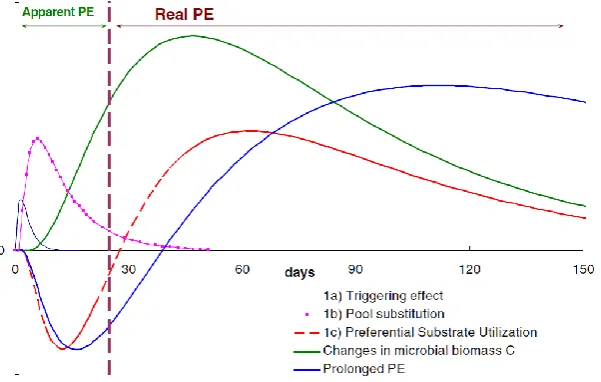
Figure 2.2. Sequence of mechanisms during priming effect (Blagodatskaya and Kuzyakov, 2008).
34
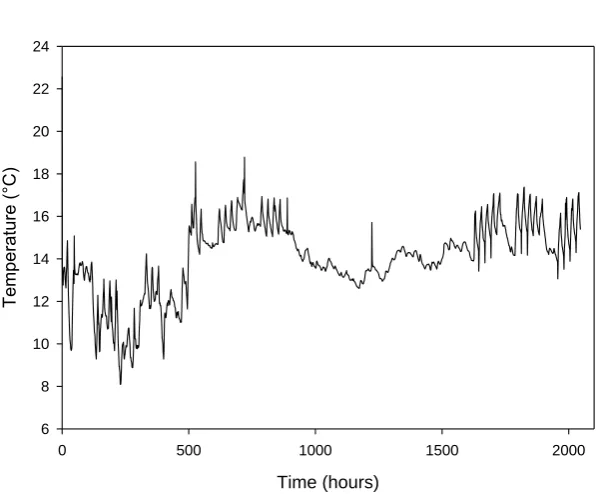
Figure 3.1. Ambient temperature measured during the 85-day soil incubation. 46
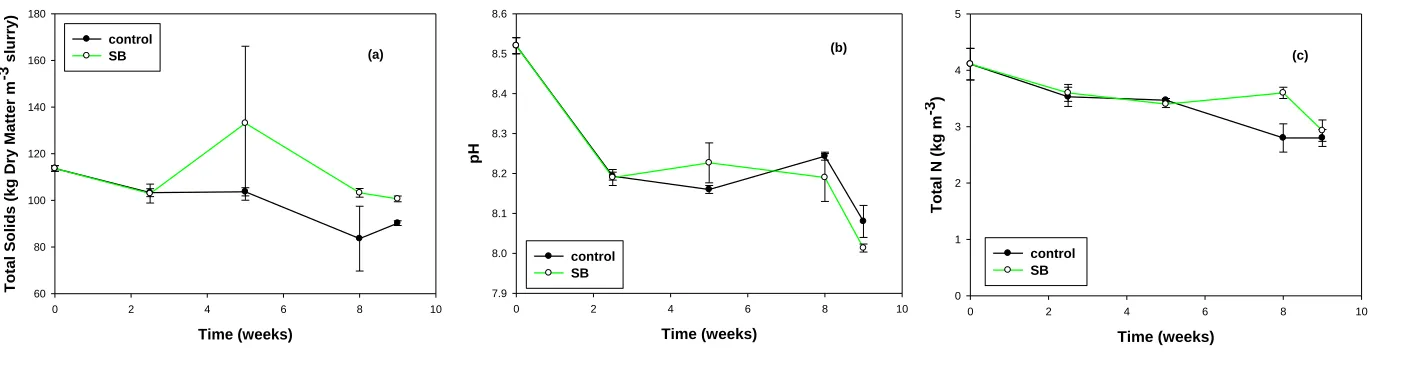
Figure 3.2. Total solids in control and SlurryBugs-SlurryBooster (SB)-amended slurry over time (a); pH in control and SB-treated slurry over time (b); Total N in control and SB-treated slurry over time (c).
57
Figure 3.3. NH4-N in control and SlurryBugs-SlurryBooster (SB)-treated slurry
over time (a); Total P in control and SB-treated slurry over time (b); Total K in control and SB-treated slurry over time (c).
58
Figure 3.4. Total Mg in control and SlurryBug-SlurryBooster (SB)-treated slurry over time (a); Total Na in control and SB-treated slurry over time (b).
59
Figure 3.5. pH in clay loam (a), organic (b), and sandy loam soil (c) over time. = 66
Figure 3.6. SOM in clay loam (a), organic (b), and sandy loam soil (c) over time. 67
Figure 3.7. NH4-N in clay loam (a), organic (b), and sandy loam soil (c) over
time.
68
Figure 3.8. NO3-N in clay loam (a), organic (b), and sandy loam soil (c) over
time.
69
Figure 3.9. Total N in clay loam (a), organic (b), and sandy loam soil (c) over time.
70
Figure 3.10. Olsen P in clay loam (a), organic (b), and sandy loam soil (c) over time.
71
Figure 3.11. Total P in clay loam (a), organic (b), and sandy loam soil (c) over time.
72
Figure 4.1. Cumulative CO2 efflux from control soil and from soil treated with
glucose and slurry amended (AS) and unamended (US) with the biological additive SlurryBugs (a); from control soil and from soil treated with glucose-6-phosphate (G6P) and AS and US slurry (b); from control soil and from soil treated with cellulose and AS and US slurry (c) during 18 days of incubation.
xii
Figure 4.2. Priming index (PI) for soils treated with glucose, glucose alongside either unamended (US) slurry or slurry amended with the biological additive SlurryBugs (AS) (a); for soils treated with glucose-6-phosphate (G6P), G6P alongside either US or AS slurry (b); for soils treated with cellulose, cellulose alongside either US or AS slurry (c) during an 18-days incubation.
113
Figure 5.1. Microbial biomass C (mg C g-1 dry weight equivalent soil) using (a)
control soil (soil), soil with unamended slurry (US), or slurry amended with the biological additive SlurryBugs (AS), (b) soil amended with glucose, soil with glucose and US or AS slurry
140
Figure 5.2. Microbial biomass C (mg C g-1 dry weight equivalent soil) using (a)
soil with glucose-6-phosphate (G6P), soil with G6P and unamended slurry (US), or slurry amended with the biological additive SlurryBugs (AS), (b) soil amended with cellulose, soil with cellulose and US, or AS slurry.
141
Figure 5.3. Microbial biomass P (mg P g-1 dry weight equivalent soil) using (a)
control soil (soil), soil with unamended slurry (US), or soil with slurry amended with the biological additive SlurryBugs (AS), (b) soil amended with glucose, soil with glucose and US or AS slurry.
142
Figure 5.4. Microbial biomass P (mg P g-1 dry weight equivalent soil) using (a)
soil with glucose-6-phosphate (G6P), soil with G6P and unamended slurry (US), or soil with G6P and amended slurry with the biological additive SlurryBugs (AS), (b) soil with cellulose, soil with cellulose and US, or AS slurry.
143
Figure 5.5. Total phospholipid fatty acids (PLFAs) (µg biomass-C g-1 dry weight
equivalent soil) using (a) control soil (soil), soil with unamended slurry (US), or soil with slurry amended with the biological additive SlurryBugs (AS), (b) soil with glucose, soil with glucose and US or AS slurry.
146
Figure 5.6. Total phospholipid fatty acids (PLFAs) (µg biomass-C g-1 dry weight
equivalent soil) using (a) soil with glucose-6-phosphate (G6P), soil with G6P and unamended slurry (US), or soil with G6P and slurry amended with the biological additive SlurryBugs (AS), (b) soil with cellulose, soil with cellulose and US, or AS slurry.
147
Figure 5.7. Total bacterial phospholipid fatty acids (PLFAs) (µg biomass-C g-1
dry weight equivalent soil) using (a) control soil (soil), soil with unamended slurry (US), or soil with slurry amended with the biological additive SlurryBugs (AS), (b) soil with glucose, soil with glucose and US or AS slurry.
148
Figure 5.8. Total bacterial phospholipid fatty acids (PLFAs) (µg biomass-C g-1
dry weight equivalent soil) using (a) soil with glucose-6-phosphate (G6P), soil with G6P and unamended slurry (US), or soil with G6P and slurry amended with the biological additive SlurryBugs (AS), (b) soil with cellulose, soil with cellulose and US, or AS slurry.
xiii
Figure 5.9. Total gram-positive (G +ve) phospholipid fatty acids (PLFAs) (µg biomass-C g-1 dry weight equivalent soil) using (a) control soil (soil),
soil with unamended slurry (US), or soil with slurry amended with the biological additive SlurryBugs (AS), (b) soil with glucose, soil with glucose and US or AS slurry.
152
Figure 5.10. Total gram-positive (G +ve) phospholipid fatty acids (PLFAs) (µg biomass-C g-1 dry weight equivalent soil) using (a) soil with
glucose-6-phosphate (G6P), soil with G6P and unamended slurry (US), or soil with G6P and slurry amended with the biological additive SlurryBugs (AS), (b) soil with cellulose, soil with cellulose and US, or AS slurry.
153
Figure 5.11. Total gram-negative (G –ve) phospholipid fatty acids (PLFAs) (µg biomass-C g-1 dry weight equivalent soil) using (a) control soil (soil),
soil with unamended slurry (US), or soil with slurry amended with the biological additive SlurryBugs (AS), (b) soil with glucose, soil with glucose and US or AS slurry.
154
Figure 5.12. Total gram-negative (G –ve) phospholipid fatty acids (PLFAs) (µg biomass-C g-1 dry weight equivalent soil) using (a) soil with
glucose-6-phosphate (G6P), soil with G6P and unamended slurry (US), or soil with G6P and slurry amended with the biological additive SlurryBugs (AS), (b) soil with cellulose, soil with cellulose and US, or AS slurry.
155
Figure 5.13. Total fungal phospholipid fatty acids (PLFAs) (µg biomass-C g-1 dry
weight equivalent soil) using (a) control soil (soil), soil with unamended slurry (US), or soil with slurry amended with the biological additive SlurryBugs (AS), (b) soil with glucose, soil with glucose and US or AS slurry.
158
Figure 5.14. Total fungal phospholipid fatty acids (PLFAs) (µg biomass-C g-1 dry
weight equivalent soil) using (a) soil with glucose-6-phosphate (G6P), soil with G6P and unamended slurry (US), or soil with G6P and slurry amended with the biological additive SlurryBugs (AS), (b) soil with cellulose, soil with cellulose and US, or AS slurry.
159
Figure 6.1. Conceptual model of the slurry-soil system, the treatments with organic amendments and inorganic fertiliser, and some significant chemical and microbiological changes.
xiv
List of tables
Table 2.1. Typical composition of cattle, pig and chicken slurry (adapted from Salazar et al. (2007), Blanes-Vidal et al. (2009b), Suresh et al. (2009a), DEFRA (2010), Suresh and Choi (2012), Ch’ng et al. (2013); Villamar et al. (2013), Ch'ng et al. (2014), Christel et al. (2014), Provenzano et al. (2014), Villamar et al. (2014), Cabassi et al. (2015), Dale et al. (2015), Kumari et al. (2015), Antezana et al. (2016), Cocolo et al. (2016), Omar et al. (2016)).
18
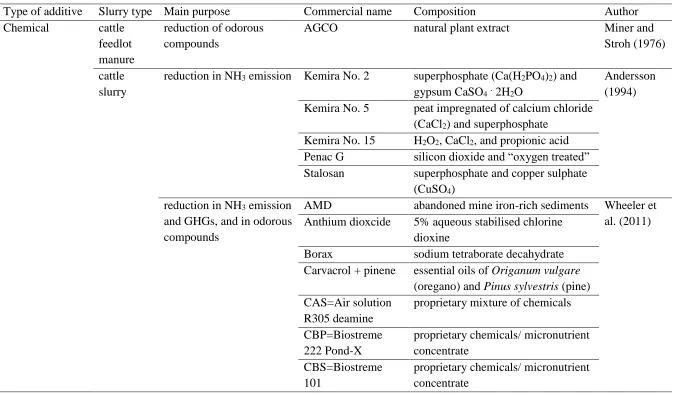
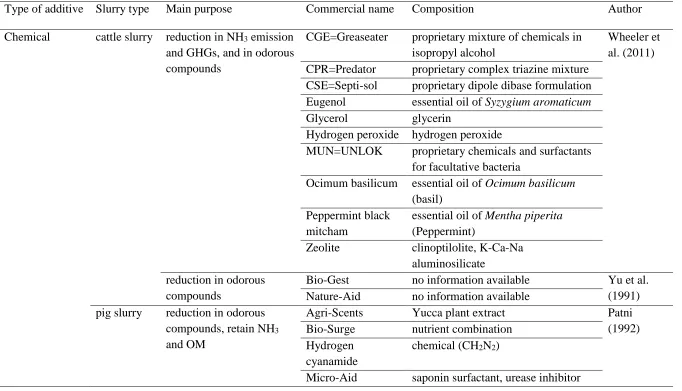
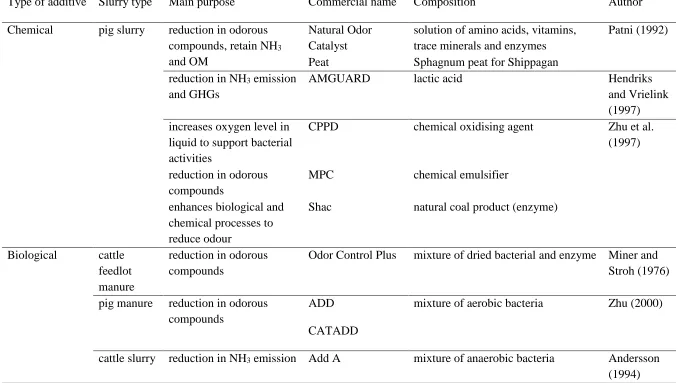
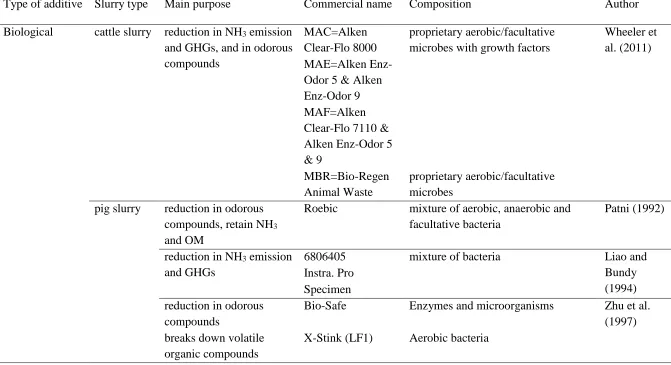
Table 2.2. Summary of the available slurry additives in the worldwide market and their purpose during slurry storage (adapted from McCrory and Hobbs (2001) and Wheeler et al. (2011)).
19
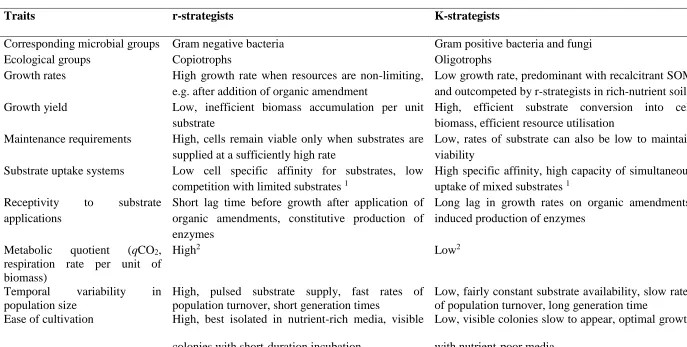
Table 2.3. Ecological, morphological and biochemical traits that are likely to correspond to r- and K-strategists. Modified from Fierer et al. (2007).
29
Table 3.1. Slurry and NPK fertiliser application rates for the three soil types. 44
Table 3.2 Summary of the composition of the slurry additive SlurryBugs-SlurryBooster (SB), of the composition of control and SB-amended slurry, and of the composition of clay loam (CL), organic (O), and sandy loam (SL) soils with the four treatments, control soil (Control), soil with inorganic fertiliser (Inorg Fertil), with unamended slurry (US), and with SB-amended slurry (AS), at the end of the 9-week slurry and 85-day soil trials, respectively.
73
Table 4.1. Summary of the twelve treatments for the incubations for the total respiration and the 14C mineralisation. Each treatment is incubated in
triplicates.
96
Table 4.2. Concentrations of Olsen-P, TOC, TN and the C/N ratio in the different treatments prior to and at the end of the substrate-induced respiration experiment.
107
Table 4.3. Mineralisation rate, extent of mineralisation, percentage of 14C
activity incorporated in microbial biomass, residual 14C activity in
soil and respiratory quotient (mineralisation extent divided by biomass uptake) at the end of the incubation time for each treatment.
1
1 Introduction and objectives of the thesis
During human history, food availability has frequently been limited by natural
phenomena, including crop pests or drought, and human-induced events, such as
conflicts or economic crises. Today, with the world population already exceeding
seven billion and predicted to reach almost 10 billion by 2050, global food demand is
increasing rapidly and some parts of the world are likely to see reduced food security
in the future compared to the present day (Rengel and Zhang, 2011). Commercial food
production relies heavily on inputs of externally-derived nutrients to agricultural soil
in order to support crop yields (Bouwman et al., 2013). As a result, a significant
increase in nutrient input to soil is likely to be required in the future, in order to
increase global food production at a rate that meets the growing demand for food from
the global population (Van Vuuren et al., 2010). However, following widespread
degradation of water resources and of agricultural soils, as well as the rise in energy
consumption on farms, in food processing, and in the production of inorganic
fertilisers, future agricultural practices are required to make food production more
efficient per unit area of land, in order to sustainably meet the predicted increase in
global demand for food (Tilman et al., 2002). Deriving greater benefit from existing
nutrient stocks within agricultural systems, for example those within soil or within
livestock slurry, represents one means through which reliance on the input of
externally-derived nutrients to support food production could be reduced in the future
(Garnett, 2011).
However, although the need to increase the efficiency of future food production is
clear, farm systems are highly likely to continue to rely on a range of external inputs,
2
fertilisers to agricultural soils has been a critical factor in the increases in agricultural
yields that have been observed across the UK, Europe and North America, particularly
since the 1940s (Stewart et al., 2005). Today, very few agricultural soils can sustain
commercial yields without the regular application of externally-derived,
plant-available nutrients (Dawson and Hilton, 2011), meaning that very substantial amounts
of inorganic fertiliser are used globally on an annual basis to support food production.
Between 1960 and 1995, there was a sevenfold increase in the global use of nitrogen
(N) fertiliser, whilst the use of phosphorus (P) fertiliser increased 3.5-fold in the same
period. Further, the use of both N and P fertilisers is predicted to increase threefold by
2050, unless there is a substantial increase in fertiliser use efficiency within
agriculture (Tilman et al., 2001). However, further increases in fertiliser application
are unlikely to result in the widespread, positive yield responses that have been seen
historically, due to ever decreasing returns in terms of crop yield per unit additional
fertiliser application that characterises many agricultural regions (Tilman et al., 2002).
However, a range of other nutrient resources beyond inorganic fertilisers exist
within farm systems, including crop residues, food waste, compost, farmyard manure
(FYM) and slurry. Optimising the use of these alternative nutrient resources should be
a target for work that seeks to support future food production, in order to reduce
reliance on externally-derived inorganic fertiliser resources and to better close the
loop on farm nutrient cycles (Petersen et al., 2007). In particular, if these organic
substrates are recycled for use on the same farm from which they are originally
derived, high nutrient use efficiency can be delivered with respect to the original
import of nutrient resources through the farm gate, with consequent reductions in the
adverse environmental impacts associated with inorganic fertiliser use on farms
3
additional advantages over inorganic fertiliser use, due to the effects that organic
substrates may have on the biological, chemical and physical properties of soils
(Van-Camp et al., 2004). In turn, these effects may translate into enhanced primary
production and carbon (C) sequestration in plant biomass and, ultimately, increased
crop yields (Acharya et al., 1988, Fraser et al., 1988, Latif et al., 1992, Versini et al.,
2013). However, substantial challenges and uncertainties continue to surround the use
of organic substrates to support production within agriculture. For example, these
substrates are normally added in large quantities to soil, due to their lower nutrient
content per unit mass compared to inorganic fertilisers (Hati and Bandyoopadhay,
2011). Because slurry and FYM are predominantly applied to soils according to their
N content, and because these materials possess a N:P ratio of between 2:1 to 6:1, P is
often added to soil in excess of N following slurry/FYM application (Eck et al., 1995).
Compounding the issue of imbalanced N:P in slurry/FYM, the ratio of N to P uptake
by crops, including grass, is often even greater, ranging from 7:1 to 11:1, thereby
further enriching soils in terms of P content (Heathwaite et al., 2000). In the broad
context outlined above, this thesis focusses on determining how the use of organic
substrates, in particular livestock slurry, can be optimised to support production in
grassland systems, thereby reducing reliance on finite, geo-politically constrained and
environmentally costly inorganic fertiliser resources.
1.1 The importance of native organic matter in the availability of
plant nutrient within soil
The application of organic substrates, such as livestock slurry, to soil represents an
4
thereby, to alter decomposition pathways of the soil organic matter (SOM) pool
(Haynes and Naidu, 1998, Lal, 2004). The SOM pool represents the largest reservoir
of C in terrestrial ecosystems, with a magnitude that is three times larger than the C
retained in plant biomass and twice the pool present in the atmosphere as CO2
(Amundson, 2001, Lal, 2004). SOM is also a key factor influencing many ecosystem
functions within soil, due to its capacity to bind inorganic ions, such as metals, to
reduce erosion, as well as to store nutrients in forms that may subsequently become
available to plants through the activity of soil biota (Pascault et al., 2013). Further,
SOM plays a crucial role in determining soil quality in relation to water retention, due
to the large volume of mesopores and micropores within the soil aggregates associated
with SOM (Nanzyo et al., 1993). Alongside allochthonous inputs of organic matter,
for example associated with the application of FYM/slurry, autochthonous
rhizodeposition, including root exudation (Jones et al., 2009, Nguyen, 2009) and root
and mycorrhizal hyphal turnover (Gill and Jackson, 2000, Wallander, 2006),
represents a further process through which labile C substrates may enter the SOM
pool.
Among the wide range of organic compounds present in soil, the majority of SOM
is composed of high molecular weight compounds, including chitin, protein and
cellulose, as well as recalcitrant humic substances, all with relatively slow turnover
rates (van Hees et al., 2005, Vinken et al., 2005). However, despite often being a
relatively small proportion of the total SOM pool, the turnover of low molecular
weight organic compounds, such as organic acids, sugars, amino sugars, amino acids
and nucleotides, dominates the C released from soil as a result of respiration (van
Hees et al., 2005, Rousk et al., 2011). The rate at which different components of the
5
plant nutrients within soil, including N and P, as well as for determining the impact of
agricultural soils on the global C cycle (Altieri, 1999). Beyond the composition of the
SOM pool itself, SOM turnover is also significantly influenced by the physical and
chemical properties of soil, including pH, moisture content, temperature, salinity and
aeration, as well as the physical accessibility of SOM to microorganisms and
enzymes, due to the protection of SOM offered by the mineral matrix and soil
minerals (Sollins et al., 1996, Jastrow and Miller, 1997, Baldock and Skjemstad, 2000,
Gleixner et al., 2001). In particular, the chemical and physical nature of the soil
mineral fraction, as well as the architecture of the soil matrix, represent important
factors that promote the stabilisation of SOM (Baldock and Skjemstad, 2000).
To ensure that arable and grassland soils reach maximum productivity, it is not
only critical that adequate levels of SOM are maintained, but also that adequate
bio-availability of nutrients within soil is maintained (Baligar et al., 2001). The
application of organic amendments to soil offers potential benefits because these
substrates are important sources of both SOM and of key plant nutrients (Adegbidi et
al., 2003, Cordell et al., 2011). However, the fate of OM and of nutrients supplied to
soil through FYM or slurry is fundamentally governed by soil biota. Therefore, it is
critical that the interactions between soil microbiota and organic substrates, such as
FYM/slurry, are robustly understood. This understanding may subsequently be used to
manipulate the interactions between soil biota and the input of organic substrates to
soil, in order to enhance the availability of plant nutrients within soils and to reduce
6
1.2 Role of soil microorganisms in the cycling of soil organic matter
and the availability of plant nutrient from soil stocks
The turnover of SOM is predominantly governed by the activity of soil
decomposers, mainly soil microorganisms (bacteria and fungi), which simultaneously
control: (i) the storage of SOM for sustaining soil structure and fertility (Le Guillou et
al., 2012); (ii) the re-cycling of nutrients in agricultural soil (Pascault et al., 2013); and
(iii) the emission of greenhouse gases (GHGs) from soil to the atmosphere
(Schlesinger and Andrews, 2000). In this context, soil decomposers must hydrolyse
high molecular weight compounds into molecules of lower molecular weight that are
capable of being transferred into microbial cells (Glanville et al., 2012).
According to Hütsch et al. (2002), 64–86% of organic compounds that are derived
from root exudates are rapidly transported to the intracellular environment and
respired by soil microorganisms, whilst the residual of this root-borne C, alongside the
OM synthesised by microbial fauna during decomposition, accumulates within the soil
matrix. The quantity, form, and distribution of root exudates, as well as the products
from subsequent decomposition of microbial fauna, are affected by a number of biotic
and abiotic factors from soil and plant (Jones et al., 2004). Among the most important
soil biotic factors, microbial community size, structure and activity represent key
elements for the turnover of root exudates in soil, due to rapid mineralisation by soil
micro-organisms of these root-born substances (Jones et al., 2004). For example, Ryan
et al. (2001) reported a half-life of between 0.5 and 2 h for most amino and organic
acids, as well as carbohydrates released as root exudates by plants. Whilst rapid
mineralisation consumes much of the substrates exuded by roots into soil, some of the
exuded C will become incorporated into microbial biomass and enter a pool with a
7
Because externally-derived organic substrates, such as FYM/slurry, are respired by
soil microorganisms alongside native SOM and root exudates, it is important to
understand the relative importance of the decomposition of SOM versus
decomposition of a substrate that is added to soil with respect to total CO2 efflux to
the atmosphere (Kuzyakov, 2006). This enables an assessment to be made of the
likely contribution of susbtrates, such as livestock slurry, to the long-term
accumulation of SOM versus short-term respiration. To determine the fate of C
applied through amendments to soil, a number of studies have been conducted that
assess the partitioning of the C associated with the added substrate and that associated
with native SOM, as governed by the microbial community within soil (Hill et al.,
2008, Schneckenberger et al., 2008, Dungait et al., 2013, Verastegui et al., 2014).
Among the different methods that have been used to probe the partitioning of C,
incubation experiments are common (Kuzyakov, 2006). These experiments involve
the application of isotopically-labelled substrates to soil, such as 13C and 14C, followed
by subsequent determination of the labelled-C fractions in different pools
(incorporated within microbial biomass; mineralised and released as CO2 to the
atmosphere; and retained within soil).
As understanding of the dynamics of SOM has developed, different pools of SOM
have been defined that distinguish living from non-living components (Condron et al.,
2010). In this context, microbial biomass has been defined as one of the major driving
forces in the decomposition of SOM (Fan and Liang, 2015). This vision of SOM
decomposition as driven by microbial activity is distinct from the traditional view of
SOM decomposition as solely temperature- and moisture-driven, as underpins many
models simulating C and N dynamics in soil (Molina and Smith, 1997, Smith et al.,
8
sulphur (S) and P are linked with the microbial biomass, with interactions between
SOM and the microbial community controlling the fluxes and bioavailability of these
key nutrients (Bünemann and Condron, 2007, McNeill and Unkovich, 2007). In
particular, the varying distribution of soil microorganism taxa has potentially
important implications for SOM and nutrient dynamics in soil. For example, changes
in the relative importance of bacteria versus fungi between near-surface soil horizons
(often dominated by fungi) compared to the subsoil (often dominated by bacteria),
may have important implications for SOM stored within microbial biomass. For
example, fungi are often assumed to have a higher C storage capacity than bacteria
(Hendrix et al., 1986), but also for the translocation of nutrients between surface
horizons and the subsoil through fungal hyphae. (Oehl et al., 2005).
The application of organic amendments to soil, such as slurry or FYM, may lead to
changes in soil microbial community biomass, size and activity. For instance, a
number of studies have described modifications to the microbial structure, size and
activity of soil microflora, as well as to extracellular enzyme activities, following the
application of fresh slurry/FYM to different types of soil (Bol et al., 2003a, Bol et al.,
2003b, Plaza et al., 2004, Aguilera et al., 2010, Kheyrodin et al., 2012, Balota et al.,
2014). Equally, several studies have reported that the specific nature of changes in the
microbial community structure and activity depend on the quality of organic
substrates added to soil, such organic acids, carbohydrates and amino acids, as well as
plant-derived inputs, including plant litter, crop residues and root exudates (Falchini et
al., 2003, Mondini et al., 2006, de Graaff et al., 2010, Eilers et al., 2010,
Garcia-Pausas and Paterson, 2011, Paterson and Sim, 2013). Furthermore, a positive
relationship has been identified between SOM content and microbial biomass size,
9
the addition of organic substrates to soil resulting in the accumulation of microbial
biomass (Gunapala and Scow, 1998, Nannipieri et al., 2003, Bastida et al., 2008,
Plassart et al., 2008).
However, the impact of applying organic amendments on SOM and on soil nutrient
cycles, as mediated by changes in the soil microbial community, remains to be fully
elucidated. Therefore, this thesis seeks to advance understanding of the interactions
between organic amendments, soil microbial communities, the turnover of SOM and
nutrient bioavailability in grassland soils.
1.3 Thesis objectives
The aim of this thesis is to understand how production within intensive grassland
systems can make better use of organic materials as nutrient resources, thereby
reducing reliance on externally-derived inorganic fertilisers. More specifically, the
thesis will focus on how the management of livestock slurry, alongside the application
of slurry to grassland soil, might be optimised to increase the availability of key
macronutrients to grass plants. The thesis has a specific focus on understanding how
the soil microbial community responds, in terms of structure and function, to the input
of organic amendments to soil and the consequences of changes in the microbial
community for macronutrient cycles in grassland soil.
In order to achieve these aims, four objectives were developed. The thesis structure
and the main objectives of each chapter are summarised below:
Chapter 2. The objective of this chapter was to review and synthesise: i) current
10
production systems, specifically associated with the use of slurry additives; ii)
the effects of the application of organic amendments, including slurry, on soil
nutrient cycles and microbial community structure and function; and iii) the
environmental and economic implications of slurry application within grassland
systems;
Chapter 3. The objective of this chapter was to determine whether the treatment
of livestock slurry with a biological slurry additive significantly influenced the
nutrient content of livestock slurry during storage. In addition, this chapter
focussed on changes in the nutrient content of grassland soil following the
application of organic amendments (livestock slurry with and without a slurry
additive applied during storage) compared to inorganic fertiliser treatment;
Chapter 4. The objective of this chapter was to determine the extent to which
the addition of C sources of different complexity and degree of microbial
availability to grassland soil, spanning glucose, glucose-6-phosphate and
cellulose, alongside livestock slurry amended or not-amended with a biological
additive, affected the activity of the soil microbial community and the resulting
partitioning of C within soil;
Chapter 5. The objective of this chapter was to determine the extent to which
the addition of C sources of different complexity and degree of microbial
availability to grassland soil affected the biomass and the structure of the soil
microbial community;
Chapter 6. The objective of this chapter was to synthesise the effects following
the application of livestock slurry to grassland soil, based on the outcomes
reported in Chapters 3 to 5. Further, the chapter also places the findings from the
11
accumulation/reduction of SOM in agricultural soil; soil acidification; gaseous
phosphine emission; enhancement of soil quality; and the relevance of the thesis
findings to environmental and geopolitical concerns surrounding the depletion
12
2 Application of slurry to grassland soil: potential implications for
key crop nutrients and the soil microbial community
2.1 The role of slurry and slurry additives in agricultural production
Increased availability and application of inorganic fertilisers has arguably been the
key factor underpinning the substantial increases in food production seen in many
parts of the globe over the past century (Matson and Parton, 1997). In order to deliver
such increases in food production within the UK, total inorganic fertiliser application
has increased substantially, particularly since the 1940s (Johnston and Dawson, 2005).
For example, there has been a sustained increase in the quantities of inorganic
nitrogen (N) fertilisers applied, particularly as ammonium sulphate ((NH4)2SO4) and
sodium nitrate (NaNO3), in UK agriculture, rising from approximately 2.5 109 to 1.7
1010 kg during the period 1913-1985 (Johnston and Dawson, 2005). Parallel increases
in the quantities of phosphorus (P) fertiliser, as phosphorus pentoxide (P2O5), and
potassium (K) fertiliser, as potassium oxide (K2O), have also been observed in UK
agriculture during the same period, with peak applications of 5.0 109 kg of nutrients
applied during the years 1960-1990 (Johnston and Dawson, 2005).
However, organic amendments have always represented an additional, in many
cases essential, source of carbon and nutrients within agriculture (Parr and Hornick,
1992). A range of organic amendments, including farmyard manure (FYM), different
types of slurry (the mixture of manure, urine and rainwater/farmyard washings)
including from livestock, pig or chicken sources, green manure, biochar, compost,
sewage sludge, wastes from dairy, vegetable, fish meat, poultry processing industries,
and anaerobic digestate, have been applied to agricultural soils (note that the term
13
slurry). A number of potential advantages have been reported in the literature that
support the importance of making maximum use of organic amendments in
agriculture, in addition to the opportunity to reduce reliance on inorganic fertilisers.
For example, organic amendments are widely seen as important for the enhancement
of soil organic matter (SOM), soil structure and water retention, for increasing cation
exchange capacity and for contributing to soil fertility through the supply of essential
crop nutrients including, but not limited to, N and P (Iyamuremye et al., 1996,
Rochette and Gregorich, 1998, Albiach et al., 2000, Leifeld et al., 2002, Montemurro
et al., 2008, Annabi et al., 2011, Patel et al., 2015, Molnár et al., 2016). Figure 2.1
synthesises a range of effects that are thought likely to be associated with the
application of organic amendments to arable or grassland soils, as reported previously
in the literature.
Among the available organic amendments, FYM and slurry represent some of the
most commonly used in agriculture across the globe (Chandra, 2005). Due to the
increase in fossil fuel prices and subsequent significant increases in the cost of
inorganic fertilisers, as well as the environmental and broader economic costs of
manufacturing and applying inorganic N and P fertilisers, there is increasing interest
within agriculture in the role of FYM and slurry as sources of OM and nutrients,
rather than predominantly as waste materials to be disposed of to agricultural land
(Dordas et al., 2008). In particular, as agricultural systems have developed into more
industrialised and commercial units (Bittman et al., 2014), the recycling of internal
inputs, such as FYM and slurry, in order to close C, N and P loops within farm
systems has become essential, in order to enhance nutrient use efficiency and reduce
costs to farm businesses associated with inorganic fertiliser use (Petersen et al., 2007).
14
slurry, emphasising the significant nutrient resource contained within such materials.
Nutrient use within animal production systems that produce these organic materials
continues to be optimised through improved design of feeding schedules and through
manipulation of feed such that N and P use efficiency is increased. For example, the
addition of exogenous enzymes, such as phytase or protease, to cattle, pig or poultry
diets is utilised to increase the efficiency of P uptake (Selinger et al., 1996, Acamovic,
2001).
However, the processes before slurry application to soil, including slurry collection
and storage, as well as the technique of slurry application to land and any
manipulation of slurry immediately after application, strongly affect the efficiency
with which nutrients and OM within slurry are recycled within farm systems through
return to soil and uptake by crops. Further, environmental risks, for example
associated with unacceptably high levels of N and P accumulating within soil that
increase the probability of nutrient export to water or release to the atmosphere as
GHGs including nitrous oxide (N2O) or methane (CH4), can arise as a consequence of
sub-optimum practices in terms of slurry management (De la Torre et al., 2000, Amon
et al., 2006). Beyond GHG emissions, emissions of NH3 during slurry storage or
following slurry application to land play a crucial role in the decline of biodiversity,
being a major contributor to soil acidification and N deposition within ecosystems
(Berg et al., 2006). Further, the emission of offensive odours during the storage of
slurry in tanks and lagoons, is associated with a complex mixture of volatile organic
compounds (VOCs), including volatile fatty acids (VFAs), alcohols, aldehydes,
amides, amines, aromatic compounds, carbonyls, esters, ethers, halogenated
hydrocarbons, hydrocarbons, ketones, nitriles, olefins, paraffins, phenols and indoles
15
compounds, such as hydrogen sulphide, dimethylsulphide, dimethydisulphide and
dimethyltrisulphide, which may be emitted from stirred slurry, can also be an
important challenge for slurry management. Therefore, whilst organic amendments
such as slurry represent a potentially significant nutrient resource within farm systems,
understanding how this resource can be used to optimum effect whilst minimising any
associated environmental risks, remains a significant challenge for agriculture.
Slurry additives, applied to slurry during storage, represent a potential way in
which nutrient use efficiency within slurry-based systems might be significantly
enhanced (Wheeler et al., 2011). A summary of available slurry additives is provided
in Table 2.2. Several additives, both biological and chemical in nature, have been
developed in an attempt primarily to reduce NH3 volatilisation and odour emission
during FYM and slurry storage (Schils and Kok, 2003). McCrory and Hobbs (2001)
categorised both biological and chemical additives, according to their ways of action:
digestive additives, acidifying additives, disinfectants, oxidising agents, adsorbents
and masking agents. For instance, disinfectants inhibit the natural degradation of
solids by acting on the microbially-mediated processes occurring in livestock slurry,
whereas adsorbents use their high adsorptive capacities to increase total solids (TS) in
manure storage (Wheeler et al., 2011). The manipulation of the balance between NH3
and NH4+ by reducing the slurry pH through application of inorganic acids represents
another way to control emissions (Stevens et al., 1989, Oenema and Velthof, 1993,
Hendriks and Vrielink, 1997, Kroodsma and Ogink, 1997, Martinez et al., 1997, Beck
and Burton, 1998, Pedersen, 2003, Pedersen et al., 2004).
Digestive or biological additives represent a mixture of microbial strains and/or
enzymes that increase the decomposition of livestock waste. In addition, they seek to
16
slurry storage (McCrory and Hobbs, 2001). Biological additives are a potentially
attractive alternative to chemical additives, due to the risks associated with secondary
environmental pollution following the application of chemically-amended slurry to
soil, alongside the high costs associated with producing chemical additives themselves
(Zhu et al., 2006). Further, the extensive use of acidifying chemical additives, such as
aluminium (Al) and iron (Fe) salts, can risk the degradation of soil quality, by
increasing sulphate and chloride concentrations in soil and reducing soil pH following
the application of slurry (Kox, 1981, Fangueiro et al., 2015).
In order to reduce NH3 emissions, biological additives seek to promote the
metabolism of N in combination with the decomposition of OM, and then to stabilise
N as organic N compounds within biomass in slurry, rather than remaining as NH3 to
be volatilised (Wheeler et al., 2011). To control odour emission, a number of
biological additives have been developed that seek to reduce the production, or to
increase the degradation, of odorous volatile compounds (Nykänen et al., 2010). It has
been observed that odorous compounds are produced under anaerobic conditions
within slurry, mainly by Clostridium and Eubacterium spp. that favour high pH (Zhu,
2000). Therefore, lowering slurry pH and adjusting the conditions during slurry
storage to favour lactic acid bacteria should avoid conditions under which anaerobic
bacteria release odorous compounds (Nykänen et al., 2010). Further, the use of
aeration to influence the bacterial community in slurry, mainly composed of Bacillus
spp. that produces malodorous compounds such as VFAs, has led to the selection of
specific Bacillus strains that drastically decrease the level of VFA production within
17
Figure 2.1. Effects of increasing soil organic matter content and soil fertility through the application of organic amendments to agricultural or grassland soils. Modified from Lal (2006).
18
Table 2.1. Typical composition of cattle, pig and chicken slurry (adapted from Salazar et al. (2007), Blanes-Vidal et al. (2009b), Suresh et al. (2009a), DEFRA (2010), Suresh and Choi (2012), Ch’ng et al. (2013); Villamar et al. (2013), Ch'ng et al. (2014), Christel et al. (2014), Provenzano et al. (2014), Villamar et al. (2014), Cabassi et al. (2015), Dale et al. (2015), Kumari et al. (2015), Antezana et al. (2016), Cocolo et al. (2016), Omar et al. (2016)).
Parameters Slurries
cattle pig chicken
Dry matter (%) 8.88 ± 2.90 9.10 ± 0.00 8.07 ± 0.51
pH 7.49 ± 0.30 7.00 ± 0.20 7.52 ± 0.09
Total N (%) 3.75 ± 0.96 7.50 ± 0.00 4.65 ± 0.10
NH4-N (mg kg-1) 1510 ± 0.45 5500 ± 0.00 1288 ± 2.02
Soluble P (mg g-1) n.a. 1900 ± 0.01 n.a.
Total P (mg kg-1) 640 ± 0.23 1490 ± 235 2960 ± 1.05
Total K (mg g-1) 2540 ±0.79 3500 ± 0.00 167 ± 0.64
Total Mg (mg g-1) 250 ±0.00 704 ± 632 257 ± 7.88
19
Table 2.2. Summary of the available slurry additives in the worldwide market according to the type of additive, type of slurry and their purpose during slurry storage (adapted from McCrory and Hobbs (2001) and Wheeler et al. (2011)).
Type of additive Slurry type Main purpose Commercial name Composition Author
Chemical cattle
feedlot manure
reduction of odorous compounds
AGCO natural plant extract Miner and
Stroh (1976)
cattle slurry
reduction in NH3 emission Kemira No. 2 superphosphate (Ca(H2PO4)2) and
gypsum CaSO4. 2H2O
Andersson (1994)
Kemira No. 5 peat impregnated of calcium chloride
(CaCl2) and superphosphate
Kemira No. 15 H2O2, CaCl2, and propionic acid
Penac G silicon dioxide and “oxygen treated”
Stalosan superphosphate and copper sulphate
(CuSO4)
reduction in NH3 emission
and GHGs, and in odorous compounds
AMD abandoned mine iron-rich sediments Wheeler et
al. (2011)
Anthium dioxcide 5% aqueous stabilised chlorine
dioxine
Borax sodium tetraborate decahydrate
Carvacrol + pinene essential oils of Origanum vulgare
(oregano) and Pinus sylvestris (pine)
CAS=Air solution R305 deamine
proprietary mixture of chemicals
CBP=Biostreme 222 Pond-X
proprietary chemicals/ micronutrient concentrate
CBS=Biostreme 101
20 Table 2.2. Continued.
Type of additive Slurry type Main purpose Commercial name Composition Author
Chemical cattle slurry reduction in NH3 emission
and GHGs, and in odorous compounds
CGE=Greaseater proprietary mixture of chemicals in
isopropyl alcohol
Wheeler et al. (2011)
CPR=Predator proprietary complex triazine mixture
CSE=Septi-sol proprietary dipole dibase formulation
Eugenol essential oil of Syzygium aromaticum
Glycerol glycerin
Hydrogen peroxide hydrogen peroxide
MUN=UNLOK proprietary chemicals and surfactants
for facultative bacteria
Ocimum basilicum essential oil of Ocimum basilicum
(basil) Peppermint black
mitcham
essential oil of Mentha piperita
(Peppermint)
Zeolite clinoptilolite, K-Ca-Na
aluminosilicate reduction in odorous
compounds
Bio-Gest no information available Yu et al.
(1991)
Nature-Aid no information available
pig slurry reduction in odorous
compounds, retain NH3
and OM
Agri-Scents Yucca plant extract Patni
(1992)
Bio-Surge nutrient combination
Hydrogen cyanamide
chemical (CH2N2)
21 Table 2.2. Continued.
Type of additive Slurry type Main purpose Commercial name Composition Author
Chemical pig slurry reduction in odorous
compounds, retain NH3
and OM
Natural Odor Catalyst
solution of amino acids, vitamins, trace minerals and enzymes
Patni (1992)
Peat Sphagnum peat for Shippagan
reduction in NH3 emission
and GHGs
AMGUARD lactic acid Hendriks
and Vrielink (1997) increases oxygen level in
liquid to support bacterial activities
CPPD chemical oxidising agent Zhu et al.
(1997)
reduction in odorous compounds
MPC chemical emulsifier
enhances biological and chemical processes to reduce odour
Shac natural coal product (enzyme)
Biological cattle
feedlot manure
reduction in odorous compounds
Odor Control Plus mixture of dried bacterial and enzyme Miner and
Stroh (1976)
pig manure reduction in odorous
compounds
ADD mixture of aerobic bacteria Zhu (2000)
CATADD
cattle slurry reduction in NH3 emission Add A mixture of anaerobic bacteria Andersson
22 Table 2.2. Continued.
Type of additive Slurry type Main purpose Commercial name Composition Author
Biological cattle slurry reduction in NH3 emission
and GHGs, and in odorous compounds
MAC=Alken Clear-Flo 8000
proprietary aerobic/facultative microbes with growth factors
Wheeler et al. (2011) MAE=Alken
Enz-Odor 5 & Alken Enz-Odor 9 MAF=Alken Clear-Flo 7110 & Alken Enz-Odor 5 & 9
MBR=Bio-Regen Animal Waste
proprietary aerobic/facultative microbes
pig slurry reduction in odorous
compounds, retain NH3
and OM
Roebic mixture of aerobic, anaerobic and
facultative bacteria
Patni (1992)
reduction in NH3 emission
and GHGs
6806405 mixture of bacteria Liao and
Bundy (1994) Instra. Pro
Specimen reduction in odorous
compounds
Bio-Safe Enzymes and microorganisms Zhu et al.
(1997) breaks down volatile
organic compounds
23
2.2 Application of slurry to soil in farm systems
The application of FYM and slurry to soil represents a valid alternative to inorganic
fertilisers in order to meet crop demand for available nutrients (Stockdale et al., 2001).
Much effort has been invested in enhancing the nutrient recycling in farm systems
through the application of slurry and manure so as to minimise reliance on external
inputs, because of environmental, economic and geopolitical concerns over continued
access to, and use of, inorganic fertilisers (Chambers et al., 2000, Stockdale et al.,
2002). Although inorganic fertilisers may be necessary to sustain intensive, high-yield
crop production, widespread concerns have been raised with respect to the
environmental and economic sustainability associated with future production of
inorganic fertilisers (Dawson and Hilton, 2011). Most inorganic N fertilisers involve
N fixation through the Haber–Bosch process. This synthesis is an energy-intensive
process, when compared to the production of other inorganic fertilisers, even though
enormous progresses have been made in enhancing the energy-efficiency of the
N-fixation process (Smil, 2001). For example, according to Dawson and Hilton (2011),
the production of N fertilisers requires, globally, over 90% of the overall energy input
needed for fertiliser production. Although fossil fuels can be replaced by many other
energy sources for NH3 synthesis, there are no imminent alternatives to the increasing
reliance on the Haber process to meet demand for N fertilisers (Smil, 1999).
Differently from the synthesis of NH3, inorganic P fertiliser production is reliant on
P extracted from phosphate rock, which is a non-renewable and finite P resource on
human timescales (Cordell et al., 2009), due to the extremely long time required for P
to cycle between the lithosphere and the hydrosphere (Cordell and White, 2011).
Further, because of the highly uneven distribution of phosphate rock reserves in the
24
Morocco alone controlling 74% of these reserves, there is a significant power
imbalance in terms of the control over the supply and the price of inorganic P
fertilisers (Cordell and White, 2015). In addition, significant uncertainty continues to
surround the size and depletion time for remaining phosphate rock reserves (Cordell
and White, 2014). Therefore, the use of organic inputs, such as slurry, could be a valid
route through which agricultural production systems are able to reduce reliance on
finite and geo-politically constrained phosphate rock resources.
Slurry and FYM represent an important source of OM and nutrients for farm
systems, in order to replace OM and nutrients removed in crops and thereby to
maintain and enhance soil fertility and crop growth (Goulding et al., 2008). When
slurry/FYM that is generated within a farm system is recycled within the boundaries
of that farm system, this maximises the efficiency of nutrient use within the system
and, in turn, reduces the cost of transporting these organic amendments elsewhere, for
example to off-site anaerobic digesters, alongside the farm-business expense
associated with inorganic fertiliser purchase and application (Oenema, 2006, Goulding
et al., 2008). Several studies have already described increases in SOM and SOC
following the application of slurry or FYM to soil (Haynes and Naidu, 1998, Kapkiyai
et al., 1999, Morari et al., 2006, Rasool et al., 2008, Huang et al., 2010, Mellek et al.,
2010, Peng et al., 2012). Greater concentrations of Ca, K, Mg and Mn have also been
found in soil amended with different types of slurry and manure (Bulluck III et al.,
2002, Adegbidi et al., 2003, Soumaré et al., 2003, Gil et al., 2008, Suresh et al.,
2009b, da Veiga et al., 2012, Vanden Nest et al., 2014, Lima et al., 2015).
Similarly to the other soil parameters, the effects of the addition of slurry/FYM to
soil have been observed in terms of total N and of mineral N (NH4-N and NO3-N)
25
of organic N within these materials (Eghball, 2002, Mäder et al., 2002, Bittman et al.,
2005, Fließbach et al., 2007, Birkhofer et al., 2008, Duan et al., 2011, Yang et al.,
2015). However, as N inputs increase in farm systems, the risk of greater total N
losses also increases (Oenema, 2006). Losses of N may occur via NH3 emissions,
denitrification, leaching and run-off (Kirchmann and Lundvall, 1993, Loro et al.,
1997, Beckwith et al., 1998, Smith et al., 2001c, Sommer and Hutchings, 2001).
Ammonia emissions are mostly associated with slurry storage and the period
immediately following the application of slurry to land (Oenema, 2006). Reducing
such nutrient losses, particularly from livestock production systems, has been a
significant concern both at UK and at European levels. Regulations at the EU level, as
well as policy and management practices at local and national level, have been
adopted in order to minimise NH3 emissions, as well as N losses to groundwater and
to surface water bodies (Erisman et al., 2008, EU Council Decision, 2009). One
potentially important route through which the export of N from farm systems may be
realised is through more efficient utilisation of slurry/FYM in balance with inorganic
N fertilisers (Hatch, 2004, Rotz, 2004). For example, the application of slurry to soil
through injection may reduce NH3 volatilisation compared to surface application of
slurry by almost 50% (Kuipers et al., 1999). Further, the amendment of slurry with
additives may have the potential to enhance nutrient use efficiency, for example by
mitigating NH3 emissions from slurry (McCrory and Hobbs, 2001).
With regard to P, a number of studies have shown that the application of manure,
slurry or other organic amendments may enhance P availability to crops in different
soil types (Iyamuremye et al., 1996, Guppy et al., 2005, Agbenin and Igbokwe, 2006,
Jiang et al., 2006, Negassa et al., 2008, Gichangi and Mnkeni, 2009, Gichangi et al.,
26
application of P to agricultural land through slurry/FYM, alongside inorganic P
fertilisers, over several decades in what were originally P-deficient soils, has largely
exceeded P offtake in crops and led to significant accumulation of P in agricultural
soils (Hooda et al., 2001). Therefore, due to this large P surplus, many agricultural
soils do not require further inorganic P fertiliser applications, particularly given
slurry/FYM inputs, or at most they require only maintenance applications (Condron,
2004). However, according to Zhang and Schroder (2014), within soils in which
slurry/FYM application rates are primarily determined based on crop N requirements,
significant surpluses of P are applied with respect to crop requirements. The resulting
P accumulation in soil can significantly increase the potential for P export through
runoff and leaching from these soils (Kleinman et al., 2002). As a result, a reduction
in P surpluses in soil by matching crop requirements with P inputs is needed for
effective soil quality management in intensively managed agroecosystems (Condron,
2004). However, whilst this target could easily be achieved in soils with inorganic P
fertiliser applications, it will be difficult in lands receiving significant amounts of
slurry/FYM applications where P application is likely to remain in excess of crop
requirements (Hooda et al., 2001, Withers et al., 2001, Csathó and Radimszky, 2012).
2.3 Impact of slurry application on soil microbial composition and
activity
Organic amendments, including slurry and FYM, represent a key source of energy
and nutrients for soil microorganisms (Condron et al., 2010). Bacteria and fungi
comprise 85% of the soil biomass, and their interactions with the soil faunal