_____________________________________________________________________________________________________
*Corresponding author: Email: [email protected];
Impact of Wet and Dry Seasons on the Distribution
of Polycyclic Aromatic Hydrocarbons in Selected
Vended Street Foods in Parts of Port Harcourt
Metropolis
G. I. Oyet
1, D. B. Kiin-Kabari
1*, M. O. Akusu
1and S. C. Achinewhu
11Department of Food Science and Technology, Rivers State University, Port Harcourt, P.M.B. 5080,
Nigeria.
Authors’ contributions
This work was carried out in collaboration among all authors. Author GIO is a PhD student while other authors are his supervisors. The student managed the literature surfing of the study, performed the work and carried out statistical analysis. Authors DBKK and MOA designed the study. Author SCA wrote the protocol and wrote the first draft of the manuscript. All authors read and approved the final manuscript.
Article Information
DOI: 10.9734/EJNFS/2020/v12i130180
Editor(s):
(1)Dr. Michael Lokuruka, Department of Food Science and Nutrition, School of Agriculture and Biotechnology, Karatina University, Karatina, Kenya.
Reviewers:
(1) Erhabor Osarodion Destiny, Federal College of Education, Nigeria. (2)Krešimir Mastanjević, University of Osijek, Croatia. Complete Peer review History:http://www.sdiarticle4.com/review-history/54483
Received 01 December 2019 Accepted 05 February 2020 Published 13 February 2020
ABSTRACT
The distribution patterns of PAHs in selected ready-to-eat street foods in parts of Port Harcourt metropolis was investigated during wet and dry seasons in 3 locations (Makoba-station 1, Elekahia-station 2 and Rivers State University-station 3). The study was carried out using a complete randomized design in three factorial experiments (Factors A, B and C). Factor A represented Season, B Location and C Street Vended foods samples. The selected food samples were Roasted plantain (RP1-3), Roasted Fish (RF1-3), Roasted Yam (RY1-3), Meat Pie (MP1-3), Suya (SY1-3) and Doughnut (DN1-3). The foods were sampled twice each season and the mean results recorded. Gas Chromatography-Mass Spectrophotometer (GC-MS) was used for the identification and evaluation of the presence of 16 Polycyclic Aromatic Hydrocarbon (PAHs).
Percentage distribution of PAHs in street vended foods during the wet and dry season showed naphthalene value of RY1:57.6% dry and RY1 Not Detected (ND) wet season, MP2: 10.7% dry and MP2: 3.4% wet. Higher naphthalene values distribution during dry season (DN1: 59.6%) was observed, with corresponding lower values recorded during the wet season (DN1: 43.3%). RP1: 10.4% wet and RY1: 19.4% wet while RP1: 9.6% dry and RY1: 2.6% dry showed lower percentage of Flouranthene values during the dry season compared with higher values obtained for the wet season. Chrysene values (RP1: 10.9% wet, RP1: 10.0% dry, SY2: 69.2% wet, SY2: 71.4% dry, MP2: 69.8%, MP2: 22.7% wet) were detected in street vended food as low molecular weight hydrocarbons, with higher degree of distribution during dry season than the wet season. Higher molecular weight Benzo(a)anthracene was detected for all food samples. For RY2: 86.1% dry and 81% wet, RF3:71.3% dry and RF3: 52.0% wet, RF2: 69.0% wet, RF2: 61.4 dry, (DN1-DN3: 28-71.5% wet) and (DN1-3: 21.9-76% dry) seasons for Benzo(a)anthracene. The study showed that Benzo(a)anthracene had the highest percentage distribution during dry season in roasted fish and doughnut (DN2). Benzo(k)fluoranthene (RP1: 2.5% wet, 2.6%dry), Benzo(b)fluoranthene (RY2: 9.9% wet, 1.7% dry, MP2: 8.9% dry and 2.7% wet) and Benzo(a)pyrene (RP1: 5.5% wet, 4.5% dry)
were detected in all vended foods during wet and dry seasons, with higher percentage
values observed during the dry season. Benzo(a)anthracene, Benzo(k)fluoranthene,
Benzo(b)fluoranthene and Benzo(a)pyrene were detected in all vended foods. The study showed that the wet and dry seasons have imparted on the distribution levels of Lower Molecular Weight (LMW) and Higher Molecular Weight (HMW) of PAHs in ready-to-eat vended street foods. The patterns of distribution established the presence of these PAHs in selected ready-to-eat vended street foods. PAHs found in street vended foods is of public health concern to consumers and call for urgent attention for the review of the PAHs sources in food preparations, handling and storage in Port Harcourt metropolis.
Keywords: Wet and dry season; chromatography; PAHs; street vended foods; distribution patterns.
1. INTRODUCTION
Food is one of the prime necessities of life as water and air. Today, it is common knowledge that access to quality food is driven by the ability to pay. Most people are struggling to meet the food requirements of the family, hence have resorted to quick and cheaper foods vended along the street as a supplement, without recourse to good hygiene practices. Most workers such as drivers, mechanics, cleaners, operators, teachers, students and some middle-level employees, especially those working in urban business centers such as the universities
and some areas in Port Harcourt
metropolis, Rivers State have good patronage of
street vended foods such as Akara, bread,
roasted plantain (Bole), potatoes, yam, fish and
corn. Some eat these foods as snacks on a daily basis. Also, some highly paid workers, have
also found patronage of vended street food without recourse to food safety. This is also true
of workers around oil and gas installations such as terminals and deports, truck marshaling yard, gas plants facilities along the Makoba areas and industrial road in Port
Harcourt.
Street-foods are foods and beverages that are sold by street vendors or hawkers which could be
raw or cooked [1]. Street vended foods are an
extremely heterogeneous food category,
encompassing meals, drinks and snacks. They show great variations in terms of ingredients, methods of retail, processing and consumption and are sold on the street from "pushcarts, baskets, balance poles, from stalls or shops having fewer than four permanent walls" [2].
containers used in the storage of locally refined
petroleum products. Occupants of Port
Harcourt metropolis enjoy wet and dry seasons all year round and therefore, faced the impact of the activities, products and services resulting from the significant environmental aspects of the oil and gas exploration. According to Umar et al. [3], the poor personal hygiene of the food vendors is a major source of public health concern.
Polycyclic aromatic hydrocarbons (PAHs) are a group of notorious ubiquitous environmental contaminants produced primarily as a result of incomplete combustion of fossil fuels, biofuels and vegetation fires. They possess mutagenic, carcinogenic and teratogenic properties and are persistent in the environment having high lipophilicity [4]. PAHs studied in vended street food is of great concern due to their carcinogenicity, genotoxicity and mutagenicity
properties [4]. Thus, the United States
Environmental Protection Agency has listed 16 PAHs as priority pollutants on the basis of their
occurrence and carcinogenicity. Polycyclic
aromatic hydrocarbons are widespread in foodstuffs as a result of environmental pollution and some thermal treatments, which are used
during the manufacturing of foods.
Contamination of vended street foods by PAHs are known to be associated with various food
processing procedures such as smoking,
roasting, baking or frying [5].
Street food vending represents an important food security strategy for the low income population worldwide. However, no comprehensive risk analysis framework yet exists as regards to
specific aspects of chemical/toxicological
hazards in street foods. Indeed, all steps of street food production and vending can be vulnerable; from the selection of raw materials, through storage and preparation of meals and even the vending site are often exposed to urban
pollutants. Relevant examples are cheap
ingredients with illegal or undesirable residues, substances arising in poorly stored commodities (e.g. mycotoxins, histamine in scombroid fish) and metals leaching from cook-ware and process contaminants such as polycyclic aromatic hydrocarbons (PAHs) and acrylamide [6]. The Presence of PAHs in street vended foods is of public health concerns, hence the study is designed to evaluate the impact of wet and dry seasons on the distribution patterns of PAHs in street vended foods in selected parts of Port-Harcourt metropolis.
2. MATERIALS AND METHODS
2.1 Study Area
Port Harcourt is the capital and largest city in River State, located between the latitudes of 4°46'38.71" N and longitudes of 7°00'48.24" E in
the heart of Niger Delta. The study was
conducted in selected parts of Port Harcourt metropolis, Rivers States along the following sampling locations:
(a) Makoba: Terminal and Deports (Housing
Oil and Gas, Truck Park/slump
environment)
(b) Rivers State University gate (Urban, Academic Environment)
(c) Elekahia (urban, defining Industrial and Residential Area).
2.2 Chemicals
All chemicals and reagents used were of analytical grade. Dichloromethane (LC grade), alumina and silica gels were obtained from BDH (Poole, UK) while n-hexane was obtained from Aldrich (USA). A PAH standard mixture (NIST, Baltimore, MD) containing the 16 priority PAHs was used in this study and partial sodium salt-graft-poly (ethylene oxide) was from Sigma-Aldrich, Munich, Germany.
2.3 Methods
2.3.1 Experimental design
Six food samples each were purchased from the 3 (three) locations in Port Harcourt metropolis for two different days respectively and were
wrapped with an aluminum foil paper,
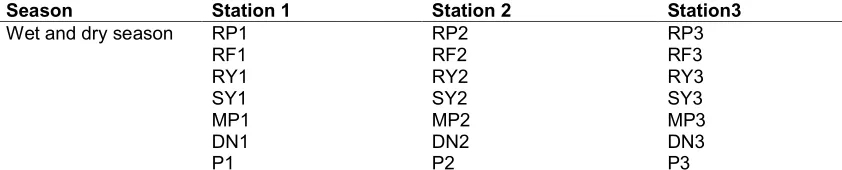
transported in an iced cooler to Food Chemistry Laboratory in the Department of Food Science and Technology, Rivers State University, Port Harcourt, Nigeria same day for analysis. One Air filter paper unexposed as control and the whole study was done using complete randomised design in a factorial experiment. Three factorials were used (Factors A, B and C); factor A represented Season, B Location and C Street Vended food samples given as 2X3X3 factorials. The vended foods are as shown in Table 1.
2.3.2 Sample collection
from roadside food vendors and hawkers along the Rivers State University Gate, Makoba-Industrial settlement, Elekahia-Urban dwellers and 3 (three) filter papers, all in Port Harcourt city, Rivers State, Nigeria. Three (3) samples were collected along the three (3) different locations for two (2) days during each season. They were wrapped in an aluminum foil, placed in a cooler and taken to the laboratory from which sub-samples were obtained for the determination of PAHs. The choice of the samples was carefully made to reflect the most consumed street vended foods in Port-Harcourt. The samples were stored at 4ºC prior to analysis.
2.3.3 Determination of polycyclic aromatic hydrocarbons (PAHs)
PAHs were determined by Gas Chromatography-Mass Spectroscopy (GS-MS) using the ASTM D7363 – 07 methods. Five grams of the subsamples were mixed with the same amount of drying material poly (acrylic acid), partial sodium salt-graft-poly (ethylene oxide) to make it free-flowing. The resulting material was poured into a 33 ml cell and extracted with hexane and dichloromethane in an accelerated solvent extractor (ASE 200, Dionex Sunnyvale, CA). The
extraction cells were filled with solvent,
pressurized to 14 MPa and heated to 120ºC for 6 min. The pressure and temperature were held constant for extra time of 5 min and the cell was rinsed with cold solvent (60% of cell volume) and purged with argon for 150 sec. The static extraction and purging steps were performed twice for each sample with fresh solvent and the extracts were combined [7]. The extracts were evaporated to 1 ml and purified by solid-phase
extraction with 2 g of aluminium oxide (5% deactivated upper part) and 2 g of silica gel (5% deactivated lower part). The PAHs were subsequently diluted with 15 ml of hexane, 5 ml of hexane and dichloromethane (9:1) and 20 ml of hexane and dichloromethane (4:1). The diluted fractions were combined and evaporated to approximately 0.5 ml by using a rotary evaporator. PAHs were detected with gas chromatograph-mass spectrometer (HP 5890 series II Palo, Alto, CA/ HP5972) equipped with an HP5 capillary column (5% diphenyl–95% dimethyl polysiloxane) (0.25 μm film thickness, 0.25 mm i.d.× 30 m) and interfaced with an HP5972 mass spectrometer. The carrier gas was helium (99.999%) with a flow rate of linear velocity 1 ml min–1. The oven was programmed at 45ºC for 2min, ramped at 10ºC min–1 to 290ºC and held for 8 min. The mass spectrometer was operated in the electron ionization mode (295ºC and 70 eV) using selected ion monitoring. The injector port and interface temperature were 290ºC and 250ºC, respectively. One μl of each sample was injected in splitless mode. Quantification was carried out by the external calibration method and all results were calculated on a dry weight basis. In the absence of a certified reference material, the spike recovery method was adopted for validation of the analytical procedure. Some selected analyzed samples were spiked with known concentrations of individual PAHs and reanalyzing them. The spikes were applied to these samples at two concentration levels. The percent recoveries for the PAH compounds ranged from 71.5 to 96.5%. The relative standard deviations for replicate analyses (n=3) ranged between 1% and 9% for the PAH compounds.
Table 1. Experimental Design: Season and food samples with processing methods for the experiment
Season Station 1 Station 2 Station3
Wet and dry season RP1 RP2 RP3
RF1 RF2 RF3
RY1 RY2 RY3
SY1 SY2 SY3
MP1 MP2 MP3
DN1 DN2 DN3
P1 P2 P3
Key: RP1 = roasted plantain from Makoba, RP2 = roasted plantain from Elekahia, RP3 = roasted plantain from Rivers State University, RF1 = roasted fish from Makoba, RF2 = roasted fish from Elekahia, RF3 = roasted fish from Rivers State University, RY1 = roasted yam from Makoba, RY2 = roasted yam from Elekahia, RY3 = roasted
yam from Rivers State University, SY1 = roasted suya from Makoba, SY2 = roasted suya from Elekahia SY3 = roasted suya from Rivers State University, MP1 = baked meat pie from Makoba, MP2 = baked meat pie from Elekahia, MP3 = baked meat pie from Rivers State University, DN1 = fried doughnut from Makoba, DN2 =
The detection and quantification limits (LODs and LOQs) were evaluated on the basis of noise obtained from the analysis of blank samples (n=4). The LOD and LOQ were defined as the concentrations of the analyte that produced a signal-to-noise ratio of 3 and 10, respectively. The r2 values for the calibration curves in the concentration range of 2–100 μg ml–1 were in range of 0.9992 to 0.9998 while LOD and LOQ values for the PAH compounds were in the range of 0.03 to 0.21 μg kg-1 and 0.1 to 0.7 μg kg–1, respectively. The instrument was calibrated using the manufactures standard calibration solution (Accustandard containing Alkanes mix 0.6 mg/mL and Accustandard PAH solution mix0.2 mg/mL CH2Cl2: MeOH (1:1).
2.4 Data Analysis
The mean values were subjected to statistical calculations which were performed using IBM SPSS (Statistical Package for Social Sciences) version 21. The analysis was done with GS-MS obtained at Rofnel Energy Services Limited, located at Plot 2 Addison Close, Rumuagholu, Port Harcourt, Nigeria.
3. RESULTS AND DISCUSSION
The study was structured to examine the percentage distribution of Polycyclic Aromatic Hydrocarbon (PAH) in street vended foods during wet and dry seasons in selected parts of Port Harcourt metropolis.
3.1 Station 1: Makoba
Polycyclic aromatic hydrocarbons such as Naphthalene, Acenaphthylene, Acenaphthene, Fluorene, Phenentrene, Anthracene, Dibenzo (a, h) anthracene and Benzo (g, h, I,) perylene and Indole (1, 2, 3-cd) Pyrene was not detected in roasted plantain and roasted yam sourced from Makobar during the wet and dry season. However, RY1 during dry season contained some LMW PAHs such as Naphthalene (57.6%) and Acenaphthene (27.7%). In the study Benzo (a) anthracene (60% wet, 62.1% dry), Chrysene (10.9% wet, 10.0% dry ), Pyrene (7.5% wet,7.7% dry) and Flouranthene (10.4% wet, 9.6% dry) were found the highest in roasted plantain in Makoba of the Ʃ16 PAHs while Benzo (k) Flouranthene (2.5% wet, 2.6% dry), Benzo (b) Flouranthene (3.2% wet, 3.5% dry) and Benzo (a) Pyrene (5.5% wet, 4.5 dry) were detected at lower percentages in roasted Plantain in Makoba during wet and dry season respectively. The
study showed that suya, meat pie and doughnut contained varying percentages of LMW and HMW of PAHs at wet and dry season. Though, higher percentages of PAHs were observed during the dry season.
According to the findings in this study at station 1(Makoba) the lower molecular weight (LMW) PAHs, those with 2-3 aromatic rings were not detected in roasted plantain and Yam during the wet and dry season. The non-detection of these PAHs may be due to the seasonal effect of the rainy season and the cold precipitation of the dry season common at Makoba. Rain may have acted as cleaning agents to reduce the deposits and concentrations of the PAHs on food samples. The findings validate the work of Skupinska et al.[8] that once PAHs are emitted to the atmosphere, weight influences the fate of the gaseous PAH mixtures. Heavier PAHs (more than four rings) tend to adsorbed to particulate matter, while lighter PAHs (less than four rings) tend to remain gaseous until removed via precipitation. PAHs concentrations in water tend to be low (around 100 mg/l) due to their weak
solubility. The weak solubility leads to
accumulation in sediments and aquatic
organisms. PAHs can be absorbed by plants and can accumulate in soil. From this study, it was observed that Benzo (a) anthracene ranked highest (62.1% dry, 60.0% wet) and Benzo (a) pyrene at 5.5% wet, 4.5% dry concentrations of the Ʃ16 PAHs in roasted plantain at Makoba observed at dry and wet season. Similarly, Roasted fish, Meat Pie (Benzo (a) pyrene:5.0% dry, 0.4% Suya and Doughnut contained varying concentrations of these HMW PAHs. These findings corroborate with the work of Anjali and Dipanjali [9] who implicated the presence of Benzo (a) anthracene, Indole (1, 2, 3 –cd) pyrene and Benzo (a) pyrene in food samples as category 2 carcinogens, mutagen and teratogen, which is of public health concerns. In a similar study by Eke-Ejiofor and Maxwell [10], Polycyclic Aromatic Hydrocarbon (PAH) was detected in the roasted plantain samples, in some parts of Port Harcourt metropolis with levels ranging from 0.003–0.015 mg/kg.
3.2 Station 2: Elekahia
Roasted Plantain in Elekahia (RP2) recorded
Naphthalene (32.6% wet, 30.4% dry),
aromatic rings concentration, while Benzo (k) Flouranthene (1.3% wet,1.3% dry) was observed in very low concentration. However, Anthracene (3-rings aromatic hydrocarbon) as well as those having 5 to 6 aromatic rings such as Dibenzo (a, h) anthracene, and Benzo (g, h, I,) perylene were not detected in roasted plantain from Elekahia during wet and dry season respectively. Roasted Plantain in Elekahia (RP2) recorded highest value of LMW PAHs when compared with roasted plantain at Makoba (ND) and Rivers State University (0.9% &18.3%) wet and dry season. Also, not detected in roasted yam were higher molecular weight PAHs which includes Dibenzo (a, h) anthracene, and Benzo (g, h, I,) perylene at wet and dry season, while Indenol (1, 2, 3 –cd) pyrene was detected at low level (0.1%) at Elekahia in Roasted yam respectively. The study showed the presence of other HMW PAHs in roasted yam, Fish and Meat Pie which included Benzo (a) anthracene RY2 (86.1% dry and 80.1% wet), RF2 (61.4% dry, 69% wet), MP2 (76.0% dry, 70.8% wet) showing a significant percentage difference from the RY1 (16.8%) during wet season. Chrystene recorded 71.4% dry, 18.7% wet for Suya (SY2) and 69.8% dry, 68.0% wet in Meat pie (MP2), while Doughnut (18.0% dry, 21.7% wet), respectively. The presence of high molecular weight (HMW) PAHs such as Banzo (a) anthracene, Benzo (a) pyrene and Benzo (b) Flouranthene in roasted yam, fish, suya, meat pie and doughnut were implicated as category 2 carcinogen, mutagen and teratogen. This corroborates with the findings of Alonge [11]; Anjali and Dipanjali [9]. Daily consumption of roasted plantain, fish, suya, meat pie and roasted yam by drivers and other customers is of health concern based on the findings of this study that detected the presence of HMW PAHs as food safety hazards during the wet and dry season. However, Garcίa et al.[12]; Alonge [11] reported that previous publications have revealed that PAHs with higher molecular weight (HMW) are more carcinogenic than the lower molecular weight (LMW) PAHs.
3.3 Station 3: Rivers State University
The major PAHs implicated in the Roasted plantain at Rivers State University were Chrysene (22.3% wet, 1.4% dry) and Benzo (a) anthracene (74.6% wet, 31.7% dry) 4-rings, respectively. Roasted plantain in Rivers State University did not showed the presence of PAHs having 5 to 6 aromatic rings such as Dibenzo (a, h) anthracene, Indenol (1, 2, 3 –cd) pyrene (trace amount: 0.2%) and Benzo (g, h, I,) perylene
during wet and dry season respectively. However, the presence of Chrysene, Benzo (a) anthracene, Benzo (b) Flouranthene, Benzo (k)
Flouranthene and Benzo(a)pyrene were
observed in the street vended food samples at Rivers State University during wet and dry season respectively. The study also revealed that the Roasted plantain did not show the presence of Fluorene and Phenanthrene. The major PAHs of concern in the Roasted plantain at Rivers State University were Chrysene, Benzo (a) anthracene RY3 (76.7% wet season) 4-rings
respectively. However, the presence of
Chrysene, Benzo (a) anthracene, Benzo (b) Flouranthene, Benzo (k) Flouranthene and Benzo (a) pyrene were observed in small amount in the street vended food samples at wet season and dry season respectively. However, roasted yam at station 3 contained Naphthalene (0.7% wet, 50.0% dry), Acenephthylene (0.2% wet, 0.7% dry), and Acenephthene (0.1% wet, 30.6% dry) in low level during wet and higher values at dry season.
Roasted yam at wet and dry season when compared to roasted plantain, also contained the PAHs with 5 rings such as Benzo (k) Flouranthene (0.1% wet, 6.8% dry) and Benzo (b) Flouranthene (0.5% dry, 0.8% wet) which were observed at various percentages in roasted yam at Station 3 during wet season and dry season in small amounts, but capable of health risk to the consumer.
doughnut during wet and dry season showed that PAHs is of public health concerns to the consumers of these food products. The presence of both the LMW and HMW of PAHs implicated the consumption of roasted fish, yam, plantain and doughnut as a regular meal. Similar findings by Garcίa et al. [12]; Alonge [11] revealed that PAHs with higher molecular weight (HMW) are more carcinogenic, mutagenic and teratogenic than the lower molecular weight (LMW) PAHs, Also, Anjali and Dipanjali [9] implicated all the 4-6 ringed PAHs as category 2 carcinogen, with benzo (a) pyrene characterized as not only category 2 carcinogen but mutagenic and teratogenic. The HMW PAHs do not show any preference for the seasonal variations.
The findings in this study corroborates the work of Lijinsky [13], Fritz and Soos [14]; Borokovcova et al. [15] and Emerole [16] who carried out a study to identify the occurrence of PAH in some Nigerian made local foodstuffs. They observed that significant values of benzo (a) anthracene and benzo (a) pyrene were detected in three varieties of smoked fish and smoked meat (suya) purchased from a popular market in Ibadan, Nigeria. Roasted fish may be implicated with the presence of percentages of LMW and HMW PAHs as detected in the present study due to mode of preparation such as smoking on a charcoal fire and other fire woods as the source of heat. This discovery is in agreement with the finding of De Vos et al. [17] that PAHs are discovered in significant amounts in some foods
as a result of food processing methods such as cooking, smoking, preservation and storage,
which are detected in meat, fish and
vegetables.
According to Ziegler [18] who corroborates and implicated the food processing method as pathway for PAHs intake, when he stated that “eating of a charcoal-broiled food may expose one to the same quantity of PAHs as one would receive from smoking 600 cigarettes”. Similarly, Bababunmi et al. [19], Fritz and Soos [14],
Emerole [16] and Kazerouni et al. [20]
documented through an epidemiological study that showed a statistical correlation between the increased occurrence of cancer of the intestinal tract and frequent intake of roasted food. From the findings in this study, one can state that people of Rivers State may be exposed to health risk as consumption of roasted fish and bole is ongoing unabated. This is being agreed by Alonge [11] who reported that PAHs are common and may constitute health hazards in Nigeria.
Recent studies have implicated the presence of HMW PAHs in the skin of roasted fish.
Philips [21] reported that PAH concentrations in foodstuffs vary. Charring meat or barbecuing food over charcoal, wood, or other type of fire greatly increases the concentration of PAHs. For example, the PAH level for charring meat can be as high as 10–20 μg/kg.
In non-occupational settings, up to 70% of PAH exposure for a non-smoking person can be associated with diet [8]. Charbroiled and smoked meats and fish contain more PAHs than do uncooked products, with up to 2.0 μg/kg of benzo (a) pyrene detected in smoked fish. Tea, roasted peanuts, coffee, refined vegetable oil, cereals, spinach and many other foodstuffs contain PAHs. Some crops, such as wheat, rye and lentils may synthesize PAHs or absorb them via water, air or soil [22-25]. The current study reported increased levels of PAHs in fish and Amos-Tautua et al.[26] suggested that in order to reduce the high level of HMW PAHs in roasted fish which poses a high level of risk to consumers, that the burnt skin of roasted fish, meat or poultry should be avoided as it contained higher values of PAHs than the edible parts. From the current study, we discovered that the HMW carcinogenic PAHs constitute about 86% of the total PAHs in the roasted fish, of which 18% is accounted for by Chrysene and 65% by Benzo (a) anthracene, while BaP constituted only 3%. This was not in agreement with the findings
of Amos-Tautua et al.[26] who reported that 33%
of the total PAHs in the roasted fish, of which 7% is accounted for by BaP More recently, Akpambang et al. [4] reported BaP at levels ranging from 2.4 to 31.2 µg/kg wet weights smoked fish and meat samples. Benzo (a) pyrene is the most studied PAHs and it is often used as a biomarker for PAHs.
It is important to note that benzo (a) pyrene was detected in traces amount (0.1 to 0.2%) in all 3 suya locations for this study and this is contrary
to results obtained by Bababunmi et al.[19] who
than in the fish during the rainy season. This finding was in contrast to the work of Arpan et al. [28] reported that a strong correlation exists between fish lipids and PAH compounds; since PAH compounds are stored in fatty fish tissue. The HMW PAHs in fish and suya showed that PAHs are of food safety concern with its attendant carcinogenic tendencies and thus clearly make street vended suya unsafe for public consumption with its attendant health concerns to the consumers of suya across the various locations in Port Harcourt metropolis. The presence of these HMW PAHs may be attributed to the processing methods such as smoking in an open place. De Vos et al. [17], attributed the outdoor air pollution and the quality of water used in the cleaning of the meat before roasting or smoking. This agreed with the findings of Lioy et al. [29], obtained during a study of human exposure to Benzo (a) pyrene (BaP) that in some instances, outdoor air pollution led to a major portion of indoor air BaP exposures. Drinking water appeared to be a major pathway of BaP exposures in the study area. Benzo (b) Flouranthene was detected in Meat Pie and doughnut (2.7 to 11.3% and 2.5 to 9.3%). Other HMW PAHS detected in traces amounts are Benzo (a) pyrene and Dibenzo (a, h) anthracene, Benzo (k) Flouranthene and Benzo (g, h, I,) perylene and Indenol (1, 2, 3–cd) pyrene found in Meat pie and Doughnuts. The finding of the presence of HMW PAHs in the current study corroborates with the work of Ahmed et al. [30] that meat pie had higher concentrations of the Ʃ16 PAHs compared to any other samples examined. The PAH profiles of the individual samples varied significantly, which may be associated with the heating temperature and fuel types used in the baking process [30]. Food is considered to be the major source of human PAH exposure due to PAH formation during cooking or from atmospheric deposition of PAHs on grains, fruits and vegetables. The relative contribution of airborne PAH pollutants to food levels (via fallout) has not been well characterized [17].
In a similar study by Chukwujindu [31] who stated that baked products were mainly contaminated with 2-, 3-, and 4-ring PAHs, which suggested that the contamination of these food items originated from automobile emissions, the combustion products of the fuel types used in the processing of these foods, baking procedure, and temperature. -High Naphthalene value of 43.3%, 32.6% and 24.7% were found in the doughnut, Roasted Plantain and Meat pie from
Makoba (DN1), (MP1) and Elekahia (RP2). The exposed Blank Paper also recorded a higher concentration of Chrysene PP1 (91.1%) Makoba, PP2 (88.8%) Elekahia and PP3 (67.1%) Rivers State University gate. A small increased risk of cancer in workers exposed to diesel exhaust as contributors of PAHs has been suggested by some epidemiologic studies [32]. The emergency of soots and daily burning of fossil fuels in Port Harcourt is of public health concerns to street vended food workers, traffic wardens, vehicle inspectors, drivers of trucks, mechanics etc. The high levels of PAHs detected in the street vended foods validates the work of Adonis et al. [33]; Kanoh et al.[34]; Kuo et al.[35] that higher levels of PAHs have been noted for residents of industrialized urban areas than in rural or suburban settings. Many-fold higher levels PAHs can be found in workers from certain occupations [36], including aluminum smelting [37]; diesel engine mechanics [33,38]; taxi, bus, and truck drivers [39,40]; painters [41], boiler makers [42]; toll booth operators [43]; traffic police [44] and coke oven plant workers [45-47].
EPA [48] has suggested that taking into your body each day “the following amounts of individual PAHs is not likely to cause any harmful
health effects: 0.03 milligrams (mg) of
anthracene, 0.06 mg of acenaphthene, 0.04 mg of fluoranthene, 0.04 mg of fluorene, and 0.03 mg of pyrene per kilogram (kg) of your body weight (one kilogram is equal to 2.2 pounds). Actual exposure for most of the United States population occurs from active or passive inhalation of the compounds in tobacco smoke, wood smoke, and contaminated air, and from eating the compounds in foods. Skin contact with contaminated water, soot, tar, and soil may also occur. Estimates for total exposure in the United States population have been listed as 3 mg/day.”
Seasonal variations, with much higher levels of DNA adducts in the wintertime, were observed both in residents of the district near the coke-oven area and in individuals from the rural area of Poland [49,50].
The OSHA-mandated PAH workroom air
standard is an 8–hour time weighted average (TWA) permissible exposure limit (PEL) of 0.2
mg/m3, measured as the benzene-soluble
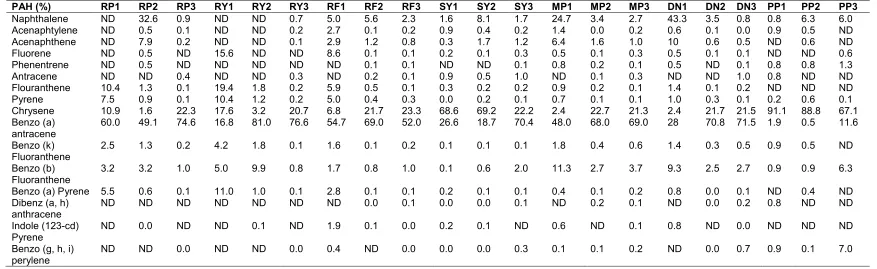
Table 2. Percentage distribution of polycyclic aromatic hydrocarbons (PAHs) in street vended foods during raining season
PAH (%) RP1 RP2 RP3 RY1 RY2 RY3 RF1 RF2 RF3 SY1 SY2 SY3 MP1 MP2 MP3 DN1 DN2 DN3 PP1 PP2 PP3
Naphthalene ND 32.6 0.9 ND ND 0.7 5.0 5.6 2.3 1.6 8.1 1.7 24.7 3.4 2.7 43.3 3.5 0.8 0.8 6.3 6.0
Acenaphtylene ND 0.5 0.1 ND ND 0.2 2.7 0.1 0.2 0.9 0.4 0.2 1.4 0.0 0.2 0.6 0.1 0.0 0.9 0.5 ND
Acenaphthene ND 7.9 0.2 ND ND 0.1 2.9 1.2 0.8 0.3 1.7 1.2 6.4 1.6 1.0 10 0.6 0.5 ND 0.6 ND
Fluorene ND 0.5 ND 15.6 ND ND 8.6 0.1 0.1 0.2 0.1 0.3 0.5 0.1 0.3 0.5 0.1 0.1 ND ND 0.6
Phenentrene ND 0.5 ND ND ND ND ND 0.1 0.1 ND ND 0.1 0.8 0.2 0.1 0.5 ND 0.1 0.8 0.8 1.3
Antracene ND ND 0.4 ND ND 0.3 ND 0.2 0.1 0.9 0.5 1.0 ND 0.1 0.3 ND ND 1.0 0.8 ND ND
Flouranthene 10.4 1.3 0.1 19.4 1.8 0.2 5.9 0.5 0.1 0.3 0.2 0.2 0.9 0.2 0.1 1.4 0.1 0.2 ND ND ND
Pyrene 7.5 0.9 0.1 10.4 1.2 0.2 5.0 0.4 0.3 0.0 0.2 0.1 0.7 0.1 0.1 1.0 0.3 0.1 0.2 0.6 0.1
Chrysene 10.9 1.6 22.3 17.6 3.2 20.7 6.8 21.7 23.3 68.6 69.2 22.2 2.4 22.7 21.3 2.4 21.7 21.5 91.1 88.8 67.1
Benzo (a) antracene
60.0 49.1 74.6 16.8 81.0 76.6 54.7 69.0 52.0 26.6 18.7 70.4 48.0 68.0 69.0 28 70.8 71.5 1.9 0.5 11.6
Benzo (k) Fluoranthene
2.5 1.3 0.2 4.2 1.8 0.1 1.6 0.1 0.2 0.1 0.1 0.1 1.8 0.4 0.6 1.4 0.3 0.5 0.9 0.5 ND
Benzo (b) Fluoranthene
3.2 3.2 1.0 5.0 9.9 0.8 1.7 0.8 1.0 0.1 0.6 2.0 11.3 2.7 3.7 9.3 2.5 2.7 0.9 0.9 6.3
Benzo (a) Pyrene 5.5 0.6 0.1 11.0 1.0 0.1 2.8 0.1 0.1 0.2 0.1 0.1 0.4 0.1 0.2 0.8 0.0 0.1 ND 0.4 ND
Dibenz (a, h) anthracene
ND ND ND ND ND ND ND 0.0 0.1 0.0 0.0 0.1 ND 0.2 0.1 ND 0.0 0.2 0.8 ND ND
Indole (123-cd) Pyrene
ND 0.0 ND ND 0.1 ND 1.9 0.1 0.0 0.2 0.1 ND 0.6 ND 0.1 0.8 ND 0.0 ND ND ND
Benzo (g, h, i) perylene
Table 3. Percentage distribution of polycyclic aromatic hydrocarbons (PAHs) in vended street foods during dry season
PAH (%) RP1 RP2 RP3 RY1 RY2 RY3 RF1 RF2 RF3 SY1 SY2 SY3 MP1 MP2 MP3 DN1 DN2 DN3 PP1 PP2 PP3
Naphthalene 0.0 30.4 18.3 57.6 0.0 50.0 4.8 4.2 2.8 57.5 2.8 2.8 14.4 10.7 1.4 59.6 2.8 23.3 0.0 0.0 0.0
Acenaphtylene 0.0 0.6 0.6 1.4 0.0 0.7 2.4 0.1 0.3 1.1 0.1 0.0 1.4 0.3 0.4 0.7 0.1 1.0 0.0 0.0 0.0
Acenaphthene 0.0 8.3 6.5 27.7 0.0 30.6 2.8 0.9 1.2 27.2 1.3 0.3 6.8 5.1 1.9 10.6 0.6 11.1 37.9 17.9 15.6
Fluorene 0.0 0.5 0.2 2.1 1.1 2.8 7.3 0.1 0.1 2.1 0.1 0.3 0.5 0.3 0.2 0.6 0.1 2.3 62.1 82.1 74.9
Phenentrene 0.0 0.4 1.5 0.0 0.0 0.0 5.6 0.1 0.0 0.0 0.1 9.5 0.8 0.5 0.5 0.4 0.0 14.7 0.0 0.0 0.0
Antracene 0.0 0.0 0.0 0.0 0.0 0.0 0.0 0.2 0.2 0.0 1.0 2.5 0.0 0.4 0.2 0.0 0.0 0.0 0.0 0.0 0.0
Fluoranthene 9.6 1.3 0.8 2.6 1.8 2.6 5.6 0.3 0.4 2.6 0.1 0.3 0.9 0.8 0.8 1.5 0.1 1.1 0.0 0.0 0.0
Pyrene 7.7 0.9 1.0 1.4 1.2 0.8 4.8 0.2 0.1 1.4 0.1 0.1 0.7 0.2 0.0 1.0 0.4 19.8 0.0 0.0 0.0
Benzo (a) antracene
62.1 51.0 31.7 2.4 86.1 2.9 52.6 61.4 71.3 2.2 22.5 67.2 50.8 0.3 48.6 9.9 76.0 1.9 0.0 0.0 9.5
Chrysene 10.0 1.4 1.4 2.2 3.2 1.8 6.5 31.6 42.7 2.3 71.4 4.6 2.5 69.8 43.1 2.6 18.0 3.8 0.0 0.0 0.0
Benzo (b) Fluoranthene
3.5 3.3 3.2 0.7 1.7 0.5 1.5 0.0 0.0 0.7 0.0 0.0 12.8 8.9 1.8 9.9 1.4 14.7 0.0 0.0 0.0
Benzo (k) Fluoranthene
2.6 1.3 1.4 0.6 9.8 6.8 1.6 0.6 0.0 0.7 0.0 0.0 2.0 1.3 0.2 1.5 0.4 3.2 0.0 0.0 0.0
Benzo (a) Pyrene
4.5 0.6 0.7 1.5 1.0 0.6 2.7 0.1 0.0 1.0 0.0 0.4 5.0 0.3 0.4 0.9 0.0 1.8 0.0 0.0 0.0
Indole (123-cd) Pyrene
0.0 0.2 0.2 0.0 0.1 0.0 1.4 0.0 0.1 1.0 0.1 0.3 0.8 0.0 0.0 0.8 0.0 1.4 0.0 0.0 0.0
Dibenz (a, h) anthracene
0.0 0.0 0.0 0.0 0.0 0.0 0.0 0.1 0.0 0.1 0.0 0.0 0.0 0.5 0.2 0.0 0.1 0.0 0.0 0.0 0.0
Benzo (g, h, i) perylene
0.0 0.0 0.0 0.0 0.0 0.0 0.3 0.0 0.0 0.1 0.3 0.5 0.5 0.4 0.2 0.0 0.0 0.0 0.0 0.0 0.0
Key: RP1 = roasted plantain from Makoba, RP2 = roasted plantain from Elekahia, RP3 = roasted plantain from Rivers State University, RF1 = roasted fish from Makoba, RF2 = roasted fish from Elekahia, RF3 = roasted fish from Rivers State University, RY1 = roasted yam from Makoba, RY2 = roasted yam from Elekahia, RY3 = roasted yam from Rivers State University, SY1 = roasted suya from Makoba, SY2 = roasted suya from Elekahia, SY3 = roasted suya from Rivers State University, MP1 = baked meat pie from Makoba, MP2 = baked meat pie from Elekahia, MP3 = baked meat pie from Rivers State University, DN1 = fried dough nut
workplace exposure limit for PAHs be set at the lowest detectable concentration, which was 0.1 mg/m3 for coal tar pitch volatile agents at the time of the recommendation [51].
Redmond et al. [52] reported increased incidences of lung, skin, and bladder cancers that are associated with occupational exposure to PAHs. Epidemiologic reports of PAH exposed workers have noted increased incidences of skin, lung, bladder, and gastrointestinal cancers. These reports, however, provide only qualitative evidence of the carcinogenic potential of PAHs in humans because of the presence of multiple
PAH compounds and other suspected
carcinogens. Some of these reports also indicate the lack of quantitative monitoring data [53-55,52].
Later experimental studies showed that PAHs in soot were probably responsible for the increased incidence of scrotal cancer noted by Percival Pott among London chimney sweeps in his 1775 treatise [56].
4. CONCLUSION
The study was structured to examine the percentage distribution of Polycyclic Aromatic Hydrocarbon (PAH) in street vended foods during raining and dry seasons. According to the findings in this study at station 1 (Makoba) the lower molecular weight (LMW) PAHs, those with 2-3 aromatic rings such as Naphthalene,
Acenaphthylene, Acenaphthene, Fluorene,
Phenanthrene and Anthracene were not detected in roasted plantain and Fish. However, HMW PAHS (4-6 ringed) such as Benzo (a) anthracene, Chrysene, Pyrene and Flouranthene were found the highest in roasted plantain in Makoba (60%, 10.9%, 10.4% and 7.5%). The presence of both the LMW and HMW of PAHs in SVF implicated the consumption of street vended food as a regular meal. The presence of Banzo (a) anthracene, Benzo (a) pyrene and Benzo (b) Flouranthene, Dibenzo (a, h) anthracene, and Benzo (g, h, I,) perylene, and Indenol (1, 2, 3 – cd) pyrene in roasted fish, Doughnut, Suya and plantain showed that PAHs is of public health concerns to the consumers of roasted fish, yam and plantain popularly known as bole in Port Harcourt metropolis. This study has highlighted the existence of PAHs getting introduced into our food chain.
COMPETING INTERESTS
Authors have declared that no competing interests exist.
REFERENCES
1. Ameko E, Achio S, Alhassan S, Kassim A.
Microbial safety of raw mixed-vegetable salad sold as an accompaniment to street vended cooked rice in Accra, Ghana. African Journal of Biotechnology. 2012; 11(50):11078-11085.
2. FAO. Food and Agriculture Organization.
Report on: Improving the nutritional quality of street foods to better meet the micronutrient needs of school children in Urban Areas. 2007;14-17.
3. Umar AA, Sambo MN, Sabitu K, Mande
AT, Umar J. Personal hygiene of
street-food vendors in Sabon-Gari local
government area of Kaduna State, Nigeria. Nigeria Journal Basic Clinical Science. 2019;16:114-20.
4. Akpambang VOE, Purcaro G, Lajide L,
Amoo LA, Conte LS, Moret S.
Determination of polycyclic aromatic
hydrocarbons (PAHs) in commonly
consumed Nigeria smoked/grilled fish and meat. Food Additives and Contaminants. Part A, Chemistry, Analysis, Control, Exposure and Risk Assessment. 2009; 26(7):1096-1103.
DOI: 10.1080/02652030902855406 5. Ciecierska M, Obiedzinksi M. Influence of
smoking process on polycyclic aromatic hydrocarbons content in meat products. Acta Scientiarum Polonorum, Technologia Alimentaria. 2007;6(4):17-28.
6. Proietti I, Frazzoli C, Mantovani A.
Identification and Management of
toxicological hazards of Street foods in developing countries. Food and Chemistry Toxicology. 2014;63:143-152.
DOI: 10.1016/j.fct.2013.10.047
7. Ziegenhals K, Spear K, Jira W. Polycyclic
aromatic hydrocarbons (PAH) in
chocolates on the German market. Journal für Verbraucherschutz und Lebensmittelsi-cherheit. 2009;4(2):128-135.
8. Skupinska K, Misiewicz I,
Kasprzycka-Guttman T. Polycyclic aromatic
hydrocarbons: Physiochemical properties, environmental appearance and impact on
living organisms. Acta Poloniae
Pharmaceutica. 2004;61(3):233-240.
9. Anjali S, Dipanjali M. Monitoring and
Available:http://www.intechopen.com/book s/air-quality
DOI: 10.5772/16774
10. Eke-Ejiofor J, Maxwell US. Safety and
quality assessment of street vended roasted plantain (bole) in Port Harcourt, Rivers State, Nigeria. International Journal of Biotechnology and Food Science. 2019; 7(1):9-13.
11. Alonge DO. Carcinogenic polycyclic
aromatic hydrocarbons (PAH) determined in Nigerian Kundi (smoke-dried meat). Journal of the Science of Food and Agriculture. 1988;43(2):167-172.
Available:https://doi.org/10.1002/jsfa.2740 430207
12. Garcίa-Falcón MS, Gonzάles AS, Lage
YMA, Simal LJ. Determination of
benzo(a)pyrene in some Spanish
commercial smoked products by HPLC-FL. Food Additives and Contaminants. 1999;16(1):9-14.
DOI: 10.1080/026520399284271
13. Lijinsky W. The formation and occurrence of polynuclear aromatic hydrocarbons associated with Food. Mutation Research/ Genetic Toxicology. 1999;259(34):251-261.
DOI: 10.1016/0165-1218(91)90121-2
14. Fritz W, Soos KL. Smoked Food and
Cancer. Bibliotheca Nutritio Et Dieta.1980; 29:57-64.
DOI: 10.1159/000387467
15. Borokovcova I, Dofkova M, Rehurkova I,
Ruprich J. Polycyclic aromatic
hydrocarbons in the Czech Foodstuffs in the Year 2004. Chem. Listy. 2005;99:268-270.
16. Emerole GO. Carcinogenic PAHs in some
Nigerian Foods. Bulletin of Environmental Contamination and Toxicology. 1980; 24(1):641-646.
17. De Vos RH, Van Dokkum W, Schouten A,
De Jong-Berkhout P. Polycyclic aromatic hydrocarbons in Dutch total diet samples. Food and Chemistry Toxicology. 1990; 28(4):263-268.
Available:https://doi.org/10.1016/0278-6915(90)90038-O
18. Ziegler RG. Persons at high risk of cancer.
Wall Street Journal. 2000;14:10-12.
19. Bababunmi EA, Emerole GO, Uwaifo AO,
Thabrew MI. The role of aflatoxins and other aromatic hydrocarbons in human carcinogenesis. In: Bartsch H, Armstrong N(ed) Host factors in Carcinogenesis,
IARC Scientific Publication. 1982;39:395-403.
20. Kazerouni N, Sinha R, Hsu CH, Greenberg
A, Rothman N. Analysis of 200 foods Items for benzo[a]pyrene and estimation of its intake in an epidemiologic study. Food and Chemical Toxicology. 2001;39(1):423-436. DOI: 10.1016/s0278-6915(00)00158-7
21. Phillips DH. Polycyclic Aromatic
Hydrocarbons in the Diet. Mutation
Research/Genetic Toxicology and
Environmental Mutagenesis. 1999;443(12): 139-147.
Available:https://doi.org/10.1016/S1383-5742(99)00016-2
22. Grimmer G. Carcinogenic hydrocarbons in
the human environment. Dtsch Apoth Ztg. 1968;108-529.
23. Shabad LM, Cohan YL. Contents of
benzo[a]pyrene in some crops. Arch Geschwulstforsch. 1972;40:237-243.
24. IARC. International Agency for Research
on Cancer. Certain polycyclic aromatic
hydrocarbons and heterocyclic
compounds. Monograph on the evaluation of carcinogenic risks of the chemical to
man. Lyon, France: World Health
Organization. 1973;3.
25. Menzie CA, Potocki BB, Santodonato J.
Exposure to carcinogenic PAHs in the environment. Environmental Science and Technology, 1992;26(7):278-1284. Available:https://doi.org/10.1021/es00031a 002
26. Amos-Tautua BMW, Inengite AK, Abasi
CY, Amirize GC. Evaluation of polycyclic aromatic hydrocarbons and some heavy
metals in roasted food snacks in
Amassoma, Niger Delta, Nigeria. African Journal of Environmental Science and Technology. 2013;7(10):961-966.
27. Duke O, Albert IO. Polynuclear aromatic hydrocarbons concentrations in char-broiled meat suya. Journal of Applied Sciences. 2007;7:1873-1879.
28. Akpan V, Lodovici M, Dolara P. Polycyclic aromatic hydrocarbons in fresh and smoked fish samples from the three Nigerian cities. Bulletin of Environmental Contamination and Toxicology.1994;53(2): 246-253.
DOI:10.1007/bf00192040
29. Lioy PL, Waldman JM, Greenberg A,
Harkov R, Pietarinen C. The Total Human Environmental Exposure Study (THEES) to
benzo(a)pyrene: Comparison of the
Food Environmental Health. 1988;43(4): 304-312.
DOI: 10.1080/00039896.1988.10545954
30. Ahmed MT, Abdel-Hadi ES, EL-Samahy S,
Youssof K. The influence of baking fuel on
the residues of polycyclic aromatic
hydrocarbons and heavy metals in bread. Journal of Hazardous Materials. 2000; 80(1-3):1-8.
DOI: 10.1016/s0304-3894(00)00300-9
31. Chukwujindu MAI. Concentrations and
hazards of polycyclic aromatic
hydrocarbons in hawked baked ready-to-eat foods in Nigeria. Acta Alimentaria. 2016;45(2):175-181.
DOI: 10.1556/AAlim.2015.0004
32. Bhatia R, Lopipeto P, Smith AH. Diesel exhaust exposure and lung cancer. Epidemiology. 1998;9:84-91.
33. Adonis M, Martinez V, Riquelme R, Ancic P, Gonzalez G, Tapia R. Susceptibility and exposure biomarkers in people exposed to PAHs from diesel exhaust. Toxicology Letters. 2003;144(1):3-15.
Available:https://doi.org/10.1016/S0378-4274(03)00225-X
34. Kanoh T, Fukuda M, Onozuka H, Kinouchi
T, Ohnishi Y. Urinary 1-hydroxypyrene as a marker of exposure to polycyclic aromatic hydrocarbons in the environment. Environmental Research. 1993;62(2):230-241.
DOI: 10.1006/enrs.1993.1108
35. Kuo CT, Chen HW, Chen JL.
Determination of 1-hydroxypyrene in
children urine using column-switching liquid chromatography and fluorescence detection. Journal of Chromatography. B, Analytical Technologies in the Biomedical and Life Sciences. 2004;805(2):187-193. DOI: 10.1016/j.jchromb.2003.12.012
36. Jacob J, Seidel A. Biomonitoring of
polycyclic aromatic hydrocarbons in human urine. Journal of Chromatography. B, Analytical Technologies in the Biomedical and Life Sciences. 2002;778(1-2):31-47.
37. Alexandria AK, Warholm M, Carstensen U,
Axmon A, Hagmar L, Levin JO. CYP1A1 and GSTM1 polymorphisms affect urinary
1-hydroxypyrene levels after PAH
exposure. Carcinogenesis. 2000;21(4):
669-676.
38. Kuusimaki L, Peltonen Y, Mutanen P,
Peltonen K, Savela K. Urinary hydroxy-metabolites of naphthalene, phenanthrene and pyrene as markers of exposure to diesel exhaust. International Archives of
Occupational and Environmental Health. 2004;77(1):23-30.
DOI:10.1007/s00420-003-0477-y
39. Chuang CY, Lee CC, Chang YK, Sung FC.
Oxidative DNA damage estimated by
urinary 8-hydroxydeoxyguanosine; the
influence of taxi driving, smoking and areca chewing. Chemosphere. 2003;52(7): 1163-1171.
40. Hansen AM, Wallin H, Binderup ML,
Dybdahl M, Autrup H, Loft S, et al. Urinary 1-hydroxypyrene and mutagenicity in bus drivers and mail carriers exposed to urban
air pollution in Denmark. Mutation
Research. 2004;557(1):7-17.
41. Lee KH, Ichiba M, Zhang J, Tomokuni K, Hong YC, Ha M. Multiple biomarkers study in painters in a shipyard in Korea. Mutation Research. 2003;540(1):89-98.
42. Mukherjee S, Palmer LJ, Kim JY,
Aeschliman DB, Houk RS, Woodin MA. Smoking status and occupational exposure
affects oxidative DNA injury in
boilermakers exposed to metal fume and residual oil fly ash. Cancer Epidemiology, Biomarkers and Preservation. 2004;13(3): 454-460.
43. Tsai PJ, Shih TS, Chen HL, Lee WJ, Lai CH, Liou SH. Urinary 1-hydroxypyrene as an indicator for assessing the exposures of booth attendants of a highway toll station
to polycyclic aromatic hydrocarbons.
Environmental Science and Technology. 2004;38(1):56-61.
Available:https://doi.org/10.1021/es030588 k
44. Merlo F, Andreassen A, Weston A, Pan
CF, Haugen A, Valerio F. Urinary excretion of 1-hydroxypyrene as a marker for exposure to urban air levels of polycyclic
aromatic hydrocarbons. Cancer
Epidemiology, Biomarkers Preservation. 1998;7(2):147-55.
45. LuPL, Chen ML, Mao IF. Urinary
1-hydroxypyrene levels in workers exposed to coke oven emissions at various locations in a coke oven plant. Archives of
Environmental Health.
2002;57(3):255-261.
DOI:10.1080/00039890209602945
46. Serdar B, Waidyanatha S, Zheng Y,
Rappaport SM. Simultaneous
determination of urinary 1- and 2-naphthols, 3-and 9-phenanthrols, and 1-pyrenol in coke oven workers. Biomarkers:
Response and susceptibility to Chemicals. 2003;8(2):93-109.
DOI: 10.1080/1354750021000046570
47. Siwinska E, Mielzynska D, Kapka L.
Association between urinary
1-hydroxypyrene and genotoxic effects in coke oven workers. Occupational and Environmental Medicine. 2004;61(3):10-17.
DOI: 10.1136/oem.2002.006643
48. EPA. US Environmental Protection
Agency. An Exposure and Risk
Assessment for Benzo[a]pyrene and other Polycyclic Aromatic Hydrocarbons. Vol. IV.
Washington, DC: US Environmental
Protection Agency. EPA Report No. 4–85– 020–V4; 1985.
49. Grzybowska E. Seasonal variations in
levels of DNA adducts and X-spots in human populations living in different parts
of Poland. Environmental Health
Perspectives. 1993;99:77-81.
50. Motykiewicz G. Application of biomarkers in heavily polluted industrialized areas of countries of Central and Eastern Europe. Toxicology. 1995;101:117-123.
51. ATSDR. Agency for toxic substances and
disease registry. Toxicological profile for polycyclic aromatic hydrocarbons (PAHs). Atlanta, GA: U.S. Department of Health
and Human Services, Public Health Service; 1995.
52. Redmond CK, Ciocco A, Lloyd JW, Rush
HW. Long-term mortality study of
steelworkers: VI. Mortality from malignant neoplasms among coke oven workers. Journal of Occupational Medicine. 1972; 14:621-629.
53. Hammond EC, Selikoff IJ, Lawther PL,
Seidman H. Inhalation of benzpyrene and
cancer in man. Annals of the New York Academy of Sciences.
1976;271:116-124.
DOI: 10.1111/j.1749-6632.1976.tb23100.x
54. Lloyd JW. Long-term mortality study of
steelworkers: V. Respiratory cancer in
coke plant workers. Journal of
Occupational Medicine. 1971;13(2):53-68.
55. Mazumdar S, Redmond C, Sollecito W,
Sussman N. An epidemiological study of exposure to coal tar pitch volatiles among coke oven workers. Journal of the Air Pollution Control Association. 1975;25(4): 382-389.
DOI:https://doi.org/10.1080/00022470.197 5.10470095
56. Zedeck MS. Polycyclic aromatic
hydrocarbons: A review. Journal of
Environmental Pathology and
Toxicology.1980;3(5-7):537-567.
© 2020 Oyet et al.; This is an Open Access article distributed under the terms of the Creative Commons Attribution License (http://creativecommons.org/licenses/by/4.0), which permits unrestricted use, distribution, and reproduction in any medium, provided the original work is properly cited.
Peer-review history: