Evaluation of The Whitten Project
A pilot project aimed at developing emerging young community leaders
THE VICTORIA INSTITUTE
Dr Tim Corcoran
Dr Vicky Plows
Dr Alison Baker
Claire Brown
vu.edu.au
THE VICTORIA INSTITUTE
Final Report
Dr Tim Corcoran
Dr Vicky Plows
Dr Alison Baker
Claire Brown
NOVEMBER 2013
A PILOT PROJECT AIMED AT DEVELOPING
EMERGING YOUNG COMMUNITY LEADERS
ACROSS MELBOURNE’S WESTERN REGION
acknowledgements
Thank you to The Whitten Project manager, the young leaders and their parents, Council members and other stakeholders for taking the time to share your views and experiences.
address
Victoria University
City Queen Campus
300 Queen Street
VIC, 3000
Australia
Phone:
+61 3 9919 5934
The Victoria Institute
About
Our research aims to build better learning for students from diverse and
disadvantaged backgrounds.
The Institute was founded in 2011 in response to fading sophisticated research
into education policy and programming.
Led by Professor Roger Slee (Director), we aim to analyse, evaluate and
challenge education practices, curriculum and assessment.
Located in Melbourne, the Institute forms part of the College of Education at
Victoria University.
the victoria institute is a research institute with a focus
on inclusive education. We work with researchers,
Contents
Contents ...6
Figures ...7
Tables ...9
Executive Summary ...11
1. Introduction ...15
1.1 Evaluation aims and questions ... 15
2. The context and development of The Whitten Project...17
2.1 Operation ... 17
2.2 Objectives ... 17
2.3 Youth development through sports and community participation . 18
3. Methods ...21
3.1 Introduction ... 21
3.2 Consideration of ethical issues ... 21
3.3 Archival data and program documentation ... 21
3.4 Views and experiences of those involved in The Whitten Project .. 22
3.5 Limitations ... 22
4. Participation of the young leaders ...25
4.1 Introduction ... 25
4.2 Selection process ... 25
4.3 Participation and attendance analysis ... 26
4.4 Summary ... 28
5. Curriculum and content delivery ...31
5.1 Introduction ... 31
5.2 Curriculum content ... 31
5.3 Curriculum delivery ... 33
5.4 Summary ... 34
6. The views and experiences of young leaders ...37
6.1 Introduction ... 37
6.2 Session feedback ... 37
6.3 Online survey results... 43
6.4 Summary ... 59
7. The perceptions of parents of young leaders ...63
7.1 Introduction ... 63
7.2 Online survey results... 63
7.3 Summary ... 77
8. The perceptions of stakeholders ...79
8.1 Introduction ... 79
8.2 Online survey results... 79
8.3 Stakeholder interviews... 87
8.4 Summary ... 90
9. Summary of Findings ...91
10. Summary of Recommendations ...93
FIGURE 01: NUMBER OF SESSIONS ATTENDED BY ALL PARTICIPANTS ... 26
FIGURE 02: SESSION 6 PROVIDED YOU TOOLS/IDEAS HOW TO IMPROVE YOUR LEADERSHIP ... 41
FIGURE 03: SESSION 10 PROVIDED YOU TOOLS/IDEAS HOW TO IMPROVE YOUR LEADERSHIP ... 41
FIGURE 04: IN WHICH LOCAL COUNCIL DO YOU LIVE? ... 43
FIGURE 05: I FEEL COMFORTABLE BEING A GROUP LEADER. ... 44
FIGURE 06: I CAN COOPERATE AND WORK IN A GROUP. ... 44
FIGURE 07: I FEEL THAT ADULT MENTORS IN THE WHITTEN PROJECT HELPED ME DEVELOP MY LEADERSHIP SKILLS ... 45
FIGURE 08: I CAN GIVE CLEAR DIRECTIONS. ... 45
FIGURE 09: I FEEL COMFORTABLE TEACHING OTHERS. ... 46
FIGURE 10: I FEEL CONFIDENT IN LEADING ACTIVITIES OUTSIDE OF THE WHITTEN PROJECT. ... 46
FIGURE 11: I LISTEN CAREFULLY TO THE OPINION OF GROUP MEMBERS. ... 47
FIGURE 12: I CAN CONSIDER SEVERAL CHOICES BEFORE MAKING A DECISION. ... 47
FIGURE 13: INCREASED YOUR KNOWLEDGE ABOUT THE CURRENT ISSUES IN THE LOCAL COMMUNITY. ... 49
FIGURE 14: DEVELOP YOUR SENSE OF RESPONSIBILITY TO HELP OTHERS. ... 49
FIGURE 15: DEVELOPS YOUR KNOWLEDGE ABOUT LOCAL COUNCIL ACTIVITIES AND PROGRAMS. ... 50
FIGURE 16: DEVELOPED YOUR ABILITY TO WORK WITH COMMUNITY MEMBERS (E.G. COUNCIL STAFF AND OTHER YOUNG PEOPLE) ... 50
FIGURE 17: BUILDS YOUR PEER (PEOPLE YOUR AGE) NETWORKS. ... 50
FIGURE 18: DEVELOPED YOUR FEELINGS OF ‘BELONGING’ TO THE LOCAL COMMUNITY. ... 51
FIGURE 19: INCREASED YOUR PARTICIPATION IN OTHER COMMUNITY ACTIVITIES (E.G. CULTURAL/ARTS/SPORTS). . 51
FIGURE 20: DEVELOPED YOUR SENSE OF LOCAL IDENTITY. ... 51
FIGURE 21: PROVIDED YOU WITH OPPORTUNITIES TO CONNECT WITH YOUNG PEOPLE WHO ARE DIFFERENT FROM YOURSELVES. ... 52
FIGURE 22: DEVELOPED YOUR SENSE OF PRIDE ABOUT THE COMMUNITY. ... 52
FIGURE 23: YOUNG LEADER OPINION OF THEIR PARTICIPATION IN AND OWNERSHIP OF THE WHITTEN PROJECT ... 54
FIGURE 24: YOUNG LEADER PERCEPTIONS OF CORE OBJECTIVES ... 55
FIGURE 25: THINKING ABOUT THE NUMBER OF SESSIONS FOR THE WHITTEN PROJECT WAS THERE: ... 58
FIGURE 26: THINKING ABOUT THE LENGTH OF THE SESSIONS WAS THIS: ... 59
FIGURE 27: PERCENTAGE OF RESPONDENTS FROM EACH CITY COUNCIL ... 63
FIGURE 28: MY CHILD IS NOW MORE COMFORTABLE BEING A GROUP LEADER ... 64
FIGURE 29: MY CHILD CAN GIVE CLEAR DIRECTIONS ... 64
FIGURE 30: MY CHILD CAN COOPERATE AND WORK IN A GROUP ... 64
FIGURE 31: MY CHILD FEELS COMFORTABLE TEACHING OTHERS ... 65
FIGURE 32: MY CHILD CONSIDERS SEVERAL CHOICES BEFORE MAKING A DECISION ... 65
FIGURE 33: MY CHILD LISTENS CAREFULLY TO THE OPINION OF GROUP MEMBERS ... 65
FIGURE 34: MY CHILD IS CONFIDENT LEADING ACTIVITIES OUTSIDE OF THE WHITTEN PROJECT ... 66
FIGURE 35: MY CHILD HAS DEVELOPED LEADERSHIP SKILLS THROUGH ADULT MENTORS IN THE WHITTEN PROJECT ... 66
FIGURE 36: DEVELOPED THEIR KNOWLEDGE ABOUT LOCAL COUNCIL ACTIVITIES AND PROGRAMS ... 68
FIGURE 37: INCREASED THEIR KNOWLEDGE ABOUT CURRENT ISSUES IN THE LOCAL COMMUNITY ... 68
FIGURE 38: DEVELOPED THEIR ABILITY TO WORK WITH COMMUNITY MEMBERS... 69
FIGURE 39: PROVIDED THEM WITH OPPORTUNITIES TO CONNECT WITH YOUNG PEOPLE WHO ARE DIFFERENT TO THEMSELVES ... 69
FIGURE 40: BUILD THEIR PEER (PEOPLE THEIR OWN AGE) NETWORKS... 69
FIGURE 41: DEVELOPED THEIR FEELINGS OF ‘BELONGING’ TO THE LOCAL COMMUNITY ... 70
FIGURE 42: DEVELOPED THEIR SENSE OF PRIDE ABOUT THE COMMUNITY ... 70
FIGURE 43: DEVELOPED THEIR SENSE OF LOCAL IDENTITY ... 70
FIGURE 44: DEVELOPED THEIR SENSE OF RESPONSIBILITY TO HELP OTHERS ... 71
FIGURE 45: INCREASED THEIR PARTICIPATION IN OTHER COMMUNITY ACTIVITIES ... 71
FIGURE 46: PARENT PERCEPTIONS OF LEVEL OF PARTICIPATION AND OWNERSHIP ... 73
FIGURE 47: PARENT PERCEPTIONS OF CORE OBJECTIVES ... 74
FIGURE 48: THE NUMBER OF SESSIONS FOR THE WHITTEN PROJECT WAS ... 76
FIGURE 49: THE LENGTH OF THE SESSIONS WAS ... 77
FIGURE 50: WHICH ORGANISATION DO YOU WORK/VOLUNTEER WITH? ... 80
FIGURE 51: ALLOWS FOR YOUTH OWNERSHIP OF THE PROJECT (E.G. PLANNING, ADVERTISING, DECISION MAKING) ... 80
FIGURE 52: INCORPORATES THE IDEAS AND FEEDBACK OF YOUNG PEOPLE INTO THE PROGRAM. ... 81
FIGURE 53: CONNECTS YOUNG PEOPLE TO SUPPORT AND RESOURCES BEYOND THE PROGRAM. ... 81
FIGURE 54: IS A GOOD EXAMPLE OF A YOUTH-ADULT PARTNERSHIP. ... 82
FIGURE 55: FACILITATES YOUNG PEOPLE’S CONNECTION TO THEIR COMMUNITY. ... 82
FIGURE 56: PROMOTES RESPECT, RESPONSIBILITY AND FAIR PLAY. ... 83
FIGURE 01: NUMBER OF SESSIONS ATTENDED BY ALL PARTICIPANTS ... 26
FIGURE 02: SESSION 6 PROVIDED YOU TOOLS/IDEAS HOW TO IMPROVE YOUR LEADERSHIP ... 41
FIGURE 03: SESSION 10 PROVIDED YOU TOOLS/IDEAS HOW TO IMPROVE YOUR LEADERSHIP ... 41
FIGURE 04: IN WHICH LOCAL COUNCIL DO YOU LIVE? ... 43
FIGURE 05: I FEEL COMFORTABLE BEING A GROUP LEADER. ... 44
FIGURE 06: I CAN COOPERATE AND WORK IN A GROUP. ... 44
FIGURE 07: I FEEL THAT ADULT MENTORS IN THE WHITTEN PROJECT HELPED ME DEVELOP MY LEADERSHIP SKILLS ... 45
FIGURE 08: I CAN GIVE CLEAR DIRECTIONS. ... 45
FIGURE 09: I FEEL COMFORTABLE TEACHING OTHERS. ... 46
FIGURE 10: I FEEL CONFIDENT IN LEADING ACTIVITIES OUTSIDE OF THE WHITTEN PROJECT. ... 46
FIGURE 11: I LISTEN CAREFULLY TO THE OPINION OF GROUP MEMBERS. ... 47
FIGURE 12: I CAN CONSIDER SEVERAL CHOICES BEFORE MAKING A DECISION. ... 47
FIGURE 13: INCREASED YOUR KNOWLEDGE ABOUT THE CURRENT ISSUES IN THE LOCAL COMMUNITY. ... 49
FIGURE 14: DEVELOP YOUR SENSE OF RESPONSIBILITY TO HELP OTHERS. ... 49
FIGURE 15: DEVELOPS YOUR KNOWLEDGE ABOUT LOCAL COUNCIL ACTIVITIES AND PROGRAMS. ... 50
FIGURE 16: DEVELOPED YOUR ABILITY TO WORK WITH COMMUNITY MEMBERS (E.G. COUNCIL STAFF AND OTHER YOUNG PEOPLE) ... 50
FIGURE 17: BUILDS YOUR PEER (PEOPLE YOUR AGE) NETWORKS. ... 50
FIGURE 18: DEVELOPED YOUR FEELINGS OF ‘BELONGING’ TO THE LOCAL COMMUNITY. ... 51
FIGURE 19: INCREASED YOUR PARTICIPATION IN OTHER COMMUNITY ACTIVITIES (E.G. CULTURAL/ARTS/SPORTS). . 51
FIGURE 20: DEVELOPED YOUR SENSE OF LOCAL IDENTITY. ... 51
FIGURE 21: PROVIDED YOU WITH OPPORTUNITIES TO CONNECT WITH YOUNG PEOPLE WHO ARE DIFFERENT FROM YOURSELVES. ... 52
FIGURE 22: DEVELOPED YOUR SENSE OF PRIDE ABOUT THE COMMUNITY. ... 52
FIGURE 23: YOUNG LEADER OPINION OF THEIR PARTICIPATION IN AND OWNERSHIP OF THE WHITTEN PROJECT ... 54
FIGURE 24: YOUNG LEADER PERCEPTIONS OF CORE OBJECTIVES ... 55
FIGURE 25: THINKING ABOUT THE NUMBER OF SESSIONS FOR THE WHITTEN PROJECT WAS THERE: ... 58
FIGURE 26: THINKING ABOUT THE LENGTH OF THE SESSIONS WAS THIS: ... 59
FIGURE 27: PERCENTAGE OF RESPONDENTS FROM EACH CITY COUNCIL ... 63
FIGURE 28: MY CHILD IS NOW MORE COMFORTABLE BEING A GROUP LEADER ... 64
FIGURE 29: MY CHILD CAN GIVE CLEAR DIRECTIONS ... 64
FIGURE 30: MY CHILD CAN COOPERATE AND WORK IN A GROUP ... 64
FIGURE 31: MY CHILD FEELS COMFORTABLE TEACHING OTHERS ... 65
FIGURE 32: MY CHILD CONSIDERS SEVERAL CHOICES BEFORE MAKING A DECISION ... 65
FIGURE 33: MY CHILD LISTENS CAREFULLY TO THE OPINION OF GROUP MEMBERS ... 65
FIGURE 34: MY CHILD IS CONFIDENT LEADING ACTIVITIES OUTSIDE OF THE WHITTEN PROJECT ... 66
FIGURE 35: MY CHILD HAS DEVELOPED LEADERSHIP SKILLS THROUGH ADULT MENTORS IN THE WHITTEN PROJECT ... 66
FIGURE 36: DEVELOPED THEIR KNOWLEDGE ABOUT LOCAL COUNCIL ACTIVITIES AND PROGRAMS ... 68
FIGURE 37: INCREASED THEIR KNOWLEDGE ABOUT CURRENT ISSUES IN THE LOCAL COMMUNITY ... 68
FIGURE 38: DEVELOPED THEIR ABILITY TO WORK WITH COMMUNITY MEMBERS... 69
FIGURE 39: PROVIDED THEM WITH OPPORTUNITIES TO CONNECT WITH YOUNG PEOPLE WHO ARE DIFFERENT TO THEMSELVES ... 69
FIGURE 40: BUILD THEIR PEER (PEOPLE THEIR OWN AGE) NETWORKS... 69
FIGURE 41: DEVELOPED THEIR FEELINGS OF ‘BELONGING’ TO THE LOCAL COMMUNITY ... 70
FIGURE 42: DEVELOPED THEIR SENSE OF PRIDE ABOUT THE COMMUNITY ... 70
FIGURE 43: DEVELOPED THEIR SENSE OF LOCAL IDENTITY ... 70
FIGURE 44: DEVELOPED THEIR SENSE OF RESPONSIBILITY TO HELP OTHERS ... 71
FIGURE 45: INCREASED THEIR PARTICIPATION IN OTHER COMMUNITY ACTIVITIES ... 71
FIGURE 46: PARENT PERCEPTIONS OF LEVEL OF PARTICIPATION AND OWNERSHIP ... 73
FIGURE 47: PARENT PERCEPTIONS OF CORE OBJECTIVES ... 74
FIGURE 48: THE NUMBER OF SESSIONS FOR THE WHITTEN PROJECT WAS ... 76
FIGURE 49: THE LENGTH OF THE SESSIONS WAS ... 77
FIGURE 50: WHICH ORGANISATION DO YOU WORK/VOLUNTEER WITH? ... 80
FIGURE 51: ALLOWS FOR YOUTH OWNERSHIP OF THE PROJECT (E.G. PLANNING, ADVERTISING, DECISION MAKING) ... 80
FIGURE 52: INCORPORATES THE IDEAS AND FEEDBACK OF YOUNG PEOPLE INTO THE PROGRAM. ... 81
FIGURE 53: CONNECTS YOUNG PEOPLE TO SUPPORT AND RESOURCES BEYOND THE PROGRAM. ... 81
FIGURE 54: IS A GOOD EXAMPLE OF A YOUTH-ADULT PARTNERSHIP. ... 82
FIGURE 55: FACILITATES YOUNG PEOPLE’S CONNECTION TO THEIR COMMUNITY. ... 82
FIGURE 56: PROMOTES RESPECT, RESPONSIBILITY AND FAIR PLAY. ... 83
TABLE 1: REASONS FOR ABSENCE FROM WHOLE GROUP SESSIONS ... 27
TABLE 2: NUMBERS OF SESSIONS ATTENDED BY YOUNG LEADERS BY LGA ... 28
TABLE 3: NUMBERS WHO COMPLETED SESSION FEEDBACK FORMS ... 39
TABLE 4: REASONS FOR NON-PARTICIPATION IN ANY ELEMENTS OF THE SESSION ... 40
TABLE 1: REASONS FOR ABSENCE FROM WHOLE GROUP SESSIONS ... 27
TABLE 2: NUMBERS OF SESSIONS ATTENDED BY YOUNG LEADERS BY LGA ... 28
TABLE 3: NUMBERS WHO COMPLETED SESSION FEEDBACK FORMS ... 39
TABLE 4: REASONS FOR NON-PARTICIPATION IN ANY ELEMENTS OF THE SESSION ... 40
13
13
ExEcutivE SummaryExecutive Summary
Purpose
of The Whitten Project for participants, project Stakeholders and the broader community in the following key areas; (1) Selection of participants, (2) Content of the project, (3) Delivery, and (4) Participant gains and development. This evaluation was guided by The Whitten Project’s key performance indicators.
Methods
The evaluation study sought to gain insight from a number of groups involved in The Whitten Project such as participants, program staff, Stakeholders (e.g. council staff) and parents. A number of data gathering techniques were used including online surveys with young leaders, parents and Stakeholders and face-to-face interviews with a sample of Stakeholders. The study also used existing data to examine attendance rates and session feedback, and to evaluate the curriculum of the Project.
findings
objectives.
Selection and Participation: •
girl
• Attendance and participation in Project sessions was extremely high over the 11 activity sessions
Content and Delivery:
• Project curriculum adheres to core objectives and generally promotes key elements • Involvement of sports leaders was highly valued by participants and Stakeholders •
Evaluation of The Whitten Project Report November 2013
14
Participant Development: •
these to other aspects of their lives
• Participant and parent feedback about the Project was very positive, especially in terms of personal
•
Project on participant leadership skills developments and community involvement, (2) development of personal skills and experiential learning the project provided.
• Stakeholders highlighted changes for the Project in the areas of participant recruitment, number of sessions and Council collaborations.
recommendations
Selection – Several recommendations have been posed in relation to the selection process for The Whitten Project, including broadening the nomination pool to include more female participants and addressing potential barriers to participation for disadvantaged young people (e.g. transport). Additional recommendations for this area of the project were to better communicate the aims, content and operation of the project during the nomination process, especially regarding the physical activities and level of engagement with sport for potential participants.
Content – Several recommendations for the content of The Whitten Project were linked to making a stronger and more explicit connection between session objectives and learning outcomes. For example, not only aligning session learning goals to the overall project objectives (core objectives), but
research highlight the need to make assessment of learning outcomes more distinctive such that The Project can build a solid foundation for a program curriculum. Implementing these recommendations would also support the recommendation that The Steering Committee explore connections to the
Delivery
program such as (1) increasing participatory learning activities (2) streamlining contact hours with participants to achieve core objectives and (3) ensuring adequate preparation of session facilitators.
Participant Development – In the area of participant development the recommendations are twofold; to increase youth ownership in The Whitten Project by involving young people more in the design and delivery of the curriculum and to introduce data collection tools that measure participant development over the life of the Project.
Evaluation of The Whitten Project Report November 2013
15
ExEcutivE Summary15
Evaluation of The Whitten Project Report November 2013
1
Evaluation of The Whitten Project Report November 2013
17
1 introduction
17
Evaluation aims and questions
This document provides a report on the evaluation of The Whitten Youth Leadership Project (The Whitten Project) based in Melbourne’s West.
project Stakeholders, the community and its young participants.
The evaluation is being conducted across four key project activities seeking to identify strengths and improvements in:
• Selection, • Content, • Delivery, and
• Participant Development
Key performance indicators have been predetermined for The Whitten Project and these are used as evaluation criteria:
• Project development and implementation, • Participant engagement and development, • Core curriculum, and
• Coaching and mentoring
Evaluation of The Whitten Project Report November 2013
Evaluation of The Whitten Project Report November 2013
19
2 tHE contExt and dEvELoPmEnt oF tHE WHittEn ProJEct
19
2
2.1 operation
The Whitten Project is a pilot project aimed at developing young emerging community leaders across Melbourne’s West. Using Australian Football and the Western Bulldogs as a learning vehicle, The Whitten Project aims to provide young people with an education program offering coaching, mentoring and leadership development for life, civic and sport industry pathways. The Whitten Project is community focused and provides a range of community capacity building outcomes involving contributions from program participants in community engagement, skill and knowledge development
Maribyrnong City Council, Moonee Valley City Council, Melton City Council, Hobsons Bay City Council and Brimbank City Council; the AFL and SportWest through a Victorian Government grant. AFL Victoria,
Project has a project manager and is guided by a steering committee of Council representatives and other funding partners.
nominated and selected to participate in the eight-month program that combines sport, leadership development, and community activities. The young leaders attend ‘whole group sessions’ as part of The Whitten Project facilitated by the project manager and project coaches/mentors. These sessions often involve guest speakers. The young leaders also attend a number of ‘Council sessions’ with just the young leaders from their City Council. The sessions are facilitated by a staff member from that Council. As a part of the Whitten Project participants are required to work with their local City Council to undertake a Community Leadership Project (CLP), which aims at drawing their interest in sport and recreation by involving them in the issue of ‘inclusion’ by examining the theme “Sport and Community Clubs for All.”
2.2 objectives
Core objective:
“Using Australian Football and the Western Bulldogs as a vehicle to provide young people of the West to engage in the community and develop their leadership potential”
Objectives of The Whitten Project include:
• Implement the Whitten Project using Australian Football as a vehicle to develop emerging leaders in football, sport and the community
tHE contExt and
Evaluation of The Whitten Project Report November 2013
20
• Provide an inclusive environment for young people from diverse backgrounds to learn and develop leadership skills and traits to assist them in emerging as community and civic leaders
• Empower emerging young leaders and provide opportunities to engage and advocate across football, community, education and sport
• Assist participants to strengthen their local identity, social connections, relationship and sense of belonging in the community
• Provide participants access to mentoring and coaching and promote respect, responsibility, fair play, health and life-long learning
• Integrate curriculum to capitalise on existing infrastructures and resources across all project partners
• Use collaborative and accountable practices to ensure the engagement of project partners and Stakeholders
• Promote and acknowledge the project and its funding partners through media and marketing opportunities
• Report periodically to the Project Steering Committee, communicate with Project Partners and
and the Western Bulldogs
• The various components of the Whitten Project are evaluated through this research to examine the overall effectiveness of the program.
2.3 Youth development through sports and community
participation
The Whitten Project incorporates leadership development through engagement in a sports based program with a community/Council based component. This approach is supported by research in the
Existing literature shows that sports have been important in promoting mental health and well-being (Bungay & Vella-Burrows, 2013) while also providing opportunities to develop leadership experiences (Wright & Cote, 2003) and a sense of local identity, civic commitment and increased volunteering (Lopez & Moore, 2006; Eley & Kirk, 2002). Hansen and colleagues’ (2005) study of youth engagement with various institutions found that participating in community activities promoted positive identity
identity work and emotional development. For adolescents of high school age, ‘youth driven’ programs in which young people are able to assist with decision-making and other areas of program, have been especially successful in terms of developing leadership skills (Larsen, Hansen & Moneta, 2006).
Recent research indicates that youth who participate in activities such as community service, arts and music programs, sports activities, political or social action, and youth organisational work have fewer negative outcomes such as school failure and dropout (Pancer, Pratt, Hunsberger & Alisat , 2007; Janosz, Le Blana, Boulerice & Tremblay 1997; Mahoney & Cairns, 1997) criminal activity
Evaluation of The Whitten Project Report November 2013
21
2 tHE contExt and dEvELoPmEnt oF tHE WHittEn ProJEct
21
23
Evaluation of the Whitten Project report november 2013
23
3 mEtHodS
3
mEtHodS
3.1 introduction
Stakeholders who would be consulted as part of the evaluation of The Whitten Project: • Young leaders who participated in the program
• Parents/guardians of the young leaders • Stakeholders and partners organisations
A range of qualitative and quantitative methods were used to gather data from each of these groups. These
We would like to acknowledge the support and contribution of those involved in the Project in providing the data that forms the basis of this evaluation – the young leaders, parents, stakeholders and the Project Manager.
3.2 consideration of ethical issues
The evaluation study was approved by Victoria University’s Human Ethics committee. Following approval, information and consent forms were distributed to informants and Stakeholders. Parental consent and young leader consent was sought for all young leaders invited to take part in the evaluation. Through the evaluation, the voluntary nature of participation has been stressed, and informed consent sought. All people contacted to take part in the evaluation study were assured their identity would not be revealed. The names of respondents are therefore not included.
3.3 archival data and program documentation
Data were collected in collaboration with The Whitten Project manager. These data included program documentation related to the:
• Selection process • Project brief
Evaluation of The Whitten Project Report November 2013
24
3.4 views and experiences of those involved in the
Whitten Project
on-line survey with young leaders
Data were collected via an online survey to capture their views and experiences of the young leaders of The Whitten Project and its impact on their development. 11 young leaders (of an invited 15) completed the survey. 15 (of a possible 41) young leaders and their parents consented for the young leader to participate in this aspect of the evaluation.
An online group discussion was also set up. Invitations were sent out to the 15 young leaders who had agreed to participate. The group discussion was open for a week. Unfortunately only one young leader engaged with this method of data collection. A possible explanation for this was the timing of the discussion which coincided with school examinations for some young leaders.
on-line survey with parents of young leaders
Data were collected via an online survey to gather the views and experiences of parents of young leaders involved in The Whitten Project. 12 parents (of an invited 34) completed the survey.
on-line survey and interviews with Stakeholders
Data were collected via an online survey to gather the perspectives of a range of Stakeholders and partners involved in the funding, delivery and strategic development of The Whitten Project. 19 Stakeholders completed the online survey (of a potential 34). Interviews were conducted with a representative from each of the City Councils involved in the project, one member of staff from the Western Bulldogs Club and one Cadet.
3.5 limitations
As the summary of the data collection methods indicates, constraints related to the timing of the evaluation limited the opportunity to gather interview or focus group data from the young leaders but their views are represented through the online survey. While a variety of young leaders, parents and Stakeholders are represented in the data collected, the number of people consulted is small. This is expected for a project of this size but should be borne in mind when reading the results. Data related to the Council sessions and community leadership project is limited in comparison to data available for the whole group sessions. It is recommended that for future evaluations of The Whitten Project an evaluation team are involved at an earlier stage of operation.
Evaluation of The Whitten Project Report November 2013
Evaluation of The Whitten Project Report November 2013
27
4 ParticiPation oF tHE younG LEadErS
27
4
4.1 introduction
This chapter provides an analysis of program documentation and data related to the selection process and participation and attendance of The Whitten Project participants.
4.2 Selection process
An initial letter of invitation was sent to local Councils and selected groups. It outlined the main criteria for
honesty
setting positive examples searching for solutions
willing to take considered risks or try something new inclusive and encouraging of others
looks to strengthen others around them
Participants had to commit to attending sessions at the Whitten Oval, Etihad Stadium and local Council
Provisions were offered to those for whom this would be a barrier to their participation. Sessions were scheduled for both outside of school hours and some sessions occurred during school time. Nominees were limited to boys and girls under the age of 16 by the 1st January 2013.
The invitation to nominate emphasised that nominees ‘need not play or be highly skilled in the game’, but they may be ‘looking for a career in sports coaching, administration or community service’. There appears to be a potential contradiction of this intention in that at least half of the nominating groups were then associated directly with football. Several Stakeholders mentioned a lack of information at the early nomination stage, but stated that communication was excellent once the project was running. Some
would be helpful to clarify at nomination stage that an interest in sport and physical activity is desirable with more clarity about requirements for the physical program.
Evaluation of The Whitten Project Report November 2013
28
Nominations were sought from local principals in each of the target Local Government Authorities (LGAs), president or coach coordinator of a local junior Western Region Football League, or a staff
Bay, Maribyrnong, Melton and Moonee Valley), the Western Bulldogs, Victoria University, AFL and AFL Victoria.
Nominations opened on 25th February and closed on 20th March 2013 allowing about three weeks for
the recruitment period. Analysis of interviews with the LGA Council representatives will provide further clarity on any issues they experienced with a relatively short timeframe for recruitment.
Curriculum delivery commenced at the beginning of second term. Participants had to commit to engaging with a range of physical and community activities held over an eight month period. This included 11 sessions held by the Whitten Project team and additional sessions run by the local
hours.
The project was successful in attracting nine girls and 33 boys to participate. In future operations of the project consideration should be given to increasing girls’ participation levels.
4.3 Participation and attendance analysis
figure 01: number of sessions attended by all participants
There were ten participants from Brimbank and Melton, nine from Hobsons Bay, eight from Maribyrnong
attended at least eight of the eleven sessions. This indicates very high engagement levels and retention of participants in the project.
There was no available data on attendance at and content of local Council activities. This is important to collect in future programs to better understand the levels of commitment and engagement with all aspects of the project. It also presents an opportunity to ensure that the curriculum offered by the Whitten Project team is consistent and synergistic with the LGA sessions. As one Stakeholder noted, there is a great opportunity to apply and align the Council session material with the content covered at
Evaluation of The Whitten Project Report November 2013
29
4 ParticiPation oF tHE younG LEadErS
29
the Whitten Project team’s sessions. The Council sessions provide an opportunity to reinforce, apply and contextualise the theoretical content covered relevant to the young people’s leadership experienceto evaluate participation and engagement from the additional sessions offered by the LGAs. With these data, there is an opportunity to evaluate how participation in the project impacted participation, personal development, sense of identity, and leadership of the young people in subsequent local community activities.
was female. Reasons cited for non-attendance by these participants included: illness, accident, family reasons or other sporting commitments. Although the sample size is too small to draw conclusions,
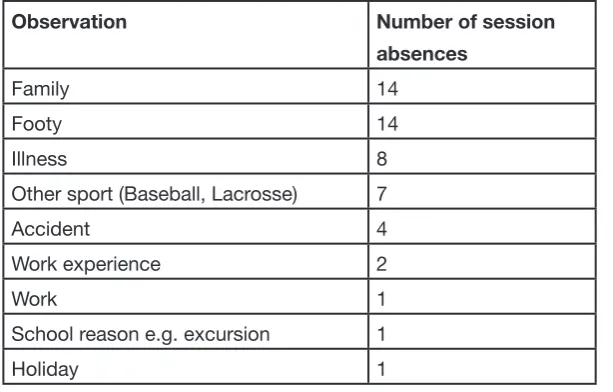
project. Reasons for absences cited by the whole cohort are summarised in Table 1 below.
table 01: reasons for absence from whole group sessions
Observation Number of session absences
Family 14
Footy 14
Illness 8
Other sport (Baseball, Lacrosse) 7
Accident 4
Work experience 2
Work 1
School reason e.g. excursion 1
Holiday 1
The two most frequent reasons given for missing a single session were ‘footy’ and ‘family’. It would
30
table 02: numbers of sessions attended by young leaders by lGa
the Maribyrnong participants. Distance may have been a factor for the Melton participants and this requires further consideration.
4.4 Summary
engagement and completion of this project. The Whitten Project team and LGAs are to be congratulated for engaging these young people so well. The cooperation between the Whitten Project team and local Councils is to be highly commended.
The ratio of more than three boys to every girl suggests a gender imbalance that should be considered if this program continues. As will be discussed in the analysis of Stakeholder interviews with the LGA
One LGA interviewee commented on the gender bias as evidenced by the recruitment process targeting football clubs exclusively despite the letter stipulating that nominees did not have to play sport. That LGA was particularly keen to encourage more girls to participate in sport generally and wanted to target
schools, which are the jurisdiction of state government.
<6 sessions 6 sessions 7 sessions 8 sessions 9 sessions 10 sessions 11 sessions Brimbank 1 0 0 4 1 1 3 Hobson’s Bay 0 0 0 1 3 4 1 Maribyrnong 2 0 1 1 1 3 0 Melton 0 2 2 1 1 3 1 Moonee Valley 1 0 1 0 2 0 1
31
33
Evaluation of the Whitten Project report november 2013
33
5 curricuLum contEnt
5
5.1 introduction
The stated core objective of The Whitten Project involves two aspects: to develop leadership potential for its participants and create opportunities for community engagement.
The curriculum for The Whitten Project was established around three key elements: I. Mind – representing learning, leadership traits and personality;
II.
III. Spirit – promoting relationships, mental health, fun, aspiration and team spirit.
This section of the evaluation assesses The Whitten Project’s curriculum (design/content and delivery) against the stated core objective and key elements.
5.2 curriculum content
5.2.1 available data
The evaluation analysed curriculum content provided by The Whitten Project. Varied data was available for the 11 ‘whole group’ sessions that had taken place at the time of the evaluation. The curriculum content was used in the sessions where young leaders from across the different Councils came together
th
whole group session is due to take place after the completion of the evaluation. A separate curriculum document had been developed for the Community Leadership Project. The project manager collated curriculum content.
5.2.2 nature of the data
Curriculum content included a wide range of teaching materials used within each session through to an assortment of accompanying documents provided to participants such as Project session overviews and session expectations guidance. Noticeably absent from the curriculum content are explicit session
back to The Project’s core objective and key elements. The Community Leadership Project document was the only example from the curriculum content provided that formally addresses potential learning outcomes. The documents were delivered to participants in hard copy as well as via PowerPoint presentations in sessions.
Evaluation of The Whitten Project Report November 2013
34
5.2.3 accompanying documents
Curriculum content is inferred and suggested in a series of documents used in delivery of The Whitten Project. For example, the Session Agendas, Participants Information and Project Expectations documents each address aspects of curriculum content.
The Participants Information document outlines each of the planned sessions. The logistics of each session (location, time, attire, directions, etc.) are plainly displayed. Several Project policies are also summarised (e.g. Property, Health and Safety, behavioural standards). Learning objectives for the sessions are implied under a heading titled ‘What to expect from this session’. Session Two states:
The session will provide you an opportunity to meet other young leaders from other Councils across Western Melbourne. Personal leadership and decision-making will be explored and you will develop an understanding on how decisions you make impact your environment including peers, family, school and sporting clubs. You will be involved in determining key behaviours and traits you would like the group to be known for.
The presence of these learning objectives in the Project documents provides the grounds for developing an explicitly aligned curriculum. Each of the session objectives remain closely connected to the overall Project objective and the three key elements.
5.2.4 Session materials
The session materials used in the delivery of the Project involved participants reading and writing text and visual images. Reading materials included information booklets such as those used in session 4 (AFL 9s Participant Guide) and session 9 (Auskick Junior Coach Education Manual). The Project also used bespoke questionnaires targeting participant opinion and knowledge (e.g. session 1 Getting to know you). Group exercise outlines were used in select sessions (e.g. session 2 Above the Line or session 3 Goal setting). These documents set out the requirements of the activity and provided prompt questions.
Visual images were used in the Project across each session. These included still pictures, often used in PowerPoint presentations, of the session facilitator or models used within the Project to promote
during the sessions. Session 2 presented an address by Western Bulldogs Head Coach Brendan McCartney. Sessions 6 and 7 used game footage from past Western Bulldogs Ted Whitten and Dale Morris.
5.2.5 community leadership Project
The aim of the Community Leadership Project is to contribute to the development of participant civic leadership skills. This is achieved through participants collaboratively planning an activity that addresses a community sport and/or recreation issue. Participant learning outcomes include:
Develop an understanding of social issues and civic responsibility Apply research and analytical skills to identify a civic issue of importance Employ problem solving skills to address the issue
Evaluation of The Whitten Project Report November 2013
35
5 curricuLum contEnt
35
Demonstrate team/group skills in planning, organising and decision making Contribute to the completion of a community activity
Develop oral (presentation) and written (project report) communication skills
The document sets out a methodology to facilitate the learning outcomes. Participants work under the guidance of their LGA group to achieve the task. The document includes a timeframe for activity.
The document promotes the core objective of The Whitten Project through focusing on the development of leadership skills and community engagement.
5.3 curriculum delivery
5.3.1 People involved
The Whitten Project engages a variety of facilitators to deliver its sessions. The Project is supported in this regard by staff at The Western Bulldogs AFL Club, representatives from the E.J. Whitten
sporting leaders were involved in the Project sessions. This is a distinct feature of the Whitten Project.
As mentioned in 5.2.5, LGA representatives are closely involved in the delivery of the Community Leadership Project.
5.3.2 locations
The Whitten Project is delivered across several sites including The Western Bulldogs facilities at Whitten
Melton, Brimbank, Hobsons Bay and Monee Valley.
5.3.3 types of activities
Delivery of the Whitten Project involves a variety of activities aimed at engaging the participants:
Didactic approaches are used where the session facilitator delivers content to the participants (e.g. regarding life experience as an AFL player).
Group work is also used in sessions and to facilitate the Community Leadership Project.
Training exercises/physical activities were used in the Project. An example of this took place in session 8 where participants were trained in Level 1 Auskick/Junior Coach Education.
5.4 Summary
The analysis of the Project curriculum highlights several pertinent factors for future consideration. The unique involvement and contribution made by sports leaders makes the Whitten Project distinctive
Evaluation of The Whitten Project Report November 2013
36
The curriculum adheres to the core objective of the Project and generally promotes its key elements.
may improve learning outcomes for its participants.
Evaluation of The Whitten Project Report November 2013
38
in a nomination for me saying that it would be a great idea to give it a shot and see what
happens. So I guess he saw the qualities of a leader in me. A few weeks later I get a letter in
the mail saying, “Hey, we would like you to be a part of the program.”
was a part of the Bulldogs. After awhile though, I came to realize that it was nothing to do
with football. Sure every now and again it would require a little AFL Knowledge, which clearly
I have none of, the main emphasis of the Project was not how far you could kick but to help
here at Whitten Oval for example, the focus of that was in giving it a good shot and mucking
around with the others. As a whole, the Project was an absolutely fantastic opportunity to
learn of already accomplished leaders and to use what we had absorbed to continue to
develop our own qualities as Young Leaders.
Nines at Etihad Stadium at the Bulldogs/ St. Kilda match. And I think I speak for all of us
when I say, one of the best parts of the Project would have been meeting heaps of new
people and especially other leaders our age.
(Male young leader graduation speech, November 2013)
Evaluation of The Whitten Project Report November 2013
39
6
tHE viEWS and
ExPEriEncES oF younG
LEadErS
39
6 tHE viEWS and ExPEriEncES oF younG LEadErS
6.1 introduction
This chapter analyses the views and experiences of the young leaders who took part in The Whitten Project 2013. Data from session feedback sheets and an on-line survey form the basis of the analysis.
6.2 Session feedback
This section analyses data collected through session feedback forms provided by the Project. This
It provides useful insight on the views and experiences of the young leaders during the operation of the project. Completed session feedback forms were returned to the Project Manager and on some forms
6.2.1 available data
Appropriate data were available for 6 of the 11 ‘whole group’ sessions that had taken place at the time of the evaluation. The session feedback is for the sessions where young leaders from across the different Councils came together for The Whitten Project. These sessions were held at various locations in
th whole group session is due to take place after the completion of the evaluation.
6.2.2 nature of the data
Session feedback data were available in a standardised format for sessions 2, 3, 4, and 5. A different and extended session feedback form was completed for sessions 6 and 10, and a feedback form used by an external agency delivery part of the session was completed for session 11. No session feedback data were available for sessions 7, 8 and 9.The standardised feedback form used for the majority of the sessions (2, 3, 4 and 5) reviewed 5 main areas through open-ended questions about:
1. elements of the session the young leader did not participate in, and why
2. two key points learnt from the session
3. where the young leader believe they can apply the learning
4. key actions young leaders can implement into their personal development and who can assist
Evaluation of The Whitten Project Report November 2013
40
These forms generated a range of free-form text useful to gauge the engagement and learning of the young leaders. The form does not include measures of satisfaction or development that would be useful to evaluate progress or development. Limiting the number of open-ended questions and including further closed questions would allow for comparison across sessions and the ability to analyse trends in responses.
In the forms completed for sessions 6 and 10 feedback was gathered through a mixture of closed responses and open ended questions and, importantly, a question asking young leaders for their suggestions on how to improve the session was included:
1. their general satisfaction with the session (closed) 2. the level of organisation (closed)
3. the quality of presenters (closed) 4. met session expectations (closed)
5. generated your interest in leadership (closed)
6. provided you tools/ideas to improve your leadership (closed) 7. explanations for rating any of the above as average or below (open) 8. learning about leadership qualities (open)
9. application of learning (open)
10. values/elements covered in the session (closed) 11. improving the session (open)
12. describe the experience to a friend of coach (open) 13. general comments (open)
by an external agency and does not align with the previous session feedback forms used.
6.2.3 respondents
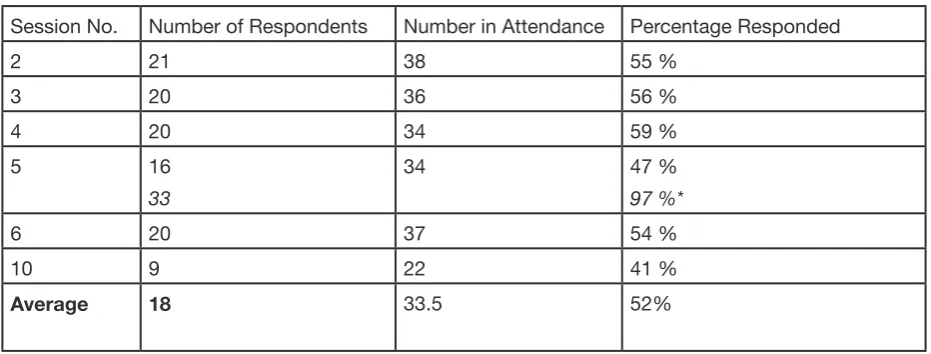
On average 18 young leaders completed feedback over the 6 sessions, giving an average response rate
session (21 for session 2) and the lowest amount of feedback for the latest session (9 for session 10). For 4
Evaluation of The Whitten Project Report November 2013
41
6 tHE viEWS and ExPEriEncES oF younG LEadErS
41
table 03: numbers who completed session feedback forms
Session No. Number of Respondents Number in Attendance Percentage Responded
2 21 38
3 20 36
4 20 34
5 16
33
34
97 %*
6 20 37
10 9 22
Average 18 33.5
*
The session feedback forms were completed comprehensively by the young leaders with responses provided to nearly all the questions across all of the sessions. This showed, for those who completed the form, a high level of engagement with the feedback process. The responses to the open-ended questions
think about and describe what they have learnt and how they will apply that learning.
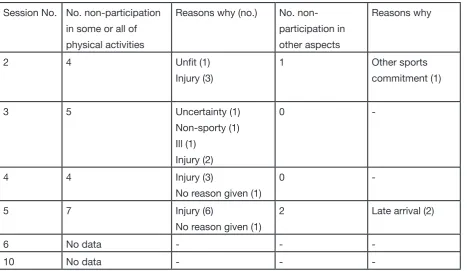
6.2.4 non participation
Evaluation of The Whitten Project Report November 2013
42
table 04: reasons for non-participation in any elements of the session
Session No. No. non-participation in some or all of physical activities
Reasons why (no.) No. non-participation in other aspects
Reasons why
2 4
Injury (3)
1 Other sports commitment (1)
3 5 Uncertainty (1) Non-sporty (1) Ill (1)
Injury (2)
0
-4 4 Injury (3)
No reason given (1)
0
-5 7 Injury (6)
No reason given (1)
2 Late arrival (2)
6 No data - -
-10 No data - -
-6.2.5 Points of learning and personal development
The session feedback forms do not allow for an analysis of development of the young leaders over time. They do, however, provide information on the young leaders’ perceptions of what they have learnt and the potential impact on their personal development. Young leaders were asked to state the ‘key points they learnt from the session’ and the ‘key actions they can implement into their personal development’. The data showed participants felt the session had a positive impact on their:
Knowledge:
• knowledge of leadership values and qualities • knowledge of anti-discrimination and inclusiveness
Skills:
• leadership skills • team work skills • social interaction skills
• organising/running a training session/event • physical/sport development
Attitude:
• self-motivation and persistence • self-belief and self-esteem • respect for others
Project. This is another positive outcome from their involvement in the Project.
Feedback forms for sessions 6 (20 respondents) and 10 (9 respondents) provide data on the extent to
Evaluation of The Whitten Project Report November 2013
43
6 tHE viEWS and ExPEriEncES oF younG LEadErS
43
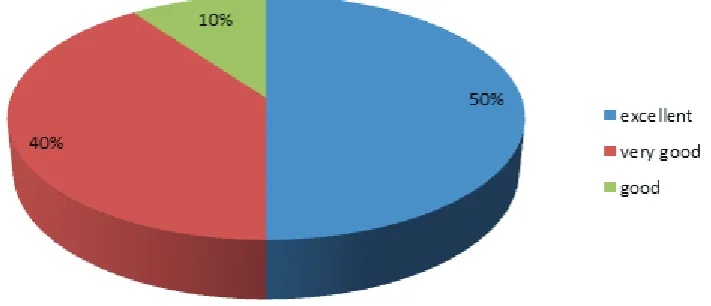
which the session provided the young leader with tools/ideas to improve their leadership. The responses
rating the session as ‘excellent’ and ‘very good’ in providing them with tools/ideas on how to improve their leadership.
figure 02: Session 6 provided you tools/ideas how to improve your leadership
Evaluation of The Whitten Project Report November 2013
44
6.2.6 application of learning
Participants were asked where they believed they would be able to apply what they had learnt from the session. Data is available for all of the 6 sessions. While examples of coach, school teacher, employer, and family were provided on the feedback form and may have guided the answers of the young leaders, they provided a wide range of open-ended responses (often citing more than one area the learning was applicable to). These have been grouped under the following overarching categories:
table 05: application of learning areas
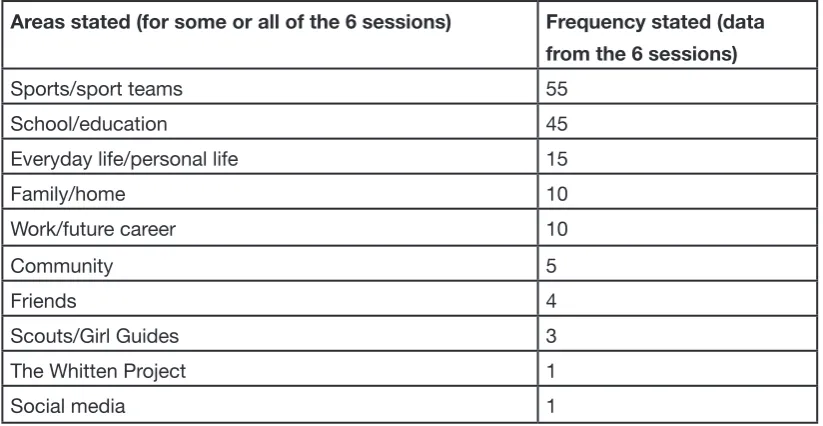
Areas stated (for some or all of the 6 sessions) Frequency stated (data from the 6 sessions)
Sports/sport teams 55
School/education 45
Everyday life/personal life 15
Family/home 10
Work/future career 10
Community 5
Friends 4
Scouts/Girl Guides 3
The Whitten Project 1
Social media 1
The table shows the potential impact of learning from The Whitten Project across the different spheres of the young leaders’ lives from informal interactions with their family, friends, and community to organised activities such as sports teams, schooling and work. Not unsurprisingly ‘sports/sport teams’ are a key place where the young leaders expect to be able to apply what they have learnt from The Project but ‘school/
from The Whitten Project to have a broad relevance to their lives beyond sporting and formal education contexts.
6.2.7 General comments
For all 6 sessions the young leaders provided general comments on their experience of that session, and in the feedback for sessions 6 and 10 the young leaders were asked directly to offer suggestions to improve the session.
It is important to note that the general comments provided by the young leaders are extremely positive. In particular the young leaders commented on:
• their engagement with and enjoyment of the session •
• how inspiring the guest speakers are • how well organised the sessions are
• their appreciation of being involved in The Whitten Project
When asked to provide ideas or suggestions for improvement the young leaders highlighted the following:
Evaluation of The Whitten Project Report November 2013
45
6 tHE viEWS and ExPEriEncES oF younG LEadErS
45
• more participatory activities
• time management (some presenters rushed, not enough time for questions) • session too long for a weeknight
•
6.3 online survey results
The survey provides insight into young leader perceptions of the impact of The Whitten Project on their leadership and wider personal development and their views and experiences of participating in the project including their involvement in the community project.
6.3.1 Demographics
Consent to take part in this aspect of the evaluation was sought from all the young leaders taking part in
and a parent/guardian before a link to take part in the survey could be sent. In total 15 consent forms were received and 11 young leaders completed the online survey. This means just over a quarter of all the young
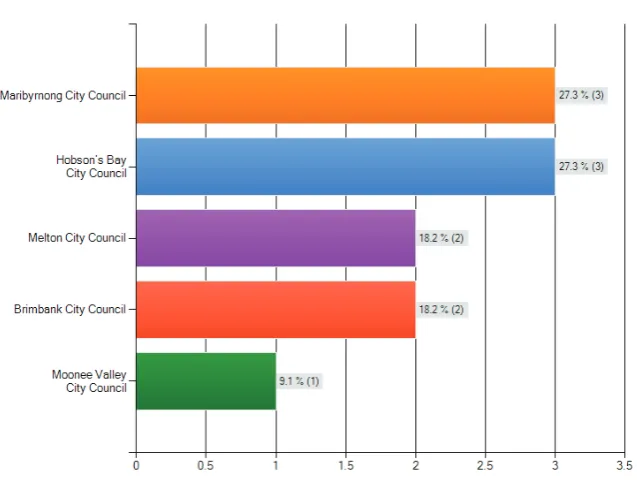
Surveys were completed by at least one young leader from each of the 5 City Councils involved in the Project:
figure 04: in which local council do you live?
6.3.2 leadership
Evaluation of The Whitten Project Report November 2013
46
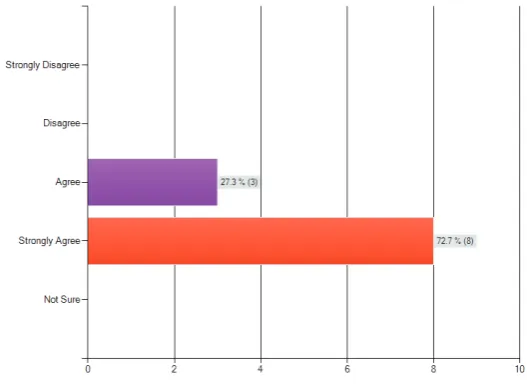
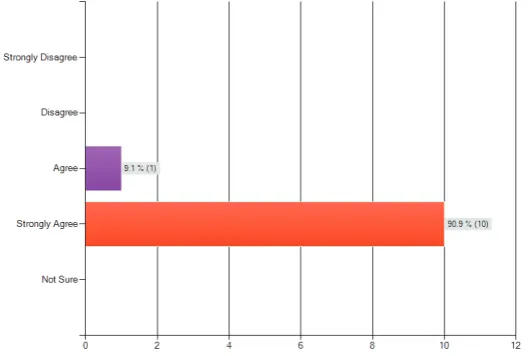
cooperate and work in a group, and they have developed leadership skills through adult mentors in The Whitten Project:
figure 05: i feel comfortable being a group leader.
figure 06: i can cooperate and work in a group.
Evaluation of The Whitten Project Report November 2013
47
6 tHE viEWS and ExPEriEncES oF younG LEadErS
47
figure 07: i feel that adult mentors in the Whitten Project helped me develop my leadership skills
Project, listen carefully to the opinion of group members and can consider several choices before making a decision:
Evaluation of The Whitten Project Report November 2013
48
figure 09: i feel comfortable teaching others.
figure 10: i feel confident in leading activities outside of the Whitten Project.
Evaluation of The Whitten Project Report November 2013
49
6 tHE viEWS and ExPEriEncES oF younG LEadErS
49
figure 11: i listen carefully to the opinion of group members.
figure 12: i can consider several choices before making a decision.
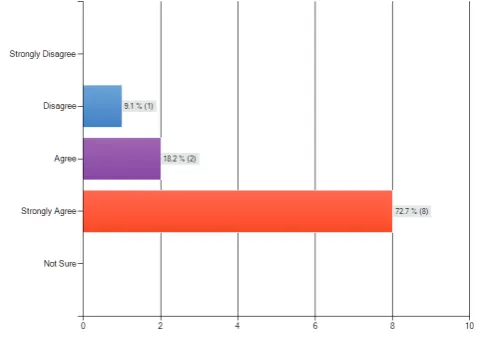
These results suggest the young leaders to perceive the Project to have had a strong impact on their leadership abilities across a range of indicators. Within these positive results are certain areas of strength.
of The Whitten Project.
There are also two areas of relative weakness: ‘considering several choices before making a decision’ and ‘able to give clear directions’. While the responses to these questions were positive, the number of young
The young leaders were also asked to give examples of how The Whitten Project had helped them to
Evaluation of The Whitten Project Report November 2013
50
b) Motivation and persistence:
The response of one young person also indicates the value of the Project in supporting young people to develop an understanding of leadership as about their interactions with others as well as their own personal development:
6.3.3 community
their perception, knowledge and attitude towards involvement in their communities. Overall the results
agreeing that they felt their involvement in The Whitten Project had: developed their knowledge about local council activities and programs, increased their knowledge about current issues in the community, developed their ability to work with community members, provided them with opportunities to connect with young people who are different from themselves, helped build their peer networks, developed their feelings of ‘belonging’ to the local community, developed their sense of pride and local identity, developed their sense of responsibility to help others and increased their participation in other community activities. These results suggest that most young leaders consider The Whitten Project to have had a positive impact on their connection with and responsibility towards their communities:
Evaluation of The Whitten Project Report November 2013
51
6 tHE viEWS and ExPEriEncES oF younG LEadErS
51
figure 13: increased your knowledge about the current issues in the local community.
Evaluation of The Whitten Project Report November 2013
52
figure 15: Develops your knowledge about local council activities and programs.
figure 16: Developed your ability to work with community members (e.g. council staff and other young people)
figure 17: Builds your peer (people your age) networks.
Evaluation of The Whitten Project Report November 2013
53
6 tHE viEWS and ExPEriEncES oF younG LEadErS
53
figure 18: Developed your feelings of ‘belonging’ to the local community.
figure 19: increased your participation in other community activities (e.g. cultural/arts/sports).
Evaluation of The Whitten Project Report November 2013
54
figure 21: Provided you with opportunities to connect with young people who are different from yourselves.
figure 22: Developed your sense of pride about the community.
responded with ‘agree’ or ‘strongly agree’ when rating The Whitten Project as a helping them build their
Project provided opportunities to connect with young people who are different to them.
Across a number of the questions in this section one or two young people disagreed or strongly disagreed in contrast to the majority of the responses. This is in contrast to the leadership section where no negative responses were received. This may be a result of varying experiences of the City Council sessions and the different community contexts experienced by young leaders. In future delivery and evaluation, it could be useful to analyse the content, delivery and outcomes of the sessions at each City Council in relation to the other Councils.
Evaluation of The Whitten Project Report November 2013
55
6 tHE viEWS and ExPEriEncES oF younG LEadErS
55
community leadership Project:
Young leaders were also asked their views on the Community Leadership Project. 10 young leaders offered an opinion of the importance of the Community Leadership Project with many commenting on their reasoning as well. These can be categorised into very important, important and quite important.
a) Very important
It is really important because it strengthens ties to the community
b) Important
our community
c) Quite important
As the above quotations reveal, the young leaders consider the community project important because it allows them to:
• translate theory into practice • engage in a challenging task
Evaluation of The Whitten Project Report November 2013
56
6.3.4 Participation and ownership
Young leaders were asked to respond to questions related to their participation in and ownership of the Project. The results are positive. The majority of young leaders felt strongly that The Whitten Project provided them with real responsibilities and challenging tasks. All of the young leader agreed or strongly agreed that the project is a good example of youth-adult partnership and the majority agreed or strongly agreed that they were able to plan some parts of the program, they made important decisions, the Project allows for youth ownership and it incorporates the ideas and feedback of the young leaders. A small number of respondents were either unsure or disagreed with 6 of the 7 statements. The greatest level of
figure 23: Young leader opinion of their participation in and ownership of the Whitten Project
6.3.5 outcomes
Young leaders were asked their view on the extent to which The Project met the core objectives of: facilitating young people’s connection to their community; promoting respect, responsibility and fair play; and promoting health and well-being:
Evaluation of The Whitten Project Report November 2013
57
6 tHE viEWS and ExPEriEncES oF younG LEadErS
57
figure 24: Young leader perceptions of core objectives
The results show that the majority of young leaders believe the outcomes of the Whitten Project match its objectives in these 3 areas. A particular strength is the ability of The Whitten project to promote respect,
this.
6.3.6 content and Delivery
Young leaders were asked to respond to questions about the content and delivery of The Whitten Project and to explain their answers.
nomination process:
Young leaders were asked an open question about their view on the nomination process and any suggestions for improvements. 10 young leaders responded to this question. Two young leaders held no
58
b) Improvements: scope
Expectations:
The young leaders described their expectations and experience in ways that suggest the Project is providing a positive experience (through guest speakers and opportunities to apply leadership theory into practice):
easily say that I am a changed personality
The young leaders noted the well organised nature of the Project which contributed to the alignment of their expectations and experience:
For some young leaders there was a slight mismatch between their expectations and their experiences in terms of what was actually involved:
59
Evaluation of the Whitten Project report november 2013
This mismatch is not necessarily of concern as the Project intends to challenge the participants but it may be worth making the level of work involved clearer to those young leaders who already have a number of commitments outside of school.
Quality of delivery:
and appreciation for their experience as participants in The Whitten Project which was evidenced in comments such as:
The responses reveal that the young leaders valued the quality of support and organisation from the staff team, and interactions with the other young leaders:
Recognising that this is a pilot project, three young leaders suggested that the Project may be able to
There could be organisational improvements
60
Evaluation of the Whitten Project report november 2013number and length of sessions
Young leaders were asked their opinion on the number and length of the sessions. The results show, that on the whole the number of sessions was ‘about right’ with one young leader stating there were ‘not enough’ sessions:
figure 25: thinking about the number of sessions for the Whitten Project was there:
The young leaders valued the number and pacing of the sessions that allowed them to consolidate their learning, maintain their engagement and meant the sessions were not too disruptive to other weekend activities:
One young person did, however, comment that:
And another felt:
61
Evaluation of the Whitten Project report november 2013
61
6 tHE viEWS and ExPEriEncES oF younG LEadErS
of the sessions was too long.
figure 26: thinking about the length of the sessions was this:
One young leader noted that it depended on which session the questions referred to and a number of
earlier as some sessions were tough and the sessions meant they were missing sports and relaxation time as it is the weekend. Others felt the length of the session allowed time to do a few things at each session and even though they were missing out on other things one young leader noted it was worth it as:
6.4 Summary
The analysis of the data from the session feedback and online survey suggests that the young leaders
The Whitten Project. This includes the development of leadership beliefs, knowledge and skills, and knowledge of and involvement in their community. They are able to articulate what they are learning and how they will apply it in various spheres of their lives.
Data from the young leaders demonstrates they value:
• the community leadership project as a means to apply their learning and contribute to their community
• the prestigious and inspiring guest speakers the quality of support and communication provided by the staff team
Evaluation of The Whitten Project Report November 2013
62
The young leaders offered some suggestions on how to improve the content and delivery of the sessions or organisation and management of the Project.
The data highlights certain aspects for review in future running of the project:
The collection of session feedback data:
• increasing the number of young leaders who provide feedback throughout the running of The Project
• making the feedback process anonymous • consider the value of online feedback
• providing the young leaders with a mixture of closed along with the open responses would enhance the ability to evaluate individual sessions within the context of The Project.
• having a consistent approach to collecting feedback and including indicators to measure development
• providing adequate space for improvements to be suggested and mechanisms to respond to the young leaders’ ideas
The session content and delivery:
• enhancing the inclusion of those with injuries or non-sporting identities in the physical activities • promoting youth participation in the leadership of the sessions
• including more participatory and interactive teaching and learning activities • allowing more time for the young leaders to interact with each other
• considering how to vary the learning outcomes and scaffold learning across the sessions