University of South Carolina
Scholar Commons
Theses and Dissertations
2018
A Quasi-Experimental Study On The Effectiveness
Of CCR&R TA/Coaching On Child Care Center
Licensing Compliance
Wenjia Wang
University of South Carolina
Follow this and additional works at:https://scholarcommons.sc.edu/etd
Part of theEarly Childhood Education Commons
This Open Access Dissertation is brought to you by Scholar Commons. It has been accepted for inclusion in Theses and Dissertations by an authorized administrator of Scholar Commons. For more information, please [email protected].
Recommended Citation
Wang, W.(2018).A Quasi-Experimental Study On The Effectiveness Of CCR&R TA/Coaching On Child Care Center Licensing Compliance.
A
Q
UASI-E
XPERIMENTALS
TUDY ON THEE
FFECTIVENESS OFCCR&R
TA/C
OACHING ONC
HILDC
AREC
ENTERL
ICENSINGC
OMPLIANCEby
Wenjia Wang
Bachelor of Arts
Capital Normal University, 2004
Master of Education
University of South Carolina, 2012
Submitted in Partial Fulfillment of the Requirements
For the Degree of Doctor of Philosophy in
Early Childhood Education
College of Education
University of South Carolina
2018
Accepted by:
Angela C. Baum, Major Professor
Vasanthi Rao, Committee Member
Robert L. Johnson, Committee Member
Meir Muller, Committee Member
Herman T. Knopf, Committee Member
ACKNOWLEDGEMENTS
A dissertation cannot be finished by entirely one person. I would like to take this
opportunity to acknowledge those who made effort on my doctoral accomplishment. I
would like to express my deep appreciation to Dr. Vasanthi Rao for her patience and
guidance all the way from inspiring my interest in child care licensing compliance to
completion of this dissertation. I would also like to thank Dr. Angela C. Baum who
provided advisory on my academic progress and supported me on forming the dissertation
committee; thank Dr. Herman T. Knopf who incorporated my into his research about child
care technical assistance/coaching. Thank Dr. Robert L. Johnson who shared his
knowledge on statistical analysis; and Dr. Meir Muller who provided valuable feedback on
the application of results among practitioners.
I would also like to thank the South Carolina Department of Social Services for
funding my academic progress and research and gave me permission of utilizing their child
care administrative data for dissertation. Thank Mr. Rober Chen who contributed a lot of
time on the data management and shared knowledge on statistics. Thank Ms. Sherrie Dueno
on helping me to know more about the topic of relationship-based professional
development for promoting child care quality. Last but not least, I am greatful to my family
and friends for their strong support. A special thank to my roommate Miss Fan Pan who
ABSTRACT
High quality in early care and education is critical for children in their early ears
and has a lasting benefit through their lives. Research in various fields such as education,
medicine, psychology, economics. has provided evidence of positive outcomes for children
who have been exposed to safe, rich, and engaging environments in their early years
through high quality early care and education. The baseline of child care quality is
providing protection for children by establishing regulations on health and safety areas
such as response to disease, fire and other building safety, injury, abuse and neglect,
adequate supervision, and developmentally appropriate activities. In child care, this
protection is secured by the child care licensing agency in charge of monitoring on-site
health and safety practices through annual unannounced inspections. Other agencies
involved in quality are the State Child Care Resource and Referral (CCR&R) agencies in
every state who provide a wide variety of services to help child care programs meet state
licensing compliance requirements as well as improve the quality of a program, thereby
leading to positive child outcomes. This study uses a quasi-experimental design to analyze
the effect of CCR&R services on child care programs’ compliance with state licensing
regulations as well as the severity levels of the deficiencies cited. Longitudinal
administrative data from licensing regulation records and the technical assistance database
are used to examine whether CCR&R services have a significant effect on the number and
TABLE OF CONTENTS
Acknowledgements ... iii
Abstract ... iv
List of Tables ... vii
List of Figures ... ix
CHAPTER 1: Introduction ... 1
1.1 Introduction ... 1
1.2 Overview of the problem ... 6
1.3 Purpose of the research ... 12
1.4 Research questions ... 13
1.5 Data sources ... 13
1.6 Significance of the study ... 14
1.7 Summary ... 15
CHAPTER 2: Literature Review ... 17
2.1 Introduction ... 17
2.2 Conceptual framework ... 18
2.3 Empirical literature relevant to coaching ... 21
2.4 Summary ... 28
CHAPTER 3: Method ... 31
3.2 Research questions ... 32
3.3 Study design ... 35
3.4 Data ... 37
3.5 Sample ... 45
3.6 Variables ... 47
3.7 Analysis ... 53
CHAPTER 4: The Effectiveness of Relationship-Based Coaching on Health and Safety Compliance ... 67
4.1 Introduction ... 68
4.2 Methods ... 75
4.3 Results ... 81
4.4 Discussion ... 85
CHAPTER 5: Estimating the Severity of Licensing Deficiency With Characteristics of Child Care Centers ... 101
5.1 Introduction ... 102
5.2 Methods ... 106
5.3 Results ... 113
5.4 Discussion and conclusion ... 115
References ... 122
Appendix A Excerpts From South Carolina Early Care and Education Technical Assistance System ... 128
LIST OF TABLES
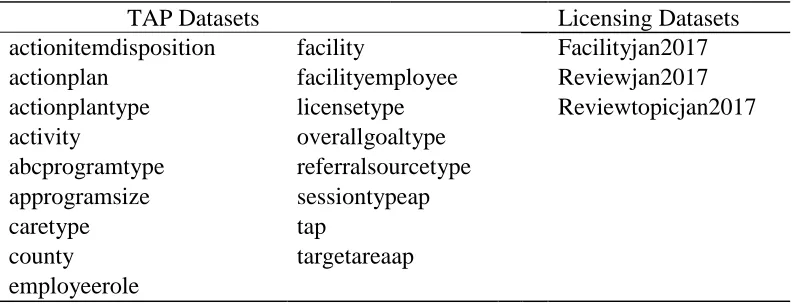
Table 3.1 All Datasets Needed for the Current Research ... 59
Table 3.2 Overall Goals of TA Received by Child Care Facilities ... 60
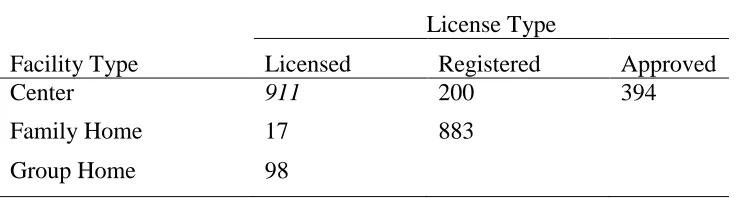
Table 3.3 Number of Child Care Providers by Facility and License Type ... 61
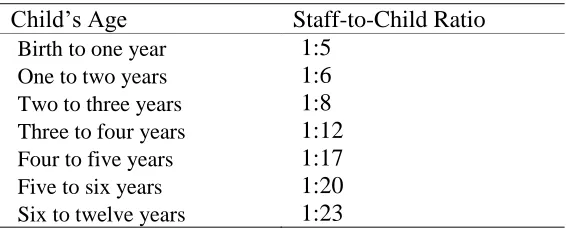
Table 3.4 Examples of Child Care Regulation on Ratio ... 62
Table 3.5 Review Visits and Deficiencies for all Child Care Providers ... 63
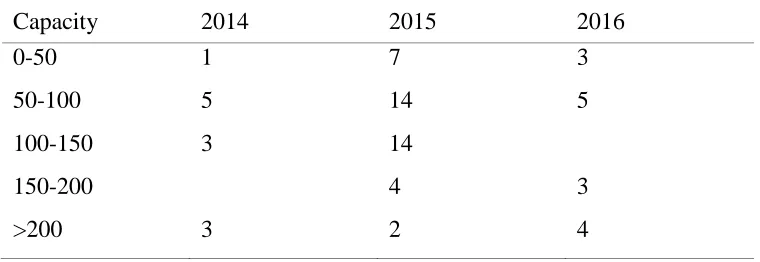
Table 3.6 The Capacity Ranges of Child Care Centers in the Sample ... 64
Table 3.7 Child Care Centers by Severity Levels and Intervention ... 65
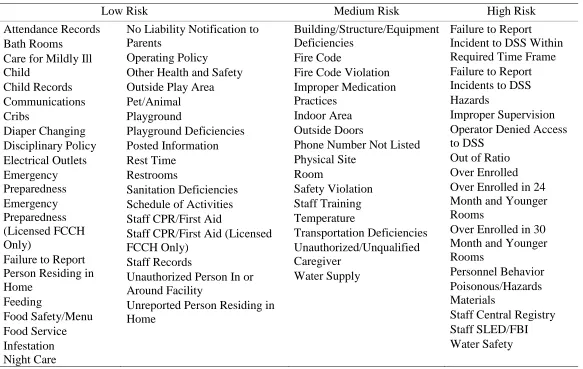
Table 3.8 List of Licensing Deficiency by Three Risk Levels ... 66
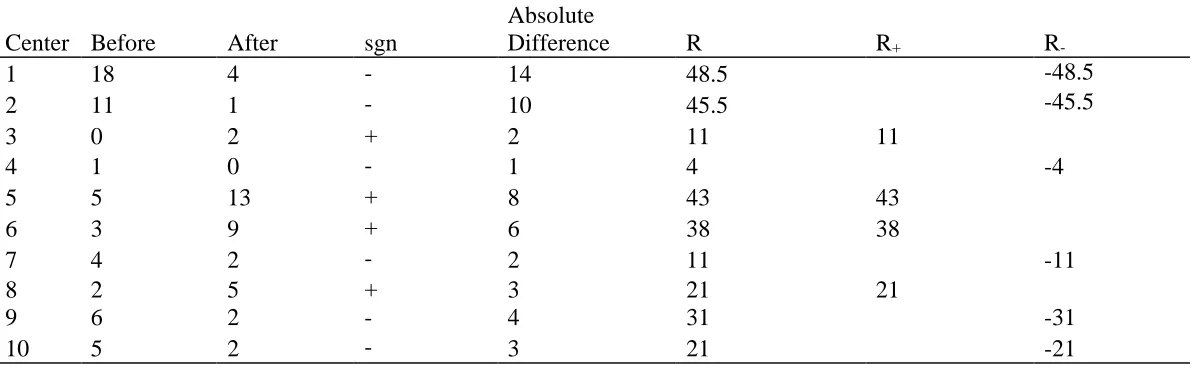
Table 4.1 An Example of Ranks and Signed Ranks ... 88
Table 4.2 Five Number Summary Before and After the Intervention ... 89
Table 4.3 Result for the Wilcoxon Signed Rank Test ... 90
Table 4.4 Child Care Centers by ABC Level and Capacity ... 91
Table 4.5 Child Care Centers in Rural and Urban Counties ... 92
Table 4.6 Number of Centers by Their Change in Deficiencies ... 93
Table 4.7 Discriptive Statistics for the Action Plans(n=55) ... 94
Table 4.8 Centers That Have no Change or Increased Deficiencies ... 95
Table 5.1 Descriptive statistics of the sample ... 118
Table 5.3 Correlations of all Variables ... 120
LIST OF FIGURES
Figure 4.1 Difference between number of deficiencies before and after. ... 96
Figure 4.2 Box and wisker plot of the number of deficiencies before and after... 97
Figure 4.3 Centers by quality level and change in deficiencies. ... 98
Figure 4.4 Centers by their capacity and change in deficiencies. ... 99
CHAPTER 1:
INTRODUCTION
Within the system of early care and education, child care licensing serves as a
baseline protection of children from birth to school age while they attend out-of-home
care programs (National Center on Child Care Quality Improvement [NCCCQI] &
National Association for Regulatory Administration [NARA], 2015). States' human
services agencies are responsible for establishing and administering regulations through
unannounced health and safety inspections at child care facilities. Licensing agencies are
in charge of setting requirements for health and safety that emphasize the avoidance of
known hazards and detection of correctable health problems (Aronson & Aiken, 1980).
Although the composition of regulations varies across states, generally the regulated
areas include response to disease, fire and other building safety, injury, abuse and
neglect, adequate supervision, and developmentally appropriate activities.
Although the primary objective of licensing regulations is child protection, some
argue that licensing standards should also serve some educational purposes (Larson,
Ward, Neelon, & Story, 2011; Morgan & LeMoine, 2004). A majority of states require
child care centers to implement a program of activities that address intellectual
development (Morgan & LeMoine, 2004). Larson et al. (2011) suggest that regulation be
rules embed child care quality elements in their regulations, and therefore, licensing
compliance is always considered to be the foundation of child care quality.
On-site monitoring, commonly known as health and safety inspections, is an
essential practice of licensing agencies to ensure child care programs are complying with
state-determined licensing requirements. Monitoring methods have different types:
differential monitoring, full and abbreviated compliance reviews, risk assessment, and
key indicators. In South Carolina, the state in which the current study occurs, Department
of Social Services (DSS) licensing monitors conduct a full on-site compliance review,
although they use an abbreviated checklist as a starting point and guideline because South
Carolina’s licensing regulations/rules exceed 400 items. It is important to note that in
South Carolina, child care facilities are "cited" for deficiencies of the regulations and
each citation is counted as a deficiency. Child care facilities can receive any number of
deficiencies or none depending upon the deficiencies found by the licensing monitor
during the on-site visit. There is no "pass/fail" scoring.
The frequency of inspection differs across states, and the number of observed
areas made during one investigation also varies from one visit to another (United States.
Department of Health Human Services. Office of Inspector General, 2013). The
frequency of licensing inspection has increased since 2007 (Trivedi, 2015). The national
health and safety performance guidelines suggest that states’ licensing agencies conduct
at least one unannounced inspection each year and more announced/unannounced
inspections as needed to achieve satisfactory compliance (United States Administration
for Children and Families , 2015). The frequency of inspections for center-based child
(Trivedi, 2015). By 2015, 14 states were conducting inspections with frequency that is
aligned with the national guidelines . A state’s licensing agency makes other types of
inspections at a child care facility if the agency receives an official "complaint" about a
facility. States’ licensing agencies are open to the public so that anyone can report an
alleged violation (Witte & Queralt, 2004). If a violation is found during the investigation
of the complaint, the licensing monitor is allowed to make a few more visits to the
program to make sure the violation is corrected and does not recur. However,
Administration of Children and Families (ACF) (2015) has suggested that states not
include inspections made for complaints among the total number of annual unannounced
visits.
Licensing deficiency is the violation of a regulation standard. For example, if the
child care regulation stipulates a 1:6 ratios for 9-month infant classrooms, and during an
inspection a classroom is found to have seven children and one teacher for a ratio of 1:7,
the licensing monitor will cite this classroom for being out-of-ratio. Another example is
when a child care facility does not clean the rest equipment, such as mats, on a weekly
basis. Licensing regulations define deficiencies with different severity based on the
degree of health and safety risk to children. Some deficiencies, such as attendance
records, do not pose an immediate threat to the health and safety of children, whereas
other deficiencies, such as improper supervision and improper medication practices, are
very likely to impact the health and safety of children.
For child care programs that have been identified to have deficiencies, the
Strategies, Intermediate Sanctions, and Terminal Sanctions. The agency decides which
enforcement strategy to use by considering the degree of non-compliance, which is
determined by factors including (a) the violation's severity of harm to children, (b) the
number of observed deficiencies during the inspection visit, (c) the existence of repeated
deficiencies and the length of their presence, (d) the size of the facility, and (e) the type
of service the provider offers (NCCCQI, 2015; Witte & Queralt, 2004). Preventive
actions such as Technical Assistance (TA), Training, and Consulting are the least
intrusive and most commonly used strategies to support and encourage child care
programs’ overall performance, whereas Terminal Sanctions, such as Revocation of
License, are applied sparingly only if other less intrusive strategies fail to result in
compliance.
Technical Assistance is a commonly used strategy to increase the capacity of
programs to deliver better educational services (Kahn, Hurth, Diefendorf, Kasprzak,
Lucas, & Ringwalt, 2009; Smith, Dong, Stephens, & Tout, 2017). The National
Association for the Education of Young Children and the National Association of Child
Care Resource and Referral Agencies (NAEYC & NACCRRA, 2011) define TA as “the
provision of targeted and customized supports by a professional(s) with subject matter
and adult learning knowledge and skills to develop or strengthen processes, knowledge
application, or implementation of services by recipients.” For decades, TA has been
widely used in early care and education settings and has been targeted towards
specialized quality improvement areas, such as infant/toddler care, school-age care,
inclusion, teaching dual language learners, mental health, business management
(QRIS) (Child Trends, n.d.; LaRowe, Tomayko, Meinen, Hoiting, Saxler, Cullen, &
Wisconsin Early Childhood Obesity Prevention Initiative [WECOPI], 2016;
Pennsylvania. Office of Child Development and Early Learning [OCDEL], 2013)
Technical Assistance is an overarching term often used to describe multiple
strategies: coaching, mentoring, consultation, professional development advising, and
peer-to-peer TA (NAEYC & NACCRRA, 2011). Coaching is the most common type of
TA provided by QRISs across states (Build Initiative, 2015). Coaching emphasizes the
relationship-based process that is used to enhance existing skill, develop new skills, and
build confidence and competence of the recipient (Rush & Shelden, 2011). Key activities
during the coaching process include joint planning, observation, action, reflection, and
feedback for compliance with licensing. On-going coaching is a core component for
high-fidelity implementation (Fixsen, Blase, Naoom, & Wallace, 2009; Fixsen, Naoom,
Blase, & Friedman, 2005). In this study, the TA provided by CCR&R coaches largely
falls under the coaching model. In South Carolina, TA for quality improvement and
compliance is generally provided by a statewide CCR&R agency that is supported by the
state using Child Care and Development Fund (CCDF) funds. There are a few other
state-supported agencies that provide TA that is focused on a specific initiative such as serving
children with disabilities or assisting programs with infants and toddlers in child care
settings. The focus of this study is to understand the effects of TA that uses coaching as
the strategy (TA/Coaching) to improve child care quality and compliance.
All TA/Coaching delivered by the South Carolina CCR&R is provided by
training to child care providers using adult learning strategies (South Carolina Center for
Child Care Career Development [CCCCD], 2010). In South Carolina all Quality Coaches
are required to take college-level credit hours each year to keep their certificate valid.
The courses taken by Quality Coaches must be on the topic of child care or child
development (CCCCD, 2010). There are 12-14 Quality Coaches serving 46 counties in
the state. Each Quality Coach is assigned 2-4 counties based on the number of child care
providers in each of the counties. The director of the CCR&R team also provides ongoing
professional support to staff by holding monthly team meetings to strategize about ways
to work more effectively with child care programs and provide consistent services
throughout the state (CCCCD, 2010). See Appendix A for a description of certified
Quality Coaches’ qualifications.
High quality in early care and education in a formal child care setting or in a
family child care home is a critical element of a child’s success. Research in various
fields, such as education, medicine, psychology, and economics, has provided evidence
of positive outcomes for children having exposure to a safe and engaging environment in
their early care and education setting (Howes, Whitebook, & Phillips, 1992). Quality in
early child care is a complex construct with health and safety at its foundation. Health
and safety is a precursor to quality. Regarding licensing compliance, health and safety
requirements are overseen by state licensing agencies that award child care licenses to
operate a child care facility legally. Another critical building block of quality is the
professional development and support available and accessed by child care programs in a
CCR&R agencies that offer a wide variety of services to help child care facilities. These
services include training and TA to meet health and safety requirements of the state
licensing regulations, improve the quality of child care programs, and provide
professional development to child care teachers and directors, ultimately leading to
positive outcomes for children served in these facilities.
To date, few research studies have examined the impact of TA on child care
licensing regulations as an outcome variable. The focus of research studies has been to
find program characteristics that possibly have effects on child outcomes and offer
recommendations to policymakers about how to better fulfill their regulatory system's
protective functions for children's well-being and development. Research studies relevant
to licensing regulations have focused on predicting children's welfare or development of
some program indicators. Fiene et al. (2002) synthesized various research studies
conducted in the 1990s that provided evidence for 13 health and safety indicators of child
care quality, such as immunization and staff qualification, that protect children from
harm. These 13 indicators consistently appear in licensing regulations from state to state.
The research findings on the association between program characteristics,
measured quality, and child outcomes are complex and sometimes discrepant. Kontos and
Fiene (1987) found capacity, group size, and ratios were related to quality measures.
They also found these child care program characteristics more strongly predicted
children's development when treated as clusters than individually. Howes, Phillips, and
Whitebook (1992) conducted a study to predict the pathways from two regulatory
findings suggest the licensing standard for ratios is associated with the higher quality of
caregiving. Thus Howes, Phillips, et al. (1992) recommended more stringent regulations
on ratios. However, Burchinal, Howes, and Kontos (2002) found that, among home-based
programs, teacher training and education are more salient predictors of children's
development than ratios or group size. This finding has some consistency with another
research study which was conducted slightly earlier. Bordin, Machida, and Varnell
(2000) found that, among home-based child care programs, the regulated quality
indicator for training is associated with better provider engagement with children.
However, this study also found that provider knowledge of child development and health
care practices was a more significant predictor of process quality than regulated quality
indicators. Despite the inconsistency among their findings, these research studies
collectively suggest that licensing systems be more stringent with some regulatory
structural indicators.
In addition to the regulated areas mentioned in the previous paragraph, licensing
regulations consist of many other health and safety standards (handwashing, background
checks, staff records, immunization, etc.). The research studies commonly overlooked
these health and safety rules because they seemed to have no association with how
teachers conduct caregiving activities or make meaningful interactions with children.
However, these regulations are relevant to the well-being of children. These health and
safety standards are developed by other national associations and recommended to
licensing systems. A lack of compliance with health and safety standards among child
care programs has persisted for decades. Non-compliance with health and safety
adoption of guidelines for the control of infectious diseases and injuries (recommended
by the American Public Health Association and the American Academy of Pediatrics)
among child care centers varied widely (Addiss, Sacks, Kresnow, O'Neil, & Ryan, 1994).
Implementation of some practices, such as drying hands with single-use disposable
towels, was common, whereas the implementation of reporting diarrhea outbreaks was
rare. One study also found that state-to-state variations in the stringency of licensing
regulation, staff training, or availability of technical consultation are associated with
variations of performance (Addiss, Sacks, Kresnow, O'Neil, & Ryan, 1994). More recent
studies also found low compliance with handwashing among child care programs where
the overall compliance among all personnel was 22% and caregivers had a compliance
rate of 30% (Clark, Henk, Crandall, Crandall, & O'bryan, 2016). Child care programs that
have deficiencies of these regulations are likely to increase children’s exposure to health
risks. For example, a child care program with low compliance of handwashing would be
more likely have to infectious disease spread, leading to more absenteeism. In addition a
child care program that has unsafe playground equipment may have greater risk of
physical injury.
Over 11 million young children attend out-of-home care and education programs.
States need strong licensing systems to regulate and ensure that programs comply with
regulations. States are reforming and strengthening standards to better promote the
health, safety, and school readiness of children, especially in federally-funded child care
settings. Current licensing trends show that regulations have become more stringent in
the following areas: (a) increased pre-service qualifications for teachers and directors, (b)
training hours for at least one center role, (d) comprehensive background checks, (e)
training requirements about reducing sudden infant death syndrome (SIDS), and (f)
requirements for reporting severe injuries and death (NCCCQI & NARA, 2015). Statutes
that ensure the implementation of these regulations also addressed their enforcement and
consequences, such as tiered enforcement, so that severe deficiencies may result in
revocation of the license (NCCCQI, 2014a). Appropriate and consistent application of
licensing regulations relies on two areas—validity of licensing instrument and
professionalism of licensing staff (National Center on Child Care Quality Improvement,
2014, Fiene, 2002, 2014).
Appropriate support for child care programs to meet stringent licensing
requirements is necessary to ensure compliance. However, some studies revealed that
tougher regulations might result in some unintended negative consequences (Blau, 2007;
Hotz & Xiao, 2011). For example, a requirement to have college degrees might induce
child care centers to use less-skilled aids (Hotz & Xiao, 2011) and be less likely to meet
the standard for ratios because of an inability to afford to hire more teachers with higher
educational attainments (Blau, 2007). Hotz & Xiao (2011) found an increase of child care
quality only in higher income areas as a result of stringent regulations. In addition, having
tougher regulations also induces a reduction in the number of center-based child care
establishments, especially in lower income markets, therefore decreasing child care
access to low-income families. Hotz & Xiao (2011) also found tougher regulations
induced more families to use home-based child care providers who were less likely to
prepare children for school readiness when compared to center-based child care. Because
higher, the regulation input, in reality, did not induce higher quality output (Blau, 2007;
Hotz & Xiao, 2011).
The importance of CCR&R services in the landscape of quality child care services
is evident from the endorsement they have received through the reauthorization of the
Child Care and Development Block Grant Act (CCDBG) of 2014. Through the
reauthorization of the CCDBG, the federal government, recognizing the need for
intervention in health and safety, made several significant revisions to the law to
expressly support the increase in quality of early care and education services broadly.
More specifically, the revisions increase accessibility of those services (NCCCQI, 2015).
The law addressed licensing requirements as well as approved the use of CCDF funding
streams for CCR&R agencies in the state (Matthews, Schulman, Vogtman,
Johnson-Staub, & Blank, 2015). Since then, the CCDF has increased funding for initiatives on
child care quality enhancement, including tiered reimbursement, professional
development, grant opportunities, and, most importantly, on-site TA or coaching
(NCCCQI, 2015).
By 2013, all states reported that they provide TA to assist child care facilities with
licensing or quality monitoring activities (NCCCQI, 2014b). If licensing monitors find
severe deficiencies which cannot be immediately corrected on-site, they often make a
referral to state or regional TA providers (CCR&R or other entities) to support the child
care program in resolving the deficiencies. The target area of TA received by child care
programs depends on the areas in which the deficiencies were cited (NCCCQI, 2014b). A
regulations, failure to resolve the issues may result in restrictive sanctions, such as fines
or revocation of license (NCCCQI, 2014a). Despite reports of the extensive use of TA,
the literature about the services provided by state or local-level TA providers to help
child care providers in their licensing needs is scant. For example, what model (coaching,
mentoring, consultation) did they use? How much TA is needed to achieve compliance?
Even fewer research studies have looked at whether TA helped child care programs foster
sustainable change or had an effect on licensing compliance.
The purposes of this study are to investigate the significance of the impact of
CCR&R services using a coaching model on licensing compliance outcomes at child care
centers and to further our knowledge on the use of coaching to improve health and safety
conditions in child care environments. In this study, TA/Coaching provided by CCR&R
coaches mainly falls under a coaching model. In South Carolina, CCR&R agencies are
the main providers of TA/Coaching with additional TA provided by state-supported
agencies who specialize in supporting providers who serve children with disabilities or
infants and toddlers. The focus of this study is to understand the effects of TA/Coaching
as a strategy to improve child care quality and compliance. Although a large body of
research has been conducted to examine the effectiveness of coaching on the quality of
child care programs, the topic was limited to the implementation of instructional/teaching
practices and curriculum implementation. Because teacher's practices and the
implementation of curriculum are considered as having direct impact on child outcome,
these areas have been focused on more in research studies. Although compliance with
compliance with these standards has not been examined. By examining the number of
child care center deficiencies and their severity during their annual inspection before and
after the date(s) the child care programs received targeted support, this research study
aims to fill the gap in research of on-site coaching's effect on the basic threshold of child
care quality, i.e. health and safety. While research studies that examined the efficacy of
coaching were commonly conducted in experimental settings that may have limited
implications for realistic situations (Sheridan, Edwards, Marvin, & Knoche, 2009), this
study uses large administrative datasets from South Carolina departments that administer
licensing and TA in the state. These data, although challenging to use in research studies,
are a realistic portrayal of the state’s child care licensing program and its practices as well
as the TA/Coaching support network and its activities. No other study to date, to the best
of the researcher’s knowledge, has used administrative data to study the effects of TA.
The following research questions will be investigated:
Research Question 1: What is the effect of CCR&R TA/Coaching services on the
number of licensing deficiencies of child care centers?
Research Question 2: What child care characteristics (e.g., ABC Quality Level,
receiving CCR&R services) are the significant predictors of receiving licensing
deficiencies at high, medium, and low severity levels?
Child Care Licensing Data contains all child care providers: Licensed/Approved Child
Care Center, Registered Faith-Based Center, Licensed Group Child Care Home, Licensed
Family Child Care Home, and Registered Family Child Care Home. This database
contains the most detailed information on licensing inspection visits to all child care
programs. Critical information needed from this database includes the date of the
inspection, child care programs that have licensing deficiencies, and descriptions of the
deficiencies. The dataset is longitudinal and contains histories of annual review visits and
citations made during the last decade.
The TAP database contains information on details of TA/Coaching services
provided by CCR&R to child care programs. This database documents information
regarding the rationale, dosage, and essential activities for all TA. The two variables from
this database that are most relevant to the current research are facilities (that received TA)
and date (for completion of the TA). This study uses data from two fiscal years: July
2014 to June 2015 and July 2015 to June 2016. The dataset includes all child care
programs that received CCR&R services during the selected period. The criteria used to
select the final sample is outlined in Chapter 3.
By examining the number of health and safety deficiencies and their severity
before and after TA/Coaching, this current research will contribute to our understanding
of the targeted support child care facilities receive for quality improvement. Effects of
CCR&R services on licensing compliance as an outcome of interest has rarely been the
focus of prior research in studies related to the effectiveness of targeted support for
and social-emotional development and thus narrowly defined process quality as "quality."
Nonetheless, with the existence of low compliance with health and safety regulations, one
would question: "How can a child care program that does not meet the minimum health
and safety standards provide a good learning experience for children?"
So far, the literature on TA/Coaching as targeted support for licensing compliance
and child care quality is limited to policy papers, evaluation reports, and fact sheets. This
literature only consists of (a) brief introduction of the targeted support, (b) some
implementation examples, (c) number of TA providers and recipients, and (d)
perspectives and challenges of TA providers for consistent implementation. Questions of
whether TA/Coaching is efficient and whether the programs continue to engage in quality
improvement remain unanswered. Besides, no research has yet used a statistical analysis
approach to examine the outcome data of licensing compliance and quality. Because the
current study uses statistical analysis to look at the outcomes of TA/Coaching, it
contributes to a methodological advance on this topic.
This chapter introduced the licensing regulations, monitoring, deficiencies, and
actions taken to ensure child care providers' compliance. Compliance with health and
safety regulations is the primary threshold of child care quality. Although TA is
mandated by federal law as an action to support licensing compliance, the effects of such
an intervention are yet to be investigated. The intervention, TA/Coaching, is provided
using an internally developed coaching model to guide the consistency and fidelity of
Coaching is a long-term, relationship-based adult learning process which is
oriented to empower early childhood educators and programs. It is a popular intervention
for teachers' skills and knowledge to promote children's development and learning.
Coaching is also commonly used by TA providers in the QRIS to improve child care
programs’ quality levels. The purpose of this current research is to examine the efficacy
of TA/Coaching used by CCR&R technical assistance providers (TAPs) to support child
care programs’ licensing compliance.
Chapter 2 introduces the theoretical framework that informed the current research
study. This chapter also focuses on the summary of existing research studies on TA and
coaching that are provided to improve child care quality. Chapter 3 introduces the
methodology of the current research study. This chapter elaborates on the research
design, process, independent and dependent variables, and the analysis plan. Chapter 4, in
manuscript form, reports the results of Research Question 1, focusing the effect of
TA/Coaching on the change in the number of deficiencies. Chapter 5, also in manuscript
form, presents the results of Research Question 2, focusing on building a model to predict
the severity of the deficiencies. The last two chapters further discuss the findings
regarding their practical significance and the use of administrative data to conduct a
CHAPTER 2:
LITERATURE REVIEW
This chapter begins with the conceptual framework that underlies the current
research study. The conceptual framework is a research design that examines the effect of
the utilization of TA/Coaching as an intervention on licensing compliance. This chapter
presents a summary of research studies that investigate targeted support (TA, coaching,
consultation, mentoring) in the field of early education. The synthesis of research will
include interventions in child care programs as well as the research methodologies used
to analyze them and their findings. Alongside the synthesis, each section includes
discussions about the insights gained from the selected research studies in relation to the
current research.
It is necessary to note that the selection of research articles discussed in this
literature review is based on characteristics of the interventions that are common with the
CCR&R intervention examined in the current research study. These characteristics
include goals for quality improvement; targeted, on-site key activities during the
intervention process; and other characteristics that will be discussed later in this chapter.
However, TA/Coaching, which is the intervention in this study, is described using several
different types of terminology, such as coaching, mentoring, TA, and even professional
development. Although there is very little consistency, in general, the terminology used
intervention is problem-solving or moving up the quality continuum. Coaching
emphasizes delivery by an expert with specific knowledge and skills, whereas mentoring
emphasizes guidance provided by a more experienced colleague, and consultation
emphasizes collaboration with an external consultant to solve specific concerns (National
Center on Quality Teaching and Learning, 2014). Some interventions in the selected
literature also combine training/workshops/courses with targeted on-site support
(coaching, consultation, or TA) (Sheridan et al., 2009). While the terms can be used
singularly, they appear to be mixed or used in combination in many of these selected
research studies. For example, although Abell, Arsiwalla, Putnam, and Miller (2014)
called their intervention “mentoring,” it was delivered by experts and used approaches
such as modeling and coaching. In another study, the intervention identified as
“consultation” (Alkon, Bernzweig, To, Wolff, & Mackie, 2009) was also described as
guidance and TA to child care providers that addressed their health and safety needs.
The purpose of licensing regulations is to provide children with a healthy and safe
environment while attending out-of-home care programs. Many licensing regulations are
informed by scientific research about children’s well-being and their intellectual and
socio-emotional development (Fiene, 2002). With the expectation that children would
benefit from higher or stricter regulation standards, such as more training for teachers and
smaller group size, licensing systems increased the stringency of their regulations and
policies (NCCCQI & NARA, 2015). However, tougher regulations and policy do not
programs. Instead, some researchers found that they may induce more deficiencies (Blau,
2007; Hotz & Xiao, 2011).
In order to bridge the gap between research and practice, practitioners need some
supports that facilitate the implementation of what they are expected to do (Fixsen &
Blase, 2009). Within the ideology of Implementation Science, Implementation Core
Components can facilitate behavior change at the practitioner, supervisory, and
administrative support levels in order to implement with fidelity. Coaching is the
principal way in which behavior change is brought about throughout the stages of
implementing evidence-based practices (Fixsen et al., 2009). These targeted supports are
widely acknowledged as effective because they use adult learning approaches that are
consistent with Bandura’s social cognitive and self-efficacy theories. The strategies
include observation of models, guided practice, and constructive verbal feedback to
support the development of behavioral competencies and a sense of efficacy (Bandura,
1977; Olds, Kitzman, Cole, & Robinson, 1997). In addition to learning strategies that are
identified as effective, targeted support also relies on the relation base. Research findings
suggest that recipients have tangible change in their practices when targeted support
(intervention) is provided in the context of respect and support (Olds et al., 1997;
Robinson, Emde, & Korfmacher, 1997).
TA and coaching are commonly applied interventions within organizations and
communities to build capacity for human services performance improvement (Katz &
Wandersman, 2016). TA and coaching are used to respond to program or system-level
which use TA are more likely to fully implement evidence-based intervention/programs
(Chilenski et al., 2016; Dusenbury, Brannigan, Falco, & Hansen, 2003). Research
investigating effectiveness of systems for professional development has consistently
reported that TA, when guided by a specific implementation model that is implemented
with fidelity, is an effective approach for improving performance (Alkon et al., 2009;
Katz & Wandersman, 2016; Le, Anthony, Bronheim, Holland, & Perry, 2016).
The procedure of TA/Coaching is comprised of multiple phases, beginning with
collaborative and data-informed decision making that guides the process of subsequent
phases of learning about new strategies and implementing strategies in routine practice,
and concluding with a phase of evaluation and reflection (Katz & Wandersman, 2016; Le
et al., 2016). Moreover, TA/Coaching should be grounded in the context of client needs
and an interest in improving performance (Chilenski et al., 2016; Katz & Wandersman,
2016; Le et al., 2016). Since the focus of TA/Coaching is dependent upon the mutually
determined needs of the child care program and the Quality Coach and is responsive to
specified needs and goals, the structure of TA varies in intensity and content (Snyder,
Hemmeter, & Fox, 2015).
TA incorporates multiple adult learning approaches, including (a) information and
resource dissemination, (b) coaching, (c) mentoring, (d) consultation, and (e) professional
development advising (NAEYC & NACCRRA, 2011). Mentoring, coaching, and
consultation are all relationship-based learning processes characterized by more
experienced individuals working in a one-on-one or small-group setting. Mentoring
focuses on overall professional effectiveness; coaching focuses on specific professional
concerns. Although these interventions are slightly distinct in their processes, they are
clearly different from training and formal education because TA/Coaching is a service
delivery method that focuses on the relationship between providers and recipients and
assumes ongoing interactions over time to produce a sustainable positive outcome
(Bromer & Korfmacher, 2017).
Given the pervasiveness of state and local TA systems that are being implemented
throughout the US in support of broad-based goals related to child care licensing
compliance and quality enhancement, one might expect relatively in-depth evidence
documenting the efficacy of this strategy (NCCCQI, 2014). Unfortunately, practice
appears to be outpacing science, as only a few research studies that specifically
investigate the effectiveness of these approaches on general child care program quality
have been conducted. While the information regarding more general TA and a system of
support is somewhat limited, the knowledge base related to more specific or targeted TA
provides compelling evidence that these learning approaches are effective in enhancing
teachers’ implementation of specific evidence-based practices (Pianta, DeCoster, Cabell,
Burchinal, Hamre, Downer, LoCasale-Crouch, Williford, & Howes, 2014). These
interventions, used as adult learning approaches, were also used as interventions for child
care licensing compliance.
Coaching for evidence-based practices/curriculum
The current trend in improving child care quality is changing teacher behavior
areas for coaching in child care settings include teacher-child interaction, evidence-based
instruction curriculum implementation, tiered instruction, and addressing challenging
behavior. Many research studies conducted between 2008 and 2016 have consistently
found effectiveness in these indicators of child care quality. In addition, a large body of
empirical research studies has found coaching to be an effective way to increase teachers’
implementation of evidence-based practices/curriculum (Pianta et al., 2014; Wilson,
Dykstra, Watson, Boyd, & Crais, 2011; Zan & Donegan-Ritter, 2013). Most of these
research studies showed that coaching is more effective than training in promoting
teachers’ behavior change (Dennis & Horn, 2014; Hemmeter, Hardy, Schnitz, Adams, &
Kinder, 2015; Milburn, Hipfner-Boucher, Weitzman, Greenberg, Pelletier, &
Girolametto, 2015; Mohler, Yun, Carter, & Kasak, 2009; Moreno et al., 2014). Some
studies found that the dosage of coaching is positively associated with changes in practice
(Pianta et al., 2014; Shidler, 2008).
Features of the coaching models
In the literature, a coaching model as an intervention with highly structured cycles
during the intervention procedure is more common. The cycles contain essential
practices, such as targeted observation, feedback, reflection, and brainstorming. The
intervention cycles reoccur on a weekly, bi-weekly, or monthly basis over the total
duration of intervention. It is also common that coaching is combined with initial
trainings or classroom instruction. Most initial trainings and instruction lay the
foundation for evidence-based practices. Literature also shows a trend in web-mediated
approaches becoming widely adopted by coaching models. Web-mediated approaches
between coach and teacher. This trend also includes coaches conducting focused
observation by viewing video clips of teachers using evidence-based practices in their
classrooms. Some practice-based coaching models include peer-coaching, a reciprocal
sharing of information, and support between lead and assistant teachers in a one-on-one
manner (Zan & Donegan-Ritter, 2013).
Research methods
Most empirical research studies used randomized sampling in their research
design to examine the relationship between coaching and evidence-based practices
(Pianta et al., 2014; Rudd, Lambert, Satterwhite, & Smith, 2009; Wilson et al., 2011; Zan
& Donegan-Ritter, 2013). Intervention groups in these studies received training and
coaching, whereas control groups only received training. Few studies had all participants
exposed to the intervention in their research design (Hemmeter et al., 2015; Shidler,
2008). Change in teacher behavior was measured by popular and pre-established
assessment tools that have been tested for reliability and validity, such as the Classroom
Assessment Scoring System (CLASS) that measures the interaction between teacher and
children and the Teacher-Pupil Observation Tool (T-POT) that measures challenging
behaviors and the teacher’s response to those behaviors (Hemmeter et al., 2015; Zan &
Donegan-Ritter, 2013). The research studies utilized various statistical analyses to test the
significance of change. Some studies built complex predictive models by considering the
impact of moderating variables, such as teachers’ education, years of experience, and
proportion of students in poverty; some studies used t-test or a non-parametric test (for
violation of normality) to examine group differences; whereas a few studies simply
Intervention for compliance
Intervention studies that examined child care licensing compliance also
incorporated adult learning activities along with coaching to utilize evidence-based
practices in the classroom. However, in comparison to the coaching models summarized
earlier, the interventions for licensing compliance appear to be of much shorter duration
and with no recurring cycles. In research studies that examined licensing compliance
intervention, slightly different terms were used to name these interventions, such as
on-site health consultation, training and TA, or mentoring. For example, Linkage Project in
California provided health consultation for the purpose of improving child care centers’
written policy and practices related to health and safety (Alkon, Bernzweig, To, Wolff, &
Mackie, 2009). Keystone STARS (QRIS of Pennsylvania) works in partnership with
regional TA agencies to provide intensive, one-on-one support for participating facilities
to meet specific health and safety standards and move up STAR levels (OCDEL, 2013).
Alabama’s Family Child Care Partnerships Project provides mentoring in areas of
business operation, licensing compliance, global quality, and fidelity to increase the
quality of family child care homes (Abell et al., 2014). The New York City Department
of Health and Mental Hygiene (DOHMN) provided training and TA to facilitate
compliance with New York City’s standards for beverages served in child care facilities
and the minimum time period for daily physical activity engagement. Similarly, for the
purpose of childhood obesity prevention, Wisconsin’s statewide Active Early program
also provided training and TA to child care programs to implement the state’s policy on
Features of the interventions
Most of the literature on studies that examined licensing compliance lacks a clear
description of the intervention in terms of delivery, procedures, and essential activities.
However, TA providers/mentors/consultants frequently delivered their services on-site in
a child care facility, and the dosage of intervention varied from one child care program to
another based on their needs (Alkon et al., 2009; LaRowe et al., 2016; Smith, Schneider,
& Kreader, 2010). In comparison with highly structured coaching to implement
evidence-based practices, interventions for licensing compliance emphasized needs assessment and
action planning. Many providers of compliance intervention also identify their approach
as relation-based, strength-based, and evidence-based (Alkon et al., 2009; Smith et al.,
2010). Alkon, Farrer, and Bernzweig (2004) conducted a qualitative study about the roles
and responsibilities of health consultants, wherein they found that consultants
acknowledged the importance of establishing a strong relationship with child care
providers. Similarly, Abell et al. (2014) noted that mentors of Family Child Care
Partnerships (FCCP) need to provide services with respect and support. The FCCP model
identifies the mentor’s role as “quality partner” rather than “the expert.”
Research methods
Although some TA providers also use coaching as intervention to improve
compliance with licensing regulations, very little research has examined its direct
efficacy (Kakietek, 2014). To the best of the researcher’s knowledge, only one study
conducted by Alkon et al. (2009) employed randomization to assign participants into an
intervention or control group. Some studies had all participants exposed to the
months of enrollment (Time 1) and at the time of a program’s departure or the latest
assessment for programs still participating (Time 2). The study used latent difference
score modeling (McArdle, 2009; McArdle & Hamagami, 2001; Steyer, Eid, &
Schwenkmezger, 1997) to estimate the change from Time 1 to Time 2. LaRowe et al.
(2016) had all participants exposed to the intervention and measured the participants at
baseline, 6 months, and 12 months; then they used t-test and Generalized Linear
Modeling (GLM) to analyze the change.
Two studies compared participants who received intervention with participants
who did not (Kakietek, 2014; OCDEL, 2013). However, neither of these studies
randomly assigned participants into intervention and control groups. The participants in
the comparison group received intervention because they were located in the catchment
area of the intervention provider or because they voluntarily received the intervention.
These studies used strategies to create a control group that is equivalent to the
intervention group based on program characteristics, such as capacity, location, and
percentage of children in poverty.
Measurement for compliance
Pre-established observation tools are commonly employed to collect data for
compliance. Alkon et al. (2009) employed checklists based on the National Health and
Safety (NHS) Standards. The Family Day Care Environmental Rating Scale (FDCERS) is
a standardized observation measure with 32 items using a 7-point scale (1=inadequate
and 7=excellent) (Harms, Cryer, & Clifford, 2007). Kakietek (2014) collected data on
licensing compliance with child care regulations by using site inventories and
Self-Assessment. Pennsylvania OCDEL used program STAR level administrative data as a
measure of change.
Changes in compliance
Research studies for compliance intervention showed that targeted support has
some effect on program quality. Yet not all of these interventions completely achieved
their objectives (Alkon et al., 2009). Child care centers in the control group demonstrated
significant improvements in writing a health and safety policy. The control group had
higher mean scores on two subscales of the Health and Safety Checklist: emergency
preparedness and handwashing. However, the study did not find significant improvement
on implementation of health and safety practices (Alkon et al., 2009).
Abell et al. (2014) found participating family home providers demonstrated a
statistically significant increase in quality subsequent to enrolling in FCCP (Abell et al.,
2014). The study also found an association between global qualities with dosages of
intervention. Dosage of intervention varied across child care providers according to their
rating level. Lower quality at the time of enrollment was associated with longer
participation in the FCCP as well as a higher rate of increase in global quality.
In a study on increasing physical activity and meeting state beverage regulation
standards, Kakietek (2014) found that participating in an intervention is associated with
better compliance with regulations on physical activities, yet neither training nor TA is
associated with compliance with beverage regulations. The study also found two
moderating variables related to beverage standards: compliance outcome and physical
physical activity were dedicated to high standards and compliance and may have been
more likely to participate in training and TA than their less dedicated counterparts.
Training appears to have less influence on compliance with beverage regulations because
merely having knowledge is insufficient to changing practice (Kakietek, 2014).
OCDEL (2011) found that, among participants at all quality levels, child care
programs that received TA were more likely to move up in quality than those that did not
participate in TA activities. However, when looking into the odds ratio of quality change
by STARS, the start-level and the highest level (Level 3) did not show a significant
difference between intervention and control group. OCDEL (2013) conducted further
analysis to confirm the effectiveness of TA and additionally examined the relationship
between STAR movement and dosage of TA. The study found a positive association
between STAR movement and number of hours of consultation received.
LaRowe et al. (2016) found improved physical activity environment for all sites
as measured by the Environment and Policy Assessment and Observation (EPAO)
instrument. Correlation was found between teacher-led physical activity and children’s
engagement in physical activity, but the correlation was not significant. However, other
results from this study showed a significant increase in structured physical activity and
observed play time and improvement in written physical activity policy.
Coaching is commonly used to support implementation of evidence-based
practices. Many research studies have demonstrated the effectiveness of an adult learning
early intervention programs also incorporate TA as an integral part to facilitate
implementation (Kahn et al., 2009). Coaching as an intervention is somewhat different
from intervention for compliance. Although both coaching and intervention for
compliance use strategies that facilitate on-site learning, they are differentiated by
purpose of the intervention. Coaching that facilitates teachers’ implementation of
evidence-based practices focuses on the practices. This type of coaching model has only
one goal: to help teachers adopt the practices. Whereas coaching, mentoring, and
consultation used as targeted support for regulation compliance and program quality
rating are characterized by identifying the program’s needs and developing an
agreed-upon action plan to meet standards.
TA/Coaching has commonly been used in early care and education settings for
compliance with regulations and quality standards (NCCCQI & NARA, 2015). By 2015,
all child care licensing agencies stated they provide TA to child care programs as a
facilitative approach to support for compliance with health and safety regulations
(NCCCQI & NARA, 2015). TA/Coaching is also commonly provided to child care
programs participating in statewide or local QRISs (Build Initiative, 2015; Smith et al.,
2017; Smith, Robbins, Schneider, Kreader, & Ong, 2012). However, the effectiveness of
these interventions is less frequently investigated by research studies. Moreover, few
research studies have been conducted to investigate the effectiveness of TA in child care
to improve licensing compliance. The current study investigates the effectiveness of these
learning approaches (using a customized and structured coaching model) in the particular
context of resolving licensing deficiencies. Although some of the selected studies
policies, they commonly overlooked the improvement of overall scoring on regulations or
policies. None of them have focused on child care centers’ need to reduce the number of
deficiencies, which is the interest of the current research.
By reviewing the selected research studies, the researcher found research studies
on TA/Coaching for licensing compliance are highly needed. The selected research
studies on intervention for compliance left a lot of questions unanswered. States’
agencies for regulations and quality improvement have an abundance of data in terms of
outcomes and program level covariates that have not been fully utilized to explore the
effectiveness of targeted support. On the other hand, research studies on targeted support
for licensing compliance and quality sometimes are constrained in terms of methodology.
In the real world, heterogeneity among child care providers, customized action plans,
specific and broad needs of child care directors, and differences in motivation to receive
TA are some of the reasons that make a true experimental design study difficult.
However, annual licensing data and quality data, as well as TA/Coaching databases from
state agencies running these programs, provide powerful sources of information to
CHAPTER 3:
METHOD
Professional development of the child care workforce is an important element of
high quality early care and education. Professional development includes ongoing
education, training, and technical assistance (NAEYC). One of the strategies used to
provide customized technical assistance is on-site coaching, which is a major part of
professional development of the early child care workforce. In several states, the state
Child Care Resource and Referral agencies (CCR&Rs) provide workshop-style training
events coupled with on-site practice-based coaching to support early care and education
teachers to provide quality child care to young children ages birth through 5 years.
Although the specific model and service delivery system differ, CCR&R agencies
throughout the country provide TA and coaching services that are aligned with state
Quality Rating and Improvement Systems (QRISs) to improve child care quality. The
current study examines the effectiveness of TA/Coaching provided by South Carolina
CCR&R in improving licensing compliance at center-based child care programs in the
state. While most of the studies examining TA or coaching have focused specifically on
impacts related to QRIS performance, impacts of CCR&R services on licensing
compliance have been overlooked in the extant literature. Licensing compliance, which
ensures that the child care program is meeting basic health and safety standards, is the
and safety standards is the basic threshold of quality, the effect of CCR&R service
interventions on this core element of quality has not been examined by researchers.
Compliance in child care is measured in different states in different ways depending on
the measurement tool used by the licensing monitors in the states. In South Carolina, the
number and severity of deficiencies are cited during an annual unannounced visit, also
known as the review visit, to child care programs. By examining the number of
deficiencies of child care centers before and after the date they received the TA/Coaching
intervention, this research study aims to fill the gap in research studies by focusing on
potential impact on other important aspects of child care quality, namely licensing
compliance.
Another purpose of this exploratory study was to identify predictors of the
severity of deficiencies, especially high or medium severity levels that may indicate
unsafe conditions for children in child care centers. Characteristics of child care centers,
such as size of the child care center and ABC Quality Level, were examined along with
data on whether providers received CCR&R service or not.
The following research questions will be investigated in this study.
Research Question 1: What is the effect of CCR&R TA/Coaching services on the
number of licensing deficiencies of child care centers?
Research Question 2: What child care characteristics (e.g., ABC Quality Level,
receiving CCR&R services) are the significant predictors of receiving licensing
This study employs a quasi-experimental, pre-post research design using
secondary data from South Carolina Technical Assistance Provider (TAP) Database
System and the state Licensing Data System. This study will compare licensing
deficiencies in each child care program before and after they have received CCR&R
services and examine the impact of the services on the number and severity of
deficiencies in the child care program.
This study uses real, existing, large-scale administrative data that has been
designed for the purposes of documentation and reporting of child care service activities
in the state. Since it is not a research study designed specifically for understanding
CCR&R services, the exposure to intervention and the data collection is not controlled by
the research. Therefore, a true random sample of control and treatment groups cannot be
created. It is an authentic sample of child care providers who are diverse and access
CCR&R services for a variety of reasons. This is a one-sample design in which data were
extracted from a large administrative database for all child care centers that received
intervention. Therefore, the one-sample of child care providers acts as its own control to
answer the first research question on the effect of CCR&R services on licensing
compliance. The intervention, TA/Coaching services from CCR&R, is available to all
the child care providers in the state at no cost. However, in general, there are two groups
of child care providers who access these services. One group is required to get the
intervention as a mandate from child care licensing due to the magnitude of deficiencies
with serious impact on the health and safety of children in child care centers during
services to improve their operations or start a new venture. Regardless of the motivation
of the child care facility to access CCR&R services, TA/Coaching services are
implemented based on a statewide coaching manual, developed in South Carolina, that
provides a structured yet customized action plan to be implemented by both the Quality
Coach as well as the staff in the facility. Creating a comparable control group of child
care centers to the treatment group is difficult because of the diversity among child care
providers, such as their size, location, operations, financial status, management, etc.,
which may confound the results of the study. Therefore, using secondary data analysis of
state level administrative data on licensing deficiencies, the research design employed a
one-sample pre-post design for Research Question 1 to study the effects of TA/Coaching
provided to child care providers.
The dependent variable in the study, for Research Question 1, is the number of
deficiencies a child care provider received during their annual review. The uniqueness of
this research is the use of licensing deficiencies as a dependent variable. Although
licensing compliance is the foundation of quality, to the best of our knowledge, no other
study has examined the effect of TA/Coaching on licensing deficiencies.
The study examines the effect of CCR&R intervention by comparing the licensing
records of a group of regulated child care centers before and after receiving the
intervention. Every child care program in the state that is licensed to operate receives at
least one unannounced annual visit to review the health and safety conditions at the child
care facility. The design includes two measures from two observations: Observation One
is the annual review that occurred before intervention and the number of deficiencies
intervention and the number of deficiencies during this visit. The observations are annual
unannounced inspection visits conducted by licensing monitors from the Division of
Early Care and Education (DECE) to inspect compliance with state child care regulations
(SC Child Care, 2017). The licensing monitors use an annual review checklist on an
electronic tablet with software designed for the purpose of determining compliance with
state regulations.
The intervention TA/Coaching
Both TA and coaching appear in the literature as targeted and customized
professional development provided by experienced professionals with the primary aim of
supporting child care quality enhancement by promoting evidence-based inclusive
practices in high quality early childhood environments (Smith et al., 2012). However,
CCR&R and other agencies providing technical assistance identify targeted professional
support as coaching because it emphasizes a relationship-based approach that endures
over time (CCR&R-SCIC, 2017).
CCR&R TA/Coaching, in the state, uses several methods of delivering their
services based on the needs of recipients. The varying forms of delivery include delivery
by an individual Quality Coach or a team, consultation with an individual or group of
child care staff, and the use of resource sharing, training, and hands-on modelling or a
combination thereof. The service may also be delivered through on-site, distance,
technology-enabled, or hybrid methods. The CCR&R coaching model uses various
approaches: coaching, mentoring, consultation, professional development advising,