Review
1
Chitosan Derivatives: Introducing New
2
Functionalities with a Controlled Molecular
3
Architecture for Innovative Materials
†4
Waldo M. Argüelles-Monal 1,*, Jaime Lizardi-Mendoza 1,*, Daniel Fernández-Quiroz 2,
5
Maricarmen T. Recillas-Mota 1 and Marcelino Montiel-Herrera 3
6
1 Centro de Investigación en Alimentación y Desarrollo, Hermosillo, Sonora, México; [email protected] (J.L.-M.);
7
[email protected] (M.R.-M.)
8
2 Departamento de Investigación en Física, Universidad de Sonora, Hermosillo, Sonora, México;
9
10
3 Departamento de Medicina y Ciencias de la Salud, Universidad de Sonora, Hermosillo, Sonora, México;
11
12
* Correspondence: [email protected]; Tel.: +52-662-289-2400
13
† Dedicated to the memory of the late Prof. Ruth D. Henríques, who introduced me to research on chitin [WMAM]
14
Abstract: The functionalization of polymeric substances is of great interest for the development of
15
innovative materials for advanced applications. For many decades, the functionalization of
16
chitosan has been a convenient way to improve its properties with the aim to prepare new
17
materials with specialized characteristics. In the present article, we summarize the latest methods
18
for the modification and derivatization of chitin and chitosan, trying to introduce specific
19
functional groups under experimental conditions, which allow a control over the macromolecular
20
architecture. This is motivated because an understanding of the interdependence between chemical
21
structure and properties is an important condition for proposing innovative materials. New
22
advances in methods and strategies of functionalization such as click chemistry approach, grafting
23
onto copolymerization, coupling with cyclodextrins and reactions in ionic liquids are discussed.
24
Keywords: chitin; chitosan; derivatization; controlled functionalization, click chemistry; graft
25
copolymer; cyclodextrin; dendrimer; ionic liquids
26
27
1. Introduction
28
Polysaccharides are widely found in the biosphere fulfilling various important functions in
29
living organisms, such as energy storage and structural materials, among others. Cellulose and
30
chitin are the most abundant natural polymers in nature. However, chitin has very few applications
31
compared to cellulose. This has several reasons including, scarce natural structures of chitin
32
available to be used with low processing and the poor solubility properties of this polysaccharide.
33
Therefore, most of the obtained chitin is processed by extensive alkaline deacetylation to obtain
34
chitosan. This amino-polysaccharide is composed of β(1→4) linked units of
35
N-acetyl-D-glucosamine and D-glucosamine (Figure 1). Due to its key properties such as
36
biodegradability, biocompatibility, mucoadhesive and non-toxic, chitosan is of great interest in
37
many applications such as biomedicine, pharmacy, biotechnology, food industry, nanotechnology,
38
etc. [1,2].
39
One constant topic in materials research is the modification of natural polymers, which results
40
in the development of new derivatives with unique properties. There is a great variety of methods
41
to modify polysaccharides. Chitosan is prone to chemical modification at free amino groups from
42
the deacetylated units at C-2, and hydroxyl groups at C-3 and C-6 positions [2]. Commonly, the
43
chemical derivatization of chitosan is carried out to improve some specific characteristics, such as
44
solubility, hydrophilic character, gelling properties, affinity toward bioactive molecules, among
45
others [3].
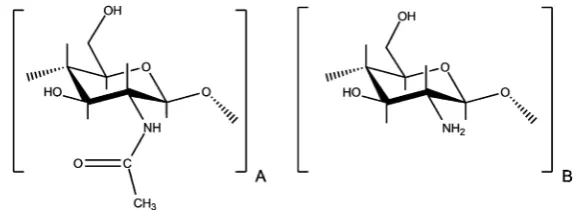
46
47
Figure 1. Chemical structure of chitosan composed of β(1→4) linked units of (A)
48
N-acetyl-D-glucosamine and (B) D-glucosamine.
49
Chemical modification of chitosan is usually done in bulk, randomly reacting its units. When
50
specific new functionalities are pursued, other approaches are preferred where the reactions could
51
be controlled stoichiometrically. In this scenario, polymer science is taking advantage of diverse
52
strategies to design new polymer-based hydrogels, drug and gene delivery systems, scaffolds for
53
tissue engineering, toxic substance and mineral chelation, and materials for the electronic and
54
aerospace industry, among others. For example, introducing lipophilic or hydrophilic molecules to
55
chitosan may result in altering or improving its properties like its solubility in acidic solutions and
56
organic solvents, and its thermal and mechanical properties [4].
57
There are previous reviews covering important and specific aspects of the chemical
58
modification of chitin and chitosan [5–7]. In the present paper, we aim to review and analyze recent
59
developments found on literature dealing with the chemical modification of chitin and chitosan,
60
with emphasis on proposed methods to obtain chitosan derivatives with a controlled
61
macromolecular architecture. An understanding of the interdependence between chemical structure
62
and properties is an important condition for proposing innovative materials. Some aspects of the
63
chemistry of these polysaccharides (and their modification conditions) could have an impact on the
64
properties of the products and should be taken into account:
65
1. Chitin and chitosan are in fact a family of polymers, differing in terms of not only the molecular
66
weight and extent of acetylation, but also in the dispersion of the degree of polymerization and
67
the distribution of the acetylated and deacetylated units along the polymer chain. All these
68
parameters will depend mainly on the natural source and isolation processes. Therefore, it is
69
very important to know these intrinsic characteristics, as far as they shall affect the properties of
70
the derivatives.
71
2. Due to their insolubility in certain solvents (particularly chitin), some chemical reactions are
72
carried out under heterogeneous conditions. This will have a determinant influence on the
73
structure of the obtained derivatives. Using words from Kurita, “reactions under
74
heterogeneous conditions are usually accompanied by problems including poor extents of
75
reaction, difficulty in regioselective substitution, structurally ununiformly products, and partial
76
degradation due to severe reaction conditions” [1]. Nowadays, these drawbacks could be
77
circumvented using some novel solvent systems like ionic liquids. This topic will be revised
78
herein as well.
79
3. Usually, non-selective chemical derivatization could lead to the development of products with
80
an irregular distribution and uncontrolled growth of the substituent groups in the main chain,
81
or undesired depolymerization of the polysaccharide.
82
4. Although chitosan presents valuable functional groups for derivatization reactions, often it is
83
necessary to obtain some precursors to facilitate subsequent reactions or, in other cases, to
84
protect the reactive amine in order to favor the chemoselectivity of the modification. Due to
their frequent use in chitosan functionalization processes, we will first refer to those reactions
86
whose use is more or less recurrent under diverse experimental conditions.
87
1.1.Chitosan precursors with protected amino groups
88
Due to the high reactivity of the amino groups, these should be protected in order to promote
89
the functionalization reaction to take place through the hydroxyl groups. Several methods have been
90
proposed, but until now, the most frequent is the N-phthaloylation of chitosan [8–10].
91
With this purpose, typically, amino groups of chitosan could be protected from unwanted
92
reactions by means of phthalic anhydride, whose derivative, N-phthaloyl chitosan, protects the
93
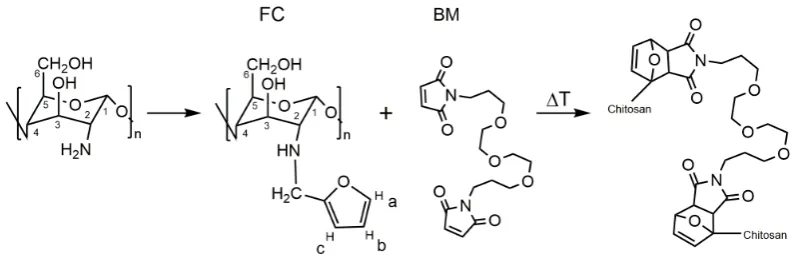
amine moieties for further chemical modifications. N-phthaloylation should be carried out in
94
DMF/water (95/5), in order to avoid O-phthaloyl substitution [9]. At the end of the chemical
95
modification, the phthaloyl protection must be removed from the polymer by reaction with
96
hydrazine monohydrate to regenerate the free amino groups. Nevertheless, this strategy has two
97
drawbacks:
98
• the N-phthaloylation of chitosan affects the solubility of chitosan in aqueous solutions. It is only
99
soluble in aprotic polar organic solvents, which had been attributed to certain crystallinity
100
[9,10]. Obviously, the solubility of the precursor in some organic solvents could be
101
advantageous when the O-substitution reaction needs to be carried out in the later.
102
• the unblocking reaction with hydrazine monohydrate severely depolymerize chitosan chain
103
with the consequent weakening of its mechanical properties [11,12]
104
Nonetheless, it is one of the best ways to protect the amine moieties in the chitosan polymer
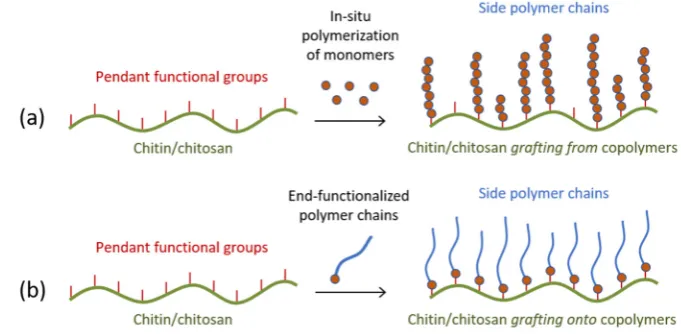
105
chains.
106
Dissolving chitosan in methanesulfonic acid has been also used for the protection of amino
107
groups [13–16]. As it should be expected, there is an important degradation of chitosan polymer
108
chain due to the strong acidic conditions used to dissolve chitosan [13,14].
109
1.2.Some frequent reactions in chitosan chemistry
110
There is a group of organic reactions, whose use in chitin chemistry is recurrent, due to their
111
experimental simplicity, and because their products could be used as a kind of wildcards during
112
other chemical modification strategies. These reactions provide the researcher with valuable tools
113
for specificity control and regioselectivity of the functionalization, with minimal possibilities of side
114
reactions or chain degradation. Herein, we will only make a brief summary of them, and the reader
115
could get more details in other excellent reviews and compilations [1,5,17–20].
116
Among these reactions, the following will be frequently used: i) formation of Schiff bases (and
117
reductive amination). It refers to the formation of imine products between amine and carbonilic
118
(aldehydes and ketones) groups. This reaction is very simple, and takes place under mild conditions.
119
The imine could be easily reduced with a suitable reducing agent like sodium borohydride (or,
120
preferably, sodium cyanoborohydride) giving selectively N-alkyl derivatives; ii)
121
carbodiimide-mediated amidation. There is a group of activators for the amidation of amines with
122
carboxylic groups. When using these agents, the amidation is straightforward, usually takes place
123
under mild conditions, at ambient temperatures. Most frequently used activators are:
124
N,N'-dicyclohexylcarbodiimide (DCC); 1-ethyl-3-(3-(dimethylamino)propyl) carbodiimide (EDC);
125
and 4-(4,6-dimethoxy-1,3,5-triazin-2-yl)-4-methylmorpholinium chloride (DMTMM). In order to
126
increase yields and decrease side reactions N-hydroxysuccinimide (NHS) is often added.
127
2. Click chemistry reactions
128
Among the different approaches developed to produce new chitin and chitosan derivatives, the
129
polymer scientist should take into account the way to reduce cost, time consumption during the
130
experiment, undesired byproducts of reactions, and reduce the possible pollution to minimum.
131
Under the concept of “click chemistry” are recognized a few number of nearly perfect reactions, in
which two functional groups exclusively react with each other. They are quick reactions and exhibit
133
high yields; they are carried out under mild temperature conditions (25-37°C), in a wide range of
134
hydrogen potential (pH 4-12); they are insensitive to water and oxygen. They must generate highly
135
regioselective products that need no complicated purification processes. An important characteristic
136
is that they are modular reactions resembling biochemical processes in nature. Among these
137
reactions, it could be mentioned [21,22]:
138
• cycloaddition reactions, including those from the 1,3-dipolar family (like Huisgen reaction),
139
and hetero-Diels-Alder reactions,
140
• nucleophilic ring-opening reactions in strained heterocyclic electrophiles,
141
• carbonyl chemistry of the non-aldol type, and
142
• additions to carbon-carbon multiple bonds.
143
Among the reactions that are considered as click chemistry, cycloadditions are the most used
144
reactions in chitosan derivatization. On the one hand, the Huisgen’s reaction is a cycloaddition
145
between alkynes and azides yielding two regioisomer triazoles [23]. It could be carried out with or
146
without Cu(I) as catalyst, as could be appreciated in Figure 2. This is one of the most investigated
147
chemoselective “click” reactions, which takes place in aqueous medium at room temperature, and is
148
almost instantaneous. On the other hand, the Diels-Alder is a [4+2] cycloaddition between a diene
149
and a dienophile, giving products with an unsaturated six-membered ring (Figure 3). This is also an
150
important click reaction, with the peculiarity that it is thermodynamically reversible, depending on
151
the reactants, but the reaction product is absolutely stable [24–26].
152
153
154
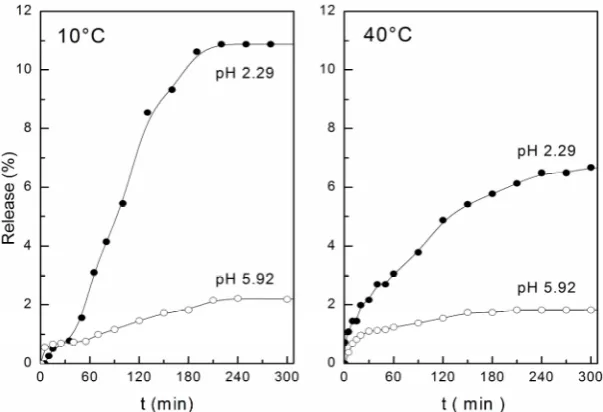
Figure 2. Huisgen cycloaddition reactions in absence (A) or presence (B) of Cu(I) catalyst.
155
156
Figure 3. Diels-Alder reaction between a diene and a dienophile.
157
The use of “click chemistry” has expanded the possibilities to produce new materials with
158
outstanding properties [27–31]. Chitosan derivatives synthesized by click chemistry have shown
159
tunable thermosensitive characteristics, photochromic behaviors, pH-sensitivity macromolecular
160
networks and highly soluble chemoselective properties [32–35].
161
The main application of click chemistry on chitosan derivatization seems to be in the
162
preparation of grafting copolymers. Due to the chemoselectivity of these reactions it was possible to
163
obtain N- [36,37] or O-grafted [38,39] chitosan-g-poly(ethylene glycol). Other homopolymers grafted
164
onto the chitosan backbone are: poly(N-isopropyl acrylamide) [40,41], β-cyclodextrin (on O-6
165
position [42] or in the amine [43]), poly(caprolactone) [44,45] and others [46,47].
An interesting example of what it could be prepared with this powerful tool is the study of Jung
167
et al. in which chitosan-poly(ethylene glycol) hybrid hydrogel microparticles are prepared and then
168
conjugated with single-stranded DNAs via Cu-free click chemistry [48]. Authors consider that this
169
strategy is an example of a robust biomolecular assembly platform that could be replicated as
170
biomolecular targets and therapeutic applications.
171
Furthermore, there are other chitosan derivatives developed via click chemistry reactions
172
[33,49–59], some of which exhibit diverse properties like antimicrobial, antifungal, enhanced
173
solubility in acidic and basic conditions, as well as an antigen detection system initiated by click
174
chemistry, etc. Other materials synthesized are a cellulose-click-chitosan material [60], click-coupled
175
graphene sheet with chitosan [61] and chitosan functionalized multiwalled carbon nanotubes [62].
176
The use of the Diels-Alder cycloaddition, gives the materials properties that can vary
177
depending on the temperature, a characteristic that Huisgen's cycloaddition does not possess. In this
178
sense, it is very premonitory to combine the properties of chitosan with the potential capacity of
179
furans for the development of Diels-Alder reactions. The structure of the furan gives it a markedly
180
dienic character, very suitable for the development of this type of reactions [63]. This feature opens
181
up opportunities to investigate the potentialities of the Diels-Alder cycloaddition between furan-
182
chitosan derivatives and dienophiles such as maleimides. This approach has been used to obtain a
183
novel chitosan hydrogel with interesting drug-carrier characteristics suitable for the development of
184
novel biotechnological and biomedical materials (Figure 4) [64].
185
186
Figure 4. Synthetic scheme for the preparation of N-(furfural) chitosan by reductive amination, FC,
187
and Diels–Alder cycloaddition with a bismaleimide giving chitosan hydrogel.
188
The number of reports about the use of click chemistry to modify chitosan is growing.
189
However, the application of click chemistry in the controlled modification of chitosan is only in its
190
early stages, and we should expect its use to have an even greater momentum in the coming years.
191
The real possibilities of click chemistry are to be revealed in the coming years, and new materials
192
with advanced properties for specific applications will surely appear. This is undoubtedly due to the
193
simplicity of the reactions and especially to the excellent opportunities offered by these tools to
194
introduce chemical modifications with a high control of the molecular architecture.
195
3. Graft copolymerization
196
Among the strategies of chitin and chitosan derivatization, grafting procedures are a strong
197
chemical tool in order to develop innovative materials [6]. The structure of a typical graft-copolymer
198
consists of a long sequence of the backbone polymer chain (chitin or chitosan in this case), containing
199
one or more side polymer chain of distinct chemical nature [65]. The properties of this kind of
200
copolymer are widely dependent on the molecular characteristics of the grafted side chains, such as
201
molecular structure, length of the chain, as well as the degree of grafting [66].
202
There are three main techniques for the grafting copolymerization: grafting from, grafting onto
203
and grafting through. As far as in this case the polysaccharide backbone chain is already formed, only
204
the two former methods are of interest. On the one hand, the grafting from method involves the in situ
polymerization of the grafting monomer (Figure 5a). This reaction is initiated directly from the main
206
chain, but its free homopolymerization could not be discarded as well. This procedure is usually
207
accomplished by one-step, but no control over the macromolecular structure is possible. On the
208
other hand, the grafting onto method is carried through the reaction between pendant functional
209
groups of the backbone chain and end-functional groups of previously synthesized polymer chains
210
(Figure 5b) [65]. This procedure allows the elaboration of polymer systems with a well-defined
211
structure. This technique affords the preparation of versatile macromolecular materials from chitin
212
and chitosan, allowing the development of novel hybrid materials with specific properties for
213
advanced applications in several fields as food processing, biotechnology, water treatment,
214
biomedicine, among others.
215
216
Figure 5. Schematic representation of the (a) grafting from, and (b) grafting onto methods for graft
217
copolymerization.
218
3.1. Chitin “grafting from” copolymers
219
The type of polymerization to be selected depends obviously on the type of monomer to be
220
grafted, in most cases, radical polymerization has been used [67–74], although there is also a report
221
of anionic ring-opening polymerization [75]. Acrylic monomers (especially acrylic acid) are among
222
the most frequently grafted into chitin [67–70,73,76–78]. For the development of experimental
223
procedures, it must be taken into account that chitin is not soluble in aqueous media and, therefore,
224
the reaction must be carried out mostly under heterogeneous conditions. Hence, almost no-control
225
over the macromolecular structure is attained, giving rise to a heterogeneous distribution of the
226
grafting chains along the chitin backbone, and in some cases, only low degrees of grafting could be
227
reached.
228
The grafting from copolymerization of acrylic monomers onto chitin using cerium (IV) as redox
229
initiator has been the subject of some studies [67–69,78]. In the pioneering work by Kurita et al the
230
influence of several conditions of the copolymerization reaction of acrylamide and acrylic acid onto
231
chitin was investigated [67]. These authors reported a procedure that allows reaching percentages
232
of grafts above 200%. The obtained copolymers showed enhanced solubility and hygroscopic
233
behavior [67]. Methyl acrylate [68] and methyl methacrylate [69] are other acrylic monomers that
234
have been grafted on chitin in the past under similar conditions.
235
The other free radical initiator that has been successfully used for the grafting of acrylic
236
monomers onto chitin is potassium persulfate [70,73,76,77]. Hydrogels prepared with
237
chitin-g-poly(acrylic acid) by the grafting from method have been proposed as a wound dressing
238
material [70,76,77]. The highly water-absorbable film showed a good capacity of absorbing exudates
239
from wounds, thus keeping a moist wound environment [70]. Subsequently, it was shown that the
240
inclusion of glycidyltrimethylammonium chloride improves the wound healing properties of this
241
hydrogel [76,77].
Acrylic acid was also grafted on chitin nanofibers by the grafting from method using potassium
243
persulfate. This material showed a stable dispersion in aqueous media at alkaline pH due to the
244
stabilizing effect of electrostatic repulsions between nanofibers [73].
245
Chitin-g-polystyrene copolymer has also been prepared by the grafting from method using
246
ammonium persulfate. The effect of some experimental parameters was evaluated, and the resulted
247
material was a copolymer grafted at the C-6 position of chitin backbone [74].
248
Recently, polypyrrole, an electrically conducting polymer, was grafted on chitin to enhance its
249
mechanical properties. The copolymerization reaction was carried out by the grafting from method
250
using ammonium persulfate. The crystallinity of the graft copolymers decreased as a function of the
251
increment of grafting percentage [79]. Itaconic acid, indole, and ε-caprolactone are also other
252
examples of monomers that have been grafted into chitin by the grafting from procedure [71,72,75].
253
3.2. Chitosan “grafting from” copolymers
254
Unlike chitin, the copolymerization reaction of chitosan could be accomplished by the grafting
255
from procedure under homogeneous conditions in aqueous media. At some degree, it allows having
256
more control over the macromolecular structure of the obtained copolymer as compared with
257
chitin.
258
In this case, a greater variety of monomers have been grafted to chitosan via the grafted from
259
procedure, for example: acrylic monomers [80–98], styrene [90], oligoethylene glycol methacrylate
260
[99], N-vinyl-2-pyrrolidone [100,101], ε-caprolactone [15,16,101–103], lactide [104], urethane [105],
261
indole [72], aniline [106], among others. The type of polymerization and initiator to be employed
262
depend on the selected monomer.
263
One of the problems of the grafting from procedure is the difficulty to effectively control the
264
chemoselectivity of the reaction. To overcome this drawback, the protection-graft-deprotection method
265
has been employed [83,101–104]. With this purpose, chitosan amino groups are initially protected by
266
N-phthaloylation [9]. Then, the copolymerization reaction is conducted with N-phthaloyl chitosan,
267
and finally, amino groups are regenerated with hydrazine monohydrate. Thus, the side chains are
268
anchored at the C-3 and C-6 hydroxyl groups of chitosan backbone, while amino groups remain free.
269
The main disadvantage of this technique is that the copolymerization reaction should be carried out
270
in organic solvents.
271
N-isopropyl acrylamide is one of the most frequently grafted acrylic monomers on chitosan
272
backbone, perhaps due to its thermosensitive properties and its promising applications for the
273
preparation of advanced materials, especially on the biomedical field including drug delivery
274
systems and tissue engineering [81–87,91–93,98]. Ammonium and potassium persulfate are the
275
preferred radical initiator [82,84,85,87,91–93], but also cerium ammonium nitrate [81,86] and azo
276
compounds [98] have been utilized. In general, the grafting from synthesis of poly(NIPAm)
277
copolymers are simple and could be accomplished in one step. A strategy proposed by Chen et al.
278
involves the synthesis via atom-transfer radical polymerization from the bromo
279
isobutyryl-terminated chitosan at the C-6 hydroxyl group [83].
280
It has been established that the thermosensitive properties of NIPA are governed by the
281
variation of hydrophilic and hydrophobic interactions by increasing the temperature. At low
282
temperatures, water molecules form regular ice-like structures around hydrophobic methyl groups.
283
When the temperature increases, that hydrophobic hydration collapses. As a result, hydrophobic
284
interactions are generated between the methyl groups of different segments of NIPA chains, giving
285
rise to a polymer network. From a thermodynamic point of view, this phase transition should
286
generate a loss of conformational entropy, due to the ordering of the polymer in the network, which
287
must be compensated by the translational entropy gain of the ejected water molecules. Therefore, as
288
a result of the phase transition, there is an increase in the total entropy, which is greater than the
289
enthalpy gain (the transition is endothermic), all of which results in a decrease in Gibbs free energy
290
[7]. That is, the phase transition depends on the size and closeness of the grafted NIPA chain
291
segments that are involved in the transition. Therefore, an adequate control of the molecular
architecture allows to effectively modulate the properties of the materials and their response to
293
changes in temperature [7,81,107].
294
The rheological response of the solutions of this copolymer to changes in temperature is
295
completely reversible. It has been postulated that the increase in the elastic response is due to the
296
formation of hydrophobic crosslinked points at the expense of the amount of sol fraction, for that
297
reason “the connectivity in the gel network is governed by the net number of formed
298
enthalpic-hydrophobic driven-junctions” [81]. The fast thermoreversible response exhibited by these
299
copolymers could be associated with this phenomenon.
300
Polyelectrolyte complex membranes formed between this copolymer and pectin exhibit
301
temperature and pH dual-stimuli response. Figure 6 shows the release of a model substance as a
302
function of pH and temperature [108], and it can be appreciated how this type of material can
303
respond simultaneously to both parameters.
304
More information about the structure, properties and potential applications of
305
chitosan-g-NIPA copolymers could be found in other specific reviews [7,109].
306
307
Figure 6. Release profile of Coomassie Blue dye from polyelectrolyte complex membranes formed
308
between this chitosan-g-NIPAm and pectin as a function of pH and temperature. Reprinted from Ref.
309
[108], Copyright 2011, with permission from Elsevier.
310
ɛ-caprolactone is the other monomer also often grafted onto chitosan. Poly(ɛ-caprolactone) is a
311
hydrophobic, biodegradable and biocompatible polymer with excellent mechanical properties, so it
312
is comprehensible to search new hybrid materials via grafting copolymerization. Because one of the
313
properties of chitosan that is important to take advantage of is its hydrophilicity and solubility in
314
acidic aqueous solutions, the protect-graft-deprotect strategy has been the preferred method [101–
315
103]. Nevertheless, in this case, different synthetic approaches have been tested. The typical amino
316
group protection by N-phthaloylation has been followed in most of the cases [101–103]. In these
317
cases, tin octanoate was selected as a catalyst [101,102], but it has been also showed that N-phthaloyl
318
chitosan is also by itself a catalyst for the ring-opening polymerization of caprolactone monomers
319
and hydroxyl groups acting as initiators [103]. Moreover, there are other reports where
320
methanesulfonic acid was used as a solvent for chitosan and at the same time served to protect the
321
amino groups, and as a catalyst for the ring-opening reaction [15,16]. This copolymer could be used
322
as an efficient stabilizer of gold nanoparticles [101] and could form amphiphilic copolymer micelles
323
suitable for the drug delivery of hydrophobic anticancer molecules [16].
324
In conclusion, it can be highlighted that the grafting from method has the advantage that
325
chitosan can be functionalized in a fairly easy manner, generally in a single reaction step. If it is
326
required to control the chemoselectivity of the copolymerization and to direct the reaction towards
327
the hydroxyl groups at C-6 and C-3 positions, it is necessary to follow the strategy of protecting
amino groups before copolymerization. The main drawback of the grafting from method is that there
329
is a poor control over the structure of the copolymer, both in terms of the dispersion of the grafted
330
chain length, as well as their distribution throughout the chitosan backbone (Figure 5a).
331
3.3. Chitosan “grafting onto” copolymers
332
As it is discussed above, the grafting onto is the other technique of preparing graft copolymers.
333
Its main advantage is that it is possible to obtain derivatives with a better control of the
334
macromolecular architecture and, therefore, it should be possible to have a greater possibility of
335
modulating the properties and applications of these materials. There are several types of
336
homopolymers that have been grafted onto chitosan, including poly(ɛ-caprolactone) [110–112],
337
poly(ethylene glycol) and Pluronic [11,36–39,113–126], poly(N-isopropyl acrylamide) [40,41,83,127–
338
131] and poly(N-vinylcaprolactam) [132–139], among others.
339
The grafting of end-functionalized poly(ɛ-caprolactone) has been conducted by the
340
protect-graft-deprotect procedure, using EDC condensing agent for carboxylic-terminated
341
poly(caprolactone) (Figure 7) [111,112], or the reaction of isocyanate groups with chitosan hydroxyl
342
groups [110]. It has been reported that the resultant material could be self-assembled into micelles
343
and used as stabilizers to prepare silver nanoparticles with good antimicrobial activity [112].
344
345
Figure 7. Chemical structure of chitosan-g-poly(ɛ-caprolactone)
346
Chitosan grafted with Pluronic, poly(ethylene oxide)-b-poly(propylene oxide)-b-poly(ethylene
347
oxide), copolymer have also been synthesized by the grafting onto method. With this purpose,
348
Pluronic is “activated” with succinic anhydride, and the resulted carboxylated Pluronic grafted
349
onto chitosan in the presence of EDC/NHS system (Figure 8) [124–126]. This water-soluble
350
thermosensitive copolymer has been evaluated as a potential injectable cell delivery carrier with the
351
aim of using it as a scaffold for cartilage regeneration [125]. Its suitability in the preparation of
352
nanocapsules for drug delivery was also verified [126].
353
354
Figure 8. Chemical structure of chitosan-g-Pluronic
355
The grafting of poly(ethylene glycol) onto chitosan backbone has been accomplished via
356
PEGylation of amino groups throughout conjugation with methoxy PEG-nitrophenyl carbonate
[116], methoxy PEG-succinimidyl carbonate [118], amidation with carboxylated PEG [119] or
358
reductive amination (Figure 9) [114,115,117,120,121]. The use of “click chemistry” tools has also
359
been reported for the N- [36,37] or O-PEGylation of chitosan [38,39]. However, the grafting onto the
360
-OH groups at C-6 of chitosan structure is an alternative option of chitosan modification, because it
361
allows the total availability of free amino groups. In this sense, some studies related to
362
O-substitution graft copolymers have been developed by etherification reaction [11,113,122,123].
363
For this purpose, the amino groups of chitosan were protected with phthalic anhydride by the
364
above-mentioned procedure. The resultant material (degree of substitution about 15%) shows
365
solubility in a wide range of pH [113]. PEGylated chitosan has been considered as a bioactive
366
delivery carrier for insulin [123], DNA [116], heparin [118], albumin [120], among others. A detailed
367
review of the methods of synthesis, characterization and pharmaceutical applications of PEGylated
368
chitosan derivatives can be consulted [140].
369
370
Figure 9. Chemical structure of chitosan-g-poly(ethylene glycol)
371
Cs-g-PNIPAm copolymer has also been synthesized by the graft onto method via the amidation
372
between carboxylic-end NIPAm chains and chitosan amino groups using carbodiimide compounds
373
like DCC [127], or EDC (Figure 10) [128–130]. Similarly, the same reaction, but between
374
O-carboxymethyl chitosan and amino-end PNIPAm chains has also been proposed [131], having the
375
advantage of leaving the amino groups free. Bao et al. have also made use of “click chemistry”
376
reactions to anchor NIPAm chains onto chitosan backbone [40,41]. Due to its thermoresponsive
377
behavior, this copolymer form hydrogels in situ, which favors some properties as enhancement of
378
drug residential time, ocular absorption, pharmacokinetics and bioavailability of hydrophobic
379
drugs [7,127,130].
380
381
Figure 10. Chemical structure of chitosan-g-poly(N-isopropyl acrylamide)
382
The grafting onto approach to synthesize chitosan-graft-PVCL has been conducted by the
383
amidation between PVCL-COOH and chitosan amino groups using EDC/NHS system [132–
384
135,137,138] or DMTMM (Figure 11) [136,139].
386
Figure 11. Chemical structure of chitosan-g-poly(N-vinyl caprolactam)
387
It has been established that the molecular architecture of this copolymer plays a prominent role
388
in their thermoresponsive properties (LCST within 34-45 °C) [136,139]. Figure 11 shows the
389
dependence of the phase transition on the length of the grafted chain or the closeness between them
390
along the chitosan backbone. The increment of the length of the grafted chains implies that longer
391
hydrophobic segments appear, which favors polymer-polymer long-range interactions and giving
392
lower phase transition temperature (Figure 12a). The spacing between PVCL chains along the
393
chitosan backbone also impacts on the transition: as they are closer, the lower the cloud point
394
temperature and the greater the enthalpic change (Figure 12b). As the spacing between grafted
395
chains is more reduced, the hydrophobic intercatenary interactions between PVCL segments are
396
favored, giving rise to the above-mentioned behavior [136]. Indulekha et al. reported the study of
397
CS-g-PVCL gel as a transdermal drug delivery system for pain management, which showed
398
biocompatibility and drug permeation through in vitro skin test [138]. Jayakumar et al. have studied
399
Cs-g-PVCL based nanoparticles as a promising candidate for cancer drug delivery [132–135,137].
400
401
Figure 12. (a) Dependence of the hydrodynamic diameter, DH, on temperature, of Cs-g-PVCL
402
aqueous solutions (pH 6) for different number-average molecular weights of PVCL-grafted chains (4,
403
13 and 26 kDa). Reprinted by permission from Springer Nature: Ref. [139], Copyright 2015. (b)
404
Micro-DSC curve of 10 wt% aqueous solutions (pH 6) of Cs-g-PVCL, varying the spacing between
405
grafted side chains. Reprinted from Ref. [136], Copyright 2015, with permission from Elsevier.
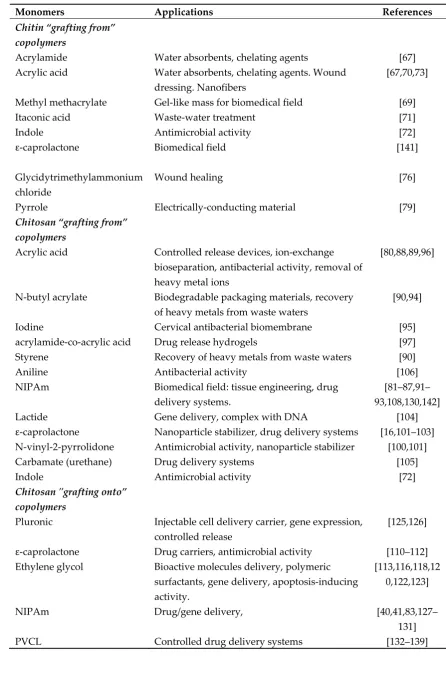
Table 1 presents a compendium of the most representative monomers that have been grafted
407
into chitosan, as well as the main applications proposed.
408
Table 1. Main monomers used for derivatization of chitin and chitosan by grafting copolymerization.
409
Monomers Applications References
Chitin “grafting from” copolymers
Acrylamide Water absorbents, chelating agents [67]
Acrylic acid Water absorbents, chelating agents. Wound dressing. Nanofibers
[67,70,73]
Methyl methacrylate Gel-like mass for biomedical field [69]
Itaconic acid Waste-water treatment [71]
Indole Antimicrobial activity [72]
ε-caprolactone Biomedical field [141]
Glycidytrimethylammonium chloride
Wound healing [76]
Pyrrole Electrically-conducting material [79]
Chitosan “grafting from” copolymers
Acrylic acid Controlled release devices, ion-exchange bioseparation, antibacterial activity, removal of heavy metal ions
[80,88,89,96]
N-butyl acrylate Biodegradable packaging materials, recovery of heavy metals from waste waters
[90,94]
Iodine Cervical antibacterial biomembrane [95]
acrylamide-co-acrylic acid Drug release hydrogels [97]
Styrene Recovery of heavy metals from waste waters [90]
Aniline Antibacterial activity [106]
NIPAm Biomedical field: tissue engineering, drug
delivery systems.
[81–87,91– 93,108,130,142]
Lactide Gene delivery, complex with DNA [104]
ε-caprolactone Nanoparticle stabilizer, drug delivery systems [16,101–103] N-vinyl-2-pyrrolidone Antimicrobial activity, nanoparticle stabilizer [100,101]
Carbamate (urethane) Drug delivery systems [105]
Indole Antimicrobial activity [72]
Chitosan "grafting onto” copolymers
Pluronic Injectable cell delivery carrier, gene expression, controlled release
[125,126]
ε-caprolactone Drug carriers, antimicrobial activity [110–112] Ethylene glycol Bioactive molecules delivery, polymeric
surfactants, gene delivery, apoptosis-inducing activity.
[113,116,118,12 0,122,123]
NIPAm Drug/gene delivery, [40,41,83,127–
131]
410
3.4. Chitosan network systems prepared by radiation
411
Ionizing radiation constitutes an environmentally friendly tool to prepare graft copolymers
412
from chitin and chitosan. Fundamentally, UV- and γ-radiation have been used for the preparation
413
of chitosan derivatives. UV-initiated polymerization has some benefits, such as lower reaction
414
temperature, fewer amounts of initiator, higher reaction rate, and shorter polymerization times,
415
among others. The principal disadvantage of this method of modification is the absence of
416
specificity. Usually, the resultant radiation-based graft copolymers tend to exhibit a crosslinked
417
network structure.
418
On the one hand, chitosan-based graft copolymers have received special attention for
419
applications as flocculants due to their biodegradability, absorption and charge neutralization
420
ability, among others. It could be mentioned those materials based on acrylic monomers [143–147],
421
displaying important flocculation properties. There are also reports of radiation-induced chitosan
422
grafted with poly(maleic acid) showing high sorption capacity of Co(II) [148,149]. On the other
423
hand, Burillo et al. have developed thermosensitive graft copolymers based on chitosan derivatives
424
by gamma radiation [150–153].
425
4. Chitosan-grafted-cyclodextrin derivatives
426
Supramolecular polymer chemistry has gained interest in macromolecular research. A number
427
of molecular architectures have been introduced to develop new materials, in which cyclodextrins
428
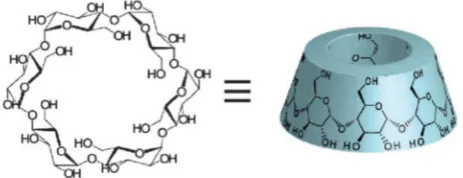
(CDs) have been extensively used. CDs are non-toxic cyclic oligosaccharides, formed by 6 to 9
429
α-D-glucose units linked by (14) glycosidic bonds (Figure 13). They own a truncated cone-shape
430
geometry, with a hydrophilic external surface and a relatively more hydrophobic internal cavity
431
[154]. This arrangement favors host-guest interactions through the inclusion of a wide variety of
432
small organic molecules -mainly hydrophobic-, such as adamantane, eugenol, doxorubicin, etc.
433
(Figure 14) [155–157]. This important property confers to CDs a special attention as an effective
434
molecular carrier during the design of advanced drug delivery systems. According to Rekharsky
435
and Inoue, the general tendencies of the dependence between thermodynamic quantities can be
436
understood in terms of hydrophobicity, steric effects during the guest-host interaction, the involved
437
guest-host hydrogen bonding and the flexibility of the guest molecule [158]. Thermodynamic studies
438
about the stability of the inclusion complex demonstrated that the enthalpy gain due to the guest
439
inclusion is compensated with the loss of entropy that results from the considerable conformational
440
changes that take place in the CDs during the complexation, and the entropy gain due to the
441
desolvation of both host and guest [158,159].
442
443
Figure 13. Structure of α-cyclodextrin (formed by six glucosidic units). The arrangement of the
444
external hydrophilic surface and the relatively hydrophobic internal cavity is evident. Reproduced
445
from Ref [160] with permission of The Royal Society of Chemistry.
447
Figure 14. Chemical structure of (A) adamantane, (B) eugenol, (C) doxorubicin.
448
Many investigations have been carried out with the aim of proposing methods to prepare
449
chitosan grafted CDs derivatives in order to take advantage of both: the mucoadhesive properties
450
and reactive functional groups of chitosan and the ability of CDs to interact with hydrophobic guest
451
substances [161–163]. In the presence of a guest molecule, chitosan-g-CDs solutions could form
452
intramolecular and intermolecular complexes, which can lead to a large increase in the viscosity or
453
to the formation of temporary and reversible supramolecular network systems. Consequently, an
454
adequate control of the grafting reaction is of utmost importance in order to regulate the molecular
455
architecture, and therefore the behavior and properties of the polymer materials. For this purpose,
456
the arsenal of methods available for the chemical modification of chitosan can be applied at the time
457
of grafting the cyclodextrin. So far, the following main methods have been proposed:
458
5. Reductive amination reaction. Usually, the CD is modified in order to attach an aldehyde
459
group. The inclusion of the CD moieties into the chitosan backbone is carried out by the
460
formation of a Schiff base, followed by the reduction with a proper agent. The reductive
461
amination procedure is one of the most used because it is a simple, easy and little degradative
462
method [156,164–166].
463
6. The second most important method is via amidation of CDs modified with a carboxylic group
464
with the amino groups of chitosan. In this case, two strategies have been applied: i) the classic
465
condensation reaction [167,168], and ii) by amidation using coupling activators of the carboxylic
466
acid group, like EDC/NHS [162,169–173]. The former reaction requires high temperatures due
467
to the high activation energies involved, while the use of condensation agents in the later,
468
selectively promotes the formation of the amide bond in aqueous solution under mild and
469
controllable conditions.
470
7. The nucleophilic substitution of halides or tosyl groups by chitosan amino groups is another
471
recurrent way to attach CDs into the chitosan backbone [155,157,174–179].
472
8. A method so far little used, but in the future can provide derivatives with a high
473
regioselectivity, is anchoring β-cyclodextrin onto chitosan by click chemistry. In this way, using
474
the Huisgen cycloaddition reaction, β-CD chains have been grafted onto the chitosan backbone
475
through the amino group (position 2) [43] or to the O-6 [42].
476
9. Other methods, among which i) the preparation of epoxy-activated chitosan and its reaction
477
with hydroxyl groups of CD [180] or ii) the anchoring of CD into chitosan using
478
1,6-hexamethylene diisocyanate [181–183], among others, can be mentioned.
479
In this sense, Auzély-Velty and Rinaudo have reported a procedure, in which a
480
monosubstituted β-CD, possessing a D-galacturonic acid group on the primary face of CD, was
481
grafted onto the chitosan backbone by reductive amination reaction [156,165]. The characterization
482
of the graft copolymer confirmed a successful inclusion of CD on the chitosan chain with almost no
483
degradation of the polymer. These authors also observed a slight reduction in the solubility of the
484
derivative (at grafting degrees 10-12%) as compared with that of the pristine chitosan [165]. At a
485
given concentration, the viscosity of the copolymer solution is higher than that the original chitosan,
486
confirming the presence of interchain interactions induced by the presence of grafted CD [156].
487
The host properties of CD and chitosan-g-CD were comparatively studied toward a low or high
488
molecular weight guest. In the former case, 4-tert-butylbenzoic acid and (+)-catechin low molecular
489
weight guests were chosen, and the inclusion complex was analyzed by means of NMR [165].
Experimental data corroborated that the complexation of 4-tert-butylbenzoic acid is a dynamic
491
process, in the sense that the guest molecule is constantly switching between the free and bound
492
states. Moreover, it was possible to conclude that chitosan-g-CD exhibits the same host-guest
493
properties as the native CD toward the low molecular weight hydrophobic guest, suggesting that
494
the grafting process have not significant influence over the binding capacity of CD [165]. In the
495
second case, the interaction of chitosan-g-CD with two macromolecular guests (adamantane
496
attached to chitosan or poly(ethylene glycol)) was evaluated [156]. On the one hand, NMR analyses
497
demonstrated that the hydrophobic sites of the macromolecular guest interact with the grafted CD
498
moieties in the same way as with the non-grafted one. On the other hand, rheological experiments
499
showed that PEG end-capped with adamantane mixed with CD-chitosan solutions give a significant
500
increase in the viscosity due to cross-linking of CD-chitosan chains through host-guest inclusion
501
complexation with PEG-di-adamantane guest. Nevertheless, when the complexation takes place
502
with the chitosan-di-adamantane derivative, a gel-like behavior was appreciated [156]. These
503
characteristics of the inclusion complex with di-adamantane macromolecular derivatives open
504
interesting possibilities to produce advanced materials with controlled sol-gel properties.
505
One of the drawbacks of chitosan-g-CDs as a drug delivery system is the poor solubility of
506
chitosan at neutral pH values. In this context, Sajomsang et al. have proposed the quaternization of
507
chitosan amino groups in order to obtain a water-soluble grafted [176,177]. Synthesis strategy
508
involves the quaternization of previously prepared chitosan-g-CDs, carried out by the nucleophilic
509
substitution of the remained free amino groups, yielding a water-soluble quaternized
510
chitosan-g-CD. The degree of quaternization (DQ), reached values between 60 and 85%. The
511
mucoadhesive properties of the grafted polymer were dependent on the DQ, being stronger as the
512
DQ increases, while its cytotoxicity does not show any dependence with the DQ [177]. The formation
513
of an inclusion complex between the quaternized chitosan-g-CDs and eugenol as model guest
514
molecule has also been studied. In this case, it was confirmed that eugenol is included in the
515
hydrophobic cavity of CDs, but a self-aggregated micelle-type structure was formed, within which,
516
extra eugenol molecules were entrapped as illustrated in Figure 15. The greatest mucoadhesion was
517
attained with the complex having 11% CD substitution, suggests that in this case, electrostatic
518
interaction has a key role in governing the adhesion between mucin and the chitosan derivative
519
[155]. Moreover, an enhanced mucoadhesion has been reported for this system when CDs were
520
attached to the chitosan backbone throughout a citric acid molecule. This effect is possibly due to
521
additional intermolecular hydrogen bonding between the carboxyl and hydroxyl groups from the
522
citric acid spacer and mucus glycoprotein [168,184].
523
524
Figure 15. Schematic structure of inclusion complex between eugenol (pink) and quaternized
525
chitosan (black) grafted with β-cyclodextrin (blue) forming self-aggregated micellar structures.
526
Reprinted from reference [155], Copyright 2012, with permission from Elsevier.
527
Another extensive coupling method used to graft CD into chitosan chain is based on amidation
528
reaction. This reaction occurs among a component containing a free amino group, like chitosan, with
529
a substituted carboxylic acid-cyclodextrin to generate the amide bond. This reaction is mediated by
530
diimide derivatives, among them, EDC is the most used due to its water solubility. Daimon et al.
531
described the preparation of a chitosan-g-CDs by the condensation reaction of chitosan and
532
β-CD-carboxylate [162,163]. The interaction between chitosan-g-CDs and insulin was evaluated.
Insulin was strongly bound to β-CD residues due to the specific host-guest inclusion complex with
534
insulin. The electrostatic interactions between chitosan-g-CDs and insulin allowed a strong binding
535
in a wide range of pH [162]. The conclusion of several studies is that chitosan-g-CDs have the
536
remarkable potential to be applied in the delivery of peptides and proteins as an efficient delivery
537
carrier [162,163,173].
538
Kono et al. described the preparation of a hydrogel based on carboxymethyl chitosan and
539
carboxymethyl CD. A reductive amidation reaction was conducted employing EDC-NHS as the
540
coupling agent. It allowed simultaneous grafting of CD into chitosan and crosslinking.
541
Acetylsalicylic acid was chosen as a model drug to explore its properties as a carrier for drug
542
delivery system. According to their results, the observed drug release profile could be attributed to
543
the formation an inclusion complex of aspirin inside CD cavities [170].
544
Apart from the aforementioned applications for controlled release systems, other studies aimed
545
at the use of chitosan/cyclodextrin materials for the removal of metals or organic micropollutants
546
from wastewaters has been described as well [185,186]. For example, Zhao et al. prepared chitosan-
547
β-cyclodextrin absorbent material, using EDTA as cross-linker. According to these authors,
548
“chitosan chain is considered as the backbone, and the immobilized cyclodextrin cavities capture the
549
organic compounds via host-guest inclusion complexation, while EDTA-groups complex metals”
550
[186]. A β-cyclodextrin-chitosan-graphene oxide composite material has been also proposed. It is
551
claimed that this material is appropriate for the removal of manganese ions [185].
552
Finally, it should be noted that there is an increasing number of publications in which chitosan
553
and cyclodextrin are used as important components in the preparation of nano-vehicles or
554
stimuli-sensitive carriers [157,172,178,187–190].
555
5. Dendronized chitosan
556
Dendrimers are commonly represented as highly symmetrical molecules, displayed in tiers
557
with an algorithmic growth. They are characterized by a high end functional groups located on the
558
surface of a spherical conformation, leading a molecule owing a large amount of functional sites
559
easily accessible to the media, with an isolate core. This typical architecture influences the physical
560
properties, like solution behavior, especially at high molecular weights. In dendrimer construction,
561
two synthetic approaches have been employed: divergent and convergent. On the former, stepwise
562
growing occurs from the center by means of a series of high selective reactions over a single
563
molecule, whereas on the latter, the synthesis begins in the periphery and ends in the core. Despite
564
the important biomedical applications of dendrimers as viral and pathogenic cell adhesion
565
inhibitors, references about dendronized chitosan derivatives are still scarce [191]. Here is a general
566
brief description about these novel chitosan derivatives.
567
Some of the first reports of the preparation and characterization of chitosan dendrimer hybrid
568
molecules are those presented by Sashiwa et al. [192–195]. They reported the preparation of sialic
569
acid bound dendronized chitosan using gallic acid as the focal point, and tri(ethylene glycol) as
570
spacer arm. It was suggested to be a non-toxic alternative and inhibitors of hemagglutination of
571
influenza viruses.
572
The preparation of a Pb2+ heavy metal bioabsorbent CDH, PAMAM-g-chitosan, was achieved
573
by divergent approach synthesis. The addition of methylacrylate over amino groups of chitosan
574
powder surface was driven by the Michel addition reaction followed by the amidation of terminal
575
groups with EDTA, different generation of PAMAM were obtained by the subsequent propagation
576
of PAMAM [196].
577
The preparation of a water soluble quaternized carboxymethyl chitosan/poly(amido amine)
578
dendrimer with core-shell nanoparticles was also described [197,198]. The synthesis of this
579
dendronized chitosan involves a two-step reaction: the activation of carboxylic groups in
580
quaternized carboxymethyl chitosan and the subsequent condensation reaction. The obtained
581
chitosan dendrimer hybrid could self-aggregate into core-shell nanoparticles due to the combination
582
of hydrophobic and electrostatic interactions and hydrogen bonding. These dendrimer nanoparticles
583
exhibited antibacterial activity against to Gramm negative bacteria as E. coli.
Similar nanostructures were also prepared with carboxymethyl chitosan-modified magnetic
585
core composed of magnetite nanoparticles and dendritic branches with carboxymethyl chitosan
586
terminal groups [199]. These dendrimers exhibit selective adsorption for anionic and cationic
587
compounds at specific pH and their potential use to remove dyes was successfully proved.
588
6. Chitosan modification using ionic liquids
589
The ionic liquids (IL) have become a versatile media to perform chitin and chitosan
590
derivatization that was not available few of decades ago. Ionic liquids are salts that remain liquid
591
below 100°C; in a practical sense, are those salts that should be handled as liquids at room
592
temperature. Most of them are formed by uneven ionic moieties, usually large cations paired with
593
anions of relatively smaller size. The combination and modification of cations and anions make it
594
possible to obtain ionic liquids with diverse chemical characteristics and functional properties. Thus,
595
IL have been praised as customizable solvents; some of them with remarkable properties that have
596
found its way to industrial scale applications. Many IL have been also classified as “green” solvents
597
due to their reduced vapor pressure, conventional non-flammability, and exceptional solvation
598
potential [200,201].
599
The IL capacity to dissolve polysaccharides was first reported in 1934. However, this does not
600
receive considerable scientific attention, until recently. One of the main focus of interest has been the
601
capacity of some IL to dissolve typically intractable polysaccharides as cellulose or chitin [202–205].
602
Imidazolium-based IL, particularly 1-ethyl-3-methylimidazolium (Emim) and
603
1-butyl-3-methylimidazolium (Bmim) in chloride or acetate form (Figure 16), are commonly used to
604
prepare chitin and chitosan solutions that could reach relatively high concentration (over 10 w%).
605
Other types of IL have been reported to dissolve chitosan to different extents, for example,
606
pyridinium-based IL functionalized with sulfonic acid [206] or amino acid-based IL [207]. The
607
chitosan-IL solutions provide alternative media to get homogeneous reaction conditions and also
608
enable derivatizations that are not favored in aqueous environments. The availability of this type of
609
chitin-chitosan solvent system began to gain relevance in scientific research and applications
610
development.
611
612
Figure 16. Chemical structure of the acetate salts of 1-ethyl-3-methylimidazolium, Emim, and
613
1-butyl-3-methylimidazolium, Bmim.
614
Actually, several types of chemical modifications of chitin-chitosan in IL have been reported.
615
Some of them have been compiled in focused reviews [208,209]. Chitosan has several functional
616
chemical groups susceptible to react, which allow the production of a range of derivatives and
617
grafting. Below is a succinct summary of the most relevant chitosan derivation procedures in IL
618
reported in the literature and some examples of the obtained products are included in Figure 17.