Deep Learning: Enhancing the Security of Software-Defined
Networks
Ahmed Dawoud
M.Sc. Software Development & M.Sc. Information and Communication Technologies
A thesis submitted for the degree of
Doctor of Philosophy
School of Computing, Engineering and Mathematics
Western Sydney University
Abstract
Software-defined networking (SDN) is a communication paradigm that promotes network flexibility and programmability by separating the control plane from the data plane. SDN consolidates the logic of network devices into a single entity known as the controller. SDN raises significant security challenges related to its architecture and associated characteristics such as programmability and centralisation. Notably, security flaws pose a risk to controller integrity, confidentiality and availability.
The SDN model introduces separation of the forwarding and control planes. It detaches the control logic from switching and routing devices, forming a central plane or network controller that facilitates communications between applications and devices. The architecture enhances network resilience, simplifies management procedures and supports network policy enforcement. However, it is vulnerable to new attack vectors that can target the controller. Current security solutions rely on traditional measures such as firewalls or intrusion detection systems (IDS). An IDS can use two different approaches: signature-based or anomaly-based detection. The signature-based approach is incapable of detecting zero-day attacks, while anomaly-based detection has high false-positive and false-negative alarm rates. Inaccuracies related to false-positive attacks may have significant consequences, specifically from threats that target the controller. Thus, improving the accuracy of the IDS will enhance controller security and, subsequently, SDN security.
A centralised network entity that controls the entire network is a primary target for intruders. The controller is located at a central point between the applications and the data plane and has two interfaces for plane communications, known as northbound and southbound, respectively. Communications between the controller, the application and data planes are prone to various types of attacks, such as eavesdropping and tampering. The controller software is vulnerable to attacks such as buffer and stack overflow, which enable remote code execution that can result in attackers taking control of the entire network. Additionally, traditional network attacks are more destructive.
This thesis introduces a threat detection approach aimed at improving the accuracy and efficiency of the IDS, which is essential for controller security. To evaluate the
effectiveness of the proposed framework, an empirical study of SDN controller security was conducted to identify, formalise and quantify security concerns related to SDN architecture. The study explored the threats related to SDN architecture, specifically threats originating from the existence of the control plane.
The framework comprises two stages, involving the use of deep learning (DL) algorithms and clustering algorithms, respectively. DL algorithms were used to reduce the dimensionality of inputs, which were forwarded to clustering algorithms in the second stage. Features were compressed to a single value, simplifying and improving the performance of the clustering algorithm. Rather than using the output of the neural network, the framework presented a unique technique for dimensionality reduction that used a single value—reconstruction error—for the entire input record. The use of a DL algorithm in the pre-training stage contributed to solving the problem of dimensionality related to k-means clustering. Using unsupervised algorithms facilitated the discovery of new attacks.
Further, this study compares generative energy-based models (restricted Boltzmann machines) with non-probabilistic models (autoencoders). The study implements TensorFlow in four scenarios. Simulation results were statistically analysed using a confusion matrix, which was evaluated and compared with similar related works.
The proposed framework, which was adapted from existing similar approaches, resulted in promising outcomes and may provide a robust prospect for deployment in modern threat detection systems in SDN. The framework was implemented using TensorFlow and was benchmarked to the KDD99 dataset. Simulation results showed that the use of the DL algorithm to reduce dimensionality significantly improved detection accuracy and reduced false-positive and false-negative alarm rates. Extensive simulation studies on benchmark tasks demonstrated that the proposed framework consistently outperforms all competing approaches. This improvement is a further step towards the development of a reliable IDS to enhance the security of SDN controllers.
Declaration of Original Work
I certify that this thesis does not incorporate without acknowledgement any material previously submitted for a degree or diploma in any university and that to the best of my knowledge and belief it does not contain any material previously published or written by another person, except where due reference is made in the text.
Acknowledgements
First and foremost I want to express my gratitude and appreciations to my supervisor Dr. Seyed Shahrestani for his guidance, support, and motivation during my prolonged PhD journey. I appreciate all his contributions of time, ideas and expertise to make this work possible. I would like to express my special appreciation and thanks to Dr. Chun Raun, for her patient listening and vital comments. Also, it is inevitable to express my thanks to graduate research school administrative staff for their continuous and prompt support.
During the long and intense years of my studies and research I lost people who shared me the dreams, I would like to honour their memory in this work, to my father and my uncle Ibrahim. A special thanks to my beloved wife Sara, and my sons Hamza and Mohamed without them I would finish this work a year and half earlier.
Table of Contents
Abstract ... 1
Declaration of Original Work ... 3
Acknowledgements ... 4 Table of Contents ... 5 List of Figures ... 8 List of Tables ... 10 List of Abbreviations ... 11 Publications ... 13 Chapter 1: Introduction ... 15 1.1 Introduction ... 15 1.2 Motivation ... 17 1.3 Research Methodology ... 19
1.4 Research Questions and Scope ... 23
1.5 Contributions ... 23
1.6 Thesis Structure ... 25
Chapter 2: Software-Defined Networks ... 28
2.1 Introduction ... 28
2.2 Software-Defined Network Architecture ... 30
2.2.1 Software-Defined Network Controller ... 31
2.2.2 Controller Anatomy: OpenDaylight ... 33
2.2.3 OpenFlow Protocol ... 35
2.3 Software-Defined Network Applications ... 39
2.3.1 Network Traffic Engineering ... 39
2.3.2 Network Monitoring ... 40
2.3.3 Software-Defined Networks for Virtualisation ... 41
2.4 Software-Defined Networds in Various Networking Environments ... 43
2.4.1 Software-Defined Networks for the Internet of Things ... 43
2.4.2 Software-Defined Networks for Cloud and Data Centres... 44
2.4.3 Software-Defined Networks for Wireless Networks and 5G ... 46
2.5 Software-Defined Network Challenges ... 47
2.5.1 Software-Define Network Model Architecture Drawbacks ... 48
2.5.2 Controller Challenges ... 48
2.5.3 Data Plane Challenges ... 49
2.5.4 Application Plane Challenges ... 49
2.6 Summary ... 50
Chapter 3: Software-Defined Network Security Analysis ... 52
3.1 Introduction ... 53
3.2 Software-Defined Networks for Security ... 54
3.2.1 Policy Enforcement ... 54
3.2.2 Security Policy Verification ... 56
3.2.3 Intrusion Detection ... 56
3.2.5 Security Tools ... 58
3.3 Security Limitations of Software-Defined Networks ... 61
3.4 Software-Defined Network Security Analysis ... 63
3.4.1 STRIDE ... 65 3.4.2 Attack Trees ... 68 3.4.2.1 Spoofing ... 69 3.4.2.2 Denial-of-service attacks ... 69 3.4.2.3 Escalation of privilege ... 70 3.4.2.4 Information disclosure ... 70 3.5 Simulation ... 71 3.5.1 Simulation Environment ... 71 3.5.1.1 Simulation execution ... 72 3.5.2 Discussion ... 73
3.5.2.1 Information disclosure attacks ... 73
3.5.2.2 Denial-of-service attacks ... 74
3.5.2.3 Spoofing ... 74
3.5.2.4 Tampering ... 75
3.6 Software-Defined Network Security vs. Traditional Networks ... 75
3.7 Summary ... 76
Chapter 4: Threat Detection Framework: A Deep Learning Approach ... 77
4.1 Introduction ... 77
4.2 Framework Components ... 81
4.3 Framework Workflow and Algorithms ... 83
4.4 Framework Design Principles ... 85
4.4.1 Dimensionality Reduction and Anomaly Detection ... 85
4.4.2 Decision Boundaries ... 87
4.4.3 Resolving Clustering and the Curse of Dimensionality ... 88
4.4.4 Network Traffic Features and Deep Learning ... 88
4.4.5 Number of Hidden Layers and Neurons ... 89
4.4.6 Application Considerations ... 90
4.5 The Framework Process ... 91
4.6 Framework for Software-Defined Networks ... 95
4.7 Framework Features ... 97
4.8 Summary ... 98
Chapter 5: Simulation Studies ... 100
5.1 Simulation Overview ... 100
5.1.1 Simulation Scenarios ... 101
5.2 Simulation Tools: TensorFlow and SciKit ... 102
5.3 Dataset ... 102 5.4 Scenario Implementation ... 107 5.4.1 Scenarios 1 and 2 ... 107 5.4.2 Training ... 110 5.4.3 Scenarios 3 and 4 ... 113 5.5 Conclusion ... 120
Chapter 6: Results, Analysis and Evaluation ... 121
6.1 Introduction ... 121
6.2 Results ... 122
6.3 Analysis ... 131
6.5 Evaluation ... 139
6.6 Summary ... 144
Chapter 7: Conclusion ... 146
List of Figures
Figure 1.1. SDN architecture [4]. ... 16
Figure 1.2. OpenDaylight Defense4All application [19]. ... 19
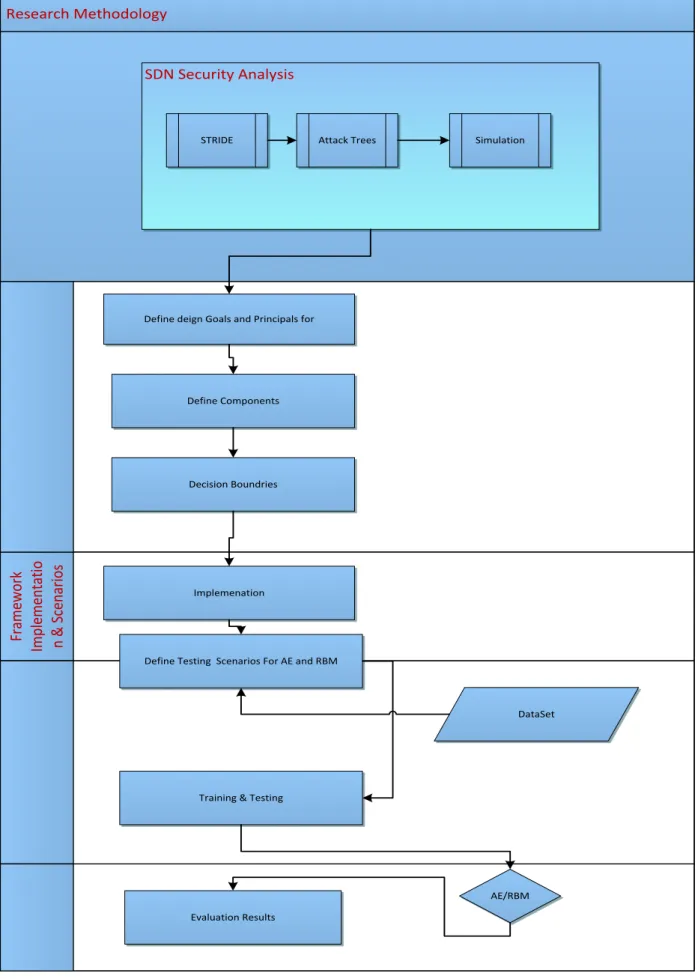
Figure 1.3. Research methodology. ... 22
Figure 2.1. SDN architecture. ... 31
Figure 2.2. OpenDayLight controller architecture [19]. ... 34
Figure 2.3. OpenFlow switch architecture [49]. ... 36
Figure 2.4. OpenFlow entry field [49]. ... 36
Figure 2.5. OpenFlow flowchart [49]. ... 38
Figure 2.6. OpenDaylight OpenStack application support [19]. ... 45
Figure 3.1. Network policy enforcing middleware device locations. ... 55
Figure 3.2. Controller security threats... 63
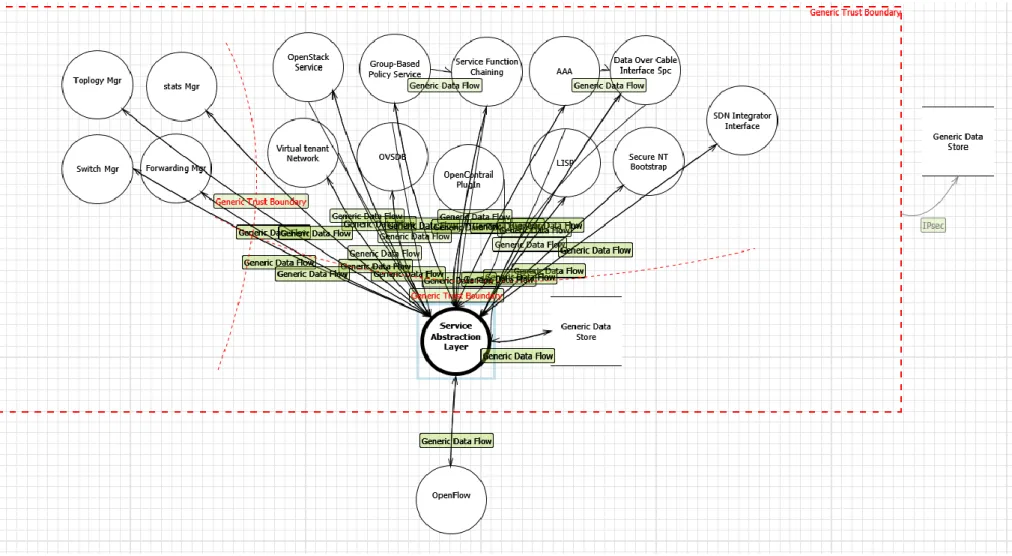
Figure 3.3. Controller high-level dataflow diagram... 65
Figure 3.4. Detailed dataflow diagram ... 66
Figure 3.5. Simulation environment... 73
Figure 3.6. Network throughput before and after denial-of-service attack. ... 74
Figure 4.1. Proposed detection system architecture. ... 82
Figure 4.2. Detection system flowchart. ... 83
Figure 4.3. Applying deep learning as a pre-step for support vector machine classification. ... 86
Figure 4.4. Generic autoencoder architecture. ... 87
Figure 4.5. Projecting inputs to a new higher dimension. ... 89
Figure 4.6. Deployment of intrusion detection systems in software-defined network architecture. ... 96
Figure 4.7. Deployment of intrusion detection systems in traditional networks. ... 97
Figure 5.1. Simulation scenarios flowchart... 101
Figure 5.3. Restricted Boltzmann machine neuron activation. ... 114
Figure 5.4. Reconstruction phase. ... 115
Figure 6.1. Optimisation using stochastic gradient descent and Adam optimiser. ... 123
Figure 6.2. Reconstruction error distributions for autoencoder and restricted Boltamann machine. ... 125
Figure 6.4. Graphical representation of mean shift clusters ... 127
Figure 6.5. k-means cluster distribution. ... 128
Figure 6.6. Confusion matrix graphical table. ... 133
Figure 6.7. Autoencoder and k-means (400 samples) ... 134
Figure 6.8. Autoencoder and k-means (800 samples) ... 134
Figure 6.9. Autoencoder and k-means (1300 samples) ... 134
Figure 6.10. Autoencoder and mean shift (400 samples)... 134
Figure 6.11. Autoencoder and mean shift (800 samples)... 134
Figure 6.12. Autoencoder and mean shift (1300 samples)... 134
Figure 6.13. Restricted Boltzmann machine and k-means (400 samples) ... 135
Figure 6.14. Restricted Boltzmann machine and k-means (800 samples) ... 135
Figure 6.15. Restricted Boltzmann machine and k-means (1300 samples) ... 135
Figure 6.16. Restricted Boltzmann machine and mean shift (400 samples) ... 135
Figure 6.17. Restricted Boltzmann machine and mean shift (800 samples) ... 135
Figure 6.18. Restricted Boltzmann machine and mean shift (1300 samples) ... 135
Figure 6.19 Reconstruction errors used for forming clusters. ... 136
Figure 6.20 Accuracy without increasing the number of neurons at the first layer ... 138
Figure 6.21. Reconstruction error distribution without increasing dimensionality in the first layer. ... 138
Figure 6.22. Using the encoder from deep autoencoders with a classifier. ... 140
Figure 6.23. Autoencoders vs. non-symmetric deep autoencoders. ... 141
Figure 6.24. Using the encoder output for classification. ... 142
List of Tables
Table 1.1. Anomaly-Based vs. Signature-Based Intrusion Detection Systems ... 18
Table 3.1. SDN Security Tools Survey ... 60
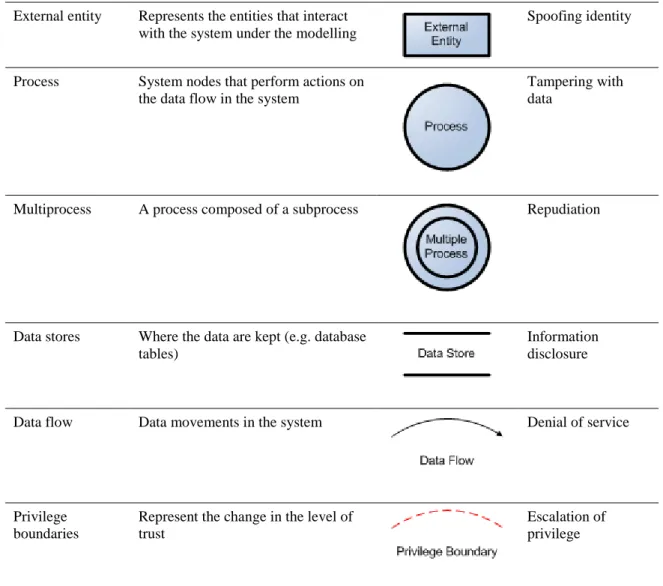
Table 3.2. STRIDE Graphical Components ... 64
Table 3.3. Controller Threats ... 68
Table 4.1. Deep Learning for Network Anomaly Detection ... 80
Table 4.2. Algorithm for Anomaly Detection ... 84
Table 5.1. KDD99 Input Features ... 103
Table 5.2. KDD99 Dataset Statistics... 104
Table 6.1. k-Means Cluster Contents ... 126
Table 6.2. Mean Shift Clusters ... 127
Table 6.3. Autoencoder Simulation Scenario Results Summary ... 129
Table 6.4. Restricted Boltzmann Machine Simulation Scenario Results Summary ... 130
Table 6.5. Confusion Matrix Statistics ... 131
Table 6.6. Confusion Matrix for Autoencoder and Restricted Boltzmann Machine + k-Means ... 132
Table 6.7. Confusion Matrix for Autoencoder and Restricted Boltzmann Machine +Mean Shift ... 133
Table 6.8. Related Work Performance ... 139
List of Abbreviations
ARP Address Resolution Protocol
CD Contrastive divergence
DAE Deep autoencoder
DBN Deep belief network
DDoS Distributed denial-of-service
DFD Dataflow diagram
DL Deep learning
DNS Domain name system
DoS Denial-of-service FDR False-discovery rate FNR False-negative rate FPR False-positive rate FN False negative FP False positive
IDPS Intrusion detection and prevention systems IDS Intrusion detection systems
IETF Internet engineering task force
IoT Internet of Things
IP Internet Protocol
KPCA Kernel principal component analysis NDAE Non-symmetric deep autoencoder NetConf Network Configuration
NOS Network operating system NPV Negative predictive value OVSDB Open vSwitch database PCA Principal components analysis PPV Positive predictive value RBM Restricted Boltzmann machine REST Representation state transfer SAL Service abstraction layer
SDN Software-defined networking SGD Stochastic gradient descent
SNMP Simple network management protocol
STRIDE Spoofing, tampering, repudiation, information disclosure, denial of service, privilege escalation
SVM Support vector machine
TCP Transmission Control Protocol
TN True negative
TP True positive
Publications
The results and outcomes of part of the research works contained in this thesis have been published in the following papers.
A. Dawoud, S. Shahristani and C. Raun, ‘Unsupervised deep learning for software defined networks anomalies detection’, in Transactions on Computational Collective Intelligence XXXIII. Lecture Notes in Computer Science, N. T. Nguyen, R. Kowalczyk and F. Xhafa, Eds., Berlin, Heidelberg, Germany: Springer, 2019, pp.
A. Dawoud, S. Shahristani and C. Raun, ‘Deep learning and software-defined networks: Towards secure IoT architecture’, IoT, vol. 3–4, no. 201810, pp. 82–89, Sep. 2018, doi: 10.1016/j.iot.2018.09.003.
A. Dawoud, S. Shahristani and C. Raun, ‘Dimensionality reduction for network anomalies detection: A deep learning approach’, in Web, Artif. Intell. Netw. Appl., WAINA-2019, L. Barolli, M. Takizawa, F. Xhafa and T. Enokido, Eds. 2018, pp. 957– 965.
A. Dawoud, S. Shahristani and C. Raun, ‘Deep learning for network anomalies detection’, in 2018 Int. Conf. Mach. Learn. Data Eng., Sydney, Australia, 3–7 Dec. 2018, pp. 149– 153.
A. Dawoud, S. Shahristani and C. Raun, ‘A deep learning framework to enhance software defined networks security’, in 32nd Int. Conf. Adv. Inf. Netw. Appl. Workshops (WAINA), Krakow, Poland, 16–18 May 2018, pp. 709–714.
A. Dawoud, S. Shahristani and C. Raun, ‘Software-defined network’s controller security: Empirical study’, in Int. Conf. Inf Tech Appl (ICITA), Sydney, Australia, 1–4 Jul. 2017. [Online]. Available: http://www.icita.org/2017/abstracts/au-dawoud.htm. Accessed: 24 Jun. 2019.
A. Dawoud, S. Shahristani and C. Raun, ‘Software-defined network security: Breaks and obstacles’, in Networks of the Future: Architecture, Technologies, and Implementations, M. Elkhodr, Q. F. Hassan and S. Shahristani, Eds., Boca Raton, FL: CRC Press, 2018, pp.
Chapter 1:
Introduction
1.1
Introduction
Networking is the enabling technology for an enormous number of communication applications, including the internet, the Internet of Things (IoT) and cloud computing. The growth of applications has necessitated expansion of data communication infrastructure. Therefore, additional flexibility in management and interoperability is required. However, traditional networks are based on a rigid architecture that does not fully satisfy the requirements of emerging technologies [1]-[3]. Software-defined networking (SDN) is a novel networking model that provides the features required for supporting emerging networking technologies [1], [4]. Figure 1.1 depicts the architecture of SDN. The SDN model proposes the separation of the forwarding and control planes by aggregating and abstracting a device’s logic into a new central entity called the network controller [4], [5].
The controller concept is analogous to operating systems, which are responsible for interactions between applications and devices. The existence of controller entity boosts programmability, enabling developers to code applications for many purposes, including network management, load balancing and network monitoring. The architecture enhances network resilience, simplifies management procedures and supports network policy enforcement [1], [6]. Additionally, the new features of SDN enhance security by facilitating several security measures such as threat detection and prevention [7].
However, SDN architecture design suffers from significant security flaws [1], [8]. Paradoxically, the characteristics of SDN that make it a promising substitute for conventional networks also present security sever challenges. A centralised network entity that has control over the entire network is a valuable target for network intruders. The controller is located at a central point between applications and the data planes, with both northbound and southbound communications being vulnerable to various types of attacks [8]. The controller software is prone to vulnerabilities such as buffer and stack overflow. Hence, providing security measures to protect the controller itself is crucial to fully unleash the capabilities of the new model.
Figure 1.1. SDN architecture [4].
For decades, conventional networks have employed firewalls and intrusion detection systems (IDS) as the standard security solutions to deter and mitigate various network threats. However, innovative solutions are required for the unprecedented security threats emerging from recent advances in internetworking, such as the IoT, SDN and grid computing.
IDSs adopt either signature-based or anomaly-based detection approaches to identify threats [9]. Signature-based detection is limited in its ability to recognise attacks that do not exist in the IDS threats profile. However, anomaly-based detection is more problematic than signature-based detection because of its precision deficiencies [10]. Anomaly-based detection techniques are classified into two categories: statistical and machine learning [11], [12]. The latter uses algorithms such as support vector machines (SVMs) neural networks and principal components analysis (PCA), all of which fail to provide high detection accuracy [11], [13]. Recent achievements in machine learning, advances explicitly in training deep learning (DL) neural networks are promising [14], [15]; however, few studies have investigated the applicability of DL for detecting network anomalies.
DL neural network architecture is multi-layered, with hidden layers between the input and output layers. The first layer represents network input (data features) and the final layer represents network output. Even though DL neural networks have long existed [16], they have been unable to train the network for various reasons, including the vanishing gradient descent in backpropagation, unsatisfactory generalisation and the need for intensive computation power.
In 2006, a pre-training step using restricted Boltzmann machines (RBM) [14] advanced DL, leading to the development of innovative algorithms such as linear rectifier units rather than sigmoid functions and dropout to solve generalisation problems [15]. These algorithms can be divided into two categories: supervised and unsupervised machine learning.
1.2
Motivations
Controller security is crucial for the security of the entire SDN architecture [7], [8]. Several security solutions have been proposed for securing the controller, including standard security measures such as firewalls and IDS. However, controller security remains a significant concern, curbing the potential of SDN capabilities [1], [7], [8], [17], [18].
IDSs have been deployed in traditional networks to enhance network security for decades [9], [11]. Both IDS approaches—signature-based and anomaly-based detection—have limitations [11]. While signature-based detection is unable to detect zero-day attacks, anomaly detection can theoretically detect unprecedented threats. However, it suffers from low detection accuracy. The limitations of anomaly detection have significant consequences for the deployment of SDN. For instance, in the traditional network, damage resulting from an attack affects only a set of network nodes with limited consequences, while in an SDN network, a compromised controller may lead to the collapse of the entire network. Traditional network-distributed architecture can tolerate a margin of IDS inaccuracy (e.g. a false negative). However, the cost of a false-negative alarm in SDN may be catastrophic to the network, particularly from attacks targeting the controller. Hence, improvements to current IDS approaches are essential to boost SDN controller security.
Table 1.1 provides a comparison of the two conventional detection methods, with each method having its advantages and disadvantages. A significant drawback of the signature-based method is its inability to detect new attacks because of its reliance on a database of known threats. In contrast, anomaly-based detection has a higher false-positive alarm rate because of accuracy limitations in the underlying detection algorithms, leading to the possible detection of threats in the absence of malicious activity.
Table 1.1. Anomaly-Based vs. Signature-Based Intrusion Detection Systems
Anomaly-based Signature-based
Performance Medium High
Protection against zero-day attacks High Low
False-positive alarms High Low
False negatives High Medium
Configuration Low High
Anomaly-based detection systems utilise various techniques, such as statistical and machine learning. Recent advances in machine learning have led to the need to evaluate new machine learning algorithms in network anomaly-based detection.
Several intrusion detection applications have been developed to detect malicious activities in SDN networks. For example, the OpenDaylight (ODL) controller uses the Defense4All application to detect and mitigate distributed denial-of-service (DDoS) attacks [19], [20]. Figure 1.2 depicts the deployment of Defense4All application at the ODL. However, the application does not protect the controller itself; rather, it deploys a set of rules to protect the network at its edges. In the event of malicious activity, the Defense4All application requests network information from the controller and acts via its attack mitigation module. Security limitations of this application include the following:
The application must first communicate with the controller to gather statistics and raw data used by the IDS to decide whether an activity is malicious. Consequently, the controller is exposed to the threat prior to the decision being made.
The controller’s location in the architecture makes it vulnerable to new types of attacks that require novel mechanisms, such as those that ensure the security of communications between the controller and the IDS.
Controller software may be prone to traditional software vulnerabilities, which require advanced detection techniques such as deep packet inspection.
Figure 1.2. OpenDaylight Defense4All application [19].
1.3
Research Methodology
The research goal is to improve the efficiency of IDS capabilities for threat detection to enhance the security of the SDN controller and reduce concerns related to security threats to SDN architecture. The research was divided into three phases: security threat analysis, IDS design and implementation and performance analysis and evaluation. Figure 1.3 illustrates the research stages. In the first phase—SDN security analysis—the new networking architecture is introduced. The controller is a significant point of attraction for new threats. Identifying the threat list is a starting point for proposing appropriate security solutions. In [8], a threat vector for SDN is defined and seven threats are listed, with three being exclusive to the SDN model. Notably, SDN-specific threats originate from the controller:
Attacks on control plane communications
Attacks on the controller originating from the application layer.
The first stage of the study involved the analysis of mentioned threats. There are two main approaches to security analysis: system-oriented and attack-oriented. For research comprehensiveness and consistency, a method from each approach was selected.
STRIDE is a system-oriented threat modelling method [21] that models dataflow diagrams (DFDs) of the system under analysis. The main elements of the model are data flow, data stores, processors, interactors and trust boundaries. DFD components were examined against the set of attacks specified by STRIDE: spoofing, tampering, repudiation, information gathering, denial of service and elevation of privilege.
Attack trees are a formal, attack-oriented approach to defining possible attacks against the system [22]. The attack tree starts with a root node denoting the attack goal, and various tree leaves specify the means of reaching the node. Logical AND/OR operators are used to aggregating the leaves. The attack tree analysis is supported by tools such as Security and Isograph. The goal of the second stage was to simulate attacks as proof of concept to provide a deeper understanding of threats.
Additionally, the analysis phase provided a simulation of various attacks derived from the previous analysis phase. The simulation was conducted using an SDN simulator integrated with a real controller (ODL). The main goal of this stage was to provide a more profound proof of concept of various threats and their impacts on network assets. In the solution domain, IDSs are used as security solutions in traditional networks; however, their limitations need to be addressed in SDN deployment. In the second phase, the detection system was designed and implemented. The new architecture and challenges brought by SDN have increased the need to investigate various architectures of IDSs in the SDN controller. The goal of this phase was to propose a framework that delivers highly accurate detection functionalities to protect the controller. This phase was divided into three stages. The first stage provided the theoretical design principals for the framework, main components and decision boundaries. Six design principles based on the formalised definition of the problem were identified. In the second stage, an implementation based on the design principles was constructed as a proof of concept. The final stage in this phase involved the training and execution of the models. The final phase was a simulation and evaluation of the proposed framework with a focus on
performance metrics. During the simulations, the dataset was normalised and fed to the system before results were collected, recorded and analysed. For the analysis, confusion matrices, a common technique for classification and clustering analyses, were used to compare results with related works. In the final step, similar works were evaluated, and their contributions were highlighted.
Research Methodology Fr am ew or k Im pl em en ta tio n & S ce na ri os Fr am ew or k D es ig n Te st in g Ev al ua tio n an d A na ly si s
Define deign Goals and Principals for
Define Components
Decision Boundries
Implemenation
Define Testing Scenarios For AE and RBM
Training & Testing
DataSet
AE/RBM Evaluation Results
SDN Security Analysis
STRIDE Attack Trees Simulation
1.4
Research Questions and Scope
This research is aimed at enhancing SDN controller security. The research objectives gave rise to the following questions:
The primary research question is: How may an efficient threat detection framework be designed that will improve the detection accuracy of IDS and, hence, the security of SDN?
The following sub-questions were derived from the primary research question:
What are the main security threats to the controller? How are these threats different from those in traditional networking models?
How is it possible to improve the performance of IDS to provide reliable security measures to the SDN controller?
How can recent advances in machine learning help improve the detection accuracy of IDSs?
How can unsupervised DL be used in network anomaly detection?
How can dimensionality reduction be achieved using unsupervised DL?
What is the best deployment of the proposed framework in SDN architecture?
1.5
Contributions
This thesis enhances the security of the SDN model by improving the efficiency of current security solutions. This thesis proposes a novel detection framework based on unsupervised DL algorithms for threat detection.
The study explored the potential of DL for revealing network threats by utilising unsupervised DL algorithms. The research examined the ability of DL to detect anomalies through evaluation of generative energy-based models (RBMs) and non-probabilistic algorithms (autoencoders). Following this, an in-depth analysis of DL algorithms was conducted, with results showing promising detection accuracy.
This thesis provides an empirical analysis of SDN controller security to identify, formalise and quantify security concerns related to the new model. The study explored threats related to SDN architecture, specifically those originating from the controller
plane. The study analysed controller security over three stages. The first stage defined potential threats based on a review of the literature. The second stage demonstrated and modelled threats using a STRIDE analysis. Additionally, an in-depth attacks-oriented analysis was developed using several attack trees. The third stage introduced an experiment to reveal threats and consequences. The study provides a comprehensive understanding of the problem by specifying the security flaws of SDN.
The framework consisted of two phases: a DL algorithm and a clustering algorithm using either k-means or mean shift clustering. The DL algorithm represented the pre-training phase, which simplified the input to the clustering algorithm. The framework employed dimensionality reduction of the input data, compressing the dimensions of the input data to a single value to simplify and improve the performance of the clustering algorithm in the second phase.
The study improved the performance of the k-means algorithm. The k-means relies on calculating the distance between different samples—an increase in the number of samples results in a dramatic decrease in distance between them. Hence, the use of the DL algorithm in the pre-training phase reduced the problem of dimensionality related to k-means. The framework solved this problem by reducing the number of inputs based on critical procedures in the autoencoder and RBM, generating more straightforward inputs to the k-means.
The framework was based on two unsupervised algorithms, which have the ability to find patterns in data with no previous labelling, enabling the detection of zero-day attacks. The framework presents a unique method of dimensionality reduction. Instead of using the output of the neural network from either the RBM or the autoencoder, the framework used a single value—the difference between the input and the output—for the entire input record.
The proposed framework design was implemented using Tensorflow [23]. Accordingly, a simulation of several scenarios was conducted using the KDD99 network dataset [24]. Following various executions over several testing cycles, the data were collected and statistically analysed. A systematic analysis was conducted using confusion matrices to evaluate results against other related works. The simulation showed a significant
accuracy of ≈99% from the integration of the autoencoder with the k-means clustering algorithm.
1.6
Thesis Structure
This thesis is organised as follows: Chapter 2 presents the background, applications, networking environments, solutions and challenges of SDN. The first section introduces the limitations of the current networking model and the motivation for a novel model to handle such limitations. Section 2 introduces the model architecture, the three planes of the model and, given that this thesis focuses on security flaws related to the controller, a broader discussion of the control plane. This section provides a comprehensive anatomical view of one of the most renowned SDN controllers, ODL, which was also used in the security attack simulation. Additionally, this section discusses the OpenFlow protocol, which is the dominant southbound protocol in SDN architecture. Section 3 explores three applications of SDN, including traffic engineering, network virtualisation and network monitoring and measurements. It discusses the current challenges of each of these applications and how characteristics of SDN such as centralisation and global view are expected to overcome the limitations of traditional networks in such applications. Additionally, this section presents several software solutions for each category. Section 4 introduces new emerging networking environments in which SDN integration enhances communications and solves problems such as management complexity and network abstraction. This section discusses the integration of SDN in IoT, cloud computing, data centres and wireless networks, including cellular and fifth generation (5G) networks. For each technology, we discuss the challenges and contributions of SDN. Additionally, we provide examples of SDN platforms and application solutions for each area. Section 5 presents the current challenges and limitations of SDN, which are categorised into four classes: architecture design, application plane, control plane and data plane.
Chapter 3 presents an in-depth analysis and simulation of SDN security threats, a significant flaw in SDN architecture. The chapter outlines SDN security issues, including structural security flaws and how the SDN model may be used to enhance security. The first section presents several security applications for SDN, including policy enforcement and verification, threat detection and response. Additionally, it provides a survey of SDN security tools. The next section discusses the security flaws
of the SDN model, specifically controller threats. Section 4 presents an analysis of SDN security using two approaches—STRIDE and attack trees—to identify security threats and show how they may be executed. Section 5 describes the experimental study conducted to demonstrate attacks against the SDN controller.
Chapter 4 presents the solution domain. The thesis focuses on enhancing the security of SDN through intrusion detection. This chapter introduces the solution methodology, which is machine learning. The first section discusses network intrusion detection techniques and compares different approaches such as signature-based and anomaly-based detection. The second section explores anomaly-anomaly-based detection methods, including statistical and machine learning. Section 3 introduces the DL algorithms, focusing on unsupervised DL algorithms, autoencoders and RBMs. Section 4 discusses the opportunities for using DL for anomaly detection.
Chapter 5 presents the proposed detection framework. The first section introduces the components of the framework, which consists of two phases. The first phase uses an unsupervised DL algorithm, and the second phase uses a simple clustering algorithm. Section 2 depicts the framework workflow and the framework algorithm in pseudocode. Additionally, a detailed description of the different steps is included. Section 3 outlines the five design principles of the framework, which include dimensionality reduction, decision boundaries, clustering and curse of dimensionality, network traffic features, the number of hidden layers and neurons and the assumptions required for framework applicability. Section 4 describes the framework in action—the theoretical background for the algorithms. Section 5 describes the integration of the framework in an SDN model. Section 6 discusses the advantages of the framework.
Chapter 6 provides the implementation, simulation and evaluation of the proposed framework. The first section is an overview of the simulation. The second section proposes four different scenarios for the simulation based on different algorithms in the first and second phases of the framework. The third section presents an analysis and rationale for the dataset, and the different software libraries and tools used in the simulation. The fourth section presents the implementations of the framework, including the implementation of two unsupervised DL algorithms—an autoencoder and an RBM—and two clustering algorithms—k-means and mean shift. Following implementation, the section also demonstrates how the system was executed, including
training and testing. The fifth section shows the results of several executions on the dataset. Additionally, this section provides an in-depth analysis of the results using confusion matrices. Section 6 presents an evaluation of the framework results compared with other similar proposed frameworks.
Chapter 7 concludes the thesis, briefly describing the problem of the SDN controller security flaws, the research contribution, which mainly focuses on frameworks for anomaly-based detection in SDN networks, and a proof of concept implementation for the framework towards solving the problem. It highlights the thesis contributions, lists research limitations and suggests directions for future work.
Chapter 2:
Software-Defined Networks
SDN has introduced a revolutionary communications model through the decoupling of the control and forwarding planes and the relocation of the network logic to a new layer known as the network controller. Features of this model include centralisation and network programmability, which pave the way for various networking solutions and innovations. As an emerging technology, SDN provides several opportunities and challenges. This chapter discusses the novel networking model of SDN, including its major technological drivers, motivations, components and challenges.
The primary purpose of this chapter is to present a comprehensive review of SDN, including its design, models and characteristics, its role as enabling technology in several environments and its applications and limitations.
The chapter explores SDN architecture and discusses the three planes of the SDN model: the application, controller and physical planes. It mainly focuses on the responsibilities and essential services offered by the controller, a new plane introduced by SDN, and discusses several issues related to it, including scalability, availability and interoperability. Given that the controller is critical for SDN security, the chapter provides a more in-depth anatomical view of its components and its various roles, using ODL as the model, and discusses the applications of SDN in areas such as traffic engineering, network monitoring and virtualisation. For each application domain, the chapter provides an in-depth discussion of the enabling features of SDN that help to solve current problems with conventional networks.
Additionally, SDN deployment in various networking environments is introduced and SDN challenges for each plane are highlighted. SDN security challenges are discussed in the following chapter.
2.1
Introduction
The traditional data communication model is composed of three planes: management, control and data planes. The management plane provides services to monitor and configure the network, while the control plane generates the data required to establish forwarding tables on physical devices. Subsequently, the forwarding plane directs
packets to ingress and egress ports based on the tables. In the traditional network model, both the control and forwarding planes are tightly coupled to the same device (e.g. a switch or a router). This model is efficient from a performance perspective. However, as the complexity of networks has increased, the need to adopt a new architecture has emerged [1].
Network management comprises various activities, including management of faults, configuration, performance, security, inventory and accounting. Each network includes several interoperating devices, each having its own configuration firmware, from different vendors. To perform management activities or to add or remove devices in the network, the network administrator must obtain different software packages or make changes to various devices, which increases the complexity of management [1], [3], [25], [26]. For complex networking environments such as data centres, management activities become even more complicated. A single misconfiguration can lead to unexpected policy violations [2].
Additionally, given the rigid structure of the network, scaling the network vertically (by increasing the capacity of current resources) or horizontally (by adding new resources) is a complicated procedure. This may be addressed using the process of abstraction. For example, if firmware installed on different devices is abstracted to a single software, this will facilitate integration and configuration of network devices. Hence, the concept of separating the logic from the hardware is key to tackling the rigid and static structure of traditional networks. The evolution of SDN is similar to that of distributed and personal computing.
The SDN model consists of three planes known as the forwarding, control and application planes. SDN architecture separates the control plane from the forwarding plane introducing an independent plane known as the controller or the network operating system (NOS) The forwarding plane comprises devices such as switches, routers and middleboxes, which switch data flow but do not have the logic required to populate the forwarding tables [5],[27], [28]. The network intelligence resides in the controller, which abstracts devices and provides services such as network state and topology information. Additionally, the controller provides a northbound application program interface (API) to communicate with applications and a southbound API to
communicate with forwarding devices. OpenFlow is the dominant southbound interface used in SDN [29].
The application plane lies on the top of the SDN model stack. Programmability is a fundamental concept of the SDN paradigm in which applications communicate with physical devices. Programmability provides opportunities for innovation for an enormous number of network applications, including monitoring, traffic engineering, security and cloud applications [30], [31]. Centralisation is a distinctive feature of the SDN architecture, providing a global view of the entire network and facilitating management and monitoring processes. Additionally, it reduces errors in configuration and deployment of network policies. Centralisation also improves flexibility—for instance, a pool of devices from various vendors may be deployed and abstracted in the same network [32].
2.2
Software-Defined Network Architecture
Conventional networks are divided into three planes, namely the management, control and forwarding layers. The management plane provides services to monitor and configure the network. The control plane generates the data required to establish forwarding tables, which, in turn, are used by the forwarding plane to direct packets to ingress and egress ports. In traditional network models, both the control and forward planes are tightly coupled within a single device (e.g. switch or router). This model is efficient from a performance perspective. However, as the complexity of networks has increased, the need to develop a new architecture has emerged.
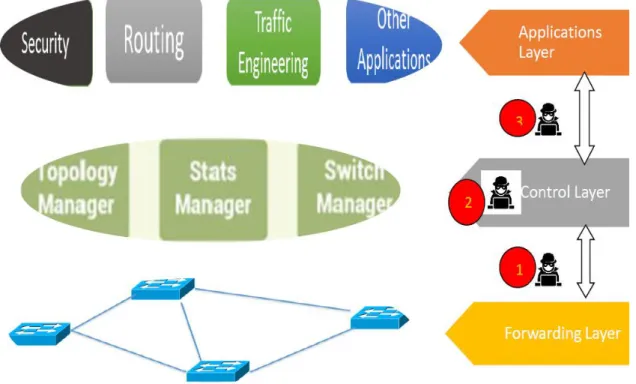
Figure 2.1 shows the three layers of SDN. The essence of SDN architecture is the separation of the control and forwarding planes. The separation draws the device’s logic (software), leaving the network devices as forwarding devices only. These devices do not have the capability to decide on forwarding requirements.
The network control plane is an independent entity known as the network controller or NOS. The forwarding layer, on the other hand, comprises of network devices such as switches, routers and middleboxes, which do not have their own logic. Network intelligence resides in the controller or NOS, which abstracts the devices and provides services such as network state and topology information services. Additionally, the controller provides a northbound API to communicate with the application layer and a
southbound API to communicate with the forwarding layer devices. OpenFlow is the dominant southbound protocol in the SDN model [1], [3].
The application layer, which lies at the top of the SDN stack, introduces network programmability—the ability to communicate with the network’s underlying devices— which is a fundamental concept in SDN. Programmability provides opportunities for network innovation for an enormous number of network applications, including network monitoring, traffic engineering, security and cloud applications.
Centralised control enables a global view of the network, which facilitates management and monitoring processes. Additionally, it reduces errors in configuration and deployment of network policies and improves flexibility—for instance; a pool of devices from various vendors may be deployed and abstracted within the same network.
Figure 2.1. SDN architecture.
2.2.1Software-Defined Network Controller
The controller, or the NOS, abstract devices and provides the resources required to program low-level forwarding devices. The controller provides services such as network state and topology information. Additionally, the controller provides a northbound API, which facilitates communication with applications, and a southbound API, which provides accessibility to forwarding devices. OpenFlow is the de facto SDN southbound protocol [4], [27]. The application plane resides at the top of the SDN model stack.
Applications Layer
Control Layer
Forwarding Layer
Network programmability is a privilege primarily achieved by the SDN model in which applications in the top plane can access physical devices through the controller. Programmability facilitates and accelerates innovation of an enormous number of network applications, including monitoring, traffic engineering, security and cloud applications. Centralisation is an essential characteristic of the SDN architecture. The central entity is the controller, which provides a global view of the entire network and facilitates management and policy enforcement. Additionally, it decreases faults in configuration and deployment of network policies. Centralisation enhances network resilience and interoperability—for example, multiple devices from various industries may be integrated and abstracted in one network.
The SDN controller consists of the following elements:
Basic network services: These are the core functions of SDN controllers and include topology, device events, status managers, shortest path forwarding and underlying security mechanisms.
Service abstraction layer (SAL): Orchestrates the southbound API (e.g. plug-in management).
Southbound API: Typically, the southbound API refers to the OpenFlow protocol. However, SDN supports the integration of various protocols, such as Forwarding and Control Element Separation and Open vSwitch Database Management Protocol, in the southbound API.
East/westbound API: Connects controllers within the distributed architecture.
Northbound API: Facilitates communication between applications and lower devices via the controller.
Traditional network hardware has been managed by proprietary software such as the Cisco Internetworking Operating System. The core component of the control plane is the NOS, which provides the basic functionality for applications to access and manage devices in the physical plane. Similar to other generic operating systems (e.g. Windows and Linux), the NOS provides mechanisms to manage and abstract hardware resources. Based on its architecture, the NOS can be classified into two categories—centralised or distributed. In a centralised architecture, the NOS is installed on a single computing device. While this is efficient from a performance perspective, it has limitations in
scalability and availability (a single point of failure) [1], [33]. Trema [34], Ryu [35], Floodlight [36], Meridian [37] and Beacon [38] are all classified as centralised NOSs, with support for multithreading and concurrency to achieve high throughputs.
In a distributed deployment, the NOS is installed onto several nodes to support scalability and high availability requirements for large data centres or large networks. These nodes can be in a single cluster or distributed over several clusters that are physically separated. Clusters or nodes are designed on the basis of peer-to-peer or hierarchal architectures [1]. Distributed architecture improves fault tolerance and high availability—for example, if there is a failure or security breach in a portion of the NOS, network administrators have more options for recovery (e.g. isolation). Several controllers, including Onix [39] and ONOS [40], adopt distributed architecture.
However, a distributed architecture is also related to issues such as consistency and latency. Given that the controller is distributed over several nodes, each node must retain the latest data view (e.g. network topology or switch status). Additionally, nodes or clusters must communicate across the network, causing latency [7].
2.2.2Controller Anatomy: OpenDaylight
ODL is a modular open-source controller project under the Linux Foundation. It has wide support from the industry, including Cisco, IBM, Microsoft and Huawei, and more than 1,000 developers. Figure 2 shows ODL’s Lithium version controller components. The controller layer provides basic network services such as network topology, network status and switch manager.
Representational state transfer (REST) API represents a northbound API to facilitate communication between the controller and the uppermost layers. REST API uses non-persistent connections. Southbound APIs include OpenFlow and protocol plug-ins that interface with devices. The controller implements core services, including topology, statistics and switch management, host tracking and Address Resolution Protocol (ARP) handling. Further, the controller provides services for standard protocols. The SAL allows the controller to support various protocols such as OpenFlow, Simple Network Management Protocol and Border Gateway Protocol in the southbound API.
34
Figure 2.2. OpenDayLight controller architecture [19].
Base Network Service Functions Management
GUI/CLI
Controller Platform
Southbound Interfaces & Protocol Plugins OpenDaylight APIs (REST)
Data Plane Elements (Virtual Switches, Physical Device Interfaces) Service Abstraction Layer (SAL)
OpenFlow 1.0 1.3 LISP Topology Mgr Stats Mgr Switch Mgr VTN Coordinator Network Applications Orchestration & Services OpenStack
Neutron
OpenFlow Enabled Devices
NETCONF BGP
Additional Virtual & Physical Devices SNMP D4A Protection Open vSwitches OVSDB PCEP FRM ARP Handle r Host Tracker Affinity Service VTN Manager LISP Service OpenStack Service OVSDB Neutron
ODL provides a plug-in to support the Open vSwitch Database Management Protocol [41], which is a configuration management protocol designated to the SDN virtual switch (vSwitch) [42]. Additionally, ODL provides a network configuration (NETCONF) plug-in to support configuration installation and deletion on devices in the forwarding plane [43]. ODL supports standard routing and network management protocols such as the Border Gateway Protocol (BGP) [44] and the Simple Network Management Protocol (SNMP) [45] and provides a plug-in for the Path Computation Element Protocol [46] and the Locator ID Separation Protocol [47]. For virtualisation support, ODL offers Virtual Tenant Manager at both the control and application planes. 2.2.3OpenFlow Protocol
OpenFlow is the de facto southbound interface protocol for SDN. It facilitates communications between the controller and forwarding devices at the lower plane. OpenFlow evolved from the Stanford projects Secure Architecture for Networked Enterprise (SANE) and Ethane [48]. SANE was developed as a single layer responsible for governing connectivity and access control as a centralised entity to provide network security.
OpenFlow inherits the concept of forwarding tables from traditional network protocols such as Ethernet. However, its flow-based approach means that sequences of packets belonging to the same flow are subject to the same rules and decisions. These rules are installed in the forwarding tables, which are handled by controllers installed on devices. OpenFlow allows bidirectional communications between devices and the controller, meaning that devices can notify or refer to the controller for specific decisions [49]. Figure 2.3 shows the main components of an OpenFlow switch. The controller communicates with the switch via the control channel to manage one or more flow tables [49].
Figure 2.3. OpenFlow switch architecture [49].
Each switch in the SDN network is configured by the Internet Protocol (IP) address and a port number to communicate with the controller. Communications are secured over transport layer security channels. The first message sent by the controller is a feature request, which collects the device’s configuration, such as its physical address and available ports.
Each table contains several records known as flow entries, which are accessed by the controller. Figure 2.4 depicts the flow entry fields. The entry is used to match against the incoming packet headers to execute an action on the packets.
Figure 2.4. OpenFlow entry field [49].
Flow entry fields contain the following elements:
Match fields: used to match against packets and include the ingress port, Ethernet source address, destination address and type, virtual local area network and priority, IP source address, a destination address, protocol and quality of service and Internet Control Message Protocol type and code
Priority: matches precedence of the flow entry Match fields Priority
7
Instructions
Counters: contain statistics on the packets and flow, e.g. per-flow counters, received packets, received bytes and duration seconds and nanoseconds
Instructions: actions applicable to the packet, e.g. Forward, Enqueue, Drop and Modify-Field
Timeouts: expire time for the flow in the switch
Cookies: thresholds implemented by the controller to filter statistics and modify flows
Flags: decide how a sequence of packets is processed.
The controller uses two approaches, proactive and reactive, to install rules in switches in the flow table. In a proactive installation, the controller adds the rules in advance (before the packets reaching the switch). In the reactive mode, there is no match for the packet initially, but the device forwards the packet to the controller, which then adds the appropriate rule in the flow table.
OpenFlow supports three types of messages:
Controller-to-switch messages, which are initiated by the controller:
o Features: In request/reply mode, the controller sends a feature request message to the switch to inquire about the identity and capabilities of the switch and the switch replies with a feature reply message.
o Configuration: The controller sets and queries the switch configurations and the switch responds to the query, sending the required information to the controller.
o Modify-State manages installed rules on the switch flow table and configures switch ports.
o Read-State collects statistics from the switch.
o Send-Packet sends the packet out through a specific port on the switch.
o Barrier: Used for message verification.
Asynchronous messages are initiated by the switch:
o Packet-in encapsulates a packet to send to the controller either because no predefined rule exists, or while the rule exists, its associated action is forwarded to the controller.
o Flow-Removed notifies the controller of an entry removal from the flow table.
o Port-status notifies the controller if the port status has changed.
o Error informs the controller of fault occurrences on the switch.
Symmetric messages are initiated by both the controller and the switch:
o Hello messages initiate the session.
o Echo request/replay messages are similar to ping in the Internet Control Message Protocol.
o Vendor: customised messages sent by the vendor.
In OpenFlow protocol specifications, the controller is responsible for modifying the forwarding tables in SDN devices. The flowchart in Figure 2.5 depicts the OpenFlow process of incoming packets. Upon the arrival of a new packet, the switch searches for a matching forwarding entry in the forwarding table. If a record matches the packet fields, a predefined action will be executed. OpenFlow allows a set of measures to be taken, including to drop, forward or modify the packet. If no match occurs, the switch forwards the packet to the controller to conduct computations according to the policy issued by the application layer.
Figure 2.5. OpenFlow flowchart [49]. Packet in start in table 0 Drop packet Match in Table n Miss flow exists? Go to Ta Update counters Execute instructions update action set update packet/match set fields update metadata
Execute action set
Yes
Yes
Yes
No
2.3
Software-Defined Network Applications
A primary concept in the SDN model is network device programmability, which boosts applications developed for various purposes. Applications can be classified according to their purposes, such as network traffic engineering, network monitoring and measurements, Virtualisation, and network security. The following three subsections cover the first three classes, while security is covered in Chapter 3.
2.3.1Network Traffic Engineering
The primary objective of traffic engineering is performance optimisation in networking through achieving a set of objectives, including reducing congestion, end-to-end delays, power consumption and packet loss, maximising the quality of service and optimising load balance and resource utilisation. The static architecture of traditional networks is a significant challenge for traffic engineering tasks [49]. Characteristics of SDN, such as resilience, programming, centralisation and network function virtualisation capabilities, promise the facilitation of traffic engineering solutions.
Multiprotocol label switching is a common traffic engineering routing mechanism to forward data from one device to the next based on short labels rather than long network addresses, reducing the time of table lookups [50]. However, multiprotocol label switching suffers from limitations.
Traffic splitting is a common mechanism to reduce network traffic congestion. There are two approaches to traffic splitting: packet-based and flow-based. Packet-based splitting can result in packet reordering that may be overheard at the other end of the connection, especially in Transmission Control Protocol (TCP) sessions, resulting in congestion at the destination. In flow-based splitting, decisions are made by forwarding devices; however, these decisions may not be optimal because they are based on local parameters, rather a global network view [51]. Hence, SDN provides a solution because it provides a global view of the network. Additionally, SDN can improve optimal path computations because it provides a logically centralised view of the network. Databases used by traffic engineering mechanisms must present a real-time view of the network— in traditional architecture, device states are scattered throughout the network, but in SDN, the controller has mechanisms to update the database in real-time for all devices in the network.
Pythia is a traffic engineering system for data centres that utilises the SDN–ODL controller model. Hadoop MapReduce is a big data analytics tool to analyse and refine control of data centres networks [52]. QNOX is an extension of the NOX controller that promotes quality of service enforcement; its authors claim it improves resource discovery, route computations and fault notifications [53]. Aster*X is an application based on the NOX controller for web server load balancing—it uses the controller to harvest the node states and control paths using OpenFlow to facilitate network reconfiguration by allowing administrators to control capacity [54]. ElasticTree is an energy consumption optimiser for data centres based on NOX—it tunes active devices in real-time according to traffic loads [55].
2.3.2Network Monitoring
Network monitoring and measurement are essential mechanisms for network operators and administrators, while awareness of device status and network behaviour is critical for making decisions regarding network management, quality of service, threat response and traffic engineering [56]. The network monitoring process includes five stages [57]:
Measurements and collection of data from network devices over predefined time frequencies: Measurements are classified as active or passive. In active measurements, network agents probe devices for return of data, while in passive measurements, agents act only as receivers of data sent by the network nodes.
Pre-processing: Data collected from different nodes are aggregated and normalised.
Transmission: Raw harvested data are transferred from the data sink (e.g. the management information base) to the node responsible for analytics. Simple Network Management Protocol is a widely used protocol to transfer data.
Analysis: Different algorithms are applied to the data to identify specific patterns and big data algorithms and tools are used for data analytics.
Visualisation: Presents results in formats that are easily understandable and may be quickly absorbed by network administrators for making decisions.
SDN can improve the subprocess of collection and transmission based on its architectural attributes such as centralisation and programmability. In traditional networks, network agents collect data from network nodes periodically—this approach
is rigid and inefficient in terms of consistency, performance and resource optimisation. In contrast, SDN involves a central entity with a global view that can intelligently decide which data from which devices need to be collected. For data transmission, instead of using a classic management information base, SDN offers a flexible development in new data structures according to requirements.
Procera is a framework based on SDN that allows network administrators to annotate policies applicable to responding to specific network events [58]. Its policy is written in high-level functional programming language and compiled to a set of forwarding rules at the underlying nodes in the physical plane.
OpenSample is a platform to reduce sampling latency based on the Floodlight controller [59]. It uses a modified flow standard for packet export. Its authors claim it reduces latency from 1–5 seconds to 100 ms. OpenNetMon is a module integrated into the POX controller that monitors flow metrics related to packet loss, throughput and latency [60]. It probes flow source and destination devices periodically in cases where poll time slots are subject to changes.
2.3.3Software-Defined Networks for Virtualisation
Network virtualisation enables and maximises resource sharing between several isolated networks running in their own containers [61]. Network virtualisation solutions efficiently increase hardware utilisation and reduce expenditure and operational costs. Virtualisation is an essential service technology in data centres and cloud computing infrastructure, allowing tenants to acquire networking services according to their requirements [62].
Virtualisation in the traditional networking model faces two challenges: network topology and addressing. Various networking environments require different network topologies. Additionally, addressing schemes such as IP versions 4 and 6 are related to physical devices.
SDN abstraction capabilities facilitate virtualisation by adding an intermediate layer, which is analogous to middleware hypervisors in computing virtualisations. The new layer acts as a proxy between the NOS and physical devices. The purpose of the layer is
![Figure 1.1. SDN architecture [4].](https://thumb-us.123doks.com/thumbv2/123dok_us/9020054.2799840/17.892.246.729.103.539/figure-sdn-architecture.webp)
![Figure 1.2. OpenDaylight Defense4All application [19].](https://thumb-us.123doks.com/thumbv2/123dok_us/9020054.2799840/20.892.181.788.208.646/figure-opendaylight-defense-all-application.webp)
![Figure 2.2. OpenDayLight controller architecture [19].](https://thumb-us.123doks.com/thumbv2/123dok_us/9020054.2799840/35.1262.235.1148.152.761/figure-opendaylight-controller-architecture.webp)
![Figure 2.6. OpenDaylight OpenStack application support [19].](https://thumb-us.123doks.com/thumbv2/123dok_us/9020054.2799840/46.892.239.767.486.903/figure-opendaylight-openstack-application-support.webp)