ARE OUR FAVORITE DRUGS KILLING THE WRONG BUGS? THE IMPACT OF ANTIBIOTIC TREATMENT ON DIARRHEA AND GROWTH IN EARLY CHILDHOOD
Elizabeth Tacket Rogawski
A dissertation submitted to the faculty of the University of North Carolina at Chapel Hill in partial fulfillment of the requirements for the degree of Doctor of Philosophy in the
Department of Epidemiology.
Chapel Hill 2015
ii © 2015
iii ABSTRACT
Elizabeth Tacket Rogawski: Are our favorite drugs killing the wrong bugs? The impact of antibiotic treatment on diarrhea and growth in early childhood
(Under the direction of Daniel J. Westreich)
Diarrhea is a recurring illness in childhood that is associated with malnutrition, stunted growth, and cognitive impairment. Children with diarrhea and other common childhood illnesses are frequently treated with antibiotics, often against recommendations. Antibiotic exposures early in life may increase susceptibility to infections and affect child growth through
modifications of the gastrointestinal microbiota. We assessed the impact of antibiotic treatment on diarrheal risk and growth in a birth cohort from 2009 to 2013 of 497 children from semi-urban slums of Vellore, India.
We estimated the effect of antibiotic treatment for diarrhea on the timing of a subsequent episode using inverse probability of exposure-weighted Kaplan-Meier curves. We also estimated the effect of any early life antibiotic exposure on rates of diarrhea using negative binomial regression. Based on these results, we used the parametric g-formula to model the impact of hypothetical interventions to prevent unnecessary antibiotic exposures. To assess the impact on growth, we estimated the effects of antibiotic exposures in the first 6 months on height and weight z-scores using longitudinal general linear regression.
iv
infants. In addition, the adjusted relative incidence rate of diarrhea from 6 months to 3 years of age was higher among children who received any antibiotics before 6 months compared to those who did not, especially among children who were no longer exclusively breastfed by 6 months. We estimated that preventing unnecessary antibiotic exposures before 6 months could
substantially reduce the incidence of diarrhea in early childhood. There were no associations between early antibiotic use and growth in the first 6 months and from 6 months to 3 years.
v
ACKNOWLEDGEMENTS
The completion of this dissertation would not have been possible without the help and care of many. From colleagues in the US and India to my family and friends, I am ever grateful for your continued support.
I would first like to thank my Indian collaborators, Dr. Kang and her group at CMC. From the beginning, Dr. Kang was open and generous in her agreement to work with me. I must thank Naman for emailing me a link about her work, without which we might never have
connected. Ever since Dr. Kang invited me to visit Vellore after a 10 minute phone conversation, I have been welcomed, encouraged, and challenged by her team. I thank Rajiv and Deepthi for spending so much time with me and cheerfully answering my endless questions. I am also
grateful to Jenipha for tirelessly entering the data from the clinic records, and the clinic staff who taught me the nuances of the data. I thank all the many other individuals who were involved with the cohort studies at CMC, including the participants and their caregivers. I look forward to continue collaborating with such a strong and productive research team.
vi
me the independence to purse my interests and has shared a wealth of knowledge and
connections along the way. The Meshnick lab has been my home at UNC, and I am grateful for the help (and fun!) the entire lab has given over the years.
Daniel has been an ideal mentor over the past 2 years. His passion and smarts have made me a better epidemiologist and have pushed this work far beyond what I could have expected. He helped me combine my interests in epidemiology methods with public health action so that my work is sufficiently nerdy, but also relevant and meaningful. Thank you for being actively interested in my professional growth. It has been wonderful to have a sounding board while figuring out my next steps. Thank you for always being available, prompt, and straightforward with feedback; I’ve learned so much.
Dr. Becker-Dreps has been my “diarrhea lady,” and it’s been lots of fun swapping stories and comparing experiences between India and Nicaragua. Thank you for answering all my clinical questions and involving me with your microbiome work. I thank Dr. Adair for introducing me to the nuances of research in child growth. She spent hours with me talking through the complexities of the study questions and our data, and helped keep in perspective the many factors that interact together in the realm of child development. Thank you to Dr. Sandler for his consistently insightful comments about my writing. His extensive experience and broad perspective made me reconsider my assumptions and become a better writer. Thank you for reading every word I wrote! (I’m not sure anyone else did.)
I would also like to thank Charlie Poole and Steve Wing for helping me to think critically in shaping my views about big picture epidemiology and public health. I hope to embody
vii
project. I thank Nancy, Carmen, and Valerie for all the work they do to keep our department together and for always providing a friendly smile and solution to the many issues I came up with.
Finally, thank you to my family and friends. In the past 5 years, I have grown into a woman with a little experience, some skills, and a purpose. You have taught me so much about myself and the world. I especially thank my mom, who taught me how to write many years ago by editing with a sharp pencil on our couch and who has been my faithful confidante during all the highs and lows that the PhD process inevitably brings.
viii
TABLE OF CONTENTS
LIST OF TABLES ... xiii
LIST OF FIGURES ... xvi
LIST OF ABBREVIATIONS ... xviii
CHAPTER I: SPECIFIC AIMS ... 1
CHAPTER II: BACKGROUND AND SIGNIFICANCE ... 5
Burden and epidemiology of early childhood diarrhea ... 5
Burden ... 5
Etiology... 7
Risk factors ... 9
Diarrhea and growth ... 13
Available and recommended treatments ... 19
Antibiotics ... 20
Antibiotic prescribing patterns ... 22
Effect of antibiotics on diarrhea ... 27
Antibiotic-associated diarrhea ... 27
Other effects... 30
Maternal antibiotic use... 31
Mechanism through the microbiota ... 34
Microbiota development ... 35
ix
The microbiota and diarrhea... 41
Antibiotics and the microbiota ... 47
Maternal antibiotic use and the infant microbiota ... 52
Antibiotics, the microbiota, and growth ... 53
Summary and rationale ... 60
CHAPTER III: RESEARCH METHODS ... 66
Study design ... 66
Source population ... 67
Study population ... 68
Collection of clinical and demographic data ... 69
Case definitions ... 72
Exposure assessment ... 74
Sample size and participation rates ... 75
Ethical approval ... 77
CHAPTER IV: ANALYTIC METHODS ... 83
Aim 1A ... 84
Aim 1B ... 86
Aim 1C ... 88
Aim 2 ... 89
Short-term effects... 90
Long-term effects ... 91
CHAPTER V: ANTIBIOTIC TREATMENT OF DIARRHEA IS ASSOCIATED WITH DECREASED TIME TO THE NEXT DIARRHEA EPISODE AMONG YOUNG CHILDREN IN VELLORE, INDIA ... 100
Abstract ... 100
x
Methods ... 102
Data and definitions ... 103
Data analysis ... 104
Effect measure modification ... 106
Sensitivity analyses ... 106
Results ... 107
Effect on diarrhea incidence ... 108
Effect measure modification ... 109
Sensitivity analyses ... 109
Discussion ... 111
CHAPTER VI: THE EFFECT OF EARLY LIFE ANTIBIOTIC EXPOSURES ON DIARRHEAL RATES AMONG YOUNG CHILDREN IN VELLORE, INDIA ... 128
Abstract ... 128
Introduction ... 129
Methods ... 130
Data and definitions ... 131
Data analysis ... 132
Effect measure modification ... 133
Sensitivity analyses ... 133
Results ... 134
Effect of antibiotics on diarrheal rates ... 135
Effect measure modification ... 136
Sensitivity analyses ... 137
xi
CHAPTER VII: REDUCTION IN DIARRHEAL RATES THROUGH INTERVENTIONS THAT PREVENT UNNECESSARY ANTIBIOTIC
EXPOSURE EARLY IN LIFE ... 154
Abstract ... 154
Introduction ... 155
Methods ... 157
Statistical methods ... 158
Results ... 160
Sensitivity analyses ... 162
Discussion ... 163
CHAPTER VIII: NO ASSOCIATION OF EARLY LIFE ANTIBIOTIC EXPOSURE WITH GROWTH IN YOUNG CHILDREN OF VELLORE, INDIA ... 172
Abstract ... 172
Introduction ... 173
Methods ... 174
Data analysis – Short-term effects ... 175
Data analysis – Long-term effects ... 177
Results ... 178
Short-term antibiotic effects ... 179
Long-term antibiotic effects ... 180
Sensitivity analyses ... 181
Discussion ... 181
CHAPTER IX: DISCUSSION ... 194
Summary of findings ... 195
Aim 1 ... 197
xii
Strengths ... 200
Limitations ... 202
Public health significance ... 205
Future directions ... 207
Conclusions ... 209
xiii
LIST OF TABLES
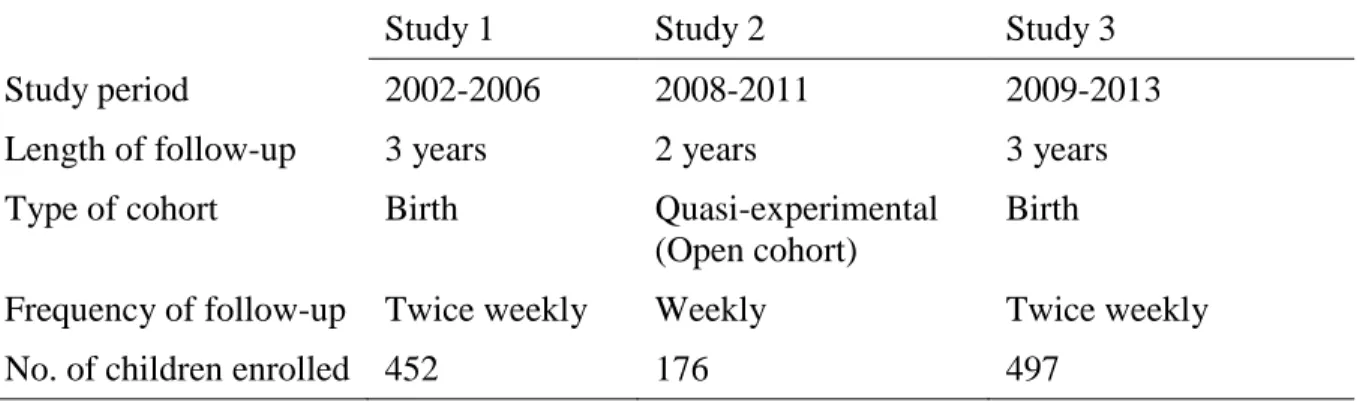
Table 3.1. Study design of three cohort studies of children in Vellore, Tamil
Nadu, India 2002-2013. ... 78
Table 3.2. Inclusion and exclusion criteria for three cohort studies of children in Vellore, Tamil Nadu, India 2002-2013. ... 79
Table 3.3. Clinical and demographic data collected from three cohorts of children in Vellore, Tamil Nadu, India 2002-2013. ... 80
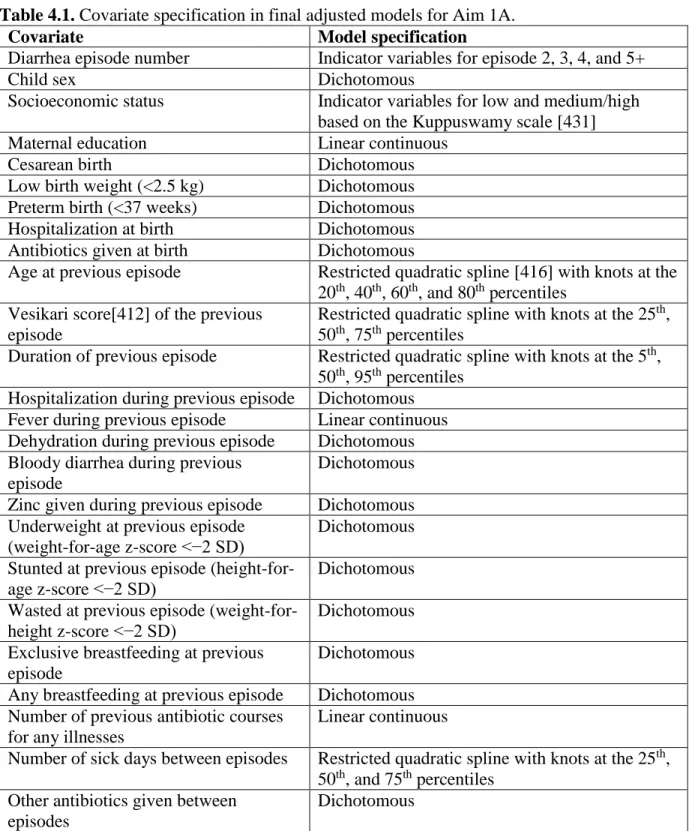
Table 4.1. Covariate specification in final adjusted models for Aim 1A. ... 93
Table 4.2. Covariate specification in final adjusted models for Aims 1B and 1C. ... 94
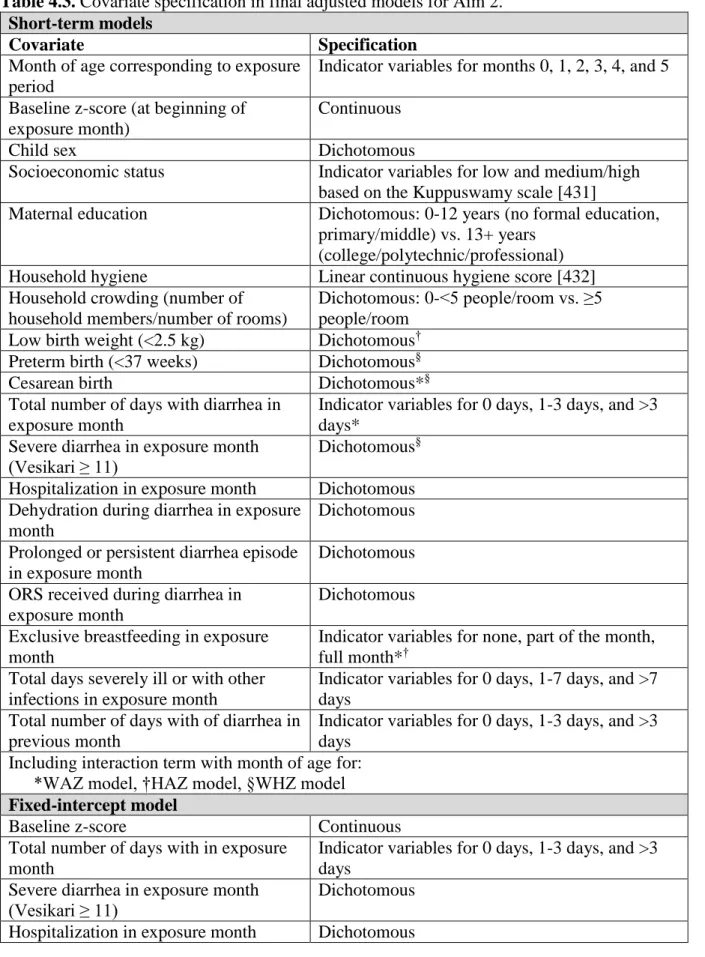
Table 4.3. Covariate specification in final adjusted models for Aim 2. ... 95
Table 5.1. Demographic characteristics of 434 children with at least one diarrhea episode in a birth cohort in Vellore, Tamil Nadu, India 2009-2013. ... 114
Table 5.2. Characteristics of diarrhea episodes and their association with antibiotic treatment among 434 children in a birth cohort in Vellore, Tamil Nadu, India 2009-2013. ... 115
Table 5.3. Estimated effect of antibiotic treatment for the previous diarrhea episode on time to next episode by episode pair and age at first episode among 430 children in a birth cohort in Vellore, Tamil Nadu, India 2009-2013. ... 116
Table 5.4. Estimated effect of antibiotic treatment for the first diarrhea episode on time to second episode using alternative definitions for antibiotic treatment among 434 children in a birth cohort in Vellore, Tamil Nadu, India 2009-2013. ... 117
Table 5.5. Estimated effect of antibiotic treatment for the previous diarrhea episode on time to second episode excluding previous episodes >7 days duration among 434 children in a birth cohort in Vellore, Tamil Nadu, India 2009-2013. ... 118
Table 5.6. Estimated effect of antibiotic treatment for the first diarrhea episode on the severity and duration of subsequent diarrhea among 373 children who had a second episode from Vellore, Tamil Nadu, 2009–2013. ... 119
xiv
Table 6.1. Demographic characteristics of 465 children in a birth cohort in
Vellore, Tamil Nadu, India 2009-2013. ... 141 Table 6.2. Demographic characteristics of 465 children by exclusive breastfeeding
at 6 months of age in a birth cohort in Vellore, Tamil Nadu, India 2009-2013. ... 143 Table 6.3. Estimated effect of antibiotic exposure in the first 6 months of life on
incident rates of diarrhea from 6 months to 3 years of age among 465 children in a
birth cohort in Vellore, Tamil Nadu, India 2009-2013. ... 145 Table 6.4. Estimated effect of antibiotic exposure in the first 6 months of life on
rates of diarrhea from 6 months to 3 years of age by exclusive breastfeeding at 6 months of age among 465 children in a birth cohort in Vellore, Tamil Nadu, India
2009-2013. ... 146 Table 6.5. Estimated effect of antibiotics in the first 6 months of life and exclusive
breastfeeding at first antibiotic exposure on rates of diarrhea from 6 months to 3 years of age among 465 children in a birth cohort in Vellore, Tamil Nadu, India
2009-2013. ... 147 Table 6.6. Estimated effect of antibiotic exposure in the first 6 months of life
using an alternative definition of exposure on rates of diarrhea from 6 months to 3 years of age among 465 children in a birth cohort in Vellore, Tamil Nadu, India
2009-2013. ... 148 Table 6.7. Estimated effect of specific antibiotics in the first 6 months of life on
rates of diarrhea from 6 months to 3 years of age among 398 children in a birth
cohort in Vellore, Tamil Nadu, India 2009-2013. ... 149 Table 6.8. Estimated effect of antibiotic treatment of specific illnesses in the first
6 months of life on rates of diarrhea from 6 months to 3 years of age among 394
children in a birth cohort in Vellore, Tamil Nadu, India 2009-2013. ... 150 Table 6.9. Estimated effect of antibiotic treatment of specific illnesses in the first
6 months of life on rates of diarrhea from 6 months to 3 years of age among 465
children in a birth cohort in Vellore, Tamil Nadu, India 2009-2013. ... 151 Table 6.10. Estimated effect of antibiotic exposures in the first 6 months of life on
rates of diarrhea from 6-18 months and 18-36 months among 465 children in a
xv
Table 7.2. Estimated population-level impact of antibiotic exposure before 6 months of age and of potential interventions to reduce exposure on rates of
diarrhea from 6 months to 3 years among 465 children in a birth cohort in Vellore,
Tamil Nadu, India 2009-2013. ... 169 Table 7.3. Estimated population-level impact of antibiotic exposure before 6
months of age and of potential interventions to reduce exposure on rates of diarrhea from 6 months to 3 years including separate effects for necessary and unnecessary antibiotics among 465 children in a birth cohort in Vellore, Tamil
Nadu, India 2009-2013. ... 170 Table 8.1. Demographic characteristics of 497 children in a birth cohort in
Vellore, Tamil Nadu, India 2009-2013. ... 184 Table 8.2. Estimated adjusted effects of antibiotic treatment in one month on
growth at the end of the following month in a birth cohort of 497 children in
Vellore, Tamil Nadu, India 2009-2013. ... 185 Table 8.3. Stratified by month, estimated adjusted effects of antibiotic treatment
in one month on growth at the end of the following month in a birth cohort of 497
children in Vellore, Tamil Nadu, India 2009-2013. ... 186 Table 8.4. Estimated adjusted effects of antibiotic treatment in one month on
underweight, stunting, and wasting at the end of the following month in a birth
cohort of 497 children in Vellore, Tamil Nadu, India 2009-2013. ... 187 Table 8.5. Estimated adjusted effects of antibiotic treatment under 6 months of
age on growth from 6 months to 3 years in a birth cohort of 497 children in
Vellore, Tamil Nadu, India 2009-2013. ... 188 Table 8.6. Estimated adjusted effects of antibiotic treatment in one month on
growth at the end of the month and at the end of the second following month in a
birth cohort of 497 children in Vellore, Tamil Nadu, India 2009-2013. ... 189 Table 8.7. Estimated adjusted effects of antibiotic treatment in one month on
growth at the end of the following month using the fixed-intercept model in a
xvi
LIST OF FIGURES
Figure 2.1. Conceptual diagram showing the hypothesized biological mechanisms for the causal pathways between antibiotic treatment, subsequent diarrhea, and
growth. ... 65 Figure 3.1. Map indicating the geographic residence of the study population in
Vellore in the state of Tamil Nadu, India. ... 81 Figure 3.2. Summary enrollment and participation flowchart of the three study
cohorts in Vellore, Tamil Nadu, India 2002-2013. ... 82 Figure 4.1. Directed acyclic graph (DAG) for the effects of antibiotics on diarrhea
and growth. ... 98 Figure 4.2. Schematic of exposure period and age of outcome assessment for short
term growth analyses. ... 99 Figure 5.1. Incidence of diarrhea by age (using restricted quadratic splines)
among 434 children in a birth cohort in Vellore, Tamil Nadu, India 2009-2013. ... 121 Figure 5.2. Inverse probability of treatment-weighted Kaplan-Meier curves for
time to next diarrhea episode by antibiotic treatment for the previous diarrhea
episode among 430 children from Vellore, Tamil Nadu, 2009–2013. ... 122 Figure 5.3. Stratified by age at first diarrhea episode, inverse probability of
treatment-weighted Kaplan-Meier curves for time to next diarrhea episode among
430 children from Vellore, Tamil Nadu, 2009–2013. ... 123 Figure 5.4. Stratified by antibiotic type given for the previous diarrhea episode,
inverse probability of treatment-weighted Kaplan-Meier curves for time to next
diarrhea episode among 430 children from Vellore, Tamil Nadu, 2009–2013. ... 124 Figure 5.5. Inverse probability of treatment weighted Kaplan-Meier curves for
time to second diarrhea episode using alternative definitions for antibiotic treatment of the first diarrhea episode among 430 children from Vellore, Tamil
Nadu, 2009–2013. ... 125 Figure 5.6. Inverse probability of treatment-weighted Kaplan-Meier curves for
time to next diarrhea episode by antibiotic treatment for the previous diarrhea episode excluding previous episodes >7 days duration among 430 children from
xvii
Figure 5.7. Inverse probability of treatment-weighted Kaplan-Meier curves for time to next diarrhea episode by antibiotic treatment for the previous diarrhea
episode in alternative cohorts... 127 Figure 6.1. Number of diarrhea episodes after 6 months of age among 465
children in a birth cohort in Vellore, Tamil Nadu, India 2009-2013. ... 153 Figure 7.1. Number of antibiotic courses received by age among 465 children in a
birth cohort in Vellore, Tamil Nadu, India 2009-2013. ... 171 Figure 8.1. Antibiotic exposures before 6 months of age in a birth cohort of 497
children in Vellore, Tamil Nadu, India 2009-2013. ... 191 Figure 8.2. Prevalence of underweight, stunting, and wasting from 0-3 years of
age in a birth cohort of 497 children in Vellore, Tamil Nadu, India 2009-2013. ... 192 Figure 8.3. Crude average height and weight growth curves by antibiotic exposure
in the first 6 months of life in a birth cohort of 497 children in Vellore, Tamil
xviii
LIST OF ABBREVIATIONS
AAD Antibiotic-associated diarrhea AGE Acute gastroenteritis
AIC Akaike’s information criterion AOM Acute otitis media
BMI Body mass index
CDAD Clostridium difficile-associated diarrhea CHAD Community health and development hospital CHERG Child Health Epidemiology Reference Group CI Confidence interval
CMC Christian Medical College DAG Directed acyclic graph DALYs Disability adjusted life years DNA Deoxyribonucleic acid
xix GI Gastrointestinal
HAZ Height-for-age z-score
HIV Human immunodeficiency virus HLA Human leukocyte antigen IBD Inflammatory bowel disease IBS Irritable bowel syndrome ICU Intensive care unit
IMCI Integrated Management of Childhood Illness IQ Intelligence quotient
IQR Interquartile range IRD Incidence rate difference IRR Incidence rate ratio
KM Kaplan-Meier
LCECU Low cost effective care unit LMICs Low and middle-income countries
MAL-ED Etiology, Risk Factors, and Interactions of Enteric Infections and Malnutrition and the Consequences for Child Health
MTD Median time difference MTR Median time ratio
NFHS National Family Health Survey NNT Number needed to treat
OR Odds ratio
xx
QIC Quasi-likelihood independence model criterion
RR Risk ratio
rRNA Ribosomal ribonucleic acid RUTF Ready-to-use therapeutic food SD Standard deviation
SES Socioeconomic status UHC Urban health center
UK United Kingdom
UNICEF United Nations International Children's Emergency Fund URI Upper respiratory infections
US United States
1
CHAPTER I: SPECIFIC AIMS
Diarrhea is a universal and recurring disease during childhood with the highest burden in low and middle-income countries (LMICs). India has the most childhood deaths due to diarrhea compared to all other countries, with an estimated 200,000 deaths in 2010. These deaths
accounted for 13% of all deaths in Indian children under 5 years of age [1]. The overall incidence of diarrhea in India is also high: 2.5 episodes per child year in the first 6 months of life and more than 3 episodes per child-year among ages 6-23 months [2]. Early childhood diarrhea is a risk factor for malnutrition, stunted growth, and cognitive impairment, and contributes to a cycle between malnutrition and increased susceptibility to infections [3–6].
Children with diarrhea in India are often treated with antibiotics despite the fact that diarrhea is almost always due to infections that do not respond to antibiotics. The World Health Organization correspondingly does not recommend routine use of antibiotics to treat diarrhea [7– 10]. However, antibiotics have quickly become a common exposure early in life given their use for the treatment of diarrhea and other childhood illnesses like upper respiratory infections and otitis media. In the United States (US) and United Kingdom (UK), for example, approximately one third of children received antibiotics before 6 months of age [11,12].
2
[13–19]. Microbiota development is critical during infancy and early childhood, when diversity of organisms at this time is important for normal intestinal and enteric immune system
development [20,21]. Further, the microbiota plays an important role in supporting nutrient absorption and other metabolic functions associated with growth [22,23]. Antibiotic exposures early in life, and especially during infancy, may cause the largest and most long-lasting
perturbations to the microbiota, resulting in the greatest impact on related health outcomes during this period [24]. While longitudinal patterns of diarrhea through childhood have been well-characterized [25–27], the effects of antibiotic treatment on diarrheal risk and development among children in LMICs have not been studied.
We assessed the impact of antibiotic treatment among young children on diarrheal
risk (Aim 1) and growth outcomes (Aim 2). We completed a secondary analysis of existing data collected in a cohort study of 497 children in semi-urban slums of Vellore, Tamil Nadu, India from 2009 to 2013 [28]. Field workers visited the homes of enrolled children twice-weekly from birth to 3 years of age and captured diarrhea incidence data based on a 3-day recall period. Height and weight were measured monthly. Children in the cohort had a high incidence of diarrhea (half had 4 or more episodes in the first 3 years of life), and a quarter of episodes were treated with antibiotics. This study provided highly detailed existing data on antibiotic exposures, diarrhea incidence and severity, and growth trajectories.
Specific Aim 1: Estimate the effect of antibiotic treatment on future diarrheal risk among
3
Aim 1A: Estimate the effect of antibiotic treatment for diarrhea on the incidence of a
subsequent diarrhea episode.
Hypothesis 1: Antibiotic treatment for diarrhea reduced the time to subsequent diarrhea.
Aim 1B: Estimate the effect of any early life antibiotic exposure on rates of diarrhea
from 6 months to 3 years of age.
Hypothesis 2: Children exposed to antibiotics early in life had increased rates of diarrhea from 6 months to 3 years of age compared to children who are not exposed to antibiotics before 6 months of age.
Aim 1C: Evaluate the impact of realistic interventions which prevent unnecessary
antibiotic exposures early in life on rates of diarrhea from 6 months to 3 years of age.
Hypothesis 3: Interventions that remove unnecessary antibiotic exposures would have a substantial impact on reducing diarrhea incidence and would make an important contribution to public health.
Specific Aim 2: Estimate the effect of early life antibiotic exposures on short-term (0-6
months) and long-term growth (6 months to 3 years).
Hypothesis 3: Children exposed to antibiotics early in life had different growth rates compared to children not exposed to antibiotics, both in the short and long-term.
4
5
CHAPTER II: BACKGROUND AND SIGNIFICANCE
Burden and epidemiology of early childhood diarrhea
Burden
6
As oral rehydration therapy for diarrhea has become more widespread, deaths due to diarrhea have declined dramatically over the last 20 years. The absolute number has declined by more than half from 1990 to 2010 despite increases in population size [31,40]. In the first decade of the 21st century, deaths due to diarrhea dropped by almost 400,000 [1]. However, while gains have been made in mortality, the incidence of acute diarrheal illnesses and associated morbidity remains high. Less than 2% of diarrhea episodes progress to severe disease, and the case fatality rate for severe diarrhea is only approximately 2% [30,41]. Given the substantial number of deaths due to diarrhea, the denominator of these proportions, corresponding to the total number of diarrhea episodes, is very large.
7
was 15.3% for the state of Tamil Nadu in the coverage evaluation survey [42] and 28.4% for the sampled Krishnagiri district of Tamil Nadu in the 10-district survey [43].
The mean duration of diarrhea episodes assessed in the community in LMICs has been estimated to be 4.3 days. In India, median duration was estimated to be 3 days in the UNICEF 10-district survey [43]. The majority of diarrhea cases (65%) are mild, with only 5% becoming persistent (lasting 14 days or more). Severe cases have longer duration (8.4 days) and high prevalence of dehydration [41]. Estimates of the proportion of diarrhea episodes with blood in the stool range from 1 to 12% [7,8,43].
The estimated cost to households per diarrhea episode was estimated to be US$ 6.47 in India, the majority of which covered direct medical costs. Given the high incidence rates of diarrhea, these costs aggregate to billions of dollars globally [44].
Etiology
A wide range of microbes cause childhood diarrhea, including bacteria, parasites, and viruses. The relative frequencies of pathogens associated with diarrhea vary by geography, season, child’s age, breastfeeding practices, hygiene practices, immunocompetence, and secular time trends. The methods for pathogen testing, for example by culture or polymerase chain reaction (PCR), and the number of pathogens tested for in each study also influence prevalence estimates. Determination of etiology is complicated by co-infections, carriage of multiple
potential pathogens, and the inability to identify pathogens in a third of cases [34,45]. Rotavirus, Cryptosporidium, Shigella, and enterotoxigenic Escherichia coli (ETEC) are most responsible
8
enteroinvasive (EIEC), and enterohaemorrhagic E. coli (EHEC), as well as Campylobacter jejuni, Vibrio cholera O1 and O139, and Salmonella are also regularly identified as bacterial
causes of diarrhea in different regions of the world. Giardia duodenalis, Entamoeba histolytica, and Cryptosporidium are the common protozoal causes [10].
The Global Enteric Multicenter Study (GEMS) in 2007-2011 identified that
approximately one quarter of moderate-to-severe diarrhea episodes in the first two years of life were attributable to rotavirus in Kolkata, India. Cryptosporidium was attributed with 7-12% of episodes. In older children aged 24-59 months, moderate-to-severe diarrhea was more often attributed to Shigella and rotavirus [46]. A multicentric hospital-based study in 1991 detected Shigella in 20% of acute diarrheal cases among children aged 0-35 months in Vellore, India,
rotavirus in 18%, enterotoxigenic E. coli in 14%, and Campylobacter jejuni in 15%. However, these organisms were also isolated in relatively high frequencies from control children without diarrhea [47]. A more recent study in Kolkata isolated rotavirus (48%), E. coli (19%—including enteroaggregative E. coli in 12%), Vibrio (19%—including V. cholera O1 in 16.4%), Giardia (14%), adenovirus (12%), and Cryptosporidium (11%) from hospitalized children with diarrhea under 5 years of age [48]. Overall among hospitalized cases of gastroenteritis in India, rotavirus has been identified as the cause of 6-45% (median approximately 20%) of episodes, with other viruses such as caliciviruses (includes norovirus and sapovirus), adenovirus, and astrovirus contributing to a lesser extent [34,49–52]. The proportion of symptomatic cases attributable to rotavirus in the community is lower, approximately 15% (range 4-30%) [50].
Enteric pathogens most responsible for diarrhea mortality are rotavirus, Vibrio cholerae, Shigella, Salmonella, and E. coli [45]. A recent review of global diarrhea mortality completed by
9
deaths were due to either rotavirus, EPEC, caliciviruses, or ETEC based on etiologies of hospitalized cases [34]. Bacterial and parasitic causes of diarrhea confer higher risk of diarrhea persistence and mortality when compared to viral infections [53–55]. However, given the high prevalence of rotavirus-associated diarrhea, estimates from 2008 suggest that 37% of diarrhea deaths in children were due to rotavirus [56]. The Million Death Study estimated 113,000 deaths in Indian children under the age of 5 were due to rotavirus in 2005, 4.14 deaths per 1000 live births. The rotavirus mortality rate estimated for Tamil Nadu was lower, 2.1 deaths per 1000 live births, with an estimated 2,400 deaths in 2005 [37]. Several diarrheal diseases, such as cholera, shigellosis, and typhoid, are also of special importance given they have been closely associated with extreme poverty due to their association with contaminated water and lack of sanitation and hygiene among the poorest populations [45].
Risk factors
Transmission of pathogens associated with acute diarrhea is seasonal, with peak
incidence of most diarrheas in the wet season [26,57,58]. Heavy rainfall events in Ecuador have been linked to increases in diarrhea incidence following dry periods and decreases in diarrhea following wet periods, suggesting climate vulnerability may be common in areas with
insufficient water treatment infrastructure [59]. Increases in ambient temperature are also associated with increases in diarrhea [58,60]. Conversely, rotavirus diarrhea, which is not associated with transmission through water, often peaks in the cold, dry season [61,62].
10
during the remainder of the first and the second year of life. Risk of persistent diarrhea is also highest at this young age [63]. Diarrhea incidence then decreases and stabilizes in the next 3 years of age [2,25,27,57]. Diarrheal risk is also dependent on previous episodes, such that risk is highest among children with recent, prolonged (duration 7-13 days), or persistent (duration ≥ 14 days) diarrhea [53,54,64–69]. Risk decreases as time elapses since the last diarrhea episode [25– 27]. A longitudinal study of persistent diarrhea in a birth cohort from Brazil described increased burdens of acute diarrhea 3 months before and 18 months after episodes of persistent diarrhea [27]. Concurrent or recent non-diarrheal illnesses, such as pneumonia, intestinal parasitic infection, and positive blood culture, increase risk of death among children with diarrhea [25,55,65,70].
Malnourishment, as assessed by anthropomorphic measurements, is a risk factor for diarrhea incidence as well as poor outcomes such as persistence and death [53,55,65,70–73]. Micronutrient deficiencies, especially for zinc and vitamin A, increase risk of diarrhea and persistence of episodes [63,74,75]. Vitamin A deficiency compared to other nutritional
deficiencies is most consistently associated with increased frequency, severity, and/or fatality of almost all infectious diseases. Most other vitamin deficiencies are also synergistic with infectious disease under some conditions, especially among malnourished individuals [74].
11
Male children in India have shown slightly higher prevalences of diarrhea than female children in national surveys [8,42,43]. Other host genetic factors also contribute to susceptibility to infection. Certain alleles of the genes encoding the histo-blood group antigens, which function as receptors for norovirus infection, have been found to prevent infection in some individuals [84]. Similarly, variants of the histo-blood group antigens, Lewis genes, and secretor genes mediate susceptibility to rotavirus infection [85,86]. Genes associated with the immune response, such as polymorphisms at the human leukocyte antigen (HLA) locus may modify an individual’s ability to present and recognize microbial antigen. Variations in inflammatory response and presence of host receptors for pathogens may also affect the outcome of pathogen exposure [45]. For example, anergy and delayed hypersensitivity responses to standard skin-test antigens have been shown to increase diarrheal risk and duration in several studies [87]. Finally, an allele of the ApoE cholesterol transport protein has been shown to reduce the impact of diarrhea and
malnutrition on cognitive impairment [45].
Factors associated with fecal-oral transmission of disease, such as hygiene practices and water quality, have been repeatedly associated with diarrheal risk. Hygiene practices around defecation, such as lack of latrine or toilet usage, improper disposal of feces, and lack of hand washing after defecation, have been associated with diarrhea incidence and duration in children in studies from Africa, South America, South Asia, and Southeast Asia [25,57,72,75,77,88–93]. Inconsistent maintenance of latrines and lack of education about their proper use may contribute to diarrheal risk even when improved sanitation facilities are present [94]. Unsafe or inadequate water sources also increase risk for diarrhea, specifically open storage of water, use of open water compared to pipe borne water, and consumption of water without boiling
12
irregular food preparation, lack of hand washing before preparation, open storage of food,
consumption of raw food, use of dirty milk bottles without cleaning with soap and hot water, and improper garbage disposal, have been associated with diarrhea in children [77,82,89–
91,100,101]. Higher levels of contact with others who could transmit pathogens through day care attendance, crowding in the home, and exposure to domestic animals has also been associated with increased diarrheal risk [69,71,72,82,89,90,101,102]. Finally, recent or concurrent diarrhea episodes in other members of the household predict diarrheal illness in children [89,103].
While diarrhea affects all classes in society, highest morbidity and mortality occurs among the poor, and social factors have a large impact on diarrhea burden. Low socio-economic status and level of education of mothers is associated with diarrhea incidence, severity, and mortality [25,54,73,80,88,90,91,98,101,104]. Conversely, mothers’ knowledge about the infectious spread of diarrhea and preventive measures are protective [88,91].
Longitudinal studies of childhood diarrhea have incorporated hierarchical and random effects modeling techniques to simultaneously assess proximal and distal causes of diarrhea incidence and duration. A study among children aged 0-36 months in northeastern Brazil was analyzed using an effect decomposition strategy to explain hierarchical relationships among risk factors for diarrhea, including socioeconomic status, sanitary and living conditions, child and care related-data, hygiene behavior, intestinal parasitic infections, and disease history indicators. The authors report direct effects of poor sanitation conditions and child and care-related
variables such as prenatal examination during antenatal care visits, height-for-age z-score, and intestinal parasitic infections on increased risk for diarrhea. The observed effect of low
socioeconomic status on diarrhea incidence was mainly mediated by lack of sanitation,
13
had the largest effect among children aged 13-36 months [25]. Socioeconomic status was also highly associated with duration of diarrhea, an effect also likely mediated by environmental conditions and hygiene behaviors [75].
Interventions to improve water, sanitation, and hygiene have demonstrated improvements in both diarrheal rates and longer-term morbidity, including growth and cognitive development [105]. For example, a meta-analysis of hand washing interventions found an overall 32%
reduction in diarrhea burden associated with the interventions in LMICs [106]. Similarly, a study of the effect of a city-wide sanitation program on diarrhea prevalence found that improved connection to a sewerage system reduced diarrhea prevalence among children under 3 years of age in Brazil [107]. Improved sanitation reduced the association between poverty and diarrhea in this area, further supporting the evidence that diarrhea is associated with low socioeconomic status through poor sanitation and environmental conditions among the poor [108]. However, interventions to improve water, sanitation, and hygiene must be appropriately implemented to meet local needs. Latrine promotion and construction alone, for example, without education and consistent use may not be effective, as was the case in a rural sanitation program in Odisha, India [94]. Overall, these studies suggest age, nutritional status, and recent diarrhea burden are
important host risk factors for diarrhea, while sanitation and hygiene have the largest impact on diarrheal risk among the environmental factors.
Diarrhea and growth
14
1970s and 1980s [109,110]. Studies of the cyclical association between diarrhea and growth have been discussed in great detail and are complicated by issues of temporality, confounding by host and environmental factors, and modification of effects by age, growth parameter analyzed, and duration of follow-up [3,5,109,111–113]. The cycle between enteric infection and malnutrition in children is associated with intestinal damage, malabsorption, and impaired immune response. Outcomes of the cycle include growth failure and decreased fitness and cognitive function. Several opportunities for intervention to interrupt components this cycle are available, including drugs and vaccines against enteric pathogens, nutrient supplementation, modification of the microbiota, and interventions towards clean water and sanitation [114].
Undernourishment, as measured by height and weight measurements below the international growth reference standards, has been associated with an increase in diarrhea incidence and duration in the two months to one year following anthropomorphic measurement. Multiple studies have demonstrated an increase in duration of diarrheal disease in
undernourished children [6,54,68,111,115–118]. For example, weight-for-age z-scores below -3 were associated with an approximate doubling of average duration of diarrhea in the following two months among children under 5 years of age in Brazil [115]. Effects of malnutrition on diarrhea incidence are less pronounced, with effect sizes (e.g. risk ratios) for the association between undernourishment and diarrhea incidence between 1 and 2 [68,115,119–122]. Several studies have reported no association between weight and/or height and diarrhea incidence, often when controlling for confounding by socio-economic status indicators [116,117,119]. For
15
have explored the effect of malnutrition on etiology-specific diarrhea episodes, and results remain mixed. Weight and height-for-age z-scores were not associated with Giardia infection in the first 3 years of life in Peru [124]. In Bangladesh, weight-for-age z-scores below -2 were associated with incidence of diarrhea due to ETEC, Cryptosporidium sp., and Entamoeba histolytica, but not other bacterial or viral diarrheas in children 2-5 years of age [125].
Growth failure as an outcome of diarrhea has been thoroughly characterized in the last 5 decades. Early documentation of growth charts showed that while children in LMICs may follow average growth trajectories in the first 6 months of life while breastfeeding, growth stalls and children fall below the average growth curve as repeated episodes of diarrhea and other infections accumulate [109,111,112,126,127]. Subsequent studies have corroborated the
evidence towards an effect of diarrhea on malnutrition in South America, South Asia, and Africa [27,54,57,117,128–150]. The associations are nuanced by definition of exposure (prevalence versus incidence of diarrhea) and duration of effects (long versus short term). Measures of longitudinal prevalence (proportion of time spent with diarrhea) have demonstrated the largest effects on growth parameters and are often used as the most relevant predictors of growth
outcomes [144]. Evidence that prolonged and persistent episodes of diarrhea have larger impacts on weight and height compared to acute episodes (<7 days) support the conclusion that total time with diarrhea is an important predictor of growth [54].
Many early studies focused on the short-term impact of diarrhea on growth, such as effects on anthropomorphic measurements 1 to 3 months following diarrhea ascertainment. Short-term effects of diarrhea on weight
16
demonstrated. These results have been challenged by the hypothesis of “catch-up growth,” such that rebounds in growth during and after convalescence negate a majority of the short-term effects of diarrhea. Several studies confirm that effects on growth may be transient [124,133– 135,137,144,145,152], while others have found that effects sustain for up to several years [117,128,137,138,140,143,147,149]. Opportunity for catch-up growth is modified by age, nutritional status, the pathogen causing diarrhea, and burden of recurrent diarrhea and other common illnesses [113,153,154]. Younger children often face the most serious growth shortfalls, and malnourished children of low socioeconomic status (who face higher burden of illness overall) may be less able to recover from growth deficits [3,118,134,135].
A recent meta-analysis of 7 cohort studies in Peru, Brazil, Guinea-Bissau, and
Bangladesh demonstrated short-term (1 month) associations of diarrhea prevalence with weight at all ages under 24 months. While weight shortfalls were transient, effects on height were more apparent in the long-term, as children with average or greater diarrhea burdens were 0.38 cm shorter than children without diarrhea at 24 months of age [4]. Similarly, a multi-country analysis identified linear associations between both cumulative diarrheal incidence and
longitudinal diarrhea prevalence with the log odds of stunting (height-for-age z-score ≤ -2) at 24 months of age. Specifically, the pooled odds of stunting increased by 16% (95% confidence interval (CI): 7, 25) for every 5% increase in longitudinal diarrhea prevalence [155].
17
[45]. Sustained exposure to pathogens can cause environmental enteropathy (or
tropical/environmental enteric dysfunction), a frequently subclinical condition termed the
“impoverished gut,” which is associated with living in poor unhygienic environments and results in impaired function and structure of the small intestine. The intestinal villi of people with environmental enteropathy have reduced surface area such that they are decreased in height or even flat, resembling a flatter leaf-like structure rather than the normal fingerlike structure. These changes reduce the ability to absorb nutrients, such as sugars, nitrogen, fats, and micronutrients [3,111,113,160–164]. Studies of infants in tropical countries have shown that these changes in villus architecture occur during the first few months of life, which suggests malabsorption and associated growth failure among children in these areas begins at an early age [163]. In a study of largely malnourished Indian children with chronic diarrhea, almost three-quarters showed abnormal histology of the jejunum and approximately two-thirds showed atrophy of villi [165].
In addition, chronic intestinal inflammation associated with environmental enteropathy leads to elevated immune response and increased permeability of the intestinal tract, which allows pathogens to more easily cross the intestinal barrier [3,111,113,160–163]. Continuously high levels of cytokines and increased blood leptin concentrations may also contribute to the suppression of appetite associated with disease [113]. Indicators of intestinal permeability, such as the lactulose:mannitol urinary excretion ratio, and indicators of chronic immunostimulation, such as fecal lactoferrin, have been associated with growth faltering in animal models and human studies [3,45,111,113,163,166–168]. For example, the highest values of an enteric enteropathy score, based on fecal levels of alpha-1-antitrypsin, neopterin, and myeloperoxidase, were
18
immune system, improving mucosal barrier function, and compensating for malabsorption have been able to offset the negative effects of diarrhea on growth, indicating the importance of gastrointestinal health in mediating the relationship between diarrhea and malnutrition [3,5,111,113,170].
The effects of diarrhea on growth have been extended to effects on cognitive function, school performance, fitness, and chronic disease later in life. Longitudinal diarrhea prevalence has been negatively associated with cognitive outcomes such as intelligence quotient (IQ), age at starting school, appropriateness of age for the current school grade, and other cognitive tests [140,171–175]. The association between diarrhea and cognitive function is likely not a direct effect, but mediated by poor growth outcomes associated with diarrhea [172]. Diarrhea in the first two years of life has also been correlated with reduced fitness at 6–9 years of age as assessed by the Harvard Step Test [175]. In the last few years, links have also been made between early childhood diarrhea and metabolic syndrome later in life. Increased diarrhea burdens and associated growth faltering are followed by an increase in risk factors for cardiovascular disease, such as dyslipidemia, hypertension, and glucose intolerance, several decades later [3,176,177].
19
Available and recommended treatments
Improved treatment of acute diarrhea in children with oral rehydration therapy has been largely responsible for the drops in diarrhea-related mortality in children under 5 in the last few decades [45]. The World Health Organization (WHO) recommends that treatment of diarrhea involve three main tenants: fluid replacement to prevent or treat dehydration, zinc
supplementation to reduce severity and duration of the episode, and continued feeding to prevent malnutrition [10]. Caregivers should give more fluids than usual, ideally appropriate homemade fluids containing salt (referred to as recommended home fluids), to children with diarrhea but without signs of dehydration [10,180]. Oral rehydration therapy with oral rehydration salts (ORS) solution given orally and intravenously is preferred for addressing moderate and severe dehydration respectively. The currently recommended ORS solution is a low osmolarity mixture of glucose and several salts dissolved in water [10]. ORS alone can effectively treat 90% of diarrheas with some dehydration. ORS containing cooked rice powder instead of glucose may provide additional benefit by reducing the rate of stool output [181]. Children should be fed a normal diet appropriate for their age throughout the episode, including breastfeeding for young children [10].
Zinc supplementation (10-20 mg/day) for 10 to 14 days is recommended for all children with diarrhea. Supplementation replaces zinc lost during diarrhea and reduces risk of a
20
days, and may have a protective effect against hospitalizations and death [183–185]. Unfortunately, the uptake of this recommendation has been suboptimal in many settings.
Antidiarrheal drugs, such as adsorbents, antimotility drugs, and bismuth subsalicylate, have no practical benefit and can be dangerous in children. Therefore, they should never be given for treatment of acute diarrhea. Anti-protozoal drugs are also rarely indicated [10]. Recently, the antisecretory drugs racecadotril and diosmectite have showed some evidence of reducing stool output and duration, though contradictory results have also been reported and these drugs are not recommended in India [186–188].
A large variety of probiotic formulations are available as supplemental treatment for diarrhea. However, a minority of strains have been found to conclusively provide benefit, specifically Lactobacillus rhamnosus GG and Saccharomyces boulardii, which both reduce duration of diarrhea. Optimal timing and dosing of probiotic treatment is unknown. In addition, randomized control trials of probiotics have almost all been completed in populations from high-income countries, and effectiveness in LMICs has not been demonstrated [186,187]. Treatment guidelines in India do not recommend probiotics given the lack of evidence in Indian populations [188].
Antibiotics
Antibiotics are not recommended for routine treatment of acute or persistent diarrhea, except for acute bloody diarrhea (dysentery) and suspected cholera with severe dehydration. Because acute bloody diarrhea is likely to be caused by Shigella, children should receive
21
shigellosis and should not be considered, including metronidazole, streptomycin, amoxicillin, tetracyclines, chloramphenicol, sulfonamides, hydroxyquinolines, nitrofurans (nitrofurantoin, furazolidone), aminoglycosides (neomycin, gentamicin, kanamycin), and first and second generation cephalosporins (cephalexin, cefamandole) [10,189–191].
Suspected cholera should be treated with doxycycline, tetracycline, or erythromycin [10]. Appropriate antibiotic treatment of cholera reduces stool output and duration of diarrhea, which reduces fluid loss, necessity of hospitalization, and shedding of V. cholera in stool [181].
Diagnosed, laboratory-confirmed infections should be treated following standard guidelines, but antibiotics should not be used for presumptive treatment. For example, only laboratory-proven, symptomatic infection with Giardia duodenalis, Entamoeba histolytica, and amoebiasis should be treated with metronidazole [10,181]. Some have recommended that severe or prolonged diarrhea cases with potential for complications such as sepsis or intravascular coagulation should be treated with antibiotics [191]. In special populations, such as severely malnourished children and children with signs of septic shock, broad spectrum antimicrobials, such as gentamicin and ampicillin, can be given when admitted to a hospital [10].
22
the causative agent of diarrhea given the substantial asymptomatic prevalence of enteric
pathogens in stools of children in LMICs. Antibiotics that are given inappropriately increase the risks for persistent diarrhea and other adverse outcomes, including hemolytic uremic syndrome in EHEC infections and prolonged carriage and shedding of Salmonella [53,78,193]. In addition, treatment with antibiotics may reduce focus on, delay, or even replace recommended treatment with ORS, zinc, and continued feeding [189,194].
Treatment with antibiotics is complicated by high prevalence of pathogens resistant to many common antibiotics. Local information on antibiotic sensitivity profiles of the causative microbe is needed to choose the appropriate antibiotic for treatment, but is generally not
available [10]. Outbreaks of Shigella resistant to more than three antibiotics have been reported in India. Specifically Shigella isolates from 2001-2005 in the Indian Subcontinent (India and Bangladesh) were found to be resistant to cotrimoxazole (sulfamethoxazole/trimethoprim; 99% isolates resistant), nalidixic acid (97% isolates resistant), and ciprofloxacin and/or norfloxacin (38.5% isolates resistant). Almost all isolates, however, remained sensitive to
cefixime/ceftriaxone. Median percentage of Shigella isolates resistant to more than three
antimicrobials (multidrug resistant) was 97% across study sites [187]. Similarly, Vibrio cholera has been reported to be resistant to cotrimoxazole, ampicillin and furazolidone, though almost all isolates from a clinic in Uttar Pradesh, India in 2006 were sensitive to the recommended
treatment with doxycycline [187].
Antibiotic prescribing patterns
23
recommend against the routine treatment of diarrhea with antibiotics [10,188,195]. However, antibiotic treatment of diarrhea is widespread in India, mirroring high levels of inappropriate antibiotic use around the world. Multiple surveys of prescribing practices for diarrhea have been undertaken in India to gauge the level of inappropriate use and identify potential strategies for improving rational treatment rates.
The majority of studies have been completed in the hospital setting and report antibiotic prescription rates for acute childhood diarrhea ranging from 0% to 90% [196–203]. For example, among children aged 6 months to 5 years with acute diarrhea (without dysentery, severe
malnutrition, or any systemic illness) at an outpatient department of a medical college in West Bengal in 2009-2010, 88.7% and 74.7% were prescribed an antibiotic by a general practitioner and pediatrician respectively—82.5% overall [203]. At a New Delhi medical college in 2005, 53% of outpatient prescriptions by pediatric residents for acute watery diarrhea included
antibiotics [199]. Antibiotic prescription rates were similarly high among primary and secondary health care facilities. Among rural and urban government (public) and private facilities at four sites including Vellore, India in 2008, 71% of patients of all ages received an antimicrobial prescription for diarrhea, and 78% of patients with fever and diarrhea were prescribed
antimicrobials [204]. Presence of fever was associated with antibiotic prescriptions in several studies; 100% of children aged 1-12 years presenting with fever and diarrhea at a private primary healthcare facility in Chennai in 2005 were prescribed antibiotics [7,198,202,204,205].
24
antibiotics more frequently than public providers, and higher medical education is associated with lower antibiotic prescription rates [9,205,207]. In addition, patients of higher
socioeconomic status and with more educated mothers are more likely to receive antibiotic prescriptions compared to patients of less-educated and lower socioeconomic status families [7,204,207].
Studies of antibiotic usage in the community are less common than studies of antibiotic prescription rates. NFHS-3 recorded antibiotic usage and reported that among children under 5 who had diarrhea in the two weeks preceding survey, 16% reported treatment with antibiotics and another 30% were treated with unknown drugs [8]. The proportion reporting antibiotic use nationwide had declined from 32% in the first NFHS survey (NFHS-1) [7]. However, use practices varied by state, and the proportion treated with antibiotics in the state of Tamil Nadu (8.5%) during NFHS-3 was half that of the national average [8]. The UNICEF 10-district survey in 2009 estimated that only 5.6% of most recent diarrhea episodes in the 10 surveyed districts (3.8% in Krishnagiri district, Tamil Nadu) had been treated with antibiotics. Service providers reported they gave antibiotics to children if there was blood in the stools, the child was vomiting, or the child showed signs of severe dehydration [43].
25
monitoring system and to better enforce current regulations, including a separate schedule, H1, which would have unique provisions applied exclusively to the sale of antibiotics [211]. Despite the ongoing effort to regulate antibiotic use, the drugs are still commonly available in local pharmacies and can be purchased by caregivers without consulting a qualified doctor.
Mothers and other caregivers find antidiarrheal drugs acceptable and desirable since they perceive that treatment with these drugs is effective in stopping diarrhea quickly [210]. Because treatment with ORS solution does not reduce stool volume or duration of diarrhea, caregivers may question its efficacy and turn to other drugs [181]. Physicians often cite parental pressure as a reason for prescribing antibiotics and antibiotic prescription rates are associated with
physicians’ perceptions of patients’ expectations [210,212,213]. Several strategies for reducing inappropriate antibiotic use that address these tendencies have been proposed. A randomized effectiveness trial of zinc supplementation in acute diarrhea determined that antibiotic use was approximately half as prevalent in the group receiving zinc compared to the control group [214]. Zinc decreases the duration of diarrhea and may reduce the incentive for caregivers to give antibiotics when diarrhea persists. In addition, the simple receipt of zinc tablets to treat the diarrhea may satisfy mothers who associate pills with better treatment. A doctor working in a community health clinic in Vellore, India noticed his trend; once doctors at the clinic began giving zinc tablets for diarrhea treatment, the demand for antibiotics decreased [215]. Others have suggested that rapid diagnosis of rotavirus may also reduce inappropriate antibiotic prescribing for diarrhea by providing direct evidence that antibiotics would not be effective for that specific episode [216].
26
for diarrhea [217]. In structured interviews, the majority of providers (72%) said they would prescribe ORS for uncomplicated diarrhea, and about a quarter (27%) said they would prescribe antibiotics in addition to ORS. Another 21% said they would prescribe antibiotics or other medicines without ORS. In interactions with standardized patients, however, almost all providers (89%) prescribed antibiotics or other harmful drugs, and only 17% of these prescriptions were given in combination with ORS. The large difference between knowledge of appropriate diarrhea treatment (as demonstrated through interviews) and practice (as demonstrated through
interactions with standardized patients) suggests other incentives drive antibiotic prescribing practices beyond provider knowledge.
Antibiotic treatment of other childhood illnesses is similarly common around the world, especially for uncomplicated cases of acute gastroenteritis (AGE), upper respiratory infections (URI), and acute otitis media (AOM) [218–220]. Antibiotic treatment is also often unnecessary for these illnesses since most cases are self-limiting regardless of etiology [221,222]. Again, antibiotics are not effective against viral pathogens often responsible for these illnesses
[218,223,224], and antibiotics may have adverse reactions or make the illness worse [191,218]. Correspondingly, international organizations, including the World Health Organization,
recommend against routine use of antibiotics to treat URI [10,188,218]. Treatment of AOM with antibiotics is more controversial and is recommended for the youngest children. However, deferred antibiotic treatment is often preferred in uncomplicated cases [221,222,225–227]. In the northeastern US, one third of mothers reported that their child received antibiotics before 6 months of age [12]. This prevalence was nearly equivalent to that (32%) reported in a
27
prescriptions in low and middle income countries, we would expect similar or higher antibiotic usage rates in India.
Since their discovery in the mid-20th century, antibiotics have quickly become a common exposure among children around the world, even among young infants below 6 months of age. While antibiotic prescription and usage rates vary across patient settings and geographic areas, misuse of antibiotics has been documented across India. Major concerns often focus on the development of pathogen resistance to antibiotics, but direct harm to patients due to
inappropriate antibiotic use is also possible and often overlooked [15]. An improved
understanding of the effects of this common exposure on short and long-term health is needed.
Effect of antibiotics on diarrhea
Antibiotic-associated diarrhea
Discussions of the impact of antibiotics on diarrheal risk most often focus on short-term effects of antibiotic treatment and the incidence of antibiotic-associated diarrhea (AAD). AAD is a broadly defined disease that is characterized by any diarrhea that cannot be explained by another cause occurring within 8 weeks of exposure to antibiotics [229,230]. Severity of AAD ranges from uncomplicated diarrhea to bloody diarrhea and pseudomembranous colitis [229]. Early onset of diarrhea within 2 to 7 days of antibiotic treatment is common and onset is generally earlier in children than adults. However, delayed onset 2 to 8 weeks after completing antibiotic treatment has also been reported [231].
28
factors that increase risk for AAD are young (<6 years) and old (>65 years) age, underlying disease or comorbid illness, immunosuppression, and history of AAD [13,230,232,233]. Pediatric prevalence of AAD is not well known, and no studies have been completed in India. Estimates from around the world have been 6.2% (Thailand), 11% (US), 16% (Finland), and 17% (Poland) of children who received antibiotics developed AAD. A Cochrane review of trials of probiotics among children 0 to 18 years for pediatric AAD prevention found prevalences of AAD in control groups ranging from 11% to 22% [234]. A study from the United States found highest incidence among kids aged 2 months to 2 years [235].
All antibiotics may potentially be implicated as the cause of AAD, though antibiotics with broad-spectrum activity are most often responsible, especially those targeted against enterobacteria and anaerobic bacteria. Antibiotics with high intraluminal concentration in the intestinal tract, which means that they are poorly absorbed in the upper intestine and reach the colon in high concentrations or are secreted in the intestine through bile ducts, result in the highest risk for AAD [230,236]. Longer duration of antibiotic therapy, including prolonged or repeated therapy, and combination therapies also increase risk for AAD [13,236,237]. Second and third generation cephalosporins, ampicillin, amoxicillin, amoxicillin-clavulanate,
clindamycin, and broad-spectrum penicillins have the largest effects on risk of AAD
[13,236,238,239]. Fluoroquinolones, tetracyclines, and macrolides have also been implicated in patients with AAD in multiple studies [236,240]. Estimates of AAD prevalences for specific antibiotics include approximately 5-10% of patients treated with ampicillin, 10-25% treated with amoxicillin-clavulanate, 15-20% treated with cefixime, and 2-5% treated with other
29
The microbes responsible for AAD include Clostridium difficile, Klebsiella oxytoca, Clostridium perfringens type A, Candida albicans and other Candida sp., Salmonella, and
Staphylococcus aureus [13,238,239]. However, no etiologic agent can be identified in
approximately 60% of AAD cases, and their etiologies are unknown [229]. Colloquially, C. difficile is most often associated with AAD, but the prevalence of C. difficile toxin in stool
samples from patients with AAD is generally only 10-20% among hospitalized patients [230]. Other researchers estimate that up to one-third of AAD cases are attributable to C. difficile [229]. In children, this proportion is estimated to be lower, between 2.5 and 18% [235,241]. In the Indian pediatric population, 3.6% of AAD was associated with C. difficile in 1994, and a chart review from an Indian tertiary care hospital in 2008 reported that 6.3% of 60 pediatric AAD cases were associated with C. difficile. Studies from Brazil, Europe, and the United States suggest the incidence of C. difficile-associated diarrhea acquired in the community may be increasing in children [235,241].
C. difficile-associated diarrhea (CDAD) is generally characterized by more severe
30
overall evidence demonstrates fluoroquinolones play a role in CDAD, even if not necessarily greater than other broad spectrum antibiotics [242,243].
Longer-term effects of AAD and CDAD have been documented in the recurrence of symptoms [229,235]. Approximately 15-60% of patients with CDAD will experience recurrent disease, which increases length of hospitalization, risk of medical complications, usage of antibiotics, and associated costs. Patients with recurrent CDAD also present with more severe disease [229]. Overall, information on AAD from LMICs is rare, and studies within Indian pediatric populations are needed to understand burden, risk factors, and potential opportunities for prevention [235].
Other effects
Studies of the effects of antibiotics on diarrheal risk outside of AAD and CDAD are rare. However, inappropriate treatment with antibiotics was a risk factor for diarrhea becoming persistent among children below 5 years of age in Pakistan in 1993-1994 [244]. Studies from Bangladesh and India also found that prior antibiotic treatment was associated with persistent diarrhea [245]. In addition, prior antibiotic treatment has been associated with increased susceptibility to E. coli, Salmonella, Shigella and Campylobacter infections and with longer duration of infection compared to patients who did not receive antibiotics [246–248]. Antibiotic treatment also reduces the inoculum required to cause infection with Salmonella [248].
Supplementation with beneficial bacteria, Lactobacilli species, and the yeast, Saccharomyces boulardii, have shown the opposite effect of antibiotics by reducing viral shedding and the
31
Long-term effects of antibiotics on chronic disease have also been documented, especially for asthma and other allergic diseases. These effects are hypothesized to be due to reduced exposure to microbes, failed development of regulatory immune responses, and promotion of the T-helper type-2 (TH2) immune response [250,251]. Other immune-mediated
pathologies, especially autoimmune disorders, have also been attributed to lack of exposure to microorganisms early in life [251]. Because it could take months or longer for the body to return to a pre-antibiotic exposed state, long-term increased risk for infections after antibiotic treatment is biologically plausible [231]. However, the effects of antibiotics on long-term diarrheal risk are unknown, especially among populations with high incidence of diarrhea such as children in resource-poor settings.
Maternal antibiotic use
Other potential exposures to antibiotics beyond direct administration involve exposure in utero and ingestion through breast milk among infants whose mothers are treated with
32
antibiotics are considered to be consistent with breastfeeding, while others are contraindicated among lactating women due to reasons unrelated to diarrhea and are not discussed here.
Almost all (90-99%) breastfeeding women receive medicines within the first week post-delivery [254]. A study of women delivering at the Christian Medical College (CMC) in Vellore, India estimated 37.8% of postpartum mothers were prescribed antibiotics for up to 6 weeks after delivery in 1989. Almost all women having a Cesarean section received antibiotics (96.0%) compared to 35.7% and 20.8% of women receiving antibiotics among instrumental and normal deliveries respectively. Most women received the drugs prophylactically (73.5%), while the remainder of prescriptions were therapeutic. However, 37% of women receiving prophylactic treatment had their prescription extended due to infection or other complication. Cephaloridine was the most common drug prescribed, followed by penicillin/gentamicin combination. These drugs were commonly combined with metronidazole [258]. Similarly, in Chandigarh in 1990, 90% of women who delivered in a tertiary care hospital (45% Cesarean sections) were prescribed antibiotics. However, this proportion was much lower (13%) among women delivering in a community hospital or at home. In this setting, ampicillin was most widely prescribed [259]. Non-compliance among mothers is common given concerns about transferring the antibiotics to infants through breast milk [254].
Estimation of infant exposure to antibiotics through breast milk is difficult to determine given the myriad factors that affect transfer of drugs into breast milk and subsequent absorption in the infant, such as gestational age, time since delivery, maternal factors, inherent
33
much lower than that received by the mother (<1-10%) [254,260]. The clinical relevance of this exposure is not well described, but likely minimal [254]. In addition, because antibiotics are usually prescribed for short periods of time, the infant’s exposure is likely to be transient [255,258]. However, newborn infants and infants born prematurely or with comorbidities are at higher risk of adverse events [255].
β-lactam antibiotics (penicillins, ampicillin, amoxicillin), aminoglycosides, tetracyclines, cephalosporins, vancomycin, and nitrofurantoin are found in low concentrations in breast milk, and low drug bioavailability suggests low risk for their use in breastfeeding mothers
[254,255,261]. However, the possibility of diarrhea in the breastfeeding infant due to penicillin or cephalosporin exposure has been suggested, though there is no large scale evidence of this phenomenon. Fluoroquinolones, macrolides, sulfonamides, clindamycin, and azithromycin are found in higher concentrations in breast milk, but negligible concentrations are observed in the breastfed infant suggesting the exposure to these antibiotics through breast milk is not clinically relevant. Data on exposure to metronidazole and chloramphenicol is limited and long-term effects on infant health are unknown [254,261], though no adverse effects of metronidazole exposure through breast milk have been reported [257].
One case report described a 2-month-old infant with perforated pseudomembranous colitis after exposure to ciprofloxacin through breast milk, though evidence of causation is weak [254]. Another case report documents bloody diarrhea associated with exposure to gentamicin and clindamycin through breast milk [256]. In the study of prescribing practices in Vellore, one out of 539 infants developed diarrhea while the mother was taking ampicillin [258].



![Figure 3.1. Map [413] indicating the geographic residence of the study population in Vellore (black point) in the state of Tamil Nadu (dark gray), India (white)](https://thumb-us.123doks.com/thumbv2/123dok_us/8327156.2208226/101.918.111.721.106.784/figure-indicating-geographic-residence-population-vellore-tamil-india.webp)