warwick.ac.uk/lib-publications
Original citation:Kletter, M., Lilford, Richard, Melendez-Torres, G. J. and Taylor, Celia A. (2018) A library of logic models to explain how interventions to reduce diagnostic error work. Journal of Patient Safety .
Permanent WRAP URL:
http://wrap.warwick.ac.uk/95266
Copyright and reuse:
The Warwick Research Archive Portal (WRAP) makes this work by researchers of the University of Warwick available open access under the following conditions. Copyright © and all moral rights to the version of the paper presented here belong to the individual author(s) and/or other copyright owners. To the extent reasonable and practicable the material made available in WRAP has been checked for eligibility before being made available.
Copies of full items can be used for personal research or study, educational, or not-for-profit purposes without prior permission or charge. Provided that the authors, title and full
bibliographic details are credited, a hyperlink and/or URL is given for the original metadata page and the content is not changed in any way.
Publisher’s statement:
This is a non-final version of an article published in final form in Kletter, M., Lilford, Richard, Melendez-Torres, G. J. and Taylor, Celia A. (2018) A library of logic models to explain how interventions to reduce diagnostic error work. Journal of Patient Safety .
Published version: http://dx.doi.org/10.1097/PTS.0000000000000459
A note on versions:
The version presented here may differ from the published version or, version of record, if you wish to cite this item you are advised to consult the publisher’s version. Please see the ‘permanent WRAP URL’ above for details on accessing the published version and note that access may require a subscription.
1 1
A library of logic models to explain how interventions to reduce
2
diagnostic errors work
3
4
Maartje Kletter, MSc, University of Warwick 5
G.J. Mendelez-Torres, PhD, Cardiff University 6
Richard Lilford, PhD, University of Warwick 7
Celia Taylor, PhD, University of Warwick 8
9
Corresponding author: Celia Taylor, Warwick Medical School, University of Warwick, 10
Coventry CV4 7AL. 11
Tel: 00442476524793, Email: [email protected] 12
Acknowledgements 13
This research was funded by the NIHR Collaborations for Leadership in Applied Health 14
Research and Care West Midlands initiative. The views expressed are those of the author(s) and 15
not necessarily those of the NHS, the NIHR or the Department of Health. 16
2 Abstract
18
Objectives: We aimed to create a library of logic models for interventions to reduce diagnostic
19
error. This library can be used by those developing, implementing or evaluating an intervention 20
to improve patient care, in order to understand what needs to happen, and in what order, if the 21
intervention is to be effective. 22
Methods: To create the library we modified an existing method for generating logic models. Five
23
ordered activities to include in each model were defined: pre-intervention, implementation of the 24
intervention, post-implementation, but before the immediate outcome can occur, the immediate 25
outcome (usually behaviour change) and post-immediate outcome, but before a reduction in 26
diagnostic errors can occur. We also included reasons for lack of progress through the model. 27
Relevant information was extracted about existing evaluations of interventions to reduce 28
diagnostic error, identified by updating a previous systematic review. 29
Results: Data were synthesized to create logic models for four types of intervention, addressing
30
five causes of diagnostic error in seven stages in the diagnostic pathway.In total 46 interventions 31
from 43 studies were included and 24 different logic models were generated. 32
Conclusions: We used a novel approach to create a freely available library of logic models. The 33
models highlight the importance of attending to what needs to occur before and after 34
intervention delivery if the intervention is to be effective. Our work provides a useful starting 35
point for intervention developers, helps evaluators identify intermediate outcomes and provides a 36
method to enable others to generate libraries for interventions targeting other errors. 37
Key words: Diagnostic error, logic model, mechanistic theory, effectiveness
38
Word count: 3,981 (plus 1.044 in boxes)
3 Introduction
41
Any attempt to reduce the incidence of a particular error in healthcare must begin with an 42
exploration of the epidemiology of the error, including an understanding of its cause, i.e. of why 43
the particular error occurs [1]. It is then necessary to address the underlying cause by developing 44
and implementing an appropriate intervention that changes the existing structure and/or process 45
of care. In their review of methods for designing interventions intended to change the behaviour 46
of healthcare professionals – the change required to address many (but not all) causes of error - 47
Colquhoun and colleagues identified four tasks common to almost all methods: identification of 48
barriers, selection of intervention components, use of theory and engagement of end-users [2]. 49
These are time-consuming tasks. However, in many cases, an intervention developer does not 50
have to start at square one because there are existing interventions that could be used (possibly 51
following adaptation) for many error/cause of error combinations. To help a developer use an 52
existing intervention with confidence, they need to know, amongst other things, how the 53
intervention should be implemented, i.e. what specific steps are required and in what order, to 54
make the intervention effective? This sequence of steps is known as the intervention’s logic model 55
or mechanistic theory [3-5]. In constructing a logic model, it is important to identify steps that 56
need to occur before the intervention is implemented, as well as those that need to occur after the 57
implementation if the final desired outcome is to be realised. A logic model should also include 58
any specific facilitators and barriers that help or hinder progress at each step. By clearly 59
specifying all of these steps, facilitators and barriers, logic models can also enable the 60
identification of appropriate intermediate outcomes, such as fidelity, that should be measured 61
during an evaluation to help explain the quantitative effect of the intervention on the final 62
outcome (adverse events). 63
It has been argued that the use of logic models as part of theory-based intervention development 64
will increase the probability that the intervention is effective [5, 6]. It is therefore good practice to 65
describe an intervention’s logic model in any report of its evaluation. However, including an 66
4 The former stipulates that a full description of the intervention should be provided (including any 68
essential theory), while the latter states that: “Authors should … suggest a plausible explanation for 69
how the intervention(s) might work, if this is not obvious”. Even a study adhering to both may result in 70
the omission of important behavioural requirements, such as professionals’ willingness to engage 71
with the intervention. Therefore, although reports of evaluations of many existing interventions 72
to reduce error are widely available, logic models are rarely included [9]. This lack of readily-73
accessible information makes it challenging for someone tasked with reducing a particular error 74
to use an “off the shelf” intervention with confidence, just as it is challenging to bake a cake 75
without a list of ingredients and recipe. 76
There are a number of systematic reviews that have considered the effectiveness of different 77
possible interventions that aim to address specific types of error (see, for example, McDonald et 78
al. on diagnostic errors [10], Royal et al. on prescribing errors in primary care [11] or Cottrell on 79
wrong blood in tube errors in transfusion [12]). Although there are a number of patient safety 80
practices with a strong evidence base [13], such practices do not yet exist for all errors. 81
McDonald et al., for example, report that: “some interventions, …, can reduce diagnostic errors in 82
certain situations” ([10], p. 382, emphasis added). Our premise is that one reason for the 83
ineffectiveness of some interventions is that there is often insufficient attention afforded to the full 84
logic model of the intervention i.e. from the decision to design and implement an intervention 85
right through to a reduction in error at patient level [1, 6, 14, 15]. For example, while an effective 86
training programme may have been developed, the intervention developers do not consider how 87
to ensure all clinicians attend the training and subsequently apply their new knowledge once they 88
are back in practice. We therefore aimed to show how full logic models for a range of existing 89
interventions could be developed and compiled in a library, helping to broaden attention from 90
intervention implementation alone to the entire intervention pathway. To illustrate our 91
approach, we consider existing interventions that aim to address the causes of one specific error 92
in healthcare, diagnostic error. We selected diagnostic errors because these are fairly common 93
5 as a key focus for primary care by the WHO [19]. Our library can be used by intervention
95
developers familiar with the specific type of diagnostic error they are aiming to address and its 96
cause(s), to help them choose, modify and implement an appropriate intervention that addresses 97
the cause of the error. By identifying the individual steps, the models should also “nudge” 98
developers to ensure they can provide a sufficient justification (or causal theory) as to why each 99
step in the model will lead to the next. The models in the library could also be used by 100
intervention evaluators who need to know which intermediate outcome variables need to be 101
measured. Our method for developing the models and synthesising them into a library can 102
subsequently be used by other researchers seeking to create libraries of logic models of 103
interventions addressing other types of error. 104
Methods 105
Search strategy for existing interventions to reduce diagnostic error 106
Our starting point was McDonald et al.’s systematic review of evaluations of interventions to 107
reduce diagnostic error [10], which included 109 studies. This review only contained studies 108
published before October 2012 and excluded studies in simulated settings. We therefore repeated 109
the original search, and extended it to July 2016. 110
All of the titles and abstracts of the studies identified in our search were independently screened 111
against a set of selection criteria (Box 1) by MK and CT. We used the inclusion criteria of 112
McDonald et al., adapted to incorporate simulation-based studies, and added additional 113
exclusion criteria designed to ensure the interventions included could be used in another setting 114
(i.e. were not over-specific) and had data on their effectiveness available. We also excluded 115
studies which increased the number of clinicians making an interpretation or changed the type of 116
professional making the diagnosis, because of the minimal change to the diagnostic pathway that 117
would result from implementing these interventions. The full text of all studies included by either 118
6 Any disagreements regarding inclusion at the full text-stage were resolved by discussion and the 120
reason for exclusion after full text screening was recorded. 121
Box 1: Selection criteria
122
Inclusion criteria specified by McDonald et al. [10] 123
Study evaluating any intervention to decrease diagnostic errors, the time to correct diagnosis or 124
to appropriate clinical action. 125
Study in any clinical setting. 126
Any study design. 127
Study addressing patient-related outcomes or proxy measures of patient-related outcomes. 128
Exclusion criteria specified by McDonald et al. [10] 129
No intervention. 130
No real patients: modified for this review to include studies in simulated clinical settings and 131
those with healthcare students as participants. 132
Additional exclusion criteria for this review 133
Studies where the intervention is a specific test used for a specific diagnosis. 134
Studies of interventions which increased the number of clinicians making an interpretation or 135
changed the type of professional making the diagnosis. 136
Studies of evaluations of response to treatment or the effect of taking action on signs of 137
deterioration. 138
Studies in which the intervention was designed primarily to reduce costs. 139
Studies not including an evaluation of the intervention. 140
Systematic (or other) reviews, case reports, letters, editorials, commentaries, opinion pieces, 141
audits or protocols. 142
143
Generic library structure 144
In designing the structure of the library we considered the following course of action: a particular 145
7 could be addressed with a number of potential interventions. The first level of the library
147
therefore needed to describe the error itself, the second level the potential cause(s) of each error 148
and the third level the types of intervention that could be implemented (Figure 1). Each logic 149
model would then synthesize all of the specific interventions, of each type, that addressed each 150
cause of each error. In order to operationalise this, we needed to create appropriate categories of 151
errors (level 1), causes (level 2), and intervention types (level 3). For errors (level 1), we used the 152
seven temporal stages (and sub-stages) of the diagnostic pathway as outlined by Schiff and 153
colleagues [20]. For causes (level 2), we used an expanded version of the three-level 154
categorisation outlined by Gandhi et al. [21] and Singh et al. [22] (cognitive, system-related and 155
patient-related). We split cognitive causes into two categories, cognitive reasoning (akin to 156
“judgment” in Gandhi et al.) and lack of knowledge/skill/experience (“lack of knowledge” in 157
Gandhi et al.) because of the large number of interventions aiming to address cognitive-related 158
errors. Furthermore, enhancing cognitive reasoning requires a different type of intervention to 159
enhancing knowledge/ skill/experience. We added sub-optimal attention as a separate category, 160
although we acknowledge that this may not accord with “no blame” patient safety cultures. This 161
provided five “error cause” categories in total. For intervention type (level 3), we used a modified 162
version of the six categories outlined by McDonald et al. [10]. The educational and technology 163
intervention categories were retained unchanged. We amalgamated personnel and technique 164
changes into the process change category and added quality improvement interventions as a 165
separate category. Studies using only additional review methods were excluded (as discussed 166
above) to give four “intervention type” categories in total. 167
The seven diagnostic pathway stages, five causes of error and four types of intervention meant 168
that our library could theoretically contain up to 7x5x4 = 140 logic models.. 169
CT and MK subsequently independently coded each intervention using these three 170
categorisations; each intervention in studies including multiple interventions was coded 171
separately. Results were then compared and any disagreements resolved by discussion. 172
8 NVivo Pro v11: specific intervention description, setting (including whether a simulation), 174
participants and study design. In addition MK coded any ex ante explanation of why the 175
intervention was expected to work and any ex post explanation of why the intervention did or did 176
not work. All coding was subsequently verified by CT. 177
Logic model structure and generation of synthesized logic models 178
We applied a modified version of Kneale et al.’s procedure for logic model creation [9], as 179
described in Box 2, with the aim of identifying, in the most plausible temporal order, the 180
actitvities that would be included in intervention development and implementation. We decided 181
that the starting point for each model would be the decision to implement a specific intervention 182
and subsequently identified five key temporal activities to include in each model: pre-183
intervention (intervention development and other requirements before the intervention can be 184
implemented on the ground), the implementation of the intervention itself, post-implementation 185
(what needs to happen before the immediate outcome of the intervention can occur), the 186
immediate outcome (which generally mitigated the underlying cause of the error) and post-187
immediate outcome (before the effects can reach the patient and a reduction in diagnostic errors 188
can occur). Within each stage, there could be multiple steps (i.e. the individual requirements, 189
activities and/or changes). This meant that each logic model would show the full, ordered chain 190
by which intervention implementation leads to the desired outcome. 191
We modified Kneale et al.’s procedures in three ways. First, following examination of logic 192
models in existing studies and general frameworks (#1 in Box 2), we worked forwards from the 193
initial design of the intervention to the final (distal) outcome, rather than the other way round, as 194
this seems a better match to what an implementer would do in practice having chosen a specific 195
intervention. Second, we extended #8 (sharing initial logic models) to include the generation of a 196
single, synthesized model for each error/cause/type of intervention combination. Finally, we 197
excluded #10 (presenting the final logic model in the protocol for the review) as it was not 198
9 intervention, to aid users of the library in selecting a potentially effective intervention. Our 200
method of doing so is described in Box 3. 201
Box 2: Generation of synthesized logic models
202
#1: Examination of logic models in existing studies and general frameworks: We gathered the coded 203
explanations for intervention (in)effectiveness from our NVivo database. Given that the majority 204
of interventions sought to achieve some form of professional behaviour change, we also 205
examined the COM-B framework [23], the Stages of Change model for behavioural change 206
interventions [24] and Kirkpatrick’s hierarchy of outcomes for educational interventions [25]. 207
These explanation, frameworks and models provided an overview of the individual steps that 208
needed to be included in our logic models in each of the five key activities we had already 209
identified. 210
[For #2 to #5, CT and MK worked independently, aggregating the information from #1 to 211
enable development of a draft logic model for each intervention in each study.] 212
#2: Specification of intervention inputs (intervention development and other requirements before the 213
intervention can be implemented on the ground): We identified two main types of input: suitable 214
intervention design and the intended subjects being able to attend to it. Drawing on the COM-B 215
framework [23] for example, the curriculum and pedagogy of a training programme (as an 216
example of a specific intervention) would need to be appropriate to enable the development of 217
the psychological capacity of the target audience and the intended “subjects” of the intervention 218
would need sufficient time (social opportunity) to attend to it. 219
#3: Specification of intervention processes: This is an explanation of how the intervention would be 220
provided (e.g. the nature of the training provided to clinicians) and what resources would be 221
required in order to do so (e.g. room space). 222
#4: Identification of what needs to happen post-implementation, before the immediate outcome of the 223
10 including Kneale et al.’s “proximal” outcomes [9]. Drawing on the Kirkpatrick model for
225
training evaluation [25], our exemplar training programme could only be effective if clinicians 226
were engaged during the course and learnt from it. 227
#5: Identification of immediate outcome and steps from the immediate to the distal outcome: Our 228
“immediate” outcome was equivalent to Kneale et al.’s “intermediate” outcome [9], the change 229
necessary to achieve the distal (final) outcome (usually behaviour change). Such behaviour 230
change is the “action” stage in the stages of change model [24], the third level in the Kirkpatrick 231
model [25] and the outcome of the COM-B framework [23]. 232
#6: Identification of distal outcome: We had already identified a common distal outcome for all 233
interventions, a reduction in diagnostic errors impacting on patient-level outcomes. This would 234
be achieved when a clinician made a correct or timelier diagnosis that they would not have done 235
in the absence of the intervention. 236
#7: Specification of intervention moderators including setting and population group: To avoid over-237
complication, we did not include these aspects within the logic models themselves but extracted 238
information on setting and participants, as described above and which are presented separately. 239
#8: Share initial logic models, review and generate a single, synthesized model for each error/cause/type of 240
intervention combination: MK and CT shared the logic models they had developed for each 241
intervention and discussed similarities and differences. We then agreed on a model for each 242
error/cause/type of intervention combination as shown in Figure 1. Within the “testing” error 243
category we developed one logic model for each sub-category to avoid over-complication. 244
#9: Share synthesized models with the whole group, review and revise: The synthesized models were 245
then shared with the remainder of the team and revised as required. 246
11 248
Box 3: Determining intervention effectiveness
249
The effectiveness of the interventions was assessed based on the size of the effect achieved and its 250
statistical significance. For an intervention’s effect size (ES), we used results for total diagnostic 251
accuracy or for all errors combined (including all ‘levels’ of error from minor to major) and 252
across all participants (rather than for a specific type of error or a specific participant sub-group), 253
unless there was a clear indication in the study that the primary outcome was for a specific type 254
of error/sub-group. If studies included immediate and longitudinal effects, we used outcomes 255
measured immediately after the intervention, as not all studies included repeat measurements 256
and the time gaps where this was done were variable. The outcome we used (detailed in 257
Appendix 1) was not always that reported in the abstract of the paper. For some papers we used 258
the primary data presented to calculate effect size and statistical significance, using the Campbell 259
Collaboration’s effect size calculator, using the logit method for 2x2 tables and pooled standard 260
deviations for paired t-tests [26]. Any effective intervention was shown as having a positive 261
effect size, regardless of whether the outcome related to diagnostic accuracy or error rates. It was 262
not always possible to determine effect size and statistical significance from the results or data 263
presented and in some cases we were unable to adjust for non-independence in pre/post studies 264
where the same participants contributed data in both time periods, albeit regarding different 265
(simulated) patients. Using Cohen’s rules of thumb [27] and traditional frequentist approaches to 266
determining statistical significance, we classified the effectiveness of the intervention as negative 267
(ES<0 and p<0.05), none (p>0.05), very small (0<ES<0.2 and p<0.05), small (0.2<ES<0.5 and 268
p<0.05), medium (0.5<ES<0.8 and p<0.05) or large (ES>0.8 and p<0.05). 269
12 271
Results 272
We reviewed 2,638 titles and abstracts and 286 full text studies. A total of 43 studies met the 273
inclusion criteria (Figure 2) and proceeded to data extraction and coding. Of the 140 potential 274
logic models, there was at least one intervention in 19 (14%). A total of 58 active trial arms were 275
reported across the 43 studies. After grouping very similar interventions, a total of 46 unique 276
(specific) interventions were identified. 277
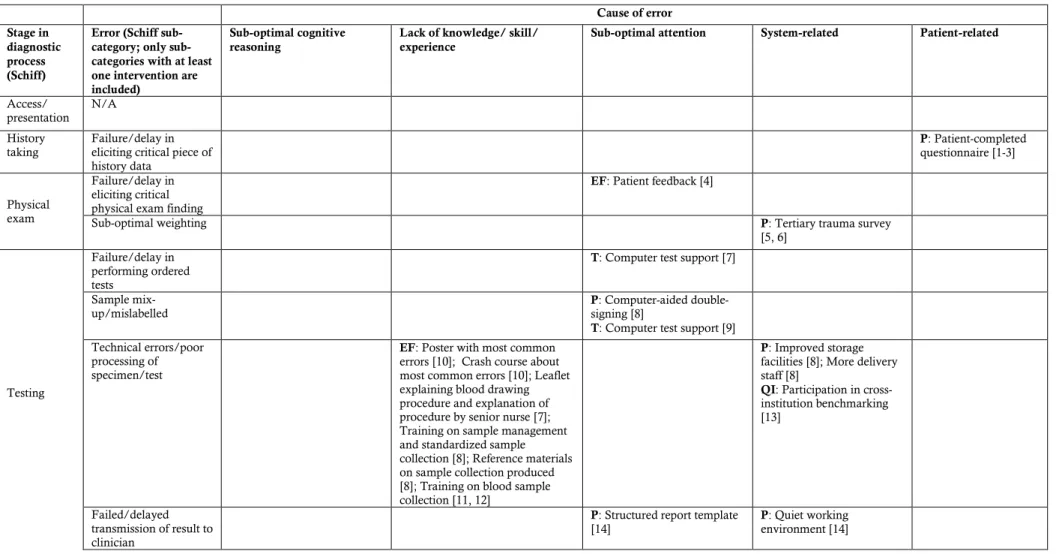
Table 1 summarises the studies included in the logic models in each combination; full details on 278
each are provided in Appendix 1. The most common errors addressed were errors in the testing 279
stage of the diagnostic pathway (N=26 interventions, 60%). The most common interventions 280
addressed errors caused by a lack of knowledge/skill/experience (N=18, 39%) or sub-optimal 281
cognitive reasoning (N=14, 30%). The most common types of interventions were those in the 282
process category (N=18, 39%) and the education and feedback category (N=16, 35%). 283
51 effect sizes could be calculated although some were for multi-component interventions as a 284
whole. While no interventions had a statistically significant negative effect, only seven (14%) 285
were classified as having “large” effect sizes and 16 (31%) were classified as having no effect. 286
An example of a logic model, for errors in diagnostic decision making caused by sub-optimal 287
cognitive reasoning and addressed with education and feedback interventions, is shown in Figure 288
3. The full library of the 24 generated logic models is shown in Appendix 2. All logic models use 289
the generic term “clinician” to denote any healthcare professional or staff member involved in 290
making a diagnosis at any stage in the diagnostic pathway. To generate the logic model shown in 291
Figure 3, we drew on two specific interventions in this error-cause-type combination, a training 292
programme in diagnostic coding for psychiatric disorders (ICD-10) trialled in a simulated setting 293
[28] and cognitive forcing strategy training trialled with medical students in a simulated 294
emergency medicine setting [29]. The use of a structured diagnostic system (i.e. ICD-10 codes) 295
13 psychiatry [28]. The cognitive forcing training aimed to encourage participants to use analytic, or 297
System 2, thinking during diagnostic reasoning, which means that they would self-monitor 298
following an initial diagnosis and “force” themselves to consider any alternative, non-obvious 299
diagnoses [29]. At the pre-intervention stage each training programme needed to be designed 300
appropriately in terms of curriculum and pedagogy and participants needed to be given time to 301
attend the training. During the intervention stage training would be provided. Clinicians needed 302
to actually attend the training, engage in it (e.g. pay attention), learn from the training and retain 303
this learning. The immediate outcome would be that the participants change their existing 304
behaviour by applying the newly learnt knowledge/skills in diagnostic decision making. During 305
the post-immediate outcome stage the use of the learnt knowledge/skills would need to help the 306
clinician make a correct diagnosis (that they would not have done previously), if the intervention 307
is to reduce diagnostic error. 308
The effectiveness of both specific interventions included in Figure 3 was evaluated in simulations 309
of clinical practice using a test requiring participants to diagnose one or more cases, with one 310
showing a large effect [28] and the other no effect [29]. Sherbino and colleagues [29] suggested a 311
number of reasons why their intervention was ineffective, including insufficiently complex cases 312
that did not require System 2 thinking, a lack of transfer of learning to new cases and an 313
insufficiently strong training programme to counter existing cognitive biases. For the 314
intervention found to be effective [28], it would still be necessary to show longer-term retention 315
14 Discussion
Summary of findings
We have generated 24 logic models which show the mechanistic theory of 46 different
interventions designed to reduce the incidence of diagnostic error in healthcare. These models
can be used by anyone seeking to develop and implement an intervention to reduce a specific
diagnostic error in their own setting. The models provide a guide as to what needs to be done in
what order if the desired final effects of a particular intervention are to be realised; as such they
also help intervention evaluators choose appropriate intermediate outcomes. One prerequisite for
using the library is that the intervention developer has a good idea of the main cause of the error
they are trying to tackle; although of course many errors are multi-factorial [30]. Intervention
developers also need to be cognisant of how any aspects of their own context may mean that the
intervention has a different level of effectiveness to that in the evaluations included in this study.
Thus, while a developer may need to adapt an existing intervention, they do not have to start
with a blank piece of paper.
As with patient safety incidents, which are often followed-up with investigations using
techniques such as Root Cause Analysis [31], we can learn from the unsuccessful interventions
by examining the “leaks” from the logic models. For example, in Goodacre et al.’s study [32],
computer-generated interpretations of ECG results were provided to clinicians but one reason for
a lack of intervention effectiveness was that the results were ignored. In general, however, there
was a lack of evidence in the included studies about potential “leaks”, as has also been noted by
others [33]. An intervention developer wanting to implement a similar intervention in their own
context should therefore be encouraged to discuss the proposed ECG reports with clinicians and
determine whether they would be used and why/why not; and to consider any other leaks that
may occur at other steps in the logic model. The final intervention design and implementation
would also need to include a strategy to improve adherence, such as routine reminders or peer
15 Strengths
To our knowledge, this is the first attempt at creating and providing a library of logic models
which enables a user to compare and contrast different interventions and to understand what
needs to occur and in what order if an intervention is to be effective. Our task was more
challenging than we had originally anticipated, as none of the included studies explicitly
described the full logic model for the intervention being evaluated. By using the library,
intervention developers should be able to develop and implement interventions that are more
likely to be effective, as they can ensure that all steps in the logic model are considered at an
early stage.
Limitations
We were only able to generate 24 logic models. There will be more potential models, because
interventions for other meaningful error/cause combinations are yet to be developed and/or
evaluated. The existing breakdown of interventions by type of diagnostic error may not match
the prevalence or severity of different types of error in reality. The library should therefore be
updated when evidence accumulates, although some of the cells in Table 1 may be empty
because a particular error is unlikely to be due to a particular cause (e.g. missing information on
samples is unlikely to be due to cognitive bias because the cognitive load of completing the
information required is low). Nevertheless, the “gaps” in Table 1 could be combined with
evidence on the epidemiology of error to identify priorities for intervention development.
Although we followed a standardized procedure for generating the logic models, and based our
model structure on existing work [10, 20-22], they remain subjective and could be challenged by
others. In particular, many errors have multiple causes (as identified by Graber et al. [30]) but
we assigned each intervention to only one overall cause category. However, some interventions
address more than one possible cause of each error and we would encourage intervention
16 We also advocate greater adherence to the TIDieR checklist [7], as clearer intervention
descriptions would have enabled us to provide more objective logic models.
We have not included causal theories in our logic models, as we discuss in more detail below. Our
approach suggests that intervention implementation through the steps in the logic model is linear
in time, when this is unlikely to be the case for all interventions in practice. Although we provided
an indication of each study’s effectiveness, it was outside our remit to determine which specific
components of multi-faceted interventions were critical for overall effectiveness, however it is also
plausible that the “effectiveness sum” of a multi-faceted intervention is greater than that of the sum
of its parts and, indeed, multi-faceted interventions may well be essential [34]. Likewise, we do not
yet know the relative importance of each step in a logic model or the impact of context on
effectiveness; other authors have reported a paucity of evidence in this area across patient safety
interventions more generally [33]. Furthermore, we did not undertake a quality appraisal of the
included studies, so our estimates of effectiveness may be biased.
The sample of studies (and therefore interventions) included was limited by our inclusion criteria;
for example we excluded studies of interventions that focused on reducing costs without increasing
the error rate or in which the only intervention was to increase the number of clinicians reviewing
test results prior to making a diagnosis. Our sample may also be limited by publication bias, which
is likely to reduce the number of ineffective interventions included. While a user of the library may
be less likely to choose an intervention previously found to be ineffective, their inclusion would
help us to learn from previous mistakes.
Comparison with existing literature and future work
It is generally accepted that all interventions should be based on causal theory [6, 10, 14, 15], and
knowing an intervention’s logic model or mechanistic theory is a prerequisite for explaining its
causal theory (i.e. we need to identify the steps in the logic model before we can explain the “why”
of each; bearing in mind that different causal theories may be needed to link different pairs of
17 always borne out in practice [3]. Our work suggests that one reason for this is that while a
theory-based intervention may make the “immediate” outcome of the intervention more likely (e.g. the
knowledge level of the clinicians who attend an educational intervention increases), there are
additional steps both before and after the intervention itself where various “leaks” from the logic
model dilute effectiveness.
There are four possible extensions to the work presented here. The first is to apply our method to
interventions designed to tackle different errors, such as prescribing errors, and subsequently, to
synthesise results across these different errors in the context of patient safety in general. The second
is to identify which steps in the logic model, context and intervention design features are critical
for effectiveness, and which tend to lead to ineffectiveness, potentially using Qualitative
Comparative Analysis [35]. This task will however be difficult given the large variety of
interventions and types of error across the included studies. Third, we could identify plausible
causal theories for each link in each logic model. Again this will not be a simple task; Michie and
colleagues, for example have identified and described 83 theories of behaviour change [36].
Finally, we could consider the quantitative relationships between steps in the logic models. For
example, the logic models could be presented as Bayesian networks, which would facilitate the
synthesis of multiple sources of evidence to derive estimates of the effect on the intervention on
health outcomes and costs [37].
Conclusion
We were able to generate logic models for all of the interventions to reduce diagnostic error
identified in our search and the resulting library is freely available to all (Appendix 2). We had to
rely on the published evaluation reports for information about each intervention, meaning that
logic model development was partially subjective. However, we based our method on previously
published work [9], although we worked in the opposite direction to Kneale and colleagues, from
intervention design to distal outcome. The resulting library of logic models can be used by others
in a variety of ways: the library gives intervention developers a useful starting point and
18 theories, and helps intervention evaluators to identify and measure critical intermediate outcome
measures. Furthermore the methods we have described will help researchers to generate libraries
for interventions targeting other errors in healthcare.
Figure legends
Figure 1: Generic library structure
Figure 2: Flow diagram
Figure 3: Logic model for errors in diagnostic decision making caused by cognitive bias and
19 References
1. Brown, C., et al., An epistemology of patient safety research: a framework for study design and
interpretation. Part 1. Conceptualising and developing interventions. Qual Saf Health Care,
2008. 17.
2. Colquhoun, H.L., et al., Methods for designing interventions to change healthcare professionals’
behaviour: a systematic review. Implementation Science, 2017. 12(1): p. 30.
3. Brown, H.E., et al., Family‐based interventions to increase physical activity in children: a
systematic review, meta‐analysis and realist synthesis. obesity reviews, 2016. 17(4): p. 345-360.
4. Anderson, L.M., et al., Using logic models to capture complexity in systematic reviews.
Research synthesis methods, 2011. 2(1): p. 33-42.
5. Bruce, B.B., et al., Methodologies for evaluating strategies to reduce diagnostic error: report from
the research summit at the 7th International Diagnostic Error in Medicine Conference. Diagnosis,
2016. 3(1): p. 1-7.
6. Foy, R., et al., The role of theory in research to develop and evaluate the implementation of patient
safety practices. BMJ Quality & Safety, 2011. 20(5): p. 453-459.
7. Hoffmann, T.C., et al., Better reporting of interventions: template for intervention description and
replication (TIDieR) checklist and guide. Bmj, 2014. 348: p. g1687.
8. Moher, D., et al., CONSORT 2010 explanation and elaboration: updated guidelines for reporting
parallel group randomised trials. Journal of clinical epidemiology, 2010. 63(8): p. e1-e37.
9. Kneale, D., J. Thomas, and K. Harris, Developing and Optimising the Use of Logic Models in
Systematic Reviews: Exploring Practice and Good Practice in the Use of Programme Theory in
Reviews. PloS one, 2015. 10(11): p. e0142187.
10. McDonald, K.M., et al., Patient safety strategies targeted at diagnostic errors: a systematic
review. Annals of internal medicine, 2013. 158(5_Part_2): p. 381-389.
11. Royal, S., et al., Interventions in primary care to reduce medication related adverse events and
hospital admissions: systematic review and meta-analysis. Quality and Safety in Health Care,
20 12. Cottrell, S., et al., Interventions to reduce wrong blood in tube errors in transfusion: a systematic
review. Transfusion medicine reviews, 2013. 27(4): p. 197-205.
13. Shekelle, P.G., et al., The top patient safety strategies that can be encouraged for adoption now.
Annals of Internal Medicine, 2013. 158(5_Part_2): p. 365-368.
14. Reed, J.E., et al., Designing quality improvement initiatives: the action effect method, a structured
approach to identifying and articulating programme theory. BMJ quality & safety, 2014.
23(12): p. 1040-1048.
15. Medical Research Council, Developing and evaluating complex interventions: new guidance.
2008, Medical Research Council: London.
16. Zwaan, L., et al., Patient record review of the incidence, consequences, and causes of diagnostic
adverse events. Archives of Internal Medicine, 2010. 170(12): p. 1015-1021.
17. Tehrani, A.S.S., et al., 25-Year summary of US malpractice claims for diagnostic errors 1986–
2010: an analysis from the National Practitioner Data Bank. BMJ Quality & Safety, 2013.
22(8): p. 672-680.
18. Panesar, S.S., et al., How safe is primary care? A systematic review. BMJ Quality & Safety,
2016. 25(7): p. 544-553.
19. Cresswell, K.M., et al., Global research priorities to better understand the burden of iatrogenic
harm in primary care: an international Delphi exercise. PLoS medicine, 2013. 10(11): p.
e1001554.
20. Schiff, G.D., et al., Diagnosing diagnosis errors: lessons from a multi-institutional collaborative
project. 2005.
21. Gandhi, T.K., et al., Missed and delayed diagnoses in the ambulatory setting: a study of closed
malpractice claims. Annals of internal medicine, 2006. 145(7): p. 488-496.
22. Singh, H., et al., System-related interventions to reduce diagnostic errors: a narrative review. BMJ
21 23. Michie, S., M.M. van Stralen, and R. West, The behaviour change wheel: a new method for
characterising and designing behaviour change interventions. Implementation Science, 2011.
6(1): p. 42.
24. Norcross, J.C., P.M. Krebs, and J.O. Prochaska, Stages of change. Journal of clinical
psychology, 2011. 67(2): p. 143-154.
25. Hammick, M., T. Dornan, and Y. Steinert, Conducting a best evidence systematic review. Part
1: From idea to data coding. BEME Guide No 13. ND, BEME Collaboration.
26. Wilson, D. Practical Meta-Analysis Effect Size Calculator [Online calculator]. . ND
03/03/2017]; Available from:
https://www.campbellcollaboration.org/this-is-a-web-based-effect-size-calculator/explore/this-is-a-web-based-effect-size-calculator.
27. Cohen, J., Statistical power analysis for the behavioral sciences. 1988, Hillsdale, NJ: Lawrence
Erlbaum.
28. Rezvyy, G., et al., Correcting biases in psychiatric diagnostic practice in Northwest Russia:
Comparing the impact of a general educational program and a specific diagnostic training program.
BMC medical education, 2008. 8(1): p. 1.
29. Sherbino, J., et al., Ineffectiveness of cognitive forcing strategies to reduce biases in diagnostic
reasoning: a controlled trial. CJEM, 2014. 16(01): p. 34-40.
30. Graber, M.L., N. Franklin, and R. Gordon, Diagnostic error in internal medicine. Archives
of internal medicine, 2005. 165(13): p. 1493-1499.
31. Wilson, P.F., Root cause analysis: A tool for total quality management. 1993: ASQ Quality
Press.
32. Goodacre, S., A. Webster, and F. Morris, Do computer generated ECG reports improve
interpretation by accident and emergency senior house officers? Postgraduate medical journal,
2001. 77(909): p. 455-457.
33. Øvretveit, J.C., et al., How does context affect interventions to improve patient safety? An
assessment of evidence from studies of five patient safety practices and proposals for research.
22 34. Singh, H., et al., The global burden of diagnostic errors in primary care. BMJ Qual Saf, 2016:
p. bmjqs-2016.
35. Thomas, J., A. O’Mara-Eves, and G. Brunton, Using qualitative comparative analysis (QCA)
in systematic reviews of complex interventions: a worked example. Systematic reviews, 2014.
3(1): p. 67.
36. Michie, S., et al., ABC of behaviour change theories. 2014, Sutton: Silverback Publishing.
37. Watson, S.I. and R.J. Lilford, Integrating multiple sources of evidence: a Bayesian perspective,
in Challenges, solutions and future directions in the evaluation of service innovations in health care
and public health, R. Raine, R. Fitzpatrick, and H.e.a. Barratt, Editors. 2016, NIHR:
Table 1: Summary of error, cause of error and intervention types
Cause of error
Stage in diagnostic process (Schiff)
Error (Schiff category; only sub-categories with at least one intervention are included)
Sub-optimal cognitive reasoning
Lack of knowledge/ skill/ experience
Sub-optimal attention System-related Patient-related
Access/
presentation N/A History
taking Failure/delay in eliciting critical piece of history data
P: Patient-completed
questionnaire [1-3]
Physical exam
Failure/delay in eliciting critical physical exam finding
EF: Patient feedback [4]
Sub-optimal weighting P: Tertiary trauma survey [5, 6]
Testing
Failure/delay in performing ordered tests
T: Computer test support [7]
Sample
mix-up/mislabelled P: Computer-aided double-signing [8] T: Computer test support [9]
Technical errors/poor processing of specimen/test
EF: Poster with most common errors [10]; Crash course about most common errors [10]; Leaflet explaining blood drawing procedure and explanation of procedure by senior nurse [7]; Training on sample management and standardized sample collection [8]; Reference materials on sample collection produced [8]; Training on blood sample collection [11, 12]
P: Improved storage facilities [8]; More delivery staff [8]
QI: Participation in cross-institution benchmarking [13]
Failed/delayed transmission of result to clinician
P: Structured report template
Erroneous clinician
interpretation of test P: Verification stage added [15]; Checklists to correct mistakes in initial diagnosis [15, 16]
T: Computer pattern recognition [17]
EF: Individual feedback on image interpretation [18, 19]; Meetings to discuss errors/missed cases [20, 21]; Technician report written at time of investigation and presented to clinicians [22]; Training including hands-on training and expert tutorial [23] T: Software to help trainees read capsule endoscopy images [19]; Computer test support [24]; Computer-interpretation of investigation results provided to clinicians [25, 26]
P: Structured reporting process [20]
T: Computerised version of images [27]
Assessment Failure/delay in considering the correct diagnosis; sub-optimal weighing/prioritising
EF: Specific training programme in diagnostic coding [28]; Cognitive forcing strategy training [29] P: Self-directed reflection [30]; Enhanced analytical reasoning using structured template [31]; Provision of additional data and querying initial hypothesis [32]; Structured reanalysis of case findings [33]; Checklists after collecting information without return to patient [34]; Checklists after collecting information with return to patient [34]
T: Diagnostic reminder system [35, 36]; Computer diagnostic support system before testing [37, 38]; Computer diagnostic support system after testing [37, 38]
EF: Monthly feedback added to standardised data collection and computer support [39]; Education about atypical presentations [40]; Feedback about telephone follow-up of high risk patients [40] P: Standardised data collection forms [39]
T: Computer-based decision support tool [39, 41, 42]
Referral Failure/delay in
ordering needed referral P: Reminders [43] Follow-up N/A
Type of intervention codes: Education/feedback (EF), Process (P), Technology (T), Quality improvement activities (QI).
References
1. Lewis, G., et al., Computerized assessment of common mental disorders in primary care: effect on clinical outcome. Family Practice, 1996. 13(2): p. 120-126.
2. Mueller, C.A., et al., Disclosure of new health problems and intervention planning using a geriatric assessment in a primary care setting. Croatian medical journal, 2010. 51(6): p. 493-500.
3. Schriger, D.L., et al., Enabling the diagnosis of occult psychiatric illness in the emergency department: a randomized, controlled trial of the
computerized, self-administered PRIME-MD diagnostic system. Annals of emergency medicine, 2001. 37(2): p. 132-140.
4. Nicholl, D., et al., The TOS study: can we use our patients to help improve clinical assessment? The journal of the Royal College of Physicians of Edinburgh, 2011. 42(4): p. 306-310.
5. Biffl, W.L., D.T. Harrington, and W.G. Cioffi, Implementation of a tertiary trauma survey decreases missed injuries. Journal of Trauma and Acute Care Surgery, 2003. 54(1): p. 38-44.
6. Keijzers, G.B., et al., A prospective evaluation of missed injuries in trauma patients, before and after formalising the trauma tertiary survey. World journal of surgery, 2014. 38(1): p. 222-232.
7. Lillo, R., et al., Reducing preanalytical laboratory sample errors through educational and technological interventions. 2012.
8. Li, H.y., et al., Reduction of preanalytical errors in clinical laboratory through multiple aspects and whole course intervention measures. Journal of Evidence‐Based Medicine, 2014. 7(3): p. 172-177.
9. Turner, H.E., et al., The effect of electronic ordering on pre-analytical errors in primary care. Annals of Clinical Biochemistry: An international journal of biochemistry and laboratory medicine, 2013: p. 0004563213494184.
10. Hlabangana, L.T. and S. Andronikou, Short-term impact of pictorial posters and a crash course on radiographic errors for improving the quality of
paediatric chest radiographs in an unsupervised unit—a pilot study for quality-assurance outreach. Pediatric radiology, 2015. 45(2): p. 158-165.
11. Hopkins, K., et al., Reducing blood culture contamination rates: a systematic approach to improving quality of care. American journal of infection control, 2013. 41(12): p. 1272-1274.
12. Ramirez, P., et al., Blood culture contamination rate in an intensive care setting: Effectiveness of an education-based intervention. American journal of infection control, 2015. 43(8): p. 844-847.
13. Raab, S.S., et al., The value of monitoring frozen section-permanent section correlation data over time. Archives of pathology & laboratory medicine, 2006. 130(3): p. 337-342.
14. Rosskopf, A.B., et al., Quality Management in Musculoskeletal Imaging: Form, Content, and Diagnosis of Knee MRI Reports and Effectiveness of
Three Different Quality Improvement Measures. American Journal of Roentgenology, 2015. 204(5): p. 1069-1074.
15. Sibbald, M., A.B. de Bruin, and J.J. van Merrienboer, Checklists improve experts’ diagnostic decisions. Medical education, 2013. 47(3): p. 301-308. 16. Sibbald, M., A.B. De Bruin, and J.J. van Merrienboer, Finding and fixing mistakes: do checklists work for clinicians with different levels of experience?
Advances in Health Sciences Education, 2014. 19(1): p. 43-51.
18. Tudor, G.R. and D.B. Finlay, Error review: can this improve reporting performance? Clinical radiology, 2001. 56(9): p. 751-754.
19. Hosoe, N., et al., Evaluations of capsule endoscopy software in reducing the reading time and the rate of false negatives by inexperienced
endoscopists. Clinics and research in hepatology and gastroenterology, 2012. 36(1): p. 66-71.
20. Espinosa, J.A. and T.W. Nolan, Reducing errors made by emergency physicians in interpreting radiographs: longitudinal study. Bmj, 2000. 320(7237): p. 737-740.
21. Itri, J.N., et al., Using focused missed-case conferences to reduce discrepancies in musculoskeletal studies interpreted by residents on call. American Journal of Roentgenology, 2011. 197(4): p. W696-W705.
22. Dudley, M. and K. Channer, Assessment of the value of technician reporting of electrocardiographs in an accident and emergency department. Journal of accident & emergency medicine, 1997. 14(5): p. 307-310.
23. Rondonotti, E., et al., Can we improve the detection rate and interobserver agreement in capsule endoscopy? Digestive and Liver Disease, 2012.
44(12): p. 1006-1011.
24. Nishikawa, R.M., et al., Clinically missed cancer: how effectively can radiologists use computer-aided detection? American Journal of Roentgenology, 2012. 198(3): p. 708-716.
25. Tsai, T.L., D.B. Fridsma, and G. Gatti, Computer decision support as a source of interpretation error: the case of electrocardiograms. Journal of the American Medical Informatics Association, 2003. 10(5): p. 478-483.
26. Goodacre, S., A. Webster, and F. Morris, Do computer generated ECG reports improve interpretation by accident and emergency senior house
officers? Postgraduate medical journal, 2001. 77(909): p. 455-457.
27. Weatherburn, G., et al., The effect of a picture archiving and communications system (PACS) on diagnostic performance in the accident and
emergency department. Journal of accident & emergency medicine, 2000. 17(3): p. 180-184.
28. Rezvyy, G., et al., Correcting biases in psychiatric diagnostic practice in Northwest Russia: Comparing the impact of a general educational program
and a specific diagnostic training program. BMC medical education, 2008. 8(1): p. 1.
29. Sherbino, J., et al., Ineffectiveness of cognitive forcing strategies to reduce biases in diagnostic reasoning: a controlled trial. CJEM, 2014. 16(01): p. 34-40.
30. Monteiro, S.D., et al., Reflecting on diagnostic errors: taking a second look is not enough. Journal of general internal medicine, 2015. 30(9): p. 1270-1274.
31. Myung, S.J., et al., Effect of enhanced analytic reasoning on diagnostic accuracy: a randomized controlled study. Medical teacher, 2013. 35(3): p. 248-250.
32. Coderre, S., B. Wright, and K. McLaughlin, To think is good: querying an initial hypothesis reduces diagnostic error in medical students. Academic Medicine, 2010. 85(7): p. 1125-1129.
33. Mamede, S., et al., Effect of availability bias and reflective reasoning on diagnostic accuracy among internal medicine residents. Jama, 2010. 304(11): p. 1198-1203.
35. Ramnarayan, P., et al., Assessment of the potential impact of a reminder system on the reduction of diagnostic errors: a quasi-experimental study. BMC Medical Informatics and Decision Making, 2006. 6(1): p. 1.
36. Ramnarayan, P., et al., Diagnostic omission errors in acute paediatric practice: impact of a reminder system on decision-making. BMC medical informatics and decision making, 2006. 6(1): p. 1.
37. Kostopoulou, O., et al., Early diagnostic suggestions improve accuracy of family physicians: a randomized controlled trial in Greece. Family practice, 2015: p. cmv012.
38. Kostopoulou, O., et al., Early diagnostic suggestions improve accuracy of GPs: a randomised controlled trial using computer-simulated patients. Br J Gen Pract, 2015. 65(630): p. e49-e54.
39. Wellwood, J., S. Johannessen, and D. Spiegelhalter, How does computer-aided diagnosis improve the management of acute abdominal pain? Annals of the Royal College of Surgeons of England, 1992. 74(1): p. 40.
40. Chern, C.-H., et al., Decreasing clinically significant adverse events using feedback to emergency physicians of telephone follow-up outcomes. Annals of emergency medicine, 2005. 45(1): p. 15-23.
41. Segal, M.M., et al., Evidence-based decision support for neurological diagnosis reduces errors and unnecessary workup. Journal of child neurology, 2014. 29(4): p. 487-492.
42. Wexler, J.R., et al., Impact of a system of computer-assisted diagnosis: initial evaluation of the hospitalized patient. American Journal of Diseases of Children, 1975. 129(2): p. 203-205.