Psychology Theses Department of Psychology
12-13-2018
Sexual Health among Female Refugee Youth: An
Ecological Approach
Jessica L. Miller
Follow this and additional works at:https://scholarworks.gsu.edu/psych_theses
This Thesis is brought to you for free and open access by the Department of Psychology at ScholarWorks @ Georgia State University. It has been accepted for inclusion in Psychology Theses by an authorized administrator of ScholarWorks @ Georgia State University. For more information, please [email protected].
Recommended Citation
APPROACH
by
JESSICA L. MILLER
Under the Direction of Kevin Swartout, PhD
ABSTRACT
Refugee youth face several sexual health challenges, and research investigating
contributing factors has primarily focused on identifying contextual barriers. However, it is also
important to investigate protective factors, as well as how both risk and protective factors work
together across contexts. The present study explored facilitators and barriers to refugee youth
sexual health and how they combine to predict behavior using thematic text analysis and
narrative analysis of twelve in-depth interviews with female refugees ages 18-24. Findings
revealed four primary themes: sex/relationship restrictions, judgment/disapproval, support, and
youth reactions. The first three factors were present across multiple ecological levels, such as
parents, peers, and culture. Furthermore, these contextual factors were related to one another,
such that youth who violate sociocultural sex/relationship restrictions experience actual or
anticipated judgment from others, which leads to fear, embarrassment, and risky sexual behavior.
These findings have important implications for sexual health education interventions with
refugee youth.
APPROACH
by
JESSICA L. MILLER
A Thesis Submitted in Partial Fulfillment of the Requirements for the Degree of
Master of Arts
in the College of Arts and Sciences
Georgia State University
Copyright by Jessica Lynn Miller
SEXUAL HEALTH AMONG FEMALE REFUGEE YOUTH: AN ECOLOGICAL
APPROACH
by
JESSICA L. MILLER
Committee Chair: Kevin Swartout
Committee: Wing Yi Chan
Jeffrey Ashby
Electronic Version Approved:
Office of Graduate Studies
College of Arts and Sciences
Georgia State University
TABLE OF CONTENTS
LIST OF FIGURES ... VIII
1 INTRODUCTION... 1
1.1 Refugee Sexual Health Issues ... 2
1.2 Ecological Systems Theory ... 3
1.3 Microsystem... 5
1.4 Macrosystem ... 7
1.5 Present Study ... 7
2 METHOD ... 9
2.1 Participants ... 9
2.2 Recruitment Strategy... 9
2.3 Procedure ... 9
2.4 Data Analysis ... 10
2.4.1 Thematic text analysis ... 10
2.4.2 Narrative analysis ... 13
2.4.3 Thematic paradigm ... 14
3 RESULTS ... 15
3.1 Theme 1: Sex/Relationship Restrictions ... 15
3.1.1 Parents ... 15
3.2 Theme 2: Judgment and Disapproval ... 17
3.2.1 Parents ... 18
3.2.2 Peers ... 18
3.2.3 Community ... 20
3.3 Theme 3: Support ... 20
3.3.1 Parents ... 21
3.3.2 Peers ... 22
3.3.3 Healthcare ... 23
3.4 Theme 4: Youth Reactions ... 24
3.4.1 Fear... 24
3.4.2 Embarrassment ... 25
3.4.3 Behaviors ... 25
3.5 Narrative Analysis ... 27
3.5.1 Participant 4 ... 27
3.5.2 Participant 10 ... 28
3.5.3 Participant 2 ... 28
3.5.4 Participant 7 ... 29
3.6 Thematic Paradigm ... 30
4 DISCUSSION ... 33
4.2 Limitations and Future Directions ... 38
4.3 Conclusion ... 40
REFERENCES ... 41
APPENDICES ... 45
LIST OF FIGURES
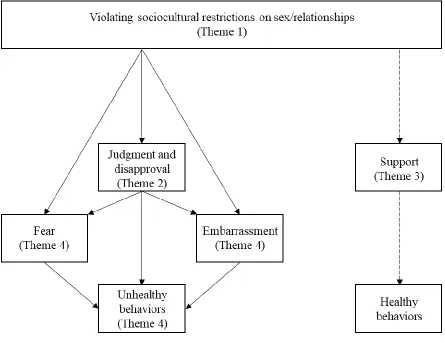
Figure 3.1 Final Thematic Paradigm ... 31
1 INTRODUCTION
Refugee youth face many health challenges both pre- and post-resettlement. While there
has been substantial research examining these challenges in many mental and physical health
domains (e.g. Lustig et al., 2004; Davidson et al., 2004), sexual health issues have often been
neglected. Studies investigating sexual health among refugee youth have frequently taken place
prior to their resettlement (e.g. Benner et al., 2010), and those that have occurred
post-resettlement are almost exclusively in Australia (e.g. McMichael, 2013). Findings from this
literature have revealed that the contextual factors affecting sexual health include peer
relationships, education, and culture (McMichael, 2009). However, it is important to identify not
just the individual contextual factors themselves, but how these multiple factors work together to
influence refugee youth’s sexual health opinions and decisions. Moreover, extant research has
focused primarily on barriers to refugee sexual health, such as physical, social, educational, and
emotional barriers. Whereas it is important to study the challenges faced by this population, it is
also valuable to explore protective factors to develop a more holistic understanding of their
sexual health.
Failing to address these limitations has both theoretical and practical costs. The sexual
health concerns of refugee youth likely differ from those of their American-born peers as the
result of unique sociocultural and educational factors; not recognizing these differences could
lead to research that fails to be applicable to young refugees. Furthermore, neglecting the needs
of this specific population impedes the development of culturally appropriate interventions,
which could contribute to higher rates of reproductive health problems, such as unplanned
pregnancy and sexually transmitted diseases (STDs). The purpose of the present study is to
will investigate female refugee youth’s perceptions of the barriers and facilitators of sexual
health present in multiple environmental contexts.
1.1 Refugee Sexual Health Issues
Refugees face a variety of sexual health issues and are at higher risk for negative sexual
health outcomes compared to native-born youth. One relevant metric is teenage pregnancy,
which occurs at elevated rates for refugee populations. For example, Benner and colleagues
(2010) found that Burmese refugees living in refugee camps in Thailand ages 15-19 had a
pregnancy rate ranging from 60-80 per 1000 among the two camps surveyed, which is higher
than the rate for the same age group in Thailand in 2012 (54 per 1000; UNICEF, 2015). Elevated
rates of teenage pregnancy have also been reported among Sudanese refugee women resettled to
Australia compared to native born Australians, demonstrating that a higher risk of teenage
pregnancy is prevalent in both pre- and post-resettlement contexts (McMichael, 2013).
A second relevant metric for assessing risk is the rate of sexually transmitted diseases
(STDs). Information on the prevalence of STDs among refugee youth is limited. One systematic
review from sub-Saharan Africa found that most of the refugee camps surveyed had a lower
prevalence of HIV infection than surrounding communities (Spiegel et al., 2007), a finding that
points to resilience in this population. However, refugees may be at higher risk of developing
STDs because of lack of protection. While more than half of refugee youth living in refugee
camps in Thailand considered it important to use condoms to protect against STDs, only 35% of
youth knew where to obtain them, and the majority of youth felt embarrassed to use them
(Benner et al., 2010).
Lack of sexual health education may explain the increased risk of unplanned pregnancy
displacement, and even in the education they do receive, sexual health is often not prioritized
(McMichael & Gifford, 2009). Extant research suggests that refugee youth have limited
knowledge about reproductive health in several categories. First, many refugee youth have
misconceptions about sex. For example, 81% of Burmese refugee youth in Thailand believed
that the first time having sex cannot result in pregnancy (Benner et al., 2010). Researchers have
also found that refugee youth are often unaware of specific STDs and their symptoms
(McMichael & Gifford, 2009), as well as various methods of pregnancy prevention (Lazarus et
al., 2006).
After resettlement, refugees also encounter a new set of laws and policies in their new
country, and this includes rules related to sexual health issues which may be unfamiliar to them,
such as laws around consent. Dhar and colleagues (2017) reported several misunderstandings
about legal rights among refugee young women living in the United States. Some of these
misconceptions are that male partners must consent to a woman having an abortion, unmarried
women cannot access reproductive health services, and youth under the age of 18 are required to
have a guardian in the room with them during their doctor’s appointments (Dhar et al., 2017).
These findings demonstrate that refugee youth are not always provided with sufficient
information necessary to make healthy, empowered, and informed decisions about their sexual
health.
1.2 Ecological Systems Theory
Sexual health issues among refugee youth are clearly a cause for concern, but there is
only limited information available on the factors contributing to these problems, which reveals
the need for a contextual approach. Bronfenbrenner’s (1974; 1977; 1986) ecological systems
individual development. The model includes five developmental systems: microsystem,
mesosystem, exosystem, macrosystem, and chronosystem. The microsystem includes any
settings which the person is an immediate part of, such as family, peers, and school.
Microsystems often interact with one another, and these interactions are referred to as the
mesosystem. While the systems exerting direct influence on individuals are an essential part of
the ecological systems approach, Bronfenbrenner’s theory also accounts for contexts that have a
more indirect effect. The exosystem describes the broader societal structures which comprise
various microsystems. Examples of exosystems include neighborhood, government, and media.
Even more general is the macrosystem, which is not itself a specific context, but instead
encompasses the overall culture. In other words, “micro-, meso-, and exosystems are the
concrete manifestations” of the macrosytem (Bronfenbrenner, 1977, p. 515). Lastly, the
chronosystem refers to the changes to an individual’s contexts over time, which may result from
any number of life transitions such as starting school, getting married, or migrating to a new
country.
The ecological systems theory posits that these nested ecological systems work together
to shape the developmental process, and sexual health is one domain within this developmental
process. The adolescent reproductive health literature has identified aspects of multiple
microsystems (e.g. parental monitoring; Li, Stanton, & Feigelman, 2000), mesosystems (e.g.
interaction between peer support and parent connection; Henrich, Brookmeyer, Shrirer, &
Shahar, 2006), and exosystems (e.g. sexual content in the media; L’Engle, Brown, & Kenneavy,
2006) that are associated with sexual behavior. However, systematic reviews have found that
research on adolescent sexual health is still primarily focused on individual-level correlates
abstracts of research studies on the topic indicated that half of studies neglected contextual
factors entirely and were instead limited to individual-level variables (Salazar et al., 2010),
suggesting that there are still significant gaps in the understanding of how adolescent sexual
health is influenced by more distant ecological systems and their interactions.
1.3 Microsystem
This limitation is even more substantial regarding research on sexual health among
refugee youth, as no known study on this topic has taken an explicitly ecological approach.
Nevertheless, the literature has considered how refugee youth’s opinions and behaviors are
influenced by several microsystems, such as family, peers, school, and healthcare settings.
Parents, particularly mothers, are most frequently discussed within the family context, and are
the source of much of the sexual health information refugee youth receive (Benner et al., 2010).
However, refugee youth also mention that it is difficult to talk to their parents about sex and
romantic relationships (McMichael & Gifford, 2009). Parents often emphasize the importance of
placing education and career goals over dating, and may even forbid children from engaging in
romantic relationships. Furthermore, many refugee families believe that sex outside of marriage
is immoral and that following this rule is fundamental to upholding the family’s reputation. Such
beliefs were reported by participants of both genders from varied geographical regions including
the Middle East, Southeast Asia, and Africa (McMichael & Gifford, 2009; 2010). Refugee youth
also frequently seek information about sex from their peers. For example, Benner et al. (2010)
found that friends were the most common source of sexual health information among young
refugee men. While talking to peers may be less intimidating than talking to parents, refugee
School, on the other hand, is perceived by youth as an effective setting to learn about
sexual health (McMichael, & Gifford, 2009). Dhar et al. (2017) found that female Bhutanese
refugee youth discussed attending health classes that covered sexual health topics in both their
countries of origin and in the United States. However, as is stated above, receiving sexual health
education in a school setting does not apply to all refugees, as many have faced gaps in their
education. Even when refugees were enrolled in formal schooling post-resettlement in the United
States, some youth stated that they were pulled out of health class to attend English as a Second
Language courses, which likely magnifies the gap in sexual health education (Dhar et al., 2017).
The healthcare setting is another microsystem particularly relevant to the subject of
reproductive health. Refugee youth view doctors as experts on sexual health, however, research
has cited several existing barriers to utilization, which may lead refugee youth to not seek
services until there is an urgent problem (McMichael & Gifford, 2009). Certain barriers are
logistical, such as difficulties with transportation and language (McMichael & Gifford, 2009).
Even when these logistical issues are addressed, youth have additional concerns. For example,
interpreters resolve the language barrier, but their presence creates concerns about confidentiality
because interpreters are often members of the community and youth fear that they may inform
their parents about the details of the appointment (McMichael & Gifford, 2009). Female refugees
have an added worry about seeing male providers or interpreters (Jones, 1999). Taken together,
the literature that references microsystems affecting refugee youth reveals that a variety of
obstacles prevent youth from accessing and using the resources they consider to be most
trustworthy, which may in turn encourage them to rely primarily on their peers for advice about
1.4 Macrosystem
Culture and its associated values have also received attention in research on sexual health
among refugee youth, which constitutes the macrosystem in Bronfenbrenner’s ecological
systems theory. Abstinence from sex before marriage is highly valued in many non-Western
cultures, and refugee youth emphasize its importance within their native cultures (McMichael &
Gifford, 2010; Dhar et al., 2017). Youth who fail to abide by this cultural standard often
experience shame from their family and community. The most salient example of this is
unmarried pregnant women, who face particularly intense shame. Pregnancy outside of marriage
is evidence of directly defying the value of abstinence, and moreover, women’s virginity is
especially highly valued (McMichael & Gifford, 2009; 2010; McMichael, 2013). The shame
surrounding unmarried pregnant women expresses itself in a variety of different ways, including
being gossiped about in the refugee community (McMichael & Gifford, 2010; Dhar et al., 2017),
being kicked out of one’s home (McMichael & Gifford, 2010; Dhar et al., 2017), losing one’s
reputation (McMichael, 2013), and reducing one’s prospects for marriage (McMichael &
Gifford, 2010).
1.5 Present Study
Research on sexual health among refugee youth has increased in recent years, but the
literature is still sparse and many questions remain unanswered. While scholars have begun to
explore the influence of family, peer, and school contexts on young refugees’ sexual health, there
has been less attention given to the ways in which these contexts work together to influence their
opinions and decisions. Moreover, there is a dearth of research within this subject on broader
contexts, such as community, culture, and religion. Approaching the topic from an ecological
focus on multiple ecological levels, particularly those that have received less research attention.
Within these different ecological contexts, it is also important to investigate both facilitators and
barriers to the sexual health of refugee youth, as these contexts likely each hold challenges and
assets for this population.
This study focuses solely on female refugee youth, as research has demonstrated that
refugee women are disproportionately affected by sexual health issues and their consequences,
such as shame from unplanned pregnancy (McMichael & Gifford, 2010). Because of the
exploratory nature of the study, qualitative methodology was chosen to allow for an in-depth
investigation into the sexual health concerns of these women. Given the sensitivity of the topic,
individual interviews were deemed most suitable as this format would allow participants to share
their perspective without concern about evaluation or disclosure from other participants. No
specific hypotheses are posited because of the study’s exploratory nature and inductive approach,
but two research questions have been established to guide the data analysis: 1) What are the
facilitators and barriers to sexual health among refugee youth at multiple ecological levels? and
2) How do these facilitators and barriers work together to influence refugee youth sexual health?
By investigating these questions, the present study seeks to better understand the contextual
factors that affect refugee youth sexual health and in doing so, identify potential interventions to
2 METHOD
2.1 Participants
Twelve in-depth interviews were conducted with female refugee young adults between
the ages of 18-24. The countries of origin represented were Burma (n = 6), Central African
Republic (n = 2), the Democratic Republic of Congo (n = 3), and Somalia (n = 1). Ten
participants had lived in the United States for more than five years, while the other two
participants had been resettled to America less than two years ago. Each participant was
compensated with a $20 gift card to a large retail chain, compensation deemed appropriate and
non-coercive for this population (Schweitzer et al., 2007).
2.2 Recruitment Strategy
Health and wellness staff at International Rescue Committee Atlanta (IRC) collaborated
with IRC’s youth education department to recruit young refugee women from an offsite summer
camp, afterschool programs, and a career mentoring program. Once youth education staff
identified potential participants, they asked the participants for consent to be contacted by the
researchers. After each potential participant gave verbal consent to youth education staff to be
contacted for this project, youth education staff submitted the young person’s contact
information to health and wellness staff through a password protected Excel spreadsheet or by
phone. Health and wellness research staff contacted young people who were interested in
participating and scheduled a time to conduct the in-depth interviews.
2.3 Procedure
The interviews took place in a private room at the International Rescue Committee
Atlanta office. First, the consent form was read aloud to participants and they then gave their
were included in the interview guide: 1) perception of healthy relationships, 2) sexual health
problems and unplanned pregnancy, 3) access to information about sexual health, and 4)
facilitators and barriers to seeking sexual health services (See Appendix for the interview guide).
The interviews were semi-structured, meaning the same questions were asked during each
interview to maintain consistency, but the order of these questions was changed and follow-up
questions were asked to maintain the natural flow of conversation. The duration of the interviews
ranged from 30 to 60 minutes. After the interviews were completed, audio-recordings of the
interviews were transcribed.
2.4 Data Analysis
2.4.1 Thematic text analysis
Data were first analyzed using thematic text analysis, a method of qualitative analysis
that uses categorization to emphasize patterns identified across data (Braun & Clarke, 2006;
Kuckartz, 2014). Thematic analysis is a flexible method, meaning that unlike certain qualitative
analysis approaches that have a standard theoretical framework and procedure (e.g. grounded
theory; Strauss, & Corbin, 1990), thematic analysis can be applied in a more varied way (Braun
& Clarke, 2006). Several researchers offer guidelines for robust thematic analysis, and although
the specific steps differ, the general process is consistent. For example, Kuckartz (2014)
delineates several phases involved in thematic text analysis, including initial work with the text,
development of main categories, first coding process, compilation of same-category passages,
creation of sub-categories, second coding process, and category-based analysis. It is important to
note that these phases are intended to be cyclical rather than linear, meaning that the various
steps of the analytic process may be repeated to ensure the results fit the data and research
verification, which is “the mechanisms used during the process of research to incrementally
contribute to ensuring reliability and validity” (p. 17). Verification is broader than interrater
reliability, and also includes checks such as sufficient sampling and researcher responsiveness to
the data; engaging in these checks of reliability and validity throughout the process increases
confidence in the analytic rigor of the research.
The analytic strategies of both Braun & Clarke (2006) and Kuckartz (2014) informed the
analytic process, organized into four phases that are described below: 1) initial coding, 2) theme
development, 3) thematic coding, and 4) theme-based analysis. NVivo software was used to
organize and manage data analysis for the last two phases.
2.4.1.1 Initial coding
In the first stage, interview transcripts were coded line-by-line. During this initial coding,
the words participants used were prioritized to ensure that the researcher created codes that came
from the text itself rather than imposing existing theories onto the text. All of the transcript text
was read to determine relevance to the present study’s research questions, but given that the
interview guide included topics outside of contextual facilitators and barriers to sexual health,
significant portions of the text were not coded for the current analysis.
2.4.1.2 Theme development
After the initial coding process was completed, all of the codes were sorted categorically
to establish broader themes. According to Braun and Clark (2006), a theme is a “level of
patterned response or meaning within the data set” (p. 10). Themes and sub-themes were
established based on their significance to the research questions, rather than purely using
frequency as a criterion for theme development. In the first attempt at sorting codes, the
sexual health that were relevant to each context (e.g. relationship restrictions) served as the
sub-themes. However, given that many of the same factors were raised across contexts, the
researcher concluded that reversing this hierarchy would be a better approach, as it allowed for a
comparison of the messages participants received from different contexts about a given issue.
This meant that the factors themselves served as themes, and that the ecological contexts
participants reported to be associated with each factor served as the sub-themes for that factor. A
preliminary codebook was created at this stage, which included the theme/sub-theme name, the
definition of each, and at least one example quote from the text. Memo writing (i.e., researcher’s
written observations about the data) was also used throughout this stage to record the
development of themes and the relationships among them.
2.4.1.3 Thematic coding
Two members of the research staff then used the preliminary codebook to code three
interviews (25% of the data) independently. Afterwards, the two members reviewed each other’s
coded transcripts and met to discuss discrepancies and reach consensus. There was strong
agreement for all themes except for one (dating restrictions), and the definition of that theme
was edited in order to clarify the inclusion criteria. The only other modification made to the
codebook was the incorporation of one theme (abstinence) into another (dating restrictions),
because after discussion the researchers decided that the former was a specific example within
the latter category. After making these adjustments to the codebook, the primary researcher then
used the final list of themes and sub-themes to code the transcribed texts from all twelve
2.4.1.4 Theme-based analysis
Once all data were coded, each theme was investigated to identify repeated ideas and any
notable divergences. To analyze the data in this way, all of the passages that were assigned to a
given theme were compiled together and examined to ensure that themes were internally
homogenous, meaning that there was consistency among the passages (Patton, 1990). As themes
were explored, summaries were composed for each theme and particularly representative
examples of each were highlighted. Relationships among themes were also considered for the
purpose of creating a broader thematic paradigm.
2.4.2 Narrative analysis
Because the emerging themes seemed to be related to one another in important ways, the
researcher determined that it was important to directly investigate these relationships before
creating a final thematic paradigm. A narrative approach was selected in order to develop a better
understanding of individual participants’ beliefs about how the messages they receive from
different contexts influence their decisions about sexual health. To accomplish this goal, four
transcripts (33% of the data) were explored in greater depth. Two transcripts were chosen
because they were representative of the themes described above and gave particularly rich detail
regarding the causal relationships among them. One transcript was distinctive in its response
pattern and was intentionally selected to provide a different perspective. The final transcript was
selected because the interviewee was unmarried and pregnant at the time of the interview, and
the researcher wanted to capture her unique personal experience. As the researcher read each of
the four transcripts, memos were written regarding each participant’s perceptions of facilitators
and barriers to sexual health and the relationships among them. Particular attention was paid to
established during thematic text analysis. The researcher then composed a brief narrative
summary of each of the four transcripts that were analyzed in this way.
2.4.3 Thematic paradigm
The information obtained from both the thematic text analysis and the narrative analysis
were integrated to develop a final thematic paradigm. The paradigm depicts major themes and
the relationships among them to establish a working conceptualization of female refugees’
experiences of the factors that influence their sexual health decisions at multiple ecological
3 RESULTS
The results of both the thematic text analysis and the narrative analysis are described below.
Quotes are written exactly as participants said them, with the exception of the removal of filler
words (e.g., like, um) to improve reading ease and flow. Given that English is not the
participants’ first language, there are several grammatical errors (e.g., subject-verb agreement
errors), which were kept so as to minimize researcher modifications to the data.
3.1 Theme 1: Sex/Relationship Restrictions
Participants described a variety of sociocultural restrictions regarding sex and romantic
relationships. These norms and restrictions were generally consistent across parents, religion, and
culture, and are described below.
3.1.1 Parents
Several youth noted that their parents do not permit them to be in romantic relationships
prior to marriage. For example, one woman stated:
Your parents don’t allow you to have a boyfriend. They just want you to concentrate.
Some of them, they bring us here for education so we have to focus on our education.
– Participant 2, Central African Republic
Even if youth are allowed to date, they expressed that their parents expect to be heavily
involved in the process, beginning with approval of their children’s romantic partners. Many
participants described that if they are dating someone (or are interested in dating someone), they
are required to bring this person home to meet their parents to determine whether the relationship
A lady have a boyfriend then you have to introduce first to their parents and see if your
parents like…if they agrees you can move further, but if they don’t really agree, you have
to stop. – Participant 5, Burma
Once youth are in a romantic relationship, they have a set of parental rules they are
expected to obey. These rules center on youth’s behavior in their relationship, such as where they
can spend time together, appropriate displays of affection, and most importantly, abstinence
before marriage. Avoiding premarital sex was emphasized in the sex education youth receive
from their parents.
Of course, my family going to say to not have sex when I’m dating with him…My mom
told me if a guy ask you, “Can I have sex with you?” while you’re dating, that means that
guy is not good for your future, so just leave him. Like that stuff. – Participant 8, Burma
Overall, refugee youth participants described that their parents play an important role in
their children’s dating relationships, both in determining whether they are allowed to date and, if
so, setting rules for how to behave.
3.1.2 Religion and culture
While parents affect their children’s dating relationships directly, participants also
acknowledged ways in which broader contexts such as religion and culture influence their views
on dating. Such issues often came up in discussions about cultural differences between the
United States and the participants’ countries of origin regarding sex and relationships.
Participants particularly emphasized that dating relationships are not acceptable in their culture
and/or religion, and this was the case across all countries of origin represented in the sample,
including Somalia, Burma, Democratic Republic of Congo, and Central African Republic. For
You know in United States, if you are teenager or adult so you can be in a relationship
where in my country, my religion we cannot be in a relationship until you get married.
– Participant 6, Central African Republic
Although refugee youth conveyed that romantic relationships outside of marriage are
typically still prohibited, there was also some indication that the enforcement of this standard
may have become more lenient over time:
It’s not only religion, but our culture. Our parents’ parents believed that long ago, for
Karen people…even, you hold your boyfriend’s hand—they make you get married…so
that culture still carries on today. So even now…if you have sex with that guy, you just
have to get married. – Participant 7, Burma
This belief in the importance of abstinence from sex before marriage was repeatedly
emphasized, and was discussed as a both a cultural and religious value that youth are expected to
uphold. Several youth spoke in a way that suggested that they had adopted this value as their
own, such as:
Young people, they might want to do some sex, I don’t know, but [it] is good if they
didn’t do it. For us, for me, I’m Christian and I’m the real one…we are not allowed to
sleep together or do sex before marriage. – Participant 10, Burma
3.2 Theme 2: Judgment and Disapproval
Restrictions on dating relationships were salient for refugee youth participants, which
begs the question of what happens when youth do not follow their parents’ rules or subscribe to
the values of their religion or culture. Participants indicated that there are a range of
consequences for youth when other people disapprove of their sex and relationship decisions,
3.2.1 Parents
Refugee youth reported that judgment and disapproval from their parents is expressed
both emotionally and behaviorally. Participants said that when refugee youth go against the
family’s established relationship rules and expectations (Theme 1), parents get angry and blame
their children. Youth also described behavioral consequences from their parents, such as getting
in trouble if their parents find out about a forbidden romantic relationship. The most severe
consequences participants described were for unmarried pregnant girls, as evidenced by the
following two excerpts:
Some fear their parents, because you know how African parents are. They are kind of
hard. Some African parents are like, “You got pregnant?? Get the hell out of my house!”
That is what happens. – Participant 4, Democratic Republic of Congo
They don’t think about it, they just have sex. And then later on, they have a pregnant and
parent know it. And they are really mad because the parent don’t want that one.… When
they tell the parent, they might slap her or something like that. She might cry because she
done a bad thing. She didn’t think about what the parents say. She don’t obey.
– Participant 1, Burma
3.2.2 Peers
Refugee youth also experience and/or observe judgment and disapproval from their peers,
although the way that disapproval is expressed in this context is very different than how it is
experienced from their parents. Participants reported that refugee youth experience verbal
criticism when they make decisions regarding sex and relationships that do not fit within
sociocultural expectations (Theme 1). For example, they described girls being made fun of for
They [friends] go talk like, “That guy is not right for you.” They go start teasing you,
they go saying bad words to you. They going to hate you for nothing because they think
you are not perfect. – Participant 9, Democratic Republic of Congo
Youth also noted that unmarried pregnant girls are gossiped about and verbally harassed:
Oh, what young people think is “she’s a bad girl,” and talk bad things about her. They be
like “She’s a slut. I feel bad, she’s just going to have a baby, her life’s going to be messed
up” like that stuff. – Participant 8, Burma
Refugee youth do not only have sociocultural norms from their country of origin; they
also encounter new norms in the United States, and may face judgment if their behaviors
regarding sex and relationships are different from those of other peers who were raised in the
U.S.. Some participants described peer pressure to have a romantic relationship. For example,
one woman stated:
Some of my friends are always like, “You have to show us your boyfriend!” You know,
they want to know all the time. They make fun of you. If you don’t have a strong heart,
you might end up in a relationship just to feel comfortable. – Participant 4, Democratic
Republic of Congo
Another participant specifically referred to being made fun of by American friends:
Sometimes you might have friends who are American friends and they might ask you
“Have you ever had sex?” And when you say “no,” they will start laughing at you.
– Participant 12, Democratic Republic of Congo
Taken together, these results suggest that the different cultural values around sex and
relationships between one’s country of origin and America (Theme 1) make it difficult to
fit in with friends from either. Refugee youth therefore risk bullying from peers whether dating
or not dating, having sex or not having sex.
3.2.3 Community
Refugee youth also reported similar messages of disapproval from the broader
communities in which they live. Participants described that judgment from the community is
expressed verbally, which is similar to judgment from peers. There are a variety of behaviors that
may lead to this verbal harassment, such as public displays of affection. One woman stated:
I mean even though you’re dating and then, and while you’re dating you hold hands and
kiss in public…if my people see it they will talk bad things about you to all these people.
– Participant 8, Burma
Another participant who was unmarried and pregnant at the time of the interview relayed
her personal experiences with judgment from the community:
Some people make fun of me. Some ask me…they call me, they mock me. They say,
“You’re going to finish your education before you get married, but now you’re pregnant.
Stop doing that.” And then, anyway, they make fun of me because I’m not married and I
just get pregnant. – Participant 2, Central African Republic
Participants’ descriptions of the community’s reactions to youth’s behavior in intimate
relationships suggests that refugee youth not only face judgment and disapproval from their most
immediate contexts of family and friends, but also on a larger scale from the community as a
whole.
3.3 Theme 3: Support
Despite the many ways in which refugee youth notice judgment and disapproval from
this was not the only narrative. Participants described examples of receiving support for their
sexual health concerns from parents, peers, and healthcare settings, as well as several ways that
they would like to be supported.
3.3.1 Parents
Refugee youth often noted that their parents or other family members were the best
people to go to if they had questions about sex. Several participants specified that they would
seek out information from their mothers as opposed to their fathers. For example, one woman
commented:
Maybe I should ask someone. “Mom, you are the first one who is give me birth. I have to
know too. Can I know from you?” It’s a good thing that you learn from a parent, from
mom. Especially mom. – Participant 3, Somalia
Although many people described that their parents were the best source for sex education,
they also indicated that parents may not be willing to talk to their children about certain topics, or
that youth might not feel comfortable asking their parents certain questions. The importance of
parents being open-minded when talking to youth about sex was conveyed in the following
example:
I mean, tell the parents, do that sex educations. Actually, it should be non-judgmental sex
education. You don’t judge anyone by what they do. – Participant 4, Democratic
Republic of Congo
Simply receiving sex education from parents, while sometimes reported to be helpful, is
not enough. Youth also want their parents to be a supportive, approachable source for questions
3.3.2 Peers
The support that refugee youth received from their peers often involved help with
accessing sexual health services. Several participants talked about the importance of informing
their friends about what sexual health services are available and where to go to access them,
noting that word-of-mouth recommendations are influential. One woman said:
She can trust that she’s her friend or best friend…A person who is persuade, she has to be
really good to her. So she can believe that person. Yeah. Some of them say, “Are you
sure?” They don’t believe it. “Are you sure it’s a good clinic?” “Yeah, I’ve been here
before. He give me good medicine and I’m better now. I know what I have to do.” She
can tell about it. – Participant 1, Burma
Additionally, refugee youth mentioned that they could be supportive in ways beyond
simply providing information, such as accompanying a friend to the hospital or clinic. One
participant also described taking the initiative to talk to her doctor on behalf of a pregnant friend:
I once talked to one of the doctors around when my friend got pregnant and I really
wanted to get her to help. I talked to one of these doctors when I went to the hospital to
get a shot, and they were so good. – Participant 4, Democratic Republic of Congo
Discussions of peer support suggest that youth view their peers as both sources of
information and sources of encouragement when it comes to accessing sexual health services.
Several of the examples of help from friends involved the helper taking the initiative to offer
support to a friend who they felt was in need. Since refugee youth may be hesitant to reach out to
peers out of fear of being judged (Theme 2), peers who do offer support may be particularly
3.3.3 Healthcare
Refugee youth described several ways that clinics and hospitals could increase their
likelihood of using sexual health services. One strategy they suggested was clinic outreach to
inform youth about what is available, through methods such as videos on YouTube, home visits,
and outreach events. For example:
They [clinic] should…reach out to those communities. Let’s say that you’re going to…an
apartment. You go during or after school. The young people are there. You do always
exciting things, you bring pizza, and they are all there. They come for that. Then you talk
to them one-on-one, you know? “This is what we do” and they get to know about it.
Because if you don’t have information about the clinic, how do they know that they offer
these things? – Participant 4, Democratic Republic of Congo
Refugee youth also talked about what clinics can do to make them feel comfortable once
they arrive. First impressions matter, and can be made more positive by having welcoming
pictures on the wall and a friendly receptionist. Perhaps most emphasized was the importance of
the quality of their interactions with healthcare providers. Participants shared that doctors and
nurses should be friendly, encouraging, and non-judgmental, and that demonstrating these traits
will help make patients feel more comfortable talking about sexual health:
I think they [providers] should say “This is not a big deal, if you’re worried about it, we
can help you out with it…if you worry about getting pregnancy, we can help you with
what you want.” – Participant 10, Burma
Some people are so nice, the way that they are talking to the people. They could do stuff.
When the people in the clinic are nice and they do their job, other people will tell them
Overall, participants were able to offer some specific examples of support from parents,
peers, and healthcare settings, but primarily described how they would like to be better
supported.
3.4 Theme 4: Youth Reactions
Refugee youth not only discussed the messages that they receive from different
ecological contexts, but also how these messages influence their behavior. They mentioned both
behavioral consequences and emotional consequences.
3.4.1 Fear
Participants described being afraid of several different things related to sexual health. The
fear that some of the youth conveyed was associated with their parents, such as being afraid to
talk to parents about sex or, in the quote below, disclosing unplanned pregnancy:
When they know that she is pregnant, she has to tell someone. If she don’t, it will be very
hard for her. And very hard for the boyfriend. So they have to tell the parent, well, not the
parent first because it’s kind of scary. – Participant 1, Burma
Refugee youth are also afraid of other people in the community discovering their use of
sexual health services, such as getting tested for STDs or using contraception. Two examples of
this fear are described in the following examples:
One of the reasons that I think people are scared to get tested is—especially young
people—because if they get tested their life is ruined, which means they might not get
married or probably everyone will start laughing at them they because they were too
dumb to notice that condoms are out there or maybe they will just feel left out from the
Fear. How to go to a supermarket and ask for a condom. Actually, people don’t have that
freedom. Especially the African community, we always say, “How do we do it? There is
so much judgment. How will they see me do this thing?” At the end of the day, you fear
having it. – Participant 4, Democratic Republic of Congo
The fear described in the above quotes is clearly linked to the possibility of judgment
from other people (Theme 2), whether from parents, peers, or the community at large.
3.4.2 Embarrassment
Refugee youth participants also shared that the same things that make them feel afraid
also make them feel embarrassed, such as using sexual health services. The link to judgment
from peers and community (Theme 2) was again made in their descriptions of embarrassment:
I might even feel shy to go there [clinic] if my friends see me and they will say ‘Oh, she’s
going there.’… I’m just thinking my friends might say, “Oh! What’s she doing there?
She’s going to have sex.” – Participant 7, Burma
They know if they do that they will getting embarrassed and things like that. So it’s a
little harder for them to go ahead and find out about sexual health services because they
already have this feeling in them of if I do this then I happen to have this kind of thing,
then people will start laughing at me. I’ll just stay at home and not bother and things like
that. – Participant 12, Democratic Republic of Congo
These quotes demonstrate that refugee youth’s fear and embarrassment are associated
with people in their various ecological contexts (e.g. fear of/embarrassment over others knowing
that they have an STD).
3.4.3 Behaviors
(Theme 2), fear (Theme 4), or embarrassment (Theme 4). For example, refugee youth may hide
dating relationships or sexual activity from their parents because they disagree with their parents’
rules, but also feel ashamed about breaking them:
I think if they do something, what their parents don’t like it, they’ll feel embarrassing so
they just do it behind, even though their parents don’t like it. – Participant 5, Burma
Refugee participants also described different actions that unmarried pregnant women
take. Abortion was brought up by several youth. Some mentioned that it is considered a sin
within their religion, and thus believe it is wrong to have an abortion. However, multiple youth
also said that pregnant youth choose this option, in part because they are afraid of their parents or
other family and community members discovering their pregnancy. One woman stated:
Because of that fear, they end up aborting. They don’t want their parents to know about
it. So they do the abortion. Basically, that’s how they react. – Participant 4, Democratic
Republic of Congo
For unmarried pregnant youth whose pregnancy is already public, suicide was presented
as a possibility. One youth presented a clear causal link, stating that being mocked by
community members leads to feelings of shame, which in turn leads pregnant youth to commit
suicide. She said:
Wherever you’re passing, they say, “Oh look, she’s pregnant when she’s not married. Oh,
look.” It’s like that. At the end of the time, you can feel ashamed. Sometimes they kill
themselves because everyday, when I go to the market, “Oh look, she didn’t get married,
she get pregnant.” They tell you like that. They get disappointed and they feel ashamed.
At the end of time, she’s pregnant but she kill herself. Because of they are pointing her
The above quotes indicate that fear (Theme 4), embarrassment (Theme 4), and judgment
(Theme 2) have several negative consequences for the well-being of refugee youth, some of
which are extremely severe.
The thematic text analysis revealed multiple ecological facilitators and barriers related to
refugee youth sexual health. Furthermore, these factors work together to affect their decisions.
These connections and combinations were explored further in a narrative analysis.
3.5 Narrative Analysis
Narrative summaries for each of the four transcripts used for the narrative analysis are
below. The summaries highlight the ways in which each participant discussed the themes from
the thematic text analysis and the relationships among them, as well as any unique perspectives
on ecological factors that contribute to sexual health.
3.5.1 Participant 4
Participant 4 gave especially compelling descriptions of each of the themes that emerged
in the thematic text analysis. She described familial, religious, and cultural restrictions regarding
not dating or having sex (Theme 1) and said that refugee youth defy these expectations when
they come to the United States. A few reasons were provided for this behavior, including new
cultural norms in America, peer pressure to be in a dating relationship, and seeking support that
youth don’t experience at home. When refugee youth do not subscribe to the values of their
family, religion, and culture (e.g. having sex before marriage), participant 4 stated that some
parents will punish their children (Theme 2) but that others will support them (Theme 3). She
said that “it depends on their culture, their customs, their religion.” However, the fear of
judgment and disapproval from family, peers, and community is enough to stop them from
supermarket and ask for a condom. Actually, people don’t have that freedom. Especially the
African community, we always say, ‘How do we do it? There is so much judgment. How will
they see me do this thing?’” At multiple points in the interview, she shared that she feels that the
way to encourage youth to make healthy sexual decisions is to provide support through
“non-judgmental sex education” from parents, school, and religious leaders (Theme 3).
3.5.2 Participant 10
Participant 10 referenced the same themes, and also discussed several causal connections
among them. She described a direct link between refugee youth violating the religious and
cultural value of abstinence before marriage (Theme 1) and judgment and disapproval from
others (Theme 2): “They already get pregnant and they are not married. So no one going to like
them anymore.” This judgment and disapproval from parents, peers, and community members
leads youth to feel scared (Theme 4), which in turn pushes them toward certain behaviors, such
as having an abortion or committing suicide (Theme 4). For example, she said that “If their
parents are really strict and they are really scared, I feel like they might kill themselves…because
if their parents find out that they have a baby, like their parent might kick out. They’re not going
to like it.” Avoiding sexual health services is another behavioral consequence of refugee youth
being afraid of their parents. In order for youth to use sexual health services, she said that the
clinic needs to “help them feel better, talk to them, and make them feel like this is a good thing,
like this is not really bad” (Theme 3).
3.5.3 Participant 2
At the time of the interview, participant 2 was pregnant and unmarried, so in addition to
providing information that was consistent with other participants, she also described her personal
(Theme 1). Early in the interview (prior to disclosing her pregnancy) she reported that parents
make refugee youth feel guilty for unplanned pregnancy, and when later discussing her own
experience, she shared that her parents disapproved of her decisions and pregnancy (Theme 2).
As quoted above, she also stated that people in her community would “mock” and “make fun of”
her for getting pregnant before marriage (Theme 2). When responding to a question about what
might stop youth from using sexual health services, participant 2 expressed that youth “don’t
want their parents to know because they are scared” (Theme 4), and that if they were to use these
services, “they would worry about their parents yelling” and “worry about getting kicked out of
the house” (Theme 2). In order to “feel comfortable” using these services, she felt that clinics
should provide outreach and ensure that their staff are friendly (Theme 3).
3.5.4 Participant 7
The interview conducted with participant 7 was divergent from the others in that she
mentioned her difficulty answering the interview questions multiple times. She provided clear
rationale for this, saying things such as, “I don’t know much about the answers to these
questions. I think the reason is we don’t talk about this with my friends because we’re more like
religion.” Furthermore, when asked about who would be a good person to talk to if she had
questions about sex she stated, “I will never ask someone about sex…I think that to me, it’s kind
of rude and uncomfortable.” These and other quotes suggest that her upbringing in the Christian
religion and Karen culture, as well as her own personal beliefs, have led her to not discuss sex
and sexual health issues.
However, this does not mean the themes from the thematic analysis were entirely
absent from participant 7’s interview. She mentioned that abstinence before marriage is
unmarried pregnant women (Theme 2). She also provided an example of parents accepting an
unmarried pregnant woman (Theme 3), and she discussed shame/embarrassment that results
from having sex outside of marriage (Theme 4). Additionally, Participant 7 made a notable
causal connection, stating, “I might even feel shy to go there [clinic] if my friends see me and
they will say…‘Oh! What’s she doing there? She’s going to have sex.’” This demonstrates that
peer gossip after seeing her go to a health clinic (Theme 2) would lead her to feel embarrassed
about seeking sexual health services (Theme 4).
3.6 Thematic Paradigm
The thematic text analysis and the narrative analysis together revealed that the qualitative
themes participants raised are not independent of one another, but are instead connected in
important ways that affect refugee youth’s sexual health decisions. The information from both
analyses was used to develop a thematic paradigm depicting the ecological factors that contribute
to refugee youth’s behavior and the causal relationships among them. (Figure 1). All arrows
Figure 3.1 Final Thematic Paradigm
As presented in the paradigm, when refugee youth defy sociocultural expectations for sex
and relationships, there are several possible outcomes. If their action is public knowledge, they
often face judgment from parents, peers, and community members. Even when others are not
aware of their behavior, refugee youth still describe feeling embarrassed and afraid of potential
judgment. Both actual and anticipated judgment, as well as fear and embarrassment, can
contribute to refugee youth engaging in unhealthy behavior. Sometimes these actions are specific
domains, such as mental health. Despite these negative consequences, refugee youth suggested
many forms of support that they feel would contribute to improved sexual health outcomes,
4 DISCUSSION
The purpose of this study was to identify facilitators and barriers to refugee youth sexual
health at multiple ecological levels and how these factors influence youth sexual health
decision-making. Results revealed that sex/relationship restrictions, judgment/disapproval, and support
were each present in multiple contexts (e.g. parents, peers, community, culture, and religion),
and that youth reported several salient emotional and behavioral consequences of these factors.
Furthermore, through both thematic text analysis and narrative analysis, notable causal
relationships among the factors were identified which demonstrate how they work together to
affect youth sexual health behavior.
First, findings indicated the significance of context for refugee youth sexual health
outcomes. The ways in which these contexts affect youth vary based in part on their ecological
level, as some levels have a more direct influence than others (Bronfenbrenner, 1977).
Microsystems, such as parents and peers, have the most direct impact on youth. For example,
parents provide rules regarding romantic relationships, and also deliver punishments when these
rules are not followed. The exosystem, which in this study refers to the broader
neighborhood/community, often has more general impact on an individual’s reputation within
that community. This is because community members not only judge youth directly, but also
gossip about youth among themselves, which can lead to divisions within the community social
structure.
Culture represents the macrosystem, and while people do not directly interact with the
macrosystem, they still exist within it. Refugee youth describe that cultural values and
expectations substantially affect their beliefs about sex and relationships, such as the importance
be because as new arrivals in the United States, they are surrounded by new cultural values that
are different from (and at times contradictory to) those of their ethnic culture. The discrepancies
between the two cultures likely make them more aware of macrosystem level factors than they
would be otherwise, and results of this study demonstrate that their cultural awareness affects
their views on sexual health. Together, these findings concerning the importance of cultural
contexts are consistent with previous research on refugee sexual health, as other qualitative work
with refugee youth has identified similar key factors within family, peer, and cultural contexts
(e.g. McMichael & Gifford, 2009). Bronfenbrenner’s (1977) ecological systems theory provides
a helpful theoretical framework through which to organize and interpret results.
The results of this study also provided additional insight into the ways in which these
factors combine and relate to one another to influence youth behavior. Causal statements made
by refugee youth participants suggest that youth unhealthy decision-making is rooted in negative
treatment from other people and negative emotions. Fear, embarrassment, and judgment lead
them to engage in behaviors such as avoiding sexual health services, hiding things from their
parents, having unwanted abortions, and committing suicide. Each of these components has been
discussed in prior research with refugees resettled in Australia (McMichael & Gifford, 2009;
2010), but the links between them shown in the final thematic paradigm help to identify the
pathways to sexual health outcomes.
Understanding these pathways also provides insight into potential points of intervention. Refugee
youth noted that social support from parents, peers, and health clinics would make a positive
difference, which is not surprising given evidence of social support as a protective factor for
refugee youth in other domains of well-being, such as mental health (Fazel, Reed, Panter-Brick,
youth described social support as a replacement for judgment and disapproval, rather than as a
way of helping them cope with it. In other words, social support would provide an alternative
pathway: instead of judgment, fear, and embarrassment leading to unhealthy behaviors, social
support from key people and systems would promote healthy decision-making, such as
encouraging youth to use contraception and seek sexual health services.
4.1 Implications for Intervention
The results from this study demonstrate that while refugee youth experience several
ecological factors that contribute to risky sexual behavior, they also believe that support has the
potential to change these negative outcomes. Their ideas about both facilitators and barriers
prompt several specific recommendations for interventions. Sexual health education programs
are one area of intervention relevant to the current study. Comprehensive sexual education has
significant benefits for youth sexual health outcomes (e.g. lower teenage pregnancy rates), as
compared to abstinence-only education (Kohler, Manhart, & Lafferty, 2008). This study suggests
that the setting within which youth receive this comprehensive sexual education is also important
to consider. One participant specifically recommended that non-judgmental sexual education be
offered by teachers, parents, and religious leaders, which stands in direct contrast with the
judgment and disapproval that refugee youth often experience. If instead, refugee youth receive
consistent messages across contexts that are both accurate and accepting, this may promote
healthy behaviors, such as contraceptive use and help-seeking.
In order for information to be conveyed in a non-judgmental and informative way, it
would be important for there to be training offered to those conveying the information, such as
parents. Evidence from both majority and minority populations in the United States reveals that
(Coakley et al., 2017), and that parent interventions are effective in promoting parent-child
communication (Santa Maria, Markham, Bluethmann, & Dolan Mullen, 2015). These
interventions target a variety of outcomes such as communication skills, parent self-efficacy, and
positive outcome expectations (Santa Maria, Markham, Bluethmann, & Dolan Mullen, 2015),
and could be adapted for parents of refugee youth. When developing an intervention for this
population, it would be especially important to consider refugee youth’s perception of
parent-child communication about sex. While many refugee youth in this study noted that their parents
were not comfortable talking about sex, other participants shared that their parents do talk to
them about sex, but that the conversations are not perceived as helpful. This demonstrates the
need for alternative communication rather than simply increased communication, indicating that
communication skills would be an especially important target in an intervention for parents of
refugee youth.
Furthermore, findings about sociocultural expectations for sex and relationships
demonstrate the importance of sexual education being culturally sensitive across settings.
Educators working with refugee youth should be aware of the common cultural, religious, and
familial expectations youth are confronted with. For example, refugee youth learn from multiple
contexts that abstinence from sex before marriage is essential, and many of them have also
adopted this as a personal value. Additionally, even older adolescents and young adults may not
have been exposed to comprehensive sexual education. Given their cultural and religious values,
learning about and discussing topics such as contraception may feel uncomfortable or
inappropriate. For this reason, it would be important for comprehensive sexual education to
directly address these values and describe abstinence as a valid and healthy choice, while also
Another potentially fruitful area for intervention involves the healthcare setting.
Several suggestions were provided for how clinics could increase the likelihood of refugee youth
accessing sexual health services, and these suggestions could be implemented within refugee
communities. For example, several participants mentioned the importance of having friendly,
competent healthcare providers who would offer sexual health services in a non-judgmental way.
They also described the importance of having a youth-friendly space, including things such as
welcoming pictures in the waiting room and feeling a sense of privacy. Another intervention idea
raised in this study was clinic outreach for refugee youth, which would serve multiple purposes.
First, outreach through events or media would raise awareness about the clinic and the sexual
health services they provide. Additionally, clinics could use outreach events as an opportunity to
present themselves as safe, friendly, and accepting, all of which are qualities youth mentioned as
essential. Given the stigma around sex and sexual health services reported by refugee youth, it
may be beneficial for clinic outreach to focus more on holistic well-being and address multiple
health concerns, including but not limited to sexual health.
Using these suggested strategies for improved clinic support in combination would likely
be most effective. A recent review article on strategies for improving adolescent sexual health
services in low- and middle-income countries found that providing training for healthcare
providers was not enough on its own; the most effective interventions also made
adolescent-friendly changes to the clinic and successfully disseminated information about services (Denno,
Hoopes, & Chandra-Mouli, 2015). For example, Okonofua and colleagues (2003) conducted a
randomized controlled trial with Nigerian youth ages 14-20, and the implemented intervention
included sexual health training for providers, “adolescent-friendly” certifications for clinics,