Oil Dependency, Economic
Diversification and Development
A Case Study of Libya
Alshadli Ahmed Edwik
Oil Dependency, Economic
Diversification and Development
A Case Study of Libya
Alshadli Ahmed Edwik
Research Institute for the Built and Human Environment
School of the Built Environment
The University of Salford
Submitted in Partial Fulfilment of the Requirements of the
Degree of Doctor of Philosophy
CONTENTS
Page
CONTENTS
... i LIST OF TABLES
... vi ACKNOWLEDGEMENT
... viii ABSTRACT
... ix LIST OF ABBREVIATIONS
... A CHAPTER ONE: GENERAL INTRODUCTION
... 1
1.1 Background
... 1
1.2 Research Focus
... 9
1.3 Layout of the Thesis
...:... 10
1.4 Historical Background
... 10
1.5 The Structure of the Economy ... 12
1.6 Libya before Oil Discovery
... 14
1.7 The First Oil Boom
... 14
1.8 Conclusion
... 16
CHAPTER TWO: LITERATURE REVIEW
... 18
2.1 Introduction
... 18
2.2 Other Countries Experiences in Dealing with Oil Windfalls ... . 18
2.3 Economic Rent
... 26
2.4 The Rentier State
... 29
2.5 A Rentier Economy
... 30
2.6 Oil Revenue Volatility...
... o ... o ... o ... 33
2.7 Economic Development and Wealth Creation ... 35
2.8 Conclusion
... 40 CHAPTER THREE: RESEARCH METHODOLOGY
... 41
3.1 Case Study Methodology....
... o .... o ... 41
3.2 The Application of Case Study Methodology ... 42
3.3 Research Method,
... o ... 43
3.4 Research Questions
... 47
3.5 Rationale for Research
... 50
3.6 Research Problem
... 52
3.6.1 Volatility and Uncertainty of the Revenue Stream
... 57
3.6.2 Exhaustibility of the Revenue Stream
3.6.3 Real Exchange Rate Volatility and "Dutch Disease"
... 59
3.7 Research Aims
... 59
3.8 Research Objectives
... 60
3.9 Research Hypotheses
... 60
3.10 The Choice of the Topic and Its Contribution to Knowledge... 61
3.11 Limitation of the Study
... . 62
3.12 Impact Assessment Methodology in Rentier Economies
... . 62
3.13 Impact Assessment Methodology in the Oil Industry
... . 63
3.14 Data, Sources Collection and Analysis ... . 65
CHAPTER FOUR: OIL AND GAS INDUSTRY DEVELOPMENT
... 67
4.1 Introduction
... 67
4.2 Historical Background
... 70
4.3 Oil Industry Development
... 72
4.3.1 Discoveries, Exploration and Drilling ... 73
4.3.2 Reserves
... 74
4.3.3 Production and Export of Crude Oil
... 76
4.3.4 Crude Oil Export and Marketing
... . 78
4.3.5 Crude Oil Prices Policies
... 80
4.4 Refiners
... 82
4.5 Gas Production and Development ... 84
4.5.1 Gas reserves
... 84
4.5.2 Gas Production
... 85
4.6 Incentives for Foreign Investment in Oil and Gas ... 87
4.7 Conclusion
... 89 CHAPTER FIVE: LIBYA'S ECONOMY FROM DEPENDENCY TO
DIVERSIFICATION
... 91
5.1 Introduction
... 91
5.2 Diversification Concept
... 93
5.3 Economic Development Objectives
... 96
5.4 The Development Plans: A synopsis
... 98
5.4.1
The Third Plan 1973-1975
...
98
5.4.2 The Social and Economic Transformation Plan 1976-1980
... 101
5.4.3
The Transformation
Plan 1981-1985
...
104
5.4.4
The Plans 1986-2000
5.4.5 Economic Development in 2000s
... 112
5.5 Measures of Economic Diversification
... 113
5.6 Perspectives of the Development Plans
... 114
5.7 Macroeconomic Policy Management
... 116
5.8 Export Structure
... 117
5.9 The Diversification Dilemma
... 118
5.9.1 Population Growth, Employment and Sectoral Growth
... 118
5.9.2 The Fiscal Investment and Banking Dimensions
... 119
5.10 Diversification, Sectoral Choices and Promoting Selected Sectors
which Have a Comparative Advantage ... 120 5.10.1 How Should the Rent be Invested?
... 121
5.10.2 Stabilization and Saving Funds ... 123
5.10.2.1 Justifications for a stabilization and saving fund for Libya... 127
5.10.3 Strengthening the Private Sector
... 128 5.10.3.1 Why should the government strength the private sector's role? 129
5.10.3.2 Strategy for privatization ... 130
5.10.4 The Role of Industry to Develop Alternative Income Instead of Oil 131
5.10.5 The Industry Sector as a Pioneer for Diversification
... 134 5.10.5.1 Programming industries
... 134
5.10.5.2 Petrochemical industry's intermediate and final goods ... 134
5.10.5.3 Plastics industry
... 135
5.10.6 Attracting Directing Foreign Investment
... 136
5.10.6.. 1 The advantages of foreign direct investment ... 137
5.10.7 Fishing and Marine Wealth
... 138
5.10.8 The Role of Tourism as an Alternative Resource to Oil Revenues.. 140
5.10.9 Education and Economic Growth
... 142
5.10.9.1 Difficulties in achieving better quality ... 143
5.10.9.2 Education policy factors'suggestions ... 144
5.10.10 Transit Trade
... 146
5.11. Growth and Diversification
... 146
5.12 Interview Analysis
... 149
5.13 Conclusion
... 153
CHAPTER SIX: THE CONTRIBUTION OF THE OIL SECTOR TO
ECONOMIC DEVELOPMENT IN VENEZUELA
6.1 Introduction
... 157
6.2 Hydrocarbon Sector Development ... 160
6.3 The Role of Oil Receipts in Economic Development ... 162
6.4 Oil Wealth Impact, Expenditure and Investment ... 165
6.5 Problems Which Accompany the Management of Oil Windfalls.. 166
6.6 Economic Performance and Development Goals ... 167
6.7 The Challenges Ahead ... 169
6.8 Conclusion ... 169
CHAPTER SEVEN: FINDINGS AND RECOMMENDATIONS ... 172
7.1 Introduction ... 172
7.2 Findings ... 173
7.2.1 Negligible Diversification ... 173
7.2.2 Poor Management of Oil Revenues ... 174
7.2.3 Over Confidence in Oil Prices and Over-ambitious Targets ... 175
7.2.4 Oil Windfall and a False Sense of Security ... 175
7.2.5 Lack of Policy Coordination ... 177
7.2.6 Exchange Rate Overvaluation ... 177
7.2.7 The Failure of Policy-makers to Insulate the Economy from Oil Receipt Swings ... 179
7.3 Recommendations ... 180
7.3.1 Oil Revenues Should Support Diversification ... 180
7.3.2 Economic Pressure Needed for Restructure Reforms ... 181
7.3.3 Fostering the Role of Fiscal Policy ... 181
7.3.4 The Urgent Need for a Saving Fund in Libya ... 182
7.3.5 Adoption of a Sound Monetary Policy ... 182
7.3.6 The Pressing Need for Macroeconomic Stability ... 184
7.3.7 GDP Increase Per Capita ... 185
7.3.7.1 Enhance Libyan economic growth ... 185
7.3.7.2 Government focus on public services ... 186
7.3.7.3 Financial sector reform ... 187
7.3.7.4 Trade liberalisation ... 187
7.4 Looking Forward ... 188
7.5 Strategic Policy Options for the Use of Hydrocarbon Revenues for a Diversified Economy ... 191
7.5.1 Policy Option A
... 191
7.5.2 Policy Option B
... 193
7.6 Conclusion
... 196 CHAPTER EIGHT: CONCLUSION
... 198
8.1 Introduction
... 198
8.2 The Goals of Diversification
... 201
8.2.1 Oil Revenue
... 202
8.2.2 Level of Expenditures
... 202
8.2.3 Composition of Expenditure
... 203
8.2.4 Oil Sector-Blessing and Curse
... 207 REFERENCES
... 209 APPENDICES
... 225 A. Map of Libya ... 225
B. Interview. Questions
... 226 C. Domestic Refineries
... 231 D. Overseas Refinery and Distribution Activities ... 233 E. Published Papers
... 236
LIST OF TABLES
Table 1.1 Crude Oil Production in Selected Exporting Countries (1970-2000)
... 2
Table 1.2 Libyan Population (1995-2000)
... Error! Bookmark not defined.
Table 2.1 Spot Crude Oil Price (1972-2003 $/ bb)
... 33
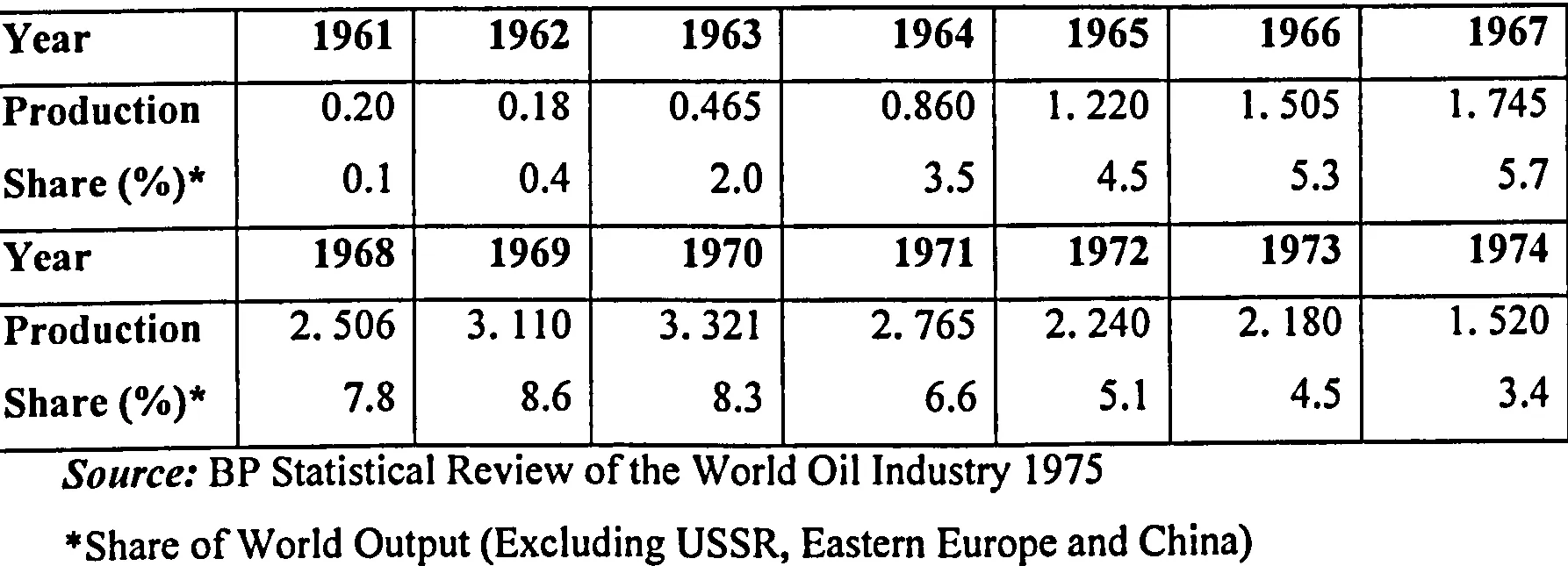
Table 4.1 Libyan Oil Production (1961-1974)
... 70
Table 4.2 Development of Producing Wells in Libya 1998-2005 ... 71
Table 4.3 Libya Proven Crude Oil Reserves (1990-2005)
... 75
Table 4.4 Value of Exports and Oil Exports (1982-2004) ... 78
Table 4.5 Libyan Crude Oil Exports by Destination (1998-2003)
... 79
Table 4.6 Libyan Oil Output of Refined Products Development (1990-2005)... 83
Table 4.7 Libya's Natural Gas Reserves (1990-2005)
... 85
Table 4.8 Libya Crude Oil Production (1990-2005)
... 88
Table 5.1 Economic Goals in the Third Plan (1973-1975)
... 99
Table 5.2 Structural Change in Gross Product in the Third Plan ... 100
(1973-1975)
... 100
Table 5.3 Structural Change in Economic Activities over the Transformation Plan
(1976-1980)
... 102
Table 5.4 Fixed Capital Formation by Economic Activity in the Social and
Economic Transformation Plan (1976-1980)
... 103
Table 5.5 Population and Workforce in the Social and Economic Transformation
Plan (1976-1980)
... 104
Table 5.6 Transformation Budget Appropriations by Sector (1986-2000)... 107
Table 5.7 Transformation Budget Appropriations by Sectors (1986-2000)
... 108
Table 5.8 Economic Activities' Contribution to GDP, (1986-1994)
... 110
Table 5.9 Economic Activities' Contribution to GDP (1996-2003)
... 111
LIST OF FIGURES
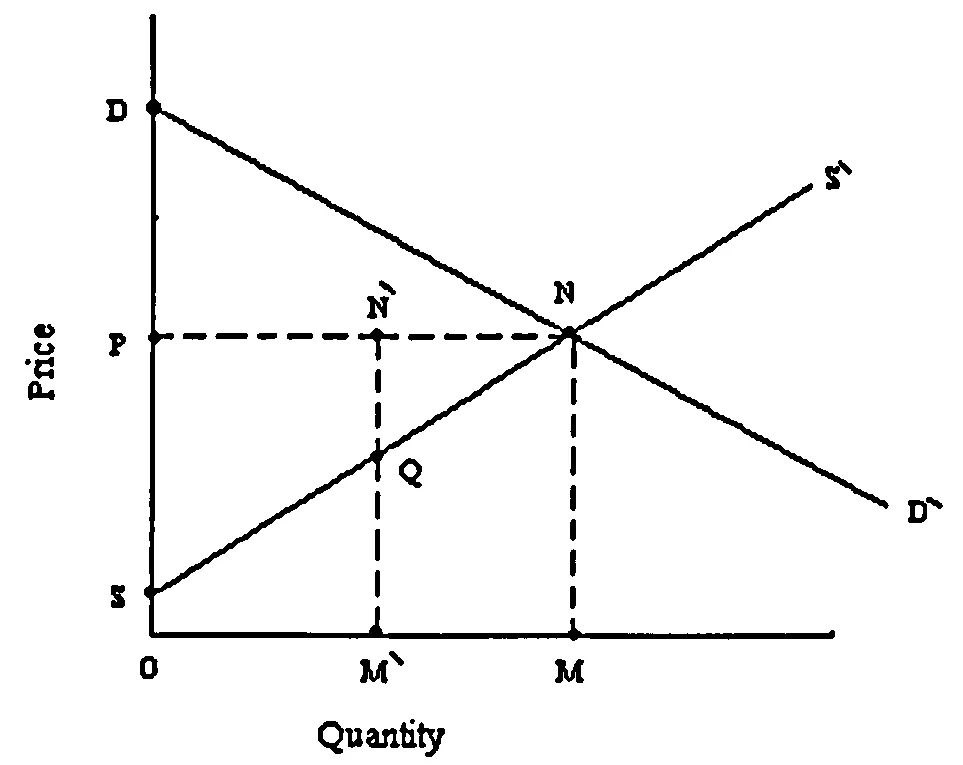
Fig 2.1 Economic Rent and Consumer Surplus ... 29
Fig 3.1 Libyan Proven Crude Oil Reserves (1997-2005)
... 54
Fig 4.1 Libyan Oil Daily Average Production (1961-2005)
... 69
Fig 5.1 Attributes of Development Planning ... 116
Fig 5.2 Shows the Relation between Oil Revenue and Economic Growth... 148
Fig 6.1 Venezuela Oil Productions (1994-2005)
... 161
Fig 6.2 Venezuela's Proven Natural Gas Reserve
... 162
Fig 6.3 Venezuela's GDP at Current Market Prices (1994-2005) ... 165
ACKNOWLEDGEMENT
First, I would like to express my deepest thank to my supervisor, Professor Les Ruddock for his continuous support in the PhD programme. Les was always there to listen and give advice. He taught me how to ask questions and express ideas. He
showed me different ways to approach a research problem and the need to be persistent
to accomplish my goal. Also, I highly appreciated his suggestions, advice and the
motivation he provided me with, his interest in my topic and his valuable discussions,
sharing his ideas and thoughts with me and for their influence on my idea throughout
my academic research at Salford University. Without his encouragement and constant
guidance, I could not have finished this dissertation.
Besides, my supervisor, I would like to thank the rest of my committee for (the hard and
valuables questions).
Let me also say "thank you" to the following people at Salford University: Professor
Ghassan Aouad (Dean) for having confidence in me for supporting my research. Dr
Dilanthi Amaratunga for helping me, at any time, and solving all problems concerning
my PhD.
Finally, a special thanks and appreciation is dedicated to my family, especially to my
parents: my father Ahmed and my stepmother Khiria for their care and endless support,
giving me life in the first place, educating me and for unconditional support and
encouragement to pursue my interests, even when those interests went beyond the
boundaries of language. Also, dear wife Naziha for sharing her ideas and concepts of
the endeavour of writing a dissertation with me, listening to my complaints and
frustrations and giving valuable advice and help, and to my children for their extended
support and patience. Last but no means least, to all my friends, for their continuous
support during my study.
ABSTRACT
The Libyan economy relies heavily on increasing oil revenues, which may deteriorate
with a future oil price decline. The Libyan economy performed as well as resource poor
countries over the past few decades.
The oil booms of 1973 and 1979 brought unprecedented income to Libya but, despite
the substantial oil revenues, much of the potential benefit of the windfall has been
dissipated. Libya relies heavily on oil receipts, the price of which tends to fluctuate
widely in the international market. Also, the Libyan economy is dominated by
hydrocarbons and the public sector. Sizeable oil wealth has supported a decent living
standard for Libya's population, and socio-economic development compares favourably
with standards in other Middle Eastern and North African countries. Libya has the
potential to raise oil production and revenues significantly in coming years, given its
large reserve. The reliance of public finance on a single sector means that shocks
threaten the economy's fiscal balance and stability. Libya has over-consumed in
response to windfalls from surges in world prices. Libyan government spending has
outstripped the gain in revenues. These sharp increases in government spending are
difficult to reverse when the boom ends and often lead to large fiscal deficits rather than
surplus.
However, the main challenge for Libya is to promote growth of the non-oil sector and
spur diversification of its economy. Non-hydrocarbon GDP growth has been weak and
oil revenue volatility has been transmitted to non-hydrocarbon GDP. Weak non-oil
GDP growth reflects both insufficient private investment and low productivity of capital
importing efficiency. Productivity growth is a precondition for faster growth and greater
investment effort. Strong productivity growth is also a prerequisite for competitive diversification out of hydrocarbon. Projected high oil revenue will provide the finance for growth but will not necessarily spur sustained growth in the non-oil sector. Over-
optimistic predictions of future oil revenues are shown to have seriously adverse
consequences, particularly if the non-oil economy adjusts to falling demand through
underdevelopment and capital flight is provoked.
Policy options for protecting the economy from volatility in oil revenues, without
eliminating the benefits from rising prices include the formation of a stabilization fund
and hedging strategies in the international markets. The stabilization fund would smooth
consumption and reduce the costs associated with volatile spending. Libya needs sound
economic management and to address the problems associated with oil windfalls. Market processes are required to help allocate public resources, and governments and
others responsible must take account of risk and uncertainty when selecting projects,
and formulating plans for development. Consequently, there is a macroeconomic need
to diversify the economy to avoid the pitfalls which so often plague developing
countries with vast natural resources.
The decisions concerning public investment in a social economic infrastructure would be better if unconnected to the presence of hydrocarbon windfalls. To speed up non-oil
growth and job creation, the oil windfalls should be used strategically, with the aim of
facilitating the transition to a competitive, market-led economy. Over the long-term, the intermediation of hydrocarbon windfalls through the household and business sectors
might produce superior long-term growth, but it should go in tandem with considerable
strengthening of the investment climate. Enhancing the quality of Libya's human
resources will also be essential to improve productivity and diversify out of oil -
especially into services - and compete in the global economy. Improving the quality of
governance deserves particular attention, because it underlies the development reform
agenda. Libya would probably have seen a larger benefit from its windfalls had it saved
a higher proportion abroad and limited domestic investment through applying market
criteria more rigorously.
Quite clearly, good fiscal control of periodic boom episodes enables the boom to
temporarily accelerate the rate of economic development. In addition, such questions as
the magnitude of the windfalls, how Libya has used them and their impact on non-oil a
sector have been addressed in this research.
The adoption of sound economic policies and the good management of oil windfall
gains will allow Libya to continuously manage growth and become one of the greatest
success stories of all developing countries.
LIST OF ABBREVIATIONS
Agoco Arabian Gulf Oil Company
API American Petroleum Institute
BP British Petroleum
CBV Central Bank of Venezuela
ENI Ente Nazionale Idrocarburi
EPSA Exploration and Production Sharing Agreements
GDP Gross Domestic Product
HEM Hexane Extractable Material
IMF International Monetary Fund
LCB Libyan Central Bank
MB/D Million Barrel a Day
NAME
North African and Middle East
NIGC National Iranian Gas Company
NIR Net International Reserves
NOC National Oil Company
OECD Organization for Economic Co-operation and Development
OPEC Organization of Petroleum Exporting Countries
PPP Purchasing Power Parity
PDVSA Pteroleos de Venezuela Socialed Anonima
PVC Poly Vinyl Chloride
UAE United Arab Emirates
UN
United Nations
USA
United States
of America
VIF Venezuela International Fund
YPF Yacimientos Petrolitoros Fiscales
General Introduction Chapter One
CHAPTER ONE: GENERAL INTRODUCTION
1.1 Background
The sizeable oil wealth has supported decent living standards for Libya's population.
Libya ranks ahead of several other oil-producing countries in terms of per capita GDP
adjusted for differences in purchasing power parity (PPP) to GDP and, reflecting a
swing in oil revenues, per capita PPP GDP hovered around US$ 9,269 on average
during 1990-2000 reaching US$ US$ 9,965 in 2004. Despite frozen wages, living
standards have been supported through an extensive social safety net with the provision
of free housing education and health care, subsidized food and utility prices and
sizeable energy subsidies.
Oil wealth creates major opportunities, especially in developing countries. The
government, including parliament, plays an important role in managing these windfalls.
At what pace should the oil be extracted? How should the proceeds be spent and used?
Which investments will address the country's development needs? The decisions made
on such issues can have a long-lasting impact and can affect the well-being of today's as
well as future generations in a society.
Libya has a substantial endowment of oil and gas deposits. Oil production in Libya is
projected to increase sharply by the early 2010, and to reach as high a peak as in the
early 1970s' at 3.3 million barrels per day. As Table 1.1 demonstrates, the windfall to
the government of Libya has been substantial. Libya faces the challenging task of
reducing its dependence on short-lived and potentially volatile oil revenue. It is vital to
the country's economic future that the government manage this revenue in a way which
allows the diversification of the economy, in order to ensure a steady increase in the
living standards of the Libyan population. The lack of multi-resource income makes the
economy vulnerable to oil price shocks.
General Introduction Chapter One
Table 1.1 Crude Oil Production in Selected Exporting Countries (1970-2000)
(1,000b/d)
Years 1970 1975 1980 1985 1990 1995 2000
Kuwait 2.989 2.084 1.663 0.936 0.858 2.006 1.996
Libya
Nigeria
Norway
1.083
0.0
1.783
0.280
2.058
0.530
1.498
0.790
1.716
1.716
1.820
2.903
2.053
3.343
Venezuela 3.708 2.346 2.165 1.564 2.135 2.378 2.891
J'uurce: Ol'L(. Annual Statistical Bulletin, (2003)
Typically, the exploitation of oil generates very large and sudden inflows of revenue.
This change alone creates significant challenges fier developing countries, not least
because their administrative systems are often ill-equipped to handle such flows.
Moreover, the uncertainty associated with volatile oil prices adds a layer ol'complexity
that further strains an already over-burdened system. At best, these circumstances
challenge the most able policymaker on how to handle the new Ibund wealth. The largest drawback in oil export is economic. Building and facilitating a natural gas
infrastructure and the adroit use of taxes and incentives can only play a very
constructive. substantive role in a social and economic transformation (Fconomidcs and Oligney, 2000).
Ilydrocarbon deposits may he very generous but the size of the mineral gifts is finite
sooner or later, all the reservoirs that exist on our planet will he discovered. In addition,
if the demand filr fössil fuels remains positive för as long as supplies are forthcoming, full depletion will inevitably occur. On this aSSUnlption, supplies will dry uh at some future date. (Makro, 2003) a date which is yet highly uncertain. Arczki and I'Ioeg
(2007) conclude that the resource-rich countries such as Congo. Nigeria and Venezuela have a weak economic performance and worse than resource poor countries like Asian Tigers.
The challenge of macroeconomic policy in Libya, as an oil exporting country, is to
stabilize budgetary expenditure and sterilize excess revenue inflows in the context of
medium- to long- term sustainahility consideration, and thereby provide an environment
[image:15.2024.203.1909.286.1162.2]General Introduction Chapter One
conducive to growth and overcoming unemployment. In most of the oil-producing
countries, there has been a strong deficit bias and a procyclical fiscal policy has been
driven by oil price development. Furthermore, how the income of hydrocarbon rent investment should be used to get more benefit must be combined. The main argument is to support the urgent need to improve social facilities such as education, health and
infrastructure (Hanneson, 2001).
In most countries that are rich in oil, minerals and other natural resources, economic
growth over the long haul tends to be slower than in other countries that are less
endowed. It is often argued that there is an association between hydrocarbon riches and
poor performance "the resource curse", and a significant body of literature has grown
seeking to explain the, relationship between resource abundance and economic
performance. A key question in this regard is how a country like Libya can avoid the
resource curse and turn their abundance in resources into a blessing. This question is
relevant for a large number of countries. In addition to the possible adverse impact on
growth, resource riches can be a major contributor to corruption and social unrest. In a
number of countries, oil, gases (and diamonds) are associated with causing and
financing civil war with its attendant social and economic costs (Collier, 1999).
While a completely satisfactory explanation for this particular type of "resource curse"
is not available, the potential costs are well documented. In contrast, a range of
countries (including USA, Norway, and Botswana) appear to have avoided these
problems through prudent and transparent management practices.
The macroeconomics of oil exporting countries face challenges arising from three
characteristics
of oil revenue;
(i) Oil revenue is more volatile than revenue from other export commodities
because
of international
market conditions,
(ii) Oil revenue is a foreign exchange inflow, and its use can have large effects
on macroeconomic stability and economic structure, and
(iii) Oil is an exhaustible resource with a finite revenue stream.
For the most part, direct participation by the oil sector in industrial projects has been limited. Instead, the government has been satisfied with providing an infrastructure
capable of attracting private and foreign government participation in investment. The
General Introduction Chapter One
impact of oil on the fortunes of local states shows both remarkable similarities and
subtle but important variations, which tell us a great deal about their respective state-
building experiences. Oil-revenues in Libya became part of a larger, diversified, and
productive economy. This led to distortions and other ills associated with hydrocarbon
booms. However, such impacts remained tempered by the boom's contribution to over-
all development. Where oil represented the exclusive income of the local revenue
government, its impact on state-building, growth and development was more powerful
(Vandewalle, 1998).
Few countries in the gulf that have been heavily dependent on the oil sector succeeded
in managing their oil wealth in a manner that allowed for the simultaneous development
of the boom-oil sector. Norway and Alaska are frequently cited as exceptions to this
rule. The fact that Norway was already developed and had a diversified industrial
economy base, with a long-tradition of democracy, a market-oriented economy,
significant and varied non-energy exports, solid and mature institutions, may largely
explain its success.
In brief, the discovery and exploration of oil has been and remains, the most dominant
sector in the developing Libyan economy, especially for providing the financial surplus
to fund the socio-economic development plans. The petroleum revenues have touched
every aspect of the Libyan population's life and have resulted in extensive change in all
economic functions of the population and physical resources. The changes, which have
accrued in the economic sectors, are the result of many interrelated factors, but the
dominant factor is government intervention policy which has played a significant role in
the great changes of development in the Libyan economy since 1970. During the
national social-economic development plan 1970-1985, massive funds were allocated
for productive sectors, namely agriculture, industry tourism and infrastructure, which
transformed the country's economy from being traditional dependent on oil revenue to a
modern more diversified economy.
Libya has encountered
the same challenges
as other natural resource based countries,
but their difficulties seem to be accentuated by the peculiar nature of oil markets and oil
production. The main challenges come from the high volatility of oil prices, the enclave
nature of the oil sector, the exhaustibility of oil reserves,
and the high concentration
of
General Introduction Chapter One
revenue flows from the oil sector, which invites rent-seeking behaviour and may lead to
governance problems. In the past, many oil-producing countries have been disappointed
in their expectations that favourable resource endowments would lead to rapid improvements in development process indicators (World Bank, 1995).
It is often argued that there is a link between oil resource riches and poor economic
performance, and a significant body of literature has grown seeking to explain the
relationships between oil abundance and economic performance. Oil production
provides the most dramatic illustration of the problems resource rich developing
countries face. Very large, quickly growing, but time-limited production and revenue
flows combined with weak administration, means that the ownership of such wealth
provides ample scope for inefficient policies. Discretionary behaviour and out-right
corruption, all contribute to poor growth performance and eventual dissipation of
national oil wealth. The combination of resource riches on the one hand, and weak
governance and limited administrative capacity on the other has proven to be disastrous
for many countries. Addressing this weakness, however, will require time and sustained
commitment.
The oil and gas industry has become the most value creating industry in Libya. In 2001,
some 36% of Libya's GDP was from the oil and gas sector. The oil and gas revenue
represented some 68% of total government revenue and the oil and gas industry's share
of total exports were over 95%. The availability presents both an opportunity and a
challenge. The sums involved can have an enormous positive impact on development.
Unfortunately, while there are certainly exceptions, evidence to date suggests that
petroleum revenue often becomes a curse rather than a blessing. Research in this regard
has spawned a rich literature of case studies and theoretical frameworks for analysis of
the rise of this problem. Yet petroleum revenue could, in principle unlock the
constraints of foreign exchange, serving as a development and diversification spur.
Furthermore, fluctuating oil revenues and pro-cyclical fiscal policy increased
government domestic borrowing, resulting in a high debt burden. A typical phenomenon
in Libya has been that, during oil boom years, large expenditure programmes were initiated, but during the subsequent period of lower oil prices and lower government
revenue, these programmes were cut back or postponed. The fiscal deficit records of the
General Introduction Chapter One
late 1980s, and of the early of the 1990s, were financed by recourse to domestic borrowing. The debt-to-GDP ratio increased from about 30% in early 1980 to about 50% during 1999-2000, as a result of the oil price volatility.
In addition to Libya's economic management the focus during the last three decades has been on how to accommodate change in the international oil market. Besides, looking
for other resources as a substitute for oil and gas, to aids economic diversification. In
the past, the choice of individuals and institutions that have managed economic policy,
has resulted in the poor management of oil resources with flow-on effects to the
economy, reflected in the high variability of saving and investment.
For instance, in 2000, Libya received about 98 per cent of its revenue from oil export
and 65% of government revenue from oil-related activities. This dependence on oil
exports has, to a large extent, determined the economic policies implemented and
economic growth in Libya. Forecasts of oil prices are crucial in fiscal projections when
preparing the government budget each year. The issue of oil price uncertainty and its
influence on the Libya economy has been studied extensively.
However, the economic context of Libya underwent a dramatic change with a surge in
oil exports starting in September 1962 and a percentage increase in government oil
revenue that reached its peak in 1970, at 3.3 million barrel a day. The magnitude of this
change was enhanced by the fact that oil revenues, exploration and production rights are
the exclusive right of the state. That is, the government is the owner of oil reserves and
the only recipient of oil revenues and these accounts for over 60% of total government
revenues. The massive influx of monies enabled the government to perform a new
function in the economy that was not possible before the oil discovery, and the oil
sector gradually dominated other traditional economic activities until oil become the
main, if not the only source of national income.
The criterion for assessing the success or failure of Libyan economy development
resides in determining the extent to which the development process is successful in
furthering the diversification goals. Thus, failure of the development process in Libya, despite the priority of several development attempts and the massive financial resources
allocated toward development since the early 1960s, has meant that only modest
progress towards these goals has been achieved. The Libyan economy still lacks the
General Introduction Chapter One
level of diversification that would enable the country to reduce its dependency on the oil
sector.
An International Monetary Fund Survey (2005) stated that.
They "encouraged and supported the authorities to attempt to reassess their one-
sector-at-a-time approach to reform and to seek greater economic diversification. So
far, there are no clear signs and specific plans to guide the country through the
anticipated non-oil future "pp 194.
However, despite the opportunities that oil has conferred, its exploitation has also
exacted high social, political and economic cost. It can only be speculated whether oil
has been blessing or a curse to the Libyan people (Vandewalle, 1996). Despite, its
inability to constrain the growth of government consumption, the government has
managed to increase its investment in infrastructure quite rapidly
Moreover, it is difficult to make the case that a revenue windfall, especially if fairly
sustained, can have a negative overall value since it expands the options available to the
government and therefore to the entire country. Furthermore, certain sectors of the non-
oil economy, especially those producing tradable goods dependent on this sector, will
be adversely affected by the windfall (Galeb, 1988).
Libya faces the difficult task of reducing its dependence on short-lived and potentially
volatile oil revenue. It is vital to the country's economic future that the government
manage this revenue in a way that allows for the diversification of the economy, in
order to ensure a steady increase in the living standards of the Libyan population. This
is essential not only because of the temporary nature of the boom, but also because the
oil sector, while a substantial source of revenue for the country, is not a source of
much employment, with only 11% of the Libyan labour force employed in the sector in
2000, (International Monetary Fund, 2005).
Libya is facing the challenge of economically managing the transition from plan to
market as well as dealing with this oil wealth. Recently, Libya has made great strides on
the path to market reforms and, in doing so, exploiting its windfall and trying to avert
the potential risks of Libya's oil boom.
General Introduction Chapter One
Thorvaldur, (2000) concludes that oil revenues bring risks. One risk is that too many
people become locked in low-skill, oil-resource-based industries, including agriculture,
and thus fail, through no fault of their own, to advance their own or their children's
education and earning power. Another risk is that the authorities and other inhabitants
of resource-rich countries become overconfident and therefore tend to underrate or
overlook the need for good economic policies as well as the need for good education. A
nation that believes that natural capital is their most important asset may develop a false
sense of security and become negligent about the accumulation of human capital.
(Amuzegar, 1990).
An equally high priority should be given to establishing clear policies for the use of hydrocarbon revenues targeting diversification to avoid oil revenue volatility. The need
to preserve the value of finite resource assets and the wise use of proceeds from selling
these assets should be clearly recognized in fiscal policy frameworks. Addressing other
issues is more difficult and progress will necessarily be slower. For instance, there are
high degrees of uncertainty over the value of resources and assets which are associated
with extraction.
It will be necessary, therefore, to establish priorities among practices, both over time
and according to Libya-specific circumstances. A high, immediate priority should be
given to improving the quality of economic diversification related to oil endowment.
The government has benefited from large flows of revenue from the exploitation of
natural resources and needs to address several important issues. First, they need to take
measures to stabilize the budgetary and liquidity impact of revenues which are subject
to high and unpredictable price volatility or other fluctuations. Second, since the
resources are finite, policy should take account of the intergenerational distribution of
income flows as well as the distribution of spending and the immediate social impact of
resource industries. Besides, hydrocarbon resources will dry up sooner or later. Third,
the impact of large inflows of resource revenues on exchange rate developments and the
non-resource tradable sector need to be carefully considered. "Dutch Disease"
(characterized by an appreciating real exchange rate and the associated adverse impact
on the non-resource tradable sector of the economy) is an important issue for oil rich-
countries. A clear policy framework that recognizes all of these oil-related issues is an
General Introduction Chapter One
essential basis for designing an effective and transparent fiscal management plan in oil-
rich countries.
Many countries have established separate funds for resource revenues, purportedly to
tackle some of the above problems. However, the establishment of a resource fund,
while necessary, is not a sufficient condition to address these problems adequately
(Danis et at 2003). It is not necessary because, in principle all of the issues can be
tackled as integral elements of government budget and fiscal policy.
Also, oil funds usually a sort out a number of problems and is recommended as a
necessary contribution to resource revenues diversification. However, a number of
countries have set up funds, purportedly to help protect the revenues, and subsequently
to protect the government budget and economy from the volatility of revenue flows and
to save for future generations, or for other purposes (e. g. development funds).
1.2 Research Focus
This study attempts to examine and evaluate the experience of the Libyan economy and
its performance during the crucial 1970-2000 period within the framework of major hypotheses regarding the dynamics of economic development in an oil-based economy.
Several fundamental questions are raised: How did the Libyan authorities allocate their
oil windfalls among competing needs? What strategies and policies did they pursue in
optimising returns on their fortunes during the oil boom, and controlling the damage
during the oil bust? Moreover, to what extent did this allocation and strategy help them
to achieve their state or implied rational socioeconomic agenda?
A wish to explore at least some of these answers underlies this study. Any examination
of the nature and evolution of the Libyan economy on society needs is argued to be
rooted in a consideration of a number of broader issues such as development
sustainability, resource conservation, employment opportunities, the provision of social
welfare benefits and political stability. In addition, the specific organisation and focus
of national development plans themselves are also significant issues.
Also, this study aims to explore the problems and issues which accompany oil windfalls
and set up the best solution for such problems.
General Introduction Chapter One
To enhance non-resource based growth and overall domestic economic development,
the likely outcome is that looser in short run, but growth enhancing, fiscal policy will be
sustainable, while government unproductive policies will not, and a behavioural
reaction function of the government could be introduced to look at what constitute both
sustainable and optimal policies in the face of volatile world commodity prices. (Nigel,
1998).
1.3
Layout of the Thesis
Chapter Two concentrates on the literature review. Chapter Three investigates the
research " methodology. Chapter Four focuses on oil industry development. The
achievement which has been attained so far and how to get more benefit from this sector
by further investment and significant contribution to the GPD in addition to more
emphasis on the role of oil revenue development is considered. Chapter Five will
concentrate on the development process dilemma and diversification problem and looks
at overcoming the obstacles which faced Libya including the most recent developments
in the oil industry over the chosen time period. How can Libya divert this windfall from
a curse to a blessing through economic diversification from dependence on a single
resource? There is emphasis on the interview analysis with Libyan policy-makers, their
views in respect of Libyan economic development and how they can benefit from the
windfalls. Chapter Six shows the Venezuelan experience of how they dealt with such
wealth in the past. Chapter Seven look at findings and recommendations. Finally,
Chapter Eight is the conclusion.
1.4 Historical Background
The Libya population grew 4 389,700 in 1995 to 5 021,400 in 2000. The rate of
increase in 1997 was 6.5% as Table 1.2 demonstrates. The highest rate of increase in the
Libyan population over this 5 years period was concentrated in urban areas (more than 80%) and most of the population were living in cities and working in business,
administration, trade and tourism. (Information and Documentation Corporation, 2003)
The 1950s, Libya was characterized by great poverty. Minimal economic development
was made possible only by the payment and loans received from various Western
nations (see map) Appendix A.
General Introduction Chapter One
The economic underdevelopment resulted from a scarcity of political and economic
resources. In 1955, petroleum was discovered in the country and by the early 1960's
Table 1.2 Libyan Population (1995-2000)
Year Population
(. 000)
Population rate increase (%)
Libyan Non-Libyan Total Libyan Non-Libyan Total
1995 4389.7 409.3 4799.0 2.7 -31.8 -1.5
1996 4 519.4 500.1 5 019.5 3.0 22.2 4.6
1997 4 647.5 700.0 5 347.5 2.8 39.9 6.5
1998 4768.8 405.4 5 174.2 2.6 -42.1 -3.2
1999 4 895.1 405.4 5 300.5 2.8 4.0 2.9
2000 5 021.4 405.4 5 426.8 4.5 4.0 4.5
Source: General Planning Council, 2UU2
Libya was taking in growing revenues from the exploitation of that resource. In 1953,
Anglo-Libyan and American-Libyan treaties were concluded that allowed Britain and
the United States of America to establish military bases in Libya in return for economic
subsidies. This was terminated by Libya in 1964. British and American troops were
withdrawn in early 1970.
At the time of independence, the Libyan economy was based on agriculture, which was
divided unevenly between tree crops and livestock products. Agriculture provided raw
materials for much of the country's industrial sector, exports, and trade. It employed
more than 70% of the labour force and contributed about 30% of the GDP, dependent
on climatic conditions.
For the most part, agricultural resources were limited to two comparatively narrow
stretches along the Mediterranean Sea and a few desert oases. The cropland had been
maltreated, and the pasture had been overgrazed. Erosion was common, production
methods were primitive, and close to a quarter of the agriculture area was held on a
[image:24.2024.207.1869.610.1420.2]General Introduction Chapter One
usually, it was scarce and ill-timed. When the rain did come, however, it was likely to
be excessive. Groundwater was in short supply in the agricultural areas. In some
locations it had been excessively drawn upon and so had become brackish or saline and
was no longer suitable, even for agriculture. Because the country has no perennial
rivers, there is only limited potential for irrigation and even less for hydroelectric
power.
At the time of independence, the apparently abundant subterranean water supplies
located in the lower Sahara had not been discovered. Even if officials had known about
the water, its presence, while encouraging, would not have been very helpful in the
short-term due to lack of development funds, inadequate transport and storage facilities.
In 1986, although agriculture contributed a very small share to the GDP, it still provided
employment opportunities for a large portion of the population and was, therefore, still
important. Shortage of water was the main drawback to the expansion of cultivable
land, but reclamation and irrigation schemes and the introduction of modern farming
techniques held promise for the future.
1.5
The Structure of the Economy
The Libyan economy is dominated by hydrocarbon. At the time of independence
(1951), the Libyan economy was based mainly on agriculture, which employed more
than 70% of the labour force and contributed about 30% of the GDP. Before the
discovery of oil and gas, Libyan was one of the poorest countries in the world.
However, by 1961, substantial qualities of oil had been discovered and greatly
supported the country's social and economic development. Thus, with a population
close to 5.5 million, Libya had an estimated per capita income of US$ 6,800 in 2005.
The share of the hydrocarbon sector has been constantly increasingly, and represented
an estimated 70% of GDP at 2005. Oil also represented 93% of government revenues
and 95% of export earnings. However, the share of oil in the economy has been on a
slightly declining trend during the 1990s before rising to 32% in 2004. Libya appears as
one of the less diversified oil-producing economies in the world.
The services sector is the second most important economic activity. The contribution of
services to GDP declined from 46% during 1990-99 to 10% in 2005, reflecting the
General Introduction Chanter One
soaring price of oil. However, output in services grew faster than total GDP, so that the
share of services reached 46% of GDP in 2005 from about 40% in the early of 1990s.
Despite this increase, the contribution of services to GDP remains below the average in
upper middle-income countries (53.8%). Construction and manufacturing each
contribute around 7% to GDP, a share that has remained largely constant overtime. At
9% of GDP, the Libyan agricultural sector contributes to the GDP around 8% more than
the average of upper middle-income countries.
The Public sector dominated activities. In the most radical of the measures, all private
property rights were eliminated in March 1978. In later years, most private trading,
retail and wholesale, was abolished. The only type of private sector activity that the
government did not actively seek to eliminate was small service-producing firms
(mostly self employed), which were not viewed as inherently exploitative. The central
bank's credit policy was confirmed to supporting the government's effort. It limited
credit to the private sector and directed it instead to state entities. As a result of the
severe repression of private business activity, a large number of Libyan manager and
skilled workers left the country. However, private investment and ownership were
encouraged in agriculture, even for foreigners.
The last phase of the socialist period was characterised by an intensive effort to build
industrial capacity targeting diversified processes. But failing world oil prices in the
early 1980s dramatically reduced government revenues and caused a serious decline in
the economic activity. The decline in oil prices during the 1980s reduced Libya's
advantage in terms of energy costs and greatly reduced the supply of foreign exchange.
Whereas in the late 1970s, it may have been possible both to import industrial raw
materials and subsidise food imports, by 1987 it was becoming increasingly clear that
foreign exchange earnings was causing a rehabilitation of private sector activity. Beginning in 1988, Libya took some steps towards liberalisation with a greater scope
allowed to private enterprise in the trade, small scale industries and agricultural
business. In September 1992, a privatization law was passed, but this initiative had no impact on the structure of the economy.
General Introduction Chapter One
1.6
Libya before Oil Discovery
At the time of independence, Libya possessed few minerals in quantities sufficient for
commercial use, although iron ore was subsequently found in the Wade ash Shati in the
south-central part the country. In turn, because of the absence of coal and hydroelectric
power, the country had little energy potential. In the modern sense, Libya had
practically no industry and, given the limitation of the agricultural sector, could produce
few exports to be exchanged for the import commodities the country needed.
At independence, illiteracy was widespread, the level of skill was low and technical and
management expertise and organization were at a premium (the lack of sufficient
numbers of skilled Libyans in the labour force remained a problem in the 1970's.
Despite large sums of money having been spent on training Libyans, the government
still relied on foreign workers). A large part of national life was lived under nomadic or
semi-nomadic, rather than settled, conditions and the high birth-rate added to the
country's poverty. The rapid population increase strained the agricultural economy and
resulted in the drift of excess unskilled labourers to urban centres, but these centres, also
lacked sufficient adequately-paid employment.
In term of resources, including human resources, the outlook at independence was
bleak. Throughout the 1950s, and the early 1960s, international and other foreign
agencies, mainly the United States, Britain and Italy, continued to finance the gap
between Libya's needs and its domestic resources. The foreign community was not in a
position however, to undertake an across-the-board and sustained development
programme to set the economy on a course of immediate self-sufficiency. During much
of the 1950's, the country's administrative apparatus was unable to utilise all the
resources made available from a broad.
1.7
The First Oil Boom
During the decade after the petroleum discovery, Libya became a classic example of the
dual economy, in which two separate economies (petroleum and non petroleum)
operated side by side. For practical purposes, no connection existed between them,
except that the petroleum companies employed limited quantities of local labour and
Genera! Introduction Chapter One
paid a portion of their profits to the government in royalties and taxes. The financing
and decisions affecting the activities of the petroleum economy came not from the
domestic non-petroleum economy but rather from outside the country. Although this
sharp dichotomy was in the process of relaxation, especially after 1967, it appears not to
have been attacked conceptually, at least not with fervour, until after the 1969 change of
government.
Crude oil production has benefited from dramatic changes which have happened all
over the world, such as the Iranian revolution and the Arab-Israeli conflict (Khan,
1994).
In 1981, when oil prices started to fall and the worldwide oil market entered a period of
glut, the present phase of independent Libyan economic history began. The decline in
oil prices has had a tremendous effect on the Libyan economy. By 1985, Libyan oil
revenues had fallen to their lowest level since the first organization of petroleum
exporting countries (OPEC) price shock in 1973. This fall in oil revenues, which
constituted over 57% of the total GDP in 1980 and from which, the government had
derived over 80% of its revenue in some years, caused a sharp contraction in the Libyan
economy. Real GDP fell by 14% between 1980 and 1981 and continued to decline in
late 1986. The negative trend in real GDP growth was not expected to reverse itself in
the late 1980s. The increasing importance of oil in the world economy and the
arbitrariness of geology in concentrating the world's most prolific reservoirs in a
handful of third world countries, made the overwhelming and long-lasting success of
the landlord-state possible (Mommer, 1998).
The decline in real GDP placed a great strain on government spending, reducing the level of imported goods available in the Libyan market and increasing Libya's debt
repayment problems, all of which combined to create lower living standards. The
decline in oil revenues, as of 1986, also caused the Libyan government to revise its
somewhat haphazard way of making economic policy decisions, because it no longer
possessed the financial resources to achieve its many goals. Thus, during the early and
mid 1980s, development projects were subjected to a more rigorous cost and benefit
analysis than during the easy money time of the 1970's.
General Introduction Chapter One
In regard to Libyan economic plans, Libya's five-year economic and social transportation plan (1976-1980), announced in 1975, was programmed to pump US$ 20 billion into the development of a broad range of economic activities that would continue to provide income after Libya's petroleum reserves had been exhausted. Agriculture
received the largest share of aid in an effort to make Libya self-sufficient in food and to help keep the rural population on their land. Industry, of which there was little before
the revolution, also received a significant amount of funding in the first development
plan as well as in the second, launched in 1981.
In respect of extraction, oil exploration began in 1955. The first well began in 1956 in
western Fezzan and the first oil was struck in 1957. Esso (subsequently Exxon) made
the first commercial strike in 1959, just as several firms were planning to give up
exploration. The first oil flowed by pipeline from an Esso concession at Zalten to its
export facilities at Marsa al Buraygah in 1961. Since the early 1960s, the petroleum industry has increasingly dominated the whole economy, although in 1984 it provided direct employment for fewer the 20,000 Libyans. The development of the oil industry
was remarkable in terms of its rapid proliferation. Libyan crude oil, while having rather
a high wax content, is lighter and easier to handle than crude from most other petroleum
areas. It also has a low sulphur content, which makes it easier on internal combustion
engines and contributes les pollution than other crude. For this reason, Libyan crude had
a receptive market in Europe from the start.
1.8
Conclusion
Despite substantial oil wealth, which is a gift from God, dealing with these revenues
represents a challenge and difficult for task the Libyan authorities. In the mean-time
(the wealth created or become a companion) to problems such as rent-seeking "Dutch disease" and corruption. On the other hand, oil prices have seen a dramatic change and
more volatility then any other commodity and cannot be predicted even in the short-
time. This puts pressure on the government and in some cases more schemes were cut
as a result of the falling prices. Nevertheless, although a large amount of money was
spent on development plans, the consequences were still modest. In the long-term, what
should the government do to overcome such problems? Some solutions will be
General Introduction Chapter One
suggested. Other countries' experiences will be reviewed, particularly the successful
experiences.
Literature Review Chapter Two
CHAPTER TWO: LITERATURE REVIEW
2.1
Introduction
The hydrocarbon impact on an oil economy has been tackled by many economists
over the years and demonstrates that oil and gas revenues have many benefits, if the
countries have utilised them successfully. However, many of these countries have
found out that these windfalls, based on exhaustible resources, become more a curse
than a blessing particularly in the developing countries, which have suffered from a
poor institutional system, and this is of great interest to some economists. In addition,
many researchers, have found that there is a relationship between resources and rent
seeking, particularly when the country depends heavily on these resources and is
perceived as lacking in political maturity. In contrast, a few countries have a good
performance record in dealing with this windfall, particularly in Western Europe and
North America (such as Norway, and Canada) and also Indonesia and Botswana.
This windfall has provided a good opportunity for those countries to improve their
economic performance and the standard of living for their people.
2.2 Other Countries Experiences in Dealing with Oil
Windfalls
According to Okogu (2003), perhaps the most important challenge oil-producing
countries encounter, is how to deal with, manage and use their oil wealth, taking into
account its exhaustible character and with due attention to intergeneration equity,
given their dependency on a depleting natural resource. This essentially needs sound
fiscal policy that ensures the preservation of the oil wealth's value. In addition, Thorvaldur (2000) concludes that natural resource abundance tends to release forces
that undermine sound economic management and this challenge means that the
authorities need to put in place countervailing stabilizing mechanisms. Economic
stabilisation is especially important in resource-rich economies.
Eifert et al (2003) state that the economic achievement record of mineral-exporting
countries has generally been disappointing. Oil exporters, in particular, have not
Literature Review Chapter Two
done as well as resource-poor countries over the past few decades, especially when
one considers the big revenue gains to the oil-exporting countries since 1973, when
oil prices soared. Perhaps it is because of the way oil economies are run. Managing
oil wealth is much the same as managing any budget well, but some issues are more
important for oil-exporters. These include how much to save for future generations, how to achieve economic stability in the face of uncertainty and avoid boom-bust
cycles, and how to ensure that spending is of high quality, whether in the form of
large investment projects, public consumption and saving, or subsidies.
Barnett and Ossowski (2003) pointed out oil-producing countries face special
challenges in managing their economies, not just, because oil prices and revenues are
highly volatile and hard to predict but also because they must plan for the time when
the oil runs out. The uncertainty of oil revenues has a number of implications for
both short and long-term fiscal policy, while the fact that oil is a non-renewable form
of energy raises complex issues of sustainability, intergenerational equity and
resource allocation.
Subramaninan (2004) highlights that it is well documented that most countries do not
benefit from their oil and gas endowment, largely because of poor economic
management. Nigeria falls squarely into this category. Between 1970 and 2000, the
country's poverty rate, measured by the share of the population subsisting on less
than US$1 a day increased from close to 36% to just under 70%. This trend translates
an imbalance in the number of poor, increasing from about 19 million in the 1970 to
90 million in 2000. Sala-I-Martin (2003) illustrated, based on cross-country evidence
he found, that the natural resource curse is evident in most countries with oil or
minerals, and this causes a depression in long-term growth, but countries that are rich
in other natural resources, such as agricultural products and commodities, are not
subject to the curse. Also, and more important, the curse works by demolishing
domestic, economic and political institutions. The presence of oil or minerals gives
rise to rent seeking and corruption, which adversely affect the climate for investment
and growth.
Katz and Bartsch (2003) noted that policy in oil-exporting countries faces challenges
arising from three features of oil revenue. Firstly, oil revenue is more changeable
than revenue from other export commodities (largely due to rapidly fluctuating
Literature Review Chapter Two
international market conditions and the high fixed costs involved in exploration and
production). Secondly, oil revenue is a foreign effect on macroeconomic stability.
Finally, the development of the oil sector can lead to an appreciation in the country's
real exchange rate, making its non-oil exports less competitive, which in turn, results
in a decrease in the output of the non-oil export sector an effect termed "Dutch disease". However, oil revenue is an exhaustible resource with a bounded revenue
stream. It is no surprise therefore; that the Nigerian economy has performed poorly
since 1973, far worse than it did before oil became a major factor in the economic
equation, with the living standard of Nigerians worse than in it was 1960. These
same reasons clarify the low investment in education, which, in Nigeria, has resulted
in an erosion of national competitiveness in the age of the "knowledge worker".
"Given a good example like Botswana who manages wealth well and who
chose to act with wisdom, we can profit by learning from Botswana. It is
better to get wise late than never. It we do not learn from them, just as we
can from South Korea, Singapore and Malaysia, poverty may apply for a
resident permit and confront those who say that God is a Nigerian
"(Utomi, 2003) pp 34
Furthermore, many economies that have very large oil, gas or mineral endowments
still have very high poverty levels. Some of the economies in the world that should
have had enough income to provide a comfortable living for their entire population
for many years find themselves in dire economic straits and abuse their resources.
Fiscal policy is clearly the key. We should at least be able to determine the real
exchange rate fluctuation, rent-seeking corruption and of course, the general over-
expansion of the public sector (Devlin and Lewin, 2002).
Fasano and Iqbal (2003) pointed out, that the windfall was accompanied with
challenges, which started to emerge once oil was discovered. The rapidly increasing
domestic labour force calls for a sustained drop in GDP, investment in human
capital, and institution reforms. At the same time, reduction in vulnerability to
volatile oil receipts requires a prudent fiscal policy and enhances structural reform to
stimulate diversification. In addition, Varangis et al, (1996) propose that one way to
manage oil price shocks is to create a stabilization fund, not to support or stabilize oil