ScholarWorks @ Georgia State University
ScholarWorks @ Georgia State University
Communication Theses Department of Communication
Summer 8-30-2010
Framing Autism Causes and Prevelance: A Content Analysis of
Framing Autism Causes and Prevelance: A Content Analysis of
Television Evening News Coverage--1994 Through April 2010
Television Evening News Coverage--1994 Through April 2010
Angela S. Colson
Georgia State University
Follow this and additional works at: https://scholarworks.gsu.edu/communication_theses
Part of the Communication Commons
Recommended Citation Recommended Citation
Colson, Angela S., "Framing Autism Causes and Prevelance: A Content Analysis of Television Evening News Coverage--1994 Through April 2010." Thesis, Georgia State University, 2010.
https://scholarworks.gsu.edu/communication_theses/65
This Thesis is brought to you for free and open access by the Department of Communication at ScholarWorks @ Georgia State University. It has been accepted for inclusion in Communication Theses by an authorized
A CONTENT ANALYSIS OF TELEVISION EVENING NEWS COVERAGE—
1994 THROUGH APRIL 2010
by
ANGELA S. COLSON
Under the Direction of Dr. Holley Wilkin
ABSTRACT
Autism has been declared an urgent public health concern by the U.S. government and an
epidemic by some advocacy groups. Determining autism’s diagnostic criteria, prevalence, and
causes have been challenging. It is important to examine how the U.S. media have contributed to
the public’s understanding of autism. Previous research found that British media coverage of the
theory that vaccines cause autism was shown to contribute to the decline of vaccination rates in
Britain (Lewis & Speers, 2003). This study examined U.S. television news media coverage using
an agenda-setting theory and media framing perspective. A content analysis was conducted of
national television evening news broadcasts airing on ABC, CBS, and NBC from 1994, when
autism was first recognized as a spectrum disorder through April 2010, the time of this study.
Specifically, this study examined the saliency of autism stories and how autism was framed in
terms of prevalence and causes.
A CONTENT ANALYSIS OF TELEVISION EVENING NEWS COVERAGE—
1994 THROUGH APRIL 2010
by
ANGELA S. COLSON
A Thesis Submitted in Partial Fulfillment of Requirements for the Degree of
Master of Arts
in the College of Arts and Sciences
Georgia State University
Copyright by Angela Suzanne Colson
A CONTENT ANALYSIS OF TELEVISION EVENING NEWS COVERAGE—
1994 THROUGH APRIL 2010
By
ANGELA S. COLSON
Committee Chair: Dr. Holley Wilkin
Committee: Dr. Cynthia Hoffner
Dr. Svetlana Kulikova
Electronic Version Approved:
Office of Graduate Studies
College of Arts and Sciences
Georgia State University
ACKNOWLEDGEMENTS
I would like to offer a special note of thanks to my thesis advisor, Dr. Holley Wilkin.
Words cannot express how grateful I am for her patience, persistence, and encouraging words
throughout this process. I would also like to thank Dr. Cynthia Hoffner for her interest in my
topic as well as her thorough review and thoughtful comments. Thanks to Dr. Svetlana Kulikova
for helping me understand the best method for answering my research questions in her course.
I’m grateful to all of you for serving on my committee. Many thanks to Dr. Mary Stuckey for her
TABLE OF CONTENTS
ACKNOWLEDGEMENTS iv
LIST OF TABLES vii
LIST OF FIGURES viii
CHAPTER
1. INTRODUCTION AND BACKGROUND 1
Early Autism Accounts 5
Labeling and Describing Autism 7
Autism: A Distinct Disorder
Autism Prevalence and Rates
Autism Causes and Risk Factors
11
15
22
2 . THEORETICAL FRAMEWORK: AGENDA SETTING AND FRAMING 29
Agenda-Setting 29
Framing and Second-Level Agenda Setting
Mass Media Coverage of Autism
Research Questions
32
35
39
3. METHODS 44
Selection of Broadcast Transcripts 44
Coding Procedure 46
Reliability
Data Analysis
51
52
4. RESULTS 53
Autism Causes and Risk Factors
Autism Prevalence and Rates
Sources
56
60
63
5. DISCUSSION 70
Prominence of Autism-related Stories 70
Autism Causes and Risk Factors
Autism Prevalence and Rates
Sources
Limitations of the Study
Suggestions for Future Research
Conclusion
74
76
78
80
81
82
REFERENCES 84
APPENDIXES
A: CONTENT ANALYSIS CODE BOOK 90
B: CONTENT ANALYSIS CODE SHEET 107
LIST OF TABLES
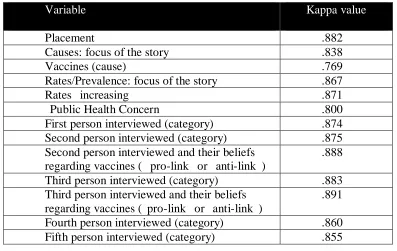
Table 3.1. Intercoder Reliability: Variables and Corresponding kappa values 51
Table 4.1. Frequency of autism-related story by placement in broadcast. 56
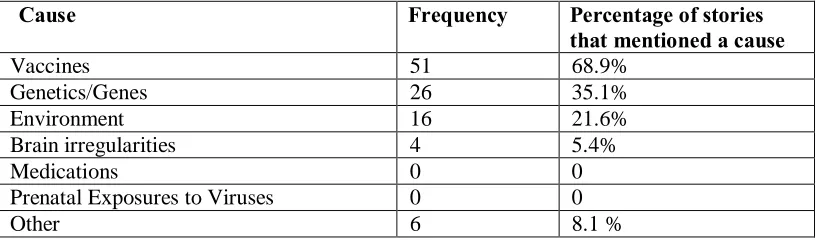
Table 4.2. Frequency that specific causes were identified within stories that identified potential causes of autism.
59
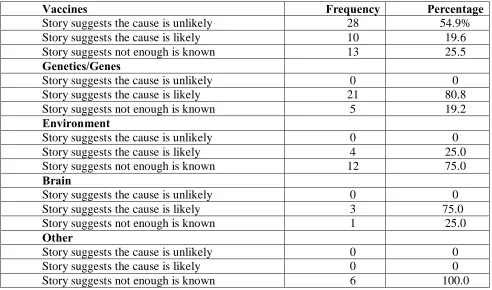
Table 4.3 Frequency that when a cause is included in a story, it is presented as a likely cause, an unlikely cause, or that more information is needed to determine if it is a cause of autism.
LIST OF FIGURES
Figure 4.1. Frequency of autism-related stories by year. 55
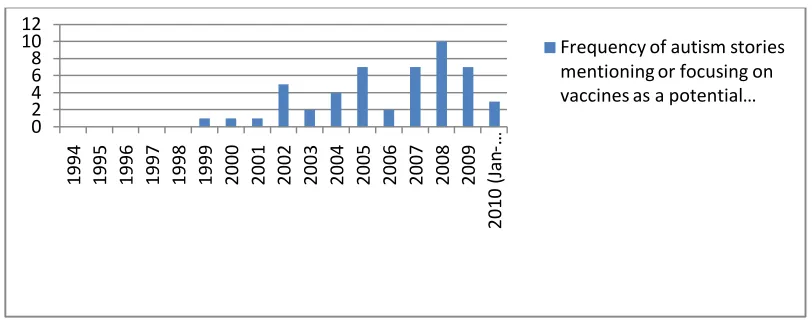
Figure 4.2. Frequency of autism stories mentioning or focusing on vaccines by year.
55
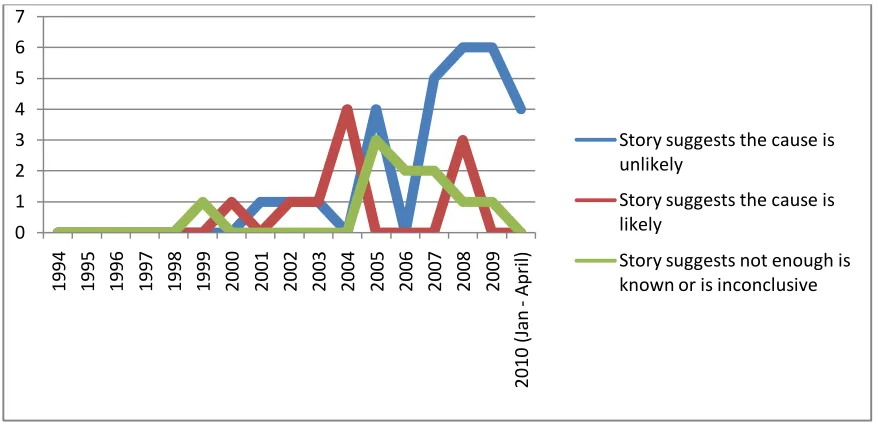
Figure 4.3 Frequency that stories framed vaccines as a likely, unlikely or that not enough is known to determine it as a cause of autism by year.
61
Figure 4.4 Frequency of prevalence, rates of autism included in autism-related stories, per year.
63
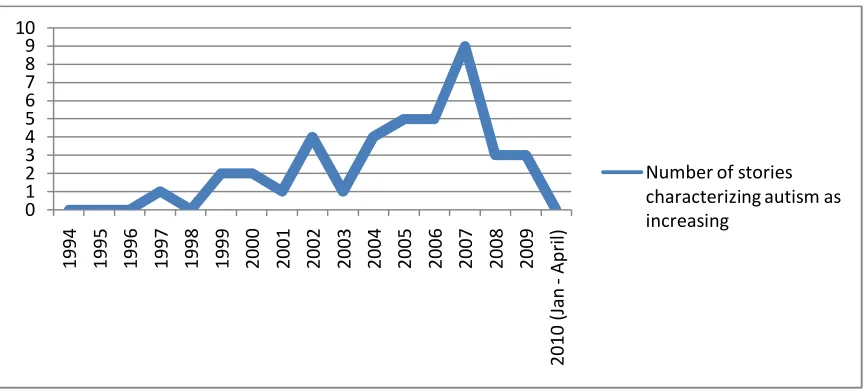
Figure 4.5 Frequency of stories characterizing autism as increasing by year. 63
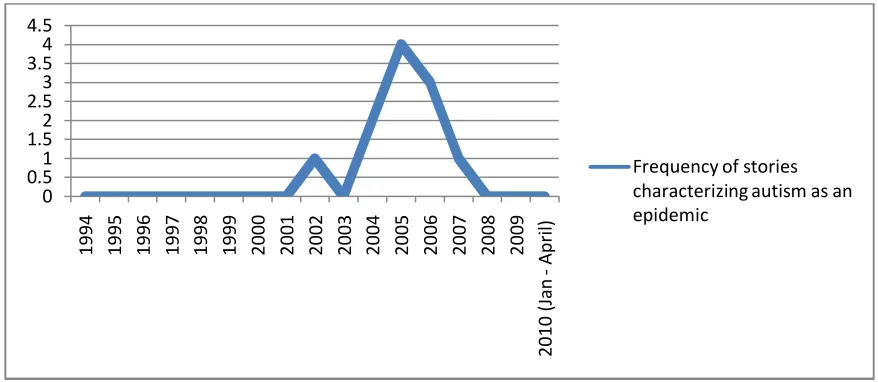
Figure 4.6 Frequency of stories characterizing autism as an epidemic by year. 64
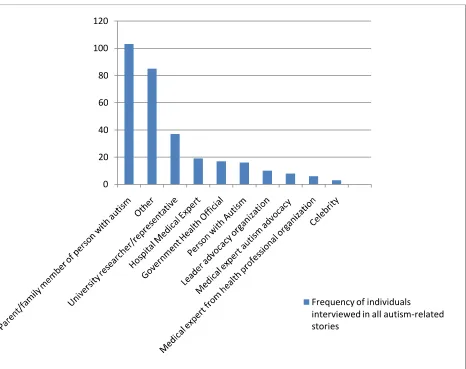
Figure 4.7 Frequency of individuals interviewed in all autism-related stories. 69
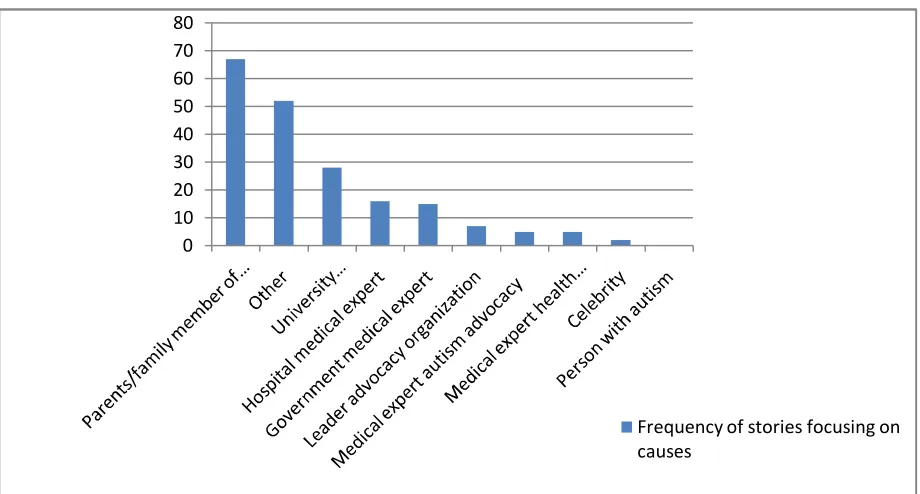
Figure 4.8 Frequency of individuals interviewed about causes. 70
CHAPTER 1
INTRODUCTION AND BACKGROUND
Throughout the evolving understanding of autism, it seems the disorder has always held a
fascination for the public and those who have researched it. Autism or autism spectrum disorders
(ASDs), as many in the scientific community now describe it, are a “group of developmental
disabilities characterized by atypical development in socialization, communication, and behavior.
ASDs typically are apparent before age 3 years, with associated impairments affecting multiple
areas of a person's life” (Centers for Disease Control and Prevention, 2009a, np). It has been said
that very little about autism is ever noncontroversial (Donnellan, 1985) and it is not surprising
that many advocacy groups have adopted a puzzle as the symbol for autism given that
determining the diagnosis criteria, the prevalence, as well as causes and risk factors have proven
to be challenging. Determining the diagnostic criteria has especially been difficult. In fact, the
recognition of autism as a spectrum disorder did not occur until 1994 when the American
Psychiatric Association included Asperger syndrome and other developmental disorders in the
fourth edition of its Diagnostic and Statistical Manual of Mental Disorders (DSM-IV), the
standard by which mental disorders are diagnosed in the United States.
The lack of established diagnostic criteria for autism or ASDs has meant inconsistent
diagnoses and affected how and whether children received services. For many years, researchers
believed the prevalence of autism was four to five per 10,000 children (Centers for Disease
Control and Prevention, 2007a), but research published in 1999 suggested that it may be actually
somewhere between 30 to 60 per 10,000 children or around 1 in 166 (Fombonne, 1999). Some
researchers and parent groups in the U.S. believed this data was evidence that autism was an
published the first prevalence rates from multiple sites in the U.S. using the diagnostic criteria
from the Diagnostic and Statistical Manual of Mental Disorders-IV -Text Revision. They
reported that 1 in 150 children had an ASD diagnosis in 2002 (CDC, 2007b). In 2009, the CDC
published prevalence rates reporting that 1 in 110 children were diagnosed with an ASD in 2006
(CDC, 2009a), up from their previous estimates. With the release of these prevalence rates, CDC
has called ASDs “an urgent public health concern” (CDC, 2009a, p.1), but has not been able to
confirm whether prevalence rates are truly increasing or if the rates have increased due to the
changes in diagnostic criteria over the years. Nevertheless, the largest autism advocacy groups
began referring to autism as an epidemic and argued that it deserved to be recognized as a public
health priority in terms of research and services (Autism Society of America, 2007; Autism
Speaks, 2007).
Perhaps the most puzzling and controversial issue surrounding autism has been the
suggested link between vaccines and autism. In 1998, a Lancet journal article presented findings
that demonstrated a link between the measles virus and autism, suggesting that the vaccine for
measles, mumps, and rubella (MMR) caused autism. At a press conference from the Royal Free
Hospital in London, the study’s main author, Andrew Wakefield, posited that giving children
individual MMR vaccines in three separate doses at annual intervals would be a safe alternative
to the current MMR vaccine. It should be noted that 10 of Wakefield's 13 co-authors disavowed
the findings of the study in 2004, his claims in the article have been refuted by a substantial body
of research, and Lancet retracted the article in 2010 (DeNoon, 2010). However, after
Wakefield’s study was published in 1998, MMR vaccination rates in Britain fell from a high of
92% to below 80% in 2003 (Lewis & Speers, 2003). Attempts to explain the fall of vaccination
“the media reports about MMR had affected most parents’ immunization decisions, except for
those few who were already committed to their views” (Lewis & Speers, 2003, p. 914). Research
on the subsequent MMR media coverage in Britain found a direct relationship between the level
of media coverage and public concern (Lewis & Speers, 2003). Another study suggested that
perceived safety of the MMR vaccine fell after periods of media coverage in October 2000 and
March 2001, but rose again once media coverage declined (Lewis & Speers, 2003).
The MMR vaccine and autism media coverage in Britain and the subsequent decline in
vaccination rates demonstrate the power of the mass media to contribute to potential public
health crises. So, could that happen in the United States (U.S.)—or has it already happened? The
measles vaccine first became available in the mid-1960s and before that time, measles caused
450 reported deaths and 4,000 cases of encephalitis annually in the U.S. Endemic measles
transmission was eliminated in the U.S. after the vaccine became available (CDC, 2008).
However, between January and July 2008, 131 measles cases were reported to the CDC
compared with an average of 63 cases per year between 2000 and 2007 (CDC, 2008). According
to the CDC (2008), the number of measles cases reported between January and July 2008 was
the highest year-to-date since 1996. Among those measles cases reported during the first 7
months of 2008, 76% occurred in people younger than 20 years of age and 91% were
unvaccinated or of unknown vaccination status. So the idea of a return of measles due to vaccine
refusal is of great concern to U.S. government agencies such as the CDC who are charged with
protecting the public’s health. In March 2010, a Pediatrics article reported that 1 in 4 surveyed
parents in the U.S. in January 2009 believed that some vaccines cause autism (Freed, Clark,
Butchart, Singer, & Davis, 2010) despite overwhelming consensus in the medical and scientific
asked about their media viewing habits or if seeing or hearing specific media stories influenced
their beliefs about autism. However, 81% of parents who believed that some vaccines cause
autism reported that they had heard or read about problems with the MMR vaccine (Freed et al.,
2010).
Current mass communication literature focuses on analyses of print media coverage of
the debate over whether vaccines cause autism. However, only limited research is available
about how other autism-related topics (e.g., prevalence rates and potential causes of autism other
than vaccines) are covered by the news media. Furthermore, no research is available on
broadcast media coverage of autism in the U.S. The influence of television has been studied
since its invention and is an important medium to examine. A recent analysis of health
information-seeking behaviors revealed that passive media outlets, such as television and radio,
were more likely to be the primary sources of health information for the individual who was
categorized as less health oriented (Dutta-Bergman, 2004). Furthermore, a recent survey
conducted by Pew (2008) showed that 29% of respondents reported watching nightly network
news. Respondents equally reported watching either NBC Nightly News or ABC’s World News
Tonight (14% each) and 8% reported watching the CBS Evening News. Television remains a
source of health information and television evening news continues to be watched among
one-third of those surveyed in the U.S., thus, it deserves to be analyzed in terms of autism media
coverage. Therefore, this study attempted to fill in some of the gaps in autism media coverage
research by providing a content analysis of autism-related stories featured in national television
evening news broadcasts airing on ABC, CBS, and NBC. The purpose of the analysis was to
investigate how television news media framed autism causes and prevalence and contributed to
of disorders in the DSM-IV, through April 2010, the time of this study. This analysis will
hopefully lay the foundation for additional research to understand what, if any, role U.S. mass
media plays in influencing beliefs, attitudes, intentions, or behaviors of audiences in relation to
autism.
To better understand autism’s newsworthiness, it is important to first explore its history
as a disorder. The body of work contributing to the medical and psychiatric understanding of
autism is vast and fragmented. The events selected for this history were chosen based on a
review of texts which identified sentinel milestones and trends in autism research that has helped
establish diagnostic criteria, prevalence rates, and explore potential causes and risk factors.
Early Autism Accounts
Many scientists have argued that accounts of autistic-like behaviors can be found
throughout history in literature and legends, long before psychiatrists and researchers such as
Leo Kanner and Hans Asperger recorded their observations in the early twentieth century (Wing,
1997). Folktales of fairies replacing human babies with changeling children, who have voracious
appetites or the inability to speak, could actually be diagnosed as autistic with the current
criteria, some scientists insist. Legends about the followers of St. Francis of Assisi around the
thirteenth century mention a story of Brother Juniper, who lacked social awareness and sense and
would now likely be diagnosed with Asperger’s syndrome (currently on the spectrum of autistic
disorders). Prominent psychiatrist Sula Wolff (2004) wrote in her article on the history of autism
about “wolf children,” or children discovered in the wild during the 1800s who were found to be
mute, insensitive to cold, and walked on all fours. There is much speculation, she says, that these
cases were perhaps some of the first records of children who had what would now be considered
physician Jean Itard as the “wild boy of Aveyron.” Victor was discovered naked and covered
with scars in the woods of Aveyron, France around the age of 11 or 12. He initially presented
with an expressionless gaze, melancholy, sensitivity to loud noises, lack of imitation of others,
gluttony, and made only guttural sounds. Itard attempted to educate and “humanize” him over a
period of several years and made some progress. Psychiatrists J.K. and Lorna Wing say that
while Victor was deemed an “idiot” who had been abandoned by his family for that reason, he
showed most of the diagnostic features of autism (Wing & Wing, 1966).
These myths and early accounts are discussed in much of the literature about autism and
are important to mention because they demonstrate that the autistic tendency existed throughout
history. Today’s scientists use these accounts to explain that autistic behaviors have always
existed, but those who exhibited them were labeled as insane, “idiots” and/or as mythological
creatures. These accounts, factual and fictitious, also demonstrate that individuals exhibiting
what we would now describe as autism-like behaviors seem to have exerted a fascination worth
noting for the public throughout history (Wing, 2005). Despite these early accounts, the
connection between them, as well as other stories that attempted to explain weird or strange
behaviors in children, were not made until the late nineteenth century when British psychiatrist
Henry Maudsley posited that children who exhibited such behaviors could be afflicted with what
he called childhood psychosis. In the first half of the twentieth century researchers in the field of
abnormal child development began defining subgroups within childhood psychoses. It was
through this work that one might say that autism was discovered. The following section
discusses the work of those researchers who observed and described these behavior patterns and
Labeling and Describing Autism
Prominent Swiss psychiatrist Eugen Bleuler, who studied schizophrenia, first introduced
the term “autism” in 1911. According to Bleuler, autism (from the Greek word autos or ‘self’)
describes how a person detaches from outer reality and immerses in an inner life. Influenced by
Freud’s notion of autoeroticism, Bleuler believed that autism was used as a defense mechanism
to avoid the conflicts between desires and reality that occur with schizophrenia. According to
Bleuler, autism is a fundamental but secondary symptom of schizophrenia (Parnas & Bovet,
1991). His description of autism included a variety of clinical manifestations: social withdrawal,
emotional indifference, inappropriate behaviors, and idiosyncratic beliefs and values
(Stanghellini, 2001). Bleuler’s work led to years of research about autism and its relation to
schizophrenia, but it is often ignored in the context of the current autism definition because of
that focus.
While work continued on autism and schizophrenia, it was Austrian Leo Kanner’s
adoption and redefinition of the term “autism” that led to its classification as a distinct disorder
that most closely resembles today’s definition of autism. Kanner’s 1943 article “Autistic
Disturbances of Affective Contact” first published in Nervous Child is described as one of the
few scientific papers that has stood the test of time and has received an honored place in the
history of psychiatry (Rutter, 1985). The article presented case studies of 11 children (eight boys
and three girls) under the age of 11, most of whom he had carefully observed since 1938 while
working at Johns Hopkins University. Setting the tone for the cases, he says “there have come to
our attention a number of children whose condition differs so markedly and uniquely from
anything reported so far, that each case merits—and, I hope, will eventually receive—a detailed
detailed accounts of each child’s case, he notes the emergence of essential common
characteristics among all of the children that form a unique syndrome, and who previously would
have been diagnosed as schizophrenic or been labeled feebleminded. He stressed that
fundamental to this disorder is the children’s inability to relate to themselves from the beginning
of life, distinguishing it from childhood schizophrenia, which he argued begins after a period of
average development. Parental accounts of their children as having always been “like a shell,”
“acting as if people weren’t there,” and “acting almost as if hypnotized” gave rise to Kanner’s
thoughts that this syndrome was unlike schizophrenia in children or adults. He stated that this
syndrome is different because “it is not a ‘withdrawal’ from formerly existing participation.
There is from the start an extreme autistic aloneness that, whenever possible, disregards, ignores,
shuts out anything that comes to the child from the outside” (Kanner, 1943/1985, p. 41). In
addition to the extreme autistic aloneness, Kanner listed as the universal characteristics the
inability to use language for communication, excellent memory, literalness, delayed echolalia
(described as parrot-like repetitions of heard word combinations that the child stores and utters at
a later time), and monotonous, repetitive motions and behavior. He concluded that these 11
children “have come into the world with innate inability to form the usual, biologically provided
affective contact with people, just as other children come into the world with innate physical or
intellectual handicaps….For here, we seem to have pure-culture examples of inborn autistic
disturbances of affective contact” (p. 50).
In addition to supposing that autism has a biological origin, Kanner’s first publication
about autism also introduced a controversial hypothesis for a social environmental cause of
autism that supposes cold, emotionless parents are the cause of autism. He noted among the 11
…there are very few really warmhearted fathers and mothers….Even some of the
happiest marriages are rather cold and formal affairs. Three of the marriages were dismal
failures. The question arises whether or to what extent this factor has contributed to the
condition of the children. The children’s aloneness from the beginning of life makes it
difficult to attribute the whole picture exclusively to the type of the early parent relations
with our patients (Kanner, 1943/1985, p. 50).
This hypothesis was discussed further in a 1949 publication in which Kanner coined the term
“refrigerator mother.” In his memoir, Leon Eisenberg (2001), who trained with Kanner, stated
that the concept of an inborn disturbance was not welcome within the field. “The rediscovery of
the impact of severe maternal deprivation on child development brought psychogenesis to the
fore. When Kanner coined the term ‘refrigerator mother,’ his view of autism became more
fashionable; the presumption was that the refrigerator mother produced a frozen child” (p. 745).
This hypothesis also received significant and lasting attention among the public thanks to the
work of Bruno Bettelheim, a psychoanalyst who published multiple articles in popular
magazines as well as his book The Empty Fortress: Infantile Autism and the Birth of Self. He
suggested that autism develops as a response to extreme negative feelings shown by the parent
and likened the response to that of inmates of concentration camps (Rutter, 1968/1985). The
“refrigerator mother” hypothesis has since been discredited and it is now the belief that what was
observed as unusual features in parents of children with autism were due to shared genes (Wolff,
2004).
After his initial publication in 1943, Kanner received much recognition and praise. His
name has become synonymous with autism and in addition to his coining the term “early
syndrome.” Researchers credit his superb skill at observing and recording behavior for the reason
that his original description has withstood the test of time and scientific review (Donnellan,
1985). It should be noted that around the same time of Kanner’s article, Austrian pediatrician,
Hans Asperger described four cases of what he called “autistic psychopathy.” He noted that
some of these children had extraordinary gifts in math and science, but lacked the ability to form
proper social and emotional relationships. Asperger’s complementary work to Kanner’s did not
get the same recognition until 1981, when Lorna Wing published her seminal paper about the
pattern of behavior that had been described by Asperger. She called it Asperger’s syndrome,
which is often referred to as high functioning autism. Many believe that Asperger did not receive
the same recognition because his work was published in German and not readily available to the
English-speaking world (Wing, 2005).
While researchers have regarded Kanner’s original description and terminology over time
as accurate and clear, the body of “autism” research at the time of its publication lacked unifying
principles. Edward Ornitz (1973), who reviewed childhood autism in clinical and experimental
literature, points out that at least six major diagnostic rubrics were used to describe individuals
(specifically young children) with the set of symptoms that we now call autism. Adding to the
confusion was Kanner’s decision to use the term “autism” because of its previous association
with schizophrenia. Kanner admits that the decision to use the term “autism” was done so
reluctantly. The following is a lengthy citation, but one of great importance, because it explains
why and how he chose to use the term autism:
All this does not seem to fit in with Bleuler’s criteria for autism. There is not withdrawal
in the accepted sense of this word and a specific kind of contact with the external world is
to find a concise expression that would be equally or more suitably applicable. After all,
these children do start out in a state that resembles the end result of later-life withdrawal
and there is a remoteness at least from the human portion of the external world. An
identifying designation appeared to me to be definitely desirable because, as later events
proved, there was danger of having this distinct syndrome lumped together with a variety
of general categories (Kanner’s unpublished autobiography, as cited by Donnellan, 1985,
p. 2).
Kanner’s use of the term “autism” was indeed confused with Bleuler’s concept of autism as well
as others who associated autism with schizophrenia (Ornitz, 1973). In fact, much of the work that
followed Kanner’s original publication focused on establishing criteria for separating the
diagnosis of autism from a host of other labels for mental impairments (Donnellan, 1985). It was
not until 1980 that autism was included as a separate diagnostic condition from childhood
schizophrenia in the third version of the American Psychiatric Association’s (APA) Diagnostic
and Statistical Manual of Mental Disorders (DSM-III), the standard by which mental disorders
are diagnosed in the U.S.
Autism: A Distinct Disorder
The journey of the classification of autism as a distinct disorder in the DSM illustrates the
widespread conflicts, not only in autism research, but in the field of psychiatry as well, which
struggled to be recognized as a legitimate discipline within the greater medical discipline. The
publication of DSM-III in 1980 has been called the most important psychiatric publication to
appear between 1970 and 1980 and has been declared to be the most significant factor in
promoting the “remedicalization” of American psychiatry (Wilson, 1993). The
informed by psychoanalysis, sociological thinking and biological knowledge to a research-based
medical model, often called a biomedical model. Psychiatrist Arnold Ludwig summarized the
general reputation of psychiatry in the 1970s in his essay for the Journal of American Medical
Association: “Psychiatry has become a hodgepodge of unscientific opinions, assorted
philosophies, and ‘schools of thought,’ mixed metaphors, role diffusion, propaganda, and
politicking for ‘mental health’ and other esoteric goals” (p. 603). For autism and its progression
in psychiatry, this was the case as well. Kanner reflected in his unpublished memoirs that autism
had become quite “fashionable” amidst the confusion in the field:
[I]t became a habit to dilute the original concept of infantile autism by diagnosing it in
many disparate conditions which show one or another isolated symptom found as a part
feature of the overall syndrome. Almost overnight, the country seemed to be populated
by a multitude of autistic children, and somehow this trend became noticeable overseas as
well. Mentally defective children who displayed bizarre behavior were promptly labeled
autistic…. (Donnellan, 1985, p. 3).
Kanner’s reflections illustrate the notion that in the 1950s and 1960s, schizophrenia diagnoses
were quite common, and in children, that included autism (Wolff, 2004). These diagnoses
continued throughout the 1960s and 1970s because psychiatrists, pediatricians, and general
practitioners lacked a unifying language and set of criteria for diagnosis (Rutter, 2005). In 1980,
with the help of many biomedical autism experts, the APA added autism to the DSM-III as a
separate condition from childhood schizophrenia and included six mandatory criteria for
diagnosis. The APA included infantile autism as a part of a class of disorders called Pervasive
Development Disorders (PDD). The six mandatory criteria for diagnosing infantile autism were
1. Onset before 30 months of age;
2. Pervasive lack of responsiveness to other people;
3. Gross deficits in communication skill;
4. Peculiar speech patterns, if speech is present;
5. Bizarre responses to aspects of the environment; and,
6. Absence of delusions, hallucinations, loosening of associations, and incoherence.
(APA, 1980, p. 89).
Despite the monumental accomplishment of establishing these criteria for autism, many felt that
the descriptor infantile and emphasis on the condition in very young children was problematic
because it is a lifelong condition.
Major revisions were undertaken in the DSM-IIIR, published in 1987, to address these
issues. The APA changed “infantile autism” to “autistic disorder” to reflect that it is a lifelong
condition. In the DSM-IIIR, the criteria also were expanded to a very detailed list of sixteen
(eight of which were required for a diagnosis) to encompass developmental changes that can
occur across the lifespan. Age at onset was also dropped as a diagnostic feature. Another
category within PDD, called Pervasive Development Disorder-Not Otherwise Specified
(PDD-NOS), was added. According to the criteria, PDD-NOS was a diagnosis used when some
impairments were observed in social interaction and of verbal and nonverbal communication
skills, but the criteria were not met for Autistic Disorder, Schizophrenia, or Schizotypal or
Schizoid Personality Disorder (APA, 1987). Child psychiatrist and primary investigator for APA
autism research projects Fred Volkmar argued that while the DSM-IIIR was an improvement,
various studies showed a high rate of false positive cases (Volkmar et al., 1994). He also pointed
Related Health Problems-10 (ICD-10) published in 1992 differed from the DSM-IIIR in what
was included in the pervasive developmental disorders class. The ICD-10 included Rett
syndrome, Childhood Disintegrative Disorder, and Asperger syndrome within PDD. Volkmar
ultimately spearheaded the efforts to conduct a large field trial to better understand the reliability
and validity of the criteria in the ICD-10, DSM-III and DSM-IIIR that would address these issues
for the next version of the DSM.
Volkmar et al. (1994) concluded that the DSM-IIIR criteria were associated with more
false positive diagnoses and that the ICD-10 criteria proved the best overall for autism. They
recommended that the DSM-IV use the ICD-10 entry for PDD. Published in 1994, the DSM-IV
expanded its definition and conditions within PDD to reflect that of the ICD-10:
Pervasive Developmental Disorders are characterized by severe and pervasive
impairment in several areas of development: reciprocal social interaction skills,
communication skills, or the presence of stereotyped behavior, interests, and activities.
The qualitative impairments that define these conditions are distinctly deviant relative to
the individual's developmental level or mental age. This section contains Autistic
Disorder, Rett's Disorder, Childhood Disintegrative Disorder, Asperger's Disorder, and
Pervasive Developmental Disorder Not Otherwise Specified. These disorders are usually
evident in the first years of life and are often associated with some degree of Mental
Retardation…. (APA, 1994, pp. 70-71).
The DSM-IV also reflected Lorna Wing’s (1981) idea that autism is actually a spectrum of
disorders (Autistic Disorder, Rett’s Disorder, PDD-NOS, Asperger syndrome, etc.) that are
related, but vary in severity. Diagnosis depends on which and how many sub-criteria within each
meets at least eight of the DSM-IV’s sub-criteria. A person will be diagnosed with Asperger
syndrome if he/she only meets five or six different sub-criteria (APA. 1994). The next revision
of the manual, the DSM-V, is scheduled for publication in 2012.
The implications of the classification of autism as a distinct disorder are still being
debated. From Kanner’s strict criteria for infantile autism, reflected in autism’s first appearance
in the DSM in 1980, to the current DSM-IV definitions, which present autism as a spectrum of
disorders that include Asperger syndrome and other developmental disorders, the way autism is
diagnosed has certainly changed. Having consistent criteria for diagnosis has enabled scientists
to gather better samples of people with autism to conduct surveillance in terms of prevalence as
well as research in terms of causes and risk factors. The next two sections will explore how
changes in the ways that prevalence has been determined is related to arguments about the causes
of autism and will provide a better understanding for the landscape in which the media have
framed autism.
Autism Prevalence and Rates
Given the changing definitions and criteria for diagnosing autism or autism spectrum
disorder (ASD) as discussed in the previous section, determining its (or their) prevalence has
proven to be equally as challenging. Prevalence is the number of cases of a disease or condition
among a defined group of people during a specific time period and provides an estimate of the
probability that an individual will have the disease or condition at a point in time (Hennekens &
Buring, 1987). Prevalence measures are useful for health providers, educators, and policy makers
so that the public health impact of a specific disease within a community can be assessed to plan
services (for example, education and therapies) for those living with the condition. Also,
monitoring a condition in the same way over time allows scientists and researchers to find out
(CDC, 2009b). Monitoring or determining prevalence over time to determine if autism or ASDs
have been increasing, decreasing or staying the same has proven to be difficult.
The first attempt to determine prevalence of autism and autistic-like conditions in a large
population of children living in a defined geographical area began in the mid-1960s with Victor
Lotter’s study of eight-to ten-year olds in Middlesex County, England (Wing, 1993). It is
important to review this first attempt because it illustrates how the lack of unifying criteria for
diagnosing autism has shaped prevalence data and continued to shape prevalence data, which has
implications for services and, perhaps, awareness of autism for the public and affected families.
Despite the lack of unifying criteria for diagnoses, Lotter felt that determining prevalence would
“produce data which indicate fruitful directions for further research, as well as providing useful
administrative information and permitting the examination of clinical hypothesis,” (Lotter,
1966/1985, p. 107). Lotter based his case definitions on criteria mainly developed by Kanner.
Children were screened using a 22-item behavioral questionnaire that was sent to schools and
other agencies who dealt with children in the area. The questionnaire covered speech,
movements, social behavior, and repetitive-ritualistic behavior. To increase the thoroughness of
his case-findings, he also screened medical, psychological, and educational records of
“handicapped” children as defined by the Education Act of 1944, which included children who
were blind, partially sighted, deaf, partially deaf, “educationally subnormal,” epileptic,
physically handicapped, or had speech problems. Within his prevalence rates, Lotter
differentiated between the 2.0 per 10,000 that exhibited Kanner’s core criteria and the 2.5 per
10,000 with a less consistent pattern of the criteria. Further, he gave a prevalence of 2.8 per
10,000 for those he called “non-autistic” but who exhibited some autistic features. Researchers
rate for Lotter’s study would be 7.3 per 10,000 as compared to the 4.5 per 10,000 Lotter reported
(Rutter, 2005). This study exemplifies the problems of not having established consistent
diagnostic criteria for decades of autism research. Similar problems arose as others attempted to
determine prevalence in other populations.
In 1993, Lorna Wing reviewed sixteen studies of the prevalence of autism in defined
populations in Europe, the U.S., and Japan and found prevalence rates varied from 3.3 to 16.0
per 10,000. She speculated that differences may have been the result of variations in
interpretations of the diagnostic criteria, “even if real variations exist” (Wing, 1993, p. 71). In
fact, for many years, little was known about the prevalence of ASD in the U.S. because only four
U.S. population-based studies of autism had been conducted in the 1980s and 1990s
(Yeargin-Allsopp et al., 2003). Three of these studies (North Dakota, Utah, and Northern Arkansas) found
very low prevalence rates (for example, 4 per 10,000 children). In 1998, the fourth study of
prevalence took place in Brick Township, New Jersey, and reported a higher rate than any
previous U.S. study. They found that 40 per 10,000 three- to ten-year-old children had autistic
disorder. In 1999, Canadian psychiatrist and epidemiologist Eric Fombonne reviewed 23 studies
from around the world that were published between 1966 and 1998. His research suggested that
the rate for all pervasive developmental disorders was somewhere between 30 and 60 per 10,000
(Fombonne, 1999). From these data, advocacy groups and researchers began using the figure one
in 166 as a generalizable number of people with autism, but the data were not U.S. specific.
Many believed that these data were evidence that there is an epidemic of autism (Fombonne,
2001). An epidemic is the “occurrence of a disease in members of a defined population clearly in
excess of the number of cases usually or normally found in that population” (Friedman, 1980, p.
Department of Developmental Services (1999) that found between 1987 and 1998, the
population of people with autism increased from 4.85 to 9.37 percent. Fombonne examined the
methodology used by the California Department of Developmental services and found several
problems, including a lack of consideration for changes in diagnostic criteria over time
(Fombonne, 2001). To collect data for a more accurate prevalence of autism in the U.S., the
Children’s Health Act of 2000 authorized the Centers for Disease Control and Prevention (CDC)
to create the Autism and Developmental Disabilities Monitoring (ADDM) Network.
According to CDC, the ADDM Network is the largest multisite collaboration to monitor
ASDs in the U.S. with the following goals:
· obtain as complete a count as possible of the number of children with ASDs in each
project area;
· report comparable, population-based ASD prevalence estimates from different sites
and to determine if these rates are changing over time;
· study whether autism is more common among some groups of children than among
others; and,
· provide data to characterize those among the ASD population. (CDC, 2009b, p. 8)
Michael Rutter, who has been called the father of British child psychiatry (Pearce, 2005), argued
that the difference in all prevalence data reported thus far, including those from around the
world, “clearly demands an explanation” (Rutter, 2005, p. 2). In 2005, he set forth five criteria
for determining valid estimates of the incidence or prevalence of ASD:
1. A base population of sufficient size to provide a substantial number of individuals with
2. A defined epidemiological population that covers all the individuals likely to be at risk
for an ASD;
3. Systematic standardized screening of the total population;
4. A focus on an age group for which it is known that diagnostic assessments are reliable
and valid; and,
5. Diagnosis by trained professionals using high-quality standardized research assessments.
(Rutter, 2005, pp. 2-3).
Using Rutter’s criteria to guide its attempt to determine accurate ASD prevalence in the U.S., the
CDC and its ADDM Network published its first report in 2007 that estimated approximately one
in 150 eight-year old children living in 14 communities had an ASD in the year 2002.
In their press release for the report in 2007, the CDC stated that the data were consistent
with the upper end of prevalence estimates from previously published studies (meaning the one
in 166 data), and that some of the communities had an estimate higher than those previously
reported (CDC, 2007a). However, CDC director Julie Gerberding stated that CDC was unable to
determine if there was a true increase in ASDs. CDC funded 14 states to collect prevalence data
through ADDM Network and said that these sites did not make up a nationally representative
sample. They cautioned against generalizing rates to every community in the U.S., but stated that
the study was designed to provide more consistent and reliable estimates (CDC, 2007b). Case
determination was completed in two phases: case ascertainment and clinician review. ADDM
investigators screened records at multiple sources that educated, diagnosed, treated, and provided
services for children with developmental disabilities and then a panel of clinicians with expertise
in identifying and assessing ASDs reviewed the abstracted information. They used the
monitoring program and had an ASD (CDC, 2009). The U.S., for the first time, had prevalence
data from multiple sites that used the same methodologies and criteria for ASDs. Establishing
that one in every 150 children has an ASD using consistent methodology and criteria seemed to
be an important milestone in the history of the understanding of autism. In the report, CDC
interpreted and framed the data as an indication that ASD prevalence “is a continuing urgent
public health concern” (CDC, 2007b, n.p.). That CDC framed the data as an urgent public health
concern would seem to have implications for policy makers and healthcare providers, in terms of
funding and providing services for the thousands of children with ASD. It would also stand to
reason that it would have implications for the public, especially parents of young children, if it is
communicated to them as a real health threat or as an epidemic.
In October of 2009, a report from a study funded by the Health Resources and Services
Administration (HRSA) showed an autism prevalence of 110 per 10,000 children aged 3- to
17-years in 2007 (Kogan et al., 2009). That’s roughly one in 90 children. However, the prevalence
was based on parental reports via a telephone survey. The study’s authors noted several
limitations including lack of clinical validation. Again, interpretation of these data and of the
report seems to vary among advocacy groups and the media, but no formal analysis of either has
been conducted to date. The HRSA report was followed by the second report from CDC and its
ADDM Network, using the same methodology as its 2007 study, and stated that in 2006,
approximately 1% or one in every 110 children living in 11 communities had an ASD. The
report stated the following in regards to whether an increase could be determined from the 2007
to the 2009 reports:
The average prevalence of ASDs identified among children aged 8 years increased 57%
ascertainment accounts for some of the prevalence increases documented in the ADDM
sites, a true increase in the risk for children to develop ASD symptoms cannot be ruled
out. On average, although delays in identification persisted, ASDs were being diagnosed
by community professionals at earlier ages in 2006 than in 2002 (CDC, 2009, p.1).
Despite the clarification on whether a true increase can be determined, as CDC states, there is no
doubt that more children are being identified and diagnosed with ASD. They stated “These
results indicate an increased prevalence of identified ASDs among U.S. children aged 8 years
and underscore the need to regard ASDs as an urgent public health concern” (CDC, 2009, p. 1).
As with their first report, CDC framed the data as an urgent public health concern. Interpretation
of these data and of the report which frames the data as an urgent public health concern among
various sources seems to vary among advocacy groups and the media, but no formal analysis of
either has been conducted to date. How the public, policy makers, and healthcare providers
interpret the prevalence data and perceive ASD as a health risk is important to analyze, but the
first step is to understand how prevalence data are being framed by the media. How the media
interpret and frame autism prevalence data can influence public perception of autism as well as
the potential causes of autism. For example, if the media frame autism as an epidemic, it can
potentially affect government policies and funding for funding autism research and services. Or,
if the media present information that suggests that autism prevalence has increased over the same
years that the number of required vaccinations have increased, then the argument for a
vaccination-autism connection is strengthened, despite the lack of scientific evidence to support
that claim. The next section explores the research that has been conducted about potential causes
Autism Causes of and Risk Factors
There has been research into the causes of autism, yet, it seems there is more controversy
than conclusion (Donnellan, 1985). One of the most controversial hypotheses early in the history
of autism research was around the cause of autism was the “refrigerator mother.” As mentioned
in a previous section, Kanner supposed that autism had a biological origin, but he also posited in
his 1943 article that cold, emotionless parents could cause autism. Fombonne (2003) points out
that Kanner’s observations could have indicated that there is a genetic cause, but the
predominance of psychoanalytical theories and the concentration on maternal deprivation in
post-World War II child psychiatry led to the “refrigerator mother” hypothesis that was
perpetuated by Bettelheim. In 1964, research psychologist and father of a son with autism,
Bernard Rimland, directly attacked the hypothesis with his book Infantile Autism. This sentinel
publication laid the theory to rest “so persuasively that no serious behavioral scientist has raised
it again” (Donnellan, 1985, p. 5). Point for point, he reviewed the arguments for the psychogenic
or emotional causes of autism and contended that the hypothesis lacked evidence-based scientific
rigor: “We are not saying that psychogenesis is an imaginary influence, we are merely saying
that there appears to be no evidence that it is anything but imaginary” (Rimland, 1964/1985, pp.
91-92). He pointed to the numerous cases of attentive parents who had children with autism and
the non-attentive parents who did not have children with autism. He also made the case for
biological causation noting that “there are a number of points of information which support the
hypothesis that autism may result from a rare recessive trait, or be otherwise determined by
biological factors” (Rimland, 1964/1985, p. 92). Among the nine points were two that suggested
arguments have held the test of time and are regarded as the foundation for biological research in
autism (Holmes, 1985).
The research that has been conducted to determine the causes of and risk factors for
autism beyond emotional factors is vast and this review will try to cover them as succinctly as
possible. That it appears autism prevalence has been increasing (whether it is a true increase or
due to better diagnoses) has generated many hypotheses about the causes. Scientists are clearly
not certain about what causes ASD, but it is likely that both genetics and environment play a role
(National Institutes of Health, 2009). Regarding genes, twin studies, sibling studies, and other
family studies establish that a genetic susceptibility exists (Newschaffer et al., 2007). Research is
underway to identify specific autism risk genes; to date more than 100 genes have been studied
for their association with ASDs. According to an autism fact sheet from the National Institutes of
Health (NIH) (2009), studies of people with ASD have found irregularities in certain regions of
the brain and other studies suggest that people with ASD have abnormal levels of serotonin or
other neurotransmitters in the brain. All of this suggests that ASD “could result from the
disruption of normal brain development early in fetal development caused by defects in genes
that control brain growth and that regulate how brain cells communicate with each other,
possibly due to the influence of environmental factors on gene function” (NIH, 2009, n.p.).
Prenatal exposure to viruses such as cytomegalovirus and rubella have been linked to autism, but
most scientists agree that viral exposure is unlikely to account for all of the cases of autism
(Newschaffer et al., 2007). Three medications have been identified as potential autism risk
factors when given during pregnancy: thalidomide, prescribed in the 1950s and 1960s for
disorder and schizophrenia; and, misoprostol, which is used for labor-induced abortion and
related to ASD among survivors of the procedure (Newschaffer et al., 2007).
Some of the most controversial hypotheses about causes have concentrated on
demonstrating a link between vaccines and autism. As previously mentioned, Wakefield et al.
(1998) reported in The Lancet that the parents of 8 of 12 children with ASD and bowel
symptoms who were examined had the onset of behavioral symptoms within a mean interval of
6.3 days after receiving an MMR vaccine. Although the study never claimed to have definitively
proven a link between the MMR vaccine and autism, Wakefield’s interviews with the media
sensationalized the study and seemed to ignite a public panic in Britain. The media coverage of
this story and its effects will be discussed further in Chapter 2. Following the study’s release and
media hype, concerns about the study emerged. The reliability and validity of the study was
criticized because “there were no controls and no case validation” (Taylor, 2006, p. 515). Despite
the criticism, some parents and researchers remained concerned about the possible link. In the
U.S., the CDC and NIH engaged the Institute of Medicine (IOM) to examine the hypothesized
MMR-autism link and address other vaccine-safety issues “in order to give some guidance to
themselves, health care providers, researchers, and a concerned public” (IOM, 2001, p. 1). In
2001, the IOM concluded that “The evidence favors rejection of a causal relationship at the
population level between MMR vaccine and autistic spectrum disorders….A consistent body of
epidemiological evidence shows no association at a population level between MMR and ASD”
(IOM, 2001, p. 2). In 2004, 10 of Wakefield's 13 co-authors disavowed the findings of the 1998
study. In February of 2010, The Lancet retracted the story following the finding of the British
General Medical Council that said Wakefield and two colleagues acted dishonestly and
The second controversial vaccine-autism link hypothesis centers around thimerosal, the
mercury-based preservative that was used in some vaccines. In 1997, Congressman Frank
Pallone attached an amendment to a U.S. Food and Drug Administration (FDA) reauthorization
bill which gave the FDA two years to compile a list of drugs and foods that contained
intentionally introduced mercury compounds (Offit, 2008b). The FDA asked for food and drug
makers to list the amount of mercury in their products. The analysis of the compiled data found
that by six months of age, infants could receive as much as 75 micrograms of mercury from the
preservative thimerosal used in various vaccines. Environmental mercury or methylmercury has
been shown to cause serious damage to the nervous system and the Environmental Protection
Agency (EPA) has safety guidelines for it (Offit, 2008b). However, thimerosal contains
ethylmercury. Unlike methylmercury, ethylmercury does not accumulate in the body or the brain
and is metabolized and cleared by the body (Miller & Reynolds, 2009). But, the EPA, the
Agency for Toxic Substances Disease Registry, and the World Health Organization do not have
standard safety guidelines for ethylmercury (Offit, 2008b). Having no guidelines, the FDA used
methylmercury-based standards to recommend that thimerosal be removed from routine infant
vaccines in the U.S. The CDC and the American Academy of Pediatrics promptly released a
joint statement on July 9, 1999 stating that while there was no evidence that thimerosal had
caused any harm, the groups agreed that vaccines containing thimerosal should be removed
given the concerns raised by EPA’s guidelines (Baker, 2008). The effort to remove thimerosal
from vaccines was largely complete by the summer of 2001. IOM was asked to review the
hypothesis that thimerosal-containing vaccines caused autism, adding to their previous charge to
look at the MMR vaccine link. In 2004, the IOM released their report stating that they had
mechanisms by which immunizations might cause autism. The committee concluded that “the
body of epidemiological evidence favors rejection of a causal relationship between the MMR
vaccine and autism. The committee also concludes that the body of epidemiological evidence
favors rejection of a causal relationship between thimerosal-containing vaccines and autism. The
committee further finds that potential biological mechanisms for vaccine-induced autism that
have been generated to date are theoretical only” (IOM, 2004, p.1). Despite the IOM’s reports
and the lack of scientific literature demonstrating a link between autism and vaccines, the
controversy seems to persist especially among some communities of parents of children with
autism and organizations promoting cures for autism (Baker, 2008).
Currently, organizations such as Generation Rescue (2010, n.p.), which is led by
entertainer Jenny McCarthy, question the number and contents of vaccines given to children:
Parents should know that vaccines are never tested for their "combination risk", despite
the fact that children may get as many as 6 vaccines in a single visit to the doctor. And,
when it comes to vaccines, how can it be possible that one size fits all? What may present
as no risks for one child may present enormous risks for another…Many vaccines
contain other toxic substances including ethylene glycol (antifreeze), phenol (a
disinfectant dye), benzethonium chloride (a disinfectant), formaldehyde (a preservative
and disinfectant), and aluminum (another known neuro-toxin).
The number of shots a child may receive by age two has indeed increased from 11 in 1983 to as
many as 23 (CDC, 2010). Furthermore, a child might receive up to six shots during one visit to
the doctor. According to CDC,
The available scientific data show that simultaneous vaccination with multiple vaccines
been conducted to examine the effects of giving various combinations of vaccines
simultaneously. These studies have shown that the recommended vaccines are as
effective in combination as they are individually, and that such combinations carry no
greater risk for adverse side effects. (CDC, 2010, n.p.).
Thus, despite the preponderance of scientific data to the contrary, the autism-vaccine debate
continues. Baker (2008) argued that parents and clinicians “who have framed autism in
biomedical terms (such as immune or gastrointestinal dysfunction) have been critical agents in
promoting both the concept of the ‘autism epidemic’ and the primacy of vaccines as its cause”
(p. 248).
Framing autism as an epidemic can potentially affect government policies and for
funding autism research and services. In simple terms, the bigger a problem it is perceived to be,
the more government funding it generally receives. In December of 2006, President George W.
Bush signed The Combating Autism Act, which authorized nearly one billion dollars in
expenditures, over five years beginning in 2007, for autism research, screening, education, and
early intervention. Framing vaccines as the cause of autism can potentially result in public health
crises: 1 in 4 parents believe that vaccines cause autism and the number of measles cases
reported in 2008 were the highest since 1996 due to parents not vaccinating their children. While
some parents and advocacy groups have framed autism as an epidemic and caused by vaccines, it
is important to point out that no authoritative government agency such as the CDC or healthcare
provider organization such as the American Academy of Pediatricians has framed it in those
terms. Parents, government agencies, healthcare provider organizations, and advocacy groups
have certainly contributed the public discourse on a variety of autism issues including causes and
Speers, 2003) and the recent survey reporting that 1 in 4 U.S. parents believe vaccines cause
autism, 81% of whom reported that they had heard or read about problems with the MMR
vaccine (Freed et al., 2010), this investigation seeks to understand the media’s contribution to the
public discourse on autism-related issues such as causes and prevalence. The next chapter
focuses on the analysis of mass media coverage of these autism topics thus far and the theoretical
CHAPTER 2
THEORETICAL FRAMEWORK: AGENDA SETTING AND FRAMING
In order to examine the mass media’s contribution to the public discourse on
autism-related issues such as causes and prevalence, it is important to understand the theoretical
background that explains how mass media can influence public discourse. Agenda-setting theory
provides a nice framework to understand how through the selection of news stories, news
directors focus the public’s attention on some issues more than others and influence perceptions
of what are the most important issues. A related communication concept, framing, will be used to
explain how the mass media promote a particular definition of an issue through selection,
emphasis, exclusion, and elaboration. Current research related to mass media coverage of autism
is also discussed to demonstrate what is currently known about how media frame autism and
illustrate the gaps in knowledge around this specific topic that this thesis aims to fill.
Agenda-Setting
Decades of research on the long-term implications of journalism show that media
audiences not only learn factual information from exposure to news, but that people also learn
about the importance of topics in the news based on what topics the media covers. Cohen (1963)
observed that the news media do not tell people what to think, instead they tell people what to
think about. The ability to influence the importance or salience of topics on the public agenda is
called the agenda-setting role of the media (McCombs, 2004). Maxwell McCombs (2004), one of
the founding fathers of agenda-setting theory, explains that for all news media, the repetition of a
topic on a daily basis is the most powerful message of all about its importance. Newspapers
provide cues about the importance or salience of the topics on their daily agenda with their
media provide cues by merely mentioning an issue in their broadcast because of the format as
well as placement in the broadcast and by the amount of time spent on the story. McCombs
(2004) explains how these salience cues affect the public: “Establishing salience among the
public, placing an issue or topic on the public agenda so that it becomes the focus of public
attention and thought – and, possibly, action – is the initial stage in the formation of public
opinion.” (p. 2). In terms of story length, the typical evening news segment runs, on average,
between one-and-a-half to two minutes and may be extended for important news items (Watkins,
2001). Regarding placement, issues or news items perceived as the most important for that day
are typically the lead story. “Hard” news items are generally presented near the beginning of the
broadcast. According to Jamieson and Campbell (1997), “hard news is the report of an event that
happened or that was disclosed within the previous twenty-four hours and treats an issue of
ongoing concern” (p. 40). “Soft” news items are placed near the end and tend to address more
human interest stories and may include more humorous or novel stories (Watkins, 2001).
Most of McCombs’ research, as well as that of others who used agenda-setting theory to
explain media effects, has focused on the media’s role in emphasizing political issues and
subsequent voter behavior and political attitudes. But within the last 20 years, more
agenda-setting researchers have been examining other issues, such as health-related behaviors and
perceptions (Ogata Jones, Denham, & Sprinston, 2006). These include the agenda setting role of
the media regarding smoking (Sato, 2003), health care reform (Hacker, 1996), AIDS policy
(Backstrom & Robins, 1998), and breast cancer screening (Ogata Jones et al., 2006).
Given that many journal articles are published every month with research findings that
have the potential to impact the public’s health, and many organizations promote and advocate
issues are newsworthy? This question is of particular interest for this study. In a recent survey of
health and medical science reporters and editors, Viswanath et al. (2008) found that the initial
idea for a health-related story most often originates from a news source suggestion. A news
source is defined as “a person with whom the reporter is frequently in contact with to obtain
information” (p.769). Reporters also named resources such as press conferences or press releases
and wire service items as generators of initial ideas. There were differences among reporters
depending on their reach (national versus local) and medium (broadcast vs. print). National news
reporters said they most often get their initial idea for a story from scientific journals; local news
reporters said they rely most on suggestions from a source. Broadcast news journalists reported
that they rely on a suggestion by a source or wire services more often than print reporters.
Regarding news sources, national reporters mentioned using scientists and researchers most
often. Broadcast journalists were significantly more likely to report using scientific journals for
their initial ideas compared with print reporters. Broadcast journalists said that potential for
public impact, new information and development, and ability to provide human interest were the
most important criteria for determining newsworthiness. For the purposes of this research, which
seeks to investigate television broadcast news, it is important to note that these three criteria were
rated significantly higher for broadcast journalists than print reporters. This suggests that
broadcast stories related to autism might differ from print stories, which have been the primary
focus of previous research on media coverage of autism. Studies of how reporters “decide” what
is news and how they “construct” news can be helpful in the understanding of the agenda-setting
role of the media and provides a transition for a discussion in the next section on another
Framing and Second-Level Agenda Setting
That broadcast journalists determine newsworthiness of a health topic based on its
potential for public impact, new information and development, and ability to provide human
interest is not surprising because journalism is grounded in storytelling and is constructed as
such. Walter Lippmann’s opening chapter of Public Opinion argued that public opinion responds
not to the environment, but to the pseudoenvironment constructed by the news media (McCombs
& Reynolds, 2002). He also argued that the news media are a primary source of the pictures in
our heads (McCombs, 2004). Both of Lippmann’s arguments speak to the process by which the
media’s stories are told and organized in addition to the media’s role in agenda-setting.
Agenda-setting theory researchers have proposed that media messages contain an agenda of both objects
and attributes. In the context of politics, objects are equivalent to issues or candidates and
attributes are properties associated with the objects. For this study, the object or the issue is
autism and the attributes include the controversy about what causes autism, the vaccine-autism
hypothesis and the characterization that autism is increasing. McCombs and Ghanem (2003)
argue that the objects and attributes presented in media vary in salience or importance—that is—
the media present some objects, such as autism, and attributes, such as the controversy related to
vaccines causing autism as more important for the public than other attributes. Further,
McCombs and Ghanem suggest that agenda setting has two levels: the first level is the
transmission of object salience from the mass media’s pictures of the world to those in our heads;
the second level is the transmission of attribute salience. This second level, attribute agenda
setting, illustrates that in addition to the media telling us what to think about, they also tell us
how to think about some objects. McCombs (2003) suggests that this is actually what other