How does interaction with
prisoners affect punitiveness?
A study of a student choir visiting prison
(*Working version*)
Thomas Hawker
Institute of Criminology
University of Cambridge
i
Acknowledgments:
I am very grateful to Loraine Gelsthorpe and Ruth Armstrong for their very helpful
academic guidance and support, and to the Economic and Social Research Council for the
financial support that enabled me to undertake this M.Phil.
Dedication:
This dissertation is dedicated to the ten members of the prison resident choir, and the staff
ii
Table of Contents
List of Tables and Figures... 1
Chapter 1: Introduction ... 2
1.1 Project outline ...2
1.2 What is the value of research into punitive attitudes in the context of prisons? ...3
1.3 Overview of dissertation ...4
1.4 What is punitiveness? ...5
1.4.1 What are attitudes? ...5
1.4.2 What is attitudinal punitiveness? ...5
Chapter 2: Improving public attitudes in the context of punitiveness ... 7
2.1 Providing information ...8
2.2 Interactive approaches I: deliberative polls and online tasks ...9
2.3 Interactive processes II: contact with prisoners ... 11
2.3.1 The normalization thesis ... 11
2.3.2 The intergroup contact hypothesis ... 12
2.4 Affective predictors of punitiveness ... 13
2.4.1 Prison visitation and punitiveness... 14
Chapter 3: Methodology ... 17
3.1 Research questions ... 17
3.2 Epistemology, theoretical perspectives and methodologies ... 18
3.3 Research design ... 19
3.3.1 Mixed methods design ... 19
3.3.2 Quasi-experimental design ... 20
3.4 Populations and samples ... 21
3.5 Data collection ... 23
3.5.1 Student questionnaire ... 23
3.5.2 Student interviews ... 27
3.5.3 Resident focus group ... 27
3.5.4 Participant observation ... 28
3.6 Pre-testing ... 28
3.7 Ethics ... 29
Chapter 4: Presentation of findings... 31
iii
4.2 Outline of second visit ... 33
4.3 Question 1: What are the effects of interaction with prisoners on punitiveness? 34 4.4 Question 2: How is the interaction perceived and experienced by participants? 38 4.4.1 Types of interaction ... 39
4.4.2 Extent of interaction ... 39
4.4.3 Evaluations of interaction ... 43
4.5 Question 3: What may account for any changes in punitiveness? ... 45
4.5.1 Social and musical interaction with residents ... 45
4.5.2 Understanding of prison and prison residents ... 47
4.5.3 Experiencing the physical prison environment ... 50
Chapter 5: Conclusions and implications ... 52
1
List of Tables and Figures
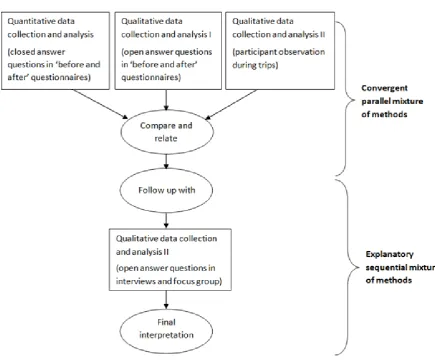
Figure 1: Convergent parallel /explanatory sequential mixed methods design ... 20
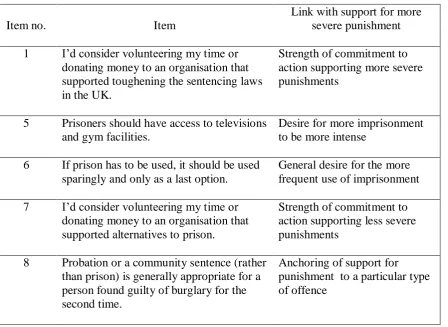
Table 1: Items selected to investigate support for more severe punishment ... 25
Figure 2: The seating arrangements in the multi-faith room ... 31
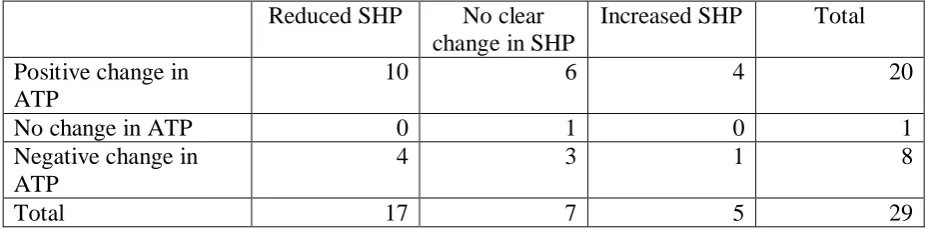
Table 2: Frequency of individual percentage changes in ATP scores ... 35
Table 3: ATP score average group-level change ... 35
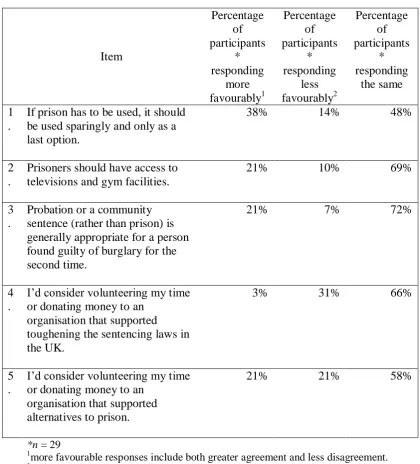
Table 4: Group level changes in answers to questions about punishment ... 37
2
Chapter 1: Introduction
1.1 Project outline
This dissertation explores the questions whether and how interaction with prisoners
affects punitiveness. It contains an empirical component which reflects two visits made to
a local prison by a student choir from the University of Cambridge during the academic
year 2013-14.
At 148 prisoners per 100,000 of the national population, the prison population rate
of England and Wales remains higher than the vast majority of its neighbours in both
Northern and Western Europe (Walmsley, 2013: 5). Despite this, and the fact that
imprisonment is thought to have a central place within the public consciousness in terms
of punishment, members of the public have been found to have low levels of knowledge
regarding the workings of and life inside prisons (Roberts and Hough, 2005a; 2005b;
2009). This perhaps reflects the lack of windows that exist into the peculiar carceral world
behind prison walls. Those inside are isolated from society outside as a restriction of their
liberty, but this seclusion also prevents the public from perceiving the social and physical
environment within. The gap in knowledge is then seemingly filled with cultural sources
of information such as news media and fiction, which often paint a very different picture
to reality (Green, 2009: 524). Whilst this lack of public engagement with the reality of
imprisonment continues to persist, notions of public opinion regarding punishment have
gained considerable significance in criminal justice. Views held by members of the public
are referred to explicitly by sentencers, policy makers and commentators alike as
something that routinely informs (and indeed should inform) decision making to some
degree (Hough et al., 2008; MoJ, 2012; Ryberg and Roberts, 2014).
However, in one sense prisons may be becoming more porous, as plans for the
voluntary and private sectors to play a greater part in providing rehabilitation services
have been announced as part of the coalition government’s proposals for ‘Transforming Rehabilitation’ (MoJ, 2013: 26). This is likely to broaden the range of members of the
public who have personal experiences of some aspects of prison. Research into the effects
of visiting prison on public attitudes is therefore timely (Boag and Wilson, 2013). The
aim of this dissertation is not to determine the effects of interaction with prisoners to a
3
and if so, to investigate ideographically what might be behind these changes. It is hoped
that the findings may provide a basis for further research, which might test any ideas that
emerge.
1.2 What is the value of research into punitive attitudes in the context of prisons?
There are good reasons to undertake the study of punitive attitudes in the context of
imprisonment. First, prisons are particularly vulnerable to ‘populist punitiveness’,
whereby political parties attempt to gain support by appealing to what they perceive to be
the electorate’s inherent punitiveness (Bottoms, 1995: 39). For example, when the Sun
newspaper prepared a front-page story condemning Whitemoor high-security prison for
permitting stand-up comedy workshops to be run for residents in 2008, the then Justice
Secretary intervened to put a stop to the scheme (The Sun, 21 November 2008).
Subsequently, a ‘public acceptability test’ was instated, whereby all activities taking place
within prisons had to be assessed in order to determine how they were likely to be
perceived by the public (PSO 0050, issued 6 January 2009).1 Thus even the spectre of
public outrage as foreshadowed by the media can influence policy makers. The
consequences are then keenly felt by the prison residents and staff who are on the
receiving end of such policy changes, especially when potentially rehabilitative creative
avenues are closed off (Liebling et al, 2012). In light of the significance of punitive
attitudes in the context of imprisonment, research examining the processes through which
these attitudes are formed would be valuable. Democratic governance of prisons might be
improved if it politicians could be shown that there are ways to encourage members of the
public to form more considered views regarding punishment through the maximum use of
their rational and emotional capabilities (Yankelovich, 2010).
Second, punitive attitudes towards prisoners can also continue to affect them
following release (Chui and Cheng, 2013a; Winnick and Bodkin, 2008; Chiricos et al,
2007). Thomas LeBel (2012) conducted surveys of formerly incarcerated persons to
examine this issue, and found that a quarter of participants believed they were
discriminated against either often or very often when facing decisions regarding
employment or housing. Further, in an analysis of the employment data for a sample of
1
4
U.S. federal offenders, Waldfogel (1994) found that imprisonment not only reduces the
future probability of employment, but also has a depressing effect on future income. Thus
it is clear that the negative perceptions of those who have been to prison also have a
significant bite outside the prison walls. These views may shape social responses to
formerly incarcerated persons in ways which strongly influence processes of desistance,
ultimately affecting the rate at which offenders cease to commit crime (Maruna, 2001).
Research into the formation of punitive attitudes could investigate ways to reduce the
stigmatization of prisoners and thereby increase their prospects of desistance from crime.
Third, some criminologists have made the claim that certain jurisdictions have
been witnessing a ‘punitive turn’, pointing to increases in prison populations as evidence
of this (Garland, 2001: 142; Pratt, 2002; Waquant, 2000; Simon, 2001). More empirical
research is needed that assesses this claim and the reasons for it, in order to contribute to
the development of macro-social theory. Research examining the potential for particular
experiences to have a direct impact on punitive attitudes in the context of imprisonment
may make a valuable contribution to these broader theories behind changes in
punitiveness. Such research could address the broader theoretical question regarding the
effect of ‘hidden’ modes of punishment on punitive sensibilities (Foucault, 1975/1977: 9;
Garland, 1990: 236; Jewkes, 2007: 455).
1.3 Overview of dissertation
This chapter of the dissertation proceeds by explaining the meaning of the term ‘attitude’,
and developing a definition of punitiveness in the attitudinal sense. The second chapter
reviews the literature regarding improving the formation of public attitudes in the context
of punitiveness, concluding that exploratory research regarding the effects of interacting
with prisoners on punitiveness is needed. The third chapter sets out the methods behind
my empirical component, which involved a mixed methods study of changes in a student
choir’s punitiveness following a visit to prison. The findings from this study are reported
in the fourth chapter, and conclusions are presented in the final chapter, together with
5
1.4 What is punitiveness?
The concept of punitiveness is used in criminological writing at two different levels (Kury
and Obergfell-Fuchs, 2011). ‘Systemic punitiveness’ refers to harsh penal policies and
practices of states, whilst ‘attitudinal punitiveness’ signifies public attitudes (Hamilton,
2014; Lappi-Seppälä, 2014; Van Marle, 2010; Green, 2009). Although these two ideas
may be connected (Lappi-Seppälä, 2014), some commentators note that confusion is often
caused by the lack of a clear distinction being made between them (Green, 2009: 520;
Matthews, 2005: 189). To be quite explicit, this dissertation focuses solely on the
attitudinal variety of punitiveness.
1.4.1What are attitudes?
Bohner and Wänke (2009: 4; 2002) write that an attitude is ‘a summary evaluation of an
object of thought’, and other contemporary psychological writing also places evaluation
at the centre of the concept (Stalans, 2002; Van Marle, 2010; King, 2005). Stalans (2002)
draws on cognitive psychology to suggest that these evaluations arise in two different
layers of memory, with ‘surface’ attitudes being more readily accessible, and ‘inner’
attitudes being more complex and requiring greater methodological sophistication to
assess (2002: 18-19). A comparable distinction is made by Yankelovich (1991), who
suggests that there is a difference between public ‘opinion’ and public ‘judgement’. The
latter is said to involve the detailed consideration of an issue from different angles,
alongside an understanding of available choices and the acceptance of their consequences
(1991: 6). Attitudes are thus evaluations made through low and high effort cognitive
processes.
1.4.2What is attitudinal punitiveness?
Even solely within the attitudinal context, definitions of punitiveness vary considerably
(Wozniak, 2014; Van Marle, 2010; Brown, 2006; Matthews, 2005). For example, Anna
King (2005: 9) presents four general categories of definition in her analysis of the
literature: ‘support for retribution’, a belief in certain ‘social values such as
authoritarianism or conservatism’, a desire for punishment driven emotively ‘by anger,
6
definition appear to focus on particular factors that are linked to punitiveness, such as
attachment to certain theories of punishment, or anger about crime (Maruna and King,
2009; Templeton and Hartnagel, 2012). Whilst these factors may well be related to
punitiveness (Payne et al., 2004; Johnson, 2009), it is hard to justify their inclusion in its
definition.
In a recent article, Hamilton (2014) makes the case for a broader,
multidimensional approach to understanding punitiveness in the context of state policy
and practice. She points out that, despite the variety and complexity of penal policies and
interventions, scholars continue to use a few narrow indices such as imprisonment rates as
proxies for state punitiveness (Hamilton, 2014: 323). Thus they overlook other aspects of
punitiveness, and leave themselves open to accusations of selectivity (Hamilton 2014:
323, 337; Matthews, 2005: 180; Kury and Shea, 2011). A broader approach to
punitiveness in the attitudinal sense is also desirable for these reasons.
Following the approaches of Tonry (2007), Matthew (2005), and Lappi-Seppälä
(2012), Hamilton adopts a holistic definition of punitiveness characterised in part by
‘intolerance’ towards law breakers (2014: 326). She uses Tonry’s definition, in which
punitiveness encompasses a:
...mix of attitudes, enactments, motivations, policies, practices, and ways of
thinking that taken together express greater intolerance of deviance and deviants,
and greater support for harsher policies and severer punishments. (Tonry, 2007: 7)
This overarching approach includes attitudinal punitiveness, which could itself be defined
as: attitudesthat express greater intolerance of deviants, and support for more severe
responses to deviance. Thus, returning to the definition of attitudes, there are really two
attitudinal objects involved in punitive evaluations. First, there are wrongdoers (the
deviants), and second, there is punishment (the responses to deviance). One final issue
that must be brought out is the comparative nature of this definition, which places
‘greater’ and ‘more’ at the heart of what punitiveness is. The extent to which an attitude is
7
Chapter 2: Improving public attitudes in the context
of punitiveness
One finding that pervades research regarding attitudes in the criminal justice context is
that, despite expressing great interest in parts of the criminal justice system, members of
the public often lack knowledge and experience of it (Roberts and Hough, 2005a;
Chapman et al., 2002: 4). This lack of knowledge has been linked to negative attitudes
regarding criminal justice (Hough and Roberts, 1998; Mirrlees-Black, 2001). The British
government has made attempts to disseminate information in order to rectify the
knowledge deficit with respect to criminal justice (Green, 2006). However, this task is
complex and requires consideration of issues such as which information to present, how it
ought to be presented, to whom and by who (Indermaur and Hough, 2002; Wilson, 2012).
Another important issue is how such efforts are best framed in terms of aims.
Indermaur and Hough (2002: 200) acknowledge that there ‘are risks in being seen to
move beyond the role of objective researcher’ when talking about influencing public
attitudes. Indeed, Indermaur (2009) lists some 33 strategies for reducing punitiveness at
both the systemic and attitudinal levels, whilst Hough and Park (2002) have written about
methods of ‘changing public attitudes’, with the inference largely being that this change
should be in a liberal direction. Green (2006: 149, emphasis in original) describes this as
being the ‘criminological utility’ of such methods, whereas the ‘democratic utility’ lies in
fostering a better informed and more carefully deliberated set of public attitudes
When the notion of ‘improving’ or ‘changing’ attitudes or punitiveness is used in
this dissertation, it refers to the idea of fostering attitudes that are of greater democratic
utility, in that they reflect a better understanding of the attitudinal object. This could well
result in increases just as much as decreases or no changes in punitiveness. Various
strategies have been attempted to achieve change in this sense, although they have often
been government driven programs involving the explicit aim of increasing public
confidence in criminal justice as well. Approaches have varied from the distribution of
information, to the provision of opportunities that are interactive in various ways. These
approaches are discussed below, with reference to the relevant studies, and the section
8
2.1 Providing information
Chapman and colleagues (2002) investigated whether providing information through
leaflets, seminars and a video has an impact on knowledge of and attitudes towards
sentencing. They measured changes in three samples totalling 220 participants by
administering a questionnaire before presenting the information, and using interviews
afterwards. The study’s limitations included low and inconsistent participant completion
rates for each form, ranging from 12 per cent for the seminar through to 56 per cent for
the booklet (2002: 57).Further, the booklet and video were self-administered, and it was
not possible to know for sure whether participants had carried out the instructions in full.
Nevertheless, the authors found that all three types of information significantly
increased knowledge scores, with the mean score from eleven questions improving from
3.9 to 5.9 (Chapman et al., 2002: 13). Participants who scored the lowest initially were
the most likely to demonstrate improvements in knowledge following receipt of the
information. In addition, more than a quarter of participants showed less punitive attitudes
in terms of their view of general sentencing levels after having received the information.
The information booklet had the widest impact in this regard, with 31 per cent of its
readers becoming less punitive by this measure (2002: 30). Logistic regression analysis
showed that an increase in knowledge score was predictive of lower punitiveness among
participants who initially thought sentencing was too lenient (2002: 32).
Overall, the Home Office study demonstrates that it is possible to generate some
change when it comes to public knowledge and attitudes relating to punishment.
However, precisely why the informational interventions led to the changes remains for the
most part unclear. Further, the overall durability of any changes is uncertain, given that
the second stage of interviews only occurred between 1-6 weeks following dissemination
9
2.2 Interactive approaches I: deliberative polls and online tasks
Green (2006) criticises the educative strategies taken by the British government,
suggesting that they are in fact unlikely to lead to enduring changes:
Public education programmes rely... on flawed, one-way exchanges between the
expert and the public, insufficient to make a lasting impact on public knowledge
and attitudes. These oversights mean that even the most sophisticated assessment
procedures typically fail to provide the forum for people to express existing views
and make room for new information... (2006: 132)
Instead, he recommends the use of the ‘deliberative poll’ in order to open up
‘expert-to-public communicative channels to two-way traffic’ (2006: 132). This strategy was
developed by the American political scientist James Fishkin (1991) in order to determine
what an informed and engaged ‘hypothetical public’ would think about an issue given the
opportunity to do so (Luskin et al., 2002: 458). Essentially, a representative sample of the
wider population is given presentations about an issue from many different angles,
followed by the opportunity for discussion, and the completion of a survey. Fishkin hoped
this might facilitate governmental decision-making that would avoid the dichotomy of
‘politically equal but relatively incompetent masses, and politically unequal but relatively more competent elites’ (1991: 1-2).
In 1994, a deliberative poll was conducted in Britain using a closely representative
sample of the electorate (Luskin et al., 2002; Park and Hough, 2002). The 300
participants spent a weekend in Manchester receiving presentations about criminal justice
from various interested parties, such as practitioners, politicians, academics and an
ex-prisoner. Before and after the event, participants completed a questionnaire that measured
their knowledge and attitudes regarding criminal justice issues. The findings from this
quasi-experimental study showed significant increases in average knowledge scores and
changes on two thirds of the items relating to policy preferences (Luskin et al., 2002: 475,
467). Further, the trend of the latter was systematically in the direction of reduced
punitiveness, and follow-up interviews found that change was still evident ten months
following the event (Hough and Park, 2002: 168-174).
Whilst the findings from the Manchester deliberative poll are striking, these kinds
10
interactive educational experiences have also been developed. The Ministry of Justice
developed one initiative to assess and improve public knowledge of sentencing practices,
using an interactive website called ‘You be the Judge’.2
This online tool asks users about
their perceptions of sentencing, before showing videos of staged sentencing hearings
based on real cases, and inviting users to select an appropriate sentence. The most likely
sentence for the case is then revealed, and views regarding sentencing in general are
measured for a second time.
Cuthbertson (2013) provides an analysis of the 74,000 complete user experiences
from March 2010 to December 2012. He notes an important methodological point: the
users are a self selecting sample and are therefore not necessarily representative of the
population. Nonetheless, of those who visited the website and answered all questions
regarding one case, forty-eight per cent changed their view regarding whether sentencing
is too lenient, too harsh, or about right. Of the 30,000 users who initially held the view
that sentencing is too lenient, 79 per cent finished with the view that it is either about
right or too harsh (2013: 5). In contrast, of the 44,000 who began with the view that
sentencing is either about right or too harsh, only 7 per cent ended up holding the view
that it is in fact too lenient.
The general direction of change in Cuthbertson’s findings is perhaps unsurprising,
given that 84 per cent of users selected a sentence either the same as or less severe than
that handed down by the judge in reality.3 For six out of the eight offence types less than
20 per cent of users chose a more severe sentence. These cases involved murder, drug
dealing, mugging, vandalism, threatening behaviour, and so called ‘teen crime’. The
study reinforces previous research indicating that members of the public are not more
punitive than the courts when given detailed accounts of specific cases in which to pass
sentence (Hough and Roberts, 1998: 27-30; Doob and Roberts, 1988: 131). The provision
of this detailed information appears to make a considerable difference to punitiveness
when this is understood to mean the selecting of more severe sentencing options.
2
See http://ybtj.justice.gov.uk/ [Accessed 23/06/2014] 3
11
2.3 Interactive processes II: contact with prisoners
Other interactive processes that appear to have an effect on attitudes regarding criminal
justice involve actual experiences of it, such as day-to-day interactions with criminal
justice professionals (Bradford et al., 2009; Tyler, 1990; Wilson, 2012: 55). In a similar
vein, research that is highly relevant for current purposes examines whether familiarity
with prisoners (through knowing someone who is incarcerated) affects punitiveness,
following the normalization thesis.
2.3.1The normalization thesis
The normalization thesis predicts that knowing incarcerated individuals reduces the
stigma of incarceration and results in less punitive attitudes towards prisoners (Hirschfield
and Piquero, 2010). This is based largely on Erving Goffman’s (1963) exposition of
stigma, where he suggested that attributes attracting stigma in one social context may
attract praise and admiration in another. Normalization predicts a stark difference in
attitudes towards deviants resulting through relatively close relationships with prisoners.
It envisages that individuals from highly incarcerated communities will see imprisonment
as an experience that is ‘normal, expected, or even valued’ (Hirschfield and Piquero,
2010: 28; Fagan and Meares, 2008).
Johnson (2008, 2009) carried out a study in the US that essentially tested this
thesis, although it did not mention the theory explicitly. Using data from 1508
random-digit dialling telephone interviews, she examined the relationship between having a close
friend or relative incarcerated on views regarding sentencing and parole. The results
provided evidence for a link between familiarity with prisoners and less punitive attitudes,
with vicarious experiences of incarceration being a strong predictor of lower punitiveness
measured in this way (Johnson, 2009: 60; 2008: 204).
Hirschfield and Piquero (2010) specifically tested the normalization thesis in the
U.S. using random-digit telephone interviews of 2,282 participants. They measured links
with prisoners by asking participants how many people they had known personally or
professionally who have been incarcerated. Stigmatizing attitudes towards offenders were
measured using four items adapted from Melvin and colleagues’ (1985) attitudes towards
prisoners (ATP) scale. The authors found evidence of a strong and significant relationship
12
attitudes towards offenders (2010: 41-42). However, they note that as the study was
cross-sectional, it did not indicate the direction of the relationship (2010: 45). It could be that
people with negative attitudes towards offenders are less likely to become familiar with
them. Further, the context of any familiarity with offenders appears to be important
(Hirschfield and Piquero, 2010: 31). Research has shown that police officers and
correctional staff (who have considerable contact with offenders) hold particularly
negative attitudes towards them (Kjelsberg et al., 2007; Melvin et al., 1985; c.f.Kelly,
2013). Whilst normalization is an instructive theory regarding attitudes towards offenders,
it is quite static in that it really refers to prior relationships with individuals who are
incarcerated. A different theory is more dynamic in this regard, though it did not arise in
the context of criminal justice.
2.3.2The intergroup contact hypothesis
The intergroup contact hypothesis predicts that even interaction with unfamiliar members
of stigmatised groups will bring about changes in attitudes towards them. Gordan Allport
(1954/1979) developed this theory in his work regarding the psychology of prejudice.
Because his definition of prejudice as ‘an antipathy based upon faulty and inflexible
generalization’ led him to focus on negative attitudes, there is a degree of overlap
between his work and the current topic of punitiveness (1954/1979: 9, emphasis added).
Indeed, whilst Allport’s focus lay chiefly with prejudice in the forms of racism and
anti-semitism, he also mentioned the case of ex-convicts as a ‘borderline instance’ of
prejudice (1954/1979: 8).
The intergroup contact hypothesis itself predicts that contact with stigmatised
groups tends to reduce prejudice against them (Allport, 1954/1979: 281). Allport believed
that four factors were particularly important in securing this effect: equal group status in
the situation, the pursuit of common goals, intergroup cooperation, and the support of
authorities, law or custom (Pettigrew and Tropp, 2005: 264). In his review of the evidence
he noted that personality differences cause variations in this effect between individuals,
but clear changes tended to occur at the group level. Further research in the 50 years since
has continued to yield empirical support for the thesis, and moves beyond it by showing
that the effect persists even when all of Allport’s four conditions are not present
13
Indeed, a much greater range of variables are thought to underpin the contact
hypothesis, and affective factors have been found to be particularly important (Kenworthy
et al., 2005; Pettigrew and Tropp, 2008). For example, Pettigrew and Tropp (2006: 767)
examined the mediating role of intergroup anxiety, which amounts to ‘feelings of threat
and uncertainty that people experience in intergroup contexts’. In a meta-analysis of over
200 studies, this anxiety was linked this to between 20-25 per cent of the reductions in
prejudice that occurred through contact (Pettigrew and Tropp, 2005: 272; 2000). The
same authors have found elsewhere that lowered intergroup anxiety and increased
empathy together account for approximately half of the covariance between contact and
prejudice (Pettigrew and Tropp, 2008: 928). Both of these variables emerged as being
substantively more important than increased knowledge about outgroups brought about
through contact, although this was still a significant mediator (2008: 927). Other
important mediators such as trust, perceived importance of the interaction, and self
disclosure (the voluntary presentation of intimate or personal information) have also
received empirical support (Turner et al., 2007). Thus the affective dimension to attitudes
should not be ignored, and this is now addressed with regard to punitiveness.
2.4 Affective predictors of punitiveness
The topic of emotions in criminal justice has started to appear in the literature, albeit at a
very slow pace (Gelsthorpe, 2009). Despite some early work incorporating emotions
(Mead, 1918), it is only over the last few decades that commentators have turned their
attention to the topic, largely in response to a perceived ‘emotionalization’ of public
discourse about crime’ that mirrors shifts in certain aspects of culture (Karstedt, 2002:
301). Arie Frieberg (2001) has described the emerging tension between ‘affective’ and
‘effective’ justice, and appeals alongside others for greater efforts to understand and
engage with public emotions regarding wrongdoing (Green, 2006: 144).
I have reviewed the literature regarding predictors of punitiveness extensively
(e.g. gender (Applegate et al., 2002), race (Hogan et al., 2005), media readership
(Spiranovic et al., 2012), political outlook (King and Maruna, 2009), experience of
corporal punishment (Kemme et al., 2014)). Among these, dynamic, affective factors
emerge as being particularly important. For example, there is growing evidence linking
14
2010; Hogan et al., 2005; Tyler and Boeckmann, 1997). Further, Posick and colleagues
(2014) found that individuals with higher levels of empathy are more likely to be
punitive, perhaps due to the moral significance of empathetic feelings towards victims of
crime, as argued by Hans Boutellier (2000).
These affective factors are likely to affect the extent to which attitudes are of
democratic utility. This is not to suggest that knowledge trumps emotion when it comes to
sound attitude formation, as both are ‘indispensible’ in this regard (Yankelovich, 2010:
27). Rather it is to highlight the importance of providing opportunities for people to
experience other emotions that help them to ‘overcome the sense of helplessness and
insecurity that crime engenders’ (Frieberg, 2001: 274). This should not be mistaken for a
cynical manipulation of emotions, as the idea is again to facilitate processes of attitude
formation that lead to broader, more considered views. As the research examined above
suggests, both the informational and affective processes involved are important in this
regard. One effective strategy for facilitating both in the context of punitiveness may be
the provision of opportunities for contact with offenders.
2.4.1Prison visitation and punitiveness
Bringing punitiveness and the intergroup contact hypothesis together, several studies have
essentially examined the impact of going into prison on aspects of punitiveness. In a study
of New York state legislators’ positions concerning crime issues, this was the only
variable found to have a significant relationship with support for a fixed determinate
sentencing scheme (Flanagan et al., 1989: 93). Those lawmakers who had visited prisons
in the state were more likely to oppose the scheme than those who had not. Thus it seems
that visits to penal institutions can be important in shaping views, and one element of
such visits may well be interaction that is had with those serving sentences.
Three qualitative pieces of research have examined students’ attitudes regarding
incarceration following first hand experiences inside prison. First, Wilson and colleagues
(2011) analysed forty reflective accounts written by Criminology students who visited
HMP Grendon as part of a degree course, and had a tour, a debate, and a lunch with
residents. One of the themes to emerge was that the students’ expectations of the
15
and behavioural characteristics. Students also reported perceiving their own attitudes to
have changed due to the visit. Second, Boag and Wilson (2013) thematically analysed a
sample of eight students’ reflective accounts from the visit in more detail, looking for
evidence of self-reported increased empathy and decreased prejudice. Some changes in
empathy were apparent, and a great deal of change was reported in terms of reduced
prejudice. The same authors have conducted a quantitative analysis of changes in
prejudice from the visit, and although this is yet to be published, they state elsewhere that
reductions did indeed occur (2013: 9).
The third piece of work examined contact of a much longer duration when
Criminology students carried out work experience at HMP Durham for two days a week
over the course of ten months (Ridley, 2014). Extracts from three students’ accounts of
the experience are presented, and these report various ways in which the programme was
felt to be of pedagogical benefit, including through the facilitation of a deeper
understanding of prisoners and a change in attitudes towards them (2014: 24). The actual
extent and nature of contact that occurred with prison residents is not wholly clear.
However, once again it is notable that students reported shifts in their attitudes after
spending time inside prison.
Another study concerning contact with prisoners involved participants who work
with prisoners in Hong Kong on a voluntary basis (Chui and Cheng, 2013b). The authors
used a cross-sectional research design to compare attitudes of prison volunteers with both
people who volunteer in other contexts and individuals who do not volunteer. Whilst the
prison volunteers were found to have the most positive attitudes towards prisoners on
average, the only statistically significant difference was between prison volunteers and
non-volunteers, indicating that it may not be contact but rather personal predisposition
that explains the difference. Further, the authors concede that the lack of a time order
element in their research design precludes them from considering the direction of any
relationship, and conclude by recommending the use of a fixed panel design in future
research.
One such published fixed panel design study could be located, in the International
Journal of Music Education. Mary Cohen (2012) examined the attitudes of 22 community
choir members before and after a twelve week choral program in a medium security state
16
for 90 minute rehearsals, which culminated in two concert performances inside the prison
gym. The author administered the ATP scale via questionnaire at the start and finish of
the scheme, and found that attitudes towards prisoners became significantly more
positive, with the mean ATP score rising from 105.92 to 119.33 (2012: 50). Open-ended
questions were also used to probe the choral visitors’ perceptions of the experience, and
answers indicated that the program ‘shattered their stereotypes of prisoners’ (2012: 51).
One question that has not been answered, however, is whether single visits to
prison involving volunteers can have the kind of impact demonstrated by Cohen (2012).
Further, there is arguably a need for exploratory research on the topic. This should seek to
examine what it is that occurs during contact experiences with prison residents where
these are more than just ‘carceral tours’, and how such experiences are perceived by
participants on both sides. Such research would aim to deepen our understanding of
attitude changes in a context that is potentially different to that examined by studies of
prejudice, which is why an initial exploratory study is required. The empirical component
of the current piece of work is one such study. An opportunity arose to study the effects
of contact with prisoners on the punitive attitudes of a student choir in the academic year
17
Chapter 3: Methodology
This chapter describes the methodology for the empirical component of the dissertation,
which involved studying student choir members’ attitudes towards prisoners before and
after performing at a local prison. Early on in my M.Phil studies I was made aware of
plans for a choir to sing in a prison, and thus was able to use the opportunity for the
empirical component. In the space of five months, two visits were made to the same
prison, with each visit largely involving different choir members. The first event
comprised a concert-style performance by the student choir, followed by a question and
answer session with residents. The second was slightly different, as a small team of
students ran a choral workshop in the morning for a group of residents, who then
rehearsed and performed with the student choir when it arrived in the afternoon. With the
opportunistic beginning of the study made plain, attention now turns to an exposition of
the approaches and methods adopted.
3.1 Research questions
Appropriate methodological decisions must be rooted in a solid understanding of the
questions that one is hoping to answer. The research questions are listed below as a
springboard for this section:
1. What are the effects of interaction with prisoners on punitiveness?
a. What are the effects of interaction with prisoners on attitudes towards
prisoners?
Hypothesis 1a: Interaction with prisoners leads to more positive attitudes
towards them.
b. What are the effects of interaction with prisoners on support for harsher
punishments?
Hypothesis 1b: Interaction with prisoners leads to reduced support for
harsher punishment.
2. How is the interaction perceived and experienced by those who take part in it?
18
The first question reflects the explanatory dimension of the study, in that it pertains to the
identification of effects (Bachman and Schutt, 2014: 34). The two sub-questions reflect
the definition of punitiveness adopted above, and have corresponding hypotheses. These
are arguably tested only to a limited degree in what follows, due to the lack of control
groups in the quasi-experimental design. However, it would be disingenuous to deny that
an effect in the direction of reduce punitiveness is predicted, due to the research discussed
above in the literature review. The second question differs in that it adds a strongly
exploratory flavour to the research, through the focus on investigating the meanings that
participants give to their experiences without particular expectations (Ibid, 2014: 10). The
third question brings the first two together again in an exploratory manner, looking to
understand what it is about the experience of visiting prison that might bring about
changes in attitudes.
3.2 Epistemology, theoretical perspectives and methodologies
Explicitly stating the philosophical perspectives that underpin research clarifies the
assumptions on which it depends (Creswell, 2014). Borrowing the language of Crotty
(1998: 3), the epistemology in which this study is located is that of Constructionism. This
reflects the assumption that human beings construct meaning, although there is
‘something to work with’ in the world around us (Crotty, 1998: 44).
In terms of theoretical perspectives, I took a pragmatic approach, bringing
together of elements of post-positivism and interpretivism. This pragmatism ‘is not
committed to any one system of philosophy and reality’, but rather emphasises the need to reach the best possible solution to research problems though being ‘free to choose the
methods, techniques, and procedures of research that best meet their needs and purposes’
(Creswell, 2014: 10-11). Thus elements of both quantitative and qualitative
methodological traditions were combined in this study in a mixed methods approach. This
enabled very different kinds of research questions regarding the same topic to be
answered together, thus combining the strengths of each approach in order to reach a
deeper understanding (Bryman, 2004; Creswell, 2014: 218).
The post-positivist element is located within the notion of ‘effects’ and accounting
for changes found in the explanatory research question. In terms of methodology, this led
19
interpretivist perspective emerges mainly through the exploratory research questions.
Here, a grounded theory methodology was adopted in order to develop theory from data
in a context that did not map directly onto previous research (Creswell, 2013: 83).
3.3 Research design
3.3.1Mixed methods design
Quantitative and qualitative methods were mixed in the study in two ways. First, there
was an initial ‘convergent parallel’ part, whereby quantitative and qualitative data
reflecting participants attitudes were collected simultaneously via questionnaires, and
interpreted together (Creswell, 2014: 219). The rationale for this was one of
complementarity, as I wished to enable some testable measurement of change, whilst also
hearing what participants wanted to say in order to look for themes that accompanied the
change (Greene, 2007: 101). Second, there was an ‘explanatory sequential’ aspect, as
qualitative interviews and a focus group were used following the interpretation of
questionnaires in order to explore participants’ perceptions in a more detailed, open ended
way (Creswell, 2014: 224). This enabled me to examine potential reasons for attitude
change in the idiographic sense, again justifying the use of mixed methods on the grounds
of complementarity. The overall mixed methods approach is illustrated in Figure 1,
20
Figure 1: Convergent parallel /explanatory sequential mixed methods design
3.3.2Quasi-experimental design
An important element of the research design was the quasi-experimental element. This
enabled me to probe, albeit tentatively, for evidence supporting a causal relationship
between interaction with prisoners and attitudes towards them. A design with high
internal validity would have involved the random assignment of participants to
experimental and control groups, pre and post-test measures, and checks on how
comparable the control/experimental units of analysis were (Sherman et al., 1998).
However, there were a number of obstacles to using a true experimental design in this
study. The nature of the research opportunity was such that participants had already been
selected in the requisite number for a choir, and the lack of time prior to the first visit to
prison precluded the recruitment of further participants in order to facilitate a control
group, whether formed through random allocation or not.
Nonetheless, the opportunity did allow for a quasi-experimental design at level
21
the measurement of attitudes using questionnaires before and after a visit to prison. This
approach is also known as a ‘fixed-sample panel design’ as described by Bachman and
Schutt (2014: 170), who classify it as non-experimental due to the lack of an adequate
control group. It is true that there are significant difficulties with this approach, not least
of which are the threats to internal validity that may be caused by history effects unrelated
to treatment, and maturation of the group between measures (Creswell, 2014: 174;
Robson, 2011: 112; Sherman et al., 1998: 5). Nonetheless, this was what the opportunity
allowed, and findings would arguably still shed some light on the research questions.
3.4 Populations and samples
Student Choir Members
The first population of interest is broad insofar as it is ‘public’ attitudes that are the focus
of the research. Unfortunately, there was no opportunity to go about constructing a
sample that was representative of the wider UK public for the purposes of the study.
Instead, the study used a convenience or ‘availability’ sample, as the student choir
members were an accessible group of individuals who had volunteered to sing in prison
(Bachman and Schutt, 2014: 116). However, a number of other studies have examined
students’ attitudes regarding prisoners and punishment (Ridley, 2014; Boag and Wilson,
2013; Mandracchia et al., 2013; Kjelsberg et al., 2007). One advantage of the approach
therefore is that findings can be compared with prior research. On the other hand, one
drawback is that individuals prepared to volunteer for such experiences may well be more
disposed to change their attitudes (Chui and Cheng, 2013b). Due to the lack of
representativeness and self-selection in sampling, the findings are not generalizable to the
wider public. The sample is nonetheless suitable for the exploratory purposes of the
research.
The first visit involved 22 choir members, who all agreed to take part in the study,
having been informed of the opportunity at a rehearsal. Recruitment of participants from
the second visit was less successful, with 17 of 19 new choir members completing the
consent form to take part. This may have been due to the consent form being distributed
online rather than at a rehearsal (as discussed below). The total initial sample size was
22
the 22 participants successfully completed all of the quantitative sections in both
questionnaires. On the second visit, only 11 of the 17 did so, with four individuals failing
to answer the post-visit questionnaire altogether. For this visit, a problem had arisen when
the final rehearsal was cancelled, meaning that there was no option but to have the
questionnaire self-administered electronically online. The post-visit questionnaire was
also conducted in this manner to ensure consistency, and this may have been a factor in
the lower completion rate. Participants who did not complete both questionnaires were
removed listwise from the analysis, leaving complete data for 29 of the 39 students – a
total completion rate of 74 per cent. The 29 students comprised 10 males and 19 females,
and the mean age was 19.5. Once again, the low average age and gender imbalance of the
sample has implications for the generalizability of findings.
Following the preliminary analysis of questionnaires from both visits, 10
participants were invited to attend individual interviews in order to explore their attitudes
and perceptions of the visits in more detail. This sub-sample was selected purposively
based first and foremost on the scores indicating change in attitudes towards prisoners. A
range of scores were selected in order to explore potential reasons for positive, negative
and no shifts in attitude. Only one of those invited to attend failed to respond, and this
individual had one of the most positive changes in attitude as measured by the
questionnaire. The participation rate at interview was therefore 90 per cent.
Prison resident participants
A second population is also of interest, in that the research questions are asking about the
effects and experiences of interacting with prisoners. The prison administration had
control over which residents were permitted to attend either as audience members, or, on
the second visit, as members of the resident choir. The chaplaincy did not indicate that
any individual had been refused permission to take part, and in fact stressed that the
workshop group in particular did contain individuals who were perceived to have caused
problems for the prison in the past. Thus the extent to which there was selectivity in terms
of residents’ participation in the visit was unclear. Four of the ten members of the resident
choir were available to take part in a focus group a week later, with others unable to do so
having moved on from the prison. Once again, the convenience sampling approach was
23
3.5 Data collection
Four types of data collection were used in total: questionnaires, participant observation,
interviews, and a focus group. Each is discussed below.
3.5.1Student questionnaire
The student choir members were invited to complete a questionnaire comprising closed
and open answer questions prior to and after each visit. For the initial visit, paper
questionnaires were self administered in a group setting in my presence. The first was
completed at a rehearsal three days before the visit, and the second was completed
immediately following the visit. For the second visit, questionnaires were
self-administered online in individual settings. A web link was sent via email to student
participants two days prior to the visit, and another was emailed one day following the
visit.
Changes were made to the questionnaire for the second visit in order to facilitate
the online method of administration. I was particularly concerned that the participation
rate would be low if there were too many questions (see Bachman and Schutt, 2014: 227).
Therefore, the total number of questions was halved from over 100 to around 50. In the
presentation of findings to follow, data from both visits are combined for analysis under
the assumption that the visits and methods were sufficiently similar to justify this. The
change in the questionnaire between the two visits is one potential limitation that could
have undermined this assumption. The composition of the questionnaire is discussed here
by section, with close attention being paid to the research question that each part sought
to address.
Attitudes towards prisoners (questionnaire Section C)
The definition of punitiveness adopted in the introduction above entails the holding of
‘attitudesthat express greater intolerance of deviants, and support for more severe responses to deviance’. To operationalize the first part of this definition, I opted to use
Melvin and colleagues’ quantitative ATP scale (1985) designed to measure attitudes
towards prisoners, as this could be analysed statistically for change. Findings would also
24
2012; Kjelsberg et al., 2007). The scale was originally designed for use in the United
States, but it has also been used in the UK and continental Europe (Hogue, 1993;
Ortet-Fabregat et al., 1993; Kjelsberg et al., 2007).
The original ATP scale consists of 36 items, with which participants express their
level of agreement on a Likert scale containing five possible responses, from ‘strongly
agree’ through to ‘strongly disagree’. Each item is then scored from one to five, with 19
of the items being reverse scored due to the need to avoid bias in favour of positively
worded items. A constant of 36 is then subtracted: the higher the resulting score, the more
positive is the attitude towards prisoners. This positive attitude is taken to be the view that
a prisoner is ‘a normal person capable of positive change’ (Melvin et al., 1985: 243),
while the negative attitude encompasses that view that prisoners are inherently wicked
and ‘incapable of positive change’ (Chui and Cheng, 2013b: 108). The scale has relatively
high split half (ranging from r = .84 to .92) and test-retest reliabilities (r = .82) (Melvin et
al., 1985).
One difficulty in measuring attitude change using the same scale twice is that
‘consistency’ or ‘freezing’ effects may occur, whereby participants are inclined to answer
questions consistently with previous answers (Foddy, 1993: 6; Bridge et al. 1977: 57-58).
This was particularly worrying given that shorter time lapses of days rather than months
between measures are thought to be more vulnerable to the problem (Holt, 1989). In light
of the fact that the questionnaires were intended to be completed days apart, I decided to
reduce the likelihood of participants recalling their answers to the previous ATP
questionnaire items by reversing the order in which the items appeared in the second
questionnaire. This approach may bring its own disadvantages, as altering the order of
items changes the context for each answer, which can lead to changes independent of
treatment (Foddy, 1993: 61-63; Schuman and Presser: 1996: 74). As a consequence, there
may be threat to the internal validity of the findings, though it is worth noting that these
order or context effects do not always occur (Foddy, 1993: 63-66; Converse and Presser,
25
Support for harsher punishment (questionnaire Section B)
The second part of the definition concerns support for harsher punishment, and this was
operationalized using items from King’s (2005) punitiveness scale. Instead of adopting
this as a whole, three items were used that mention prison as punishment, reflecting the
prison-centred nature of the study. Two further items were used to measure strength of
commitment to action. Because of the way in which the items were selected from the
larger 8 item scale, the intention was not to analyse them as a combined scale but to look
at the results from each separately. These items and what they purport to measure are
[image:29.595.89.538.293.620.2]illustrated in Table 1 below.
Table 1: Items selected to investigate support for more severe punishment
Item no. Item
Link with support for more severe punishment
1 I’d consider volunteering my time or donating money to an organisation that supported toughening the sentencing laws in the UK.
Strength of commitment to action supporting more severe punishments
5 Prisoners should have access to televisions and gym facilities.
Desire for more imprisonment to be more intense
6 If prison has to be used, it should be used sparingly and only as a last option.
General desire for the more frequent use of imprisonment
7 I’d consider volunteering my time or donating money to an organisation that supported alternatives to prison.
Strength of commitment to action supporting less severe punishments
8 Probation or a community sentence (rather than prison) is generally appropriate for a person found guilty of burglary for the second time.
Anchoring of support for punishment to a particular type of offence
Open ended questions (questionnaire Section D)
As stated above, the questionnaire also contained open-ended questions. The purpose of
these was to investigate participants’ perceptions of: interaction with the residents,
knowledge gained from the experience, and emotions that they experienced surrounding
the visit. Thus exploratory data was generated that might answer the second and third
26
analysis. When formulating these questions, advice given by Foddy (1993), Converse and
Presser (1986) and Bachman and Schutt (2014) was taken into account. Thus simplicity
was sought wherever possible, and negatives, double negatives and double-barrelled
questions were avoided.
When asking about experiences with and knowledge of prisoners, it was important
to minimise ‘social desirability’ response bias, which might result from specifically
inviting explicit perceptions of prisoners. Some participants might not wish to answer
such questions for fear of being seen to judge people, whilst others may have felt pressure
to condemn wrongdoers else risk appearing to associate themselves with anti-social
behaviour. These questions were therefore worded broadly in an attempt to induce honest
responses. Before the visit, participants were asked for their expectations of the prisoners,
and afterwards they were asked what their impressions of prisoners were. This pair of
questions was designed to be flexible, in that they might provoke responses that would
provide an insight both into respondents’ experiences with and knowledge of prisoners.
Such data would then assist in answering the second and third research questions.
Two further questions were asked in order to generate data to answer the second
research question regarding perceptions of interaction. These investigated the kinds of
verbal interaction that occurred, by asking participants whether they spoke to prisoners,
and if so, what they spoke about. It was regrettable that more forms of interaction were
not explicitly asked about, but fortunately other data from observations, interviews and a
focus group were able to counter balance this narrowness.
Turning to the third research question concerning possible explanations for
attitude change, I asked participants exploratory questions about their perceptions of
knowledge gained from and feelings stimulated by the experience, following on from
work regarding attitude change conducted in other contexts as discussed in the literature
review. The questions regarding knowledge related primarily to the prison itself, although
participants were also asked flexible questions about prison staff that were similar to
those about prisoners outlined above. An important set of questions examined
participants’ feelings about visiting prison that were experienced both prior to and during
the visit, with a further question inquiring specifically into feelings regarding interactions
27
A final set of open answer questions dealt with general aspects of the experience
that might be helpful in interpreting other answers. These asked participants about their
motivations for volunteering to sing in prison, the best and worst parts of the experience,
and anything that surprised them about the visit.
3.5.2Student interviews
Nine students were interviewed in order to examine their perceptions of the interactions
that took place in more detail, and to ask about other features of the visits that may have
been related to changes in attitudes in accordance with the second and third research
questions. The interviews were between 30 minutes and one hour in length, and took
place in an Institute of Criminology interview room, a meeting room in the local library,
and in one case, a quiet college café. They were semi-structured, including open ended
questions, thematic prompts and space for notes as advised by Kvale and Brinkmann
(2009). This format enabled me to explore participants’ perceptions in a flexible way,
according the things that stuck out in their minds from the experience. All interviews
were audio-recorded, transcribed and coded in accordance with the grounded theory
approach.
3.5.3Resident focus group
Given that interaction is a two way process, I was extremely curious to learn how prison
residents had perceived the visits. Advantage was taken of an informal feedback focus
group with four residents who were in the resident choir during the second visit. The aim
here was to understand residents’ perceptions of the visit and the interaction that occurred
with students, and to place these perceptions alongside those of the visitors in order to
have a more complete picture of the interaction and events that took place. The focus
group took place in the prison chapel a week after the second visit, and, similar to the
interviews described above, followed a flexible, semi-structured schedule that allowed me
to explore the participants’ perceptions. Whilst it was not possible to audio-record the
discussion, I jotted notes throughout, and wrote up as much as I could remember
28
3.5.4Participant observation
The final research method was observation, as I sang alongside the students on both visits
in a participant-observer role. The aim was to inform my understanding of what took
place generally during each visit, while enabling me to see the experience from the
perspective of a choir member myself. Rough field notes were made during the visits, and
these were written up on returning to Cambridge. However, it became apparent both
during and after these observations that fully systematic data collection using this method
was simply not feasible. The requirements of the ‘participation’ element in terms of
singing in the choir meant that there were only limited opportunities to focus on what was
happening around me in a systematic way. Thus the observational strand of data is used in
a supplementary capacity in order to describe the basic outline of the visit and to illustrate
events in more detail when referred to in passing by participants.
3.6 Pre-testing
The interview procedure and questions were piloted with two choir members after the
second visit, and this helped to narrow down the prompts to discuss with each of the
interviewees, as I initially had too many. To pre-test the questionnaire I completed it
myself several times, and also arranged for two fellow students to complete it individually
and provide feedback. This identified two problems. First, it was easy to muddle answer
columns when switching from the five point ATP Likert questions to the six point SHP
questions. Therefore, a five point scale was used for the SHP section. Second, it
transpired that ATP item 27 caused confusion, as it stated ‘I would never want one of my
children dating an ex-prisoner’. The pre-testers found this difficult to answer, due to not
having children of their own. In light of this, ATP item 27 was removed, meaning that a
constant of 35 rather than 36 would be subtracted to provide each individual’s ATP score.
When planning for the initial visit, it was not known whether a subsequent one
would be possible, otherwise I could have used the first visit to pilot all research
instruments. Admittedly, pre-testing some of the questions without an actual prison visit
was of limited use, and the lack of more extensive pretesting is a significant drawback to
29
feedback regarding any frustration or confusion that may have been felt when responding
to questions.
3.7 Ethics
Relevant ethical issues included the need to consider the impact of participation on all
those who took part, the need to obtain informed consent, to respect participant
confidentiality, and to store data responsibly (British Society of Criminology, 2006;
Comstock, 2012; Creswell, 2013: 175). The first issue arose with respect to both student
choir members and residents of the prison. Whilst the students had already volunteered to
perform in prison prior to being invited to take part in the research study, the potential
impact of the experience was given serious consideration a part of the research planning.
Before the first visit, the organisers decided to hold a short briefing with a member of the
Law Faculty in order to prepare participants slightly in terms of what to expect. This
occurred a week prior to the completion of the first questionnaire, and thus did not
jeopardize the internal validity of the research design, though it may have further limited
the generalizability of findings.
Turning to the impact on prison residents, many writers have expressed concern at
the trend of ‘prison tourism’ and its potential for objectifying individuals for the
entertainment of others (Piche and Walby, 2010; Huckelbury, 2009; Meisel, 2008;
Wacquant, 2002). However, visits to prison need not run into this pitfall. As Minogue,
writing in the Journal of Prisoners on Prisons states:
For a prison tour to be run ethically the outsiders participating in it must give
consideration to the morally relevant interests of the people involved. (2009: 137)
Arguably this study differed from other research regarding prison tours, due to the
contribution that the choir would bring to the residents. Rather than being chiefly an
opportunity for students to learn about prisons, the main purpose of the visits was to
provide residents with opportunities to both listen to and make music. With this as the
overall aim, there was justifiably much less anxiety about ‘prison tourism’ effects. Even
so there was no complacency, and a member of the Institute of Criminology provided
30
As stated in the British Society of Criminology’s (2006: 3) Code of Ethics, the
consent of participants should be ‘freely given’, ‘informed’ and ‘continuing’. Consent
was obtained from student participants in writing prior to participation. The consent was
informed in the sense that the consent form explained the general purpose of the research
and what participation would entail. Due to the informal nature of the focus group with
prison residents, it was not feasible to obtain written consent from these participants. Oral
consent was therefore obtained prior to the start of the focus group, and a note of this was
made on the schedule. The group conditions under which consent was obtained were not
ideal, as individuals may have felt pressure to participate, and staff were also present to
give their feedback on the visit. However, it was very clear from the individuals present
that they not only consented to share their perceptions, but were very keen indeed to
discuss what had been an enjoyable occasion. I was therefore satisfied that I was fulfilling
my ethical duties as a researcher.
It was also made clear to all who took part that participation would be kept
confidential. Confidentiality was maintained through the use of pseudonyms in the
findings chapter, and names were not attached to data collection instruments. To facilitate
the matching of pre and post-visit questionnaires and the inviting of particular students for
interview, a separately stored list of participants’ email addresses was coded to match
questionnaires, based on numbers that were assigned after participants had agreed to take
part. Data were stored securely on three password-protected USB drives- one for use, one
as a backup, and the other to hold the document containing email addresses coded to
match participants’ answers.
Now that the methods behind the research have been described, attention turns to