The journey of the developing sport psychologist
-'Navigating the applied lowlands and limitations of our
language'
LINDSAY, Peter James
Available from Sheffield Hallam University Research Archive (SHURA) at: http://shura.shu.ac.uk/18138/
This document is the author deposited version. You are advised to consult the publisher's version if you wish to cite from it.
Published version
LINDSAY, Peter James (2017). The journey of the developing sport psychologist -'Navigating the applied lowlands and limitations of our language'. Doctoral, Sheffield Hallam University.
Copyright and re-use policy
Title: THE JOURNEY OF THE DEVELOPING SPORT
PSYCHOLOGIST – ‘Navigating the Applied Lowlands and
the Limitations of our Language’
Peter James Lindsay
Sheffield Hallam University
Published works submitted in partial fulfillment of the requirements of Sheffield Hallam University for the degree of Doctor of Philosophy on the basis of
published work.
TABLE OF CONTENTS
Title: THE JOURNEY OF THE DEVELOPING SPORT PSYCHOLOGIST –
‘Navigating the Applied Lowlands and the Limitations of our Language’ ... 1
DECLARATION ... 3
ACKNOWLEDGEMENTS ... 4
PUBLICATIONS UNDERPINNING THE THESIS ... 6
ABSTRACT ... 7
CRITICAL APPRAISAL ... 9
PUBLICATION 1 ... 37
PUBLICATION 2 ... 38
PUBLICATION 3 ... 39
PUBLICATION 4 ... 40
PUBLICATION 5 ... 41
PUBLICATION 6 ... 42
DECLARATION
I, Peter James Lindsay declare that this thesis and the work presented within it are
my own and has been generated by me as the result of my own original research.
[Title of thesis]
THE JOURNEY OF THE DEVELOPING SPORT PSYCHOLOGIST – ‘Navigating the Applied Lowlands and the Limitations of our Language’
I confirm that:
• The works submitted have not been submitted for a research degree at any
other university.
• The published works included have not been submitted for a comparable
academic award.
• Where I have consulted the work of others, this is always clearly stated.
• Where I have quoted from the work of others, the source is always given.
• Where the thesis is based on work done by myself in collaboration with
others, I have made clear exactly what was done by others and what I have
contributed myself.
ACKNOWLEDGEMENTS
I would like to express my special appreciation and thanks to my advisor Prof. Ian
Maynard who has been a source of support and advice since I initially began on the
path to becoming a sport psychologist. Ian, you have always been available as a
sounding board, supporter and counsel. I would like to thank you for allowing me to
pursue research that was often atypical, and to follow my dream of becoming an
applied sport psychologist. Your advice on both fronts has been invaluable over the
years.
I would also like to take this opportunity to thank Dr. Owen Thomas. Owen, your
support in tackling complex methodological approaches such as ‘autoethnographic
accounts’ and ‘layered narratives’ has been critical to completing this thesis. Your
support at critical moments, such as following negative reviewer feedback, and in
keeping me believing that this PhD was a worthwhile endeavor is hugely
appreciated. I certainly wouldn’t have got to this stage without your support.
From an applied perspective, I’d also like to express my sincere thanks to Dr. Mark
Bawden. Your advice and counsel over the years has allowed me to grow and
develop, and to guard against some of the challenging situations we find ourselves in
as applied practitioners. Your help in navigating the reality of building a successful
career as an applied practitioner was an essential ingredient in any success I may
Each of you have been critical in my development, this thesis and the research
contained with it. More importantly I’d consider each of you to be friends who I have
come to rely upon both professionally and personally.
Alongside the above, a special thanks goes to the athletes, coaches and support staff
who have directly and indirectly contributed to my development as an applied
practitioner and thus this thesis. You have challenged and supported my
development in equal measure and I thank you for your patience, willingness to
learn and your inspirational characters.
Finally, a special thank you has to go to my family. To Mum, Emma, Ste, Gary and
Heather, thank you for your support and encouragement. I know I didn’t always
show that I appreciated it, and that I rarely wanted to talk about a completion date
for this thesis. Without your support we’d have never got anywhere close to this
manuscript being submitted.
But in the end, I would like to express my heartfelt appreciation and thanks to my
lovely wife Georgie and our two gorgeous daughters Matilda and Eliza. Words can
barely express what you mean to me, and how grateful I am to have you in my life.
Your support over the years has been invaluable in what has simultaneously proved
PUBLICATIONS UNDERPINNING THE THESIS
The following published works underpin this thesis submission and are
used to directly contribute to any award for the submitting candidate:
PUBLICATION 1
Lindsay, P., Maynard, I.W., & Thomas, O. (2005). Effects of hypnosis on flow states and cycling performance. The Sport Psychologist, 19, 164-178.
PUBLICATION 2
Lindsay, P., Breckon, J.D., Thomas, O., & Maynard, I.W. (2007). In pursuit of congruence: A personal reflection on methods and philosophy in applied practice.
The SportPsychologist, 21, 335-352.
PUBLICATION 3
Lindsay, P., Thomas, O., & Douglas, G. (2010). Exploring and transforming client generated metaphors in applied sport psychology. The Sport Psychologist, 24, 97-112.
PUBLICATION 4
Lindsay, P., & Thomas, O. (2014). Reflections on being a neophyte sport psychologist in the media: Conversations with my younger self. The Sport Psychologist, 28, 290-301.
PUBLICATION 5
Lindsay, P., Pitt, T., & Thomas, O. (2014). Bewitched by out words: Wittgenstein, language-games, and the pictures that hold sport psychology captive. Sport & Exercise Psychology Review, 10, 41-54.
PUBLICATION 6
ABSTRACT
There is a growing body of literature exploring the early development of sport psychology consultants (Collins, Evans-Jones, & O’Connor, 2013; Tod & Bond, 2010). However, there remains limited exploration of the longitudinal
development of practitioners, an area which may provide important insights relevant for both training and education. Rønnestad and Skovolt’s (2003) six-stage practitioner development framework can be applied to the development of sport psychologists, each maturing at different rates and at times regressing through stages (Tod, 2007). Via six discrete published works this thesis details the author’s development as a practitioner over a 15-year period. Each
CRITICAL APPRAISAL
THE JOURNEY OF THE DEVELOPING SPORT PSYCHOLOGIST – ‘Navigating
Whilst there is a growing body of literature focusing upon the development of sport psychology consultants (e.g. Collins, Evans-Jones, & O'Connor, 2013; Tod & Bond, 2010; Lindsay, Breckon, Thomas & Maynard, 2007; Tod, 2007; Tonn & Harmison, 2004), limited enquiry has explored practitioner maturation and the longitudinal development of applied practitioners. The emerging literature in this area is beginning to provide details of the applied sport psychologist’s lifecycle, however, many of these accounts focus either upon student, early-career, or highly experienced practitioners (Tod & Bond, 2010).
Although Tod and Bond (2010) detailed how a neophyte practitioner’s perceptions of sport psychology delivery evolved over a 2-year period, a psychologist’s development can cover a number of decades, with practitioners continually evolving throughout this period (Hemmings, 2014). Systematic enquiry detailing practitioners’ development over longer timescales may provide insight into more significant shifts in philosophy of practice. This focus upon the longitudinal development of the practitioner from neophyte to experienced professional may provide important insights relevant for both training and education. Tod (2007) has previously highlighted numerous benefits of such accounts, including trainee practitioners being forewarned of obstacles to development and finding comfort in learning about the experiences of others in similar positions.
Outside of sport psychology, Rønnestad and Skovolt (2003) developed a practitioner development framework via in-depth interviews with 100 American counselors and therapists at differing experience levels. Their six-phase model describes development across a theapists’ entire career. As Tod (2007)
individual, with practitioners often maturing at different rates and at times regressing through the phases. Additionally, at any one moment, a practitioner could be characterized by more than one of the stages outlined within the framework.
Via six discrete published works, this thesis details my own (the author’s) development as a sport psychology practitioner over the course of
approximately 15 years. Each publication represents a stage of development in my personal beliefs and values, central focus, predominant sources of influence, and the major conceptual ideas utilized. Aligned to Rønnestad and Skovolt’s (2003) phased model of Counselor and Therapist development, each publication highlights the significant sources of influence from interpersonal experiences in both my personal and professional life domains.
2001/2002
2001/2002 20042004 20062006 20082008 20102010 20122012 20142014
CA RE ER PA TH W AY CA RE ER PA TH W AY PU BL IC AT IO N S PU BL IC AT IO N S PR AC TI TI O N ER D EV EL O PM EN T PH AS E( Ro nn es ta d an d Sk ov ol t ( 20 03 ) PR AC TI TI O N ER D EV EL O PM EN T PH AS E( Ro nn es ta d an d Sk ov ol t ( 20 03 ) 1997 1997 HYPNOSIS HYPNOSIS CONGRUENCE CONGRUENCE METAPHOR METAPHOR MEDIA MEDIA BEWITCHED BEWITCHED
A WEEK IN THE LIFE
A WEEK IN THE LIFE
UG Degree (HSB Bank)
UG Degree
(HSB Bank) MSc Student/Teaching InternshipMSc Student/Teaching Internship
Completing BASES SE/BPS Chartered Practitioner Grand Parenting
Completing BASES SE/BPS Chartered Practitioner Grand Parenting Supervision of BASES SE Candidates Supervision of BASES SE Candidates Supervision of EIS PhD Students Supervision of EIS PhD Students Supervision of Stage II BPSSupervision of Stage II BPS
SHU Consultant
SHU Consultant EIS Yorkshire Technical Lead (Psychology)EIS Yorkshire Technical Lead (Psychology) EIS Northern Lead (Psychology)
Psychology Research Lead
EIS Northern Lead (Psychology)
Psychology Research Lead EIS Head of Service (Psychology)
EIS Head of Service (Psychology)
Role predominantly aligned with an academic pathway (Sheffield Hallam University, SHU)
Role predominantly aligned with an academic pathway (Sheffield Hallam University, SHU) Role aligned with a practitioner pathway (English Institute of Sport, EIS) Role aligned with a practitioner pathway (English Institute of Sport, EIS)
Publication 1 was based upon the previous research into flow states
(Csikszentmihalyi, 1975) and hypnosis conducted by my co-supervisors Dr John
Pates and Professor Ian Maynard at the time of my post-graduate degree. Pates
and colleagues (e.g., Pates & Maynard, 2000; Pates, Oliver, & Maynard, 2001) had
previously explored the impact of a hypnotic intervention on both flow states
and performance in closed skill tasks (e.g., golf putting and chipping).
To provide some context to my professional and personal situation at this
time, prior to undertaking my post-graduate degree, I was employed within a
large financial institution as an analyst, having previously gained an
under-graduate degree in Applied Psychology. My dissatisfaction with this role, and
passion for both sport and psychology, had led me to begin exploring
opportunities to become an applied sport psychologist. At this time, despite a
lack of real theoretical or practical base, I had also been asked to support local
athletes at an athletics club with their “mental preparation”. This role was
essentially that of a “lay helper” (Phase 1 of Rønnestad and Skovolt’s, 2003
framework), with my practice essentially being guided by my personal
epistemology and common sense conceptions of how to assist others.
In beginning the post-graduate degree, I had a desire to gain a greater
understanding of how to impact performance. The results of Pates and
colleagues previous studies led me to explore this area with a desire to find a
model to imitate to achieve similar success in my own applied practice.
Rønnestad and Skovolt (2003) consider this desire to find such easily imitated,
simplistic models to be characteristic of the beginning student (Phase 2) phase of
The standardized intervention procedure detailed within Publication 1
was based upon audio recordings of hypnosis sessions from previous studies by
Pates et al. (2001). Within the publication, the first author cited that further
research was required into “modifiable hypnosis scripts” based upon the words
and phrases of the participant. Lindsay et al. (2005) acknowledged that:
“…While a standardized script was used within this study, applied practitioners should seek to develop individualized scripts based upon the athletes’ experience and individual interests. Some hypnotic scripts may not be appropriate for some athletes (e.g., a staircase induction may not encourage deep rapport with an individual who has a fear of stairs), and so flexibility and specificity in the practitioners approach is vital.” (Lindsay, Maynard & Thomas, 2005, pp. 175)
In addition to this recognition of the need to tailor the intervention to the
client, Lindsay et al. (2005) highlighted that other hypnotic inductions should
also be explored (e.g., non-authoritarian approaches). They went on to suggest
that when using a single, standardised script across all participants, much of the
richness of human interaction, which is necessary during hypnotic inductions,
can be lost.
This publication essentially captured a phase in my own development
where I had competing desires for both a standardized, simple intervention
model that can be applied across all contexts, alongside a recognition that the
richness of human interaction, so vital in consultancy endeavours, can easily be
lost by such an approach. At this time, my philosophy of practice was grounded
in the dominant western approach of Mental Skills Training, primarily
underpinned by a CBT (Holt & Strean, 2001). Rønnestad and Skovolt (2003)
stressed that the desire to establish a viable model for practice can often be
mastered methods, that can be absorbed quickly with focused effort and applied
to all clients, are often seen as a ‘life saver’ for the beginning student (Rønnestad
& Skovolt, 2003). This pursuit for such “easy to learn” methods, can lead to a
simplifying of the consultancy task, and may impede professional development if
not questioned and challenged in due course.
Publication 2 represents my own challenging of the notion of a single
model that can be applied across all clients and contexts, leading to a period of
personal reflection on my methods and philosophy of applied practice. At this
time, two years post-MSc, I was employed by Sheffield Hallam University as a
Graduate Teaching Assistant undertaking supervised applied practice with
individual student athletes, and external referrals, whilst I pursued both my
BASES accreditation and BPS Chartership. At the time of the sessions detailed
within the paper, I had recently gained BASES accreditation and BPS Chartered
status.
During these consultancies, as highlighted within the autoethnographic
account, I came to recognise the limitations of such a narrow philosophy of
practice focused primarily on an MST approach, how such simplistic methods
lacked congruence (Rogers, 1961) with my own beliefs and values about human
beings and human nature. Poczwardowski, Sherman and Ravizza (2004)
stressed the importance of practitioners exploring their innermost beliefs and
values with regard to behavioral change, growth and human behavior in
establishing the foundations of their professional philosophy. As shown in Figure
1, this publication represents the author’s development spanning Phase 2
(Beginning student), Phase 3 (Advanced Student) and the beginning of Phase 4
Within the ‘Beginning Student’ phase, students can often feel threatened
and anxious during consultations, at times feeling overwhelmed by their own
emotional responses (Skovholt & Rønnestad, 1992). During the first
consultation detailed within Publication 2, I detail the anxieties I experienced
during one of the sessions:
“Reflecting in action, the combination of Jane’s responses and my own internal dialogue generated negative thoughts and feelings of inadequacy regarding my ability as a practitioner. My frustration increased as I perceived resistance in trying the proposed solutions. As these feelings grew, I noticed that my own commitment to the solutions that I offered was diminishing, and the self-doubts led to increased hesitance and timidity in my voice.” (Lindsay, Breckon, Thomas & Maynard, 2007, pp. 341)
Rønnestad and von der Lippe (2001) suggested that therapists at this stage
are also likely to feel irritation with a client who is perceived to be actively
blocking their efforts and subsequently feel guilty about having mishandled a
critical situation with a client. Such feelings were certainly experienced by the
author within the consultancies detailed in Publication 2, as I attempted to solve
each client’s (Jane and Katie’s) problems and offer expert advice. Tod, Eubank
and Andersen (2014) stated that such behaviors appear to be motivated by a
crisis of competence, where trainees question whether they have anything
valuable to offer clients.
These consultancies acted as seminal experiences in shaping my own
philosophy of practice as I became an Advanced Student (Phase 3), questioning
key assumptions and the nature of applied practice. Following the sessions with
Jane, I reflected that:
terrain of the laboratory? As we develop and learn, do we grow toward being certain about being uncertain? Knowing that we will never fully know but making the best choices available to us at that time?” (Lindsay, et al., 2007, pp. 344)
This move towards feeling comfortable as opposed to petrified, and a
simultaneous assessment and evaluation of models of practice is characteristic of
Phase 3 (Rønnestad & Skovolt, 2003). This period of reassessment following
certification or accreditation is also characteristic of Phase 4, where following a
period of seeking to confirm the validity of training a period of disillusionment
with professional training and oneself ensues, something that the practitioner is
not usually prepared for. Rønnestad and Skovolt (2003) suggested that it can
prove particularly difficult for practitioners who had earlier relied exclusively on
a single conceptual system when confronted with a heterogenous population.
This disillusionment is characterised within publication 2 by my own feelings of
betrayal by the tools I’d learnt in my academic studies (p.342), questioning of the
tools I had learnt, and a more fundamental questioning of myself as a
practitioner (p.341). Rønnestad and Skovolt (2003) suggested that following
this disillusionment however, there is a period of more intense exploration into
self and the professional environment. This intense exploration into self and our
environment may lead to multiple serial attachments to other theories and
conceptual systems.
Aligned with my growing awareness of my frustrations with the dominant
Psychological Skills Training (PST) / Mental Skills Training (MST) approach,
primarily underpinned through a Cognitive-Behavioral Therapy (CBT)
philosophy of practice, publication 3 (Lindsay, Thomas, & Douglas, 2010) details
congruent with my personal beliefs and values regarding human beings and
change. The approach detailed within the publication was forged following my
early explorations of both brief methods, and more person-centred
methodologies. In essence, furthering some of the sentiments reflections within
Publication 2 associated with avoiding the “I’ll fix it” philosophy associated with
PST (Ravizza, 2002).
Publication 3 detailed a composite framework to aid in the exploration of
client-generated metaphors. This framework was described via several case
examples taken from the first and third author’s consultancy experiences whilst
working in a University consultancy environment. Such consultancies were
constrained to a maximum of 4 sessions due to the funding each athlete received.
Therefore, adopting brief methodologies was both a function of necessity and
preference. This influence of the environment on a practitioner’s philosophy of
practice has received scant attention within the literature, with models such as
Poczwardowski et al’s (2004) framework suggesting that it is the practitioner’s
beliefs and values that drive such philosophical stances.
During this stage of my development, spanning the phases of Novice
Practitioner (Phase 4) and Experienced Practitioner (Phase 5), I began a role
within the English Institute of Sport (EIS) as Lead Psychologist and Technical
Lead for Yorkshire. This purely applied role involved working with numerous
elite athlete groups, mentoring junior practitioners and attending major
tournaments (e.g., World Championships and Olympic Games). Briefer methods
such as those outlined in Publication 3, and initially explored within Publication
2, were more appropriate for many scenarios associated with the role; those
Within Phase 4, Rønnestad and Skovolt (2003) suggested that the Novice
Practitioner typically reports a renewed interest in learning specific techniques,
driven now by a more inner directed approach to learning for professional
development. Likewise, within Phase 5 the key task is to create a role that is
highly congruent with their self-perceptions. In the domain of applied sport
psychology, it may also prove that the therapeutic setting plays a significant role
in forging such congruence.
Publication 4 (Lindsay & Thomas, 2014) was an autoethnographic
account detailing the ethical, professional and personal challenges faced by the
first author whilst working as the “resident sport psychologist” for an
international television broadcaster during a World championship sporting
event. The experience detailed therein effectively represents a 6 year period,
encompassing both the applied experience of being the “resident psychologist” at
a time when I had recently gained chartership and accreditation (circa 2005) and
my own subsequent reflections on this experience (circa 2011).
The autoethnographic account combined a series of reflective fragments
that were abstracted from professional development documentation (e.g., my
reflective diaries, supervisory meeting records). In addition, supervisory
meeting records of the time, and my own recalled reflections of when I
undertook the role were used to produce the autoethnographic product. Within
the publication, the practical implications for the training and certification of
practitioners in relation to working within the media were also considered.
The publication utilized various narrative tools to convey the range of
emotions felt by the first author during this experience, alongside making links
of crafting a “layered narrative” and the creation of fictional conversations to
further explore the internal dynamics and tensions within the first author. The
layered approach to writing was used where each fragment was juxtaposed with
theoretical, reflexive or literature-driven discussions (Anzul, Downing, Ely, &
Vinz, 1997; Krane, 2009; Zanker & Gard, 2008). Whereas, the fictional
conversations between my current self (CS – circa 2011) and younger self as I
was approximately six years ago (YS – circa 2005) were used to further explore
the questions and dilemmas a neophyte practitioner may encounter when
considering working with the media. These fictional conversations were crafted
to attempt to portray a closeness to recalled supervisory discussions of the time
and the meeting logs of the supervisory meeting held; this was done with the
hope that they provide a picture to the reader of the ethical, professional
practice, and some of the supervisor-supervisee dilemmas we faced during this
period of work for the first author.
This period of acting as “resident psychologist” represented a time when
my own sense of congruence (initially explored throughout Publication 2) was
severely put to the test. It was a time where I had competing personal and
professional drives, ongoing insecurities about my professional capabilities as a
“novice practitioner”, competing with narcissistic and self-aggrandizing desires
(Andersen, 2005; Tod, Andersen & Marchant, 2009). The environment within
which I was operating was one that challenged my own professional ethics when
asked to commentate on a specific player’s emotional turmoil. However, the
publication also represented by 6 years of reflections upon those experiences in
development and hopefully highlighting my own progression as a practitioner
over those 6 years.
At the time of these experiences, as detailed within the autoethnography,
I can recall feelings aligned to that of both a Novice Practitioner (Phase 4) and
fleetingly an Experienced Practitioners (Phase 5). Holland (1997) suggested that
it is during this phase of development that there is increasingly little tolerance
for a lack of fit between the environment and a practitioner’s own sense of self.
This tension, during a time of significant growth as a practitioner, was played out
by the conflicting drives, paired with a strong sense of what I believed to be
ethical in practice. Six years later, the fictional conversations between my
current and younger selves highlighted the increased ability to maintain a sense
of congruence whilst in a testing environment. The views expressed by my
current self within the fictional conversations represent the lack of tolerance
that Holland (1997) highlighted, paired with the opportunity for growth that
such environments provide.
Aligned to the development at Phase 5, in writing the autoethnography, I
reflected that 6 years later, I was increasingly able to regulate my own emotions
and handle the professional challenges that I faced (Rønnestad & Skovolt, 2003).
This period of challenge and growth seemed to fuel a refinement and
confirmation of elements of my own practice, and my congruence when faced
with ethical dilemmas. The reflections detailed within the publication,
particularly the reflections of the fictional character of my “current self”, detail
an increasing awareness of the impact of interpersonal experiences on
professional practice. Specifically, understanding factors such as how becoming
once all encompassing, or how professional pride combines with perceptions of
familial expectation. Such interpersonal experiences can often play an
increasingly impactful role throughout a practitioner’s career. With greater
experience, however, this is increasingly the case (Rønnestad & Skovolt, 2003).
As Rønnestad and Skovolt (2003) noted, it is often during this phase of
development a practitioner may become increasingly aware of their own
shortcomings, strengths, and personality. Taking the role of “resident
psychologist”, and reflecting upon the experience of doing so 6 years later,
provided the first author with the opportunity to explore these shortcomings in
detail via the public forum of a professional publication.
In addition to the challenges faced during the event itself, by reflecting on
such challenging periods and documenting this, and I found myself facing
specific challenges in writing the autoethnographic account of the events. One
aim of the publication was to highlight challenges and potential lessons for
trainee and neophyte practitioners. Whilst a potentially admirable aim, as a
professional in a relatively small field, there is an inherent risk in bearing one’s
soul in front of peers and senior practitioners.
While writers of autoethnographic accounts can risk being accused of
self-indulgent, narcissistic navel gazing tendencies (Sparkes, 2000), there have
been various calls for such accounts within sport psychology (Poczwardowski, &
Lauer, 2006). The desire and sense of obligation to write in this way, sharing
such revealing stories for the benefit of young (or experienced) practitioners,
stands alongside the potential inherent risks to the violation of privacy writing
such a highly personal and revealing account can provide (Mellick & Fleming,
responsibility to undertake work with the media (Jones, 2005), and the need to
adopt a cautious approach (Biddle; 2005; Faulkner & Finlay, 2005) so as not to
be misrepresented.
At the time when I wrote, and thus formally reflected upon the
experiences detailed within Publication 4, I was working at the EIS with Olympic
athletes and coaches within a range of sports in the build-up towards the London
2012 Olympic games. These sports included the likes of GB Boxing, British
Gymnastics and specific individual athletes. At that time, the demands placed
upon me as an applied practitioner alongside my experiences as both a technical
lead (mentor) for other practitioners, led me to explore other potential sources
of influence on practice. Specifically, I began exploring the philosophical
writings of Ludwig Wittgenstein (1889-1951) and the potential for his writings
to support briefer and more conceptually clear approaches to applied work. As
Rønnestad and Skovolt (2003) noted, within Phase 5 of a practitioner’s
development, there is typically a broadening in what influences the applied work
of an experienced professional. This phase can lead to exploring our
understanding of human behavior through professional literature in related
fields (e.g., anthropology) or via other artistic expressions.
My own interest in Wittgenstein’s writings was piqued following
exploring the conceptual and applied roots of “briefer” approaches, which I had
first became aware of during the experiences detailed in publication 2. It
coincided with a growing frustration at the seeming lack of “anything new”
within the discipline. Indeed, Rønnestad and Skovolt (2003) suggested that as
practitioners accrue more hours of practice as an experienced professional
new in the field. Despite this frustration, at such times practitioners may find
themselves increasingly focused on more internalized models, which they may
have experienced earlier in their careers.
Specifically, I explored the writings and practice of clinical psychologist
Paul Watzlawick and his colleagues at the Mental Research Institute (MRI) in
Palo Alto, California. The MRI was founded in 1959 as a research and training
facility dedicated to therapy, funded initially via a Rockerfeller foundation grant
given to the anthropologist Gregory Bateson. This group of practitioners,
initially focused upon communication and the interactional nature of
psychological problems, then created the Brief Therapy Centre (BTC) within the
MRI in circa 1967. It was the work conducted within the BTC that led to the
practitioners questioning much of what they had previously believed about
human behavior and change, guided by the philosophical thinking of
Wittgenstein. Wittgenstein’s writings specifically alluded to the issues in
language which lay at the heart of many of the problems within philosophy and
psychology.
Publication 5 (Lindsay, Pitt & Thomas, 2014) explored the writings of
Wittgenstein and its relevance to the language of sport psychology. Whilst
Wittgenstein was arguably the most important philosopher of the 20th century,
almost no attention has been given to his works within sport psychology. This is
surprising given that Wittgenstein’s work has filtered into developmental and
cognitive psychology, neuroscience and psychotherapy. This lack of
consideration is in spite of the Corlett’s (1996) assertion that scholars,
practitioners and the discipline could benefit from the clarity provided by deeper
Until this time in my career, my own consideration of philosophy within
sport psychology was largely that of my own professional philosophy of practice
(Poczwardowski, Sherman & Ravizza, 2004) as detailed in publications 2 and 4.
As I explored the writings of Wittgenstein, I increasingly came to the conclusion
that in addition to potential incongruence in practitioners, there could also be
considered to be incongruence within the discipline of sport psychology itself.
Within publication 5, the authors suggested that our discipline frequently suffers
with conceptual confusion and misunderstandings driven by our unintentionally
misguided use of language. This confusion is exemplified by the limited
conceptual clarity or shared consensus in defining and explaining many of our
major concepts, creating a myriad of problems in both research and practice.
Wittgenstein used the term “language game” to describe the relationship
between our vocabulary and our associated behaviors, to further understand
how our language is part of an activity. Wittgentstein also latterly used the term
“picture” to denote a conception that holds thinking captive, but which is hidden
in our language. Racine and Müller (2009) suggested that such pictures often
lead to the false assumption that our language mirrors reality. As I explored the
concept of language games and pictures, I began to recognize a series of
assumptions, hidden in my own use of language associated with sport
psychology, which I recognized had held my own thinking captive over the
course of my professional development.
Publication 5 detailed three pictures that the authors believe to be
common in the language games of sport psychology. The first of these is that of
the concept-object confusion. This refers to times when a verb or adjective is
“act confidently” is transformed into the entity of “confidence”. What may to
some appear to be nothing more than a linguistic curiosity, I recognized as being
at the heart of many of the issues I found myself tackling with athletes and
coaches on a daily basis. This mistaken belief that I was dealing and intervening
with actual things, as opposed to a process of interaction or level of description,
had held my own thinking captive from my beginning attempts as a “lay helper”.
Within Publication 5, it was suggested that this concept-object confusion
is often compounded by our use of metaphor within the discipline; for example
through the use of terms such as “mental toughness”, “momentum”, or
motivational “climates”. The use of metaphor had been central to both
Publication 1 (e.g., the metaphor of “flow”), and publication 3 where I had
specifically explored client-generated metaphor, and so this realization forced
me to reflect on the processes and frameworks I proposed at that time.
Reflecting upon the framework that I proposed within Publication 3, it could be
suggested that the “expansion and development” phase might consist of
recognizing the limits of the client’s metaphor. However, this process remained
firmly within the metaphorical landscape, and would thus suffer with many of
the same assumptions that beset the language of sport psychology. Finally,
within publication 5 it was suggested that our language creates within each of us
a need to see our world in “causal” terms. Such searches for causal explanations
takes a practitioner away from accurately describing the situation that they and
their clients are facing.
In exploring the writing of Wittgenstein, and authoring Publication 5, I
came to challenge many of my own previous beliefs about the nature of the
specifically upon my approach to 1-1 consultancy, but also my supervision of
other practitioners with the EIS. At this stage of my career, I was increasingly
viewed by other practitioners in Olympic sports as a “senior practitioner”. As
Rønnestad and Skovolt (2003) noted, as practitioners become viewed as being
more senior, and a guide for novices, it can be a source of great stimulation to
explore their thinking and help guide their practice.
At this time during my career (circa 2013), I was supervising four PhD
students within the EIS, being responsible for both their research direction in
conjunction with their academic institutions, and also their development as
applied practitioners. One of these PhD students began to more formally explore
the work undertaken within the MRI and BTC during the 1960’s; areas
surrounding the use of “consultancy teams”, “single-session therapies” and more
“brief contact” approaches furthering the initial calls for exploration of such
approaches within Publication 5. For me professionally, it fuelled another period
of intellectual and professional growth, helping me to avoid the potential for
intellectual apathy that can at times become apparent at times for the
Experienced (Phase 5) and Senior Practitioner (Phase 6) alike (Rønnestad &
Skovolt, 2003).
The final publication of this thesis was written when I had recently taken
the role of “Head of Psychology” at the EIS. Publication 6 (Lindsay, 2014) served
as both an opportunity to reflect on a “week in the life”, but also on my own
beliefs and values regarding leading a team of upwards of 20 psychologists as
they work with Olympic and Paralympic sports. These practitioners range in
experience, backgrounds, and philosophical orientations, delivering applied
Publication 6, an invited professional practice paper to the Sport and
Exercise Psychology Review, detailed my own recent applied work. This included
supporting leadership teams in professional football, pit crews in Formula 1 and
the work that I delivered in Olympic sport prior to London 2012. Within the
article I detailed the varied roles that I play as the Head of Psychology, including
leading iPsych sessions, 1-1s with specific athletes, developing the Continued
Professional Development (CPD) programme for the team, and liaising with
external groups to better position the discipline. These roles are a function of my
current beliefs and values, forged over the course of the experiences and
publications explored previously within this thesis.
Professionally, I have started to recognize that psychology as a discipline
is not simply one of a selection of the sport sciences. I believe that psychology
has the potential to be the most integrated of the sport science disciplines, with
its conceptual and theoretical richness influencing how each of the sciences can
create sustainable behavior change. Likewise, raising the awareness with the
wider sport science community on topics such as mental health and athlete
wellbeing, safeguarding and the EIS Mental Health Referral Pathway is central to
creating a system that is increasingly psychologically mature.
Critically, in terms of my own development as a practitioner, I have
increasingly come to believe that athletes and practitioners alike, bring their
whole selves to a consultancy session. As Andersen (2014) noted, early career
practitioners often see their professional and personal selves as being quite
disparate, but through time these selves seem to coalesce. I have certainly found
this to be true in my own case, and have similarly found other false dichotomies
has evolved. This realization of false dichotomies is potentially aligned to the
“loss of innocence” or “fading of illusions” that Tod (2007) alluded to when
discussing practitioner development. In the case of my own development, such a
“fading” or “loss” might be considered part of a wider shift in epistemology and
ontology as a practitioner-researcher.
Whaley and Krane (2011) previously summarized an individual’s
ontological stance as being encompassed by what one considers to be ‘the nature
of reality and the nature of the human being in the world’ (Denzin and Lincoln
2011, p. 91). This sits alongside one’s epistemology, which is a more a theory of
knowledge and knowledge production (Harding 1991, Letherby 2003). Thus the
range of experiences and topics detailed within the six publications outlined
above serves to demonstrate this ontological and epistemological shift
experienced across a 15 year period. Table 1 summarises how my own
development as a practitioner-researcher has taken the form of a series of key
[image:31.595.95.509.548.675.2]transformations:
Table 1. The shifts in epistemology and ontology as a practitioner-researcher
Initial Stance (circa 2000) Revised Stance (circa 2015)
Lab / Field Context
Individual System
Linear Systemic
Desire to explain Desire to describe
Growth as a practitioner Growth of the discipline Deliverer of the intervention Working through others
The shift towards more qualitative research methodologies utilised
research and practice, a theme that other authors have previously recognized
(Krane, 2011). This shift essentially involved moving from a linear, Newtonian
view of the world, where problems were considered to be “things” which could
be solved with interventions that had a predictable impact, towards one where
our own language and context sits at the heart of both our predicaments and
potential salvation. As Scanlon (2011) highlighted, learning lessons regarding
the importance of understanding context and ecological validity, can be central
to a journey of discovery around one’s own scientific methodology.
A willingness to question one’s epistemology is often triggered by a
element of discontent, along with the introduction of an alternative way of
thinking (Posner, Strike, Hewson, & Gertzog, 1982; Sandoval, 1996). Within the
six published works, my discovery of methods such as autoethnography and
philosophical investigations as valid methods of inquiry, went hand in hand with
a shift towards more systemic and context specific methods of practice.
However, this shift was not simply confined to my own perspective on practice, it
also led me to question the overall direction of the discipline from a research
perspective.
As mentioned within publication 5, I have come to believe that in our rush
to explain psychological phenomena, and study them scientifically, we have at
times forgotten to accurately describe the things which we seek to study. I
concur with other authors (e.g. Hardy, Bell, & Beattie, 2013) in that we should
focus more of our efforts upon accurately describing the behaviours associated
with key psychological constructs, before making claims about the importance of
risk of applying misguided strategies to poorly defined phenomena, trying to
explain before accurately describing the phenomena at hand.
In essence, this shift as a practitioner-researcher has led to an
increasingly systemic and interactional view of our roles and practice, alongside
a gradual reduction in my own levels of anxiety. Over the course of the 15 years
of development, as detailed within the six discrete published works above, I have
developed through six key phases as outlined by Rønnestad and Skovolt (2003).
This development has been gradual and individual in nature, at times
progressing and at other regressing through phases depending upon the
professional and personal challenges that I faced. As Tod (2007) noted,
self-reflection has been central to this development, as have the lessons learnt from
colleagues and clients alike. The reduction in anxiety, and a sense of increased
competence, were congruent with counselor development theory, and are
aligned with the findings of other researchers in this area (i.e. Tod, Andersen, &
Marchant, 2011).
Whilst the journey of development has been individual in nature, there
are a number of areas which might have implications for the development and
training of practitioners and the discipline more widely. These implications
might serve both the neophyte and experienced practitioner alike in exploring
their own practice. Critically, whilst previous authors have highlighted the need
for practitioners to explore and refine their philosophy of practice, models such
as those by Poczwardowski, Sherman and Ravizza (2004) have suggested a
relatively simplistic view of this process. Across the six publications, the shift in
practice, and research, was influenced by the professional and personal
need to work through significant others in the system and the lack of contact
time, all contributed to exploring new intervention techniques and methods. In
applying such approaches, my own model of practice, paradigm and beliefs about
change were impacted.
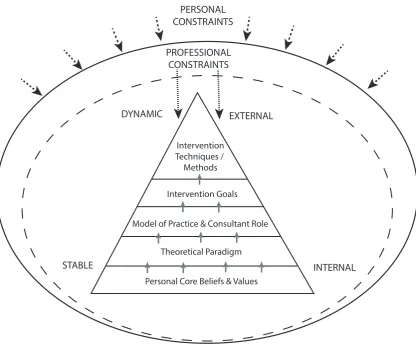
Figure 2 provides an update to Poczwardowski, Sherman & Ravizza’s
(2004) framework, and offers a more interactional perspective of the process of
developing a more congruent philosophy of practice.
STABLE
Personal Core Beliefs & Values
INTERNAL EXTERNAL
DYNAMIC
Theoretical Paradigm Model of Practice & Consultant Role
Intervention Goals Intervention Techniques /
Methods PROFESSIONAL
[image:34.595.99.516.316.661.2]CONSTRAINTS PERSONAL CONSTRAINTS
Despite this need to explore our personal philosophy, neophyte
practitioners, fuelled by their romanticized views of professional sport, and their
need to earn a living, will typically gravitate towards learning single, simplistic
methods which they believe can be applied across all contexts (e.g., Lindsay et al.,
2005). Whilst such approaches should not be discouraged, they should perhaps
be set within the wider context of attempting to develop as a more rounded
practitioner. Ensuring that neophyte practitioners have access to simple tools
and frameworks to utilize will aid in reducing the common anxieties that they
experience. However, the misplaced certainty that comes with such approaches
can potentially restrict their development over the longer-term. Ensuring that
practitioners remain mindful of the “longer game”, whilst engaging in the “here
and now” is critical to their development as effective practitioners.
As intimated above, I believe that exploring our own personal
professional philosophy is critical to development as an effective applied
practitioner (Lindsay et al., 2007). The process of actively considering ones own
beliefs and values with regard to human beings, behavior, sport and our role as
practitioners is central to developing a rich discipline. Such exploration may
serve to identify innovative approaches from other areas of psychology, or
potential other disciplines (e.g., anthropology, design, art, management,
architecture). Approaches developed by exploring these different domains will
potentially contrast with the dominant world view of the discipline at that time.
This contrast should be encouraged if the discipline is to continue to meet the
evolving demands of elite sport. Identifying such approaches (e.g., Lindsay, et al.,
2010; Lindsay et al., 2014) may serve to move both the discipline and the
Aiding a neophyte practitioner in exploring their initial philosophy of
practice may be further enhanced by supervisors trained in the discipline of
philosophy itself. Supervisors who are aware of the philosophical rabbit holes
that practitioners (both junior and senior alike) and researchers can
unknowingly fall into, may be better placed to help neophyte practitioners to
explore their own beliefs and values. Likewise, understanding the impact of our
language on our worldview, as per the seminal work of Wittgenstein, would also
enhance the early supervisory experiences of practitioners, challenging them to
see behind the models and frameworks, exploring and describing the
phenomena we seek to understand.
As a practitioner, and evidenced within the series of papers contained
within this submission, I believe we each have a responsibility to make our work
accessible and understandable to a wide range of individuals. This may involve
working within the media (e.g., Lindsay & Thomas, 2014) or helping to embed
psychological principles into the day-to-day practice of other sport scientists or
coaches (Lindsay, 2014). Integrating and collaborating as a discipline, in spite of
professional anxieties and personal foibles, can at times lead to some initial
anxieties and challenges, but ultimately allows us to have far a greater impact on
those that we serve.
Whilst we should explore our own personal philosophies, I have also
come to believe that neophyte practitioners, like their supervisors, would also
benefit from an awareness and training in philosophy as a discipline. Exploring
the works of individuals such as Ludwig Wittgenstein may lead to more
fundamental questions being asked of the discipline, ultimately placing future
being central to the development of sport psychologists, we run the risk of
getting caught in “language games”, viewing our world through the limiting
“pictures” that hold our thinking captive (Lindsay, et al., 2014).
Research methods, such as those utilized across the six publications, may
also serve practitioner-researchers in describing their experiences. Such
intimate and reflective accounts can not only aid in developing more
self-aware practitioners, but also more accessible and relevant research. Until more
practitioner-researchers are willing to share such accounts, we may find the
distance between research and practice continues to grow.
In conclusion, the development of the discipline of applied sport
psychology rests upon the development of the practitioners and researchers
within it. Whilst previous literature has explored the development of the
neophyte practitioner, little attention has been given to practitioner maturation
and the longitudinal development of applied practitioners. How practitioners
develop over extended periods of time, questioning their conceptual, theoretical,
professional and personal worlds should be of great interest to those focused on
the development of the discipline as a whole. Through a greater understanding
of the journey from “lay helper” to “senior practitioner” those responsible for the
development of the next generation of practitioners may question current
practices.
Such knowledge may serve to forwarn and forearm practitioners and
supervisors alike to some of the obstacles and “bumps in the road” that they will
inevitably experience. It may also provide comfort to those applied practitioners
currently experiencing confusion and frustration within their practice, helping
BIBLIOGRAPHY
Adams, M.V. (1997). Metaphors in psychoanalytic theory and therapy. Clinical Social
Work Journal, 25, 27–39.
Ammereller, E & Fischer, E. (2004). Wittgenstein at work: Method in the
‘philosophical investigations’. London: Routledge.
Andersen, M.B. (2000). Some basic questions about service. In M.B. Andersen (Ed.),
Doing sport psychology (pp. xiii-xvii). Leeds, UK: Human Kinetics.
Andersen, M.B. (2005). ‘Yeah, I work with Beckham’: Issues of confidentiality, privacy
and privilege in sport psychology service delivery. Sport & Exercise Psychology
Review, 1, 5-13.
Andersen, M.B. (2014). The (sport) psychologist in spite of himself. In P. McCarthy &
M. Jones (Eds.), Becoming a Sport Psychologist. (pp. 87-95). London: Routledge.
Andersen, M.B. & Speed, H. (2011). The practitioner and client as storytellers:
Metaphors and folktales in applied sport psychology practice. In D. Gilbourne & M.B.
Andersen (Eds.), Critical essays in applied sport psychology (pp.87–104). Champaign,
IL: Human Kinetics.
Anderson, A.G., Knowles, Z., & Gilbourne, D. (2004). Reflective practice for sport
psychologists: Concepts, models, practical implications, and thoughts on
dissemination. The Sport Psychologist, 18, 188-203.
Anderson, A.G., Miles, A., Mahoney, C., & and Robinson, P. (2002). Evaluating the
effective- ness of applied sport psychology practice: making the case for a case study
Anderson, M., Van Raalte, J., & Brewer, B. (2001). Sport psychology service delivery:
Staying ethical while keeping loose. Professional psychology: Research and Practice,
32, 12-18. doi: 10.1037//0735-7028.32.1.12
Anzul, M., Downing, M., Ely, M., & Vinz, R. (1997). On writing qualitative research:
Living by words. London: Falmer Press.
Association for Applied Sport Psychology. (2012). Standard application form:
Certified consultant. Retrieved from:
http://www.appliedsportpsych.org/Consultants/become- certified
Bar-Eli, M. (1991). On use of paradoxical interventions in counseling and coaching in
sport. The Sport Psychologist, 5, 61–72.
Barber, T.X. (2000). A deeper understanding of hypnosis: Its secrets, its nature, its
essence. American Journal of Clinical Hypnosis, 42, 208-272.
Barlow, D.H., & Hersen, M. (1984). Single case experimental designs: Strategies for
studying behavior change. New York: Pergamon Press.
Bateson, G. (1972). Steps to an ecology on mind: Collected essays in anthropology,
psychiatry, evolution, and epistemology. New Jersey: Jason Aronson
Bateson, G. (1979). Mind and nature: A necessary unit. New York: E.P. Dutton.
Bateson, G., Jackson, D.D., Haley, J. & Weakland, J. (1956). Toward a theory of
schizophrenia. Behavioral Science, 1, 251–264.
Battino, R. (2002). Metaphoria: Metaphor and Guided Metaphor for Psychotherapy
Bellg, A.J., Resnick, B., Minicucci, D.S., Obedegbe, G., Ernst, D., Borrelli, B., et al.
(2004). Enhancing treatment fidelity in health behavior change studies: best
practices and recommendations from the NIH behavior change consortium. Health
Psychology, 23, 443-451.
Bennett, M.R. & Hacker, P.M.S. (2003). Philosophical foundations of neuroscience.
United Kingdom: Blackwell.
Biddle, S. (2005). Talking to the press: A risk worth taking? Sport & Exercise
Psychology Review, 1, 47.
Biddle, S.J.H., Markland, D., Gilbourne, D., Chatzisarantis, N.L.D. & Sparkes, A.C.
(2001). Research methods in sport and exercise psychology: Quantitative and
qualitative issues. Journal of Sport Sciences, 19, 777–809.
Blair, D. (2006). Wittgenstein, language and information: ‘Back to the rough
ground!’. Netherlands: Springer.
Bond, J.W. (2002). Applied sport psychology: philosophy, reflections, and experience.
International Journal of Sport Psychology, 33, 19-37.
British Association of Sport and Exercise Sciences. (2009). Supervised Experience
Guidelines. Retrieved from: http://www.bases.org.uk/Supervised-Experience
British Psychological Association. (2011). Qualification in Sport and Exercise
Psychology (Stage two): Candidate Handbook. Retrieved from:
http://www.bps.org.uk/sites/default/files/documents/qsep_candidate_handbook_st
Bull, S., Albinson, J.G., & Shambrook, C.J. (1996). The Mental game plan: Getting
psyched for sport. Eastbourne, UK: Sport Dynamics.
Butler, R.J., & Hardy, L. (1992). The performance profile: theory and application. The
Sport Psychologist, 6, 253-264.
Carless, D. (2012) Negotiating sexuality and masculinity in school sport: An
autoethnography. Sport, Education and Society, 17, 607-625. doi:
10.1080/13573322.2011.554536
Carless, D., & Douglas, K. (2009). ‘We haven’t got a seat on the bus for you’ or ‘all the
seats are mine’: Narratives and career transition in professional golf. Qualitative
Research in Sport and Exercise, 1, 51-66. doi: 10.1080/19398440802567949
Carron, A.V. & Brawley, L.R. (2012). Cohesion: Conceptual and measurement issues.
Small Group Research, 43, 726–743.
Caulley, D.N. (2008). Making qualitative research reports less boring: The techniques
of writing creative nonfiction. Qualitative Inquiry, 14, 424-449.
Cavell, M. (1996). The psychoanalytic mind: From Freud to philosophy. United States:
Harvard University Press.
Cheng, W-N.K., Hardy, L. & Markland, D. (2009) Toward a three-dimensional
conceptualisation of performance anxiety: Rationale and initial measurement
development. Psychology of Sport and Exercise, 10, 271–278.
Collins, R., Evans-Jones, K. & O'Connor, H. (2013). Reflections on three neophyte
sport and exercise psychologists developing philosophies of practice. The sport
Corlett, J. (1996). Sophistry, Socrates, and sport psychology. The Sport Psychologist,
10, 84-94.
Crawford, H.J., Clarke, S.W., & Kitner-Triolo, M. (1996). Self-generated happy and sad
emo- tions in low and highly hypnotizable persons during waking and hypnosis:
Laterality and regional EEG activity differences. International Journal of
Psychophysiology, 24, 239-266.
Csikszentmihalyi, M. (1975). Beyond boredom and anxiety. San Francisco:
Jossey-Bass. Csikszentmihalyi, M. (1990). Flow: The psychology of optimal experience. New
York:
Davies, G. A. (2012, August). British boxing on the rise as Olympians Anthony Joshua,
Luke Campbell and Nicola Adams have science on their side. Retrieved from:
http://www.telegraph.co.uk/sport/olympics/boxing/9473365/British-boxing-on-the-
rise-as-Olympians-Anthony-Joshua-Luke-Campbell-and-Nicola-Adams-have-science-
on-their-side.html
Denzin, N.K. and Lincoln, Y.S., 2011. Part II: paradigms and perspectives in
contention. In: N.K. Denzin and Y.S. Lincoln, eds. Handbook of qualitative research.
4th ed. Thousand Oaks, CA: Sage, 91–96.
de Shazer, S. (1985). Keys to solution in brief therapy. New York: W.W. Norton & Co.
de Shazer, S. (1988). Clues: Investigating solutions in brief therapy. New York: W.W.
Norton & Co.
de Shazer, S., Dolan, Y., Korman, H., Trepper, T., McCollum, E. & Berg, I.K. (2007).
More than miracles: The state of the art of solution-focused brief therapy. London:
Routledge.
Dunnette, M.D., (1966). Fads, fashions, and folderol in psychology. American
Psychologist, 21, 343–352.
Edmonston, W.E., Jr. (1986). The induction of hypnosis. New York: John Wiley.
Elliot, A.J. & Fryer, J.W. (2008). The goal construct in psychology. In J. Shah & W.
Gardner (Eds.), Handbook of motivational science (pp.235–250). New York: Guilford
Press.
Ellis, C. (2004). The ethnographic I: A methodological novel about autoethnography.
Walnut Creek, CA: AltaMira Press.
Ellis, C., & Bochner, A.P. (2000). Autoethnography, personal narrative, relfexivity:
Researcher as subject. In N.K. Denzin & Y.S. Lincoln (Eds.), Handbook of qualitative
research (2nd ed., pp. 733-802). London: Sage.
Ellis, C., & Ellingson, L. (2000). Qualitative methods. In E. Borgatta & R. Montgomery
(Eds.), Encyclopedia of sociology (pp. 2287-2296). New York: Macmillan.
Ellis, C., Adams, T.E., & Bochner, A.P. (2011). Autoethnography: An Overview.
Historical Social Research, 36, 273-290.
Eynon, T. (2001). Metaphor: The impossible translation? British Journal of
Psychotherapy, 17, 353–364.
Faulkner, G., & Finlay, S.J. (2005). Talking to the press: III. Something worth
Fischer, E. (2011). How to practise philosophy as therapy: Philosophical therapy and
therapeutic philosophy. Metaphilosophy, 42(1–2), 49–82.
Fishman, D.B. (1999). The case for pragmatic psychology. London: New York
University Press.
Fletcher, D., Rumbold, J.L., Tester, R., & Coombes, M.S. (2011). Sport psychologists’
experiences of organizational stressors. The Sport Psychologist, 25, 363-381.
Flintoff, F. (2011). Freddie Flintoff: The hidden side of sport. [Television series
episode]. In J. Loach (Director) & G. Turner (Executive Producer). London: British
Broadcasting Corporation. Retreived from:
http://www.bbc.co.uk/programmes/b019gbpk
Gallwey, W.T. (1974). The inner game of tennis. New York: Random House.
Gauld, A. (1992). A history of hypnotism. New York: Cambridge University Press.
Giacobbi, P.R., Poczwardowski, A. & Hager, P. (2005). A pragmatic research
philosophy for applied sport psychology. The Sport Psychologist, 19, 18–31.
Gibbs, G. (1988). Learning by doing: A guide to teaching and learning methods.
Oxford, UK: Oxford Brookes University.
Giges, B., & Petitpas, A. (2000). Brief contact interventions in sport psychology. The
Sport Psychologist, 14, 176–187.
Gilbourne, D. (2002). Sports participation, sports injury and altered images of self: An
Gilbourne, D. (2006). Reflecting on the reflections of others: Support and critique in
equal measure. The Sport and Exercise Psychology Review, 2, 49-54.
Gilbourne, D., & Richardson, D. (2006). Tales from the field: Personal reflections on
the provision of psychological support in professional soccer. Psychology of Sport
and Exercise, 7, 325-337.
Gilbourne, D., & Richardson,, D. (2006). Tales from the field: Personal reflections on
the provision of psychological support in professional soccer. Psychology of Sport &
Exercise, 7, 325-337. doi: 10.1016/j.psychsport.2005.04.004
Gould, D., Greenleaf, C., Chung, Y.C., & Guinan, D. (2002). A survey of US Atlanta and
Nagano Olympians: Variables perceived to influence performance. Research
Quarterly for Exercise and Sport, 73, 175-186. doi:
10.1080/02701367.2002.10609006
Gould, D., Greenleaf, C., Guinan, Y., Dieffenbach, K., & McCann, S. (2001). Pursuing
performance excellence: Lessons learned form Olympic athletes and coaches.
Journal of Excellence, 4, 21-43.
Gould, D., Guinan, D., Greenleaf, C., & Chung, Y.C. (2002). A survey of U.S. Olympic
coaches: Variables perceived to have influenced athlete performances and coach
effectiveness. The Sport Psychologist, 16, 229-250.
Gould, D., Guinan, D., Greenleaf, C., Medbery, R., & Peterson, K. (1999). Factors
affecting Olympic performance: Perceptions of athletes and coaches from more and
Grange, P., Kerr, J.H. (2010). Physical aggression in Australian football: A qualitative
study of elite athletes. Psychology of Sport & Exercise, 11, 36–43.
Greenleaf, C., Gould, D., & Dieffenbach, K. (2001). Factors influencing Olympic
performance: Interviews with Atlanta and Nagano US Olympians. Journal of Applied
Sport Psychology, 13, 154-184. doi: 10.1080/104132001753149874
Grove, J.R., & Lewis, M.A.E. (1996). Hypnotic susceptibility and the attainment of
flowlike states during exercise. Journal of Sport and Exercise Psychology, 18,
380-391.
Hacker, P.M.S. (2007). The relevance of Wittgenstein’s philosophy of psychology to
the psychological sciences. Forthcoming in Proceedings of the Leipzig Conferences on
Wittgenstein and Science 2007, http://info.sjc.ox.ac.uk/scr/hacker/RecentPapers.
html
Hanin Y.L. & Stambulova, N.B. (2002). Metaphoric description of performance states:
An application of the IZOF model. The Sport Psychologist, 16, 396–415.
Hanin, Y.L. (Ed.). (2000). Emotions in sport. Champaign, IL: Human Kinetics.
Hanin,Y.L., & Stambulova,N.B.(2002).Metaphoric description of performance states:
An application of the IZOF model. The Sport Psychologist, 16, 396–415.
Hanrahan, C., & Vergeer, I. (2000). Imagery content: could dancers’ images inspire
athletes? Journal of Sports Sciences, 21, 364.
Hanton, S., Thomas, O., & Mellalieu, S.D. (2009). Management of competitive stress
in elite sport. In B. Brewer (Ed.), International Olympic Committee sport psychology
Harding, S., 1991. Whose science? Whose knowledge? Ithaca, NY: Cornell University
Press.
Hardy, L., Bell, J., & Beattie, S. (2013). A Neuropsychological Model of Mentally
Tough Behavior. Journal of Personality, 82(1):69-81. doi: 10.1111/jopy.12034
Harper and Row. Edgette, J., & Rowan, T. (2003). Winning the mind game: Using
hypnosis in sport psychology. Carmarthan, Wales: Crown House Publishing.
Harter, S. (2002). Authenticity. In C.R. Snyder & S.J. Lopez (Eds.), The handbook of
positive psychology (pp. 382-394). Oxford: Oxford University Press.
Hatfield, G. (2002). Psychology, philosophy, and cognitive science: Reflections on the
history and philosophy of experimental psychology. Mind & Language, 17(3), 207–
232.
Heaton, J.M. (2010). The talking cure: Wittgenstein’s therapeutic method for
psychotherapy. United Kingdom: Palgrave Macmillan.
Hemmings, B. (2014). It took me 10 years to become an overnight success. In P.
McCarthy & M. Jones (Eds.), Becoming a Sport Psychologist. (pp. 158-165). London:
Routledge.
Høigaard, R., & Johansen, B.T. (2004). The solution-focused approach in sport
psychology. The Sport Psychologist, 18, 218–228.
Holt, N.L., & Strean, W.B. (2001). Reflecting on initiating sport psychology
consultation: A self-narrative of neophyte practice. The Sport Psychologist, 15,
188-204.